Discovering the 15 creepiest animals that come out only at night reveals a mysterious world that thrives long after the sun sets over the horizon. These unique nocturnal species have evolved specialized traits to navigate the darkness and hunt for prey while most other creatures are sleeping peacefully in their nests. From the glowing eyes of predators to the silent flight of insects, the night remains a busy and often unsettling environment for the unprepared traveler. Understanding these fascinating animals helps people appreciate the diversity of life on earth and the complex ecosystems that function during the quiet and dark hours.
The Aye-Aye
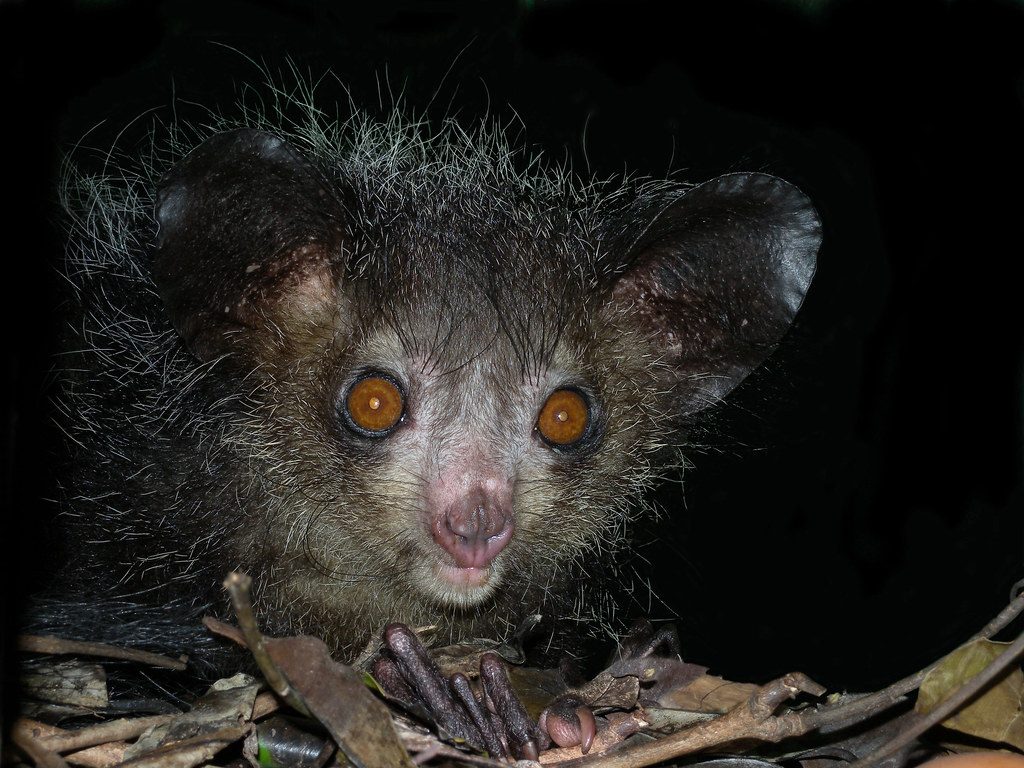
The Aye-Aye is a rare lemur from the island of Madagascar that possesses a very long and thin middle finger for finding food. This strange primate uses its unique digit to tap on tree trunks and listen for the sound of hollow spaces where tasty grubs might be hiding inside. Many local legends consider this animal to be a bad omen because of its large, glowing eyes and bizarre skeletal appearance in the dark. While it looks quite frightening to some people, the creature is actually a gentle forager that plays a vital role in maintaining the health of the tropics.
The Giant Isopod
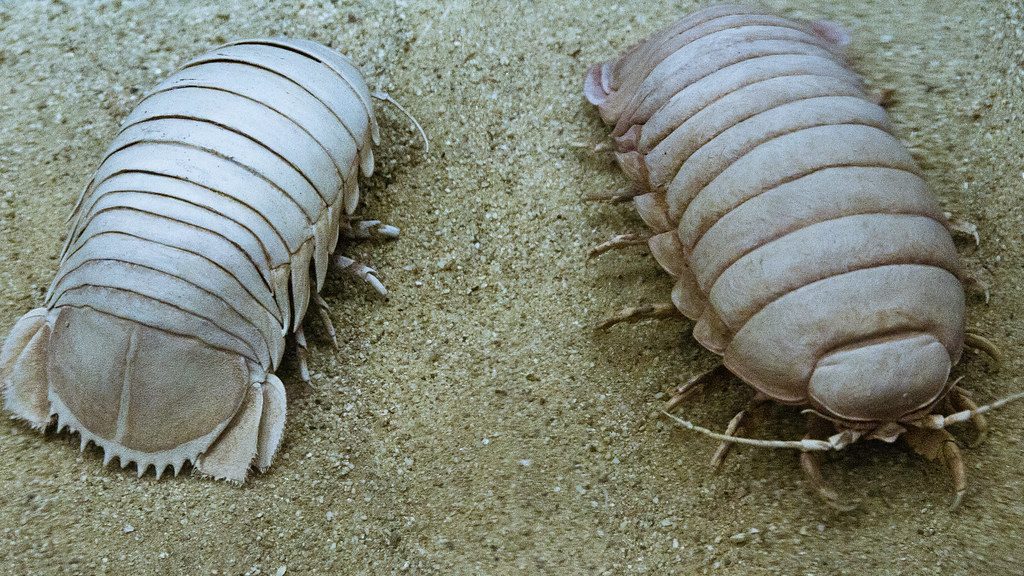
The Giant Isopod lives in the deep and cold waters of the ocean, where very little light ever reaches the sandy bottom. This massive crustacean resembles a giant pill bug and can grow to be over a foot long while scavenging for various types of sunken debris. Its many legs and armored shell give it a prehistoric look that often unsettles divers who encounter it during a night dive in the sea. These scavengers survive for long periods without food and move slowly across the seafloor while searching for a rare meal in the total and absolute blackness.
The Goliath Birdeater
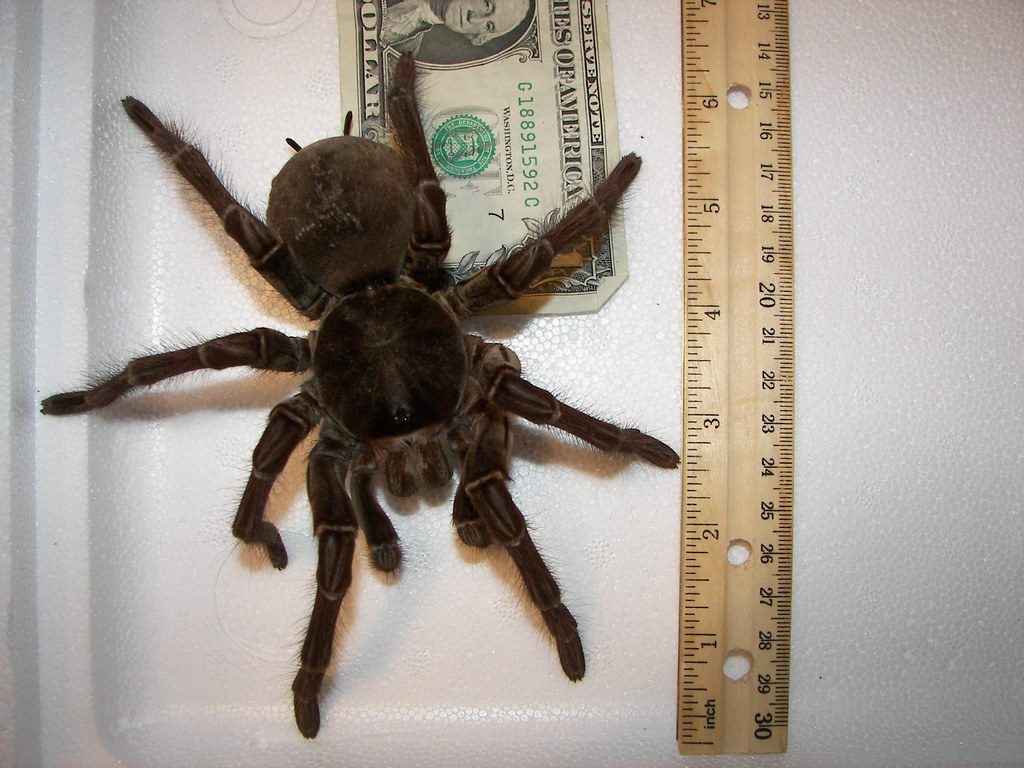
The Goliath Birdeater is one of the largest spiders in the world and emerges from its silk-lined burrow only after darkness falls. This massive tarantula possesses thick, hairy legs and large fangs that can deliver a painful bite to any unsuspecting prey it encounters on the floor. While it rarely eats birds, as its name suggests, it frequently hunts for large insects and small frogs during the humid nights in the rainforest. The sound of its heavy legs moving across the dry leaves can be quite audible and adds to the creepy atmosphere of the dense and dark jungle.
The Naked Mole Rat
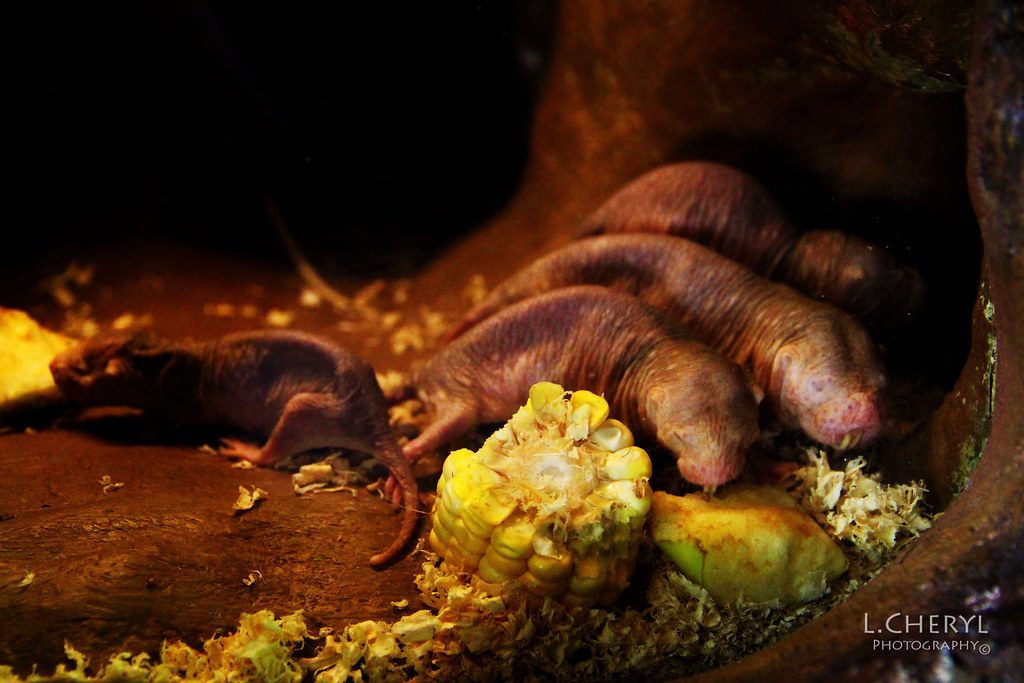
The Naked Mole Rat spends almost its entire life in underground tunnels but occasionally emerges at night to find new sources of food. These hairless rodents have wrinkled pink skin and large protruding teeth that help them navigate the soil with ease while they search for roots. Their strange appearance and ability to live in low-oxygen environments make them one of the most unusual mammals on the planet today. While they may look unsettling to the human eye, these social creatures live in complex colonies and work together to ensure the survival of their large and growing subterranean family.
The Star-Nosed Mole
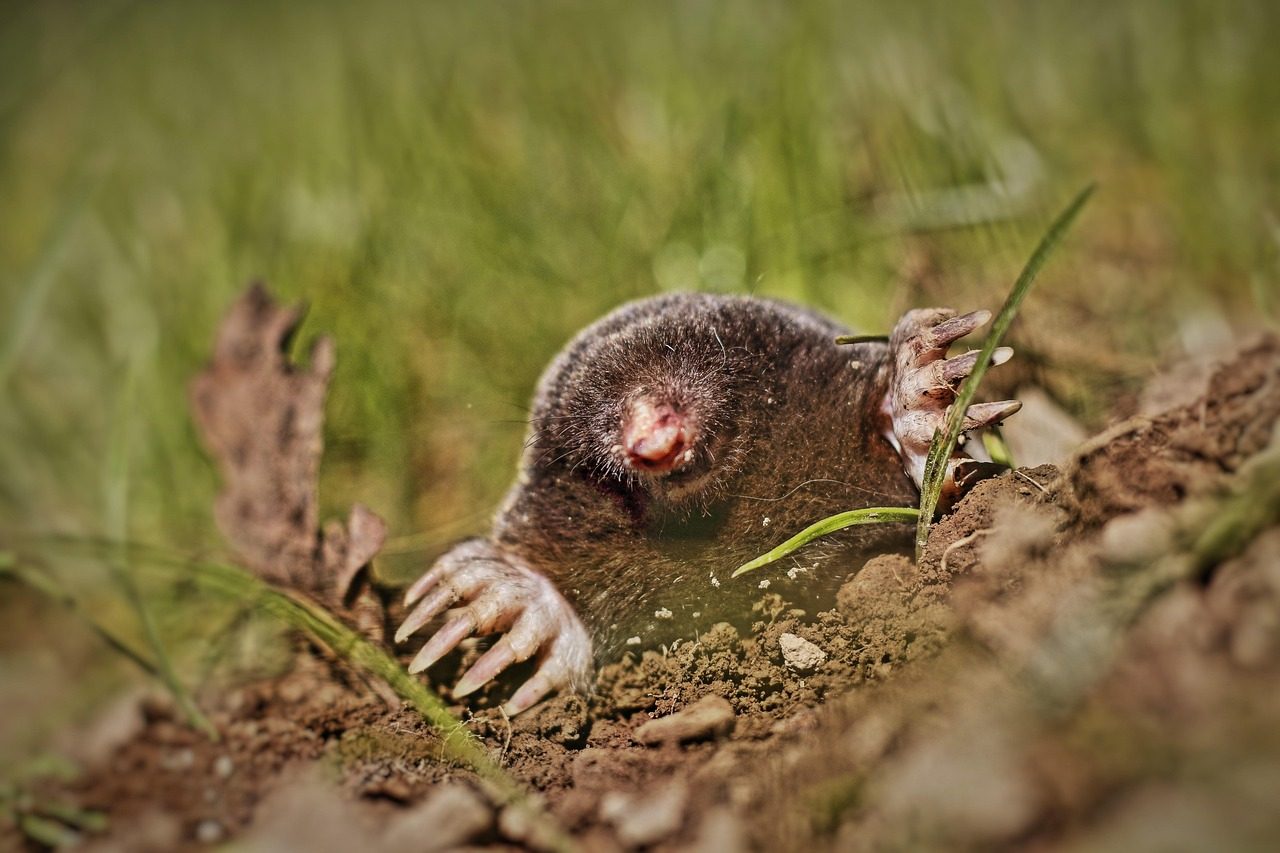
The Star-Nosed Mole possesses twenty-two pink, fleshy tentacles on its snout that act as a highly sensitive sensory organ for detecting prey. This unique mole is nearly blind and relies entirely on its sense of touch to find worms and small insects in the damp soil. It can identify and consume a meal in less than a quarter of a second, which makes it one of the fastest hunters in the animal kingdom. The bizarre appearance of its face, combined with its rapid movements in the dark, creates a very creepy and memorable sight for any lucky observer.
The Tarsier
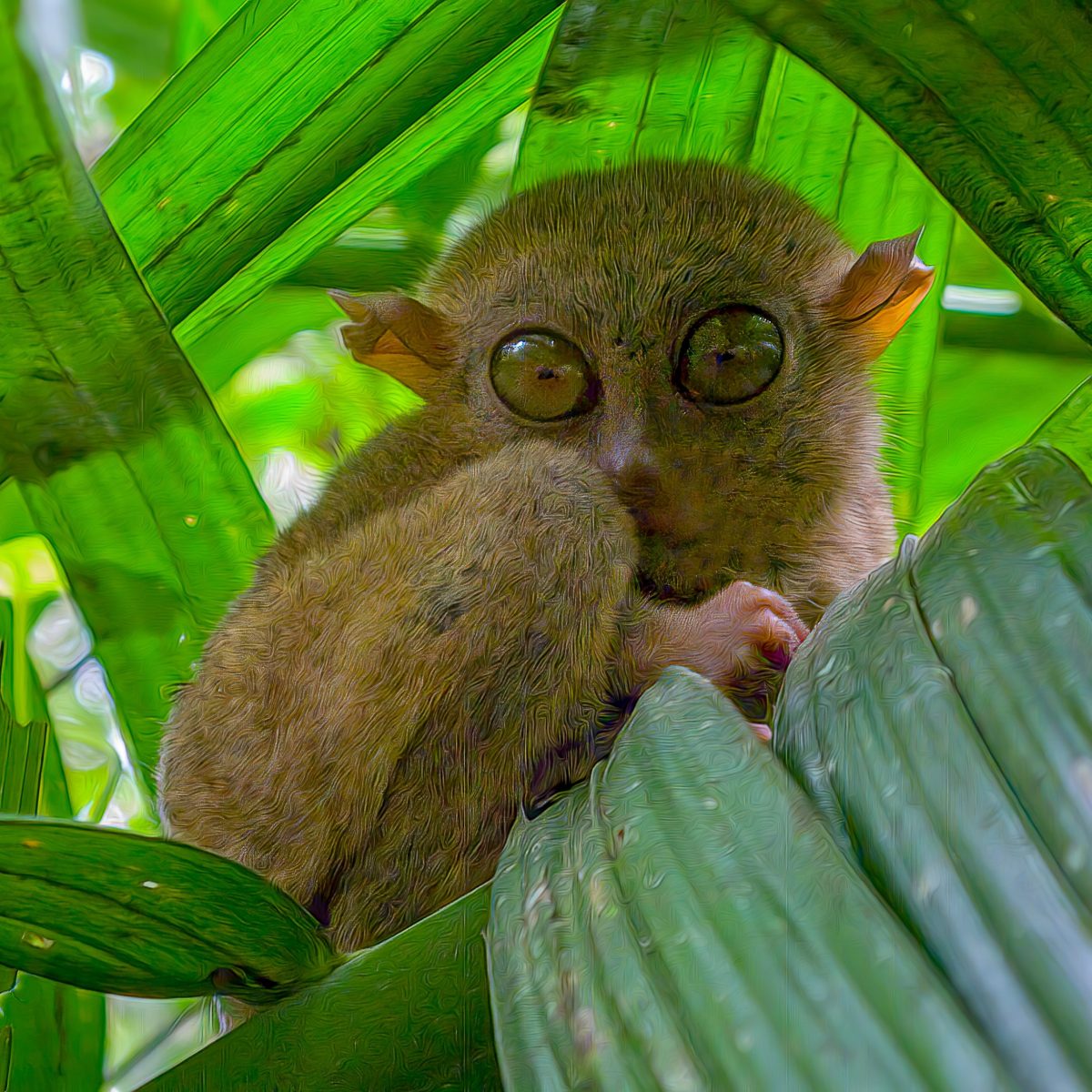
The Tarsier is a tiny primate with eyes that are each larger than its entire brain, which allows it to see perfectly in the dark. These nocturnal hunters can rotate their heads almost three hundred and sixty degrees to spot insects moving on the branches of the tropical trees. Their long fingers and toes have specialized pads that help them cling to smooth surfaces while they leap through the air with incredible precision. While they look like small aliens, their intense stare and silent movements make them a fascinating yet creepy addition to the list of animals that prefer the nighttime.
The Hagfish
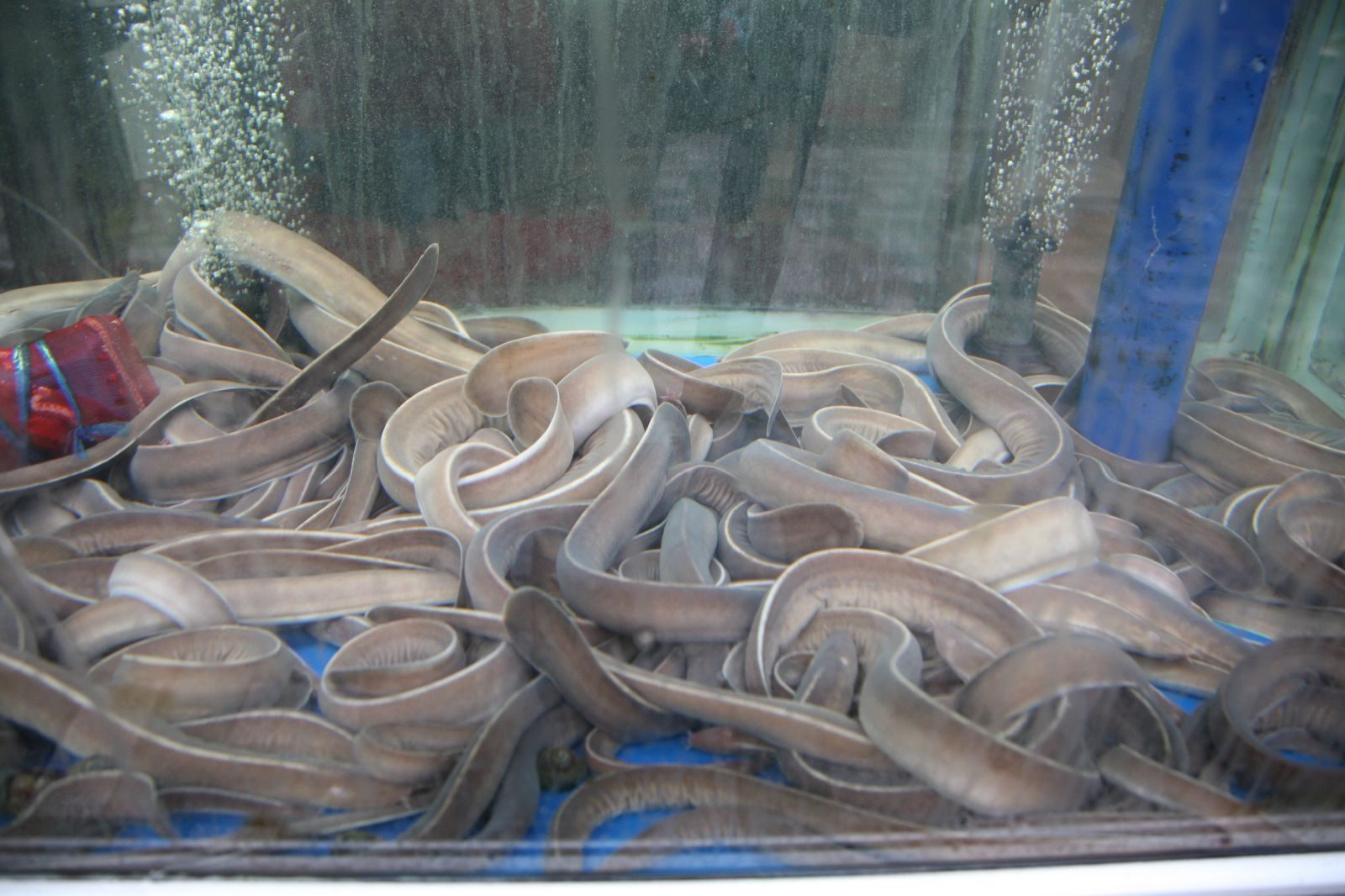
The Hagfish is a primitive eel-like creature that produces a thick and sticky slime to deter predators in the dark depths of the ocean. This unusual animal lacks a true jaw and uses its raspy tongue to scavenge on the carcasses of dead fish that fall to the bottom. Its ability to tie itself into knots to gain leverage while feeding is a bizarre behavior that few other species can replicate. The sight of a writhing hagfish covered in its own gooey mucus is enough to give even the most experienced marine biologist a sense of deep and lasting.
The Vampire Bat
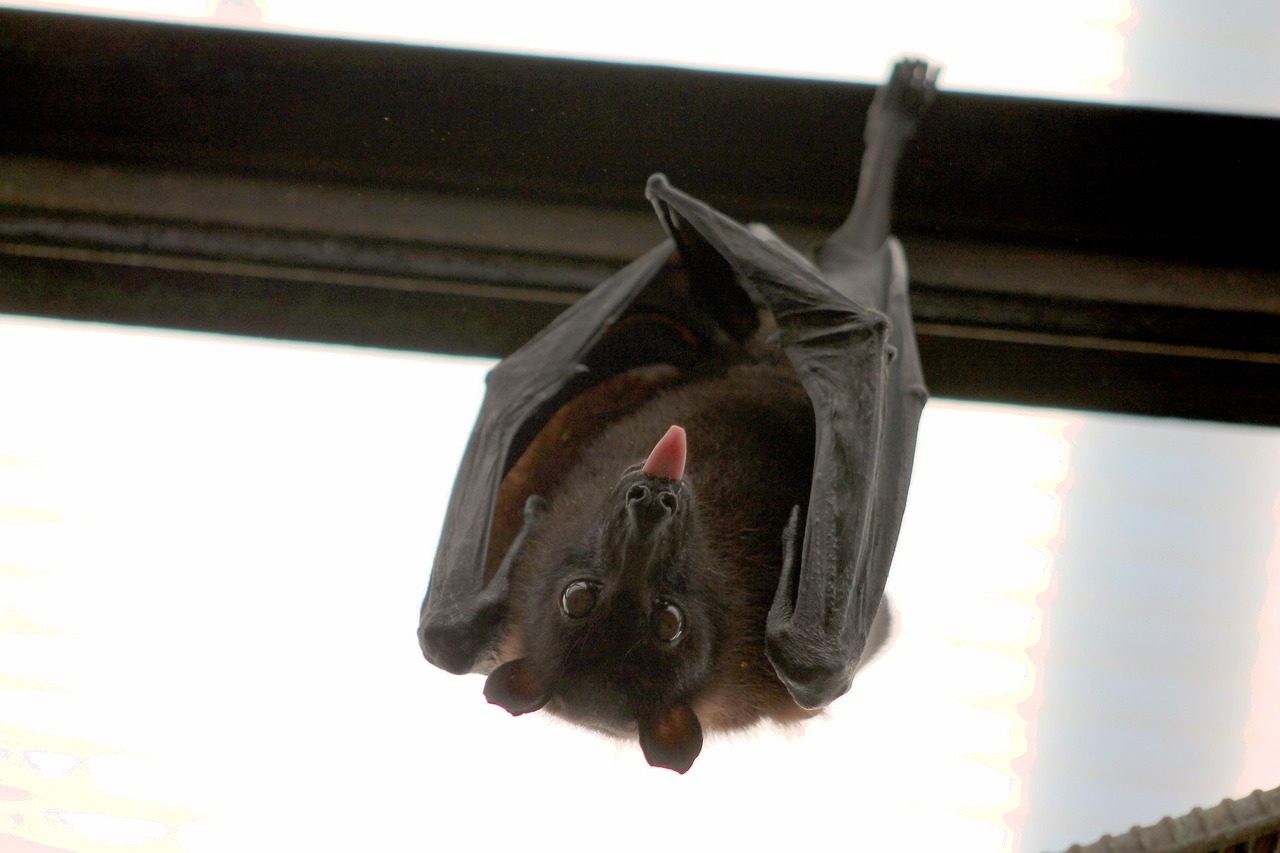
The Vampire Bat emerges from its cave at night to find sleeping livestock and consume a small amount of their blood for sustenance. These small mammals use specialized heat sensors in their noses to locate the best spot on the skin of their prey before making a tiny cut. They produce an anticoagulant in their saliva that keeps the blood flowing while they lap it up with their tongues in the quiet. While they are often associated with legends and myths, these bats are actually very social animals that share food with other members of their colony to ensure survival.
The Great Potoo
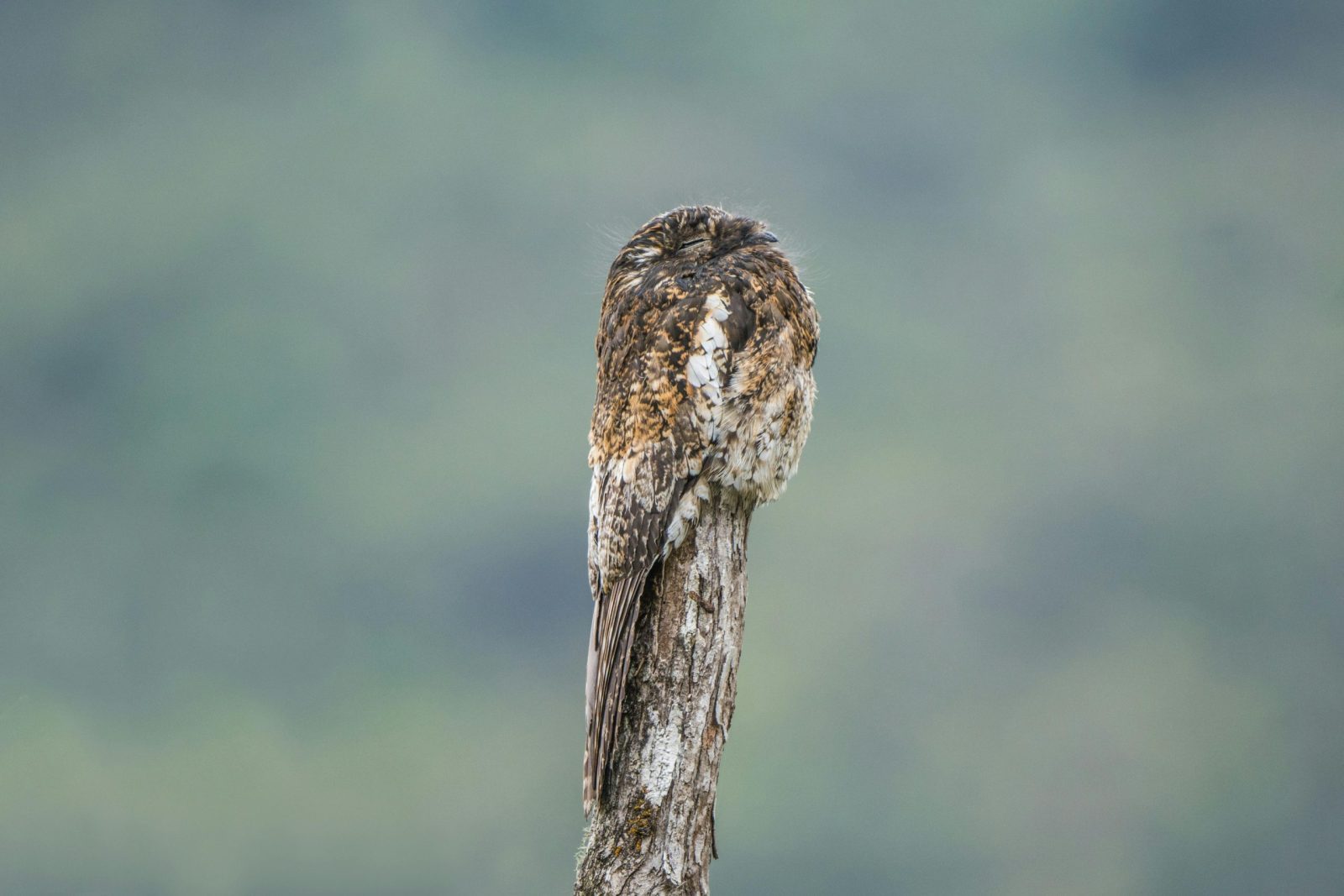
The Great Potoo is a nocturnal bird that remains perfectly still during the day while blending into the bark of a tree branch with ease. When night falls, it opens its massive mouth and large yellow eyes to hunt for large moths and beetles flying through the forest canopy. Its haunting and melancholic call can be heard from a great distance and often startles those who are walking through the woods after dark. The way it perches vertically and stares into the distance with an unblinking gaze makes it look like a creepy and mysterious statue in the moonlight.
The Whip Spider
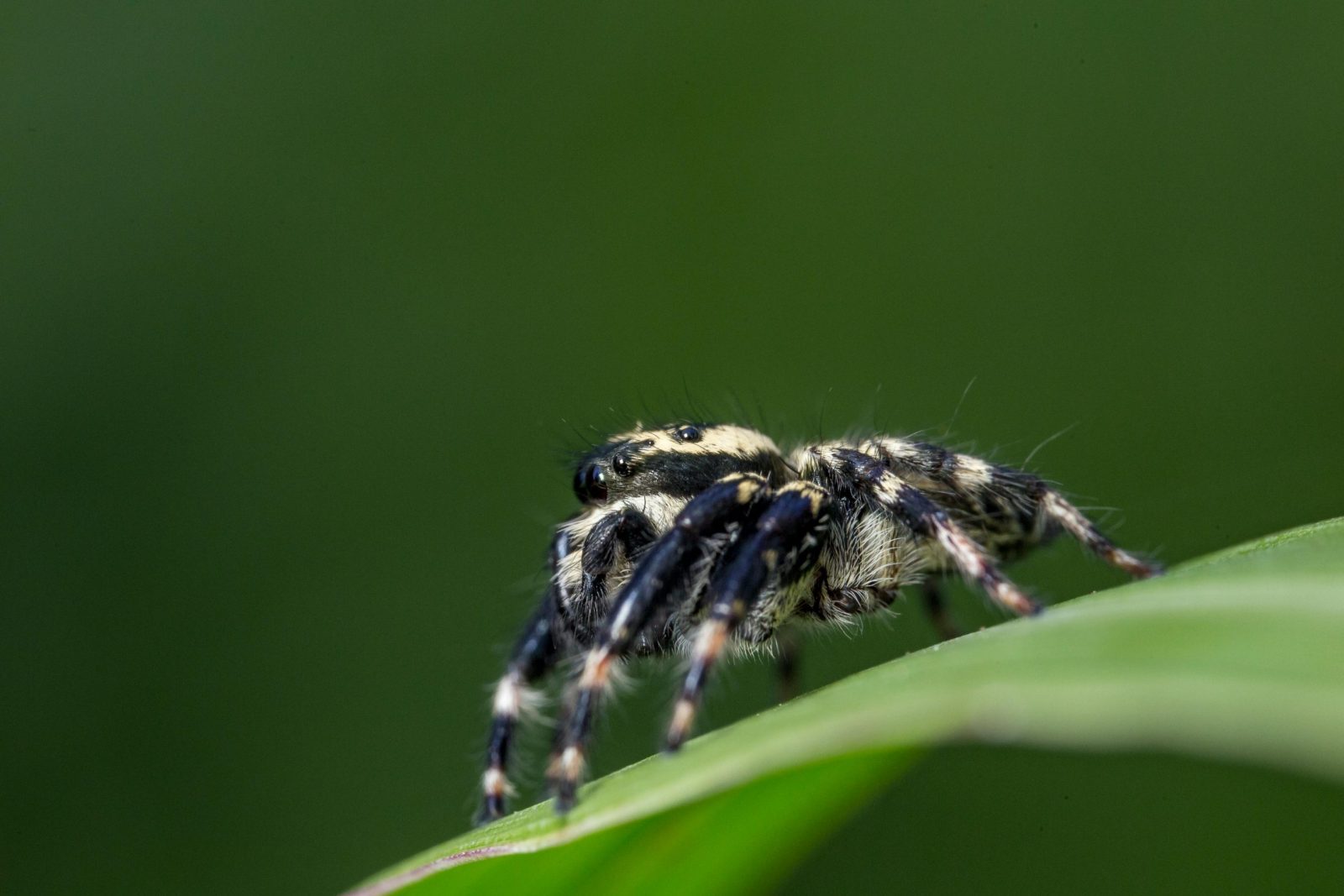
The Whip Spider is a fascinating arachnid that lacks silk glands and venom but possesses long whip-like legs for sensing its dark environment. These creatures move sideways like crabs and use their powerful pincers to grab small insects that wander too close to their hiding spots in the caves. While they look incredibly dangerous, they are actually harmless to humans and prefer to avoid any contact with large animals whenever possible. Their flat bodies allow them to squeeze into tight crevices where they remain hidden until the sun goes down and they can begin their nightly hunt for a.
The Marabou Stork
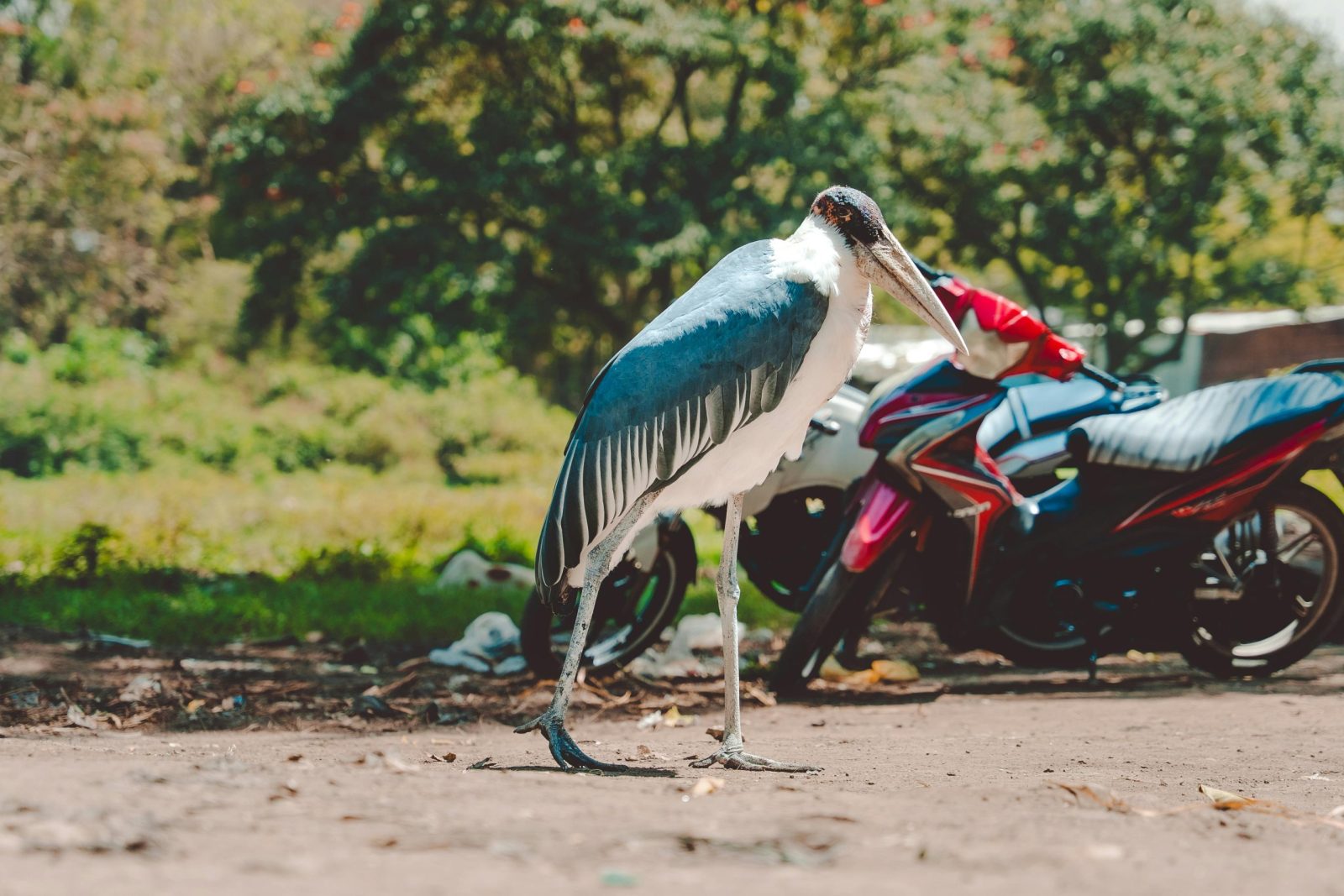
The Marabou Stork is a large wading bird often called the undertaker bird because of its dark plumage and its habit of scavenging. While it is active during the day, it often remains around carcasses into the night and uses its massive bill to defend its meal. The large inflatable throat sac and the bald head give it a very macabre appearance that many people find unsettling to witness in the wild. These birds play a vital role in cleaning up the environment by consuming decaying matter that other animals would avoid. Their presence adds a sense of mystery to.
The Lamprey
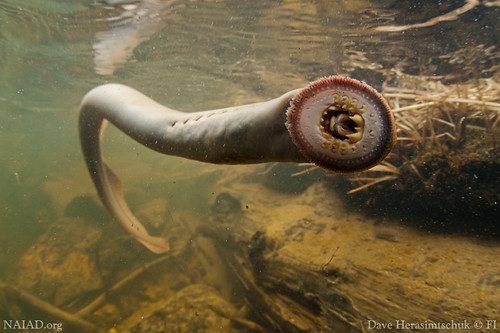
The Lamprey is an ancient parasitic fish that uses a circular mouth filled with sharp teeth to attach itself to other aquatic animals. These creatures are most active at night when they search for hosts to latch onto and feed on their bodily fluids for several days. Their primitive appearance and the way they undulate through the water make them a creepy sight for anyone swimming in freshwater streams after dark. While they are often considered a nuisance in some ecosystems, they have existed for hundreds of millions of years and represent a very successful and enduring evolutionary design.
The Hellbender Salamander
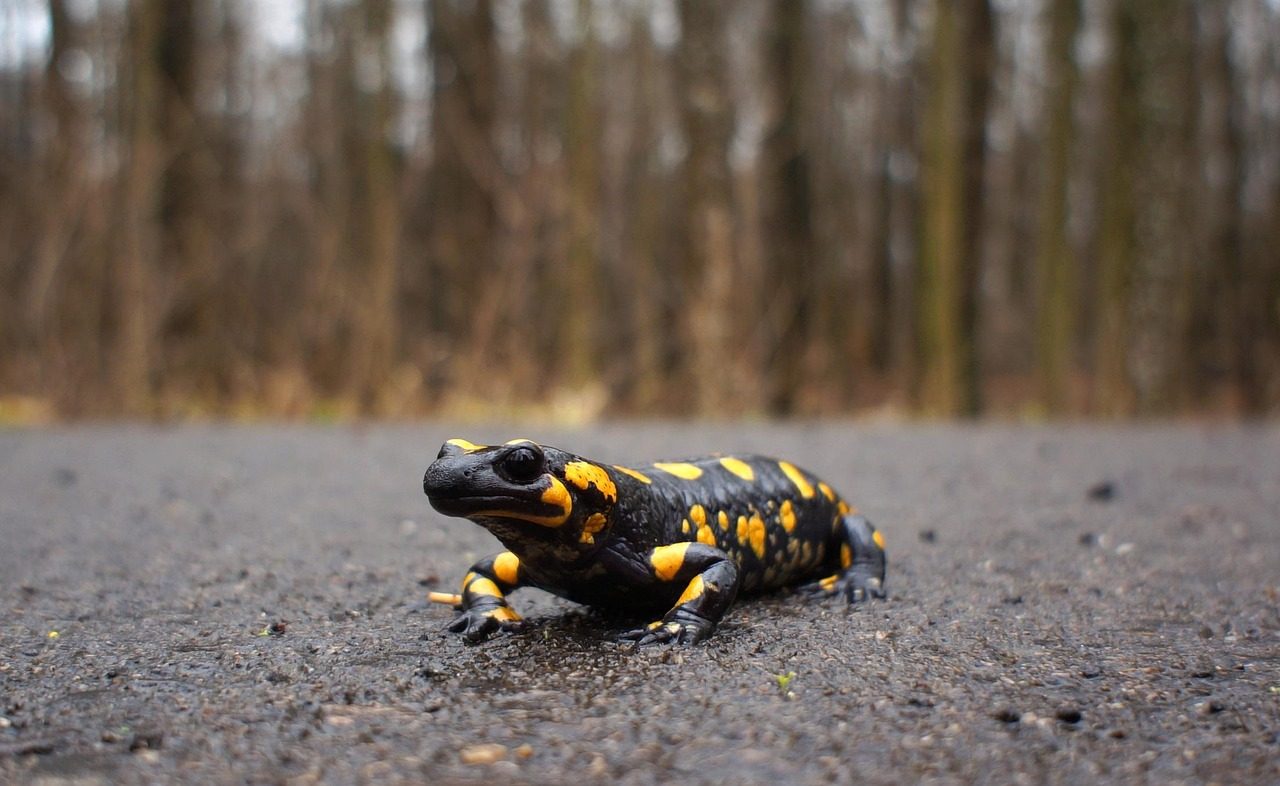
The Hellbender Salamander is a large and wrinkled amphibian that lives under rocks in cool and fast-flowing streams across the eastern United States. These nocturnal hunters emerge from their rocky shelters at night to search for crayfish and small fish along the bottom of the river. Their slimy skin and flat heads give them a very unusual look that has earned them many strange nicknames over the years. While they are a sign of good water quality, their size and their prehistoric appearance can be quite startling to encounter during a walk along a dark and misty riverbank.
The Black Swallower
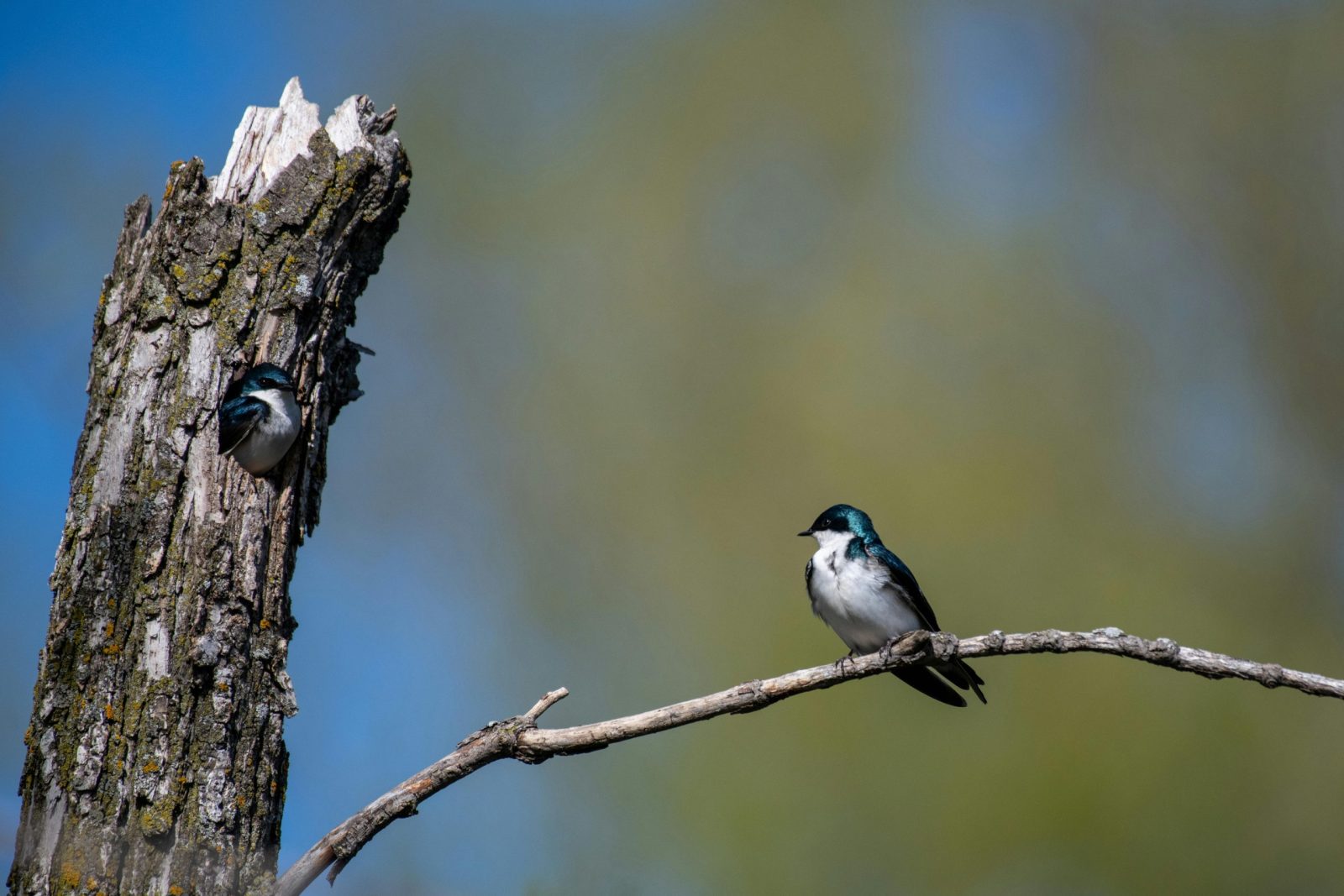
The Black Swallower is a deep-sea fish that has the incredible ability to swallow prey much larger than its own body. This creature possesses an expandable stomach that can stretch to hold a meal that is twice its length and ten times its mass. Because it lives in the midnight zone of the ocean, it has evolved to be a very efficient and opportunistic hunter in the dark. The sight of this small fish with a massive and bulging belly is a creepy reminder of the harsh and competitive nature of life in the deep and cold sea.
The Slender Loris
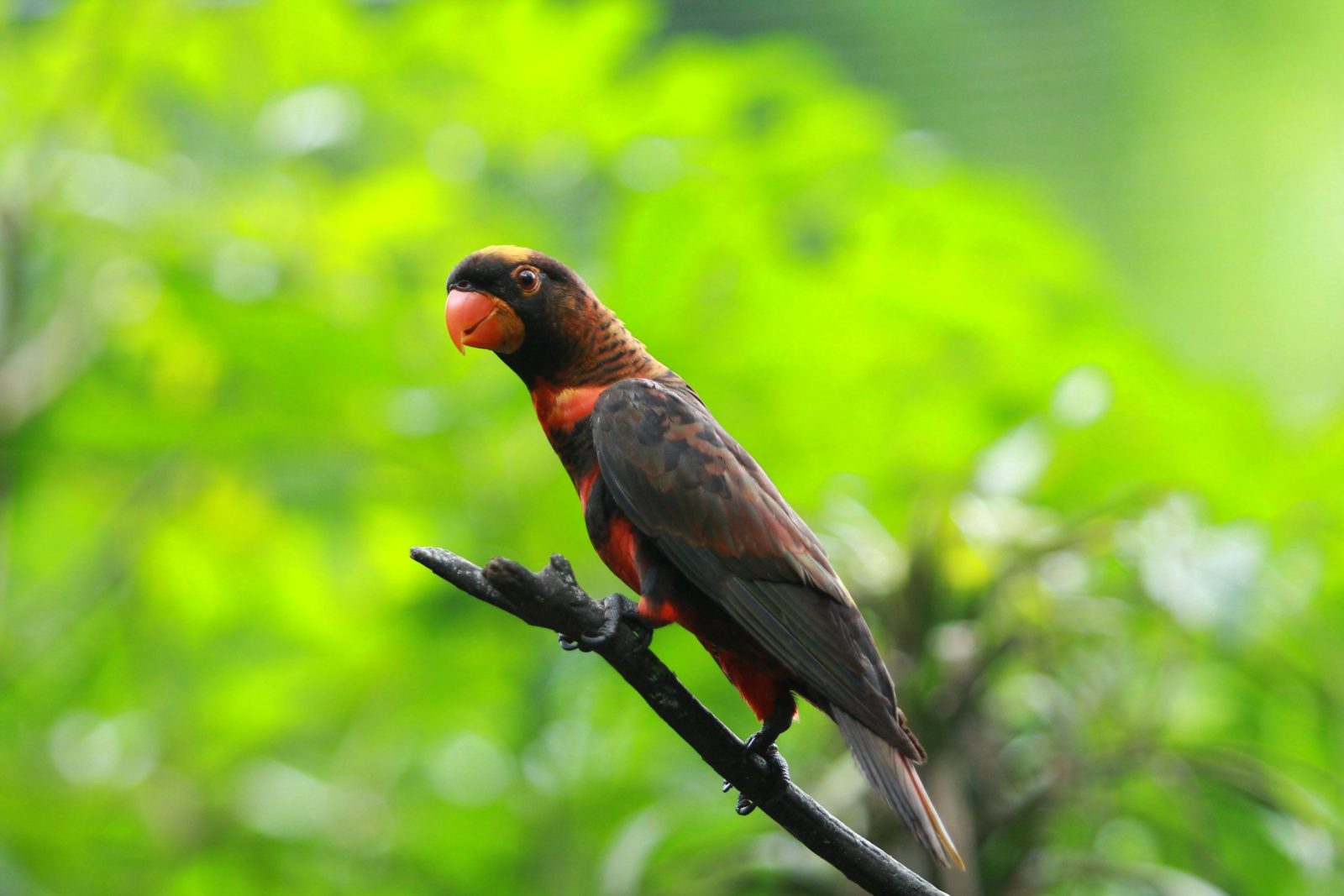
The Slender Loris is a small and nocturnal primate from the forests of India and Sri Lanka that moves with slow and deliberate precision. These animals have very thin limbs and large, round eyes that provide excellent vision for hunting insects and small lizards in the canopy. Their silent movements and the way they grasp branches with their delicate fingers make them look like tiny ghosts moving through the trees. While they are often hunted for traditional medicine, they remain an important part of the local ecosystem and a fascinating example of life that thrives in the quiet night.