Motorcycle camping offers freedom, adventure, and the thrill of the open road, but beginners often make mistakes that can turn an exciting journey into a stressful or even dangerous experience. From overpacking to poor route planning, small errors can snowball into major inconveniences. By understanding these common pitfalls, new riders can prepare smarter, ride safer, and enjoy a smoother, more comfortable camping adventure that leaves stress behind and memories intact.
1. Overpacking Gear
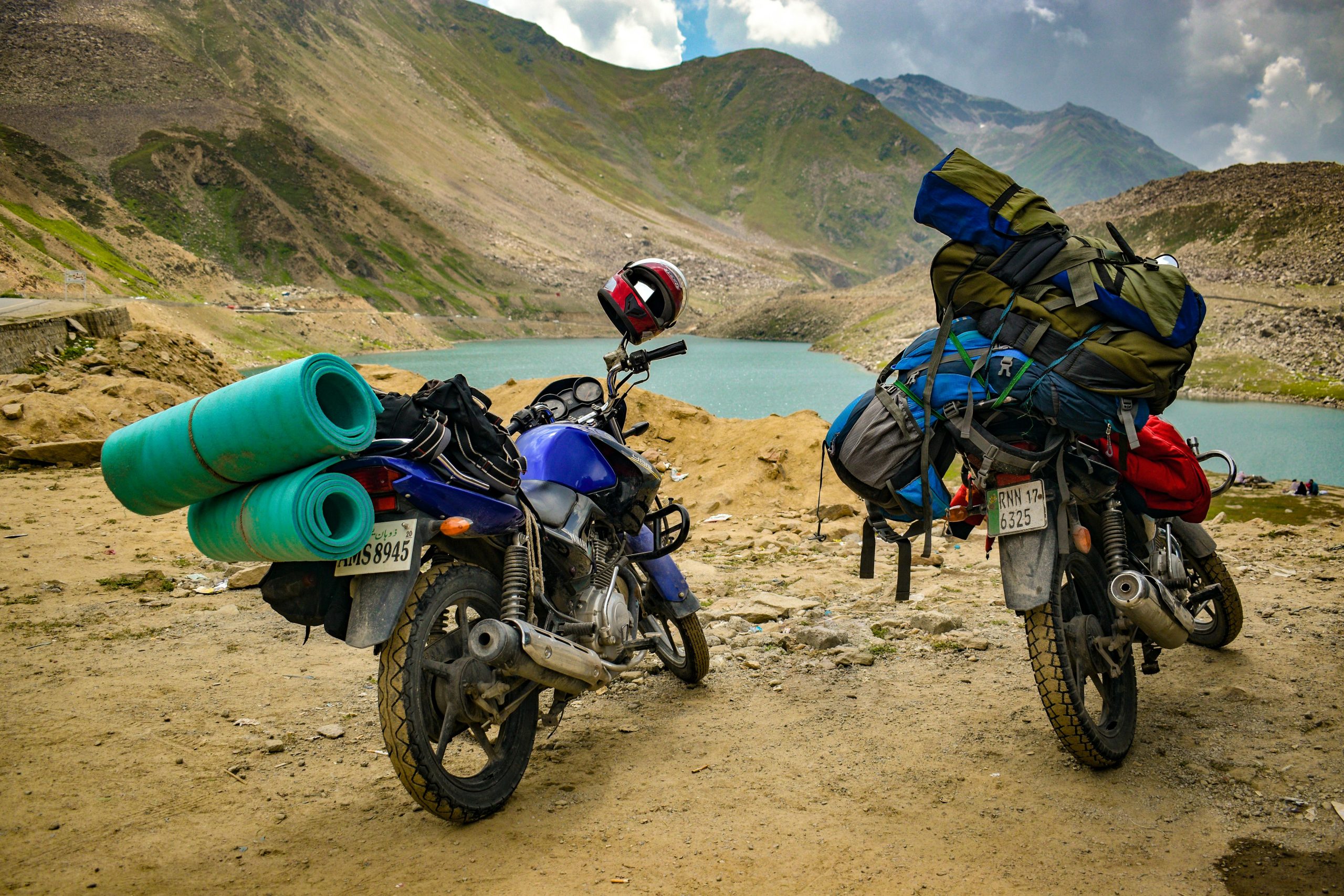
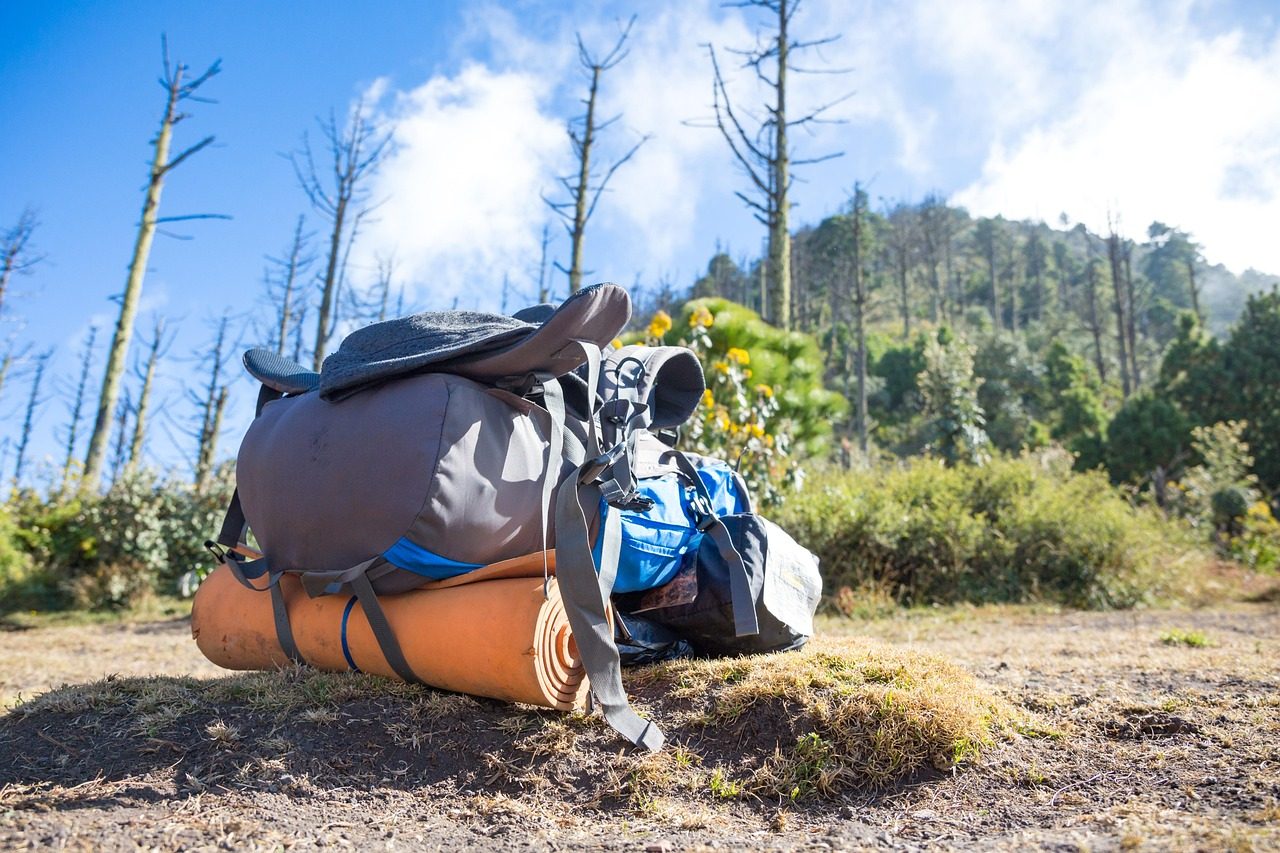
New motorcycle campers frequently overpack, thinking they might need everything for comfort or emergencies. Excess weight makes handling the bike harder, reduces fuel efficiency, and leaves less room for essentials. Carrying only lightweight, multifunctional gear like compact tents, sleeping bags, and minimal clothing ensures a safer ride. Overpacking also increases fatigue and can turn a fun trip into a tiring struggle, making careful planning and restraint crucial for a successful adventure.
2. Ignoring Weather Forecasts

Many beginners fail to check weather conditions, leaving them unprepared for sudden rain, wind, or cold nights. Riding in wet conditions without waterproof gear can be dangerous and uncomfortable, while unanticipated cold can make camping miserable. Checking local forecasts and packing appropriate layers, rain-resistant clothing, and waterproof bags ensures safety and comfort. Preparedness for the elements helps riders focus on the journey rather than struggling against unexpected weather challenges.
3. Poor Tent Selection
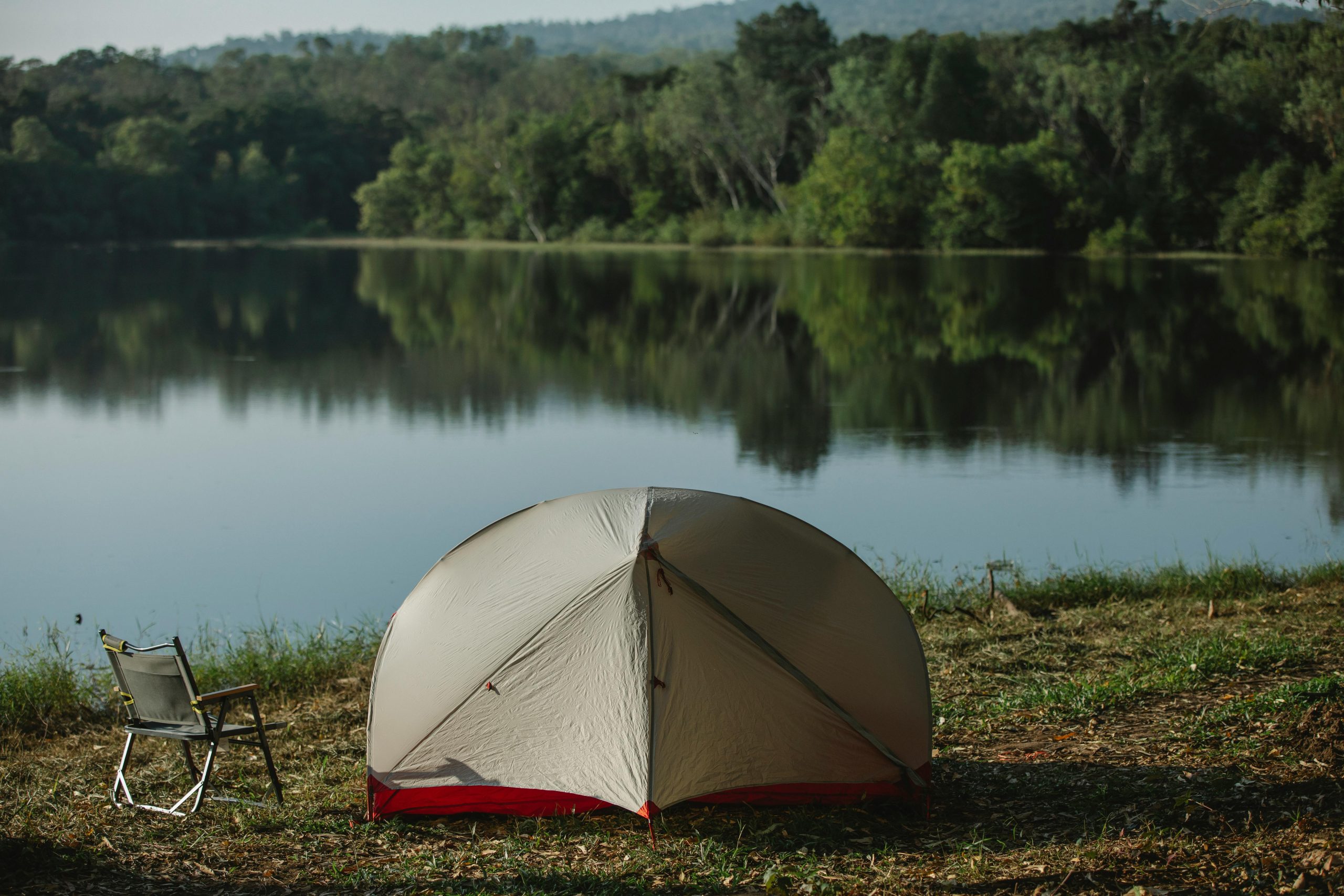
Choosing a tent that is too large, heavy, or difficult to set up is a common rookie mistake. Motorcycle campers need compact, lightweight tents that assemble quickly without taking excessive space. A cumbersome tent slows setup and adds weight to the bike, affecting stability. Investing in durable, portable options ensures protection from the elements and a smoother camping experience. Efficient gear selection makes camping less stressful and allows riders to enjoy both the journey and the destination fully.
4. Neglecting Motorcycle Maintenance
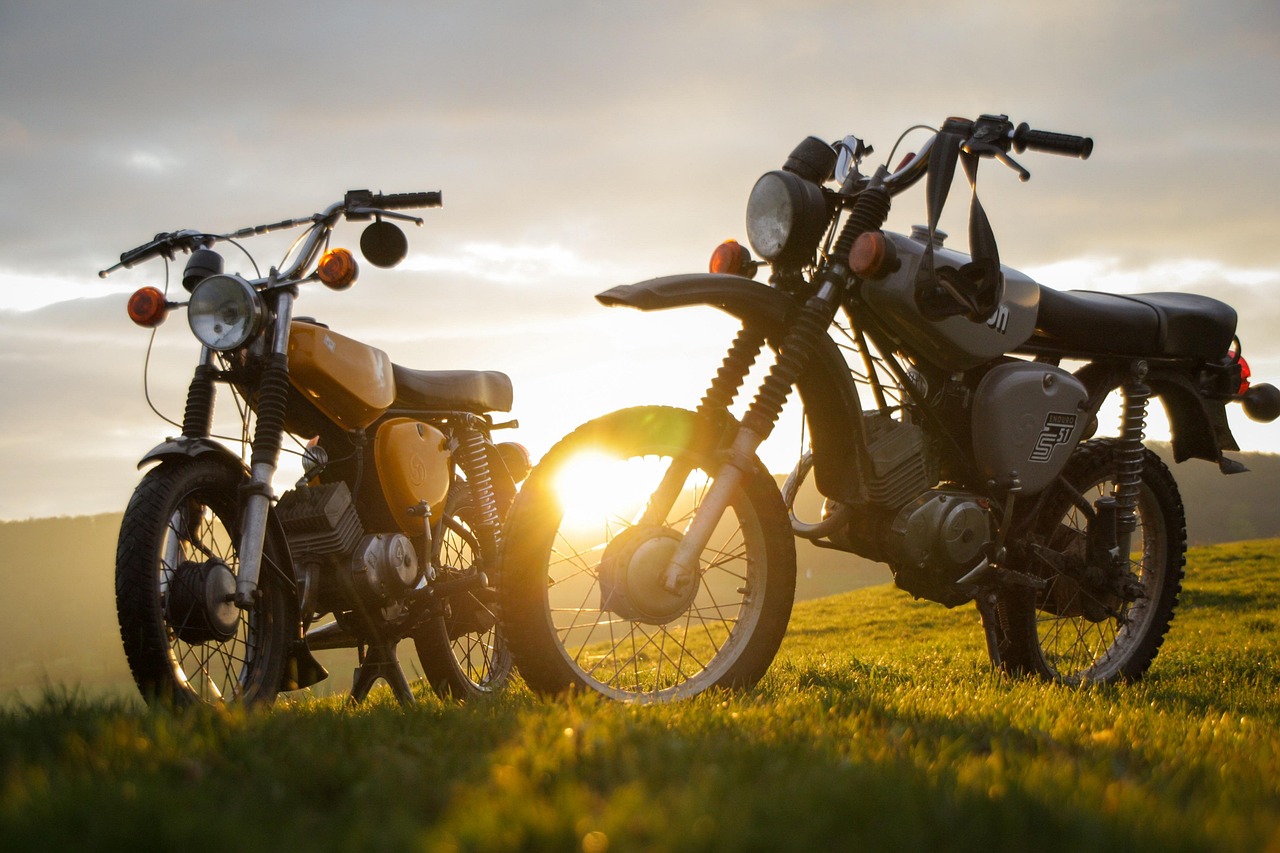
New campers sometimes overlook routine motorcycle checks before departure. Tires, brakes, lights, oil, and chains all require inspection. Ignoring maintenance risks and breakdowns in remote areas where help may be limited. Carrying a small repair kit and knowing basic mechanical skills is essential. Regular maintenance prevents preventable issues and increases rider confidence. By preparing the bike thoroughly, new campers can focus on the adventure rather than worrying about unexpected mechanical failures.
5. Overestimating Daily Distance
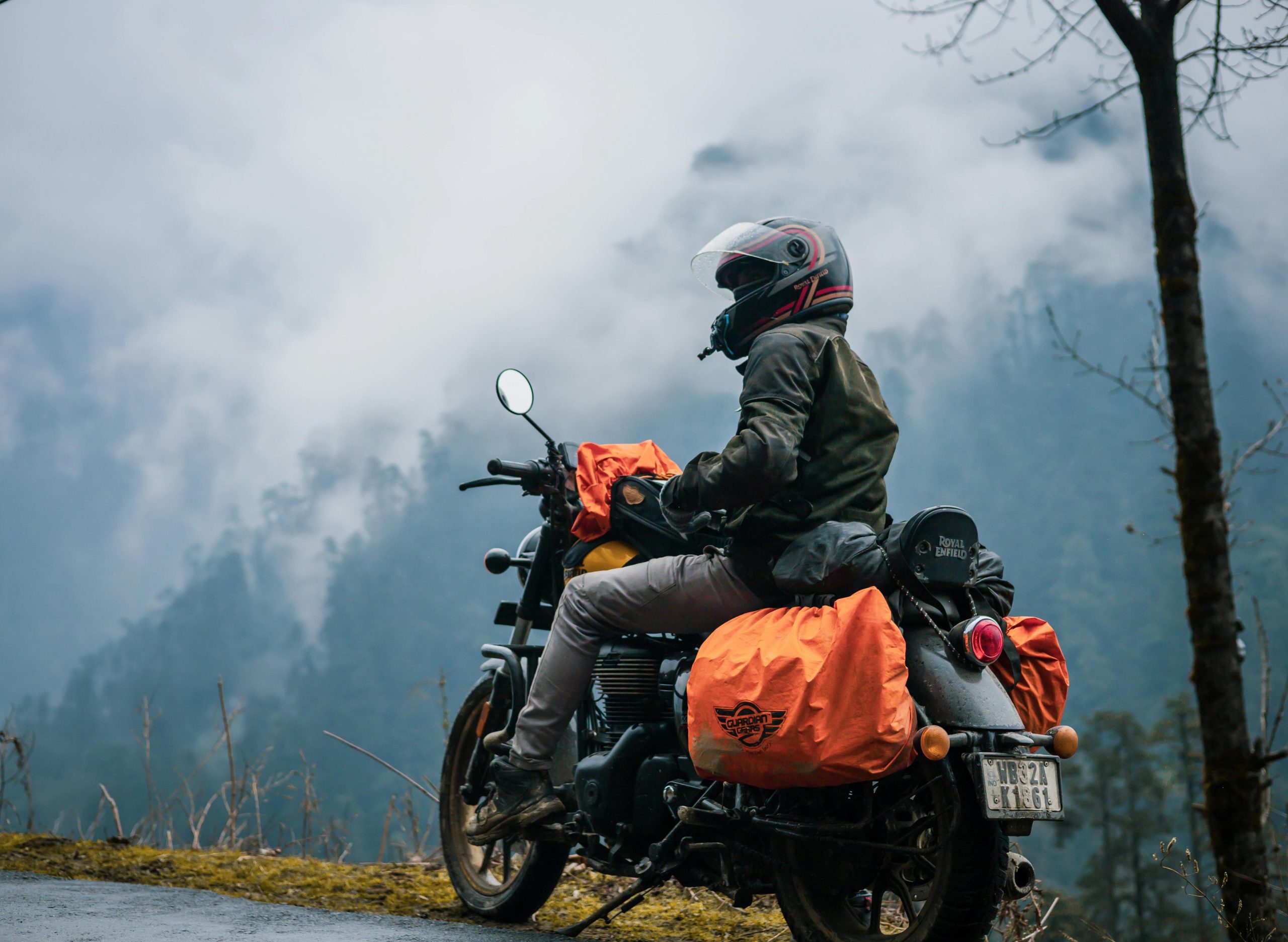
Beginners often plan ambitious distances without accounting for gear weight, rest stops, and fatigue. Riding too far each day increases risk and leaves little time to enjoy scenic spots or set up camp safely. Realistic daily mileage allows for a relaxed pace, proper rest, and safer handling of the bike. Taking extra time enhances the overall experience, reduces stress, and ensures that new riders remain alert and energized throughout the journey.
6. Not Securing Gear Properly
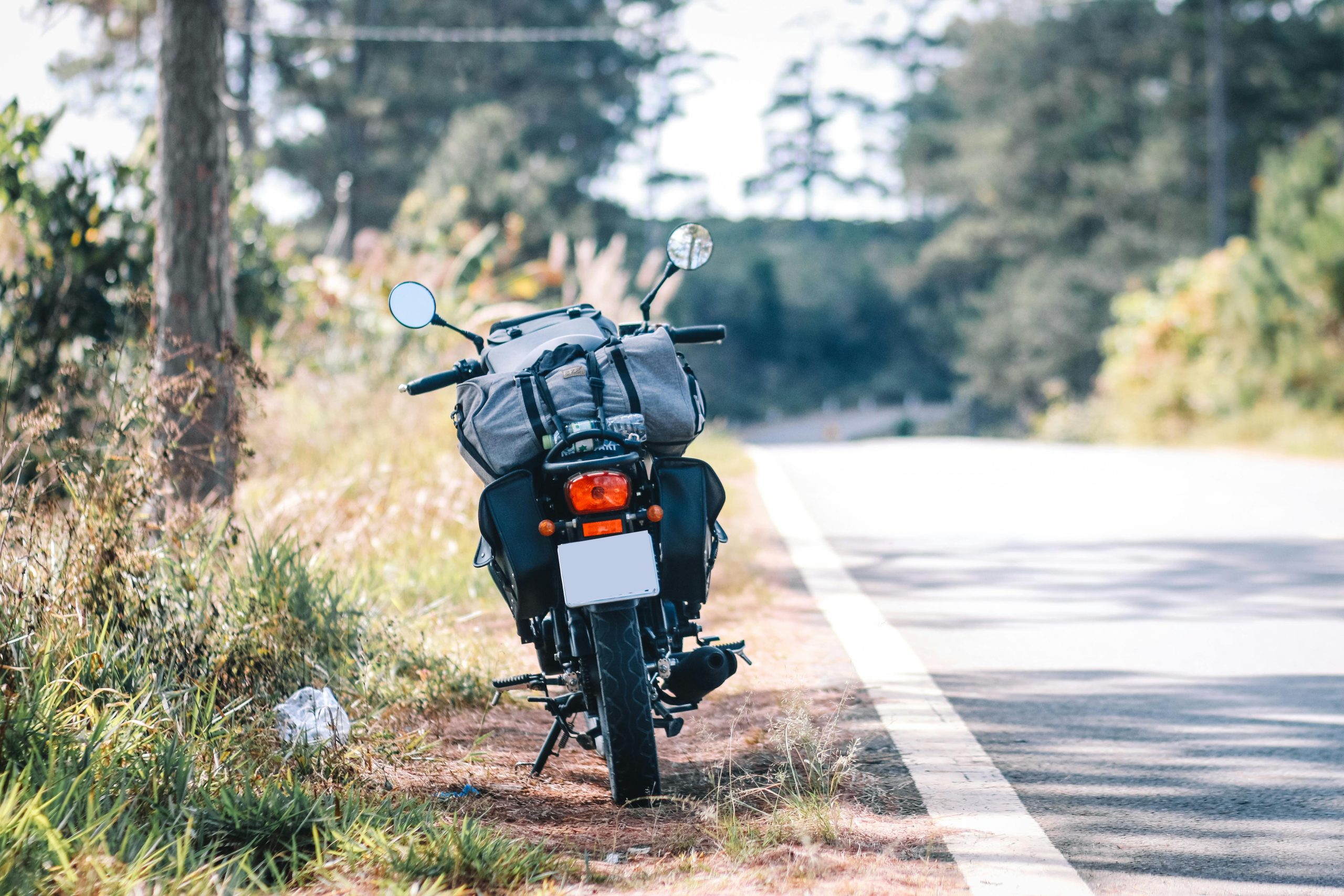
Loose or poorly strapped gear can shift during rides, throwing off balance and stability. Unsecured items may fall off the bike, posing safety risks or causing damage. Using reliable straps, bungee cords, or mounted racks keeps equipment stable. Proper organization protects belongings and ensures a smoother, safer ride. Attention to gear security prevents avoidable accidents and gives riders peace of mind, letting them focus on the road and the joy of motorcycle camping.
7. Ignoring Local Camping Regulations
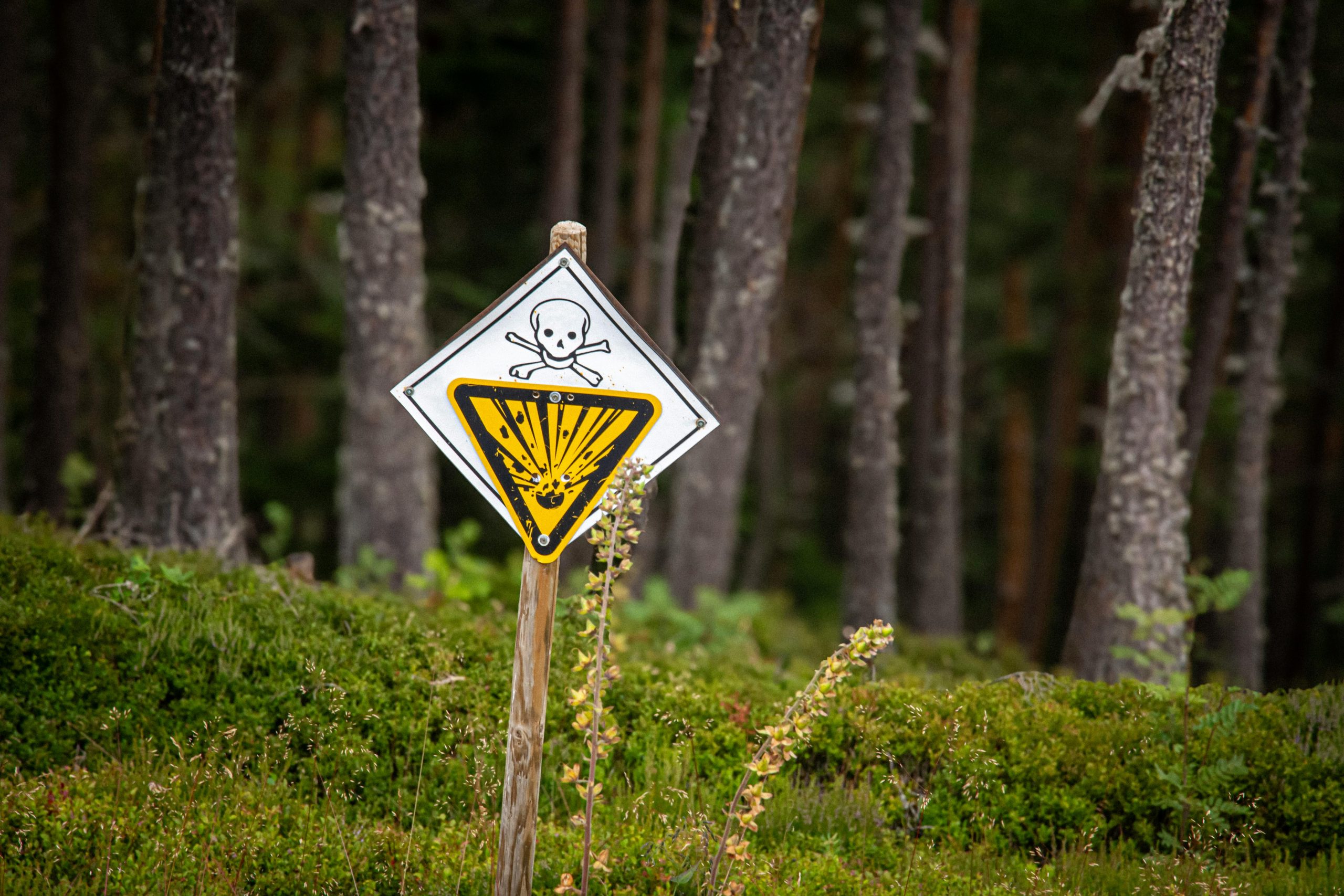
Pitching tents without checking local rules can lead to fines, disputes, or unsafe camping locations. Beginners sometimes overlook fire restrictions, permits, or designated sites. Researching and respecting local regulations ensures a safe, legal, and environmentally responsible camping experience. Understanding rules beforehand prevents frustration and allows riders to focus on exploring natural landscapes rather than dealing with avoidable problems or enforcement issues.
8. Underestimating Wildlife Risks
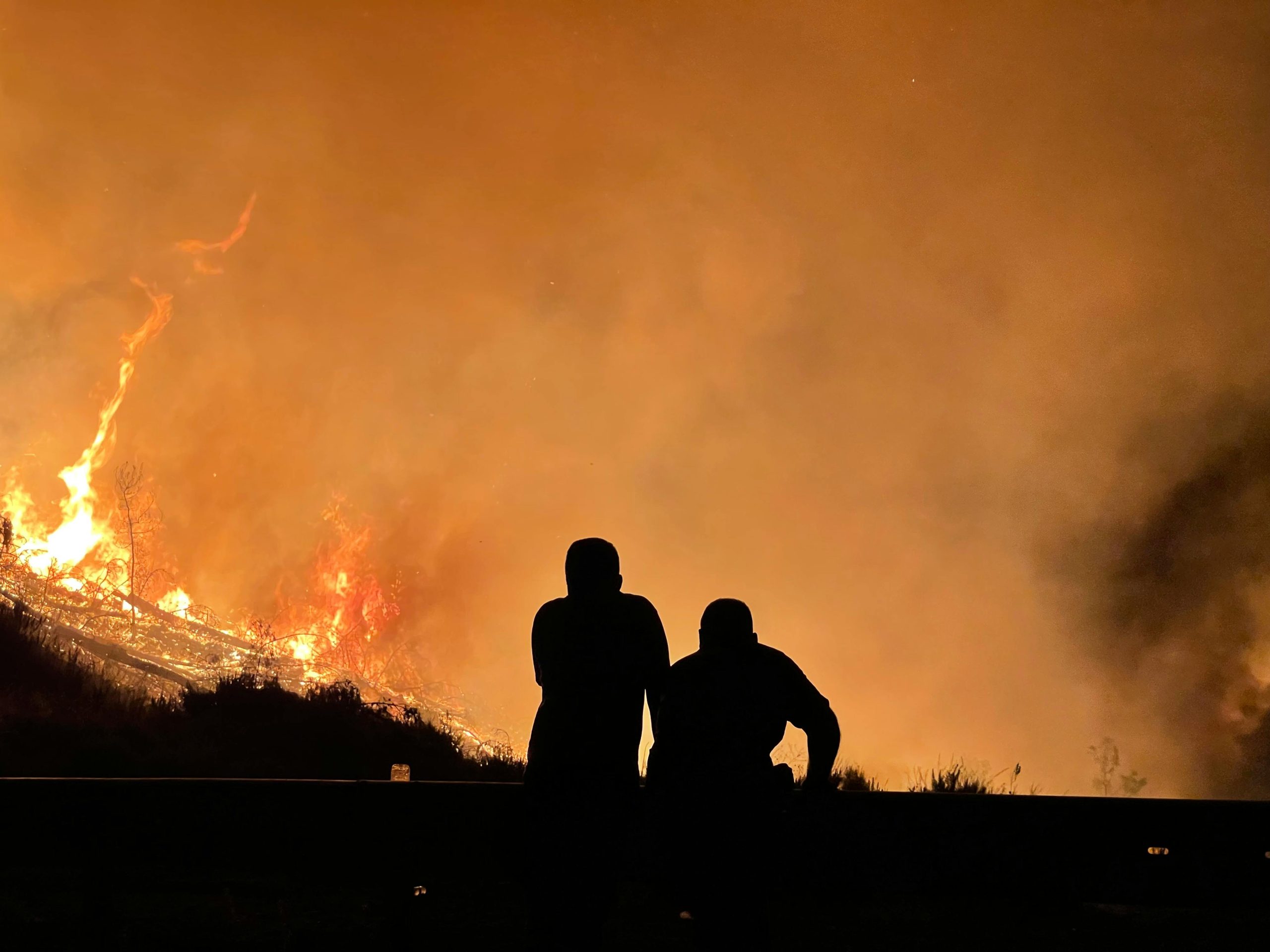
Failing to store food or manage campsite waste properly can attract animals like raccoons, bears, or rodents. Beginners may not realize how even small mistakes increase risk. Using bear-proof containers, hanging food away from the campsite, and keeping areas clean reduce encounters. Awareness and preparation protect both the rider and wildlife, creating a safer and more enjoyable outdoor experience. Proper management of food and trash is a simple but crucial step for responsible camping.
9. Improper Layering of Clothing
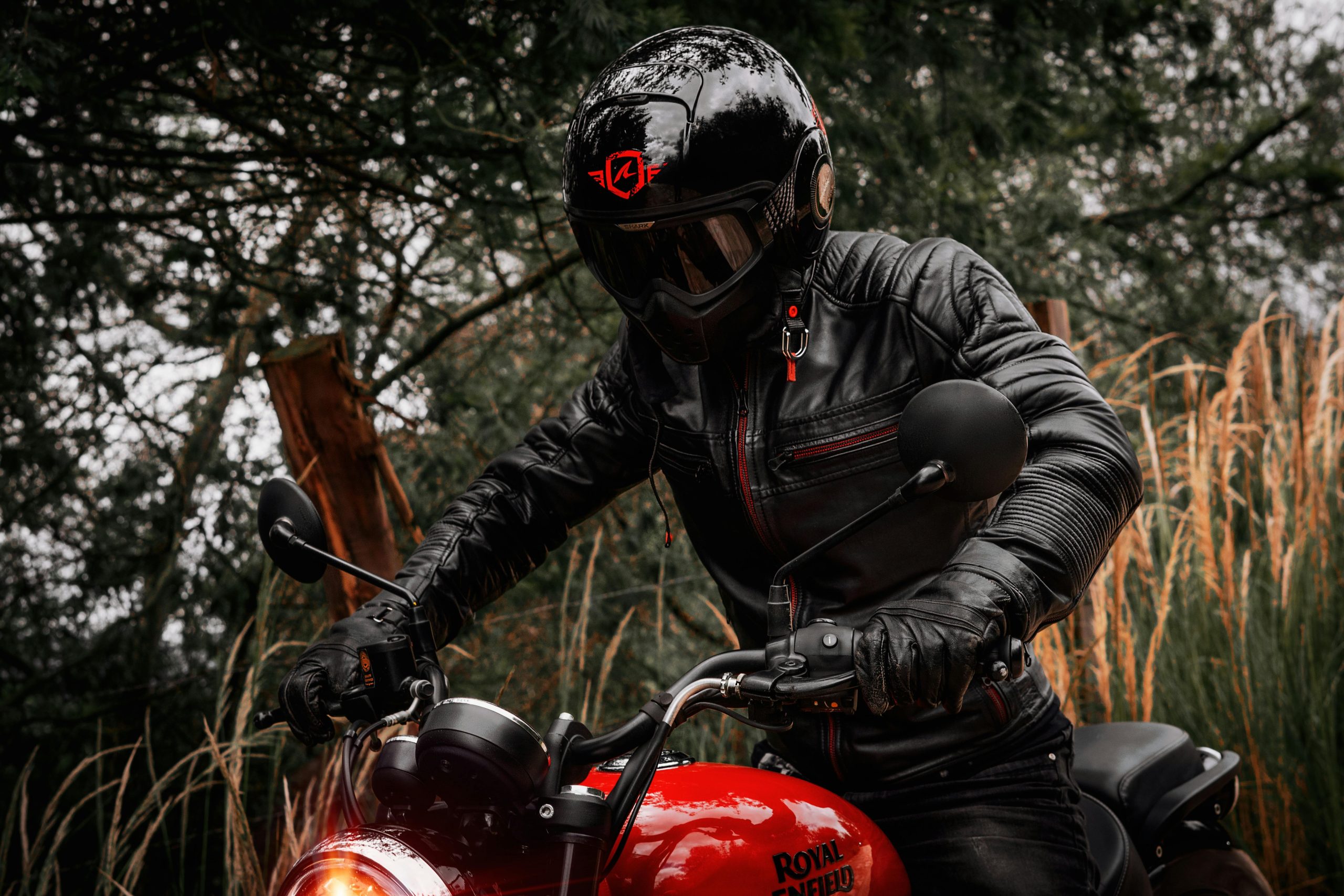
New riders often wear clothing that is either too heavy or too light for changing conditions. Temperatures may drop at night while daytime rides heat up, leaving campers uncomfortable. Layering with moisture-wicking, insulating, and protective materials allows quick adaptation. Proper clothing ensures warmth, ventilation, and flexibility. Learning to dress in layers enhances comfort, reduces fatigue, and helps riders stay alert, improving safety and enjoyment throughout the trip.
10. Poor Route Planning
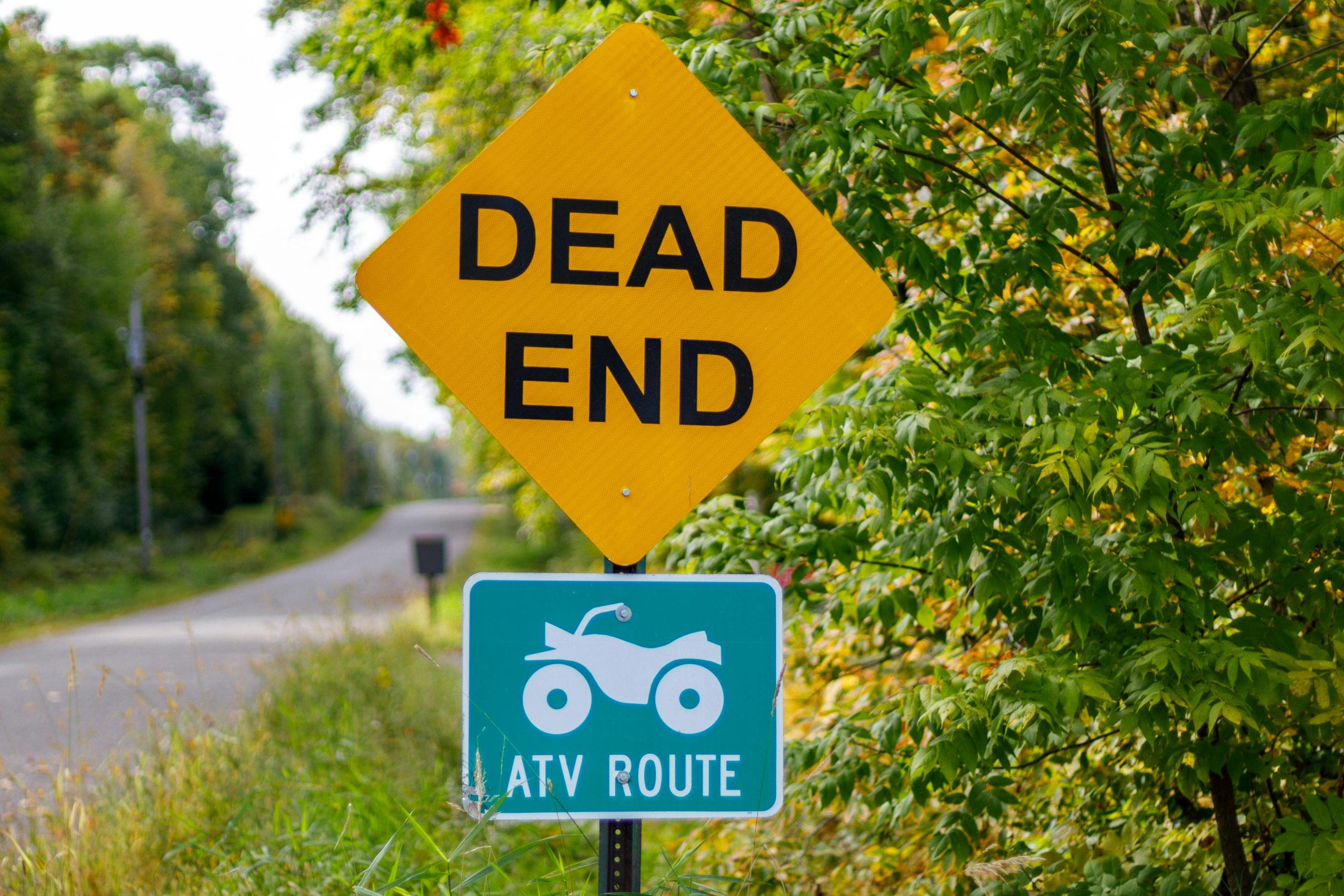
Relying solely on GPS without considering road quality, fuel availability, or alternate routes is a common error. Remote or unpaved paths may be impassable or unsafe. Mapping out routes in advance, noting fuel stations, and understanding terrain ensures safer and smoother travel. Thoughtful route planning allows riders to enjoy scenic detours without risking delays or getting lost. Being proactive about navigation prevents stress and supports a confident, enjoyable ride.
11. Neglecting Hydration and Nutrition

Long rides with physical effort increase fatigue and reduce concentration. Beginners often forget to drink water or eat consistently, which can impair judgment. Carrying sufficient water, energy bars, and light meals helps maintain stamina. Proper hydration and nutrition prevent dizziness, maintain energy levels, and support focus. These small, preventive steps make a significant difference in safety, comfort, and overall enjoyment of motorcycle camping adventures.
12. Forgetting First Aid and Emergency Kits
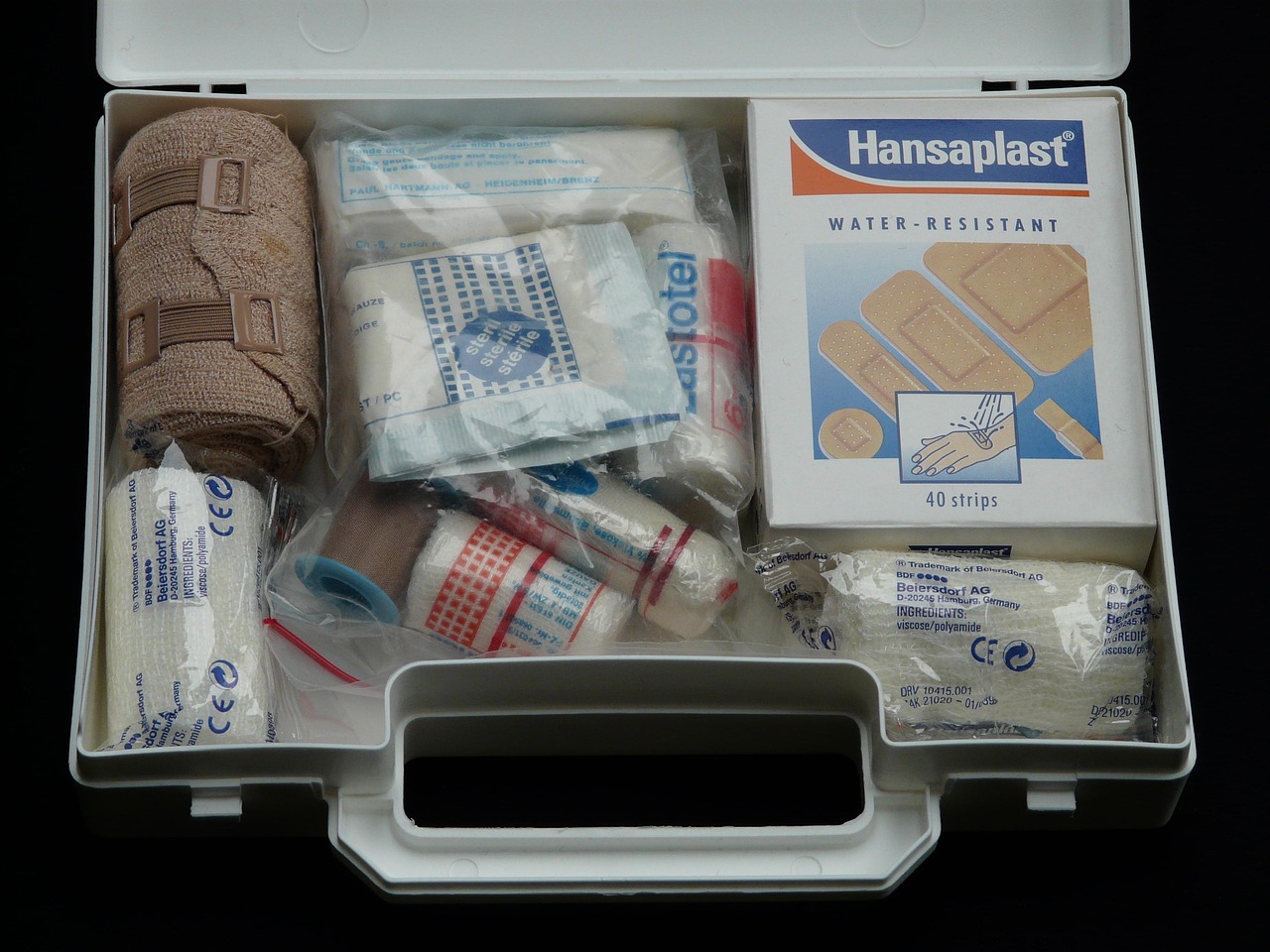
Many beginners skip essential safety items like first aid kits or basic tools. Minor injuries, bites, or mechanical issues can escalate if unprepared. Carrying a compact first aid kit, essential repair tools, and emergency contacts ensures readiness for unexpected situations. Being prepared reduces stress, allows faster response to incidents, and improves overall safety. Having these essentials on hand provides peace of mind throughout the camping trip.
13. Riding Too Fast in Unknown Terrain
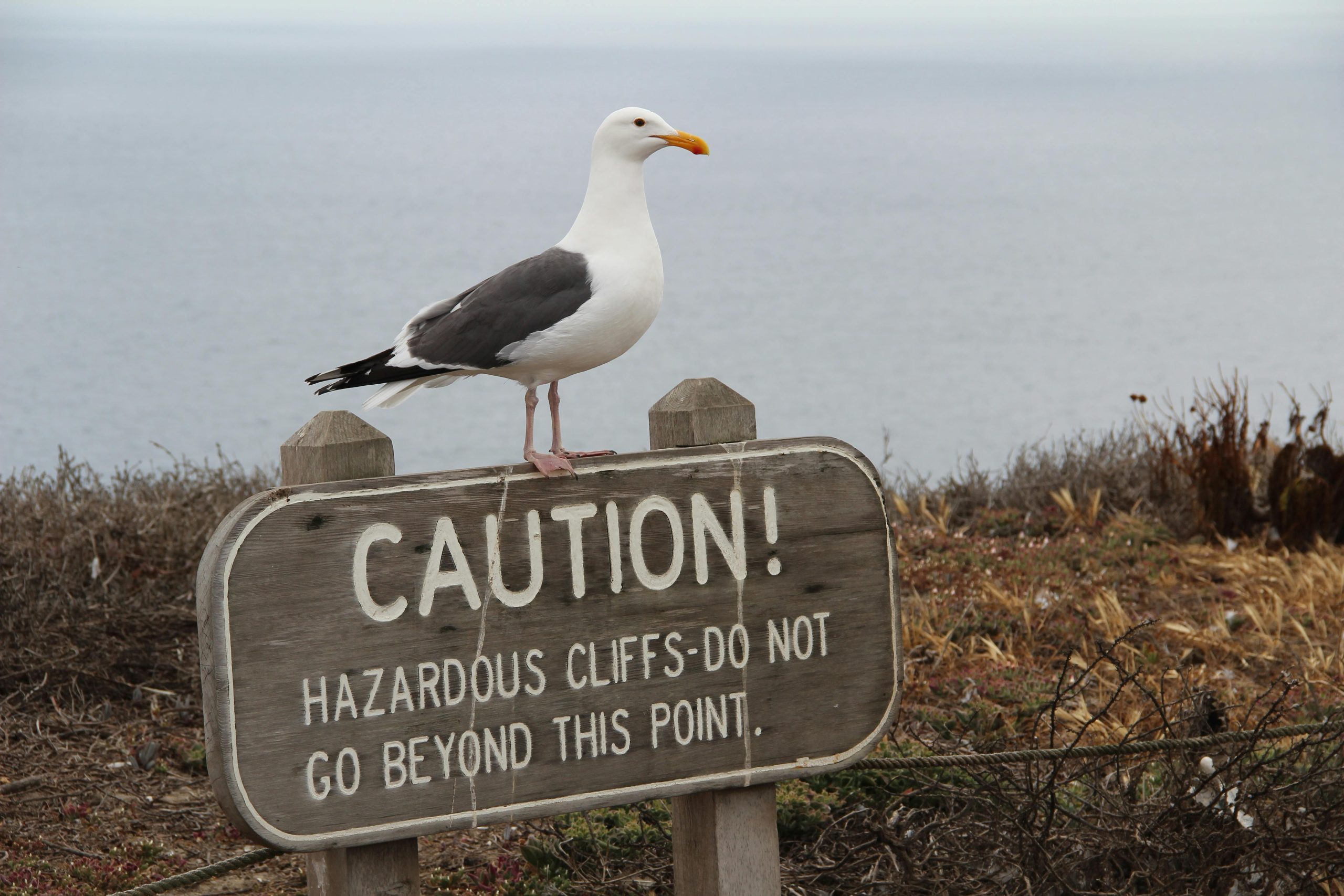
Excitement often leads to speeding on unfamiliar roads. Gravel, potholes, or wildlife can make high speeds dangerous. Slower, controlled riding ensures better balance, traction, and reaction time. Adjusting speed to conditions enhances safety and preserves both the bike and rider. Patience and caution allow campers to appreciate the scenery while minimizing risk, creating a more enjoyable and secure experience in challenging or remote terrain.
14. Ignoring Night Riding Preparations
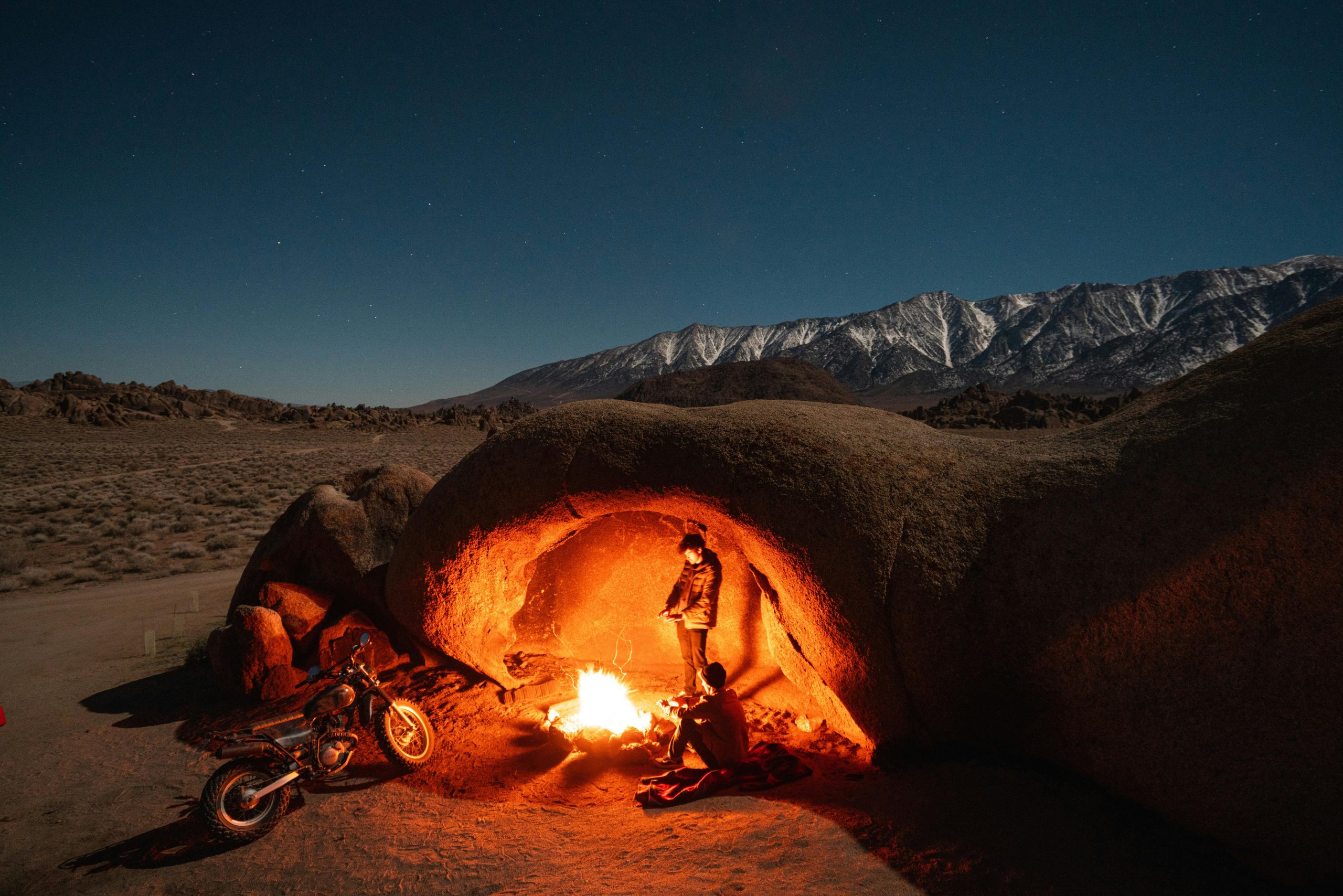
Camping trips often extend into dusk or darkness, yet new riders may neglect reflective gear, lights, or visibility measures. Riding without adequate illumination increases accident risk. Using reflective vests, helmet lights, and strong motorcycle headlights improves visibility. Night preparations ensure safer navigation, reduce anxiety, and enhance overall confidence while riding in low-light conditions, making nighttime travel both safer and more enjoyable.
15. Skipping Practice Runs
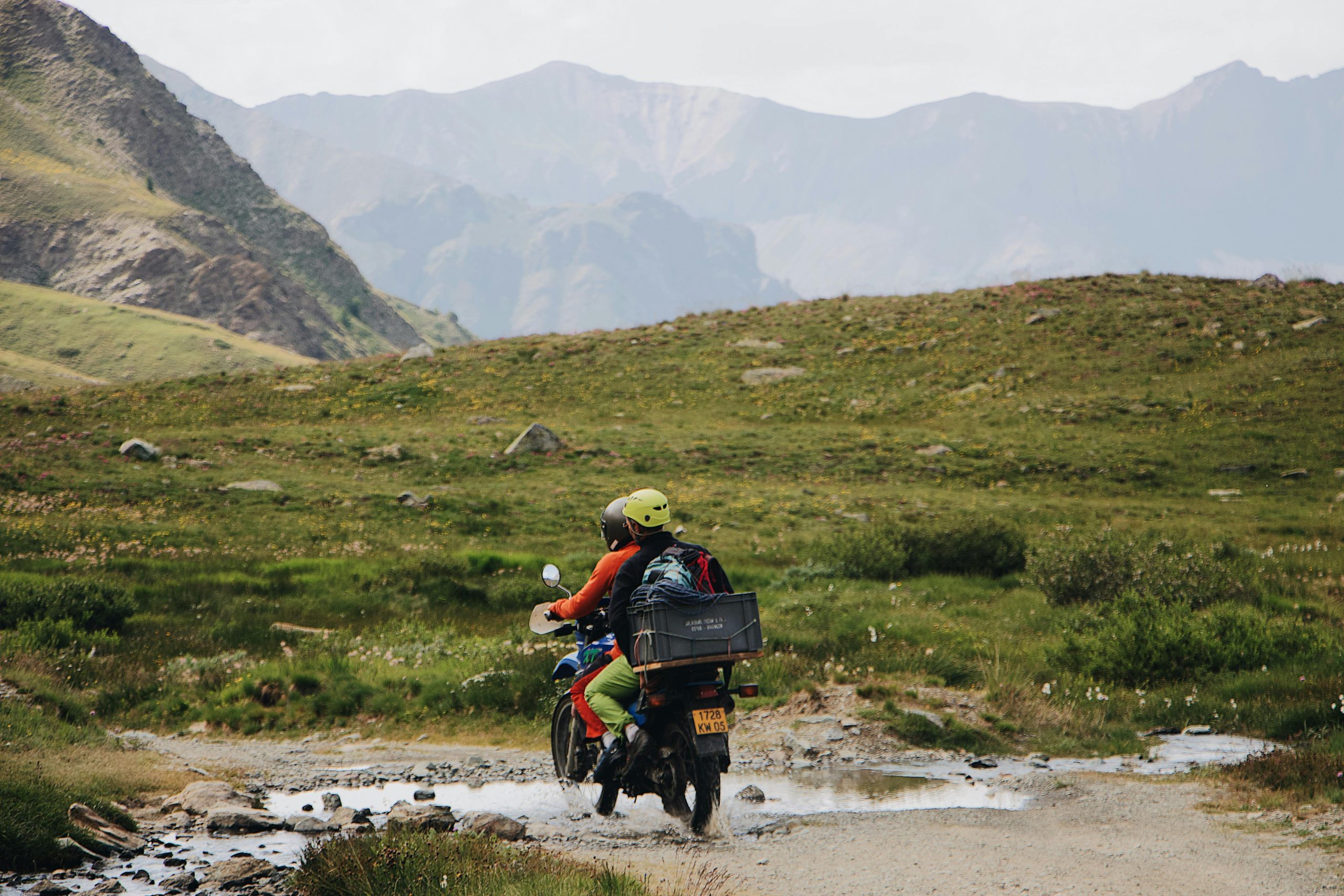
Some beginners dive into long trips without testing their loaded bike or camping setup. Handling fully loaded gear is different than short rides. Practice runs allow adjustment to balance, packing, and bike performance. Understanding the setup before the main trip reduces stress and prevents avoidable mistakes. Short trial rides improve confidence, efficiency, and preparedness, ensuring that the actual motorcycle camping adventure is smoother, safer, and more satisfying.