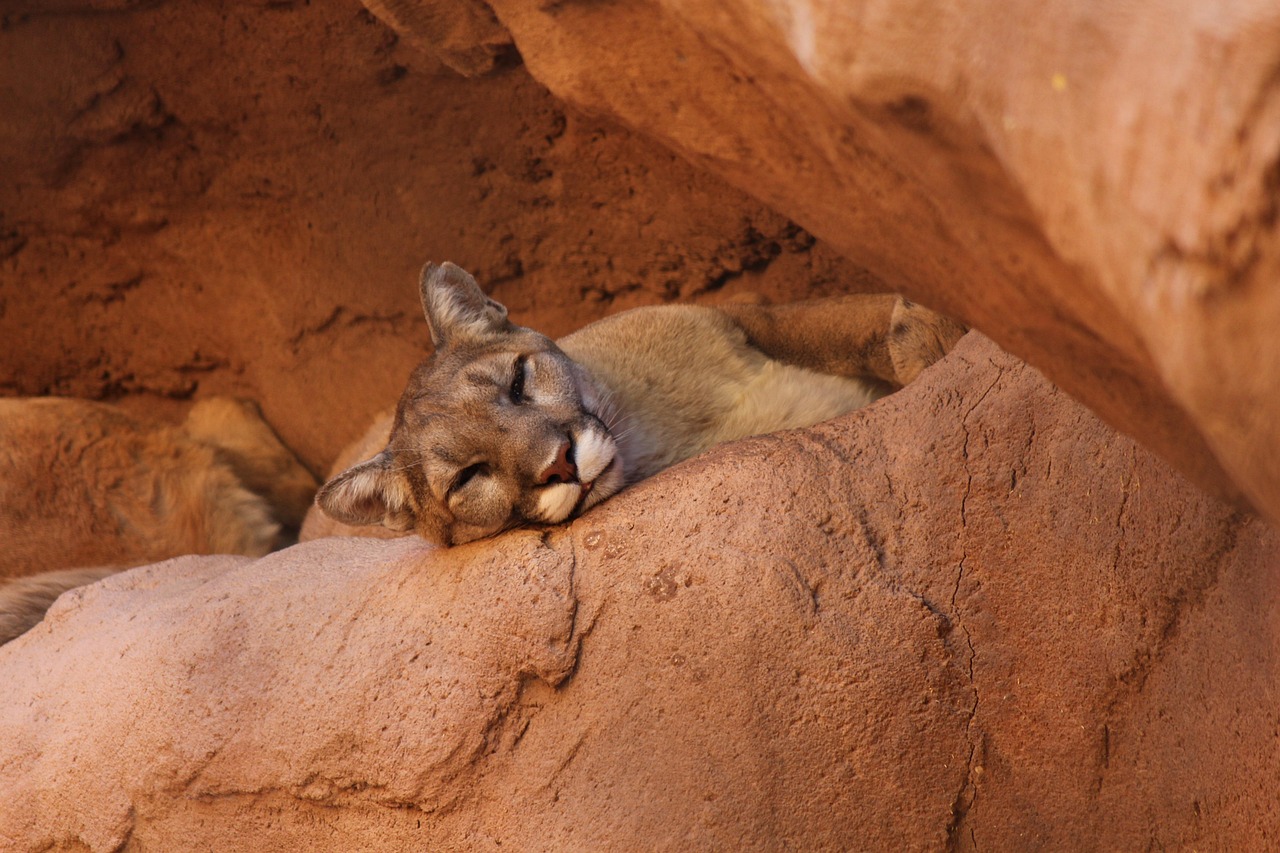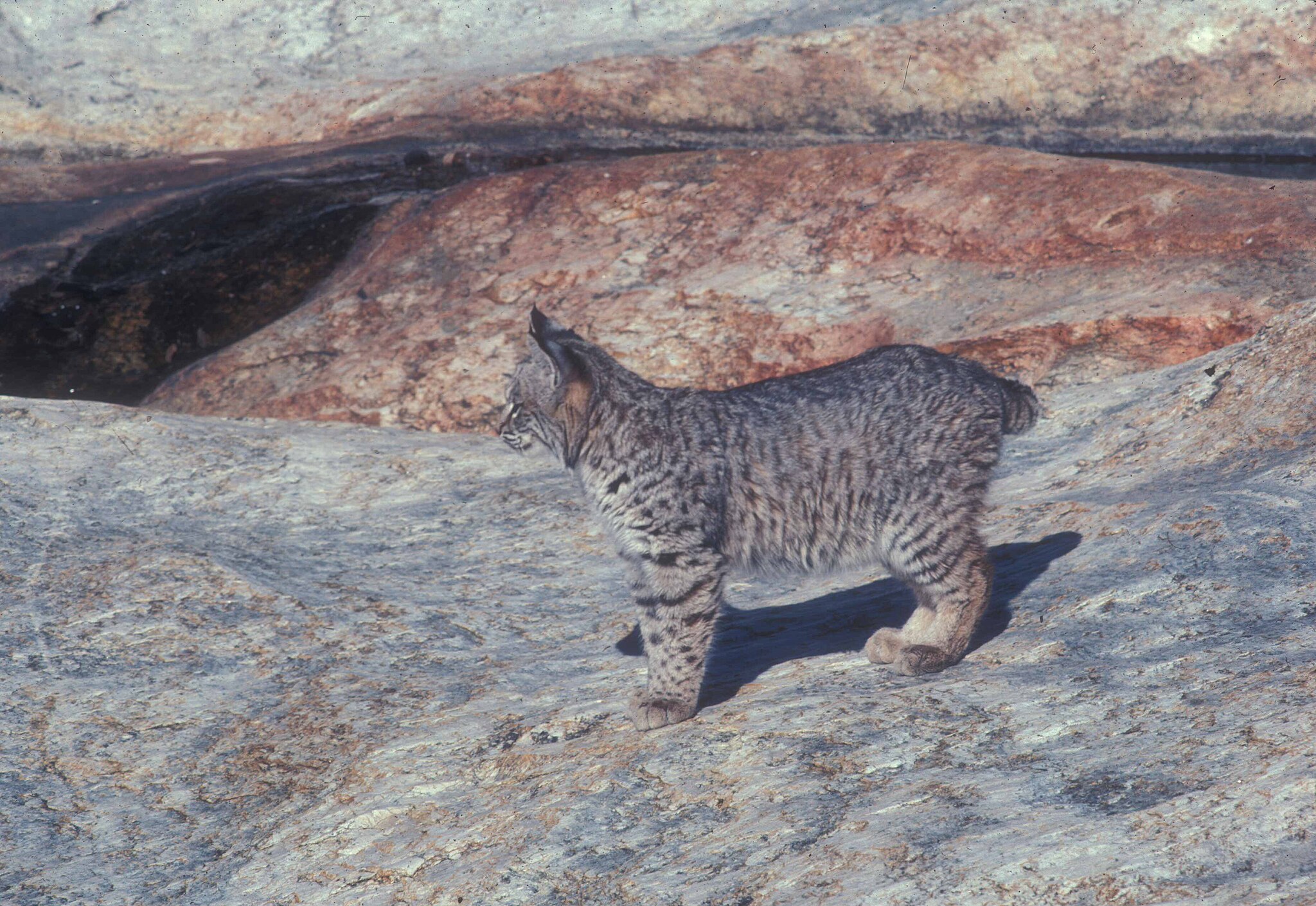
Bobcats are one of North America’s most successful yet least understood predators. Because they are secretive, quiet, and primarily active during low-light hours, many hunters and hikers assume these cats are scarce. Wildlife research repeatedly shows the opposite. Bobcats thrive across an extraordinary range of environments, including forests, deserts, wetlands, farmland, and even suburban edges. Their camouflage, patience, and cautious movement patterns make direct encounters uncommon, which reinforces the illusion of rarity. In truth, these adaptable animals often live much closer to people than expected. Here are fourteen US states where bobcats are far more common than casual observation might suggest.
1. Texas
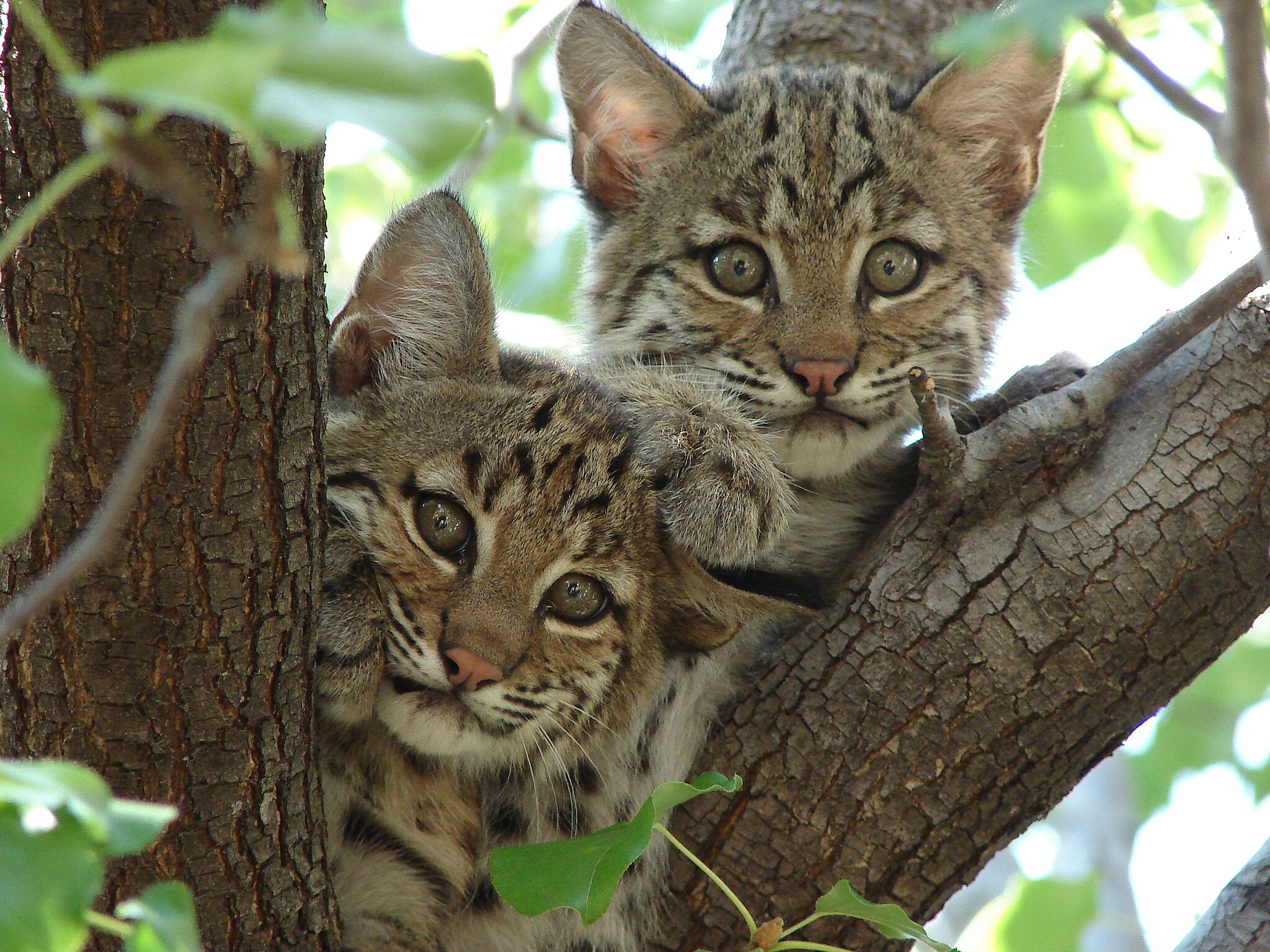
In Texas, bobcats flourish across a landscape defined by diversity. From arid plains and brush country to wooded creeks and sprawling ranches, the state offers ideal hunting and shelter conditions. Bobcats benefit from abundant prey, including rabbits, rodents, and ground-dwelling birds. Their ability to move unseen through thick cover allows them to remain largely unnoticed, even in areas with frequent human activity. Trail cameras consistently capture images of animals traveling near roads, fences, and rural homes, often surprising landowners. Many properties unknowingly support multiple individuals. Their tolerance for human-altered environments, combined with remarkable adaptability, helps sustain one of the most widespread bobcat populations in the country.
2. Florida
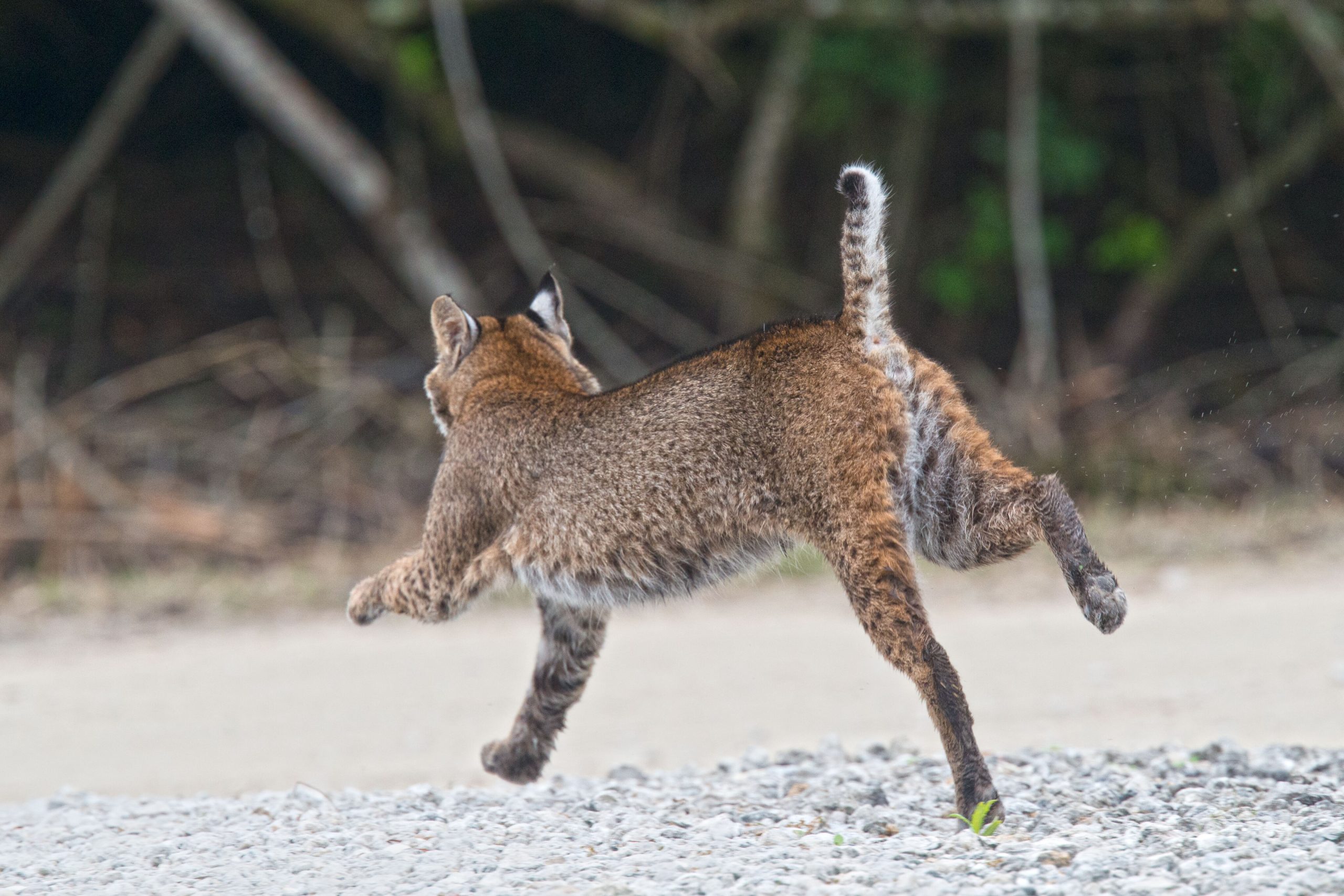
Florida provides excellent habitat for bobcats, though they rarely attract the same attention as larger predators. Swamps, pine forests, marshes, and suburban green spaces all support stable populations. Bobcats here demonstrate impressive flexibility, navigating wetlands and developed areas with equal confidence. Nighttime security cameras frequently reveal individuals passing quietly through neighborhoods, often without residents realizing it. Their diet versatility enables survival in regions where other predators struggle. Even areas near busy highways and expanding communities maintain healthy numbers. Sightings remain uncommon due to their preference for low-visibility movement. Wildlife surveys repeatedly confirm that bobcats remain well distributed, resilient, and deeply integrated into the state’s varied ecosystems.
3. Arizona
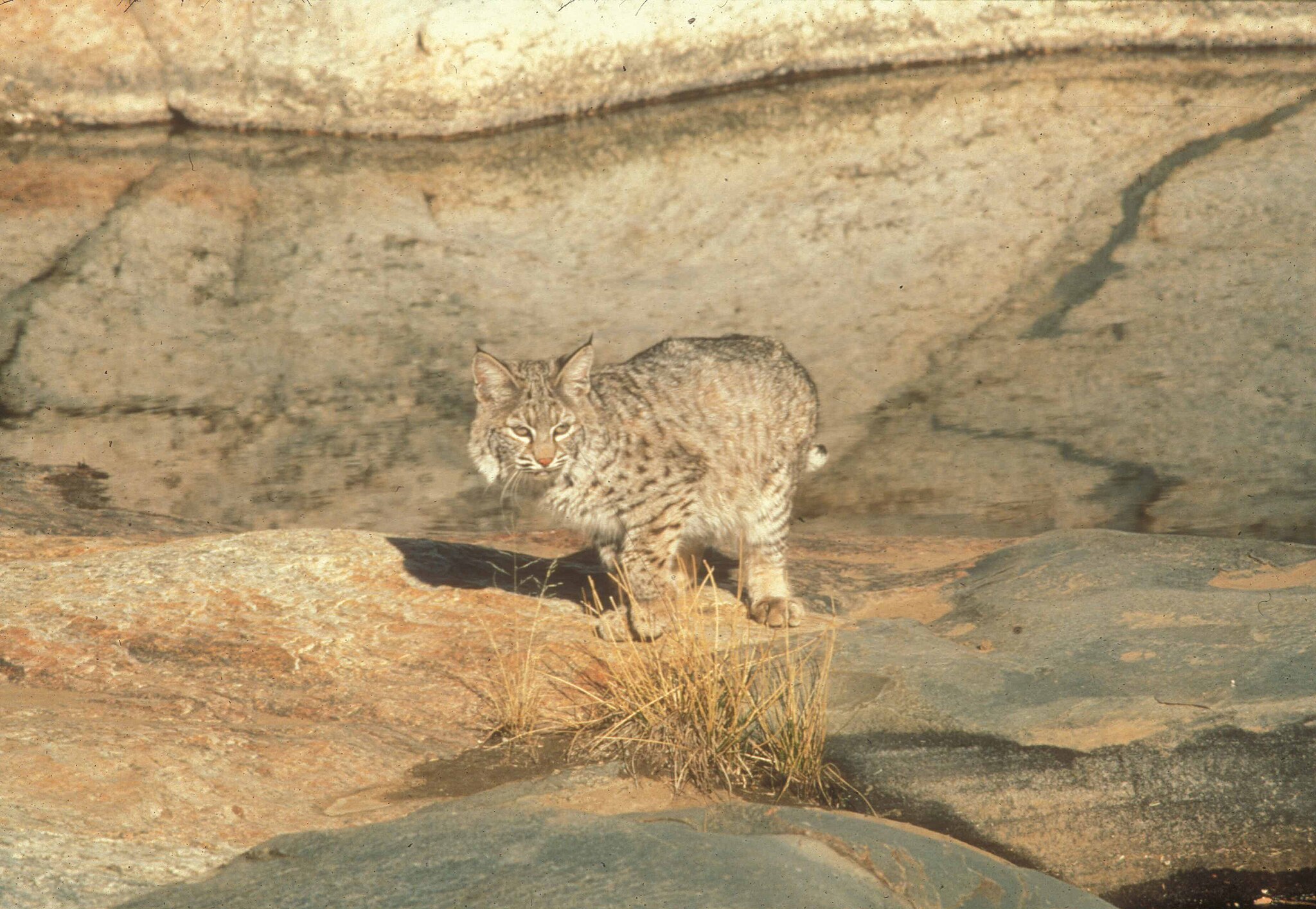
The deserts and rugged highlands of Arizona conceal a thriving bobcat population adapted to extreme conditions. These cats move efficiently through cactus-filled scrub, rocky washes, and mountain foothills. Their survival depends on stealth, patience, and opportunistic hunting strategies suited to arid terrain. Many outdoor enthusiasts rarely glimpse bobcats despite regularly passing through active territories. Remote cameras and tracking studies reveal steady activity across elevations and habitat types. Bobcats tolerate temperature extremes by adjusting movement and resting patterns. Their natural coloration blends seamlessly with desert surroundings, enhancing invisibility. Despite harsh climates, prey availability, and habitat range, support strong population stability, making bobcats far more common than sightings suggest.
4. California
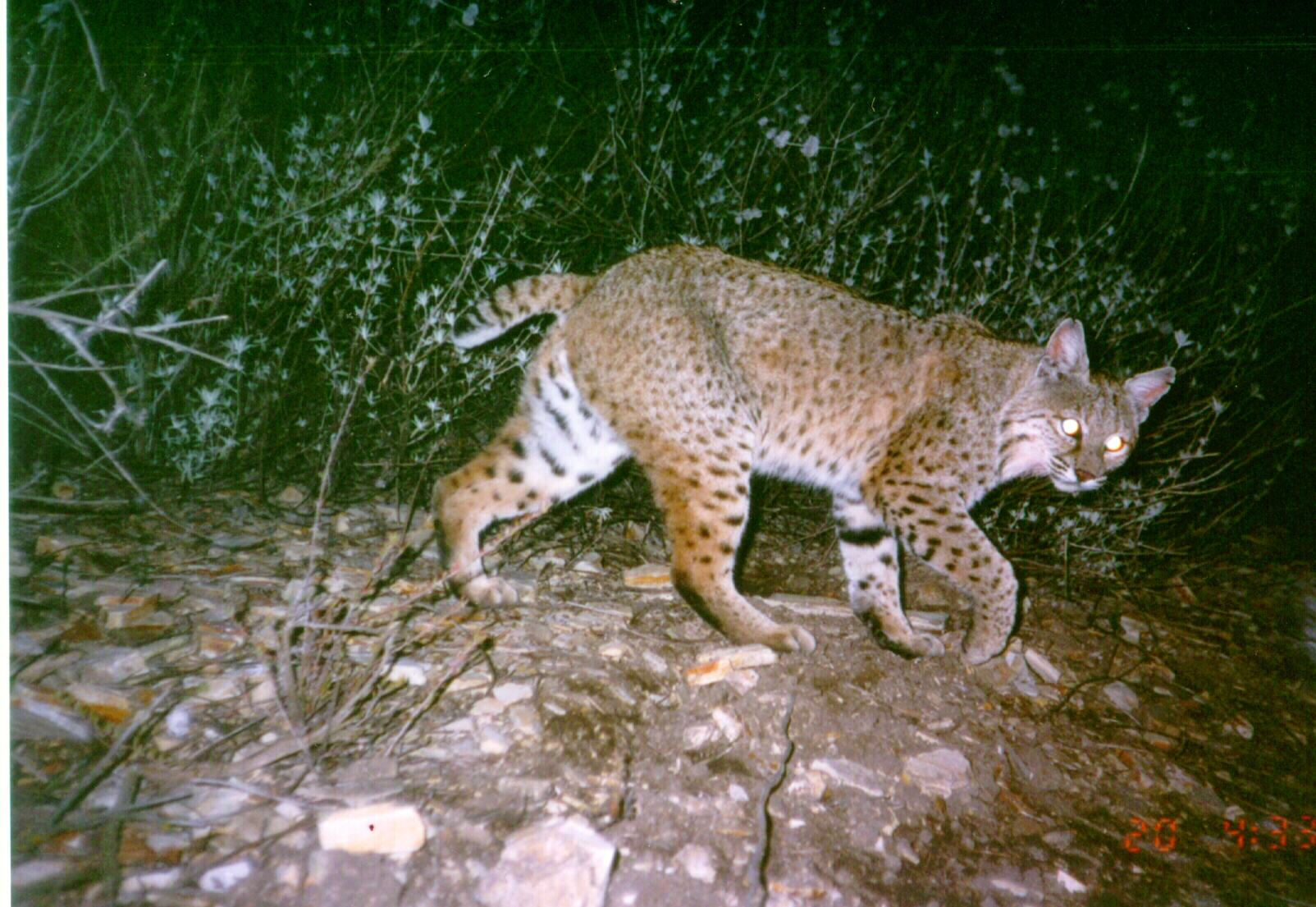
In California, bobcats occupy environments stretching from coastal hills and chaparral to mountain forests and suburban edges. Urban expansion has not eliminated these predators but instead created rich transitional zones filled with prey. Bobcats exploit parklands, undeveloped patches, and green corridors with remarkable success. Residents often discover their presence only after reviewing security footage or observing tracks. Wildlife monitoring indicates stable and widely dispersed populations. Daytime sightings remain rare, reinforcing misconceptions about scarcity. However, nocturnal behavior allows bobcats to coexist quietly alongside dense human populations. Their adaptability and subtle presence highlight how effectively native wildlife can persist even amid extensive development and environmental change.
5. Pennsylvania

Pennsylvania has seen significant bobcat recovery, though many outdoorsmen still underestimate their distribution. Expanding forest cover and conservation measures have supported steady population growth. Bobcats favor remote ridges and wooded valleys, yet they increasingly appear in semi-rural landscapes. Their elusive nature makes encounters rare, but camera surveys and track studies confirm an expanding range. Hunters frequently pass through active territories without direct observation. Seasonal prey cycles provide reliable food sources. Bobcats remain cautious and highly adaptable, minimizing visibility while maintaining healthy numbers. Their resurgence represents a notable wildlife success story, demonstrating how predator populations can rebound when habitat and management conditions align favorably.
6. Wisconsin
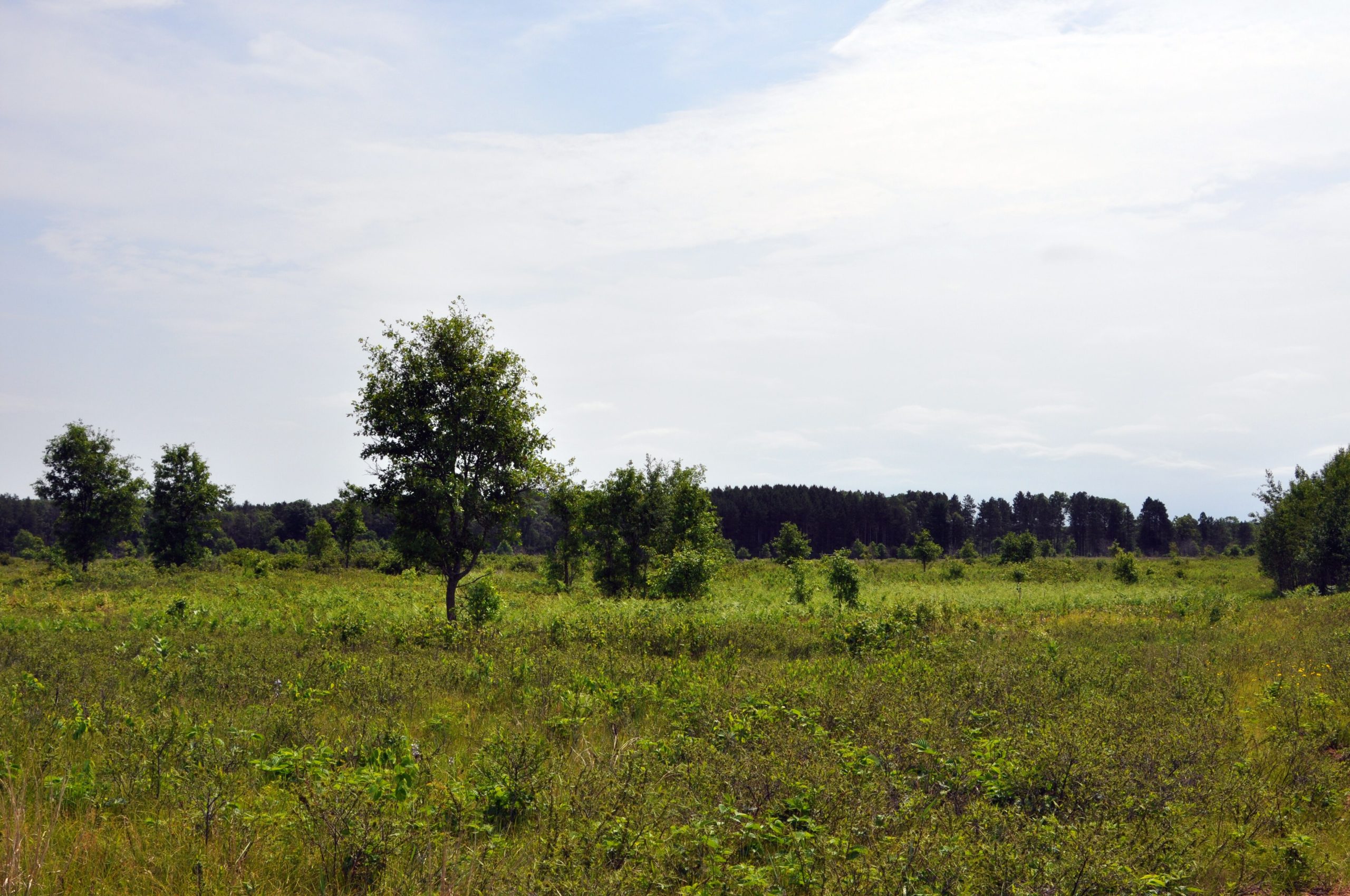
The cold winters of Wisconsin have not hindered bobcat persistence. Northern forests supply dense cover and steady prey, allowing these predators to navigate snow-covered terrain effectively. Bobcats adjust movement patterns seasonally, conserving energy during harsh conditions. Sightings are uncommon, yet tracks and remote images indicate widespread presence. Their hunting strategies adapt to changing weather, emphasizing stealth and patience. Habitat corridors and stable prey populations contribute to resilience. Many hunters encounter indirect evidence long before seeing an animal. Bobcats here exemplify environmental adaptability, surviving temperature extremes while maintaining stable numbers. Their quiet presence often exceeds public perception by a considerable margin.
7. Georgia
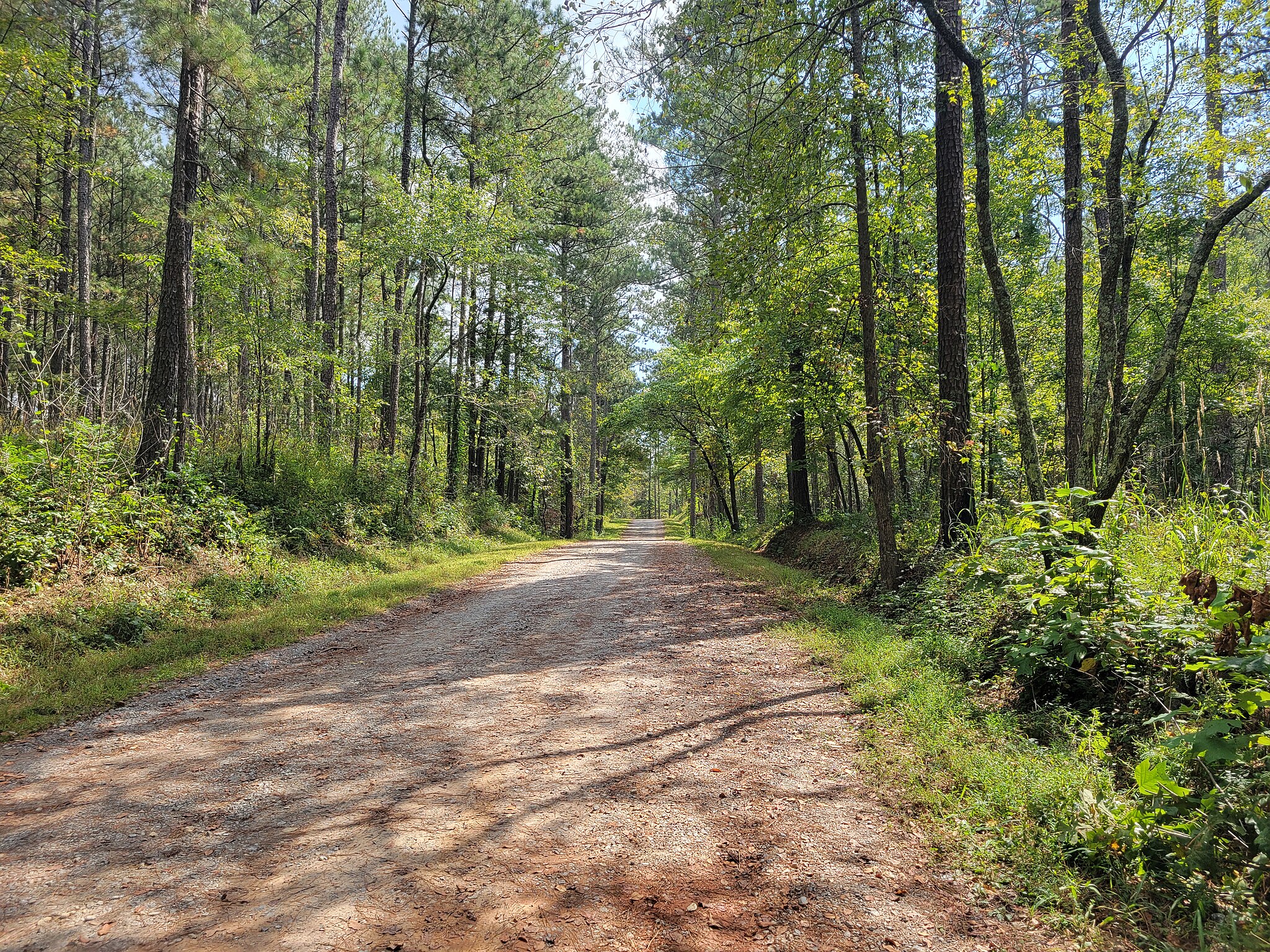
In Georgia, bobcats thrive where forests intersect farmland and suburban development. These transitional zones concentrate prey and shelter, creating ideal hunting grounds. Bobcats move discreetly along wooded edges, drainage lines, and undeveloped patches. Residents rarely notice them, though camera footage frequently reveals nighttime activity. Wildlife surveys suggest stable populations across the state. Their nocturnal habits and cautious behavior reduce human encounters. Bobcats play an important ecological role by controlling small mammal numbers. Habitat variety supports consistent distribution. Even moderately developed regions often harbor hidden individuals. Their adaptability allows successful coexistence with expanding human infrastructure and changing landscapes.
8. Colorado
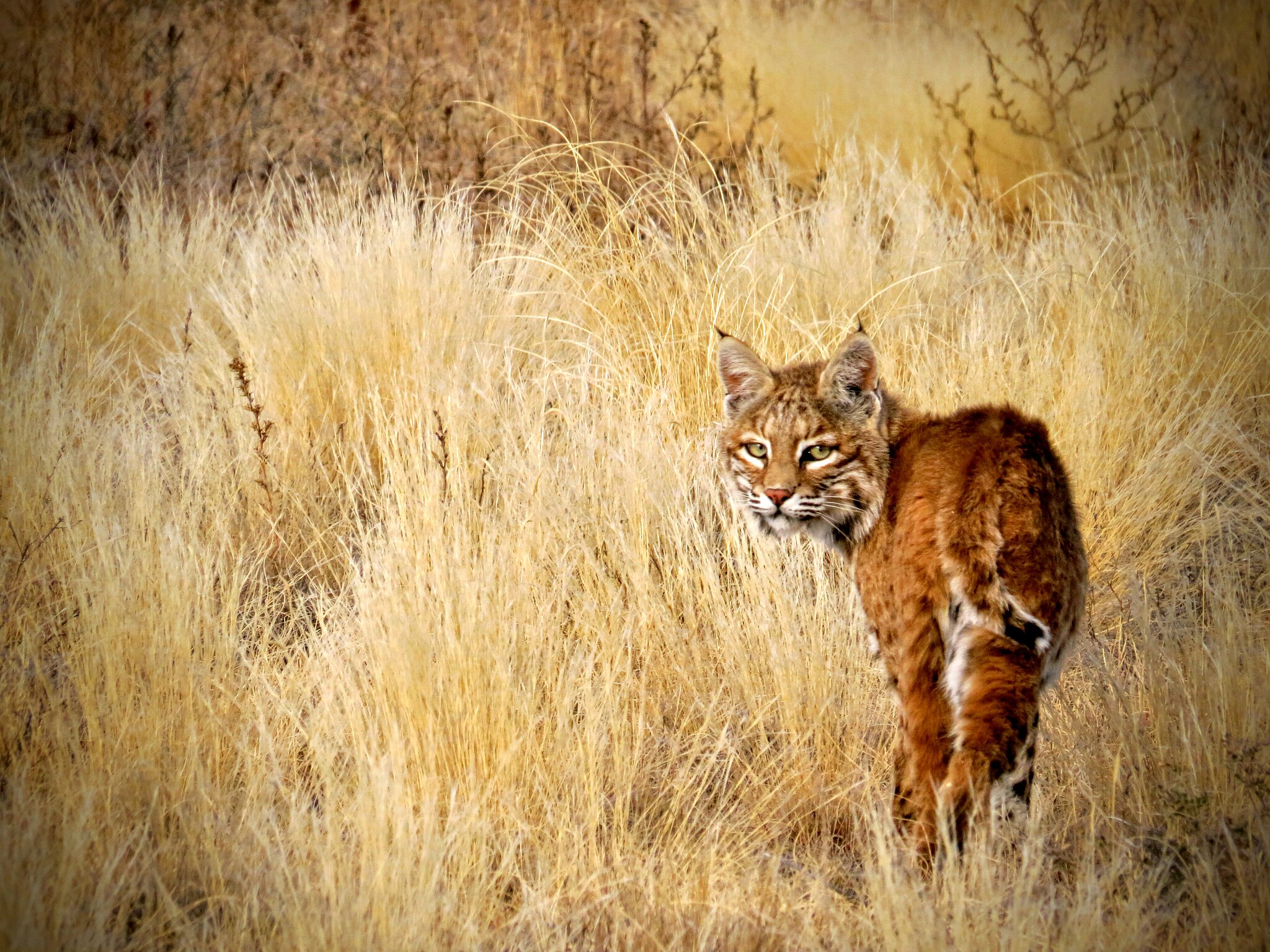
Colorado offers a blend of mountains, foothills, and plains that supports bobcats across diverse elevations. These predators occupy canyon systems, wooded slopes, and brushy lowlands. Their climbing ability and versatile diet suit rugged terrain. Outdoor recreation rarely disrupts their presence due to avoidance behavior. Hunters often interpret limited sightings as rare, though monitoring data contradicts this assumption. Bobcats shift territories in response to prey and seasonal conditions. Their camouflage enhances concealment among rocks and vegetation. Quiet movement patterns allow them to remain largely unseen. Population indicators suggest a stable and widespread distribution throughout the state’s varied environments.
9. North Carolina

Across North Carolina, bobcats inhabit coastal plains, forests, and rural corridors. Habitat diversity ensures consistent prey availability. Their secretive nature limits visibility, leading many to underestimate numbers. Wildlife research indicates stable distribution and successful adaptation to changing land use. Suburban sightings occasionally reveal a hidden presence. Bobcats move cautiously, often traveling unnoticed through familiar landscapes. Their ecological influence helps regulate small animal populations. Forest cover and fragmented habitats alike provide opportunity. Even areas near development frequently support activity. Bobcats remain resilient, adaptable, and more common than casual observation implies.
10. Tennessee
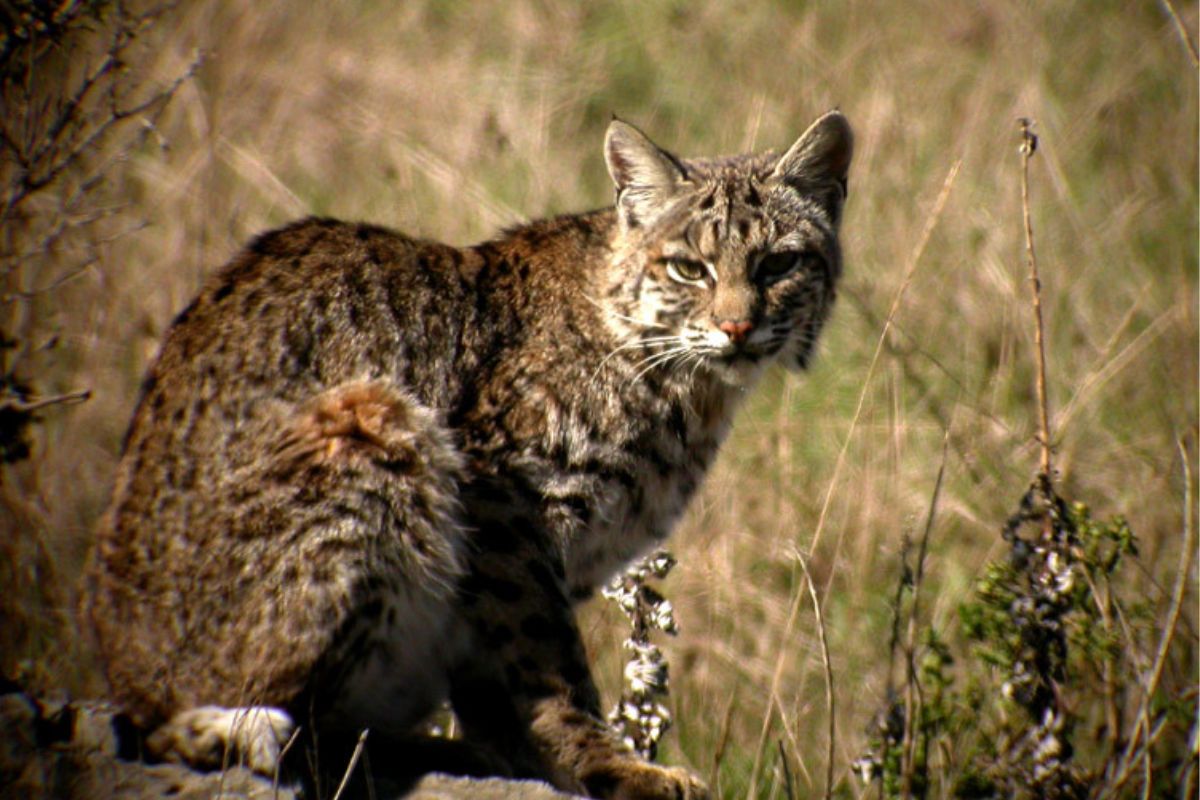
The wooded hills and river systems of Tennessee sustain healthy bobcat populations. These cats favor dense cover but readily traverse mixed terrain. Hunters commonly encounter tracks rather than animals. Prey diversity supports reliable survival. Bobcats adjust their movement to avoid disturbance, maintaining low visibility. Wildlife monitoring confirms broad distribution. Seasonal activity patterns influence detectability. Many individuals remain undetected despite proximity to human presence. Their adaptability ensures persistence across varied landscapes. Bobcats contribute to ecological balance while remaining largely unseen. Population stability reflects successful integration within the state’s habitats.
11. Missouri
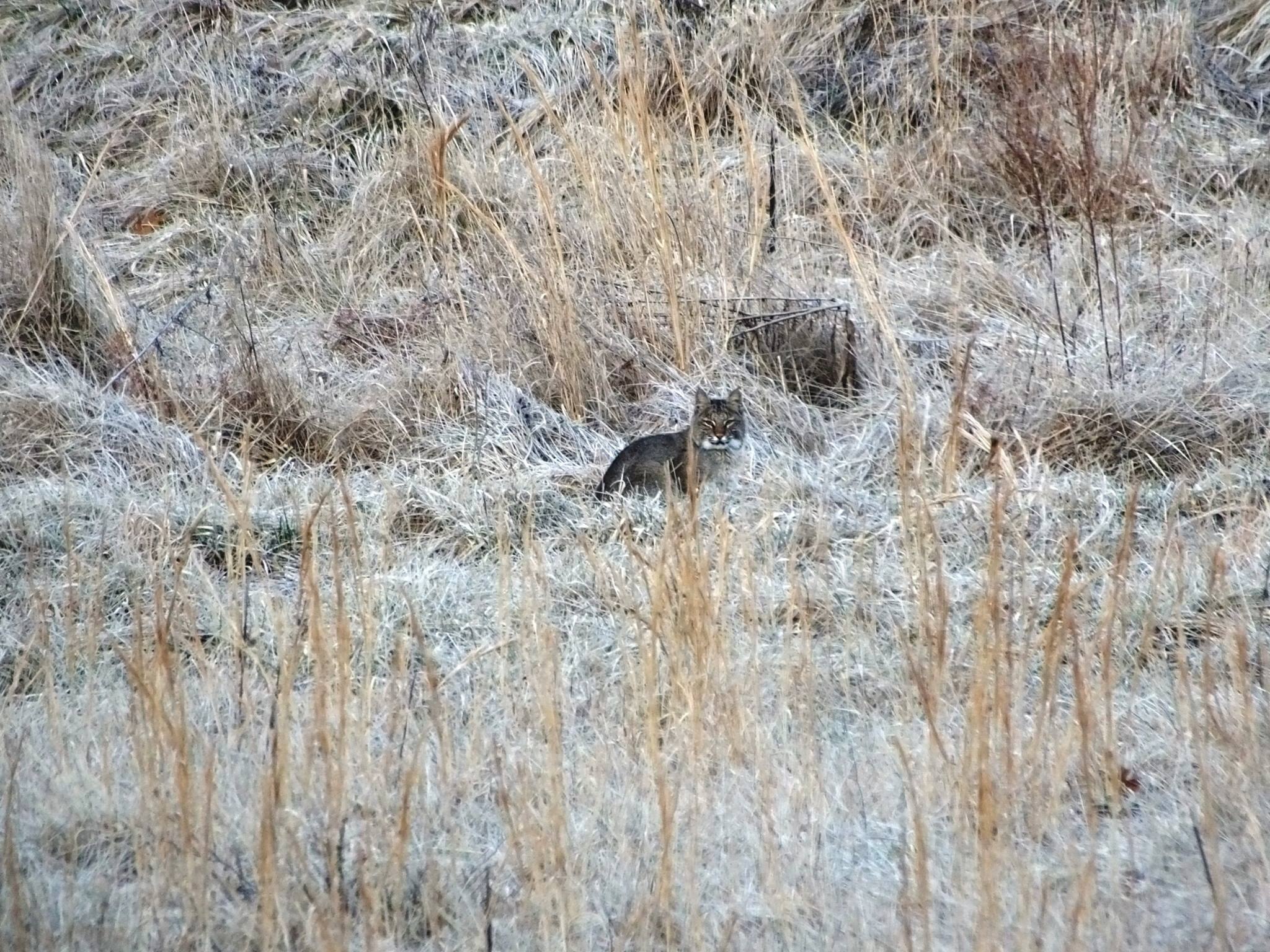
In Missouri, bobcats have expanded alongside forest regeneration and habitat improvement. Camera surveys frequently reveal individuals in areas where sightings remain rare. Their elusive behavior masks true abundance. Bobcats exploit wooded tracts, agricultural edges, and rural corridors efficiently. Wildlife data suggests growing range stability. Prey resources remain favorable. Hunters often underestimate numbers due to low visibility. Natural camouflage aids concealment. Bobcats demonstrate strong adaptability to environmental variation. Their quiet presence highlights how predator populations can thrive without widespread detection.
12. Oklahoma
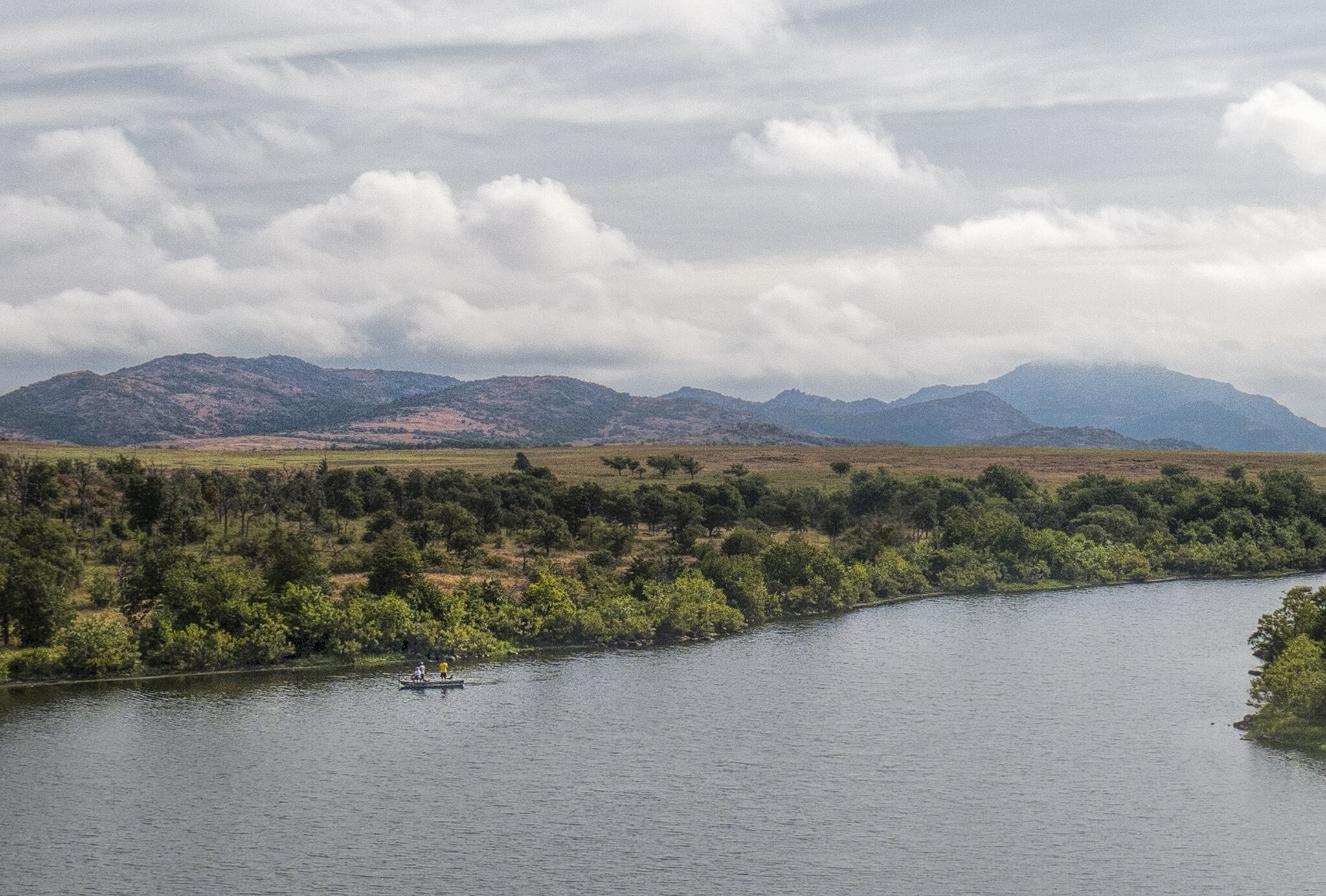
Oklahoma supports bobcats across grasslands, woodlots, and agricultural landscapes. These predators use terrain features for cover while exploiting prey-rich environments. Sightings remain limited despite stable populations. Wildlife monitoring confirms consistent presence. Bobcats adapt readily to open and fragmented habitats. Their stealth minimizes human encounters. Many outdoor travelers remain unaware of nearby animals. Seasonal prey dynamics sustain survival. Bobcats continue demonstrating resilience across varied conditions. Their distribution reflects remarkable ecological flexibility.
13. Oregon
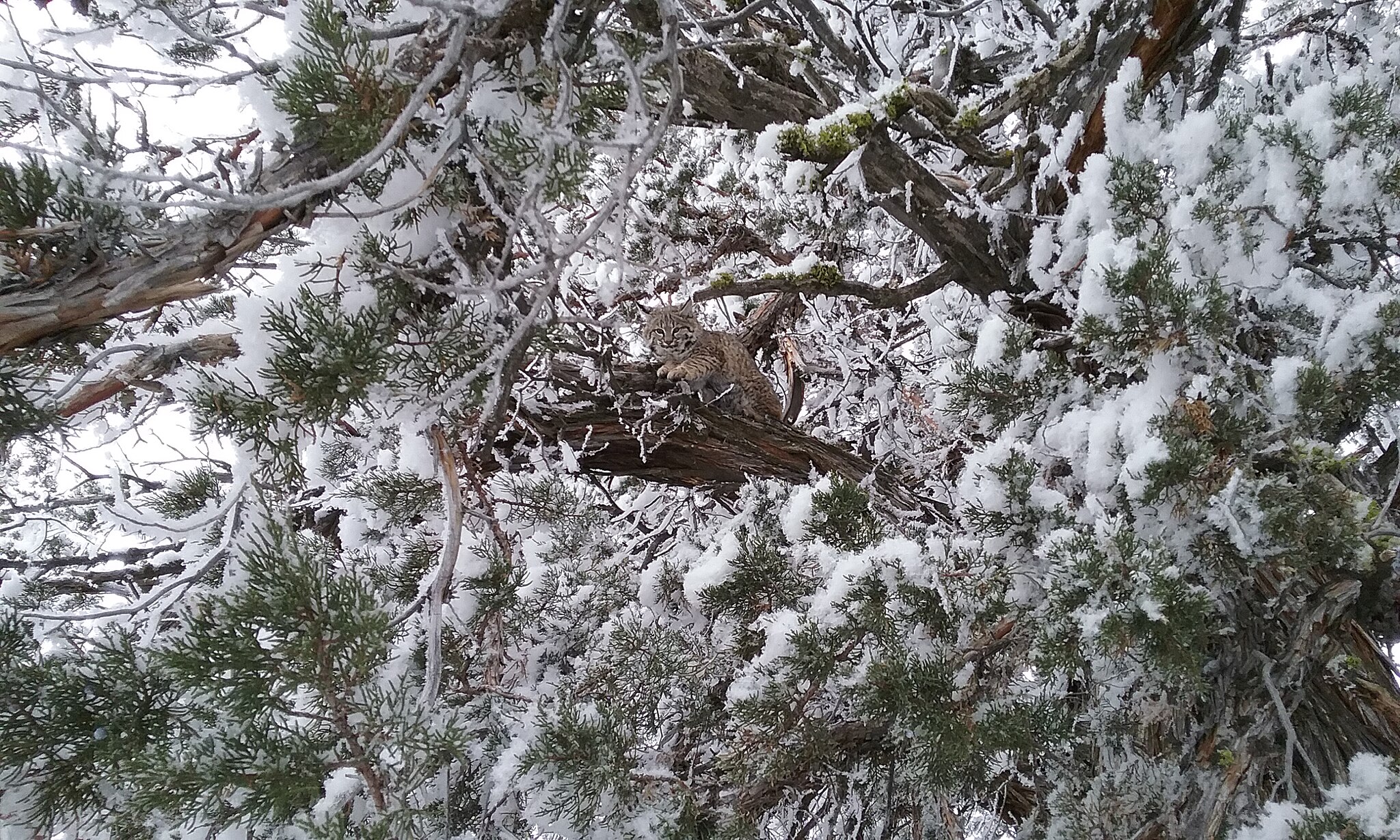
Dense forests and diverse terrain across Oregon conceal numerous bobcats. Stealth, camouflage, and cautious movement reduce visibility. Camera studies show frequent activity in remote and semi-rural areas. Prey availability supports population stability. Bobcats navigate woodland environments efficiently. Sightings remain uncommon, reinforcing misconceptions. Habitat continuity favors persistence. Many hikers pass through active territories unnoticed. Bobcats remain integral yet elusive components of the state’s wildlife communities.
14. Michigan
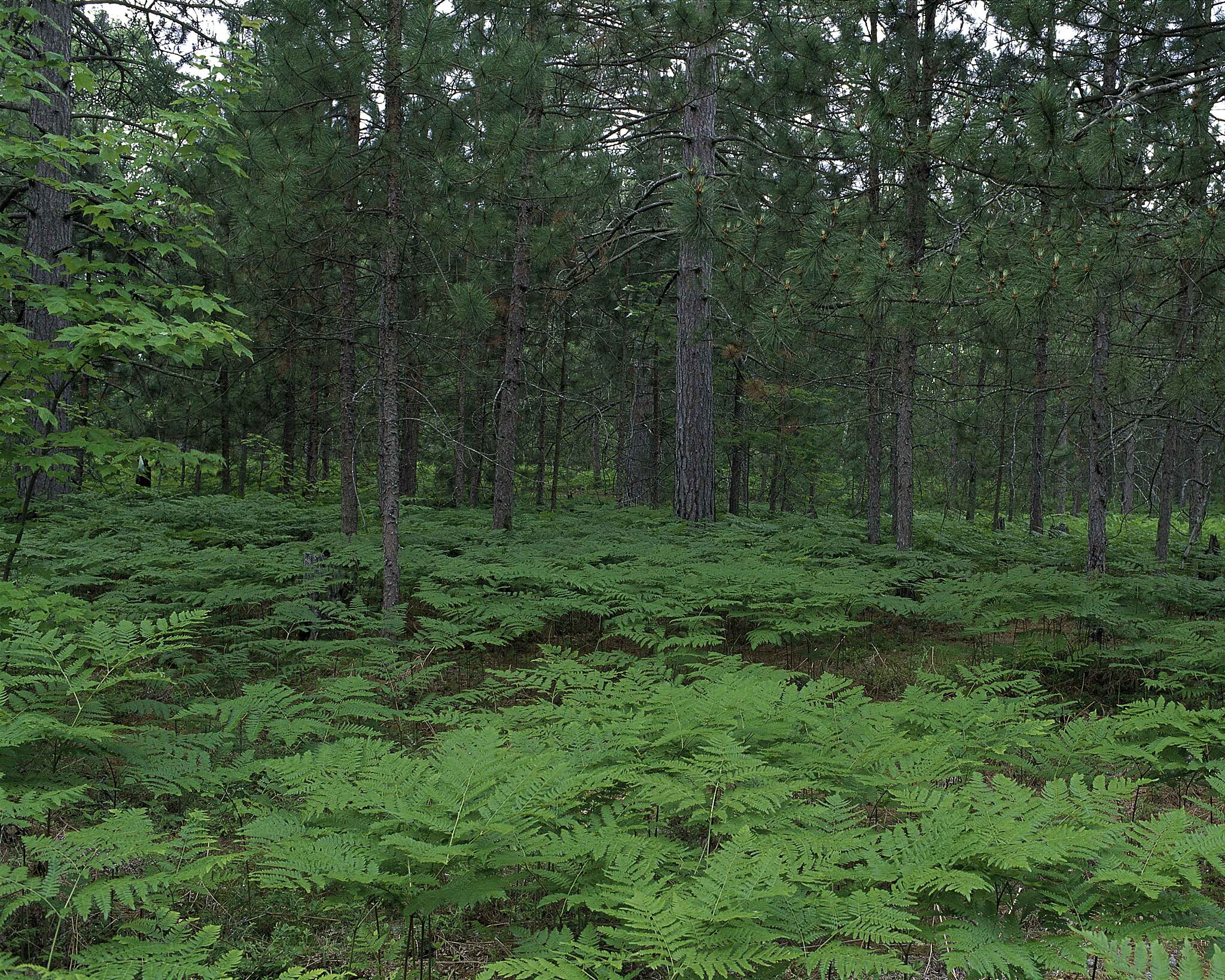
Michigan has experienced a gradual bobcat recovery supported by expanding habitat and prey resources. Sightings remain rare but increasingly documented. Winter resilience aids survival. Monitoring programs indicate a stable distribution. Bobcats occupy forests and transitional zones effectively. Their quiet resurgence often escapes public attention. Subtle presence suggests broader population strength. Adaptability continues driving recovery. Bobcats remain more common than most residents realize.