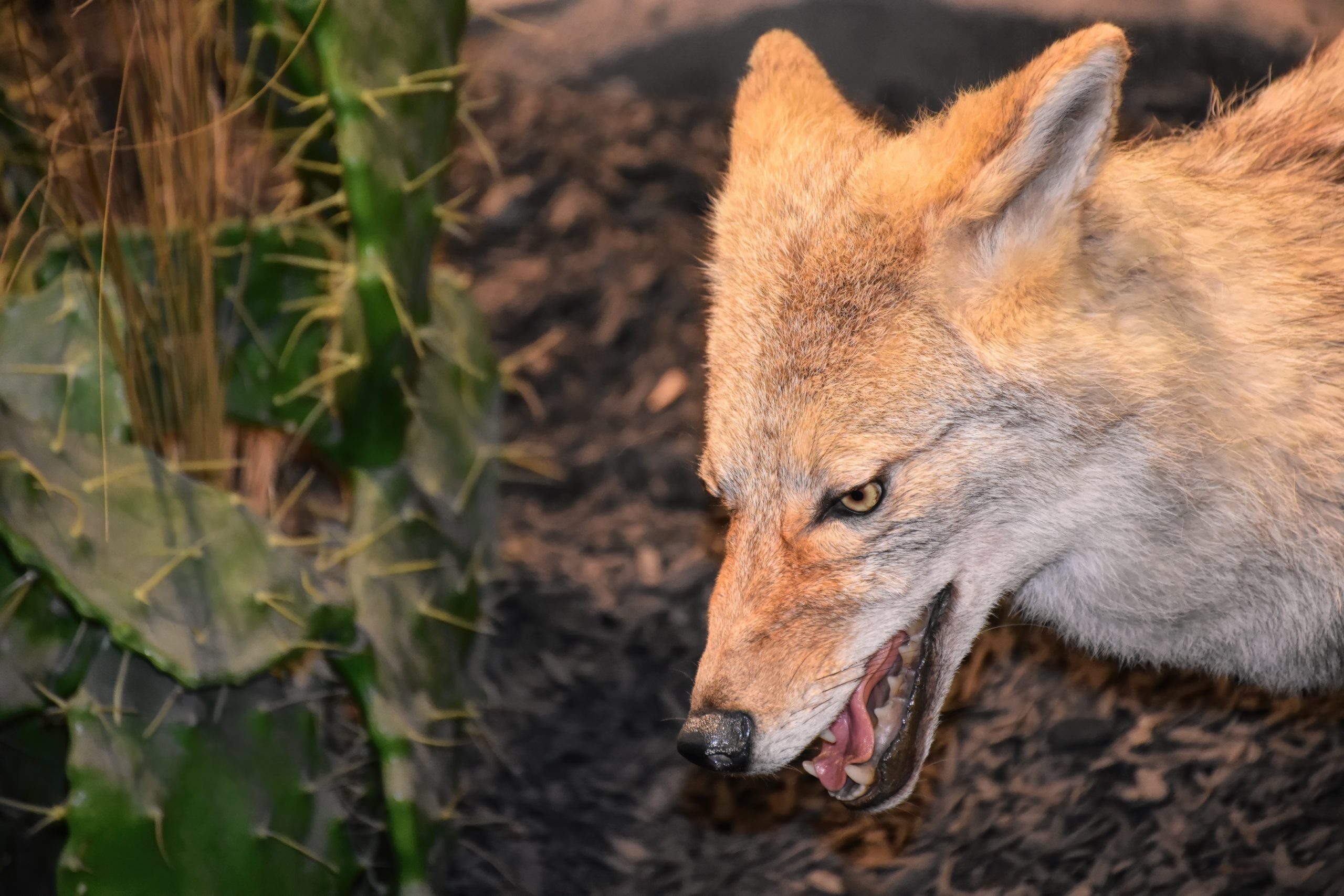
Coyotes (Canis latrans) are one of North America’s most adaptable carnivores, found from deserts to cities. Though many people think of them as nocturnal, coyotes are not strictly night animals. They may be active at all hours, especially where human disturbance is limited or food is abundant. In urban and suburban landscapes, research and wildlife management reports show coyotes moving and foraging during morning, midday, and early evening hours. Activity patterns vary seasonally and regionally, but sightings during daylight are far from unusual across the country. Understanding where and why coyotes are visible in the daytime helps residents, outdoor enthusiasts, and wildlife managers anticipate encounters and promote coexistence.
1. California
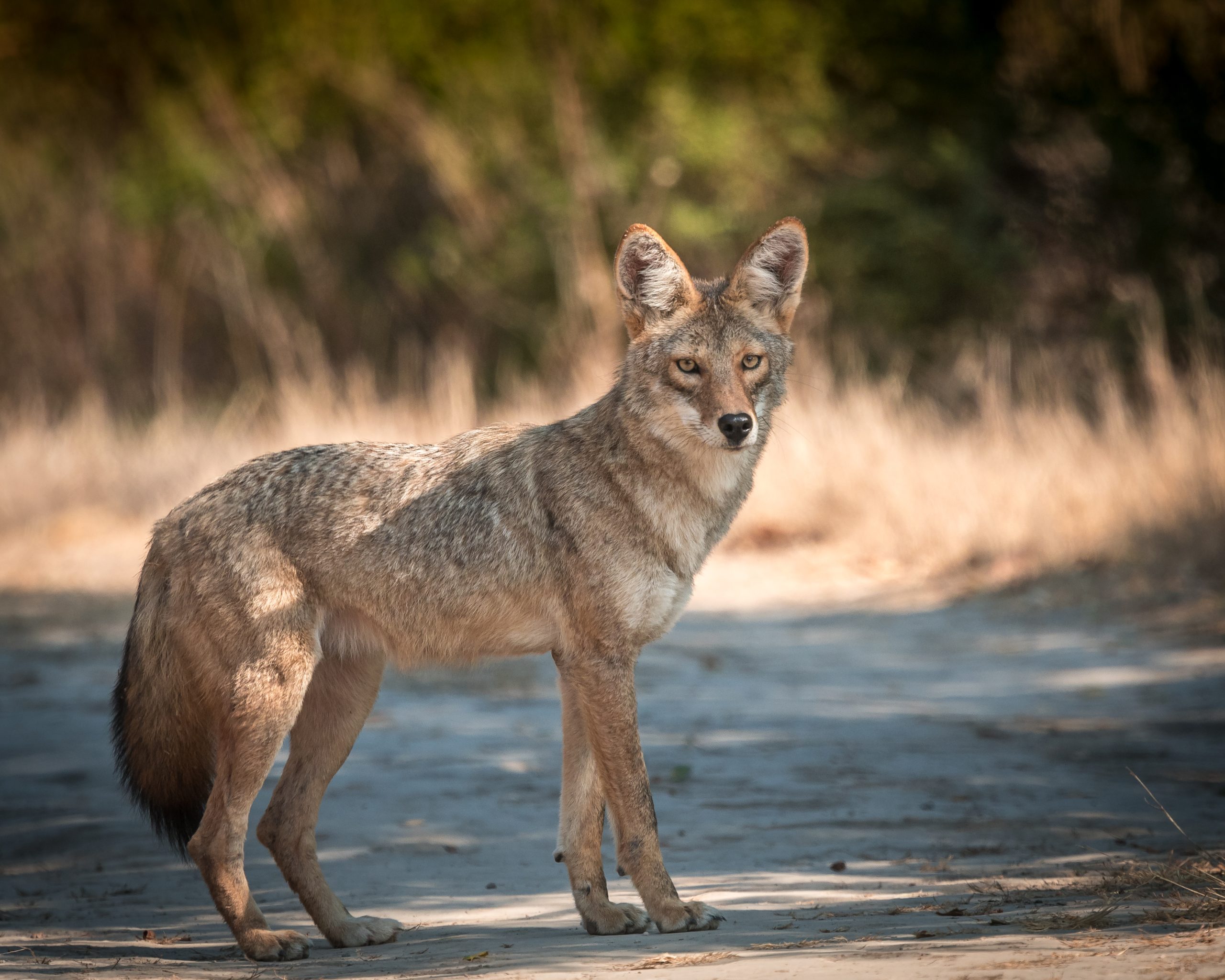
Coyotes are widespread throughout California, from deserts to cities like Los Angeles and San Francisco, where they often traverse parks and neighborhoods during daylight. Urban research projects have documented coyotes adapting to metropolitan habitats and using green corridors to move across cities, leading to increased daytime observations as they hunt, scavenge, or investigate human landscapes. Their adaptability allows them to balance activity between night and day depending on food availability and human pressure. California’s large and connected green spaces give coyotes opportunities to forage in daylight, especially outside peak human activity hours. Their presence in daylight is not uncommon and reflects how adaptable these canines are in diverse habitats.
2. Texas
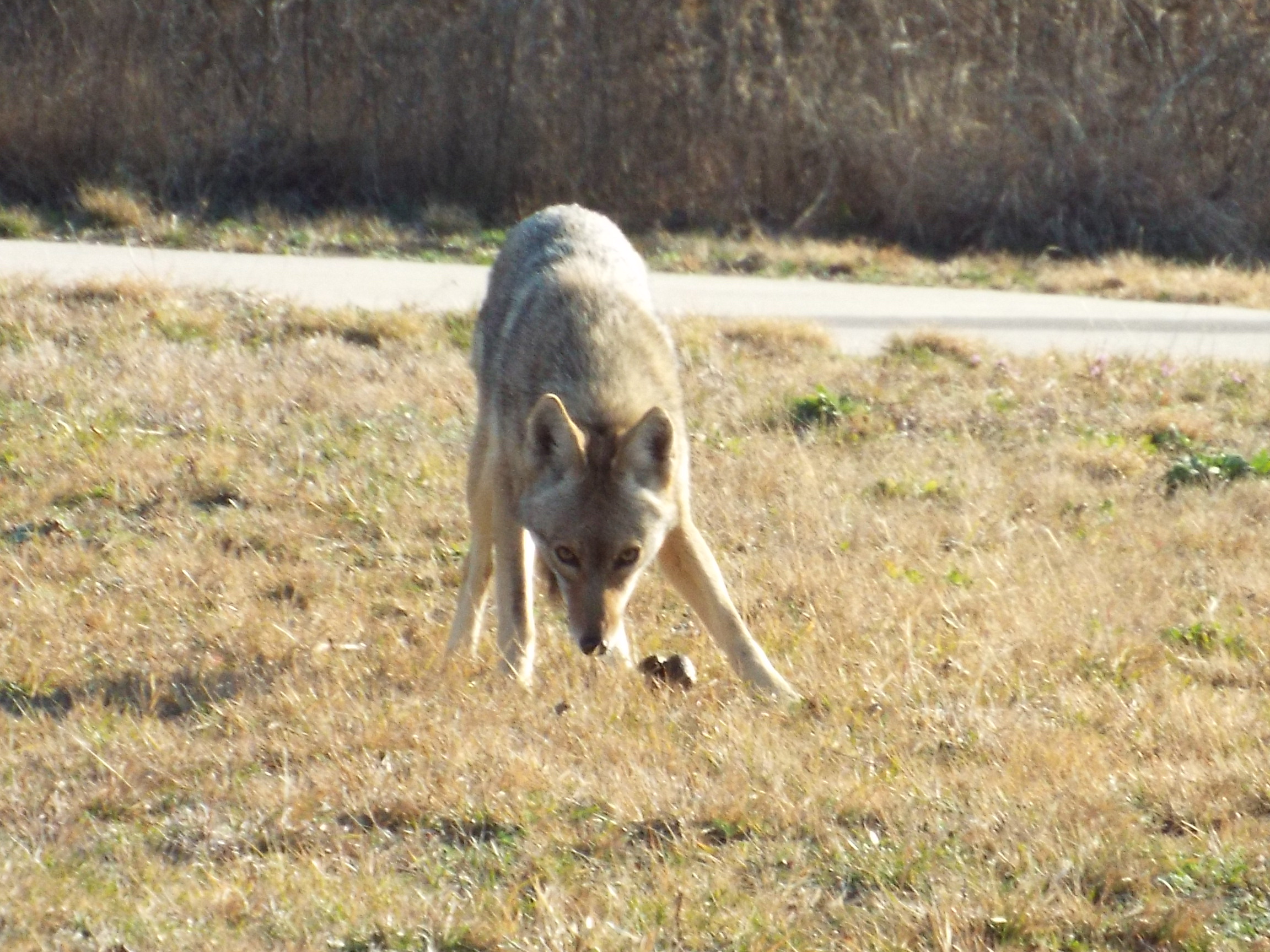
In Texas, coyotes are both rural predators and urban inhabitants, often seen throughout the day during cooler seasons or when human disturbance is low. Sightings spike in winter and early spring when mating and pup-rearing activities increase movement. Their ability to exploit fragmented landscapes, from ranches to suburban yards, means Texans report daytime encounters with coyotes hunting small mammals or moving through brush. Because Texas contains both vast wildlands and sprawling suburbs, coyotes adjust their daily patterns to maximize success, leading to noticeable daylight activity across large portions of the state.
3. Florida
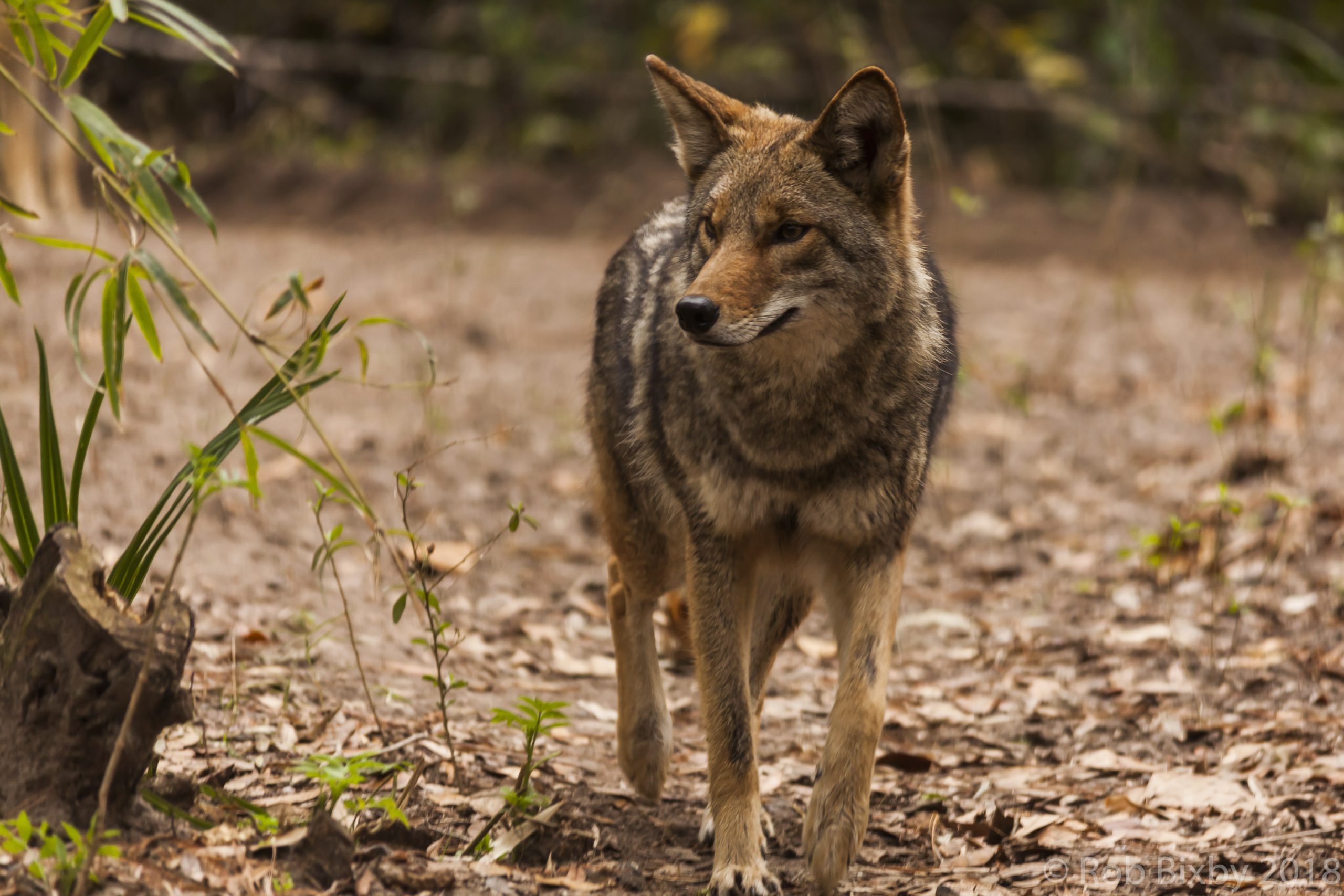
Once rare in Florida, coyotes now occupy nearly every county and are becoming increasingly visible during the day, especially in areas with abundant food sources and low human harassment. Their expanding range and resilience in landscapes transformed by development mean that Floridians more frequently observe coyotes near parks, suburban streets, and natural reserves during daylight. Sightings often occur inthe morning and afternoon hours when temperatures are mild. This visible daytime activity reflects coyotes’ willingness to adjust patterns to local conditions, and their increasing comfort in human-altered environments across the Sunshine State.
4. New York
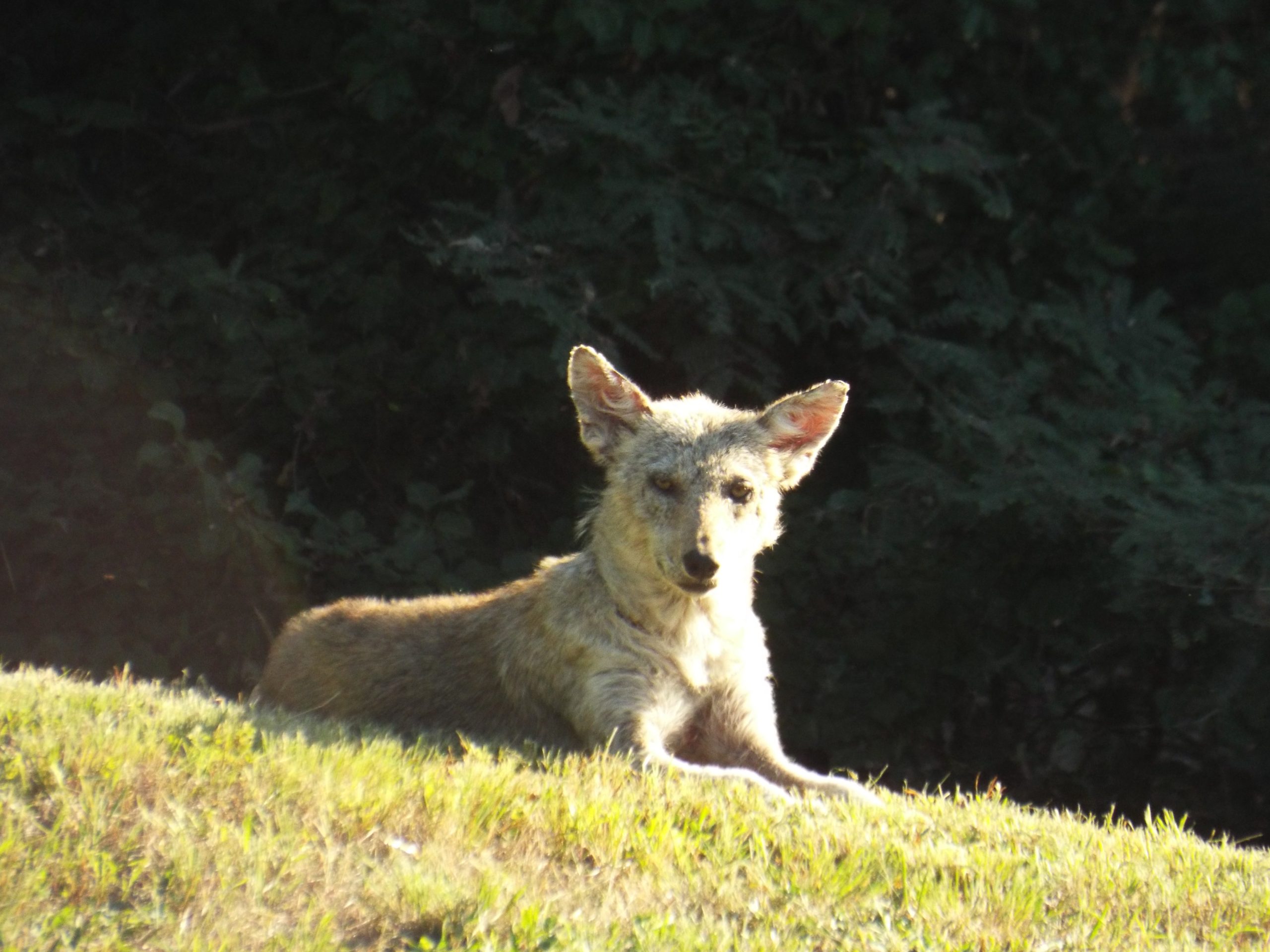
Coyotes have recolonized much of New York State, including urban centers such as the Bronx and surrounding counties, where sightings during daylight have become more common. Urban coyotes in New York adapt their activity to balance food availability and human disturbance, leading to movements throughout the day, especially in green spaces. Morning and late-afternoon sightings near parks and residential edges are regularly reported, indicating that daytime activity is part of their adaptation. Their success in the Northeast shows how abundant coyotes have become beyond the West and Plains.
5. Ohio
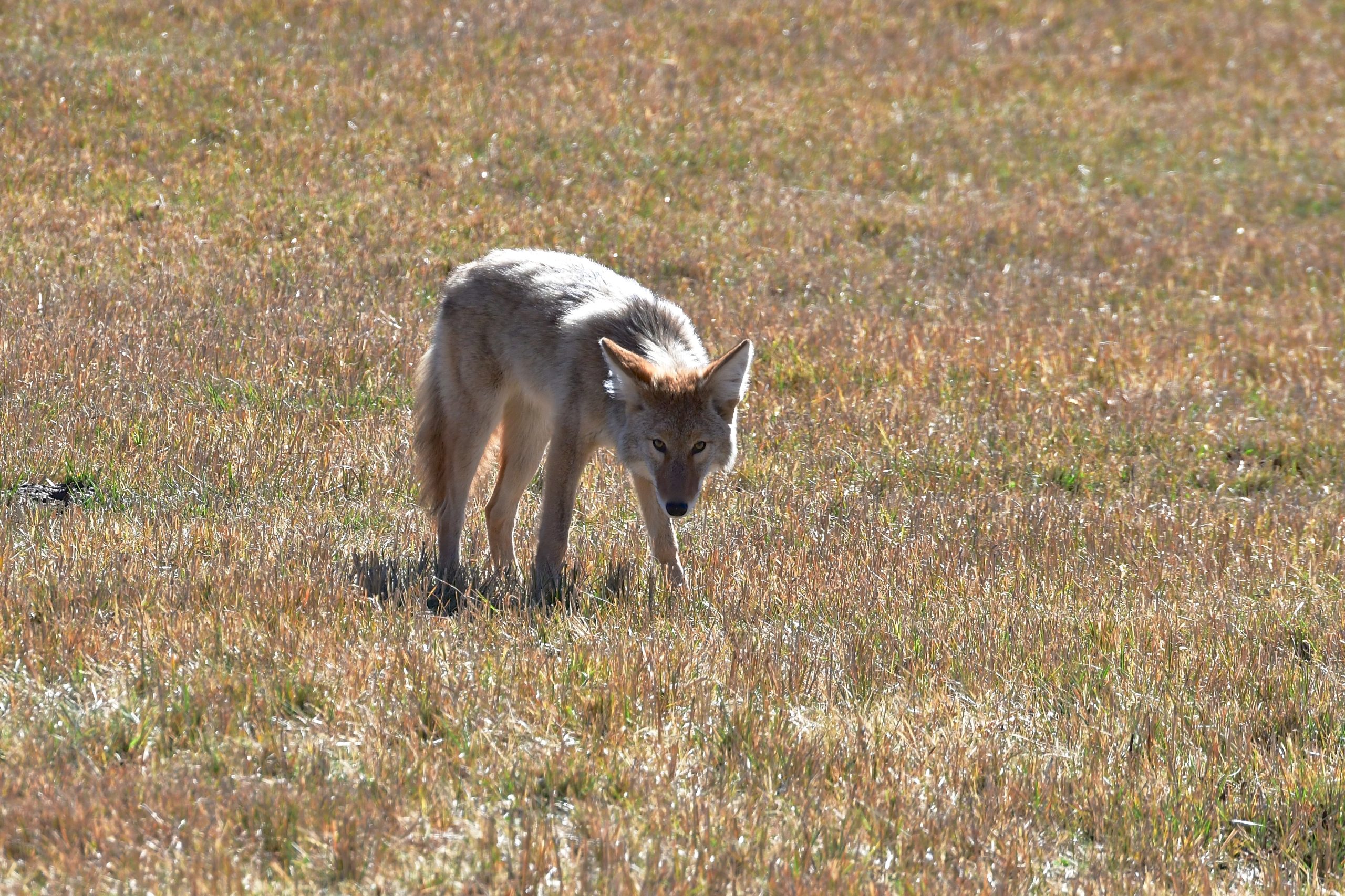
In Ohio, wildlife reports and local accounts note that coyotes are active both night and day, particularly in rural woodlands and the edges of agricultural fields. Many residents report seeing coyotes hunting or cruising territory during daytime hours, especially in low-traffic areas. Their flexible activity patterns allow them to exploit daytime prey such as rabbits and rodents. Ohio’s mixed land use forests, farms, and suburbs provide diverse habitat that supports daylight activity, and sighting reports confirm that coyotes do not restrict themselves to nocturnal routines.
6. Colorado
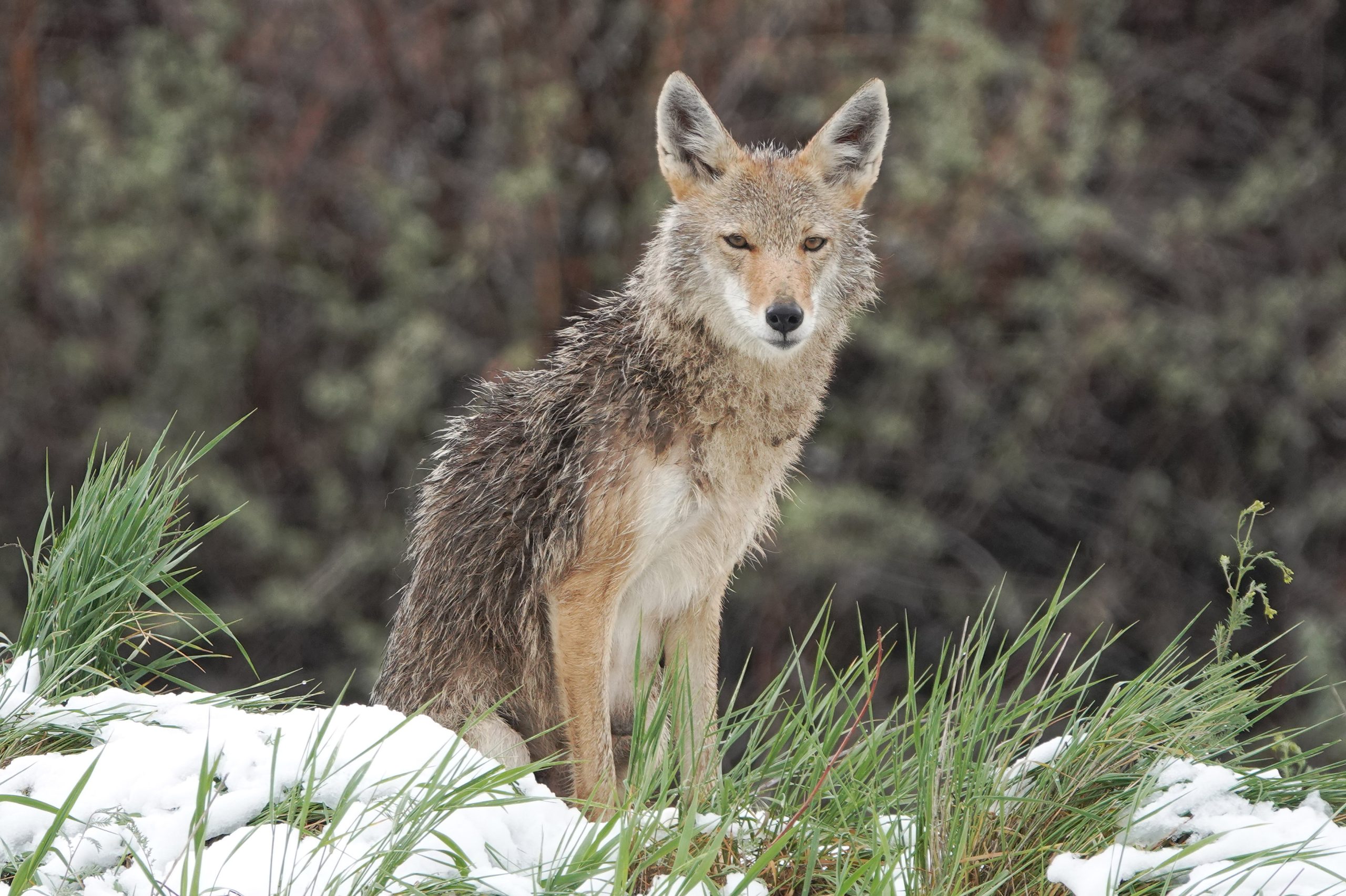
Colorado’s diverse landscapes, from Front Range urban corridors to high plains, host robust coyote populations. Sightings during daylight are common in state parks, foothills, and open spaces where human disturbance is patchy. Coyotes may seek daytime prey, patrol territory, or move between habitats during milder weather. Their adaptability in Colorado’s varied terrain means they are often encountered walking trails, crossing fields, or navigating urban edges in daylight, especially where food or cover is available.
7. Arizona
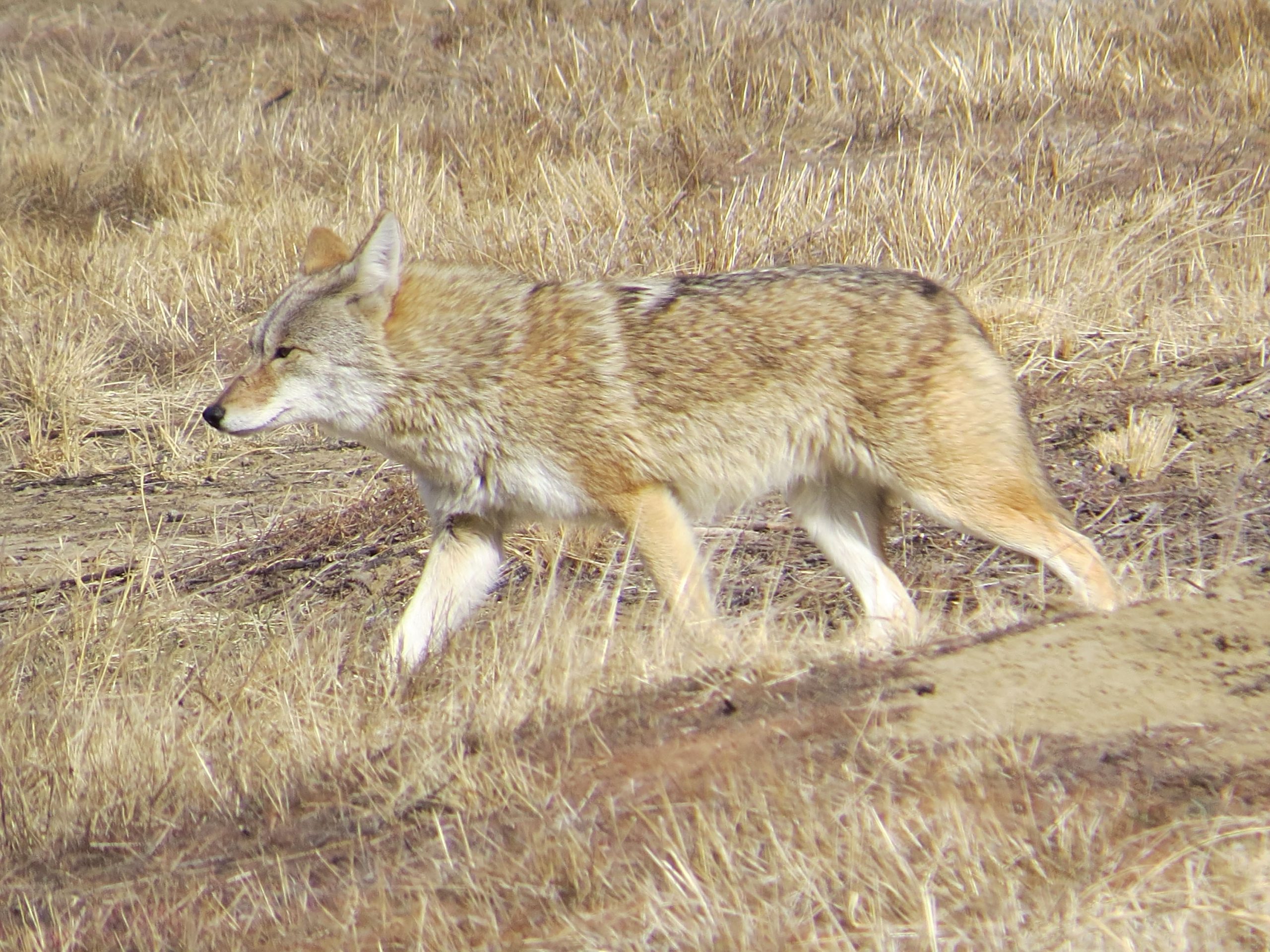
In Arizona, coyotes thrive in desert scrublands, riparian corridors, and growing suburbs alike. Daylight activity is particularly noticeable during cooler months when temperatures make daytime foraging more efficient. Coyotes adjust their patterns to avoid midday heat but become active in the morning and late afternoon. In urban fringes, they may take advantage of food resources and open corridors that are quieter during those hours. Their ability to inhabit deserts, mountains, and cities alike contributes to frequent daylight visibility across the state.
8. Washington
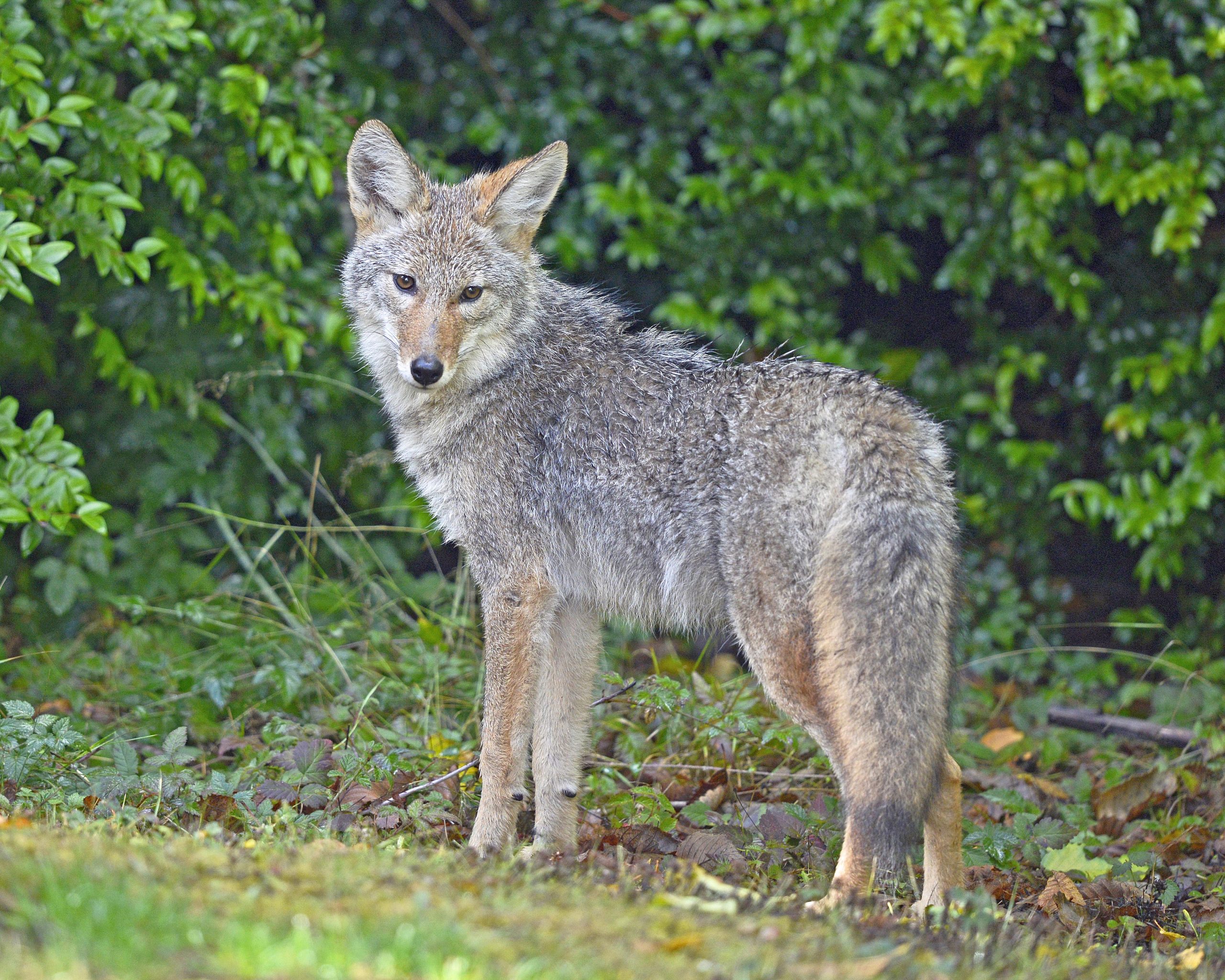
Coyotes in Washington State are common in both Eastern agricultural areas and Western forested regions. Sightings during daylight are frequent in rural fields, along river corridors, and in suburban parks. They often patrol the edges of human development when disturbance is low, searching for small mammals and carrion. Their flexibility in habits allows them to adjust daily activity based on local conditions, making daytime encounters more likely in many parts of the state. Presence in both remote and inhabited landscapes contributes to their visibility.
9. Pennsylvania
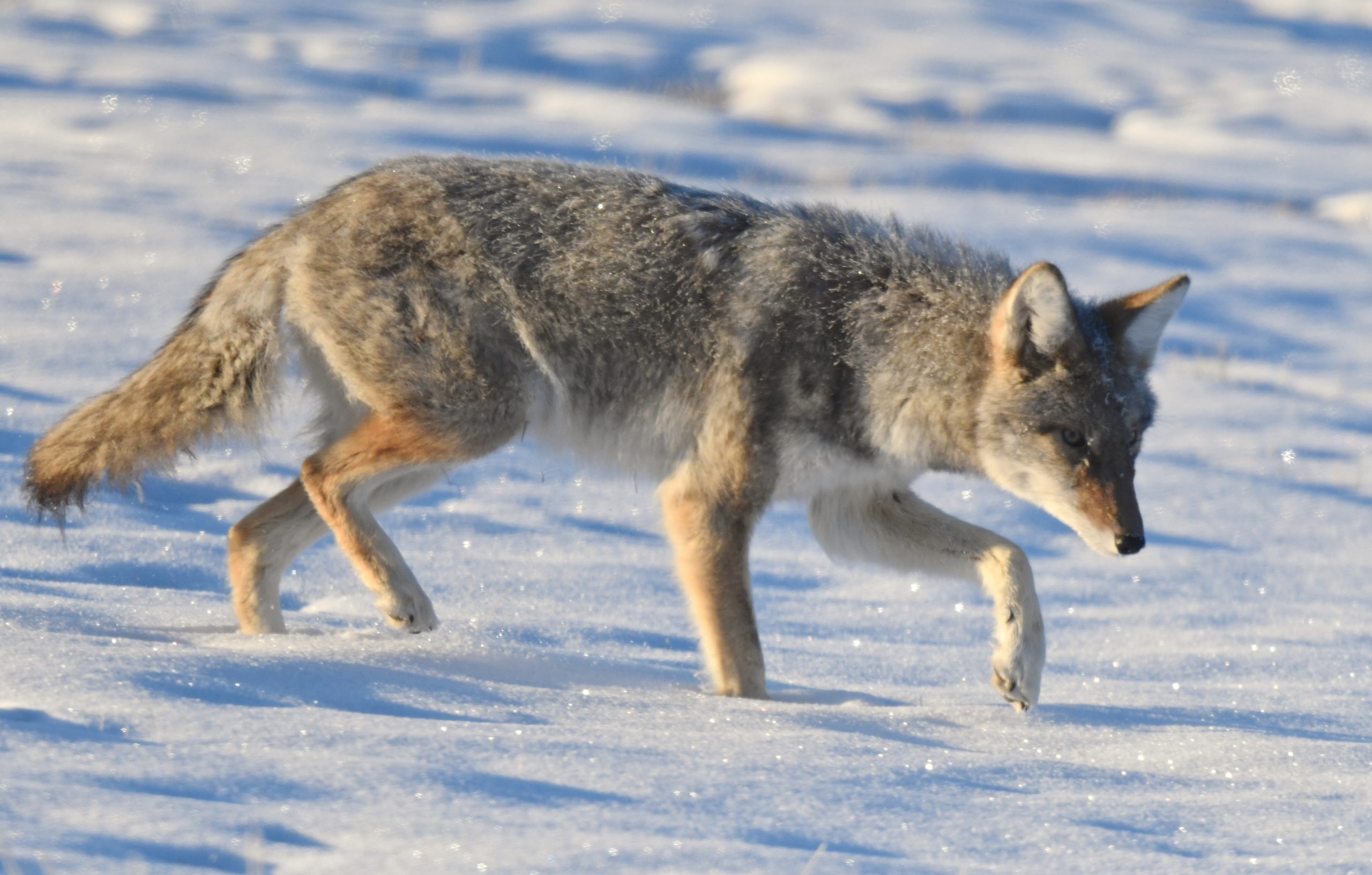
In Pennsylvania, coyotes inhabit forests, farmland, and suburbs, where sightings in daylight are reported with increasing regularity. Their adaptable behavior allows them to hunt and travel during the day, especially where human activity pauses or is less intense. Coyotes in Pennsylvania may move in the early morning or late afternoon when prey is active, and human traffic is lower. Their range expansion across the Northeast and robust populations boost the likelihood of daytime encounters throughout the state.
10. Michigan
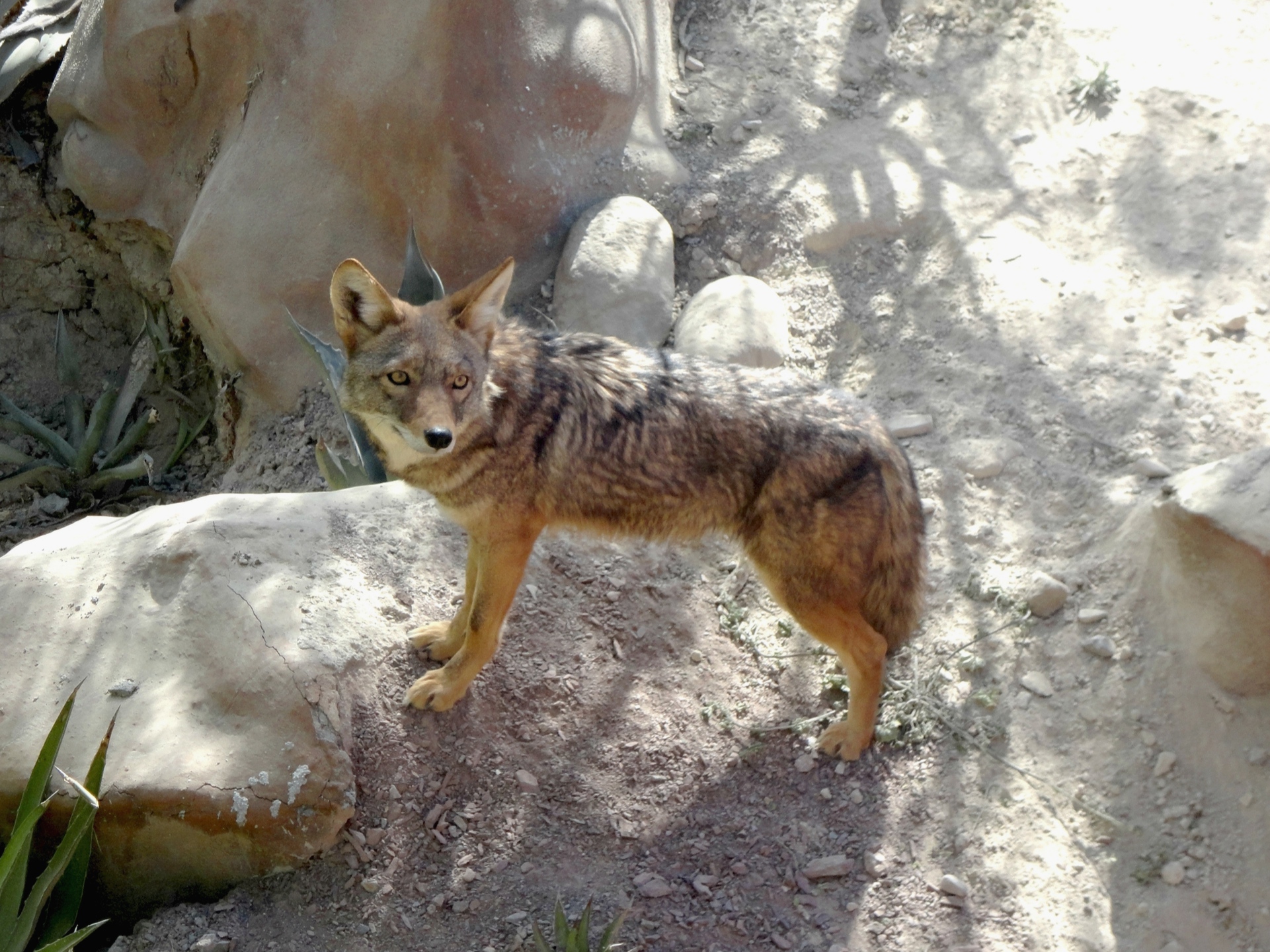
Michigan’s coyotes occupy woodlands, agricultural zones, and urban edges, with daytime activity observed in parks and rural landscapes alike. Sightings during broad daylight occur in cooler seasons and in quieter areas where human disturbance is minimal. Coyotes’ crepuscular tendencies often extend into full daylight hours when temperatures and food availability align. Their presence across Michigan’s Upper and Lower Peninsulas shows how widely this adaptable species exploits space and resources, making daytime activity a regular feature of their ecology.
11. Wisconsin
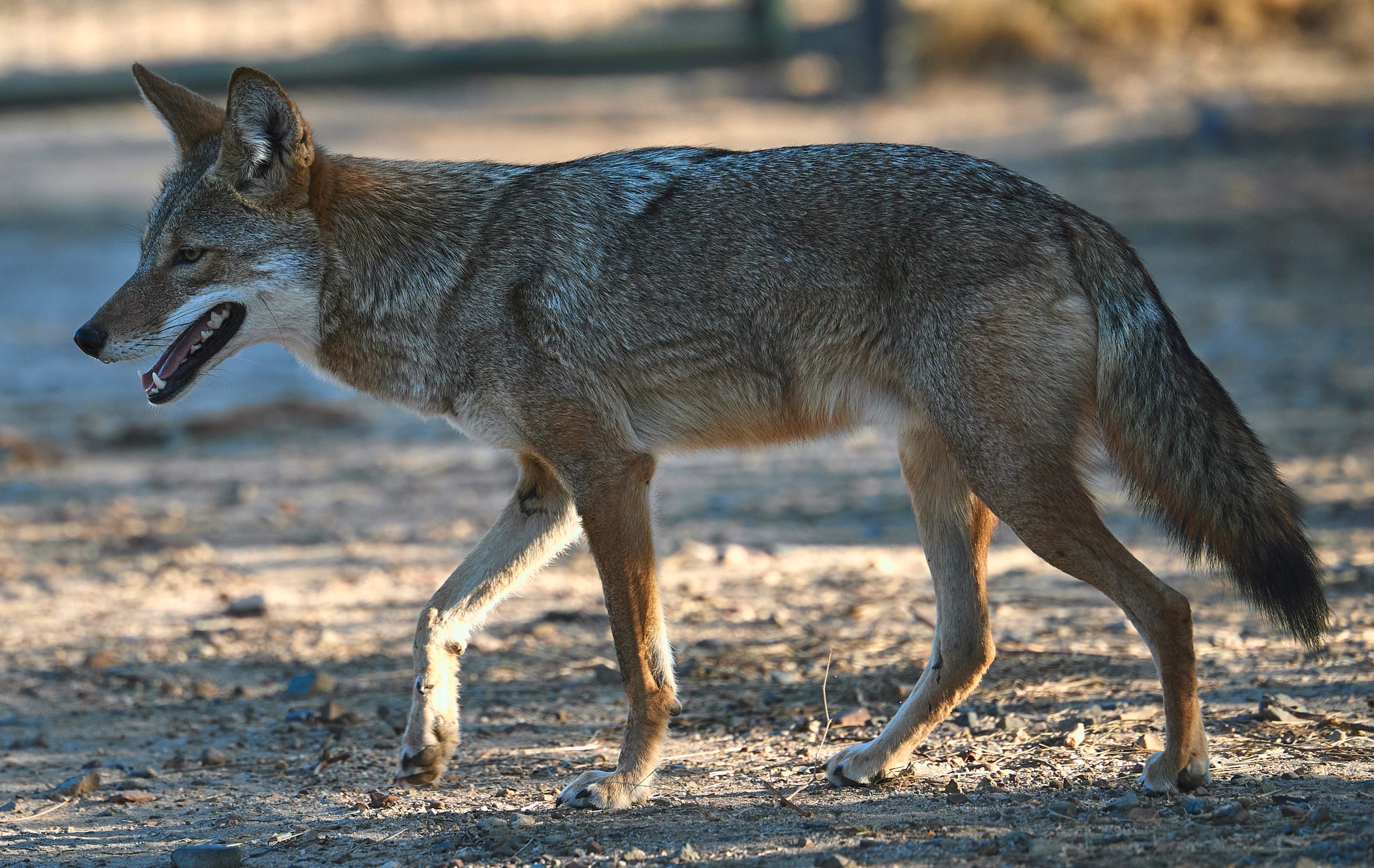
In Wisconsin, coyotes are widespread in forests, farmland, and suburban parks. Sightings during the day are common in areas where disturbance is temporary or patchy, especially in the morning and early evening. Their adaptability to changing environments enables them to maintain activity throughout daylight hours, particularly during hunting or dispersal seasons. Coyotes may exploit open fields and woodland edges in daylight to track prey or patrol territory. This broad distribution contributes to frequent diurnal sightings across the state.
12. North Carolina
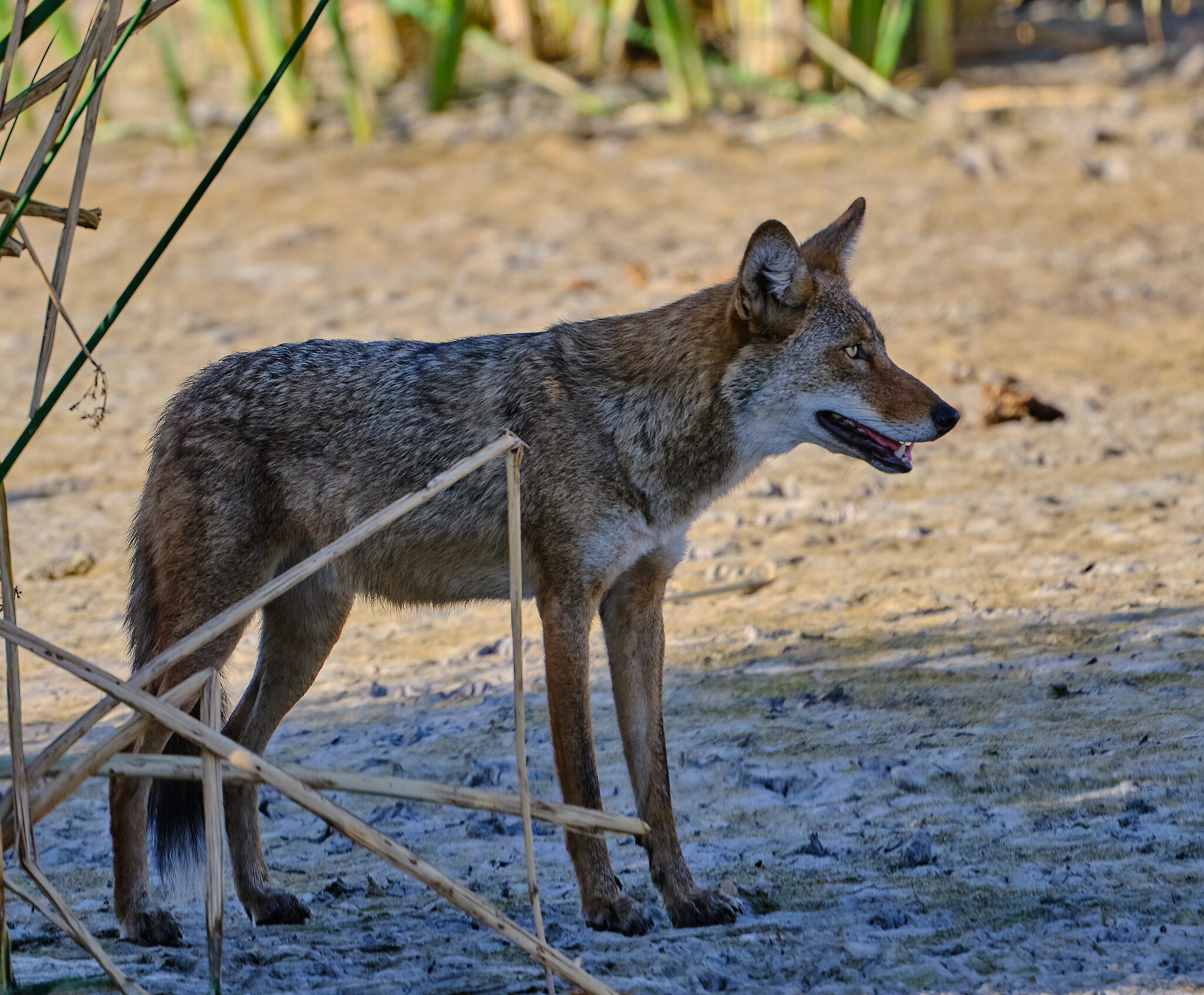
North Carolina’s coyotes occupy coastal plains, Piedmont woodlands, and mountain forests, adapting their activity to local conditions. Daytime sightings are increasing as residential and agricultural land use expands. In quieter natural areas, coyotes move and hunt during daylight, especially in the morning and late afternoon. Their generalist diet and territorial flexibility allow them to adjust to human presence, making daylight travel common in rural and peri-urban regions. Sightings reflect their nationwide adaptability.
13. Virginia
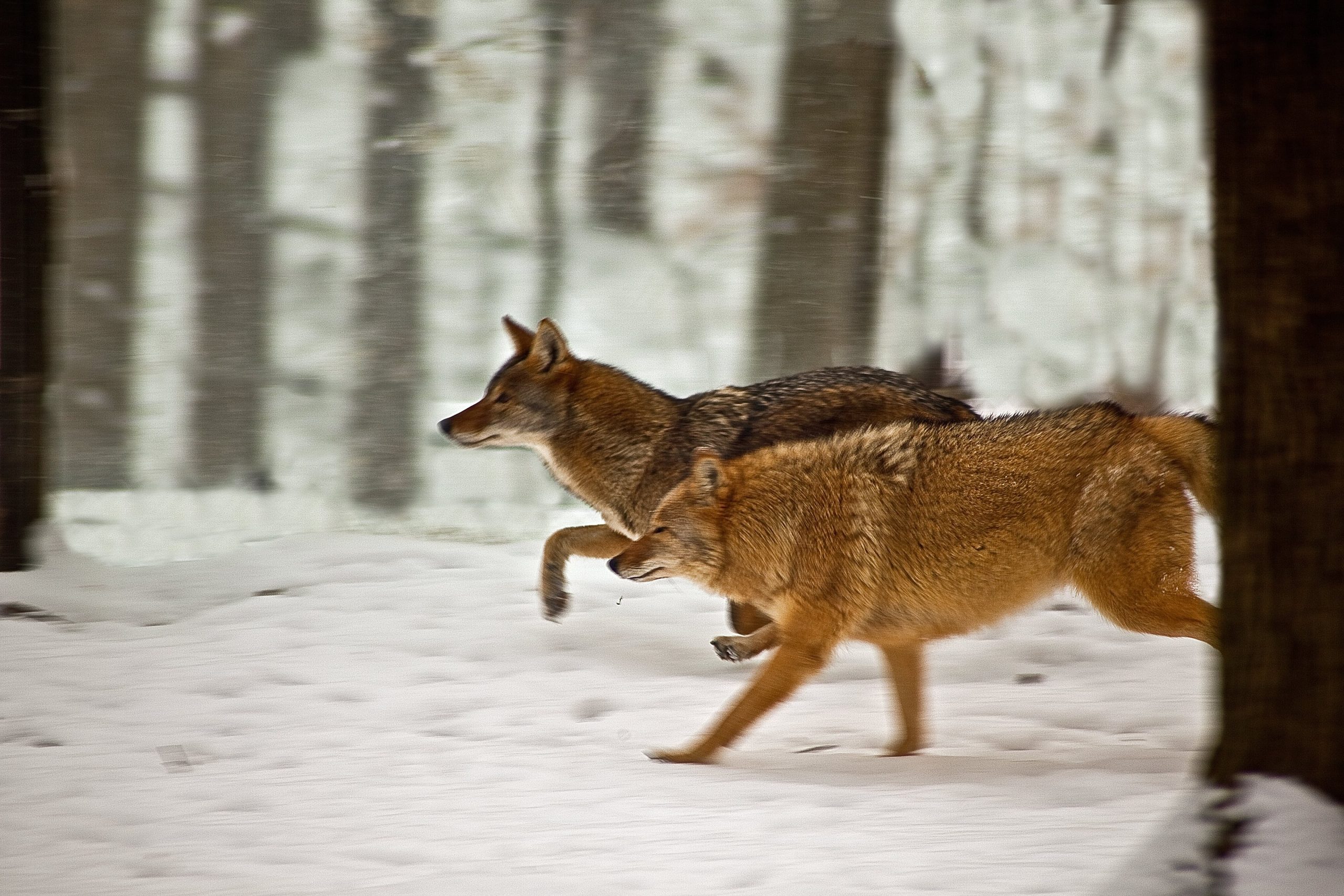
Coyotes in Virginia are found in forests, fields, and suburban landscapes where daytime activity is often noted. Sightings in daylight occur when disturbance levels are low, particularly in the morning and toward evening. Their ecological flexibility allows them to adjust hunting schedules based on prey availability and local conditions. Reports from parks and natural preserves underscore that coyotes do not confine themselves to night hours. Their expanding range across the state makes daytime encounters increasingly typical.
14. Oregon
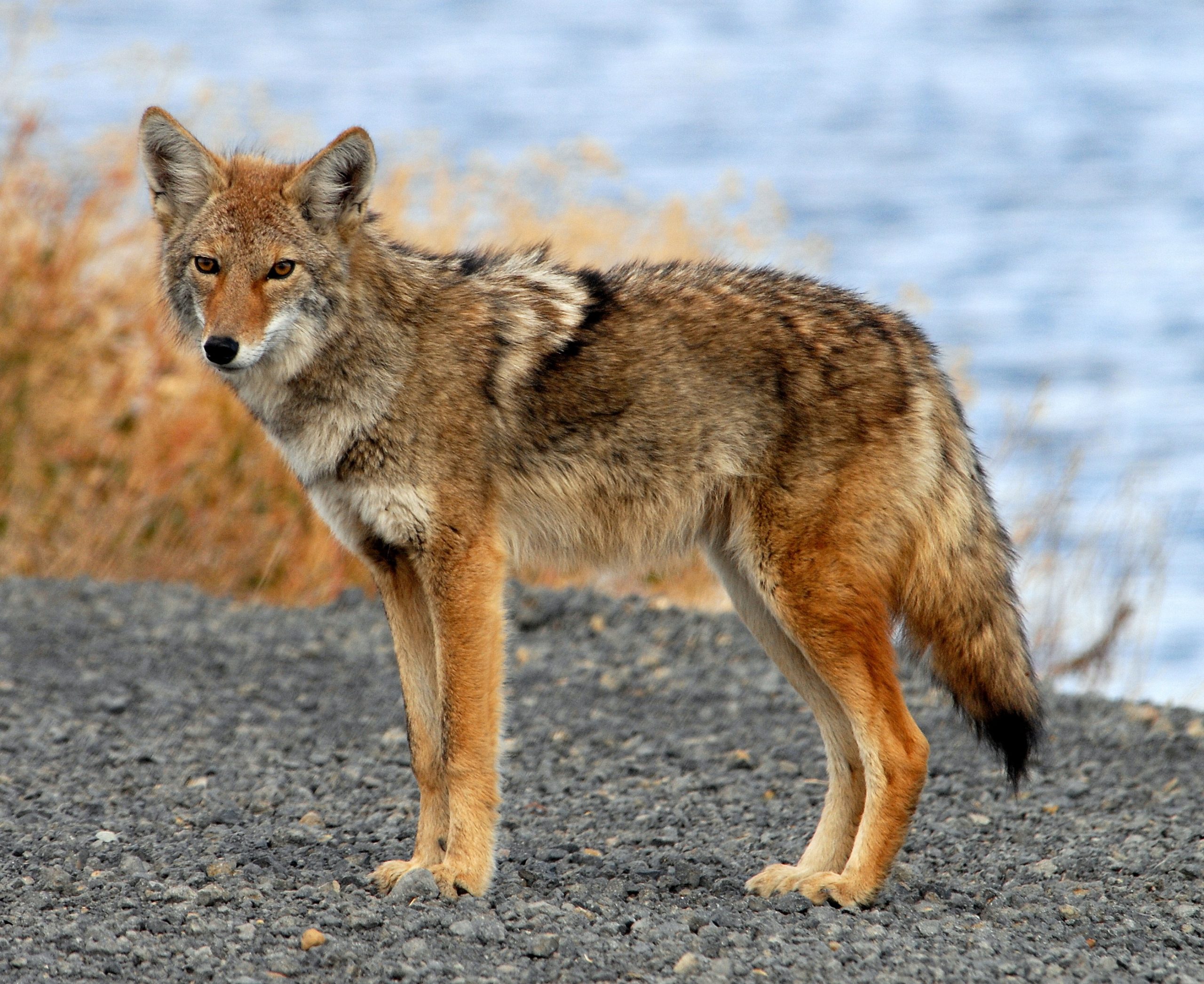
In Oregon, coyotes inhabit coastal valleys, interior plains, and urban outskirts. Daytime sightings are common where human disruption is intermittent, and coyotes exploit opportunities for food or territory patrol. Their activity peaks often align with cooler parts of the day, such as morning and late afternoon, but they may continue moving in broad daylight in quieter landscapes. Oregon’s mosaic of habitats supports sustained daylight activity, reinforcing that coyotes are adaptable rather than strictly nocturnal.