Popular culture often glorifies survival myths that sound logical but fail in real emergencies. Television shows and movies frequently depict dramatic solutions that actually worsen a critical situation. Relying on unverified folklore instead of proven medical or tactical advice creates dangerous confidence in untrained individuals. Many common strategies taught for decades have been debunked by modern experts who understand physiology better. Following outdated guidance can lead to injury or death when the margin for error is already slim. This comprehensive list exposes fourteen persistent myths that every outdoor enthusiast must stop believing immediately to stay safe.
Drinking Cactus Water
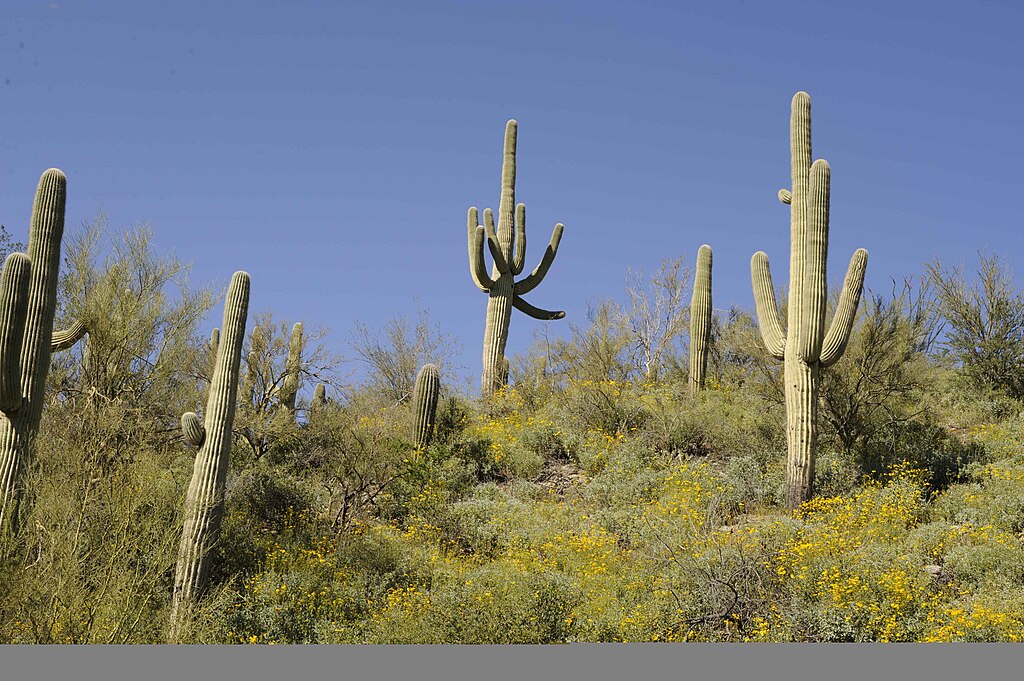
Desperate travelers often believe that cutting open a cactus provides a fresh source of hydration. In reality, the liquid inside most cacti is a toxic alkali cocktail rather than pure water. Consuming this noxious fluid induces severe vomiting and diarrhea, which accelerates dehydration rapidly. The physical effort required to hack into the plant also wastes valuable energy and sweat. Only one specific species of barrel cactus is safe to drink from, and identifying it is difficult. Drinking from the wrong plant turns a thirst emergency into a severe medical crisis that inevitably shortens survival time.
Sucking Venom From A Bite
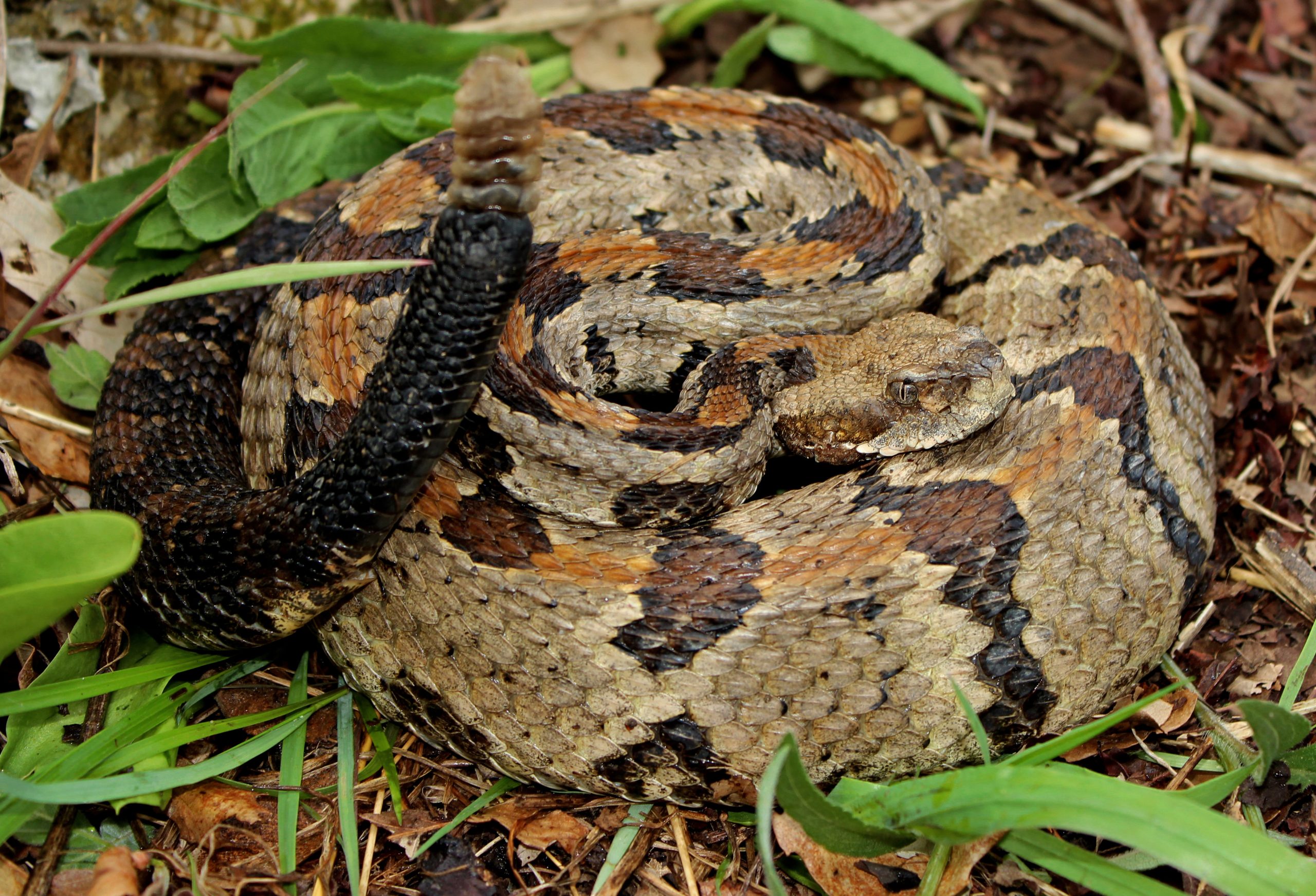
Old western movies taught generations that sucking poison from a snakebite saves lives. Medical professionals now confirm that this method creates more problems than it solves. The human mouth contains massive amounts of bacteria that cause serious infections in open wounds. Suction devices and oral techniques fail to remove any significant amount of venom from the bloodstream. The venom travels through the system too quickly for mechanical extraction to be effective. Cutting the wound to bleed it out also damages tissue and increases blood loss. The only effective treatment for envenomation is immediate transport to a hospital.
Eating Snow For Hydration
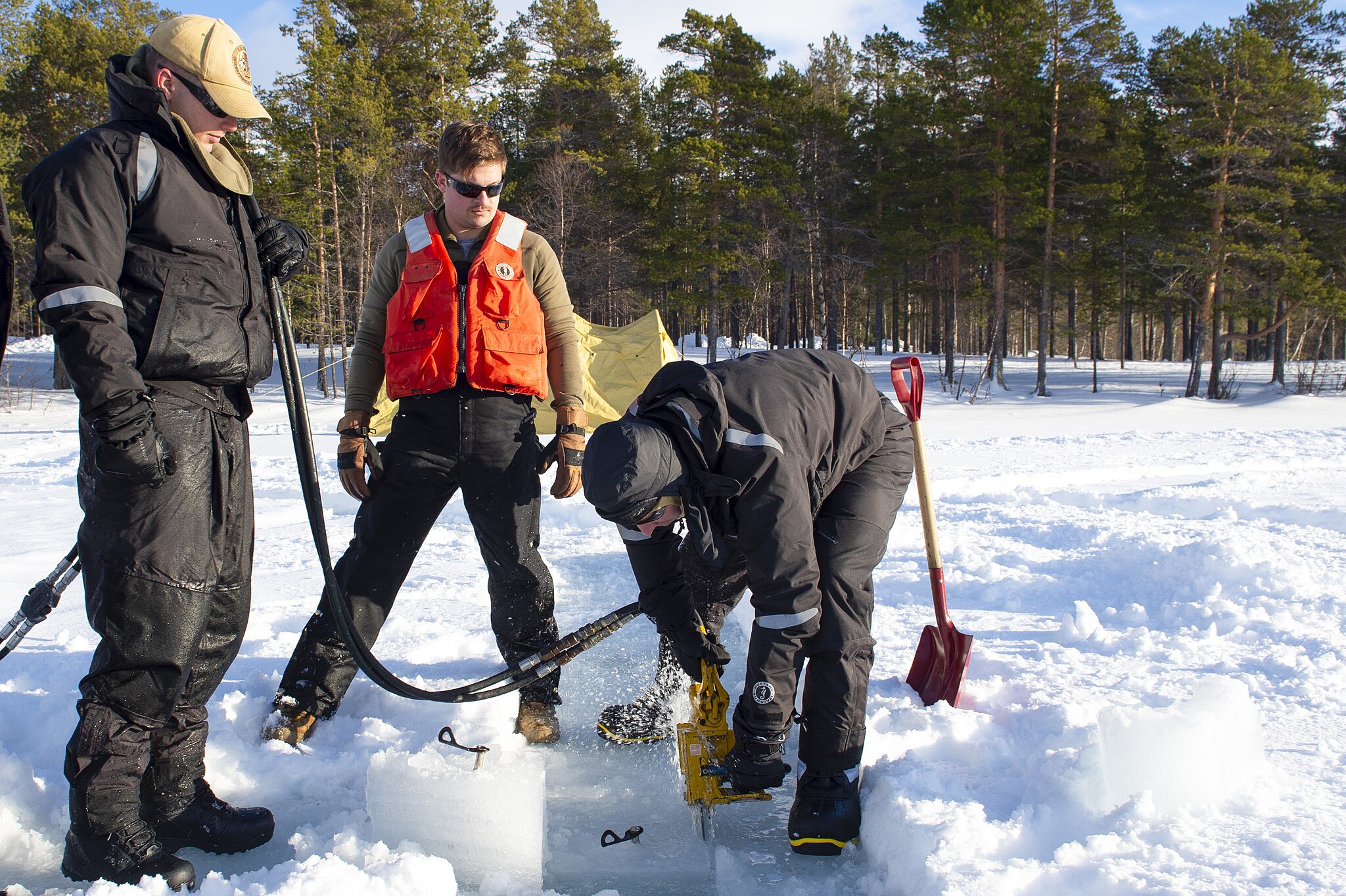
Eating fresh snow seems like a logical way to replace fluids in a frozen landscape. However, the energy required to melt the ice inside the body lowers core temperature dangerously. This drop in internal heat accelerates the onset of hypothermia and weakens the immune system. The mouth and throat can also suffer cold burns that make eating or drinking painful later. Experienced mountaineers always melt snow over a fire or stove before consuming it. Drinking cold water is fine, but eating solid ice demands too much metabolic heat. Preserving body warmth is the primary goal in winter.
Building A Lean-To Shelter
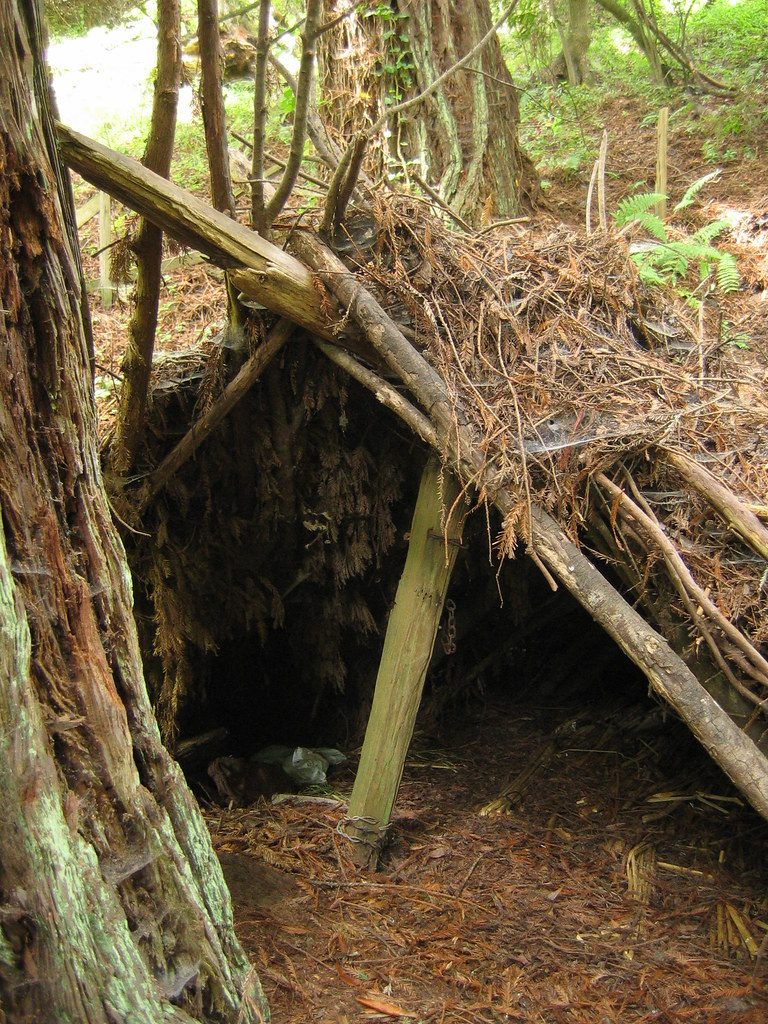
A simple lean-to shelter offers protection from wind and rain but fails to retain heat. The open design allows warmth to escape rapidly and leaves the occupant exposed to drafts. Sleeping directly on the cold ground sucks body heat away through conduction faster than air. A survival shelter must trap a pocket of dead air around the body to be effective. Building a debris hut or an enclosed A-frame provides much better insulation against the elements. Relying on a roof without walls or a floor is a fatal mistake in freezing conditions. Insulation is key to survival.
Playing Dead For Every Bear
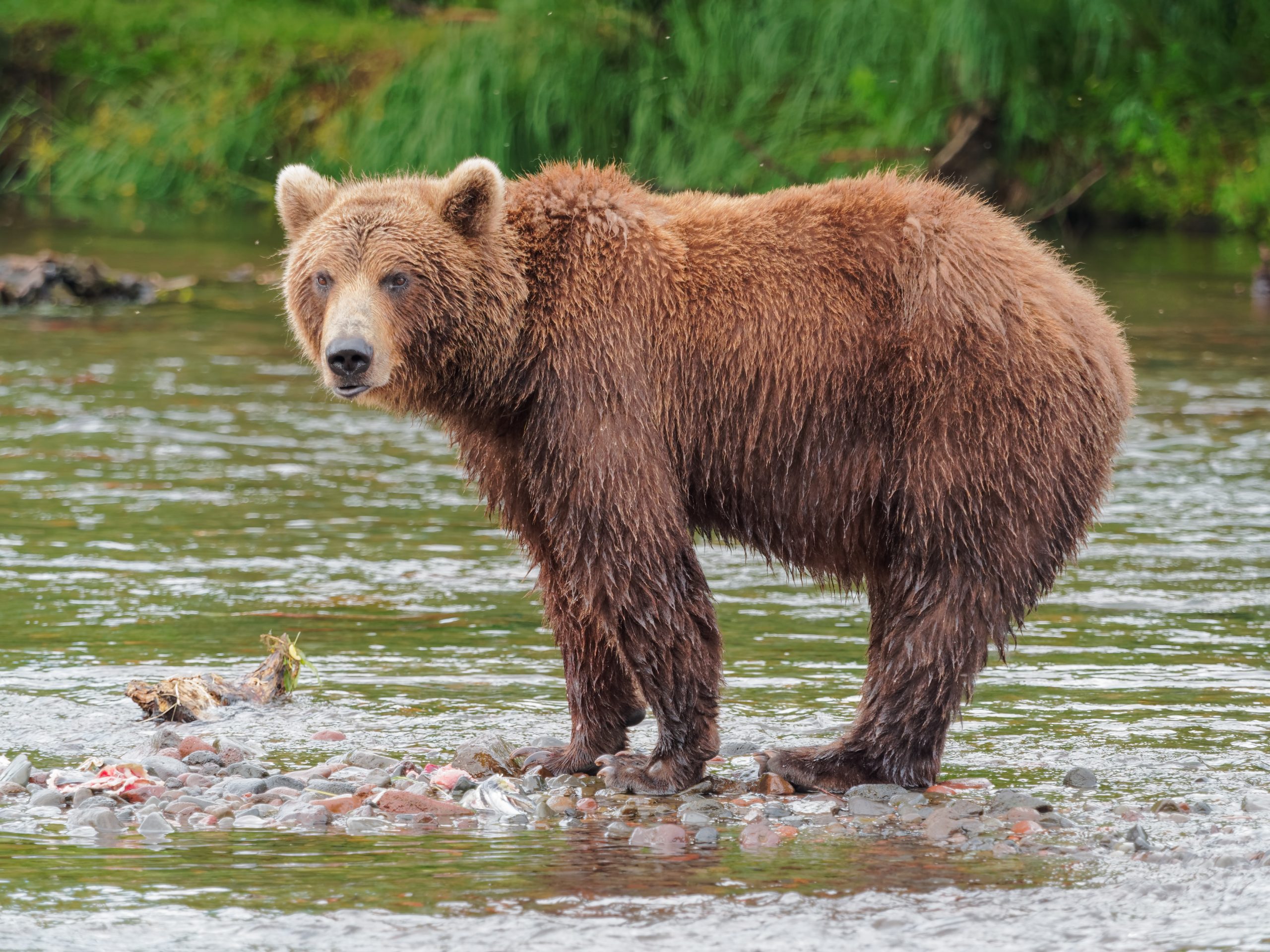
Playing dead is a specific strategy that only works with a defensive mother grizzly bear. Trying this passive approach with a predatory black bear or a mountain lion invites a mauling. Black bears are often scavengers and may view a motionless human as an easy meal opportunity. If a black bear attacks, the victim must fight back with everything available to survive. Identifying the species correctly is critical before deciding on a reaction strategy. Rolling into a ball is not a universal solution for all aggressive wildlife encounters. Knowing the difference saves lives in bear country.
Using Moss For Navigation
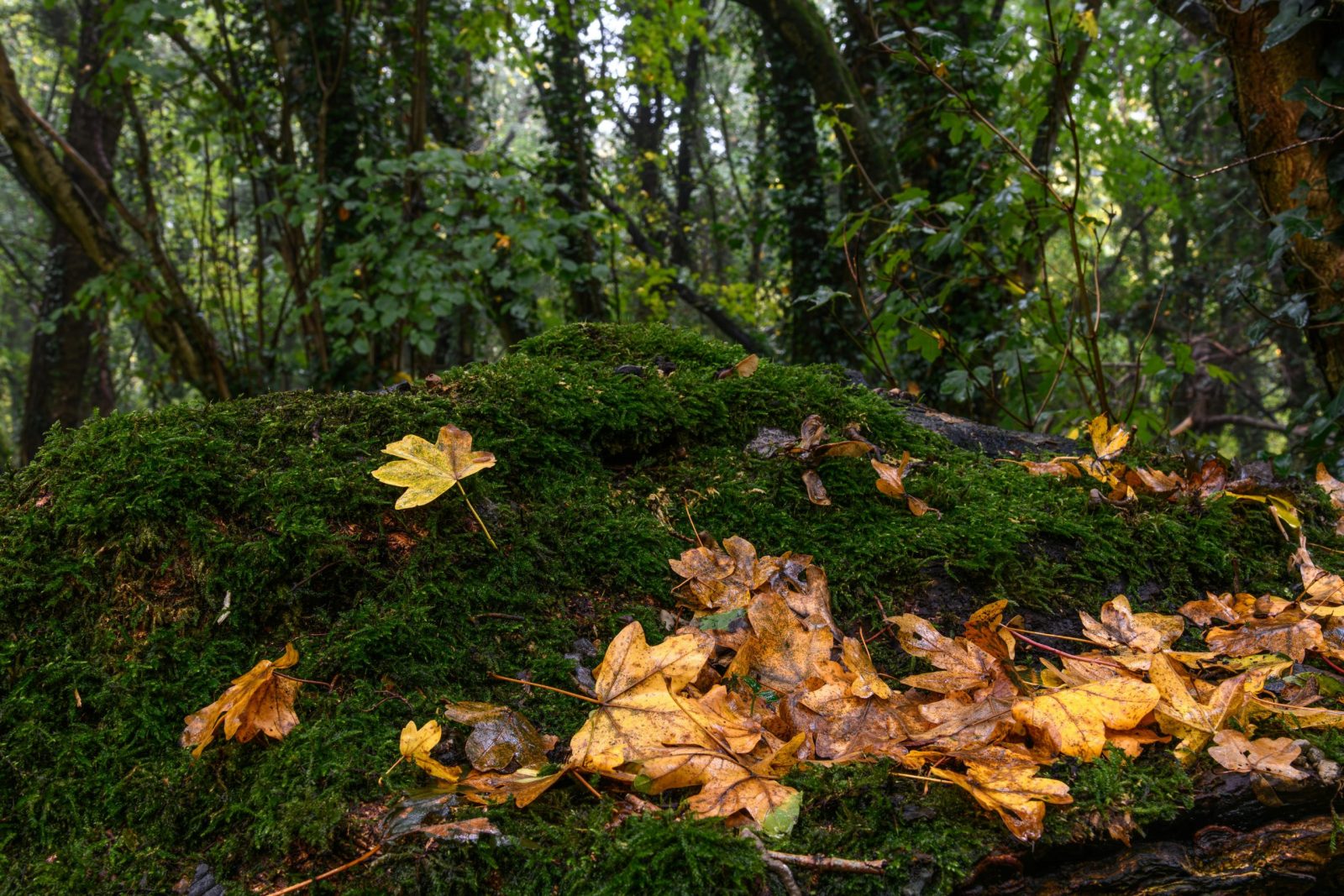
The adage claims that moss only grows on the north side of a tree. This persistent myth ignores the fact that moss grows wherever moisture and shade exist. In a dense forest, moss can cover all sides of a trunk or thrive on the south side. Relying on this unreliable indicator leads hikers in circles and causes deep disorientation. Navigation requires a compass or the ability to read the sun and stars accurately. Trusting a patch of green fungus to determine direction is a foolhardy gamble. Nature rarely follows such rigid and convenient rules.
Rationing Water Too Strictly
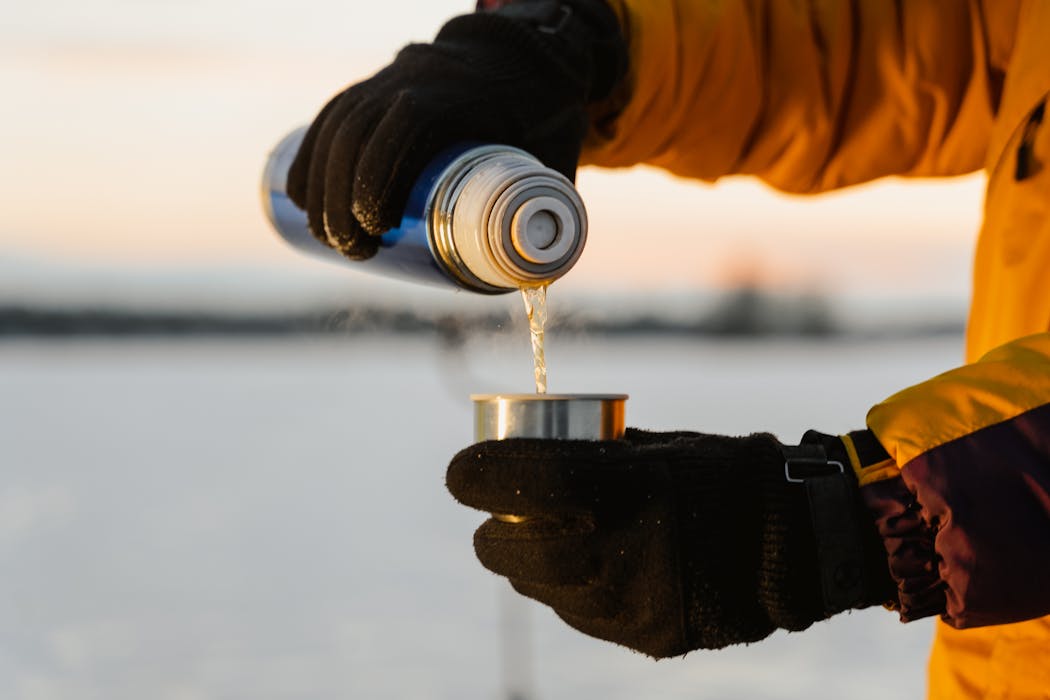
Hoarding water while hiking in the heat is a common error that leads to heatstroke. Many search and rescue teams find deceased hikers with full canteens still in their packs. The brain requires adequate hydration to make rational decisions and navigate difficult terrain effectively. Dehydration sets in long before the sensation of thirst becomes unbearable. It is always better to have the water inside the body than to save it for later. A lucid mind is the best survival tool available in a crisis. Drink when thirsty and worry about finding more water later.
Running Zigzag From Alligators
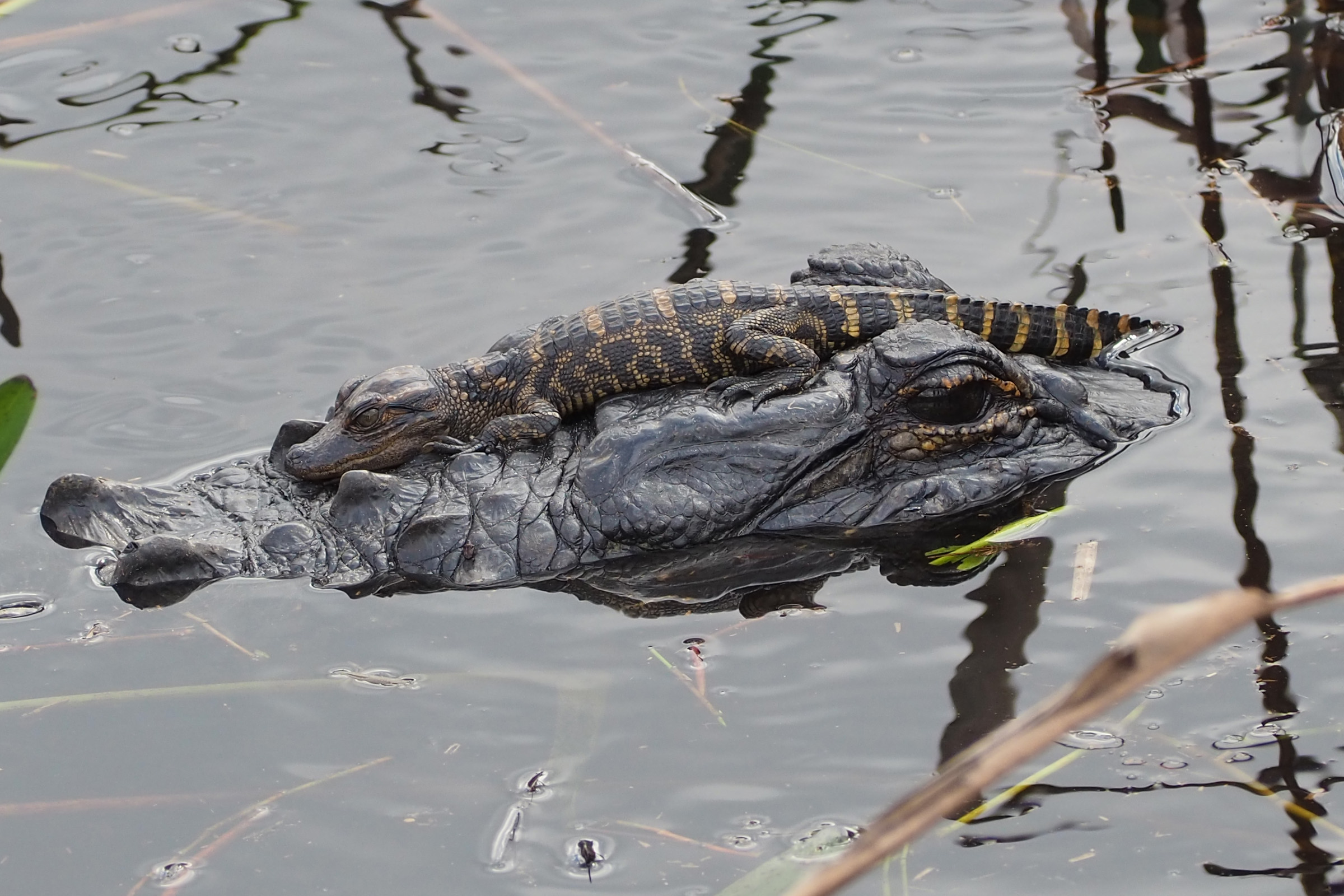
Urban legends suggest running in a zigzag pattern to escape a charging alligator or crocodile. This advice is terrible because it slows the runner down and keeps them in range longer. These large reptiles are ambush predators that rely on a short burst of explosive speed. They do not have the endurance to chase a human over a long distance on land. Running in a straight line away from the water is the fastest way to create distance. Wasting energy on complicated maneuvers gives the animal a chance to catch up. Speed is the only priority here.
Punching A Shark In The Nose

Punching a shark in the nose is difficult because the water slows down the swing significantly. The nose is also a small and moving target located near the dangerous mouth. A missed punch places the hand directly into the path of razor-sharp teeth. Experts recommend targeting the sensitive eyes or the gills to deter an attack effectively. These areas are soft and cause pain there triggers a flight response in the predator. Clawing at the gills is a much safer and more reliable defense strategy. Fighting underwater requires precision rather than brute force.
Drinking Raw Animal Blood
Survival shows sometimes depict people drinking animal blood to stay hydrated in extreme conditions. This practice exposes the human digestive system to dangerous pathogens and parasites found in wild game. Blood also has a high salt content that forces the body to use existing water for digestion. Consuming it ultimately accelerates dehydration rather than fixing the problem. The risk of contracting a severe illness outweighs any minor nutritional benefit gained. Water must be purified, and food must be cooked to ensure safety. Desperation should not lead to abandoning basic food safety principles.
Rubbing Frostbitten Skin
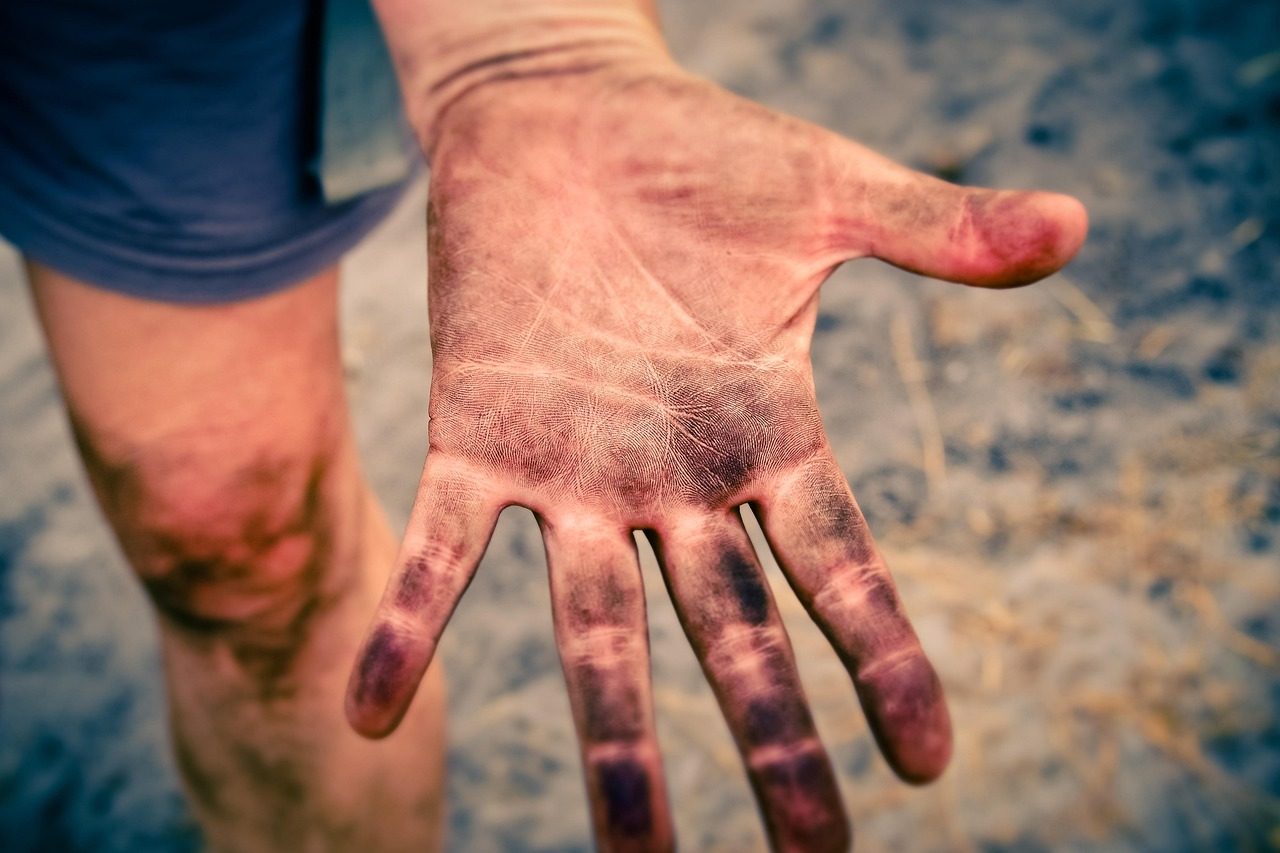
Rubbing frostbitten skin causes severe tissue damage by grinding ice crystals into the flesh. Friction destroys the cell walls and increases the likelihood of gangrene and permanent loss. The numb sensation often tricks people into thinking that vigorous massage will restore circulation. Warming the affected area requires gentle heat or warm water immersion to thaw the tissue slowly. Physical trauma to frozen limbs makes the injury significantly worse and complicates recovery. Protecting the skin from further cold is the correct immediate action. Never rub or agitate frozen body parts.
Prioritizing Food Over Shelter
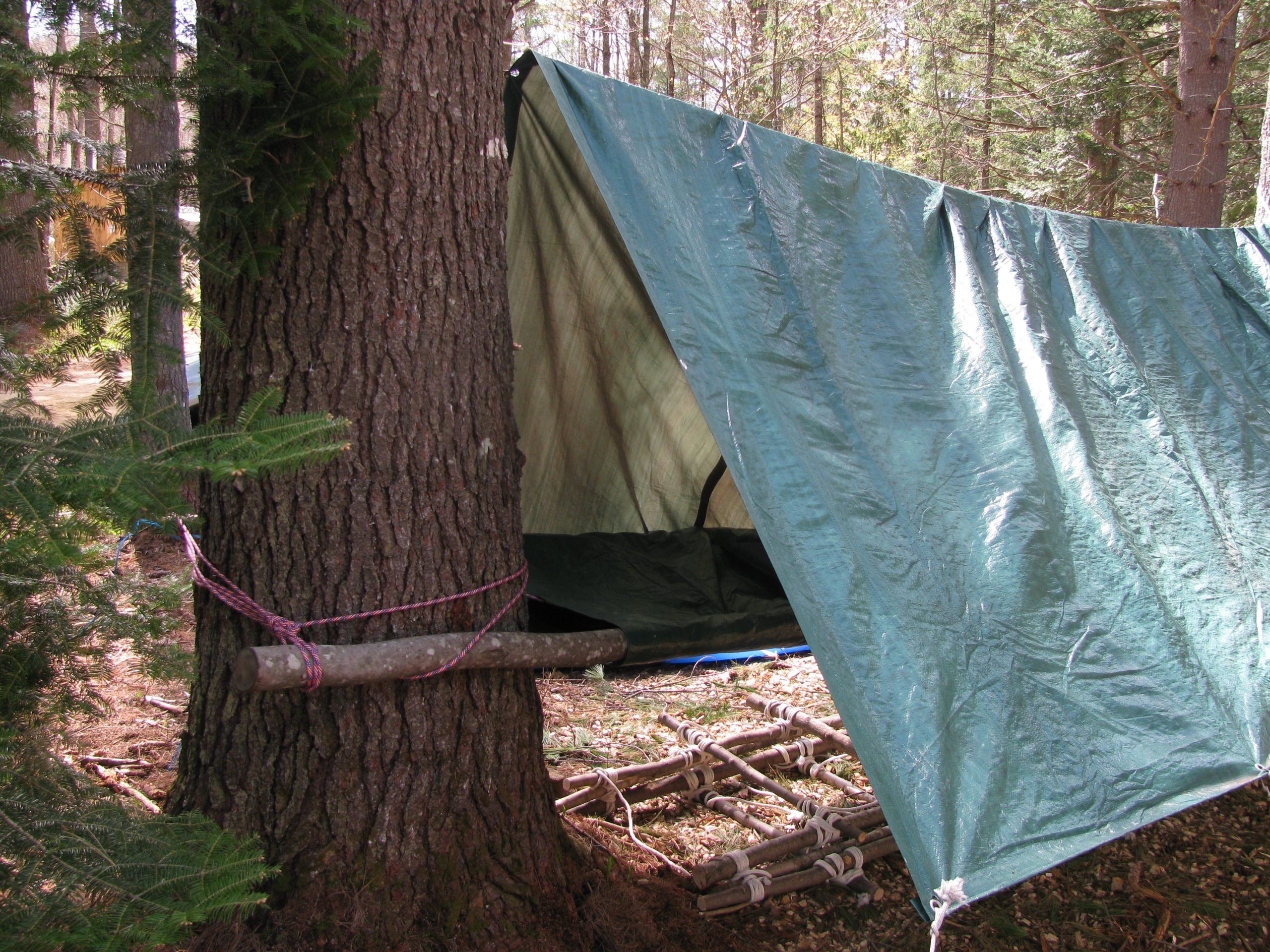
Novices often waste energy hunting for food immediately instead of building a shelter or finding water. The human body can survive for weeks without calories but only days without protection from the elements. Exposure to cold or heat kills much faster than starvation in almost every environment. Expending vital calories to chase squirrels or fish is a poor investment of limited energy. Constructing a warm bed and a roof should always be the priority. Hunger is uncomfortable, but hypothermia is lethal within hours. Prioritize immediate threats to life first.
Loosening A Tourniquet
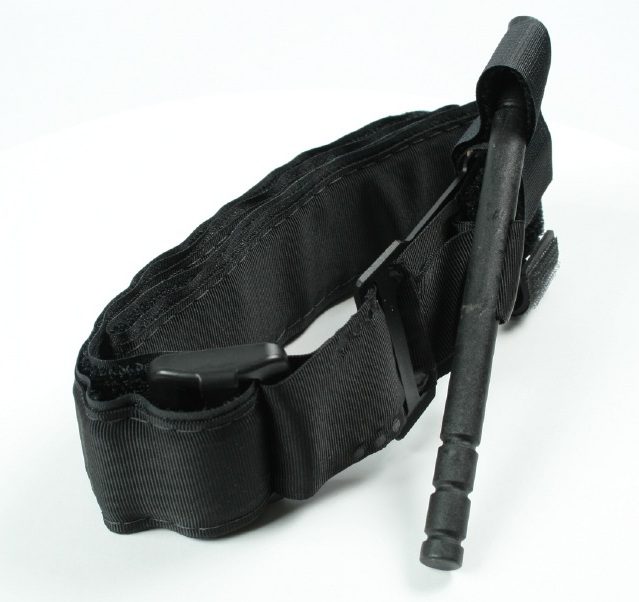
Once a tourniquet is applied, it must remain tight until medical professionals can remove it. Loosening the device to restore blood flow releases accumulated toxins back into the body. This surge of potassium and acid can stop the heart or cause kidney failure instantly. Releasing the pressure also allows fresh bleeding to occur, which lowers blood pressure further. The limb is sacrificed to save the life of the patient in a trauma situation. Only a doctor should decide when to restore circulation. Keep the tourniquet tight and transport the victim immediately.
Following Birds To Find Water
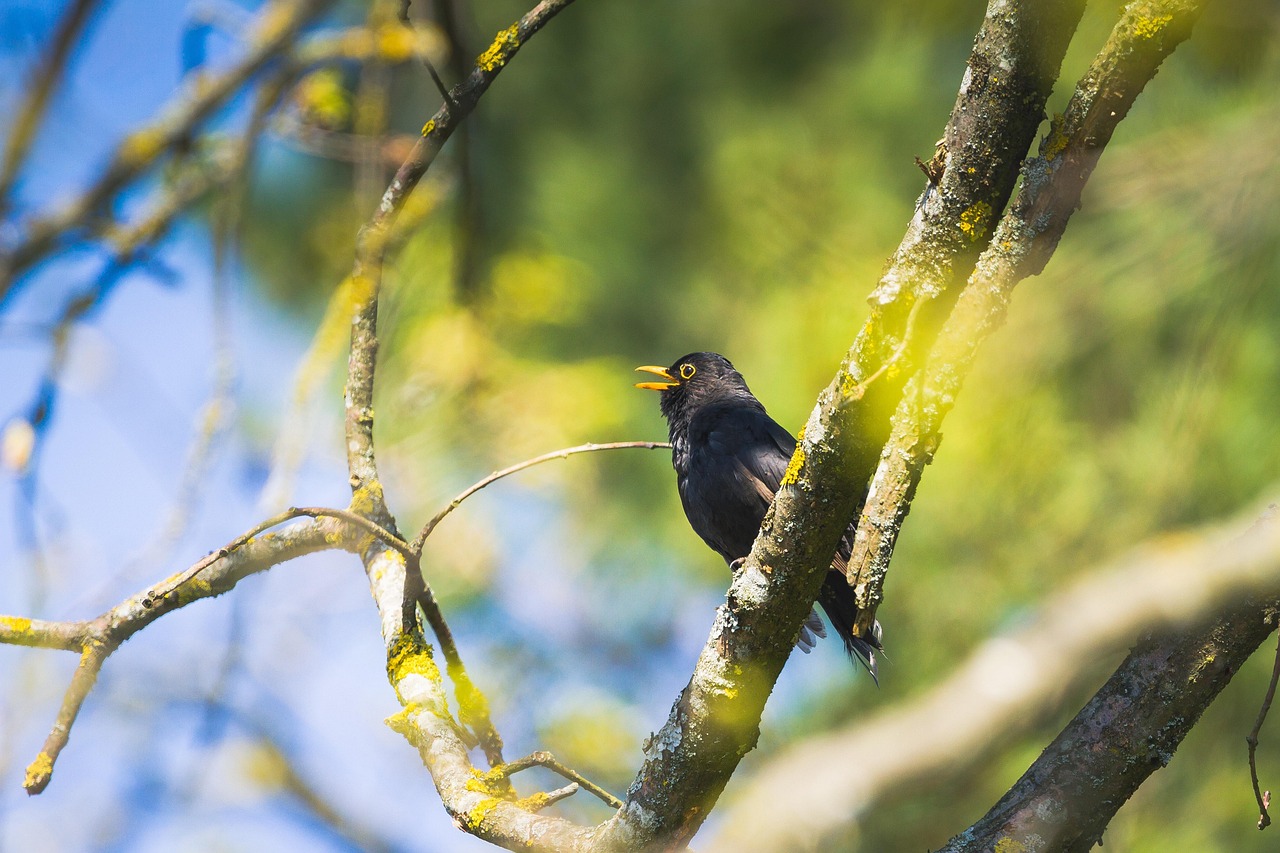
Following any flying bird in the hopes of finding water is an unreliable strategy. Many bird species obtain all the moisture they need from the insects or fruit they eat. Raptors and scavengers patrol vast territories that have nothing to do with water sources. Only specific grain-eating birds or waterfowl reliably head toward water at dawn and dusk. Knowing exactly which species to follow is a skill that takes years to master. Chasing random birds will simply lead a hiker further astray and waste energy. Observation must be paired with specific knowledge.