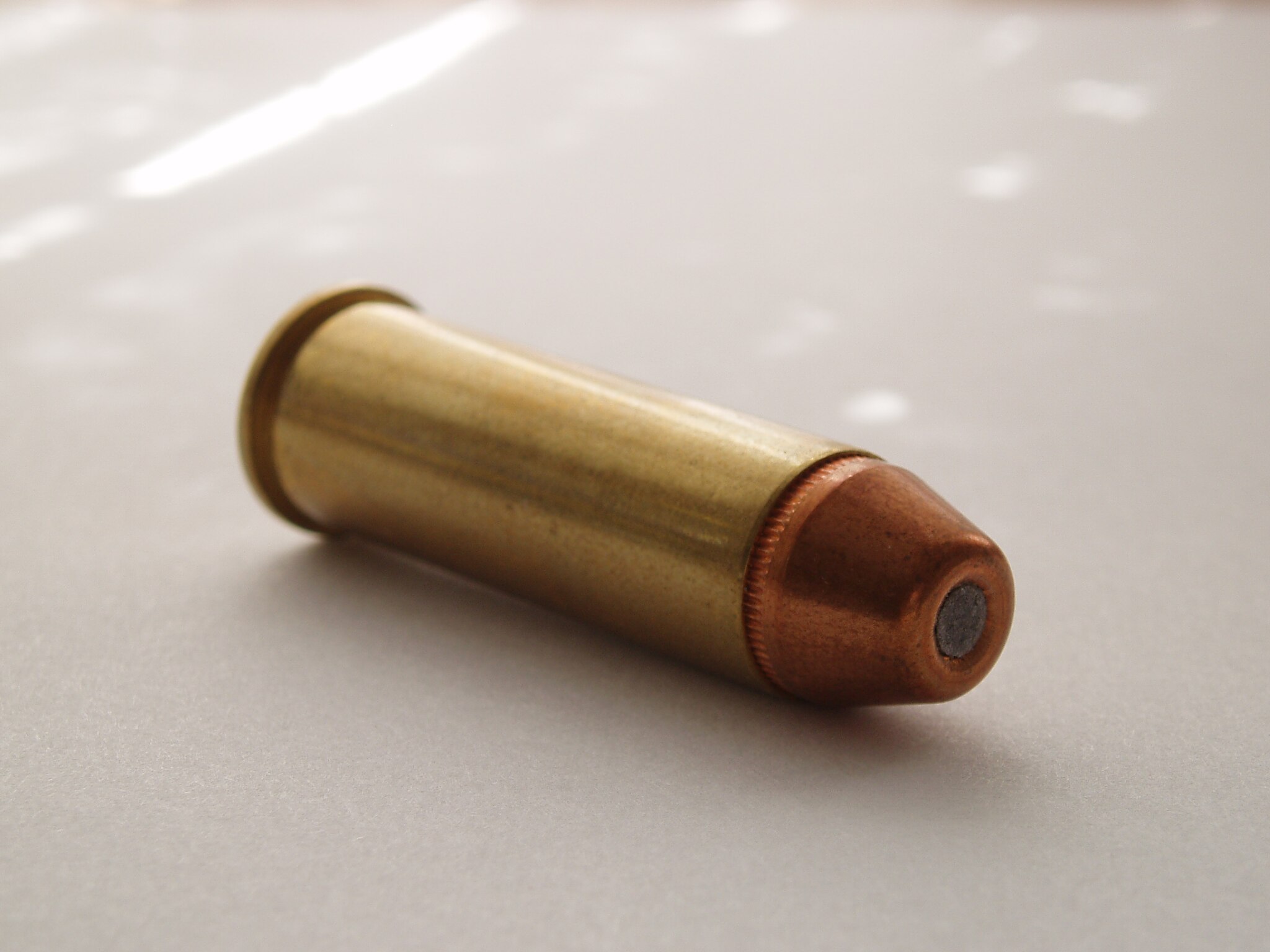
Pistol caliber discussions often revolve around a handful of famous names, yet the shooting world is far broader and more nuanced than casual conversations suggest. Many cartridges deliver impressive real-world performance despite receiving relatively little attention in modern debates. Factors like recoil characteristics, bullet design, velocity, and platform compatibility shape effectiveness in ways that numbers alone cannot fully capture. Some calibers gained early popularity but faded from mainstream use, while others occupy specialized roles that keep them under the radar. Understanding these overlooked cartridges offers a valuable perspective on how performance, practicality, and perception interact. The following calibers illustrate how lesser discussed options can surprise shooters with their balance of power, controllability, and versatility.
1. .327 Federal Magnum
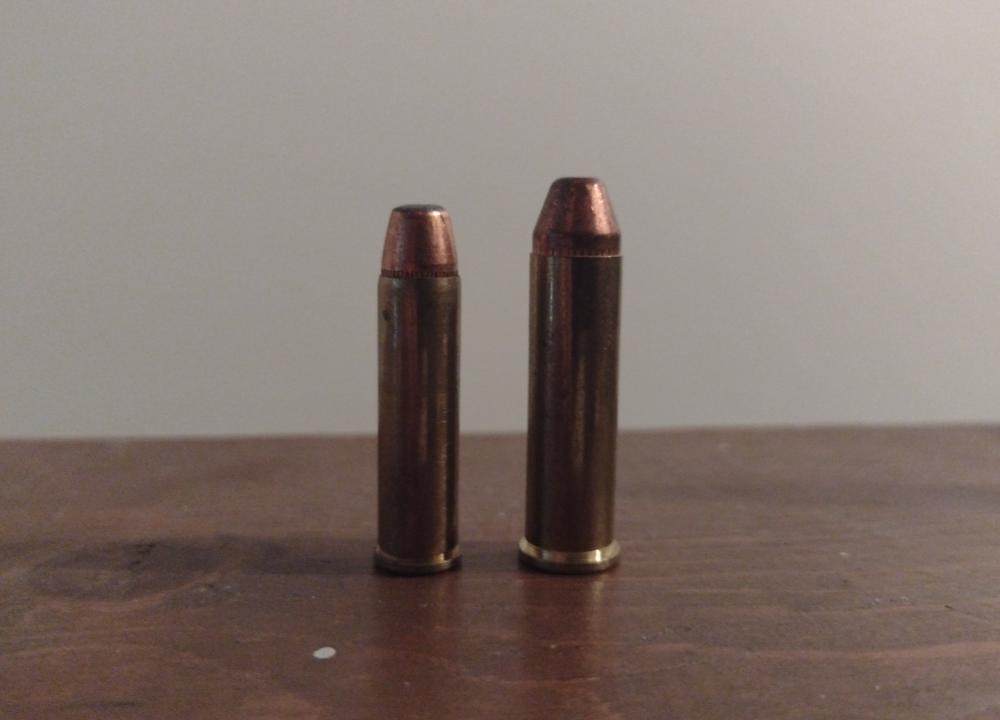
Often overshadowed by larger magnum revolver rounds, the .327 Federal Magnum delivers striking performance for its size. It achieves high velocities, producing energy levels that rival or exceed many traditional defensive calibers. Shooters frequently underestimate its capability due to its relatively small diameter. Recoil tends to be sharp but manageable, allowing quicker follow-up shots compared to heavier magnum options. Its ability to chamber multiple related cartridges adds flexibility for practice and cost management. Despite these strengths, it remains less common in retail discussions. Those who try it often note its impressive penetration and flat trajectory. The caliber’s blend of speed, efficiency, and moderate recoil makes it more formidable than many expect.
2. 5.7×28mm
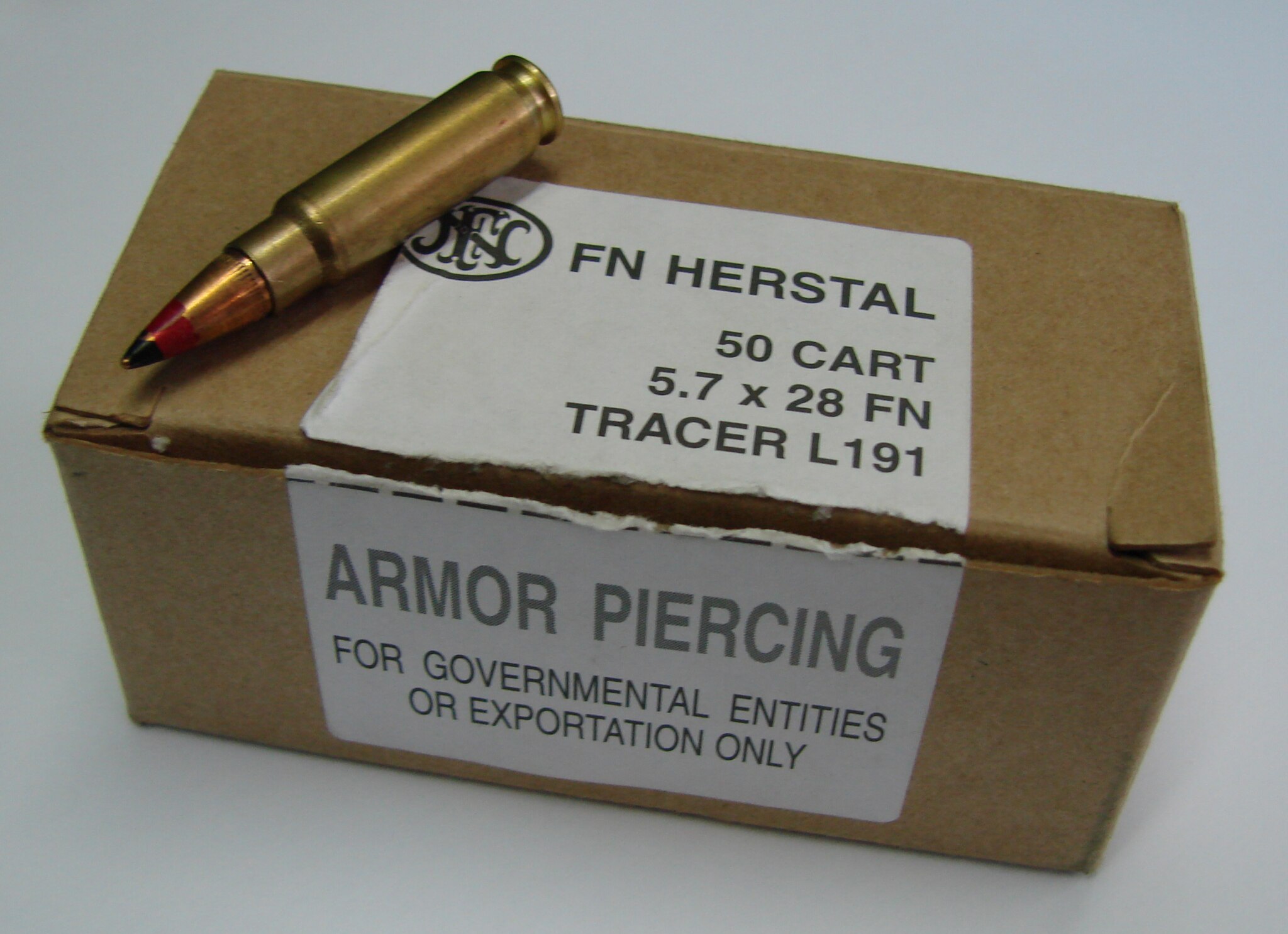
This cartridge is sometimes dismissed as unconventional, yet its characteristics make it remarkably effective within its design parameters. High velocity and lightweight projectiles create low recoil and excellent controllability. Shooters often find rapid, accurate shooting easier than anticipated. The round’s performance profile emphasizes speed and precision rather than raw bullet mass. It’s relatively mild recoil impulse contrasts with its energetic ballistic behavior. Although platform availability historically limited adoption, interest has steadily grown. Many first-time users are surprised by the combination of accuracy and ease of handling. The caliber’s reputation rarely reflects the practical shooting experience it provides.
3. .22 TCM
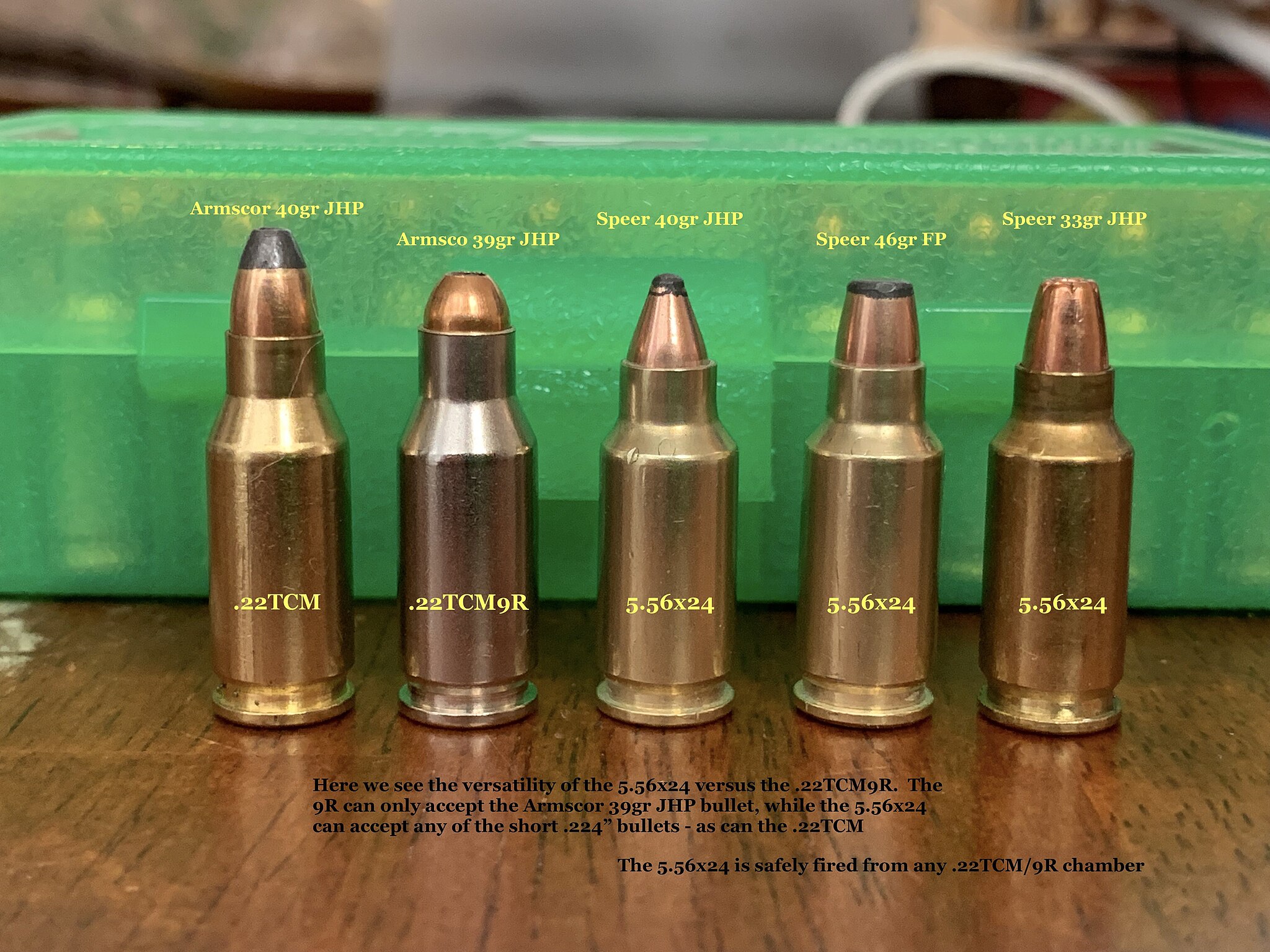
The .22 TCM is visually deceptive, appearing small while delivering substantial velocity and energy. Its extremely fast projectiles generate impressive muzzle characteristics and a notably flat trajectory. Recoil remains modest, enhancing shooting comfort and rapid engagement potential. Noise and muzzle flash, however, often exceed expectations, adding to its dramatic presence. Limited mainstream visibility contributes to persistent underestimation. Shooters accustomed to traditional pistol rounds frequently find its performance memorable. The cartridge’s distinctive behavior highlights how velocity can influence perceived effectiveness. While not universally adopted, it offers a vivid example of surprising ballistic efficiency.
4. 9×18mm Makarov
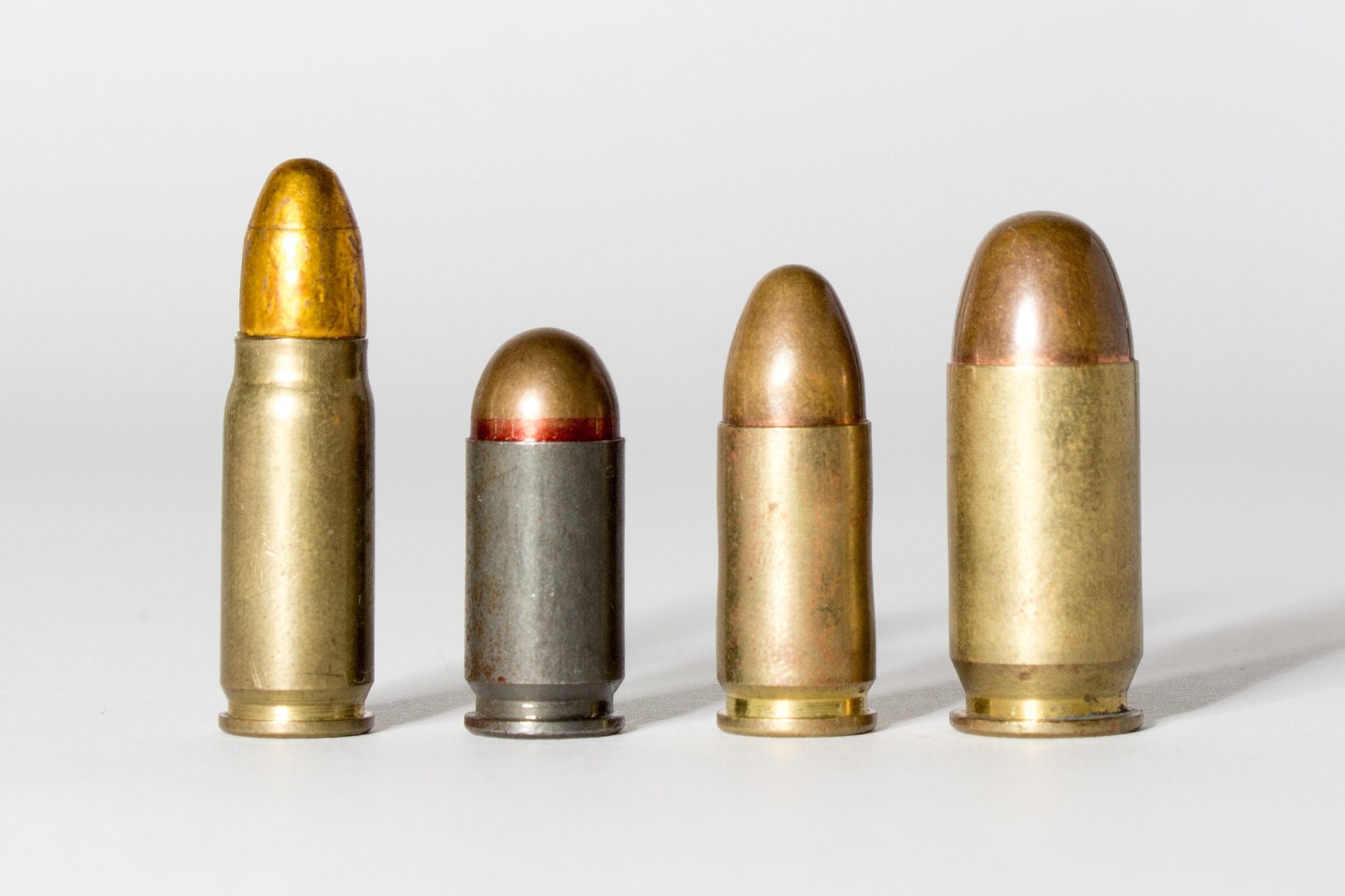
Commonly associated with older service pistols, this cartridge occupies a space between familiar defensive calibers. Its performance often exceeds assumptions tied to its modest dimensions. Recoil characteristics typically feel comfortable, supporting controllable shooting. Ammunition availability varies by region, influencing its contemporary relevance. Shooters exploring surplus or historical platforms often encounter this round unexpectedly. Its practical effectiveness helped sustain widespread military and law enforcement use for decades. Despite that history, modern discussions rarely highlight its capabilities. The caliber demonstrates how reputation can drift independently from functional performance.
5 .38 Super
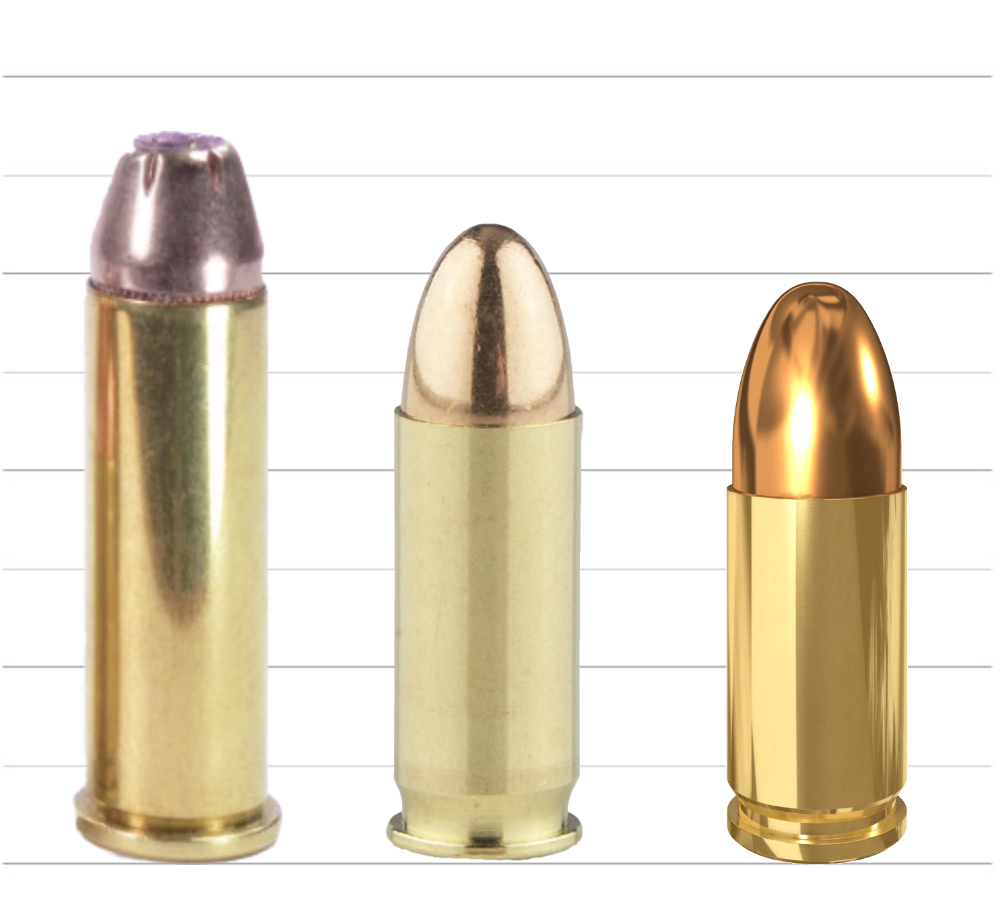
The .38 Super enjoys a loyal following yet remains outside many mainstream caliber conversations. Known for higher velocities than standard pressure defensive rounds, it delivers energetic performance with manageable recoil. Accuracy and reliability have long been praised by enthusiasts. Its strengths particularly shine in platforms designed to exploit its pressure characteristics. Although often linked to competitive shooting, its practical potential extends further. Market familiarity sometimes lags behind its technical merits. Shooters discovering it frequently appreciate its balance of speed and controllability. The caliber’s relative obscurity contrasts with its enduring capabilities.
6. .30 Luger
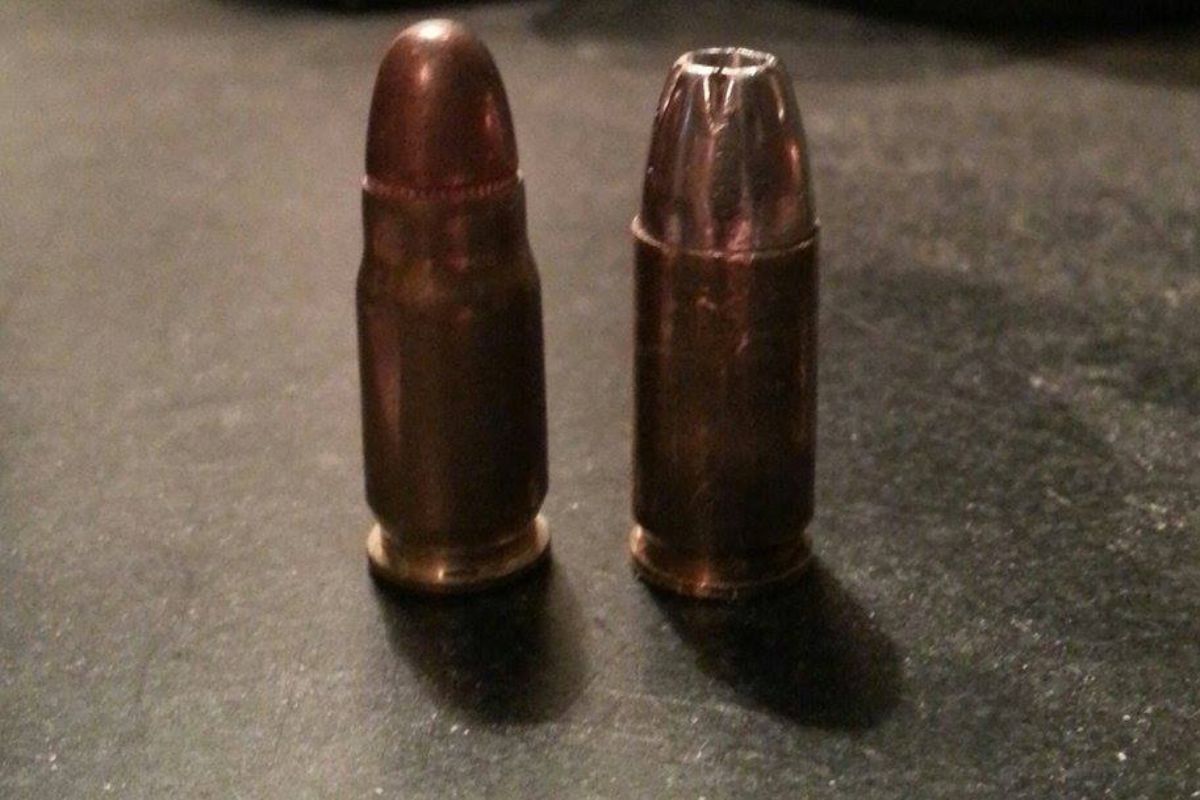
Historically significant yet rarely discussed today, the .30 Luger offers intriguing ballistic behavior. Its lighter projectiles produce mild recoil and smooth shooting dynamics. Velocity-driven performance can surprise those expecting minimal impact. Ammunition scarcity limits widespread modern experimentation. Nevertheless, its design illustrates early innovation in semi-automatic handgun cartridges. Shooters encountering it through collectible firearms often note its pleasant handling. The caliber’s understated profile masks a thoughtfully engineered cartridge. Its legacy underscores how technological progress reshapes attention rather than inherent effectiveness.
7. .41 Magnum
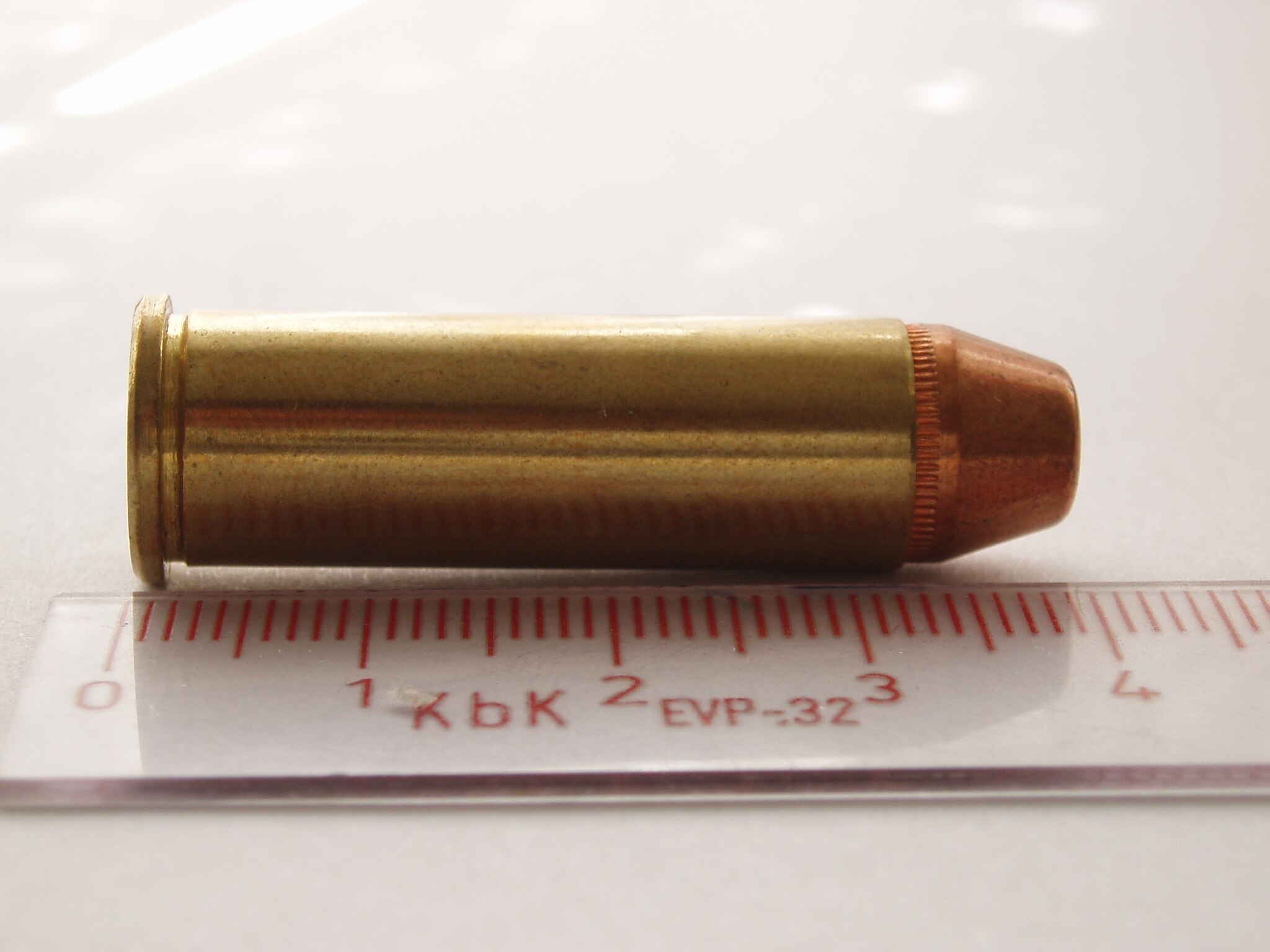
While recognized among revolver enthusiasts, the .41 Magnum remains less visible than other magnum counterparts. It provides a compelling balance between power and controllability. Recoil is substantial but often perceived as more manageable than heavier alternatives. Hunters and experienced shooters frequently value its versatility. Despite strong performance credentials, market presence remains limited. Those familiar with it often advocate for its practical advantages. The cartridge’s reputation rarely matches its real-world utility. It exemplifies how niche adoption can obscure impressive ballistic potential.
8. 10mm Auto
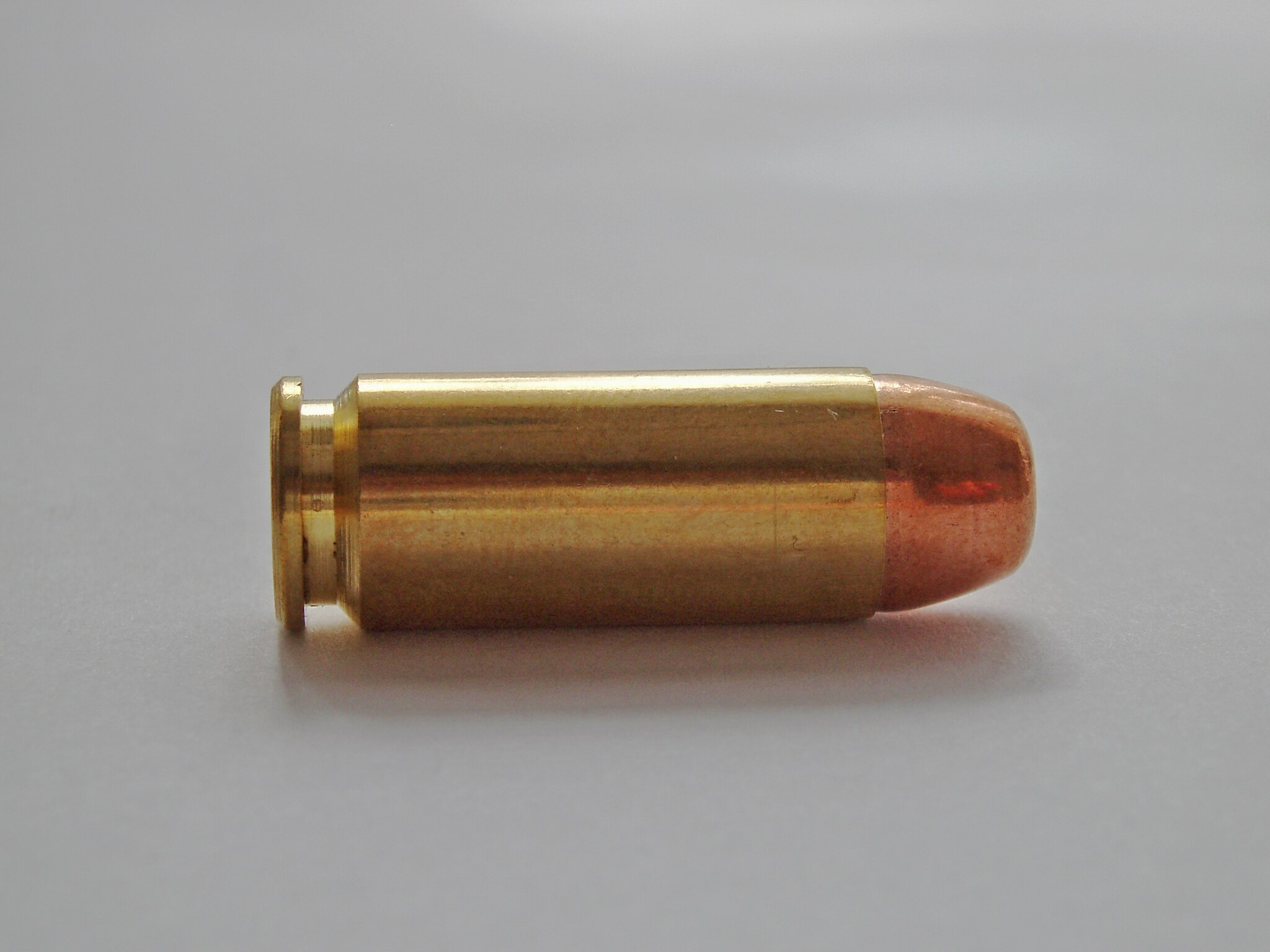
Though gaining renewed interest, the 10mm Auto spent years as an underappreciated powerhouse. Its energy levels exceed many common defensive cartridges, offering strong penetration and velocity. Recoil can be demanding but rewarding for practiced shooters. Platform advancements have broadened accessibility and reliability. Many newcomers express surprise at its versatility across roles. Perceptions shaped by earlier overpowered loads sometimes linger. Modern ammunition diversity has improved shootability and control. The caliber’s resurgence reflects rediscovery rather than reinvention.
9. .357 SIG
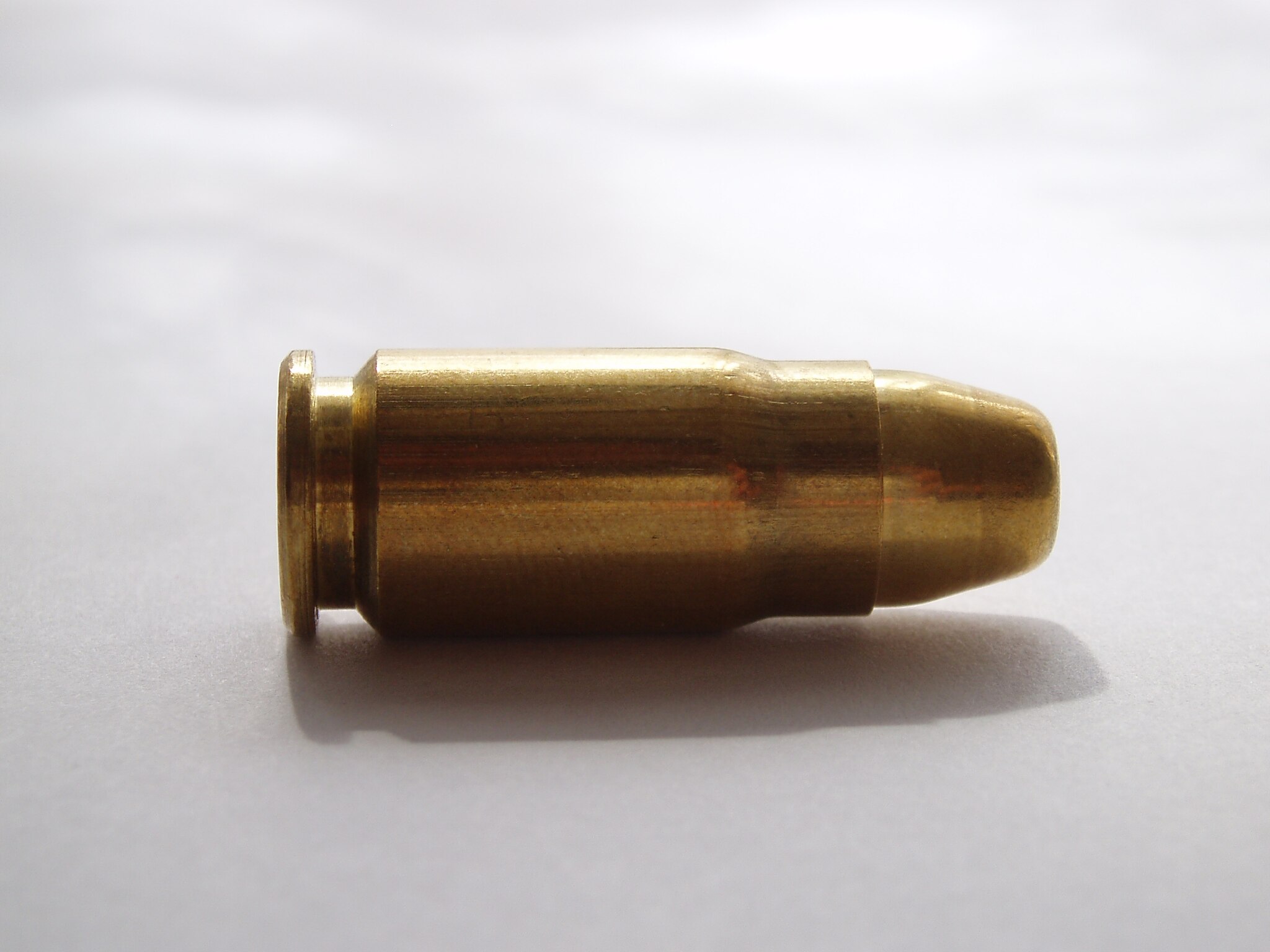
Designed for velocity and barrier performance, the .357 SIG often divides opinion. Its sharp recoil impulse contrasts with impressive speed and accuracy potential. Shooters frequently remark on its flat trajectory and energetic feel. Ammunition cost and availability influence its adoption. Despite limited mainstream popularity, its technical strengths remain evident. Those who train with it often value its consistency. The cartridge highlights how specialization shapes reputation. Its capabilities frequently exceed casual expectations.
10. .45 GAP
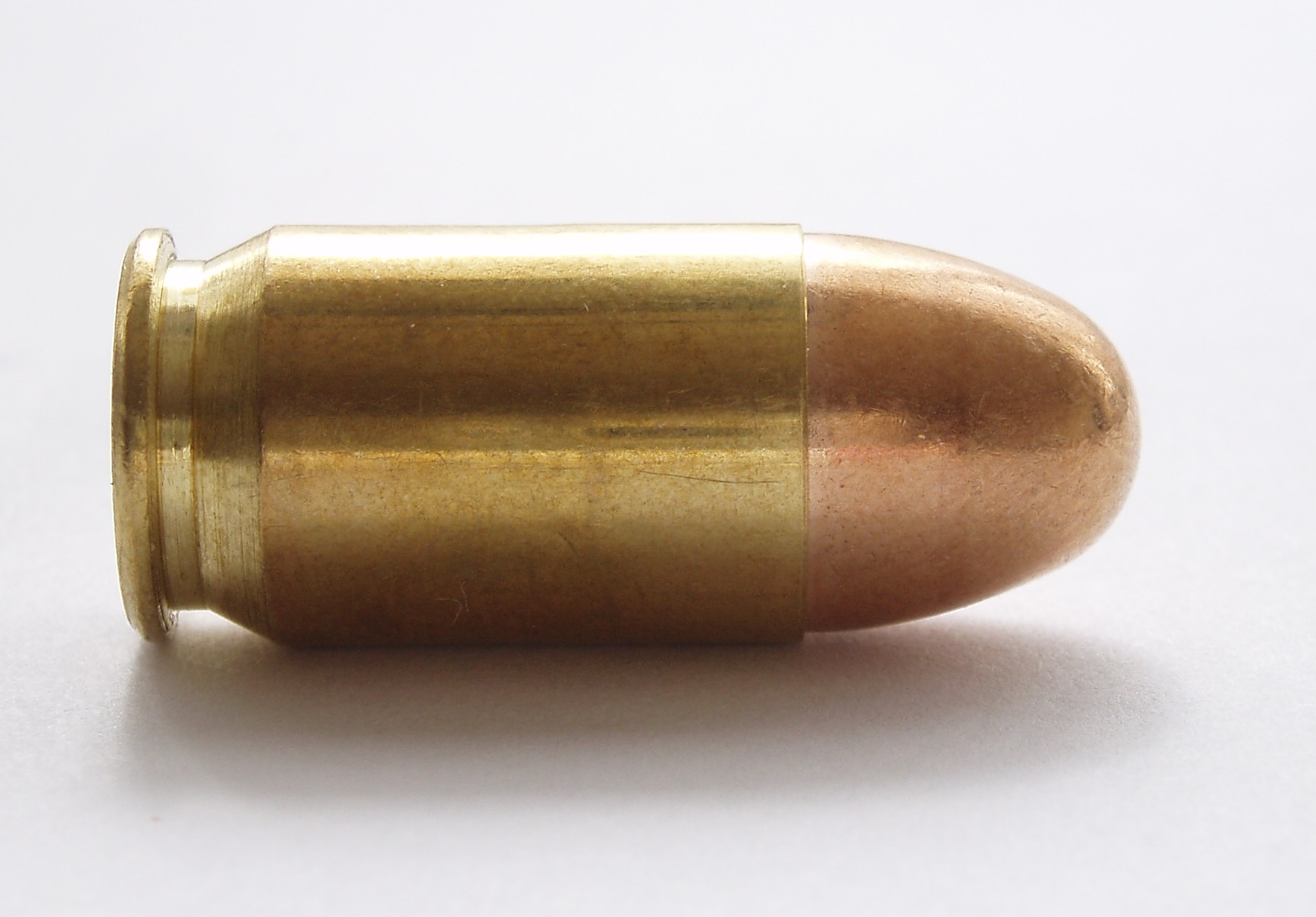
Developed to replicate .45 caliber performance in more compact dimensions, the .45 GAP represents an interesting engineering effort. Ballistic behavior closely mirrors established standards while altering platform ergonomics. Limited industry support curtailed broader visibility. Shooters encountering it often note familiar recoil and effectiveness. The caliber’s niche status stems more from market dynamics than performance failure. Its design reflects creative problem-solving within cartridge development. Practical experience can challenge assumptions about its relevance.
11. .32 H&R Magnum
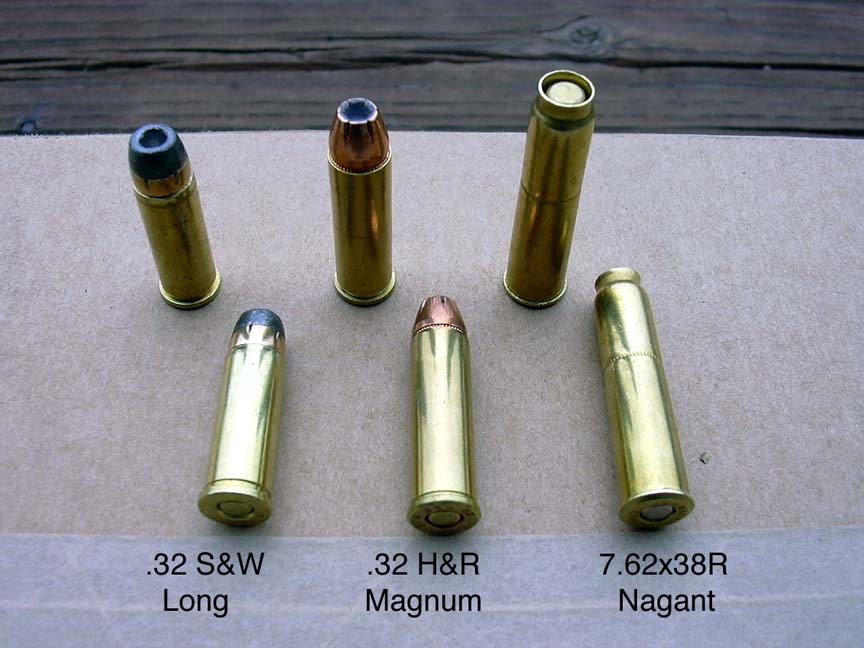
This cartridge bridges the gap between mild recoil rounds and higher energy options. Shooters often appreciate its controllability and respectable ballistic output. It offers improved performance over smaller traditional revolver calibers. Despite these advantages, it rarely dominates discussions. Ammunition availability and platform choices affect awareness. Users frequently cite its comfortable shooting characteristics. The caliber’s modest reputation belies its practical strengths. It remains a quietly capable option.
12. 7.62×25mm Tokarev
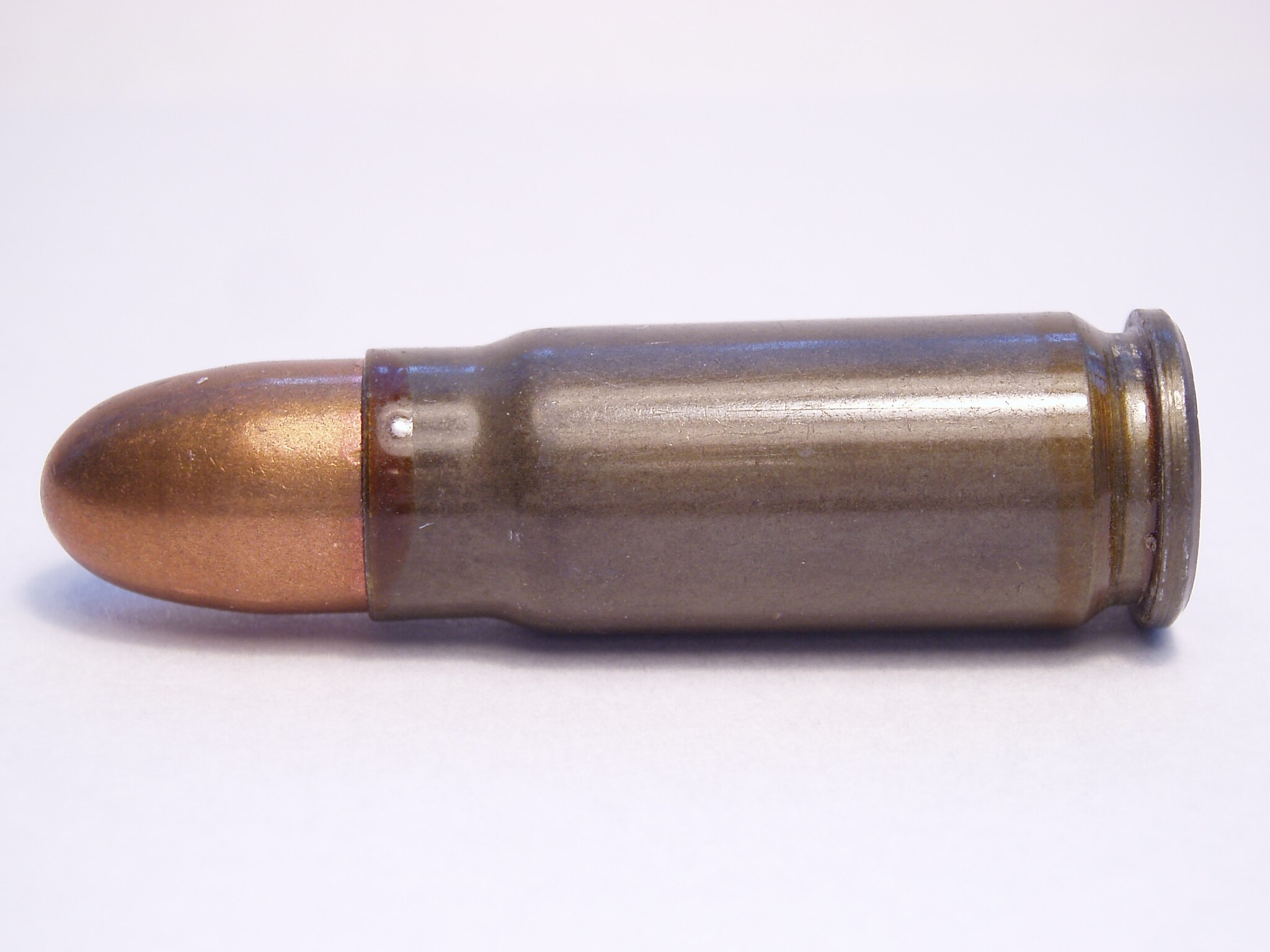
Renowned for high velocity, this cartridge delivers remarkable penetration and energetic behavior. Recoil remains relatively manageable given its performance. Shooters often find its speed and trajectory impressive. Surplus associations sometimes color perceptions. Ammunition characteristics vary widely depending on source. Those exploring historical firearms frequently rediscover their capabilities. The round’s reputation rarely reflects its ballistic intensity. It stands as a vivid example of overlooked potency.
13. .44 Special
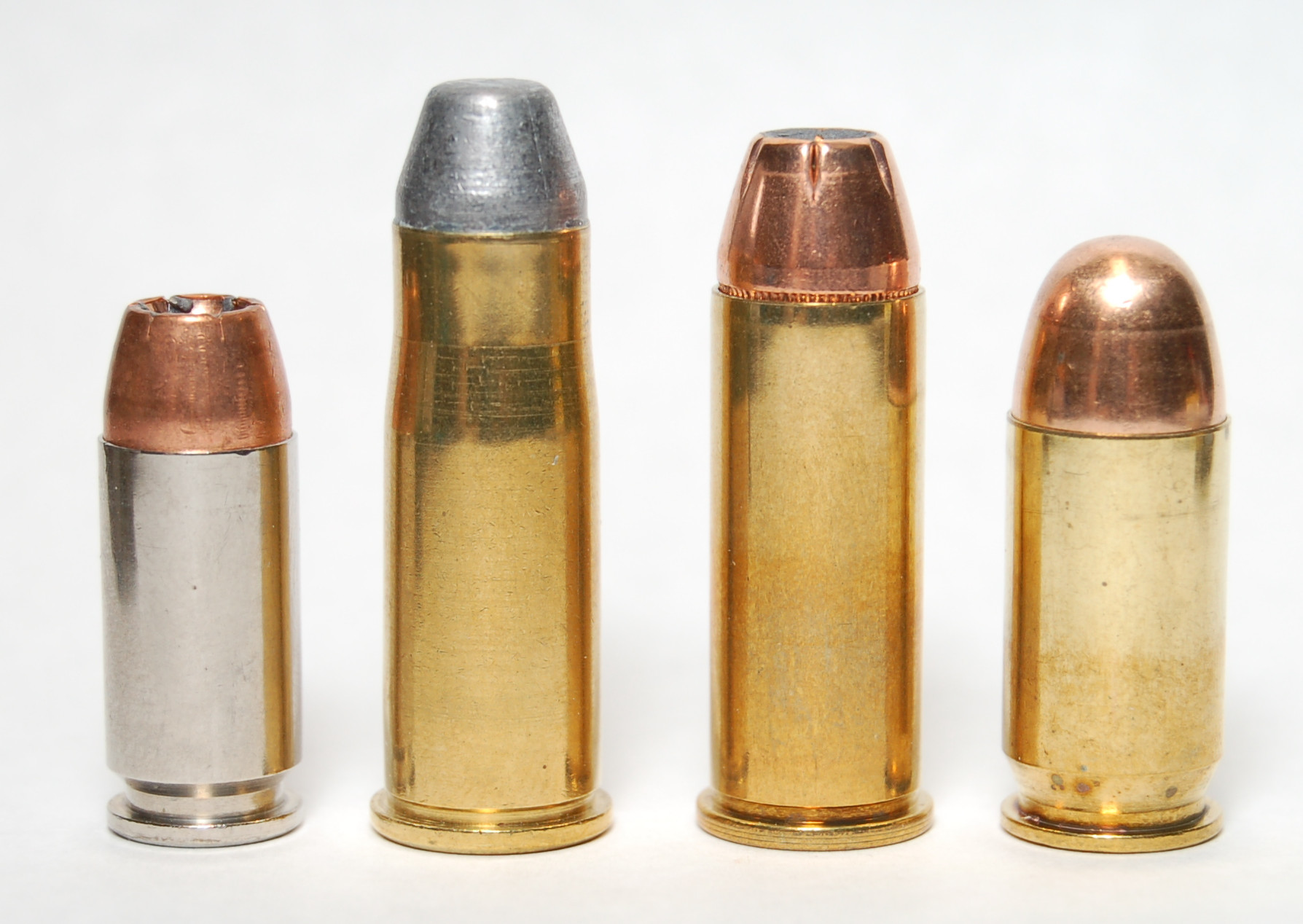
Overshadowed by magnum relatives, the .44 Special offers a distinctive balance of controllability and authority. Recoil tends to be comfortable compared to higher-pressure variants. Shooters value its smooth handling and accuracy potential. Despite strong historical roots, it occupies a quieter role today. Modern interest often emerges through revolver enthusiasts. Practical shooting experience frequently challenges expectations. The caliber’s understated presence contrasts with its satisfying performance.
14. .25 ACP
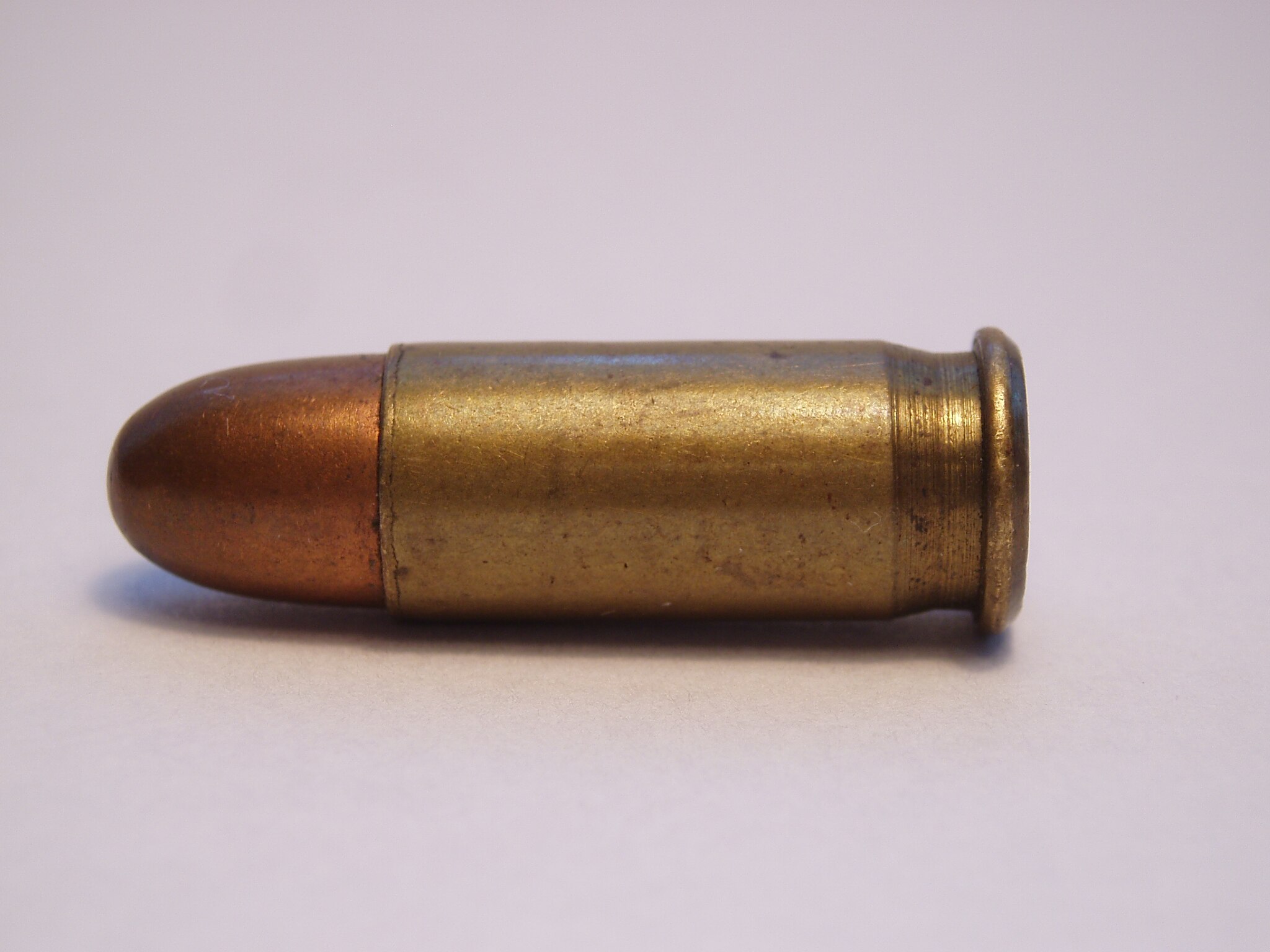
Often underestimated due to its size, the .25 ACP demonstrates how perceptions can diverge from practical utility. Recoil is minimal, supporting ease of use in compact platforms. Reliability benefits from its centerfire design compared to rimfire alternatives. Ballistic limitations are real yet sometimes overstated. Shooters frequently reassess their role after hands-on experience. The caliber’s reputation reflects comparison rather than isolation. Its longevity highlights consistent niche demand.