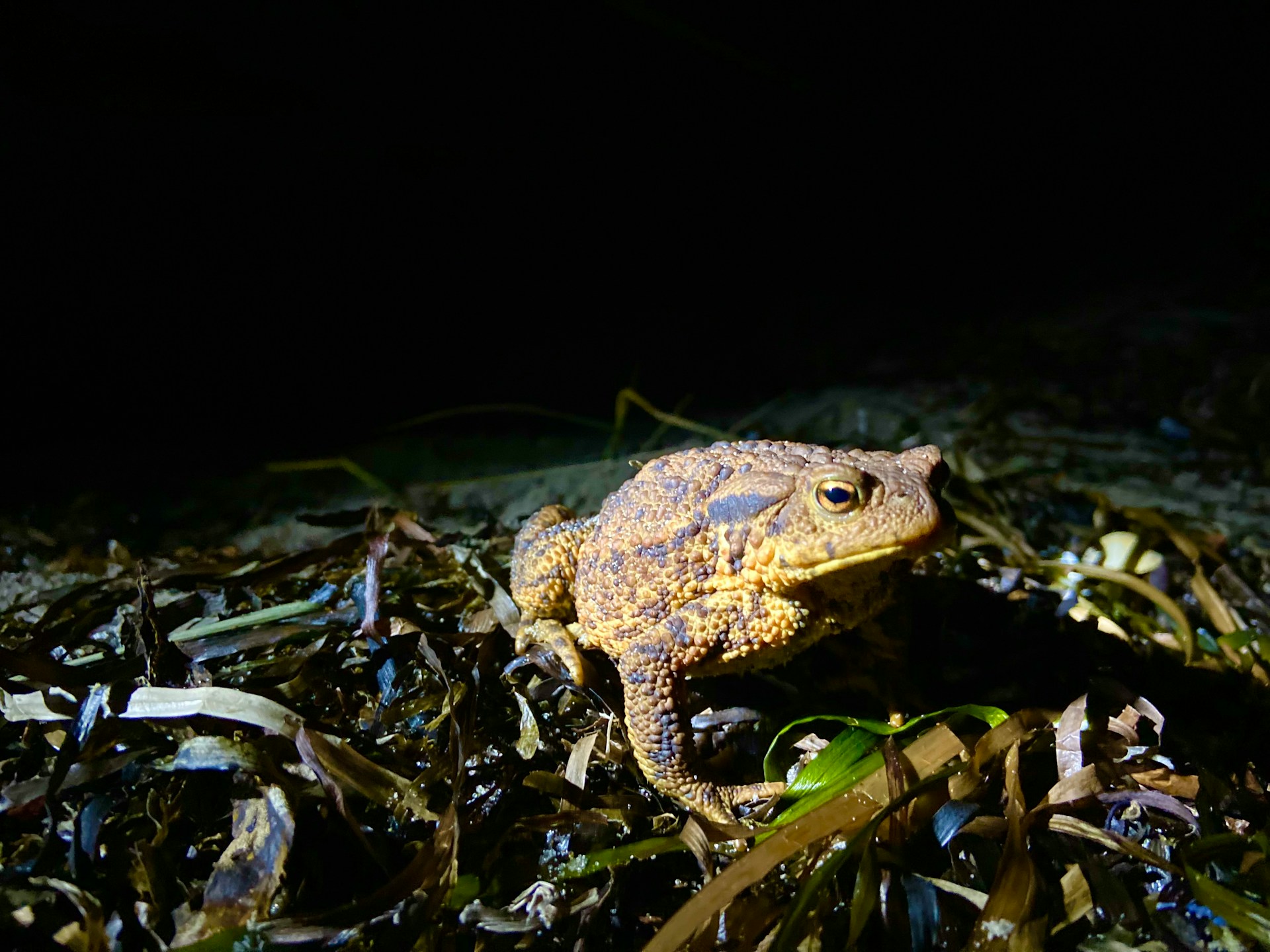
Nocturnal behavior is widespread across the animal kingdom, driven by factors like predation, food availability, and reproduction. Studies from the National Wildlife Federation and journals like Behavioral Ecology show that more than 60% of mammals and 30% of birds display primarily nighttime activity. Observations using night-vision cameras and acoustic monitoring have revealed surprising strategies animals use to hunt, communicate, and survive after dark.
Silent Hunters: How Owls Hunt Without a Sound
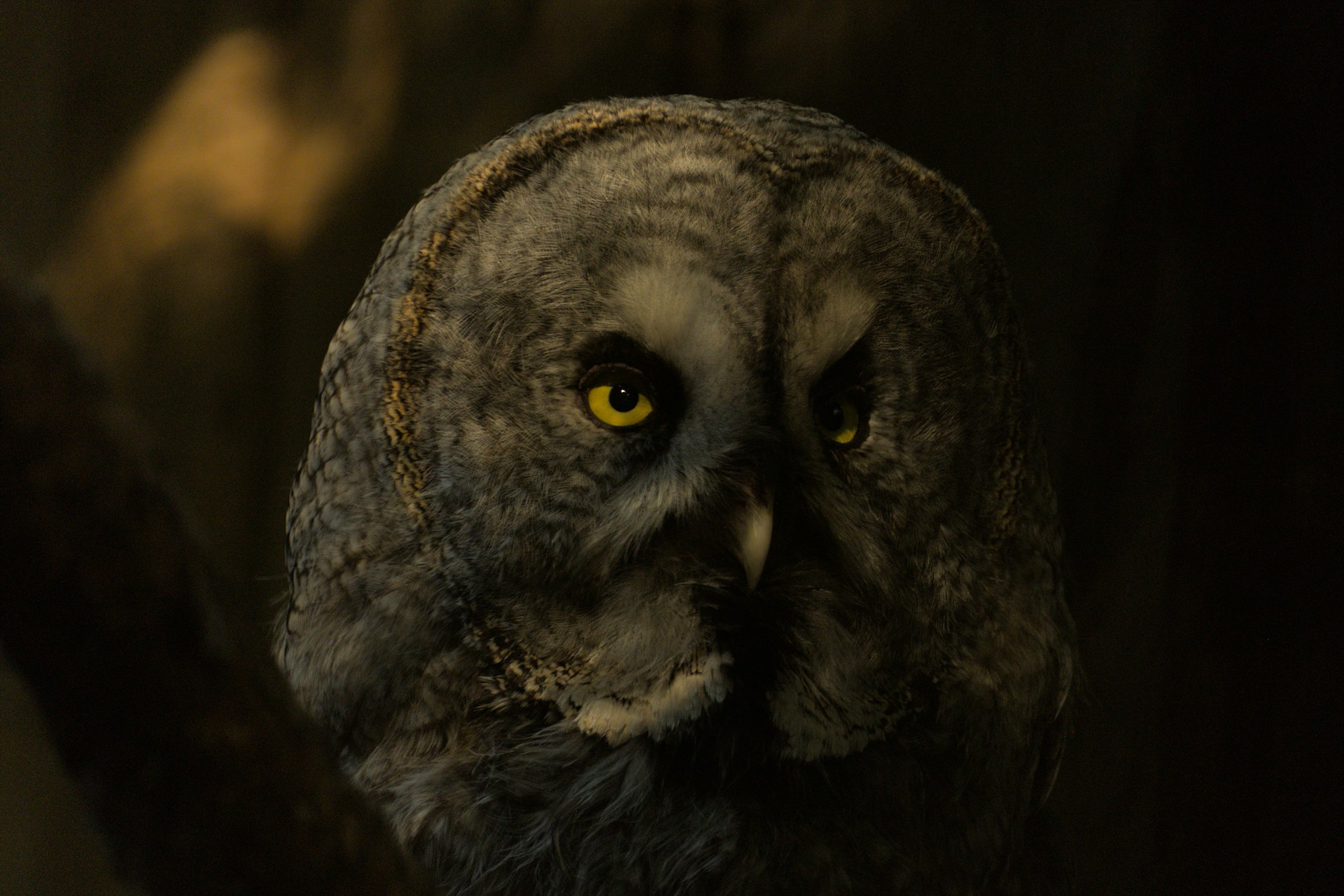
Owls have specialized feathers that reduce turbulence, allowing them to fly almost silently. Research from the University of California found that the comb-like structure on the leading edge of their wing feathers can decrease flight noise by up to 60%, giving them an edge when ambushing prey. This stealth allows them to catch small mammals like mice and voles that are active at night, while also avoiding detection by larger predators. Night-vision studies show that owls can hunt effectively in total darkness, relying on exceptional hearing in addition to vision.
Bats Navigate the Dark With Echolocation
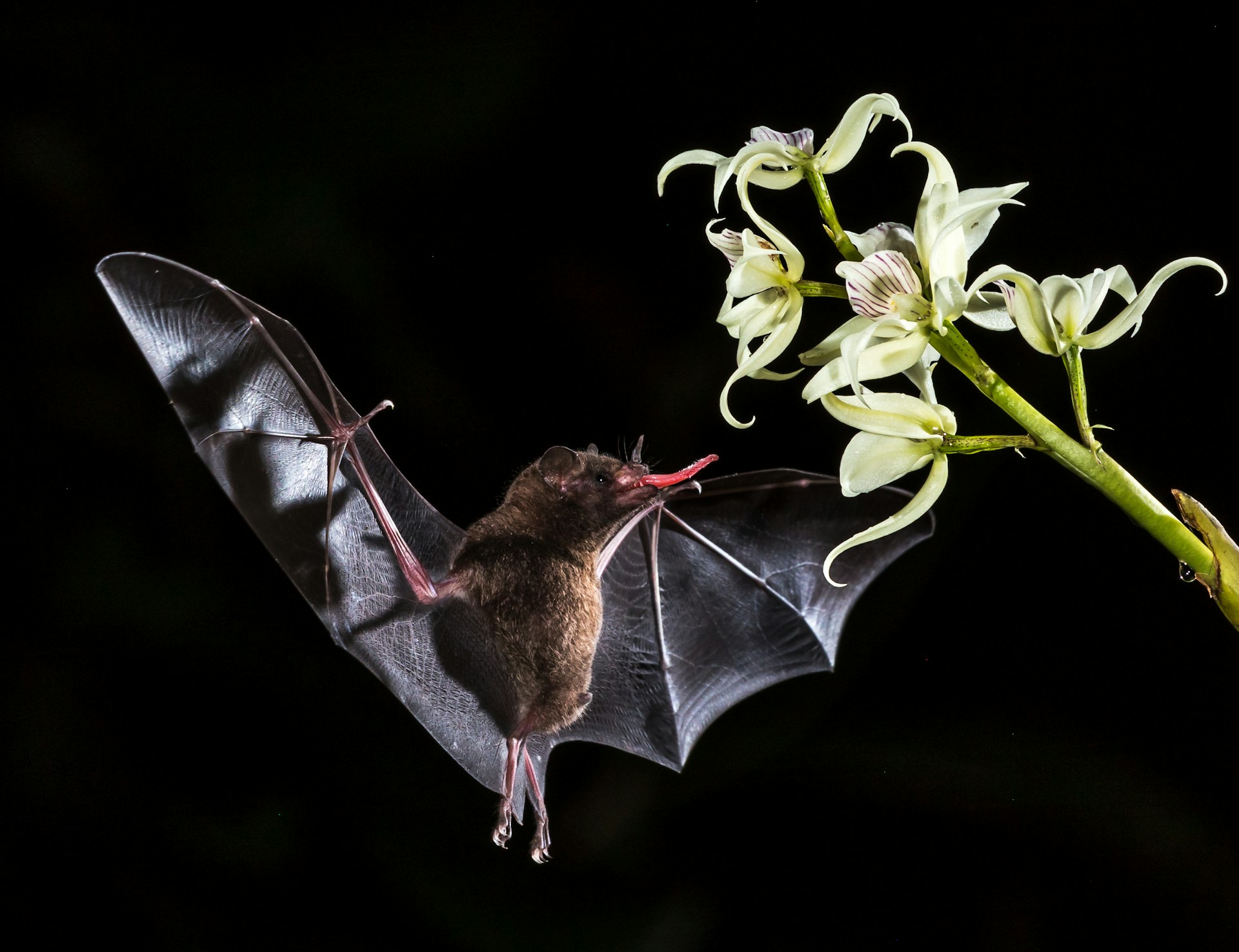
Bats emit high-frequency sound pulses that bounce off objects and return as echoes, allowing them to “see” with sound. According to a 2021 study in Frontiers in Ecology and Evolution, echolocation enables bats to detect insects as small as 2 millimeters in complete darkness. Their pulse repetition can reach up to 200 calls per second when approaching prey. Echolocation also helps bats avoid obstacles, locate roosts, and coordinate in colonies, making it a critical adaptation for their nocturnal lifestyle.
Foxes Speak in High-Pitched Night Calls
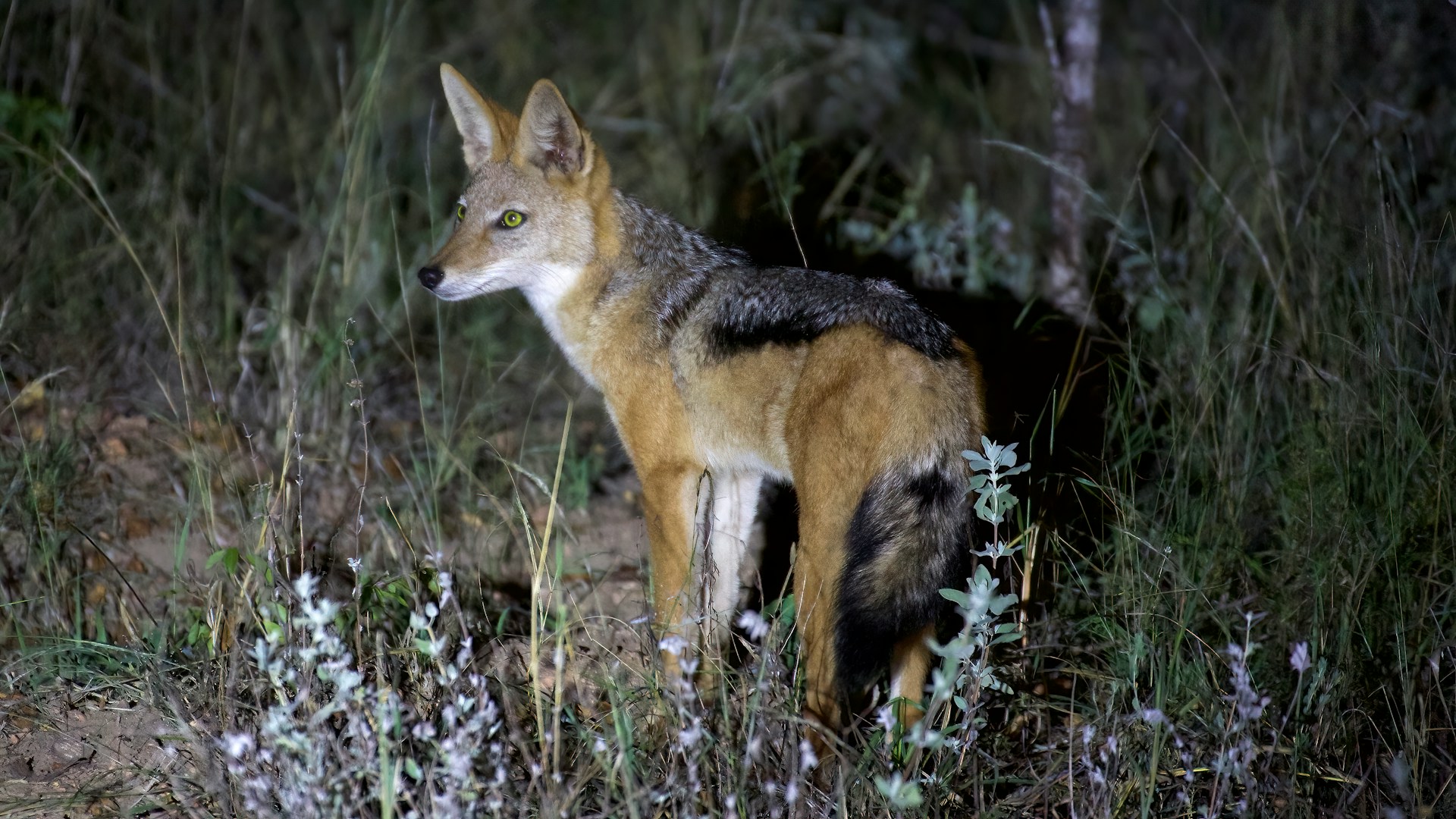
Red foxes and other species use high-pitched calls at night for territory marking and mate communication. Acoustic monitoring studies in the UK revealed that foxes vocalize most actively between 11 PM and 3 AM, with over 40% of recorded calls being territorial in nature. Their yips, barks, and screams can travel over 500 meters in open fields. Nighttime vocalizations allow foxes to coordinate with mates or offspring while minimizing encounters with larger predators.
Fireflies Light Up the Dark for Courtship
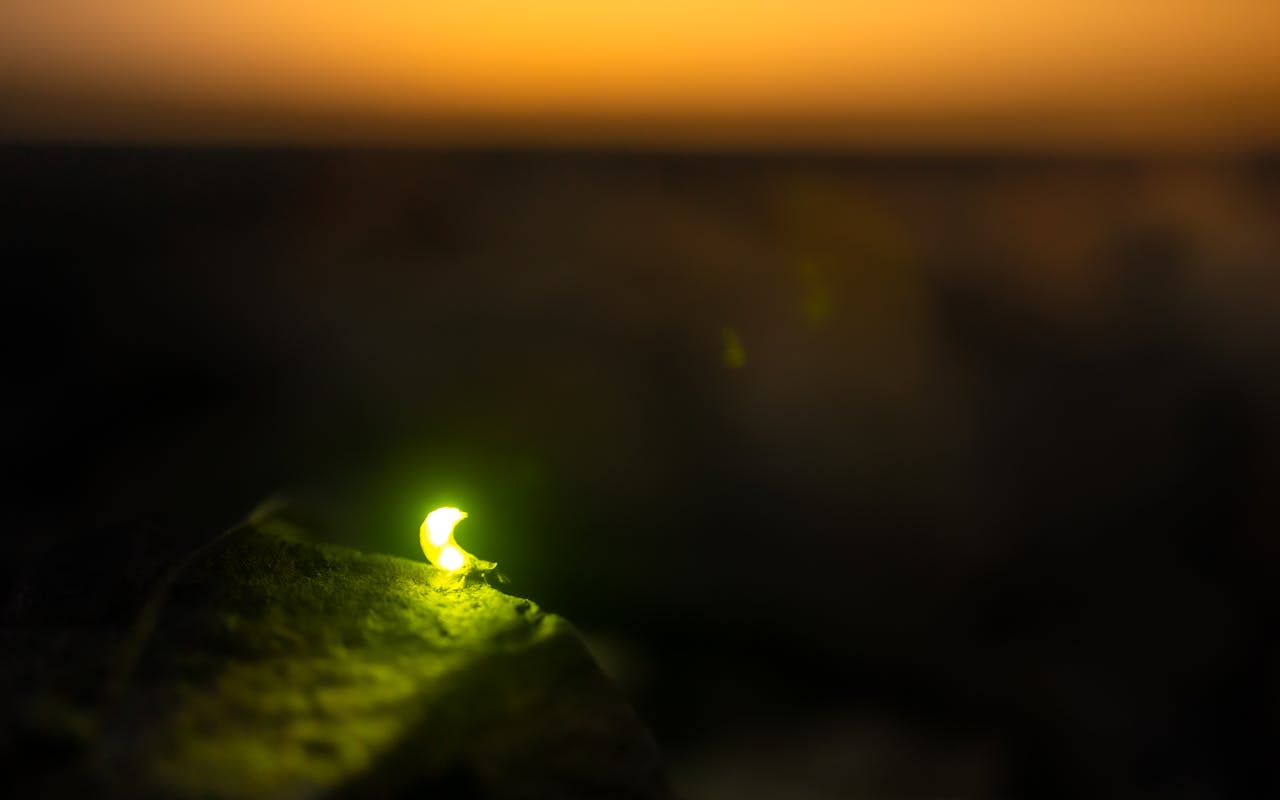
Fireflies use bioluminescence to attract mates in low-light environments. Research in the Journal of Experimental Biology indicates that flash patterns are species-specific, and males adjust their flashing frequency based on female response. Synchronization of flashes in some species can involve hundreds of individuals, creating a dazzling display. This behavior increases reproductive success by signaling fitness and location in dense habitats where visual cues are limited at night.
Raccoons as Opportunistic Night Feeders
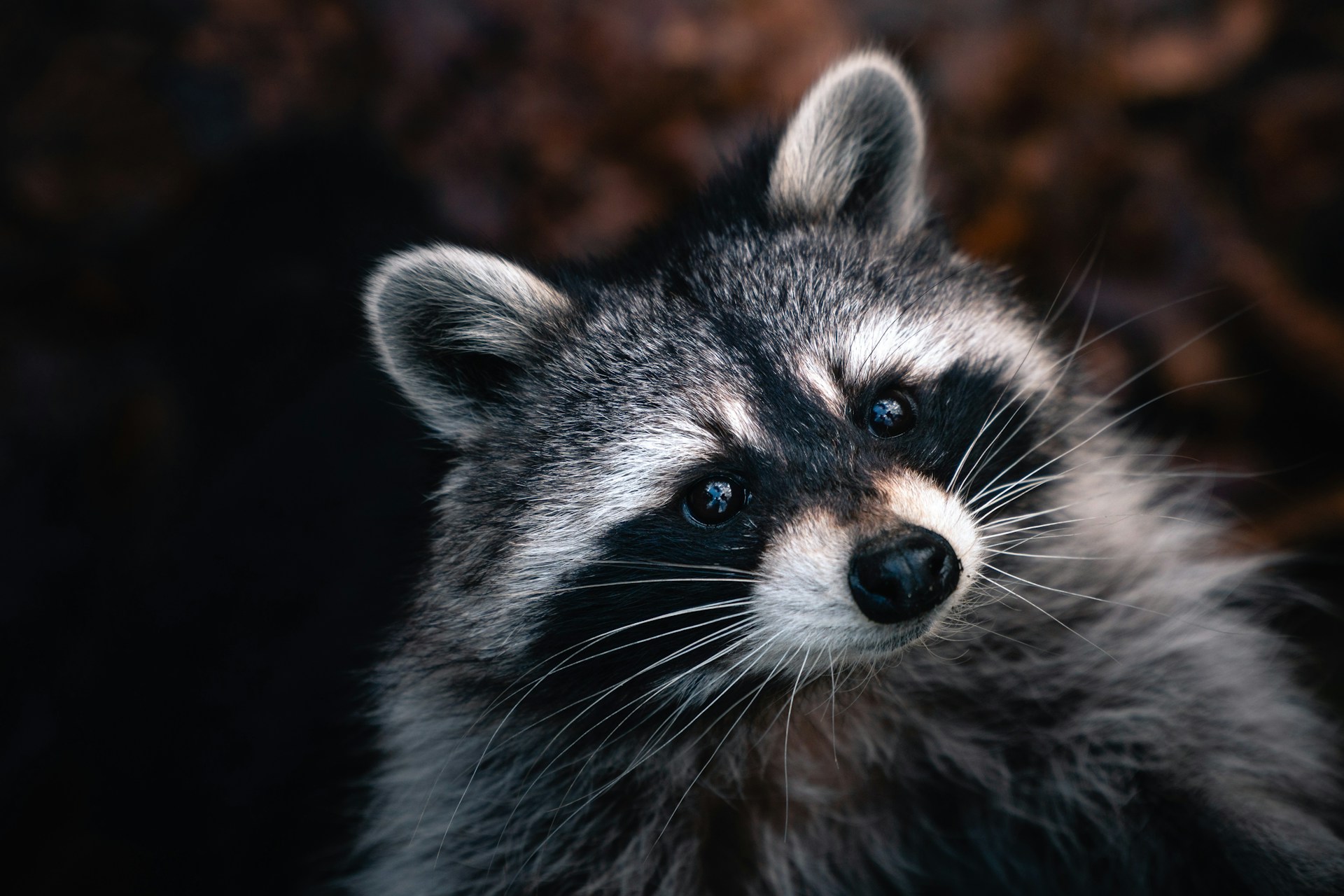
Raccoons are nocturnal omnivores that exploit human environments for food. Studies from North Carolina State University found that urban raccoons forage in garbage bins and compost piles, with activity peaking between midnight and 4 AM. They have dexterous front paws capable of opening containers, and their memory allows them to return to productive feeding sites repeatedly. Nighttime foraging reduces competition with diurnal species and lowers predation risks.
Moths Drawn to Artificial Light
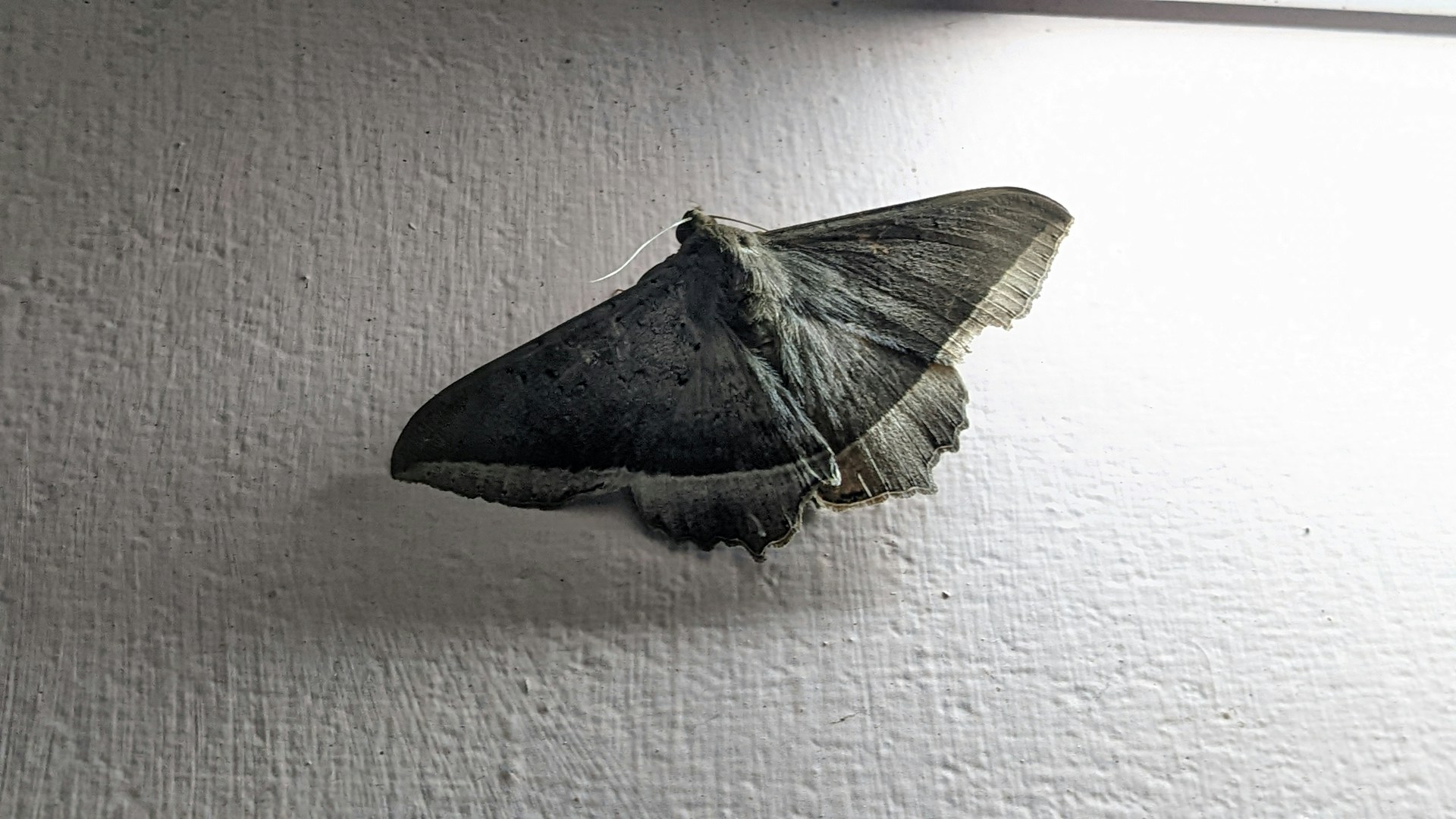
Many moth species display phototaxis, a strong attraction to light. Experiments published in Ecology and Evolution show that artificial lighting disrupts moth navigation and feeding, sometimes leading to exhaustion or predation. Females may lay fewer eggs if they spend extended time circling lights. Moths’ attraction to artificial light highlights how human activity can interfere with natural nocturnal behaviors, affecting pollination and ecosystem balance.
Hedgehogs Forage Under the Cover of Darkness
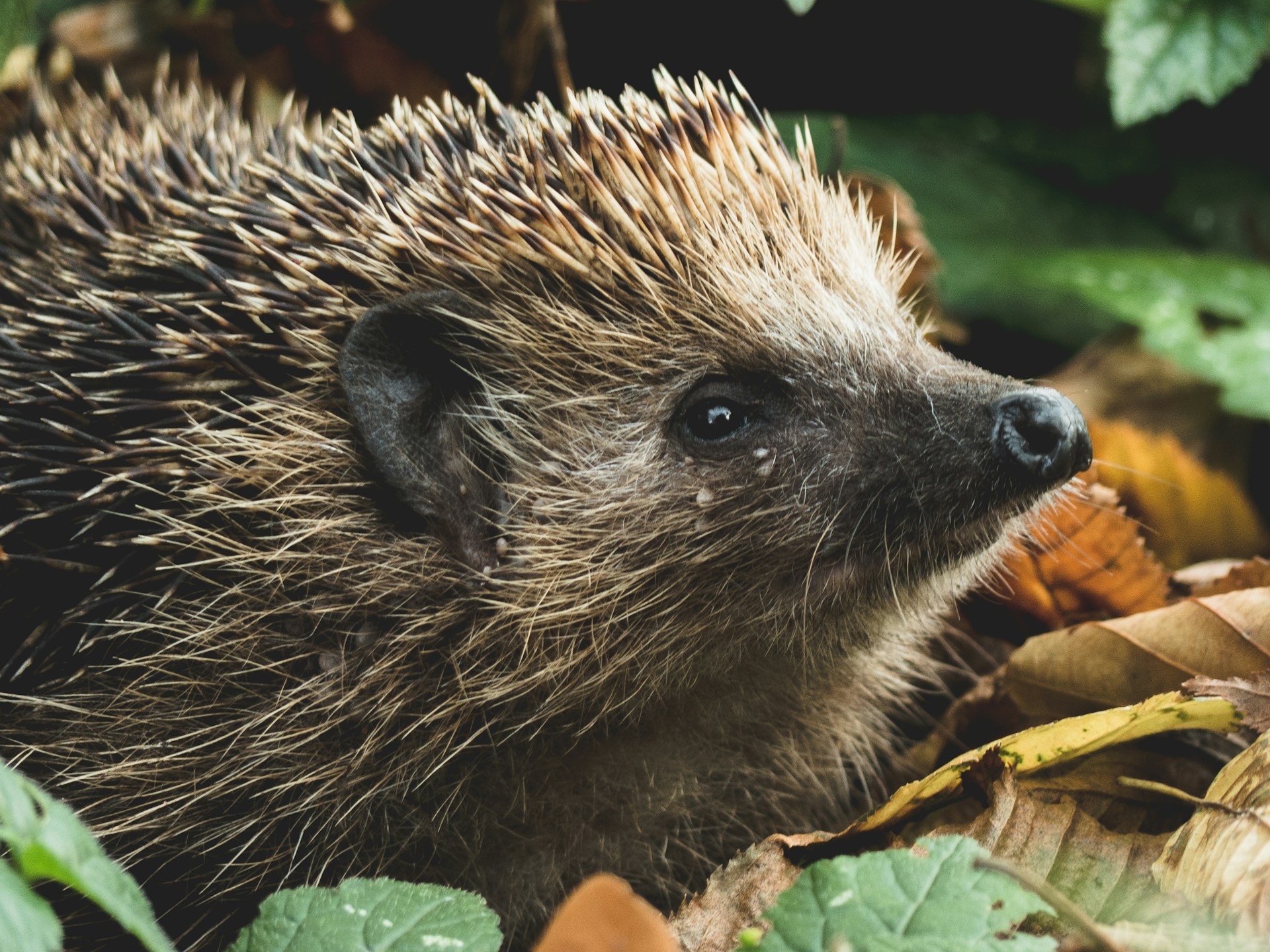
European hedgehogs are primarily nocturnal, spending the night searching for invertebrates, fruits, and fungi. Tracking studies in the UK show that hedgehogs travel up to 2 kilometers per night, conserving energy during the day in nests. Nighttime activity allows hedgehogs to avoid predators like badgers and foxes while exploiting abundant prey that emerges after dark. This foraging strategy is critical for maintaining body weight and reproductive health.
Coyotes Use Howls to Connect at Night
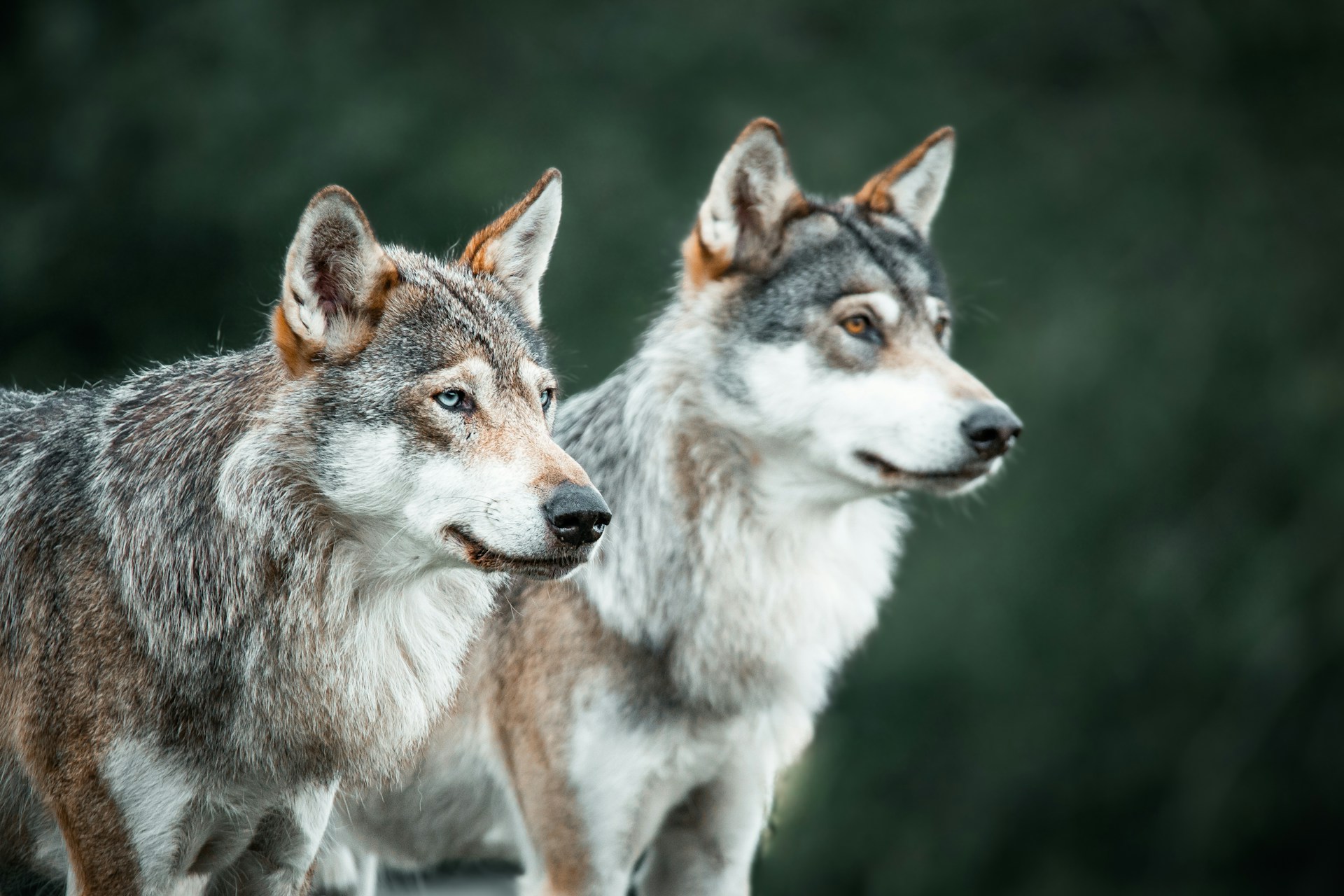
Coyotes communicate over long distances with howls and yips, coordinating packs and defending territories. According to the National Park Service, the peak period for coyote vocalization is from dusk to midnight. Howling reduces physical confrontations, allowing coyotes to avoid injury while maintaining social structure. Acoustic studies show that packs can recognize individual voices, demonstrating sophisticated communication even in complete darkness.
Frogs Sing in the Night to Attract Mates
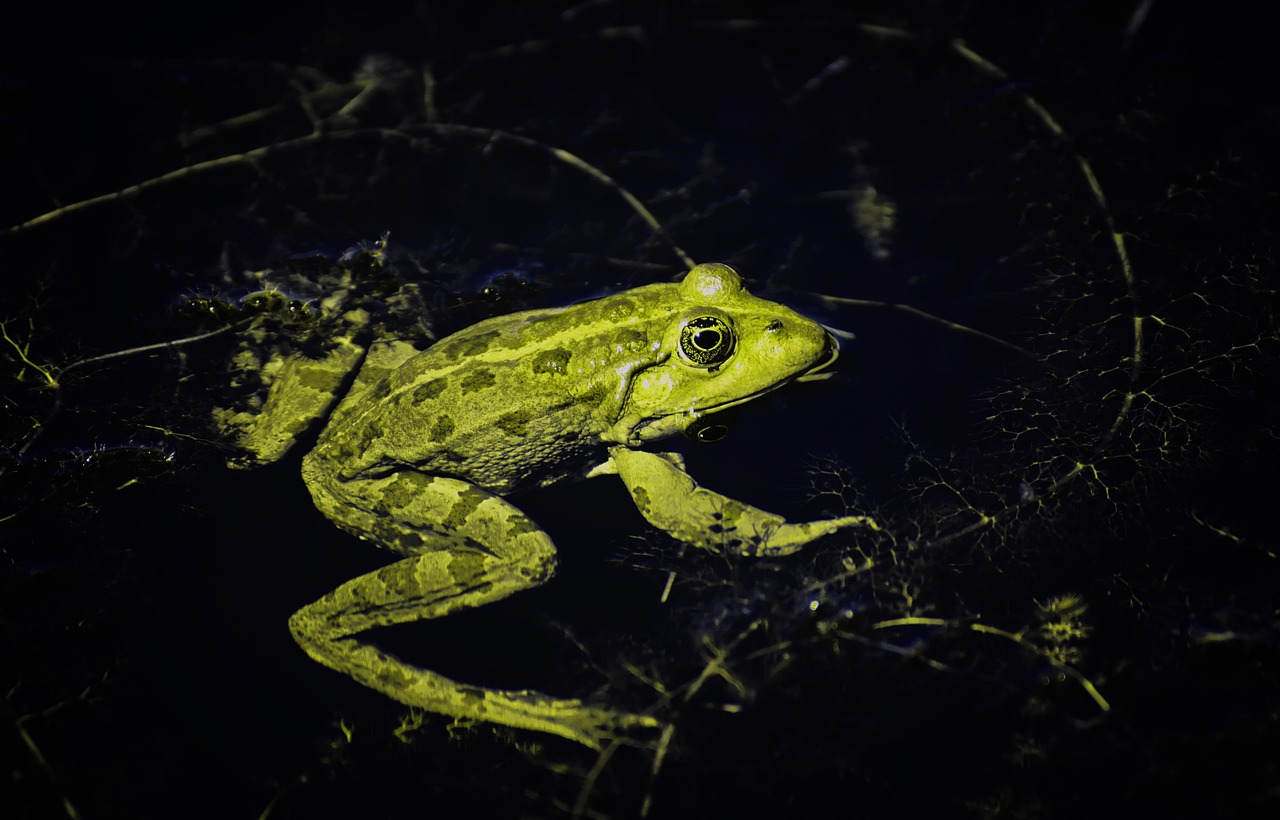
Many frog species are most vocally active at night to attract mates. Research in Herpetologica found that male frogs call more frequently in cooler evening temperatures, with some species producing up to 2,000 calls per hour. Nighttime calling reduces exposure to visual predators while maximizing sound travel across still water. These vocalizations are essential for reproduction and territory defense, illustrating the importance of acoustic signaling in nocturnal amphibians.
Snakes Track Prey Using Heat-Sensing Pits
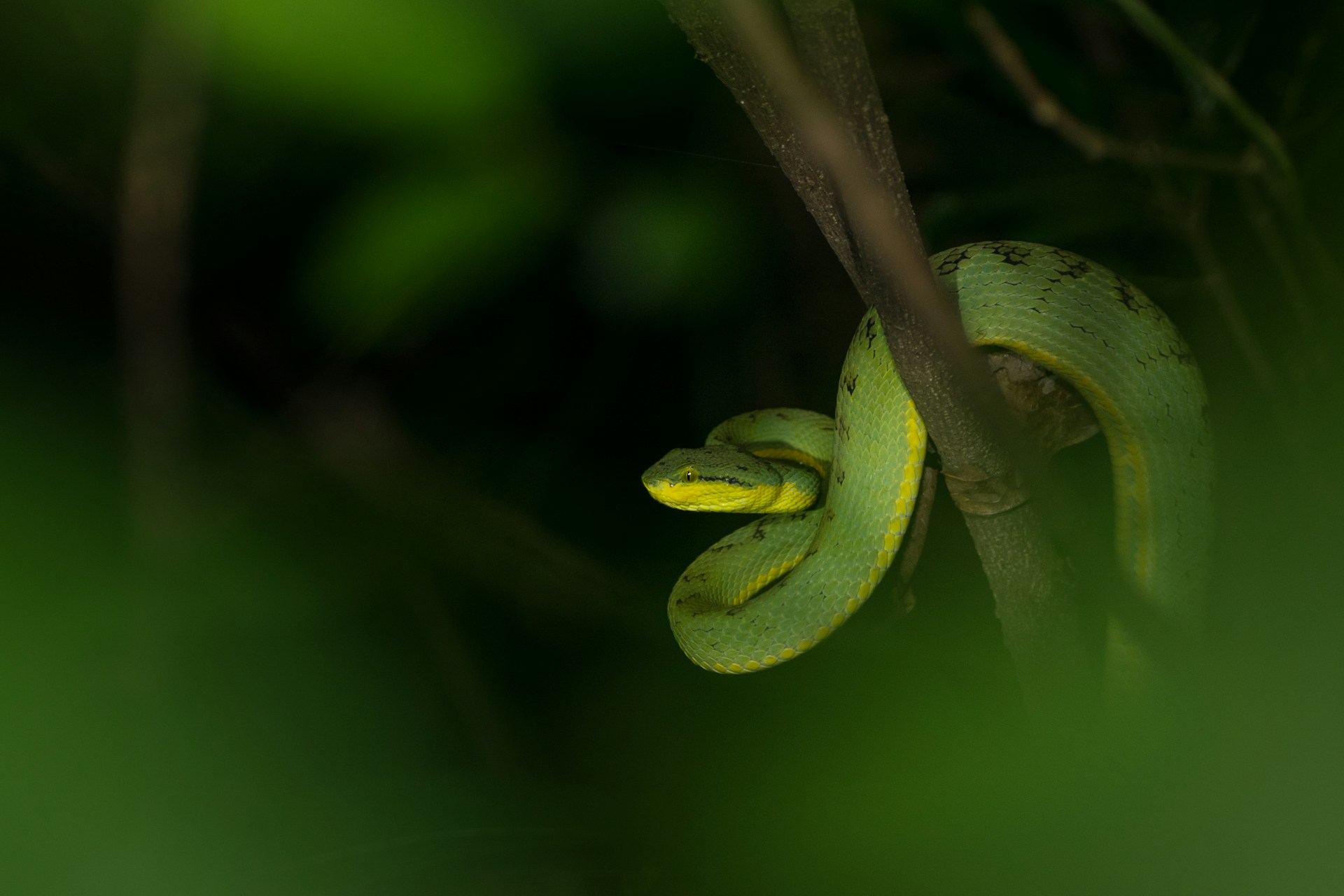
Pit vipers and some other snakes have specialized facial pits that detect infrared radiation, allowing them to locate warm-blooded prey in darkness. A study in Nature Communications showed that pit organs can detect temperature differences as small as 0.003°C. This adaptation enables accurate strikes even in total darkness and under dense foliage, highlighting the efficiency of nocturnal hunting in reptiles.
Cats Roam the Night for Exploration and Hunting
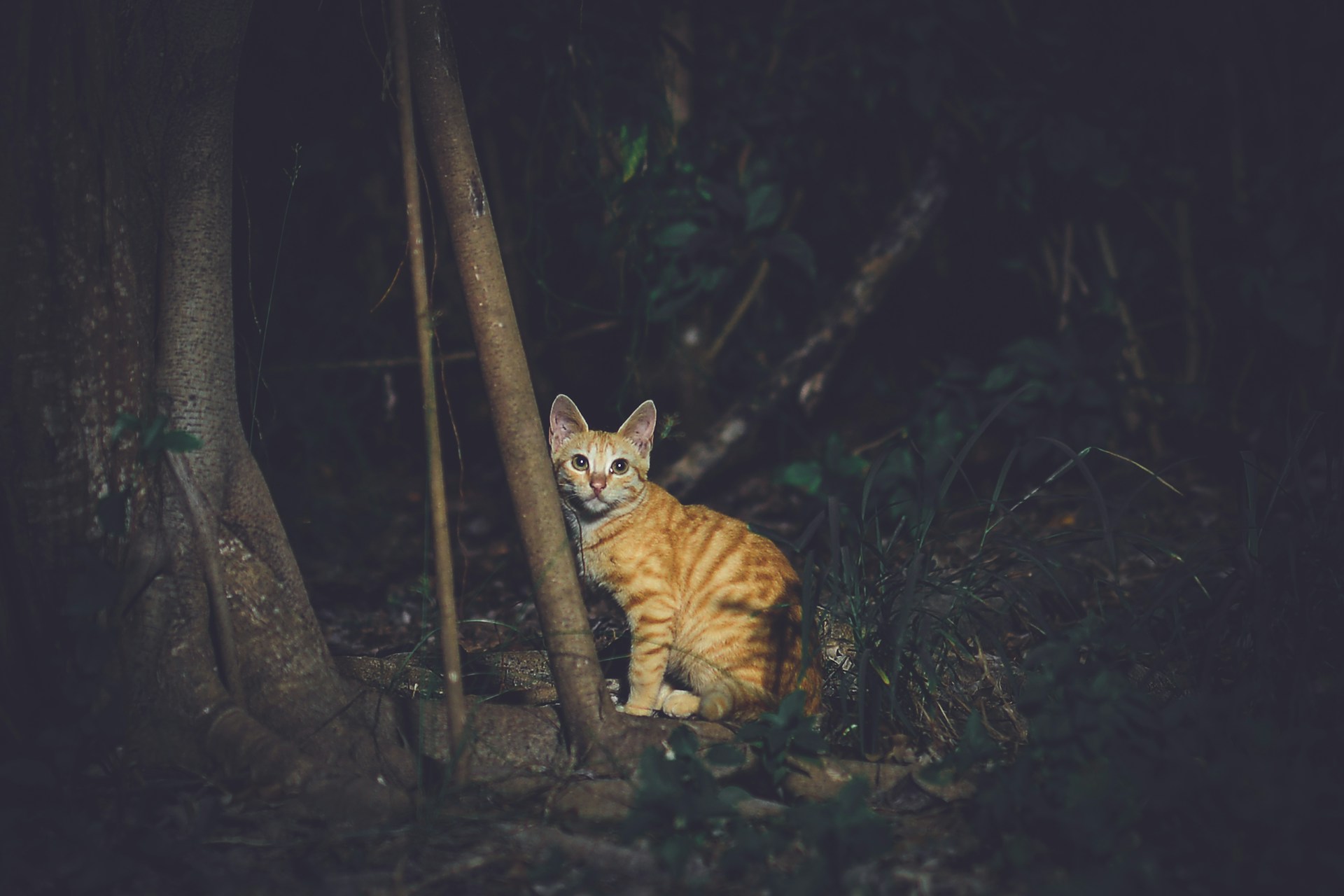
Domestic cats retain strong crepuscular and nocturnal instincts. Research in Applied Animal Behaviour Science indicates that cats are most active between dusk and midnight, often hunting small mammals or exploring territory. GPS collar studies reveal that outdoor cats can travel several kilometers in a single night. Nighttime activity reduces competition with humans and other diurnal predators while satisfying natural hunting behaviors.
Wolves Howl at Night to Strengthen Social Bonds
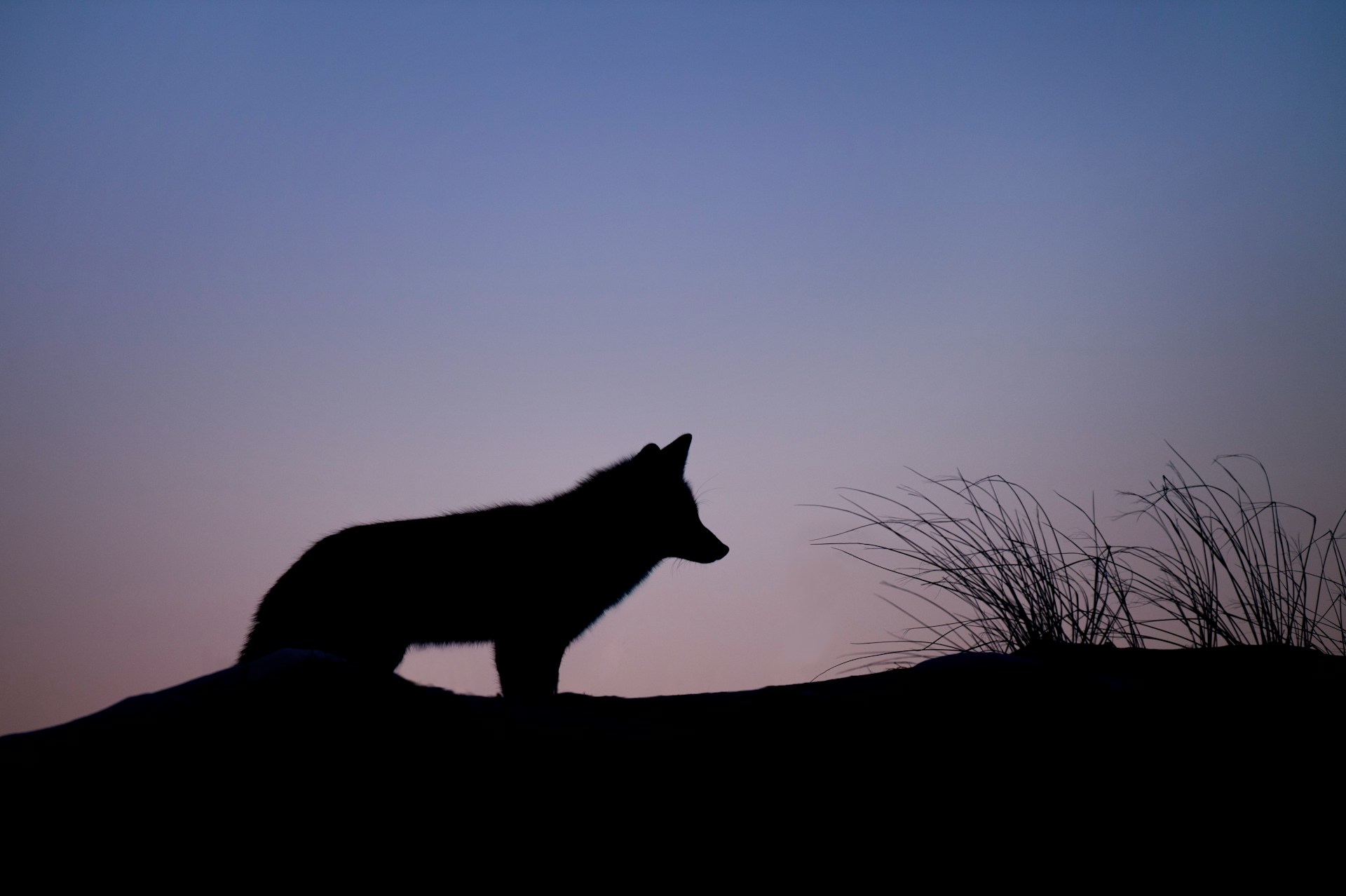
Wolves use nighttime howls for coordination and group cohesion. Observational data from Yellowstone National Park show that packs typically howl at dusk or during early night hours. Howling allows wolves to communicate location, reinforce pack hierarchy, and coordinate hunting. This nocturnal behavior also helps maintain genetic diversity by signaling territories to neighboring packs and preventing conflicts.
Crickets Chirp to Attract Mates in the Dark
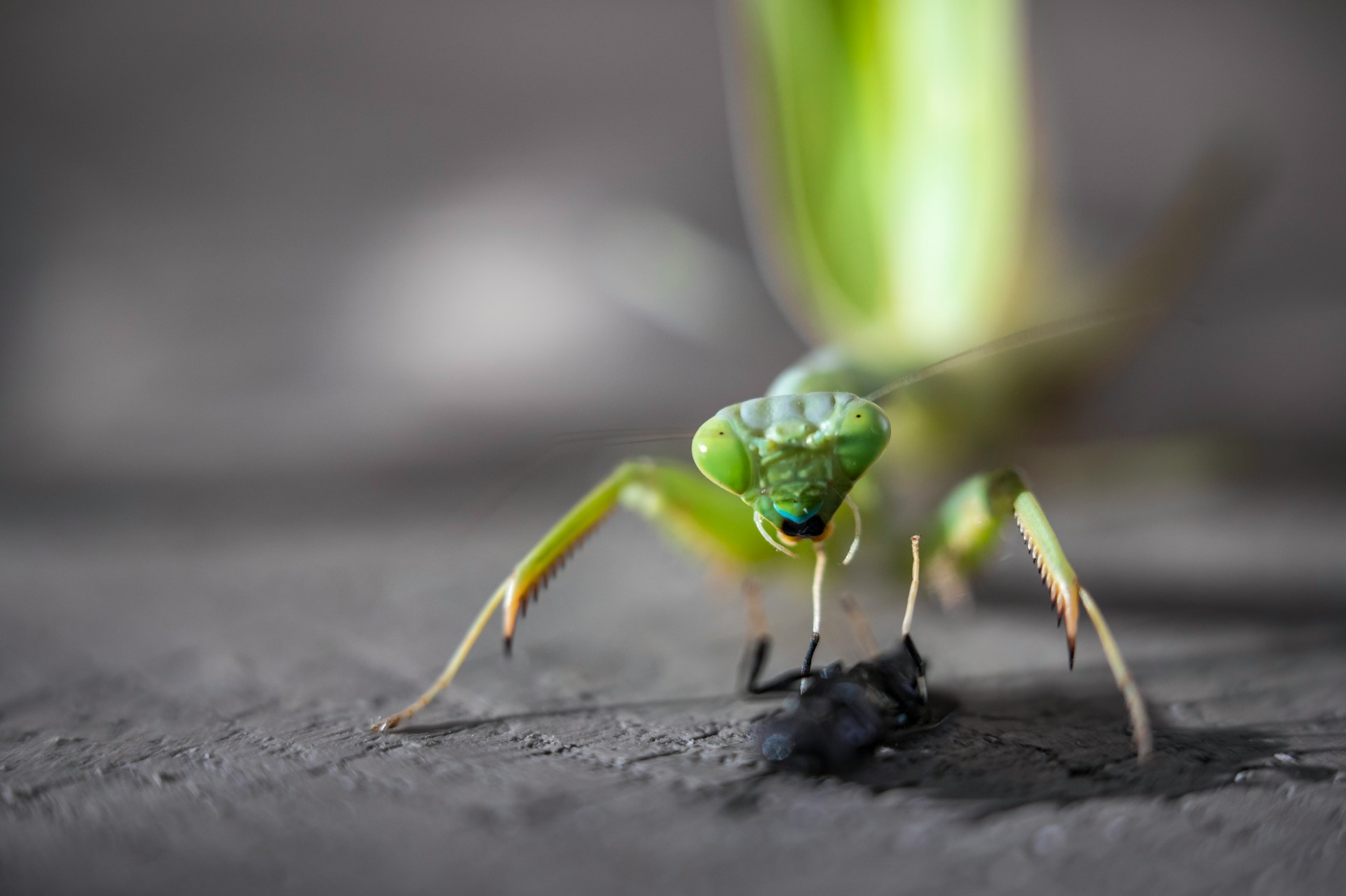
Male crickets produce species-specific chirps at night to attract females. According to research in Behavioral Ecology and Sociobiology, chirp rate increases with temperature, and females prefer males with higher calling rates, which indicates fitness. Nighttime chirping reduces exposure to daytime predators and enhances acoustic reach in dense vegetation, providing a survival advantage while facilitating reproduction.
Fireflies Synchronize Their Light Displays
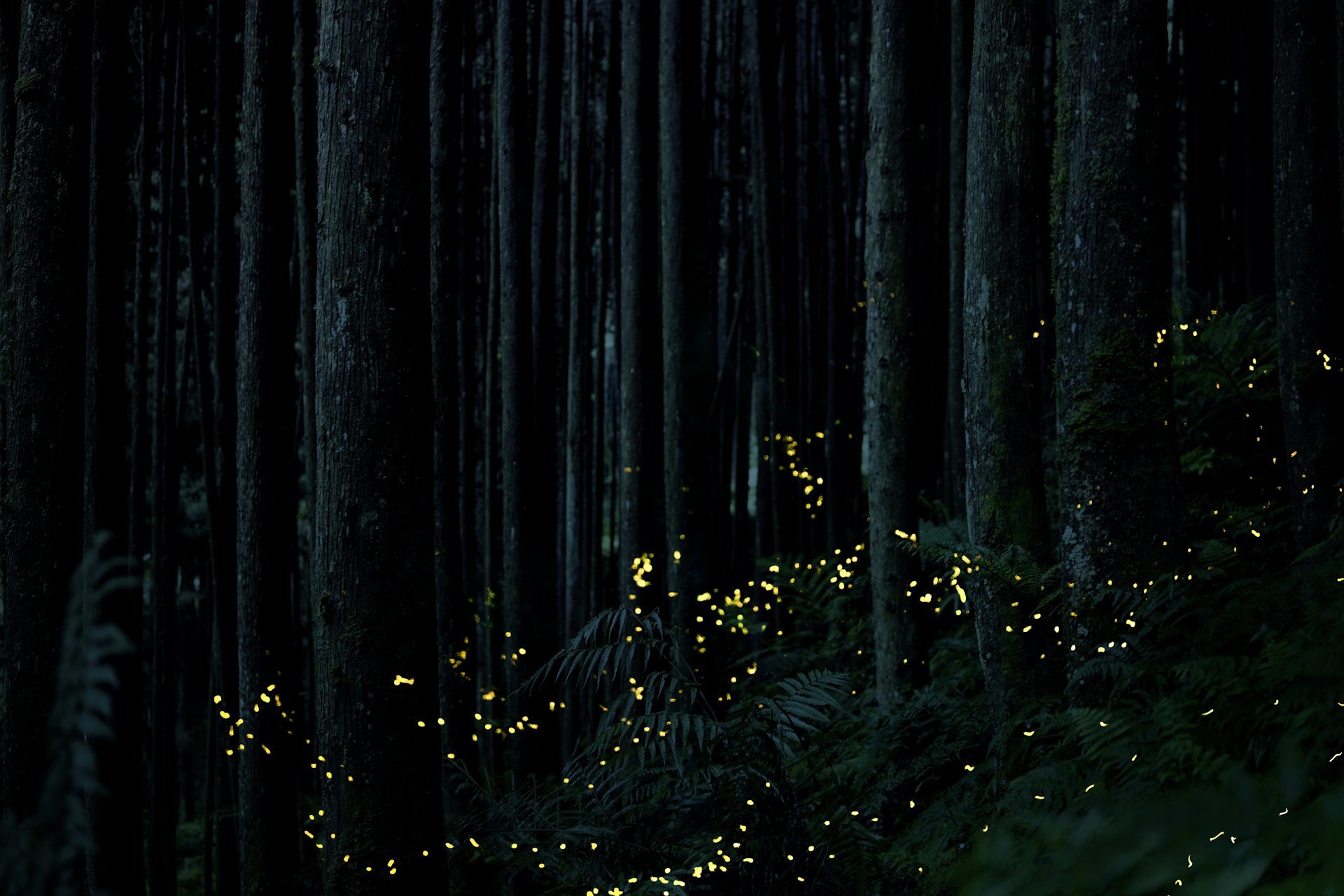
Some firefly species synchronize their flashes across large groups, creating coordinated light shows. Studies in Southeast Asia observed up to 400 individuals flashing in unison, a phenomenon explained by mathematical models of coupled oscillators. Synchronization increases mate detection efficiency and reduces energy expenditure, while also helping species distinguish themselves from similar fireflies in overlapping habitats. This behavior demonstrates complex nocturnal communication strategies.