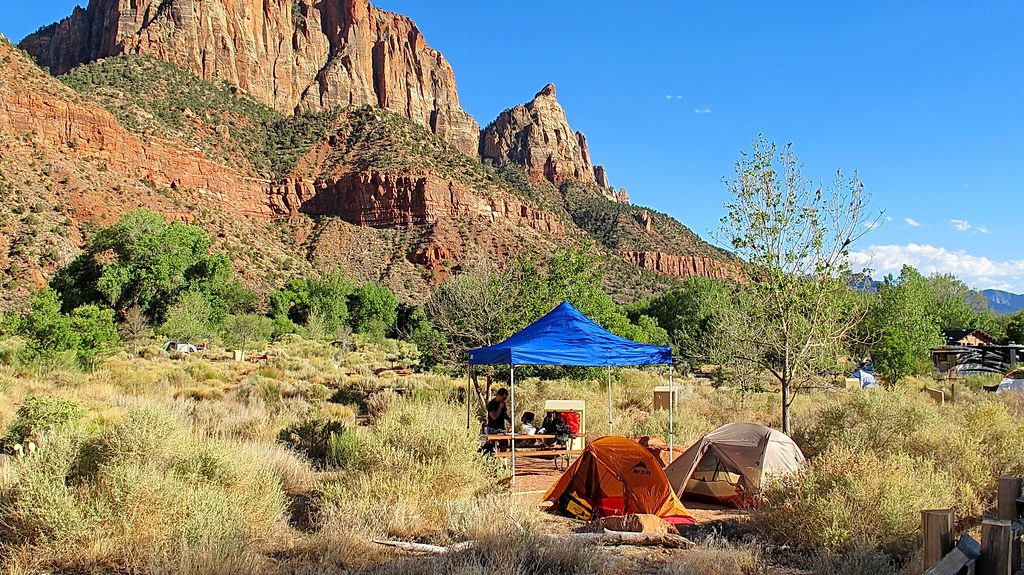
Owning an RV offers freedom, adventure, and the ability to explore on your own schedule. However, the purchase price is only the beginning. Many hidden expenses can quickly add up, affecting your budget more than expected. From maintenance and fuel to insurance and campground fees, these costs are often overlooked. Understanding them ahead of time ensures a smoother, worry-free experience and helps you plan for long-term RV ownership.
1. Maintenance and Repairs

Regular maintenance is essential to keep an RV safe and functional. Tires, brakes, engines, and onboard appliances require routine checks, and repairs can be expensive if issues arise unexpectedly. Neglecting minor problems often leads to bigger, costlier ones. Budgeting for both scheduled maintenance and emergency repairs ensures your RV stays reliable and reduces the chance of road interruptions, allowing for safer and more enjoyable trips.
2. Depreciation

RVs lose value faster than cars or homes, especially in the first few years. Even well-maintained vehicles can sell for significantly less than the purchase price. Depreciation affects resale and trade-in value, making it a hidden cost that many new owners overlook. Understanding depreciation helps buyers make informed decisions and plan financially for eventual upgrades or replacements, avoiding unpleasant surprises when it comes time to sell.
3. Fuel Costs
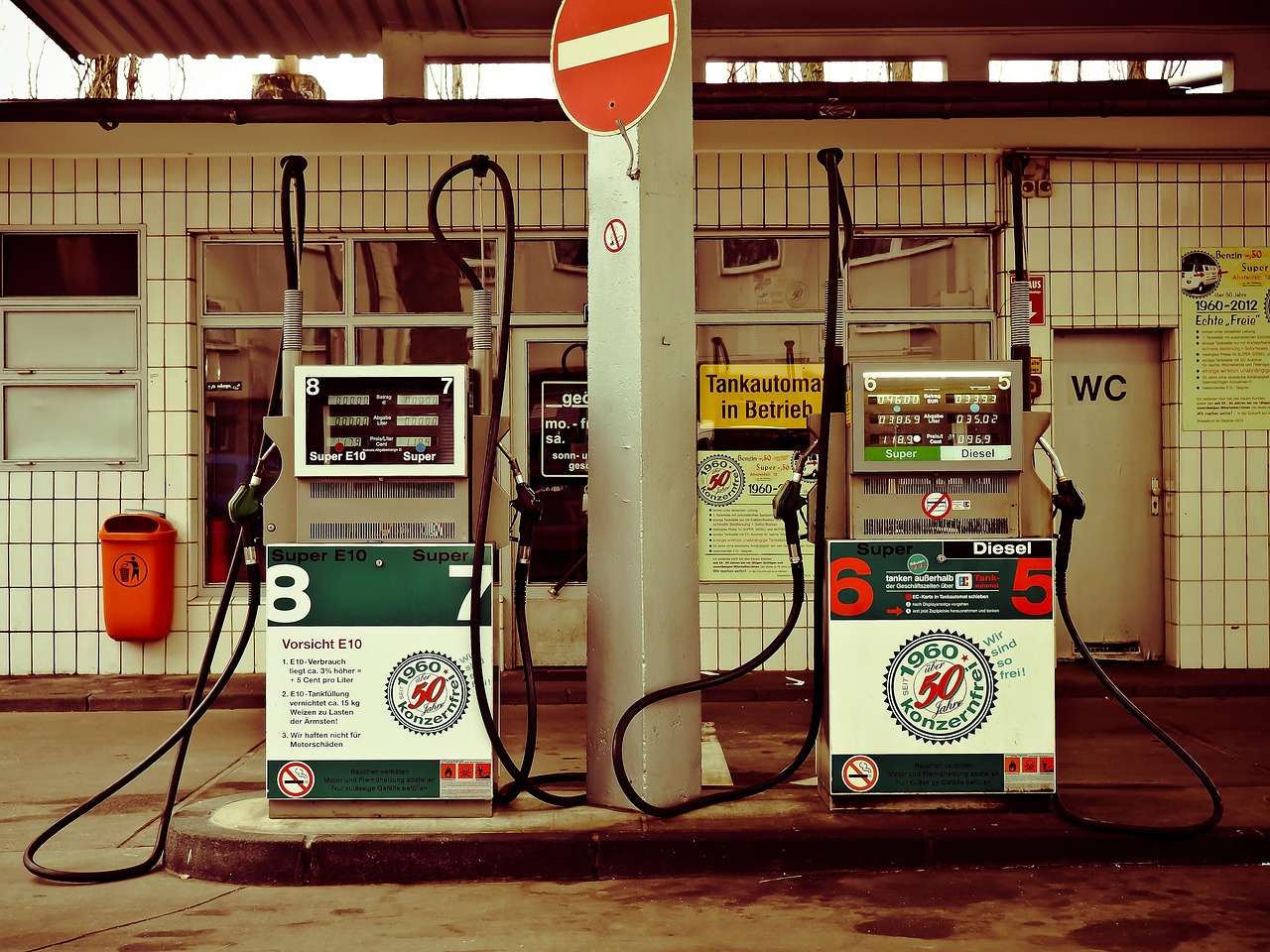
RVs are not fuel-efficient, and long trips can rack up significant expenses. Diesel or gasoline costs vary depending on vehicle size, engine type, and terrain. Mountain roads or long-distance travel can dramatically increase consumption. Planning routes, monitoring mileage, and budgeting for fuel are essential. Accounting for fuel in advance prevents surprises and ensures trips remain affordable while maintaining the freedom of travel that RV ownership promises.
4. Campground Fees
Many RV owners prefer campgrounds with amenities like electricity, water, and dump stations. Fees vary by location, season, and facility type. While some RVers enjoy free camping or boondocking, consistent campground stays quickly add up. Including these recurring costs in your travel budget prevents surprises and helps plan longer trips responsibly. Campground fees are often unavoidable for comfort and convenience, making them a key hidden expense.
5. Insurance Premiums

RV insurance can be surprisingly expensive. Coverage depends on vehicle value, type, and desired protections, including liability, collision, and roadside assistance. Comprehensive plans cost more but offer essential protection. Shopping around for policies, understanding deductibles, and reviewing limits ensures you’re properly covered without overspending. Ignoring insurance costs can result in financial strain or inadequate protection when accidents or theft occur.
6. Registration and Taxes

RVs must be registered and may incur personal property or vehicle taxes. Fees vary by state, RV size, and value. Failing to pay on time can result in fines or penalties. These expenses are often overlooked by new owners but can become significant over time. Including registration and taxes in your annual budget ensures legal compliance and prevents unexpected financial issues while traveling or storing your RV.
7. Storage Costs
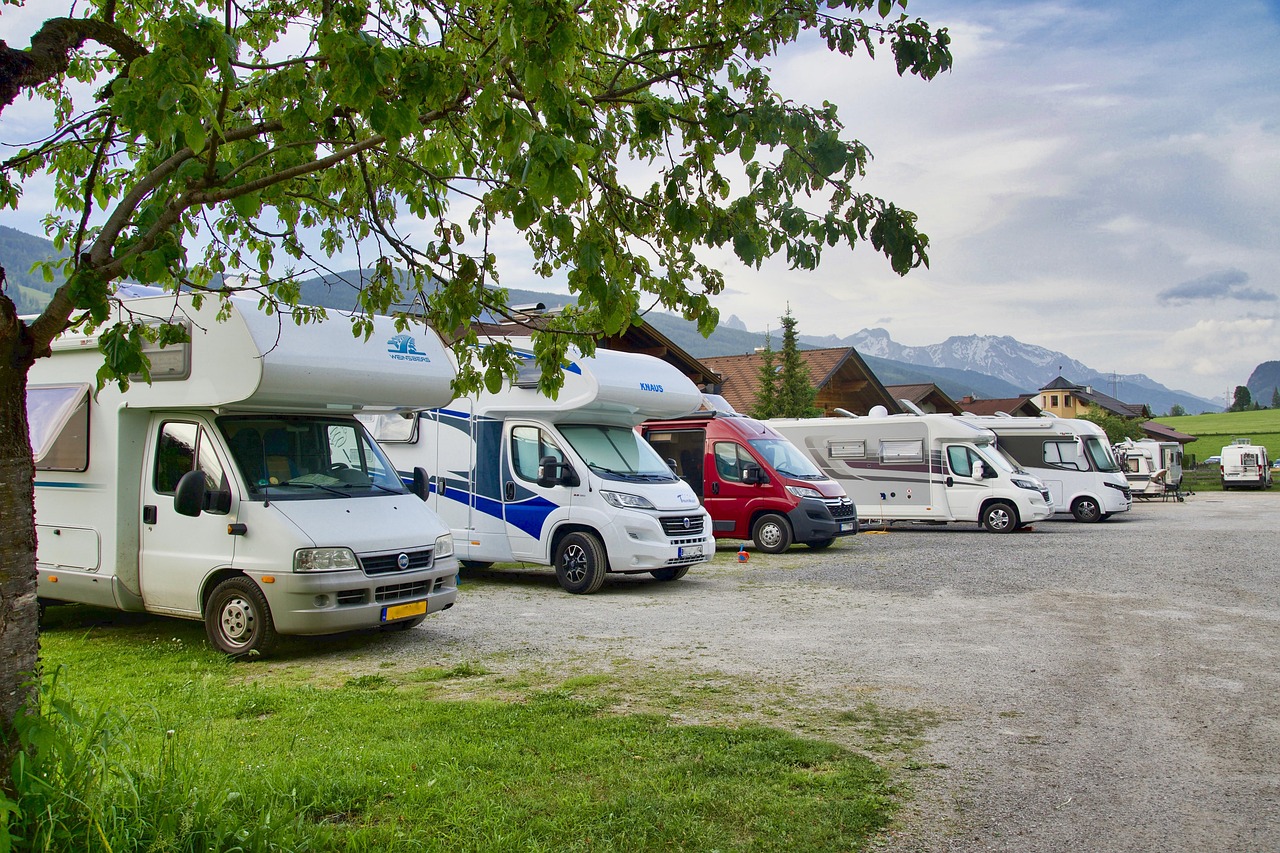
Many RV owners need storage when not in use. Outdoor lots, covered spaces, and climate-controlled storage all have varying costs. Long-term storage, especially in urban areas, can be expensive. Planning for storage fees ensures your RV remains safe, secure, and accessible, preventing damage and theft. Factoring storage into your overall budget avoids surprises and keeps your investment protected when you’re not on the road.
8. Propane and Utilities
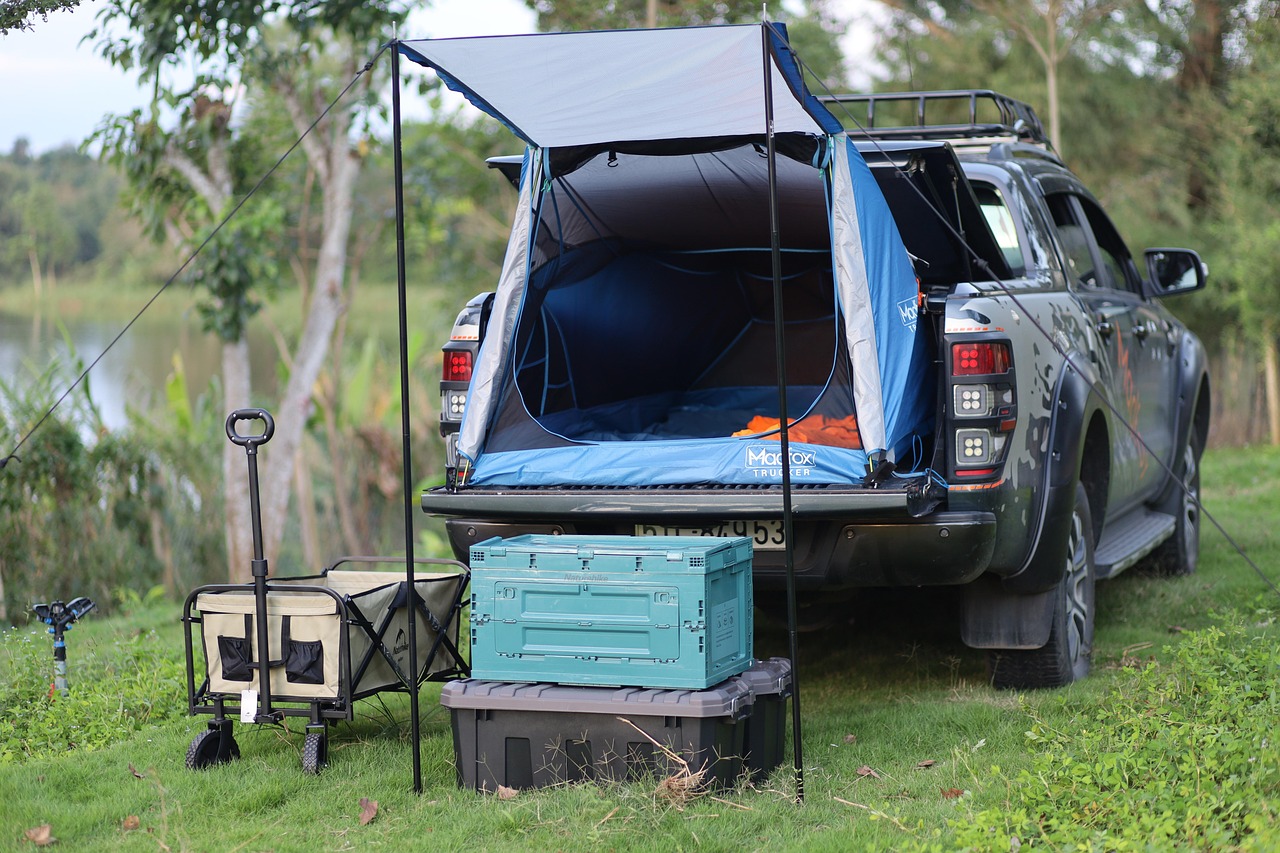
RVs often rely on propane for cooking, heating, or refrigeration, and utilities like water, electricity, and sewage disposal add recurring costs. Filling propane tanks, connecting to campsite electricity, and dumping waste are necessary for smooth travel. Budgeting for these expenses ensures consistent comfort on trips. Proper management of utilities prevents emergencies and keeps trips safe and enjoyable, especially during extended adventures.
9. Repairs from Travel Damage

RVs are susceptible to damage from road debris, storms, accidents, or rough terrain. Repairs for dents, scratches, or mechanical issues can be costly. Setting aside an emergency fund for unexpected damage prevents financial stress. Routine inspections and careful driving reduce risk, but occasional repairs are inevitable. Planning ahead ensures your RV remains functional and safe, keeping adventures uninterrupted and enjoyable.
10. Upgrades and Accessories

Many RV owners invest in upgrades to improve comfort and functionality. Solar panels, awnings, leveling systems, and better appliances enhance the experience but come at a cost. Budgeting for occasional upgrades ensures your RV remains practical and enjoyable. Prioritizing upgrades allows owners to make smart decisions, improving both convenience and resale value without overspending or compromising essential features.
11. Internet and Connectivity

Staying connected requires data plans, mobile hotspots, or satellite internet. Remote areas often lack reliable coverage, making connectivity a hidden expense. Travelers may need to invest in better technology or higher data limits to stay online. Proper planning ensures communication, navigation, and entertainment needs are met without breaking the budget. Internet costs are often overlooked but are essential for many modern RVers.
12. Cleaning and Maintenance Supplies
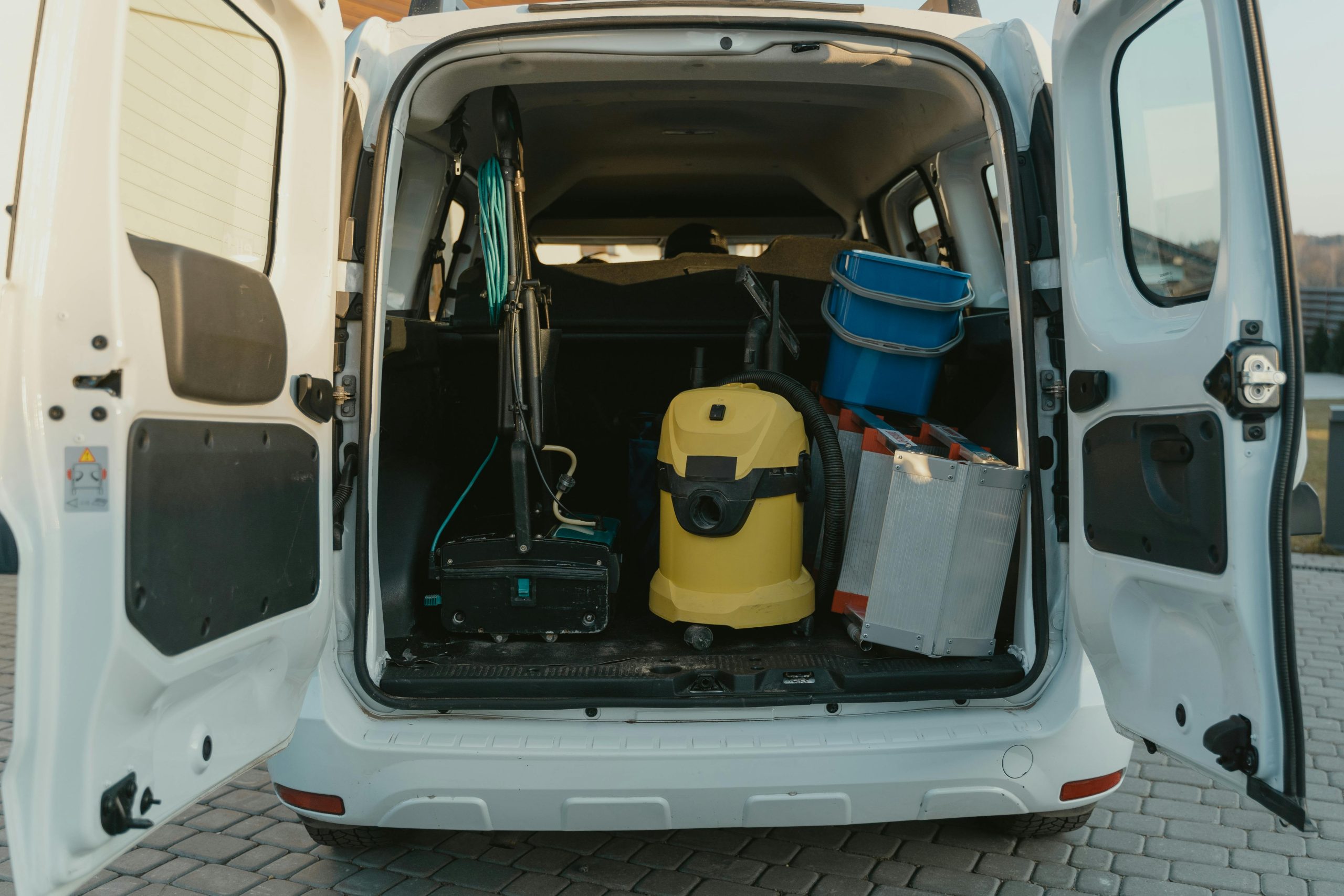
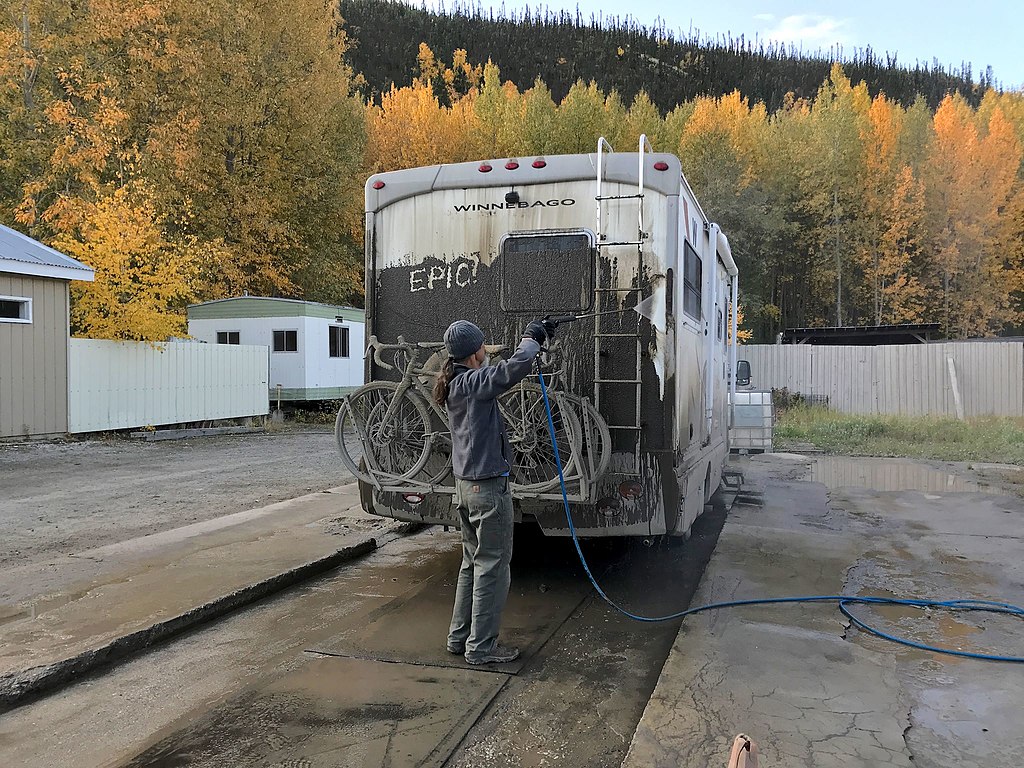
Specialized products for RV cleaning and maintenance, including roof sealants, detergents, and brushes, are recurring expenses. Regular upkeep prevents damage and maintains resale value. Neglecting cleaning leads to costly repairs over time. Including supplies in your budget ensures your RV stays clean, functional, and appealing, providing a more enjoyable experience and protecting your investment for years to come.
13. Licensing and Special Requirements

Larger motorhomes or specific classes of RVs may require special licenses, endorsements, or training courses. These initial costs are often overlooked but can be significant. Understanding local driving laws ensures compliance and prevents fines. Factoring licensing expenses into your planning helps new owners budget effectively while guaranteeing legal and safe travel across different states or regions.
14. Depreciation of Accessories and Gear
Portable generators, outdoor furniture, grills, and camping gear also lose value over time. Frequent replacements or upgrades are often necessary to maintain comfort and functionality. These costs accumulate and should be considered part of long-term RV ownership. Planning for gear depreciation ensures that your RV remains fully equipped, comfortable, and ready for travel without unexpected financial strain.