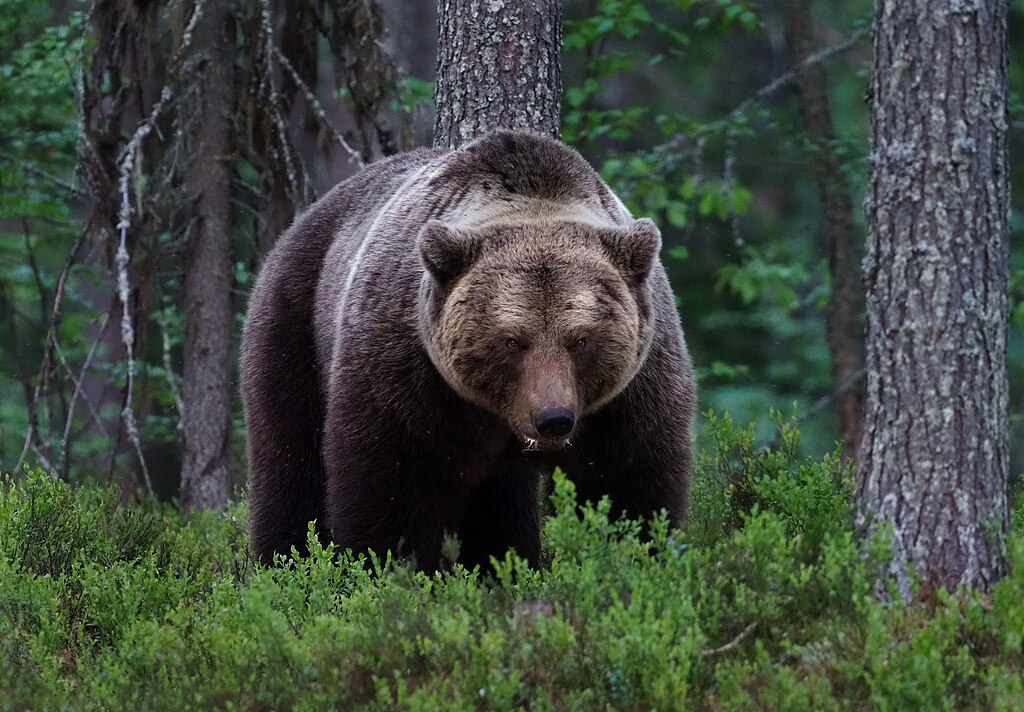
Understanding bear behavior is crucial for hunters because many actions appear harmless or predictable but often signal something entirely different. Bears communicate through posture, movement, and subtle shifts in their environment, and misreading these cues can lead to unsafe situations or missed opportunities. By learning how to correctly interpret these behaviors, hunters can improve both their awareness and safety. Each sign offers valuable insight into a bear’s mood, comfort level, and next move, helping hunters make responsible and informed decisions in the field.
1. Slow Walking That Looks Casual
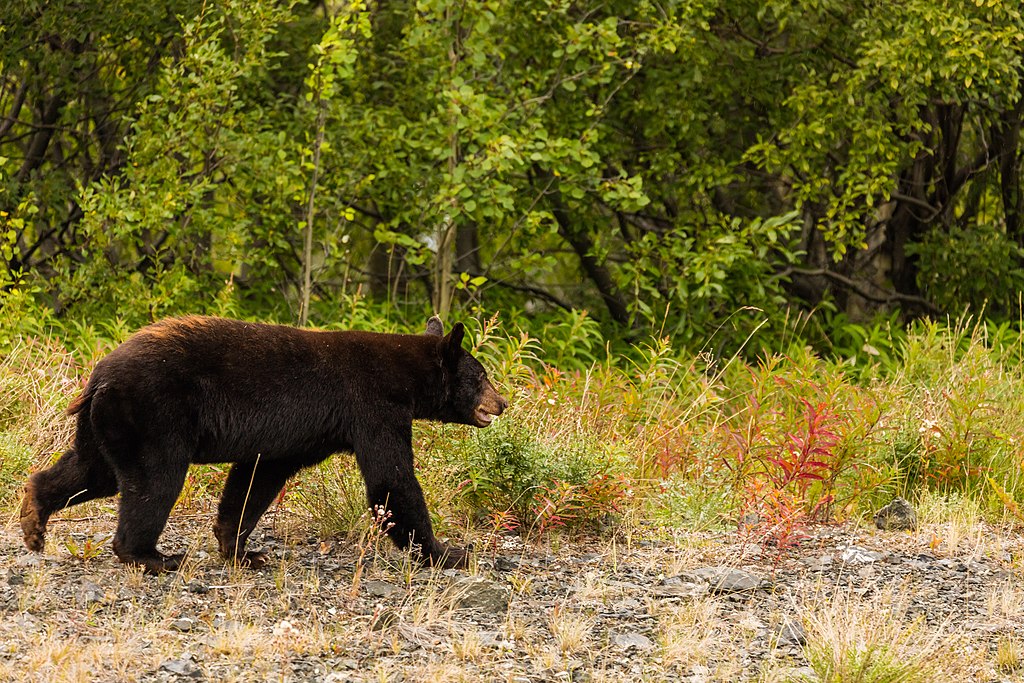
A bear moving slowly may seem relaxed, but this pace often signals caution or uncertainty rather than calmness. Bears frequently walk this way when testing scents in the air or assessing nearby noise. The steady steps hide their readiness to shift direction or accelerate at any moment. Hunters sometimes think this relaxed movement means the bear is unaware of them, but bears rarely move without intention. When paired with a lifted nose or brief pauses, this behavior means the bear is collecting information before deciding how to respond.
2. Head Down While Feeding
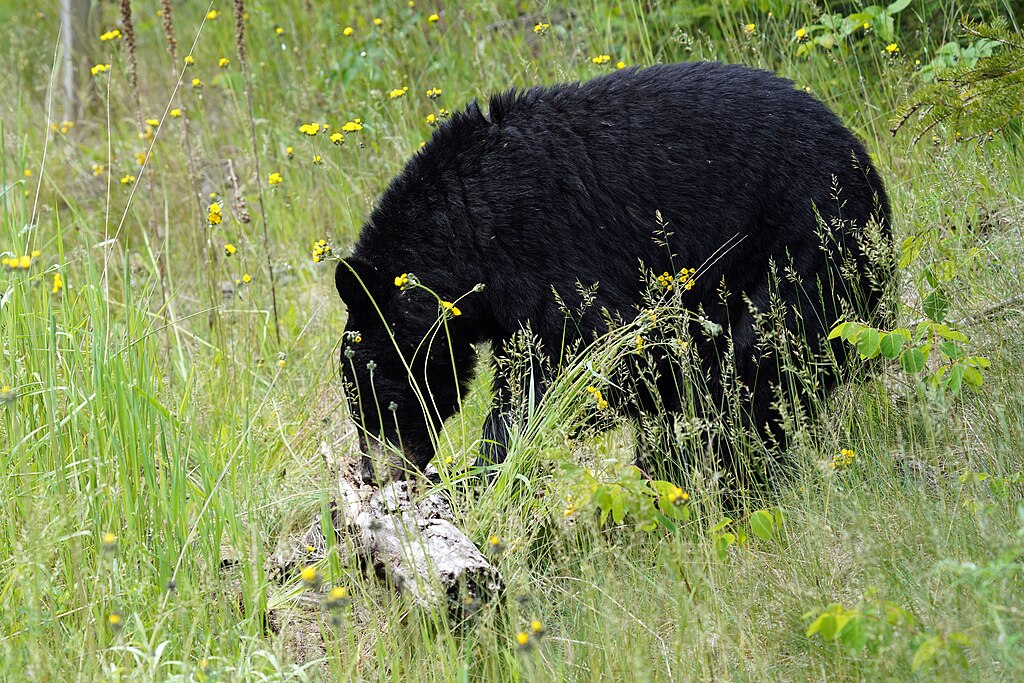
A bear with its head lowered appears fully focused on eating, but hunters often misread this as a lack of awareness. Bears regularly scan their surroundings even during feeding by shifting their ears, changing position, and lifting their head quickly when something feels off. This feeding posture makes them seem vulnerable, yet they remain alert to danger. When a bear pauses mid-bite or freezes unexpectedly, it is detecting movement or scent. Misunderstanding this alertness can cause hunters to underestimate how quickly the bear may react.
3. Frequent Standing on Hind Legs
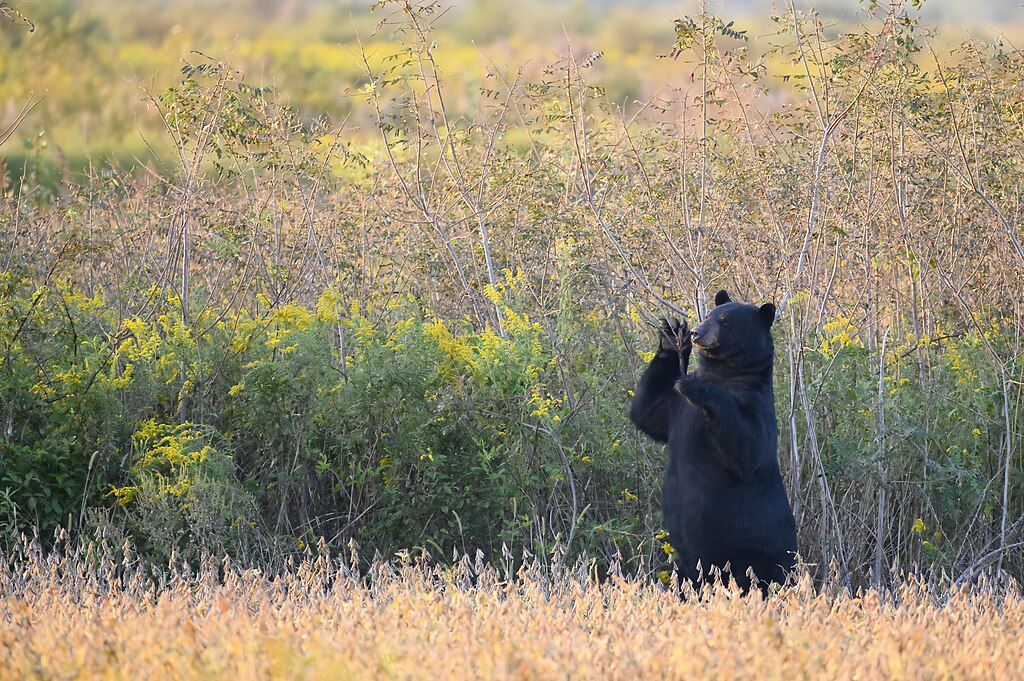
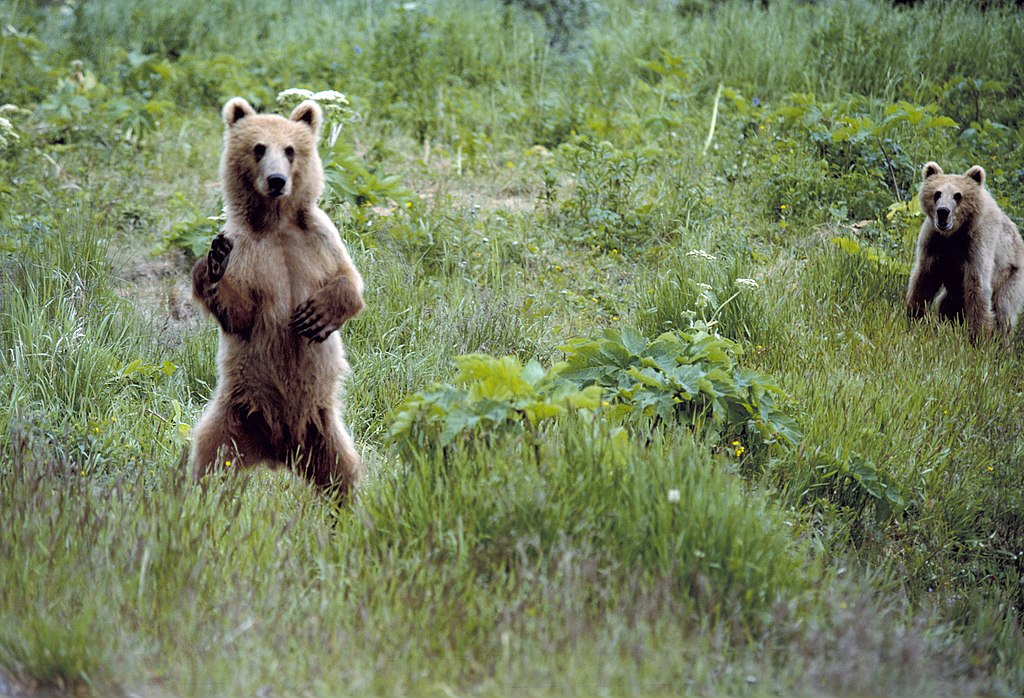
Many hunters assume a standing bear is preparing to charge, but the behavior is usually curiosity-driven. Bears rise on their hind legs to better smell or observe something they cannot identify from the ground. This posture improves their view and lets them gather information before choosing a response. While the sight may seem threatening, the bear is often evaluating rather than challenging. However, the interest means the bear is aware of something unusual. Hunters should interpret this as heightened awareness rather than aggression.
4. Sudden Sprinting That Looks Like Escape
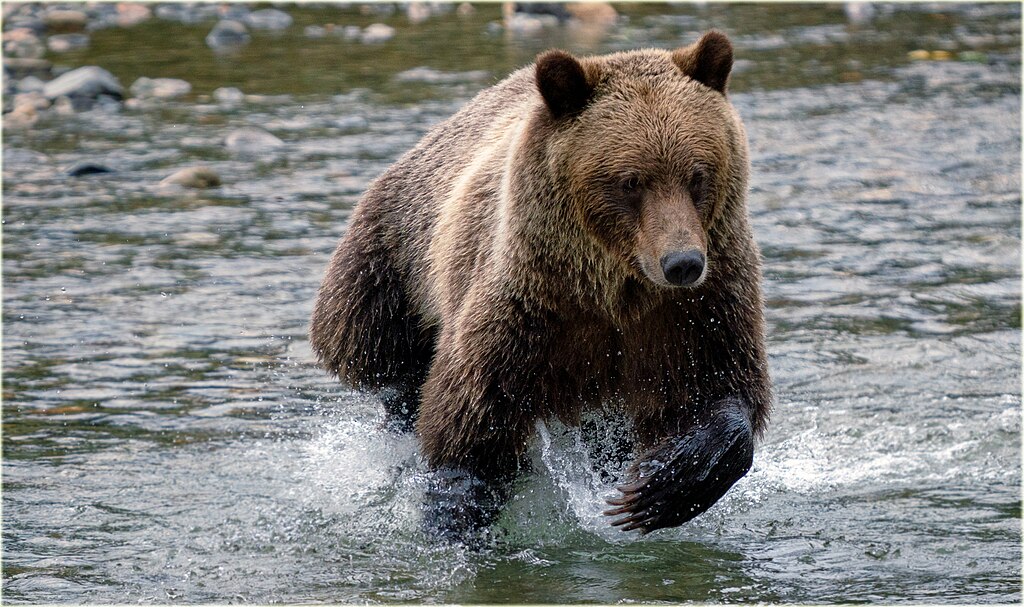
A bear running abruptly often seems frightened, but sprinting can simply indicate a quick movement toward food, water, or cubs. Bears move fast for short distances without showing obvious signs of stress or fear. Hunters may mistake this dash as the bear fleeing, yet bears routinely sprint to secure a resource or chase an intruder away. Their speed masks their emotional state. Observing direction, ear posture, and surrounding cues helps determine whether the sprint is defensive, opportunistic, or purely instinctive.
5. Repeated Ground Sniffing
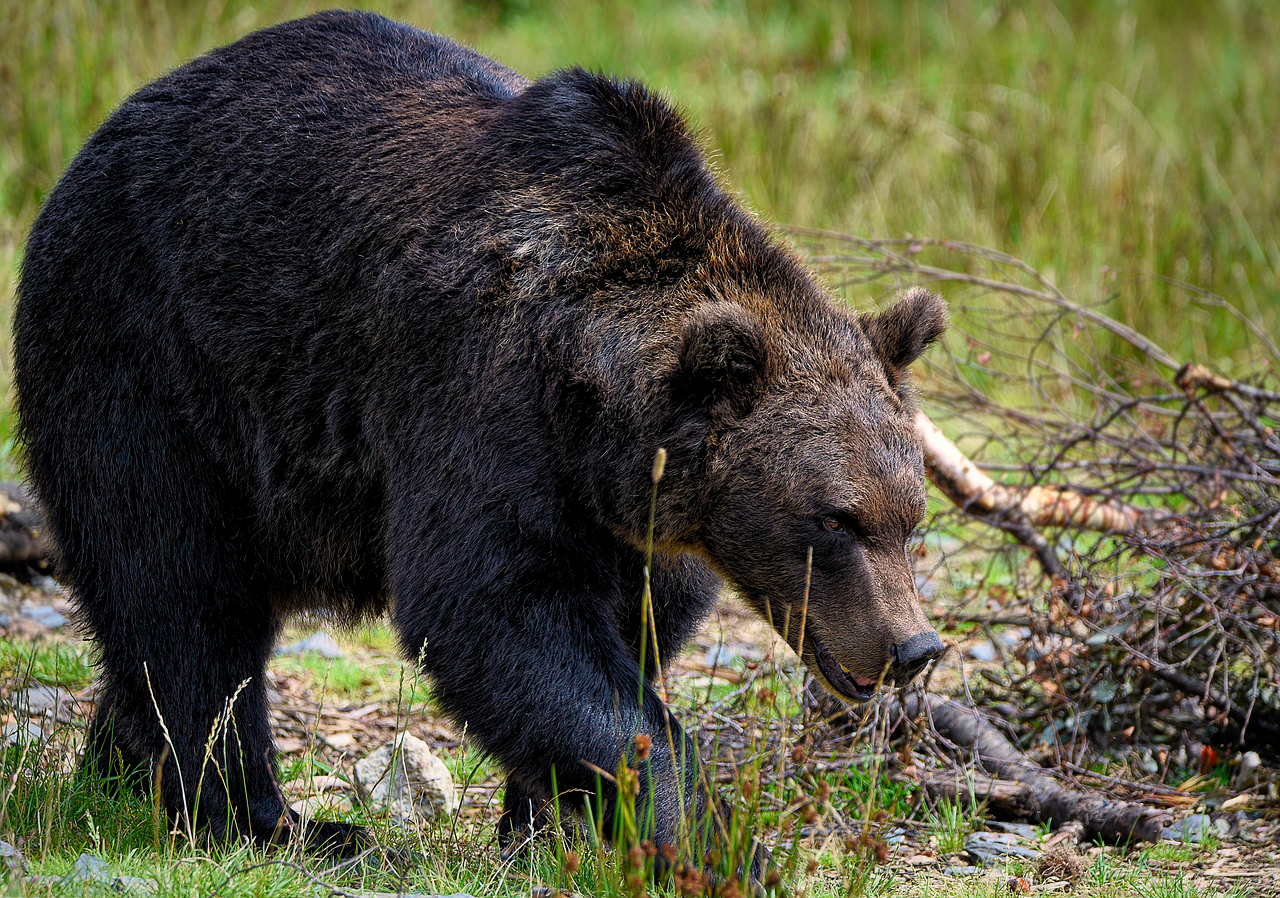
When bears lower their heads to sniff repeatedly, hunters might think they are tracking food. However, this behavior often relates to detecting other bears or sensing danger. Bears interpret ground scents to understand territory boundaries and recent animal activity. The repeated sniffing shows the bear is piecing together information rather than searching specifically for a meal. When the sniffing pattern becomes tense or rapid, it typically means the bear is unsure of what lies ahead. Hunters should view this as a sign of curiosity mixed with caution.
6. Short, Low Grunts
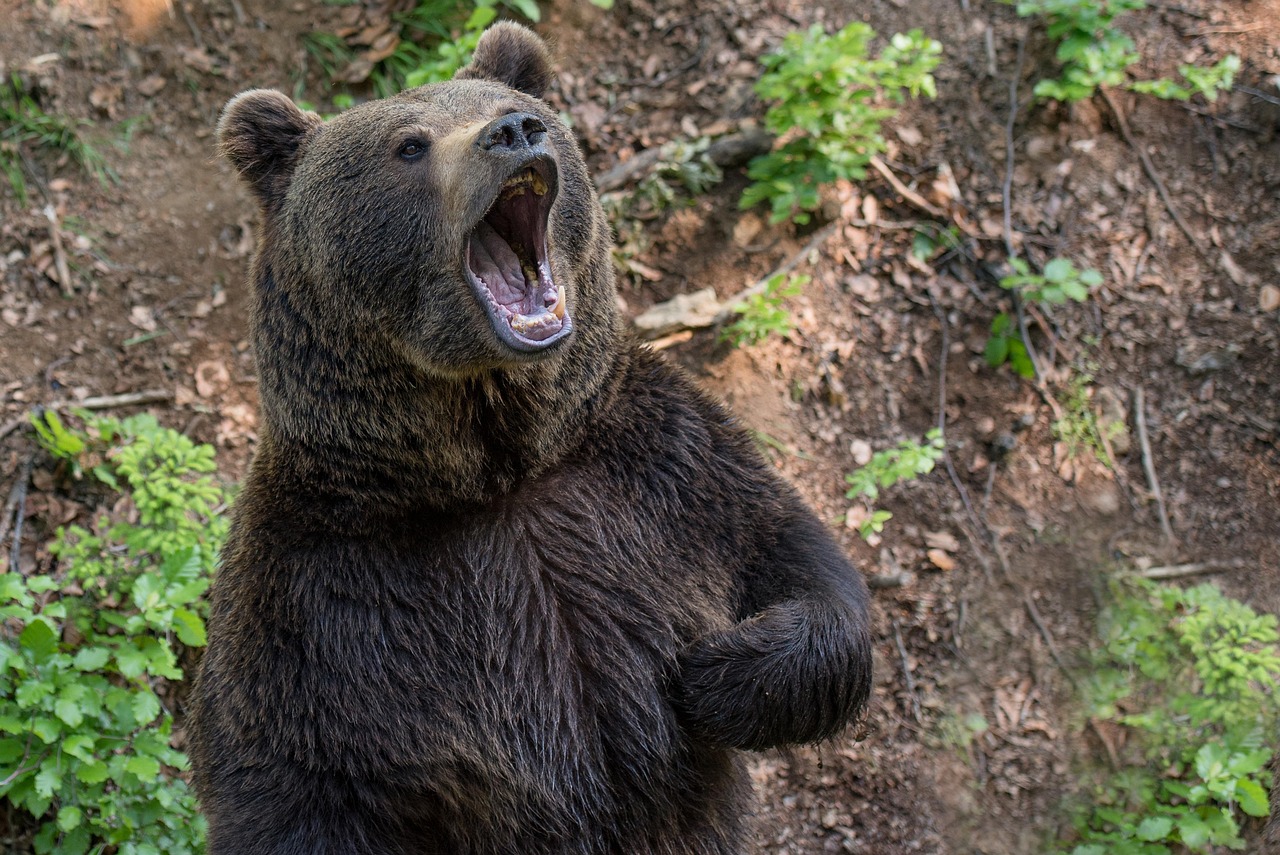
Low grunts are commonly mistaken for aggression, but they often indicate mild discomfort or communication rather than hostility. Bears make these sounds to express annoyance, warn cubs, or communicate uncertainty. The tone and rhythm give insight into a bear’s mood, yet many hunters interpret any vocalization as a threat. When paired with swaying or brief head shakes, grunts usually signal irritation rather than intent to charge. Recognizing the difference helps hunters avoid unnecessary tension and better predict how the bear may behave next.
7. Circling Movement Around Brush
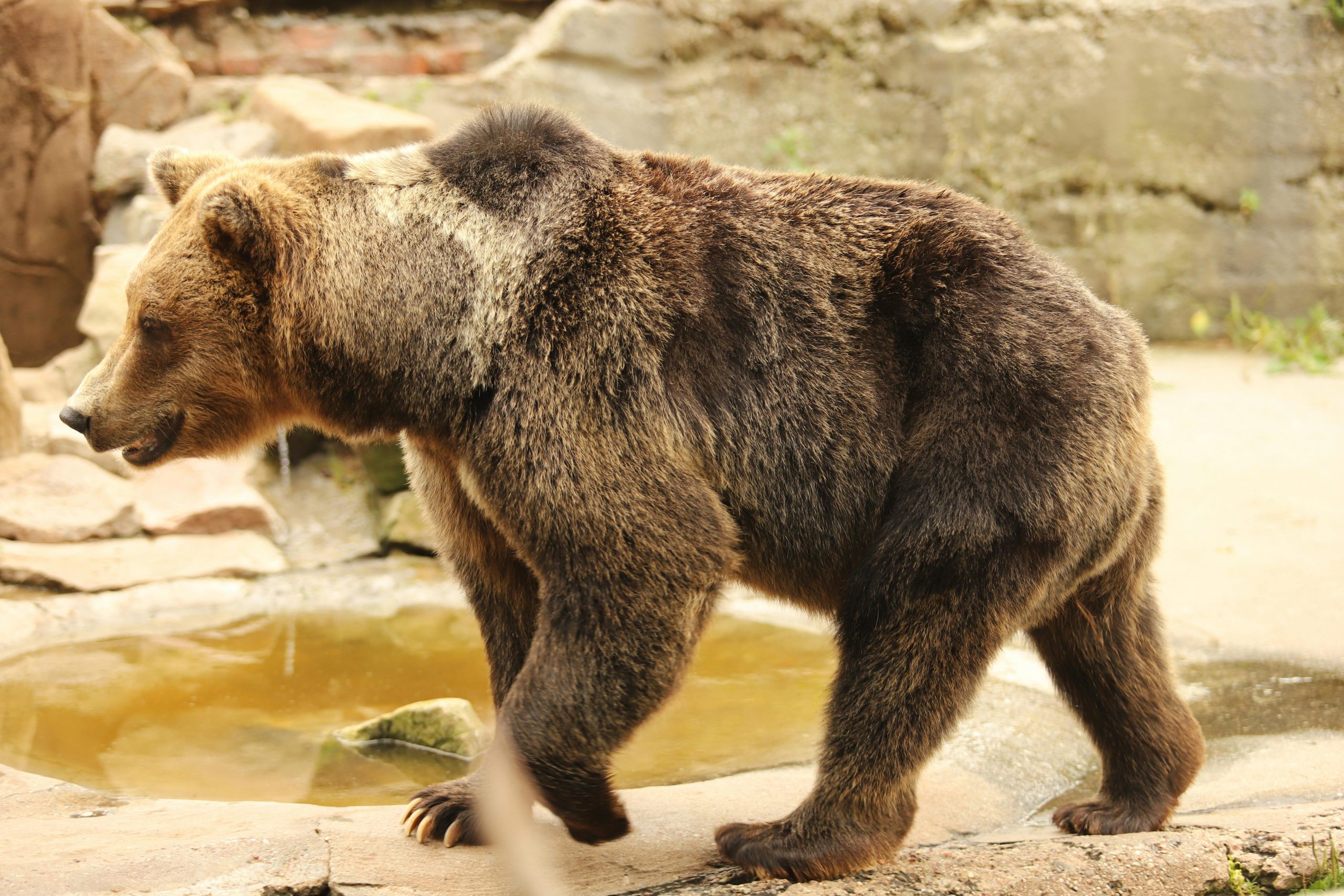
A bear walking in slow circles near brush can appear unfocused, but the motion often means it is assessing hidden scents or sounds. This circling helps the bear confirm whether another animal is nearby. Hunters sometimes misinterpret the behavior as indecision or feeding, yet it is a deliberate attempt to gather directional information. When the circles tighten, or the bear angles its head, it has detected something specific. Understanding this pattern helps hunters anticipate sudden changes in the bear’s direction or speed.
8. Scratching Trees Without Warning
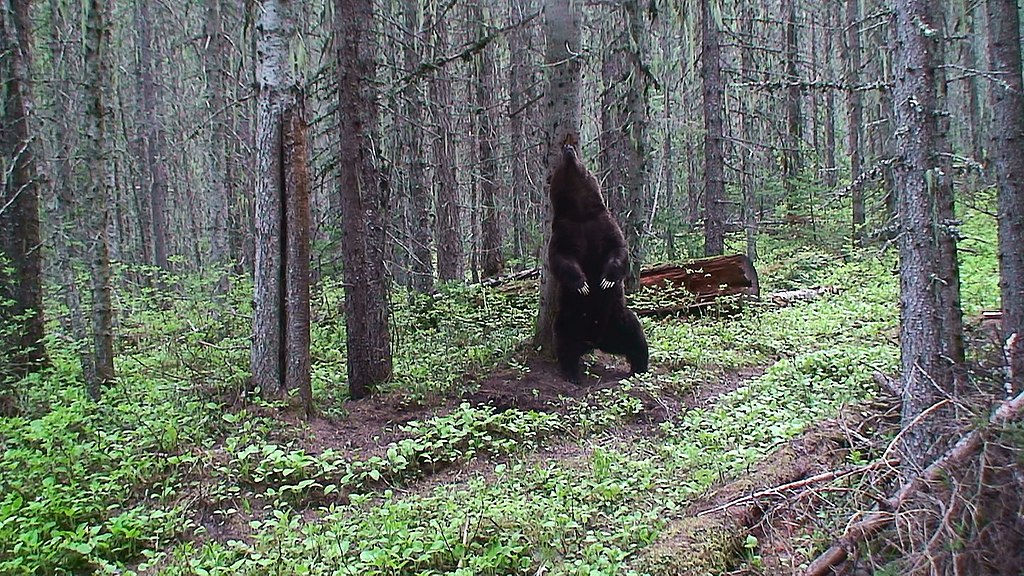
Tree scratching is often viewed as casual grooming, but bears frequently use it to mark territory or release tension. The height of the scratches helps other bears judge size and dominance. Hunters might think the bear is simply trying to reach an itch, unaware that the action communicates ownership and confidence. When paired with scent rubbing or paw dragging, the scratching becomes a message to nearby animals. Recognizing this behavior helps hunters understand when a bear feels secure, dominant, or defensive in its chosen space.
9. Rock or Log Flipping
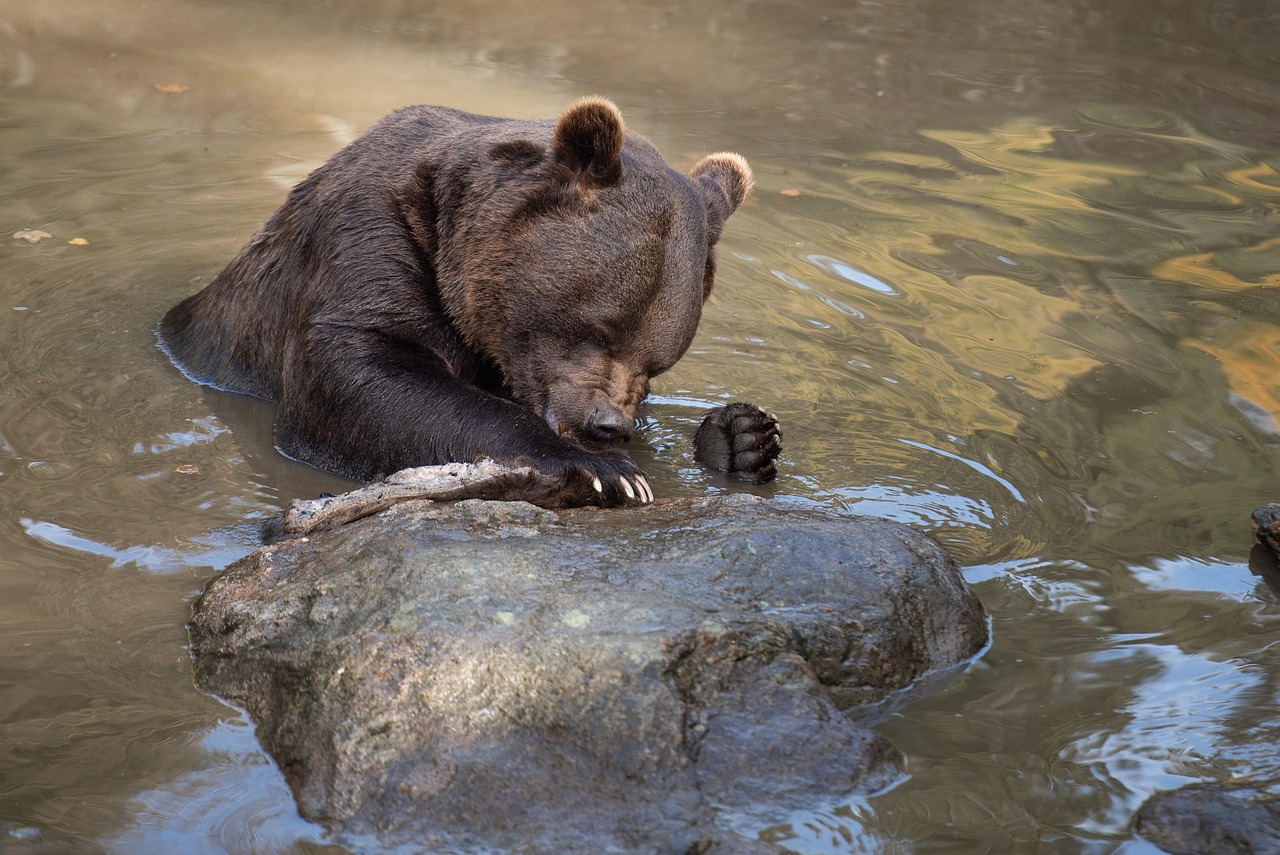
Flipping rocks or logs may look like simple foraging, but the behavior often reveals that a bear is testing the area for safety. Before fully feeding, they check for insects, rodents, or snakes that might pose a threat. The amount of force used can reflect the bear’s confidence level. Hunters sometimes assume the bear is distracted, yet flipping is both a feeding method and a caution strategy. When the bear pauses after each flip, it is listening for movement or scent changes before continuing.
10. Freezing Suddenly Mid-Step
A sudden freeze often appears like hesitation, but it typically means the bear has detected something subtle that humans may miss. Bears stop instantly to focus on faint sounds, changes in wind, or distant movement. This stillness makes them harder to detect while sharpening their awareness. Hunters sometimes believe the bear is confused, yet the pause is a calculated response. When the freeze is followed by a slight head tilt or ear twitch, the bear is analyzing, not stalling. This moment is crucial for predicting its next action.
11. Slow Side-to-Side Swaying
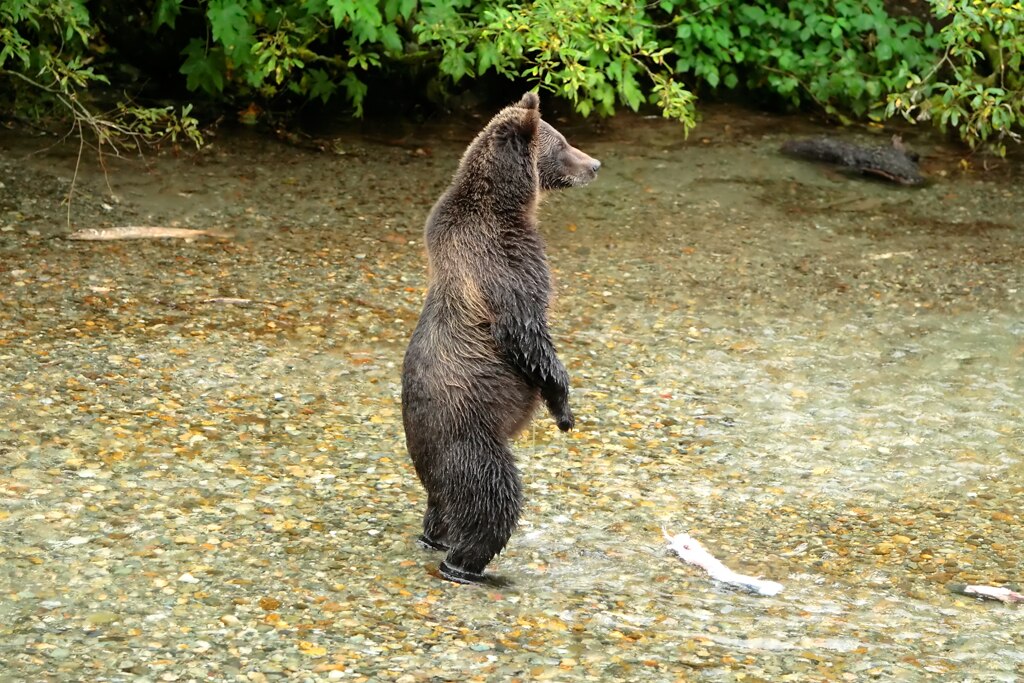
A gentle sway may appear relaxed, but this movement often signals growing tension or uncertainty. Bears sway to calm themselves when they feel pressured or uncomfortable. Hunters sometimes mistake the rocking motion for boredom, unaware that the bear is preparing mentally for a decision, such as retreating or defending itself. When paired with lowered ears or steady breathing, the swaying becomes a warning sign. Recognizing the subtlety helps hunters gauge when distance is necessary.
12. Loud Exhaling or Huffing
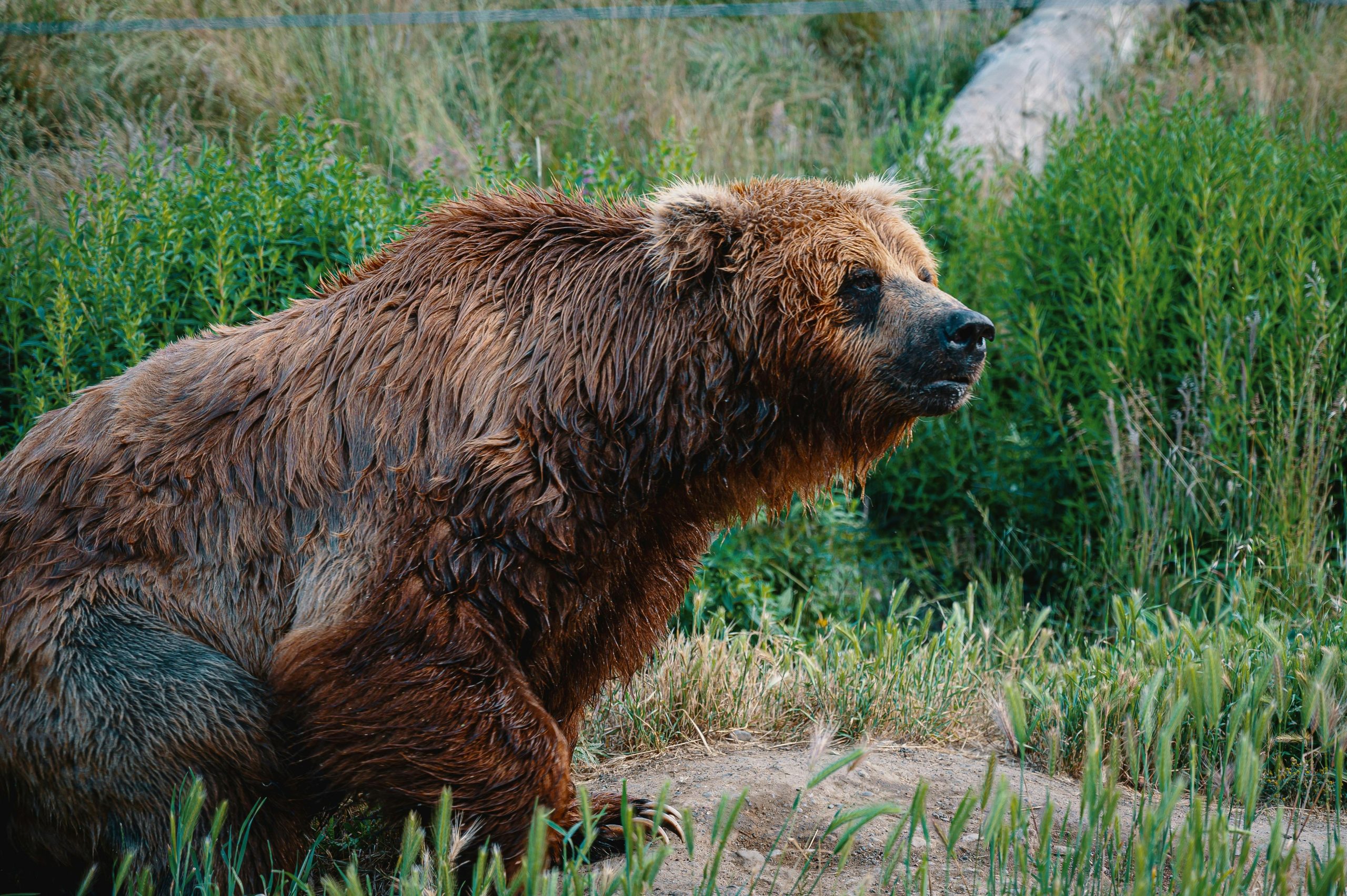
A sharp exhale is frequently misread as aggression, but huffing often expresses frustration or an attempt to clear scents for better detection. Bears use these forceful breaths to signal discomfort or confusion. Hunters sometimes associate any loud sound with danger, but context matters. Huffing combined with foot stomping or head bobbing shows a bear is unsure, not necessarily threatening. Understanding this nuance gives hunters safer judgment in close encounters and helps them avoid escalating the bear’s stress.
13. Quick Retreat Followed by Reappearance
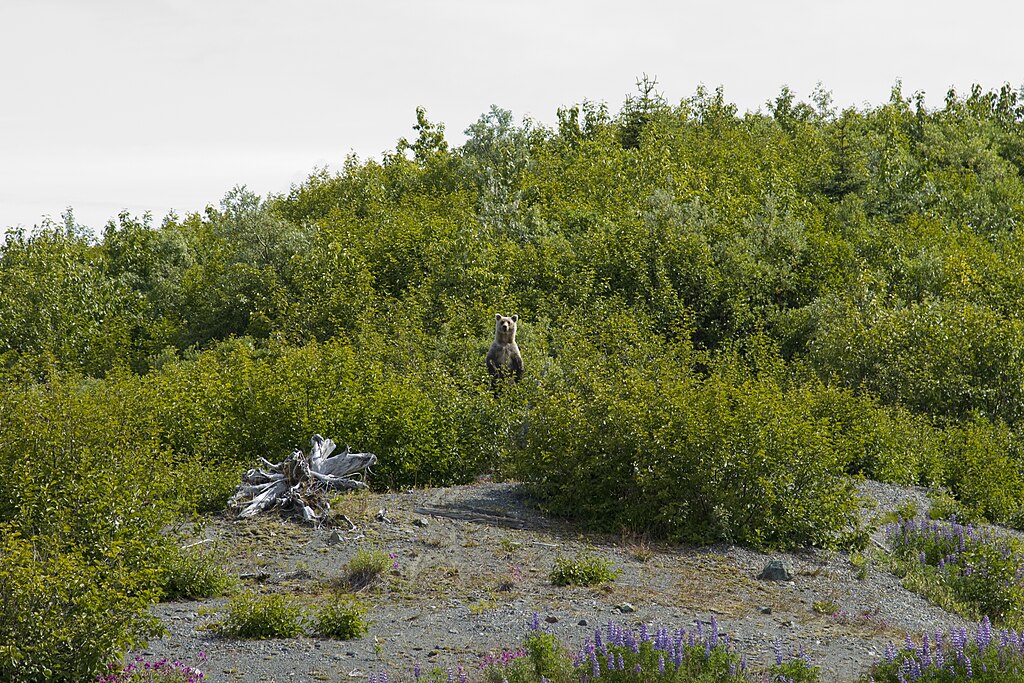
A bear that disappears briefly may seem frightened, but it often returns to reassess the situation from a safer angle. This behavior allows the bear to gather information without exposing itself. Hunters may misinterpret the retreat as a sign that the bear has left the area completely. However, reappearing from a new direction shows the bear is curious and cautious, not gone. Recognizing this pattern helps hunters maintain awareness and avoid being surprised by a returning animal.
14. Avoiding Eye Contact
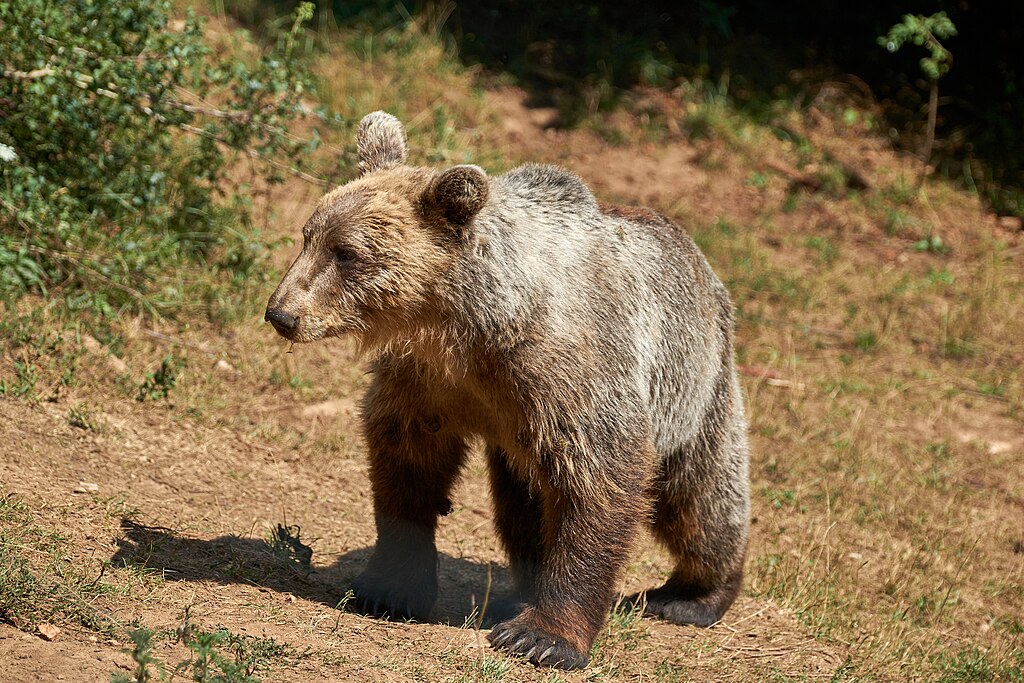
Bears that avoid direct eye contact are not always relaxed; the behavior often indicates they are managing stress or deciding how to react. Hunters sometimes assume the bear is indifferent, but avoidance helps reduce confrontation. When the bear glances sideways or keeps its head angled slightly, it is observing while preventing escalation. This subtle cue becomes even more meaningful when paired with stiff posture or slow movement. Understanding the intention behind the lack of eye contact helps hunters read the bear’s comfort level more accurately.