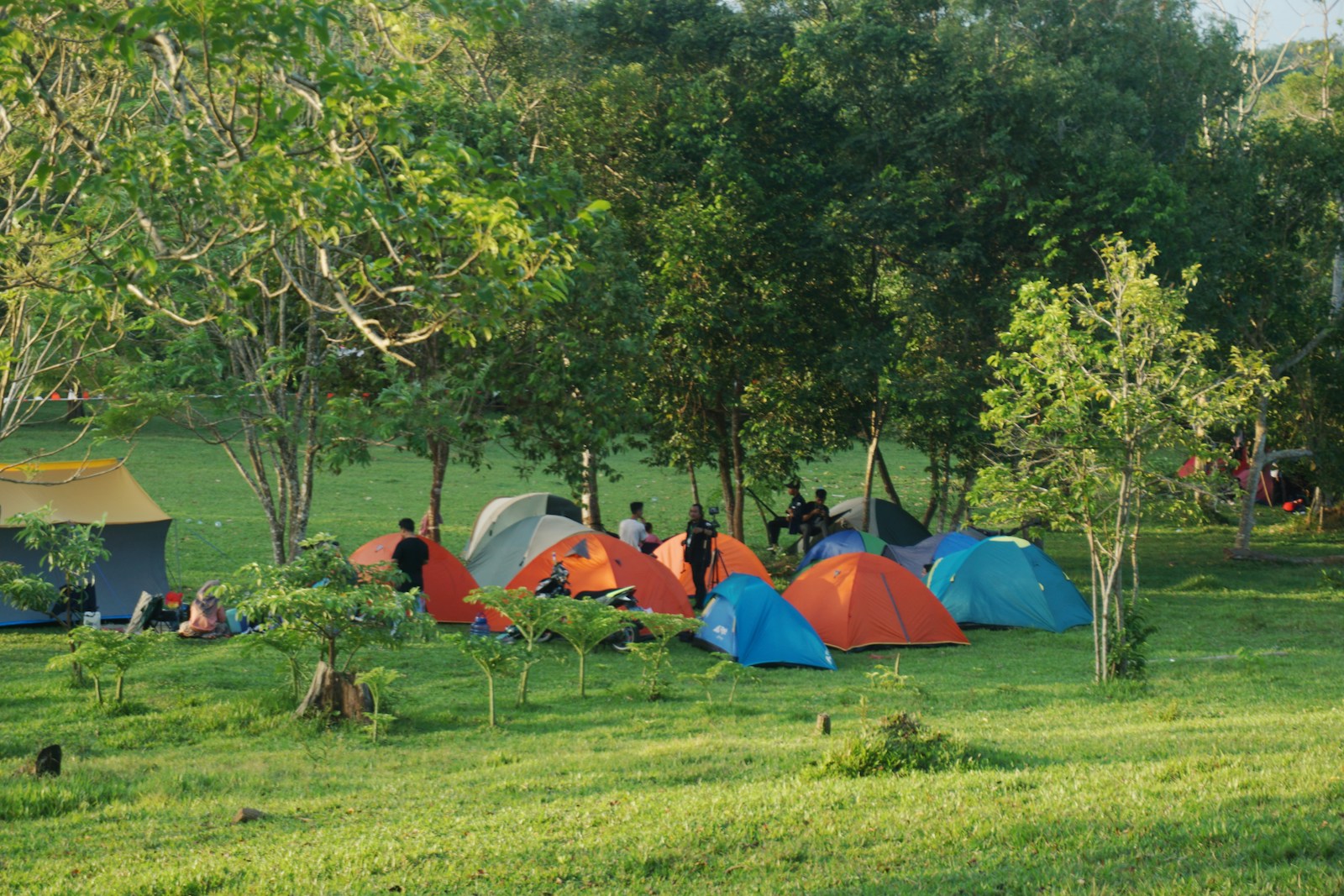
Encountering 13 wild animals that aren’t as dangerous as you might think often causes unnecessary panic among hikers and outdoor enthusiasts across the country today. While many people grow up fearing certain forest dwellers based on cinematic portrayals, the reality is that most wildlife prefers to avoid human contact entirely. Understanding the actual behavior and defensive instincts of these creatures helps campers enjoy a more relaxed and informed experience in the great outdoors. Maintaining a respectful distance remains the best way to ensure safety for both humans and the local fauna. This guide explores several species that deserve much better reputations.
Black Bears
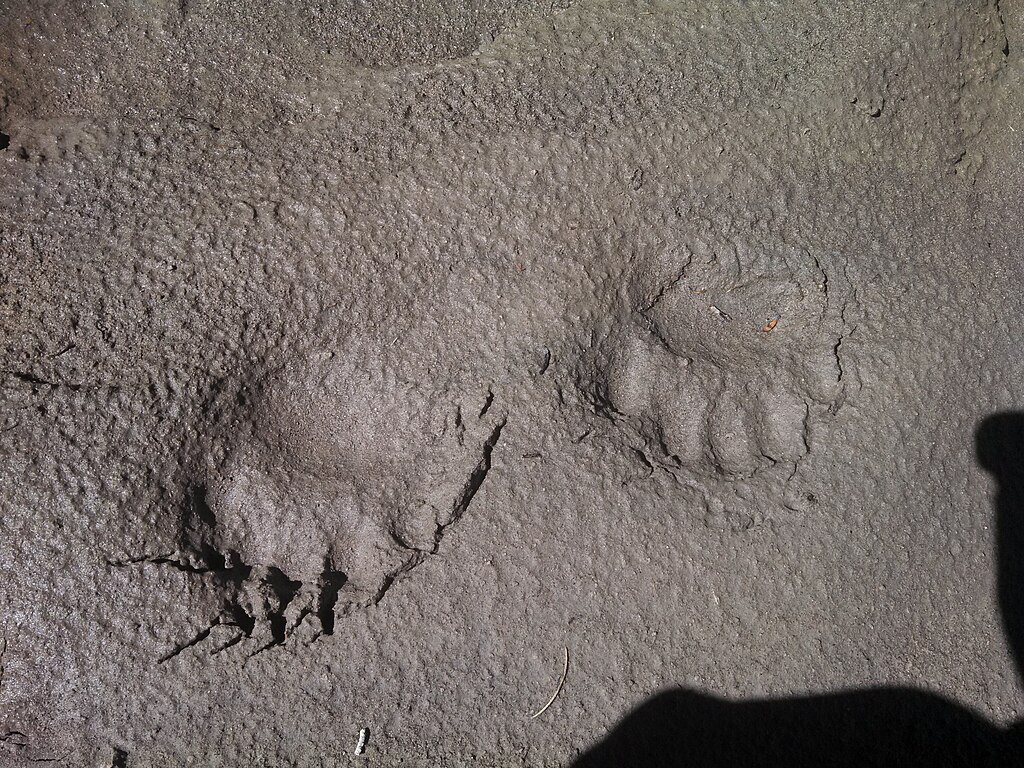
Most campers fear black bears because of their massive size and powerful claws, but these animals are generally quite timid around humans. They spend most of their time foraging for berries and insects while avoiding any unnecessary confrontation with hikers on the trail. While they are opportunistic and will investigate unsecured food sources, they typically run away if people make loud noises or clap their hands firmly. Unlike the more aggressive grizzly bear, the black bear prefers to climb a tree or vanish into the brush rather than engage. Proper food storage effectively prevents almost every negative interaction with these bears.
Opossums
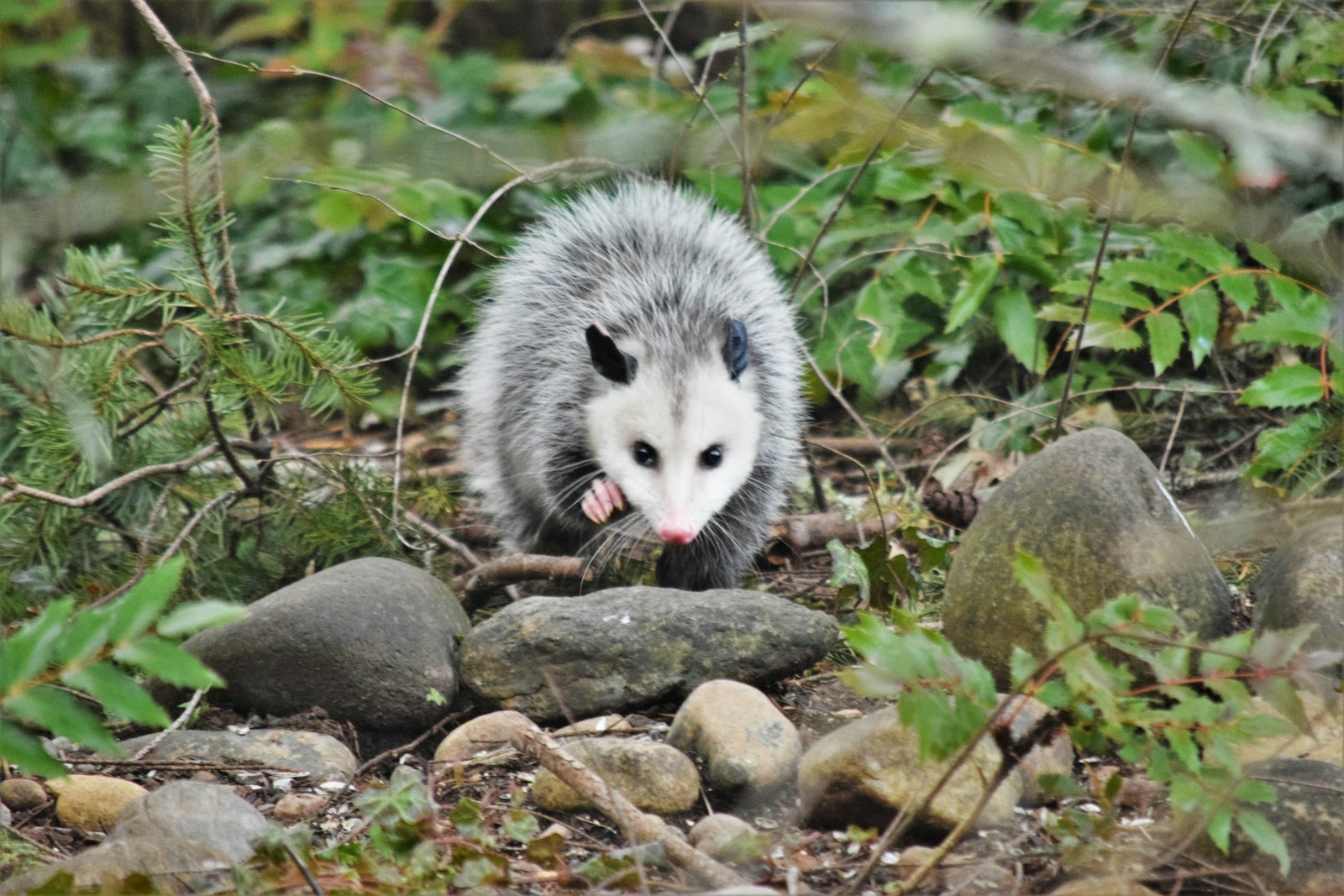
The hissing and baring of teeth from an opossum often scares people into thinking the animal is highly aggressive or rabid. In reality, these unique marsupials are incredibly gentle and famous for their involuntary fainting response when they feel truly threatened by a predator. They possess a natural resistance to rabies due to their low body temperature and actually help humans by eating thousands of ticks every season. An opossum is much more likely to play dead than ever to attack a person or a pet. These helpful neighbors provide a valuable service to the local woodland ecosystem every single night.
Tarantulas
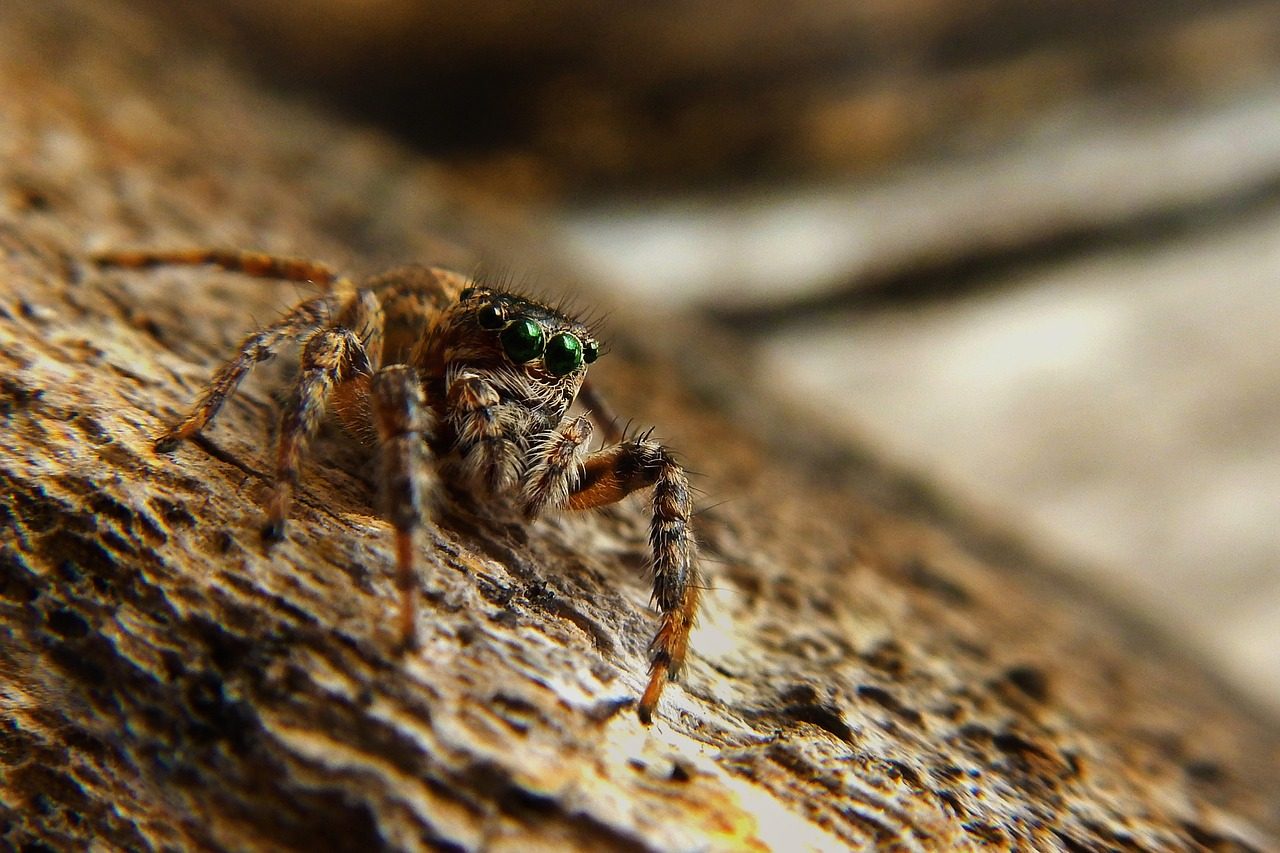
Seeing a large hairy tarantula crawling across a desert campsite can be a shocking experience for anyone unfamiliar with these gentle giants of the arachnid world. Despite their intimidating appearance, tarantulas are remarkably docile and only bite humans if they are physically handled or severely provoked without any escape route. Their venom is comparable to a common bee sting and rarely causes a serious medical emergency for the average adult. These spiders primarily focus on hunting small insects and prefer to stay hidden in their burrows during the heat of the day. They are fascinating and mostly harmless desert residents.
Coyotes
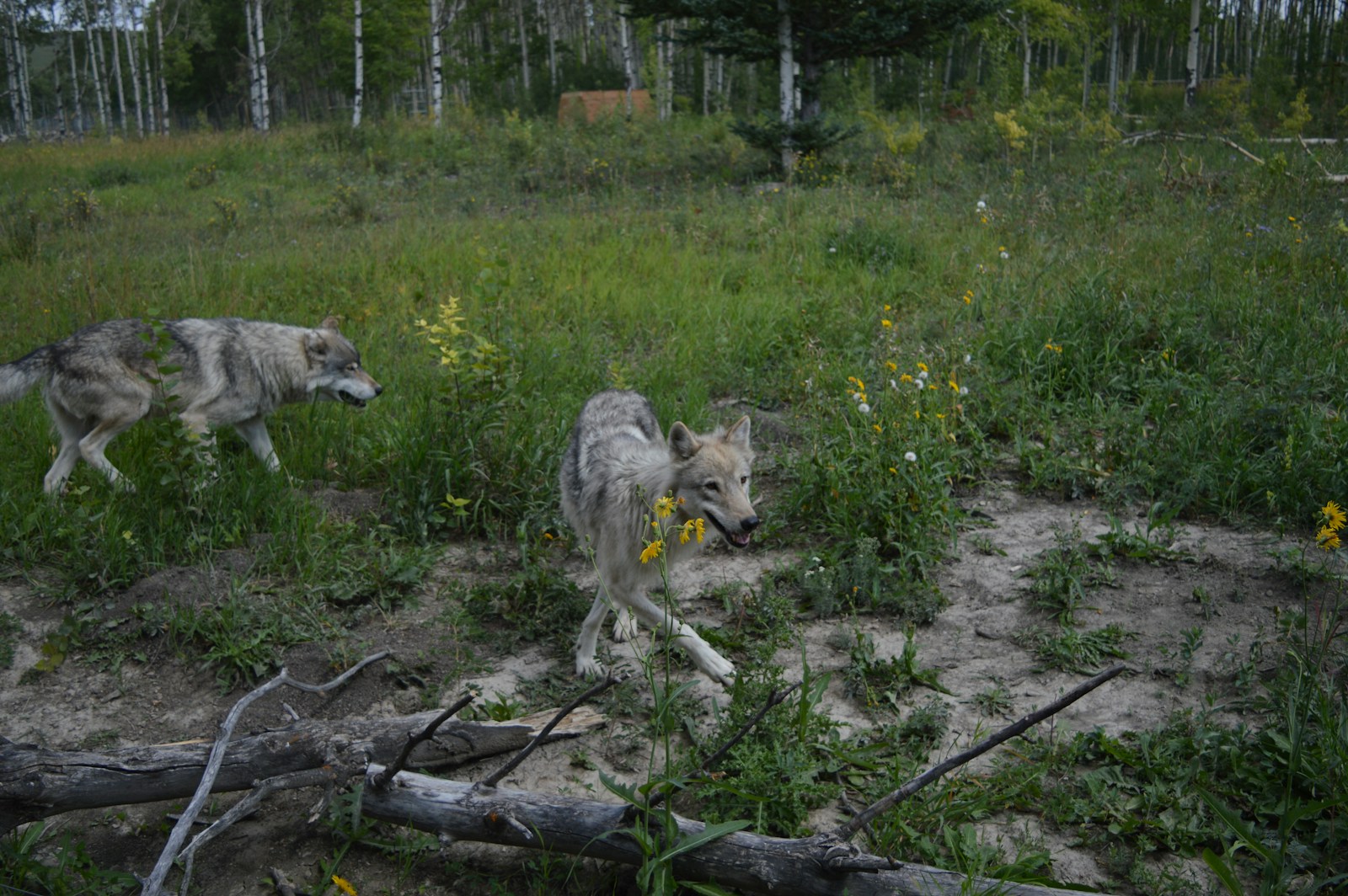
Coyotes often receive a bad reputation as dangerous predators, but they are actually quite cautious and rarely pose a threat to adult humans. These intelligent canines are highly adaptable and spend their time hunting small rodents or scavenging for fallen fruit in the wild. While their nighttime howling can be unsettling to campers, it is simply a way for family groups to communicate and mark their territory. Most coyotes will flee the moment they detect a human presence in the area. Keeping small pets inside a tent and securing trash remains the best way to live peacefully with these wild animals.
Gopher Snakes
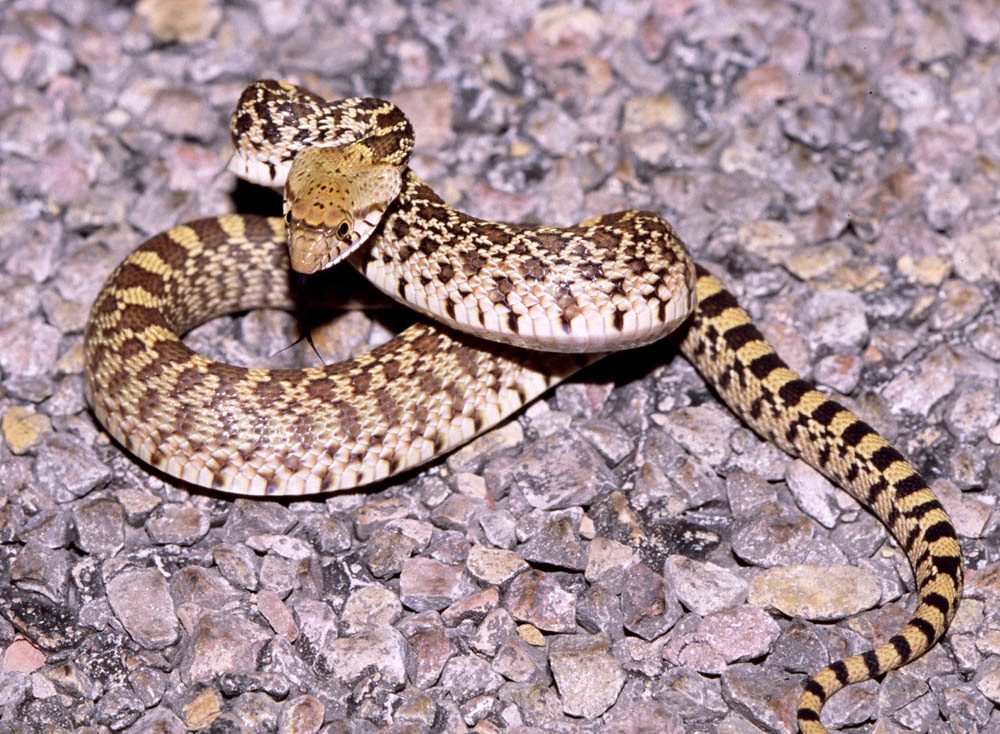
Gopher snakes are frequently mistaken for rattlesnakes because they can flatten their heads and vibrate their tails when they feel threatened by a perceived predator. This clever mimicry is a defensive bluff designed to scare away threats rather than an indication of harmful venom or aggression. These non-venomous reptiles are actually beneficial to have around a campsite because they keep the local rodent population under control effectively. They are generally reluctant to bite and will usually retreat into a hole or under a log if given the chance. Respecting their space ensures a safe and educational encounter for every camper.
Turkey Vultures
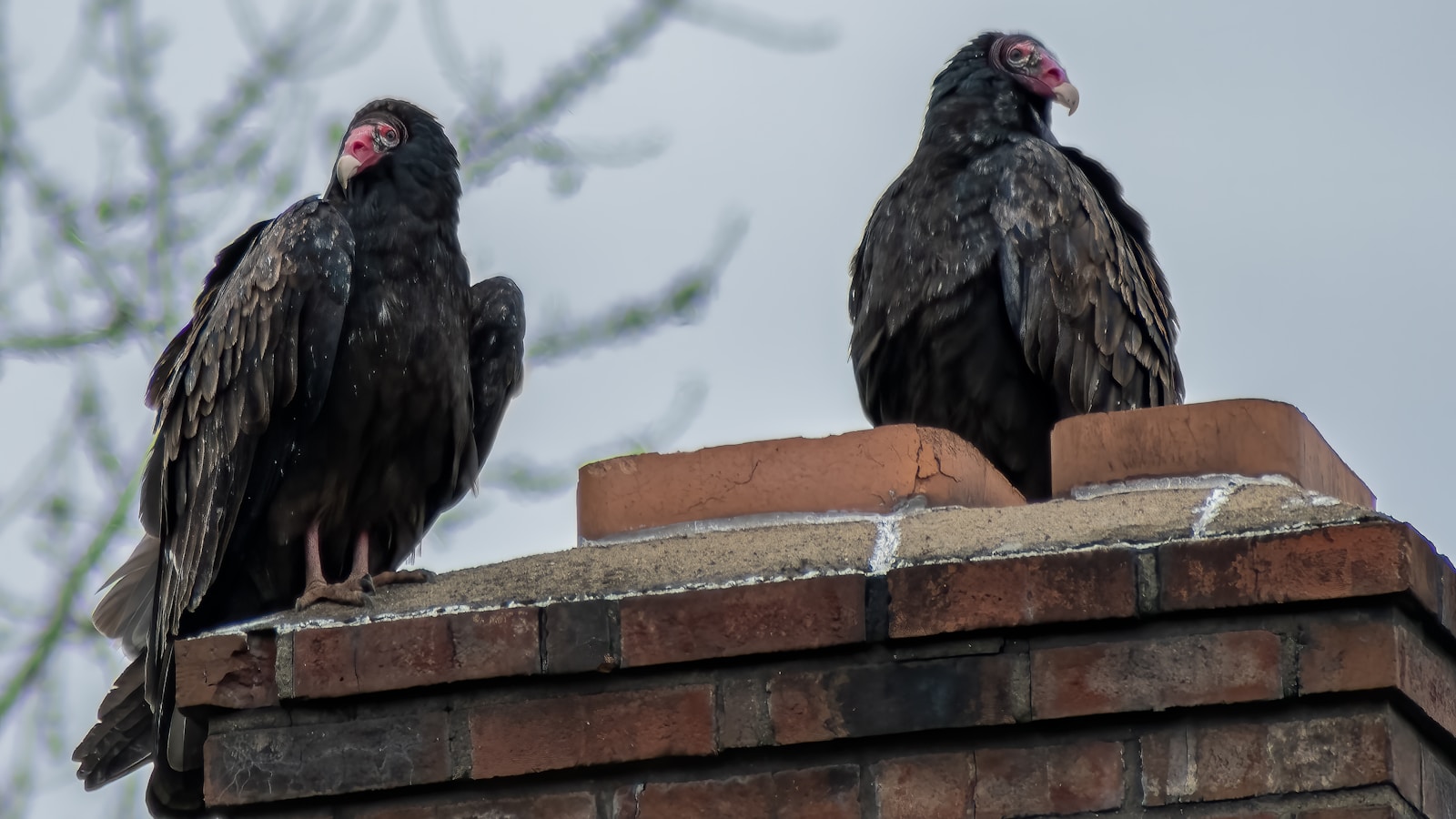
The sight of large dark birds circling overhead or perched in dead trees often gives campers an eerie feeling of impending doom or danger. Turkey vultures are actually completely harmless to living creatures because they strictly consume carrion and provide an essential cleanup service for the environment. They lack the strong talons found in hawks or eagles and cannot carry away small pets or attack humans in any way. Their unique defense mechanism involves hissing or vomiting if they are disturbed while feeding on the ground. These misunderstood birds play a vital role in preventing the spread of various diseases.
Skunks
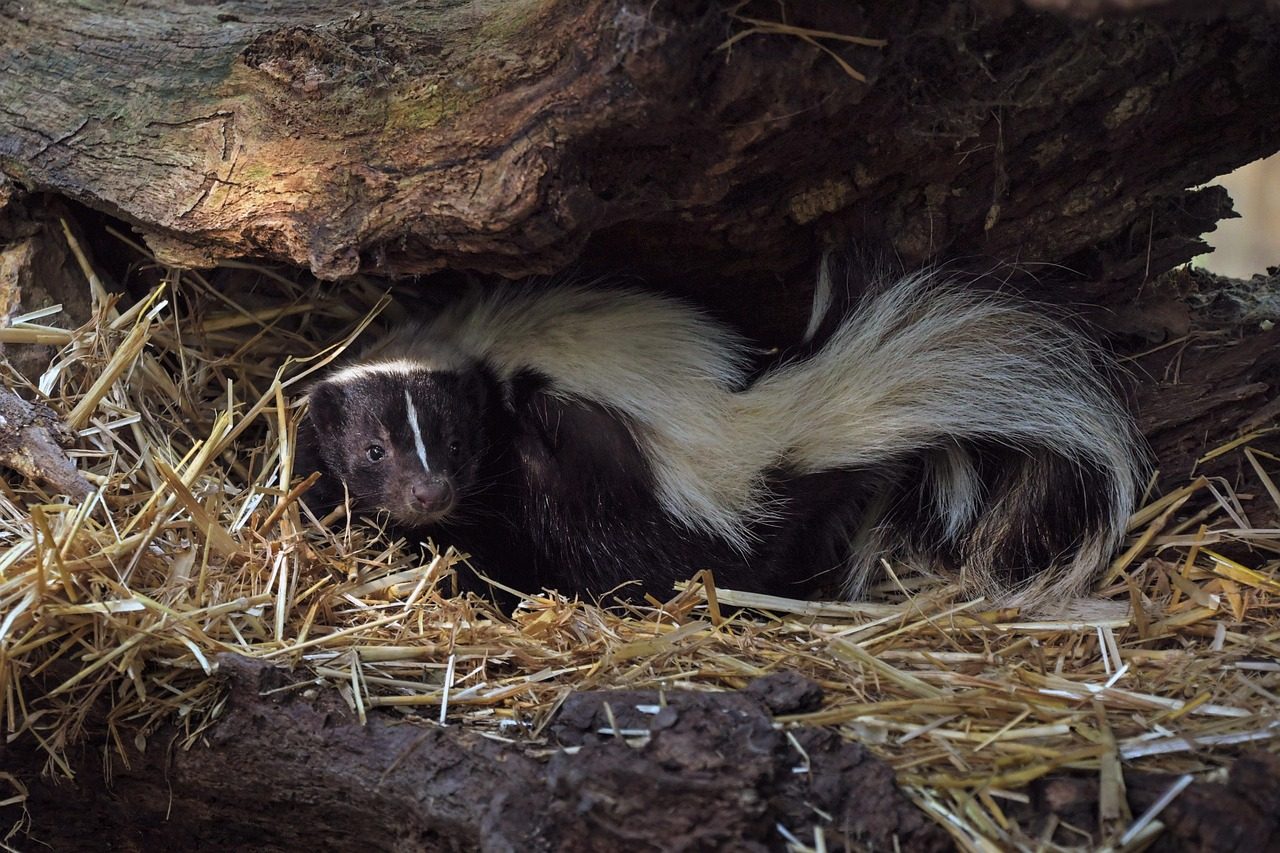
Most people avoid skunks because they fear the lingering odor of their powerful defensive spray rather than a physical attack or a dangerous bite. Skunks are very near-sighted and generally move slowly while searching for grubs and fallen berries in the leaf litter at night. They will only use their famous scent as a last resort after giving several clear warnings, like stomping their feet or raising their tails. If a camper remains still and allows the skunk to pass, it will simply move on without causing any trouble or releasing its potent spray. They are peaceful forest neighbors.
Woodchucks
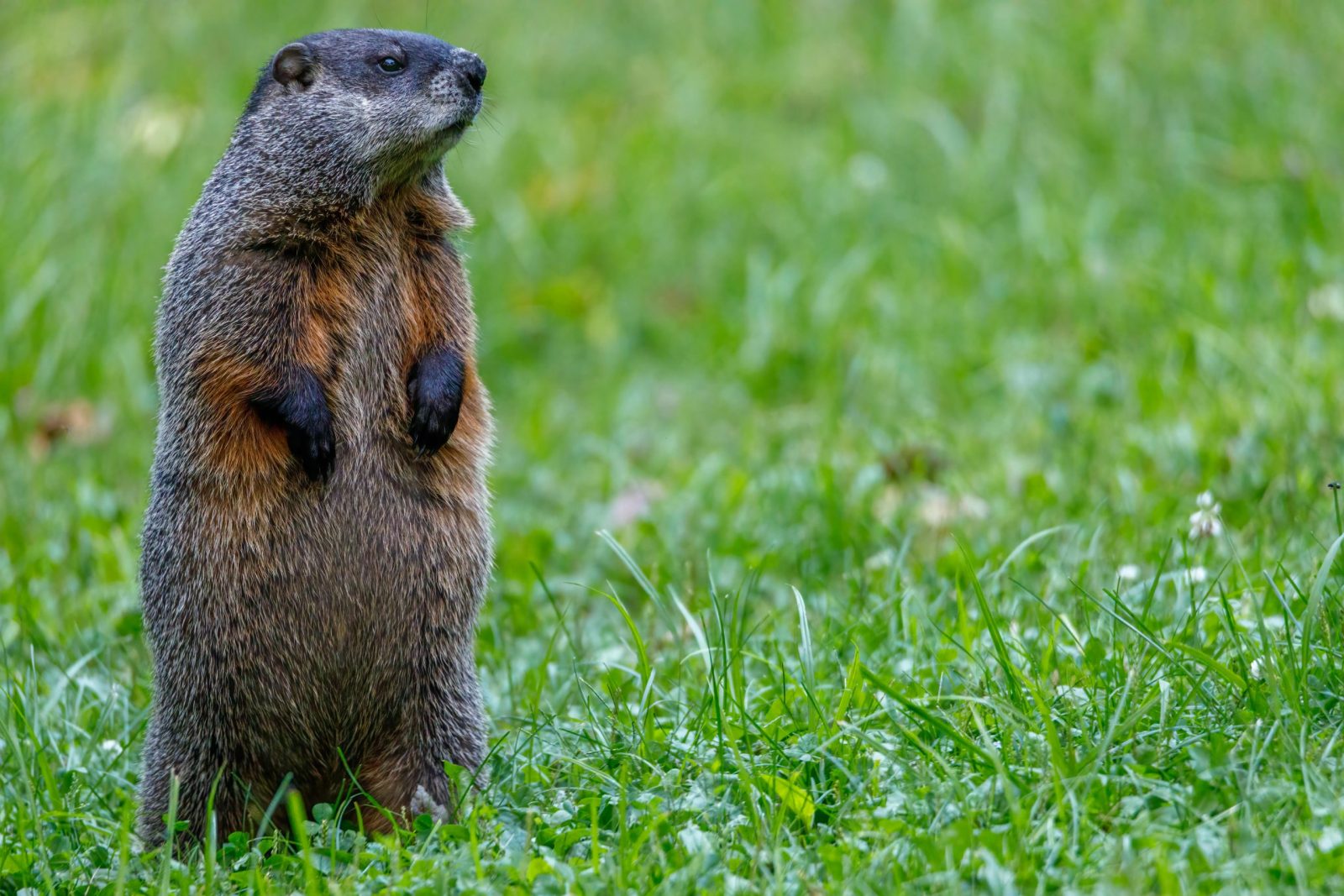
Also known as groundhogs, these stout rodents are often viewed as aggressive because they can be quite territorial when protecting their elaborate burrow systems. While they possess large incisors for gnawing on vegetation, they would much rather whistle a warning and dive into a hole than fight a human. They are purely herbivorous and spend most of their time basking in the sun or eating grass in open clearings. A woodchuck will only bite if it is cornered or handled by someone who does not understand its defensive nature. Observing them from a distance is a safe and enjoyable activity.
Camel Spiders
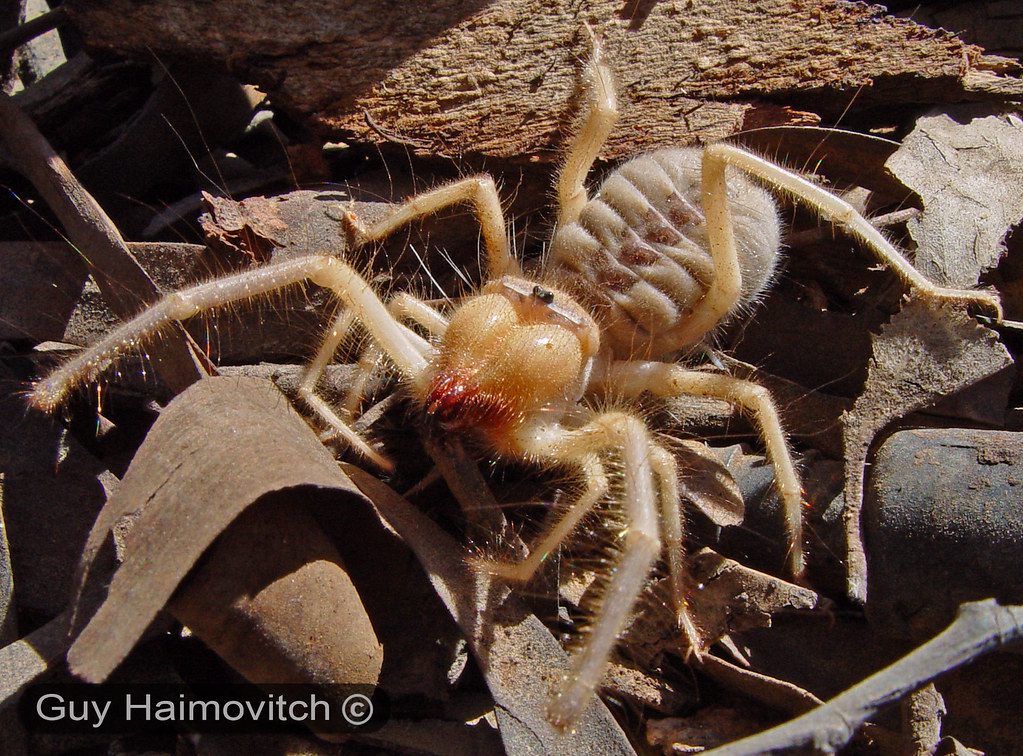
The terrifying legends surrounding camel spiders suggest they are massive and venomous predators that chase humans across the desert at high speeds for food. In truth, these arachnids are not even true spiders, and they possess no venom at all while preying on small bugs. They often run toward humans in the desert because they are seeking the shade provided by a person’s shadow during the intense heat. While they can deliver a painful nip with their large jaws they are not aggressive and have no interest in harming people. They are simply misunderstood desert dwellers looking for relief.
Millipedes
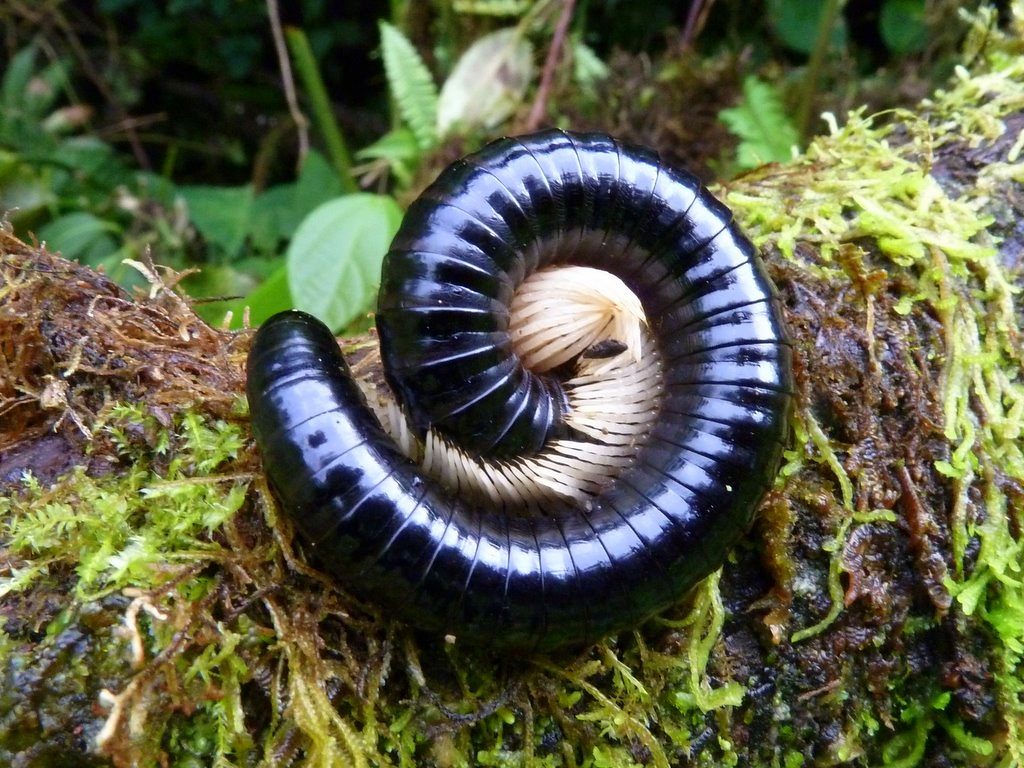
Large forest millipedes often alarm campers when they crawl over gear or into tents because people confuse them with their much faster and venomous centipede cousins. Millipedes are slow-moving herbivores that spend their lives recycling decaying plant matter into rich soil on the forest floor. They cannot bite or sting, and their only defense is to curl into a tight spiral while emitting a mild-smelling liquid. This fluid might stain the skin, but it is not dangerous to humans unless it is ingested or gets into the eyes. They are among the safest insects to observe closely.
Bats
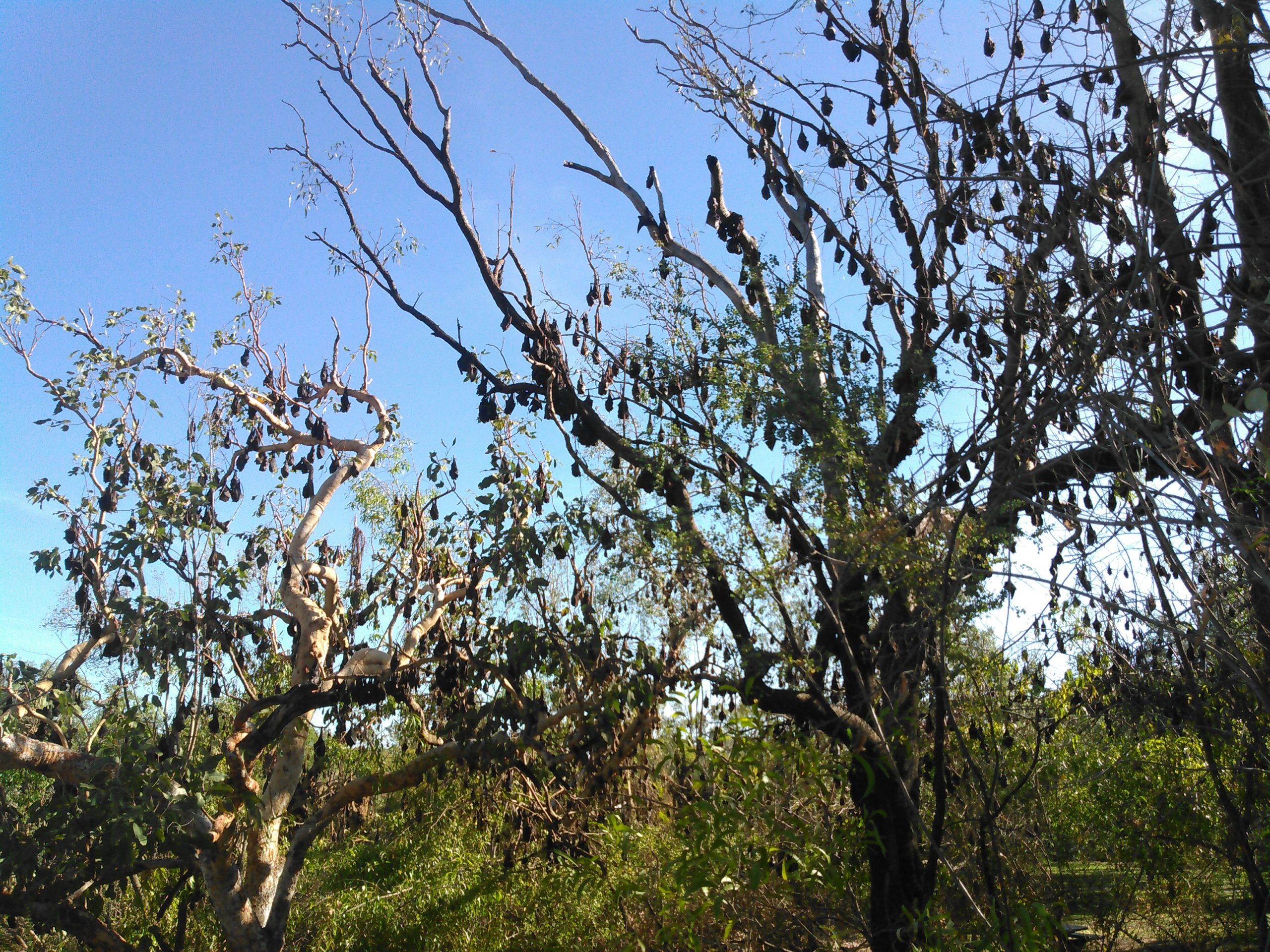
Fear of bats usually stems from myths about blood-sucking vampires or the mistaken belief that every bat carries the rabies virus in its body. In reality, less than one percent of the bat population actually carries rabies, and they are generally very clean and helpful animals. A single bat can consume thousands of mosquitoes in one nigh,t which makes them the ultimate natural pest control for any campsite near the water. They are shy and utilize sophisticated echolocation to avoid flying into humans or other obstacles in the dark. These nocturnal acrobats are essential for a healthy and balanced ecosystem.
Porcupines
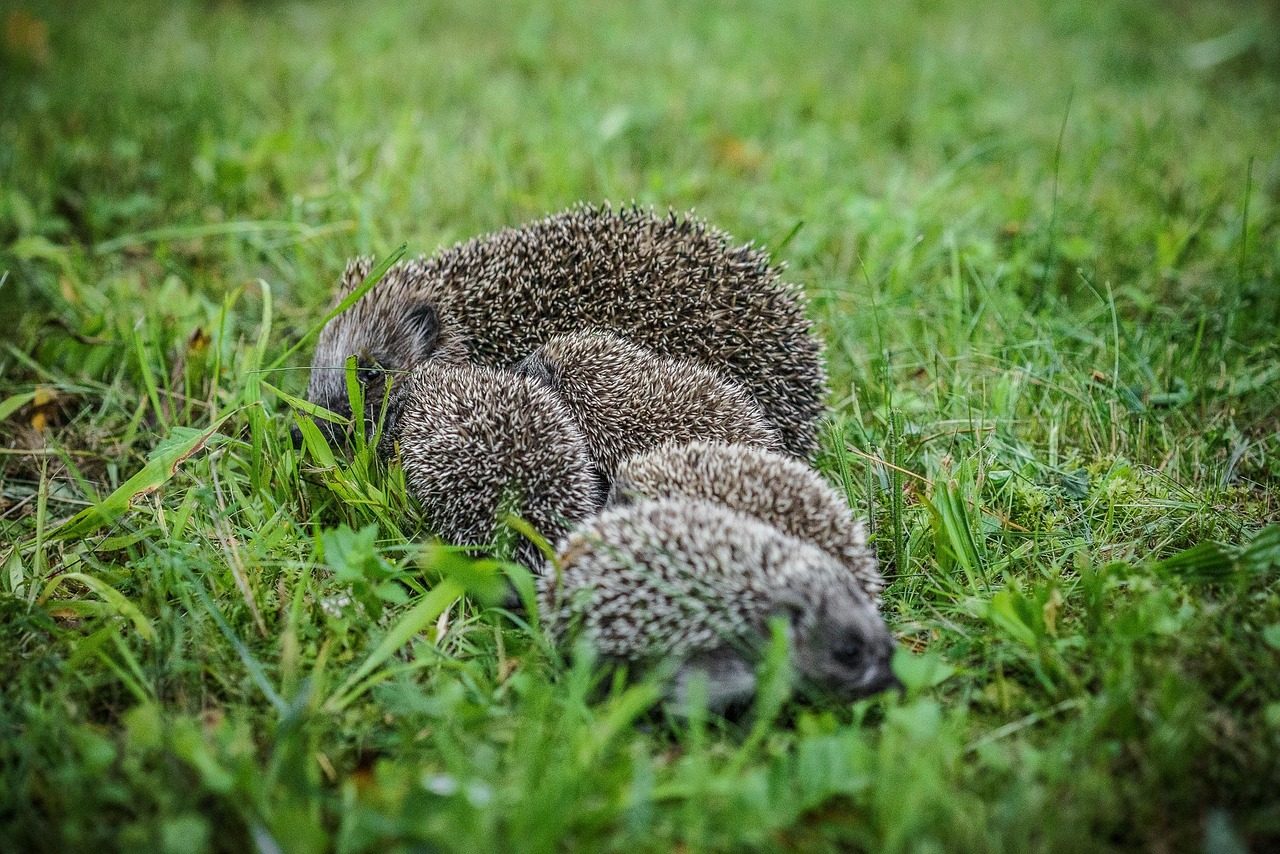
Porcupines are often feared because people believe they can actually shoot their quills at a distance like a projectile weapon during an encounter. This is a complete myth as a porcupine can only release its quills if it makes direct physical contact with a predator or a curious pet. They are very slow-moving and prefer to spend their time high in the trees gnawing on bark or searching for salt on the ground. A porcupine will generally turn its back and wait for a threat to leave rather than engaging in any form of aggression. They are peaceful woodland residents.
Scorpions
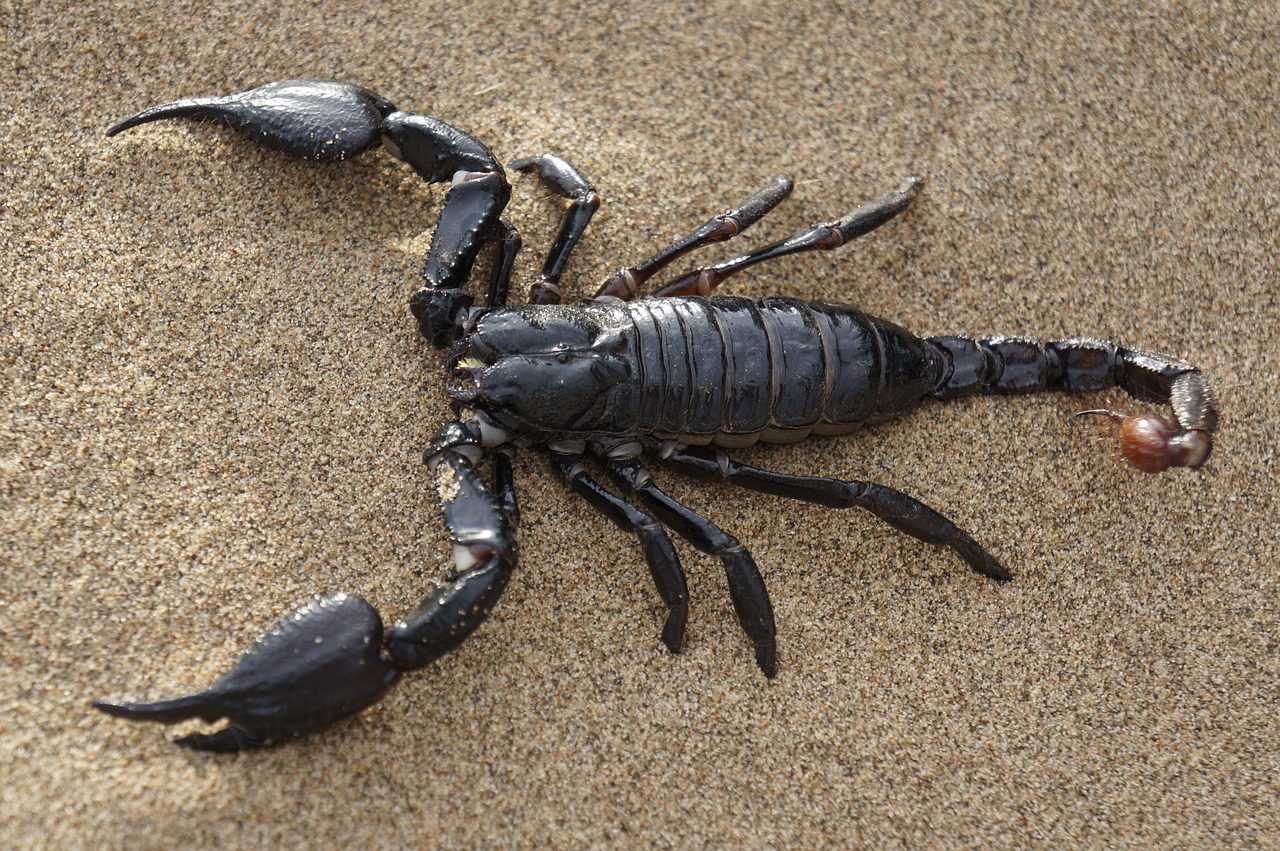
While some species of scorpions possess potent venom, the majority of those found in the United States have a sting comparable to that of a common wasp. These ancient arachnids are nocturnal and spend their days hiding under rocks or inside shoes to avoid the drying heat of the sun. They are not aggressive and will only sting if they are accidentally stepped on or squeezed by an unsuspecting camper during the night. Using a blacklight to check the area and shaking out gear before use prevents most stings. Most scorpions are interesting creatures that prefer to be left alone in total peace.