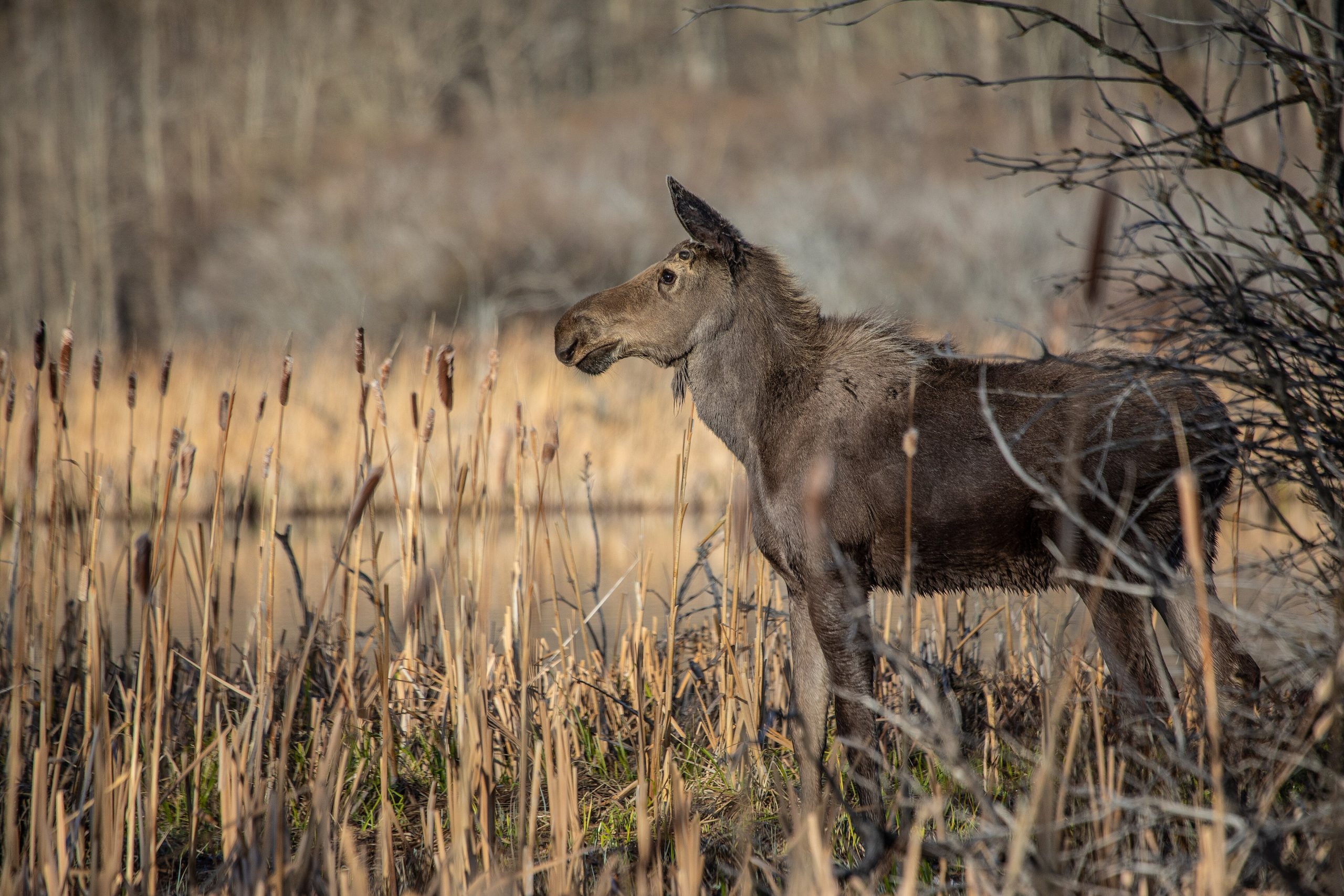
Moose are among the most impressive animals in North America. Known for their towering height, wide antlers, and calm but powerful presence, they represent the true spirit of the wilderness. In the United States, moose thrive in remote forests, wetlands, and mountainous regions where food and water are plentiful. Although they once ranged widely across the country, today their populations are mainly concentrated in northern states with colder climates and vast stretches of natural habitat. These animals are usually solitary and spend much of their time feeding on aquatic plants, shrubs, and tree bark. For wildlife enthusiasts, photographers, and nature travelers, spotting a wild moose is an unforgettable experience. From dense forests in the Northeast to rugged national parks in the Rocky Mountains, several locations across the US still offer excellent chances to see these magnificent creatures roaming freely in their natural environment.
1. Denali National Park and Preserve
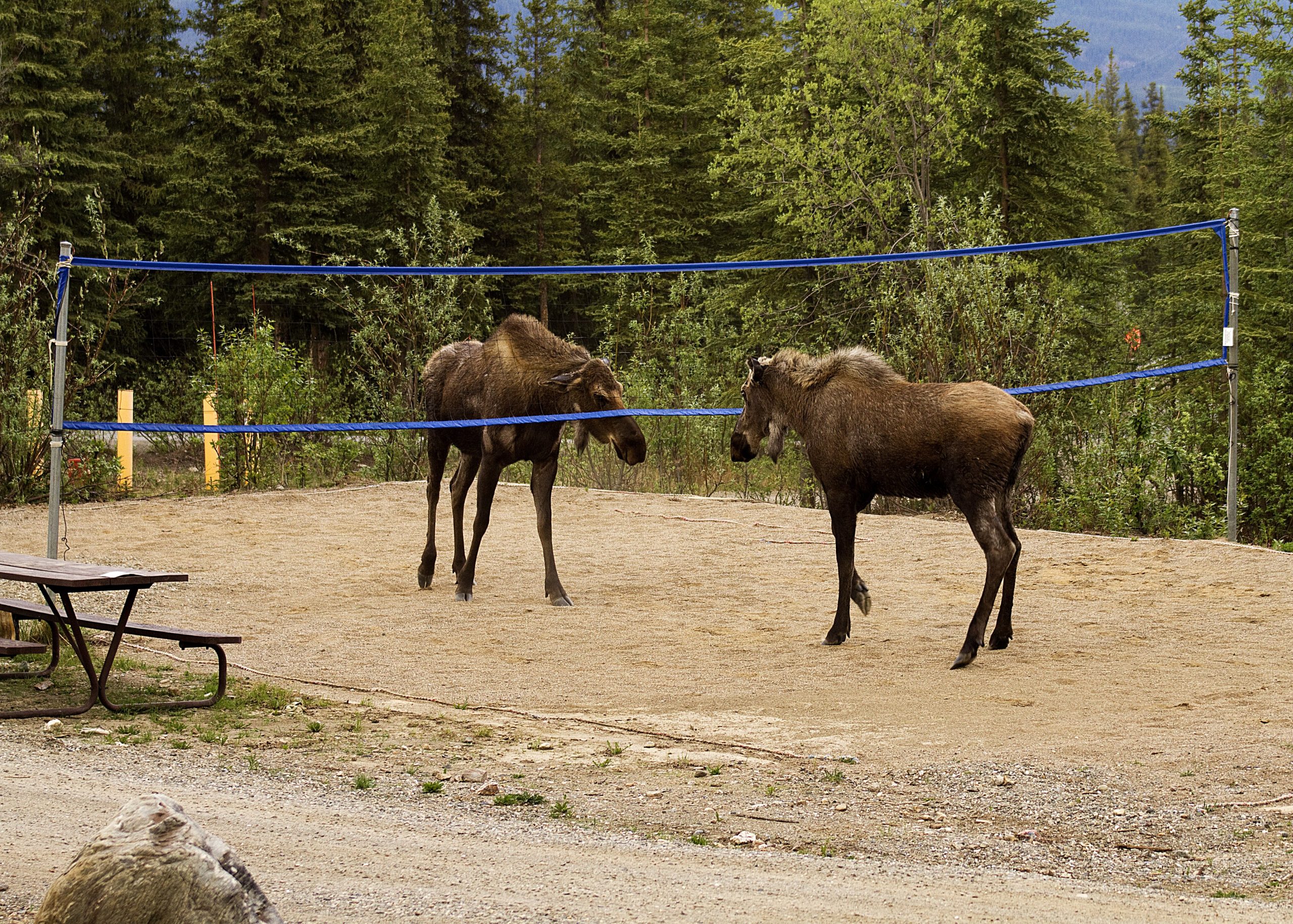
Located deep in the wilderness of Alaska, Denali National Park and Preserve is one of the best places in the United States to see wild moose living freely in their natural habitat. The park spans over six million acres of untamed land filled with tundra, forests, and braided rivers that provide ideal conditions for moose populations. These animals are commonly spotted browsing along riverbanks or wandering through willow thickets where they feed on leaves and twigs. Because Denali has limited road access, wildlife viewing often feels authentic and undisturbed. Visitors traveling along the park road frequently encounter moose grazing near open valleys or marshy areas, especially during early morning and late evening. During the fall rutting season, male moose become more visible as they search for mates. Denali’s vast landscapes and minimal human development create one of the most reliable environments in America for observing these enormous mammals.
2. Rocky Mountain National Park
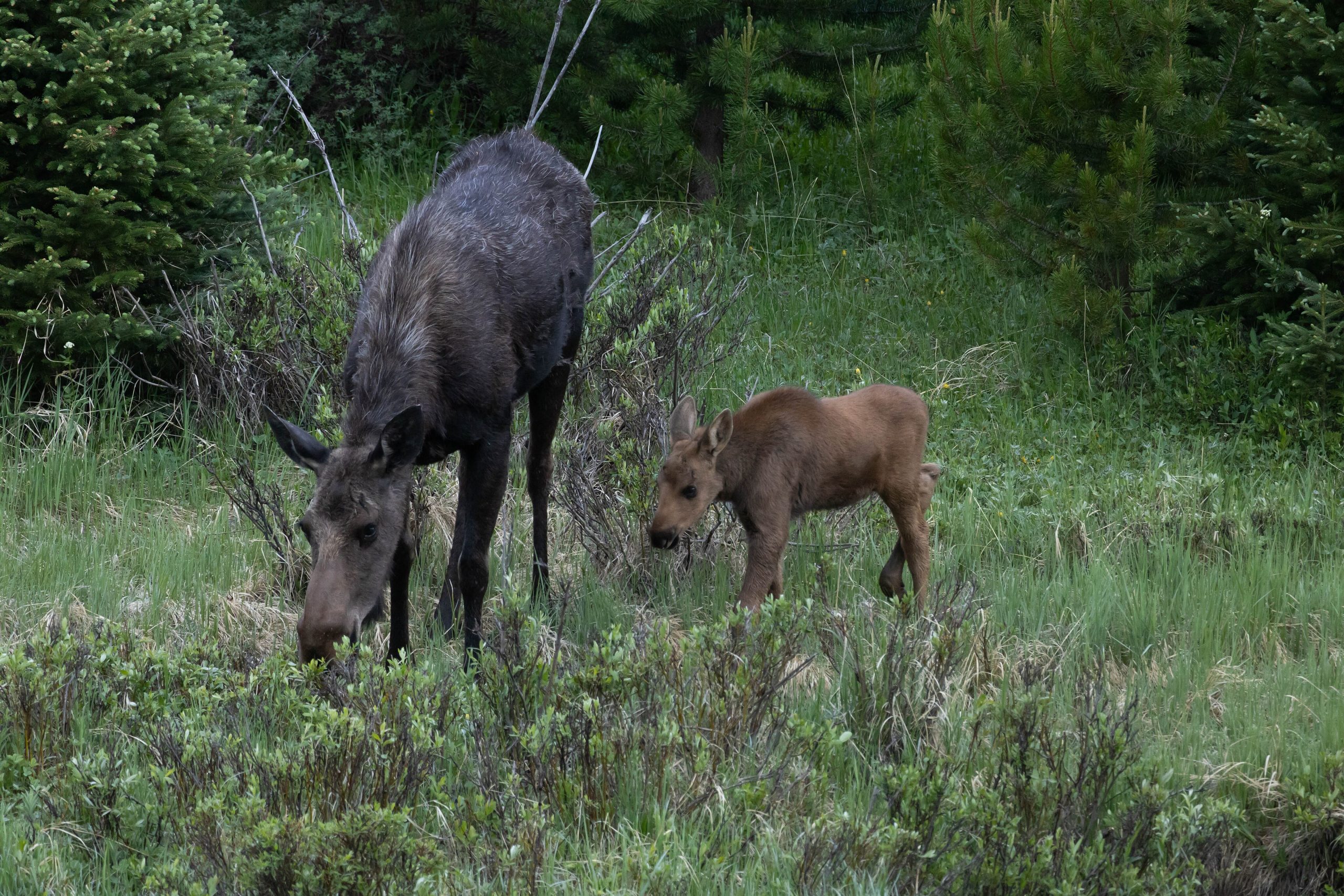
Rocky Mountain National Park in Colorado has become one of the most well-known locations in the lower forty eight states for spotting wild moose. Interestingly, moose were not historically common in this region until wildlife officials reintroduced them to Colorado during the late twentieth century. Since then, the population has grown steadily, and the animals have adapted well to the park’s wetlands, alpine valleys, and dense forests. Moose are often seen near lakes, streams, and marshy meadows where they feed on aquatic vegetation. Areas such as Kawuneeche Valley provide excellent viewing opportunities, particularly during the cooler hours of the day. Visitors sometimes witness bulls with enormous antlers moving slowly through willow patches while cows and calves feed nearby. Because moose are large but surprisingly quiet animals, patient observers who spend time near water sources often experience memorable sightings in this stunning mountain landscape.
3. Glacier National Park
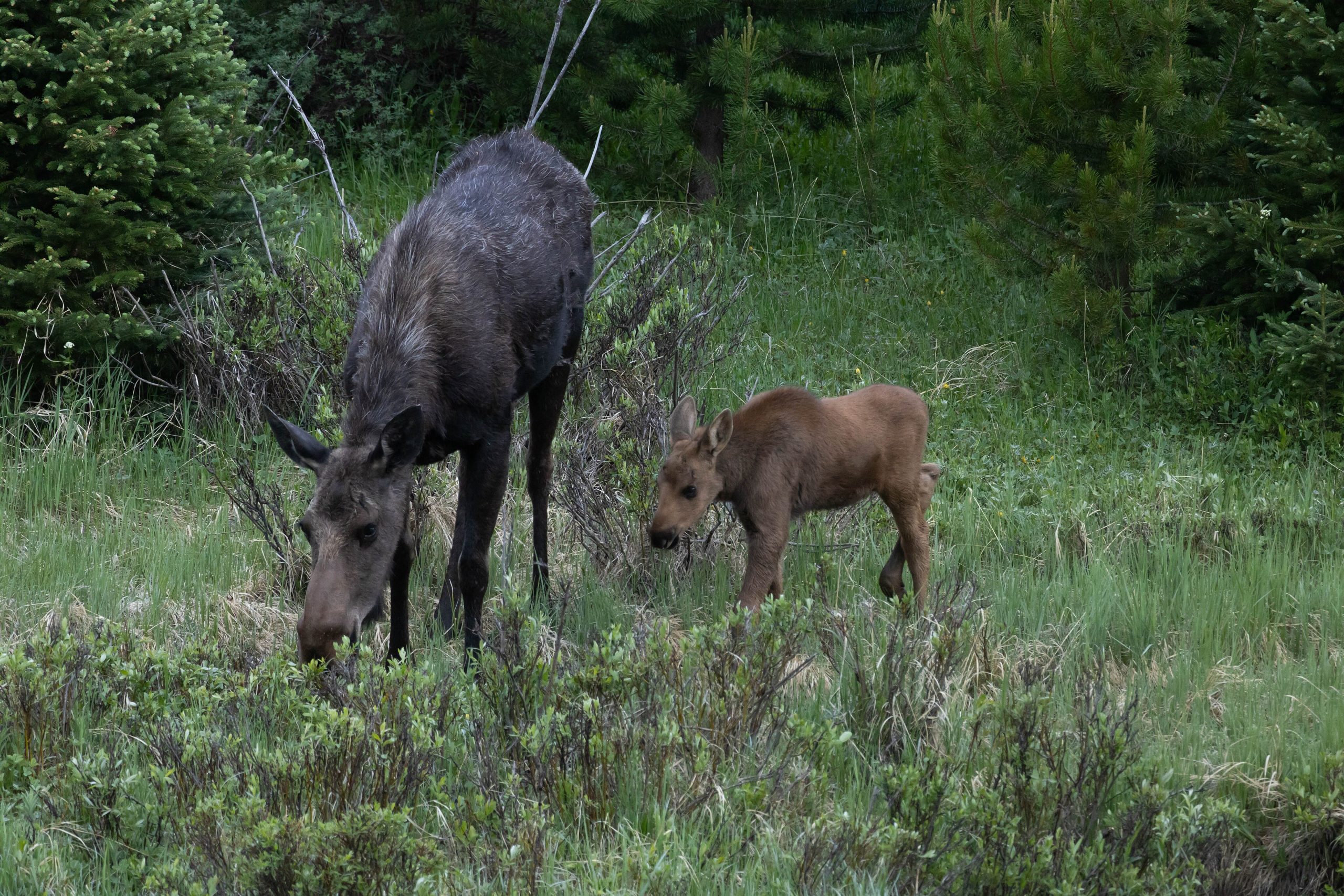
Glacier National Park in Montana offers a spectacular setting where moose still roam among dramatic mountains, ancient forests, and pristine lakes. Although sightings are not guaranteed, the park supports a healthy moose population that thrives in its cool and moisture-rich ecosystems. Moose prefer wetlands and slow-moving streams, so visitors often look for them near marshes and forest ponds scattered throughout the park. The Many Glacier and Fishercap Lake areas are especially known for frequent wildlife activity. Early mornings often reveal moose quietly feeding on water plants along the edges of shallow lakes. During the fall mating season, bulls become more active and occasionally appear along hiking trails or near forest clearings. Glacier’s remote terrain and large protected wilderness areas allow moose to live with minimal disturbance, making it a remarkable destination for those hoping to witness these animals in a truly wild environment.
4. Grand Teton National Park
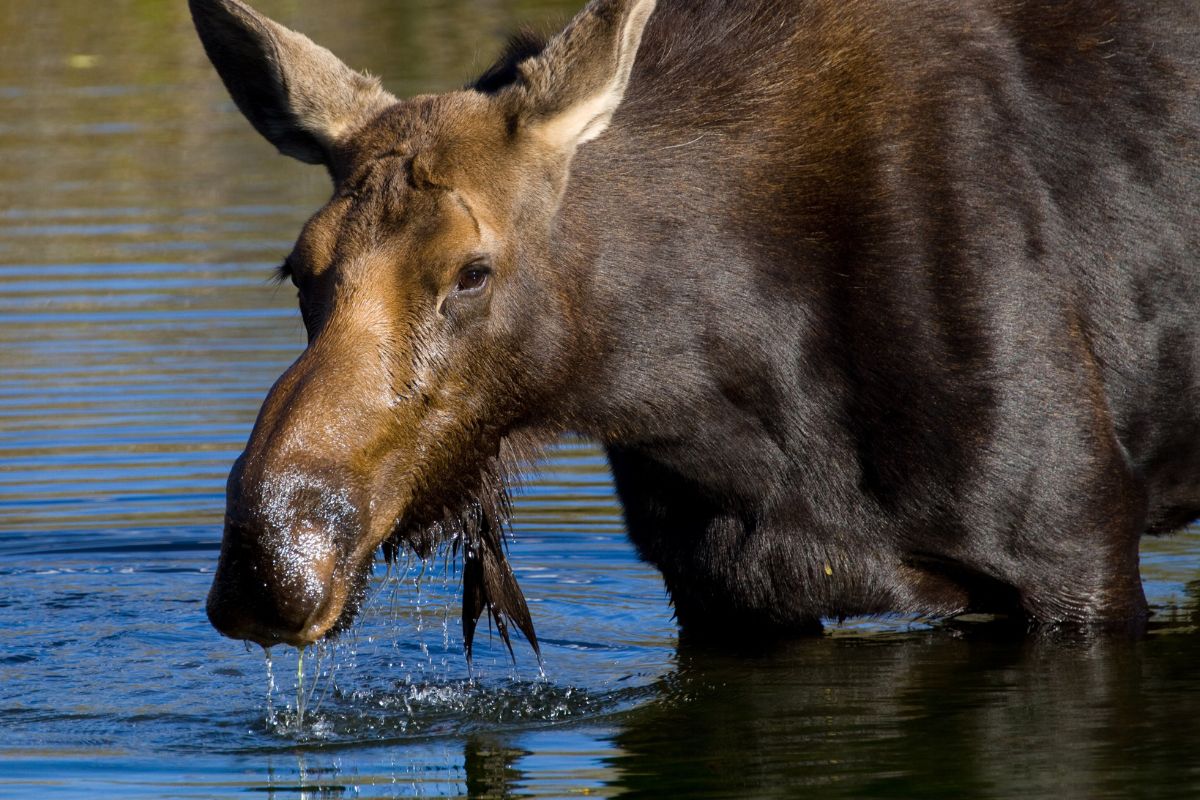
Grand Teton National Park in Wyoming is widely recognized for its dramatic mountain skyline, but it is also an excellent place to encounter wild moose. The park’s wetlands, cottonwood forests, and willow-lined streams create perfect feeding grounds for these massive herbivores. Moose are particularly common in areas such as Moose Wilson Road and the wetlands surrounding the Snake River. Visitors who explore these quiet habitats during dawn or dusk have a good chance of spotting them grazing calmly among shrubs or standing in shallow water while feeding on aquatic plants. Female moose with calves are sometimes seen during the summer months, while bulls become more visible during autumn when the rutting season begins. Because the park maintains extensive protected habitat and limited development, moose can move freely across the landscape, making Grand Teton one of the most rewarding places for wildlife viewing in the American West.
5. Yellowstone National Park
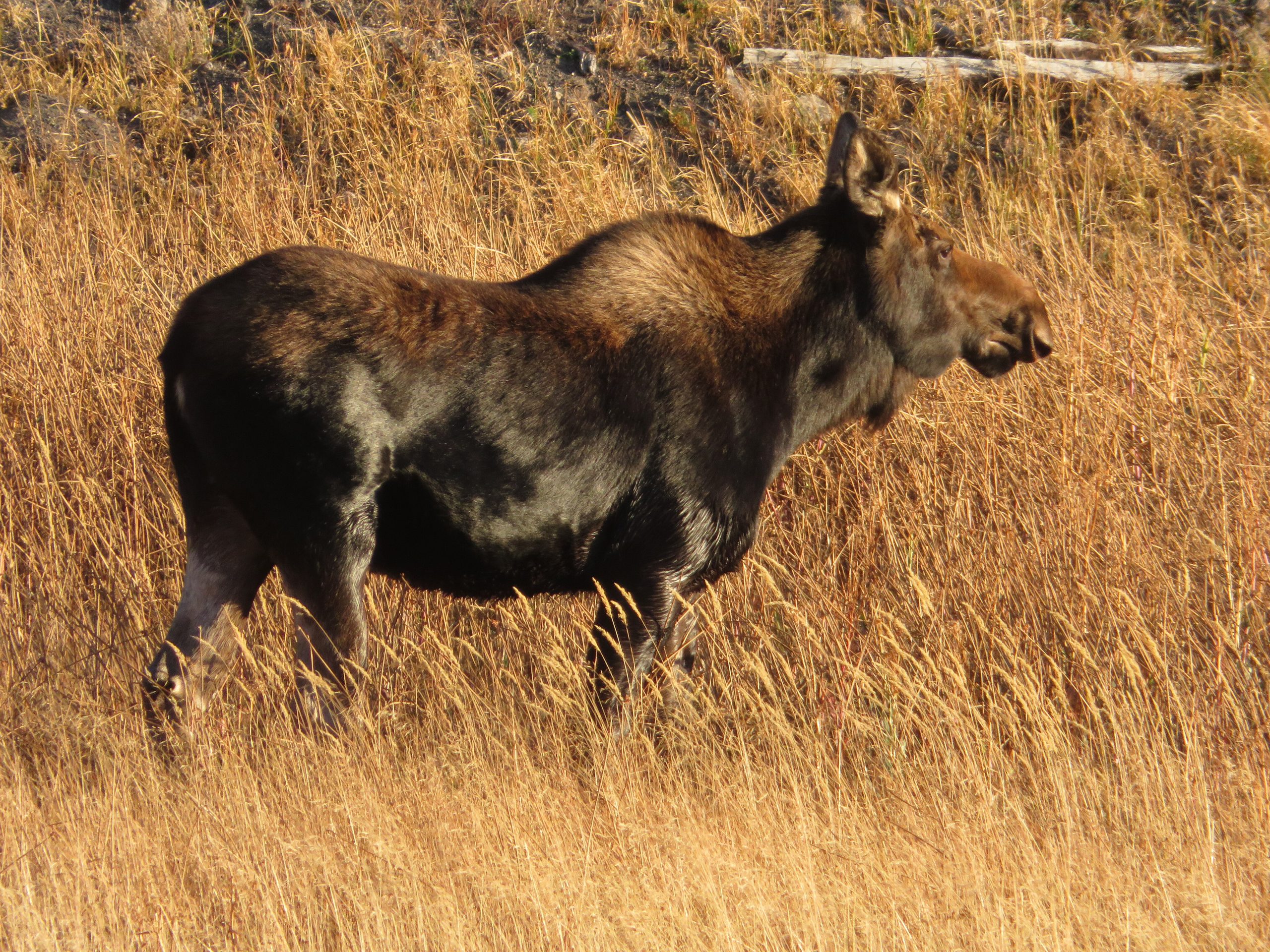
Yellowstone National Park is famous for its geothermal features and iconic wildlife, and moose remain one of the park’s most impressive yet elusive residents. While they are less commonly seen than bison or elk, Yellowstone’s forests and river valleys still provide suitable habitat for small but stable moose populations. Moose tend to inhabit quieter areas with dense vegetation, especially along rivers such as the Snake River and in wet meadow ecosystems. The northeastern region of the park is particularly promising for sightings. Visitors may occasionally observe a moose feeding on willows near riverbanks or resting in shaded forest patches during warmer parts of the day. Because Yellowstone spans a vast area with diverse landscapes, wildlife watchers who explore slowly and patiently often experience rewarding encounters. The presence of moose here highlights the park’s role as one of the most important wildlife refuges in the United States.
6. Baxter State Park
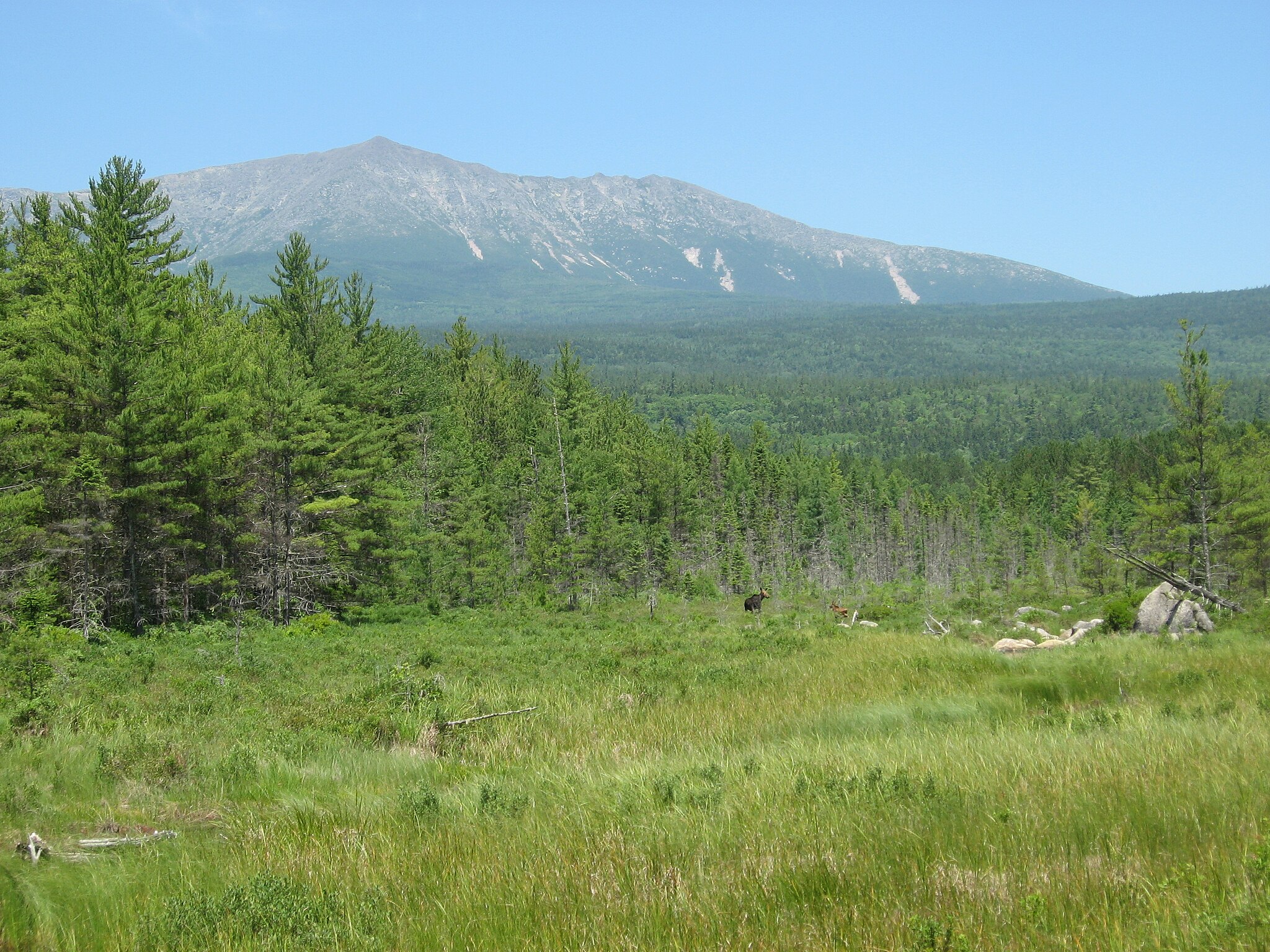
Baxter State Park in Maine is widely considered one of the best locations in the northeastern United States to observe wild moose. The park covers more than two hundred thousand acres of forest, lakes, and wetlands that form an ideal environment for these animals. Moose thrive in this region because the landscape contains abundant ponds and marshy areas filled with aquatic vegetation. Visitors exploring the park roads or hiking trails often encounter moose feeding quietly along pond edges or moving slowly through young forests where they browse on leaves and twigs. Early mornings are especially productive for wildlife viewing, when mist rises from the lakes, and animals emerge to feed. During summer, cows with calves may be seen near shallow water. Baxter State Park’s protected wilderness and relatively low visitor numbers make it one of the most authentic places in the eastern United States to see moose living naturally.
7. Rangeley Lakes Region
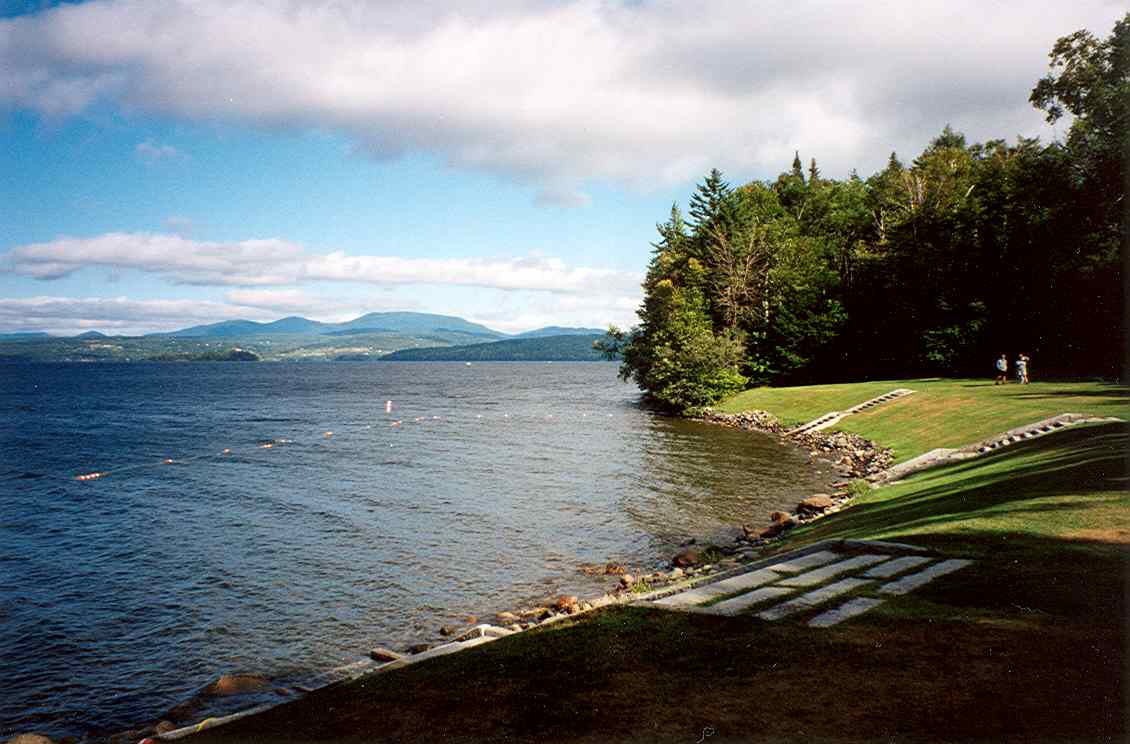
The Rangeley Lakes Region of western Maine has earned a reputation as one of the most reliable places in the country for moose sightings. This scenic area is filled with forests, wetlands, and quiet lakes that provide everything moose need to thrive. Locals often describe the region as a true moose country landscape because these animals are seen regularly along rural roads and near small ponds. Many visitors explore the area through guided moose watching tours that travel slowly along forest routes during early morning or evening hours. Moose are attracted to roadside salt and lush vegetation growing near wetlands, which increases the chances of sightings. Bulls with impressive antlers often appear in late summer and fall as they search for mates. Because the Rangeley area maintains vast, undeveloped forests, it continues to support one of the densest moose populations in the northeastern United States.
8. Adirondack Park
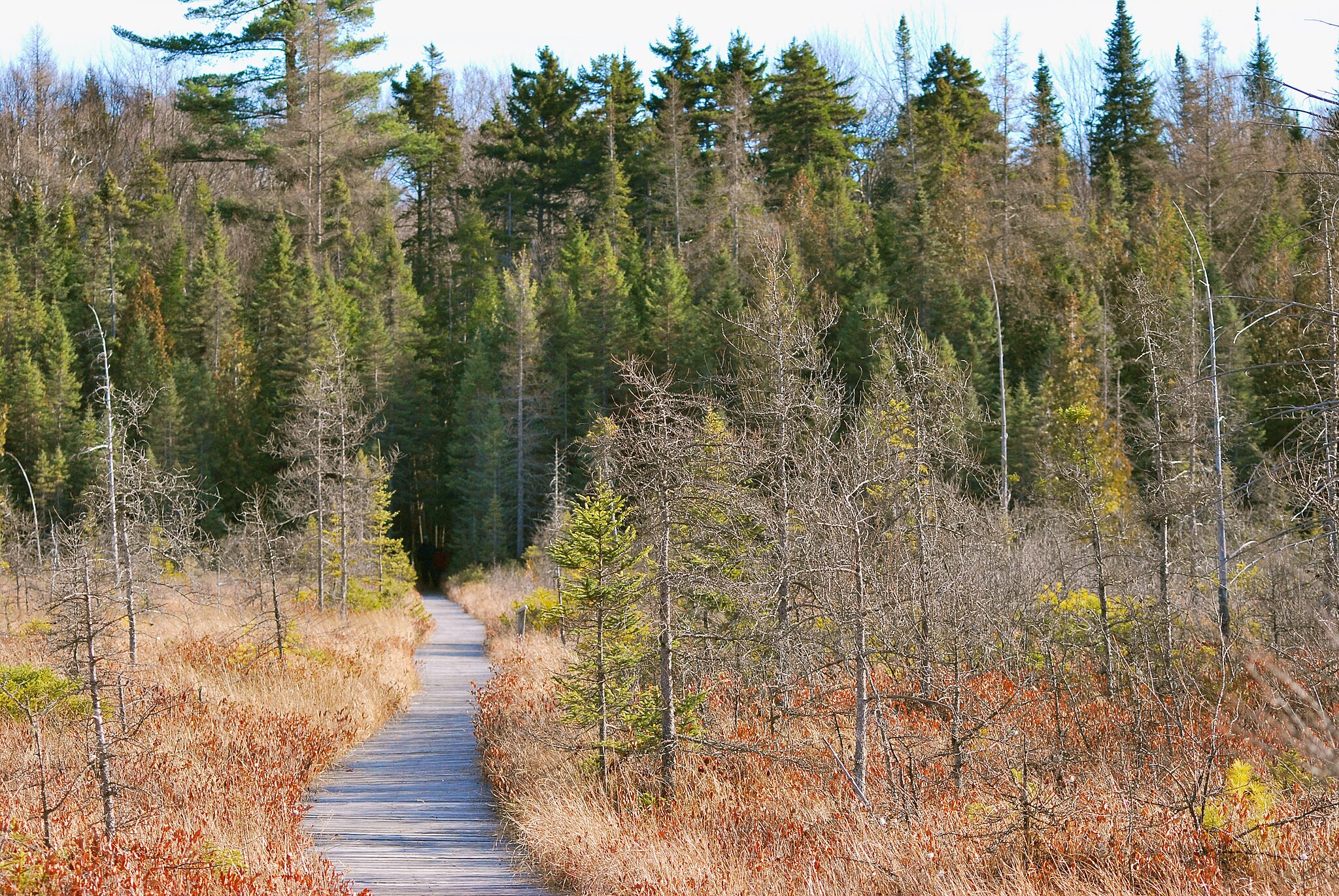
Adirondack Park in northern New York is slowly regaining its moose population after these animals disappeared from the region more than a century ago. Conservation efforts and natural migration from neighboring states and Canada have allowed moose to return gradually to this massive protected landscape. The park covers more than six million acres of forests, lakes, and mountains, providing plenty of remote habitat for moose to explore. Although sightings remain relatively rare compared with other states, reports of moose encounters have increased steadily over the past decade. Most observations occur in quieter northern areas where wetlands and young forests provide abundant food. Wildlife researchers closely monitor these animals to track the expanding population. For visitors, spotting a moose in the Adirondacks feels especially exciting because it reflects a successful wildlife comeback story and the resilience of nature when protected landscapes are preserved.
9. Superior National Forest
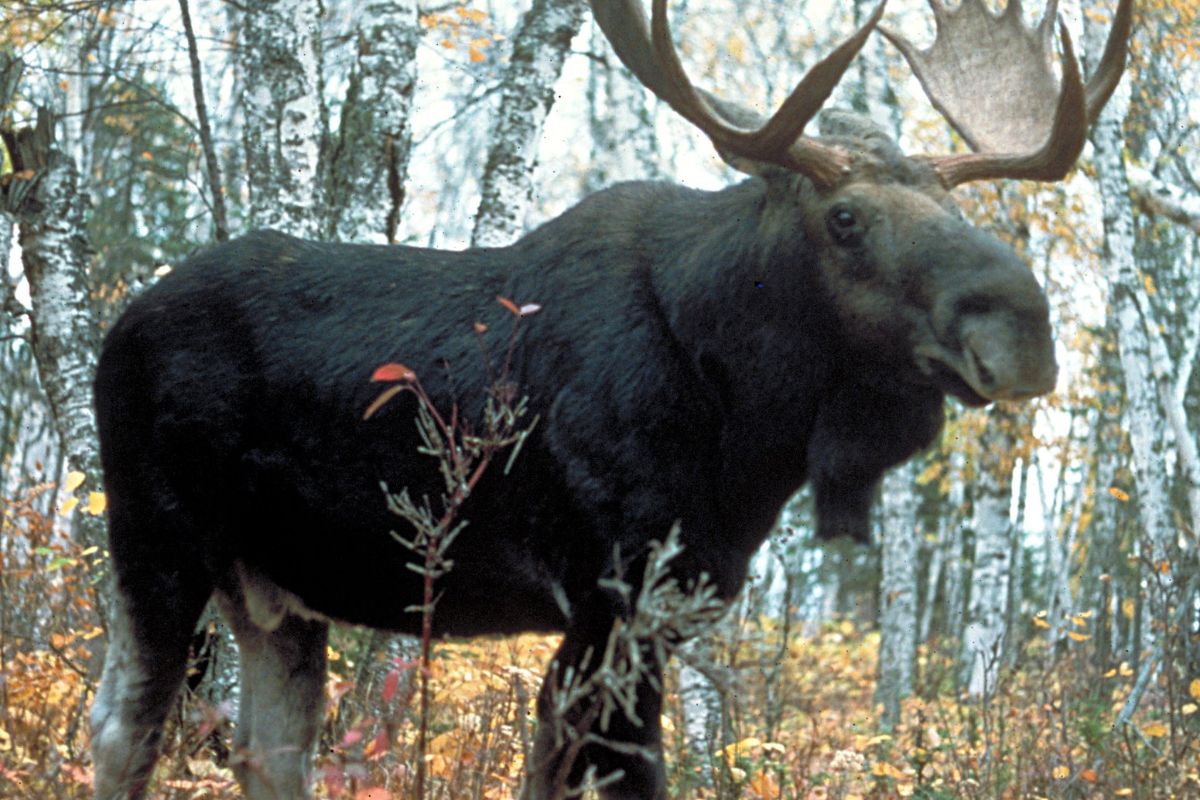
Superior National Forest in northeastern Minnesota contains one of the most important moose habitats in the Midwest. The forest stretches across nearly four million acres and includes thousands of lakes, bogs, and wetlands that create a rich environment for wildlife. Moose depend heavily on aquatic plants during the summer months, and the region’s numerous lakes provide abundant feeding opportunities. Visitors exploring quiet forest roads or canoe routes occasionally encounter moose standing in shallow water while feeding on submerged vegetation. The nearby Boundary Waters Canoe Area Wilderness is especially known for remote wildlife sightings. Moose populations in Minnesota have faced challenges in recent years due to climate and environmental changes, so conservation efforts remain important for their survival. Despite these challenges, Superior National Forest still offers one of the best chances in the central United States to observe these towering animals living among vast northern forests.
10. Voyageurs National Park
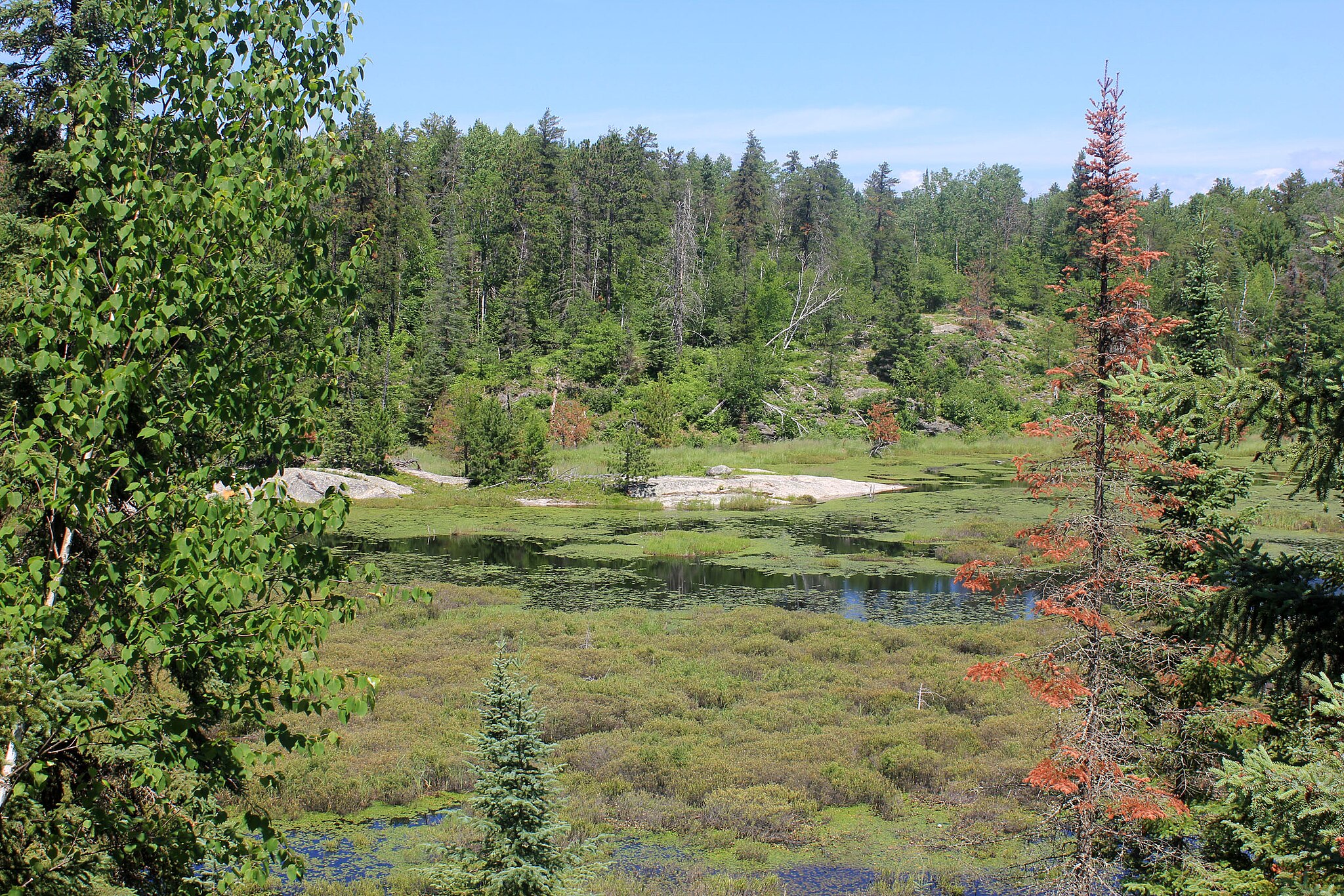
Voyageurs National Park in northern Minnesota is a water-rich wilderness where moose quietly inhabit forested shorelines and marshy bays. The park is made up of interconnected lakes, dense forests, and wetlands that create a peaceful environment ideal for wildlife. Because much of the park is accessible mainly by boat, human activity remains relatively limited, allowing animals to move freely through the landscape. Moose are sometimes spotted along quiet shorelines where they feed on aquatic plants growing beneath the water surface. Canoeists and boaters occasionally observe them wading in shallow bays or crossing narrow channels between islands. The park’s remote setting makes wildlife sightings feel particularly special, as visitors often share the waterways only with birds and forest animals. Although moose populations here are smaller than in northern states like Maine or Alaska, Voyageurs still offers a memorable opportunity to see these animals in a serene northern wilderness.
11. Kancamagus Highway
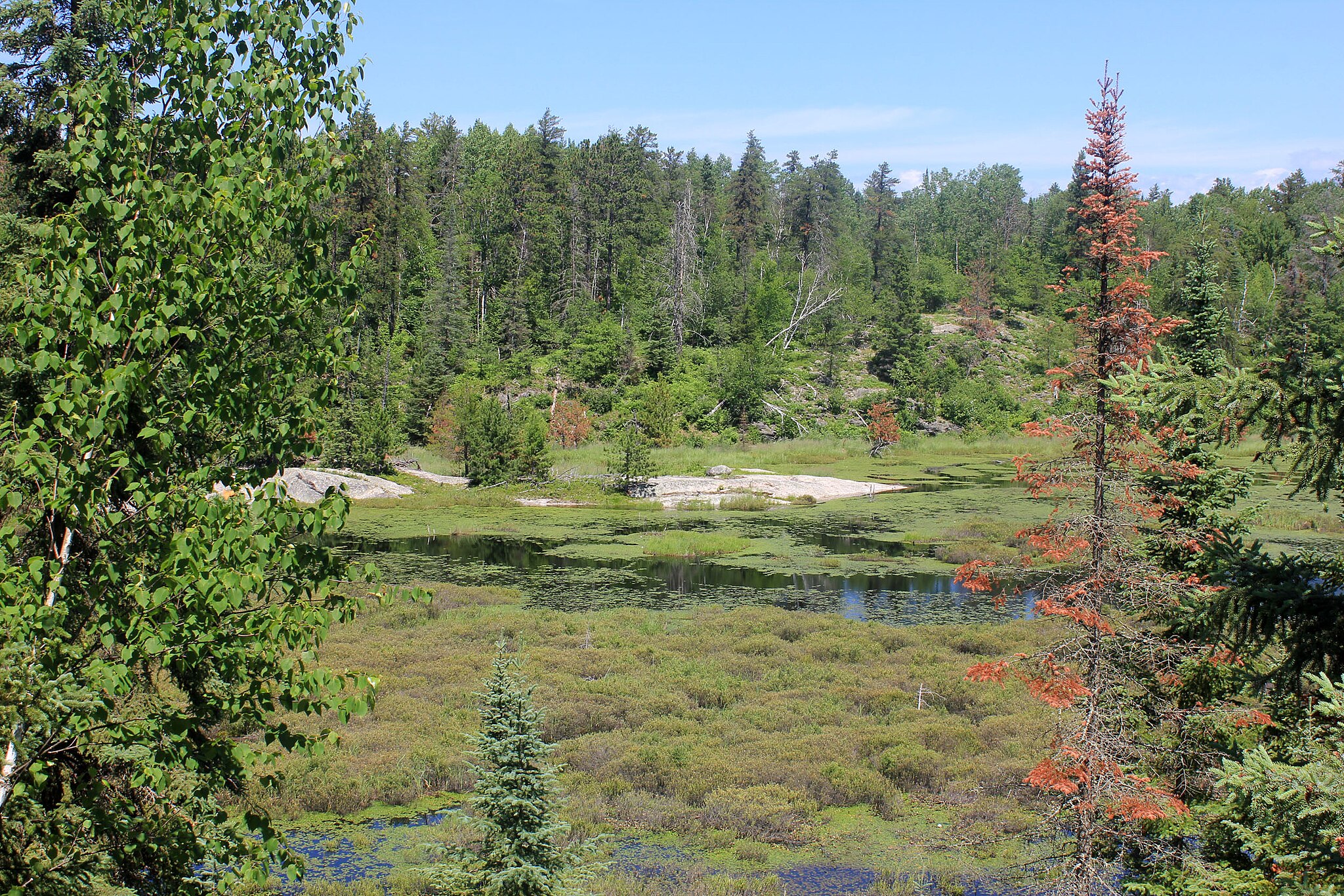
The Kancamagus Highway in New Hampshire is one of the most scenic drives in the northeastern United States and is also a well-known corridor for moose sightings. This fifty-mile highway passes through the White Mountain National Forest and crosses remote valleys filled with streams, wetlands, and dense forest. Moose frequently move through these habitats while feeding on shrubs and aquatic plants, occasionally appearing near the roadside during quiet hours. Early morning and late evening drives often provide the best opportunities to spot them. Because moose are large and sometimes wander onto the road unexpectedly, warning signs are posted throughout the highway. Wildlife watchers often stop near marshy areas and river crossings where moose are more likely to appear. The combination of beautiful mountain scenery and the possibility of encountering these enormous animals makes the Kancamagus Highway a memorable destination for nature travelers.
12. Tetlin National Wildlife Refuge
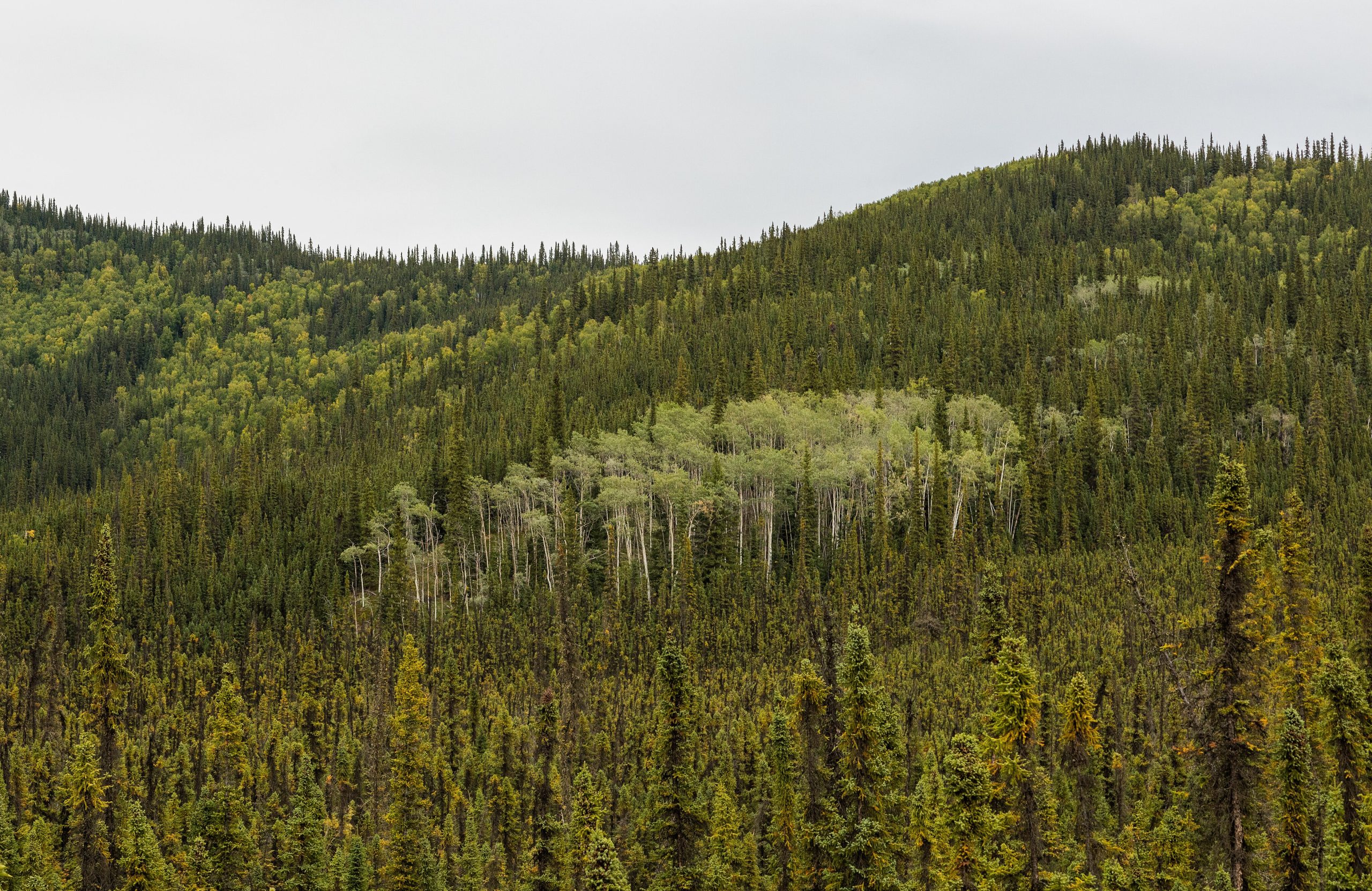
Tetlin National Wildlife Refuge in eastern Alaska supports a thriving moose population within one of the most remote landscapes in the United States. The refuge contains vast wetlands, boreal forests, and river systems that provide excellent feeding and calving areas for moose. Because the region experiences long winters and short summers, vegetation grows quickly during warmer months, supplying abundant food for these large herbivores. Moose are often seen browsing along rivers, marshes, and forest edges where young trees and aquatic plants grow thickly. The refuge lies along an important migratory bird route, which means visitors often encounter a wide range of wildlife in addition to moose. Although the area receives far fewer tourists than major national parks, those who explore Tetlin experience a truly wild environment where animals live largely undisturbed. This quiet refuge remains one of Alaska’s hidden gems for wildlife observation.
13. Kenai National Wildlife Refuge
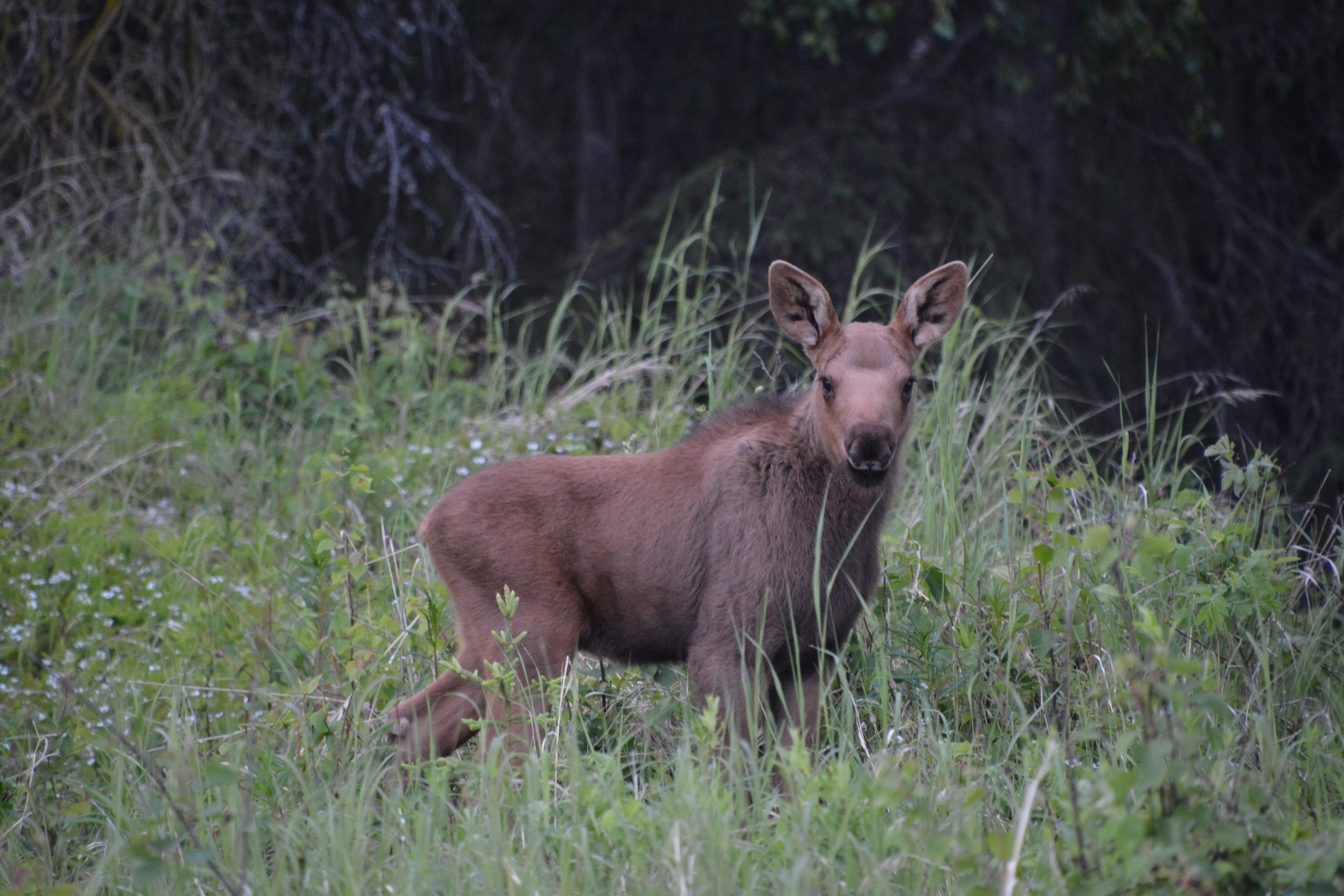
Kenai National Wildlife Refuge on Alaska’s Kenai Peninsula is famous for its healthy moose population and expansive wilderness scenery. The refuge covers nearly two million acres of forests, mountains, wetlands, and lakes that create ideal conditions for moose to thrive. Visitors frequently spot these animals feeding along lake shores or wandering through willow thickets that grow near wetlands. Moose in this region are especially active during cooler hours of the day, when they move between feeding areas and forest cover. During autumn, the rutting season brings dramatic displays as bulls compete for mates, making wildlife viewing particularly exciting. The refuge also offers numerous hiking trails, scenic drives, and canoe routes that allow visitors to explore moose habitat without disturbing the animals. Because of its rich ecosystems and protected landscapes, Kenai remains one of the most dependable places in the United States to observe wild moose in their natural setting.