Firearm history is filled with cartridges that once held serious promise but gradually slipped from mainstream attention. Many of these calibers were overshadowed by newer designs, changing military standards, or shifting commercial trends. Yet obscurity does not equal irrelevance. Several lesser-known cartridges remain technically impressive, historically significant, or surprisingly capable within their intended roles. Enthusiasts, collectors, and experienced shooters often recognize that performance, efficiency, and design ingenuity are not limited to popular ammunition. Revisiting these overlooked calibers offers insight into innovation, practical engineering, and the evolving needs that shape firearm development. The following cartridges may be uncommon today, but each carries a story and a legacy worth understanding.
1. .41 Action Express
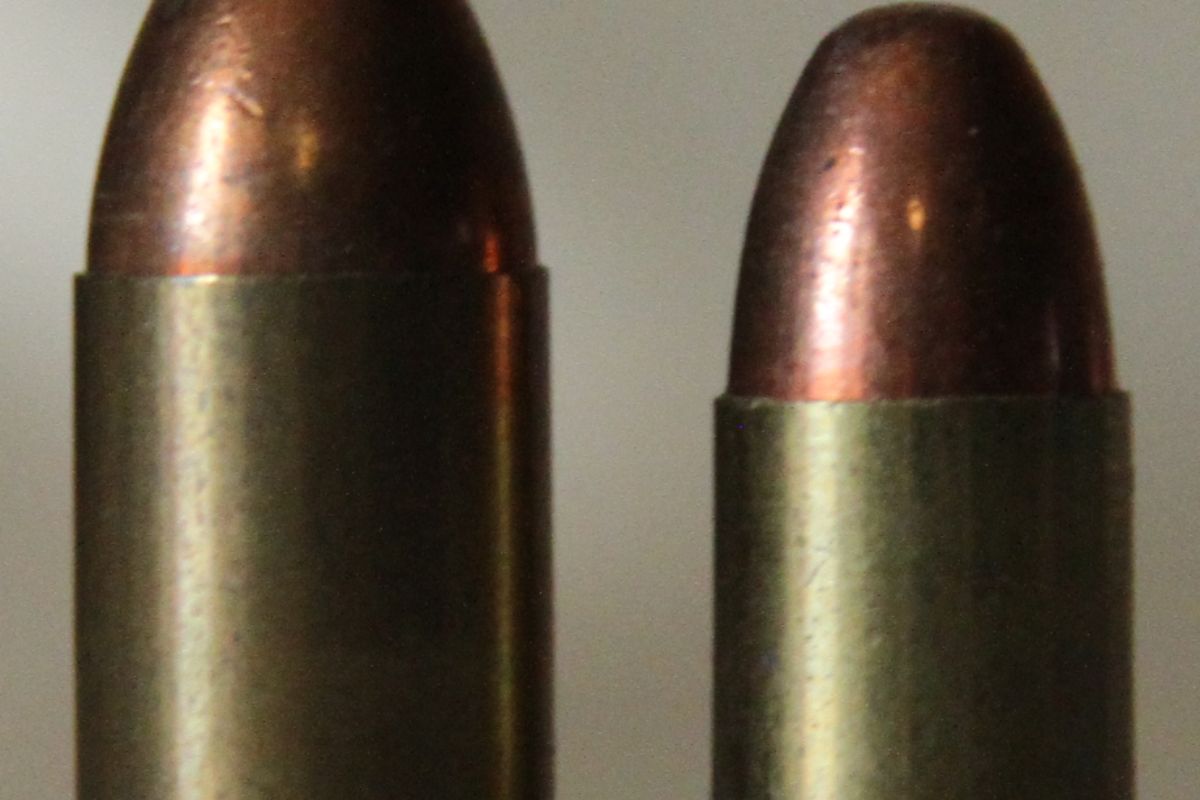
The .41 Action Express emerged during a period of experimentation aimed at balancing magazine capacity with projectile size. Designed to approximate the performance of larger defensive rounds while fitting platforms built for smaller cartridges, it represented clever engineering. Its rebated rim allowed compatibility with existing slide designs, reducing modification requirements. Although it never achieved broad commercial dominance, the cartridge demonstrated that creative dimensional solutions could address competing design priorities. Ammunition availability eventually limited adoption, yet its concept influenced later developments. The .41 Action Express remains a fascinating example of how manufacturers attempted to optimize performance within practical mechanical constraints.
2. 5mm Remington Rimfire Magnum
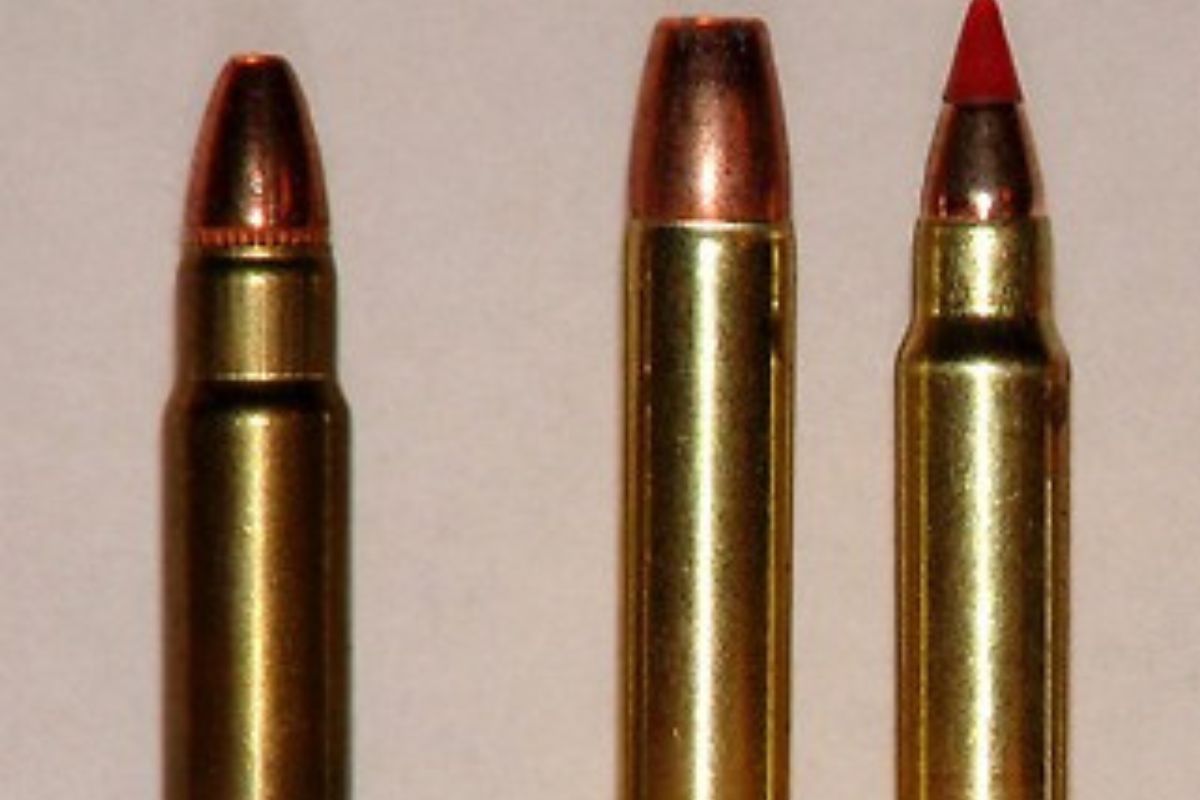
Introduced with high velocity ambitions, the 5mm Remington Rimfire Magnum delivered impressive speed and flat trajectories compared to many rimfire contemporaries. Its lightweight projectile and bottleneck case design reflected a push toward enhanced small game performance. Initial enthusiasm faded due to limited rifle offerings and production challenges, but interest persisted among dedicated users. Decades later, specialty manufacturers revived ammunition production, validating the cartridge’s enduring appeal. The round’s efficiency and unique ballistic profile still attract collectors and enthusiasts. It stands as a reminder that technical merit alone does not guarantee commercial longevity in competitive markets.
3. .256 Winchester Magnum
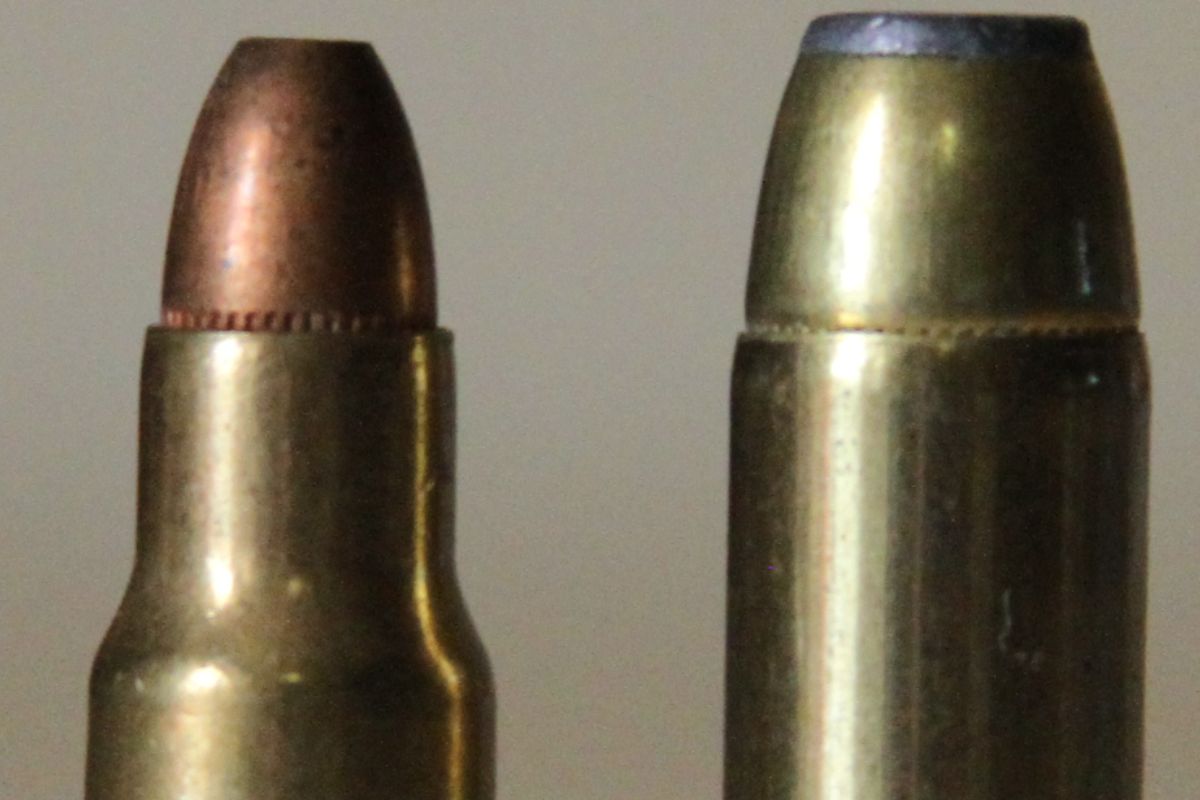
The .256 Winchester Magnum combined compact dimensions with notable velocity, targeting lightweight carbines and revolvers. Its parent case lineage connected it to established cartridges, yet its niche role restricted widespread success. Shooters appreciated its flat shooting characteristics and manageable recoil, qualities advantageous for small game and target use. Market realities, however, favored more versatile alternatives. Despite limited adoption, the cartridge demonstrated thoughtful adaptation of existing designs to new performance goals. Today, it enjoys recognition primarily among collectors and specialty shooters who value its distinctive balance of speed and efficiency.
4. 9×23 Winchester
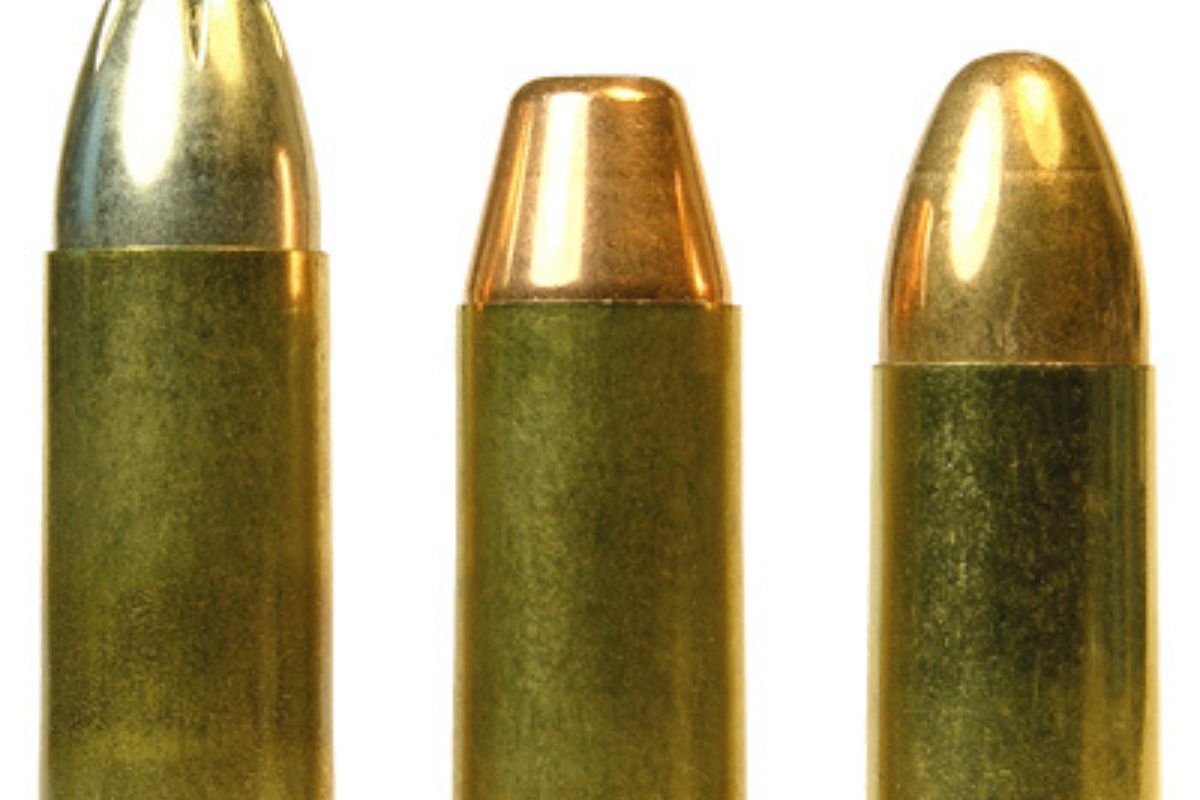
Often confused with superficially similar cartridges, the 9×23 Winchester offered exceptional pressure tolerance and velocity potential within robust platforms. Developed with durability and consistent performance in mind, it gained appreciation in competitive shooting circles. Its strong case construction supported higher operating pressures while maintaining reliability. Although overshadowed by more common choices, the cartridge earned respect for its engineering integrity. Ammunition scarcity curtailed broader appeal, yet its reputation for precision and power endures among knowledgeable users. The 9×23 Winchester illustrates how specialized performance attributes sometimes thrive quietly outside mainstream attention.
5. .22 Savage High Power
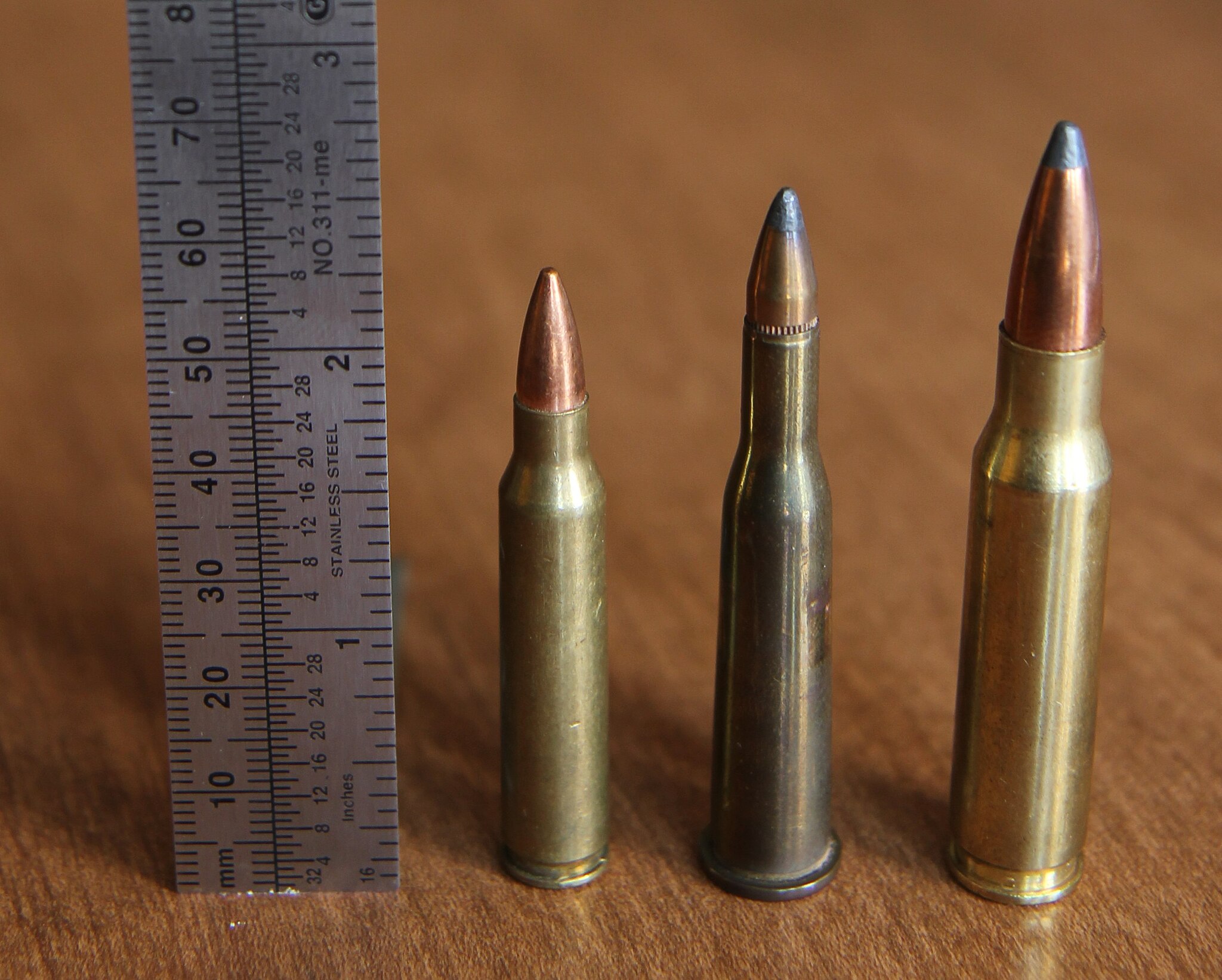
The .22 Savage High Power occupies a unique place in early high velocity cartridge development. Introduced in the early twentieth century, it challenged assumptions about small-caliber effectiveness by delivering surprising energy for its size. Hunters initially viewed it with curiosity, then respect, as field performance proved more capable than many expected. Its lightweight projectile and velocity-focused design made it particularly appealing for medium game under suitable conditions. Over time, evolving cartridge technology and changing preferences reduced its visibility. Still, the round remains historically significant, representing an era when designers explored speed as a primary ballistic advantage. The .22 Savage High Power demonstrated that innovation often begins with ideas that seem unconventional at first glance.
6. .221 Remington Fireball
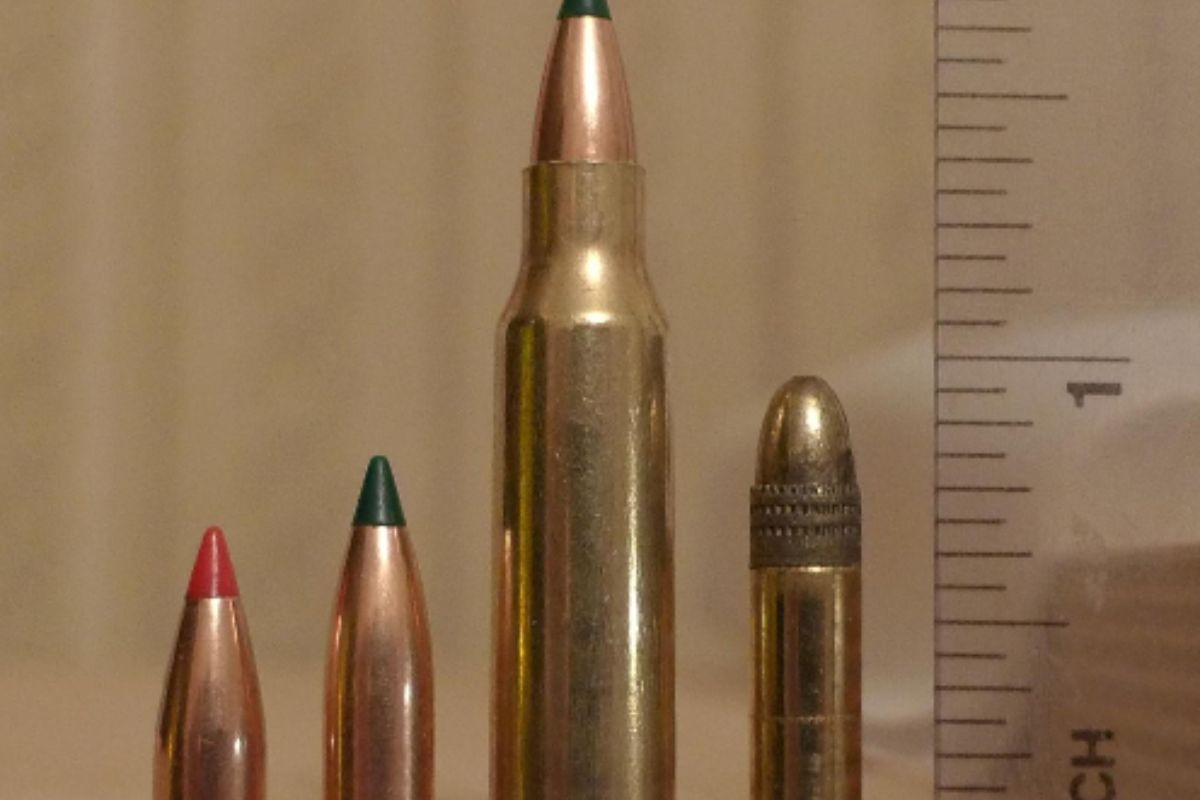
The .221 Remington Fireball became known for remarkable efficiency, producing substantial velocity from a relatively small powder charge. Initially associated with specialized handgun platforms, it later found appreciation in lightweight rifles. Shooters praised its accuracy, low recoil, and reduced muzzle blast. Despite these strengths, broader recognition remained limited. The cartridge’s design emphasized balance rather than raw power, highlighting thoughtful optimization. Its enduring reputation among precision-minded users underscores how understated efficiency can rival more dramatic performance claims. The Fireball remains a favorite among those who value consistency and economy.
7. 6.5 Remington Magnum
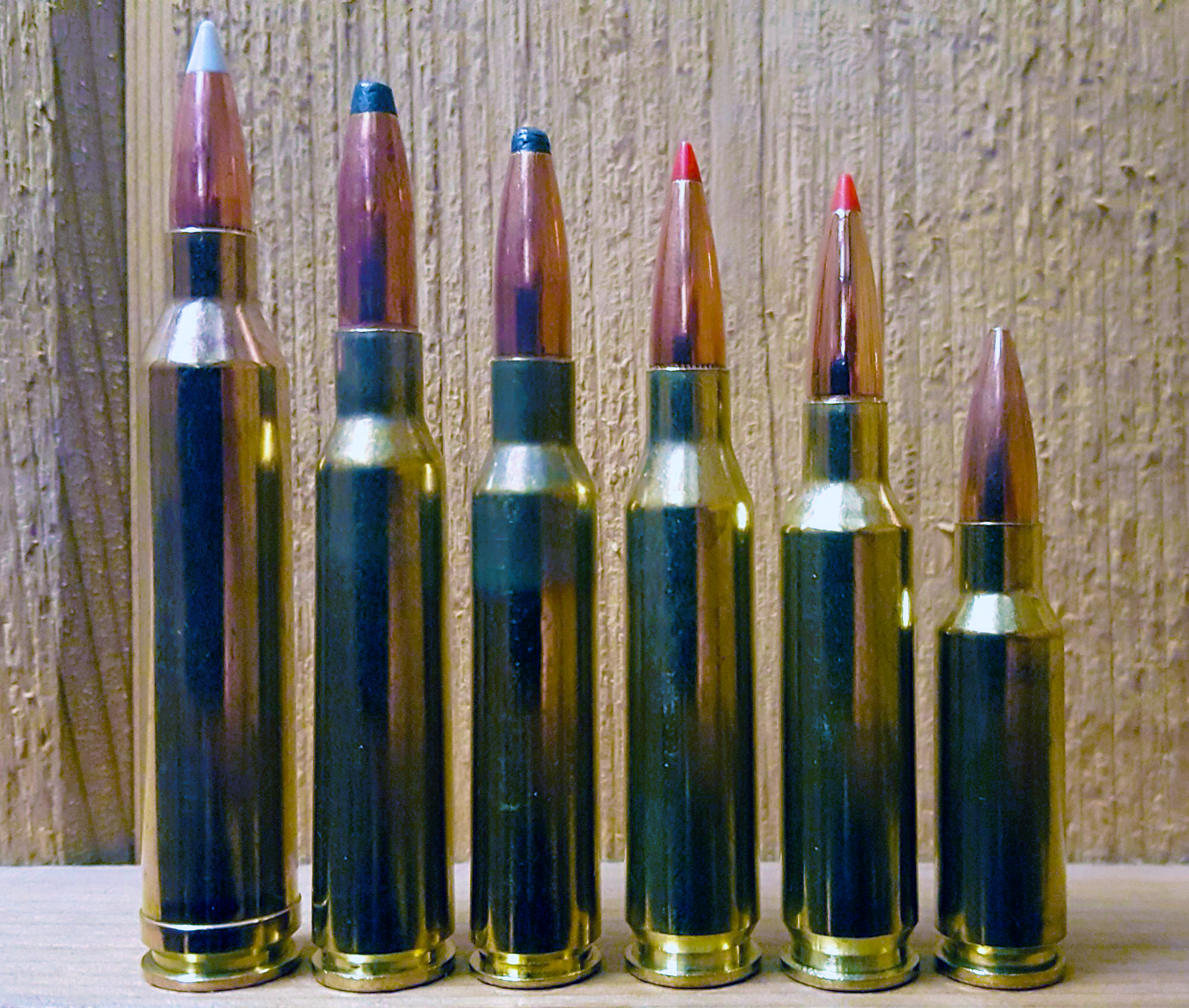
The 6.5 Remington Magnum offered strong velocity and impressive long-range potential within compact action designs. Its introduction coincided with shifting market preferences, restricting widespread adoption. Ballistically, the cartridge demonstrated excellent sectional density and trajectory characteristics. Hunters and enthusiasts who embraced it recognized its capability, yet availability challenges persisted. Over time, other 6.5mm cartridges captured greater attention. Still, the Remington Magnum variant retains historical significance, reflecting early appreciation for high-performance intermediate bore designs. Its legacy resonates with those who admire forward-thinking cartridge engineering.
8. .32 H&R Magnum
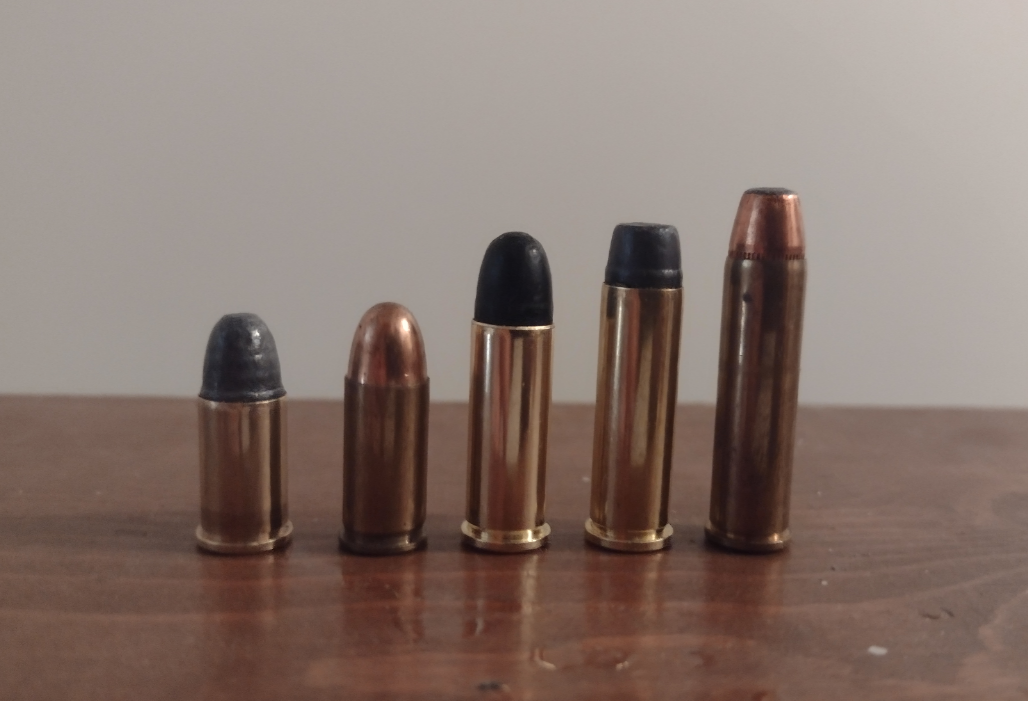
Positioned between traditional revolver cartridges, the .32 H&R Magnum sought to enhance performance without excessive recoil. Its versatility appealed to shooters valuing manageable control and respectable energy. While not universally adopted, it carved a dedicated following. The cartridge’s balance encouraged accurate shooting and practical use across varied applications. Later developments built upon its conceptual space, yet its contribution remains notable. The .32 H&R Magnum highlights how incremental improvements can deliver meaningful benefits, even when overshadowed by more widely marketed alternatives.
9. .17 Remington
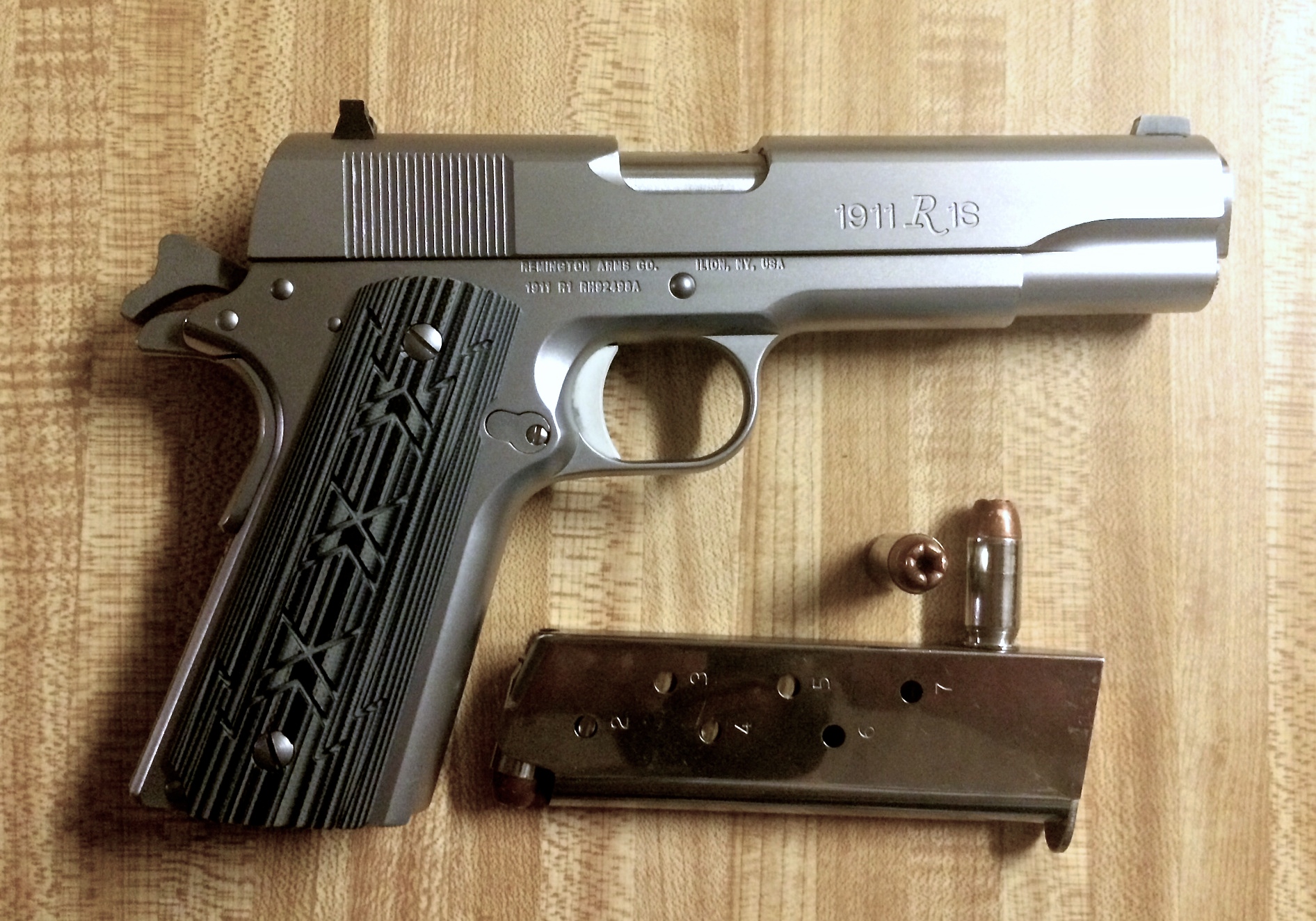
Known for extraordinary velocity and minimal recoil, the .17 Remington delivered distinctive small-caliber performance. Its lightweight projectiles enabled exceptionally flat trajectories, attracting varmint hunters and precision enthusiasts. Sensitivity to barrel fouling and component considerations required attentive maintenance, factors influencing adoption rates. Despite challenges, the cartridge earned admiration for its speed and accuracy. The .17 Remington embodies a pursuit of extreme ballistic efficiency, illustrating both the advantages and tradeoffs inherent in high velocity designs.
10. .45 GAP
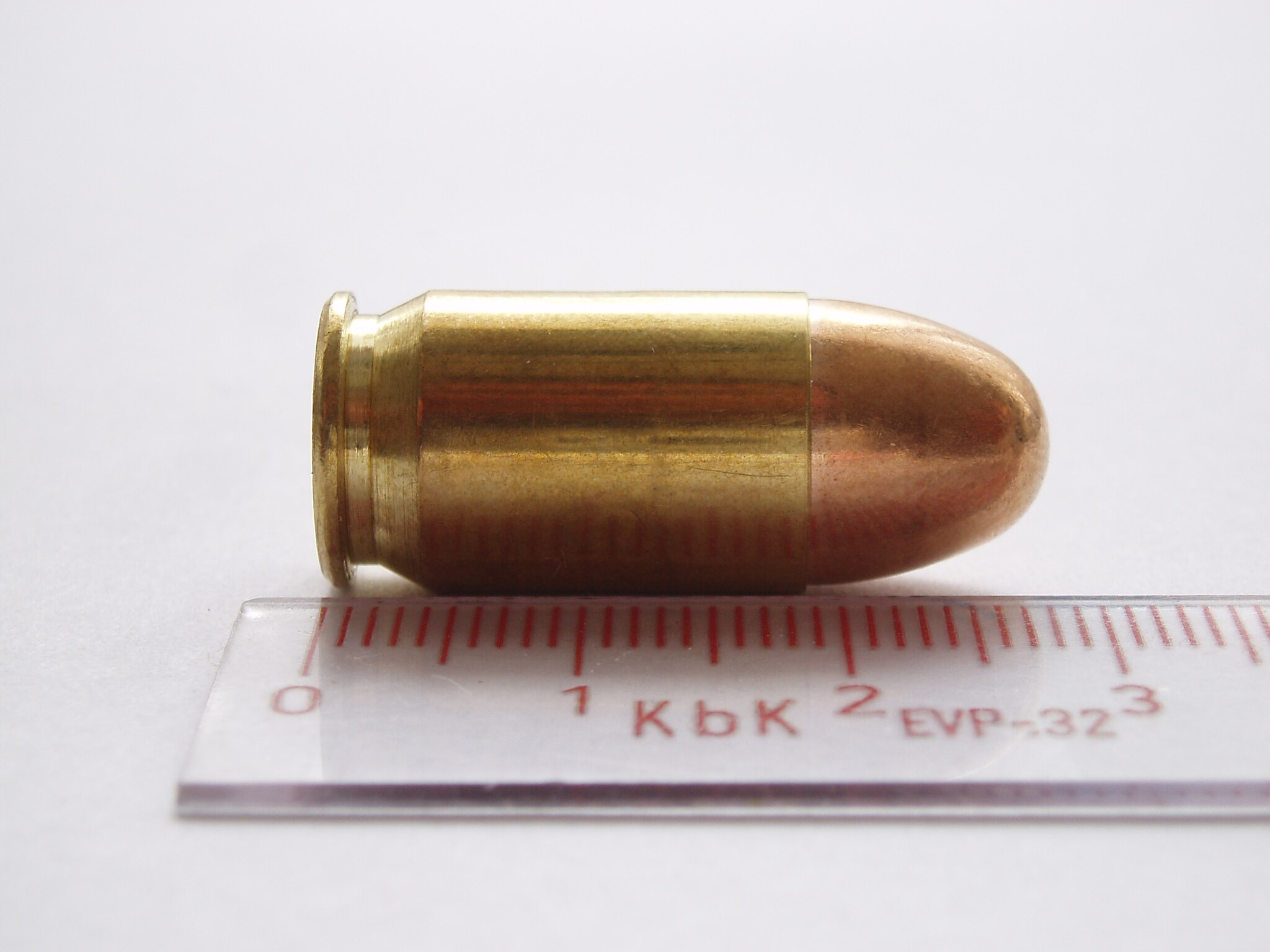
The .45 GAP aimed to replicate familiar projectile performance within a shorter cartridge length, enabling improved ergonomics in certain handgun designs. Its development reflected practical considerations regarding grip dimensions and user comfort. Although it achieved limited institutional acceptance, market competition constrained long-term dominance. Technically sound, the cartridge demonstrated how dimensional refinement can influence firearm handling characteristics. The .45 GAP remains relevant in discussions of cartridge design philosophy and user interface considerations.
11. .38 Super Comp
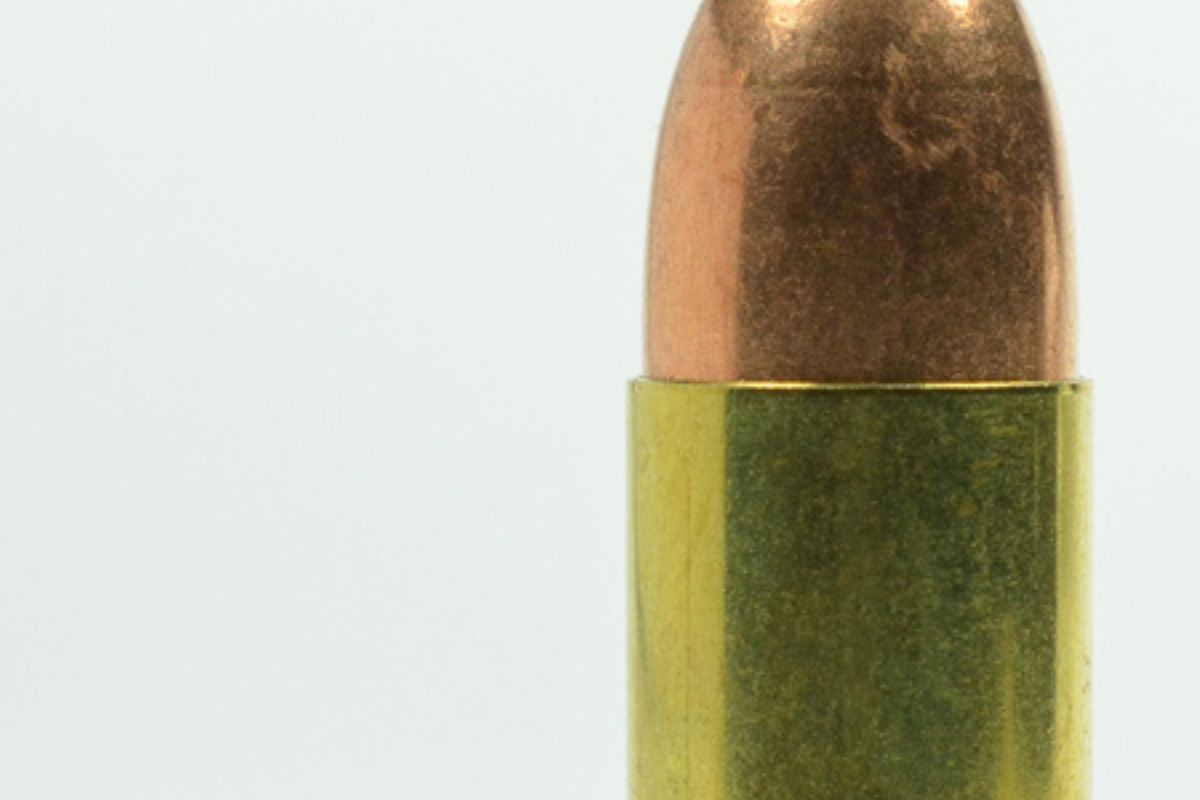
The .38 Super Comp represents a subtle yet meaningful refinement of the classic .38 Super, developed primarily to improve reliability in high-performance competitive pistols. By modifying the rim dimensions, designers reduced feeding issues commonly associated with semi-rimmed cases under rapid cycling conditions. This adjustment enhanced consistency without drastically altering ballistic behavior. Competitive shooters appreciated the cartridge’s ability to deliver high velocity with manageable recoil, qualities beneficial for accuracy and control. While largely confined to specialized shooting circles, its practical engineering improvements earned quiet respect. The .38 Super Comp illustrates how minor dimensional changes can significantly influence functional performance in demanding environments.
12. .348 Winchester
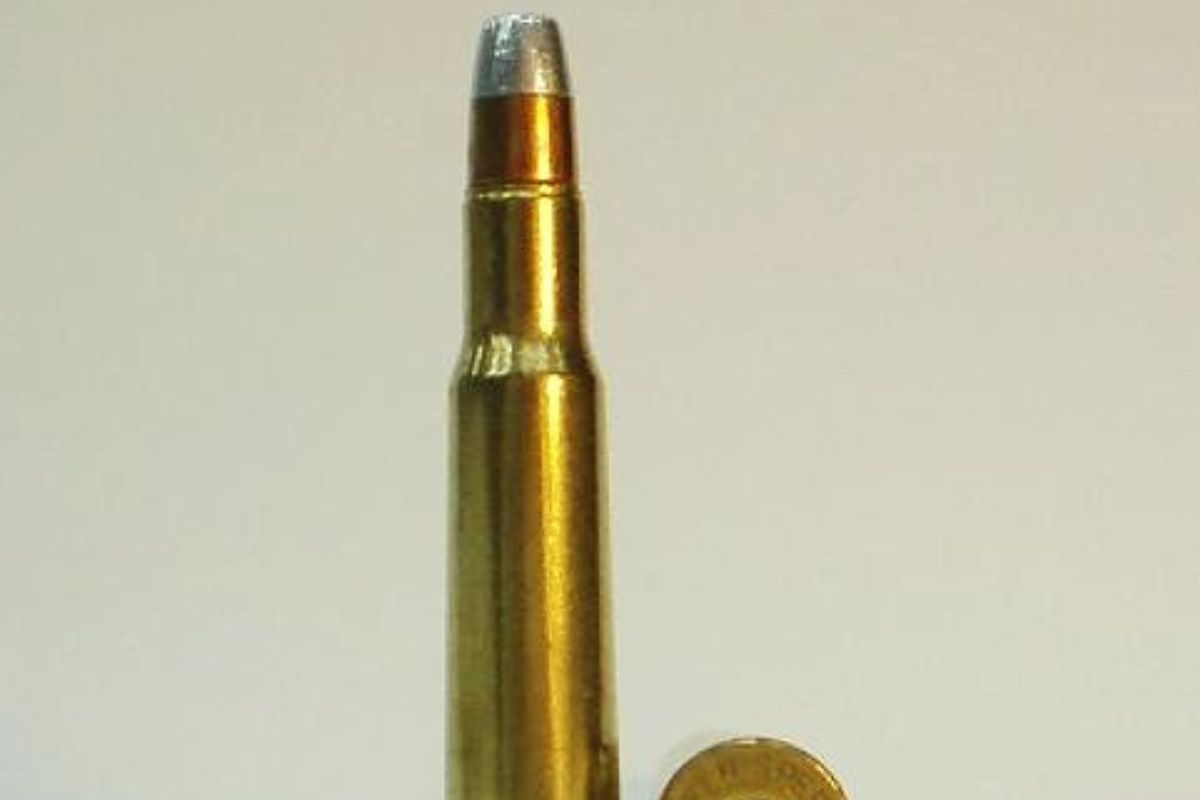
The .348 Winchester achieved notable performance within lever-action rifles, delivering substantial energy and reliability. Though less common today, it earned a strong reputation among hunters. Its distinctive dimensions and power characteristics distinguished it from more familiar choices. Over time, shifting preferences reduced prevalence, yet respect for its capability persists. The cartridge’s history reflects evolving trends in hunting equipment and ballistic priorities.
13. 10mm Magnum
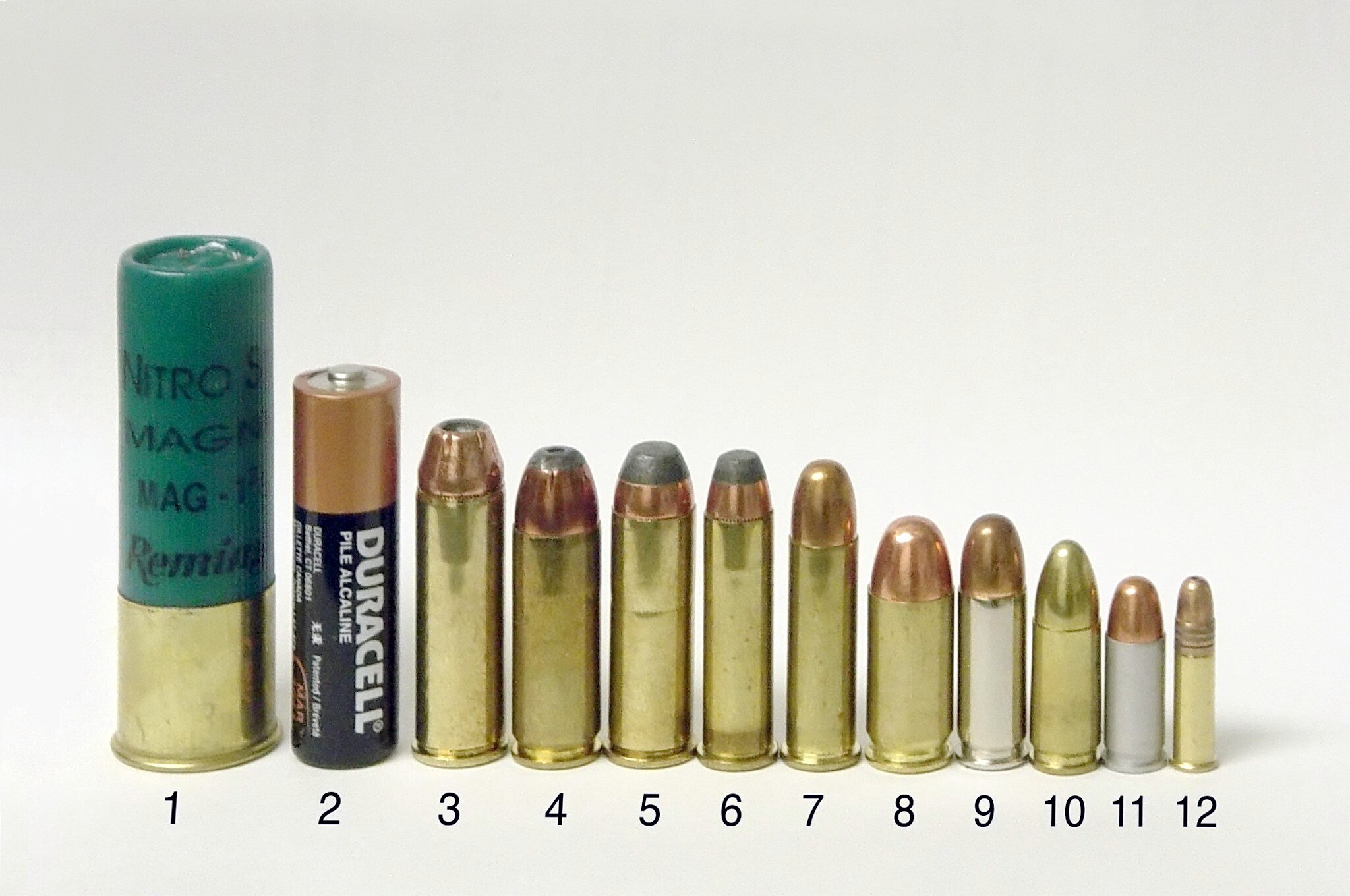
The 10mm Magnum extended established design principles to achieve enhanced velocity and energy. Intended for robust platforms, it attracted interest among enthusiasts seeking higher performance variations. Limited production and specialized requirements restricted widespread use. Nevertheless, the cartridge demonstrated how incremental dimensional changes can significantly influence ballistic outcomes. The 10mm Magnum remains a compelling example of niche-driven innovation within cartridge development.