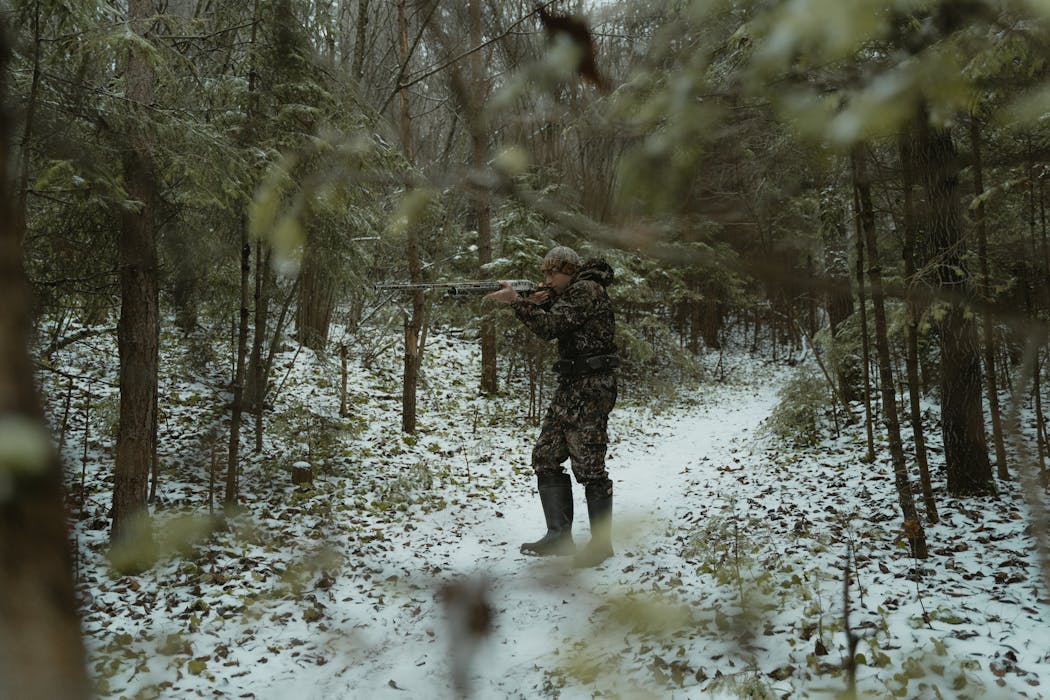
Winter transforms the landscape into a demanding environment where knowledge and preparation shape every aspect of a hunter’s experience. Cold temperatures, unpredictable storms, and shifting wildlife behavior require skills that go beyond general outdoor familiarity. Hunters who understand how snow, wind, and terrain change during winter can respond to challenges with greater confidence and awareness. Mastering essential skills helps reduce risks associated with cold exposure, equipment failure, and limited visibility, while also supporting ethical decision-making in harsh conditions. Winter hunting rewards those who approach the season with respect for its difficulty and a willingness to learn techniques that protect safety, improve efficiency, and deepen appreciation for the wilderness during its most unforgiving months.
Reading Winter Weather Patterns
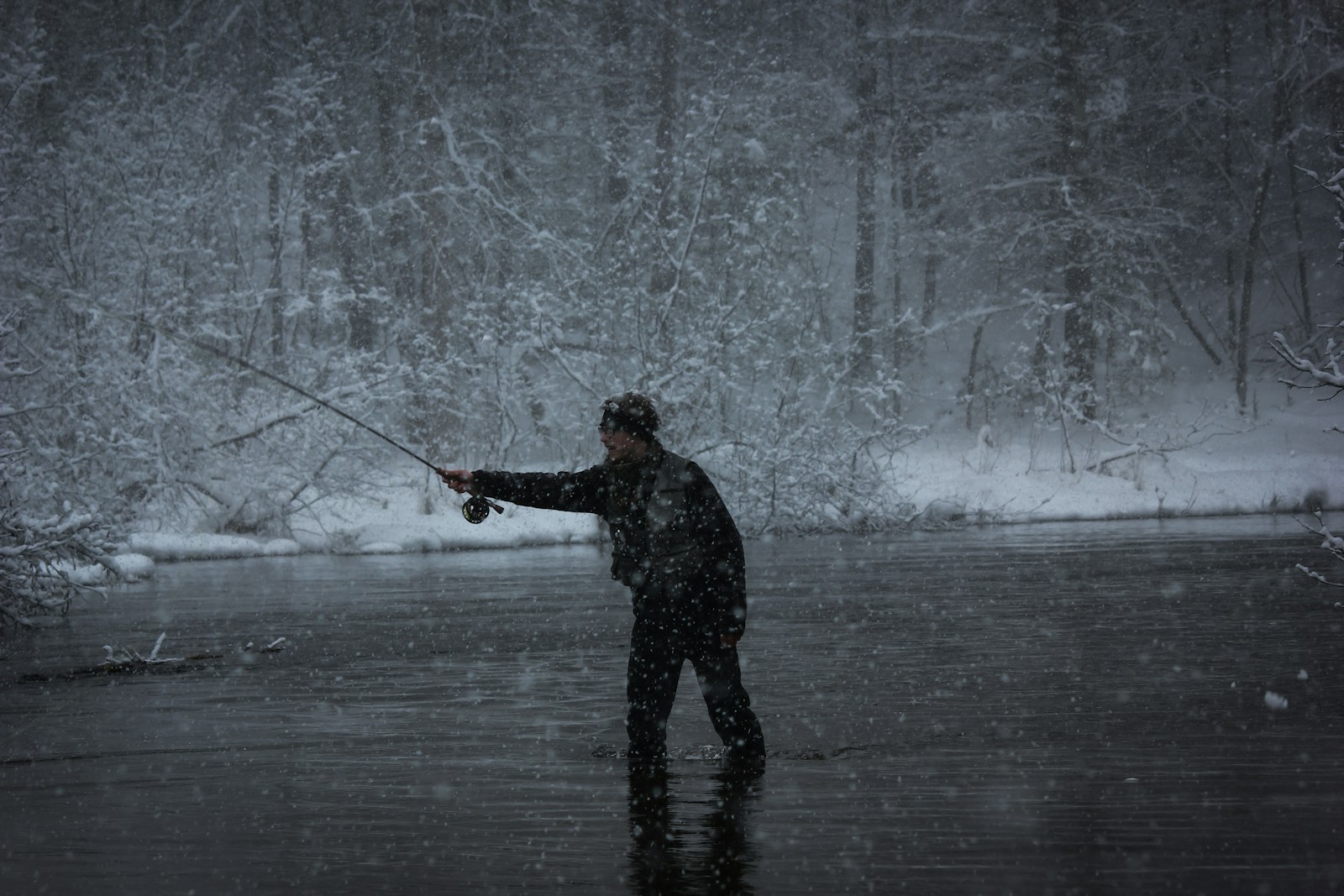
Successful winter hunting begins with the ability to read weather patterns that shift quickly across snowy landscapes. Changes in wind speed, sky color, or cloud movement often signal incoming storms, and recognizing these early signs helps hunters make timely decisions about shelter or travel. Understanding temperature swings improves awareness of how snow crusts, ice layers, or melt-freeze cycles may influence movement and visibility. Snowfall amounts affect animal activity, accessibility, and the overall safety of remote terrain. Clear interpretation of local weather patterns supports better preparation and caution, allowing hunters to anticipate challenges before they escalate. Winter conditions reward those who pay attention to subtle atmospheric cues that guide safer and more informed outdoor choices.
Navigating Snow-Covered Terrain
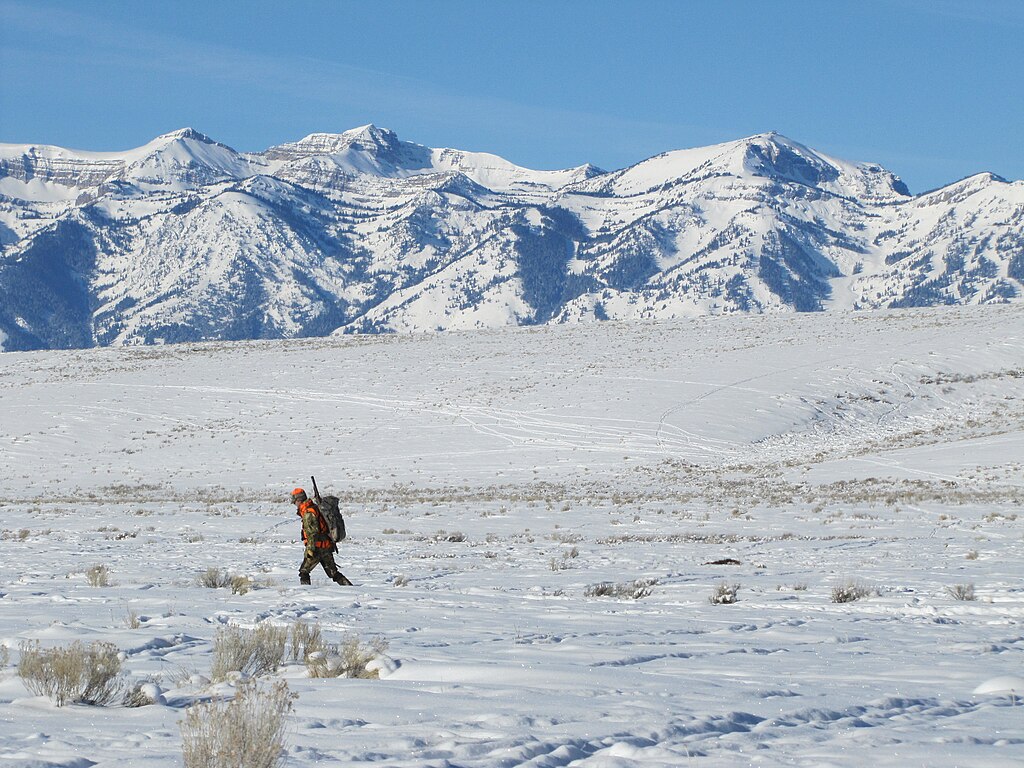
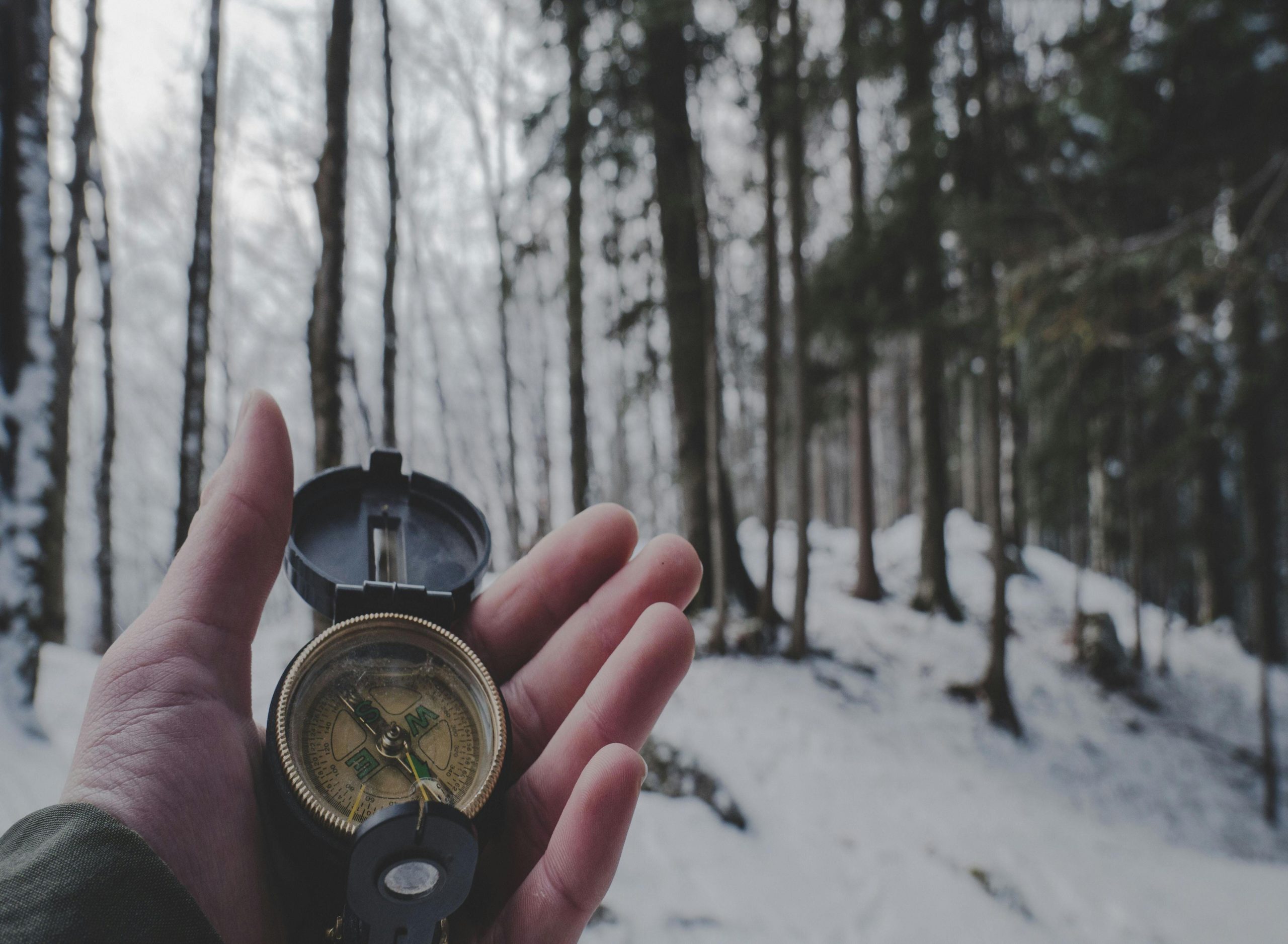
Snow-covered terrain creates new challenges that require skillful navigation even in familiar hunting areas. Landmarks disappear under deep snow, trails become obscured, and drifts form unpredictable barriers that make travel more difficult. Hunters benefit from understanding how wind exposure shapes snow distribution across hillsides, ridgelines, and valleys. Recognizing snow texture helps estimate stability, load-bearing capacity, and potential hazards such as hidden water or ice. Footprints, animal tracks, and compressed snow patterns offer clues about direction and movement, but they demand careful interpretation to avoid misreading signs. Navigating effectively in winter involves combining map awareness, compass use, and terrain observation to remain oriented despite shifting conditions.
Managing Body Heat and Layering
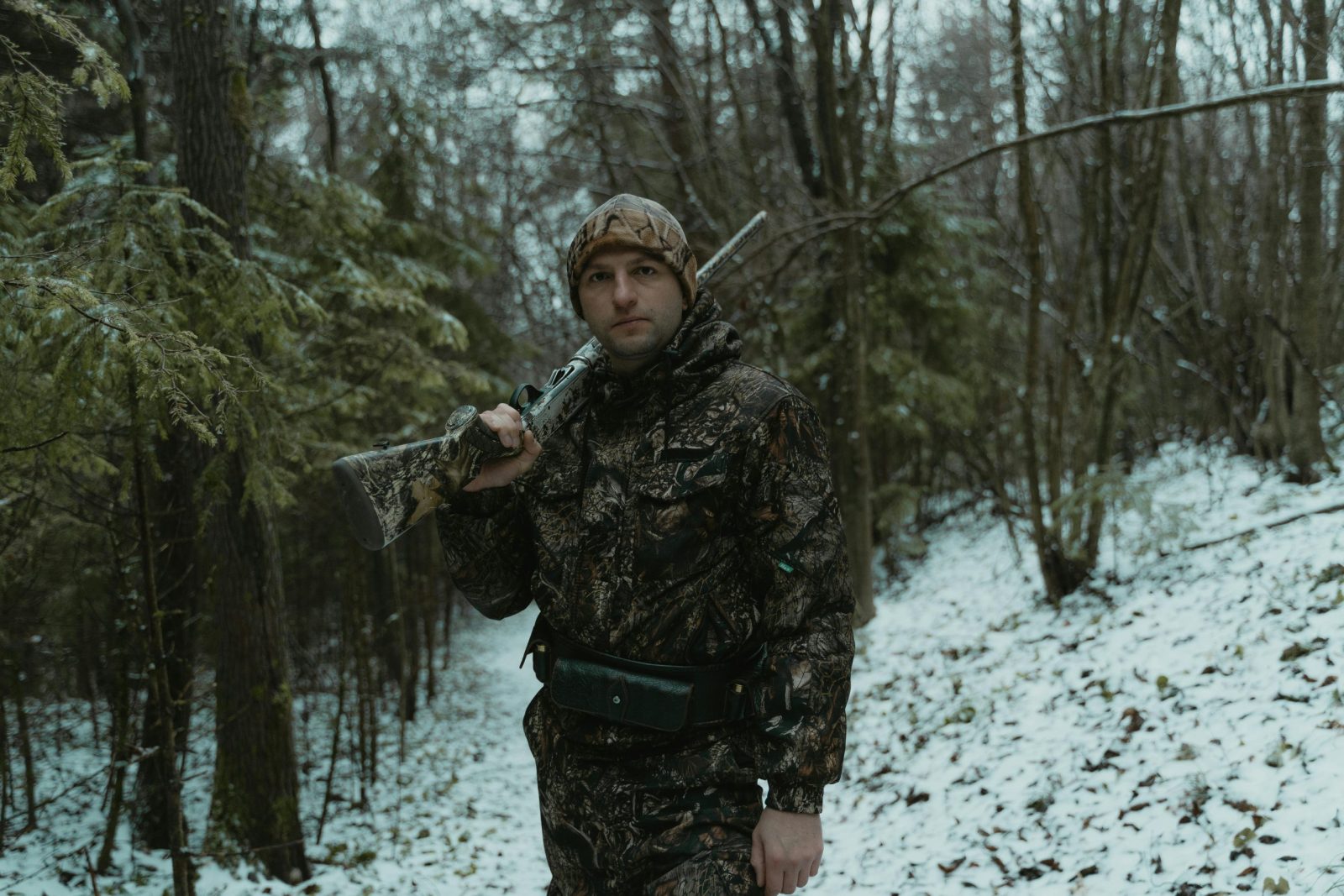
Managing body heat becomes a critical skill when temperatures drop and exertion fluctuates throughout the day. Layering clothing properly helps maintain warmth during rest periods while preventing overheating during climbs or long hikes. Moisture control remains essential, as sweat trapped near the skin cools rapidly once activity slows. Choosing materials that wick moisture, hold insulation, and block wind provides comfort and stability across unpredictable conditions. Removing or adding layers strategically helps hunters stay dry and responsive to weather changes. Mastering the balance between effort and insulation reduces fatigue and supports long-term endurance during winter hunts where comfort plays a major role in performance.
Tracking Animals in Snow

Tracking animals in snow offers valuable clues about recent movement, feeding patterns, and behavior. Fresh tracks reveal direction, gait, and pace, while older tracks provide insights into how long animals have been away from an area. Hunters learn to recognize differences in snow compression, sharpness of edges, and depth, which help determine how recently tracks were made. Snow also preserves patterns from dragging hooves, tail marks, or signs of feeding. Wind and sunlight can alter prints quickly, requiring careful interpretation to avoid misjudgment. Studying these details allows hunters to follow trails confidently and adapt strategies based on real-time information left naturally across snowy landscapes.
Using Snowshoes Safely
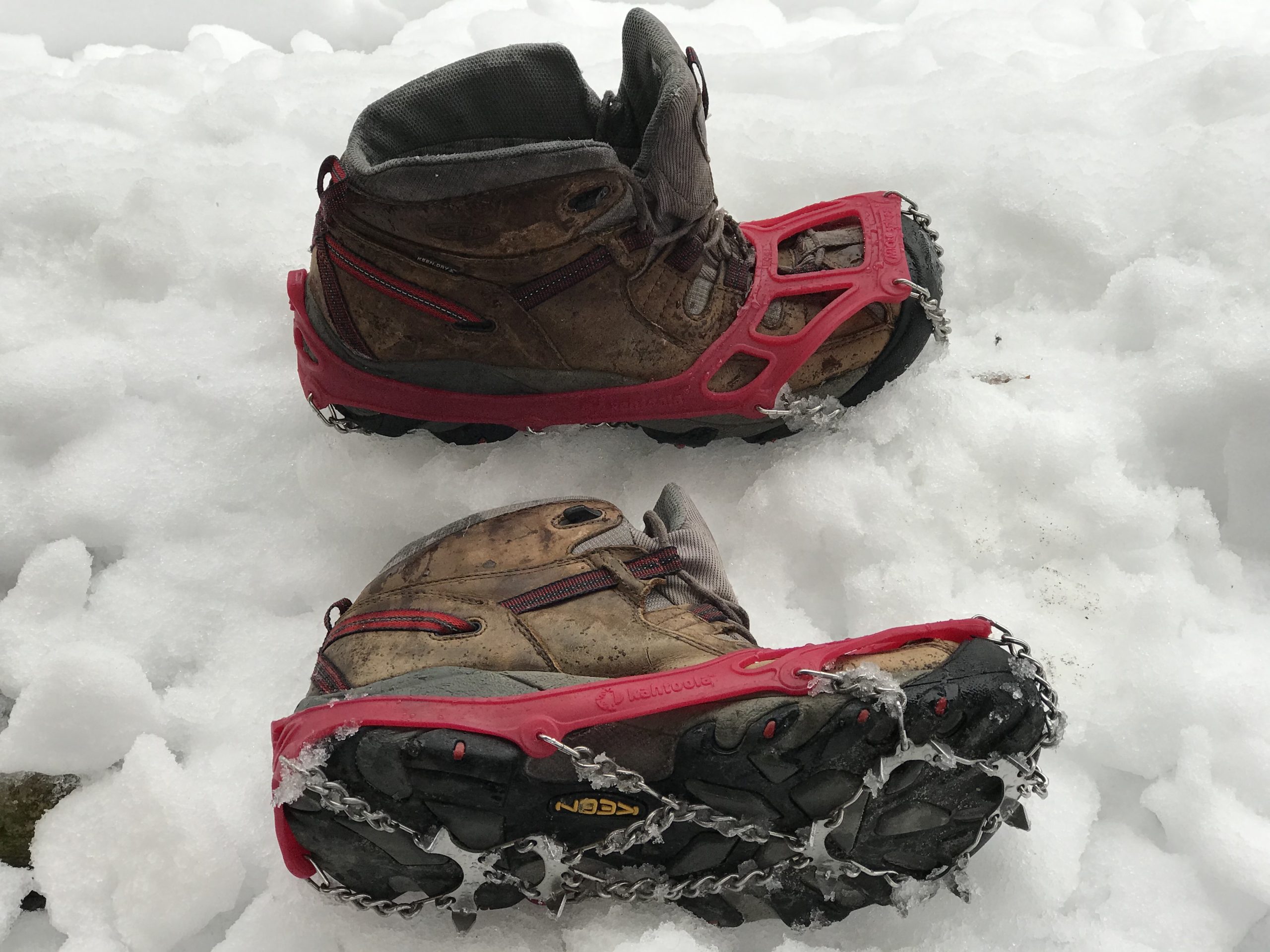
Snowshoes allow hunters to travel efficiently across deep snow, yet using them safely requires practice, awareness, and balance. Learning proper stride length helps prevent fatigue and reduces the risk of tripping on uneven surfaces. Snowshoes perform differently on crust, powder, and compacted trails, making terrain assessment essential before committing to long distances. Uphill climbs demand thoughtful foot placement to maintain traction, while downhill movement requires controlled steps to avoid sliding. Understanding how to adjust bindings and use poles effectively supports safe and steady progress. Snowshoeing expands access to remote winter areas, but confidence grows only through experience and attention to the conditions beneath each step.
Building Emergency Shelters
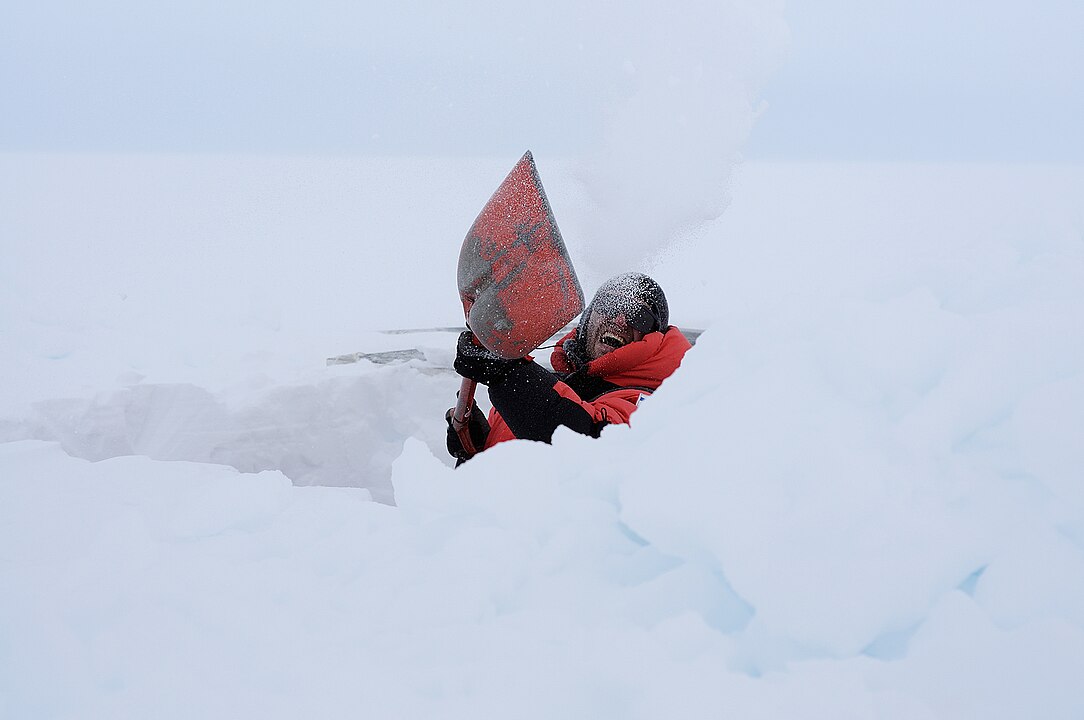
Emergency shelter building becomes an important skill when the weather shifts unexpectedly or daylight runs short. Knowing how to create a windbreak, snow trench, or improvised lean-to helps protect against cold exposure during unforeseen delays. Snow provides excellent insulation when shaped correctly, and understanding how to use it safely prevents collapse or moisture buildup. Selecting the right location away from avalanche terrain or falling branches ensures additional safety. Quick shelter construction can reduce heat loss and buy time for reassessment or rescue. These skills highlight the importance of preparedness during winter hunts, where conditions can deteriorate faster than expected.
Preventing Frostbite and Hypothermia
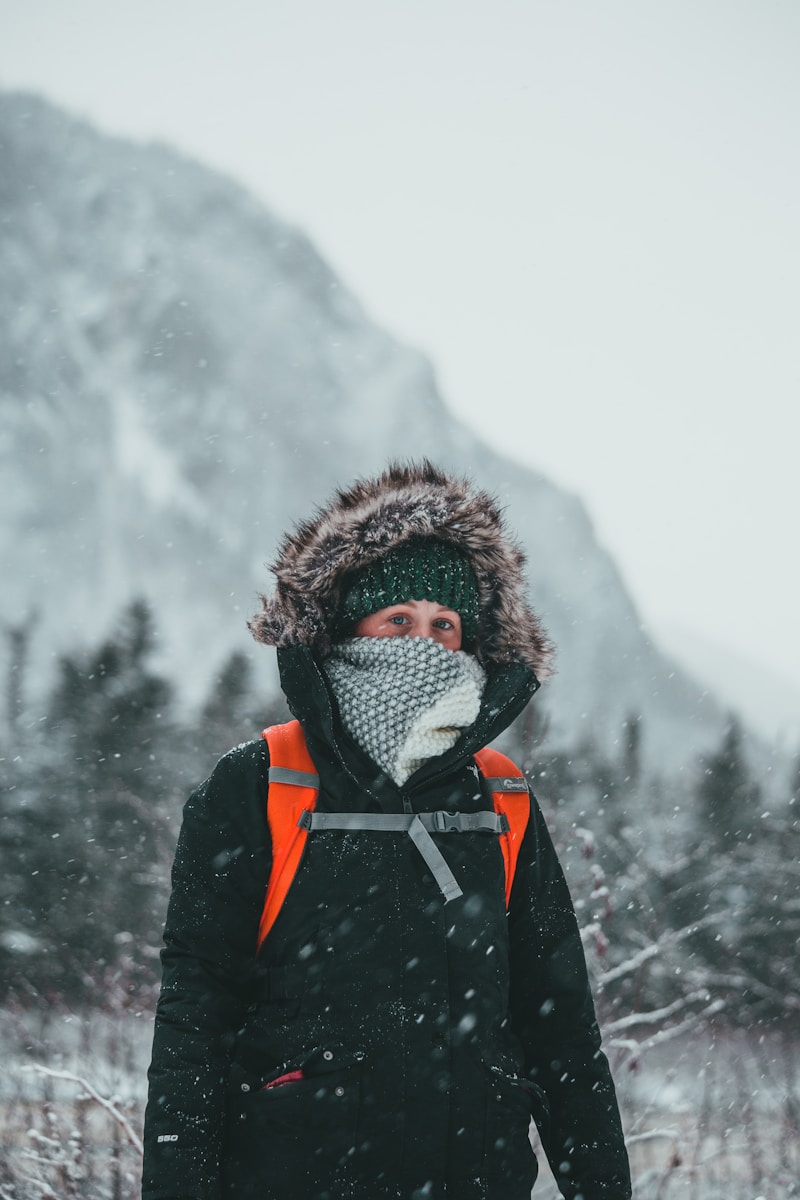
Preventing frostbite and hypothermia involves understanding how cold affects the body and recognizing early warning signs. Frostbite typically begins in exposed areas such as fingers, toes, ears, and cheeks, and early detection helps prevent long-term damage. Hypothermia progresses slowly as body temperature drops, often beginning with shivering and poor coordination. Maintaining dryness, monitoring wind exposure, and managing exertion all help reduce risk. Hunters who respond quickly to symptoms by warming affected areas or adjusting clothing can stabilize their condition before it worsens. Awareness and prevention remain critical because cold-related injuries can develop quietly during demanding winter conditions.
Handling Fire-Starting Materials in Cold Weather
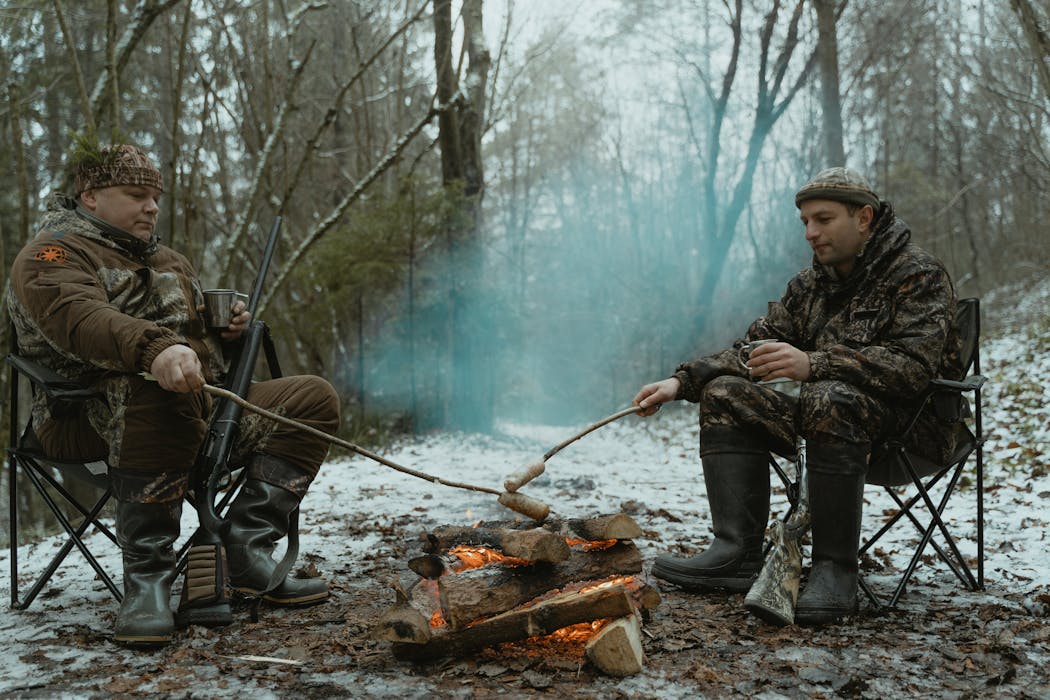
Fire-starting becomes more challenging in winter when moisture affects tinder, wind limits flame control, and cold temperatures reduce the efficiency of lighters or fuel. Experienced hunters learn to prepare dry tinder in advance and store fire-starting materials where they remain protected from freezing. Understanding how to build a stable base prevents flames from sinking into snow, while knowledge of wind patterns supports safe ignition. Fire provides essential warmth, cooking capability, and signaling potential during emergencies. Reliable fire-starting skills ensure hunters can create heat even when environmental conditions work against traditional methods.
Choosing the Right Winter Footwear
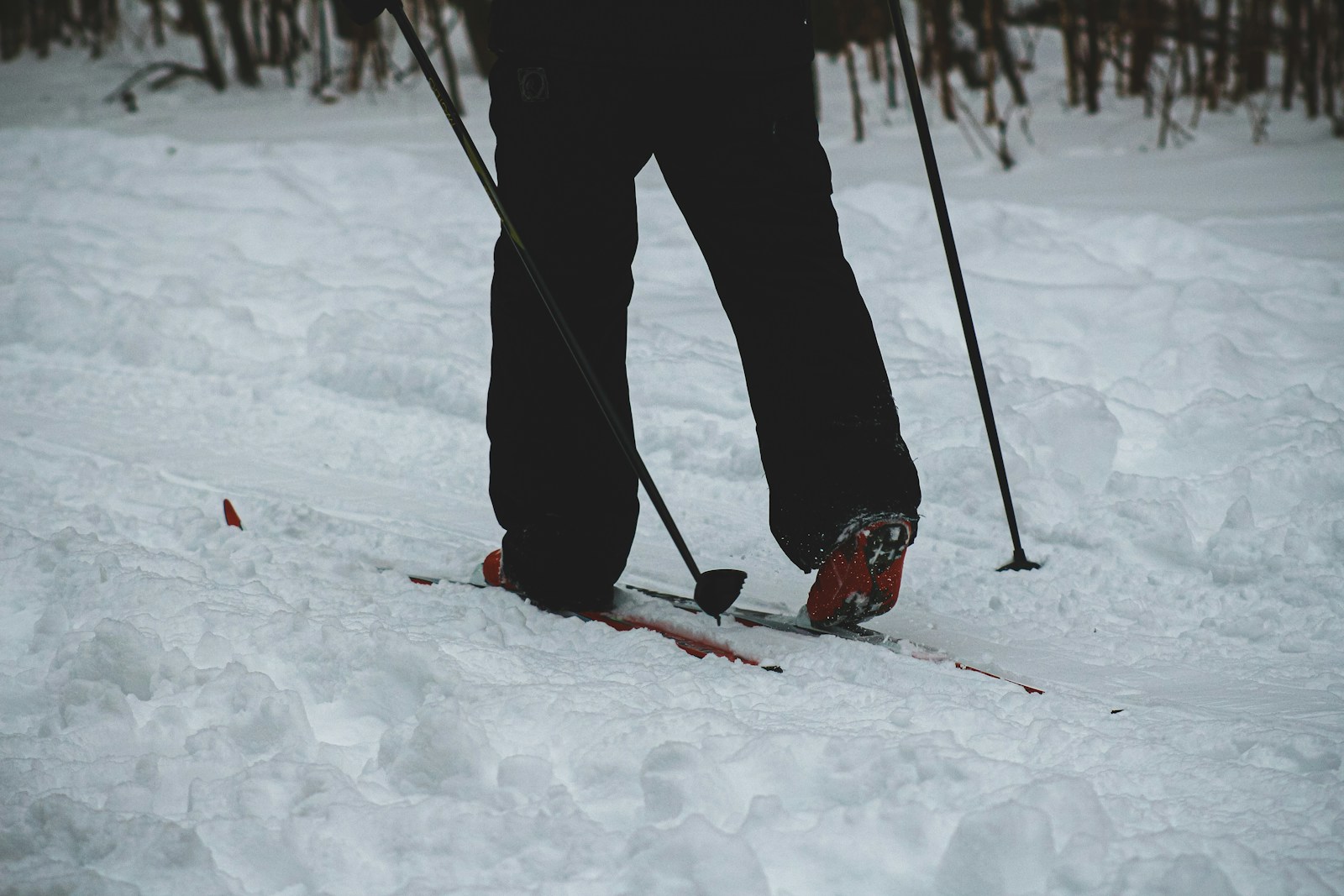
Choosing proper winter footwear helps protect against frostbite, reduced circulation, and fatigue during long walks across frozen terrain. Insulated boots with moisture-wicking liners maintain warmth while allowing sweat to escape, reducing chill during rest periods. Tread design influences grip on ice, packed snow, or mixed surfaces, making sole selection an important factor. Fit affects circulation, comfort, and stability during elevation changes or extended distances. Understanding how socks, gaiters, and boot materials interact supports better performance throughout the day. Winter hunting demands footwear capable of withstanding prolonged exposure while keeping feet dry, stable, and warm.
Maintaining Equipment in Freezing Temperatures
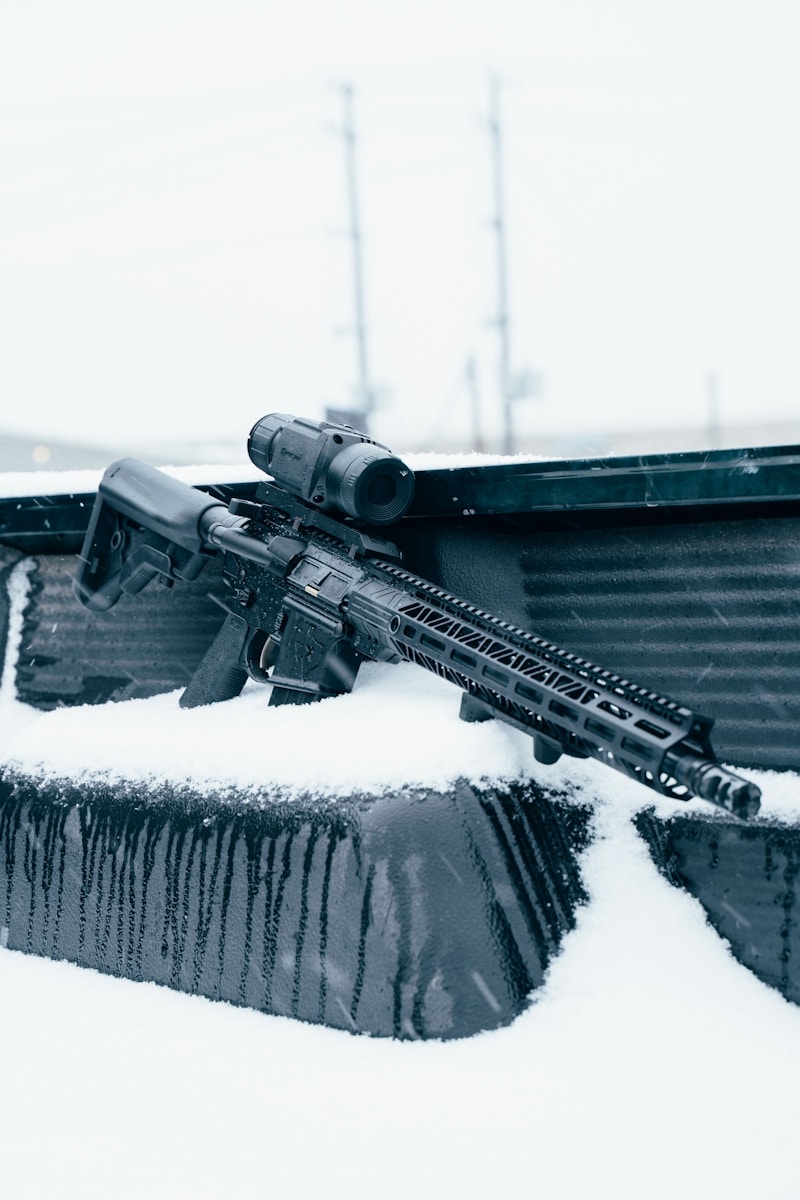
Winter conditions challenge equipment reliability, especially when lubricants stiffen, batteries weaken, and materials become brittle. Firearms may cycle slowly, optics can fog or freeze, and straps or buckles lose flexibility. Learning how to store gear inside layers, protect sensitive components, and minimize moisture exposure helps maintain performance in harsh environments. Preventive care, such as adjusting lubrication or carrying spare batteries, becomes essential when temperatures fall sharply. Hunters who maintain gear properly reduce the risk of failures that could compromise safety or opportunities during demanding winter outings.
Understanding Winter Animal Behavior
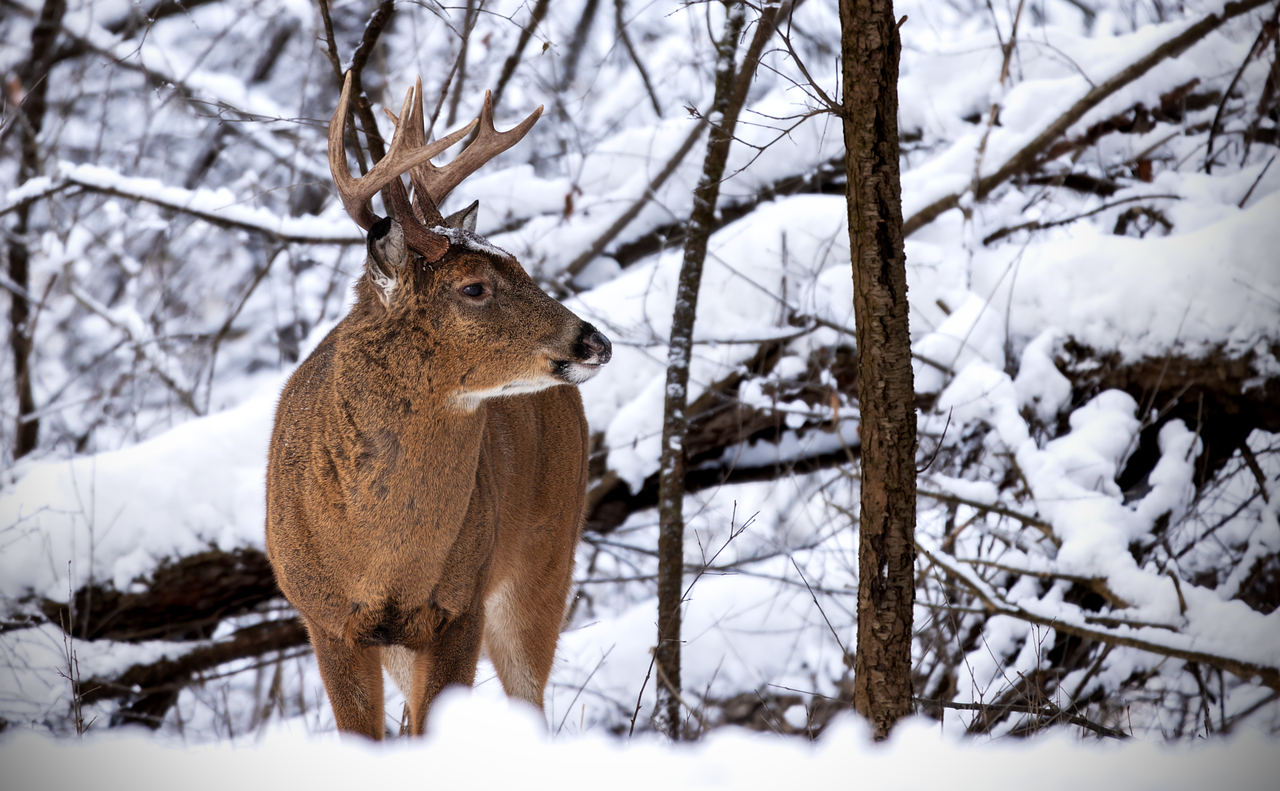
Winter transforms how animals move, feed, and conserve energy, making behavior patterns essential knowledge for hunters seeking responsible harvests. Some species travel shorter distances to conserve calories, while others shift feeding times or relocate to sheltered terrain. Snow depth, wind direction, and temperature influence daily travel routes as animals prioritize warmth and safety. Recognizing these behavior changes helps hunters interpret signs, track movement, and choose appropriate strategies. This deeper understanding strengthens the connection between hunter and landscape, encouraging ethical and informed decision-making.
Navigating with Limited Daylight
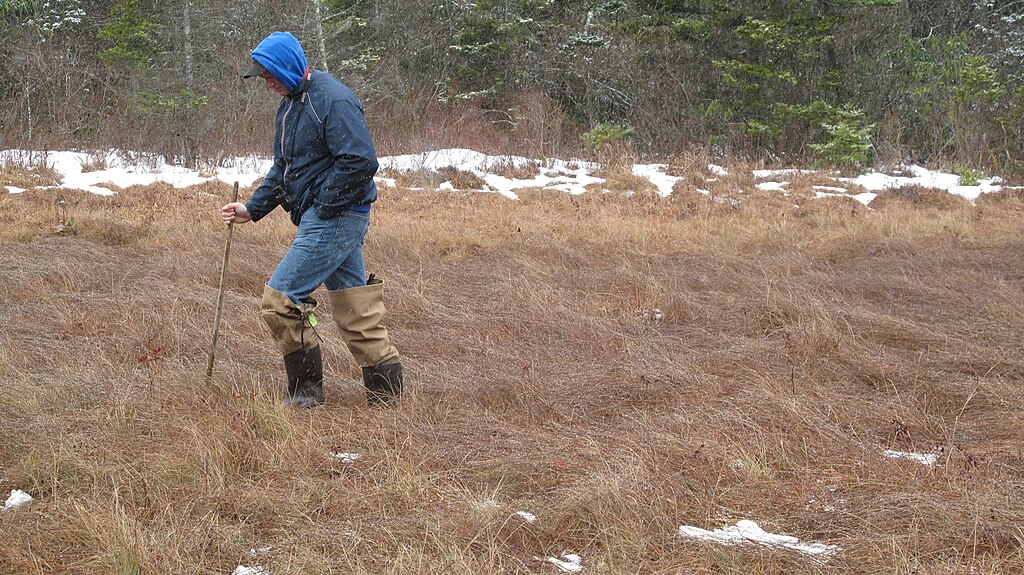
Short daylight hours require careful planning during winter hunts, as travel time, visibility, and temperature shift quickly after sunset. Hunters must estimate how long routes take under snowy conditions and ensure they can return safely before darkness falls. Reduced light affects depth perception, track clarity, and map reading, increasing reliance on headlamps or navigation tools. Preparing for early nightfall helps prevent disorientation and supports safer decision-making when the weather deteriorates. Winter landscapes demand heightened awareness of time because light fades faster and influences both safety and success.