Protecting food from animals is a constant challenge for campers, backpackers, and overlanders who travel through regions where wildlife has learned to associate human scent with easy meals. Even small mistakes like leaving wrappers in a pocket or storing snacks in a tent can attract curious creatures that may become persistent once rewarded. Effective food protection isn’t just about saving your supplies; it also reduces conflict that puts both wildlife and people at risk. By choosing smart storage methods, practicing scent control, and understanding how animals search for food, campers can prevent unwanted encounters, protect ecosystems, and maintain safer campsites throughout any trip.
1. Use Bear Canisters
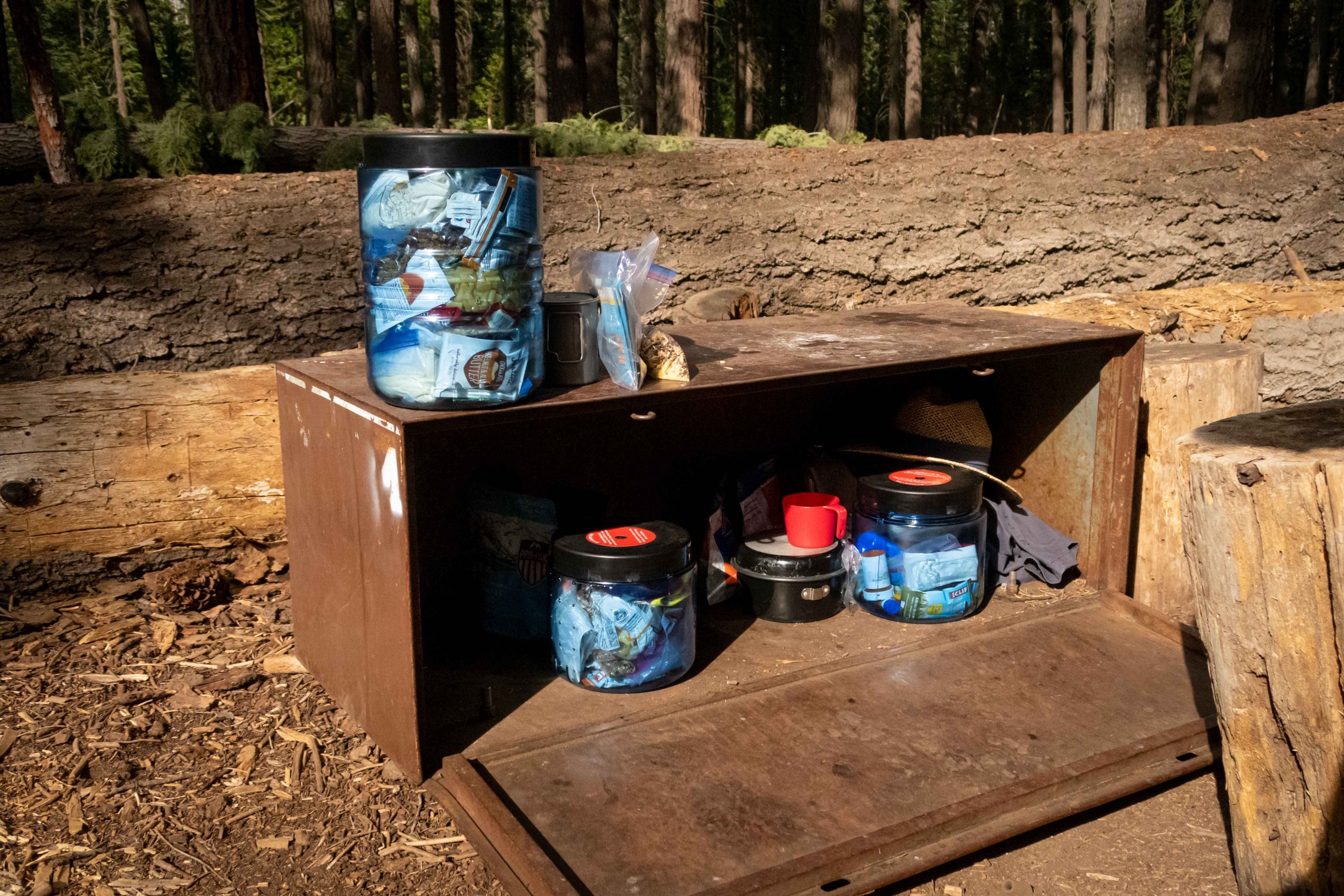
Bear canisters remain one of the most reliable tools for keeping food protected because they combine thick, rigid walls with locking mechanisms specifically engineered to resist prying claws and crushing jaws. Many national parks now require their use after years of observing how quickly bears learn to defeat soft bags or improvised containers. Canisters also reduce food odors, limiting the scent trail animals follow. While they can feel bulky in a pack, their consistent performance in regions with active bear populations makes them an essential item. Proper use includes storing them away from the tent and ensuring the lid clicks securely into place.
2. Hang Food Using a PCT Setup
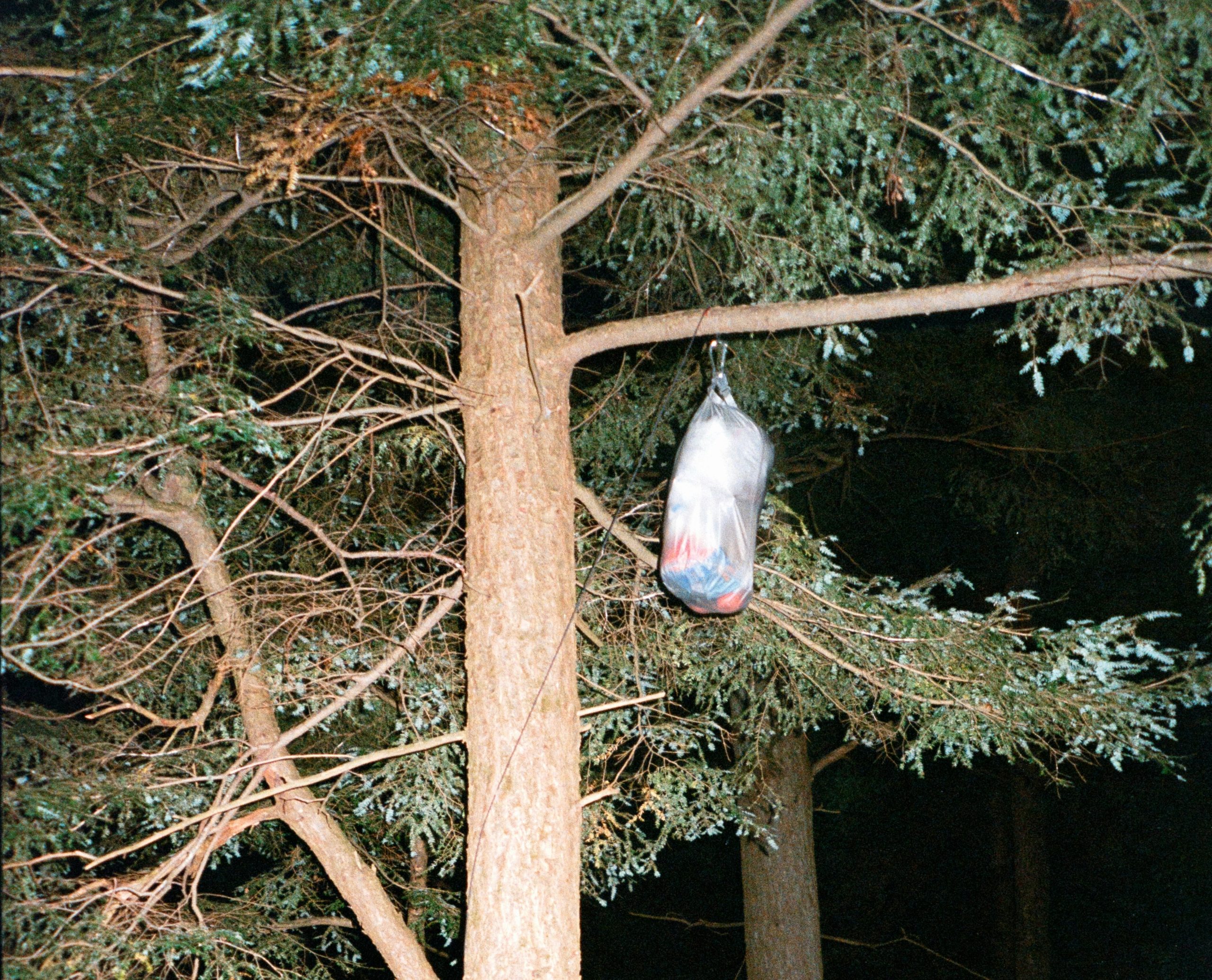
The PCT hanging method remains a go-to technique for backpackers because it lifts food high above ground level while also preventing animals from pulling it down by tugging on the loose rope. When done correctly, the bag hangs 12 to 15 feet above the forest floor and several feet from the trunk, placing it out of reach for climbing animals like raccoons or black bears. This system requires a sturdy branch and patience, especially in windy conditions, but its simplicity makes it widely effective. The key is using a durable cord, knotting properly, and placing the setup far enough from camp so animals do not wander through tents.
3. Store Food in Odor-Proof Bags
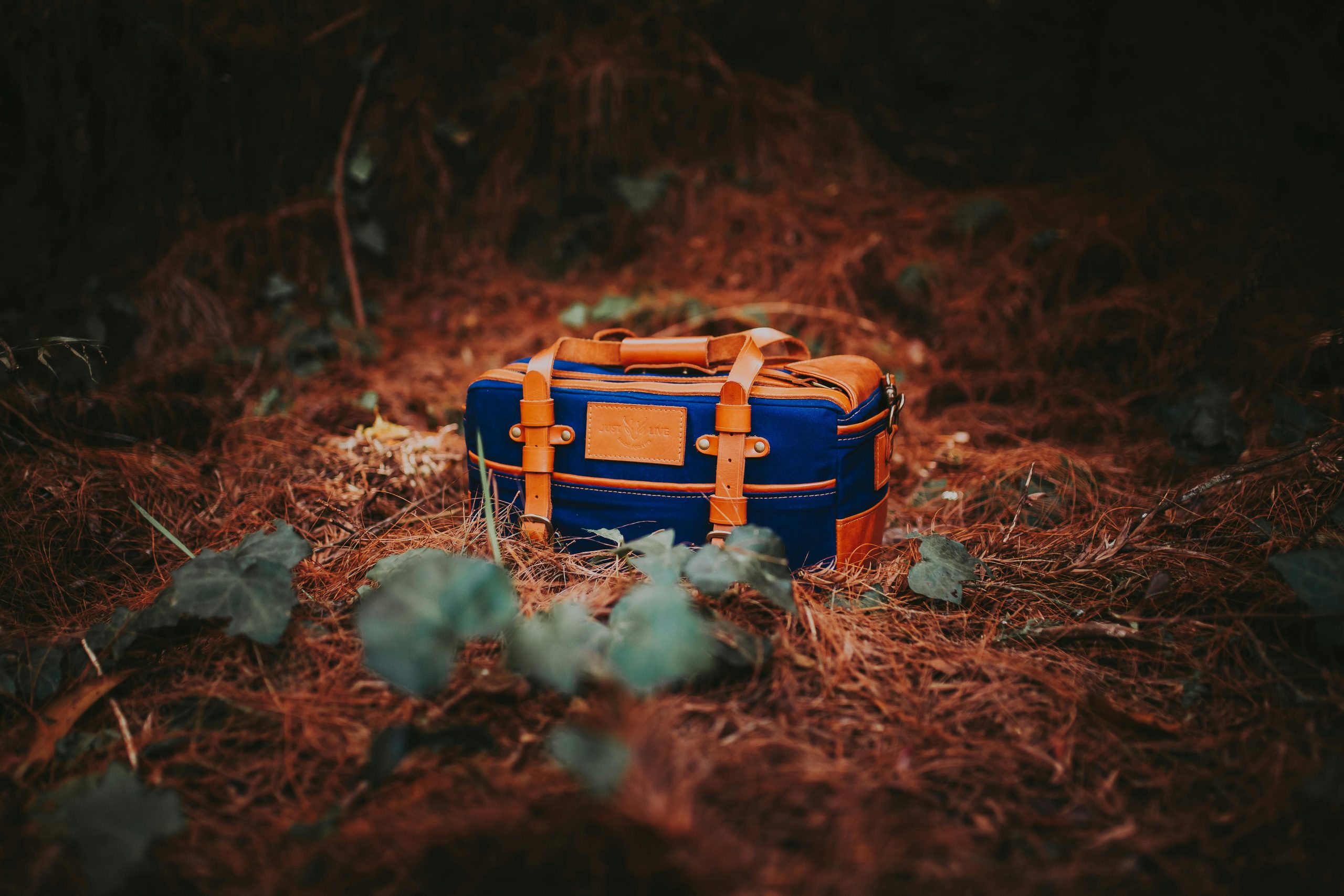
Odor-proof bags add a crucial extra layer of security by dramatically reducing the scent that leaks from packaged meals, trail snacks, and leftovers. Traditional zip bags trap odors only briefly, while specialized multilayer barrier bags prevent animals from detecting food from a distance. Though not a standalone solution in bear country, they are excellent partners to canisters or hang systems. They also help with smaller scent-driven foragers like mice, foxes, and martens, which rely heavily on smell to locate crumbs. Campers should remember to double-seal the bags, keep them clean, and replace them when the inner lining shows signs of wear or creasing.
4. Cook and Eat Away From Sleeping Areas
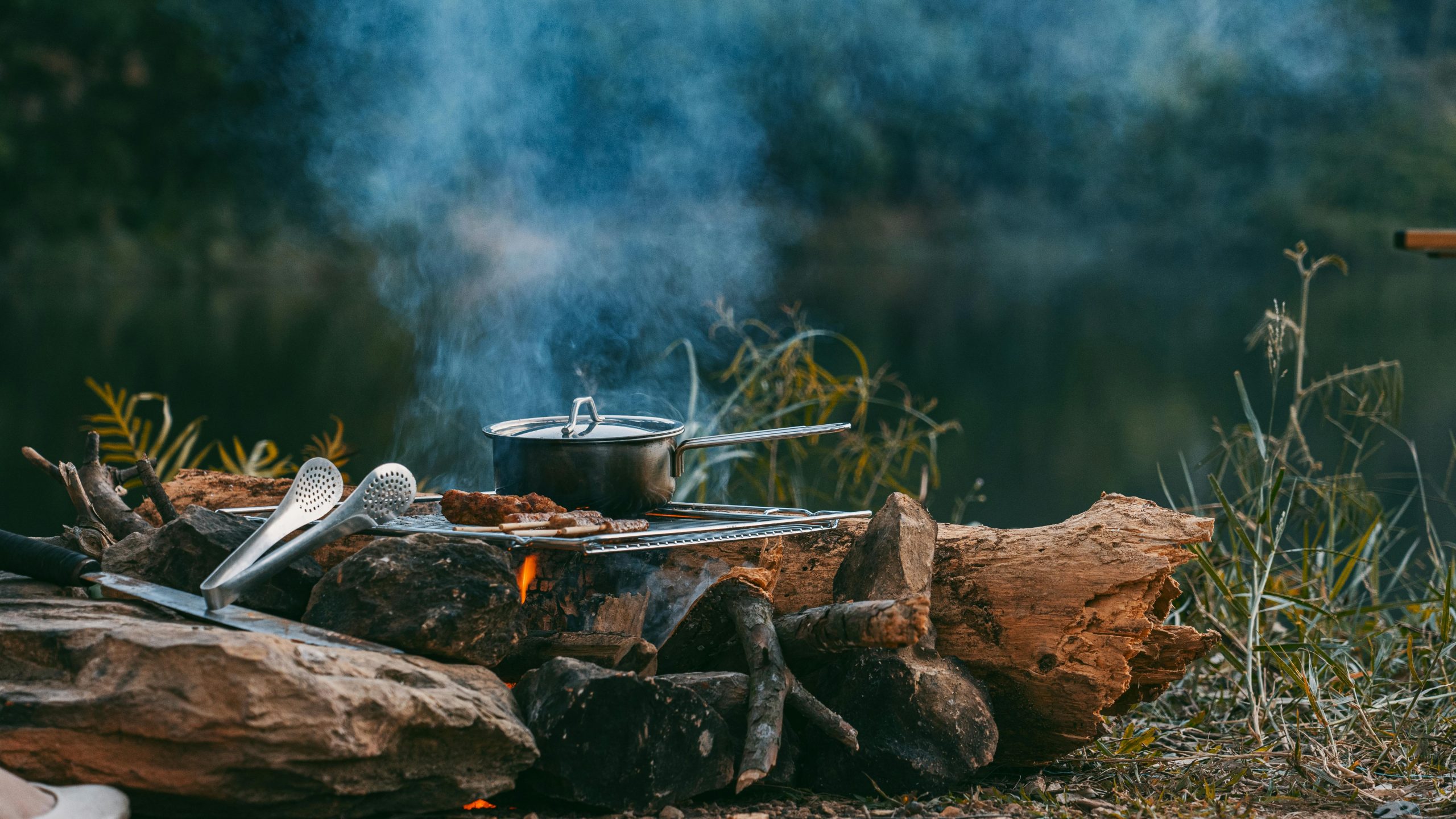
Separating cooking zones from sleeping areas is a foundational rule of backcountry travel because food odors linger long after a meal finishes, pulling animals directly toward anything carrying that scent. Even small food droplets near a tent can lead curious wildlife to investigate at night. Many outdoor experts recommend maintaining at least 100 feet between the tent, kitchen, and storage zones. This distance reduces the chance of nighttime encounters and keeps animals from associating your shelter with easy access to snacks. Additionally, disposing of cooking water and carefully cleaning utensils prevents lingering aromas that would otherwise attract scavengers to camp.
5. Use Hard-Sided Coolers With Locks
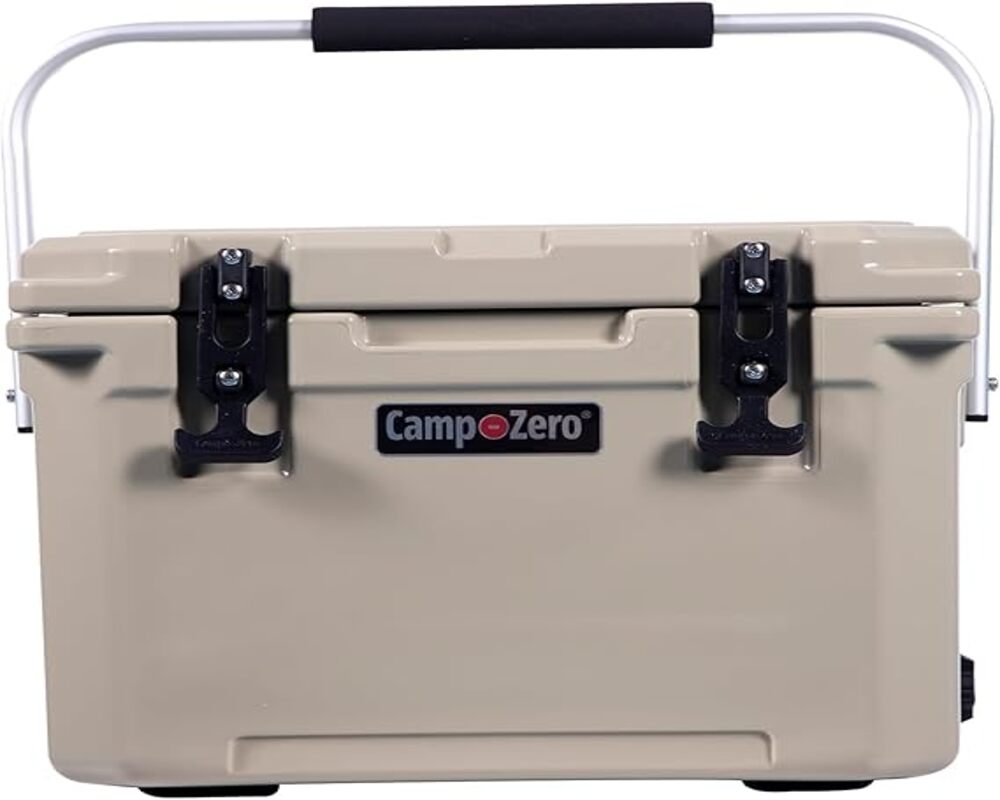
Hard-sided coolers built with reinforced lids and locking latches offer a significant upgrade over soft coolers, especially when camping near raccoons, coyotes, or bears that quickly exploit weak closures. High-quality models use thick insulation, molded hinges, and rugged handles, which help protect contents from both temperature changes and determined animals. Some coolers even meet bear-resistant certification requirements, giving extra security in high-risk zones. While heavier, these coolers serve as dependable storage when you are car camping or rafting. Keeping them in shaded spots, shutting them properly, and securing them to fixed objects prevents animals from toppling or dragging them away.
6. Keep Campsites Clean and Crumb-Free
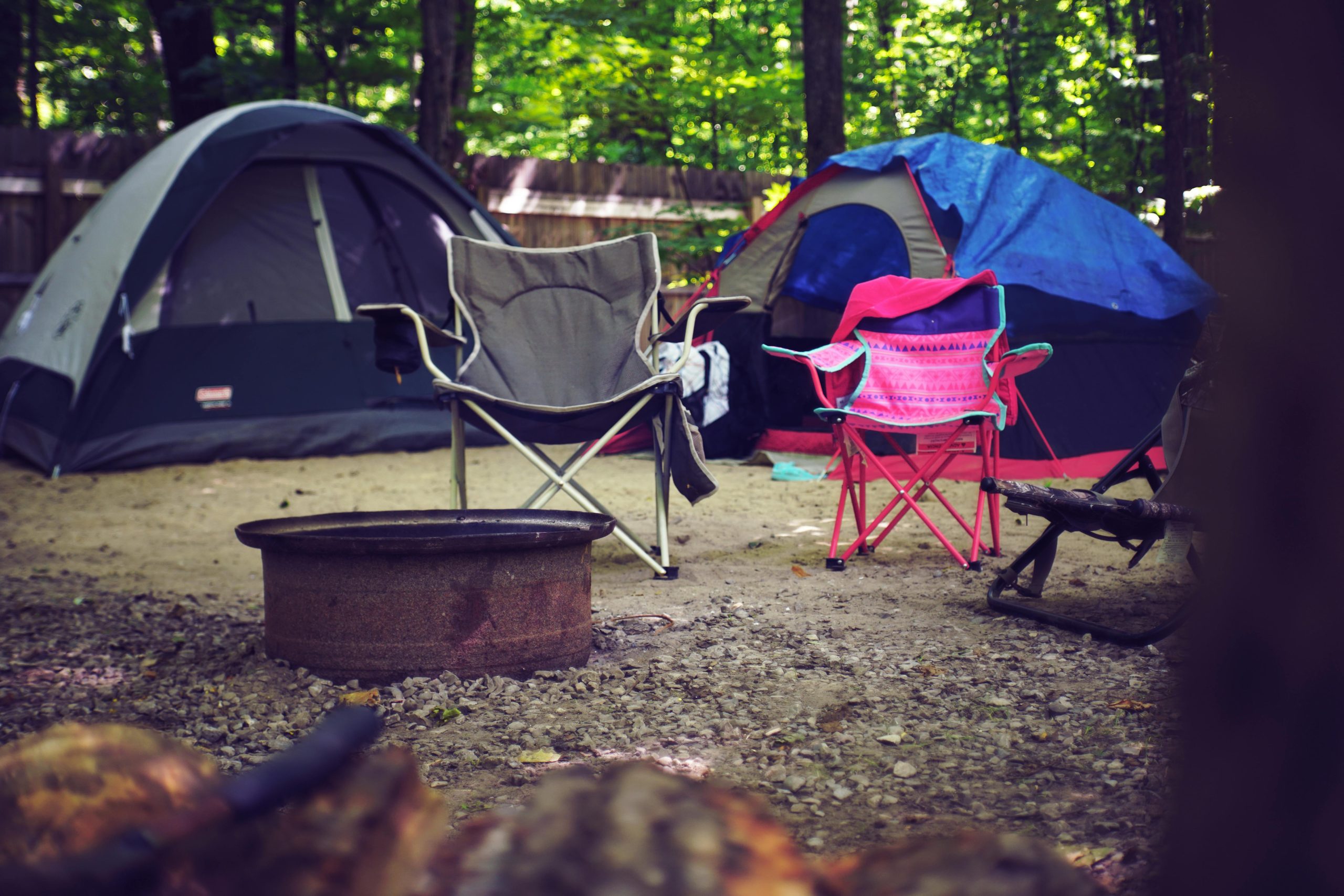
A clean campsite dramatically lowers the chance of animals becoming interested in your gear because leftover crumbs, food-soiled surfaces, and open packaging act like beacons to scent-driven wildlife. Small animals such as chipmunks and field mice often arrive first, and once they learn a site produces easy rewards, larger animals soon follow. Campers should wipe surfaces after cooking, seal trash immediately, and avoid leaving dishes unwashed. Even micro-scraps dropped during snack breaks accumulate over time. Treating your campsite like a kitchen and maintaining strict cleanliness creates a neutral scent footprint that discourages wildlife from approaching and exploring your camp.
7. Use a Bear Hang Pole or Designated Storage
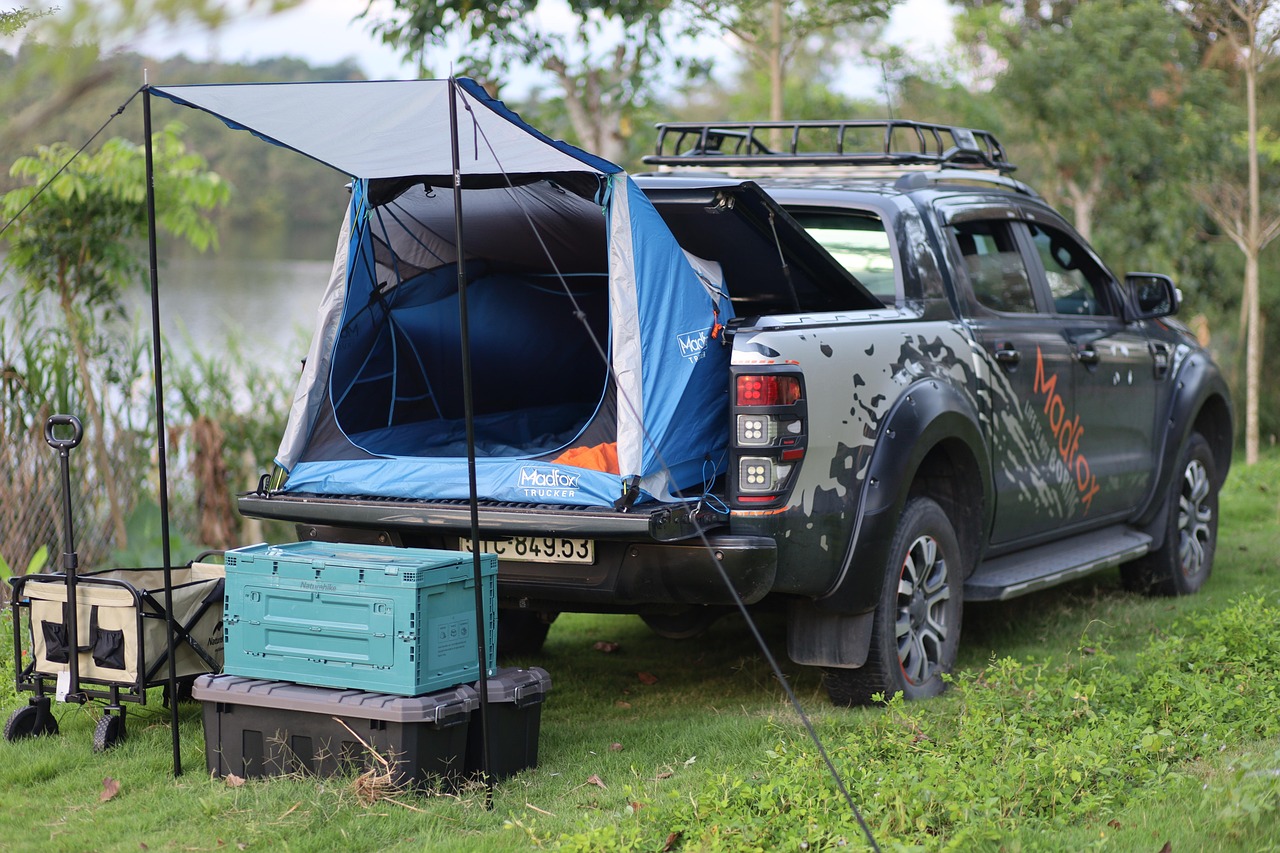
Many campgrounds and wilderness areas provide communal bear poles, wire cables, or steel lockers to keep food secured in a consistent, monitored way. Using these facilities reduces the risk of attracting wildlife to individual campsites and simplifies storage for groups unfamiliar with advanced hanging techniques. Poles elevate bags out of reach, while lockers use heavy-gauge metal and secure latches to prevent tampering. Although this requires walking back and forth from camp, the added safety is worth the effort. These systems also help teach repeat visitors proper food-handling habits, which reduces conflicts and keeps campsite wildlife behavior more predictable over time.
8. Never Store Food Inside Your Tent
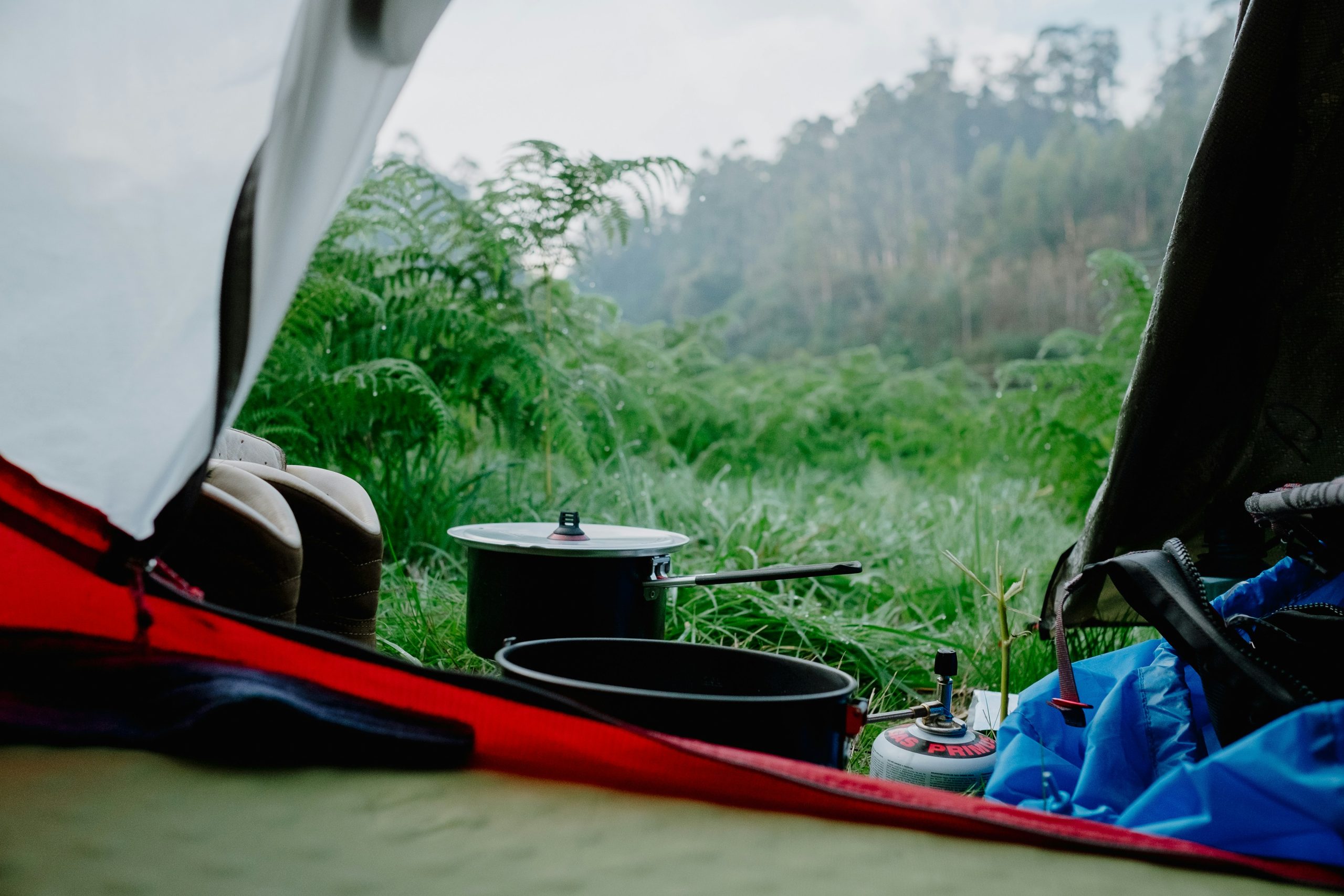
Storing snacks, candy wrappers, or toiletries inside your tent sends a strong signal to animals that your shelter contains desirable scents. A single curious raccoon or fox may start scavenging, and in bear country, the consequences can become dangerous. Even if you feel safer keeping items close, tents provide no meaningful barrier against determined animals that can claw through fabric in seconds. Instead, keep everything with a scent, such as food, toothpaste, sunscreen, and flavored drinks, packed securely in a canister or hung properly. Maintaining a scent-free sleeping area not only protects campers but also prevents wildlife from becoming habituated to tents.
9. Use Animal-Resistant Trash Bags
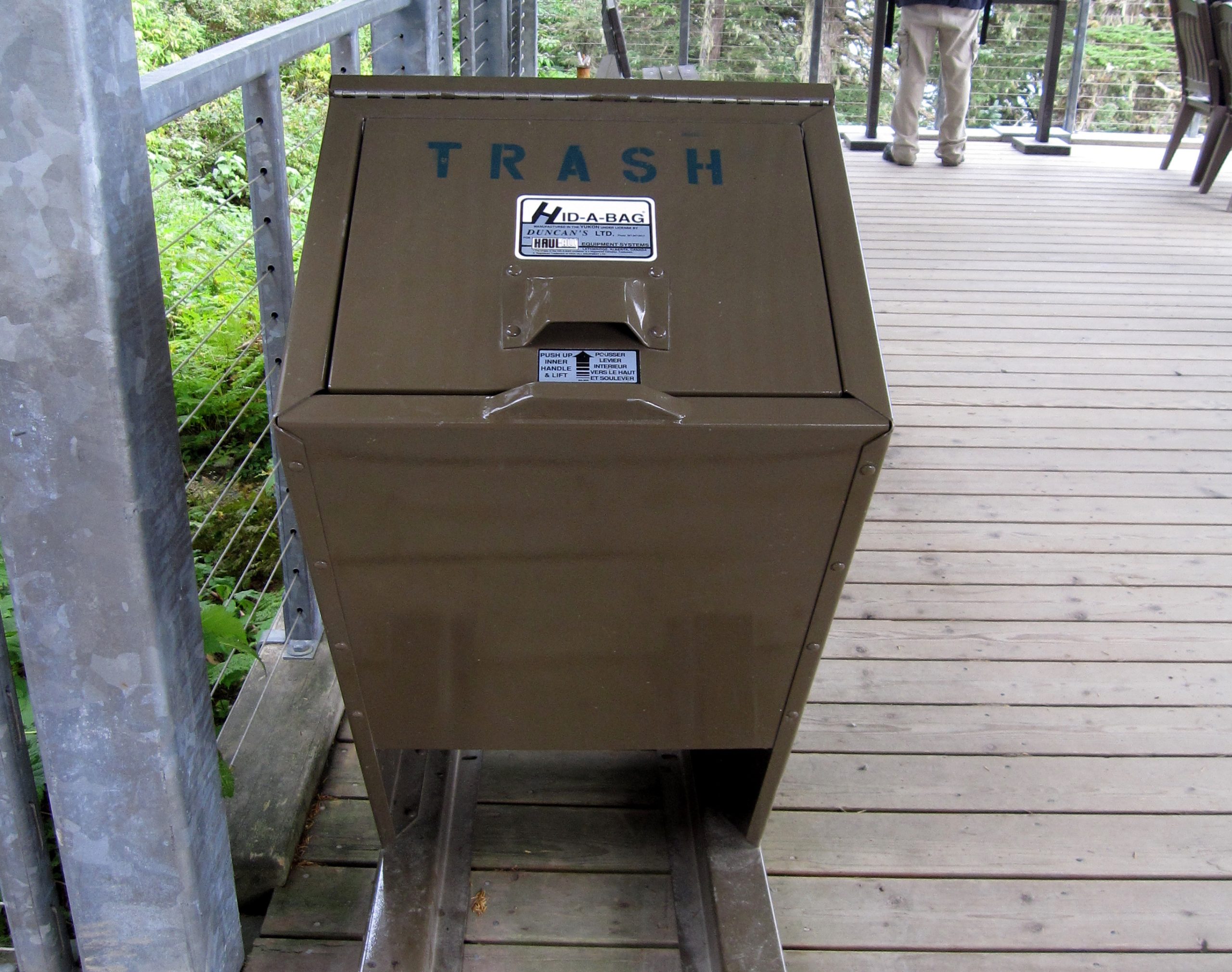
Specialized animal-resistant trash bags use thicker materials and tear-resistant fabric layers to prevent animals from ripping into leftover packaging, food scraps, and kitchen waste. Unlike standard plastic bags, these bags withstand clawing, punctures, and dragging attempts from raccoons, coyotes, and even larger scavengers. Though not a replacement for a bear canister, they offer reliable protection for storing waste between campsite visits or during long overland trips. Using these bags also minimizes the accidental spread of litter, which animals often drag across campsites once they breach normal trash bags. Always tie them properly and place them far from sleeping areas.
10. Clean Cooking Gear Immediately After Use
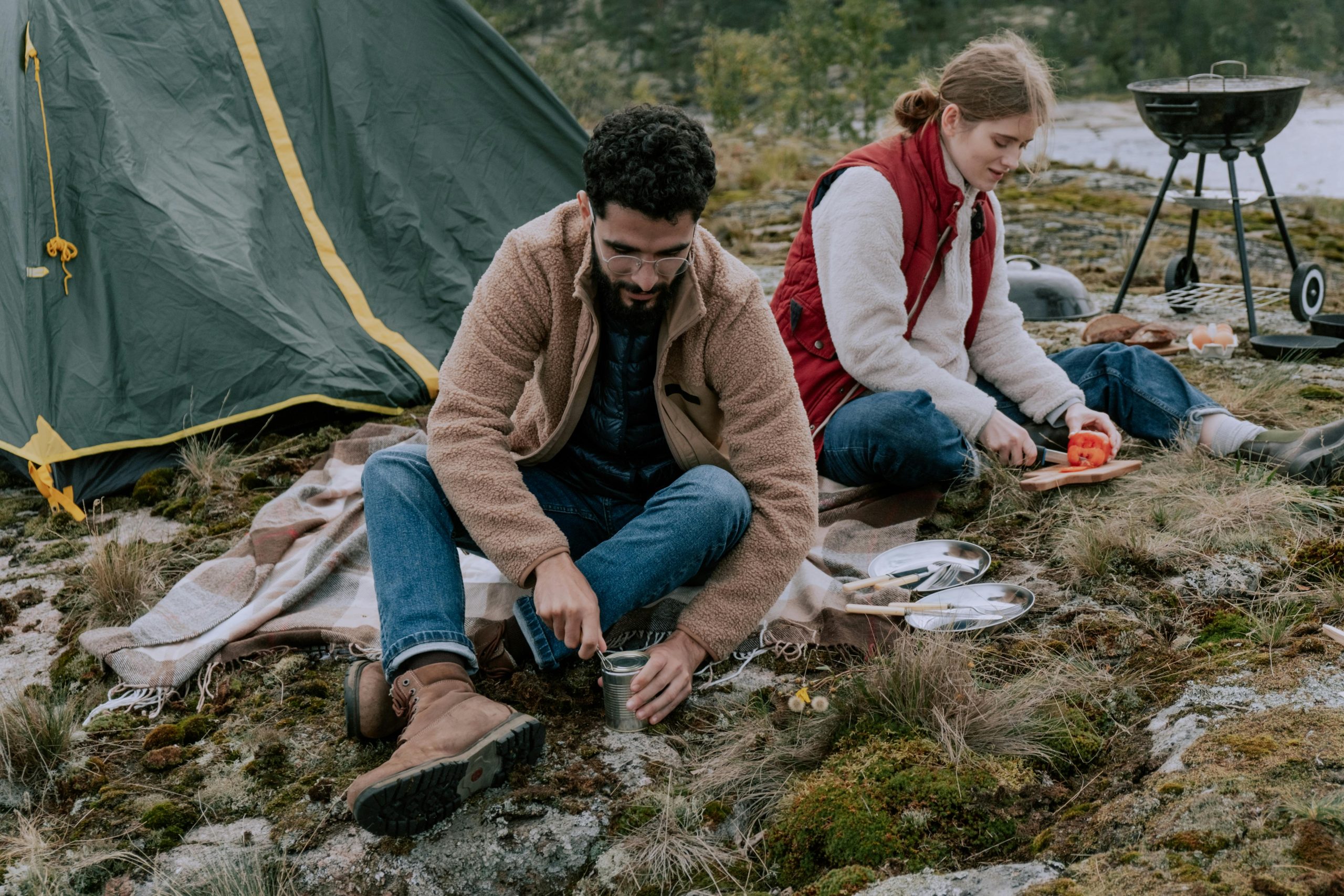
Dirty cookware attracts animals almost as effectively as exposed food, because residual grease, broth, or sauce can carry strong scents long after meals are finished. Washing pots and utensils immediately ensures those aromas don’t linger near tents or backpacks where wildlife might investigate. Even wiping pans with a paper towel before washing helps reduce scent trails. Many campers bring collapsible wash basins and biodegradable soap to make cleanup easier. Once finished, wastewater should be dispersed away from camp in a wide pattern rather than poured in a single puddle. Keeping cooking gear spotless is simple but highly effective protection.
11. Use Motion-Detecting Lights or Alarms
Motion-detecting lights and compact campsite alarms serve as deterrents by startling animals before they approach stored food. The sudden flash or noise disrupts their natural curiosity and often causes them to back away before reaching coolers or containers. While these devices won’t stop determined wildlife in high-pressure regions, they remain effective for deterring raccoons, foxes, skunks, and other small scavengers common around campgrounds. Battery-powered models are easy to pack and can be positioned near food storage or perimeter zones. When combined with solid storage practices, these alerts add a helpful layer of protection during nighttime hours.
12. Pack Out Everything With a Scent

Packing out scented items ensures nothing left behind continues attracting animals long after campers leave. Items like lip balm, energy-bar wrappers, gum, sunscreen, or even wet wipes all carry traces of sweetness or oils that wildlife can detect from considerable distances. By sealing these items inside odor-proof bags and removing them from the site entirely, campers prevent animals from scavenging abandoned scents and becoming habituated to human presence. This practice also helps maintain cleaner, more natural campsites for future visitors. Treating every scented object as potential wildlife bait encourages a disciplined, respectful approach to outdoor stewardship.