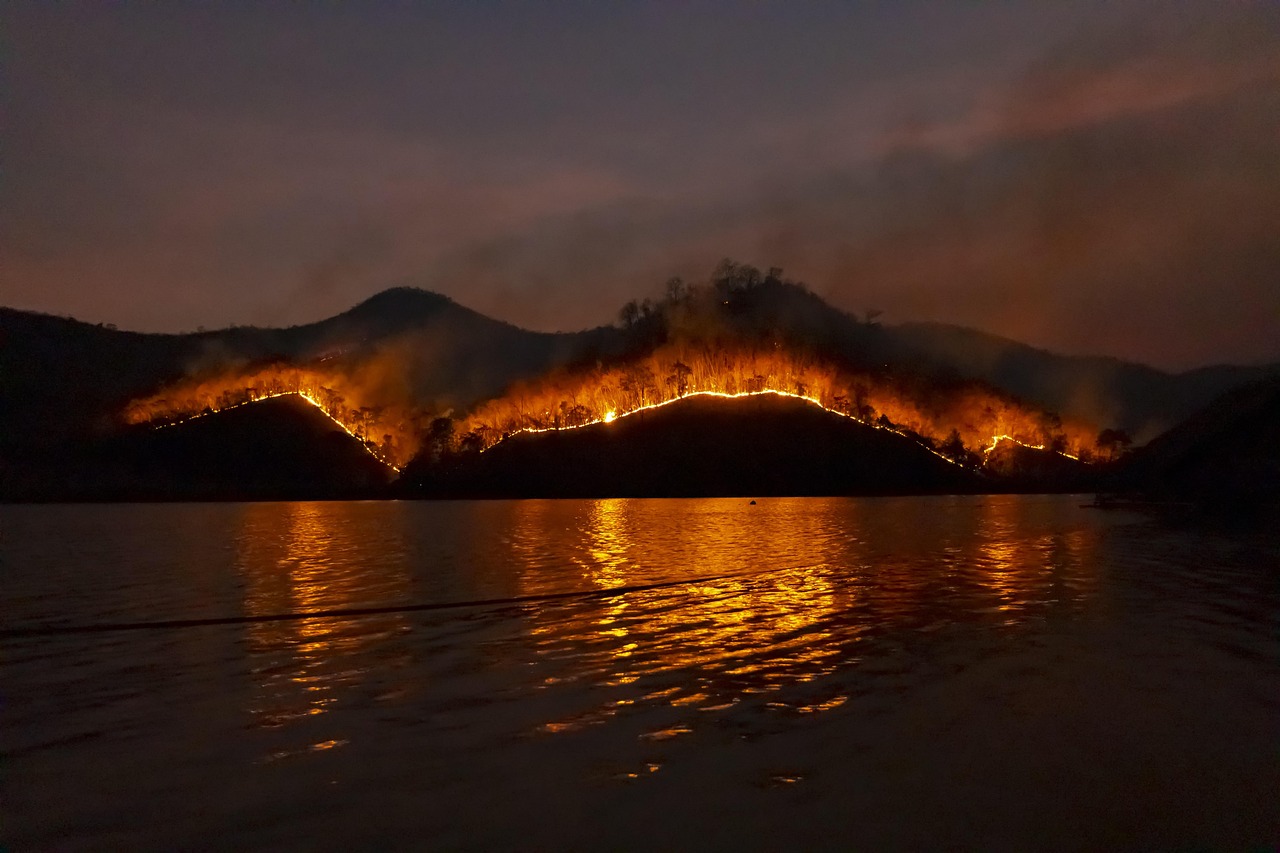
Dry lightning appears in regions where thunderstorms form high in the atmosphere and release electrical strikes without meaningful rainfall, creating conditions that allow fires to ignite rapidly in dry vegetation. These storms move quickly and often develop with little warning, leaving landscapes vulnerable during the hottest parts of the year. States with long dry seasons or wide stretches of open terrain see these events repeatedly. With each summer, the same combination of heat, instability, and wind leads to patterns that shape how wildfires begin and spread across familiar ground.
California
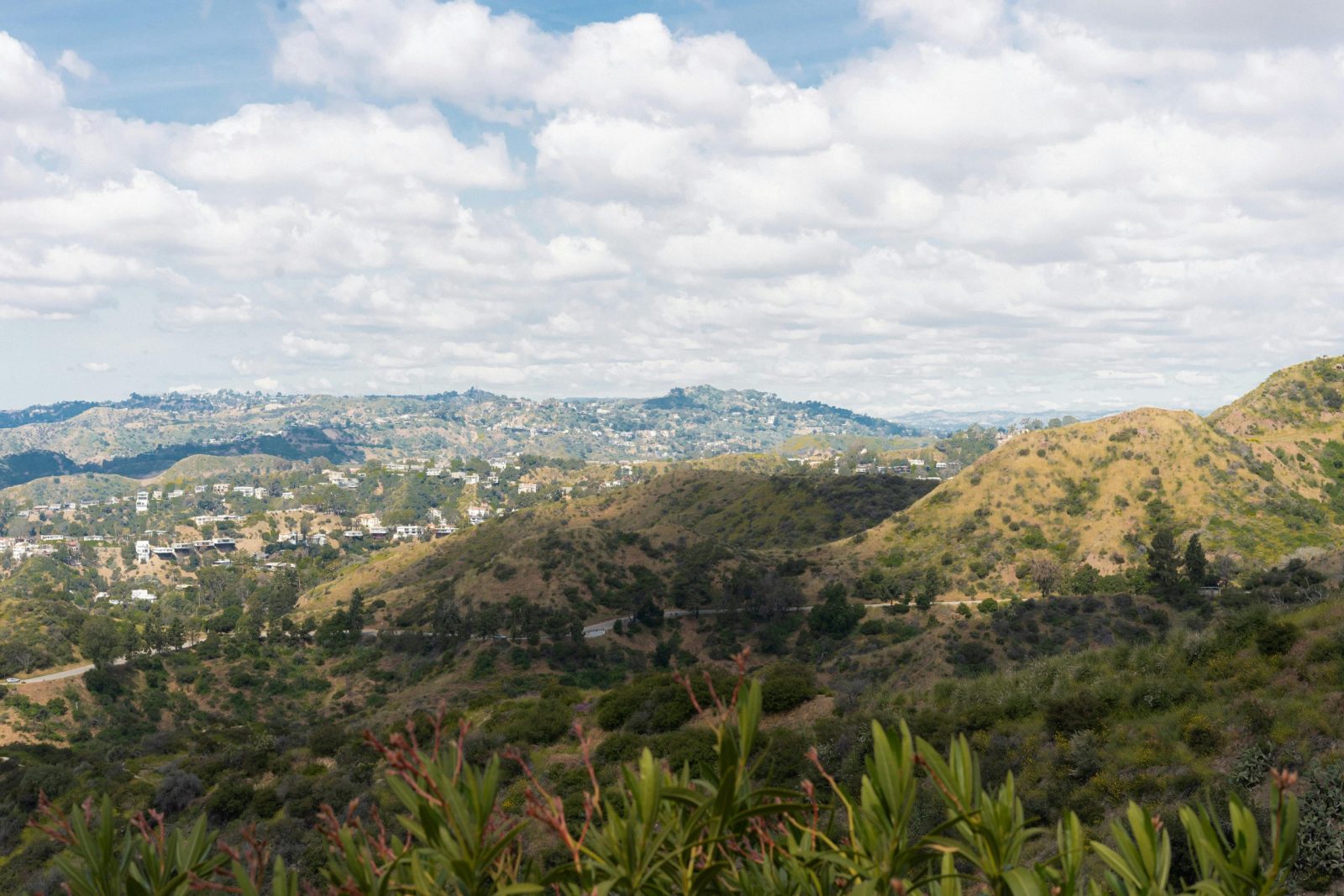
California faces annual dry lightning episodes when inland heat rises sharply and meets unstable air drifting in from the Pacific. Storms develop above foothills, plateaus, and desert basins, producing lightning that reaches the ground long before any moisture can fall. Dry grasses and dense brush respond instantly to these sparks, turning minor flashes into potential ignition points. Winds often carry storm cells across long distances, creating scattered strike zones that challenge early response efforts.
Nevada
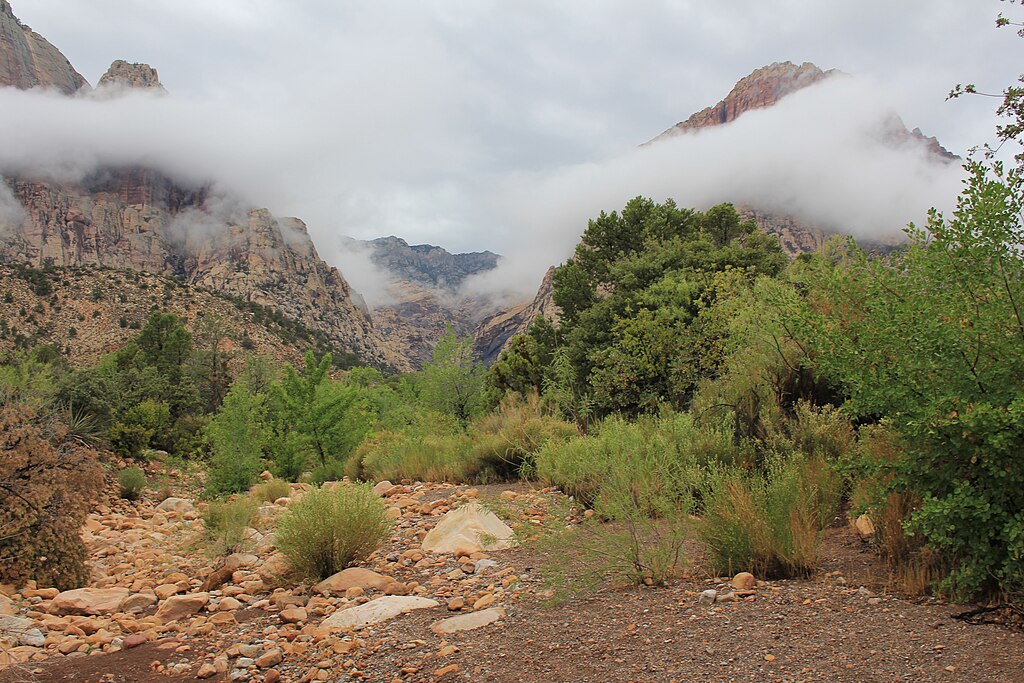
Nevada’s broad valleys and mountain basins heat quickly, creating an atmosphere where rainfall evaporates before reaching the ground. Thunderstorms produce lightning that falls into dry sagebrush, cheatgrass, and other highly flammable vegetation. Because storms move rapidly across open spaces, numerous small fires may ignite within a single afternoon. These patterns persist each summer, shaped by the state’s dry air and expansive desert environments.
Arizona
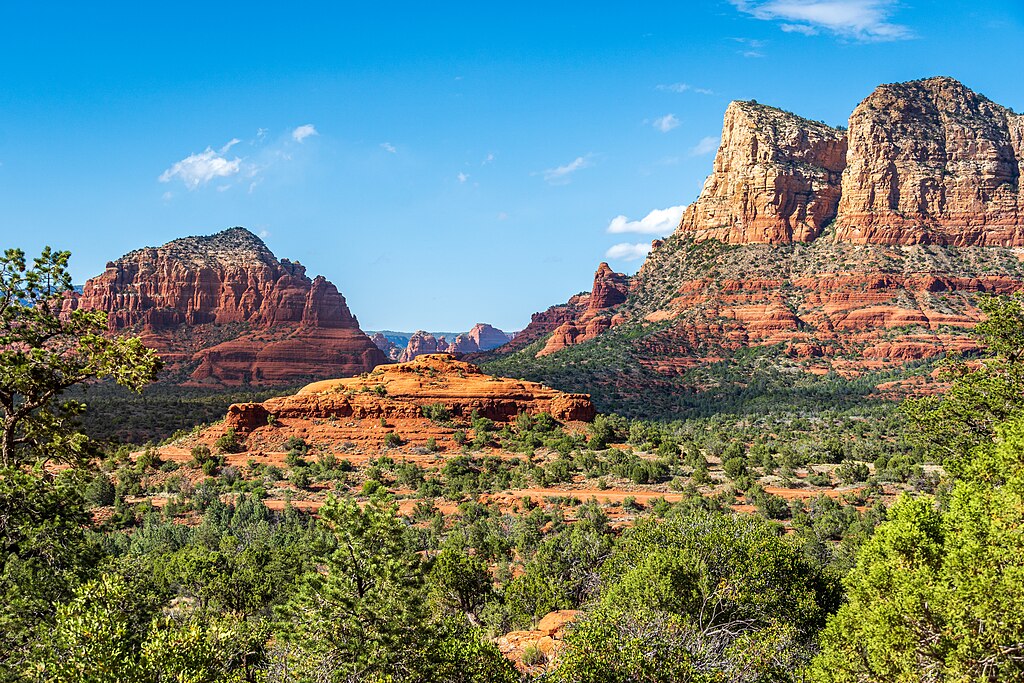
Arizona experiences frequent dry lightning during the early phases of the monsoon season, when towering clouds release flashes without delivering meaningful rain. Hot desert floors warm the air enough to evaporate moisture as it falls, allowing lightning to strike brittle grasslands and brush. Storm tracks often travel along high plateaus and desert corridors, creating multiple ignition points over wide areas. This recurring pattern remains a defining feature of the state’s summer weather.
New Mexico
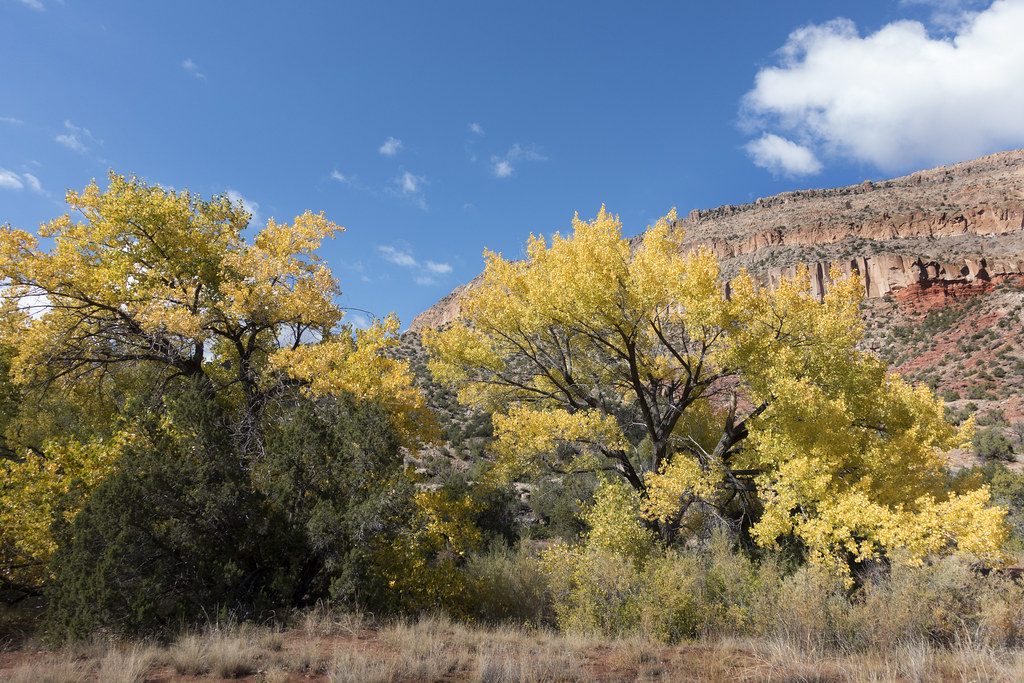
New Mexico’s elevated plateaus and forested ridges often host storms that release lightning into thin, dry air where rain cannot survive the descent. Strikes land in fuel beds filled with pine needles, fallen branches, and sun-dried grasses. Mountain fronts frequently channel storm activity, producing fast-moving systems that trigger fires in remote areas. These conditions reappear throughout warm months, contributing to yearly wildfire cycles.
Utah
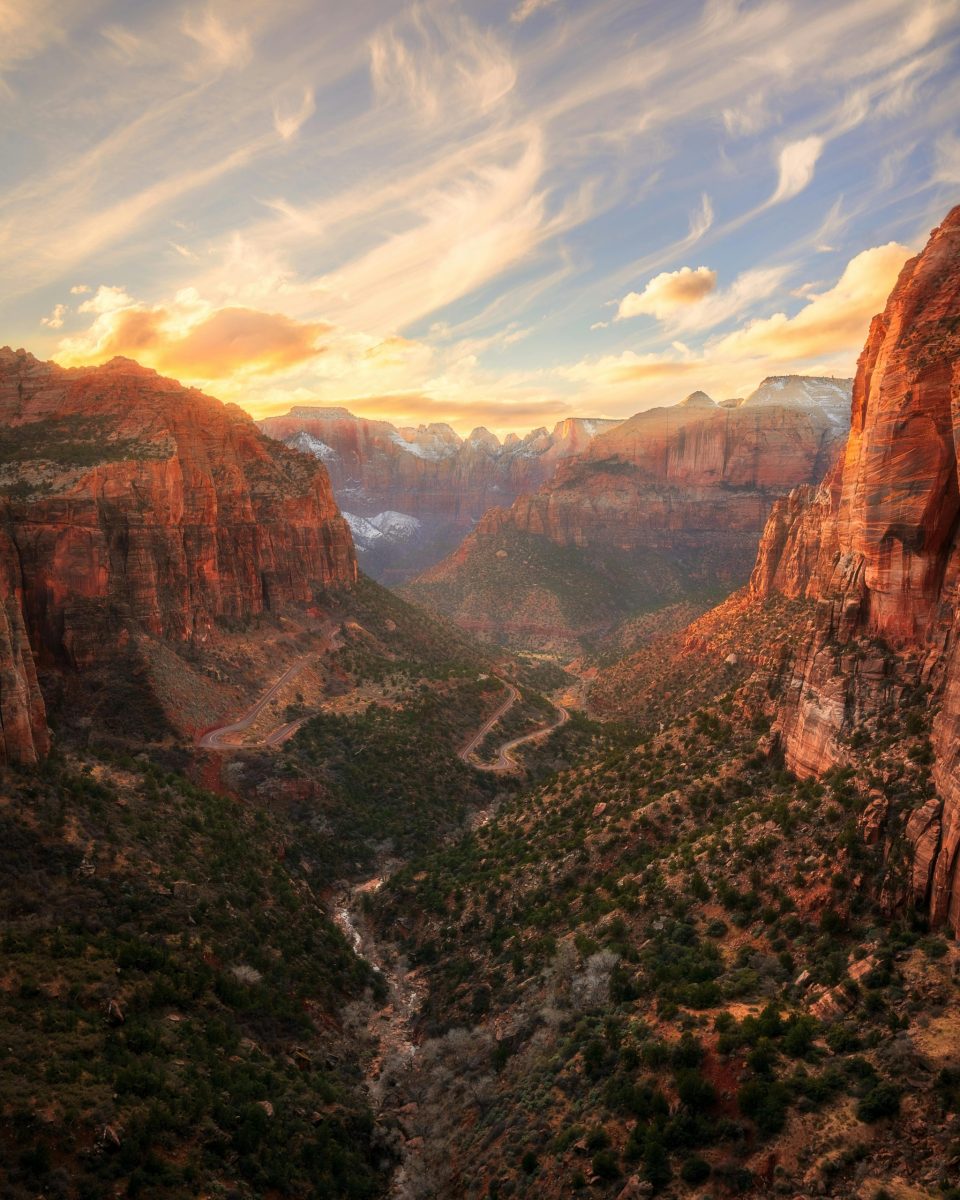
Utah’s desert climate encourages dry lightning as heat builds across salt flats, canyon rims, and high mesas. Storms often develop along ridgelines and release thunder and lightning while offering only scattered drops of rain. Sparks fall into dry scrub, juniper stands, and grassy slopes that ignite readily under intense heat. The state’s varied terrain combines with long dry periods to make these events a regular feature of late summer.
Colorado
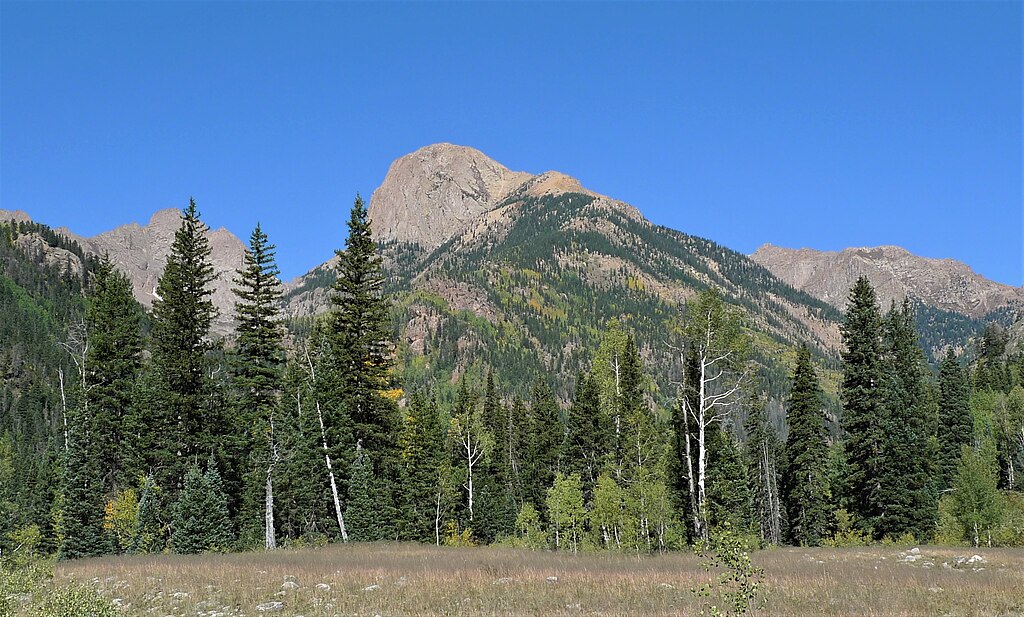
Colorado’s high elevation and thin air make it easy for storm moisture to evaporate before reaching the surface. Lightning strikes often reach foothills, rangelands, and forest edges with little accompanying rainfall. Seasonal winds sweep storms across the Front Range and mountain valleys, increasing the reach of each strike. Annual patterns show dry lightning contributing to wildfire starts from early summer into fall.
Wyoming
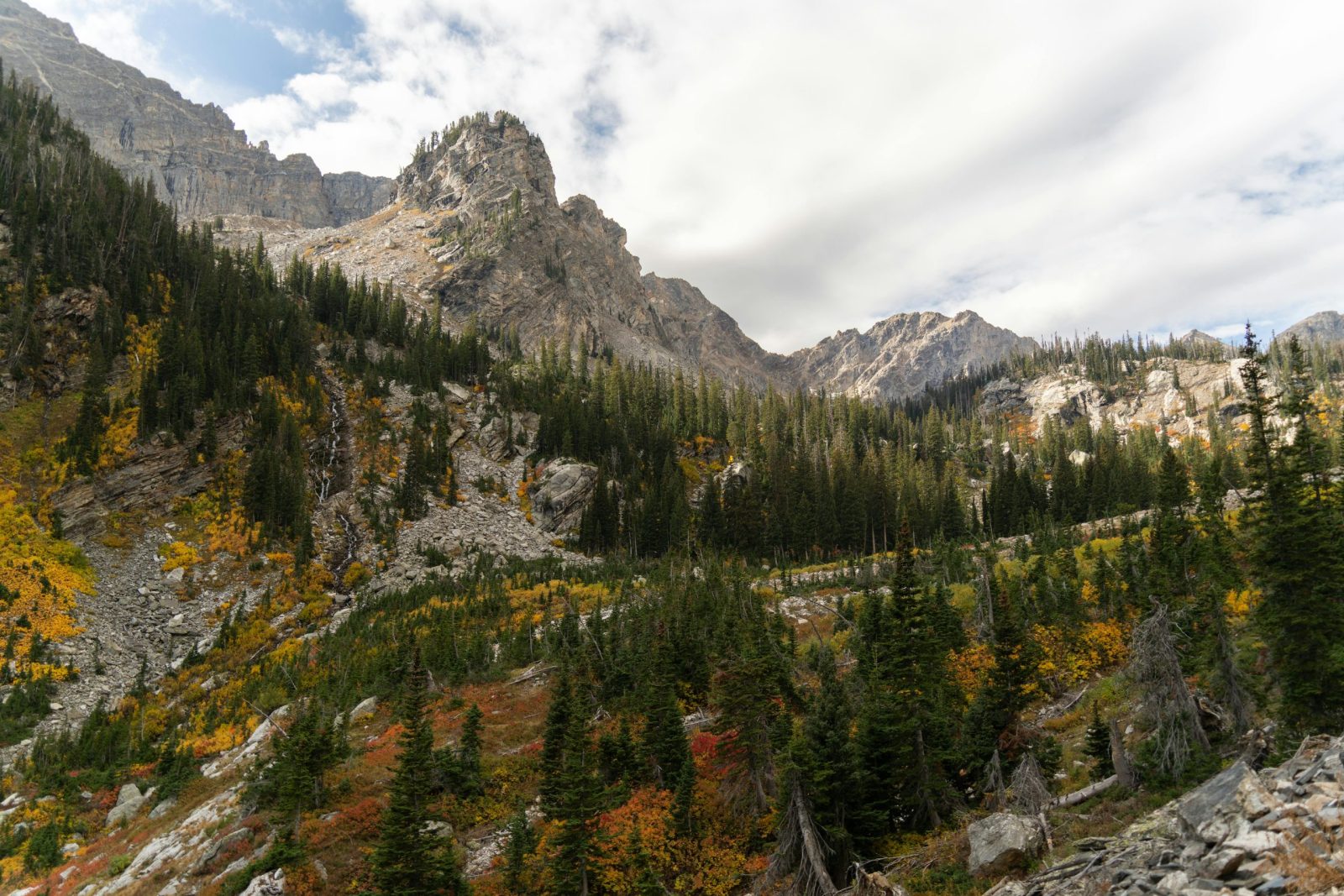
Wyoming experiences dry lightning when storm systems sweep across heated plains and high ridges during peak summer months. Air near the ground remains dry enough to prevent rainfall from surviving its descent, creating favorable conditions for ignition. Lightning often scatters across wide open landscapes, striking grasslands and brush that ignite quickly. These events recur with notable consistency in the state’s warmest seasons.
Montana
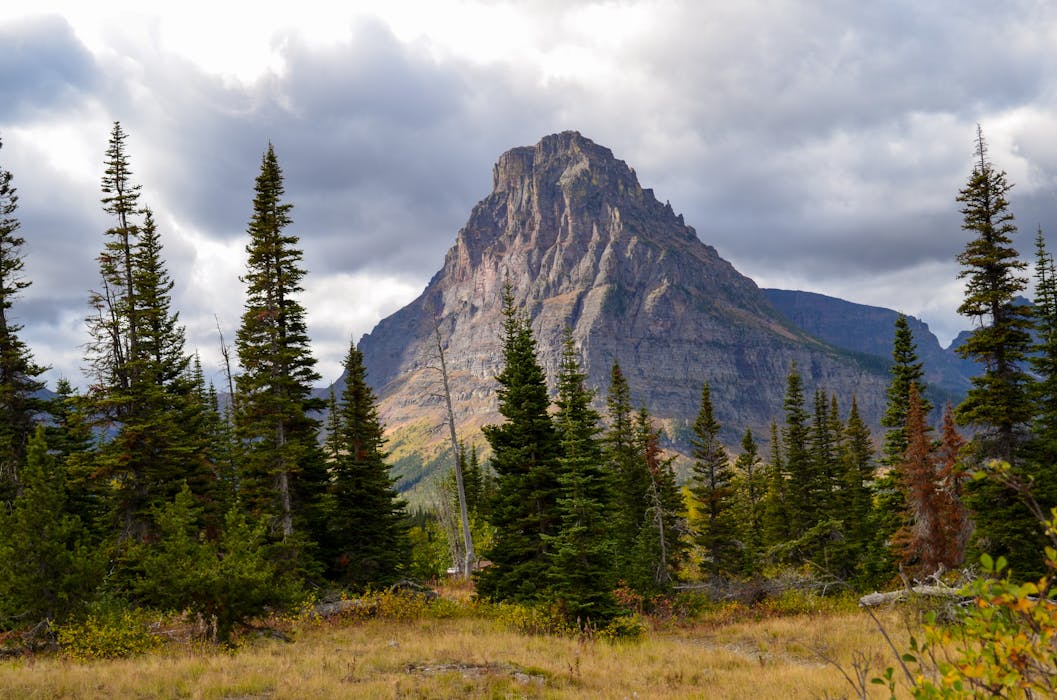
Montana sees dry lightning when warm spells combine with storm development along mountain fronts where little moisture reaches the ground. Dry pine needles, grasslands, and brush provide receptive fuel for sparks falling from fast-moving clouds. High plateaus and open valleys allow storms to travel far, producing multiple ignition points in a short period. These conditions remain a familiar component of the state’s summer climate.
Idaho
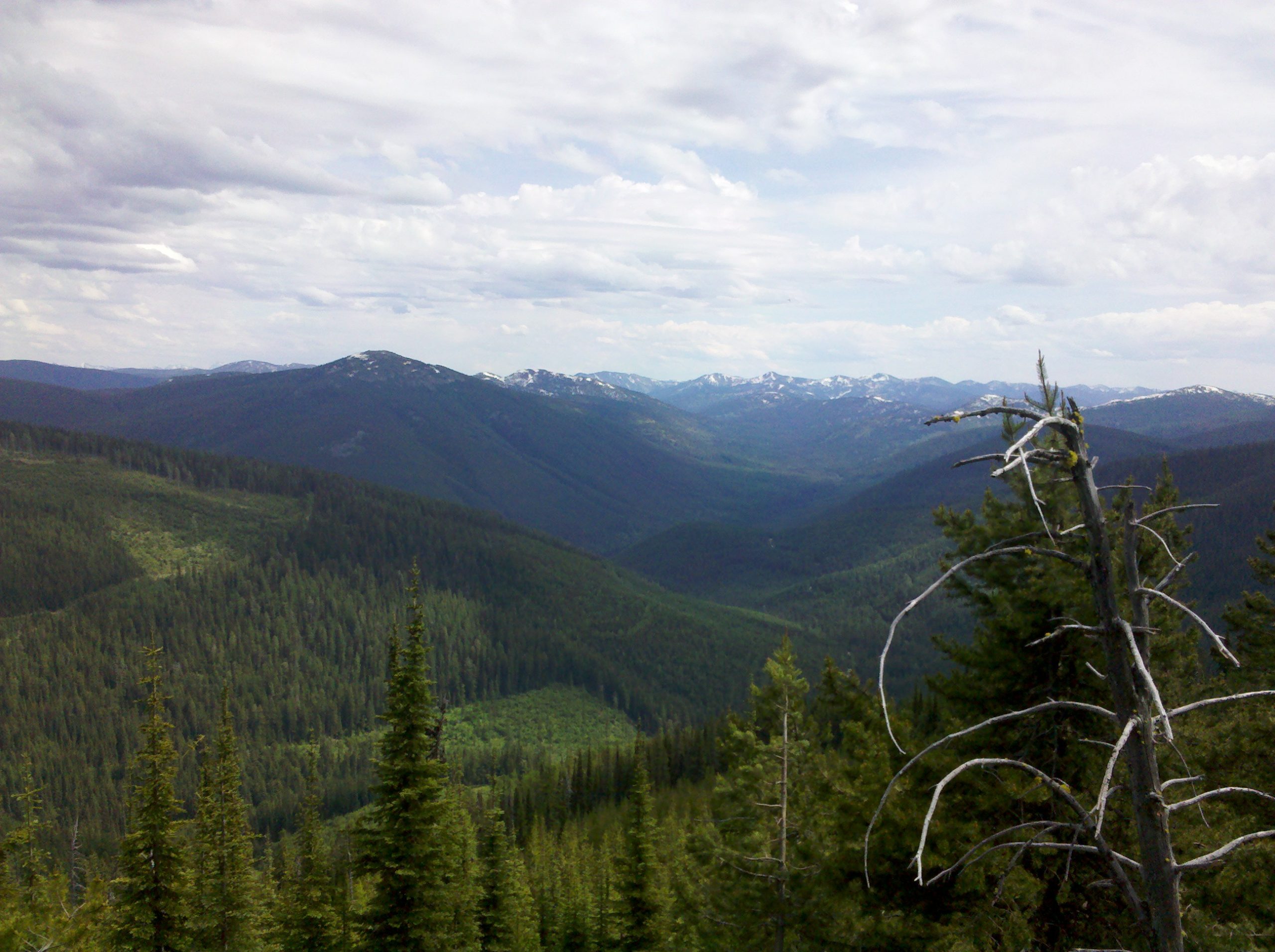
Idaho’s varied landscapes, including forests, rangelands, and deep canyon systems, often face storms that generate lightning without delivering rainfall. Warm air rising from valleys evaporates moisture before it touches the ground. Lightning strikes land frequently along ridges and remote forest floors where fuels accumulate throughout the season. Annual patterns show these events contributing steadily to summer wildfire activity.
Oregon
Eastern Oregon regularly experiences dry lightning as storms pass over heated volcanic plateaus and wide sagebrush plains. Moisture evaporates due to dry air near the surface, leaving sparks to ignite brittle vegetation below. Mountain slopes and semi-arid basins respond quickly to lightning during hot stretches. These conditions help create fire seasons that often begin early and intensify as summer progresses.
Washington
Washington’s interior, especially its dry eastern regions, hosts dry lightning when hot winds across the Columbia Basin evaporate rainfall before it can reach the ground. Storms produce lightning that falls into open rangelands and dry forest edges. Rapid wind movement encourages fires to grow quickly after ignition. These recurring patterns shape wildfire concerns through much of the summer.
Texas
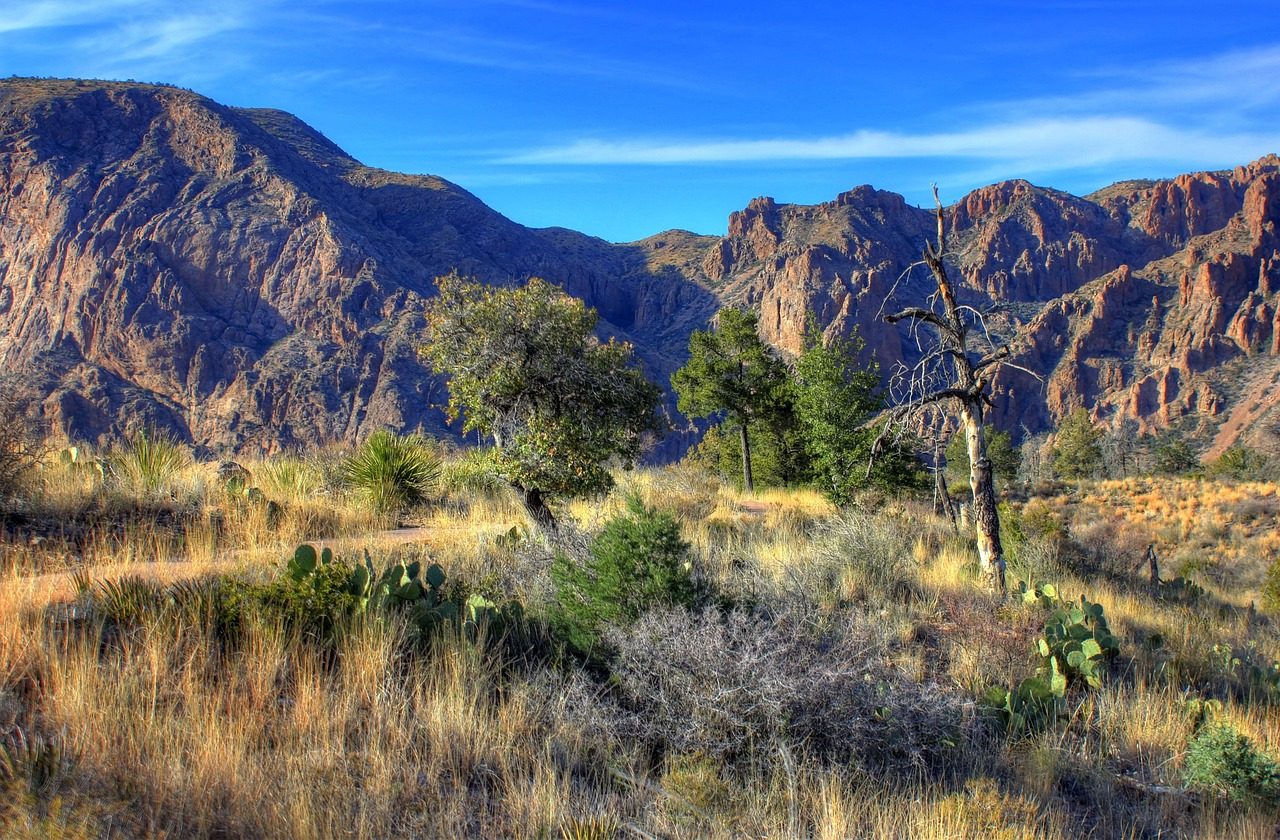
Texas sees dry lightning mainly across its western and central regions, where intense heat and high cloud formation create unstable conditions. Rainfall evaporates in the hot, dry air before touching the surface. Lightning often strikes grasslands, scrub, and rocky uplands that dry out early in the season. These events appear regularly each year, contributing to persistent wildfire challenges across broad sections of the state.