Choosing the right campsite often determines how warm and comfortable a night outdoors will feel, especially when temperatures dip after sunset. While sleeping bags and clothing play an important role, the surrounding environment frequently has an even greater impact on how heat behaves overnight. Terrain shape, vegetation, soil type, wind exposure, and proximity to natural features all influence how warmth is absorbed during the day and released at night. Some campsites naturally trap warmer air, block chilling winds, or benefit from ground insulation that slows heat loss. These advantages become particularly valuable during shoulder seasons, higher elevations, or cooler climates, where nighttime cold can disrupt sleep. Campers who understand how landscapes manage heat can make informed decisions that improve safety, comfort, and rest. By recognizing campsite types that naturally stay warmer, outdoor trips become more enjoyable and better suited for consistent overnight recovery.
Forested Clearings With Dense Tree Cover
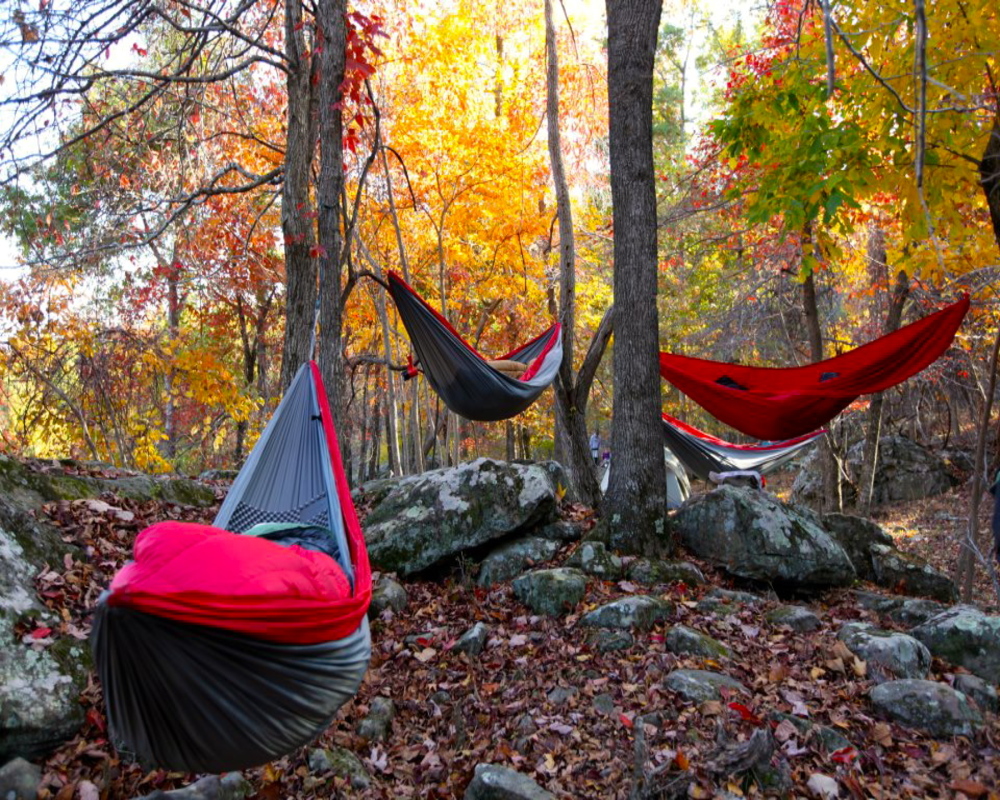
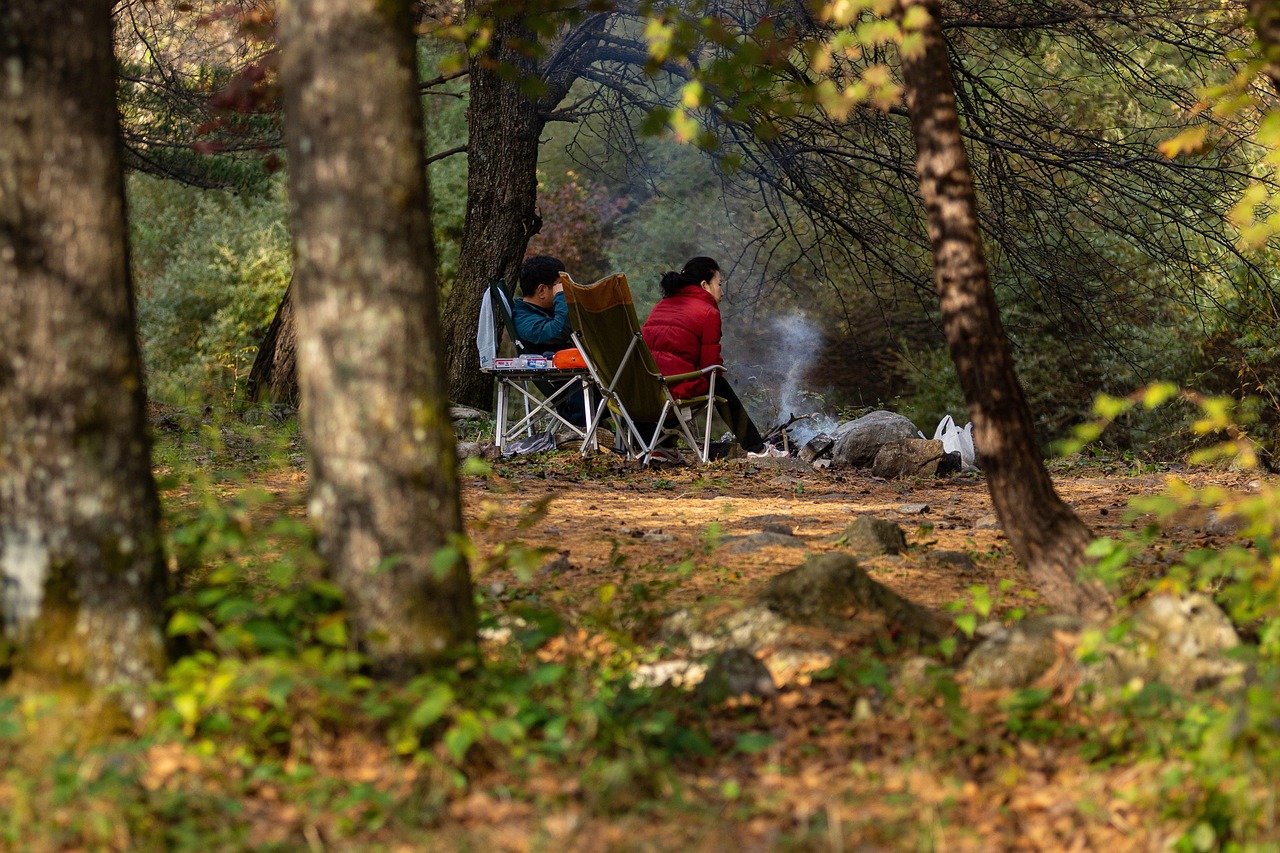
Campsites located within dense forests often remain warmer at night because trees create an effective barrier against wind and radiant heat loss. Thick canopies limit how much warmth escapes into the open sky after sunset, allowing ground temperatures to stabilize more gradually. Fallen leaves, pine needles, and forest duff act as natural insulation, reducing conductive heat loss from the soil beneath tents. Tree trunks and undergrowth slow air movement, preventing cold drafts from stripping away retained warmth. Forested clearings also reduce frost formation and heavy dew, both of which accelerate nighttime cooling. In many regions, forested campsites maintain slightly higher overnight temperatures than nearby open areas. These combined characteristics make dense tree cover one of the most reliable environments for retaining warmth through the night.
South-Facing Hillsides
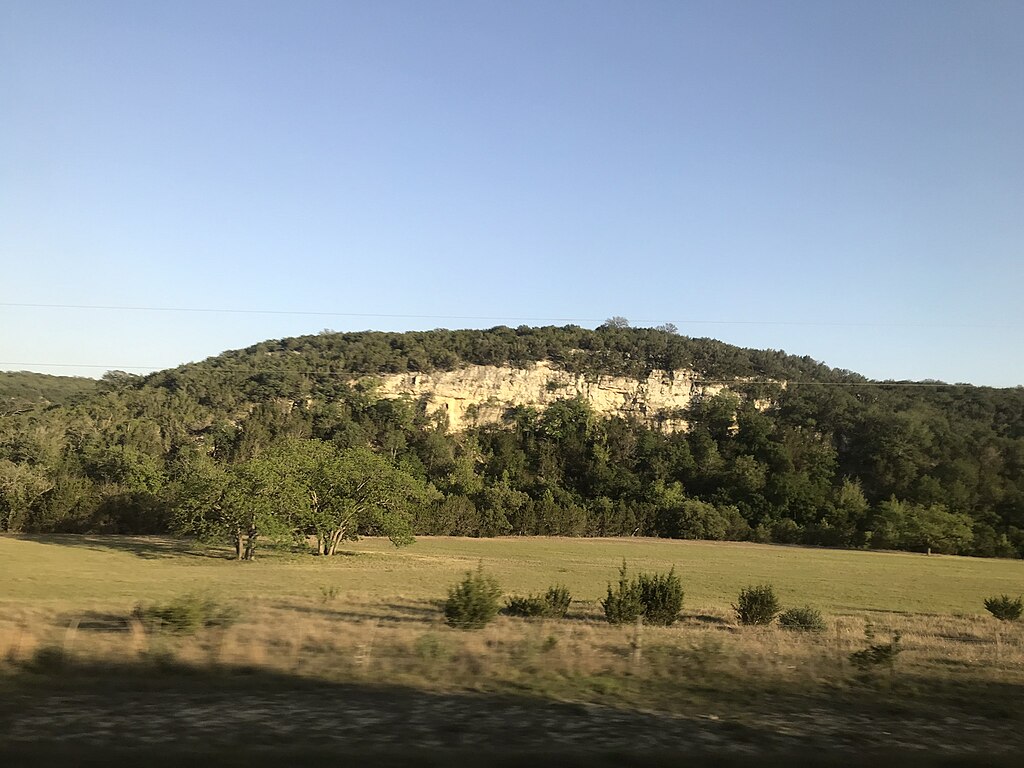
South-facing hillsides tend to stay warmer overnight because they receive greater exposure to sunlight throughout the day, allowing soil and rock to store heat more effectively. This absorbed warmth releases slowly after sunset, moderating temperature drops during the night. Sloped terrain also helps cold air drain downward, preventing it from pooling directly around tents. Campsites positioned partway up a south-facing slope often avoid both valley cold sinks and exposed ridge winds. Dry, sun-warmed soil improves ground insulation compared to shaded or moisture-retaining areas. These factors combine to create a naturally warmer microclimate that remains noticeable well into the night, particularly in cooler seasons or mountainous regions where temperature swings are common.
Campsites Near Large Rock Formations
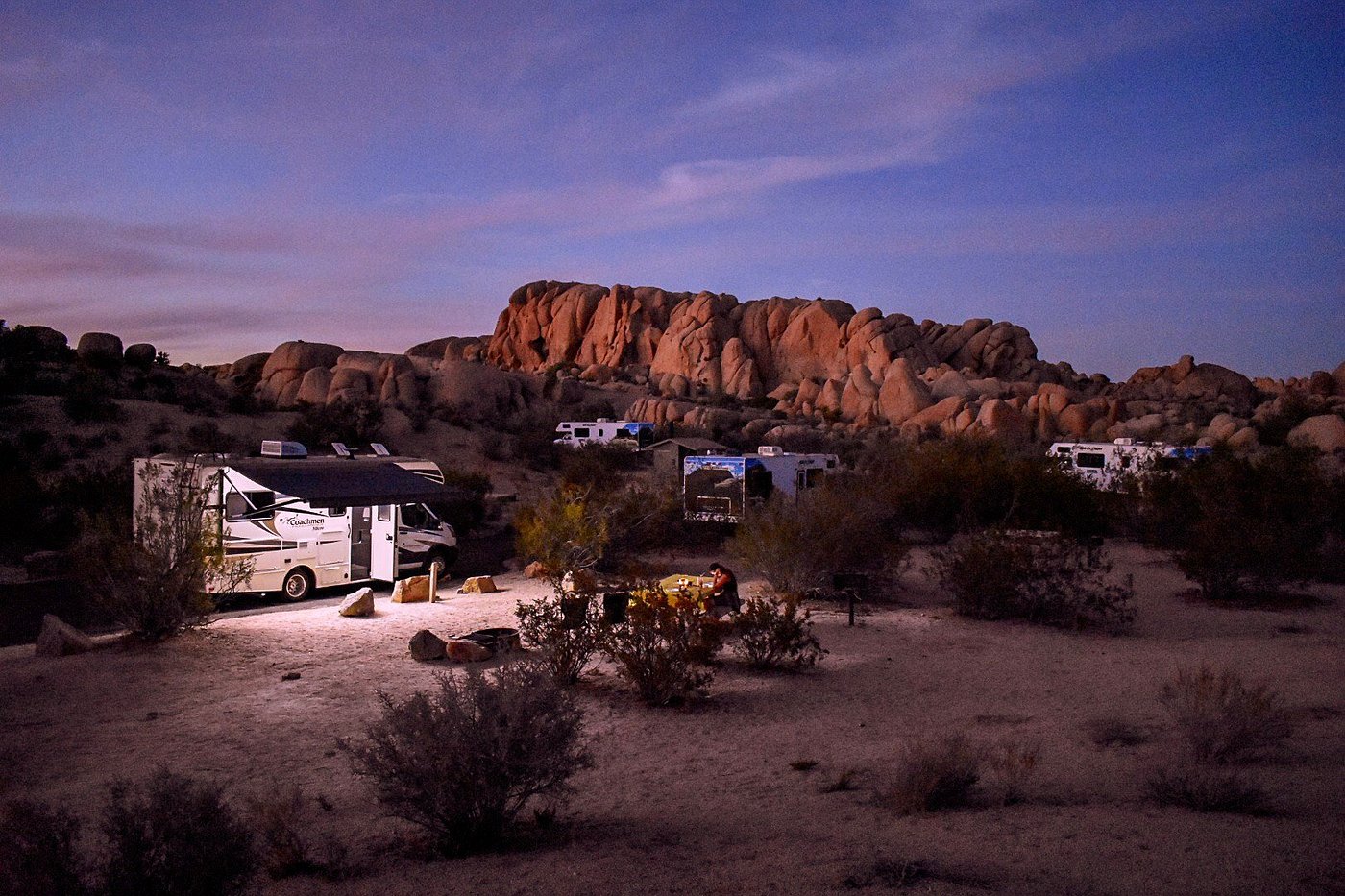
Large rock formations such as cliffs, boulders, or canyon walls contribute significantly to nighttime warmth through thermal mass. Stone absorbs substantial heat during daylight hours and releases it gradually once temperatures drop. Campsites positioned near these formations benefit from radiant heat that continues long after sunset. Rock features also block wind, further reducing convective heat loss that would otherwise cool tents quickly. Reflected sunlight during the day can warm the surrounding soil, enhancing the overall thermal environment. In dry or mountainous areas, this effect becomes especially pronounced. When selected carefully for safety and runoff considerations, campsites near large rock formations provide one of the most dependable sources of natural overnight warmth.
Valleys With Gentle Airflow
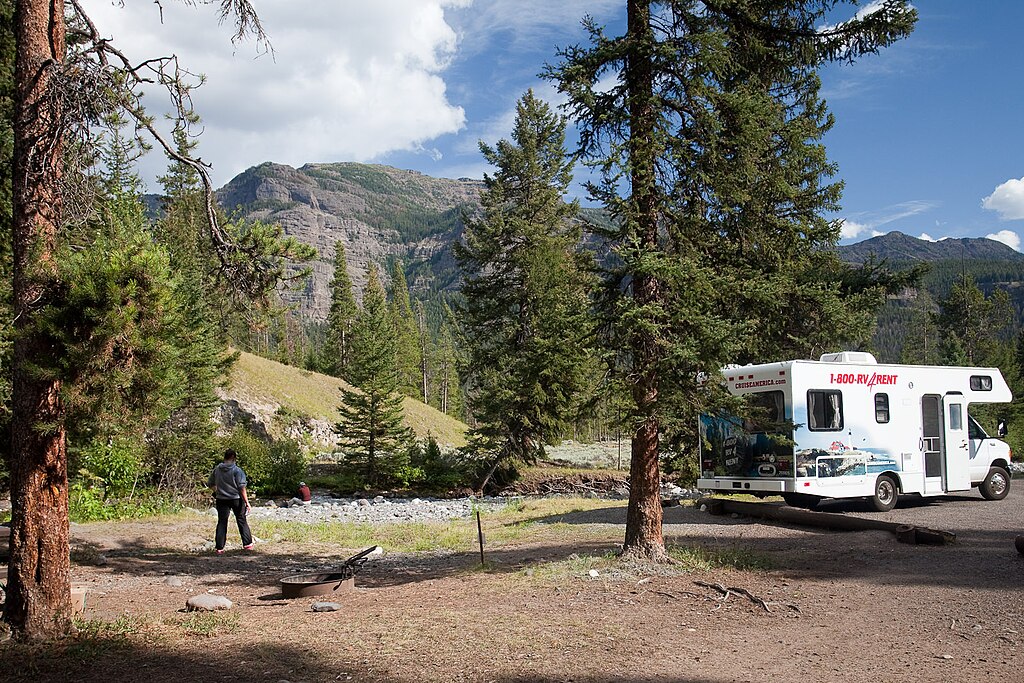
Valleys that maintain gentle airflow can stay warmer overnight when they allow cold air to move through rather than collect. Shallow valleys with consistent drainage prevent cold air stagnation that causes dramatic temperature drops. Vegetation within these valleys often helps trap residual warmth while still permitting controlled airflow. Gentle slopes guide colder air away from campsite areas, stabilizing nighttime temperatures. Valleys that avoid heavy moisture accumulation also reduce evaporative cooling. When balanced correctly, these environments offer a protected yet breathable microclimate. Campers benefit from reduced wind exposure without suffering from the cold pooling typical of deeper or poorly ventilated valley floors.
Evergreen Tree Stands
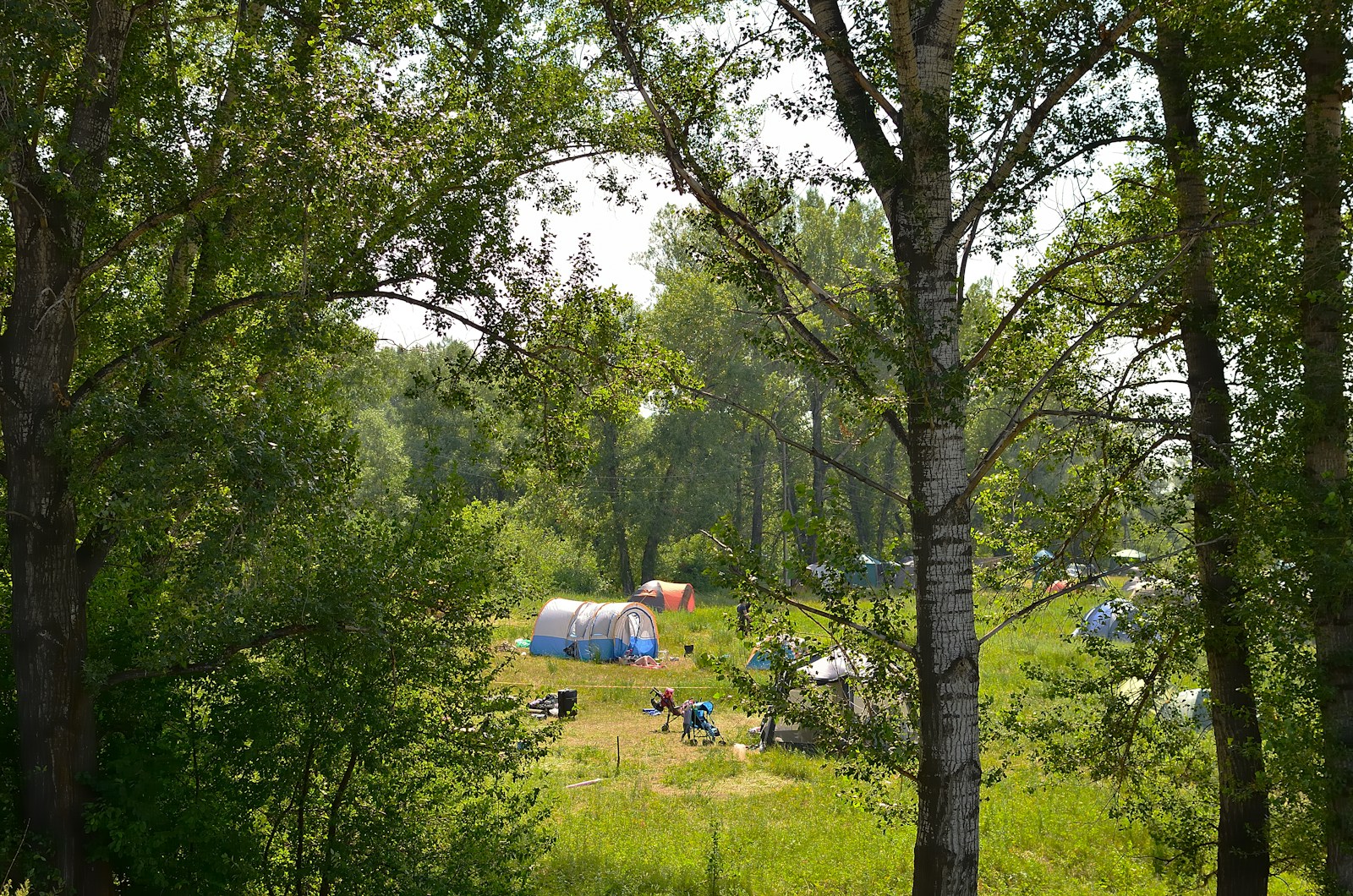
Evergreen tree stands offer exceptional nighttime warmth due to year-round foliage that continues blocking wind and reducing sky exposure even during colder months. Unlike deciduous trees, evergreens maintain dense needles that trap air and slow heat loss after sunset. Snow accumulation on branches adds another insulating layer that stabilizes ground temperatures. The forest floor beneath evergreen stands often stays warmer because organic debris builds thick insulation over time. These environments limit frost formation and moisture buildup that accelerate cooling. Evergreen stands are especially valuable in alpine or northern regions where winter and shoulder-season temperatures fluctuate dramatically. Their insulating properties create stable overnight conditions that support better rest.
Campsites With Natural Windbreaks
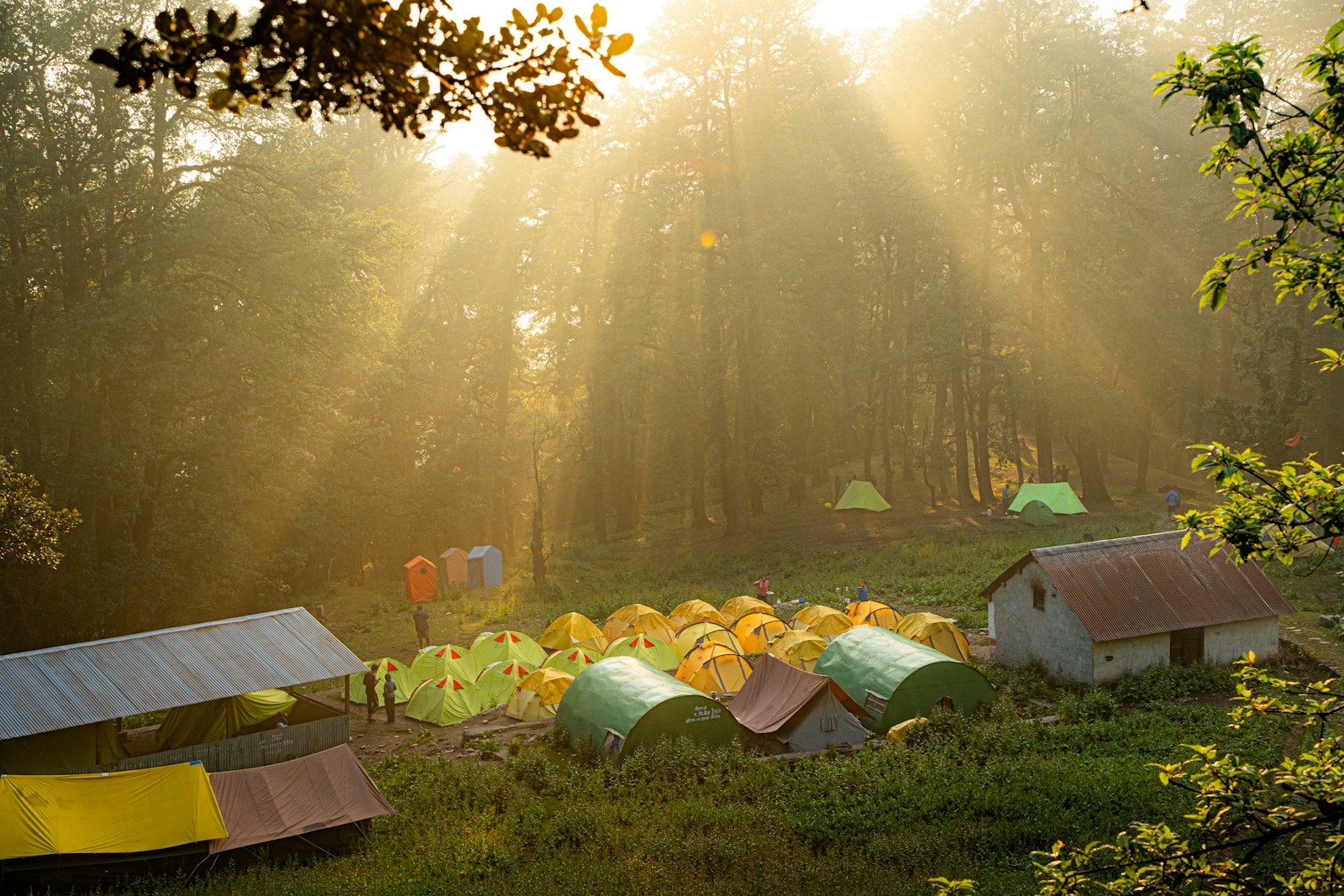
Campsites shielded by natural windbreaks such as ridges, dense shrubs, or terrain contours retain warmth more effectively than exposed locations. Wind rapidly removes warm air surrounding tents, increasing heat loss through convection. Natural barriers disrupt airflow and prevent persistent drafts from cooling sleeping areas. Even modest terrain features can make a measurable difference in overnight temperature retention. Wind-protected sites also reduce noise and stabilize fire behavior, contributing to overall comfort. These sheltered environments allow body heat and ground warmth to remain contained longer. Selecting campsites with reliable wind protection significantly improves overnight warmth regardless of season or elevation.
Sandy or Well-Drained Soil Areas
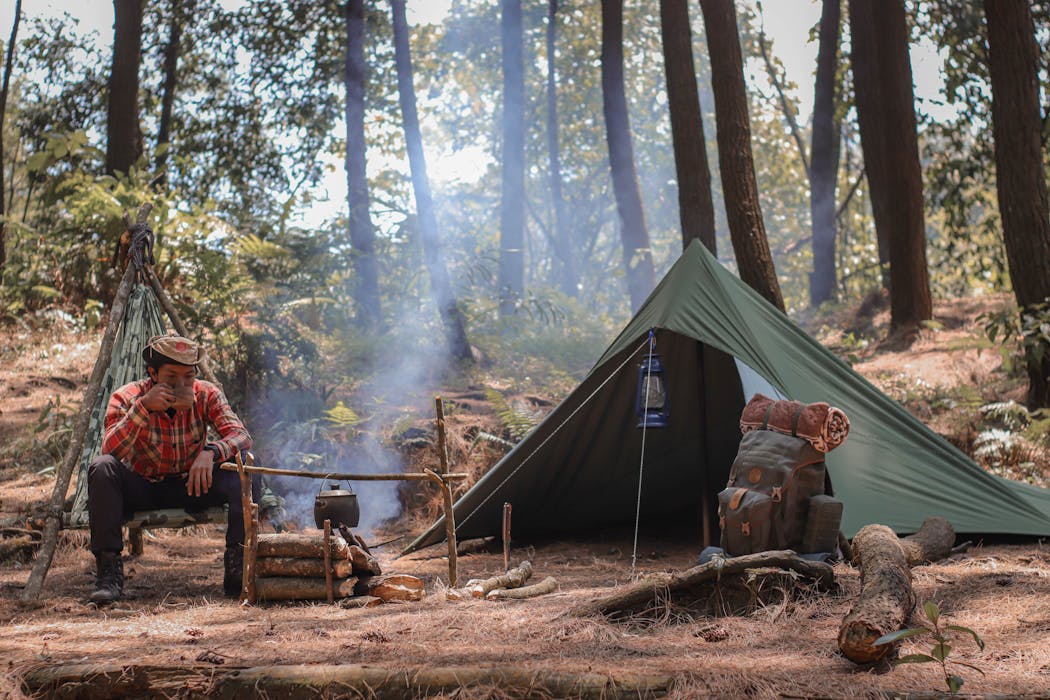
Sandy or well-drained soils contribute to warmer nighttime conditions by reducing moisture-related cooling. Wet soil pulls heat away from tents and sleeping systems, while dry ground retains warmth more effectively. Sand absorbs solar energy during the day and releases it slowly after sunset. Campsites on elevated, well-drained ground avoid dampness that increases heat loss. These soils also reduce condensation inside shelters, improving overall comfort. Compared to clay or compacted earth, sandy soil provides better insulation and stability. Campers benefit from drier surfaces that support consistent warmth through the night, especially in cooler or humid environments.
Campsites Near Tree Lines
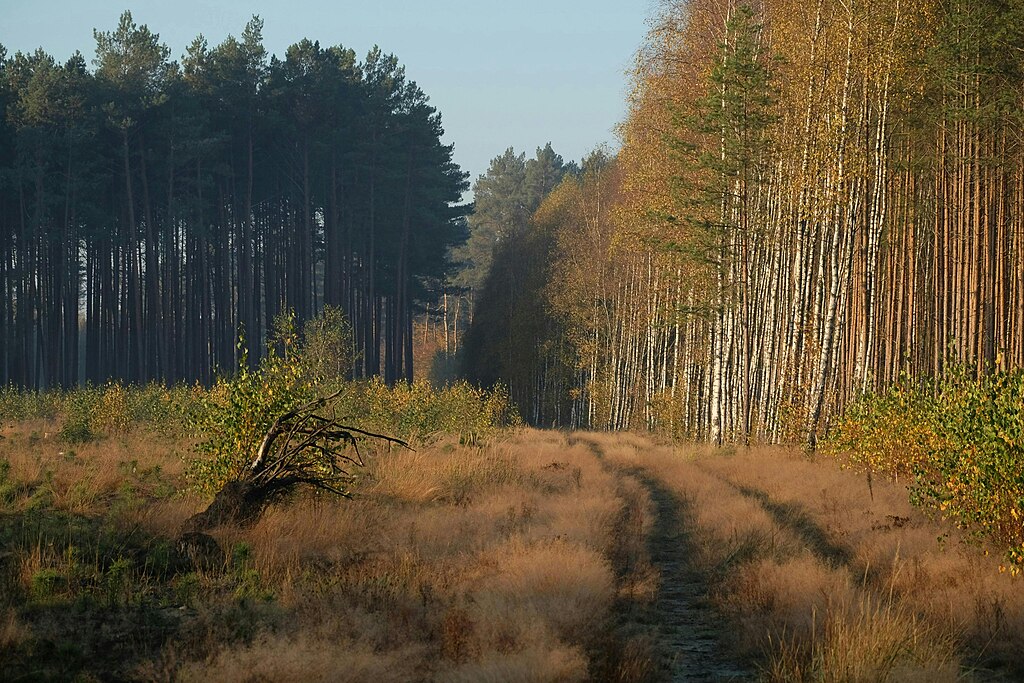
Tree line campsites balance sunlight exposure and nighttime protection, creating stable thermal conditions. Open areas near trees receive ample daytime solar heating while still benefiting from wind blockage after sunset. The presence of trees reduces radiant heat loss to the open sky without fully enclosing airflow. These transitional zones avoid extremes found in open fields or dense forests. Tree lines also reduce frost development by moderating temperature swings. Campers experience improved warmth while maintaining flexibility for cooking, movement, and visibility. This balance makes tree line campsites effective choices in variable weather or mixed terrain.
Sheltered Cove Campsites
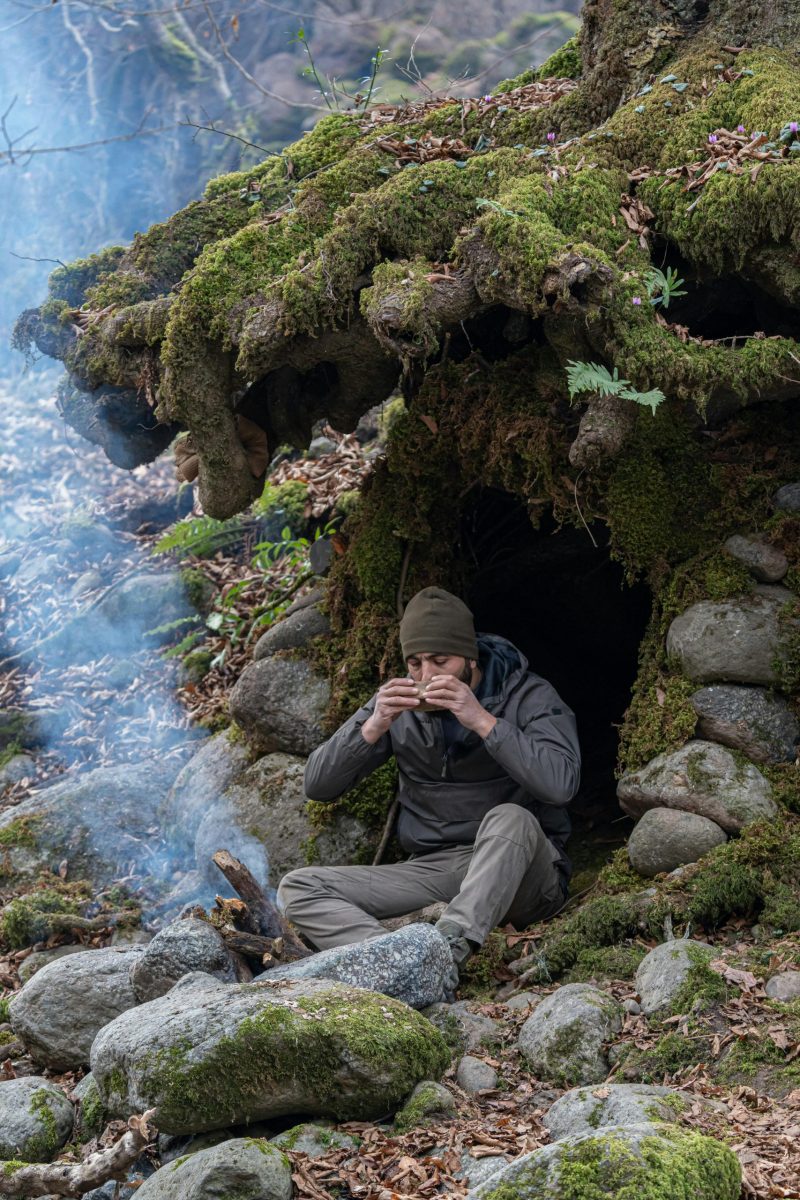
Sheltered coves formed by land features or water-adjacent terrain often maintain warmer nighttime temperatures due to reduced wind exposure and reflected heat. Surrounding landforms trap warm air while blocking cold drafts. Nearby water releases stored heat overnight, warming adjacent air without extreme humidity when campsites remain elevated. Cove formations create stable microclimates that resist rapid temperature changes. These areas also support calmer conditions and improved heat retention. When selected away from flood risks, sheltered coves offer reliable warmth that enhances comfort during cool evenings and overnight stays.
Campsites With Thick Ground Cover
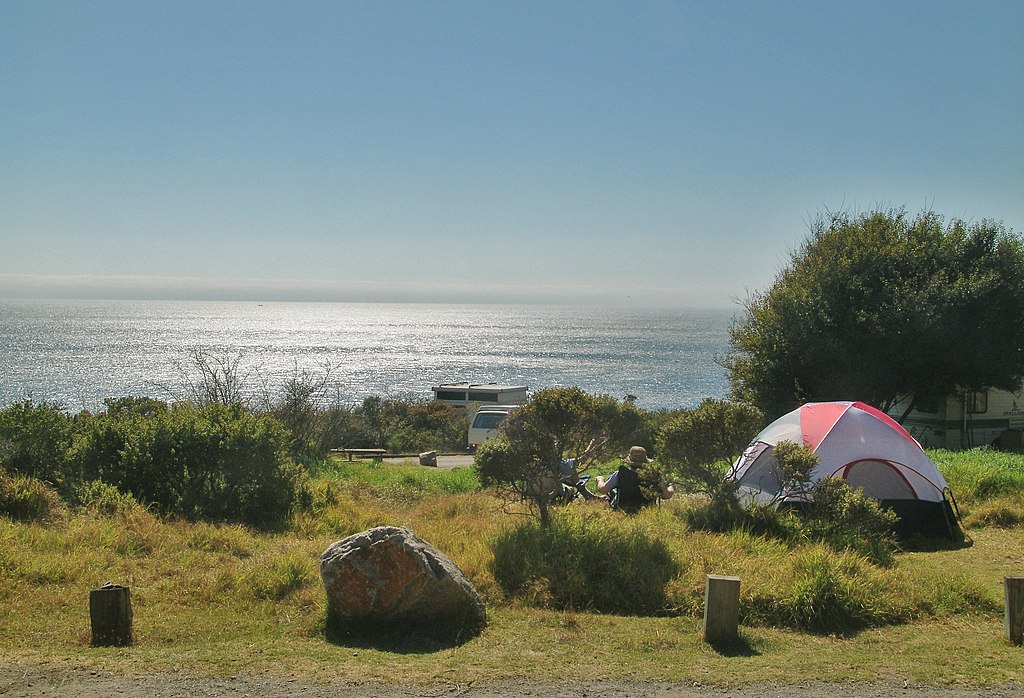
Campsites with thick ground cover retain warmth by insulating tents from cold soil beneath. Grass, pine needles, and leaf litter reduce conductive heat loss and trap warmth absorbed during the day. Organic layers create a thermal buffer that stabilizes overnight temperatures. These surfaces also prevent moisture buildup that accelerates cooling. Compared to bare ground or rock, covered soil supports better insulation and comfort. Campers experience warmer sleeping conditions without relying on additional gear. Ground cover plays a crucial role in heat retention and should be considered carefully when selecting a campsite.
Lower Elevation Campsites
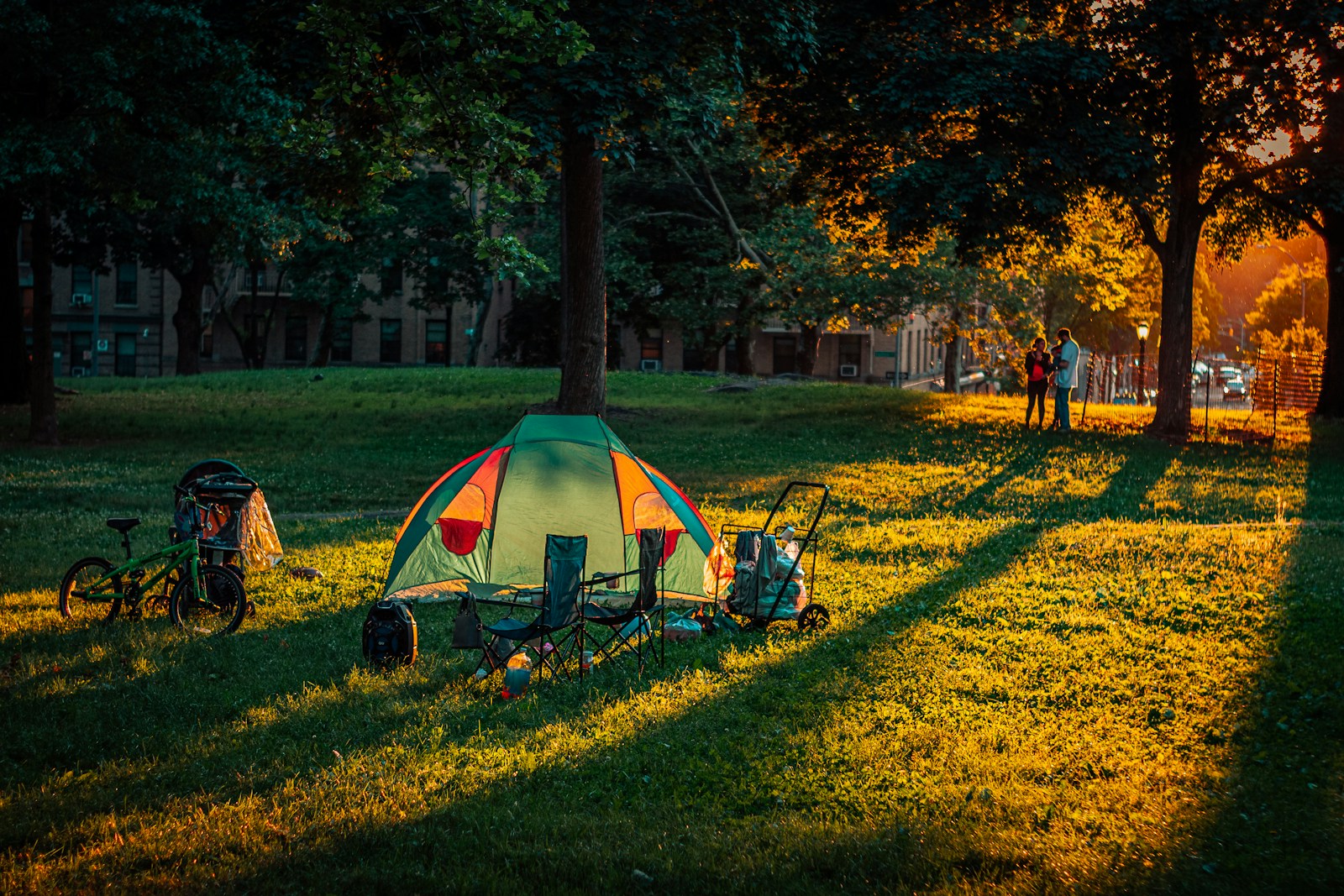
Lower elevation campsites typically remain warmer overnight because temperatures decrease with altitude. Dense air at lower elevations retains heat more effectively and reduces exposure to strong winds. Vegetation tends to be thicker, offering additional insulation and wind protection. These environments experience fewer rapid weather shifts that cause sudden cooling. Campers benefit from more stable nighttime temperatures and reduced cold stress. While safety considerations remain important, selecting lower elevations within appropriate terrain often improves overnight warmth. This advantage becomes particularly noticeable in mountainous regions where elevation changes significantly affect temperature.
Campsites Protected by Terrain Curves
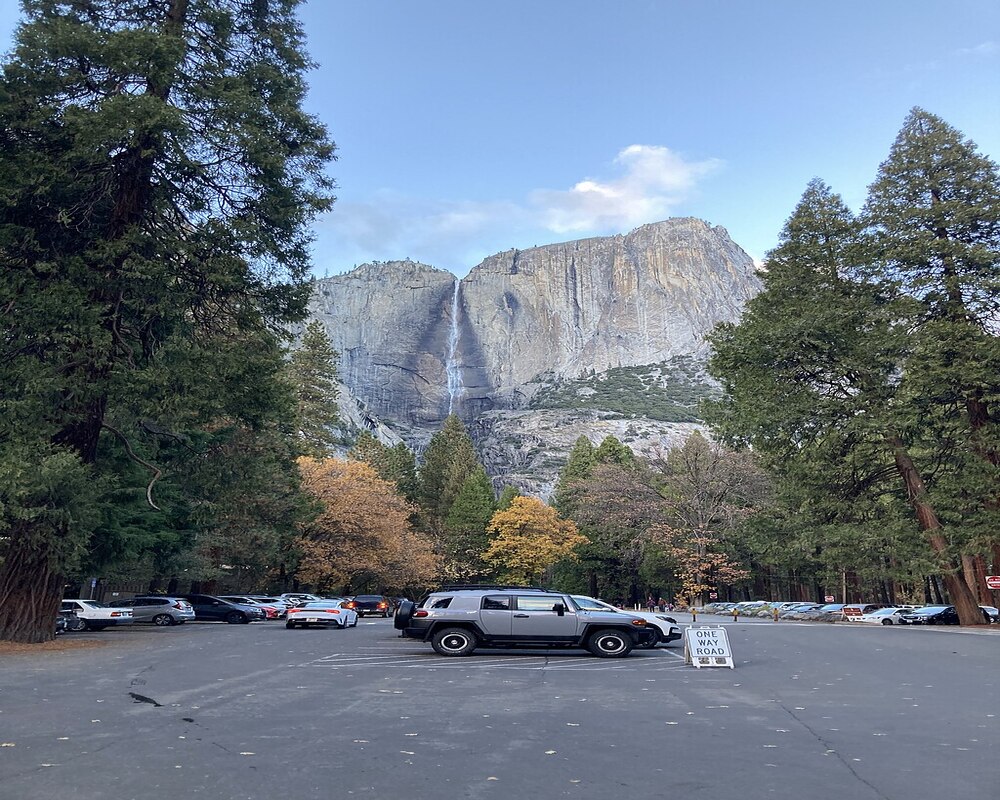
Campsites positioned within natural terrain curves, such as bends, hollows, or gentle depressions, can retain warmth by limiting wind exposure and reducing sky visibility. These formations slow radiant heat loss and contain warmer air overnight. When chosen carefully to avoid cold air pooling, curved terrain creates effective microclimates. Heat absorbed during the day remains trapped longer after sunset. These subtle features often go unnoticed but provide meaningful warmth advantages. Understanding terrain behavior allows campers to select sites that feel noticeably warmer and more comfortable throughout the night without sacrificing safety or accessibility.