Traveling with firearms across the country requires a deep understanding of 12 things legal gun owners must never do while crossing state lines today. While the Second Amendment provides the right to bear arms, the specific regulations governing transport vary significantly from one jurisdiction to another during every single journey. Failing to research local mandates can lead to severe legal consequences and the permanent loss of ownership rights even for those with valid permits. Responsible citizens prioritize safety and compliance by staying informed about the unique restrictions found in every region. This guide explores the most common pitfalls found during.
Ignoring Local Capacity Limits
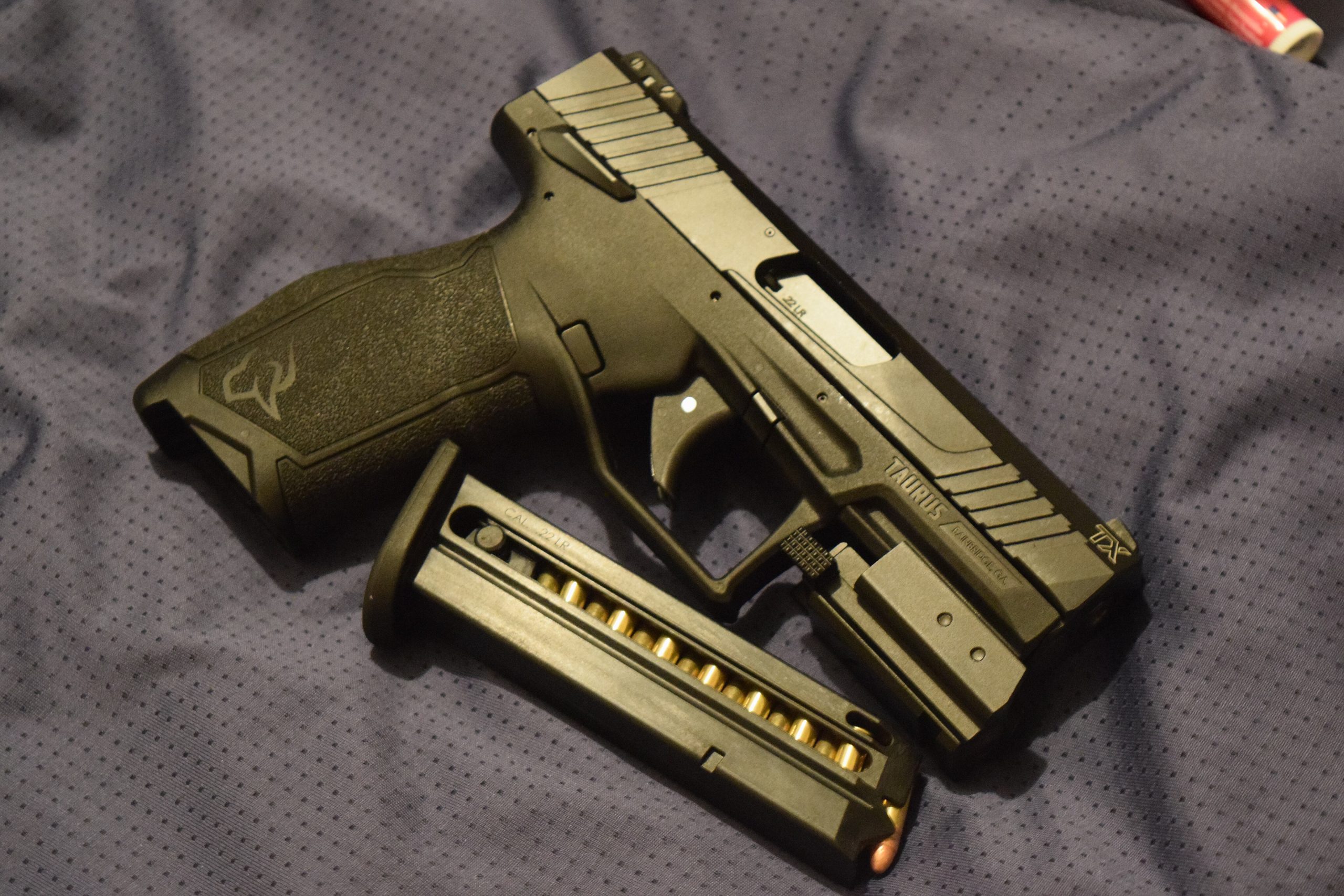
Ignoring local magazine capacity limits is a major error that can result in immediate felony charges in certain restrictive jurisdictions. While a standard fifteen-round magazine remains perfectly legal in many areas, some regions strictly prohibit anything that holds more than ten individual rounds of ammunition. A person must verify the specific rules for every destination and every transit state to ensure they remain fully compliant with all regional statutes. Carrying a high-capacity feeding device into a prohibited zone can lead to the confiscation of the firearm and a lengthy legal battle. Staying within the local limits ensures a much.
Assuming Reciprocity Is Universal
Assuming reciprocity is universal represents a dangerous misunderstanding of how concealed carry permits function across different state borders this year. Just because a home state recognizes a license does not mean that every other region will honor the same document during the trip. Many states maintain strict and exclusive agreements that exclude certain jurisdictions based on training requirements or background check standards. A responsible owner always utilizes a current reciprocity map and double-checks with local law enforcement before crossing into a new territory. Relying on outdated or incorrect information can lead to an arrest for carrying without a.
Neglecting Safe Storage Rules
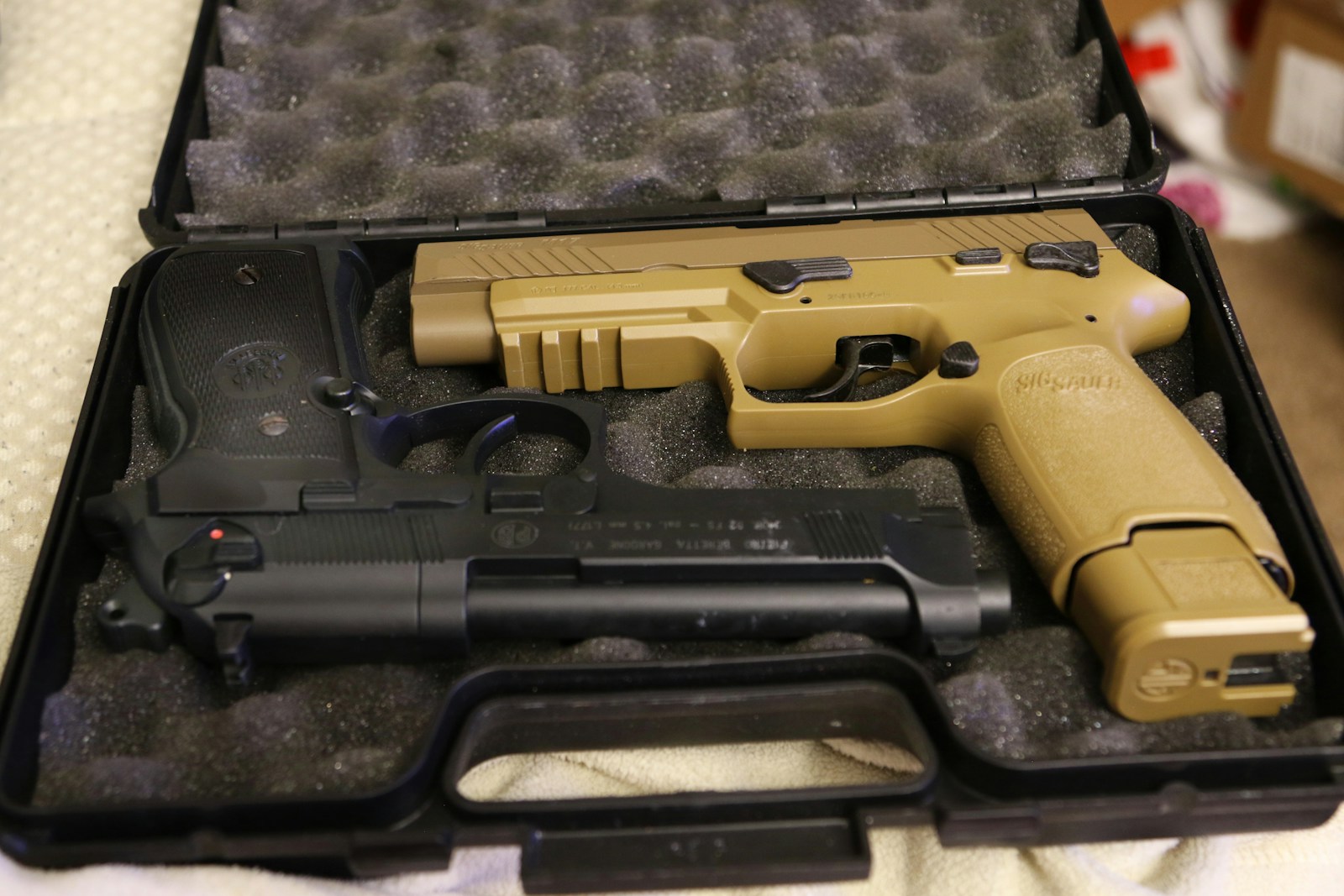
Neglecting safe storage rules while in a vehicle is a common mistake that can compromise personal safety and legal standing. Federal law provides some protection for travelers who keep their firearms unloaded and locked in a container that is not easily accessible. This usually means placing the weapon in the trunk or a separate locked box away from the reach of the driver and all passengers. Failing to follow these specific guidelines can lead to a violation of local transport laws if a person is stopped by the police. Proper storage ensures that the journey remains safe and fully.
Carrying In Prohibited Places
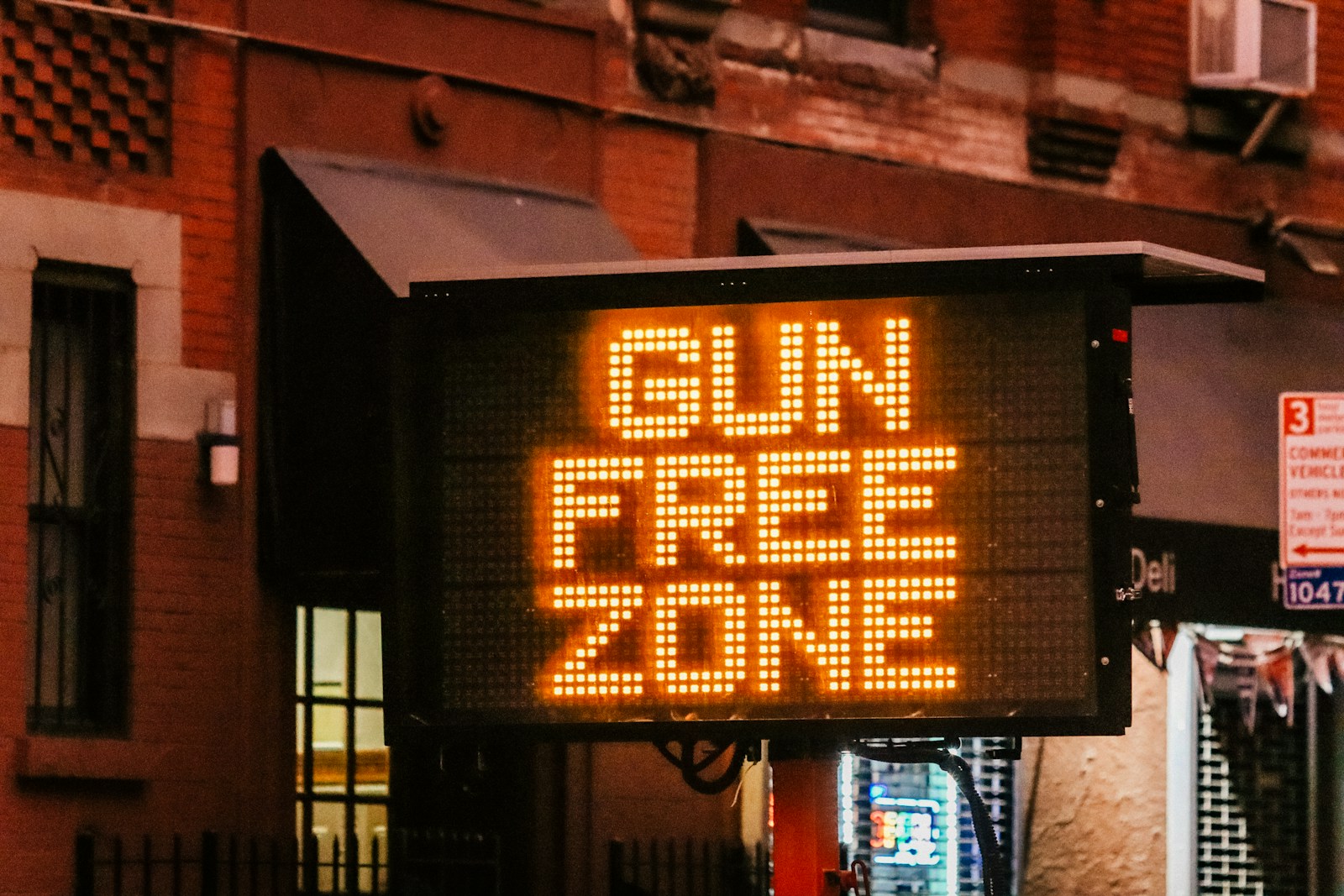
Carrying a firearm into prohibited places like government buildings or schools and private businesses with no gun signs is a serious offense. Every state has a unique list of locations where the presence of a weapon is strictly forbidden, regardless of a valid permit. Some regions even prohibit the carry of firearms in places that serve alcohol or on certain public transportation systems during the day. A person must remain vigilant and observe all posted warnings to avoid accidentally breaking the law while exploring a new city. Respecting these sensitive zones is essential for maintaining a positive and responsible.
Forgetting Duty To Inform
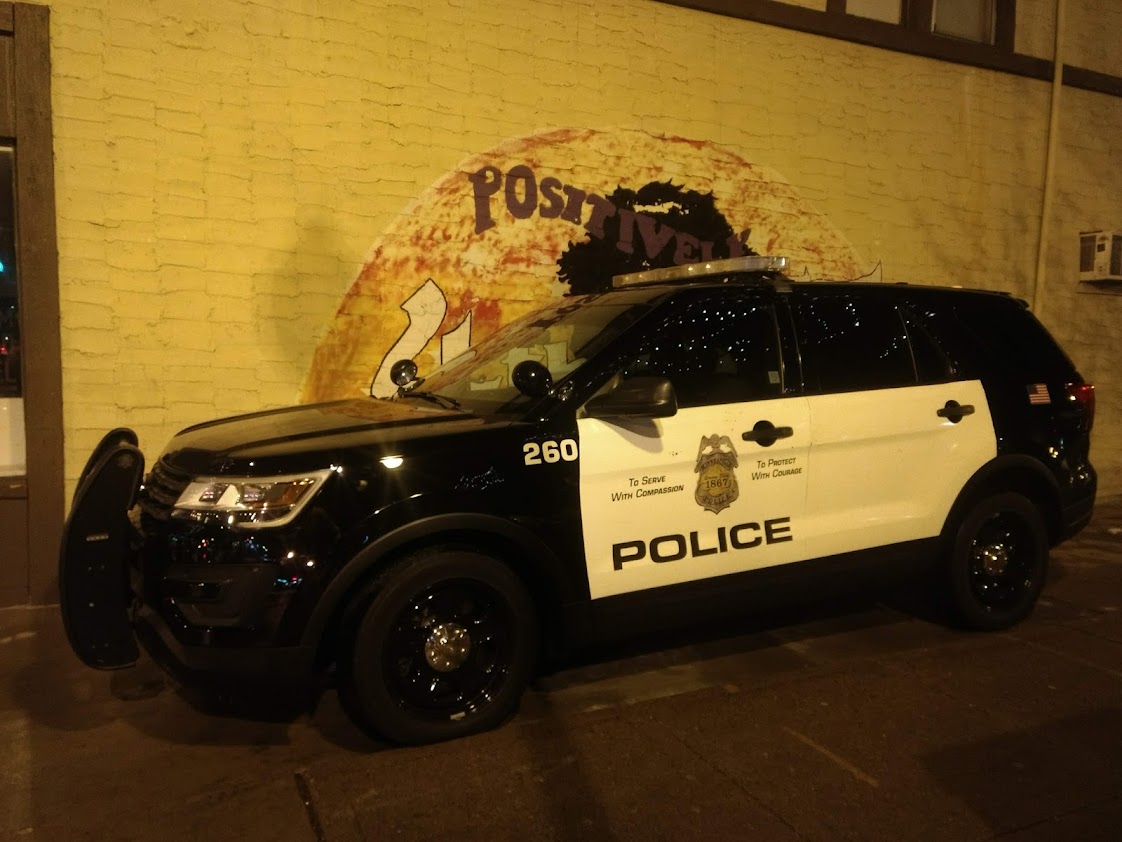
Forgetting the specific duty to inform law enforcement about the presence of a firearm during a traffic stop is a critical error. Some states require the driver to immediately disclose that they are armed as soon as the officer approaches the window of the vehicle. Other jurisdictions only require disclosure if the officer asks a direct question about weapons or dangerous items in the car. Knowing the exact legal requirements for every state on the itinerary prevents unnecessary tension and ensures a much safer interaction for everyone involved. Clear communication is the key to a professional and respectful.
Bringing Prohibited Firearm Types
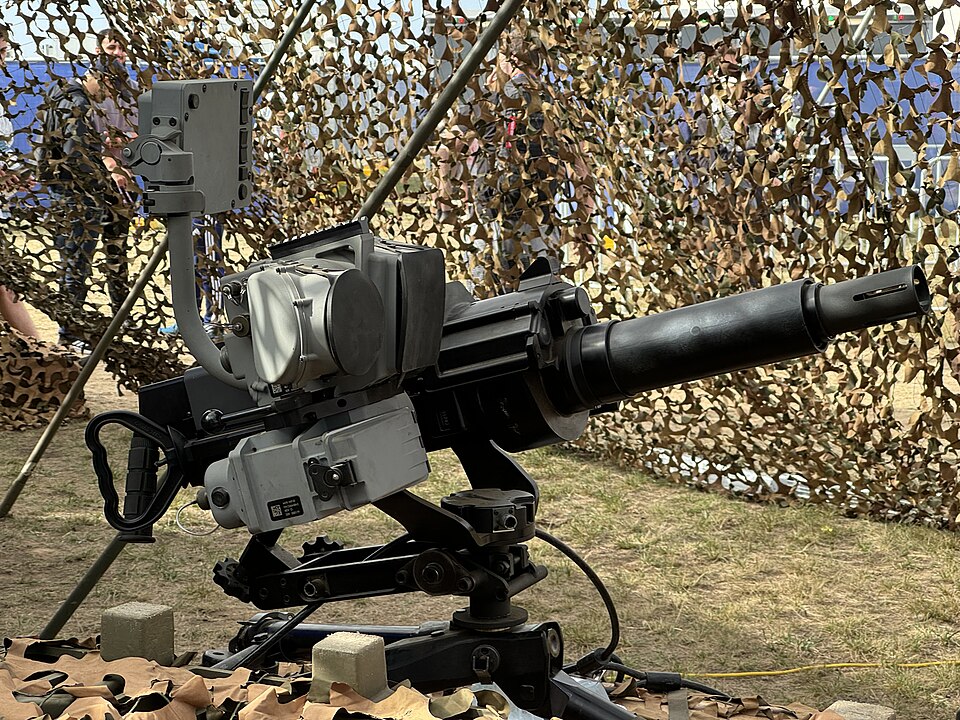
Bringing prohibited firearm types like certain semi-automatic rifles or handguns with specific features into restrictive states can lead to an arrest. Some regions classify various firearms as assault weapons based on cosmetic features such as folding stocks, threaded barrels, or even pistol grips. A weapon that is perfectly legal in a neighboring state might be a banned item just across the border during a long drive. It is essential to verify that every firearm in the vehicle is legal to possess in every single jurisdiction along the planned route. Research prevents the accidental transport of illegal.
Mixing Ammunition And Firearms

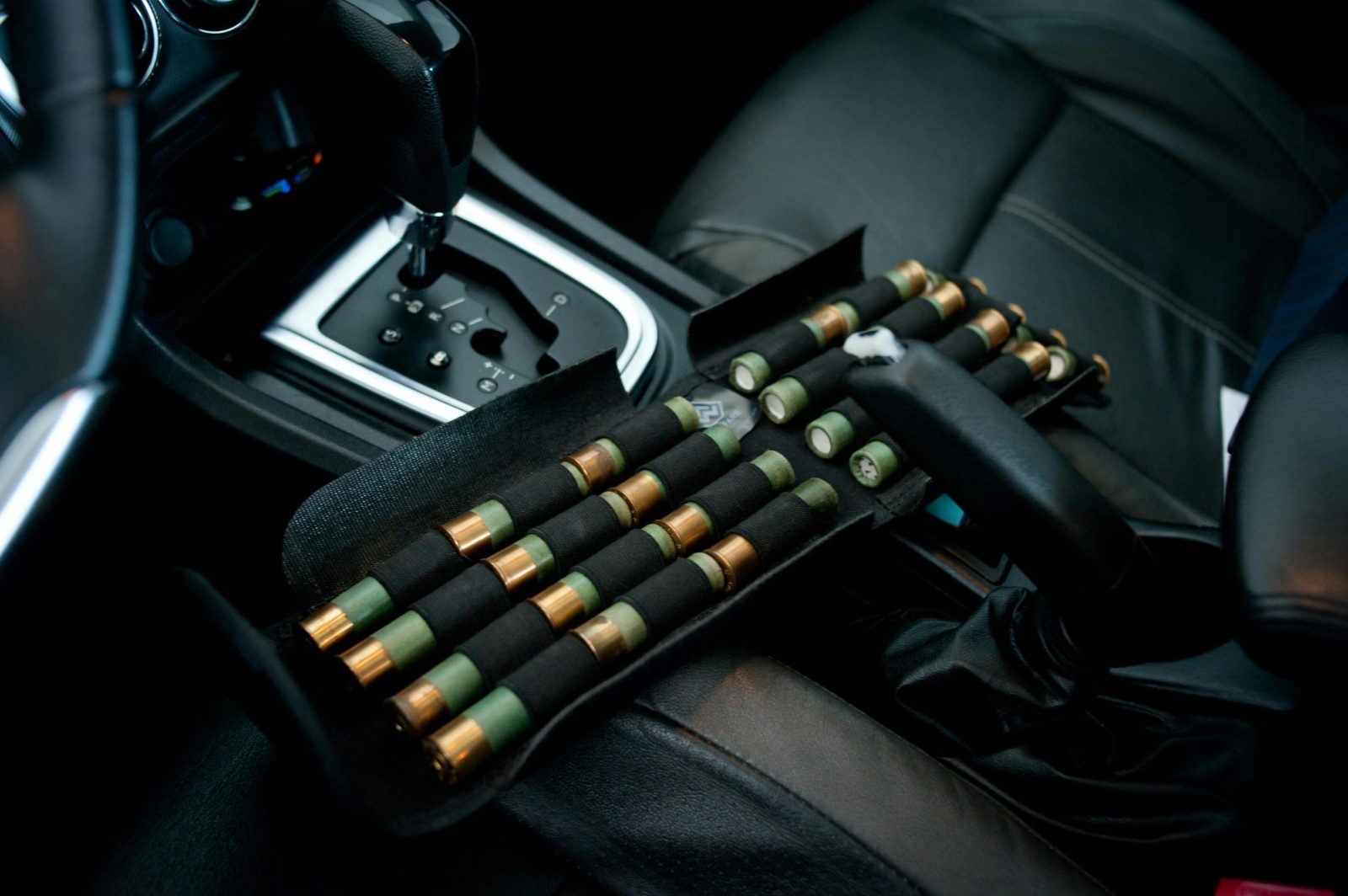
Mixing ammunition and firearms in the same container or within the reach of the driver is a violation of federal transport laws. To qualify for safe passage under the Firearm Owners Protection Act, the ammunition must be stored in a separate compartment from the weapon itself. This typically means keeping the gun in a locked case in the trunk while the rounds stay in a different bag or glove box. This separation demonstrates a clear intent to transport the items safely rather than having them ready for immediate use. Following this rule provides an essential layer of legal and personal.
Carrying Without Active Licenses

Carrying a concealed weapon without an active and valid license that is recognized by the local jurisdiction is a very serious crime. A person must ensure that their permit has not expired and that all fees are paid before embarking on a cross-country journey. Some states require an additional non-resident permit for those who plan to carry while visiting for business or leisure activities. Neglecting to update paperwork can lead to a permanent loss of the right to own a firearm and significant fines. Maintaining an organized record of all permits is a fundamental responsibility for everyone.
Ignoring Open Carry Restrictions
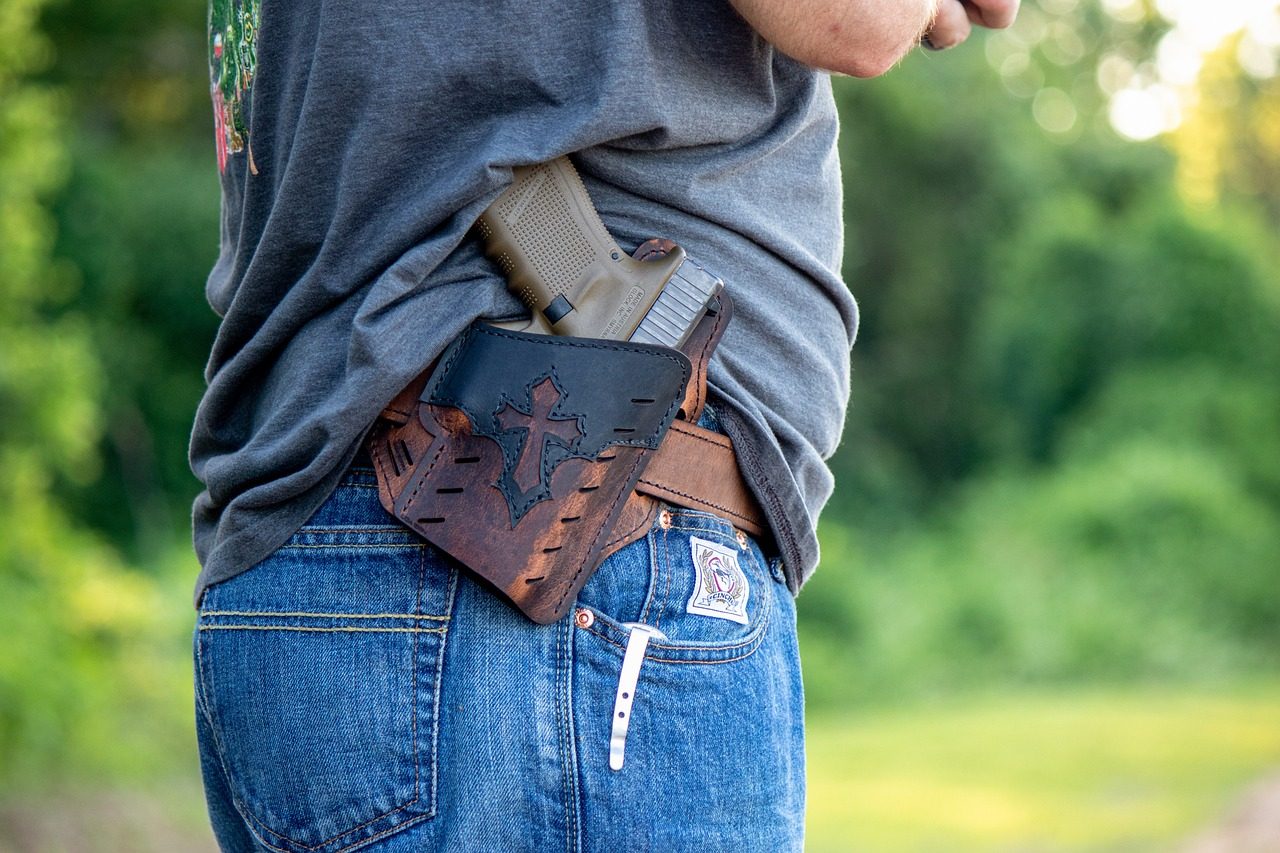
Ignoring open carry restrictions can cause alarm and lead to legal intervention even in states that generally support Second Amendment rights. While some regions allow for the visible carry of a handgun in a holster, others strictly prohibit the practice in all public spaces. Crossing a state line and assuming that open carry is allowed everywhere is a major mistake that can attract unwanted attention from the police. Every owner should understand the specific social and legal expectations for the area they are visiting to avoid any unnecessary conflict. Discretion is often the best approach when traveling with a gun.
Transporting Through Sensitive States

Transporting firearms through sensitive states like New York or New Jersey requires extreme caution and a thorough understanding of the local rules. These regions often have very strict requirements for how a weapon must be secured and which specific types are allowed within their borders. Even a short drive through a corner of the state can result in a legal nightmare if the firearm is not stored correctly according to the state’s laws. It is often safer to plan a route that avoids these areas entirely if the owner is not certain about their ability to comply with everything.
Using Prohibited Ammunition Types
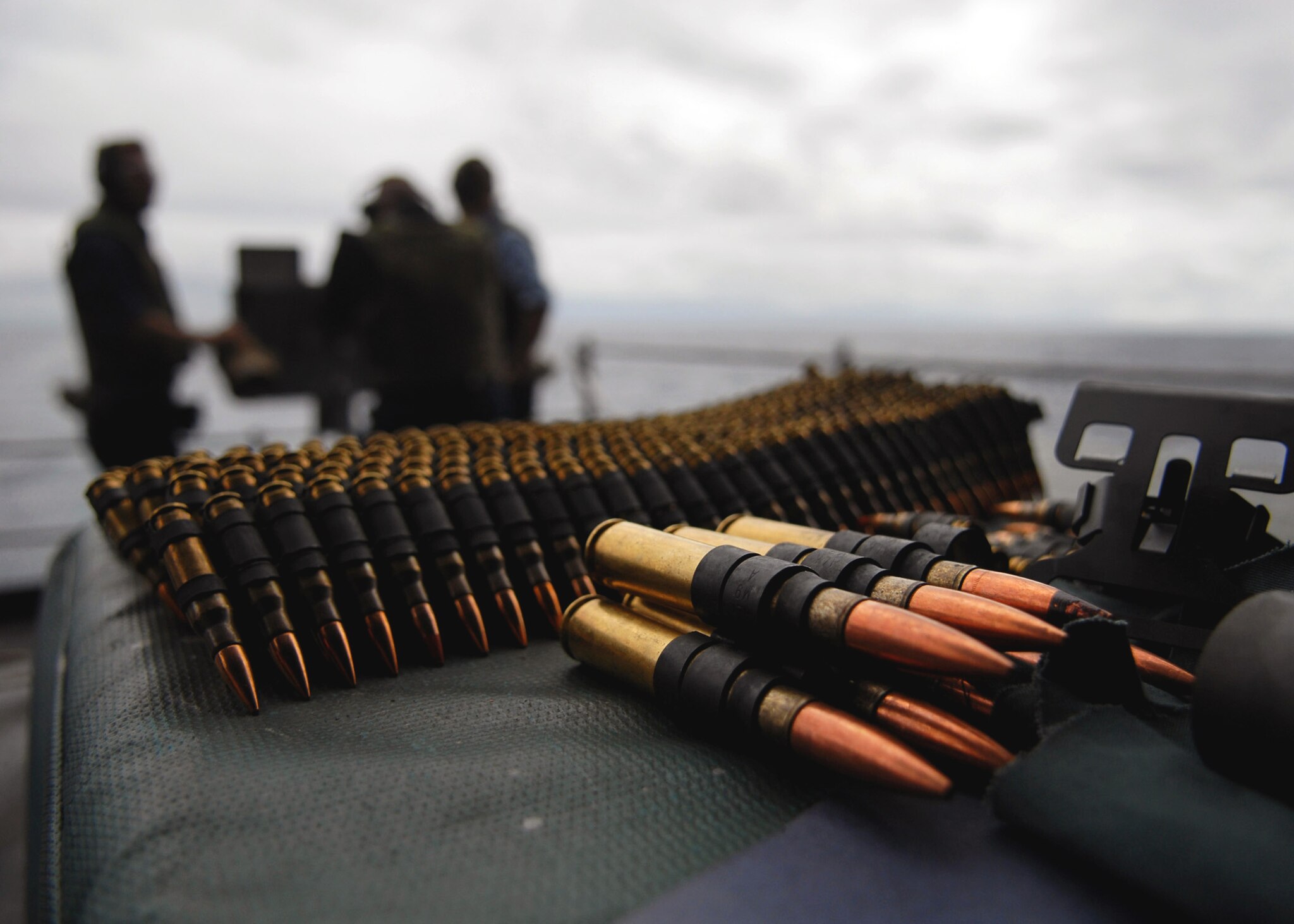
Using prohibited ammunition types like hollow point bullets in certain jurisdictions can lead to criminal charges even for a lawful traveler. Some regions specifically ban the possession or use of expanding ammunition for self-defense, while others allow it only for target practice. A person must ensure that every round in their magazine and spare carriers is legal for the specific area they are visiting today. Switching to full metal jacket rounds for the duration of the trip may be a necessary step to remain fully compliant with all local laws. Verifying the small details prevents many legal.
Failing To Secure Weapons
Failing to secure weapons against theft or unauthorized access while staying in a hotel or a rental property is a dangerous mistake. Most states have specific laws regarding the safe storage of firearms when children or prohibited persons are present in the immediate vicinity. A responsible owner utilizes a portable car safe or a cable lock to ensure that the weapon remains under their direct control at all times. Leaving a gun in an unattended vehicle overnight is a high-risk behavior that often leads to theft and potential legal liability. Protection begins with the absolute and total.