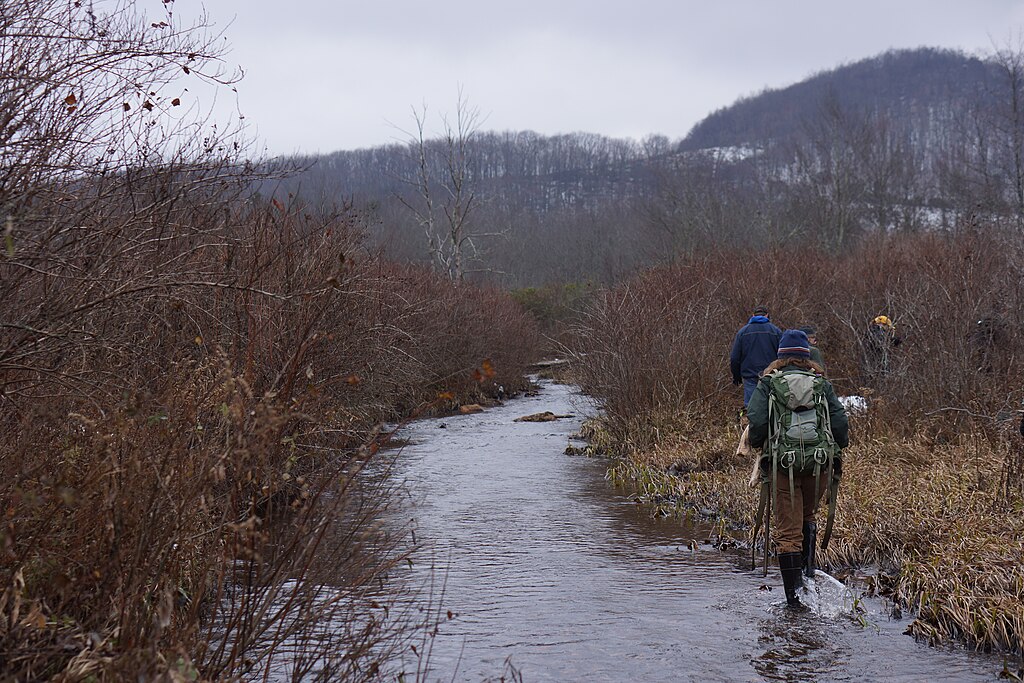
The Appalachian Mountains have long been a proving ground for skilled woodsmen, where hunters rely on quiet movement, sharp instincts, and deep knowledge of the landscape to find small game. The region’s dense forests, rolling ridges, and thick understory reward patience and careful observation. Many of the techniques passed down through generations remain highly relevant today. These methods focus on reading subtle signs, understanding animal routines, and using the terrain to your advantage. Mastering these time-tested strategies helps modern hunters move with confidence through the Appalachian wilderness.
1. Using Soft Steps on Leaf-Littered Trails

Dry leaves make noise with every careless step, so experienced woodsmen move deliberately, placing their feet on stones, logs, or bare soil patches whenever possible. This slow, controlled movement helps avoid alerting squirrels, rabbits, and other small game. By shifting weight gradually, hunters reduce cracking sounds and maintain a natural rhythm that blends with the forest. Practicing this skill builds a quieter approach, giving hunters more chances to observe animals before they detect movement.
2. Reading Bark Shavings and Feeding Sign

Appalachian hunters often locate small game by studying subtle clues like fresh bark shavings or stripped twigs left behind by squirrels. These feeding signs indicate active areas worth returning to. Shavings at the base of a tree usually signal recent activity, especially near hickories or oaks. By noting the direction of broken fragments and the freshness of debris, hunters can estimate how long ago animals fed there. This awareness helps narrow down productive pockets of woodland.
3. Staying Still Longer Than Feels Natural
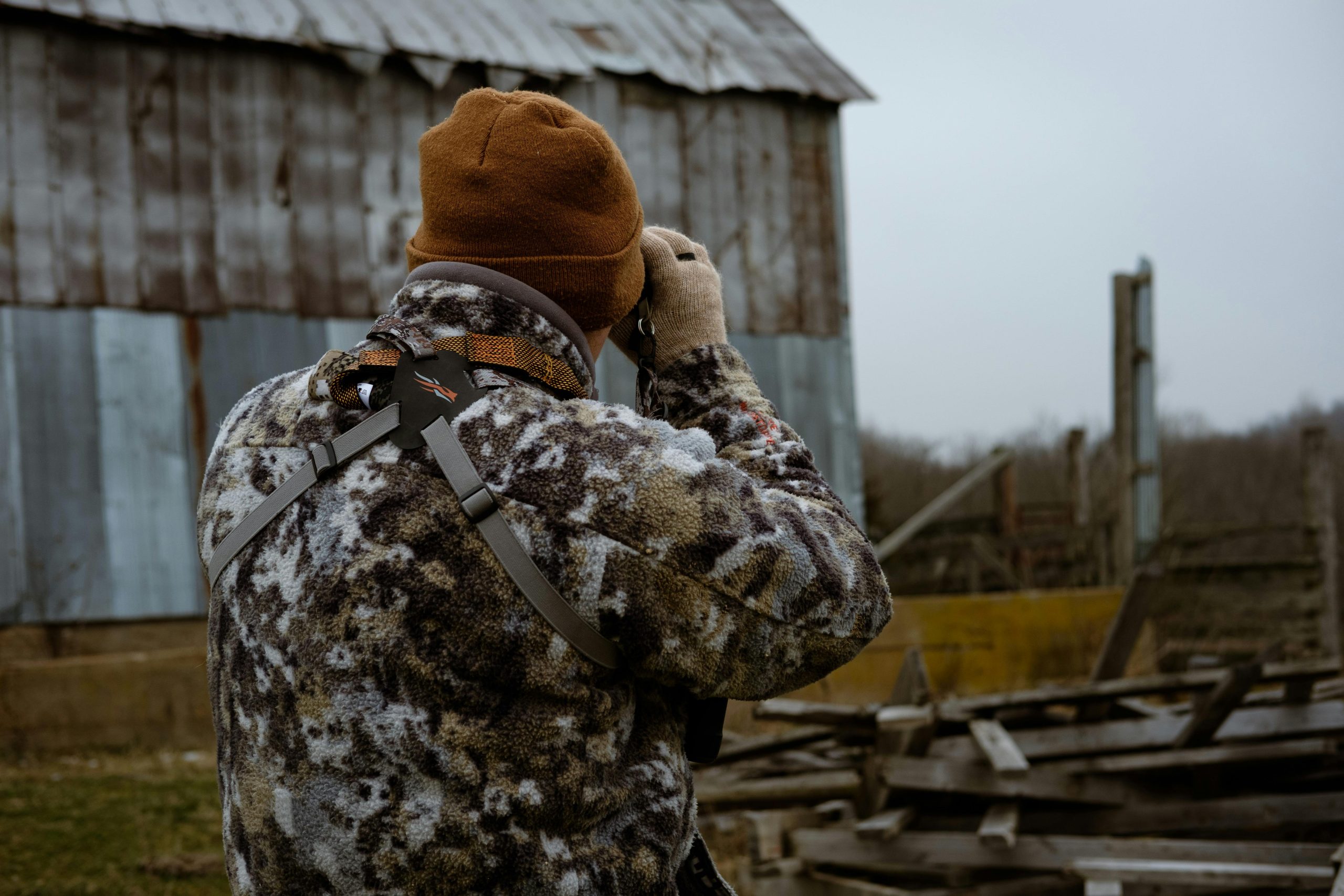
Patience is one of the oldest Appalachian secrets. Woodsmen often remain motionless for extended periods, allowing the forest to settle. Small game typically reappears once it senses the area is calm again. Holding still increases the chance of spotting subtle movement in the canopy or along the forest floor. Even small shifts in posture can give away a hunter’s presence, so control and steadiness are essential. This simple but powerful technique often leads to reliable opportunities.
4. Listening for Telltale Forest Rhythms

The Appalachian forest carries many quiet sounds that reveal small-game locations. Woodsmen listen for the scratch of claws on bark, the patter of cuttings falling from treetops, or the quick thump of startled rabbits. The forest has a natural rhythm, and unusual interruptions often signal animal movement. Learning to interpret these noises allows hunters to track game without constant scanning. Sound becomes a guiding tool that cuts through dense vegetation and early morning low light.
5. Using Natural Cover to Break Your Silhouette
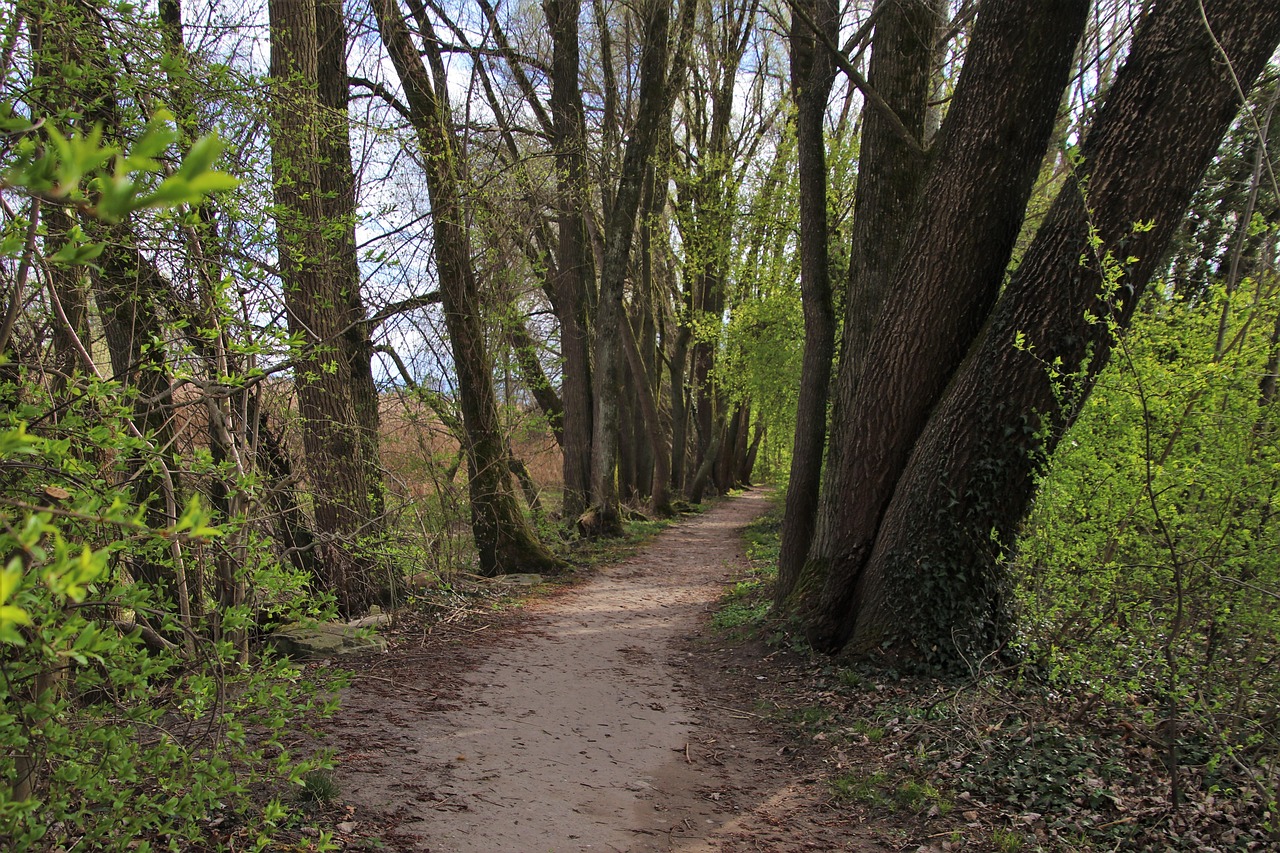
Experienced hunters take advantage of tree trunks, thickets, and terrain dips to stay concealed. Breaking up your outline prevents animals from recognizing a human shape, especially during slow approaches or still-hunting. Woodsmen avoid standing in open spaces and instead blend into shadows or align their bodies with natural vertical lines. This form of camouflage works even without specialized gear, relying instead on careful positioning. Visibility often determines success in small-game country.
6. Moving When the Wind Masks Your Noise
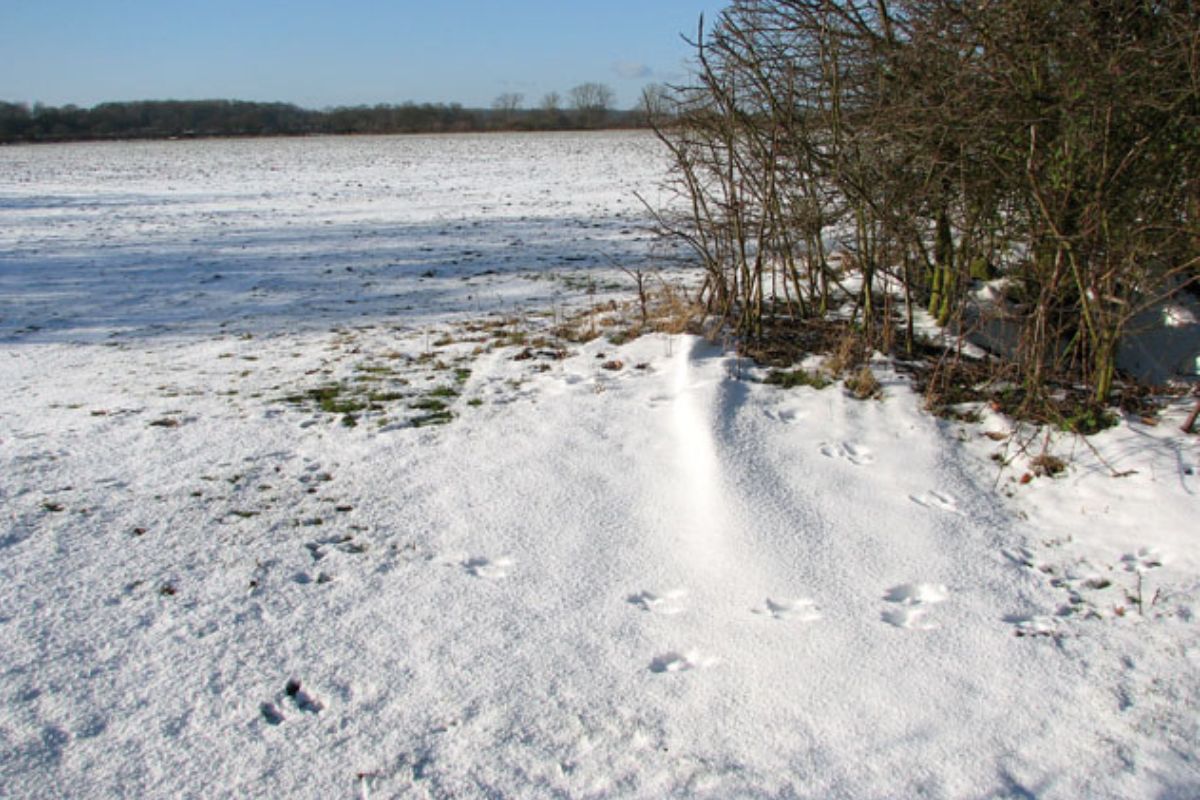
Breezy days give hunters a natural advantage by carrying away faint sounds and reducing the sharpness of crunches in leaf litter. Woodsmen time their steps with gusts or steady wind to stay concealed acoustically. Wind also carries scent unpredictably, so hunters position themselves downwind of suspected small-game hotspots. This combination of timing and wind awareness helps reduce the chances of being detected, particularly when stalking squirrels or rabbits on alert.
7. Tracking Fresh Cuttings Beneath Hickory Trees

Hickories are reliable gathering spots for squirrels, especially during the fall. Piles of fresh nut shells and shavings beneath the tree indicate active feeding zones. Woodsmen look for bright inner shell fragments, which suggest recent activity. By locating several productive trees, hunters create a mental map of likely travel routes and feeding cycles. Remaining near these sites increases the chances of spotting squirrels returning to finish their meals or stash more nuts.
8. Following Rabbit Runs Through Thickets
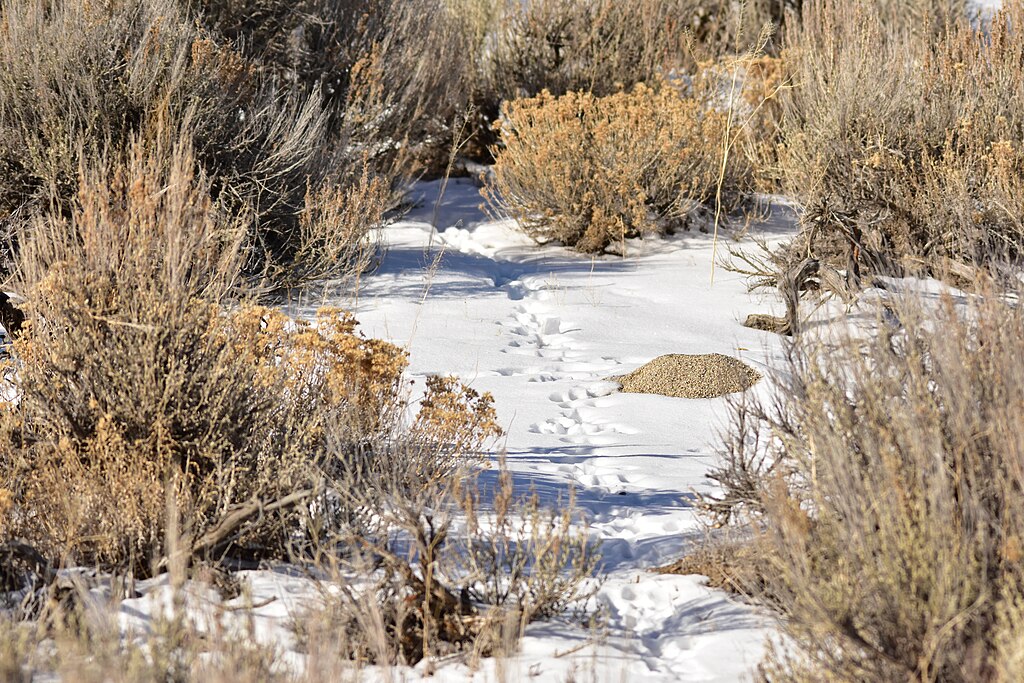
Rabbits often use repeat travel paths, known as runs, through dense cover. These routes appear as narrow tunnels in grass or slight depressions in leaf litter. Appalachian hunters study these pathways early in the morning to determine active areas. Runs connecting feeding spots, brush piles, and escape cover are especially valuable. Positioning near intersections or bends in the trail can provide clear, quick opportunities without needing to chase rabbits through thick vegetation.
9. Recognizing the Alarm Calls of Forest Birds

Birds like jays and chickadees often alert the woods to disturbances, including the movement of small game. Appalachian hunters pay attention to changes in bird chatter, as sudden calls or bursts of activity may signal animals shifting nearby. Learning these rhythms helps hunters anticipate movement even when visibility is low. By combining bird behavior with ground observations, woodsmen develop a more complete understanding of what’s happening around them.
10. Using Slow Head Turns to Avoid Detection

Quick motions often spook small game, so woodsmen turn their heads slowly when scanning the forest. This controlled movement avoids sharp visual cues that animals detect easily. Soft, measured shifts allow hunters to maintain awareness without signaling their presence. Practicing these movements creates a calmer field presence and often reveals activity that would go unnoticed during fast scanning. Stillness, broken only by gentle turns, is a signature Appalachian technique.
11. Watching for Treeline Flickers in Low Light
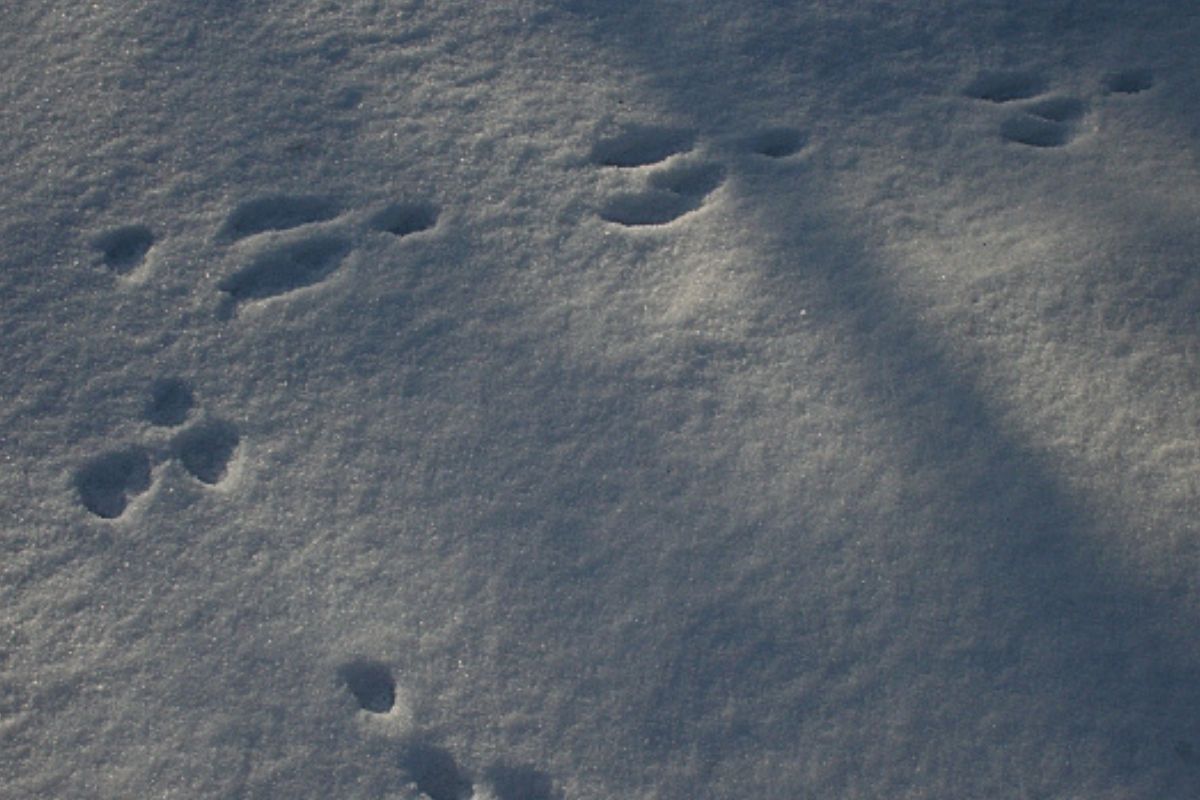
Early mornings and late afternoons create lighting conditions where small movements become easier to spot along ridgelines or tree edges. Woodsmen watch for flickers,brief flashes of motion that reveal squirrel tails, ears, or hopping shapes. These subtle cues stand out against static branches or fading daylight. Learning to spot movement before form gives hunters an advantage during peak activity hours when many small-game species are feeding or traveling.
12. Returning to the Same Productive Hollows

Generations of Appalachian hunters know that certain hollows consistently hold small game year after year due to food sources, shelter, and terrain. Returning to these places builds familiarity and a deeper understanding of seasonal patterns. Woodsmen notice how activity shifts after storms, temperature changes, or mast variations. Knowing these dependable spots reduces guesswork and increases efficiency. Over time, hunters create a personal map of high-odds locations throughout the mountains.