Survival in the wild is not just about strength; it is about preparation, resourcefulness, and knowing the right skills when you need them most. Whether you find yourself on a planned adventure or an unexpected situation, being equipped with practical survival knowledge makes all the difference. From finding food to building shelter, these essential skills can help you stay safe, confident, and capable in any wilderness environment.
Building a Shelter
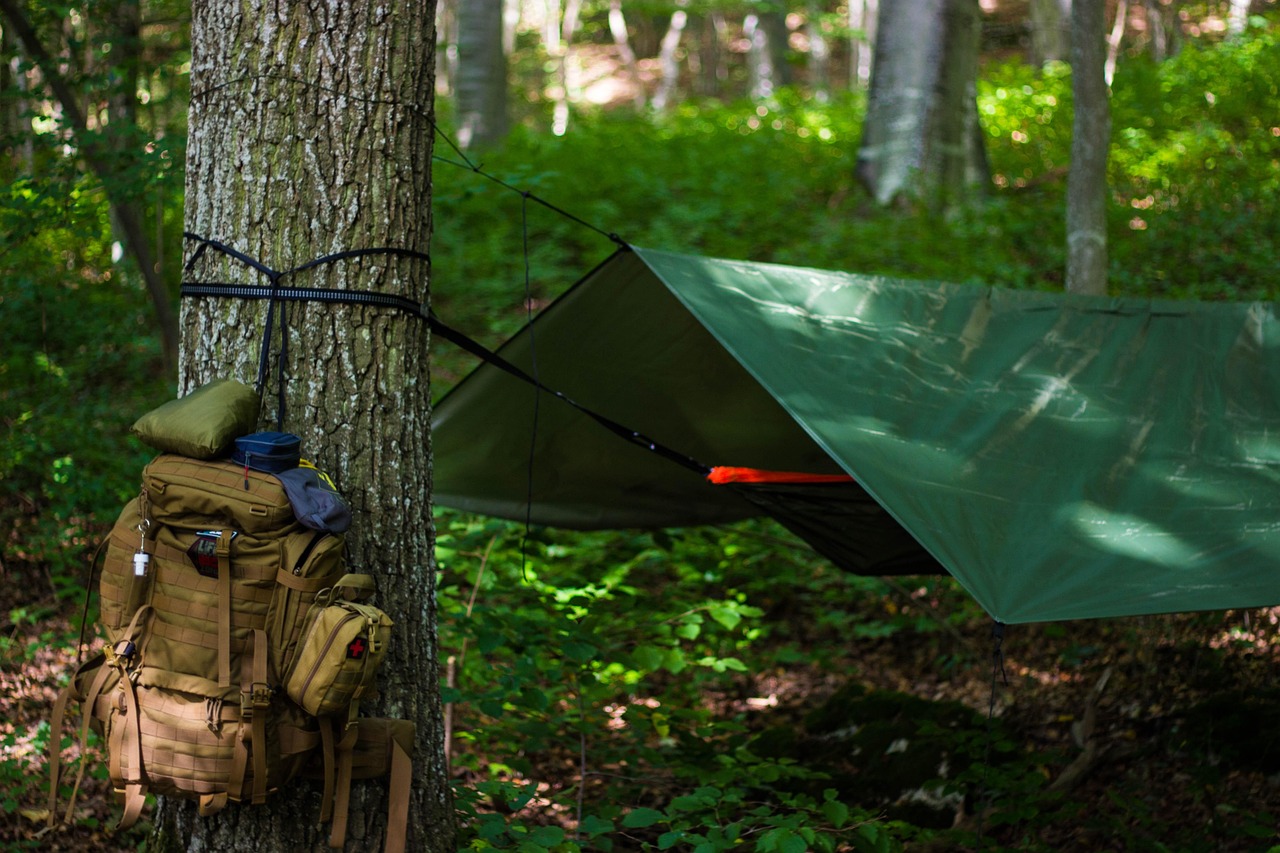
The ability to create a shelter protects you from harsh weather and gives you a sense of security. Using branches, leaves, and natural materials, you can construct a lean-to or debris hut. Knowing where to place it, such as away from low ground or falling hazards, is just as important as the build itself.
Starting a Fire
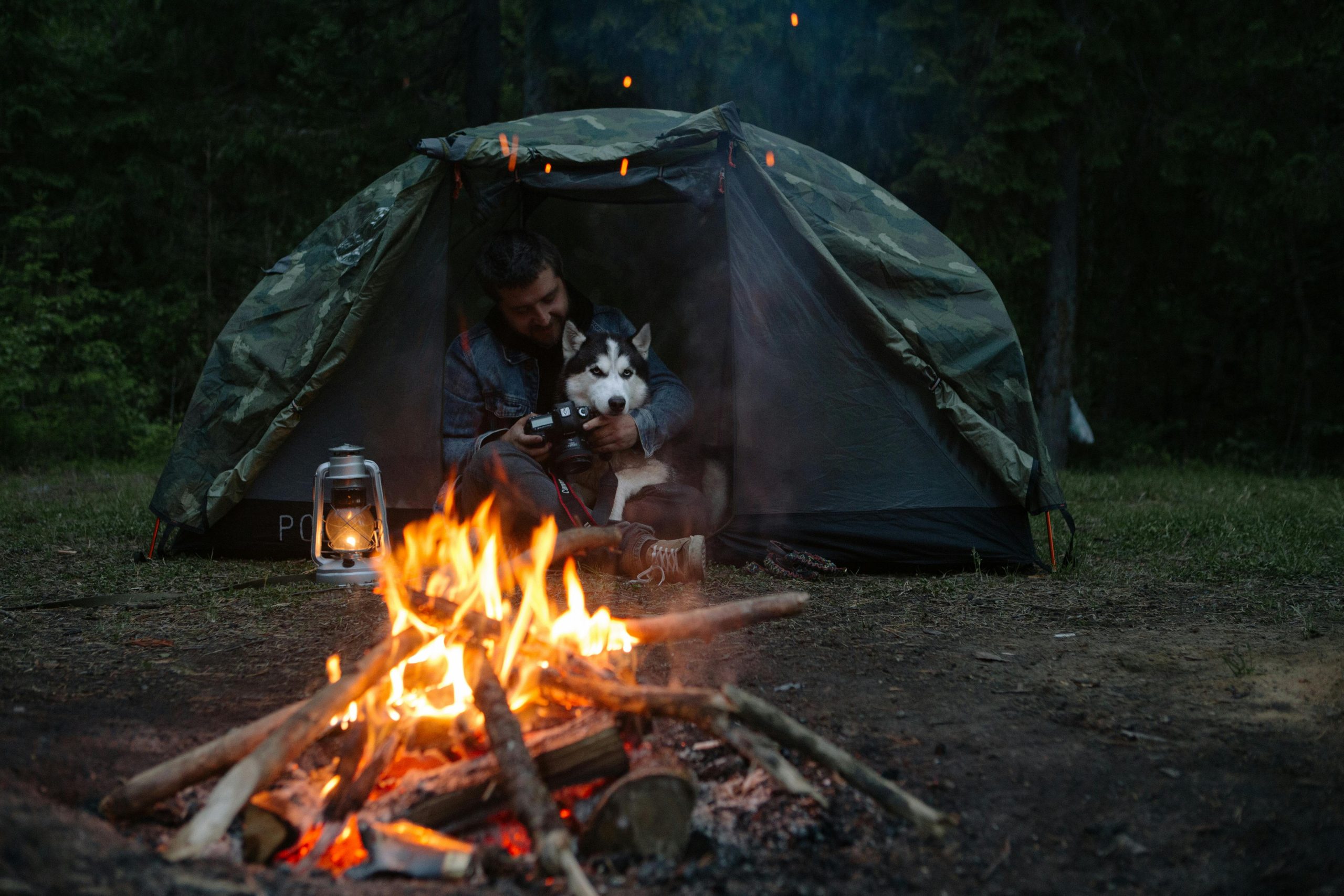
Fire provides warmth, light, and the ability to cook food or boil water. You should learn multiple fire-starting techniques, from using matches and lighters to friction methods like a bow drill. Gathering dry tinder and building a proper fire lay ensures it burns efficiently and safely.
Finding Safe Drinking Water

Water is critical for survival, and knowing how to find and purify it can save your life. Streams, springs, or collected rainwater are often reliable sources. Boiling, filtering, or using purification tablets ensures the water is safe from harmful bacteria or parasites.
Navigation Without GPS
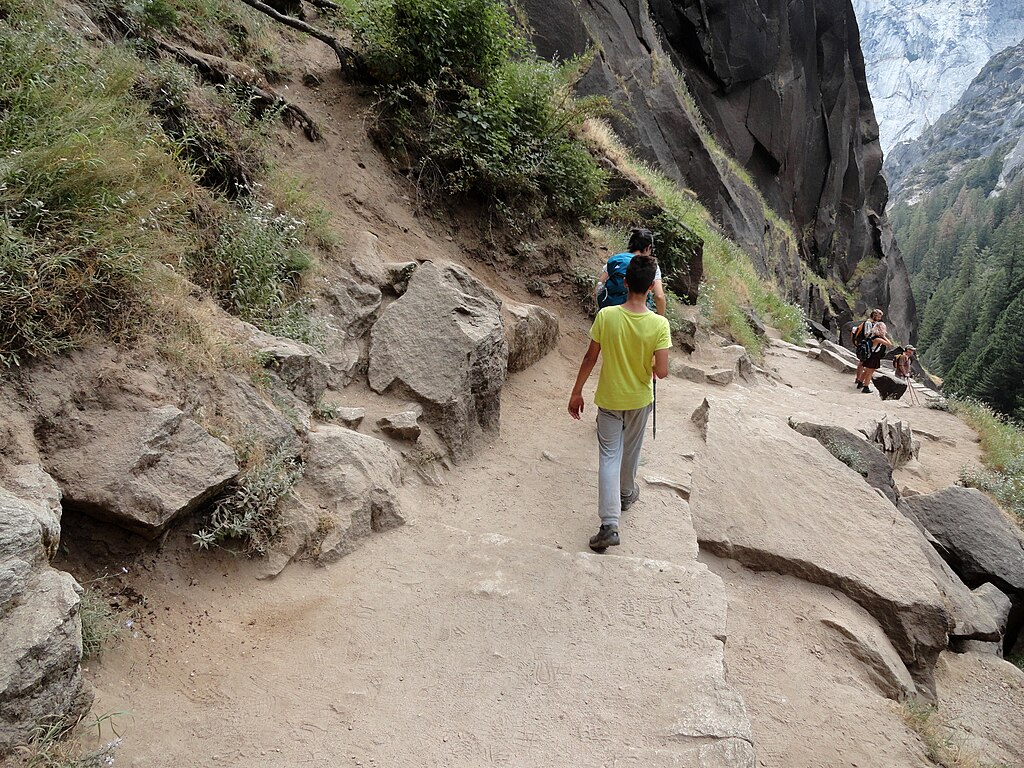
Getting lost is one of the biggest risks in the wild. By learning to read a map, a compass, and natural signs like the sun or stars, you can find your way. Even simple awareness of landmarks and directions can prevent you from straying too far off course.
Foraging for Food
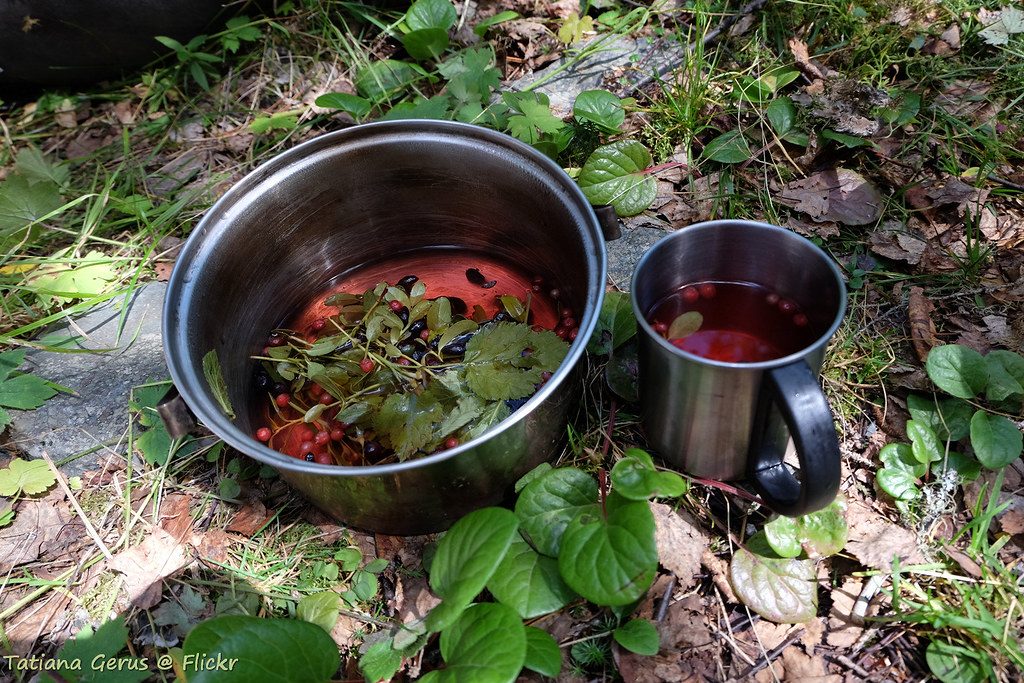
While you can survive for days without eating, finding food provides energy and peace of mind. Learning to identify edible plants, berries, and nuts reduces the risk of eating something harmful. Pairing foraging with basic hunting or fishing skills ensures you can sustain yourself.
Setting Traps and Snares

Trapping small animals requires patience but can provide valuable protein. Simple snares or deadfall traps can be made from natural materials and placed along animal trails. Knowing where to set them increases your chances of success while minimizing wasted effort.
Basic First Aid
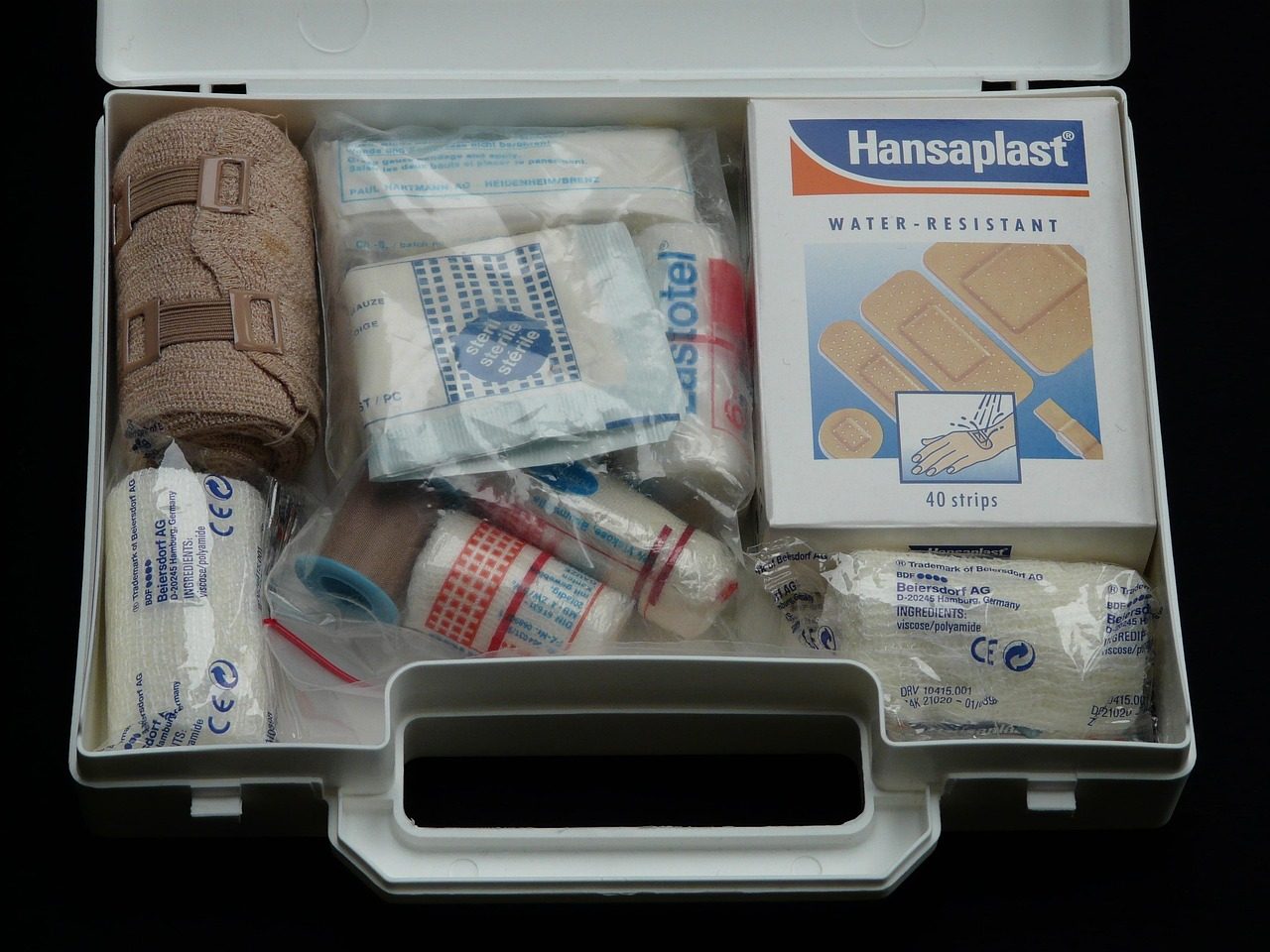
Accidents happen, and being able to treat wounds or injuries is crucial. Carrying a small first aid kit helps, but knowing how to clean cuts, stop bleeding, and handle sprains matters most. Quick, proper care prevents small issues from becoming life-threatening problems.
Tying Knots
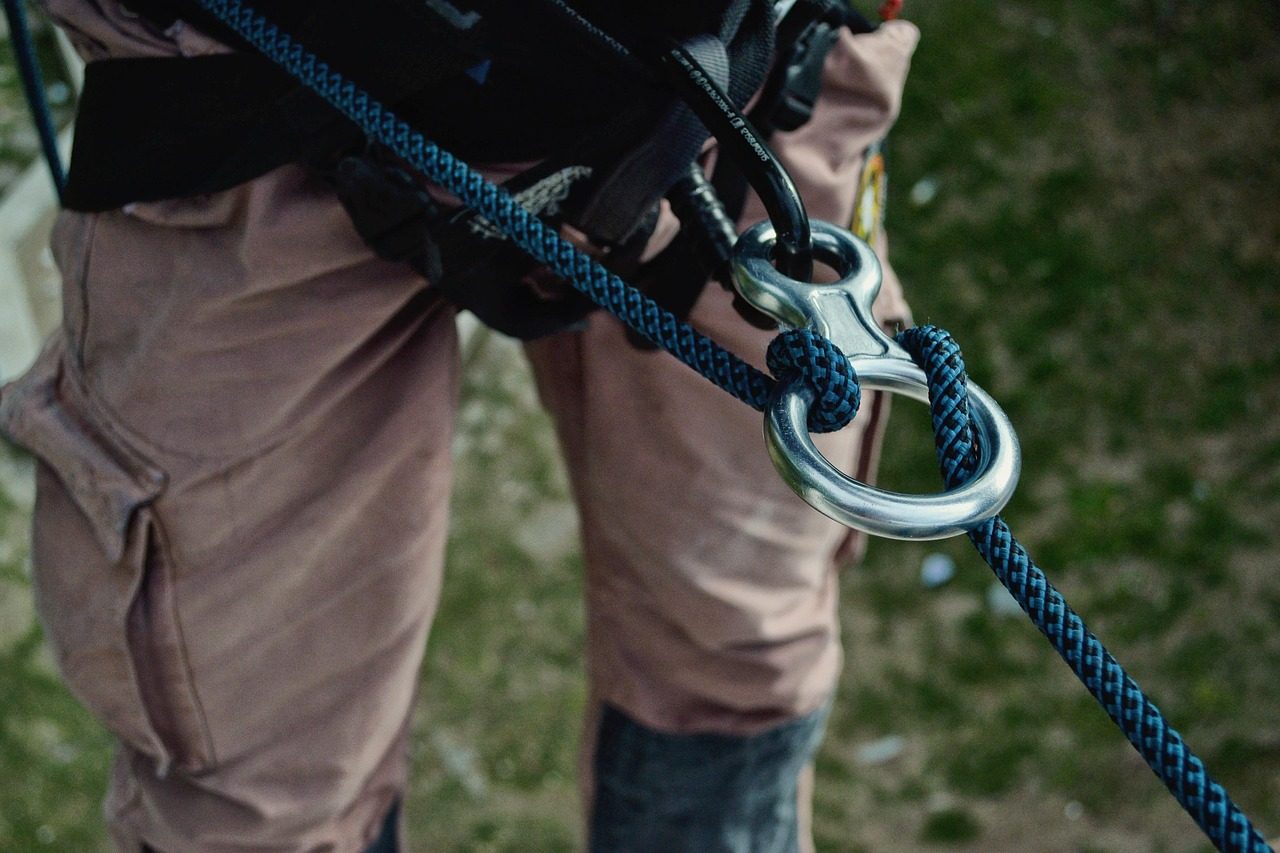
Strong knots are useful for building shelters, securing gear, or creating traps. Learning versatile knots like the bowline, clove hitch, and square knot gives you solutions for many situations. Good knot work makes tasks more efficient and equipment more reliable.
Reading the Weather

The weather can change suddenly, and reading signs like cloud movement, wind direction, or animal behavior can give you clues. Recognizing these patterns helps you prepare for storms or find safe shelter. Being aware of your environment makes survival more manageable.
Fishing for Food
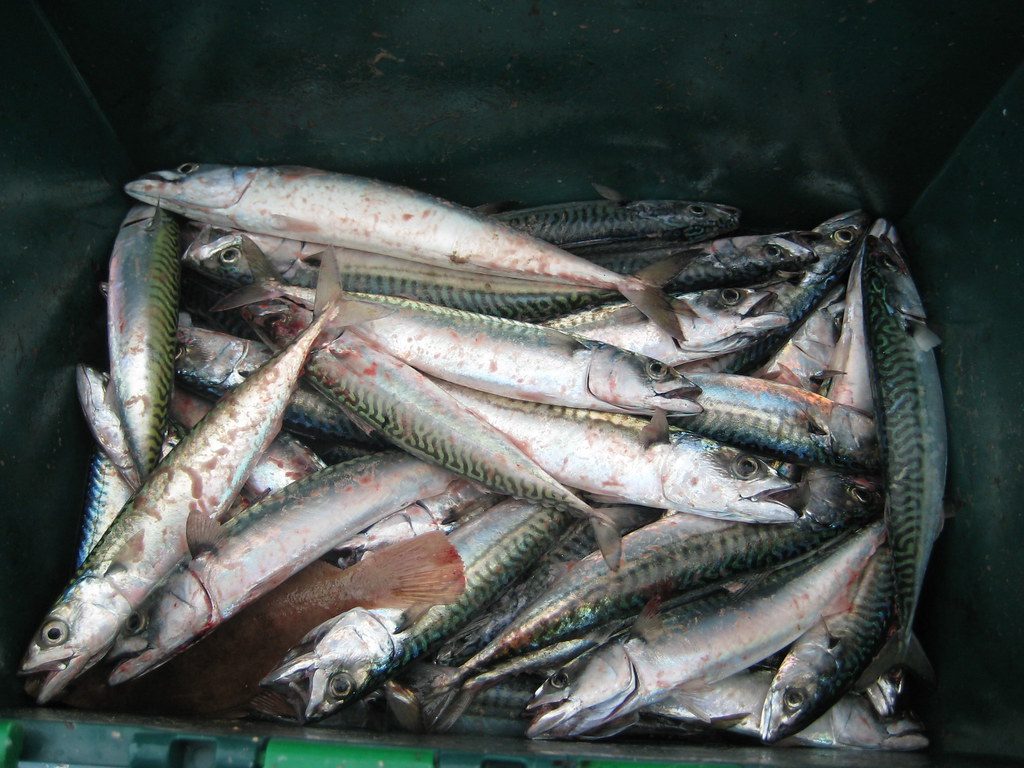
Fishing is one of the most practical ways to gather protein in the wild. With a simple line, hook, or even improvised gear, you can catch fish from rivers or lakes. Learning patience and proper technique ensures a better chance of success.
Using Tools Safely
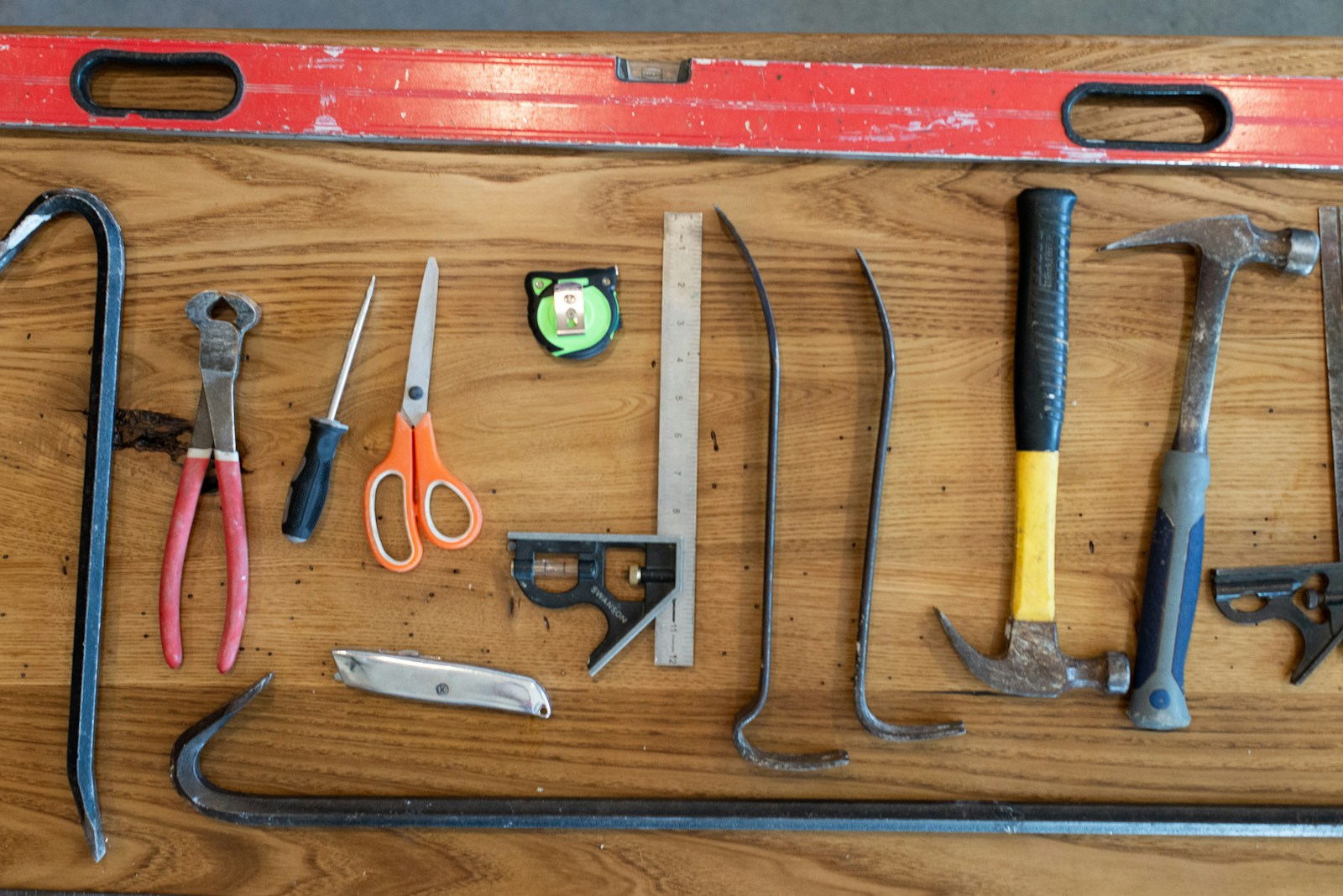
A knife, hatchet, or multitool is one of your best allies outdoors, but only if you know how to use them correctly. Safe handling prevents accidents while ensuring efficiency in tasks like carving, chopping, or building. Keeping blades sharp and using them wisely is key.
Staying Calm Under Pressure
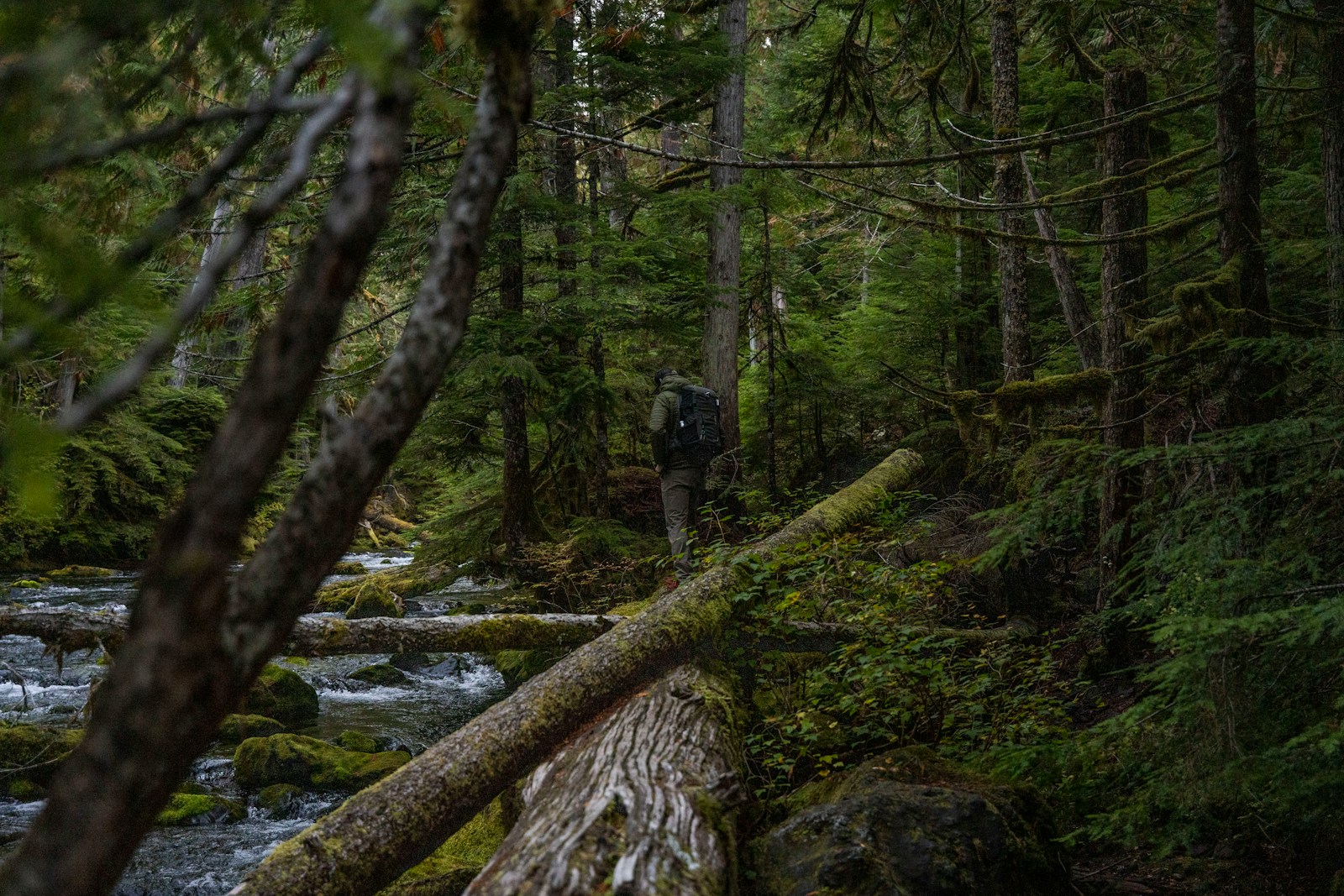
Perhaps the most important survival skill is mindset. Staying calm and focused allows you to think clearly and make good decisions. Panic wastes energy and clouds judgment, while a steady approach helps you use your other skills effectively.