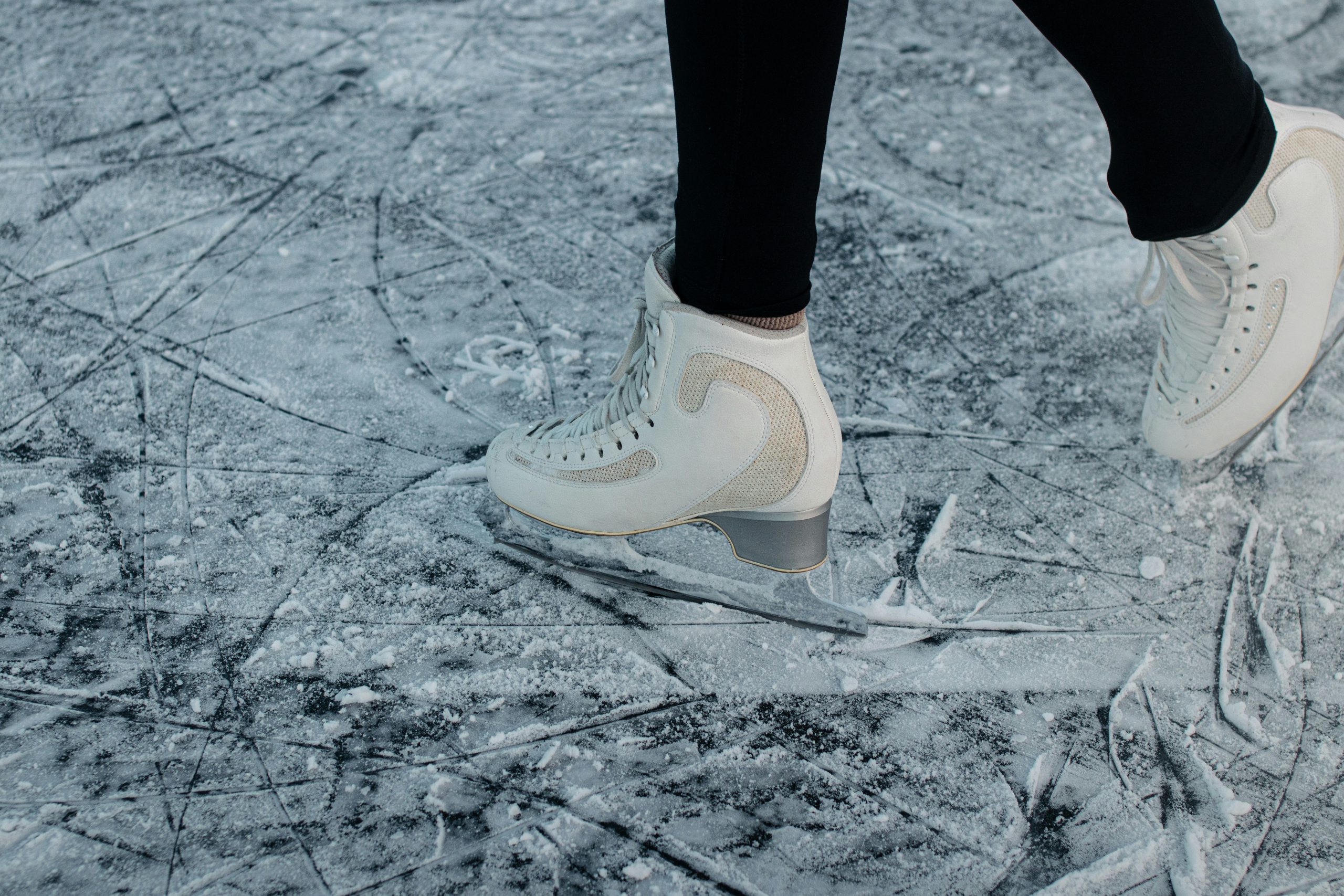
When winter settles in and frozen lakes start looking inviting, it is easy to assume the ice is solid enough to explore. But wilderness safety instructors always remind people that ice strength changes faster than most realize, and even a seemingly safe surface can hide weak layers below. Learning to read the clues nature gives you is one of the most important winter skills, especially if you hike, fish, or travel across frozen terrain. These signs help you understand when ice cannot support your weight and when it is best to stay on shore.
1. Ice Color Looks Pale, Gray, or Slushy
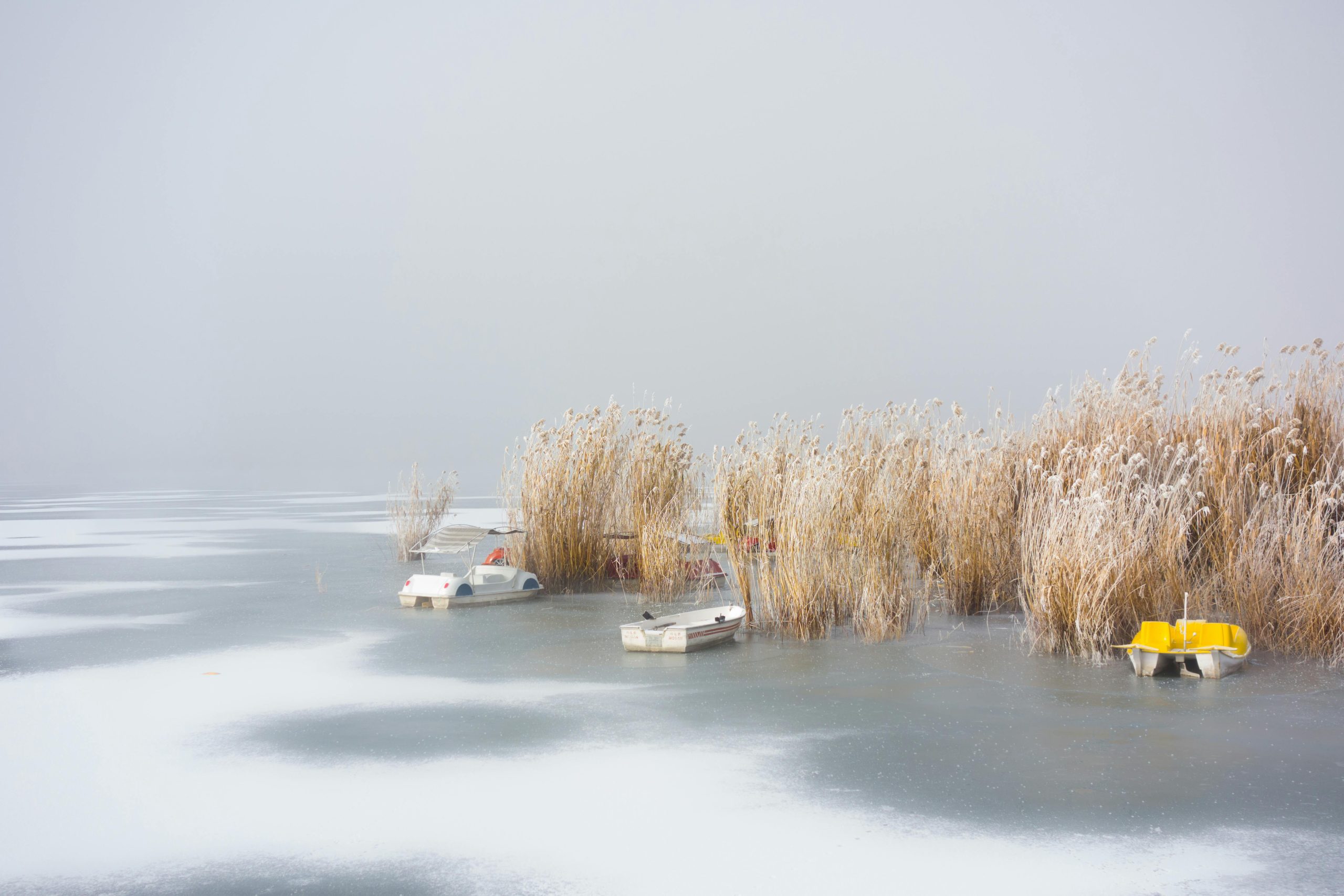
Ice color is one of the most reliable indicators of safety, and gray or pale ice almost always signals danger because it suggests moisture trapped within the layers. When water is mixed with ice crystals, the structure becomes weak and unable to hold weight for long. Even if the surface looks solid from a distance, it will often flex beneath your steps and may suddenly collapse. Experienced rescuers always advise avoiding any ice that looks soft or slushy, especially when temperatures have recently shifted above freezing.
2. Cracks Radiate Outward as You Step
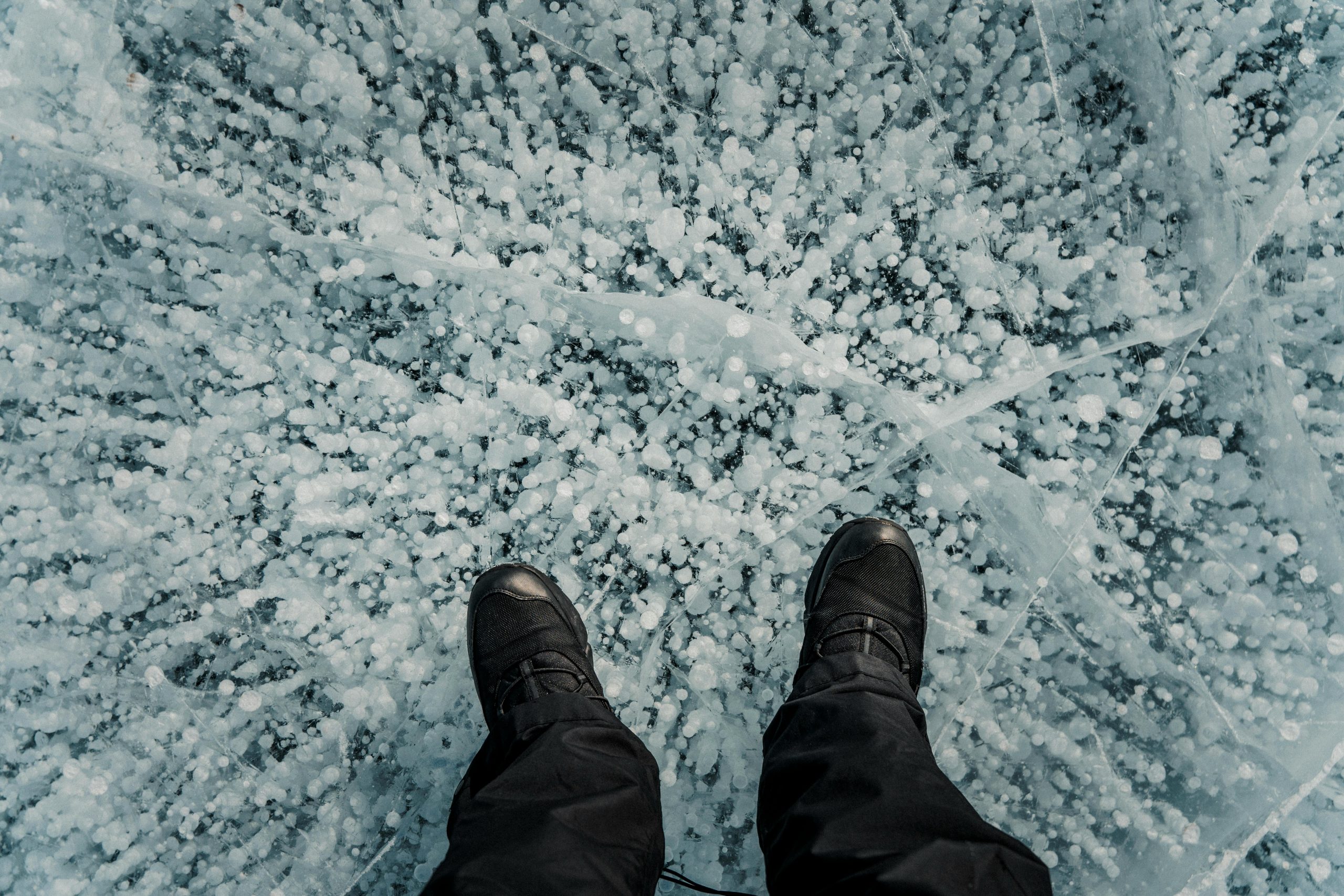
If cracks shoot out from your boots when you take a step, the ice is telling you that it is under too much tension to carry you safely. Thin ice often distributes weight poorly, so instead of holding firm, it creates long fractures that move quickly across the surface. Even if those cracks do not break completely, they indicate layers that lack density and stability. Wilderness first responders say that any ice that reacts this dramatically to light pressure is unsafe and should be avoided immediately.
3. Water Pools on Top of the Ice
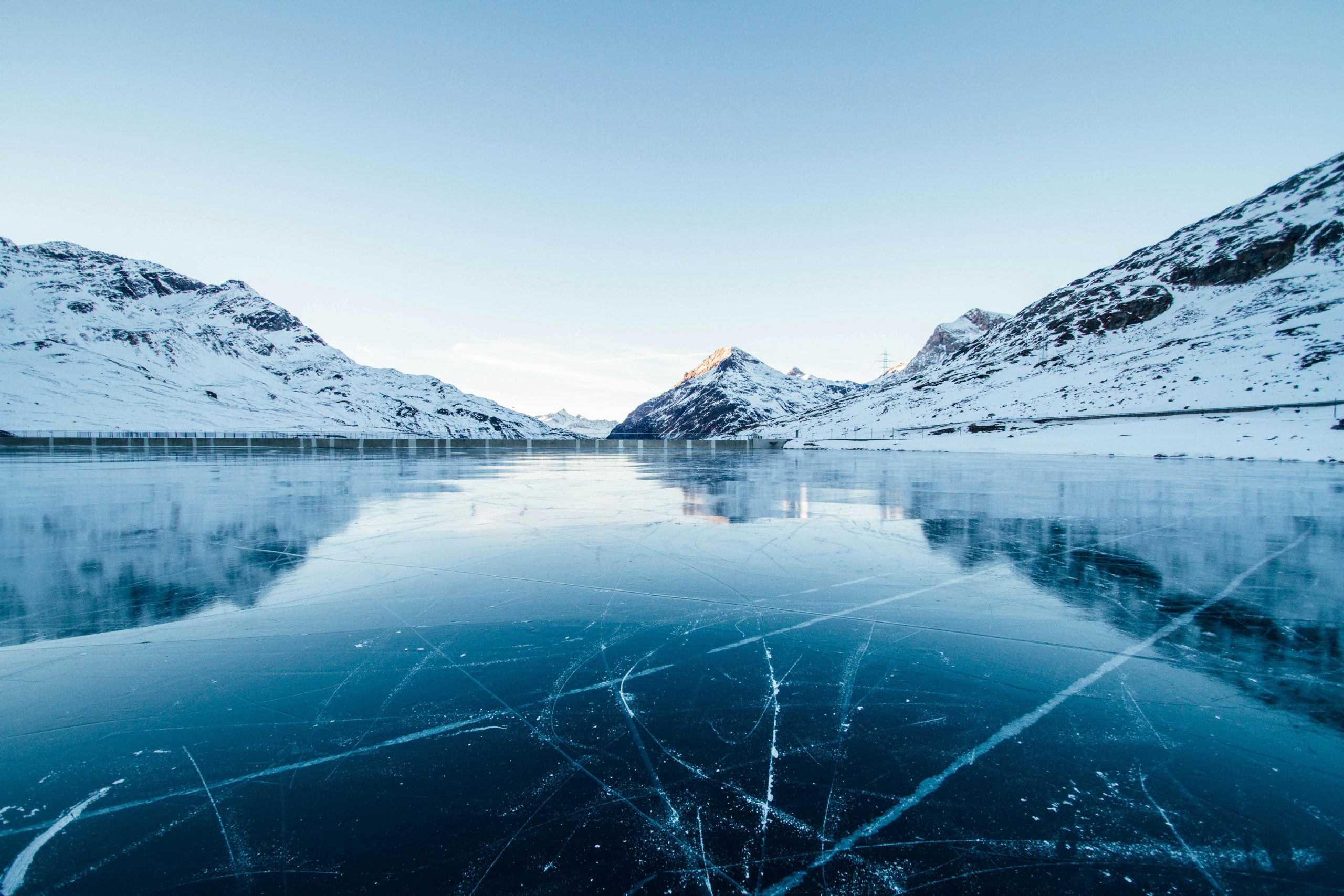
When water seeps through the surface and forms shallow puddles, it usually means the ice is melting from below, or that pressure is forcing liquid upward. This condition occurs most often during warm spells, but it can also happen when the ice is too thin to support weight, allowing it to flex and create openings that release water. The presence of water on the surface may look harmless, yet it reveals layers that are weakening fast and losing the ability to handle even small movements across them.
4. Shoreline Ice Appears Broken or Pulled Away
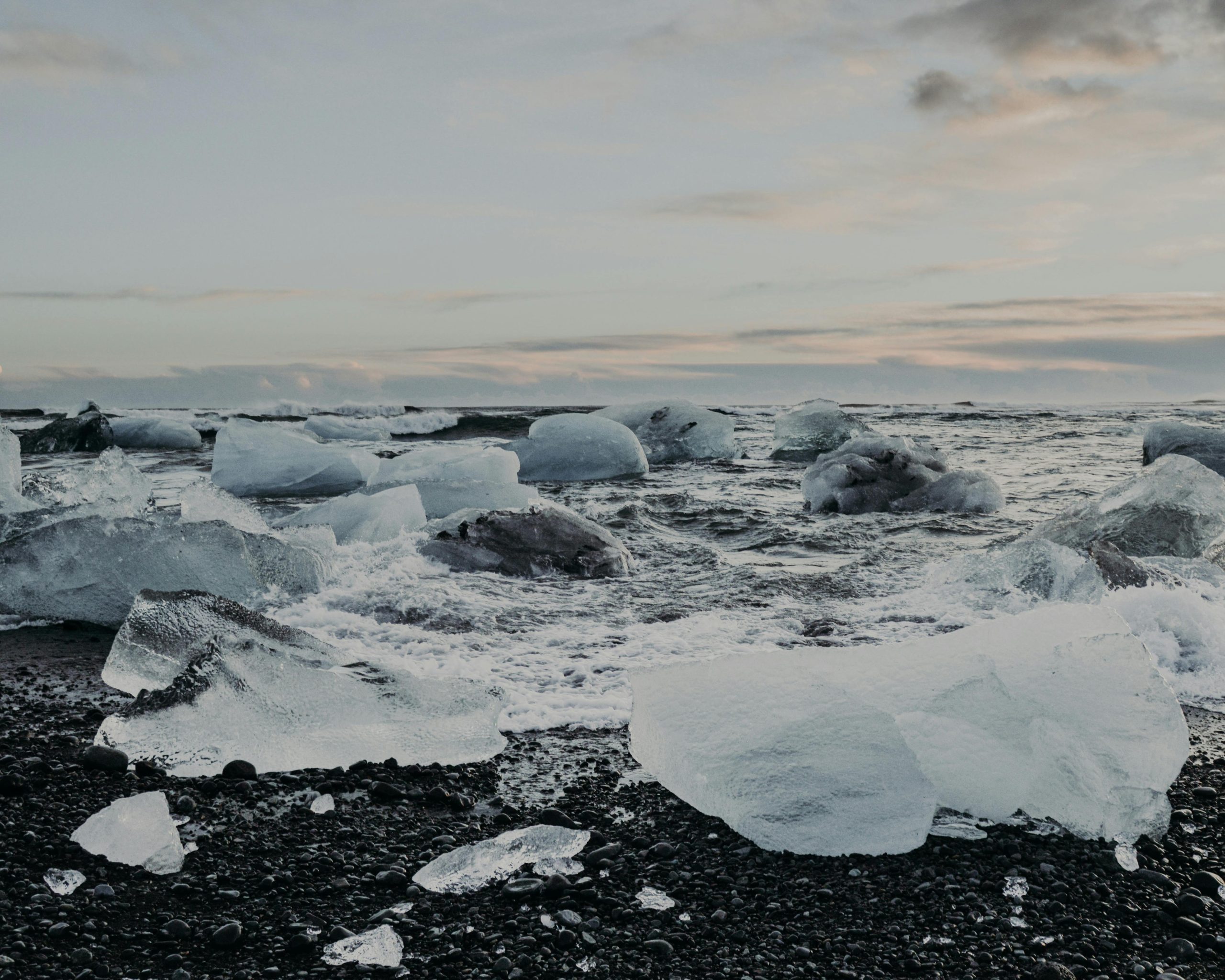
The first sections of ice to weaken are typically near the shore because the ground underneath warms faster than open water. When you notice gaps between the ice and the shoreline, or when the edges look shattered, curled, or uneven, it is a clear sign that the entire sheet has lost support. This disconnect often causes the ice to shift under pressure, and once it begins moving, the rest becomes unpredictable. Even if the center of the lake looks firm, damaged edges make the entire area unsafe.
5. Ice Makes Hollow or Echoing Sounds
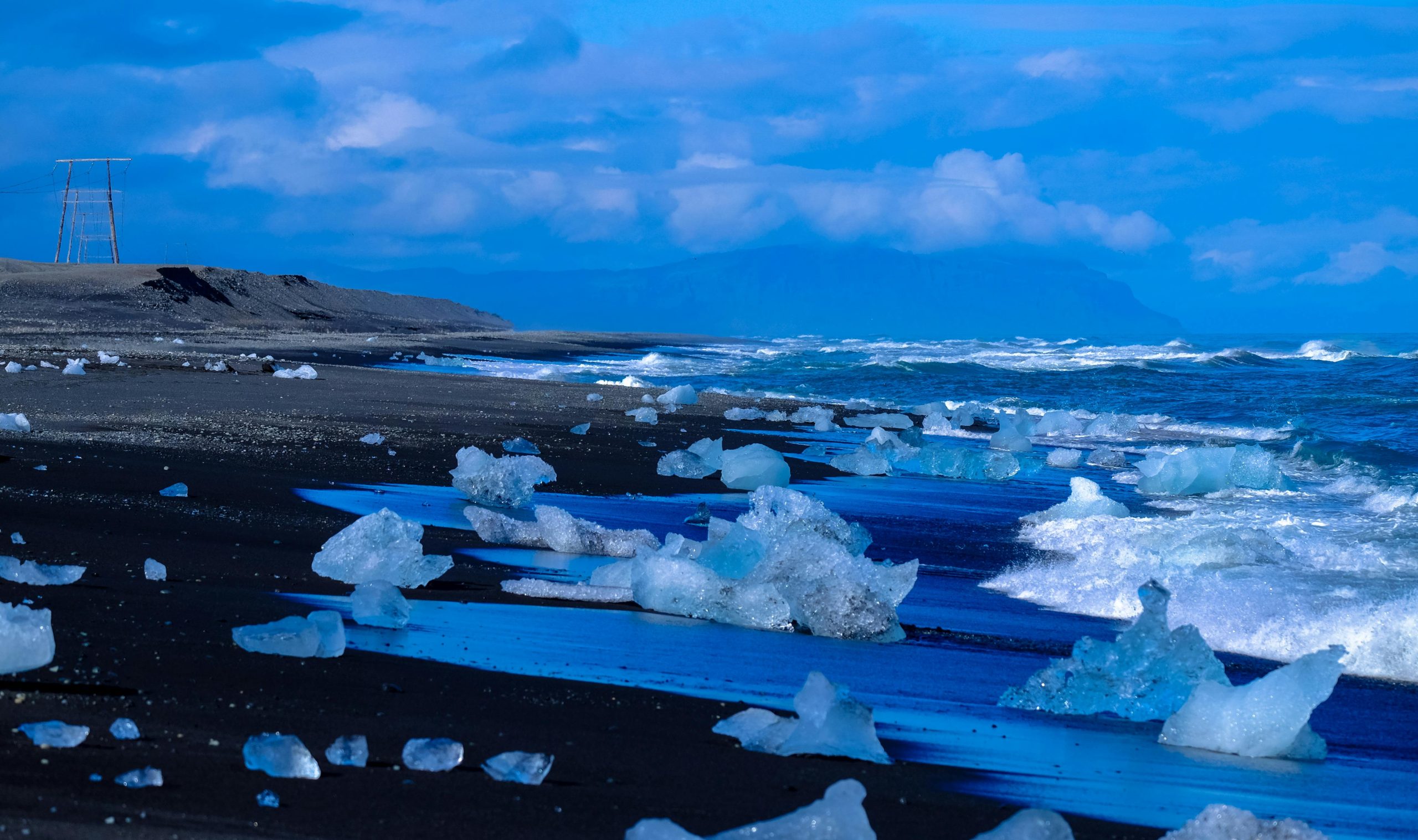
When you tap the surface with a pole or listen as you walk, hollow sounds often indicate that the ice is stretched thin and lacks solid support below. Good, dense ice usually creates a deep and solid tone, while fragile ice echoes more sharply. Wilderness instructors frequently encourage travelers to pay attention to sound because it provides quick feedback on thickness. If the ice sings, pops, or echoes in a way that feels uneasy, it is better to trust your instincts and turn back before risking a breakthrough.
6. Temperature Has Fluctuated Dramatically
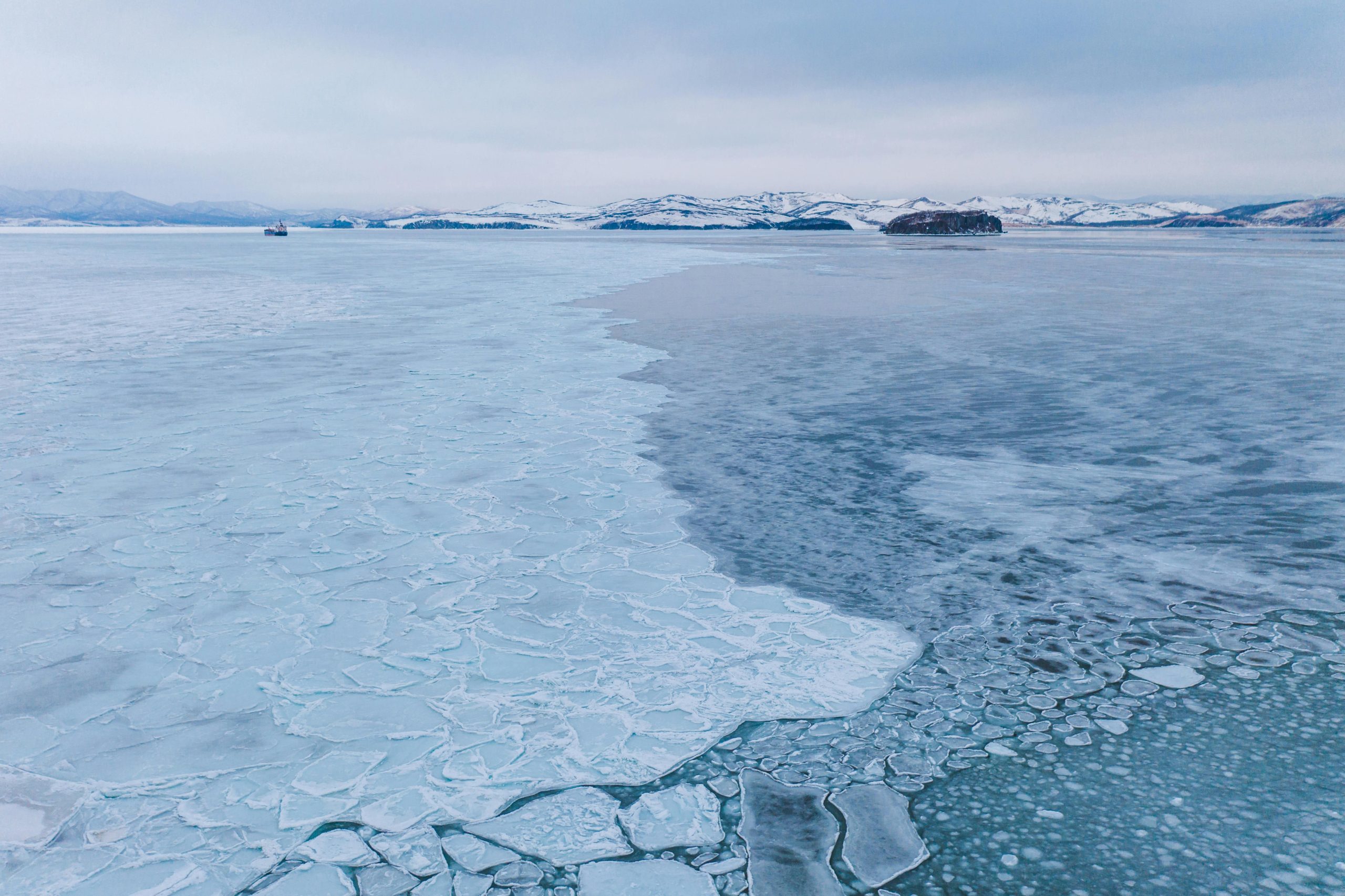
Rapid temperature swings are one of the biggest threats to ice stability because they prevent layers from forming evenly. When the daytime sun warms the surface, and nighttime cold tries to refreeze it, the result is brittle ice with weak seams throughout the sheet. These inconsistencies are often invisible, and someone could walk for several yards on what seems like solid ice before suddenly falling through. Outdoor safety professionals say that unstable temperature patterns should be treated as an automatic warning to stay away from any frozen water.
7. Snow Cover Hides the Condition of the Ice
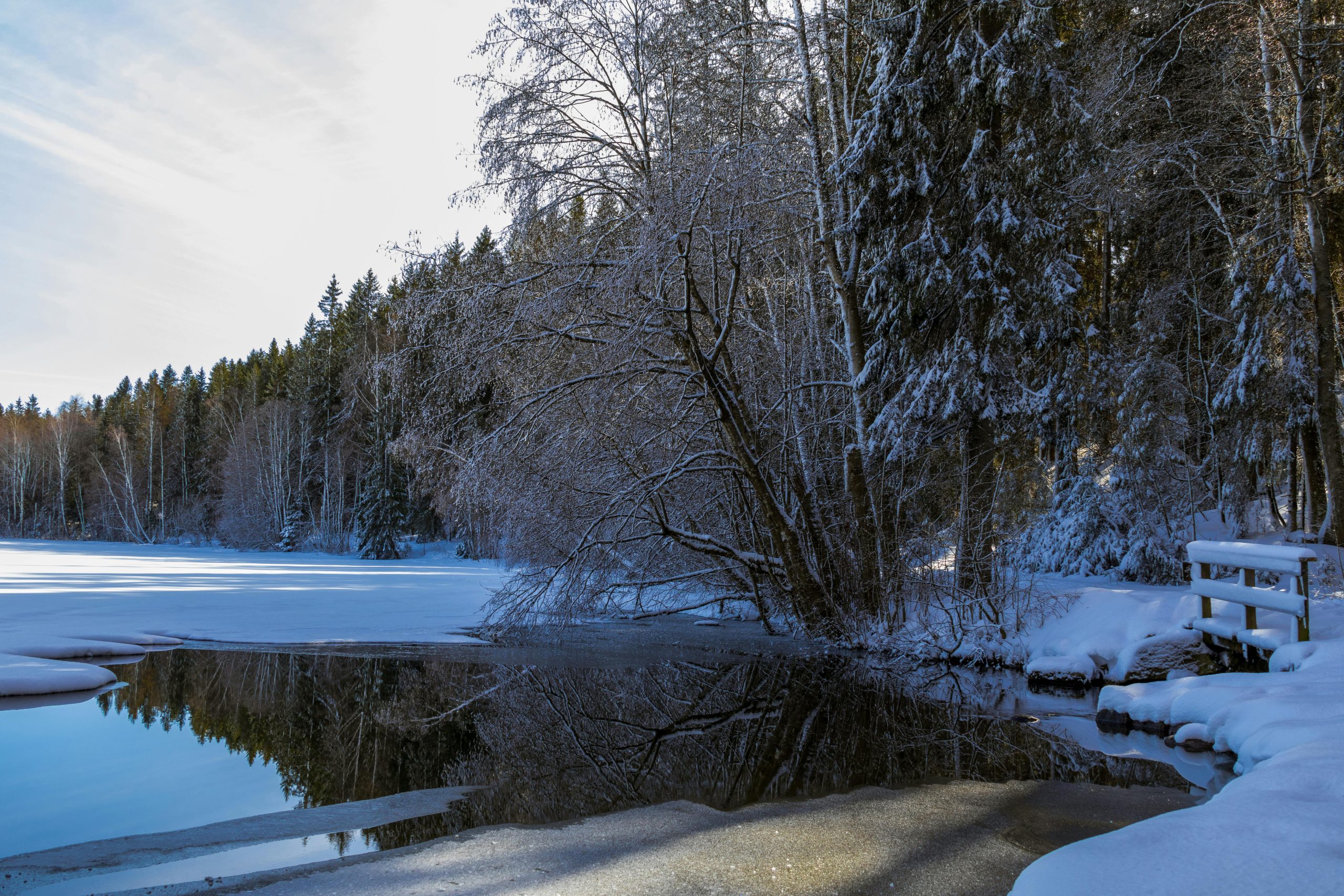
Snow acts as insulation, trapping heat beneath and slowing the freezing process. Even a light dusting can conceal cracks, holes, and thin areas that would normally be obvious from a distance. While snow may give the illusion of stability, it often hides the weakest points, especially near currents or underwater springs. Rescuers often find that accidents happen where snow-covered ice looks perfectly harmless. Whenever you see a lake covered in a clean white blanket, assume it could be hiding unsafe spots and move with extreme caution.
8. Ice Near Moving Water Looks Darker
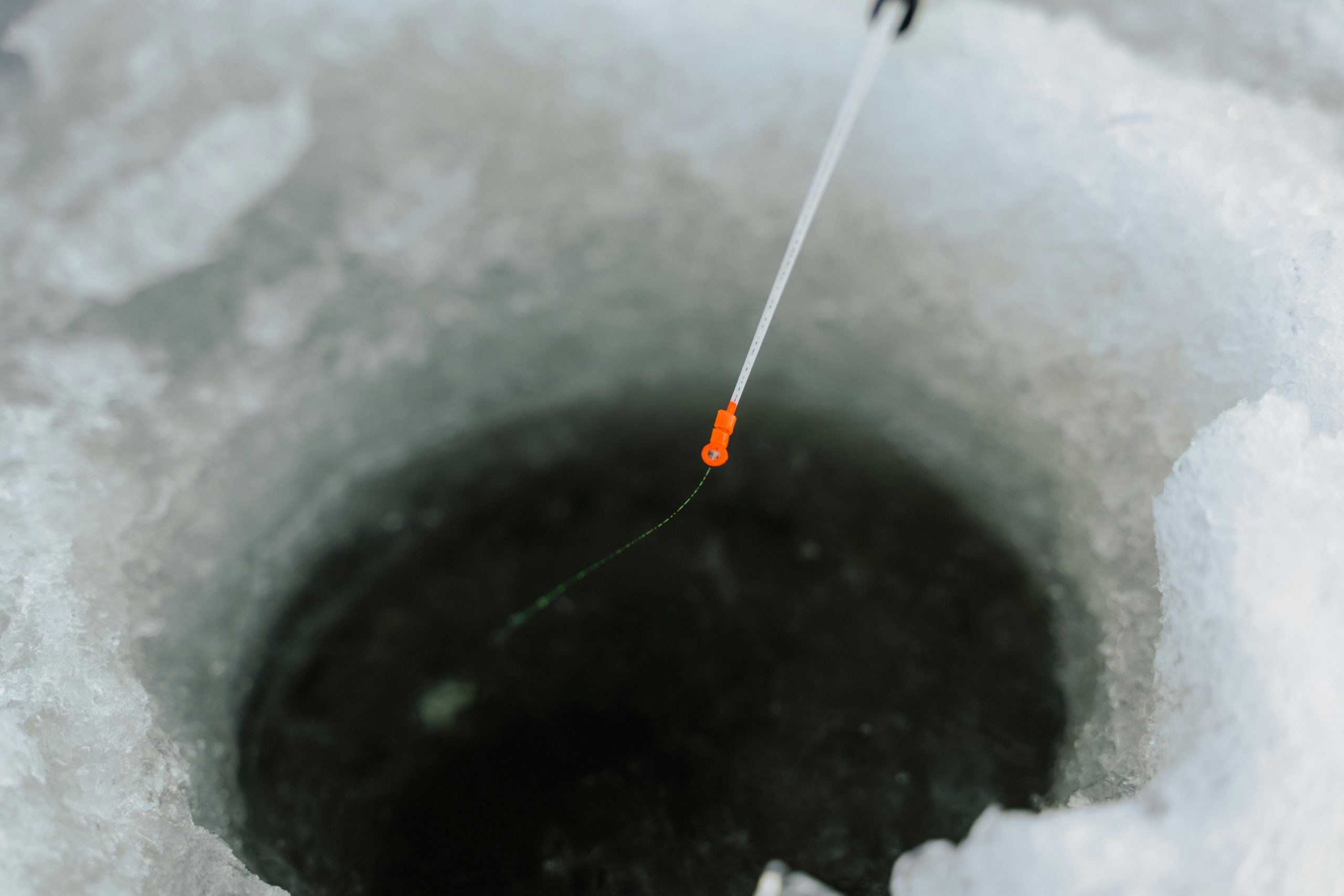
Areas near inlets, outlets, channels, or streams are almost always more dangerous because moving water erodes ice from underneath. This flow prevents a uniform freeze and often leaves the surface thin even when the rest of the lake appears solid. The ice in these zones often looks darker or appears mottled, which should immediately raise concern. Outdoor guides recommend giving these sections a wide buffer since the strength can vary from inch to inch, making it impossible to predict where the surface will collapse.
9. Air Bubbles or White Streaks Appear Inside the Ice
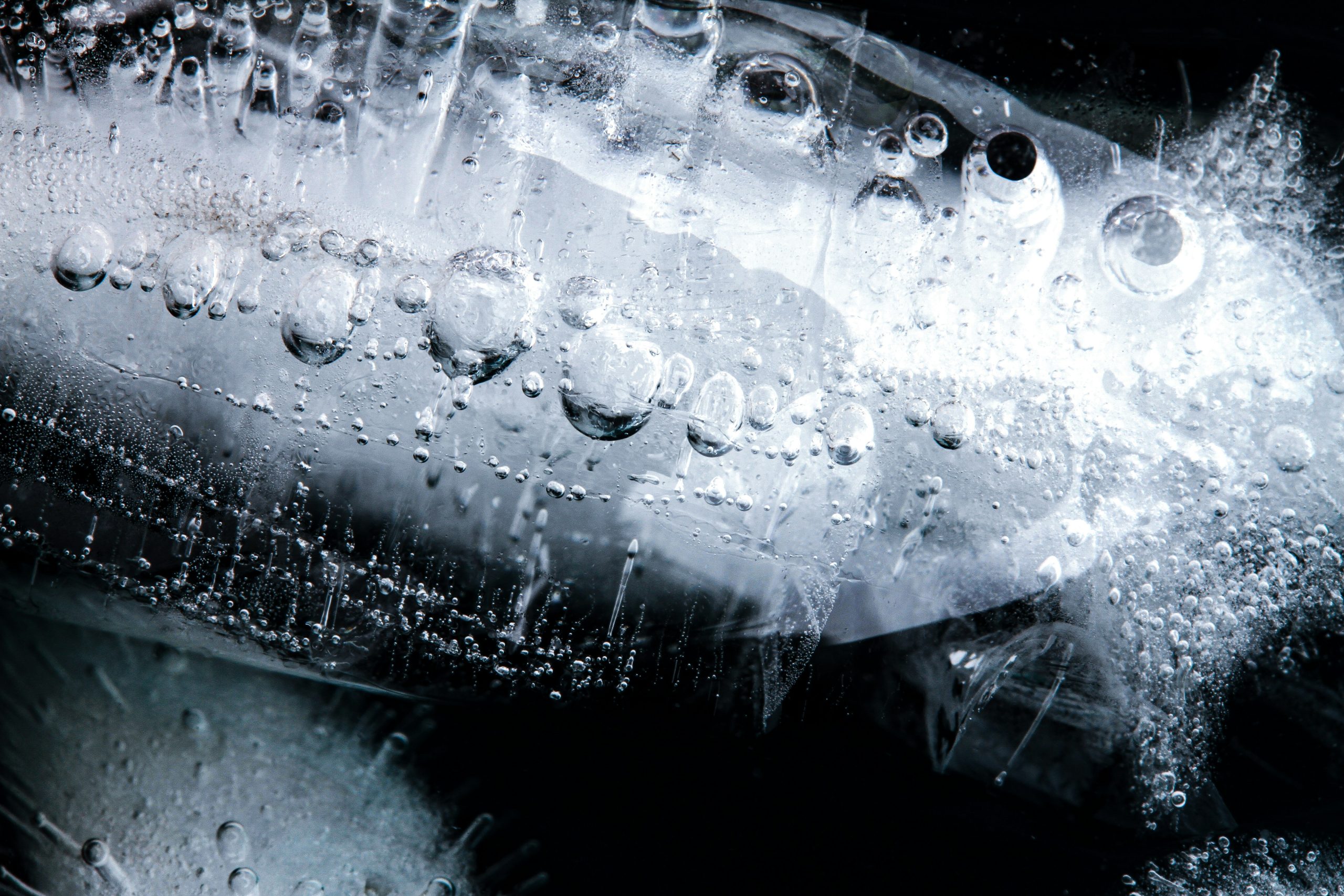
Trapped air bubbles or streaky white lines indicate a weak crystalline structure, which is unable to distribute weight effectively. Good ice is usually clear and dense, while ice with bubbles forms quickly and lacks the time needed to develop strength. Even if it appears thick, its internal flaws make it unreliable. Wilderness responders consistently warn that bubbly ice cracks more easily under pressure and can shift or break with little warning, especially during warming periods when those flaws expand and weaken the entire sheet.
10. You Notice Sudden Drops in Snowmobiles or Footprints
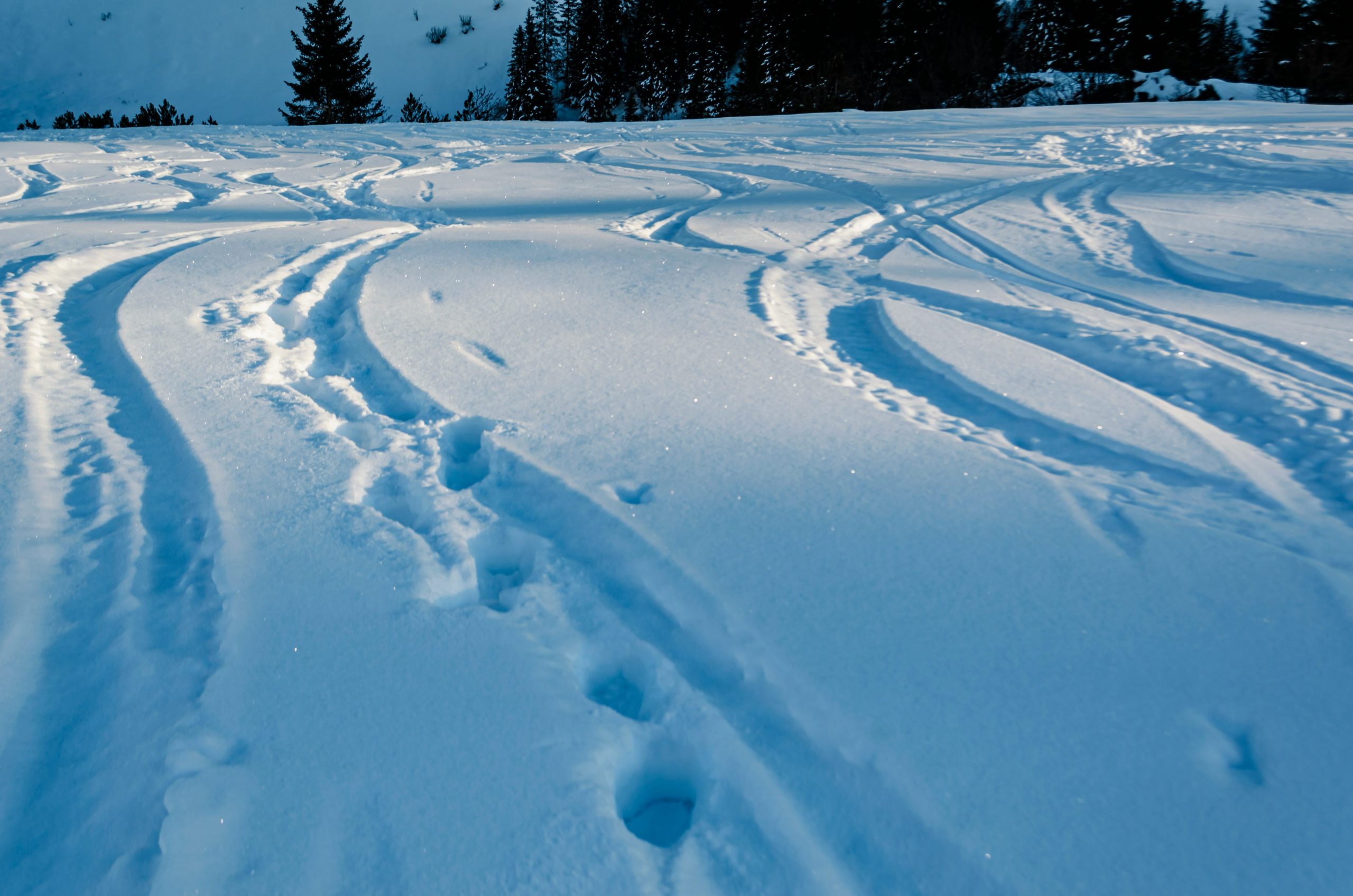
Signs of sinking footprints, partially submerged tracks, or areas where snowmobiles have created deep impressions show that the ice is already failing under pressure. Although these marks may appear frozen again on the surface, they indicate that the ice recently lost strength. This kind of subtle evidence often goes unnoticed by beginners but stands out immediately to experienced travelers. If anything heavy has caused even slight sinking, assume the ice is not dependable and avoid adding any more weight on top of it.
11. Ice Flexes or Moves When You Apply Pressure
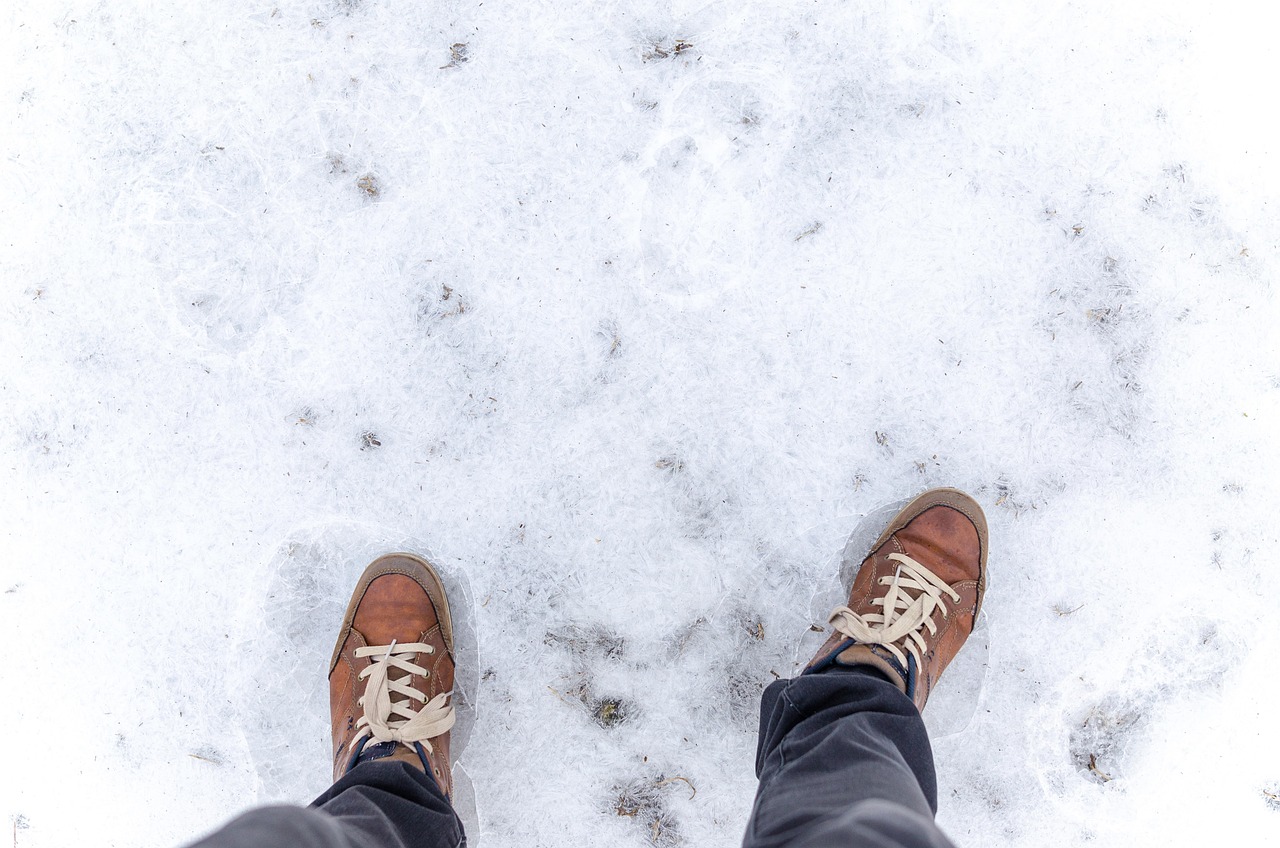
If you gently press down with a pole or stomp lightly and feel the ice flexing, it is not strong enough. Good ice should feel solid and firm without visible movement. When the surface shifts or bends, it suggests that the layers below are either thin or uneven, and even slight flexing can lead to sudden failure. Many winter accidents occur when people ignore these small signs. Any sense of movement beneath you is a clear message that the ice cannot support safe travel.
12. Recent Rain or Warm Wind Has Softened the Surface
Rainwater and warm wind both weaken ice rapidly because they melt the top layer and create a soft, unstable surface. Once this outer shell becomes wet, the underlying layers begin breaking apart as the water works downward. This process often happens faster than expected, catching people off guard. Even if temperatures later fall below freezing again, the structure takes time to regain strength. Outdoor safety instructors urge people to avoid any ice that has recently been exposed to warm rain or thawing wind patterns.