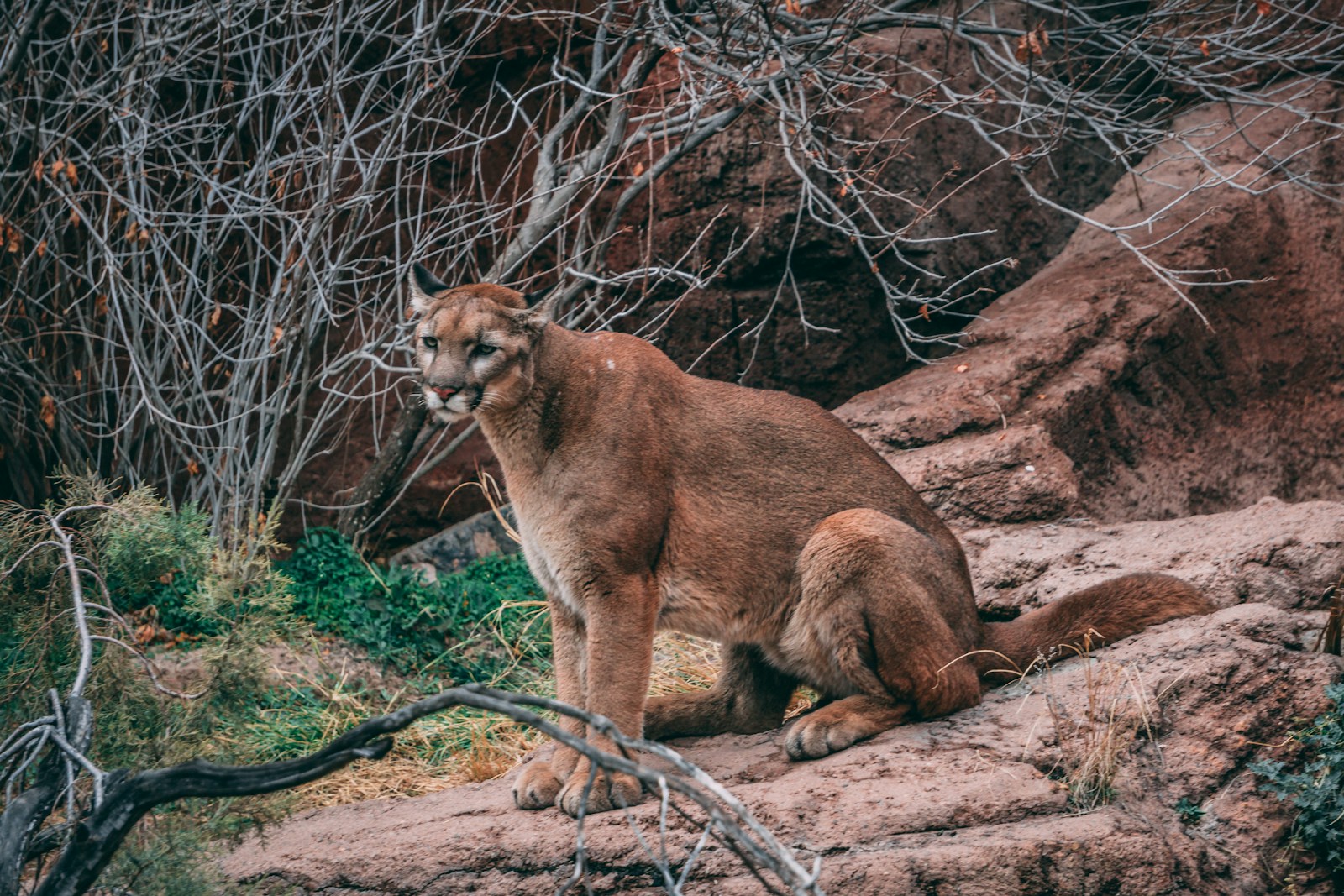
Mountain lions, also known as cougars or pumas, are reclaiming parts of the United States where they vanished decades ago. These powerful predators are stealthy, intelligent, and highly adaptable. As conservation efforts improve and deer populations rise, they’re making a quiet comeback in regions once thought impossible. From rugged mountains to suburban backyards, here are twelve U.S. places where mountain lions continue to reappear and remind us that wilderness still thrives.
1. The Black Hills, South Dakota
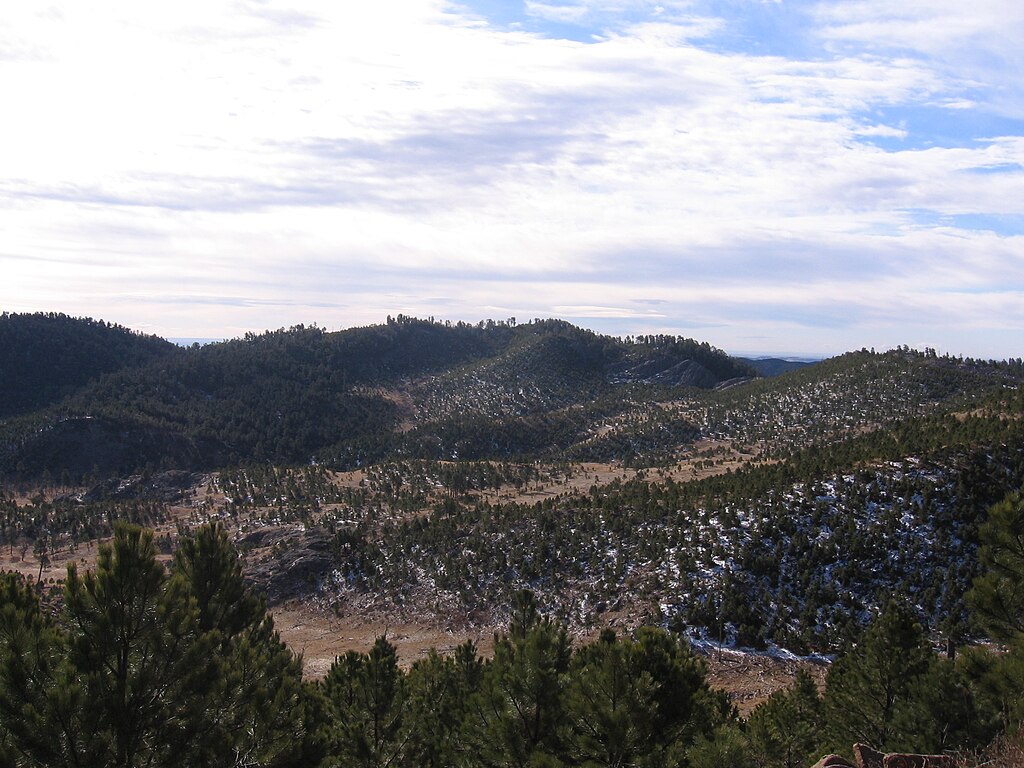
The Black Hills have long been one of the Midwest’s strongholds for mountain lions. Dense forests and abundant deer make it ideal for these big cats. Since the early 2000s, sightings have increased, with the population stabilizing after conservation measures were introduced. Though encounters remain rare, locals often find tracks or camera footage. The region shows how coexistence is possible when habitats are protected and hunting is managed responsibly.
2. Rocky Mountain National Park, Colorado
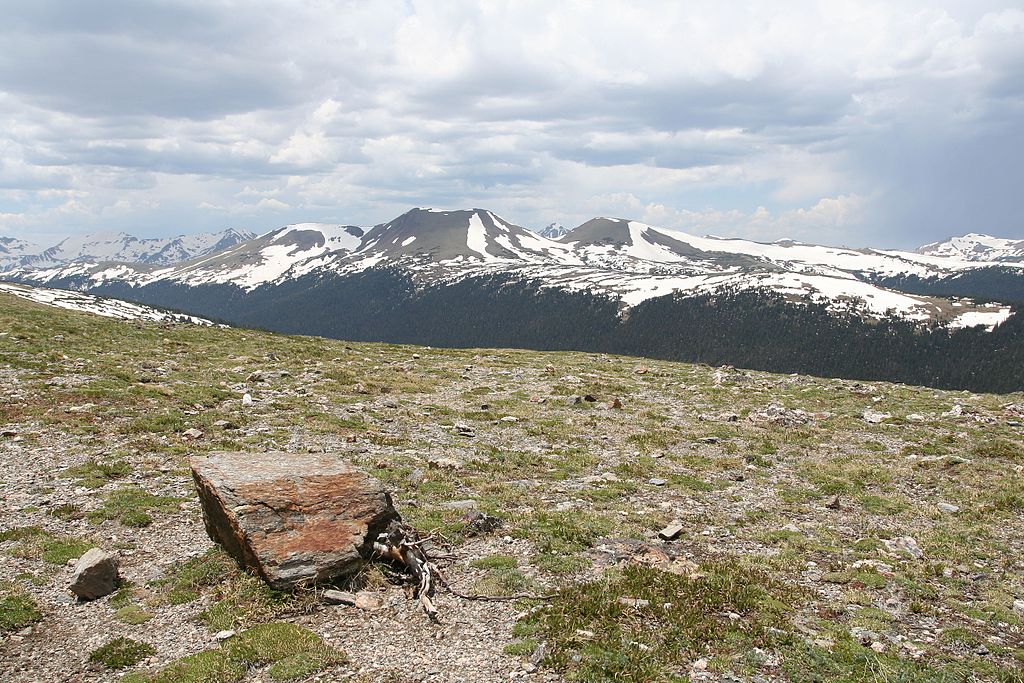
In Colorado, mountain lions are thriving quietly in the high-altitude forests of Rocky Mountain National Park. They’re rarely seen, but their presence is well documented through motion sensors and wildlife cameras. These elusive cats play a vital role in keeping elk and deer populations balanced. Rangers encourage hikers to remain cautious, especially during dawn and dusk. Their steady return highlights how natural ecosystems can rebound when left undisturbed by excessive human activity.
3. Santa Monica Mountains, California
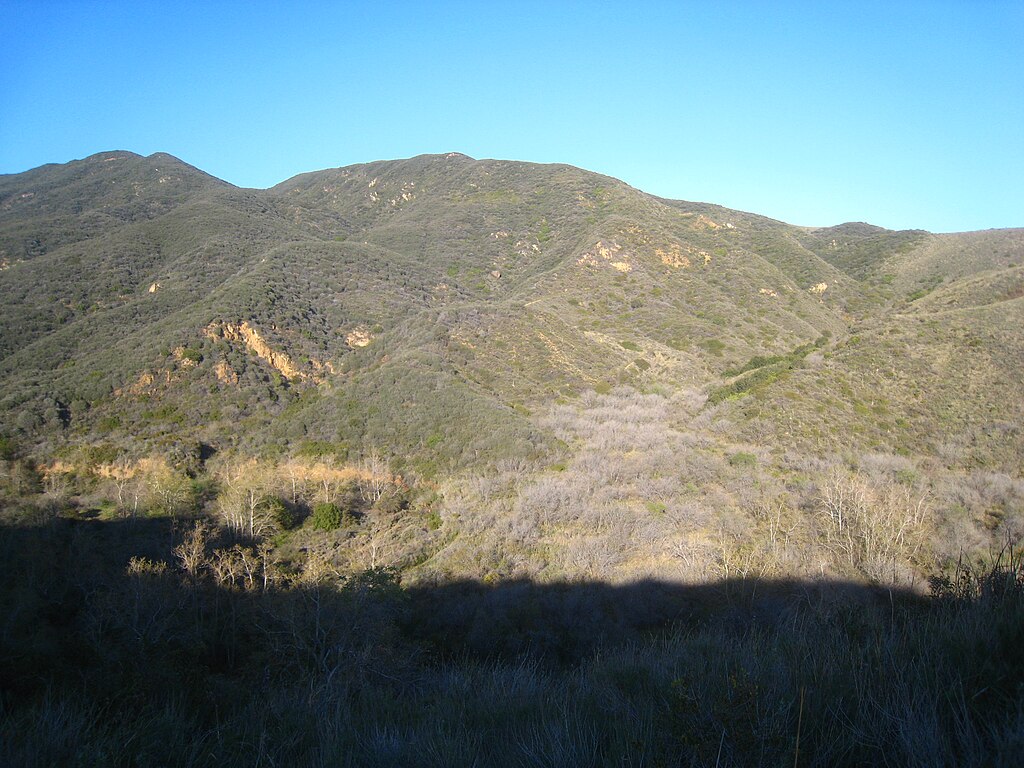
The Santa Monica Mountains form a surprising refuge for mountain lions amid one of America’s largest urban areas. Researchers have tracked several famous cats, like P-22, who roam near Los Angeles neighborhoods. These cougars face challenges from traffic, habitat loss, and inbreeding, yet they persist. Wildlife crossings and protected corridors are helping them survive. Their presence near city lights shows the fragile balance between nature and expanding human spaces.
4. Big Bend National Park, Texas
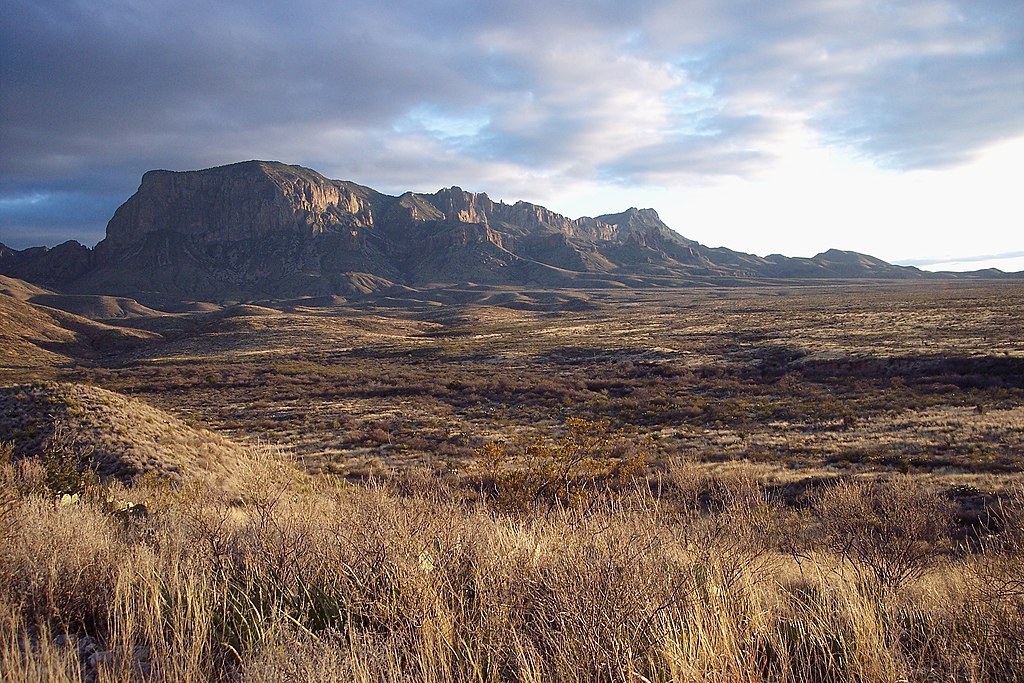
Big Bend’s vast desert canyons and rugged cliffs provide ideal isolation for mountain lions. The park’s cougar population is stable, though visitors seldom see them due to their nocturnal habits. They roam wide territories, hunting mule deer and javelinas. Park rangers remind hikers to store food securely and stay alert on remote trails. Big Bend’s population is a symbol of resilience, proving that even arid regions can support apex predators with minimal disturbance.
5. Sierra Nevada, California, and Nevada
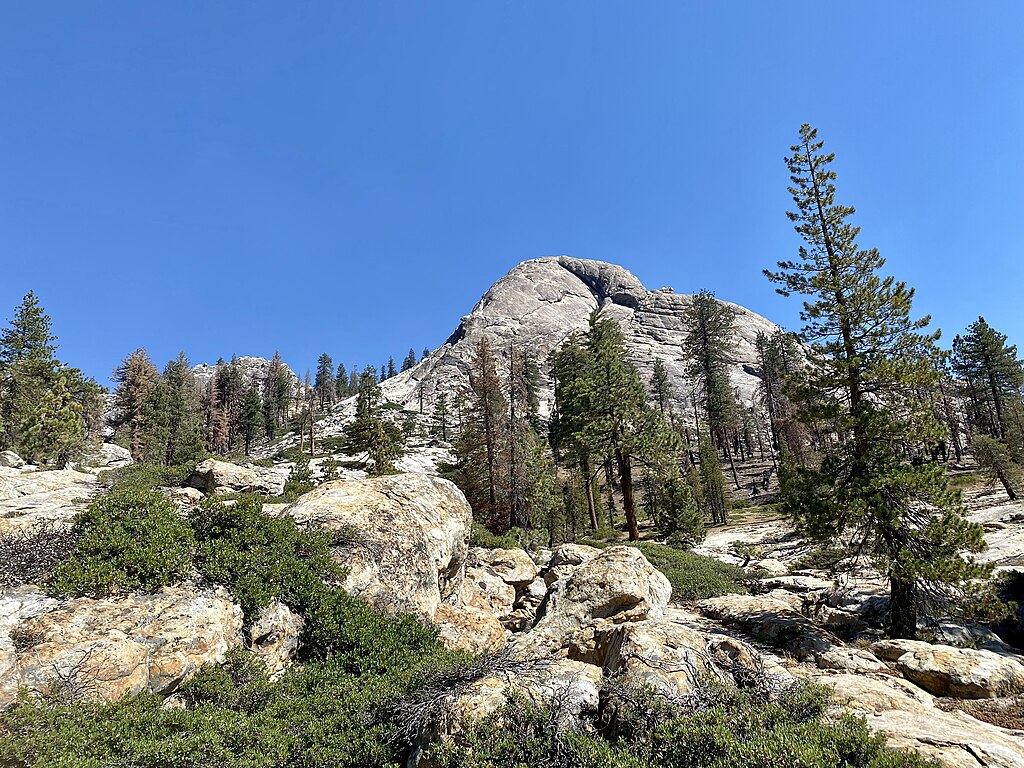
The Sierra Nevada range, stretching across two states, remains one of the strongest habitats for mountain lions. Here, they patrol from alpine forests to lower foothills, silently shaping local ecosystems. Despite occasional conflicts with livestock ranchers, conservation groups promote coexistence through education and tracking projects. Frequent sightings near Lake Tahoe remind residents that these magnificent predators still rule California’s wild backcountry, maintaining a delicate ecological balance.
6. Cascade Range, Oregon and Washington
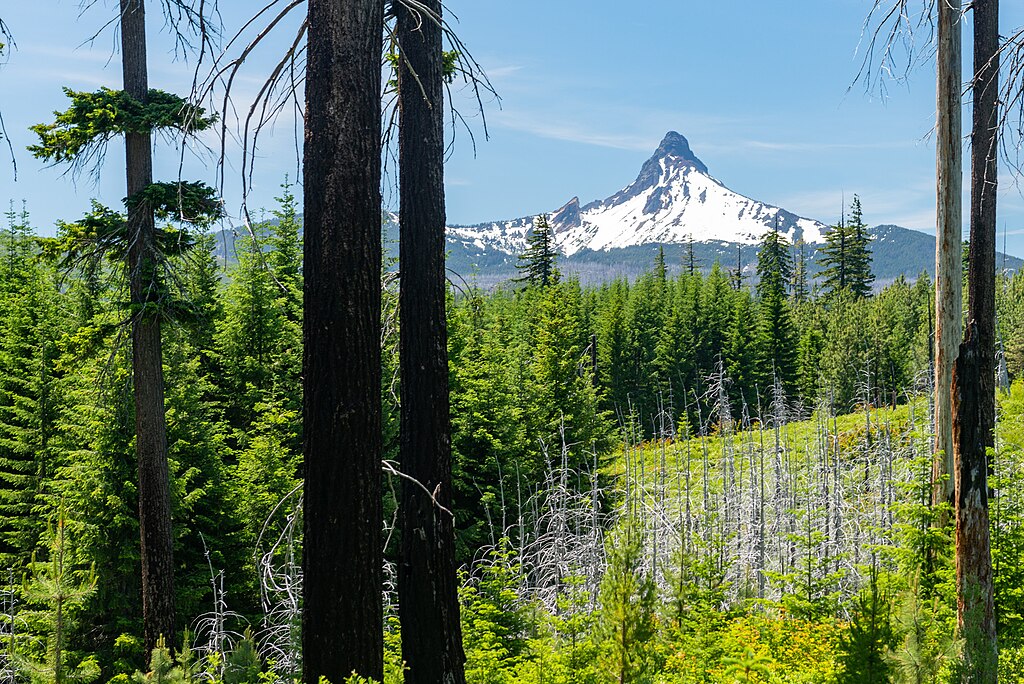
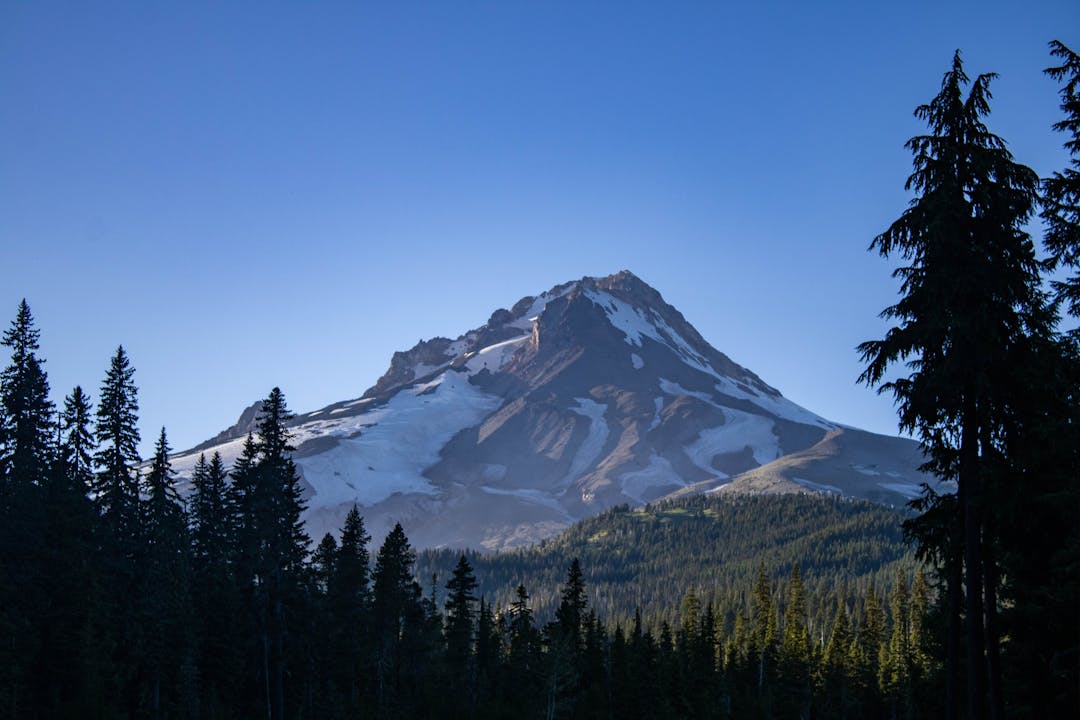
Mountain lions are reclaiming territory across the Cascade Range, from dense rainforests to volcanic slopes. They prey on deer and elk, keeping populations healthy. In recent years, more sightings near hiking trails have sparked public curiosity and caution. Wildlife agencies stress that these cats prefer avoiding humans. As forests recover from logging and fires, the Cascades are becoming a key refuge for cougars returning to their historic Northwest range.
7. Black Canyon of the Gunnison, Colorado
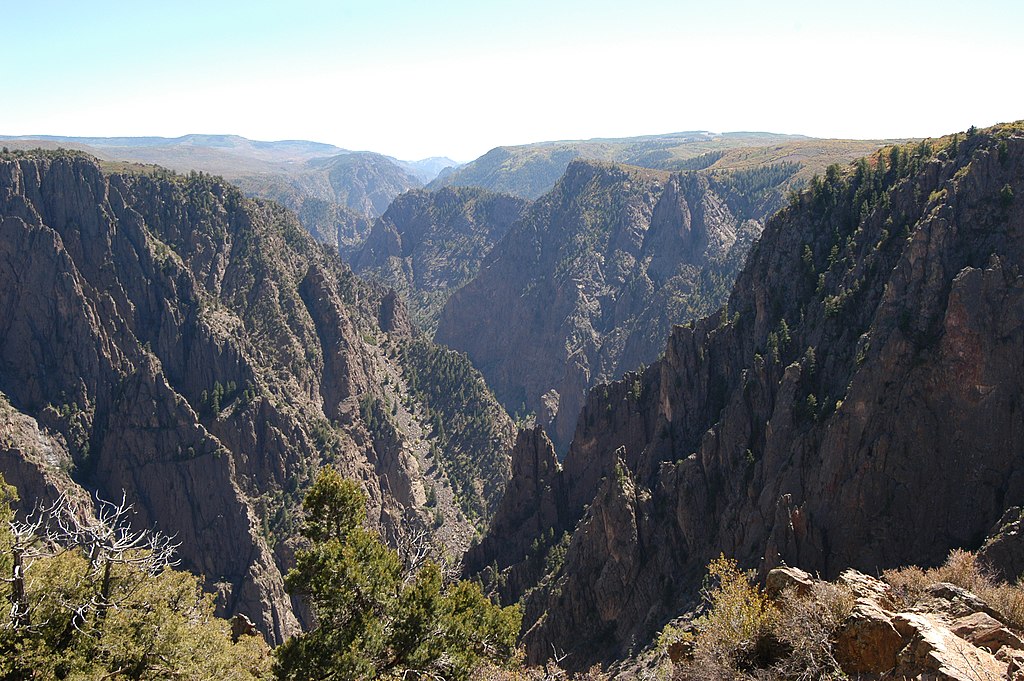
This deep, shadowed canyon offers the perfect sanctuary for mountain lions. The steep cliffs and limited access make it a secure hunting ground. Biologists frequently find signs of their presence, tracks, scat, and hidden dens. The park’s cougar population remains strong and stable, with limited human interference. Visitors rarely see them, but the feeling of being watched is common. Black Canyon represents one of the most untouched cougar habitats in the Rockies.
8. Hill Country, Texas
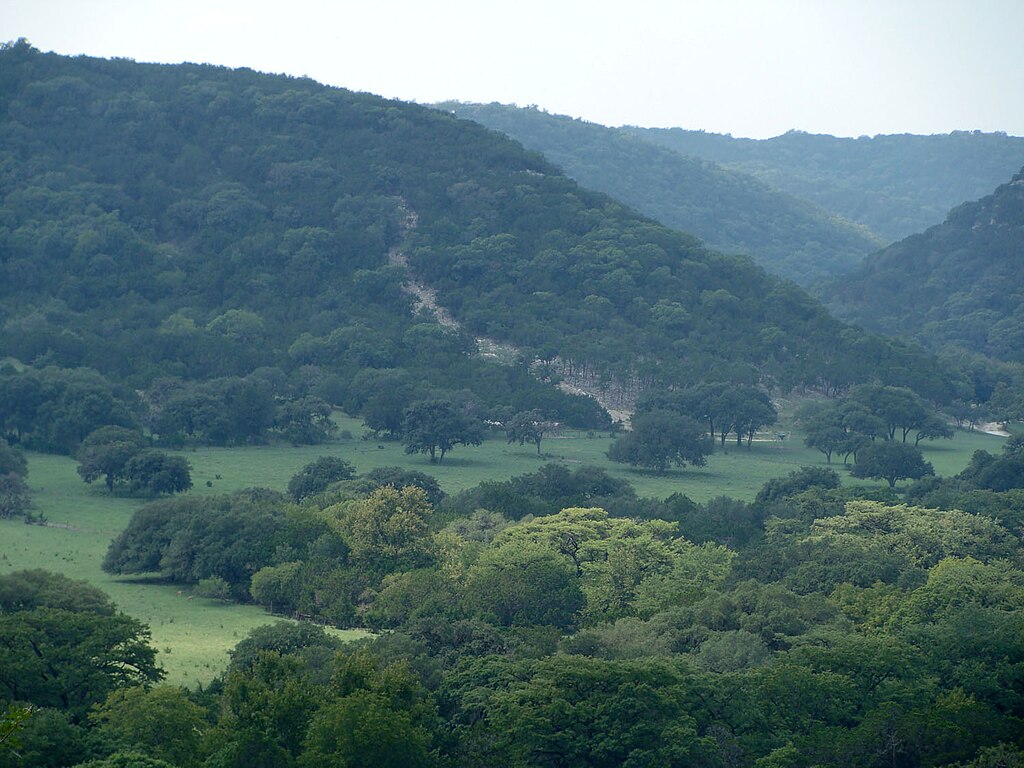
Texas Hill Country has seen an increase in mountain lion sightings over the past decade. These solitary predators are expanding eastward, crossing rivers and highways in search of food. With deer populations booming, the region provides a reliable food source. Ranchers occasionally report livestock losses, leading to debates on predator control. Despite conflicts, many residents acknowledge their vital role in maintaining natural balance across central Texas’s rugged landscapes.
9. Greater Yellowstone Ecosystem, Wyoming and Montana
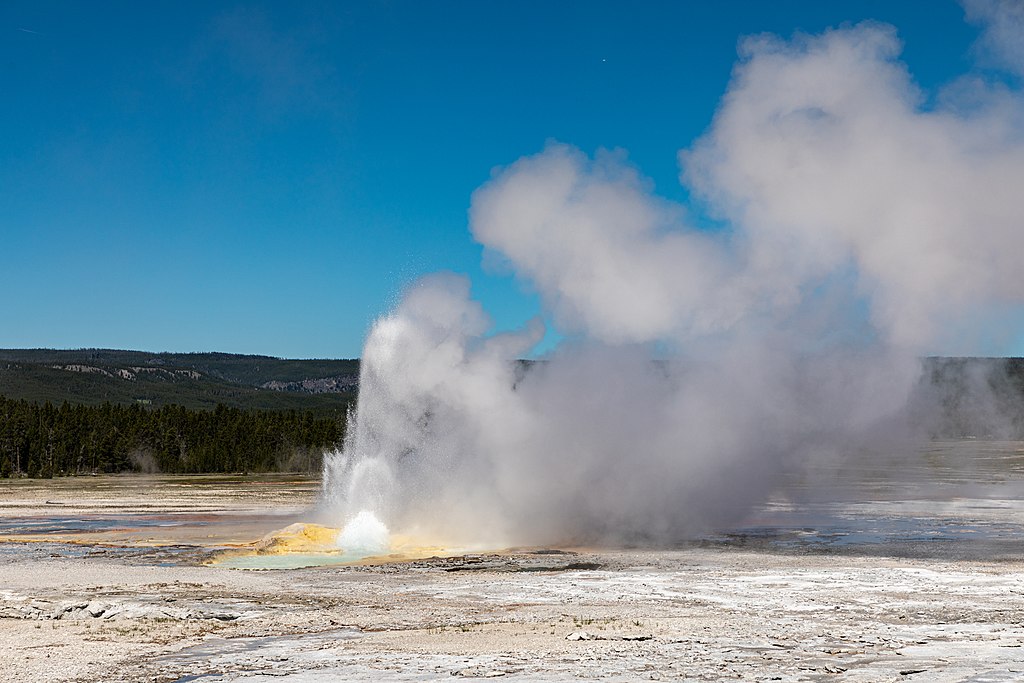
Within Yellowstone’s vast wilderness, mountain lions share territory with wolves and bears. Their population is stable but highly secretive. They hunt deer, elk, and even bighorn sheep across the region’s diverse terrain. Researchers track their movements to understand predator interactions in this complex ecosystem. Visitors are unlikely to see one, but their silent presence adds to Yellowstone’s mystique as one of the few places in America where all top predators still coexist.
10. Florida Panther Range, Southern Florida
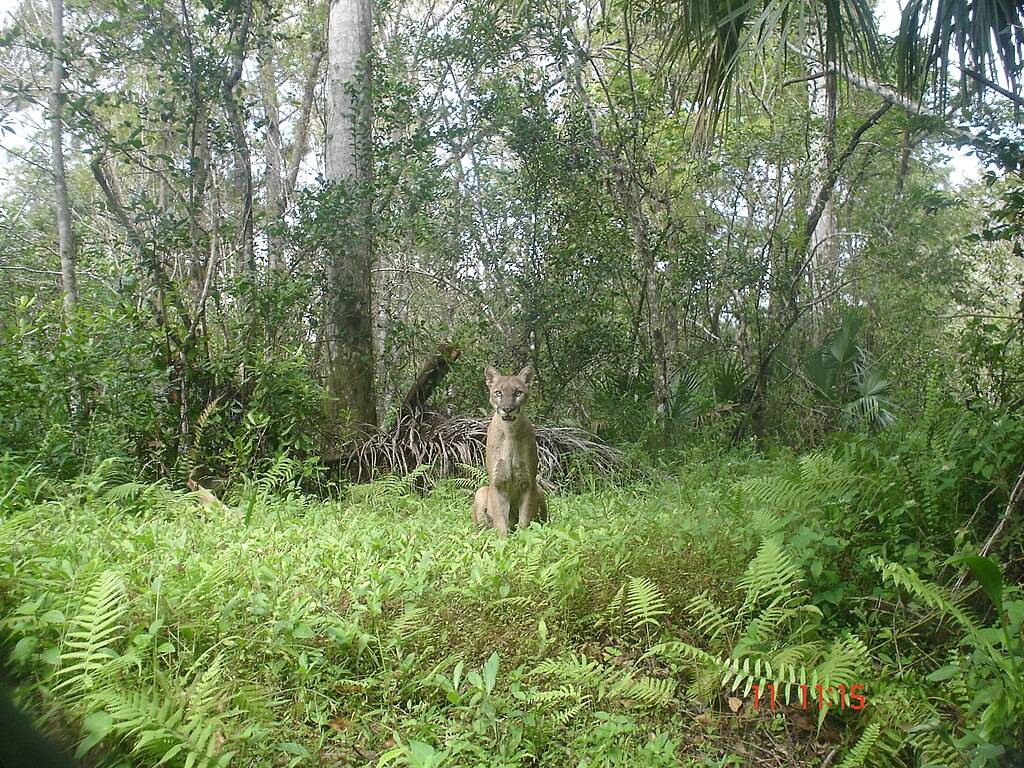
Florida’s panther is a subspecies of mountain lion, making a fragile comeback in the state’s wetlands and forests. Once nearly extinct, they now roam the Everglades and Big Cypress regions, thanks to strict protection laws. Collisions with vehicles remain a major threat, but conservation efforts are ongoing. The Florida panther’s survival story reflects how dedication and awareness can restore even the rarest populations of these elusive cats in modern America.
11. Ozark Mountains, Missouri and Arkansas
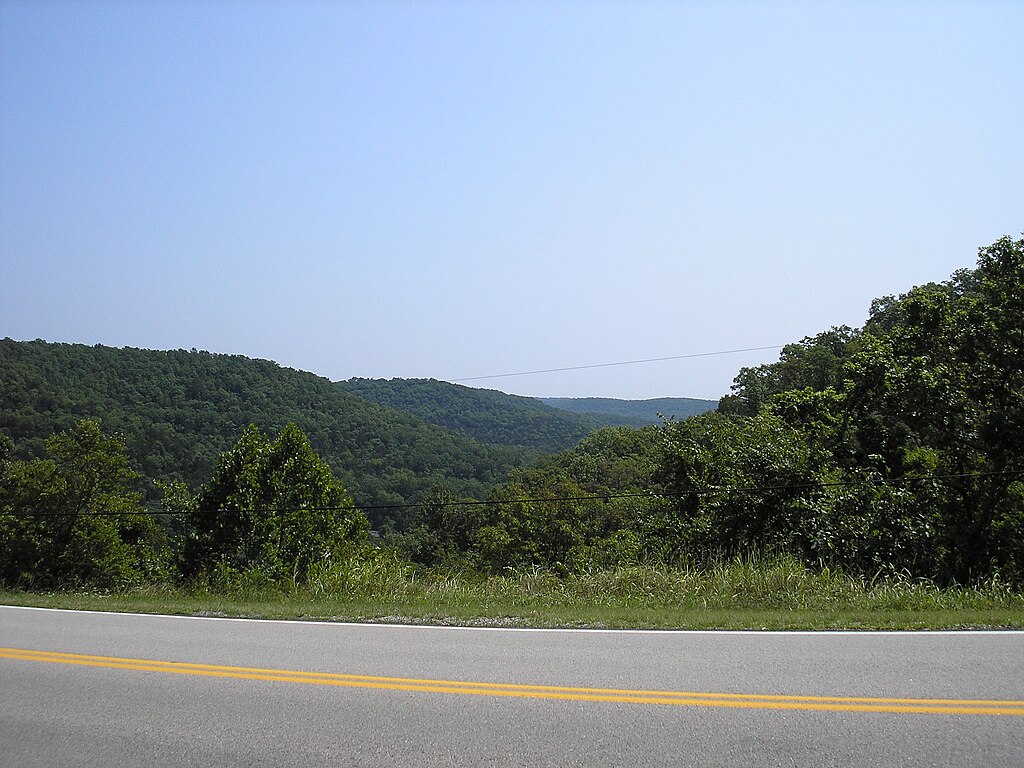
Once thought extinct in this region, mountain lions are quietly returning to the Ozarks. Trail cameras and verified sightings confirm their reappearance. These cats likely migrated from the west, following river corridors and forest cover. While breeding populations haven’t been confirmed yet, experts believe they’re close to establishing roots again. Their slow return to the Ozarks shows how adaptable these predators are in reclaiming lost territories after decades of absence.
12. Badlands National Park, South Dakota
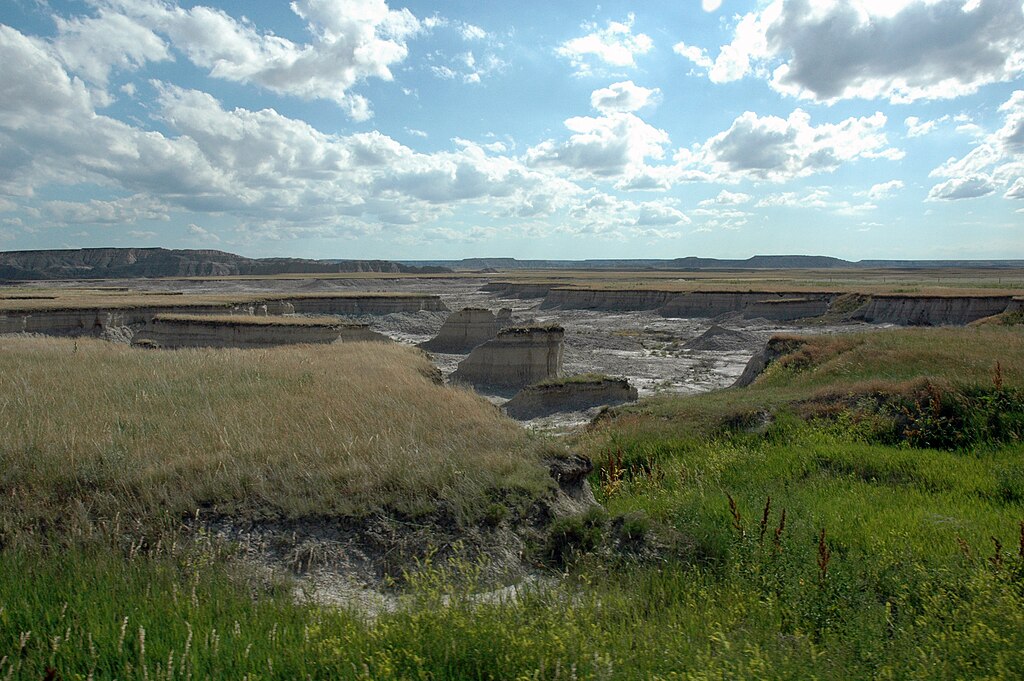
The rugged cliffs and canyons of the Badlands are becoming a hidden haven for cougars once more. Sparse vegetation and open terrain make spotting them slightly easier here than in dense forests. They use the park as a corridor between the Black Hills and the surrounding plains. Rangers monitor them closely to ensure minimal human conflict. The Badlands’ haunting landscape now hums quietly with the return of one of America’s greatest hunters.