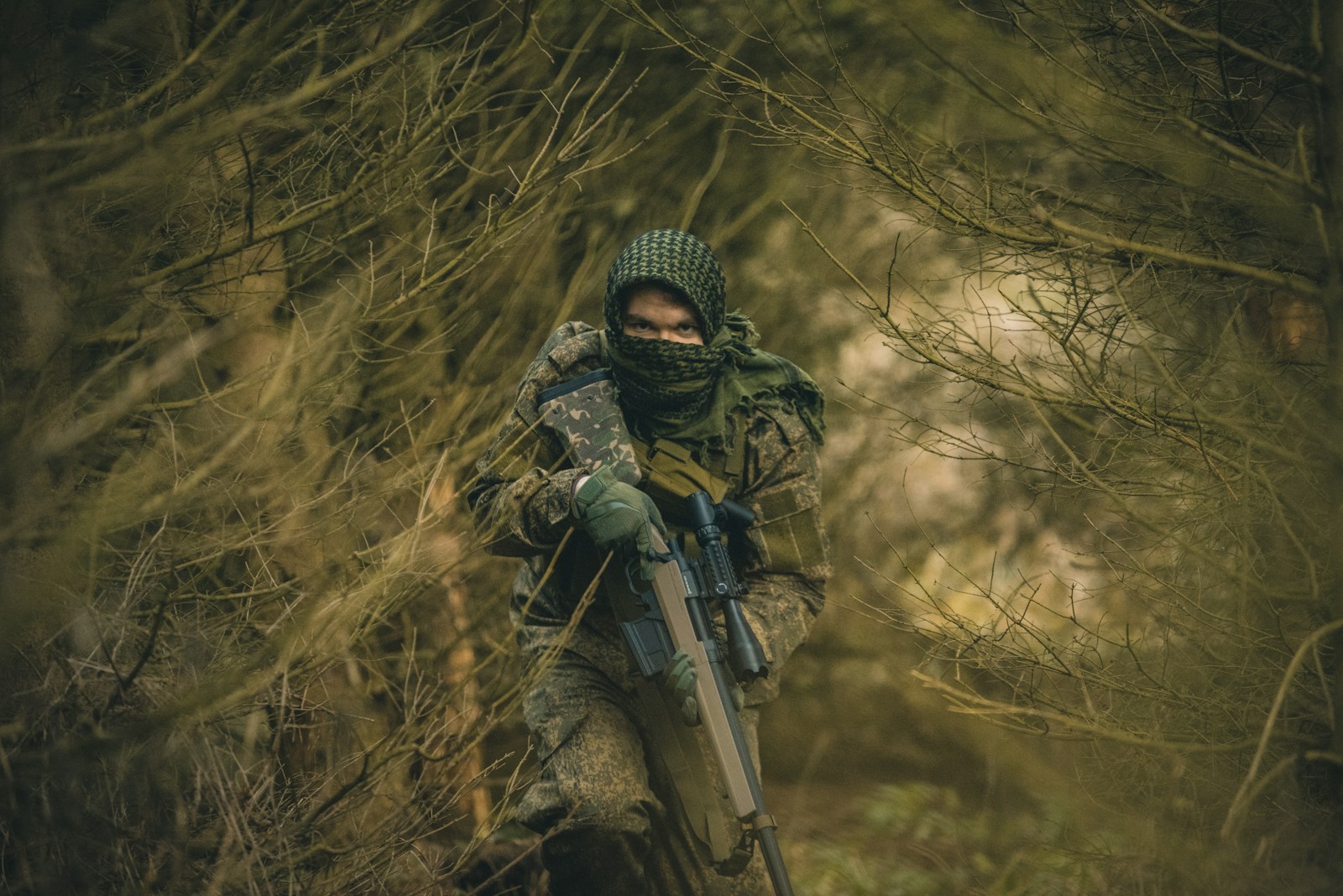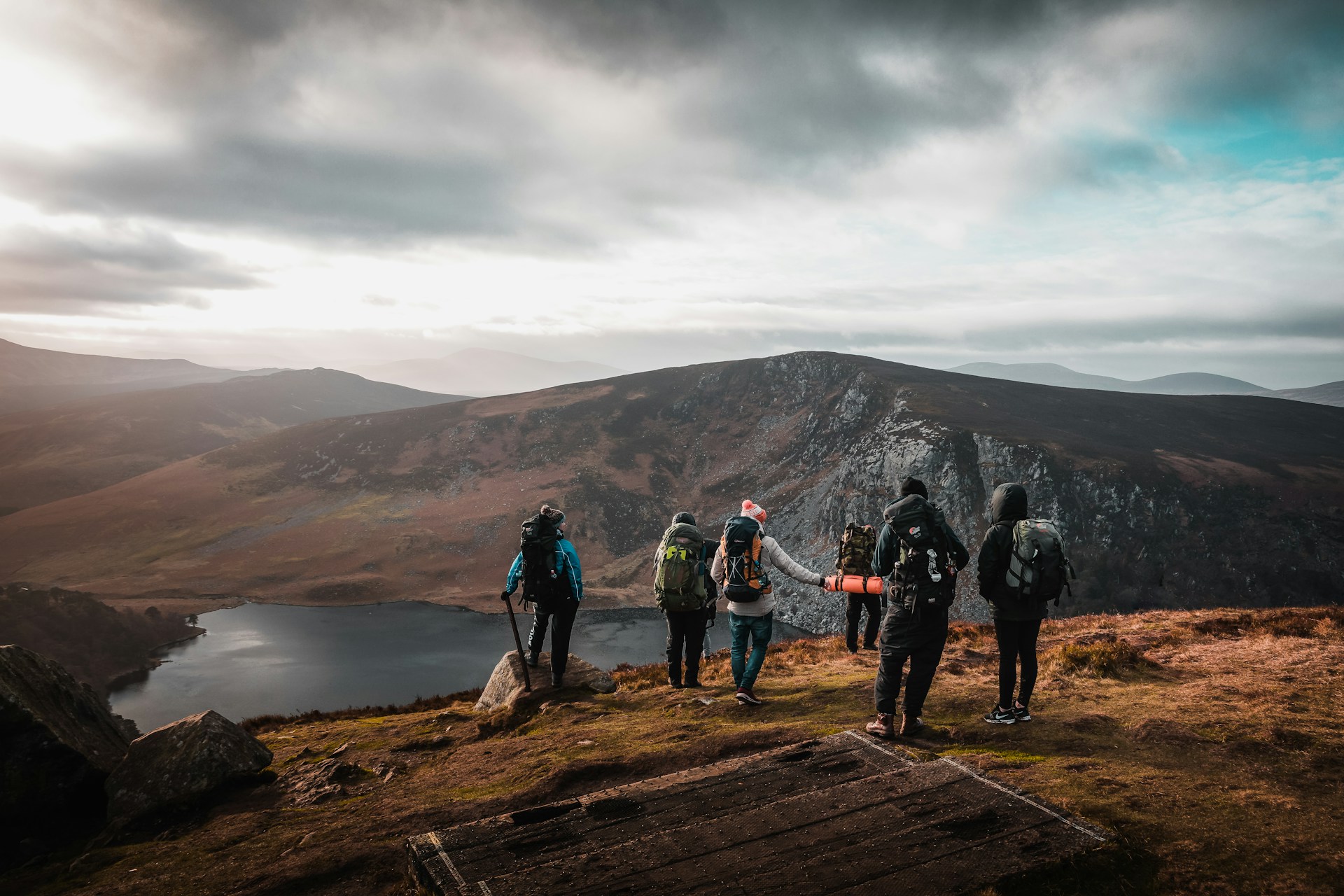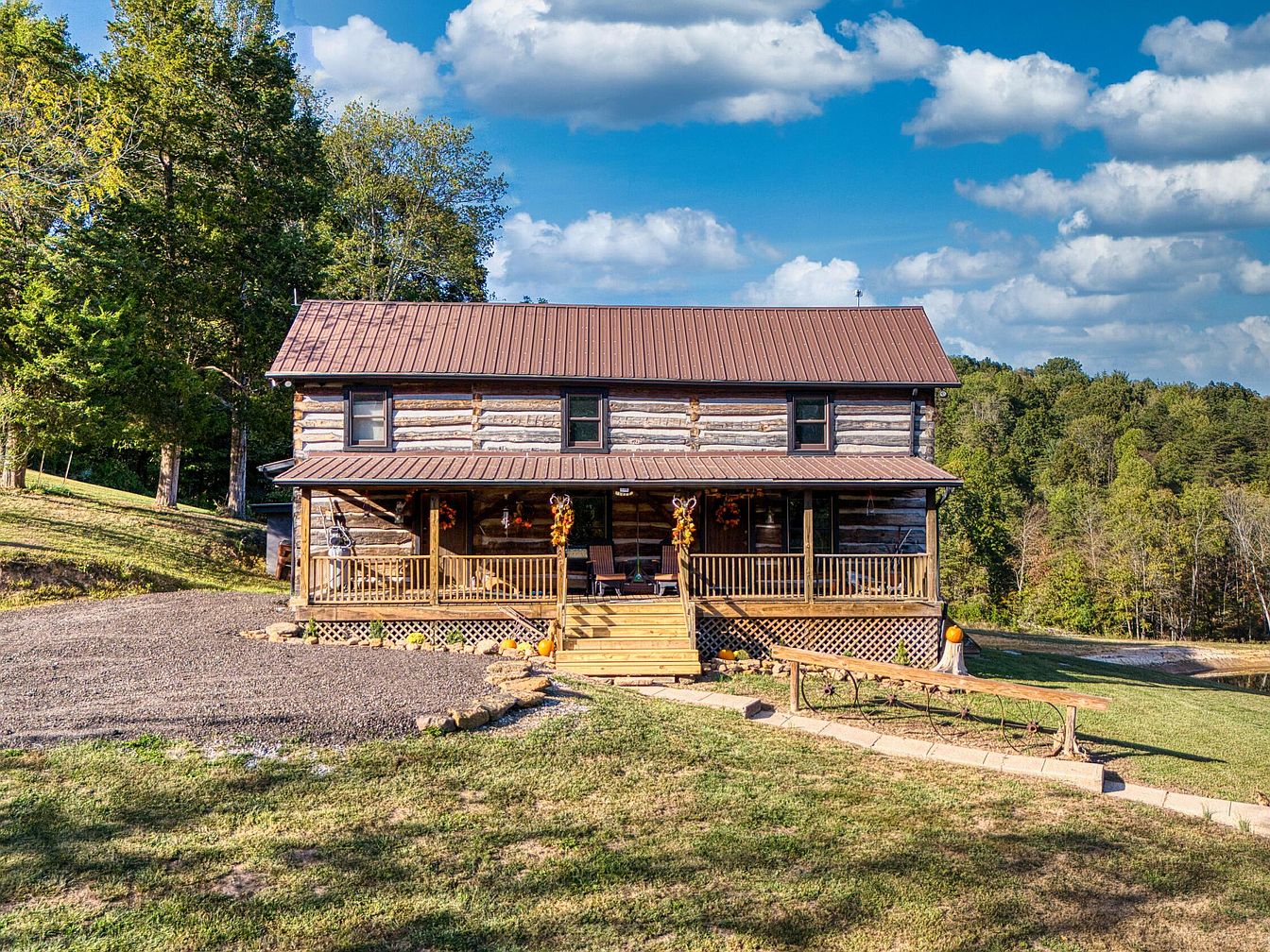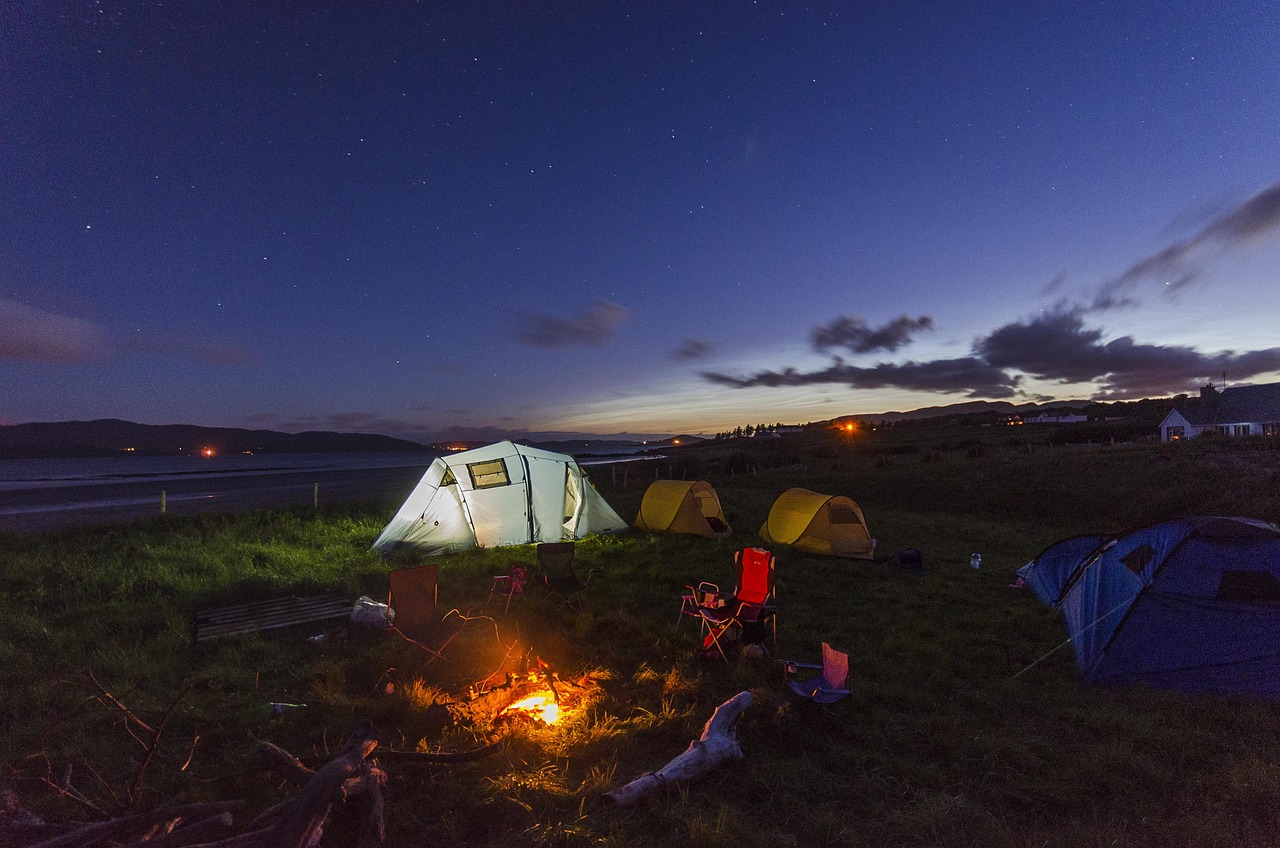
Tactical looking gear often signals readiness, confidence, and outdoor competence at first glance. However, appearance rarely guarantees function when conditions turn demanding. Many items marketed toward campers emphasize style, durability aesthetics, or militarized design rather than real world utility. Weight, redundancy, and limited versatility can quietly undermine safety. New campers especially mistake visual toughness for preparedness. True readiness depends on adaptability, knowledge, and reliable basics rather than dramatic accessories. These twelve pieces of tactical gear commonly create the illusion of preparedness while offering limited practical benefit in real camping scenarios, where simplicity, planning, and proven equipment matter far more than appearances or aggressive design cues alone.
Tactical Vest
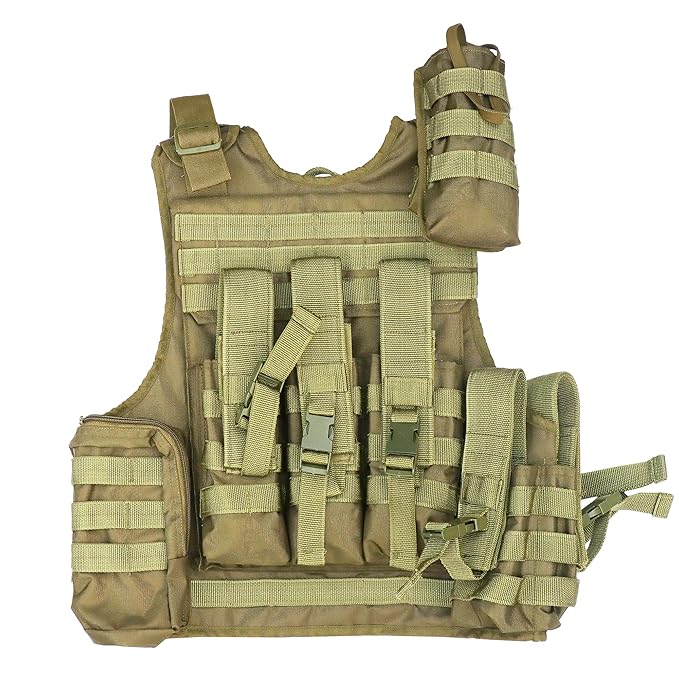
A tactical vest often looks impressive but rarely improves camping safety. Multiple pockets add weight without purpose when essentials already fit in a pack. Vests restrict airflow, increasing heat retention and discomfort during movement. Items stored on the chest interfere with bending, scrambling, or layering clothing. Many campers overfill vests, worsening balance and fatigue. Unlike backpacks, vests distribute weight poorly for long durations. The design suits controlled environments, not wilderness travel. Tactical vests create an image of readiness while reducing efficiency, making them more theatrical than functional for campers who benefit more from balanced loads and adaptable layering systems outdoors.
Military Style Boots
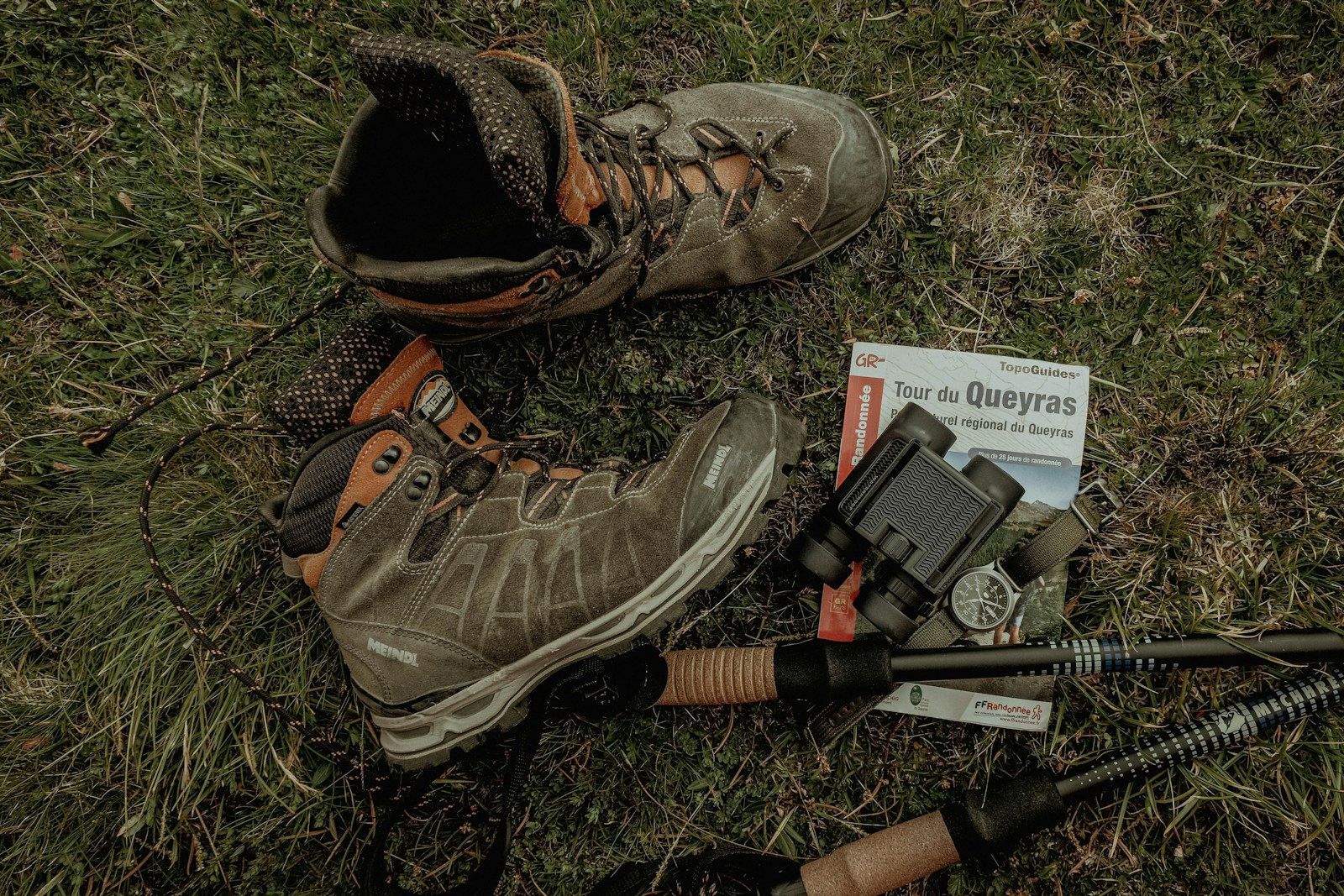
Military style boots suggest durability but often underperform for camping. They feel stiff, heavy, and slow to break in. Thick soles reduce ground feel, increasing missteps on uneven terrain. Many lack breathability, causing blisters during extended hikes. Designed for uniformed movement, they rarely match trail specific needs. Campers mistake rugged appearance for suitability. In reality, hiking boots built for terrain provide better traction, comfort, and ankle support. Military boots add weight and fatigue without improving safety. Their visual toughness masks limitations that matter when walking long distances, navigating trails, or adjusting to varied outdoor conditions.
Survival Shovel
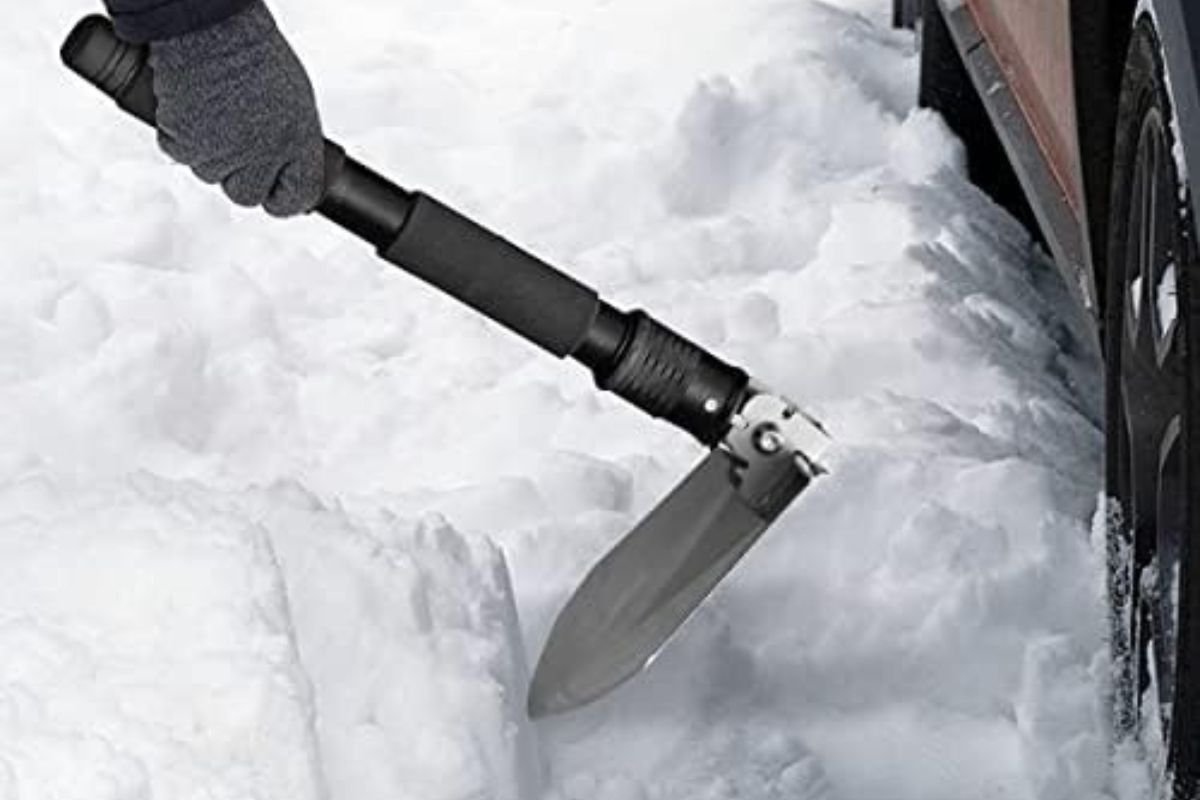
A survival shovel appears versatile but rarely excels at any task. Folding designs compromise strength, making digging inefficient. Added tools like saw edges or bottle openers reduce durability. Shovels add significant weight and take space rarely justified by use. Campers seldom need to dig trenches or holes deep enough to warrant carrying one. Soil conditions often render compact shovels ineffective. The tool appeals to preparedness imagery more than necessity. Campers benefit more from lightweight trowels for sanitation. Survival shovels project readiness while delivering limited practical value during real camping trips focused on mobility and efficiency.
Tactical Flashlight
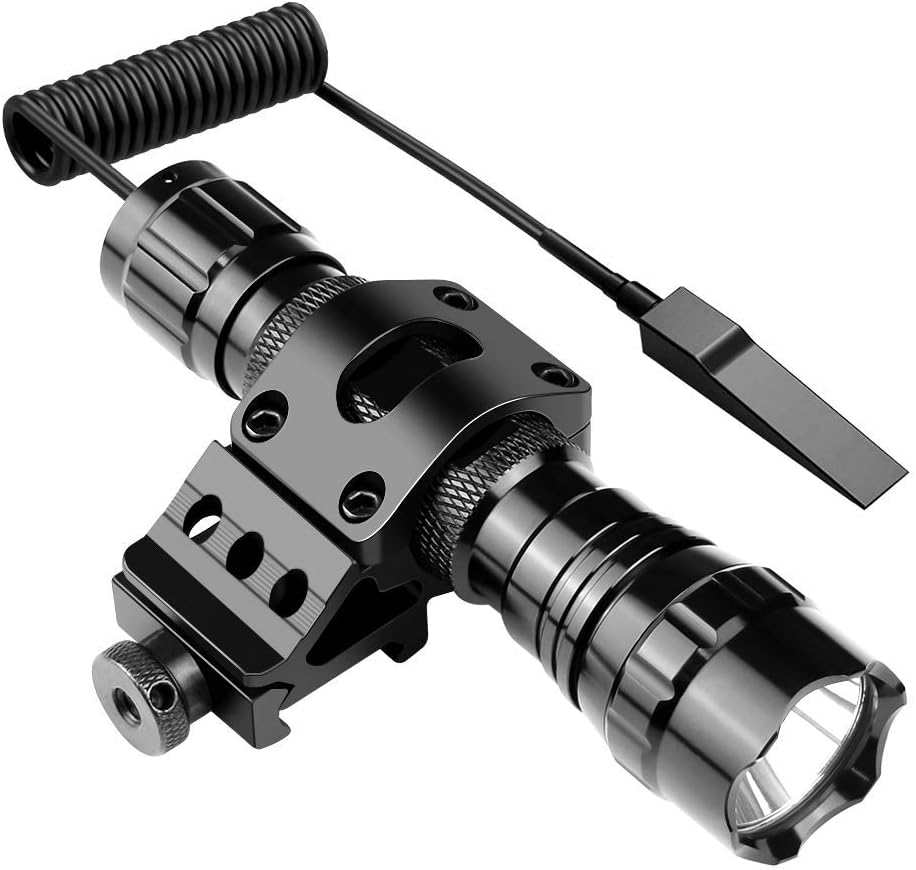
Tactical flashlights emphasize brightness and aggressive design but often fail campers. High lumen output drains batteries quickly. Multiple modes complicate simple operation in darkness. Heavy metal bodies add unnecessary weight. Many lack wide beam patterns useful for campsites. Campers need consistent, hands free lighting rather than momentary brightness. Headlamps offer better functionality for tasks and movement. Tactical flashlights prioritize self defense aesthetics over camping needs. Their strobe functions and crenellated edges serve little outdoor purpose. Despite looking serious and capable, tactical flashlights frequently underperform compared to simpler lighting designed specifically for prolonged outdoor use.
Paracord Bracelets
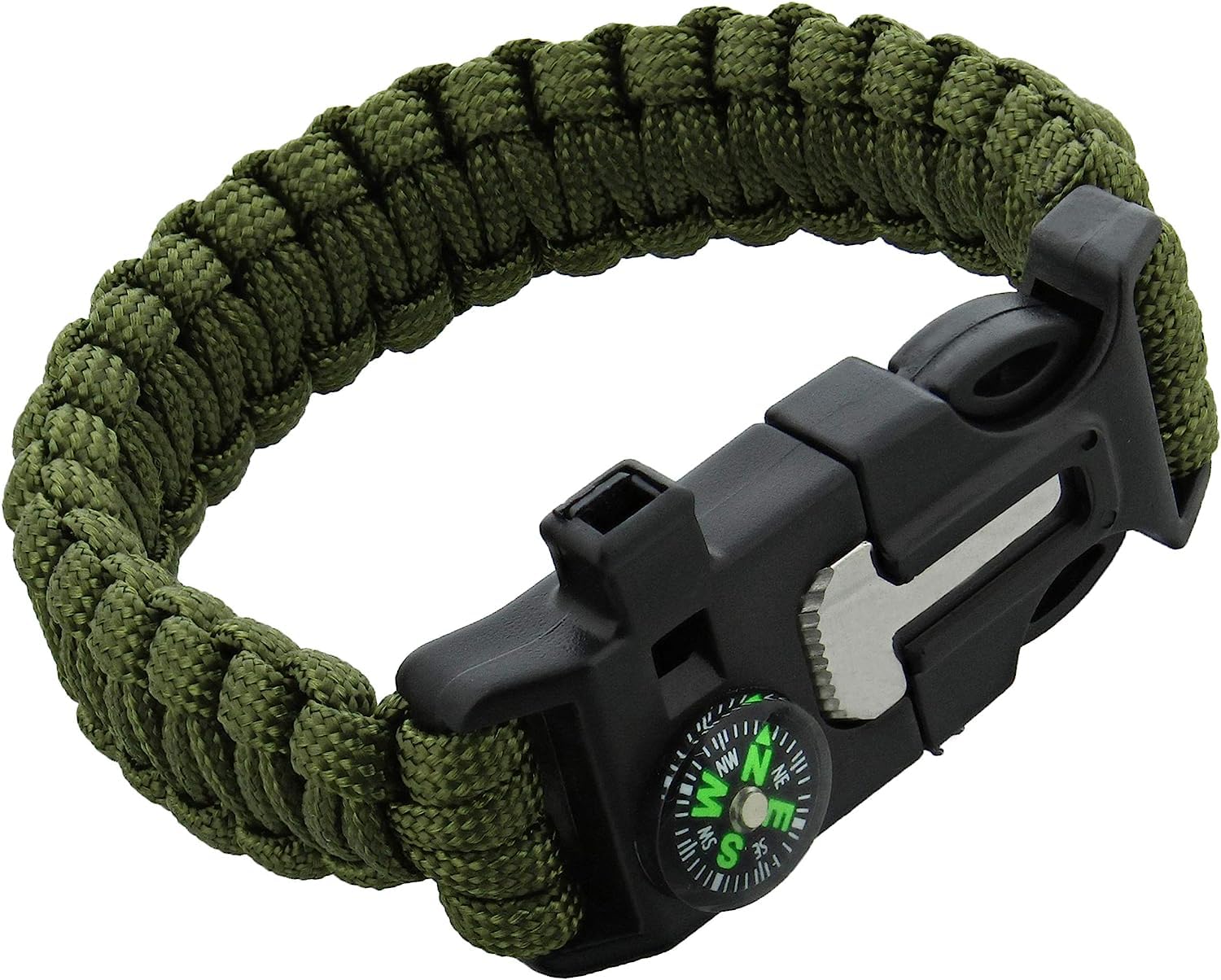
Paracord bracelets look practical but offer limited usable cord. The short length rarely solves real problems. Untangling woven cord takes time and dexterity. Bracelets lack strength for load bearing tasks. Campers already carry longer cordage in packs. Wearing paracord as jewelry reduces accessibility and usefulness. The appeal lies in symbolism rather than function. True cordage needs length, visibility, and quick deployment. Paracord bracelets project preparedness while providing minimal real benefit. Campers relying on them may discover too late that actual situations require more cord, better tools, and faster access than wrist worn novelty items allow.
Combat Knife
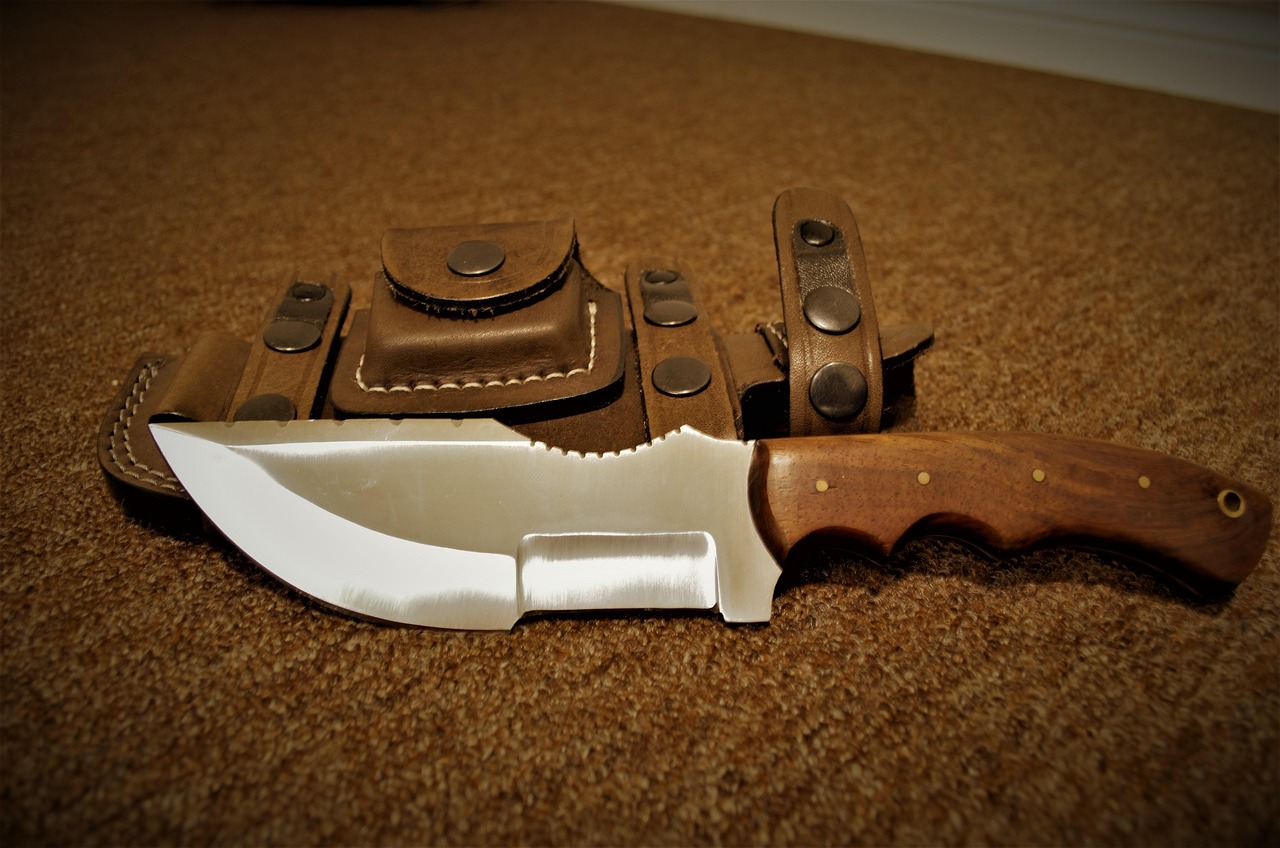
Large combat knives suggest survival capability but hinder campers. Oversized blades add weight and reduce precision. Thick spines limit slicing efficiency for food prep. Many lack ergonomic grips for fine tasks. Campers rarely need fighting knives outdoors. Smaller fixed blade or folding knives perform better for camp chores. Combat knives intimidate rather than assist. Carrying one can violate park regulations. The image overshadows practicality. Campers mistake size for usefulness. In reality, effective camping knives balance sharpness, control, and versatility. Combat knives look prepared but often complicate simple tasks while offering little advantage in real outdoor situations.
Tactical Backpack
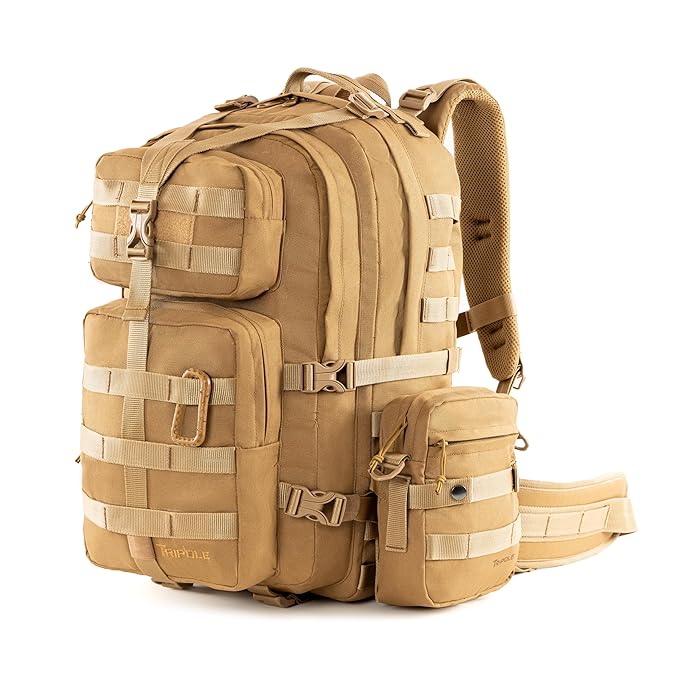
Tactical backpacks feature webbing and rigid shapes that appeal visually but hinder camping. Excess straps catch on branches. Heavy materials increase load. Modular systems encourage overpacking. Tactical layouts prioritize access over weight efficiency. Campers benefit from streamlined packs designed for ergonomics and balance. Tactical packs often lack proper ventilation and frame support. Their durability exceeds typical camping needs while sacrificing comfort. The military aesthetic implies readiness without improving functionality. Campers carrying tactical backpacks may feel prepared yet experience fatigue sooner. Outdoor specific backpacks outperform them by focusing on movement, comfort, and load distribution instead of appearance.
Plate Carrier
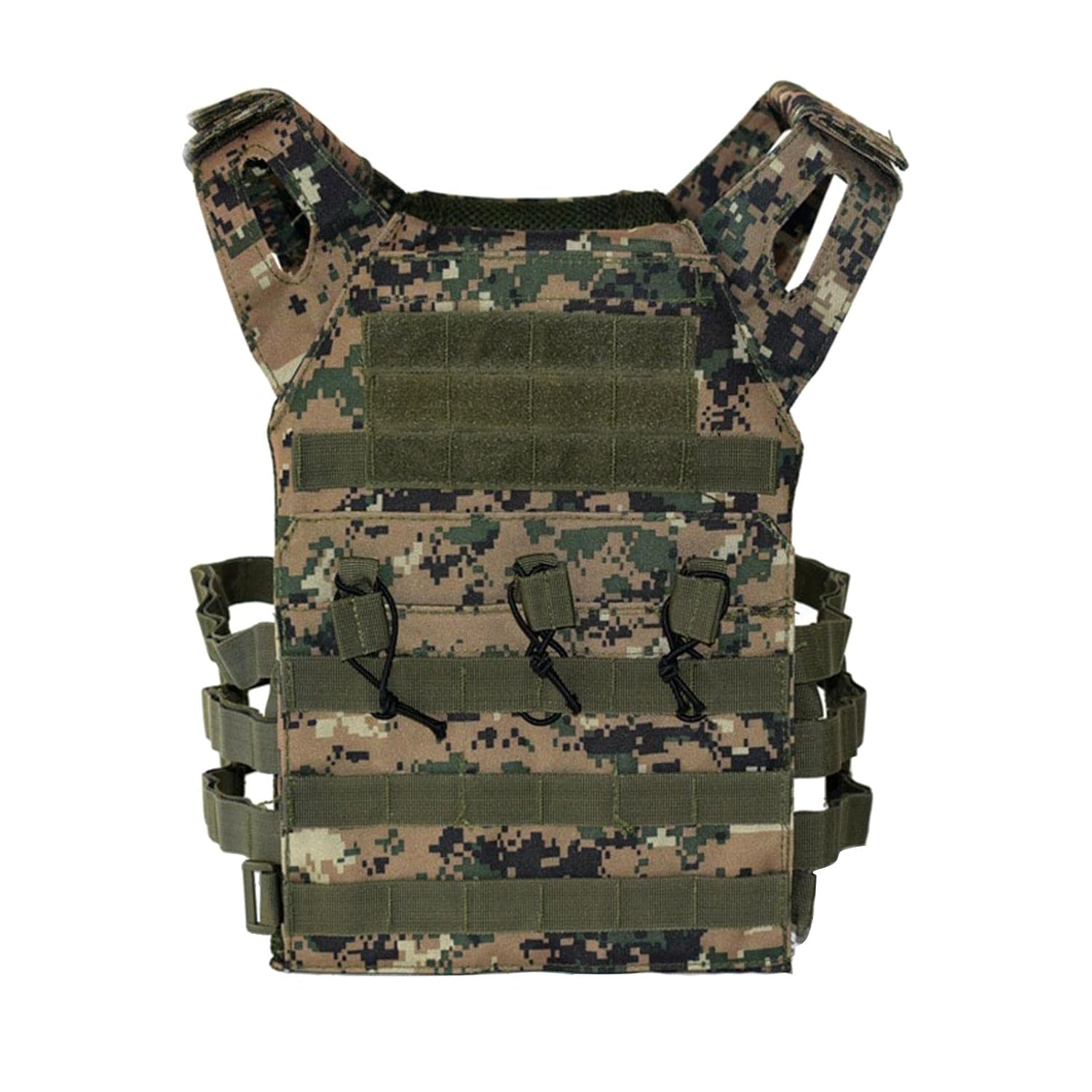
Plate carriers appear serious but offer no benefit to campers. Designed to hold ballistic plates, they add bulk and restrict movement. Without plates, carriers serve no purpose. With plates, weight becomes dangerous during exertion. Ventilation suffers, increasing overheating risk. Campers gain nothing from ballistic protection in wilderness settings. Plate carriers interfere with backpacks and layering. The design suits urban conflict, not outdoor recreation. Wearing one signals preparedness while actively reducing mobility and comfort. Campers prioritizing survival need freedom of movement and breathability, not armor systems built for threats unrelated to camping environments.
Tactical Gloves
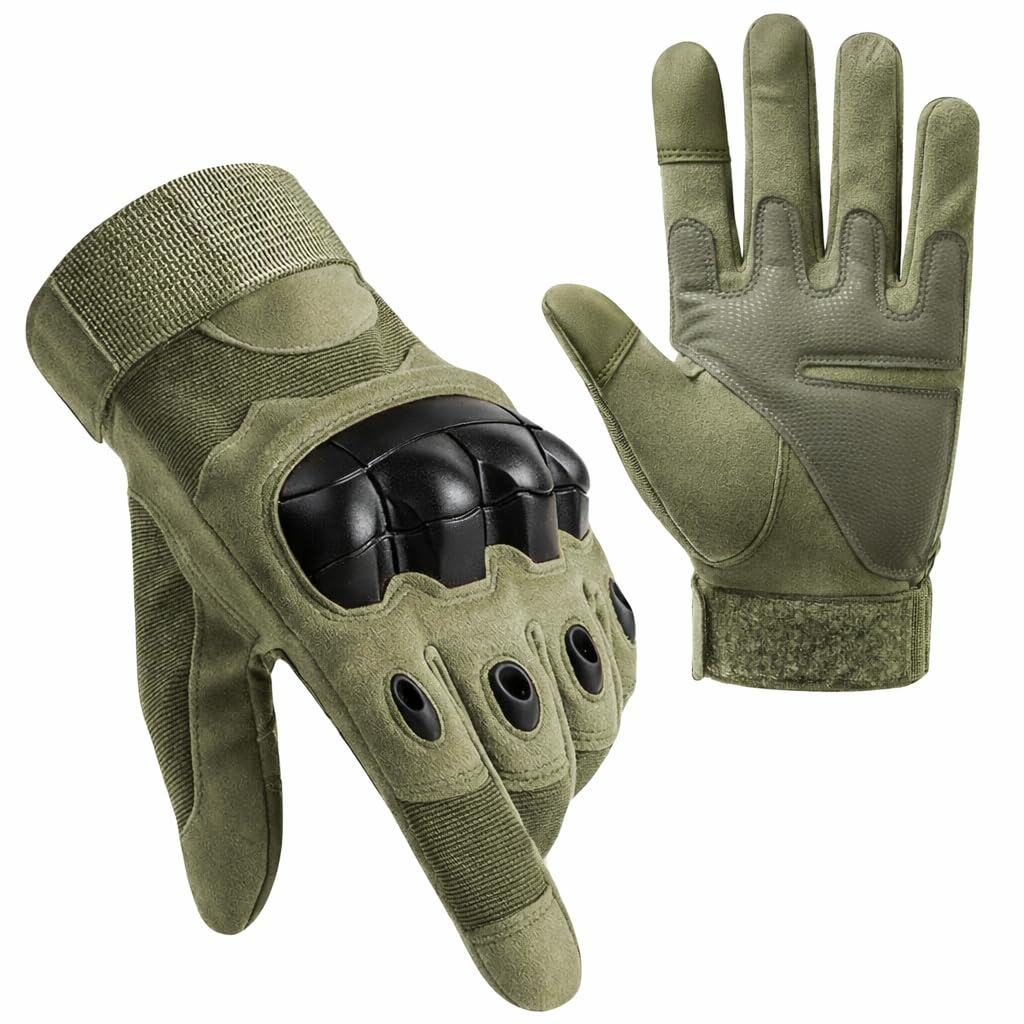
Tactical gloves look rugged but reduce dexterity. Thick padding limits fine motor skills needed for knots or cooking. Breathability suffers, causing sweat buildup. Campers require flexible gloves for warmth and protection, not combat grip. Many tactical gloves prioritize knuckle protection over comfort. Removing gloves repeatedly wastes time. Simpler work gloves outperform them for camp tasks. Tactical gloves project toughness while impairing function. Campers benefit from task appropriate gloves that balance warmth, grip, and flexibility. Tactical designs cater to appearance and impact resistance rather than sustained outdoor use, making them less effective during real camping activities.
Multi Tool Weapons

Weapon styled multitools include spikes, blades, and gimmicks that add weight. Complex designs reduce reliability. Campers rarely need weaponized tools. Simple multitools with pliers and screwdrivers suffice. Aggressive styling limits legality in parks. Extra features complicate use and maintenance. Campers prioritize reliability and simplicity. Weapon multitools look impressive but sacrifice usability. In emergencies, familiar tools perform better. The survival image overshadows actual needs. Campers carrying such tools may appear prepared yet struggle with basic repairs. Practical multitools outperform tactical variants by focusing on function rather than intimidation or novelty.
Tactical Water Bottle
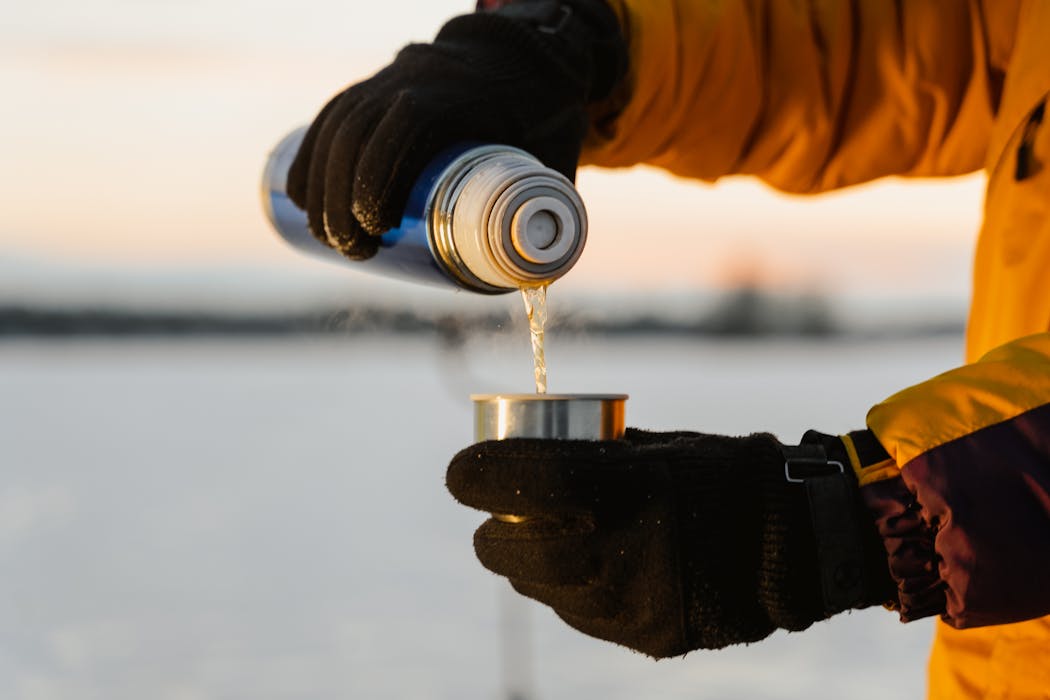
Tactical water bottles emphasize metal construction and rugged looks but fail campers. Heavy materials add weight without improving hydration. Narrow openings limit cleaning. Many lack insulation. Tactical caps leak or complicate drinking. Campers need lightweight, reliable containers. Hydration bladders or simple bottles outperform tactical designs. The appearance suggests durability, but functionality suffers. Tactical bottles prioritize aesthetics over ergonomics. Campers risk dehydration when bottles prove inconvenient. Effective hydration gear focuses on capacity, ease of use, and weight. Tactical water bottles look ready for extremes yet often hinder practical hydration during real camping conditions.
MOLLE Accessories
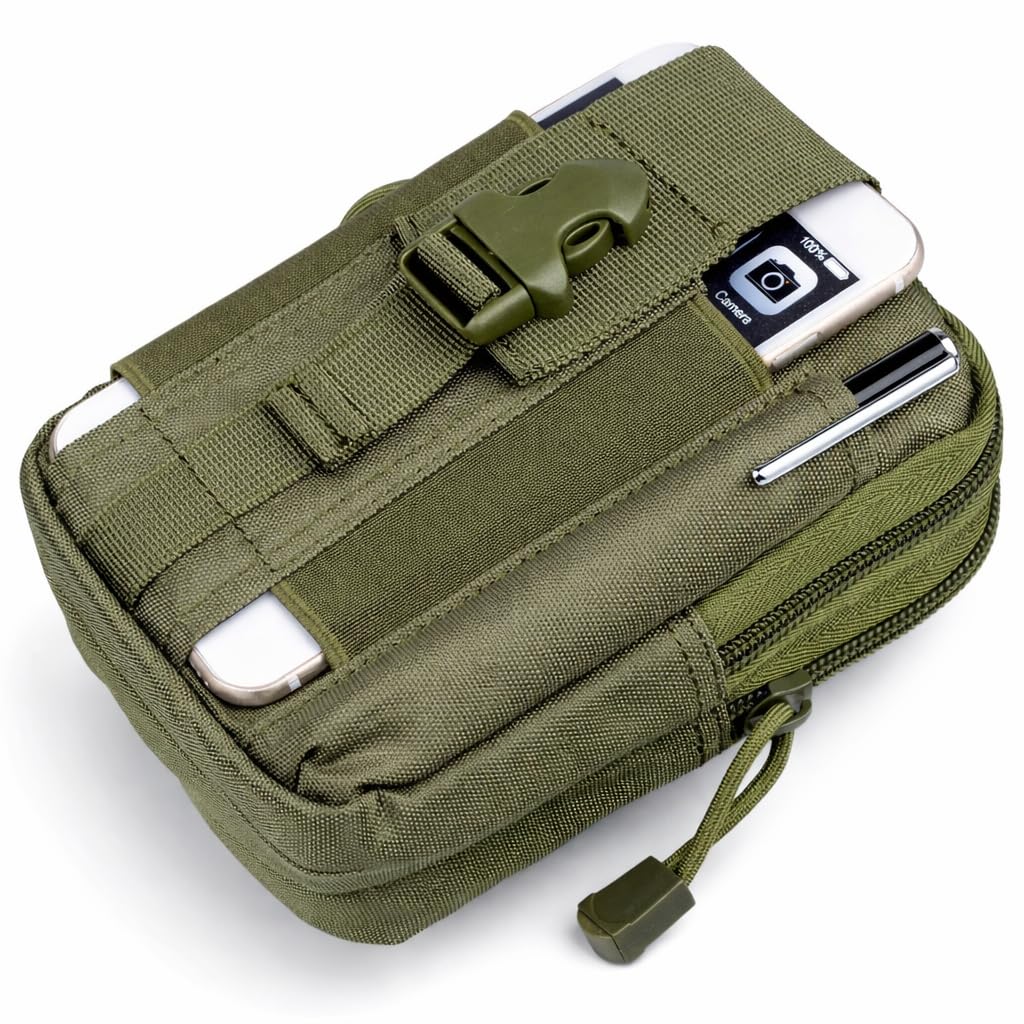
MOLLE accessories clutter gear without adding value. Extra pouches encourage overpacking. Weight increases incrementally. Campers rarely need modular attachments. Items stored externally risk loss or damage. MOLLE systems suit military loadouts, not camping efficiency. Campers benefit from internal organization and simplicity. MOLLE accessories add complexity and snag hazards. The modular look implies customization but reduces streamlining. Campers mistake adaptability for preparedness. In practice, fewer attachments improve movement and packing speed. MOLLE gear creates visual readiness while quietly undermining balance, efficiency, and simplicity essential for comfortable, safe camping trips.