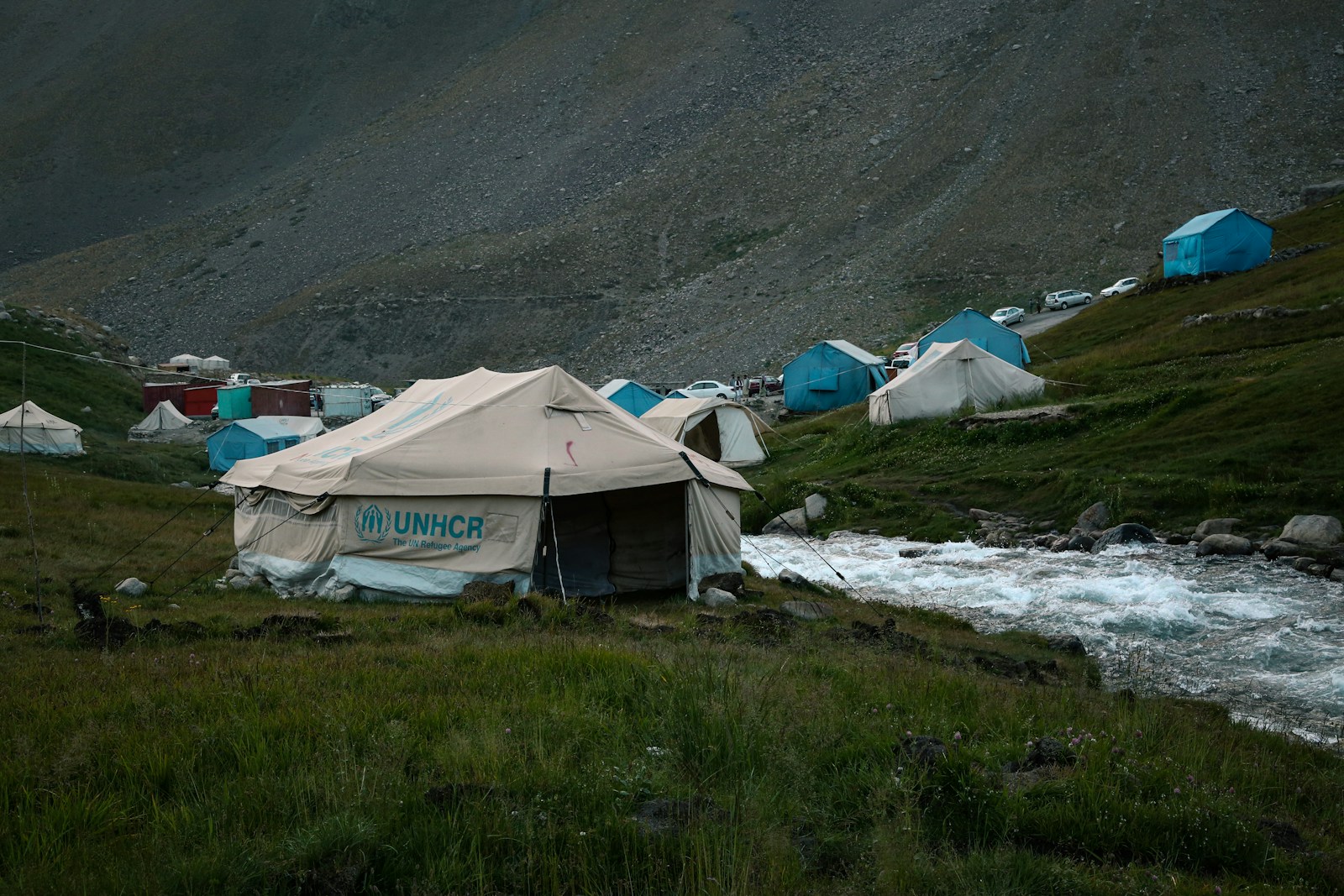
Camping often feels peaceful, yet many natural elements pose greater risks than encounters with wildlife. Thunderstorms, unstable terrain, and rapid weather changes can create hazards that develop faster than expected. Awareness of these conditions helps maintain safety while still enjoying time outdoors. Understanding how nature behaves allows campers to prepare thoughtfully and reduce the chances of preventable accidents during overnight stays or long days on the trail.
Sudden Thunderstorms
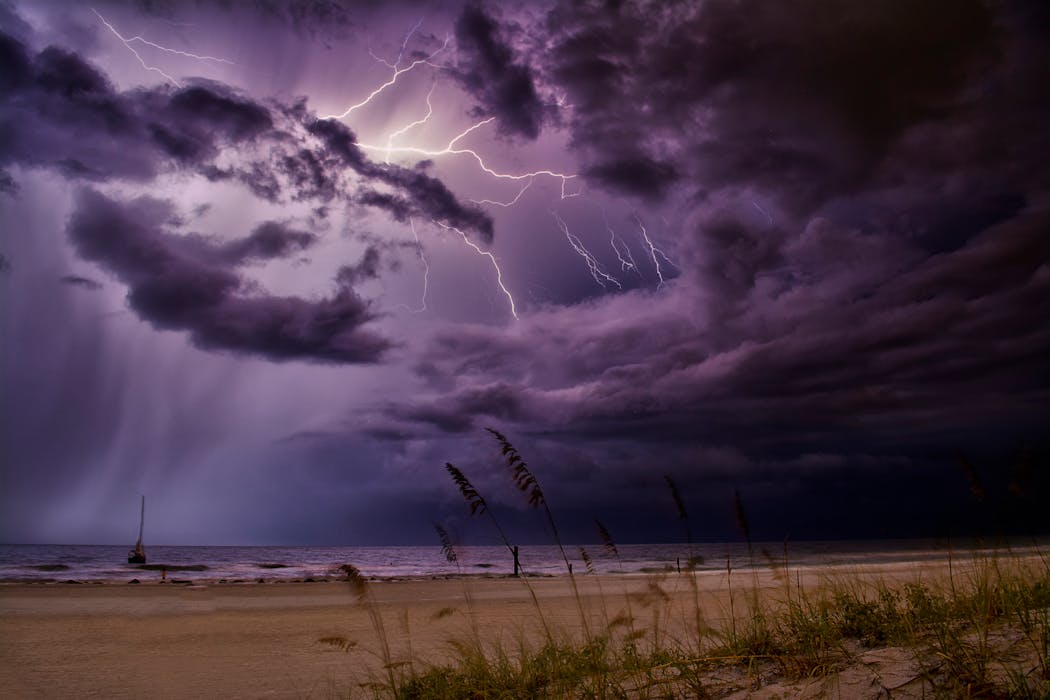
Sudden thunderstorms can form with little warning, bringing strong winds, lightning, and heavy rainfall that disrupt campsite stability. Tents may collapse under gusts, and visibility can drop quickly as precipitation intensifies. Ground conditions often shift within minutes, creating slippery surfaces around camp. These storms highlight how rapidly weather can change in natural spaces, posing greater danger than most wildlife interactions.
Flash Floods
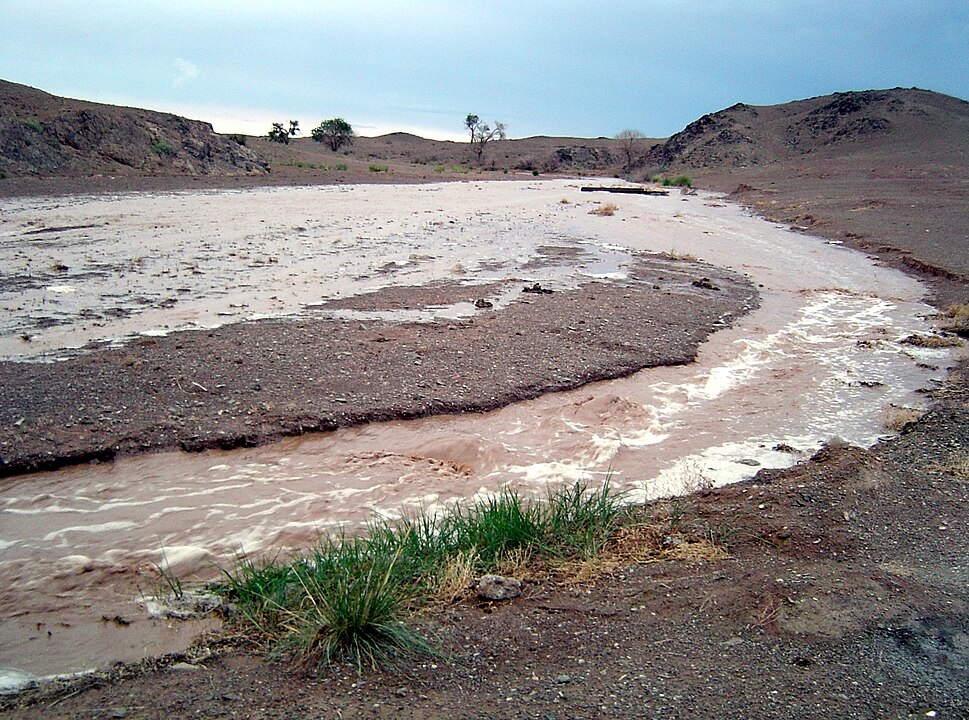
Flash floods remain one of the most underestimated threats in outdoor settings, especially in canyons, valleys, and desert basins. Water can rise dramatically even when rainfall occurs miles away, catching campers off guard. Narrow channels funnel the flow, increasing force and speed. Campsites near low areas become especially vulnerable to fast-moving water. The suddenness of these events makes them significantly more dangerous than encounters with animals.
Falling Trees And Branches
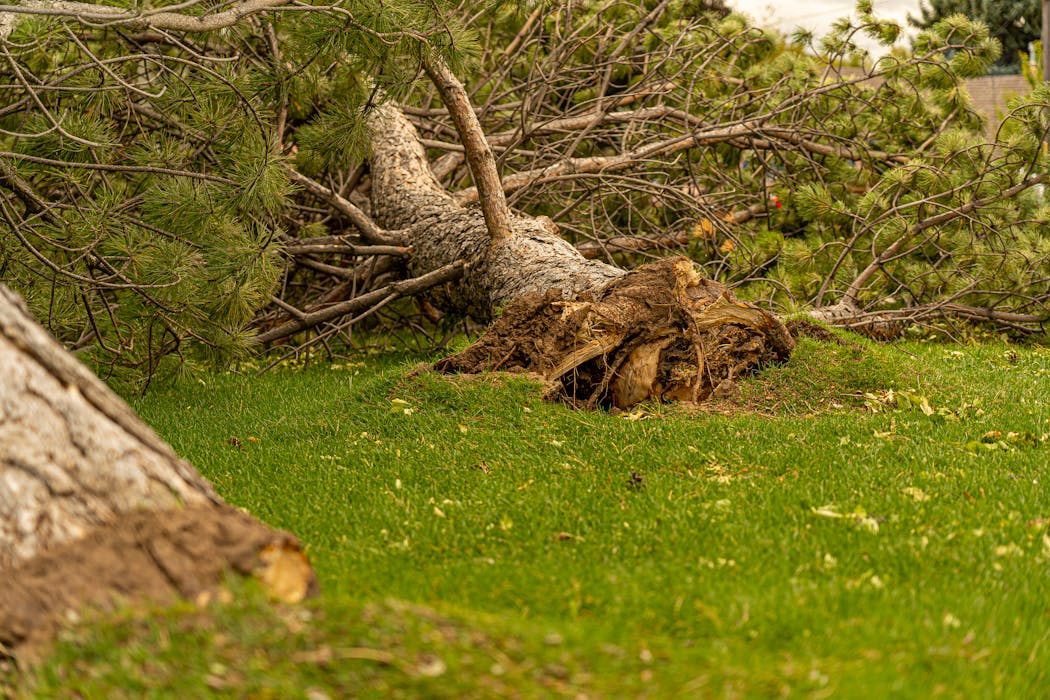
Falling trees and branches create serious risks during dry spells, storms, or high winds when weakened wood becomes unstable. Large limbs may appear sturdy but often hide internal rot or stress fractures. Camps pitched beneath tall trees can be affected without warning as branches shift or break. These hazards frequently cause injuries each year and represent a greater threat than wildlife wandering near a campsite.
Extreme Heat
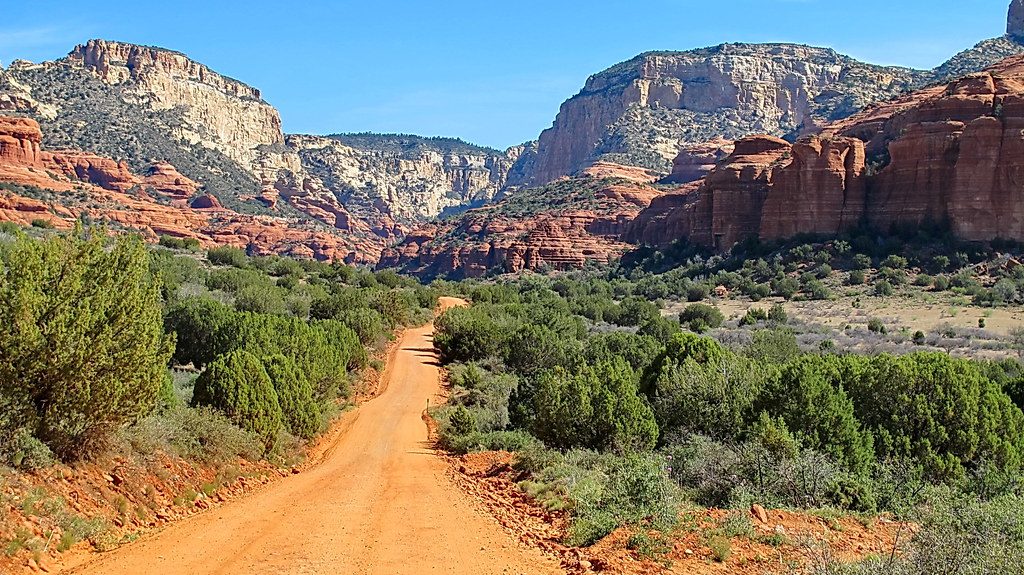
Extreme heat can lead to dehydration, heat exhaustion, or heatstroke during extended time outdoors. Campers may overlook rising temperatures when shaded areas offer temporary relief, yet sustained exposure places heavy strain on the body. Hot surfaces, limited airflow, and minimal water sources intensify these effects. Managing heat becomes essential for safe travel and rest, making high temperatures a greater risk than most animal encounters.
Hypothermia
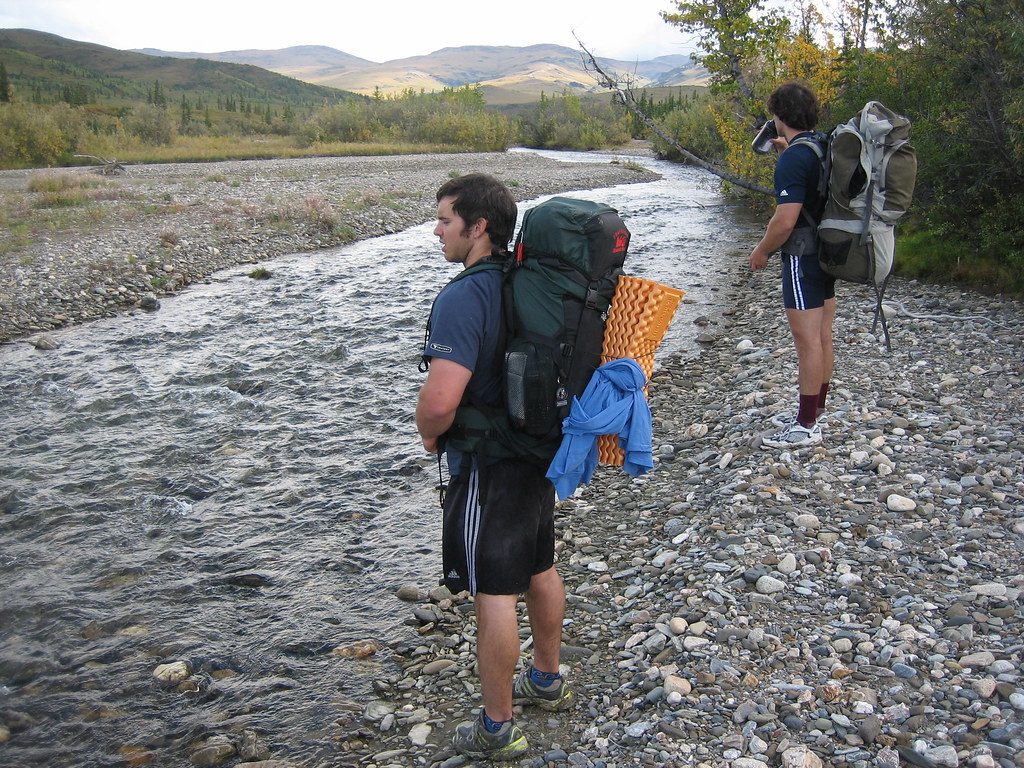
Hypothermia can develop even in mild seasons when wind, rain, or damp clothing lowers body temperature faster than expected. Campers often underestimate how cool nights become in open terrain or near water. Once the body loses warmth, decision-making weakens, increasing danger during routine tasks. This gradual onset makes hypothermia a significant risk that far exceeds concerns about wildlife.
Unstable Ground
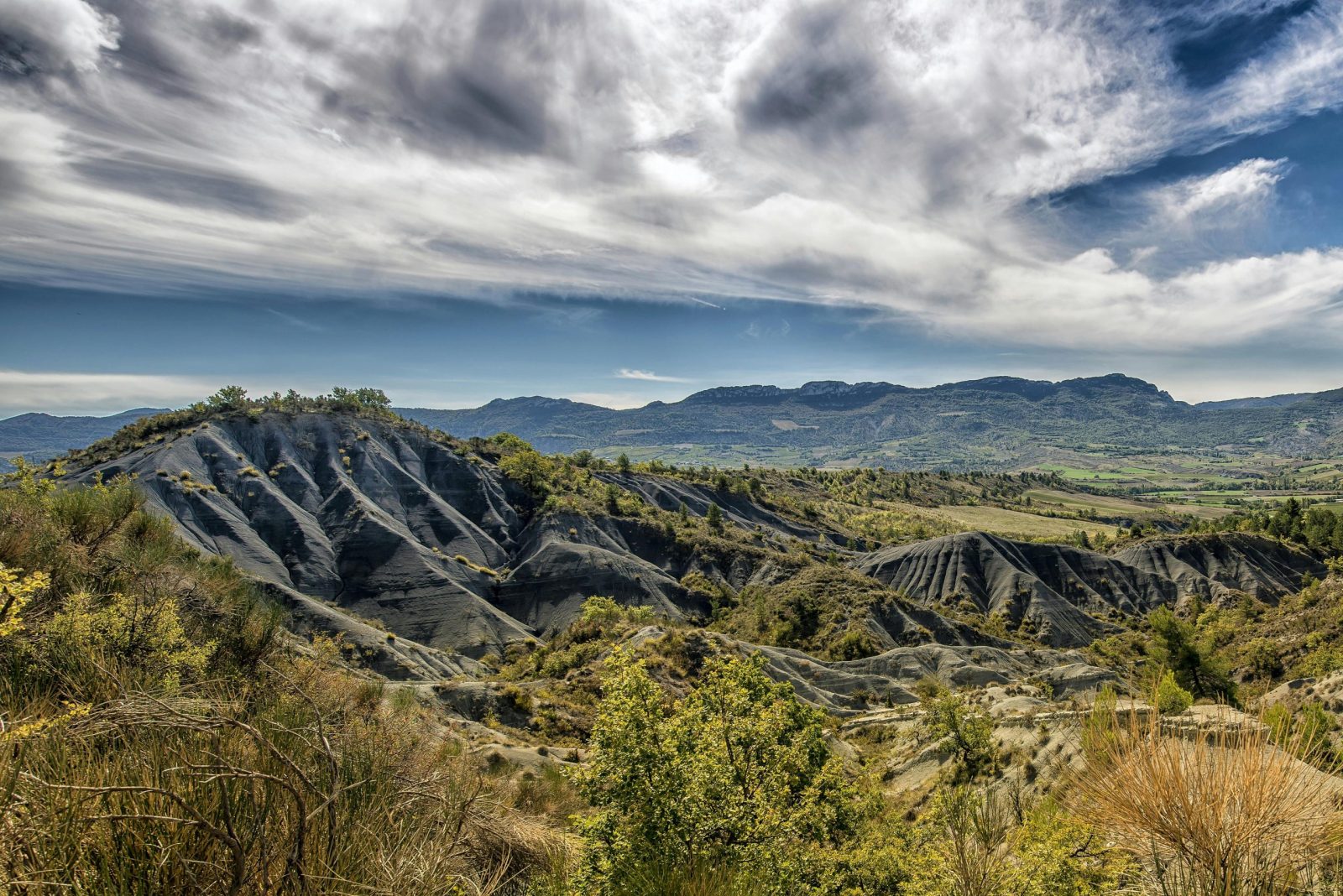
Unstable ground, including loose soil, gravel slopes, and eroding riverbanks, poses serious challenges when setting up camp or navigating nearby areas. Footing may appear solid from a distance but shift abruptly under pressure. Hidden voids or saturated sections add further unpredictability. Slips and falls occur frequently in such environments and represent a larger hazard than most animal activity near camp.
High Winds
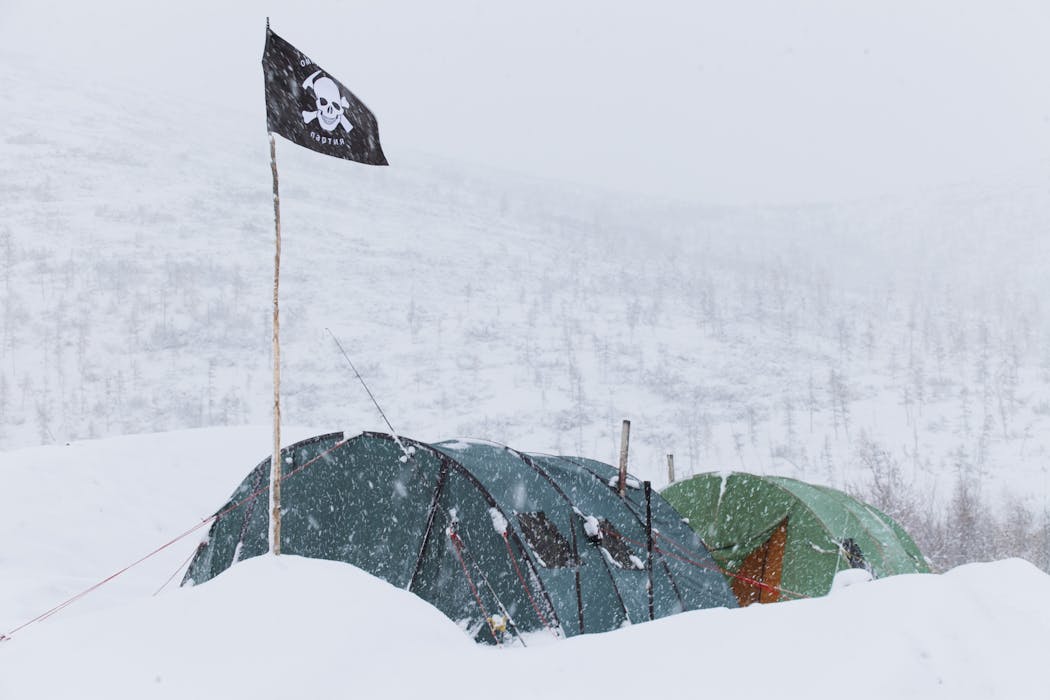
High winds can collapse tents, damage equipment, and knock over unsecured items within a campsite. Gusts may intensify at night or along ridges where airflow funnels through narrow spaces. Even well-anchored gear can shift under sudden pressure. These unpredictable forces often create more immediate risk than wildlife movement around outdoor areas.
Rapid Temperature Swings
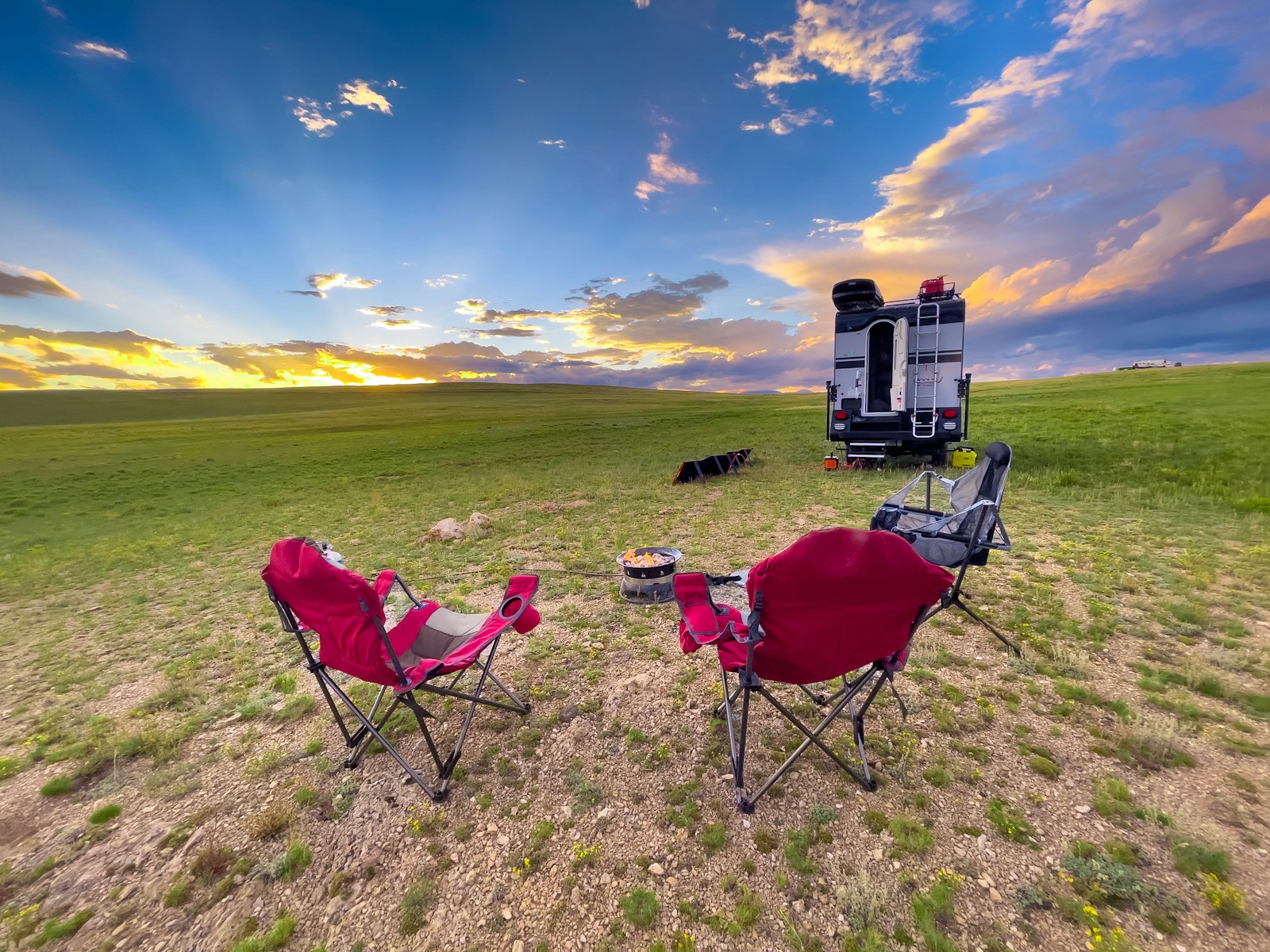
Rapid temperature swings affect comfort, safety, and overall readiness during multi-day camping trips. Warm afternoons can shift into freezing nights, stressing both gear and the body. Sudden drops during storms make exposure more likely. Adjusting to these changes requires preparation, as fluctuating temperatures pose more consistent challenges than animal encounters.
River And Lake Currents
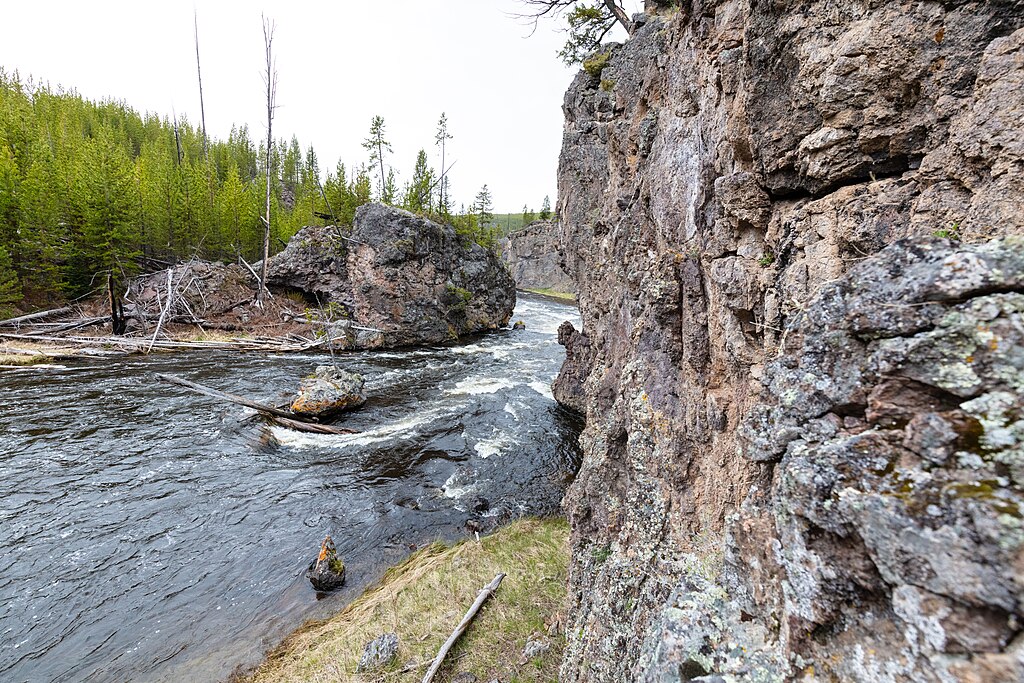
River and lake currents can be deceptively strong, even when surface water appears calm. Submerged flow may pull with considerable force, making wading or swimming dangerous. Unexpected shifts in current direction often occur after storms or snowmelt. These hidden dynamics contribute to risks that surpass concerns about animals near freshwater areas.
Dense Fog
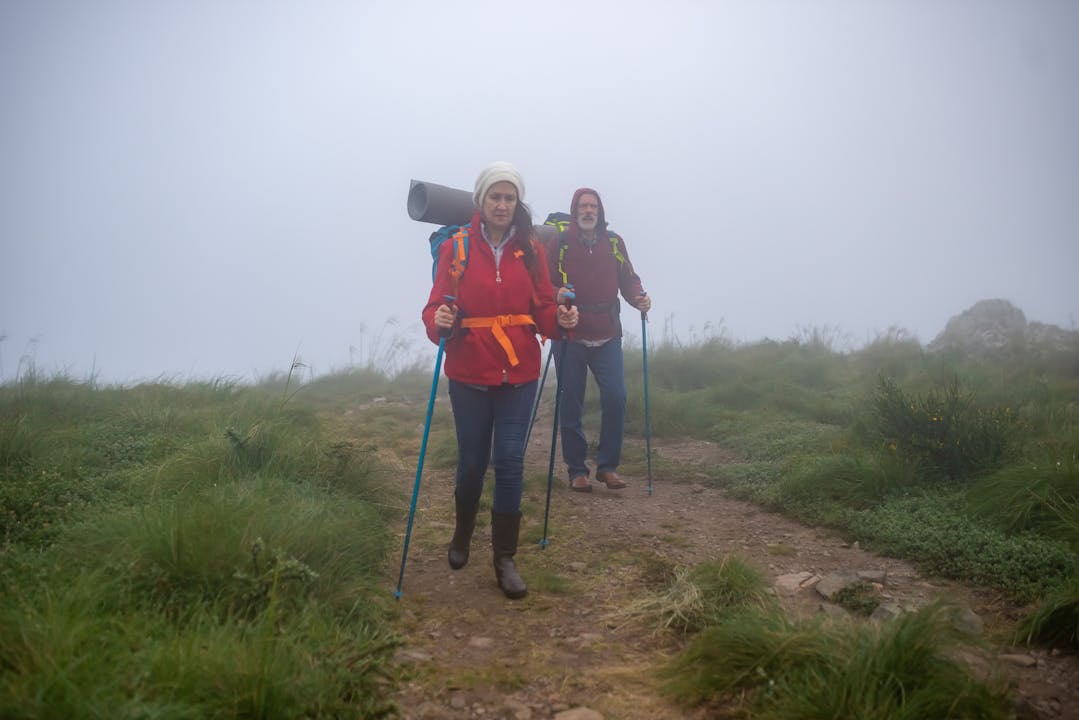
Dense fog reduces visibility so quickly that campsites and familiar paths become difficult to navigate. Landmarks disappear, creating confusion even in areas explored earlier in the day. Movement becomes risky as uneven ground or obstacles become impossible to see. Disorientation in fog presents a substantial threat that exceeds the likelihood of wildlife-related issues.
Rockfall
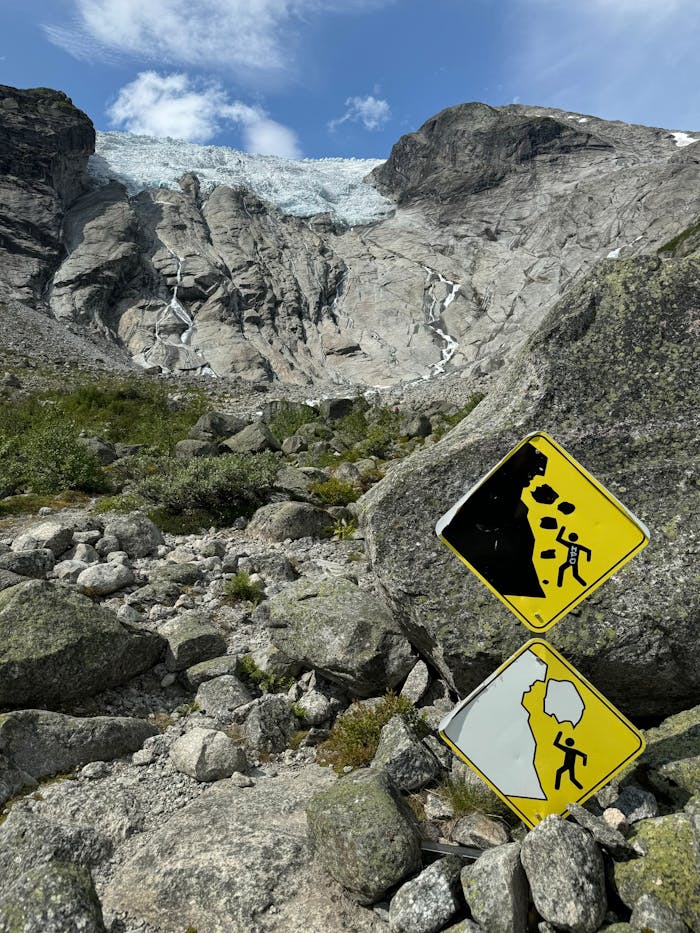
Rockfall occurs in mountainous or canyon environments where loose stones and shifting slopes can send debris downward without warning. Rain, thaw cycles, and natural erosion increase instability. Camps set near cliffs or steep terrain face higher exposure to falling rocks. This unpredictable movement often creates more severe dangers than interactions with local wildlife.
Lightning Strikes

Lightning strikes represent one of the most serious natural hazards in outdoor recreation. Elevated terrain, metal gear, and exposed ridges increase susceptibility during storms. Even distant thunder indicates risk long before rain arrives. Lightning can travel significant distances across the ground or through objects, creating widespread danger far more significant than encounters with animals.