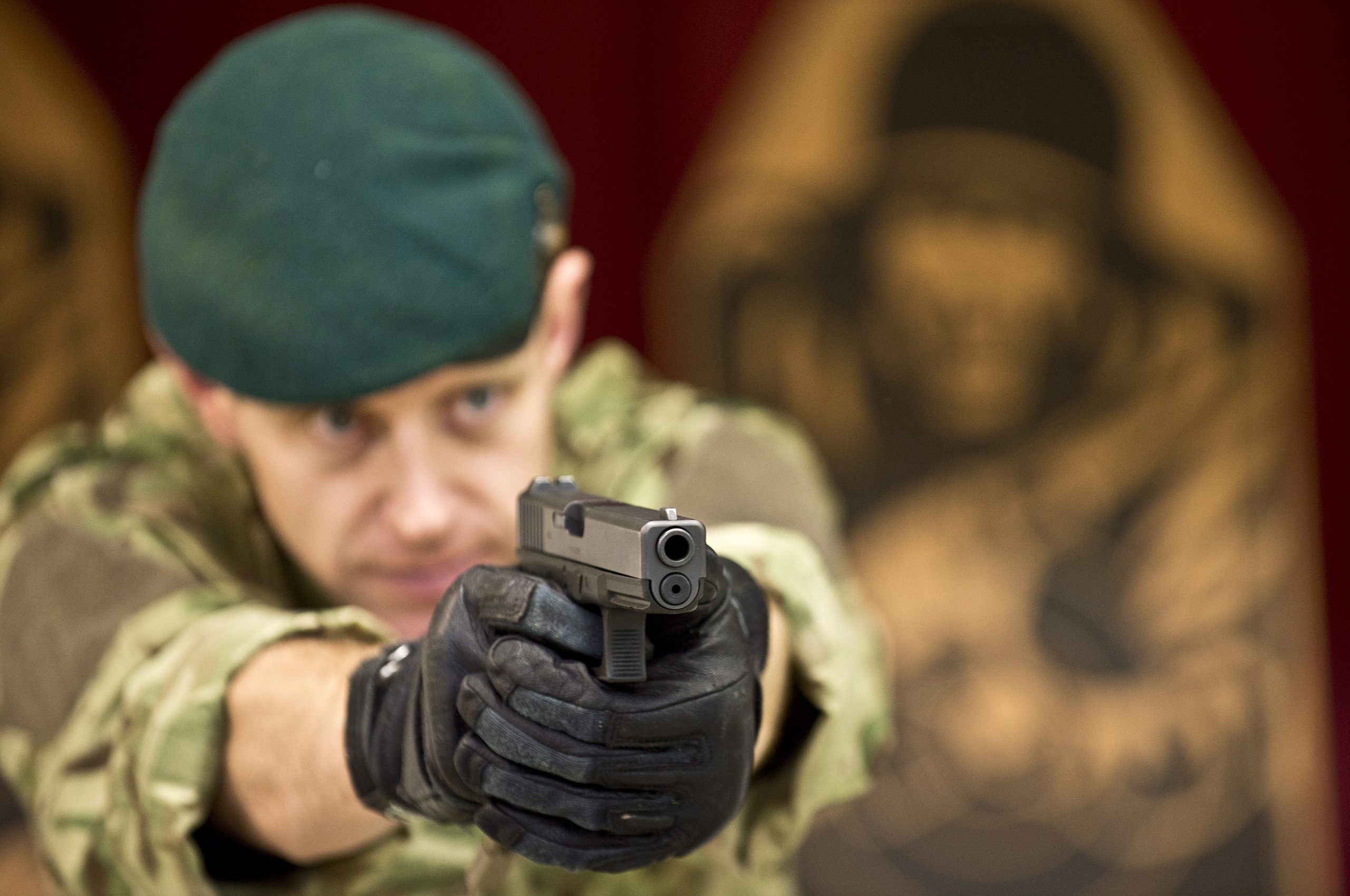
Firearms have played a defining role in American history, shaping everything from frontier survival and westward expansion to military doctrine, law enforcement, and civilian culture. Certain firearms stand out not just for their engineering but for how profoundly they influenced society, warfare, and daily life. These weapons changed how Americans defended themselves, fought wars, hunted, and understood personal freedom. Influence, in this context, isn’t about firepower alone; it’s about adoption, legacy, and long-term impact. The following twelve firearms earned their place through innovation, widespread use, and historical significance, leaving marks that still shape modern firearms design, policy debates, and cultural identity today.
1. Kentucky Rifle
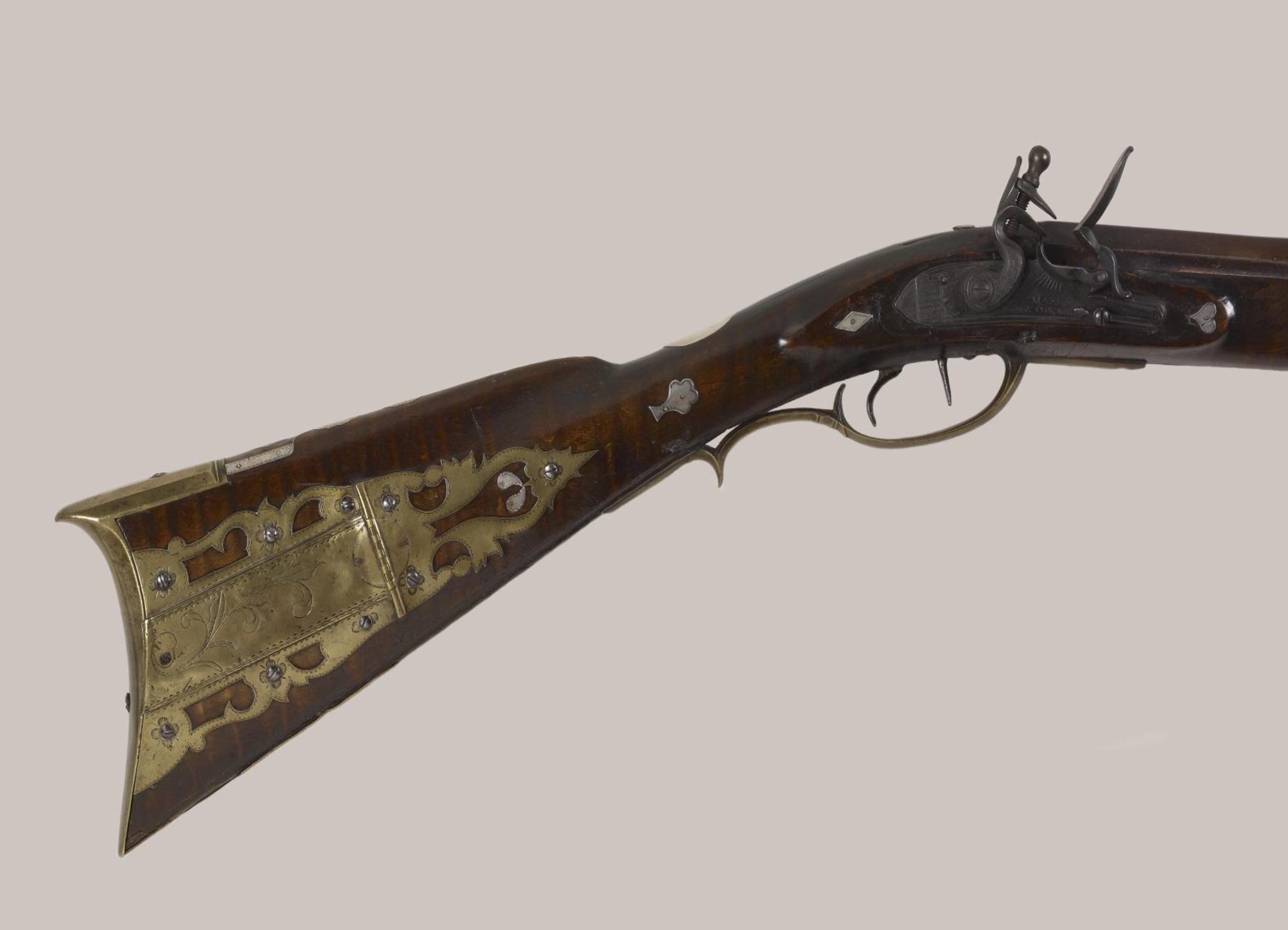
The Kentucky rifle became a symbol of early American independence and frontier ingenuity. Developed from German hunting rifles and refined in colonial America, it featured a long barrel and rifled bore that dramatically improved accuracy over smoothbore muskets. This precision allowed settlers and militia fighters to hunt efficiently and engage targets at distances previously unthinkable. During the Revolutionary War, the Kentucky rifle gave American forces tactical advantages in skirmishes and irregular warfare. Its influence extended beyond combat, shaping the American ideal of the skilled marksman and establishing accuracy as a defining characteristic of American firearms culture.
2. Colt Single Action Army
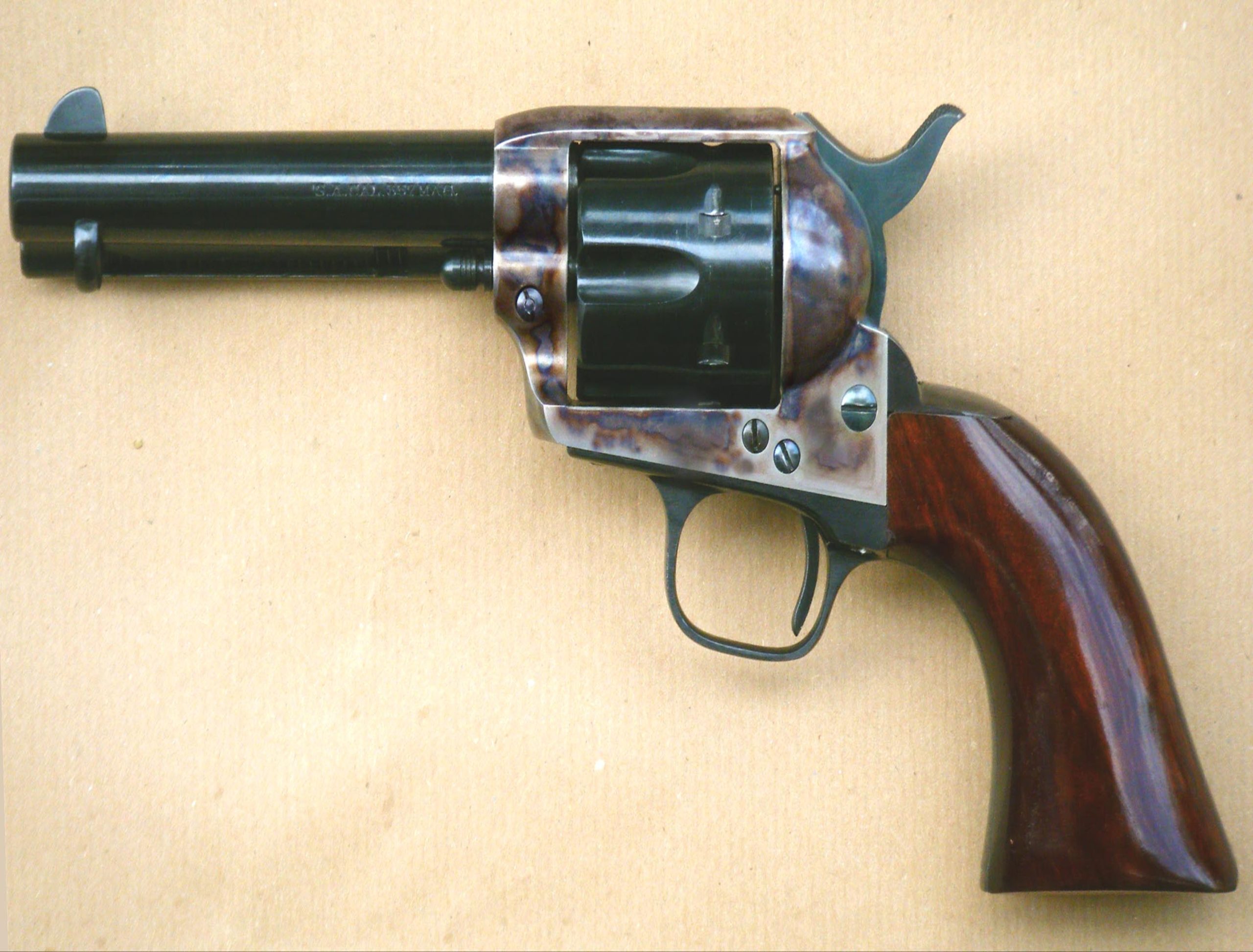
The Colt Single Action Army revolver helped define the American West. Introduced in 1873, it became the sidearm of choice for soldiers, lawmen, and civilians alike. Its reliability, simplicity, and stopping power made it well-suited to harsh frontier conditions. The revolver’s design helped standardize metallic cartridge use and popularized revolvers as everyday defensive tools. Beyond function, it became deeply embedded in American mythology, symbolizing law, order, and individual authority. The Colt Single Action Army’s legacy endures in modern revolvers and the cultural image of the Old West.
3. Springfield Model 1861
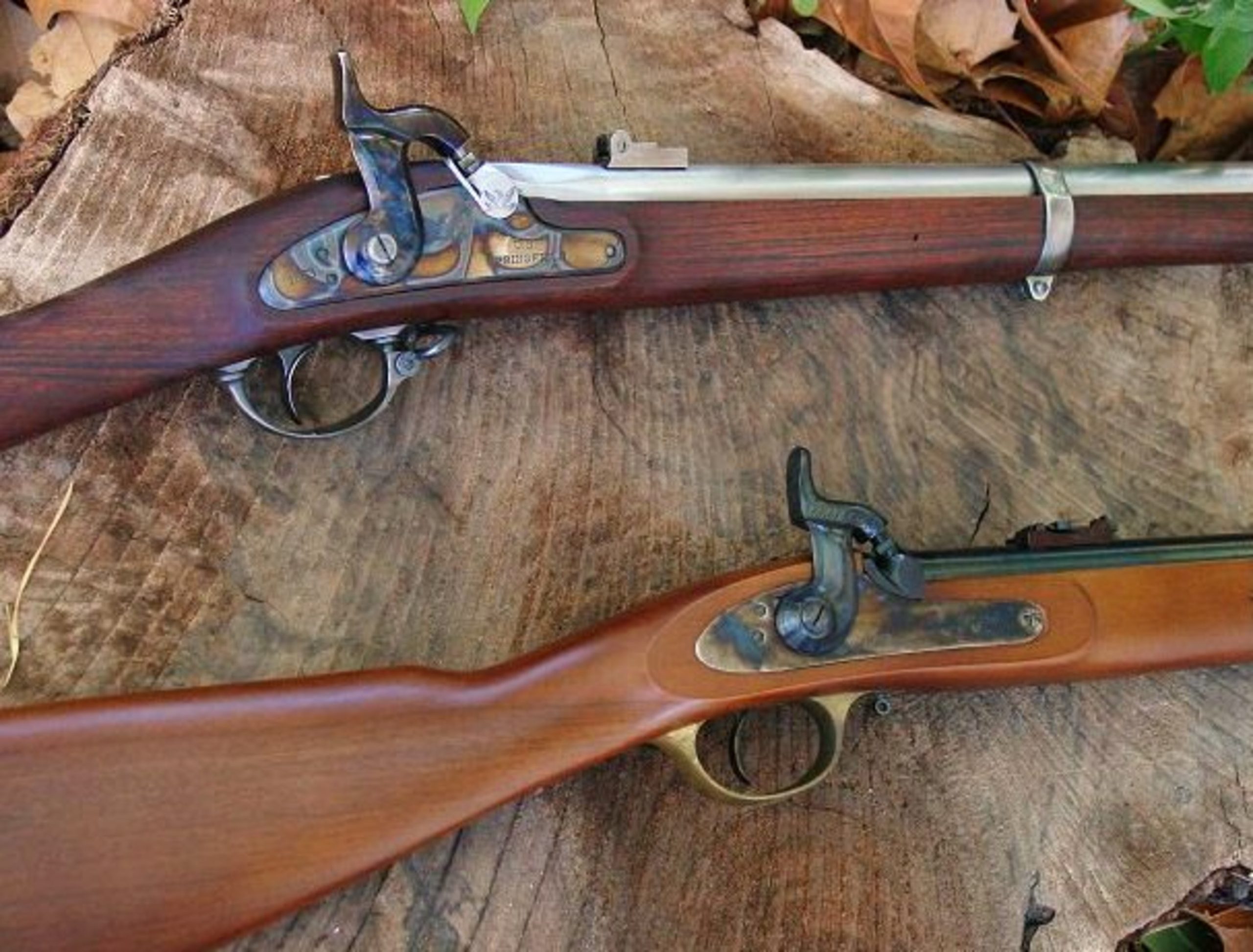
The Springfield Model 1861 musket played a critical role during the American Civil War. As the most widely issued rifle-musket of the conflict, it represented a turning point from smoothbore firearms to rifled infantry weapons. Its improved accuracy and effective range fundamentally changed battlefield tactics, making traditional massed formations increasingly deadly. The Springfield’s widespread use accelerated the evolution of military doctrine and highlighted the devastating consequences of technological advancement in warfare. Its influence shaped future military rifle development and underscored the growing importance of industrialized arms production in America.
4. Winchester Model 1873
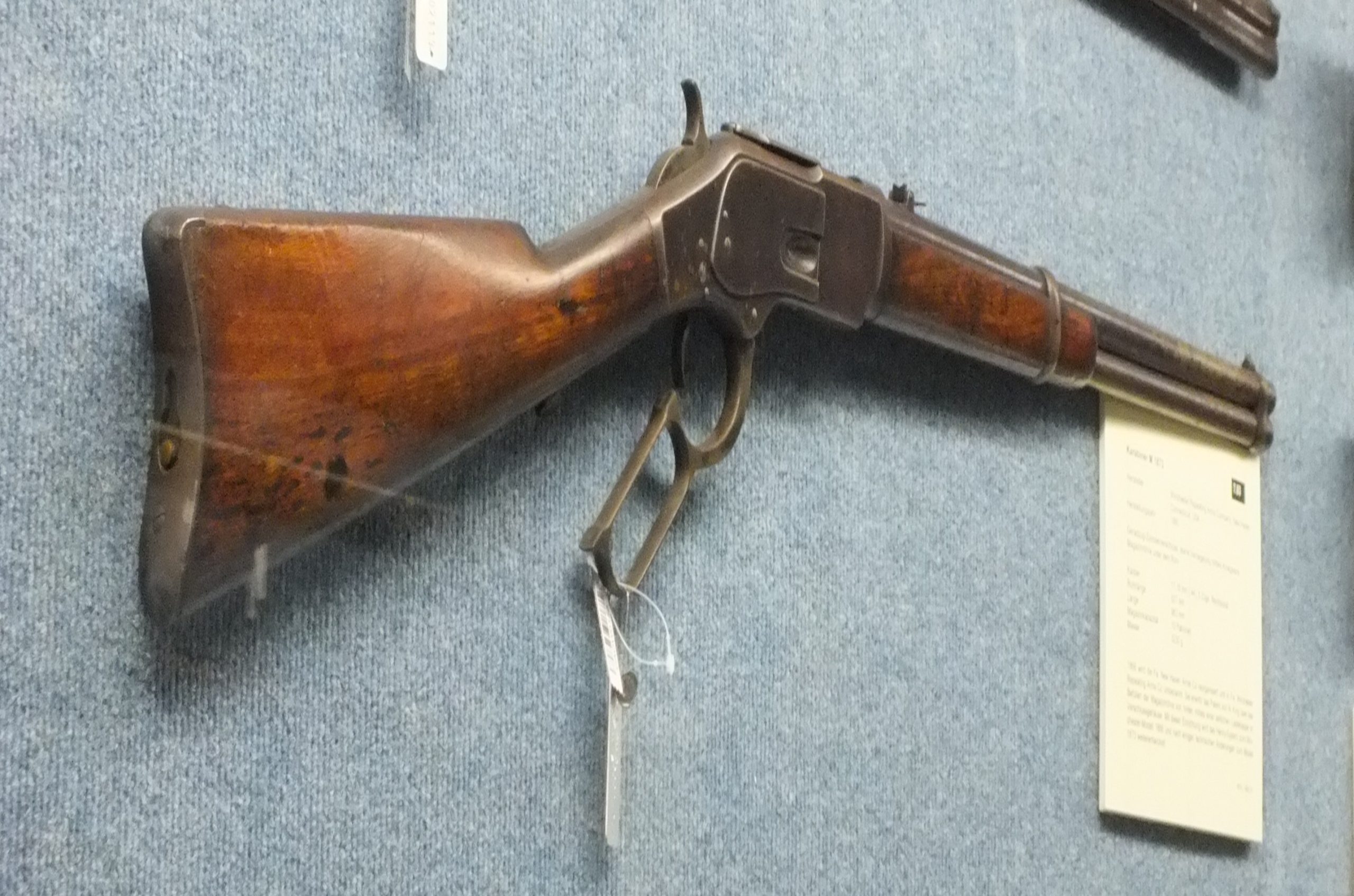
Often called “The Gun That Won the West,” the Winchester Model 1873 became one of the most iconic lever-action rifles in American history. Its repeating action allowed shooters to fire multiple rounds quickly, a major advantage for settlers, hunters, and law enforcement. Chambered in popular cartridges, it simplified ammunition supply and maintenance. The rifle’s reliability and versatility made it ideal for frontier life. More than a tool, it became a cultural symbol of expansion and self-reliance. The Winchester 1873 influenced countless repeating firearms that followed.
5. M1903 Springfield
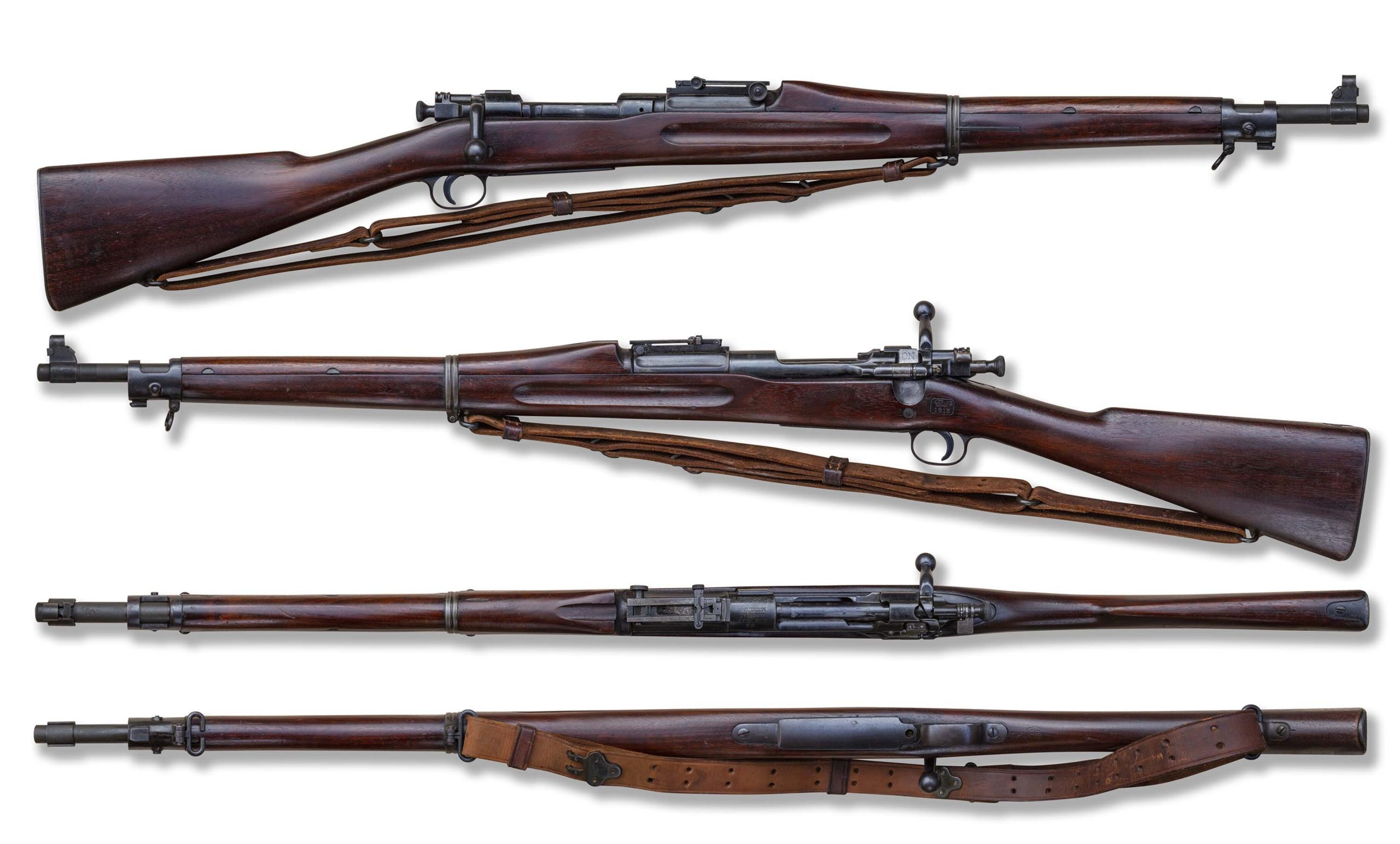
The M1903 Springfield marked America’s entry into modern bolt-action rifle design. Adopted after lessons learned from foreign conflicts, it combined accuracy, durability, and effective range. Serving through World War I and beyond, it set standards for military precision shooting. Its design influenced both civilian sporting rifles and military training programs. The rifle also helped professionalize American marksmanship, reinforcing accuracy as a core combat value. The M1903’s balance of reliability and precision made it a foundational step toward modern American service rifles.
6. Thompson Submachine Gun
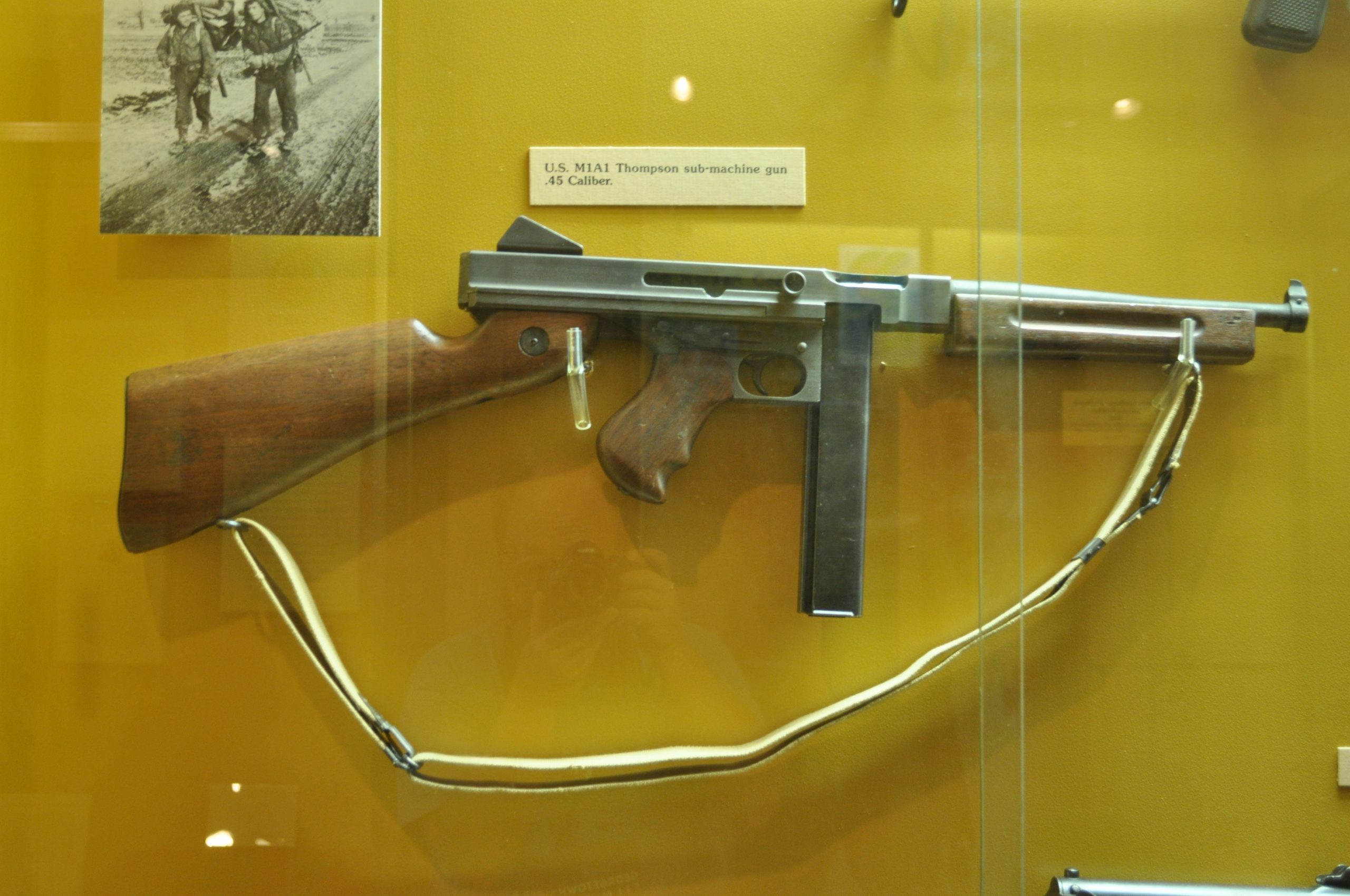
The Thompson submachine gun became one of the most recognizable firearms of the 20th century. Initially designed for trench warfare, it found fame during Prohibition, used by both law enforcement and organized crime. Its fully automatic fire and compact size made it effective in close-quarters combat. Later adopted by U.S. forces during World War II, the Thompson helped define submachine gun roles in modern warfare. Its cultural legacy, tied to both crime and heroism,m cemented its influence far beyond its mechanical design.
7. M1 Garand
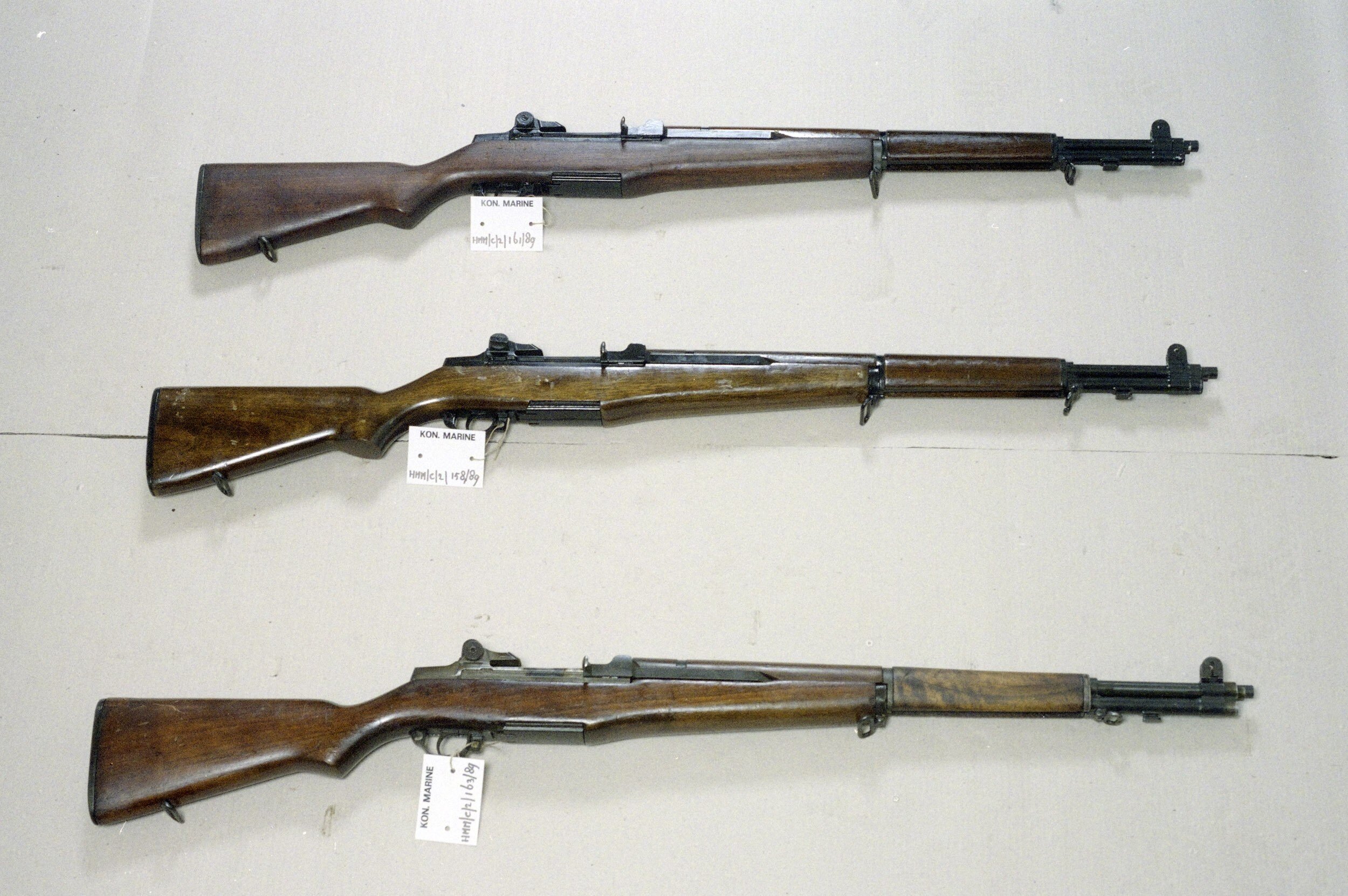
The M1 Garand revolutionized infantry combat as the first standard-issue semi-automatic rifle adopted by a major military power. Introduced before World War II, it gave American soldiers a significant firepower advantage over bolt-action-armed opponents. Its reliability and speed of fire transformed battlefield dynamics and infantry tactics. The Garand demonstrated the value of semi-automatic service rifles, influencing postwar military doctrine worldwide. General George S. Patton famously praised it as a decisive weapon, and its legacy continues to influence modern rifle design.
8. Colt M1911
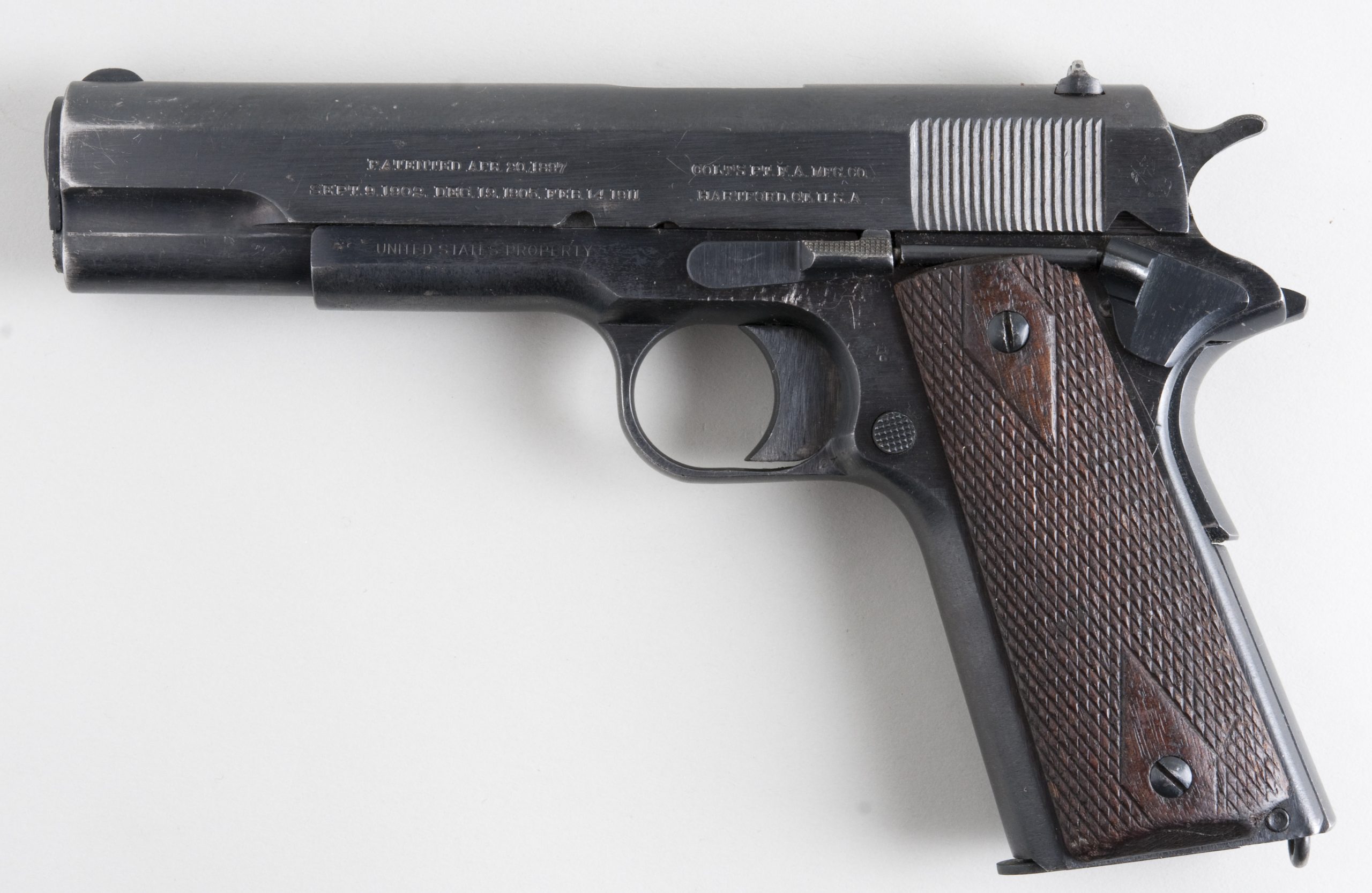
The Colt M1911 pistol has remained in service longer than nearly any other military sidearm. Adopted in 1911, it served through two World Wars and numerous conflicts. Known for its stopping power, durability, and ergonomics, it set the benchmark for combat pistols. The M1911 also influenced civilian handgun design and competitive shooting. Its continued popularity more than a century later reflects the strength of its original design. Few firearms demonstrate such lasting relevance in both military and civilian contexts.
9. Browning Automatic Rifle
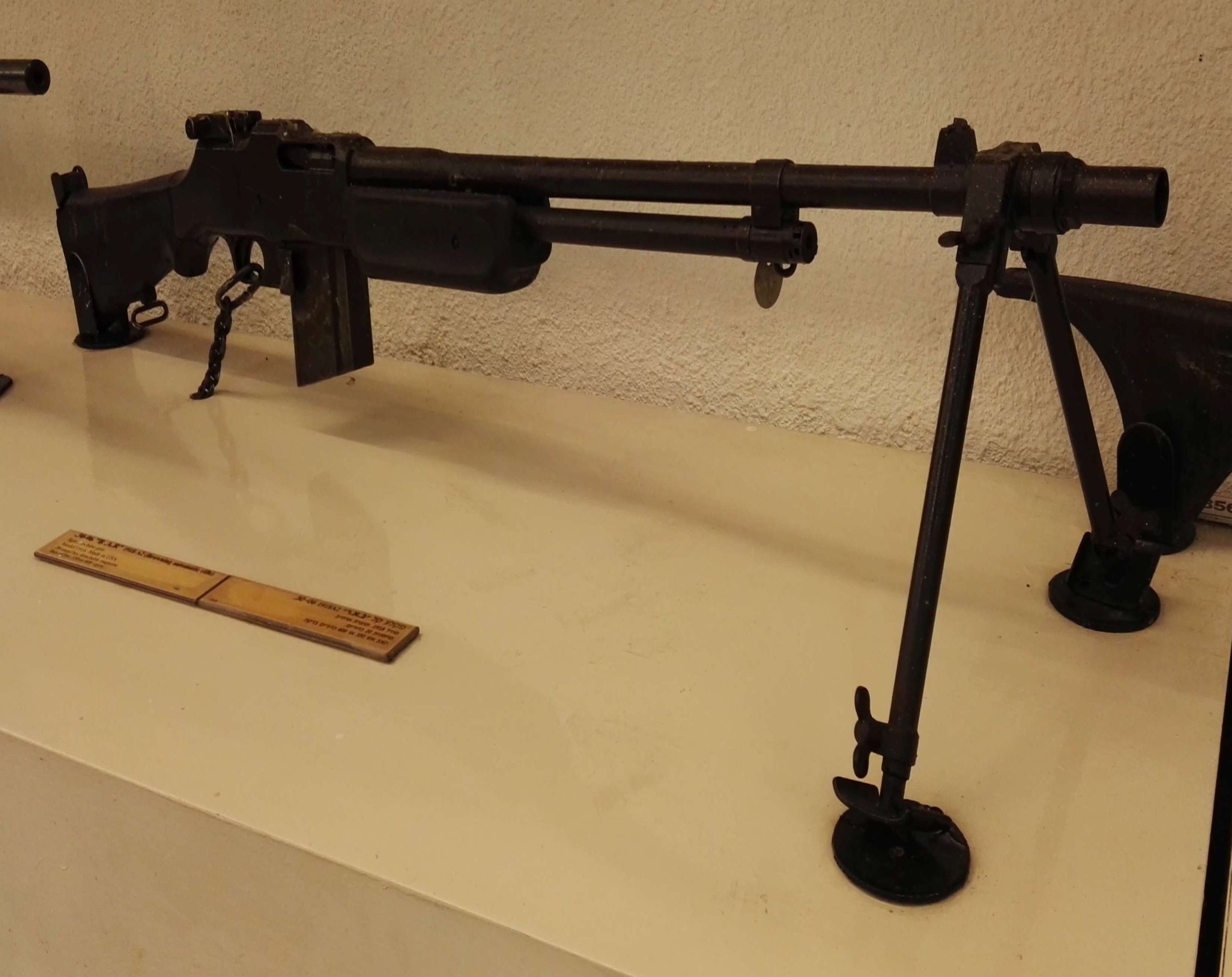
The Browning Automatic Rifle, or BAR, introduced mobile automatic fire to American infantry units. Designed to provide suppressive fire while advancing, it bridged the gap between rifles and machine guns. Used extensively in World War I and World War II, the BAR changed squad-level tactics by adding sustained fire capability. Its influence extended into postwar automatic rifle concepts and light machine gun development. The BAR helped redefine infantry firepower and emphasized flexibility on the battlefield.
10. AR-15
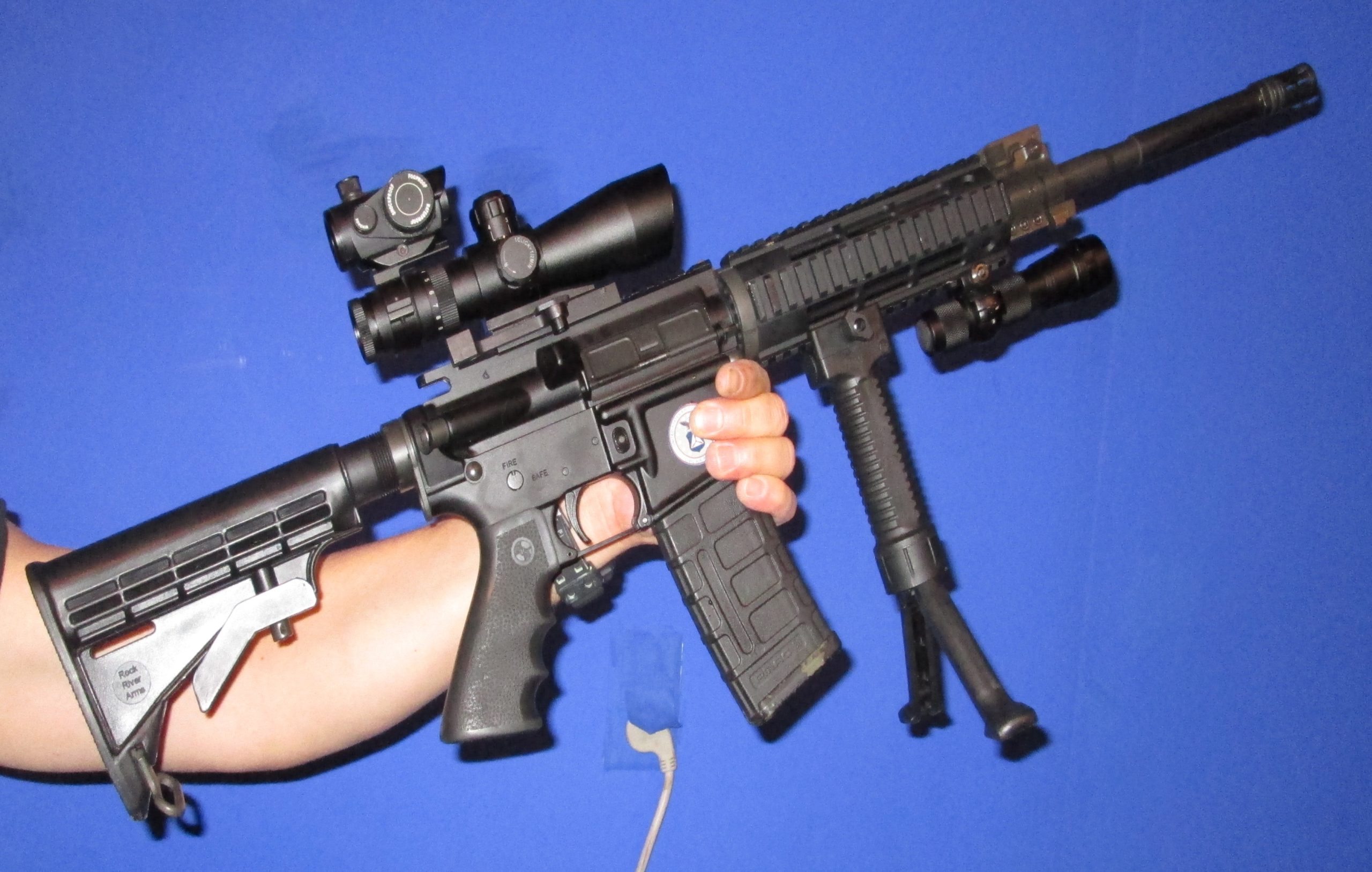
The AR-15 has become one of the most influential civilian firearms in American history. Originally developed as a lightweight military rifle platform, it gained widespread civilian adoption due to its modular design, ergonomics, and adaptability. Its influence extends beyond mechanics, shaping national conversations around firearm ownership, customization, and regulation. The AR-15 platform transformed expectations of what a modern rifle could be, emphasizing user adaptability and modular components. Its cultural, political, and technological impact makes it one of the most significant firearms of the modern era.
11. Ruger 10/22
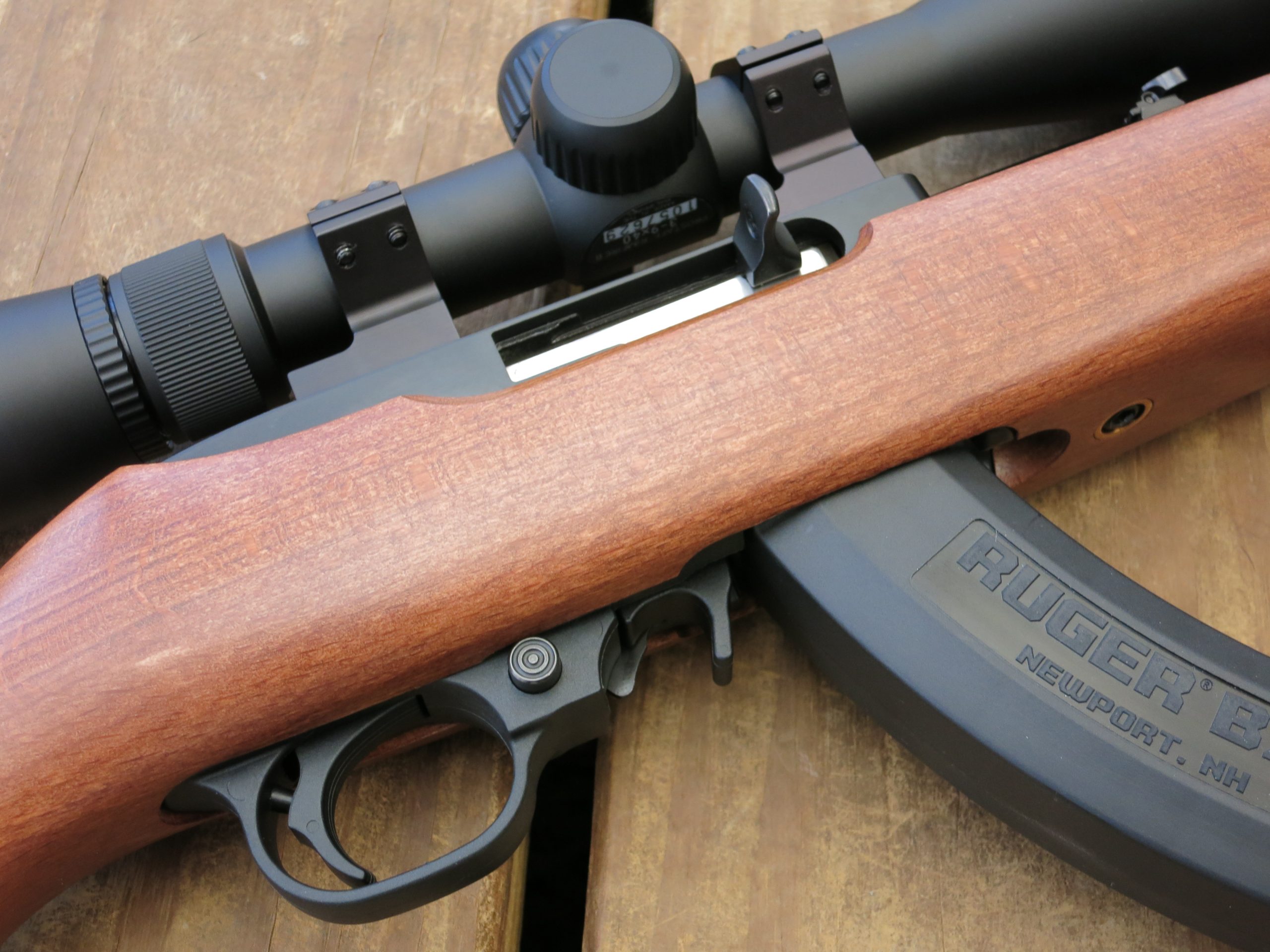
The Ruger 10/22 has introduced generations of Americans to shooting sports. Known for its reliability, affordability, and ease of use, it became a standard training rifle for new shooters. Its simple design and aftermarket support encouraged customization and experimentation. The 10/22 helped normalize recreational shooting and marksmanship training in American households. By making firearms approachable and accessible, it played a quiet but powerful role in shaping modern American gun culture.
12. Glock 17
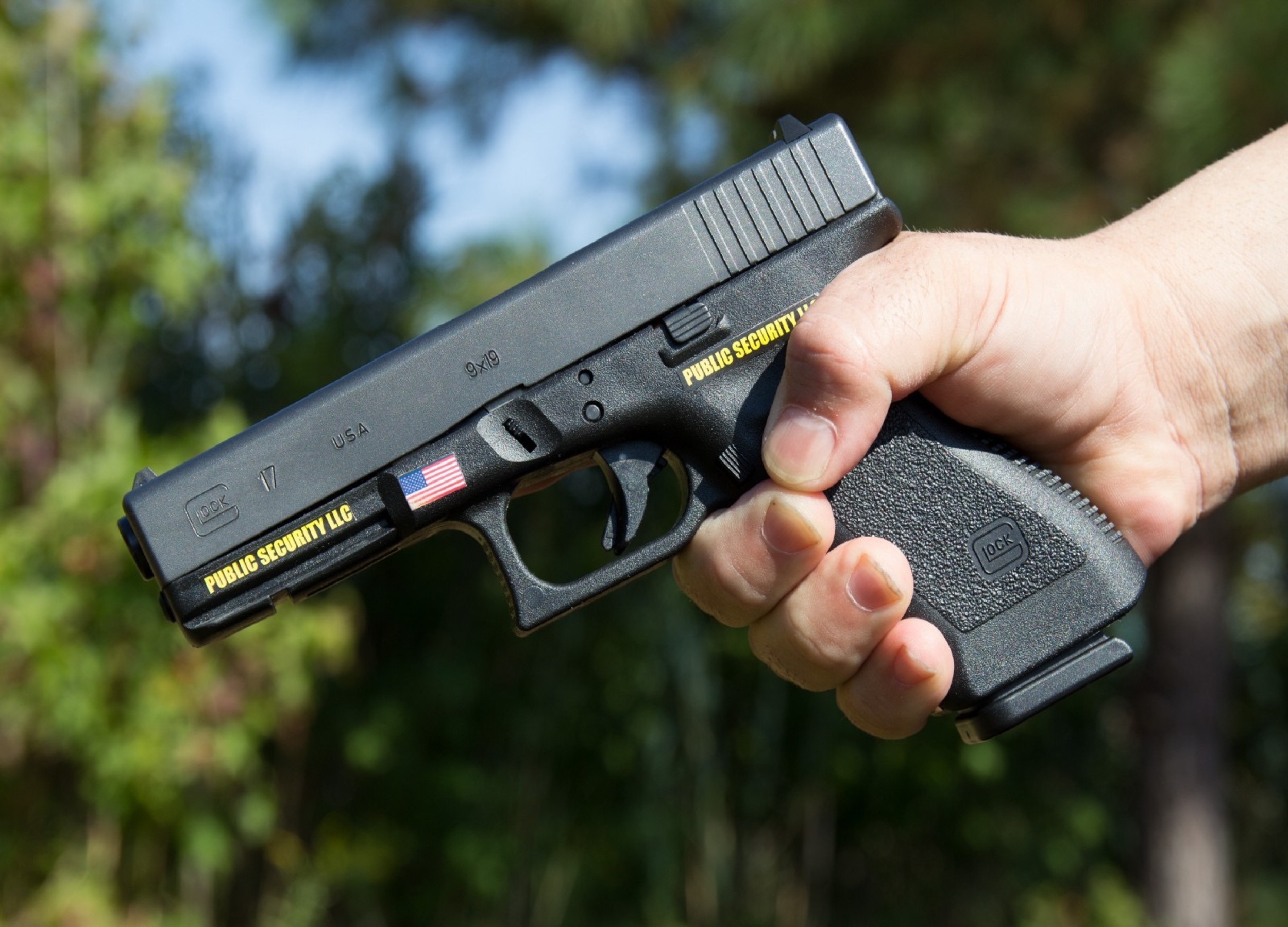
The Glock 17 revolutionized handgun design with its polymer frame, striker-fired system, and emphasis on simplicity. Introduced in the 1980s, it quickly gained adoption by law enforcement agencies across the United States. Its reliability, ease of maintenance, and consistent trigger pull set new industry standards. The Glock’s success reshaped handgun manufacturing trends and influenced countless competitors. Its impact is seen in modern service pistols worldwide, marking a clear shift toward durable, minimalist firearm design.