Concealed carry has changed dramatically in the last two decades, mainly because of the rise of micro-compact pistols. Older carry guns were often heavy, low in capacity, or difficult to hide under normal clothing. Modern micro-compacts proved that a pistol could stay small while still holding enough ammunition and remaining comfortable to shoot. Improvements in polymer frames, magazine design, and recoil systems allowed manufacturers to build handguns that weigh under 20 ounces but still carry 10 rounds or more. These pistols made everyday carry easier for civilians, law enforcement backup use, and personal defense. The following micro-compact pistols played a major role in changing concealed carry by proving that small size no longer means poor performance.
1. Glock 26
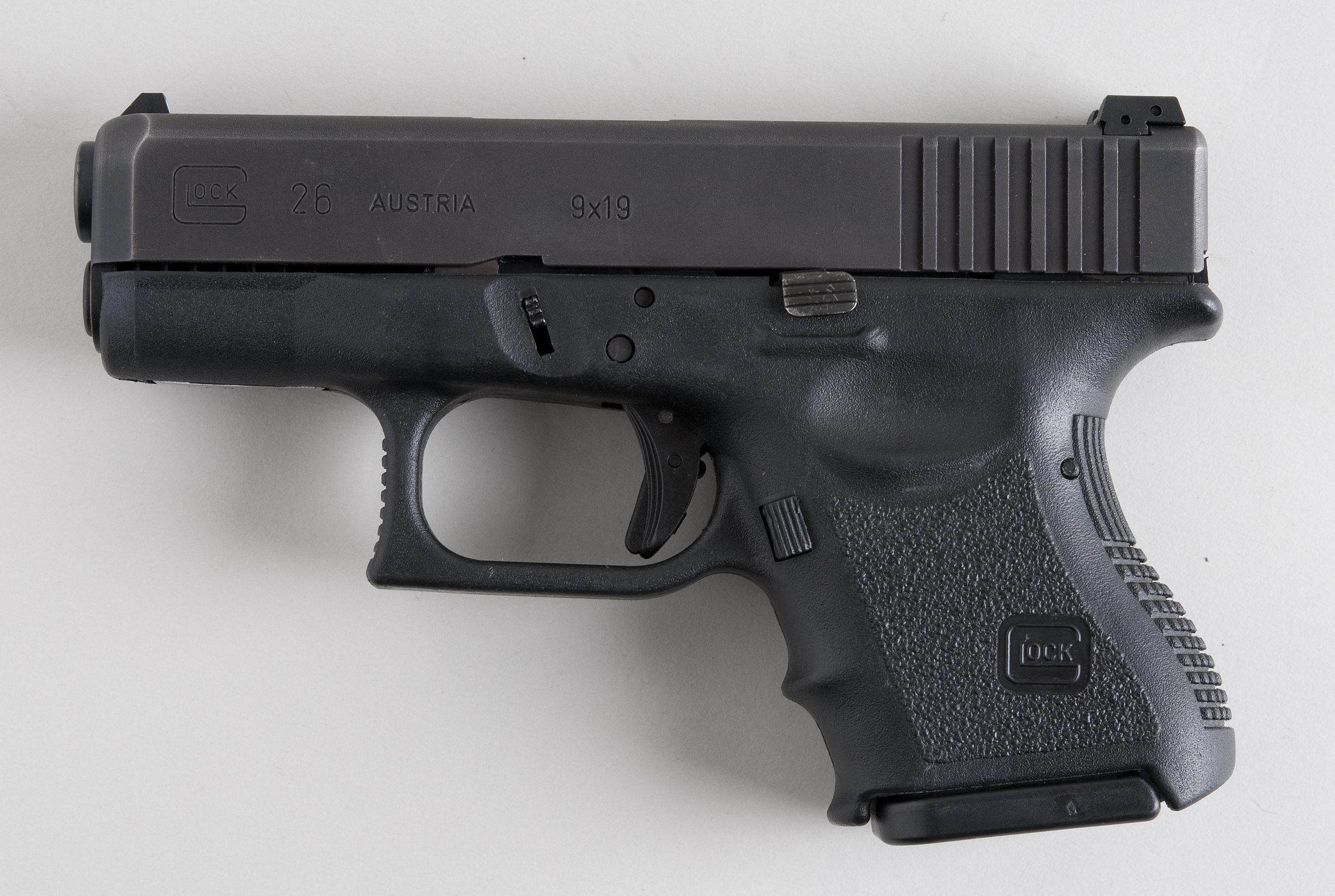
The Glock 26 became one of the first widely trusted compact pistols for concealed carry, and it helped prove that a small handgun could still be reliable. Introduced in the mid-1990s, the pistol used a 10-round magazine while keeping a barrel length of about 3.4 inches. Weighing around 21.7 ounces unloaded, it was lighter than many older metal-frame pistols but still strong enough for heavy use. The thick grip made recoil easier to control compared to smaller pocket guns of the time. Many shooters also liked that it could use larger Glock magazines holding 15 or even 17 rounds. Because of its durability and simple design, the Glock 26 became a standard for concealed carry and influenced many later micro-compact designs.
2. Smith and Wesson M&P Shield
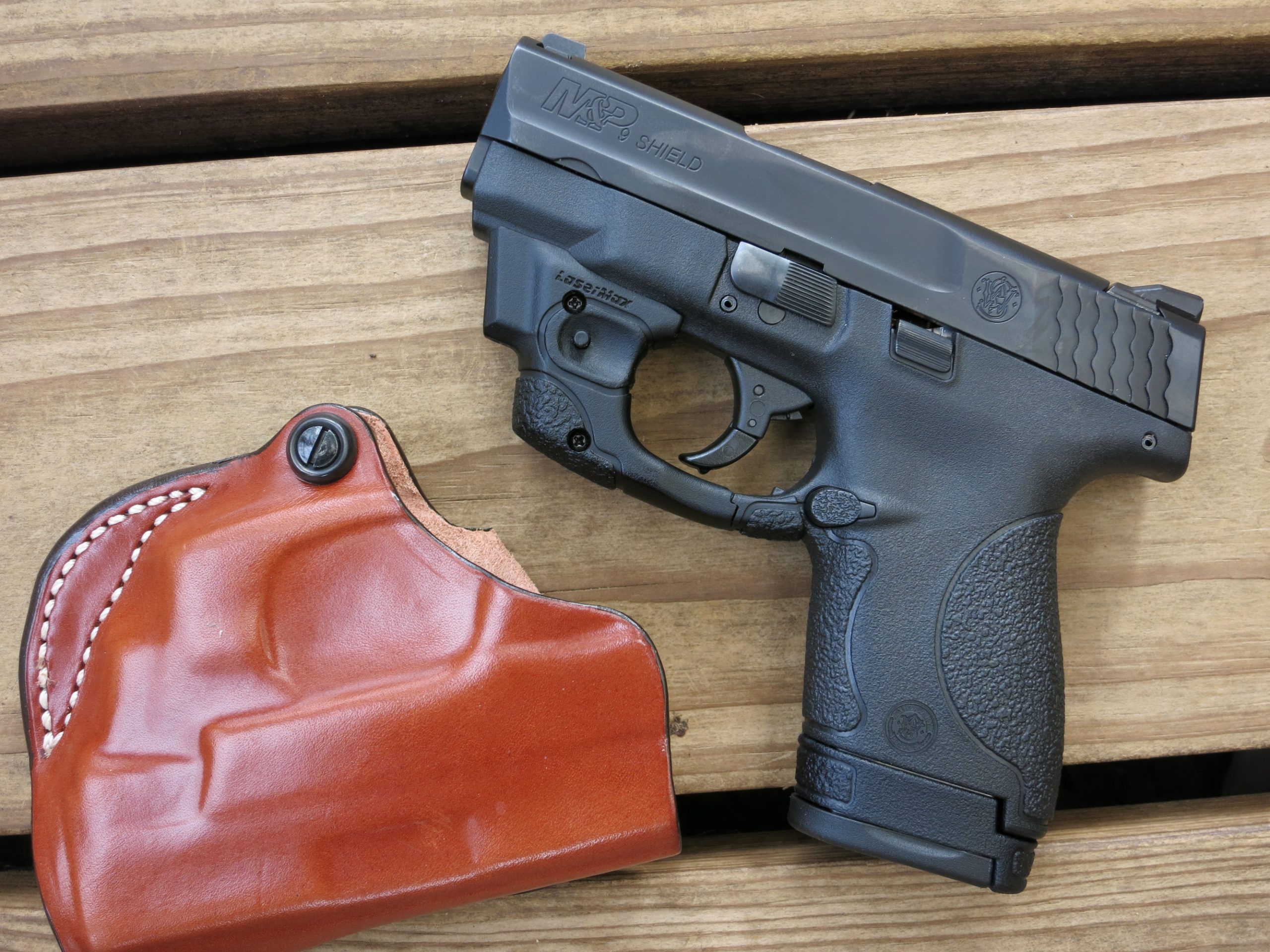
The M&P Shield changed concealed carry by offering a very slim pistol that was still comfortable to shoot. With a width close to 0.95 inches and a weight of around 19 ounces, it was much easier to hide than double-stack pistols. The standard magazine held 7 or 8 rounds, which was considered good for such a thin handgun. Many shooters liked the grip angle and smooth trigger, which made practice more enjoyable. The pistol also proved that a lightweight polymer frame could handle thousands of rounds without problems. Because of its balanced size, reliability, and comfort, the Shield became one of the most popular concealed carry pistols in the United States.
3. Ruger LCP
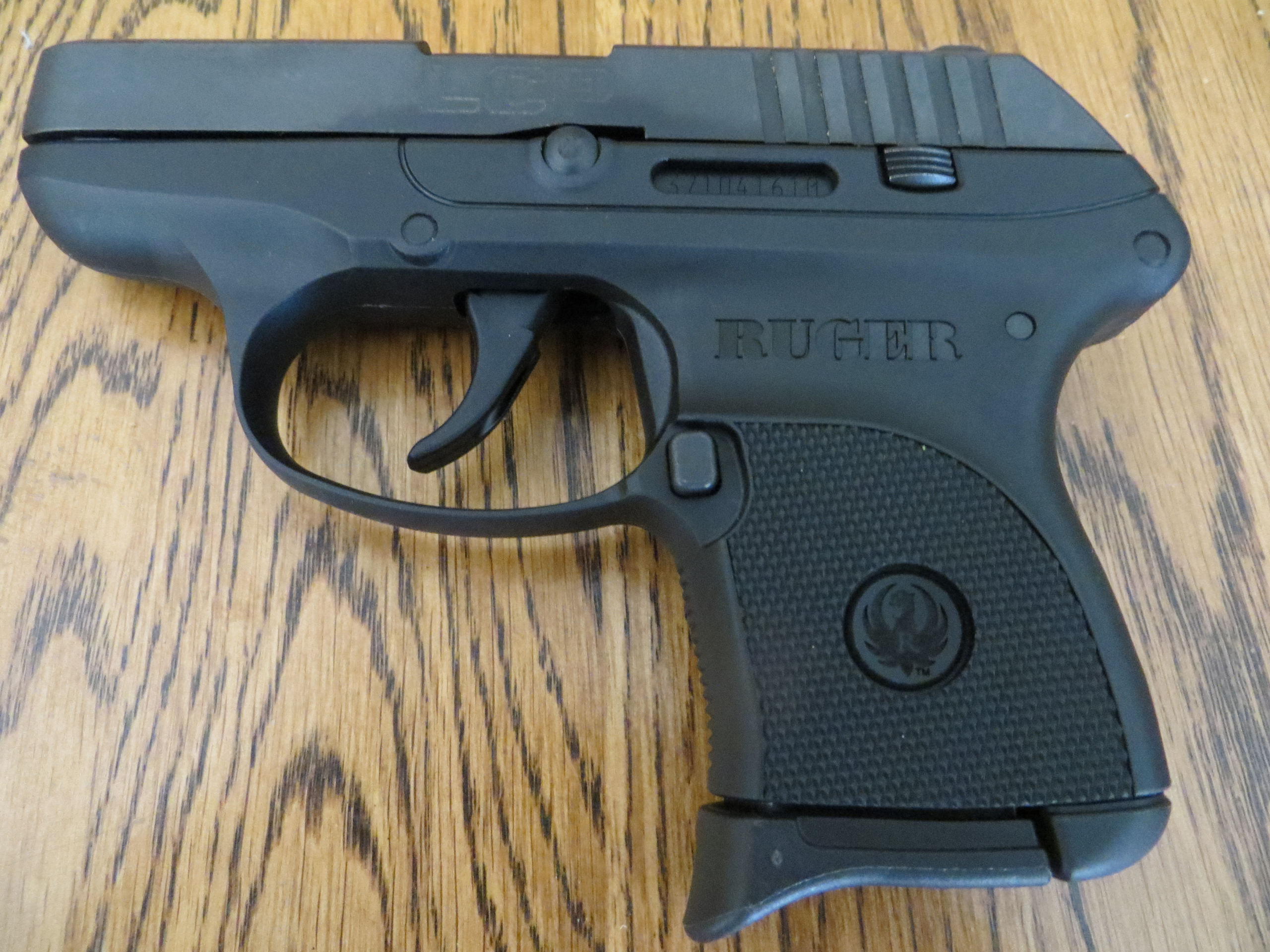
The Ruger LCP made true pocket carry popular by showing how small a reliable pistol could be. Weighing only about 9.6 ounces and measuring under 6 inches long, it could fit easily in a pocket holster. The .380 caliber cartridge produced manageable recoil in such a small gun, although accuracy required practice. The magazine held 6 rounds, which was typical for pistols this size at the time. Many people chose the LCP because it was simple, affordable, and easy to carry every day. Even though it was not meant for long-range sessions, it changed concealed carry by making constant carry possible for people who could not hide larger guns.
4. SIG Sauer P365
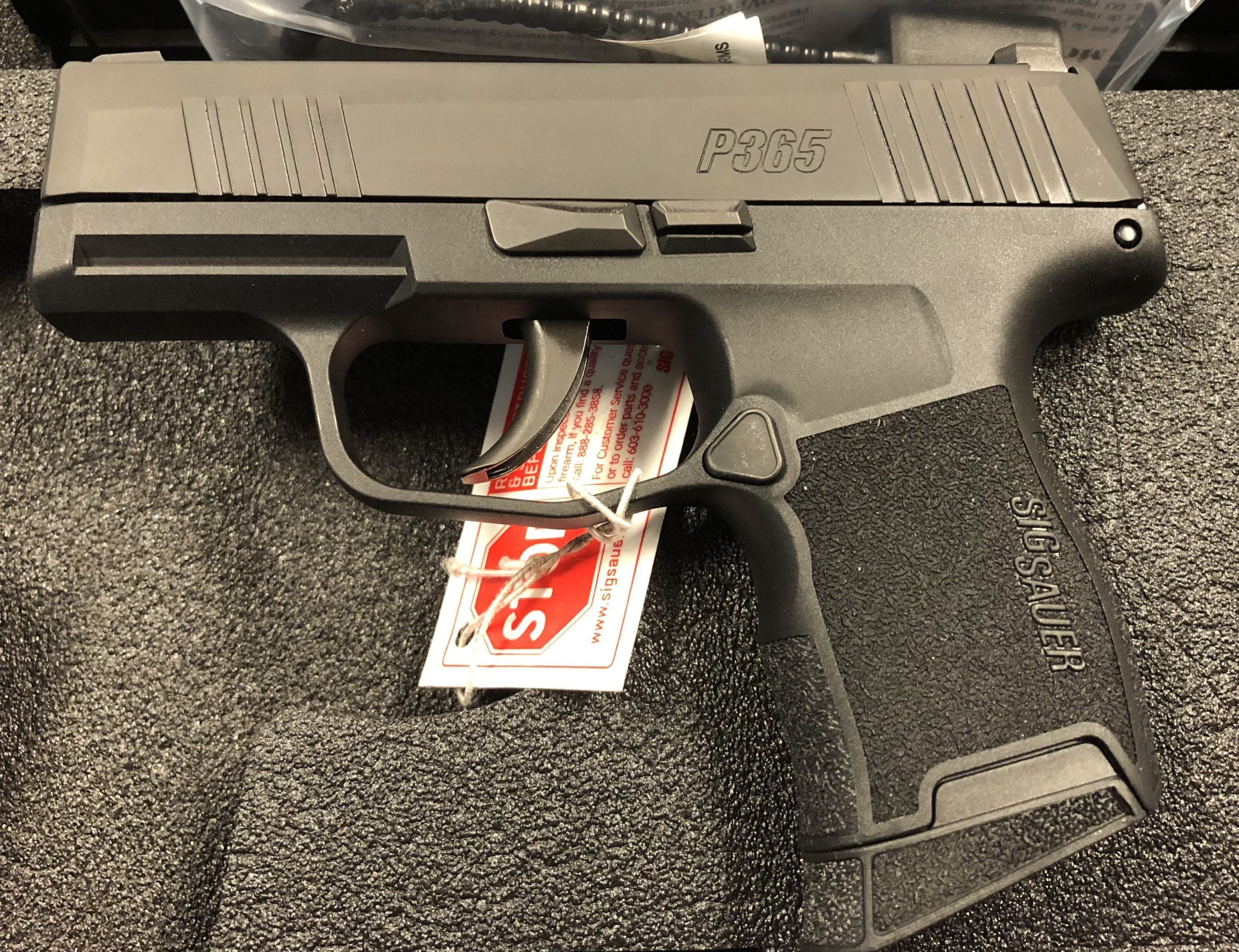
The SIG P365 changed the micro-compact market by offering high capacity in a very small frame. The pistol held 10 rounds in a flush magazine while staying only about 1 inch wide. It weighed around 17.8 ounces, which made it easy to carry all day. The 3.1-inch barrel still provided good accuracy at normal defensive distances. Many shooters were surprised that such a small gun could feel stable during rapid fire. Extended magazines increased capacity to 12 or 15 rounds, which was rare for a pistol this size. The P365 forced many manufacturers to redesign their carry guns, making it one of the most influential micro-compacts ever made.
5. Springfield Hellcat
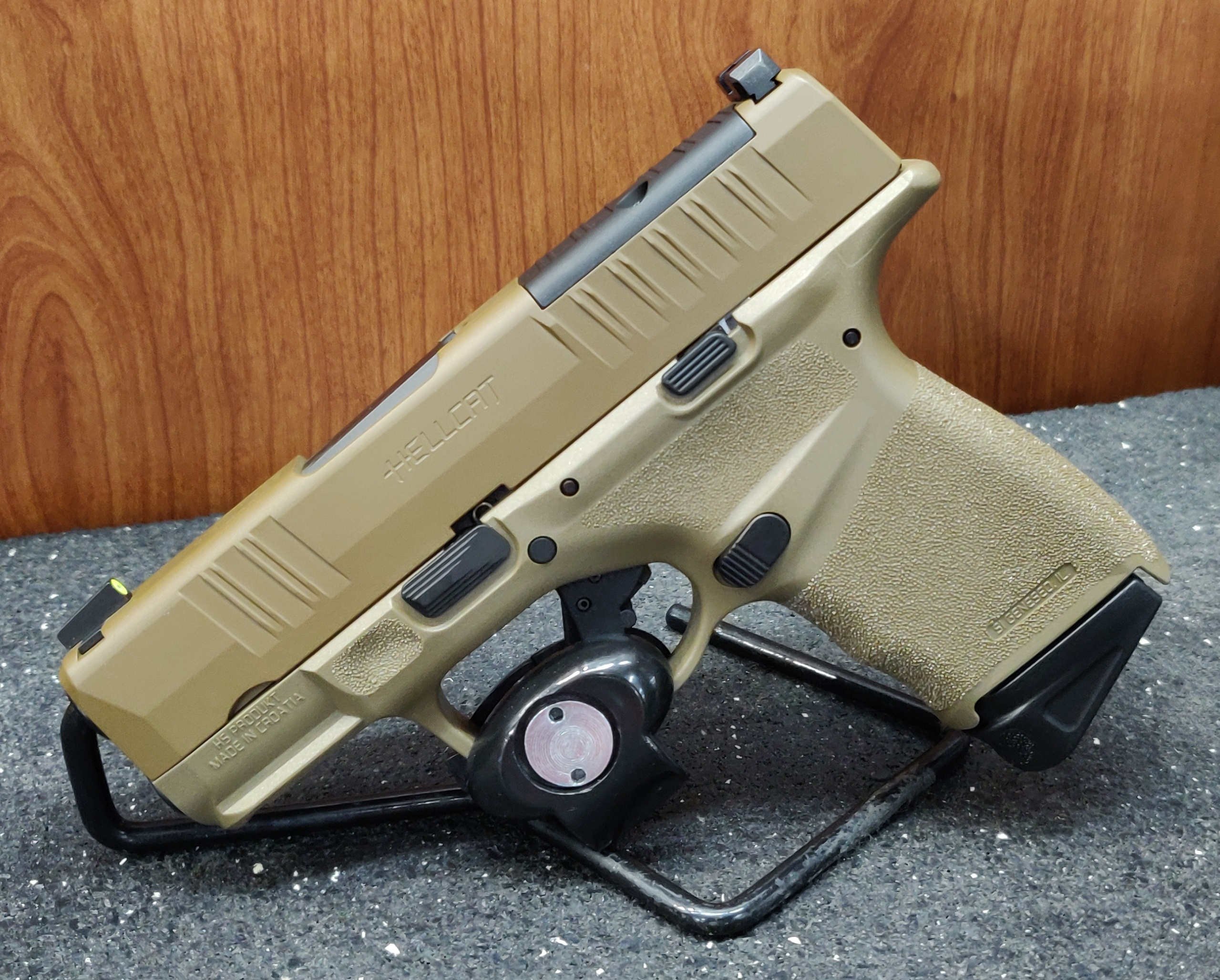
The Springfield Hellcat became famous for offering one of the highest capacities in the micro-compact class. The standard magazine held 11 rounds, and the extended version held 13, while the pistol remained about 1 inch wide. Weighing roughly 18.3 ounces, it stayed light enough for daily carry. The grip texture helped control recoil, which is important in small pistols. Many models also included optics-ready slides, showing how modern features were moving into the concealed carry category. The Hellcat proved that shooters no longer had to choose between size and capacity, and it pushed the micro-compact market to become more advanced.
6. Glock 43
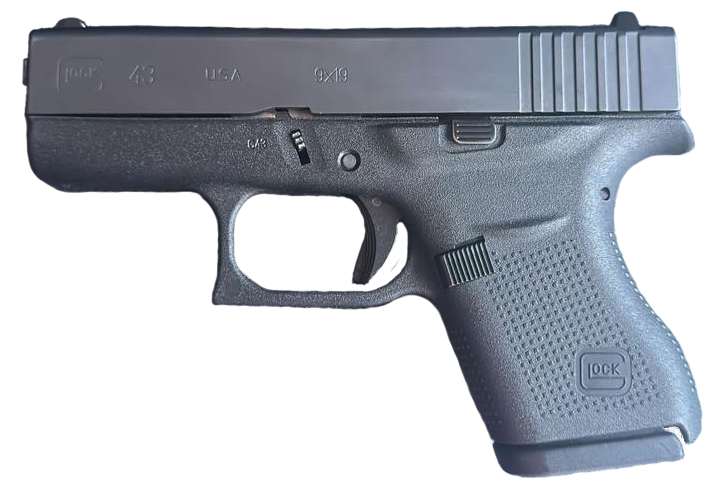
The Glock 43 showed that a simple single-stack pistol could still be popular even after newer designs appeared. The pistol held 6 rounds in the magazine and weighed about 17.9 ounces unloaded. Its slim profile, around 1.06 inches wide, made it comfortable for inside-the-waistband carry. The familiar Glock trigger and controls helped many shooters adjust quickly. Recoil was sharper than that of larger pistols, but the grip shape allowed good control with practice. The Glock 43 remained popular because it focused on reliability and ease of carry instead of high capacity. It proved that many people still preferred a very simple micro-compact design.
7. Kimber Micro 9
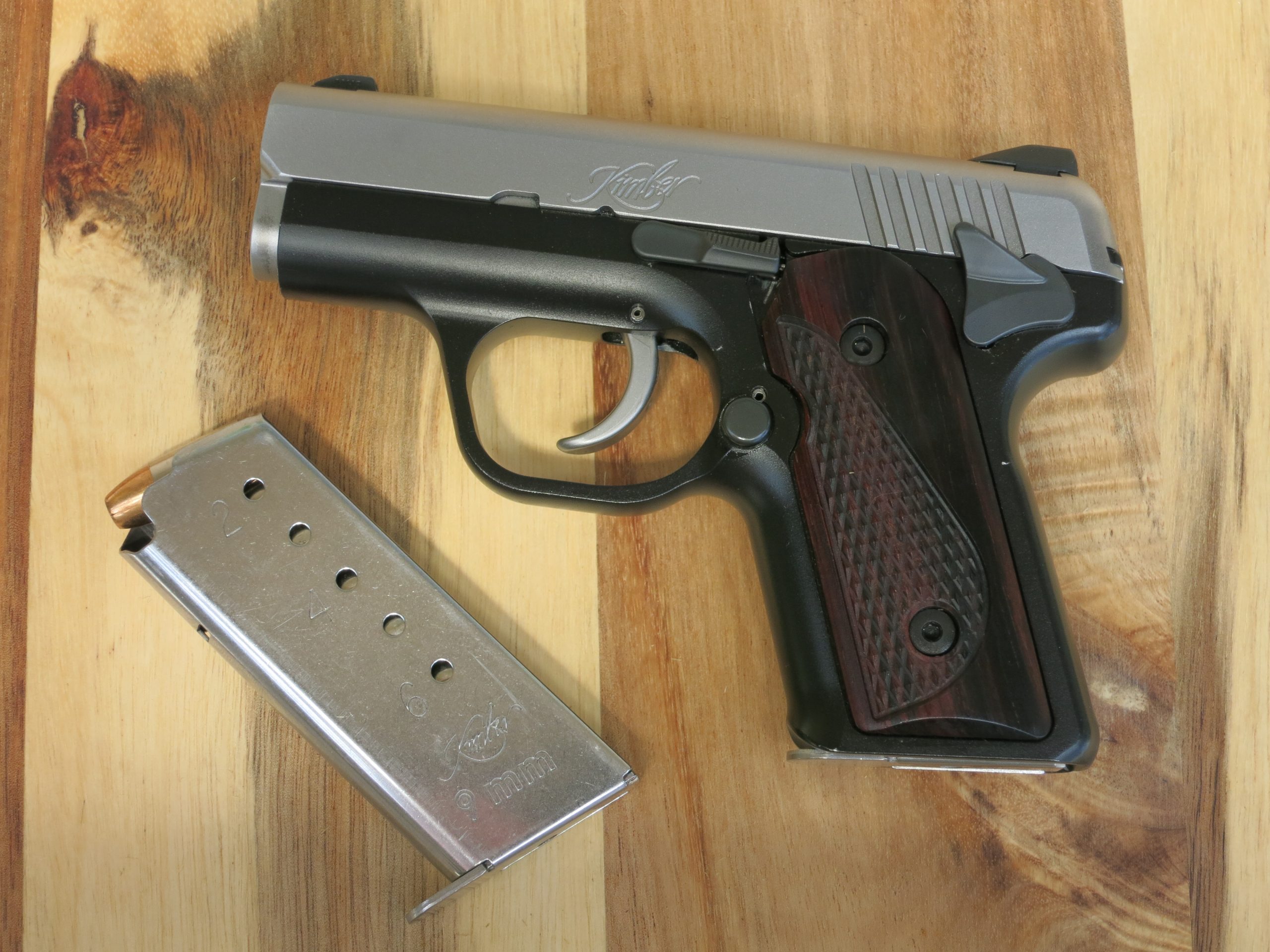
The Kimber Micro 9 brought the classic metal-frame style into the modern concealed carry world. Weighing about 15.6 ounces, it stayed light while keeping the feel of a traditional single-action pistol. The magazine held 7 rounds of 9mm, which was impressive for a gun this size when it was released. The short 3.15-inch barrel made it easy to hide under light clothing. Many shooters liked the crisp trigger, which helped accuracy compared to heavier striker triggers. The Micro 9 showed that small carry guns did not have to be polymer, and it kept the demand for compact metal pistols alive.
8. CZ P-10 M
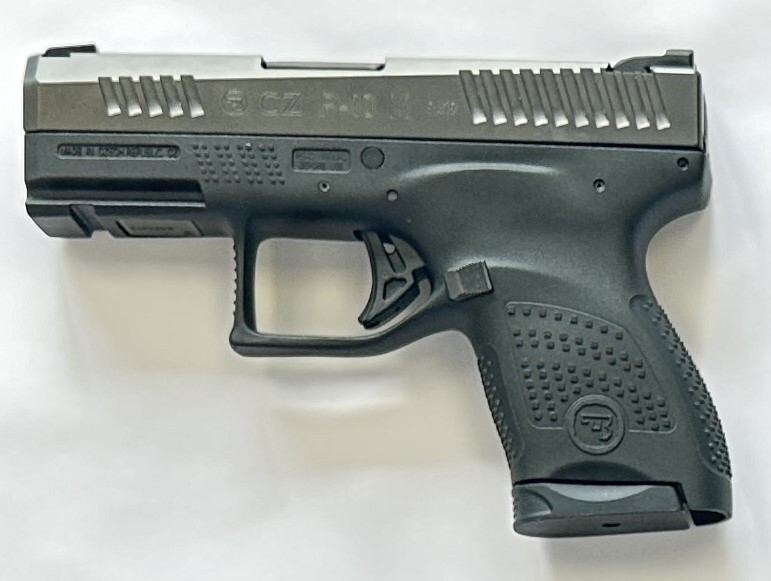
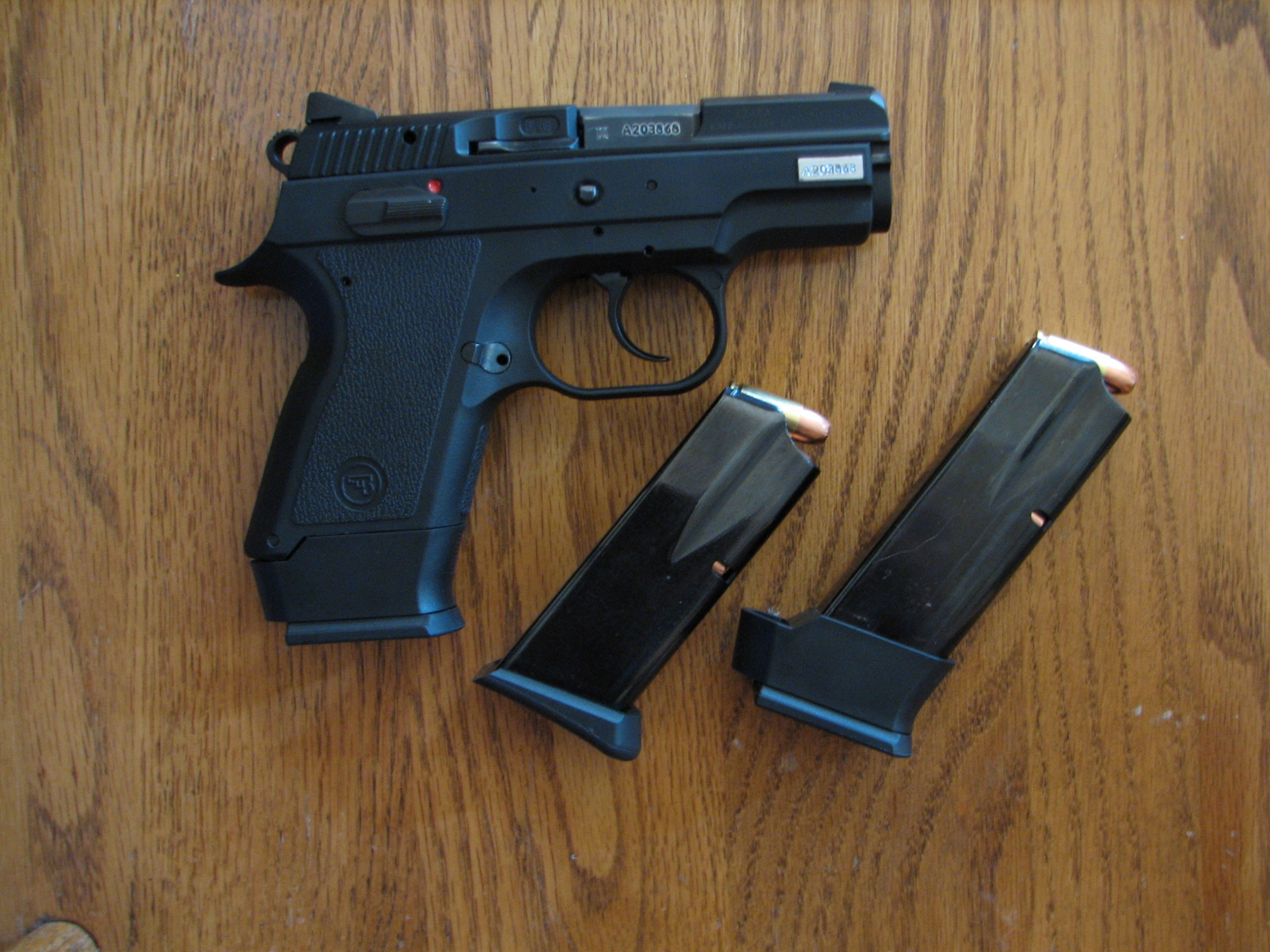
The CZ P-10 M arrived in 2020 as the Czech manufacturer’s answer to the growing demand for genuinely pocketable 9mm pistols that did not force shooters to sacrifice the trigger quality CZ had built its reputation on. At 5.98 inches long, 4.29 inches tall, and 1.07 inches wide, it sits comfortably within micro-compact dimensions while weighing 24.4 ounces with an empty magazine. The 3.19-inch barrel pushes 115-grain 9mm loads to approximately 1,030 fps with the consistency CZ barrels are known for producing. The striker-fired trigger breaks at a crisp 4.5 to 5 pounds with minimal pre-travel and a short, positive reset that genuinely outperforms most competitors in the category by a noticeable margin. Standard magazine capacity sits at 7 rounds flush, with a 10-round extended option available. The P-10 M also ships with interchangeable backstraps for grip customization. Retail pricing around $389 placed legitimate CZ engineering within reach of budget-conscious carry buyers, proving the brand could translate its full-sized reputation into the most demanding size constraints the concealed carry market demands without meaningful compromise.
9. Walther PPS M2
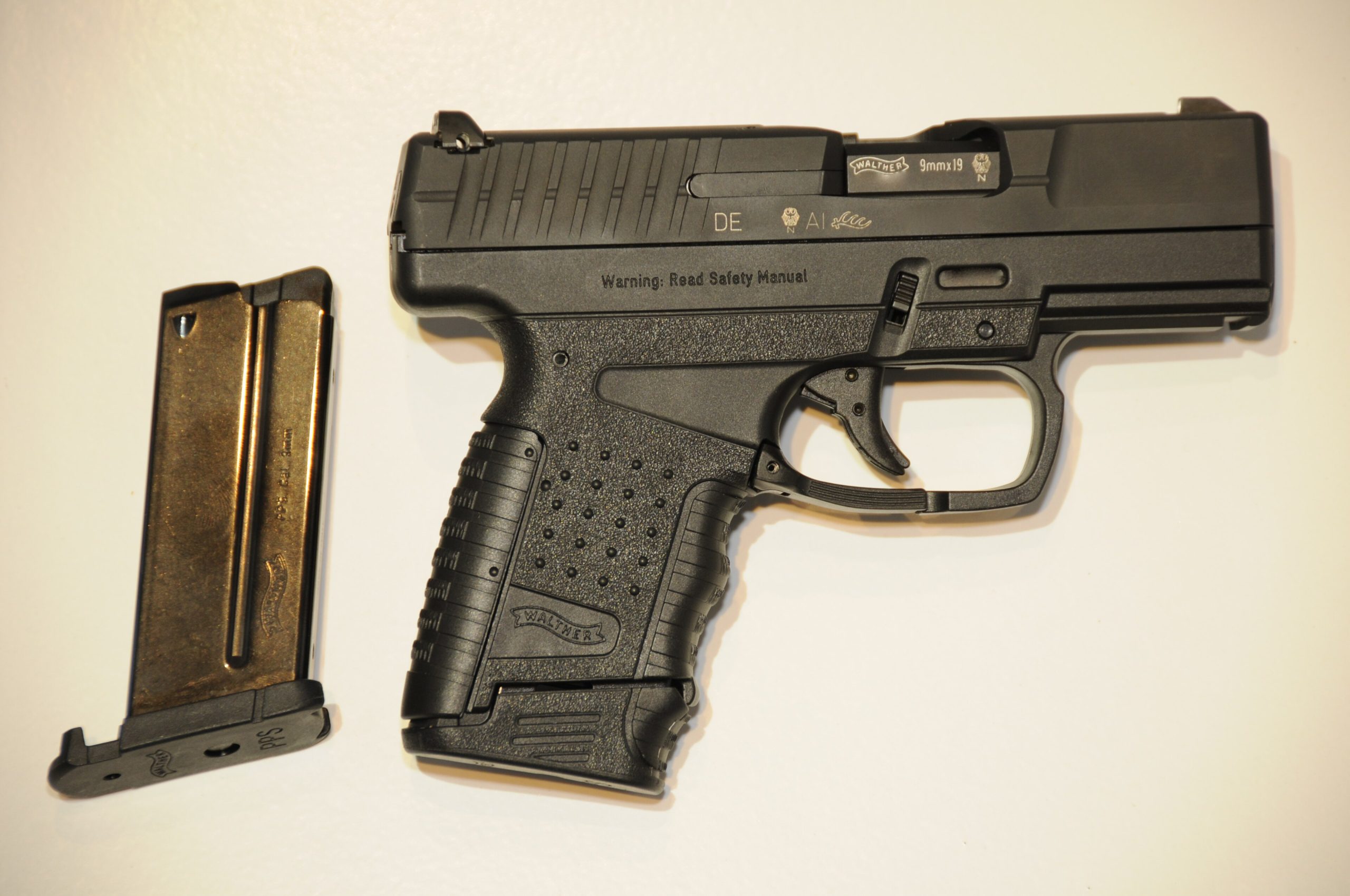
The Walther PPS M2 became popular because of its slim design and comfortable ergonomics. With a width close to 1 inch and a weight of around 21 ounces, it balanced concealment and control well. Magazine options allowed 6, 7, or 8 rounds, giving flexibility for carry or practice. The trigger was known for being smooth, which helped accuracy during range sessions. Many shooters found the grip more natural than other pistols of similar size. The PPS M2 showed that comfort and shootability could be just as important as capacity, and it helped improve expectations for micro-compact performance.
10. Beretta Nano
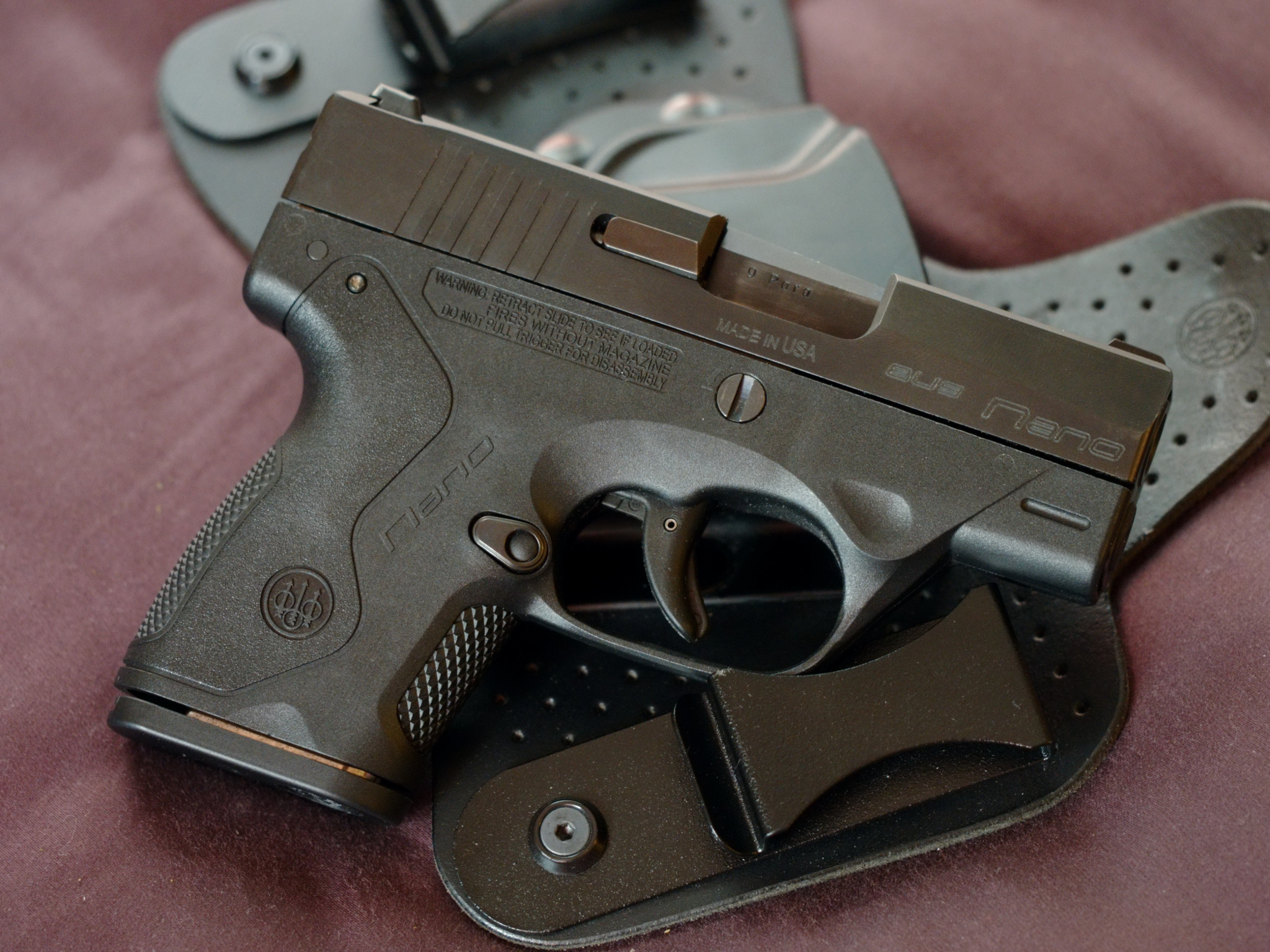
The Beretta Nano was designed to be extremely smooth and simple, with very few external controls. The pistol weighed about 19.8 ounces and held 6 rounds in the magazine. Its rounded shape made it easy to draw without catching on clothing. The 3-inch barrel kept the gun compact while still allowing reasonable accuracy. Some shooters found the recoil strong, but the solid frame helped with durability. The Nano showed that a clean, snag-free design could be useful for concealed carry, especially when the gun needed to stay hidden under light clothing.
11. Kahr PM9
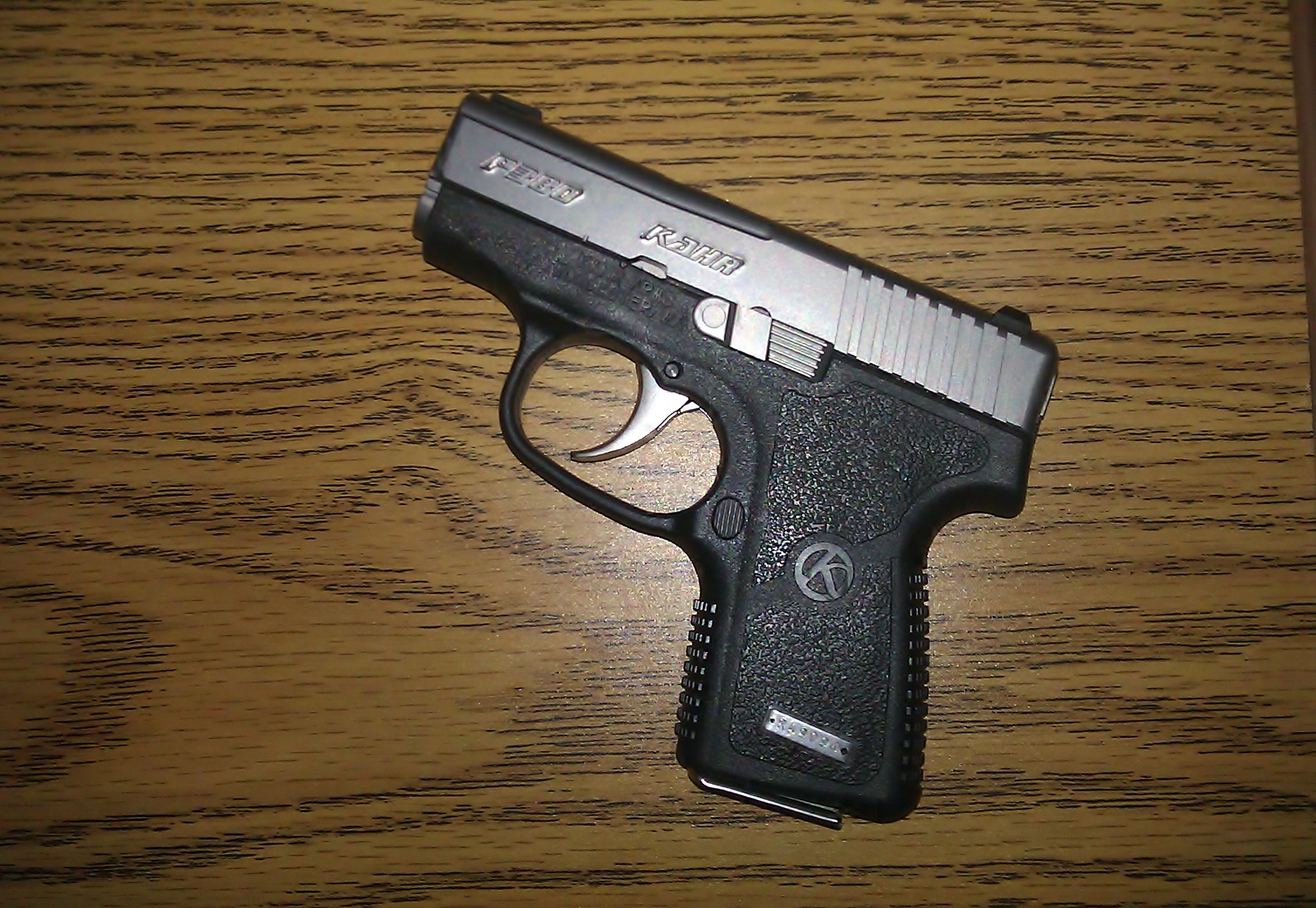
The Kahr PM9 became well known for being one of the smallest 9mm pistols that still felt like a full handgun. It weighed about 15.9 ounces and had a barrel length just over 3 inches. The magazine held 6 rounds, but the grip shape helped control recoil better than many pocket pistols. The trigger was long but smooth, which many shooters liked for safe carry. Accuracy at 7 to 15 yards was very good for a pistol this size. The PM9 proved that very small guns could still be comfortable to shoot, helping the micro-compact category grow.
12. CZ Rami
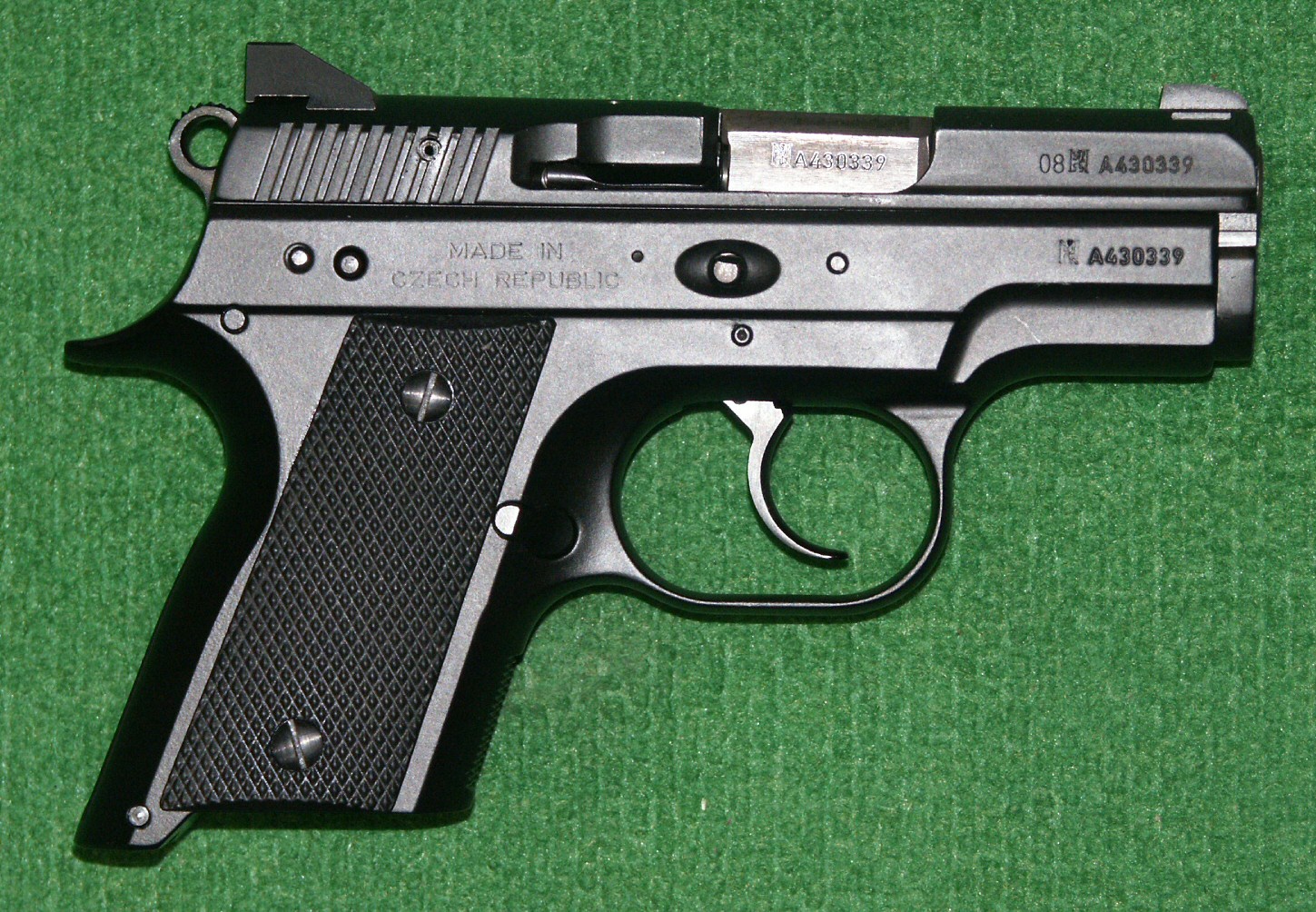
The CZ Rami offered a compact metal-frame design with higher capacity than many small pistols of its time. The standard magazine held 10 rounds, and extended versions held 14. Weighing about 25 ounces, it was heavier than modern micro-compacts, but that weight helped reduce recoil. The short barrel of about 3 inches kept the pistol easy to hide. Many shooters liked the solid feel and accuracy compared to lighter guns. The Rami showed that even before the newest designs, there was demand for small pistols that could still shoot like larger handguns.