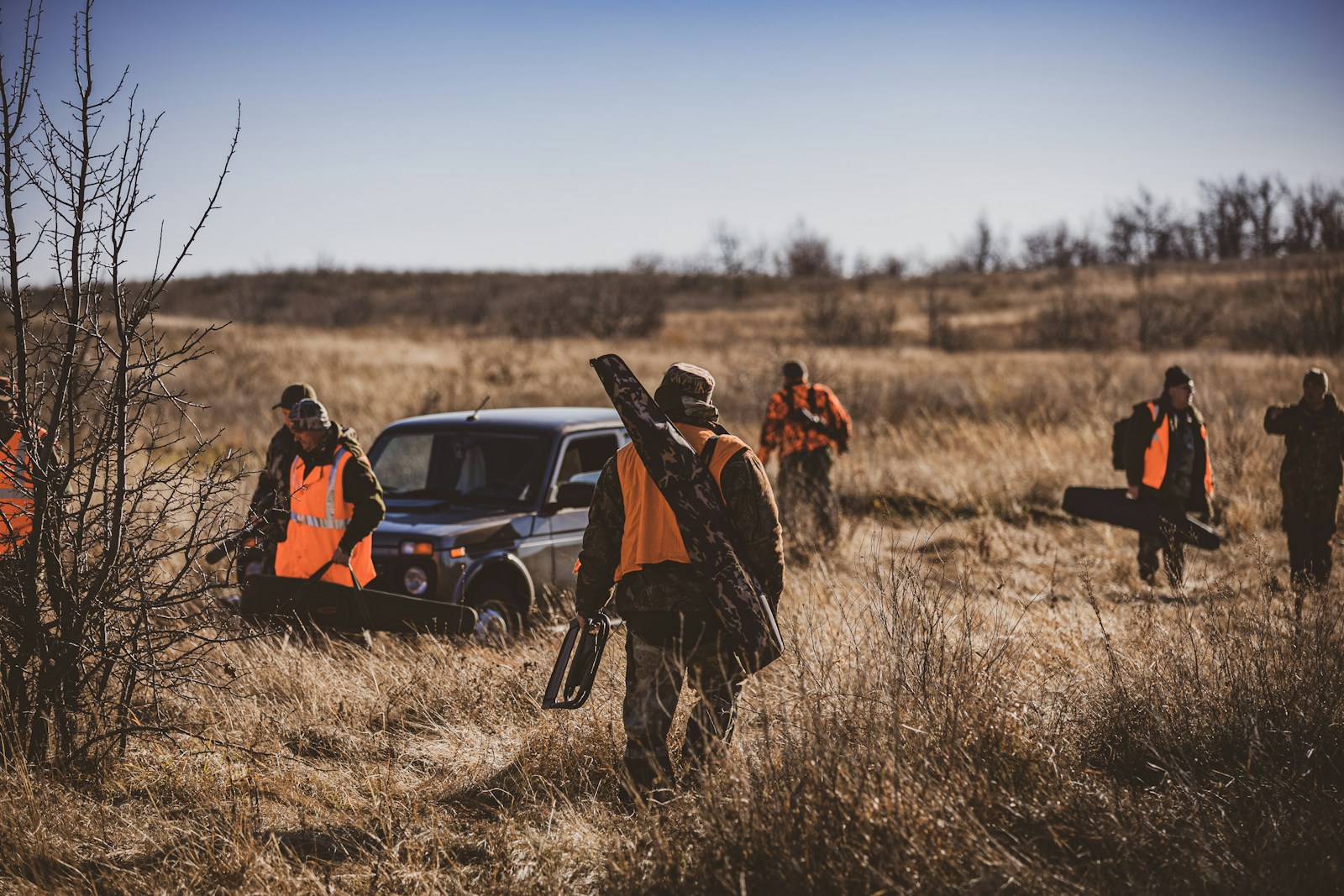
Many older Americans remember a time when hunting centered on patience, shared knowledge, and strong ties to the land. These traditions were shaped by family guidance, seasonal rhythms, and skills learned slowly through observation. The experience often focused on understanding nature rather than relying on modern devices. Even though practices have changed, the memories of these methods remain meaningful to those who grew up with them and reflect a quieter approach to time spent outdoors.
Dawn Tracking Walks

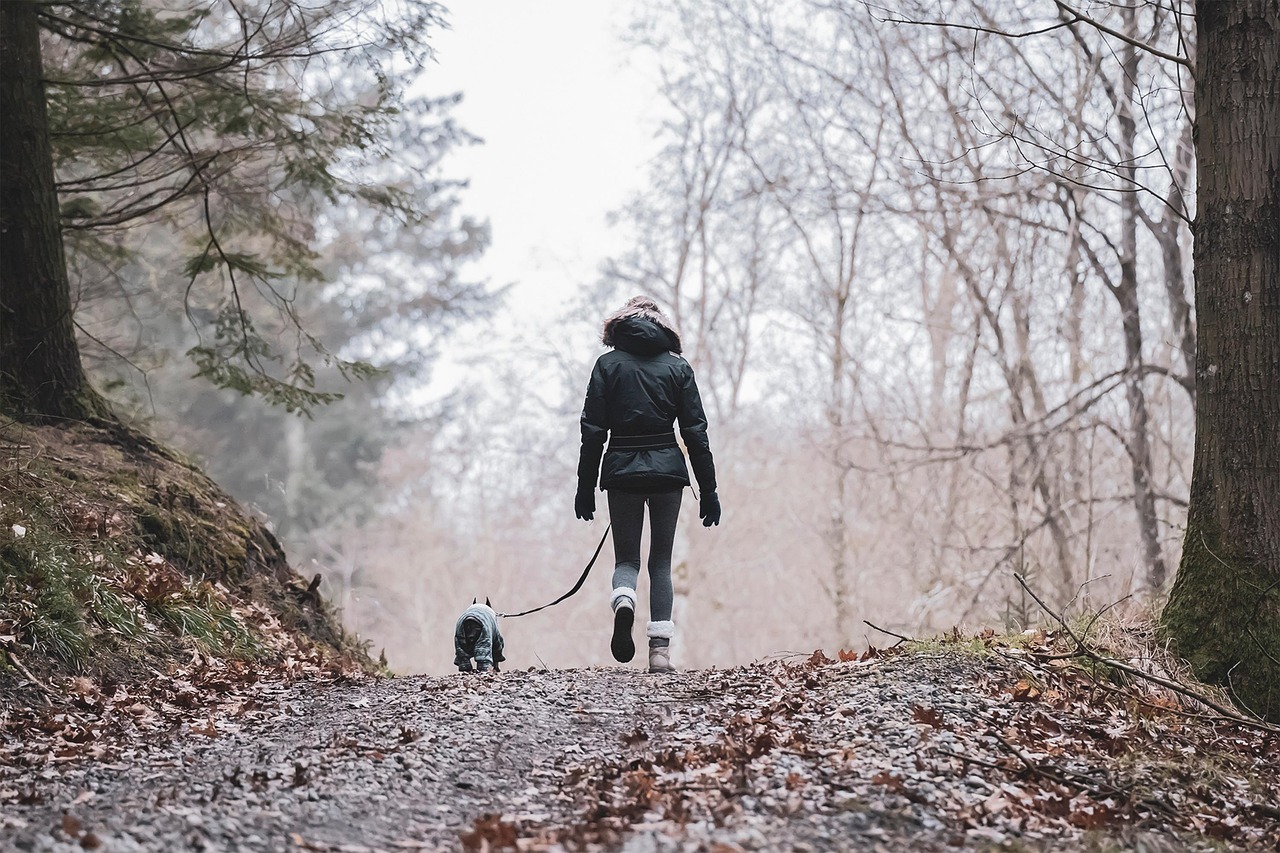
Early mornings once involved long walks through fields and forests where hunters followed fresh tracks before daylight fully settled in. Skill came from noticing small impressions in soil, broken branches, and subtle signs that revealed the direction of wildlife. The practice required patience, rhythm, and a deep connection to the landscape. Although still used in some regions, modern tracking tools have made this slow, attentive method less common among newer generations.
Family Field Lessons
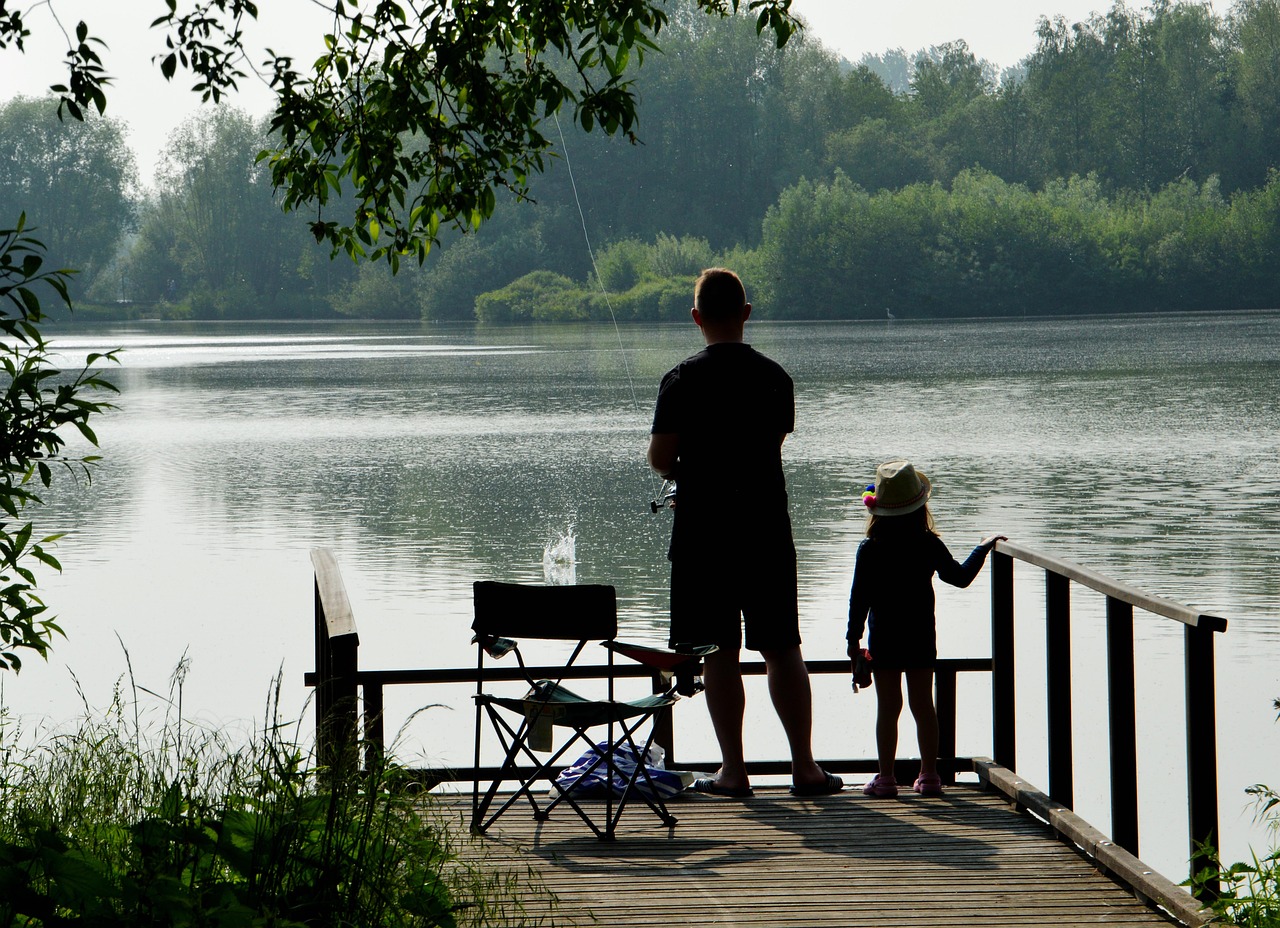
Many older hunters recall the tradition of learning skills directly from parents and grandparents during full days outdoors. Lessons often included recognizing safe shooting zones, reading wind shifts, and understanding behavior patterns based on quiet observation. Time spent together strengthened relationships while building confidence and responsibility. Today, faster routines and digital distractions have reduced the frequency of these long, uninterrupted teaching moments.
Handcrafted Gear
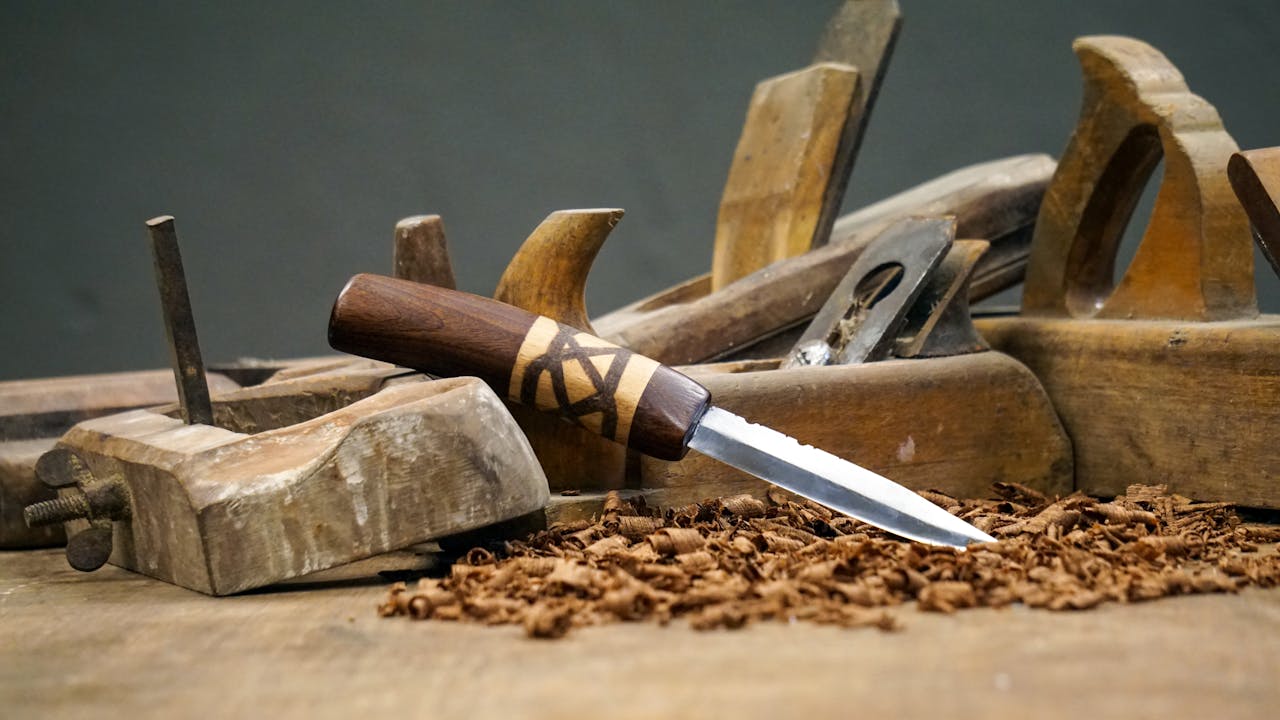
Equipment was once commonly made at home or by local craftspeople who shaped wooden calls, carved handles, or assembled durable packs. Each piece reflected personal craftsmanship and carried sentimental value earned through repeated seasons. Using such gear encouraged careful maintenance and pride in tradition. With mass-produced equipment widely available, handcrafted tools have become rarer and often serve more as keepsakes than everyday essentials.
Community Processing Days

Processing harvested game once involved neighbors gathering to share the work, exchange stories, and pass along knowledge about preparation methods. These group efforts strengthened community bonds and ensured nothing went to waste. Skills such as cutting, curing, and packaging were taught across generations. As commercial processing centers and busier schedules became more common, these collaborative events gradually faded from many rural areas.
Map And Compass Navigation

Before digital navigation devices, hunters relied on paper maps and compasses to move confidently through unfamiliar terrain. Success depended on understanding topographic lines, natural landmarks, and directional shifts observed in the environment. This method brought a deeper awareness of the landscape and required strong concentration. Although still respected, many now depend on GPS technology, making traditional navigation less widely practiced.
Quiet Still Hunting
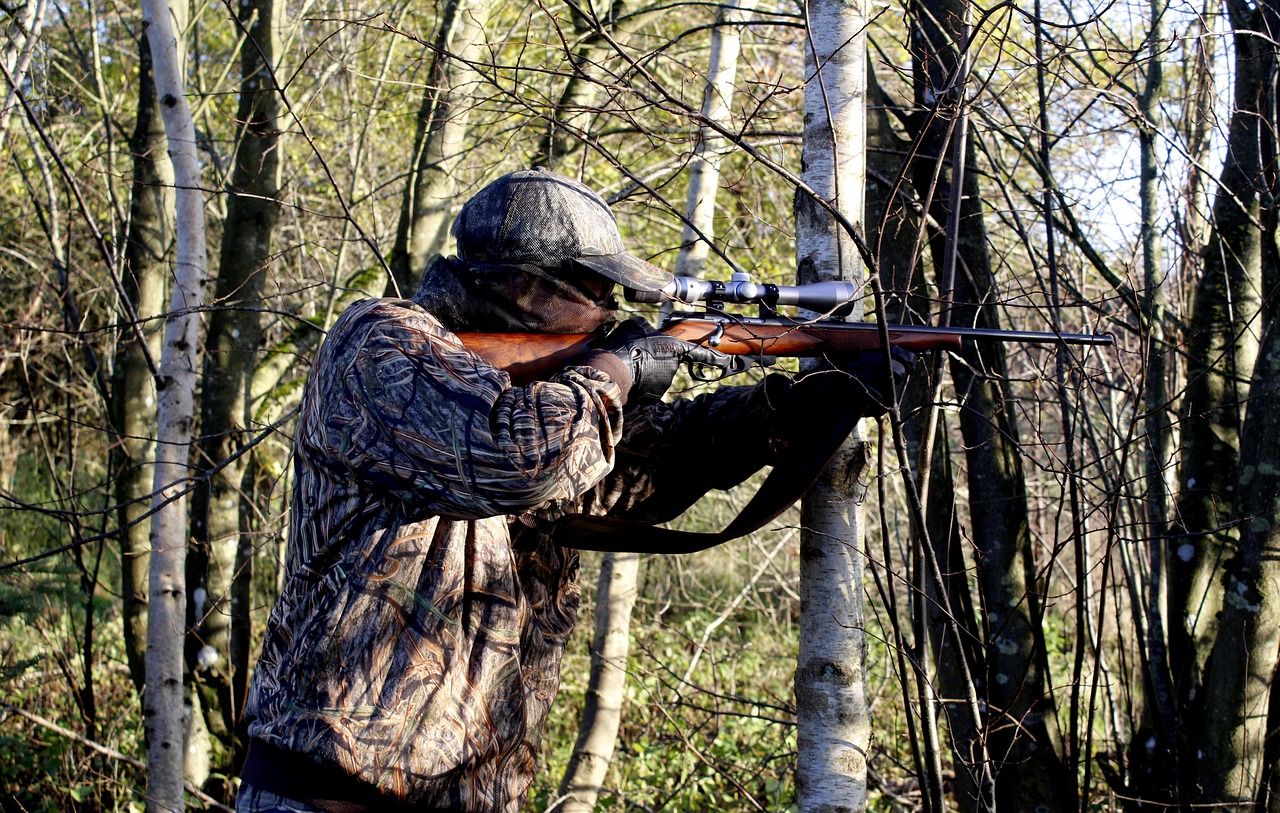
Still hunting focused on slow, deliberate movement through dense cover, relying on silence and sharp senses to notice wildlife before it reacted. Hunters trained themselves to read faint sounds and recognize movement among shadows and trees. The discipline involved in this approach often defined the experience itself. Modern attractants and calls have reduced the reliance on such quiet techniques, making the practice less widespread.
Traditional Camp Setups
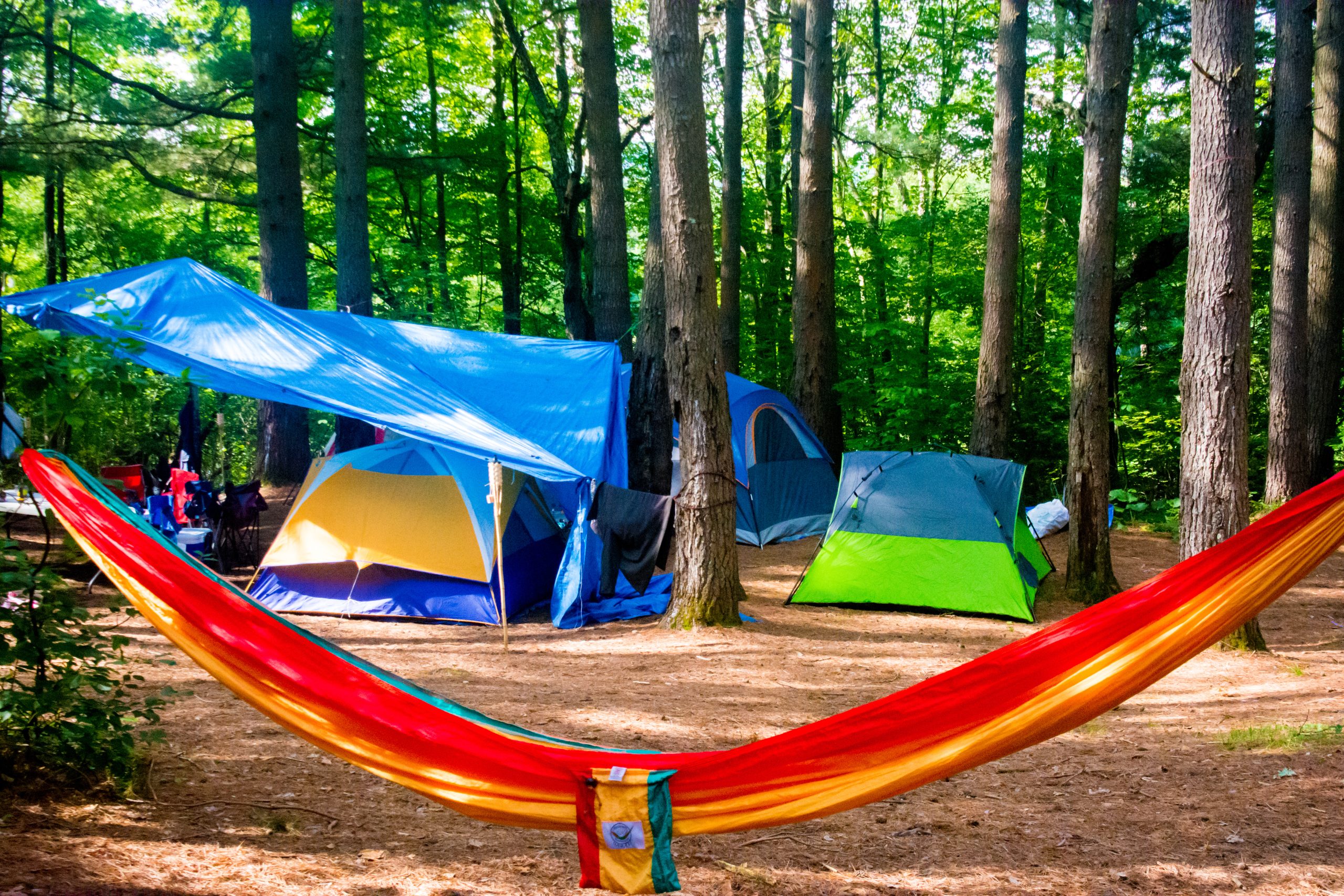
Hunting trips once featured canvas tents, wood stoves, and carefully packed supplies carried by hand to remote locations. Setting up camp required cooperation, planning, and a strong connection to outdoor skills. Evenings often centered on shared meals and preparation for the next day. With lightweight gear and quick-deploy shelters now common, the older style of camping feels nostalgic and is seen less frequently.
Storytelling Circles
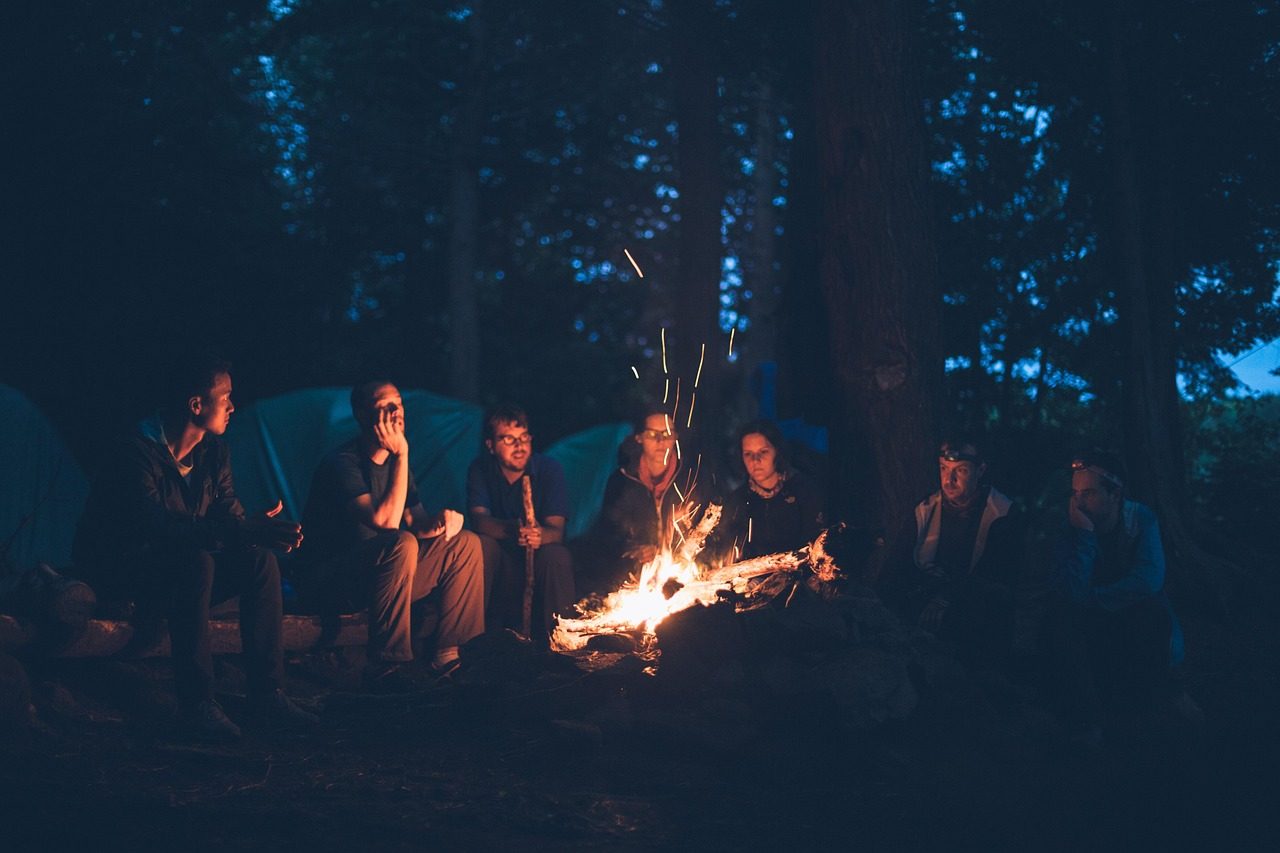
Evenings around the fire were once filled with stories passed down from older family members about past hunts and lessons learned. These moments helped preserve traditions while offering guidance to younger generations in an engaging way. The atmosphere encouraged connection through laughter, cautionary tales, and shared pride. With digital entertainment now more common, such storytelling sessions occur less often.
Homemade Game Calls

Many hunters once crafted game calls from wood, reeds, or other natural materials found locally. Each call had a distinctive sound shaped by the maker’s technique and experience. Creating them required practice, experimentation, and a personal touch. Today, commercial synthetic calls dominate the market, making handmade versions a specialty practice rather than an everyday tradition.
Walking Hunts Without ATVs
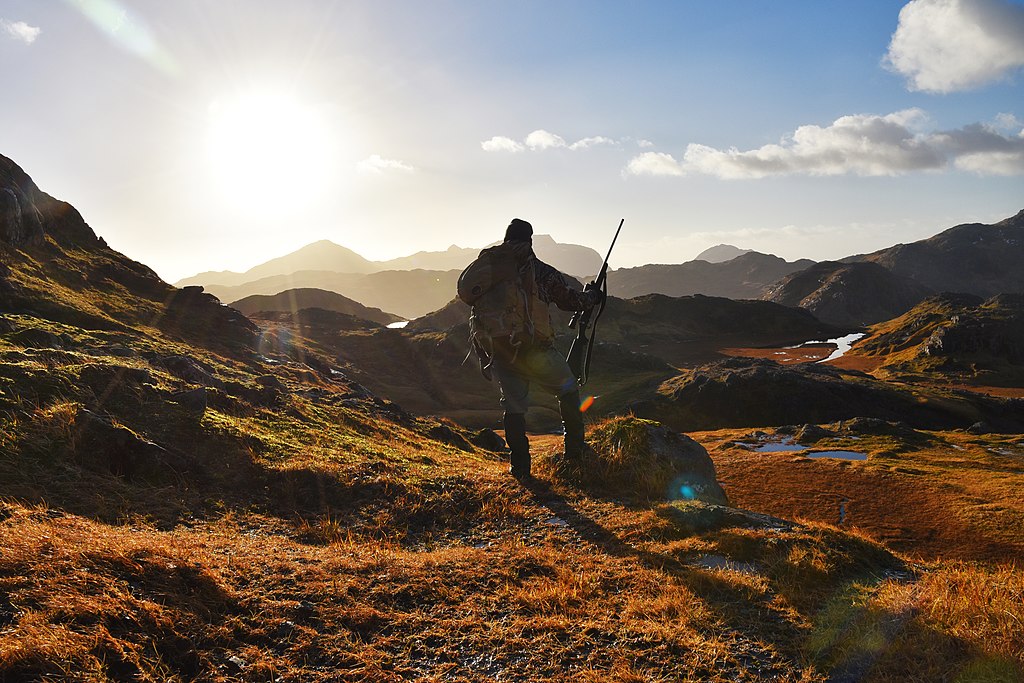
Hunts often involved walking long distances across varied terrain while carrying gear and relying on endurance. This approach created a close connection to the environment and encouraged a thoughtful pace. The journey itself became a central part of the experience. As ATVs became more accessible, foot-based hunting decreased, making the older style less common in many areas.
Multi-Day Family Hunts
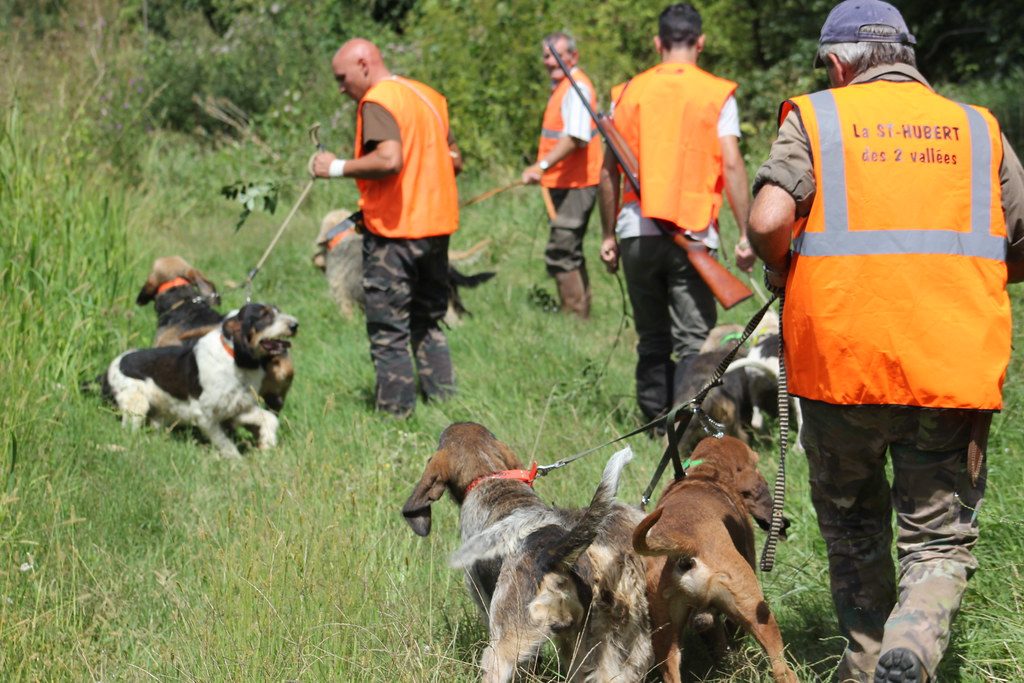
Extended trips created opportunities for families to camp together, cook meals over fires, and share responsibilities throughout the hunt. These outings strengthened bonds and allowed younger members to observe techniques used by experienced relatives. Time spent in nature without interruptions shaped meaningful memories. With modern schedules becoming more demanding, such trips are now harder to organize and therefore rarer.
Clothing Passed Through Generations
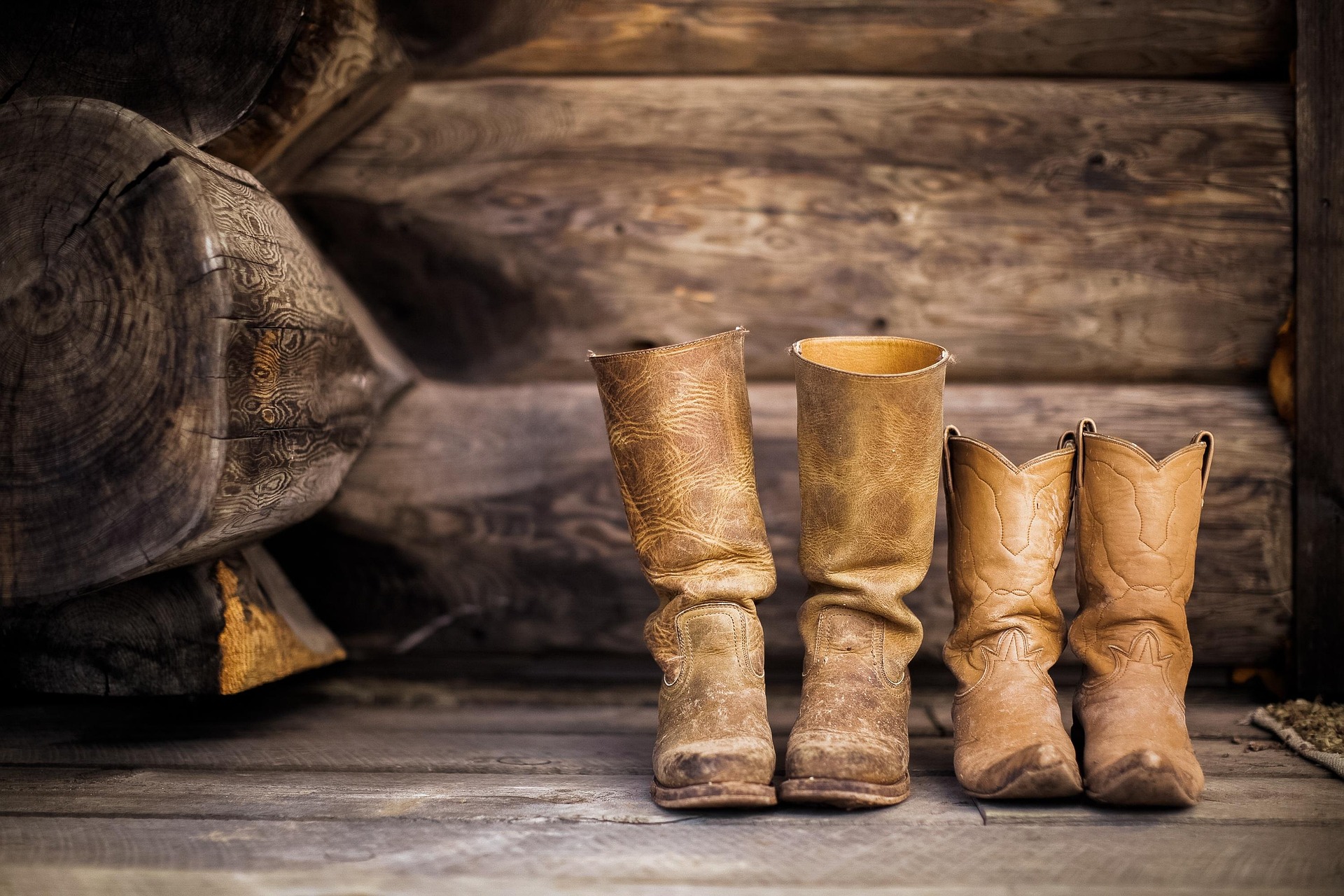
Older hunters often wore jackets, vests, or boots inherited from relatives who used them in previous seasons. These items carried sentimental value and reinforced a sense of continuity across generations. Wearing such clothing connected individuals to their family history and the traditions they upheld. While modern performance gear offers advantages, it rarely holds the same emotional weight as pieces passed down through time.