Identifying 12 guns that pack more failure points than features requires looking at ambitious designs that lacked proper mechanical execution. While many manufacturers attempt to innovate with unique operating systems or materials, these experiments often result in frustrating reliability issues for the average owner. Precision engineering demands a delicate balance between complex functionality and the rugged simplicity needed for consistent operation. Enthusiasts quickly discover that a flashy appearance or an unusual mechanism rarely compensates for frequent jams or broken parts during a session. This guide examines the models that prioritize theoretical innovation over the practical dependability required for serious shooting.
USFA Zip 22
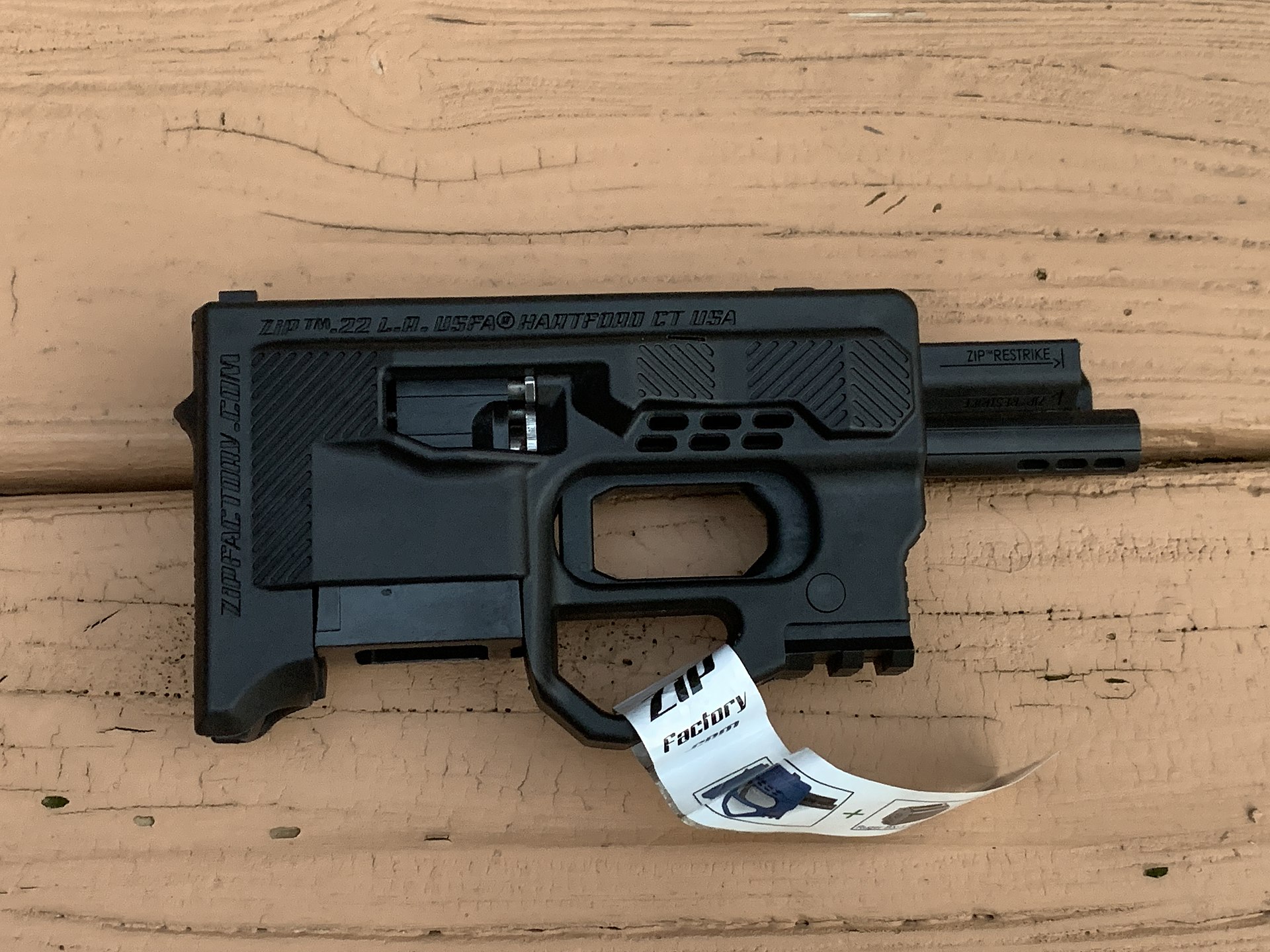
The USFA Zip 22 remains one of the most infamous examples of overbuilt engineering failing in the real world. Its futuristic polymer frame attempted to redefine the rimfire pistol but instead introduced numerous dangerous ergonomic and mechanical flaws. The charging handles require the operator to place their fingers dangerously close to the muzzle to cycle the action. Frequent failures to feed and eject occur because the unusual bolt design is extremely sensitive to different ammunition types. This handgun promised a new era of modularity but delivered a frustrating experience that lacked basic functional consistency. It serves as a stark warning.
Remington R51
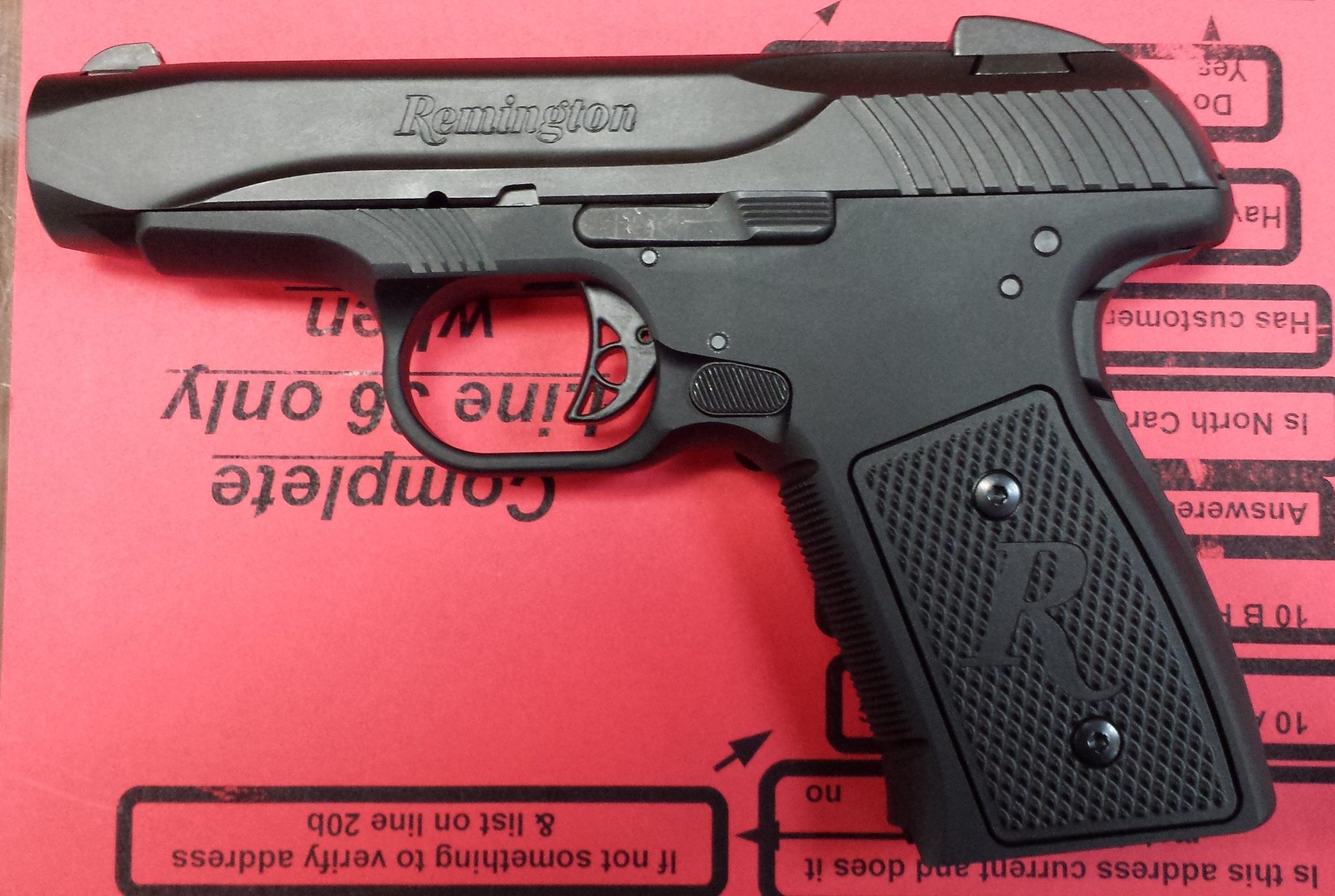
The Remington R51 was marketed as a modern revival of a classic design with a unique hesitation lock system. While the internal mechanism aimed to reduce felt recoil, it introduced significant manufacturing tolerances that hindered overall performance. Early models suffered from serious out of battery detonations and consistent failures to cycle even premium defensive ammunition. The complex assembly process made routine maintenance a difficult chore for many owners who just wanted a reliable carry option. Despite multiple attempts to fix the production issues, the reputation of the pistol never recovered from its rocky and very public launch.
Colt 2000
The Colt 2000 represented a major misstep for a company known for its legendary history of high quality firearms. Designed by famous engineers, this striker fired pistol used a rotating barrel system that was intended to enhance accuracy and soften recoil. Unfortunately, the final production version featured a notoriously heavy and gritty trigger that made precise shooting nearly impossible for most users. Frequent extraction failures and poor groupings led to a massive recall and the eventual cancellation of the entire project. It proved that even an impressive pedigree cannot save a design that suffers from fundamental mechanical execution errors.
Nambu Type 94
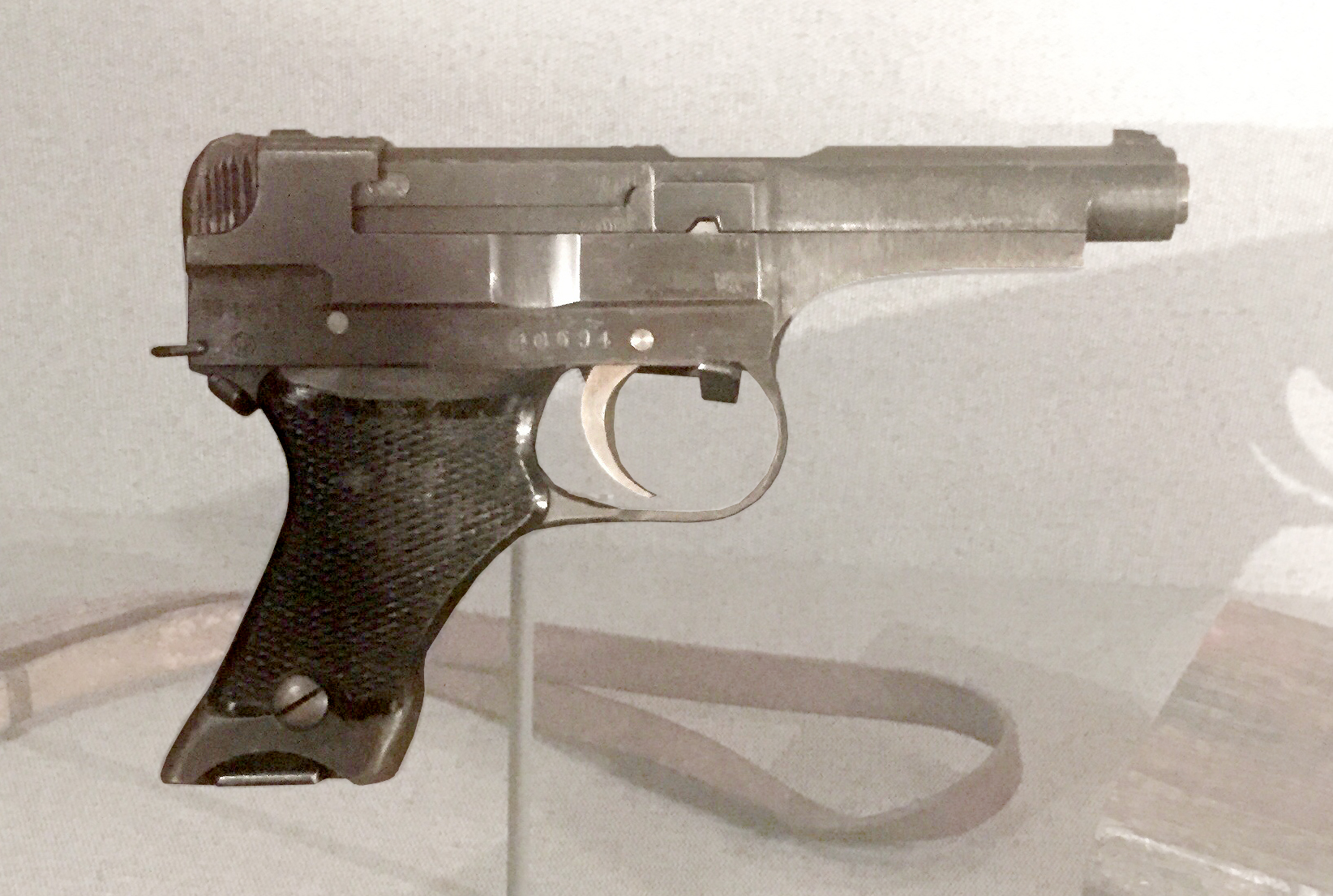
The Nambu Type 94 is often cited by historians as one of the most dangerous handguns ever issued to military personnel. Its most glaring failure point is an exposed sear bar on the side of the frame that can fire the weapon. If the operator accidentally presses this bar while the pistol is cocked, the round will discharge without any trigger pull. The awkward ergonomics and flimsy construction further complicated the operation of this already problematic firearm in the field. This Japanese sidearm prioritized cheap and fast production over the essential safety features that define a successful and reliable modern combat handgun.
SIG Sauer Mosquito
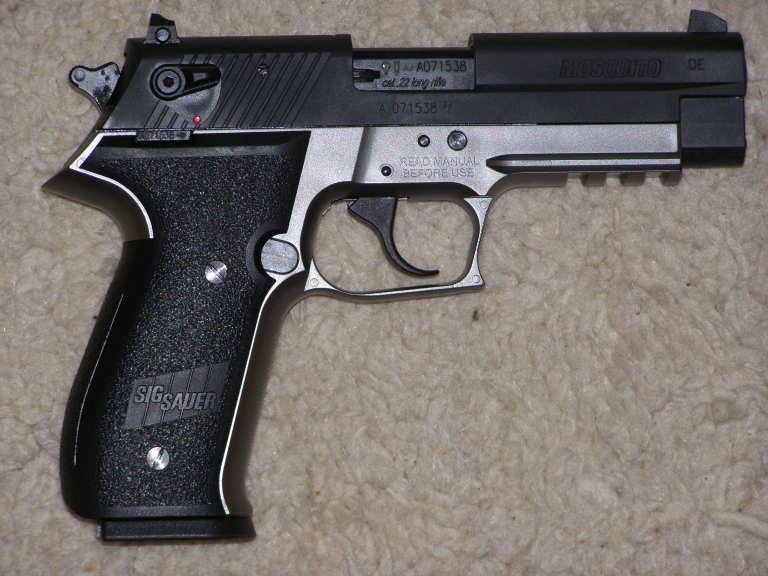
The SIG Sauer Mosquito attempted to offer a rimfire trainer that mimicked the feel of the larger and more successful P226. However, the use of inferior zinc alloy materials and a very picky appetite for ammunition led to widespread reliability complaints. Most owners found that the pistol would only function with expensive high velocity rounds which defeated the purpose of a budget trainer. Frequent light primer strikes and failures to eject plagued the model throughout its entire production run at the factory. It demonstrated that shrinking a proven design requires more than just changing the caliber and using cheaper metal components.
Chauchat Machine Gun
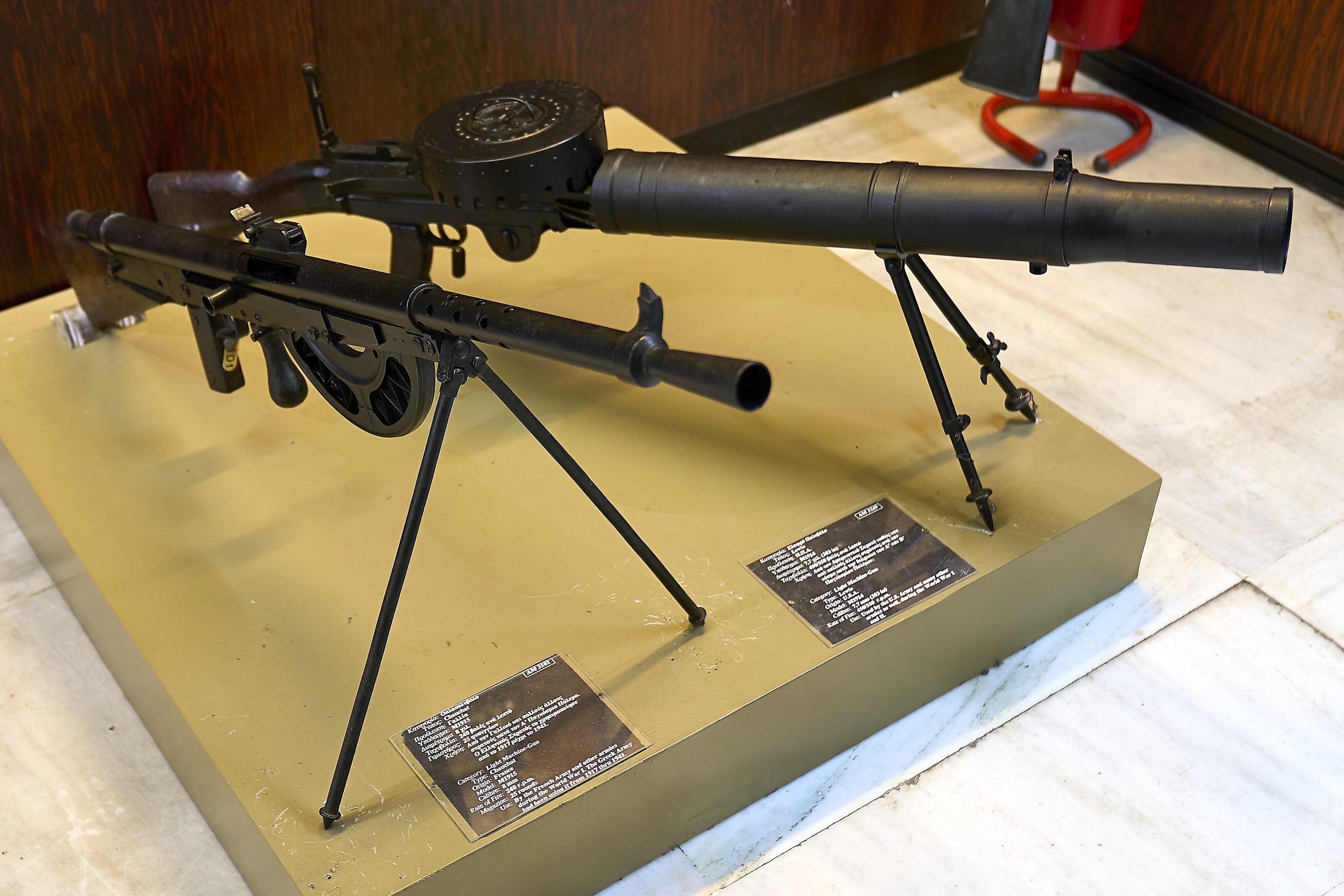
The Chauchat machine gun earned a terrible reputation during the muddy trench warfare of the first world war in Europe. Its most significant design flaw was the open sided magazine which was intended to allow the crew to see ammunition levels. This feature allowed mud and debris to enter the action constantly which caused the weapon to jam after only a few shots. The long recoil operating system also tended to overheat quickly and cause the bolt to seize during extended firing sequences. While it was a pioneering light automatic weapon, its lack of environmental durability made it a liability for soldiers.
TEC 9
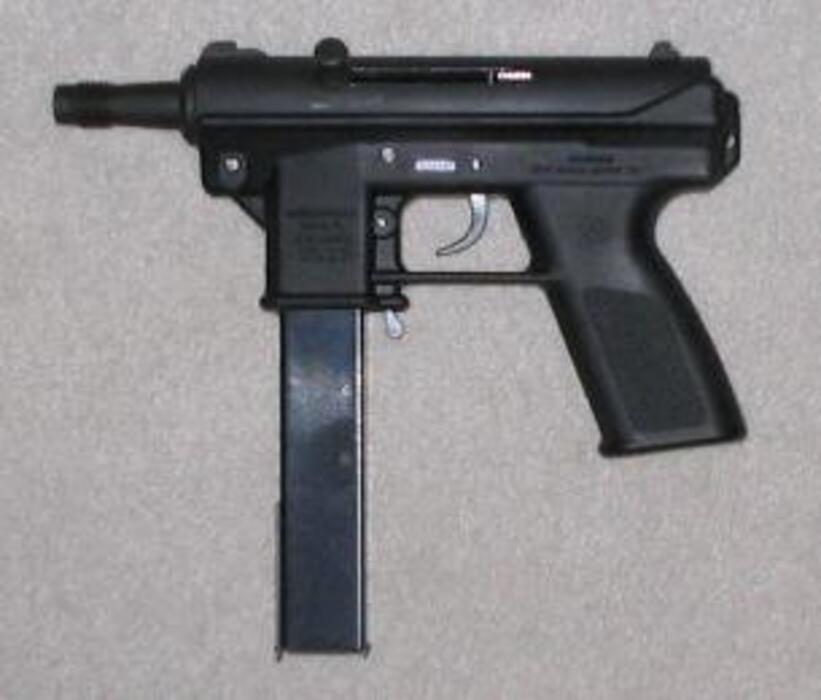
The TEC 9 became a cultural icon but was mechanically one of the most unreliable semi automatic pistols ever sold. Constructed primarily from inexpensive stamped steel and molded plastic, it suffered from frequent cracked frames and broken firing pins over time. The simple blowback action was prone to stovepipe malfunctions and failures to feed from its poorly designed box magazines. Most users found that the weapon was inaccurate at almost any distance due to its crude sights and heavy trigger pull. It offered a menacing appearance that masked a fragile internal system that was never intended for high volume or professional use.
Taurus Judge
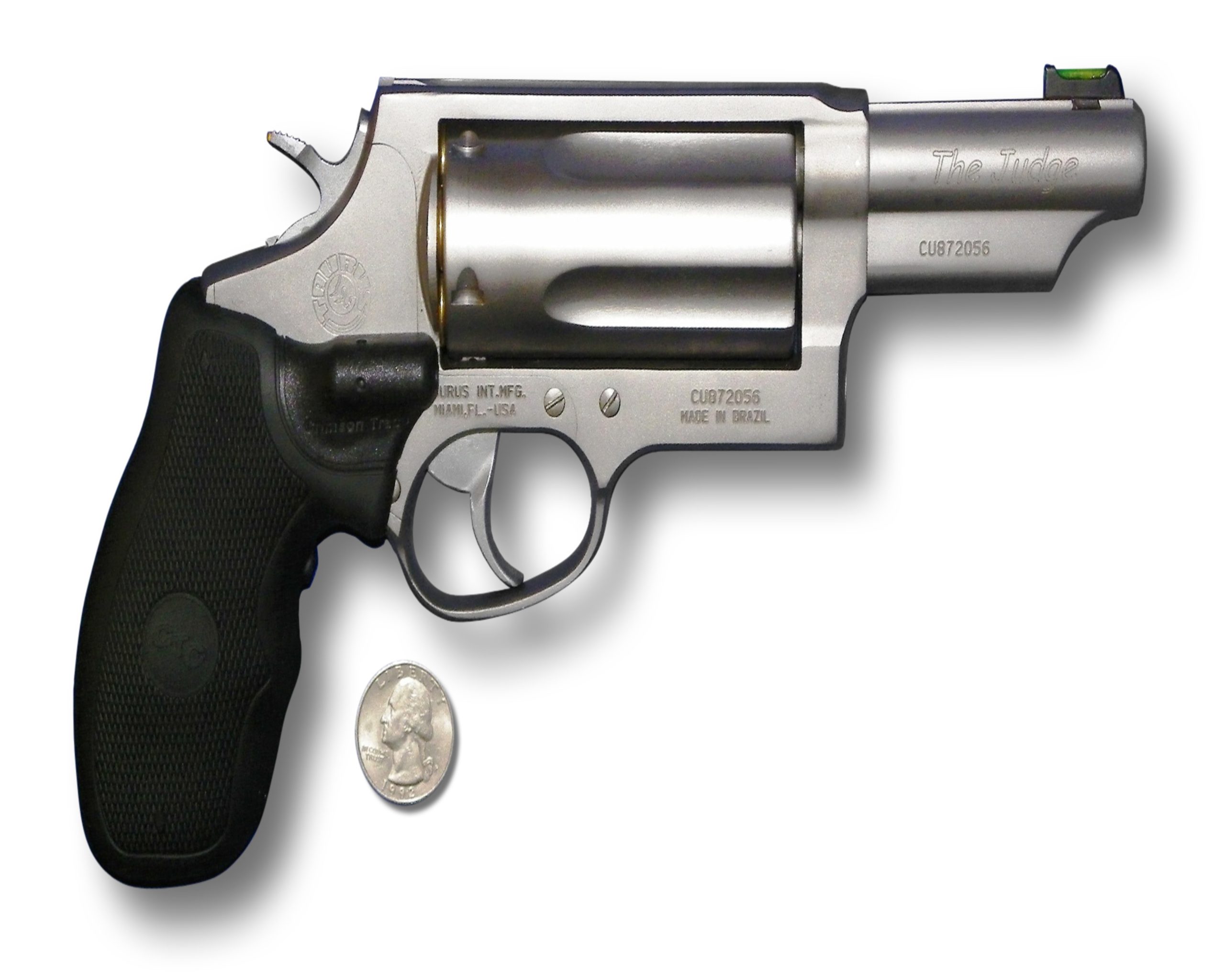
The Taurus Judge gained popularity for its ability to fire both forty five Colt and four hundred ten gauge shells. This dual caliber feature created a massive cylinder that made the revolver incredibly bulky and very difficult to carry comfortably. The long jump from the short shotgun shell to the rifling often resulted in poor accuracy and inconsistent patterns on the target. Many shooters reported that the timing of the cylinder would degrade quickly under the stress of high pressure hunting loads. While the concept was unique, the practical limitations of the platform often outweighed the benefits of its versatile ammunition compatibility.
AMT Backup
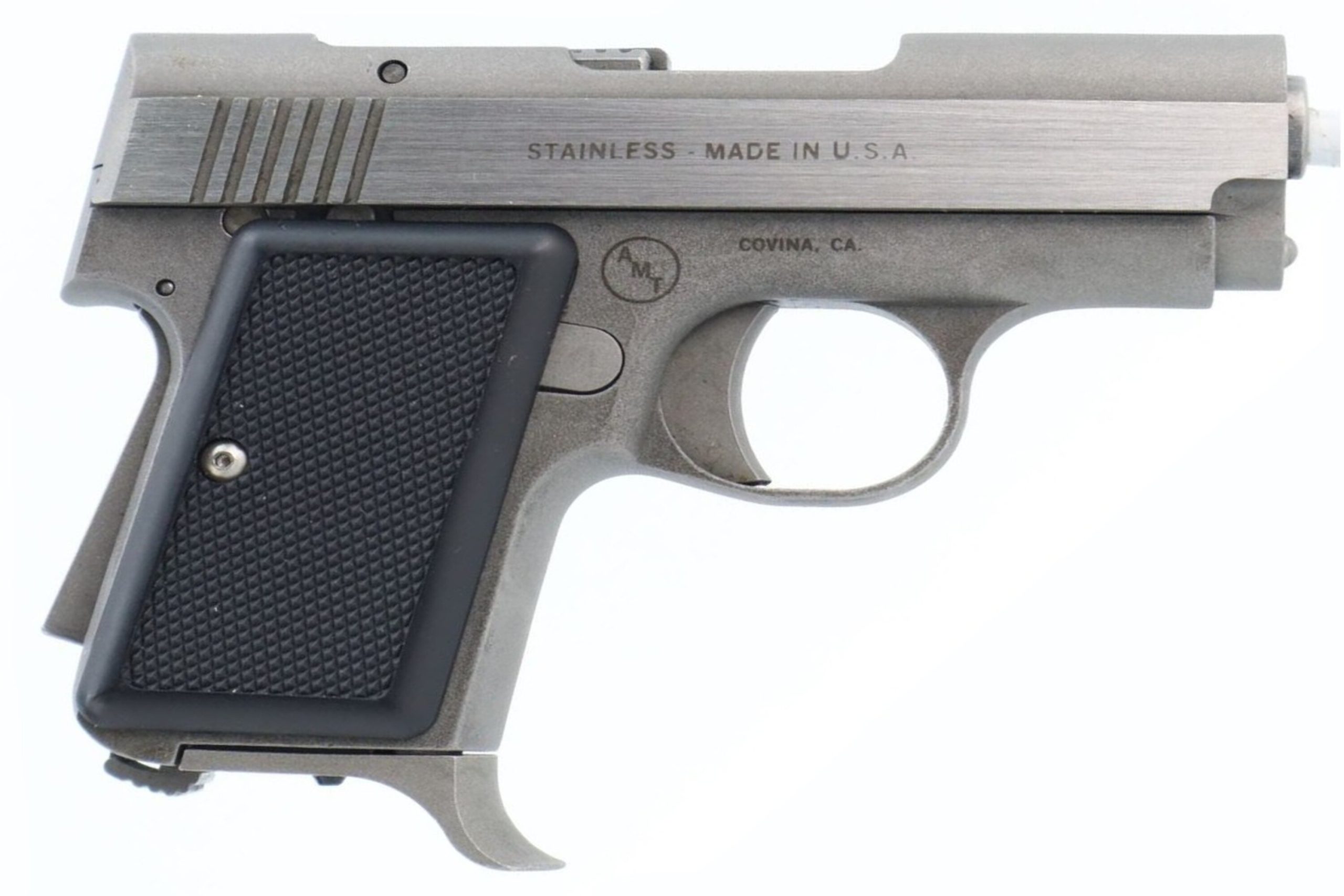
The AMT Backup was an early attempt at a stainless steel pocket pistol for concealed carry in deep cover roles. Its tiny frame and heavy double action only trigger made it extremely difficult to shoot accurately beyond very close ranges. The tight tolerances required for the small action led to frequent jams if the gun was not kept perfectly clean. Many owners experienced issues with the slide failing to lock back or the extractor failing to pull spent casings from the chamber. It prioritized small dimensions over the mechanical reliability that is absolutely critical for a firearm meant for self defense situations.
Kimber Solo
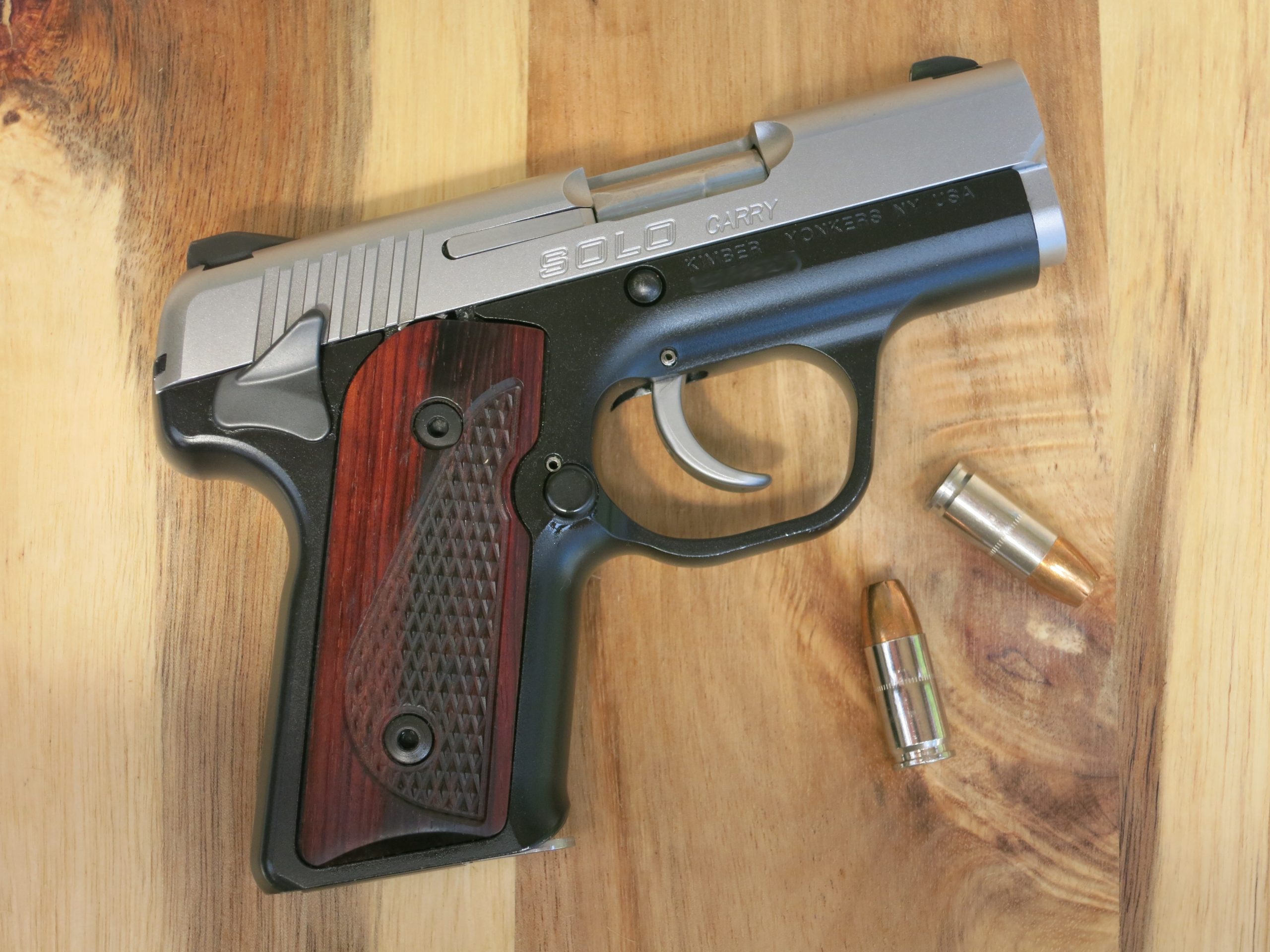
The Kimber Solo was a premium subcompact nine millimeter pistol that demanded a very specific and expensive diet of ammunition. Its high pressure recoil spring required the use of heavy grain bullets to ensure the slide cycled fully every time. If a shooter used standard target loads, the weapon would frequently fail to feed the next round or cycle the action. The beautiful aesthetics and high quality finish could not hide the fact that it was far too sensitive for everyday carry. Many enthusiasts found that the small controls were difficult to manipulate under pressure during rapid fire training drills at the range.
Walther PK380
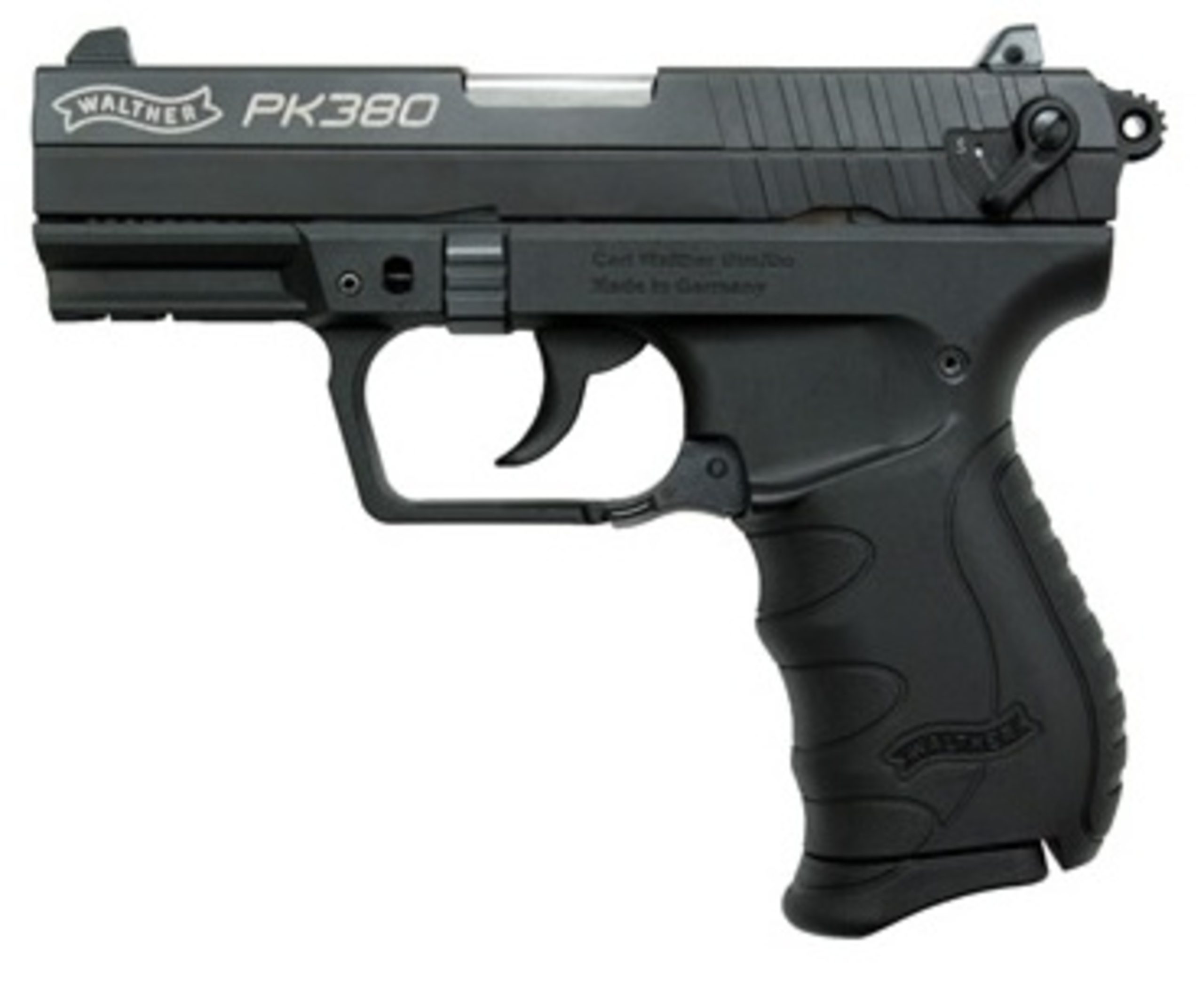
The Walther PK380 aimed to provide a soft recoiling and easy to rack slide for shooters with limited hand strength. While the ergonomics were excellent, the internal design used a complicated hammer system that was prone to various mechanical failures. The lack of an external slide release meant that users had to pull the slide back to chamber a round. This manual operation combined with a picky magazine design often led to feeding issues during the middle of a string of fire. It proved that adding features to improve comfort can sometimes introduce unnecessary failure points into an otherwise simple and functional handgun.
Sten Gun
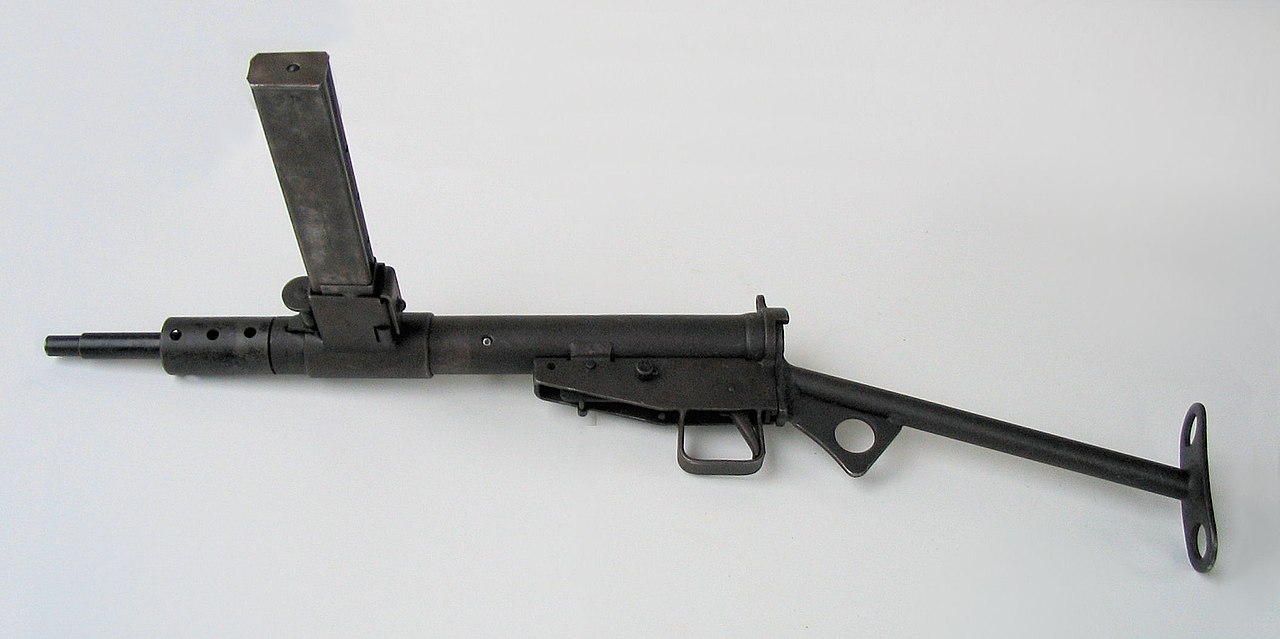
The Sten gun was a masterpiece of wartime economy that could be manufactured in small bicycle shops for very little money. This simplicity came at the cost of a notorious reputation for accidental discharges if the weapon was dropped or jarred. The simple blowback bolt lacked a positive safety catch which made it dangerous to carry with a round in the chamber. Its flimsy magazines were easily bent which led to the most common failure to feed issues during combat. While it helped arm the resistance, the lack of refined safety features and durable parts made it a very risky tool.