
When lives depend on equipment, reliability matters more than brand loyalty or reputation. Some firearms struggle under stress due to design limitations, maintenance sensitivity, or inconsistent performance. Failure does not always mean a dramatic malfunction. It can be slow cycling, poor accuracy, fragile components, or ergonomics that break down when adrenaline spikes. Understanding these weaknesses helps people make informed choices without panic or myths. The following examples focus on commonly reported reliability concerns and real-world limitations rather than rare factory defects.
1. Ultra Lightweight Pocket Pistols
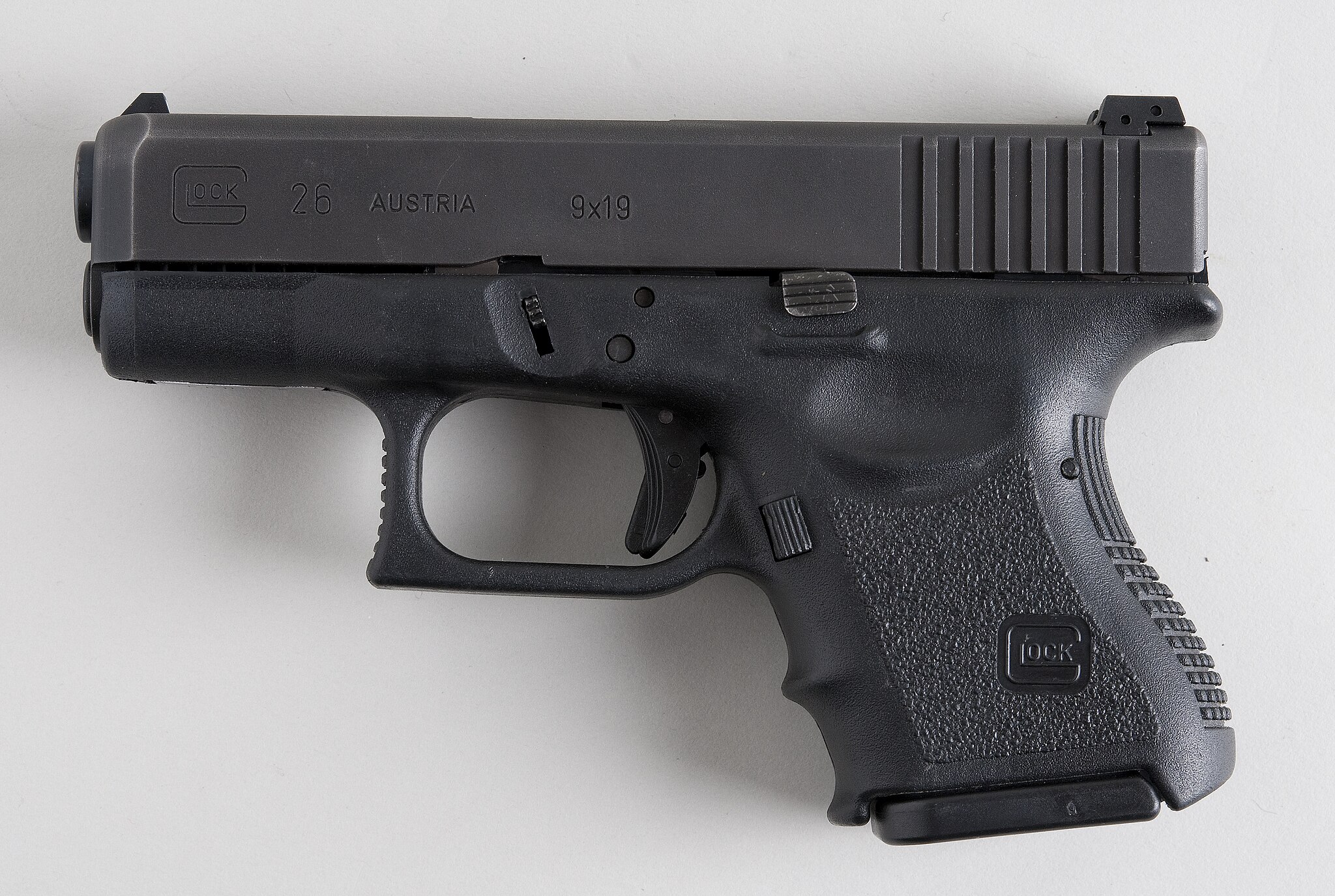
Very small pistols trade reliability for concealability. Short slides, stiff recoil springs, and tiny grips make consistent cycling difficult. Limp wristing becomes more likely under stress, causing failures to feed or eject. The small size also limits sight radius and control, reducing accuracy when precision matters most. Ammunition sensitivity is common, with some loads cycling while others fail. Under pressure, these pistols demand perfect technique. In emergencies, fine motor skills drop, making small controls harder to manage. Lightweight pocket pistols can work, but they require more discipline than many people realize.
2. Budget Semi-Automatic Pistols
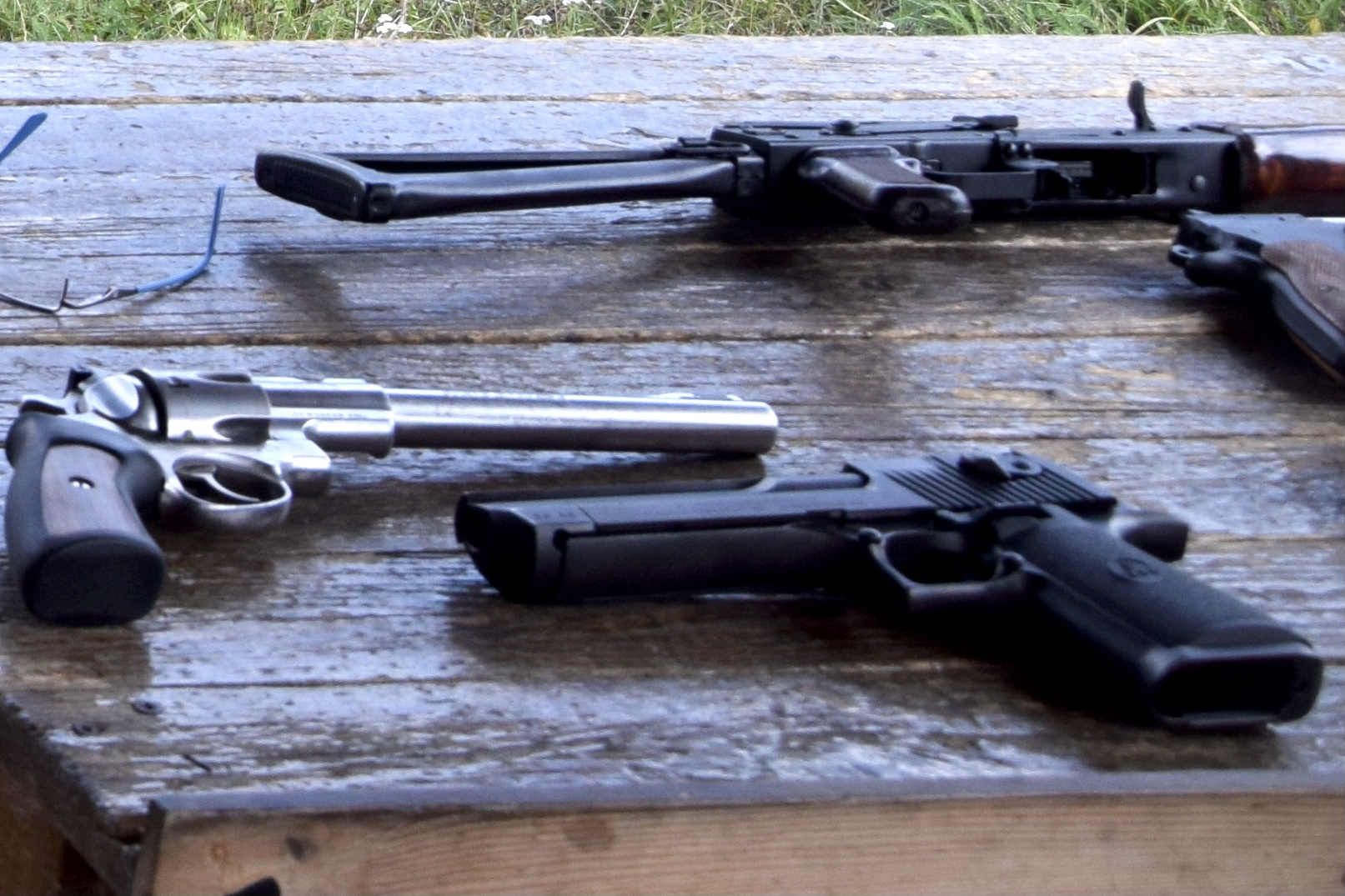
Low-cost pistols often cut corners in materials and quality control. Inconsistent tolerances lead to feeding issues, uneven wear, and premature part failure. Magazines are frequently the weakest point, causing misfeeds and double feeds. While some budget guns perform well initially, reliability may decline quickly with use. In stressful situations, malfunctions multiply when guns are dirty or lightly maintained. The lack of aftermarket support also limits replacement options. Saving money upfront can cost confidence when performance is critical. Reliability testing is essential before trusting any budget firearm.
3. Cheap Rimfire Handguns
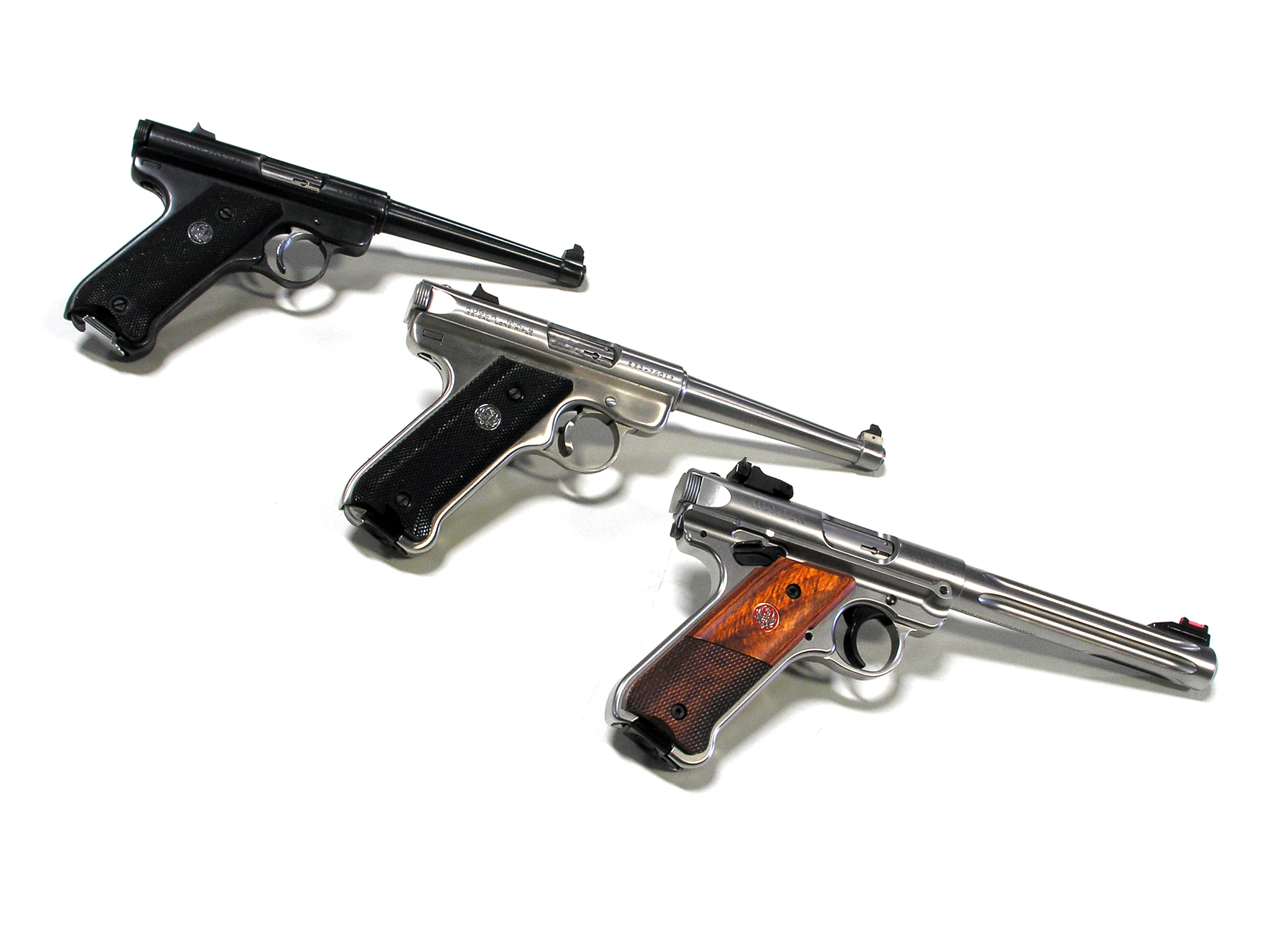
Rimfire ammunition is inherently less reliable than centerfire. Misfires, inconsistent ignition, and feeding problems occur more frequently. Rimfire handguns add another layer of complexity due to small springs and lightweight slides. Under cold, dirt, or stress conditions, failures become more likely. While rimfire pistols are excellent for training, they are poor choices for life-critical roles. Clearing rimfire malfunctions under pressure is difficult. The margin for error is slim. Reliability issues make rimfire handguns risky when consequences are severe.
4. Old Military Surplus Firearms

Surplus guns often carry unknown histories. Springs may be worn, headspace may be questionable, and internal parts may be near the end of service life. Ammunition compatibility can also be inconsistent with modern loads. While many surplus firearms are durable, age introduces uncertainty. Replacement parts are not always easy to find. In emergencies, mechanical surprises are dangerous. Without thorough inspection and testing, trusting surplus weapons carries risk. Nostalgia does not improve reliability when conditions are harsh.
5. Highly Modified Competition Guns
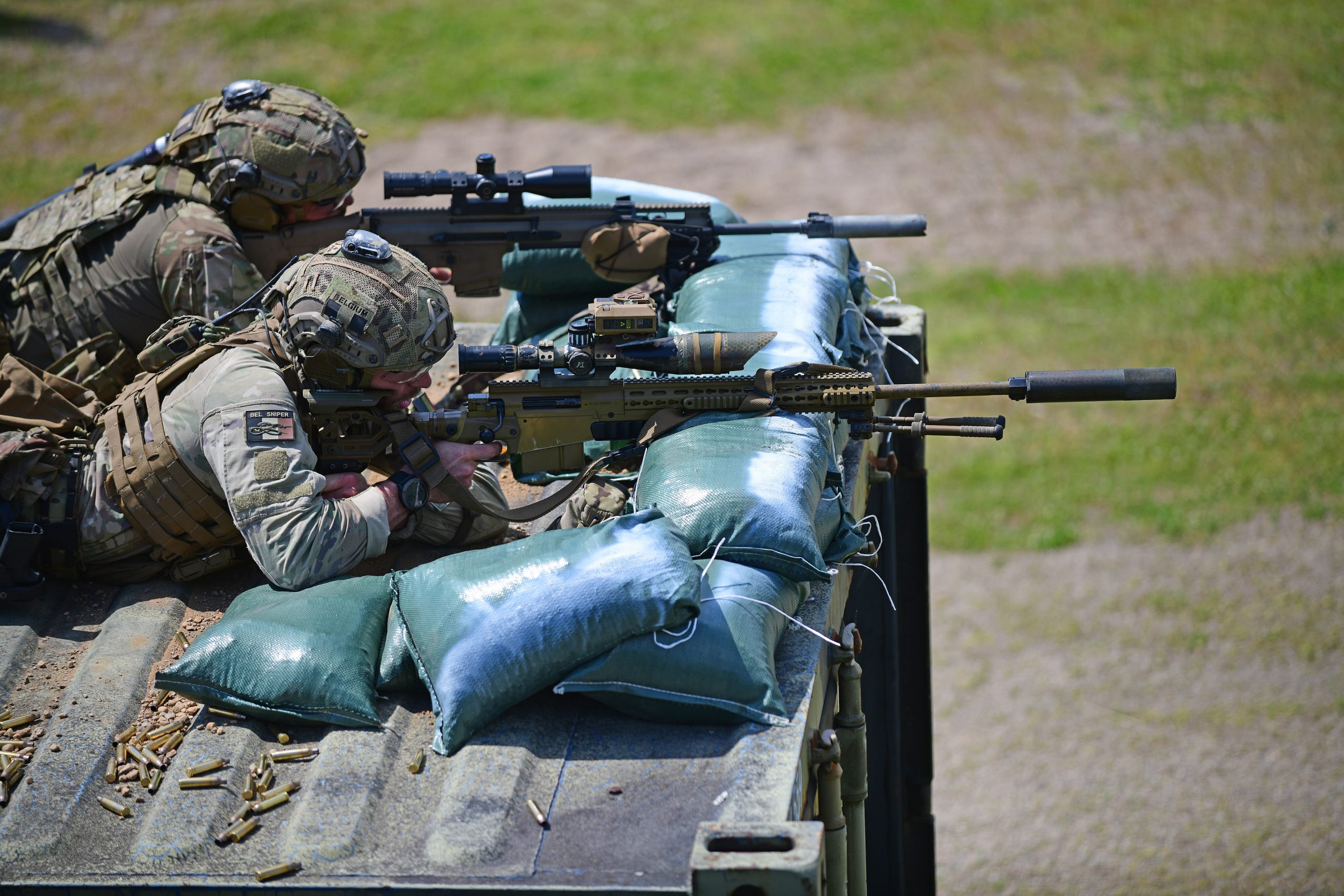
Competition firearms prioritize speed and precision over durability. Lightened triggers, reduced power springs, and tight tolerances improve performance on the range but reduce reliability margin. These guns often require frequent cleaning and precise ammunition. Dirt, debris, or temperature changes can cause stoppages. Under stress, competition setups demand careful handling. What works flawlessly in controlled environments may struggle elsewhere. Reliability suffers when equipment is tuned too finely for real-world unpredictability.
6. Break Action Single-Shot Firearms
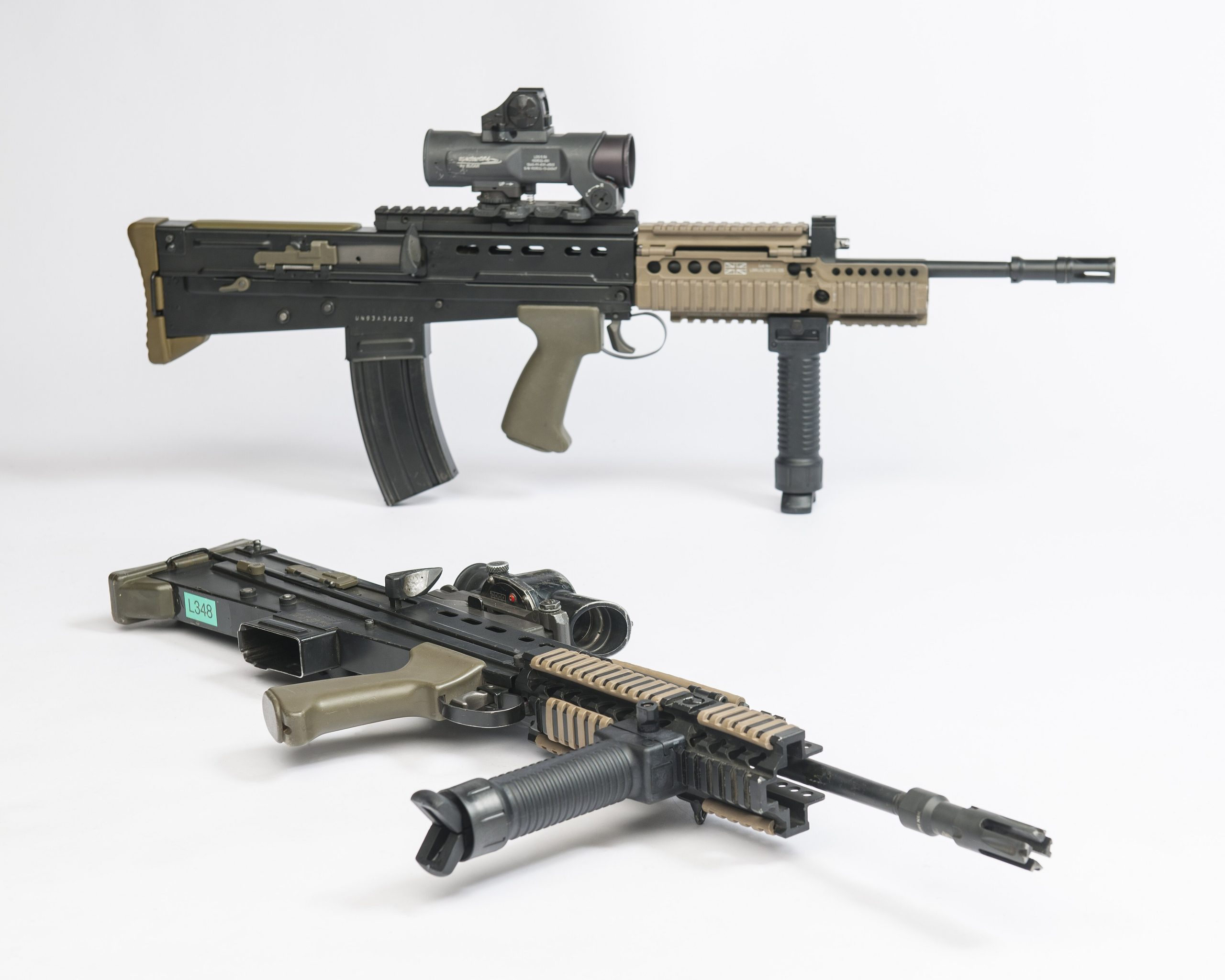
Single-shot designs are mechanically simple but unforgiving. Any user error requires a full reload cycle. Under stress, reloading becomes slow and clumsy. Limited capacity magnifies mistakes. While break actions are reliable mechanically, their operational limitations are severe in dynamic situations. Follow-up shots are slow. Ammunition management becomes critical. In emergencies, simplicity does not always equal effectiveness. Speed and capacity matter when outcomes are uncertain.
7. Poorly Maintained Revolversz
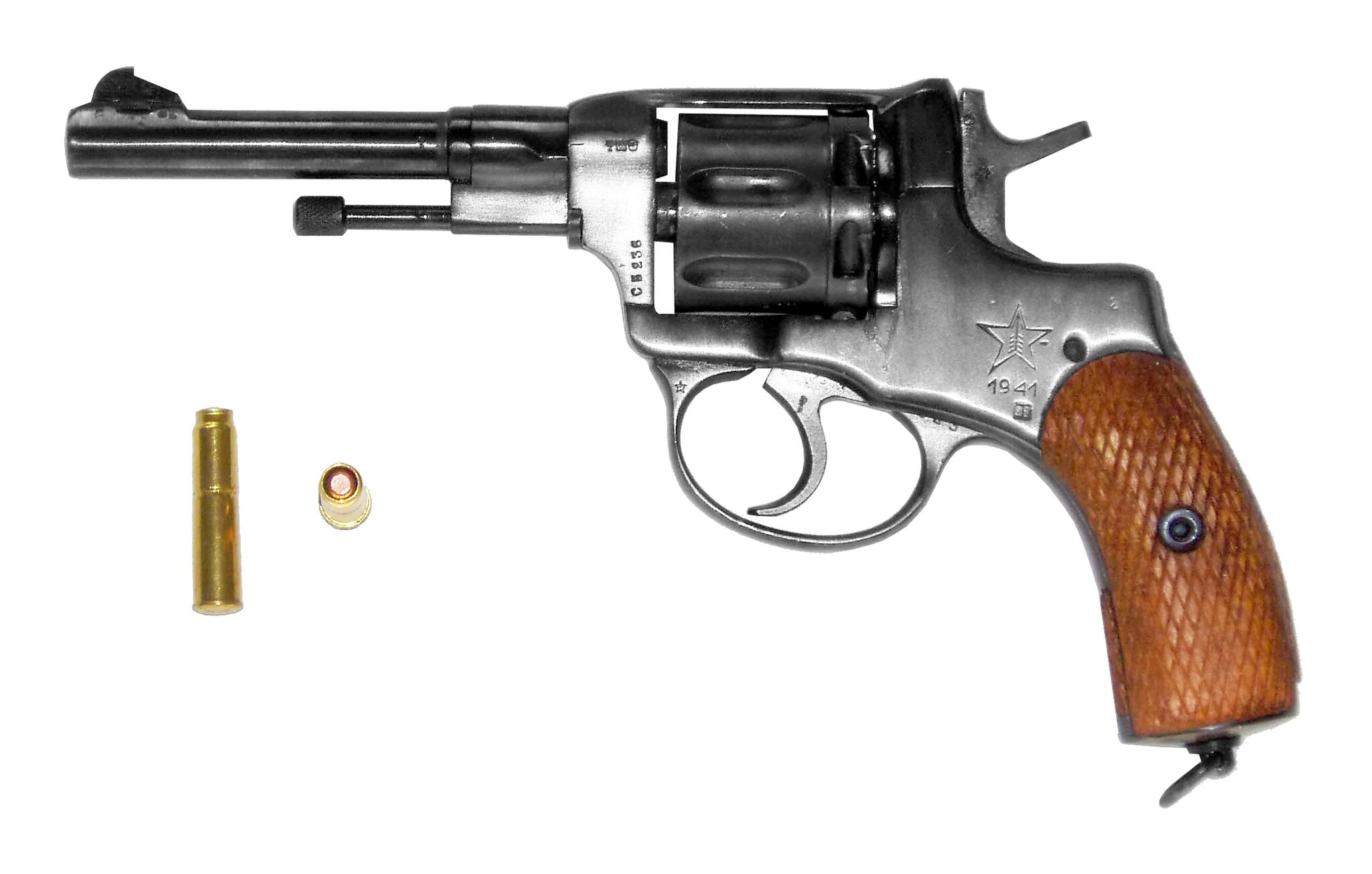
Revolvers have a reputation for reliability, but neglect changes that quickly. Dirt under the extractor star, timing wear, and debris can lock a revolver completely. Unlike semi-autos, revolver failures are often harder to clear quickly. Trigger weight increases with wear, affecting accuracy under stress. Maintenance matters more than many owners realize. When revolvers fail, they tend to fail. That risk grows without regular inspection and cleaning.
8. Extremely Short Barrel Rifles
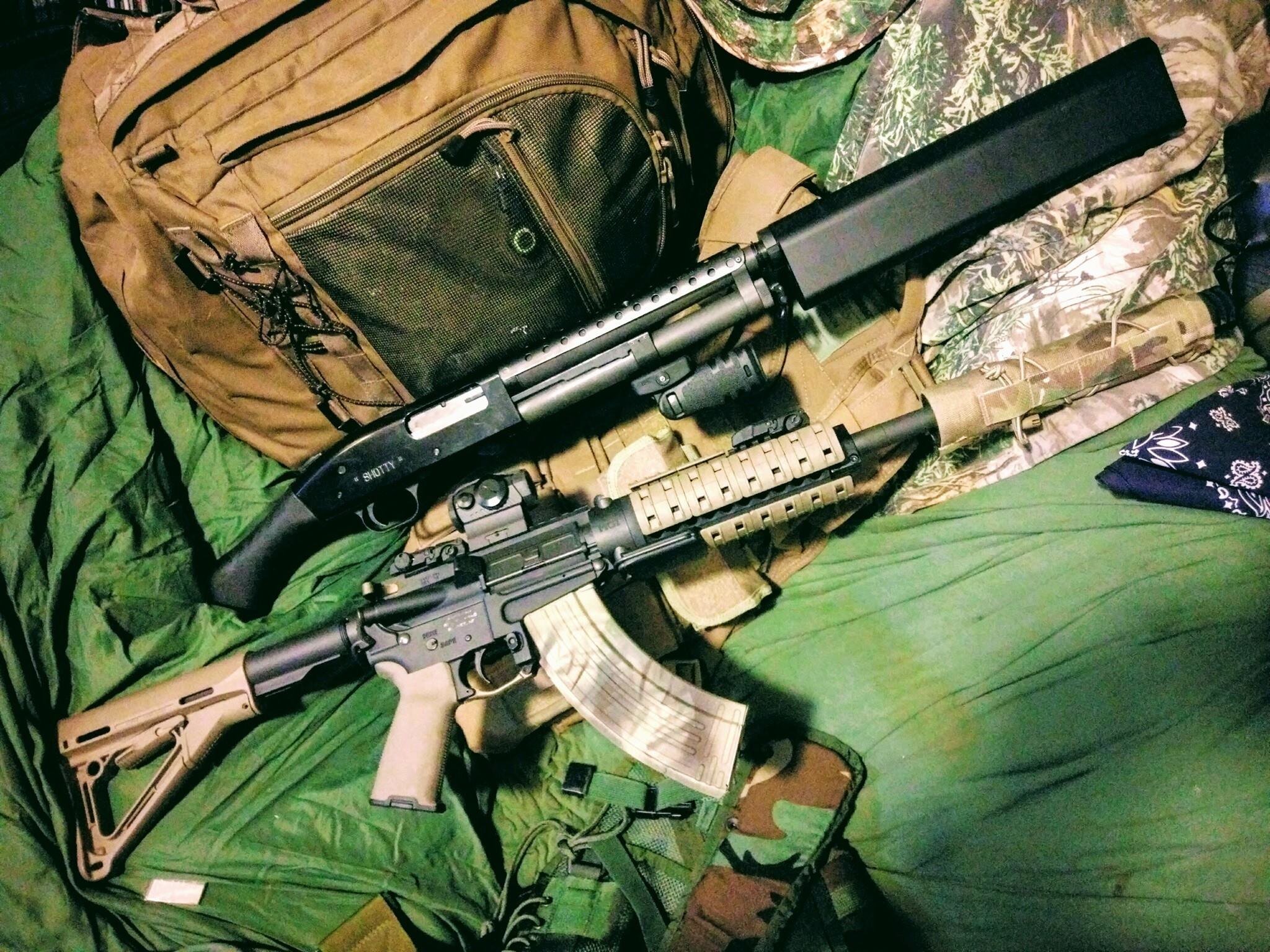
Very short barrels compromise velocity and reliability. Gas systems may struggle to cycle properly, especially with varied ammunition. Increased muzzle blast and recoil reduce control and situational awareness. Short sight radius and limited accuracy make precise shots harder. These rifles often require careful tuning to run well. Under stress, any inconsistency matters. Compact size helps mobility, but reliability can suffer if design balance is poor.
9. Exotic or Obsolete Calibers
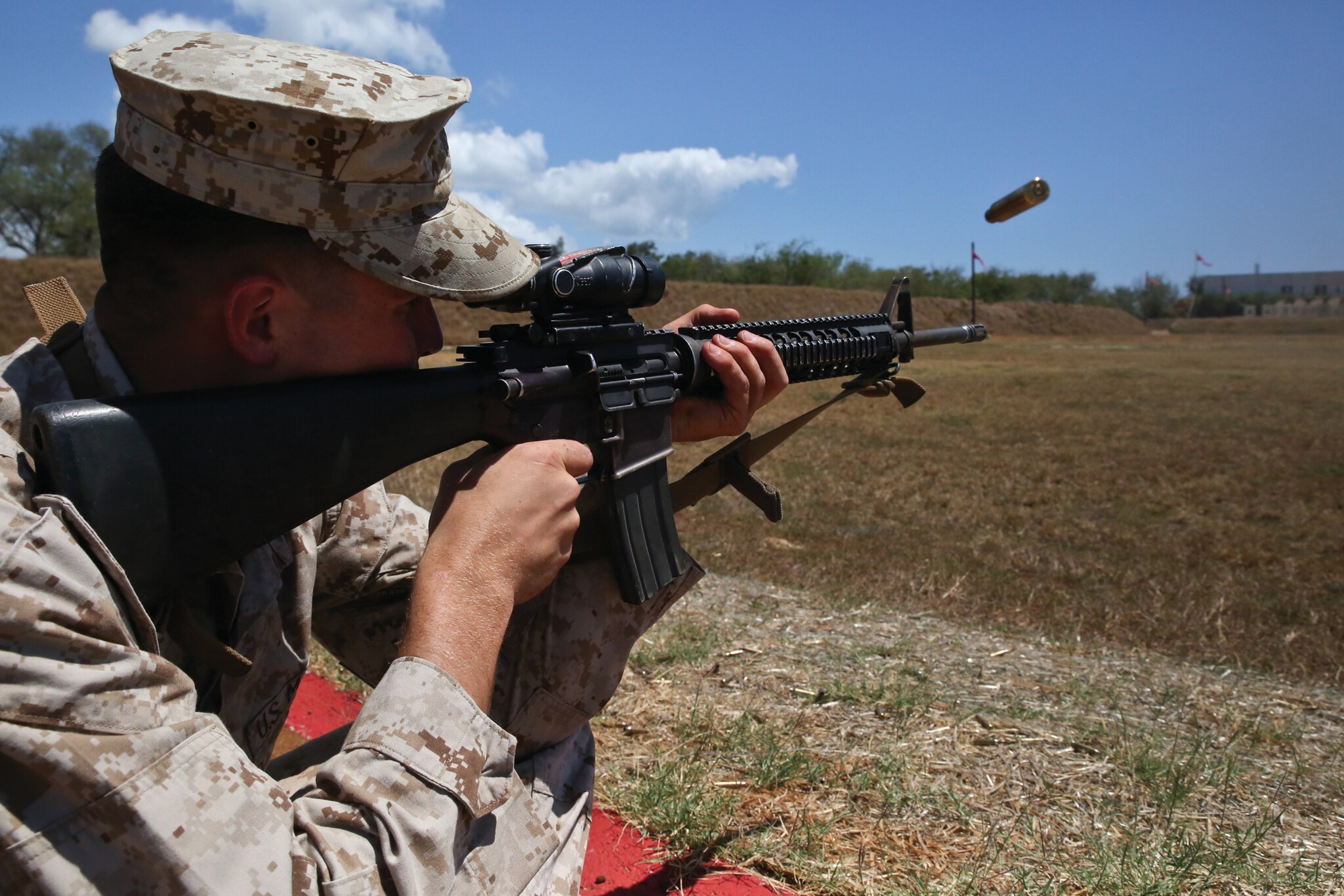
Firearms chambered in rare calibers create logistical problems. Ammunition availability becomes uncertain. Quality control varies widely. In emergencies, finding replacements or compatible loads is unlikely. Some exotic calibers also produce inconsistent pressure, affecting cycling. Reliability depends on a steady supply and testing. When ammo is scarce or unpredictable, performance suffers. Practicality matters more than uniqueness when the stakes are high.
10. Low Quality Magazines
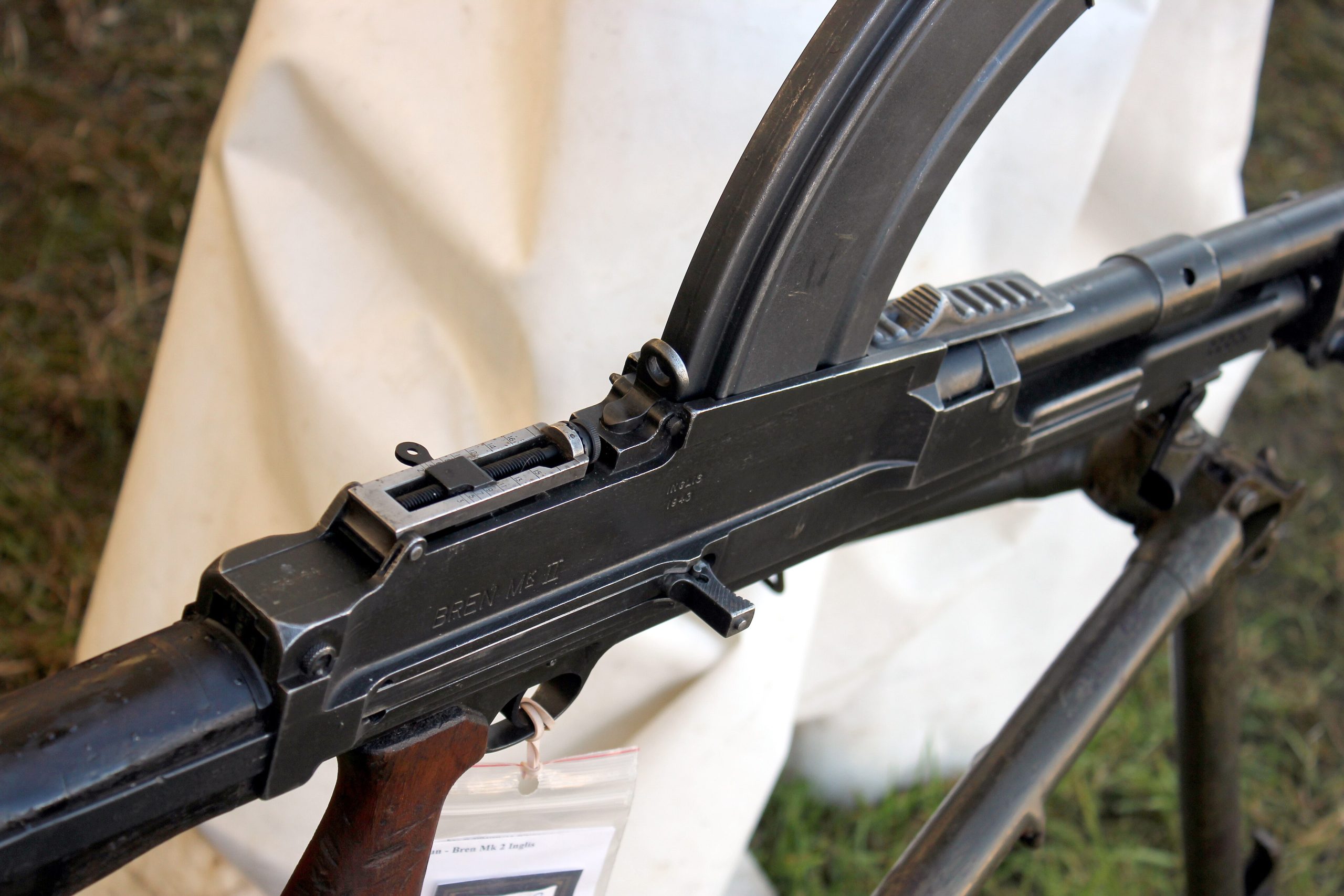
Even reliable firearms fail with bad magazines. Weak springs, cracked feed lips, and poor followers cause feeding issues. Many failures blamed on guns are magazine-related. Cheap magazines often lack durability. Under stress, repeated reloads amplify weaknesses. Magazine reliability is critical but often overlooked. Investing in proven magazines improves performance more than many upgrades. A great firearm cannot overcome bad feeding devices.
11. Guns With Complicated Manual Safeties

Complex safety systems increase user error under stress. Multiple levers, decockers, or unusual controls slow response. Fine motor skills degrade quickly in emergencies. Confusion leads to hesitation. While safeties are important, complexity reduces usability. Simplicity improves consistency. A system that works on the range may fail under pressure if the operation is not instinctive. Familiarity matters, but design also plays a role.
12. Untested Personal Firearms
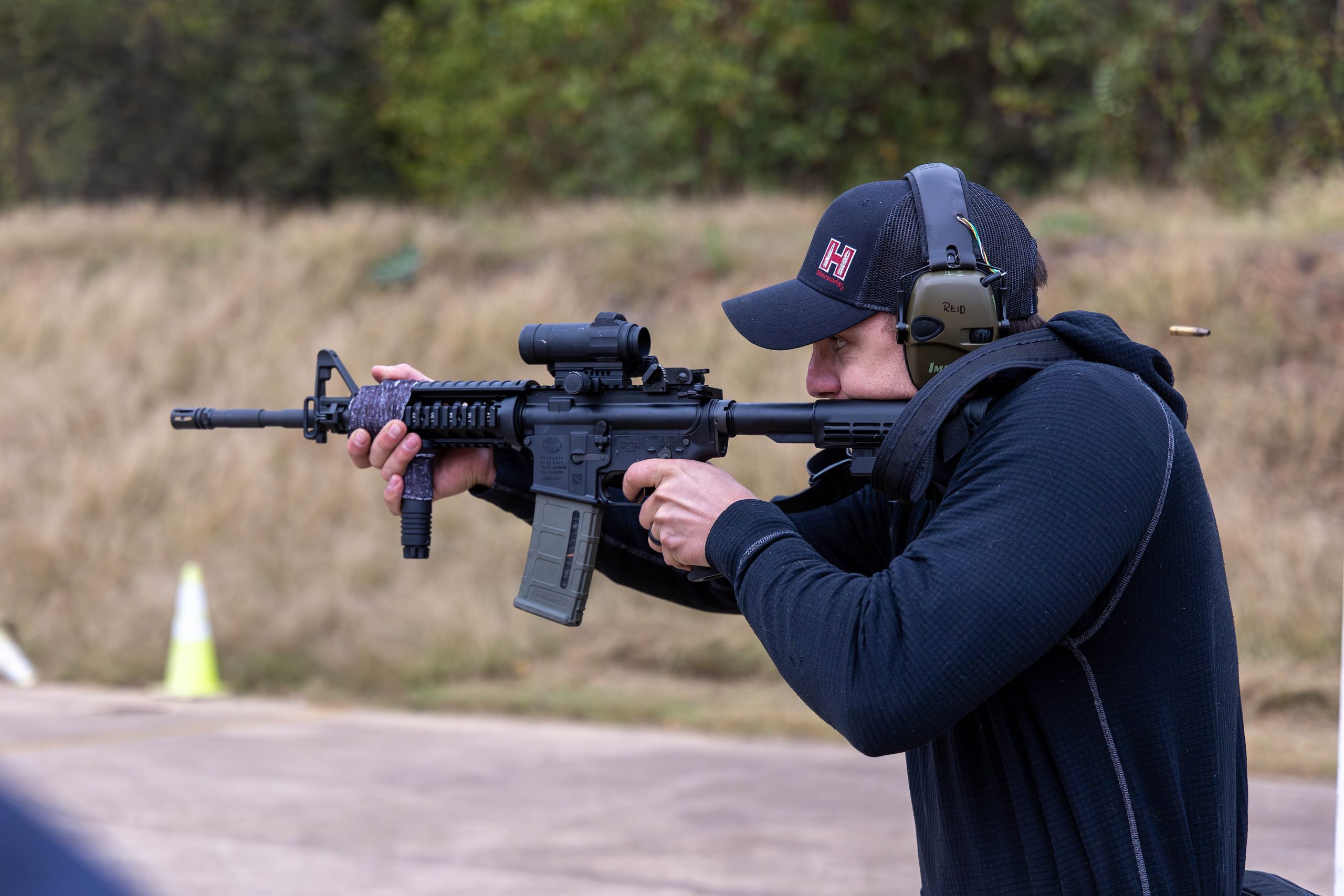
Any gun that has not been tested thoroughly is a liability. Reliability cannot be assumed from brand or reputation. Individual firearms vary. Ammunition choice matters. Without hundreds of rounds of testing, weaknesses remain hidden. Stress exposes flaws that casual shooting does not. Trust is built through repetition and familiarity. The most dangerous gun is the one never tested when everything depends on it.