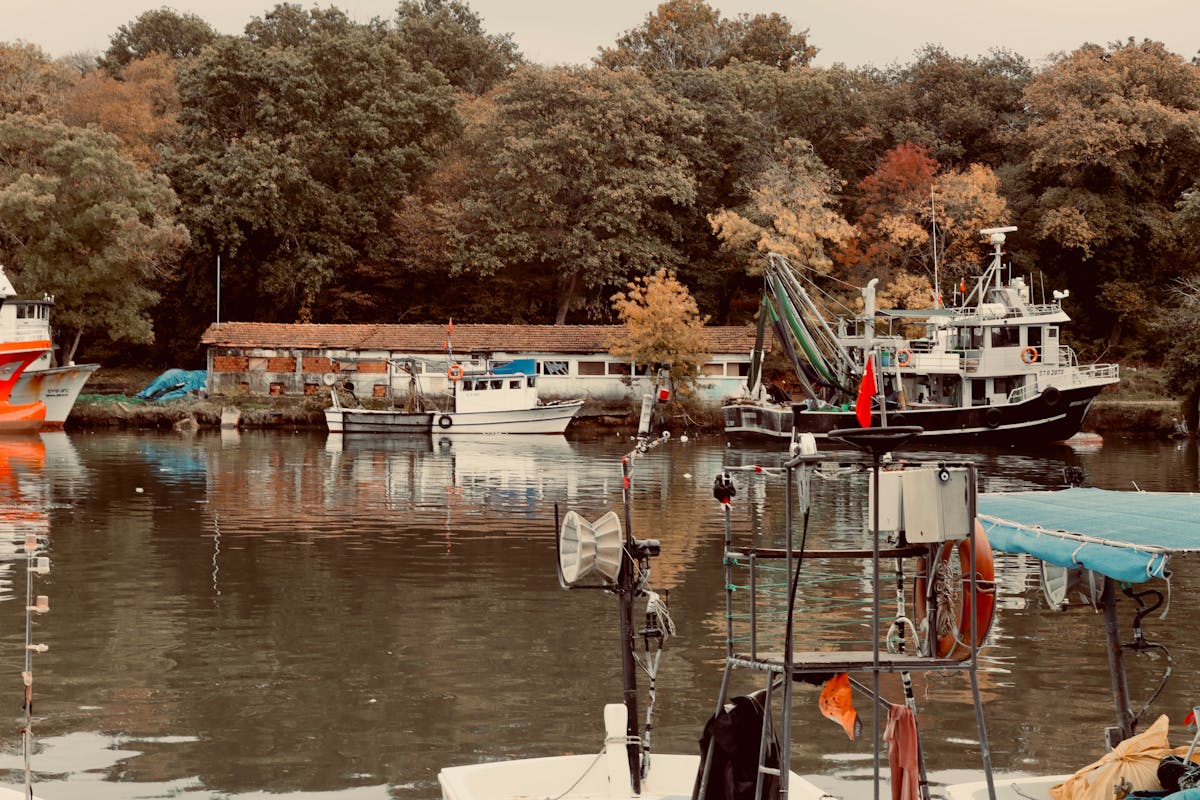
Anglers heading out this season will find several new rules shaping how and where they fish. States across the country have updated size limits, seasons, and catch allowances to protect fish populations and improve sustainability. You can expect tighter controls on popular species and expanded opportunities in new areas. Staying informed ensures you stay compliant while supporting conservation goals that keep waterways healthy and fishing traditions strong for years to come.
Revised Bass Size Limits
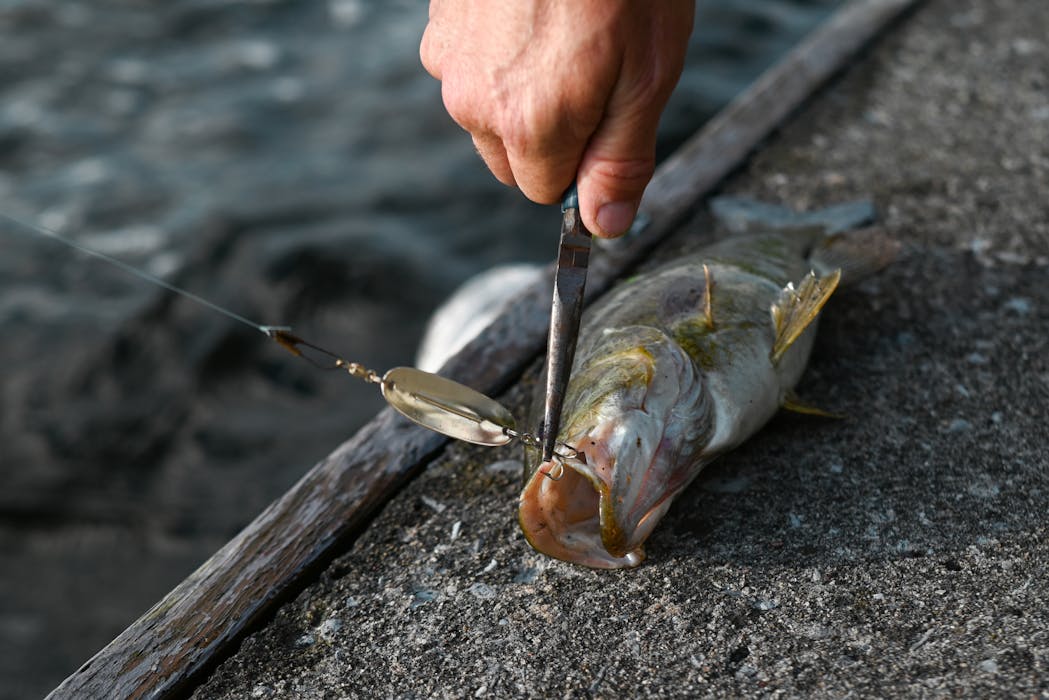
Many states have adjusted bass size limits to encourage larger, healthier fish populations. You can now find minimum lengths increased by one or two inches in several regions, promoting selective harvesting. These changes aim to balance sport fishing with conservation. Before casting your line, it’s important to check updated measurements for both largemouth and smallmouth bass in your local waters.
Stricter Red Snapper Quotas
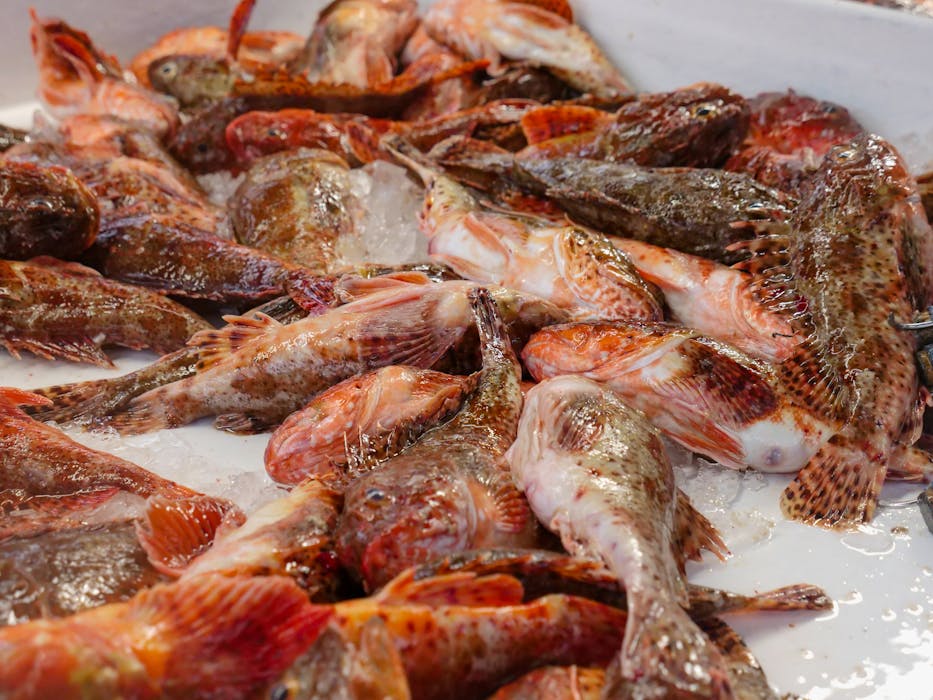
Red snapper regulations tightened this year with reduced bag limits and shorter open seasons in coastal states. You can still enjoy this sought-after catch, but increased monitoring ensures stocks remain sustainable. Anglers are encouraged to report catches through online systems that track real-time data. These efforts help maintain strong populations while allowing fair access to recreational fishermen.
Expanded Trout Stocking Programs
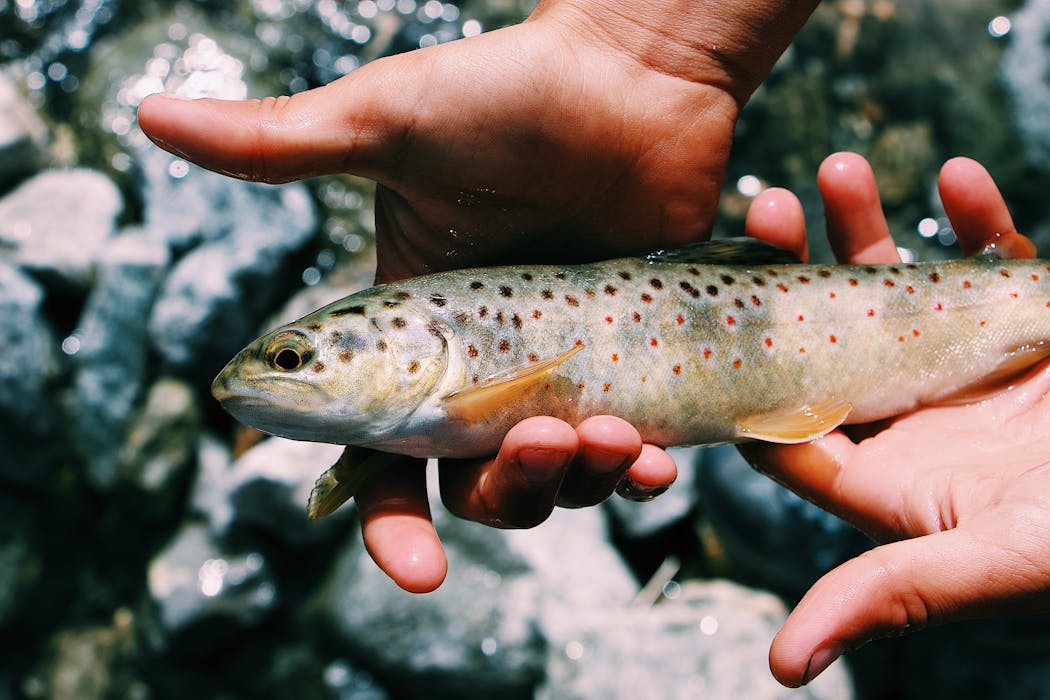
Several states expanded trout stocking to support growing demand and improve angler success rates. You can expect more lakes and rivers to receive seasonal trout releases, especially in cooler regions. The updated programs include native species restoration alongside stocked varieties. By spreading out stocking efforts, agencies aim to reduce crowding and give you better access to quality fishing experiences.
New Catfish Harvest Rules
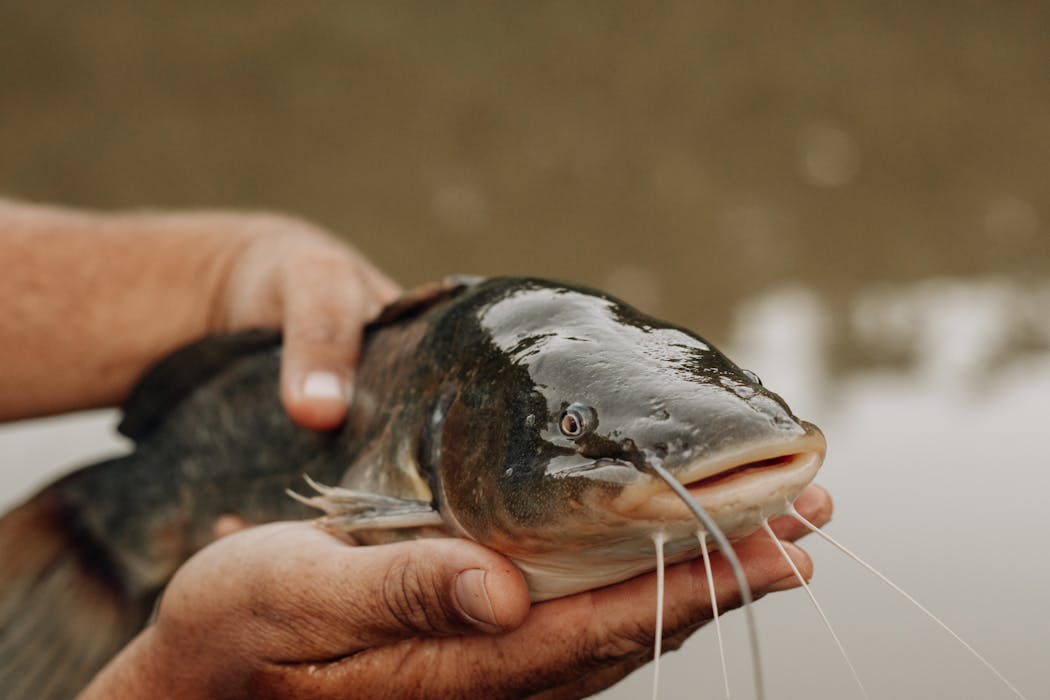
Catfish regulations now include clearer limits on trophy-size fish in certain rivers. You can keep a specific number of smaller fish while releasing larger breeding specimens. This change protects mature catfish vital to population health. Anglers are encouraged to measure carefully and use circle hooks to reduce injury. Understanding these limits helps you fish responsibly and support long-term sustainability.
Updated Saltwater Licensing Requirements
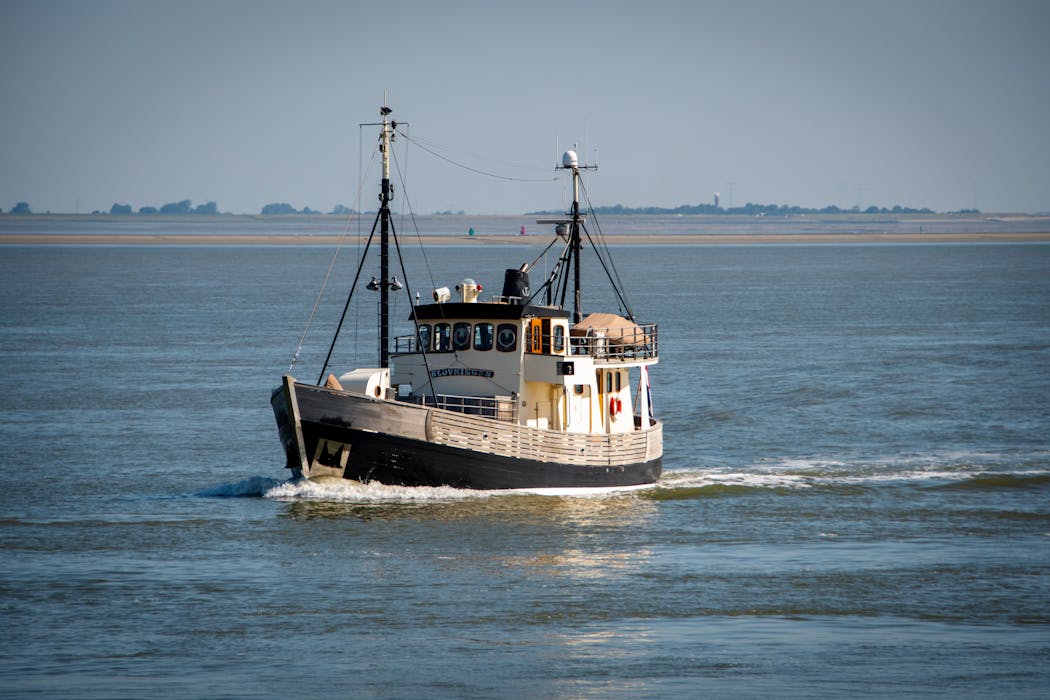
Some coastal states have revised saltwater license structures to include digital tags and expanded reporting. You can now log catches online, making it easier for agencies to track harvest data. These updates improve accuracy and help manage heavily fished areas. The digital systems also simplify compliance, ensuring every trip remains both enjoyable and properly documented.
Modified Walleye Season Dates
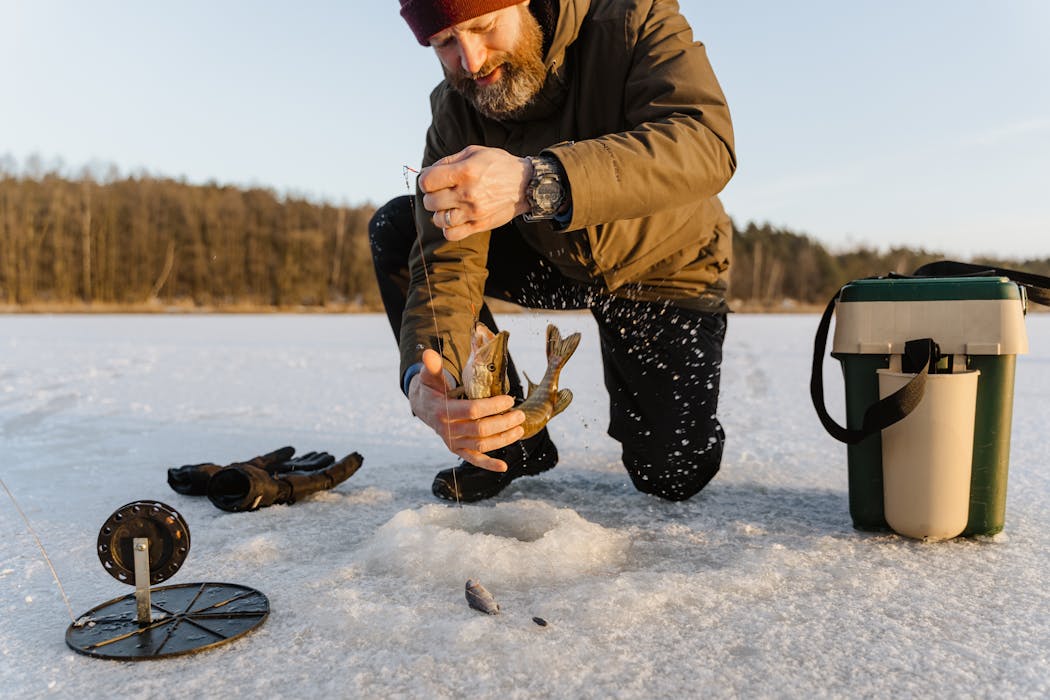
Walleye season openings have shifted in several northern states to better align with spawning cycles. You can expect slightly delayed start dates and extended fall opportunities. The goal is to protect spawning fish while enhancing late-season access. Checking your state’s updated calendar before planning your trip ensures you stay within the new windows and helps conserve future generations of walleye.
Reduced Bag Limits for Crappie
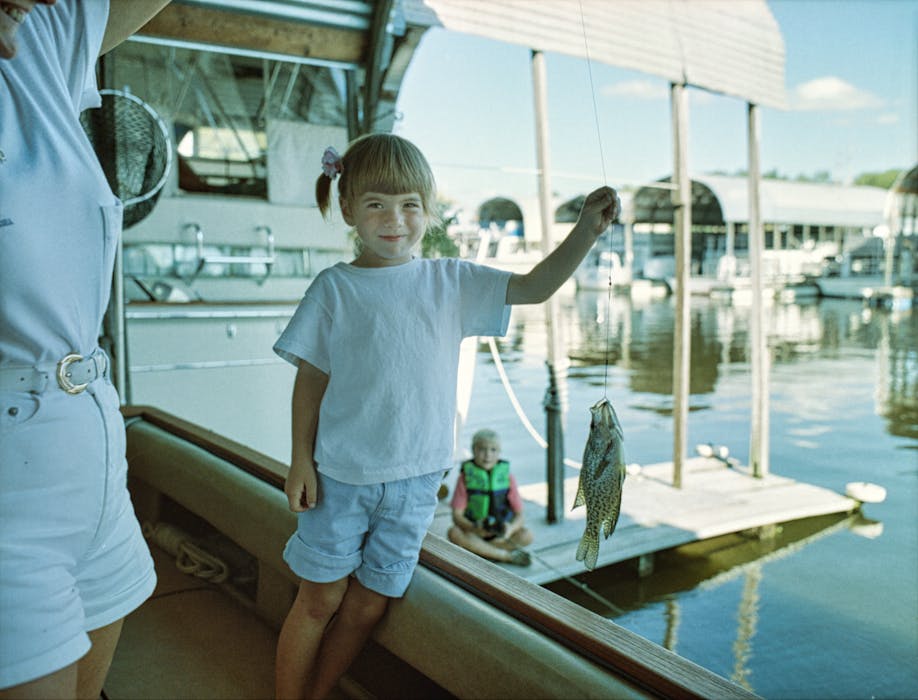
Crappie fishing remains popular, but 2025 brings smaller bag limits in key reservoirs. You can now keep fewer fish per day to prevent overharvesting during spawning periods. The change supports healthier, more consistent populations for future seasons. Staying mindful of new daily limits helps protect these valuable fisheries while maintaining great angling opportunities throughout the year.
New Invasive Species Reporting Rules
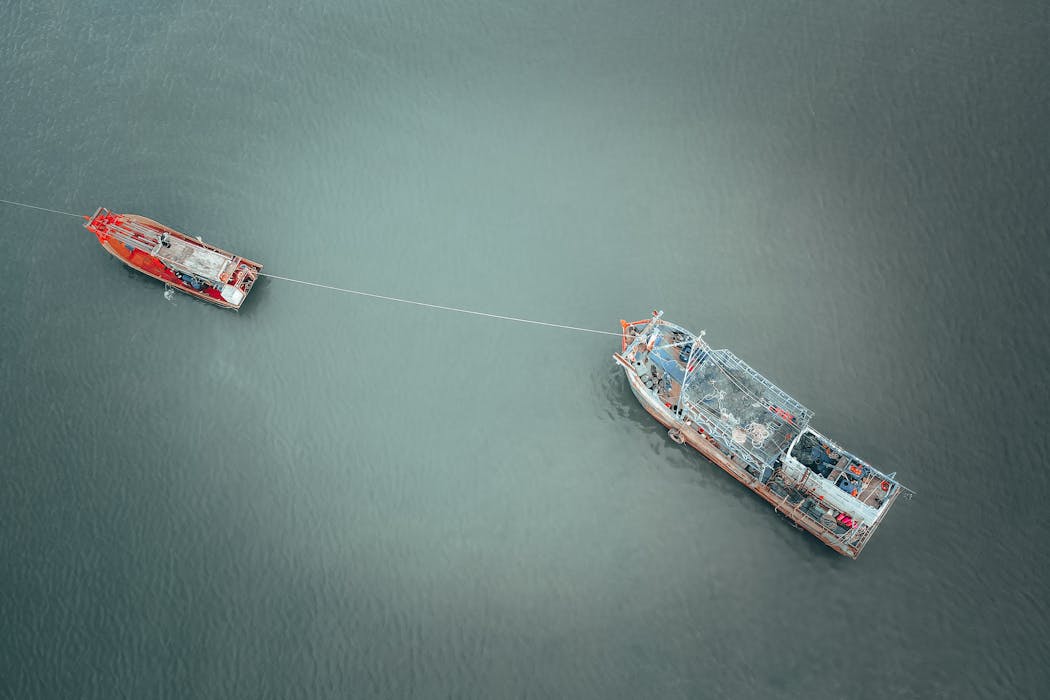
To combat invasive species, states have introduced stricter reporting and cleaning guidelines. You can now be required to drain live wells, inspect boats, and report sightings of harmful species like zebra mussels. The updates aim to slow their spread between waterways. Following these steps protects ecosystems and ensures that fishing spots stay vibrant and productive for everyone.
Freshwater Drum Catch Restrictions

Freshwater drum, often overlooked by anglers, now have defined limits in several states. You can keep fewer fish to preserve ecological balance as their numbers fluctuate. These regulations respond to increased fishing pressure and competition with other species. By understanding the new rules, you help maintain healthy waterways where multiple fish populations can thrive together.
Expanded Youth Fishing Access

This year’s updates include expanded access for youth anglers in designated zones. You can take younger family members to special lakes and ponds stocked for beginners. These programs encourage outdoor participation while teaching responsible fishing habits. With simplified regulations and improved accessibility, more families can enjoy safe, rewarding days on the water together.
Striped Bass Conservation Changes
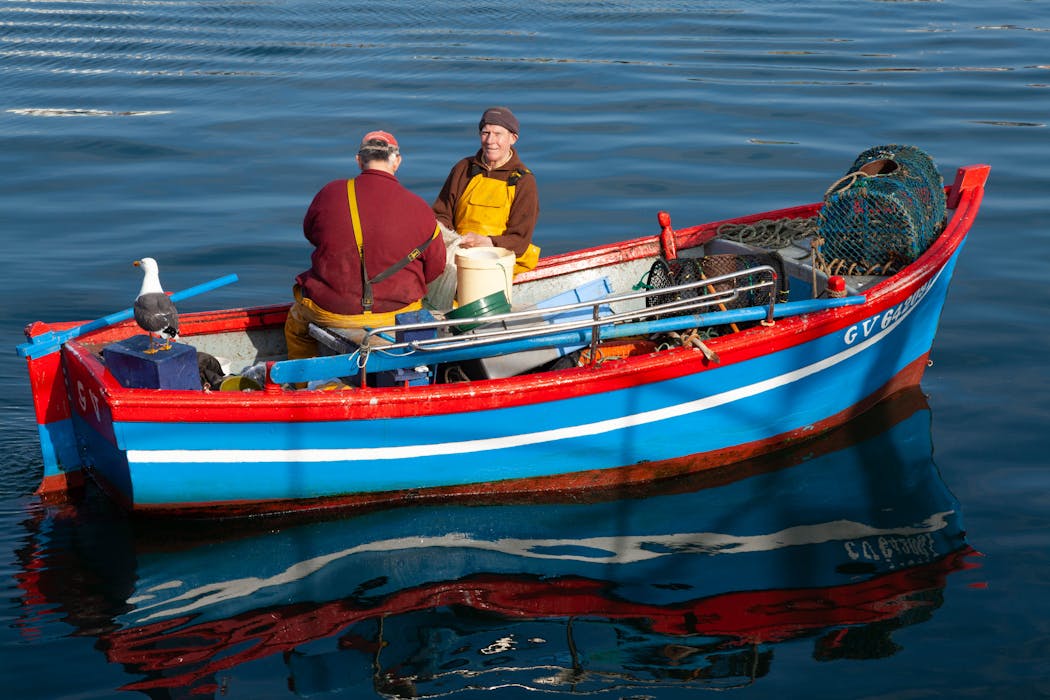
Striped bass management has tightened along the Atlantic Coast, with smaller harvest quotas and slot limits. You can still fish for this iconic species, but conservation now takes priority. The new rules protect breeding stock while maintaining recreational opportunities. Checking size and catch limits before heading out ensures compliance and supports recovery for one of America’s favorite game fish.
Paddlefish Tagging Requirements
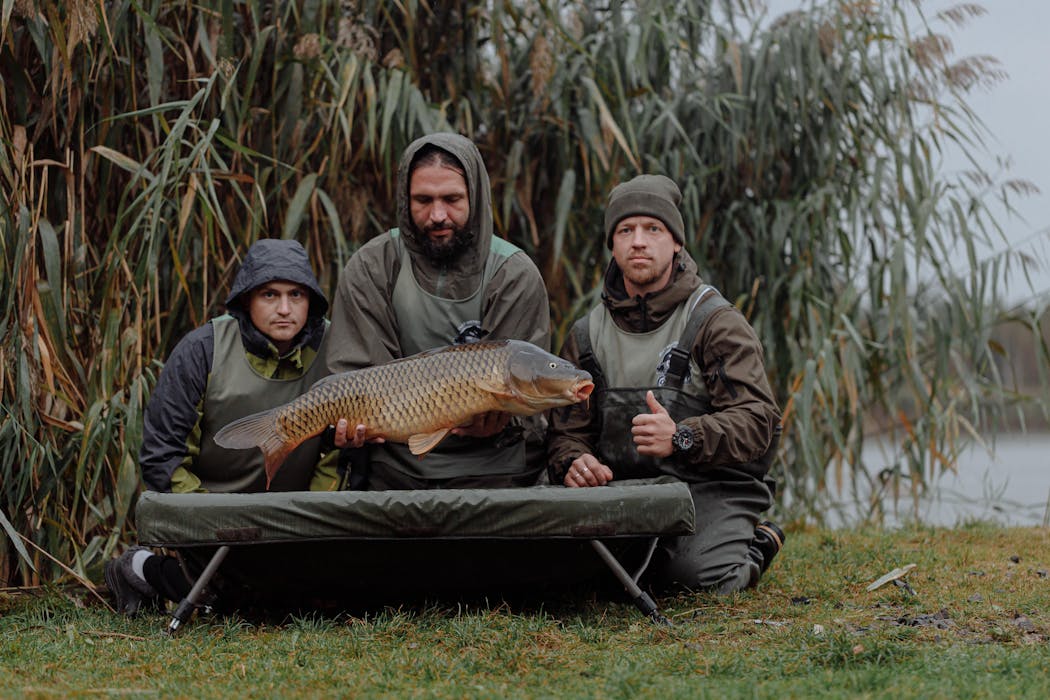
Several Midwestern states now require electronic tagging for paddlefish harvests. You can apply online for tags and must report your catch immediately after landing. The update helps wildlife officials track migration and population trends. As these ancient fish face increased demand, the tagging system ensures transparent, sustainable management for future anglers to enjoy.