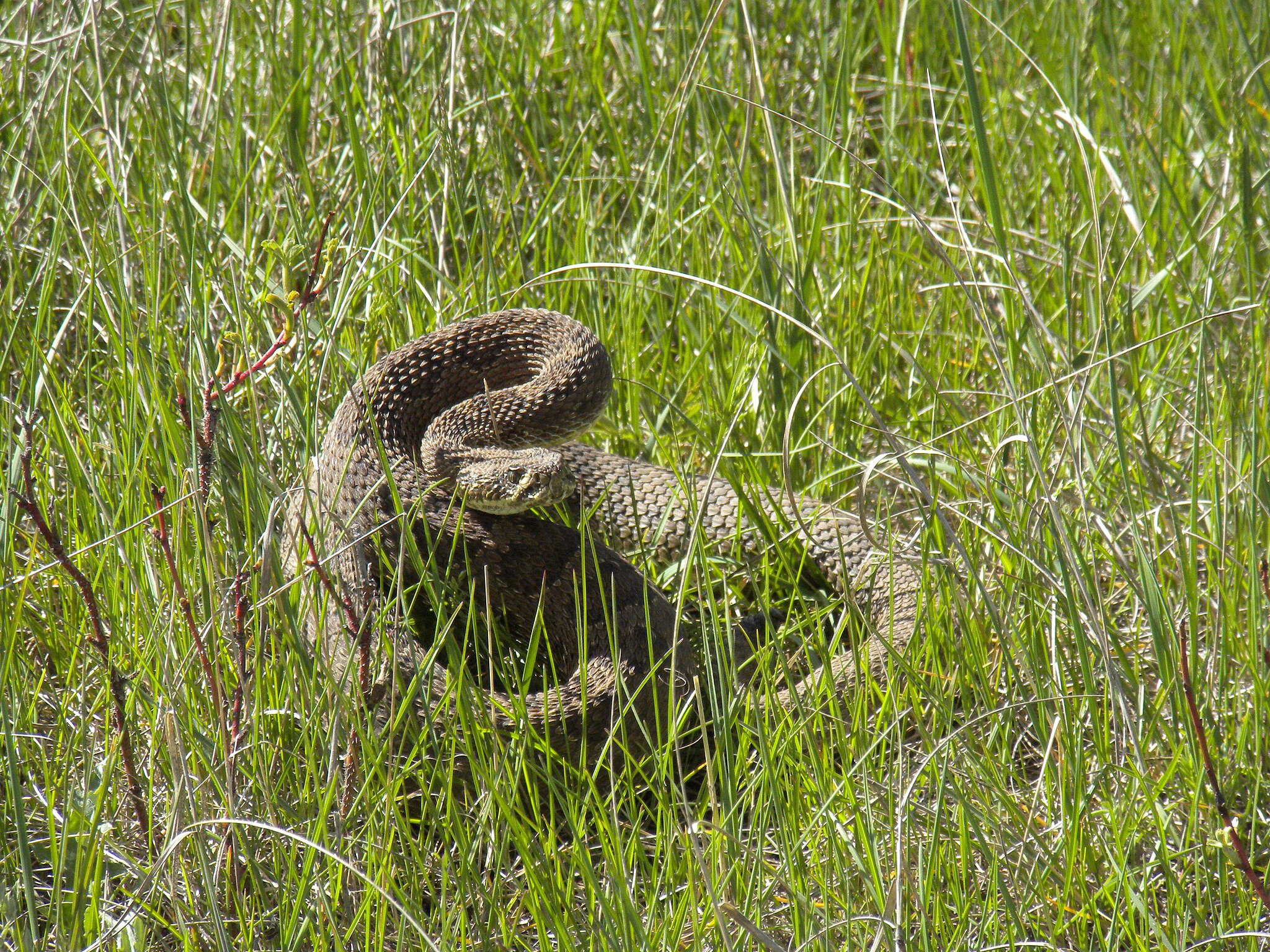
Rattlesnakes are among North America’s most feared reptiles, armed with potent venom, lightning-fast strikes, and a warning rattle meant to scare away danger. Yet in the wild, venom is not an unbeatable weapon. Several predators have evolved physical resistance, lightning reflexes, clever tactics, or sheer audacity that allow them to hunt rattlesnakes successfully. These animals do not rely on luck. They understand timing, anatomy, and risk. This list explores twelve fearless hunters that prove rattlesnakes are not always the apex threat they appear to be.
1. Honey Badger
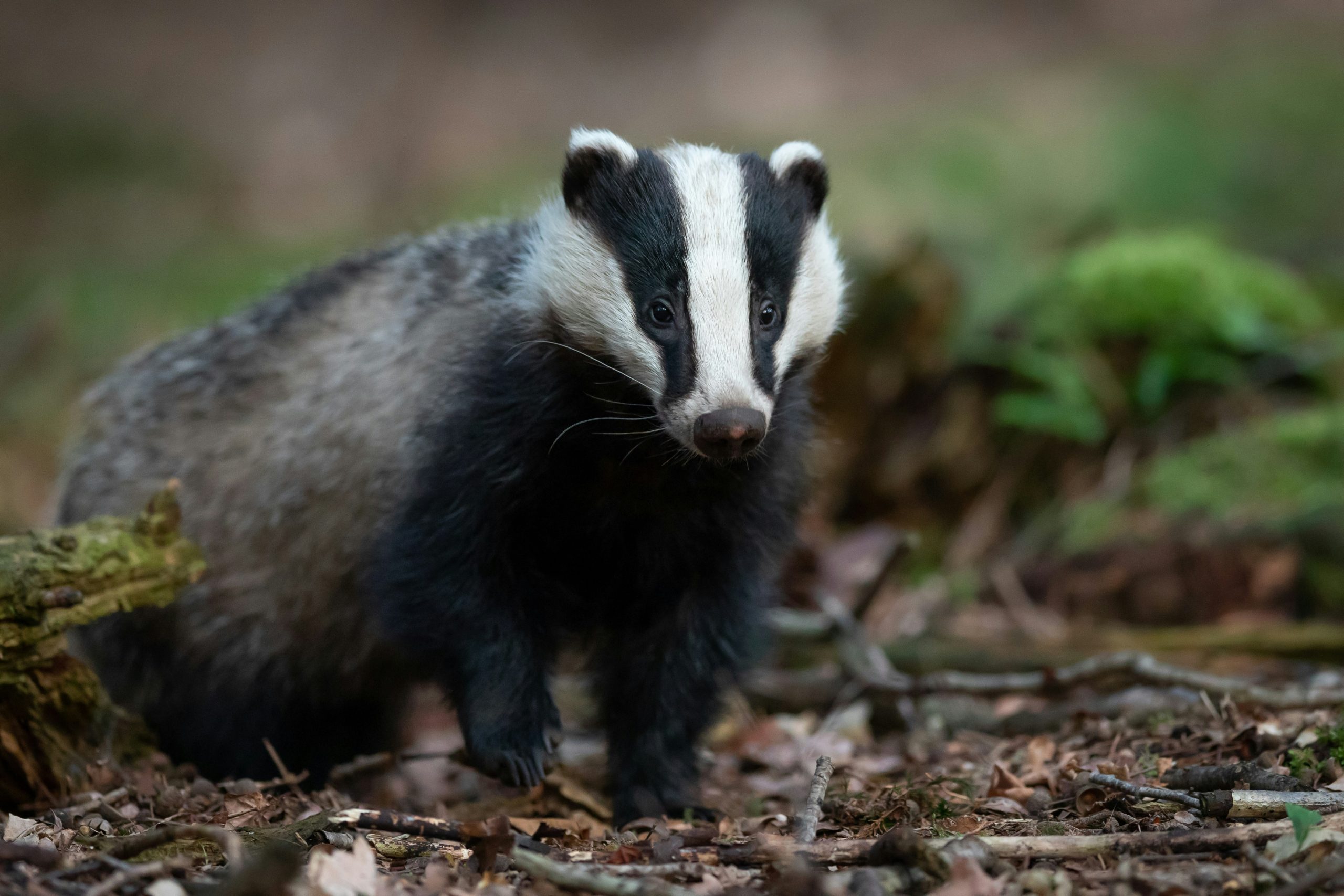
The honey badger is legendary for its fearlessness, and rattlesnakes are no exception. Thick, loose skin helps protect vital organs from snake fangs, while partial venom resistance reduces fatal effects. When attacked, the honey badger uses speed and aggression, grabbing the snake behind the head and crushing the skull with powerful jaws. Even if bitten, it may collapse briefly, then recover and resume the fight. Its confidence, toughness, and refusal to retreat make it one of the most dangerous snake predators on Earth. For rattlesnakes, venom alone rarely stops this relentless mammal.
2. King Snake
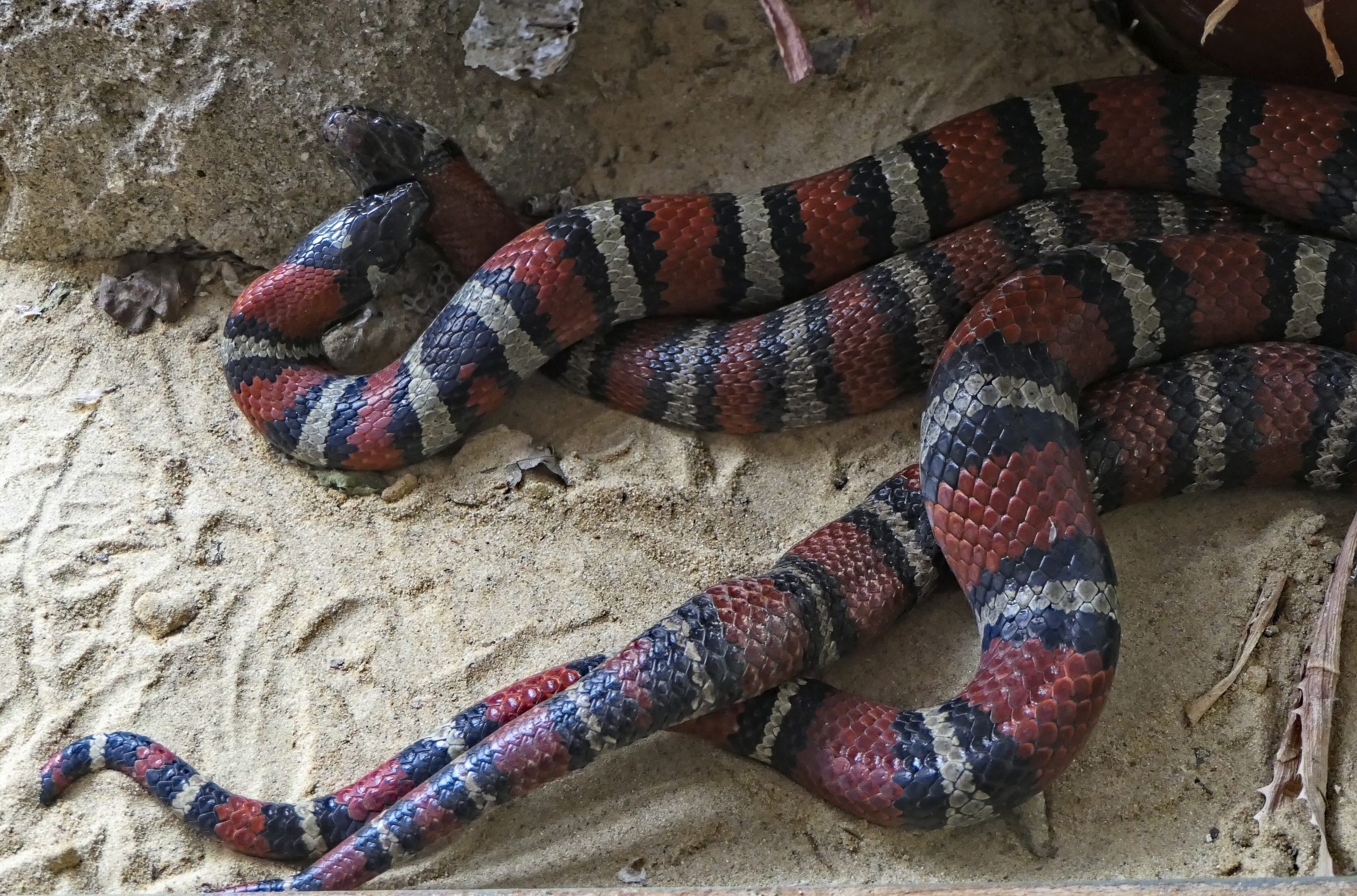
King snakes are natural rattlesnake specialists. Immune to rattlesnake venom, they hunt with calm precision rather than brute force. Using powerful muscles, a king snake coils tightly around the rattlesnake, cutting off blood flow until the prey suffocates. The rattlesnake’s strikes are useless against this resistance. King snakes often hunt other snakes larger than themselves, guided by scent and vibration. Their methodical approach, combined with venom immunity, makes them one of the most effective rattlesnake predators in the wild.
3. Mongoose
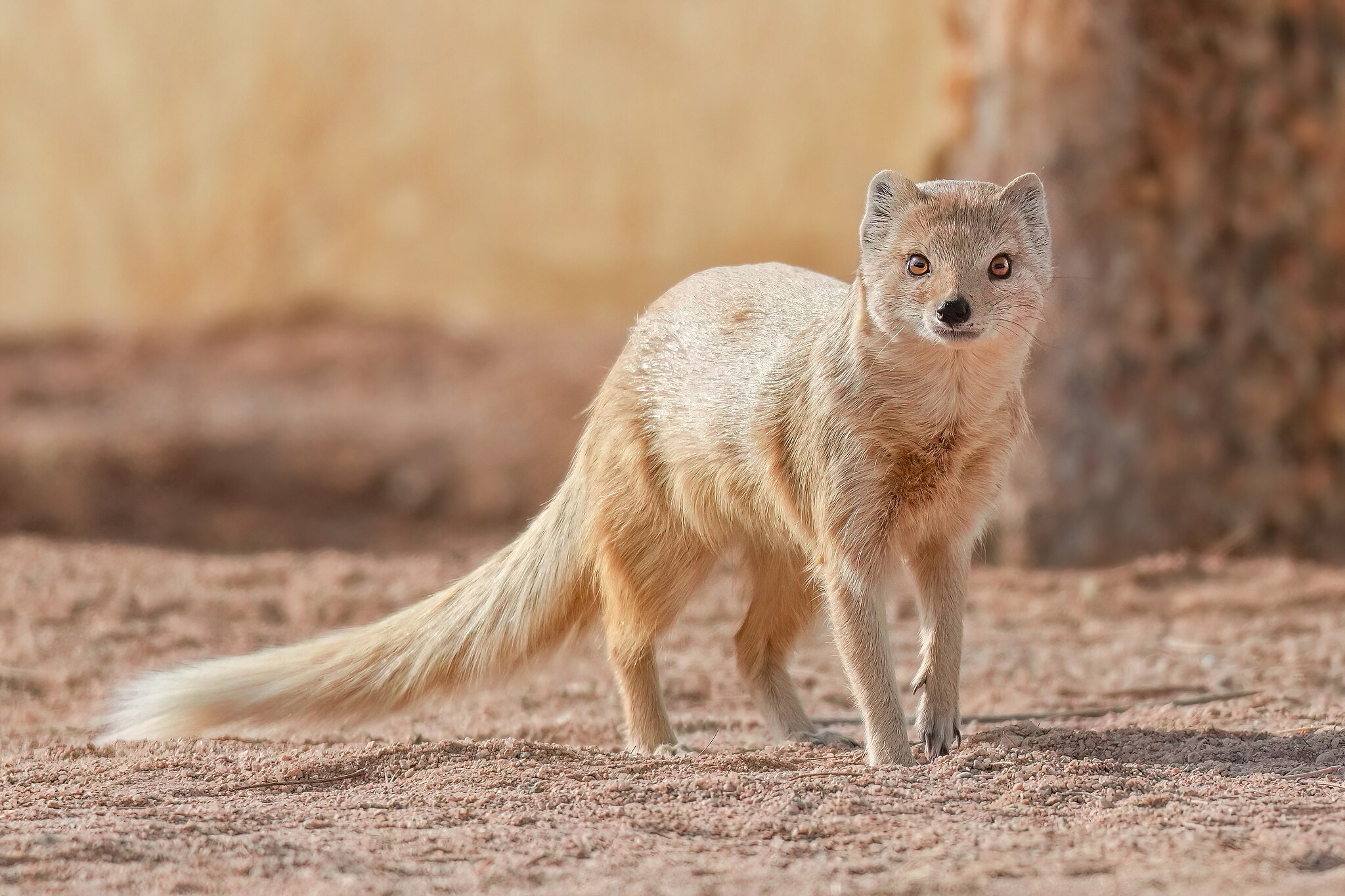
Mongooses are famous for their snake-hunting abilities, combining speed, intelligence, and venom resistance. Though more common in Africa and Asia, some species can and do kill rattlesnakes when introduced environments overlap. The mongoose relies on lightning reflexes, provoking repeated strikes until the snake tires. Then it delivers a fatal bite to the head. Specialized receptors reduce venom binding, preventing paralysis. The fight looks chaotic, but every movement is calculated. Against a mongoose, a rattlesnake’s venom is often wasted energy rather than a winning defense.
4. Roadrunner
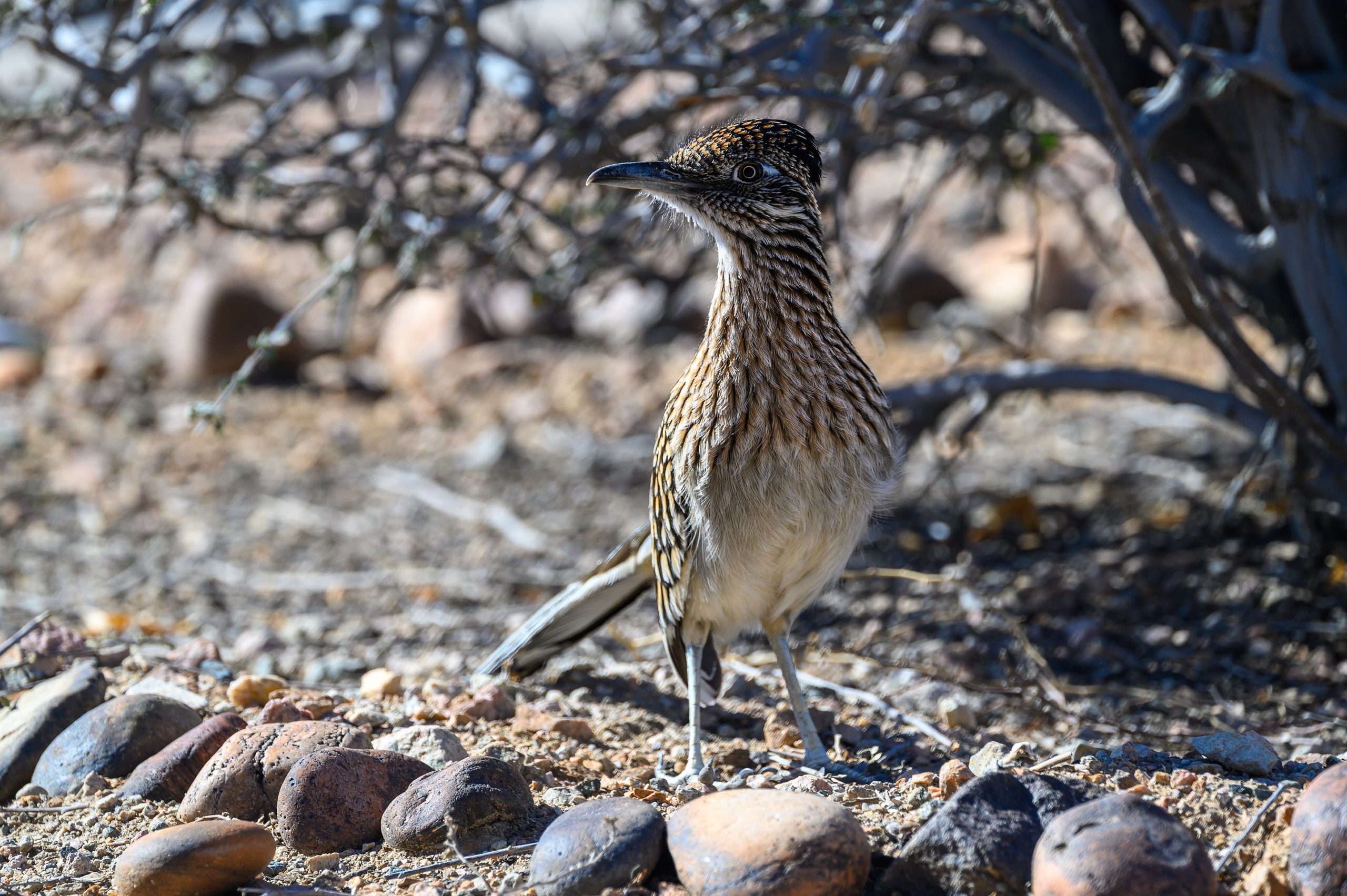
The roadrunner may look comical, but it is a ruthless rattlesnake hunter. Using incredible speed and agility, it dodges strikes while pecking repeatedly at the snake’s head. Roadrunners often slam rattlesnakes against rocks to stun or kill them before swallowing them whole. Their long legs keep them out of striking range, while sharp vision tracks every movement. Venom offers little protection when the snake cannot land a successful bite. In desert ecosystems, roadrunners are among the most efficient snake predators.
5. Hawk
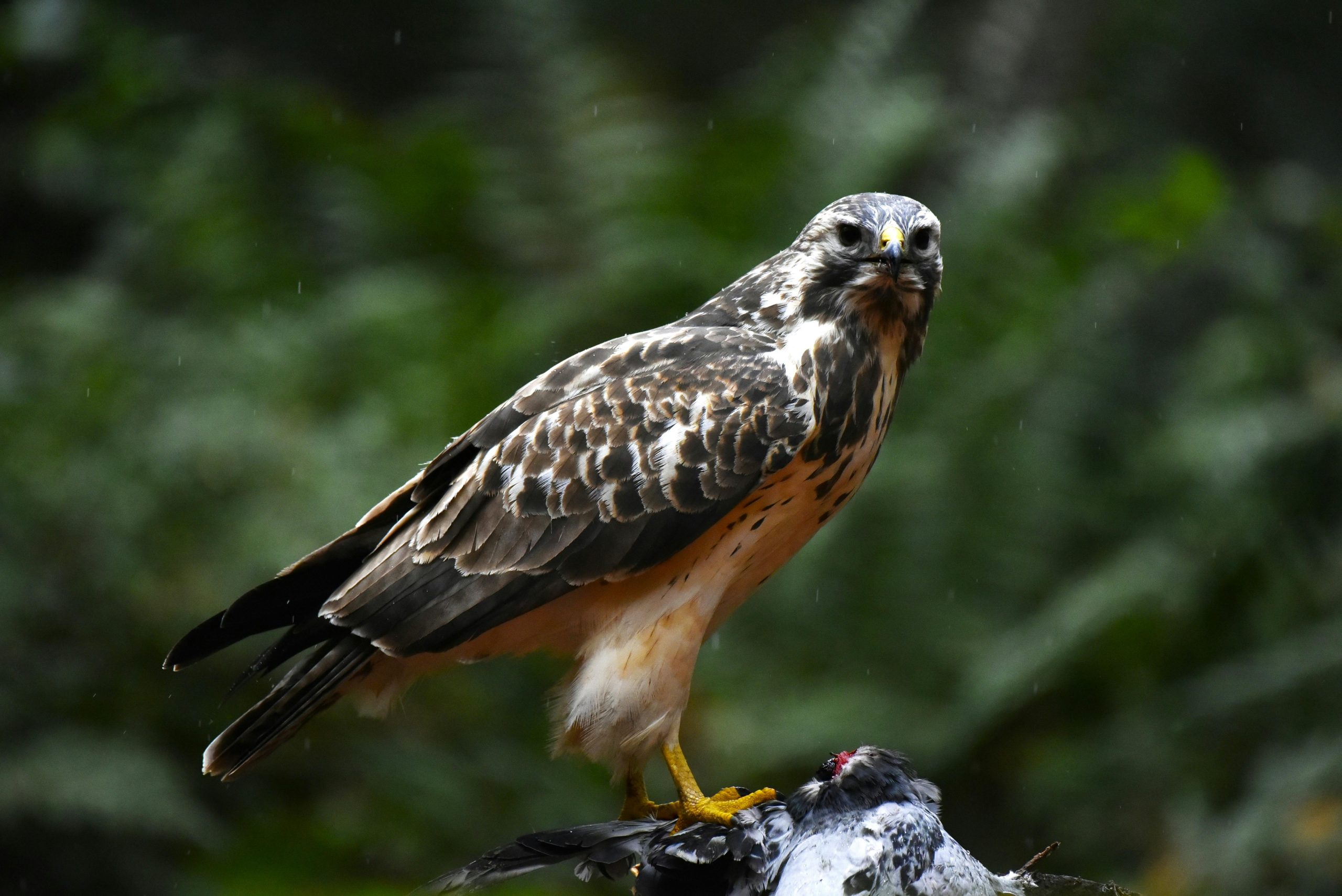
Hawks hunt rattlesnakes from the air, using keen eyesight to detect movement in grass or sand. A sudden dive allows the hawk to strike with powerful talons, often killing the snake instantly or lifting it off the ground. By attacking from above, hawks avoid the snake’s strike range entirely. Thick leg scales provide additional protection if contact occurs. Many hawks have learned to target the head first, neutralizing venom delivery. From the rattlesnake’s perspective, the attack often comes too fast to respond.
6. Eagle
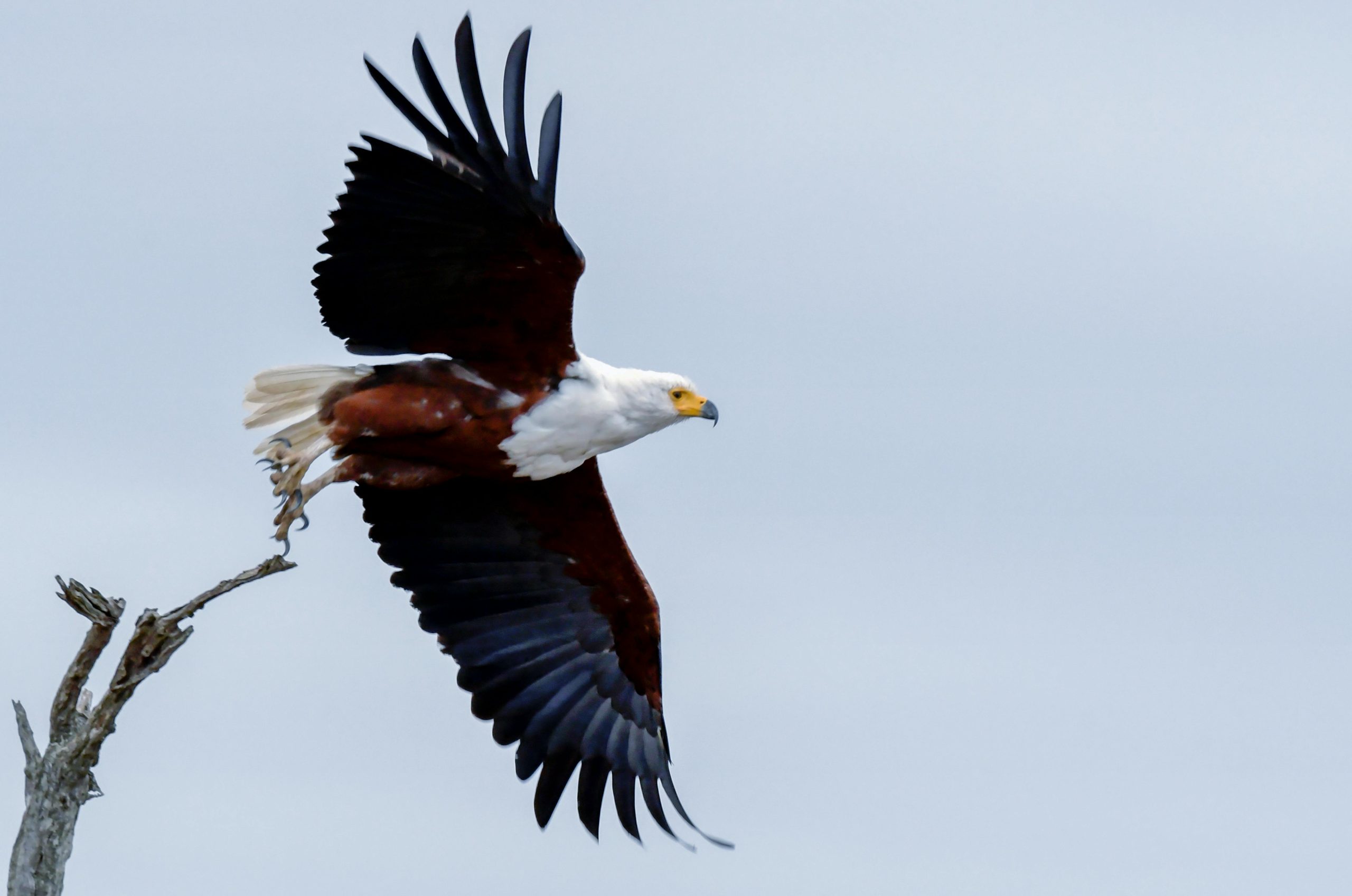
Eagles are among the few predators capable of killing large adult rattlesnakes with ease. Massive talons crush the snake’s spine or skull in seconds. Eagles hunt from great heights, relying on surprise rather than prolonged combat. Even highly venomous rattlesnakes pose little threat once lifted into the air. Powerful wings keep distance, while hooked beaks deliver final blows. For rattlesnakes, eagles represent unavoidable death from above, where venom and warning rattles offer no advantage.
7. Wild Boar
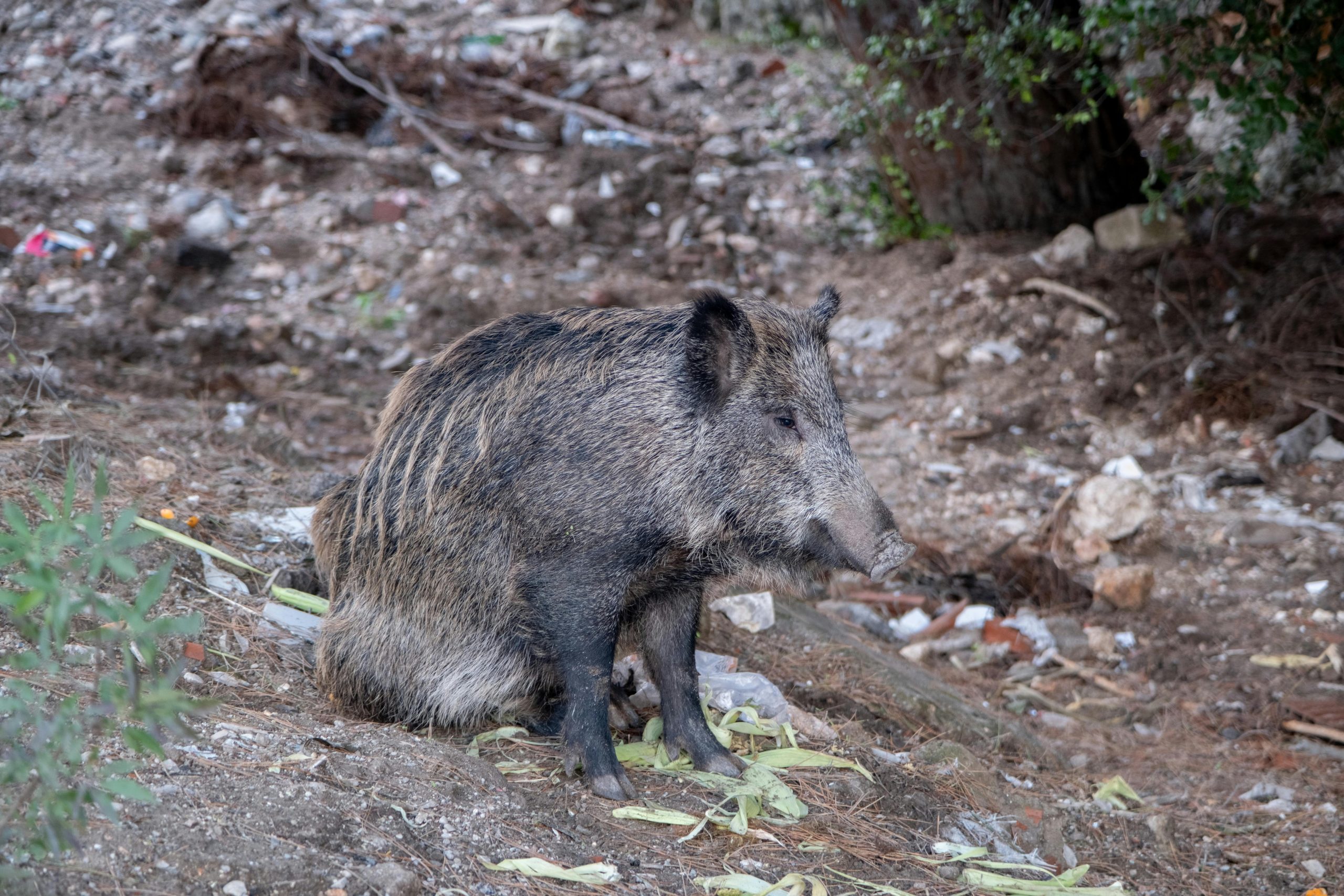
Wild boars are not specialized snake hunters, but they kill rattlesnakes opportunistically. Thick skin, dense fat layers, and tough bristles protect vital areas from fangs. When threatened, boars stomp, bite, and crush snakes with overwhelming force. Their aggressive nature leaves little room for the rattlesnake to escape or strike effectively. Even venomous bites often fail to penetrate deeply enough to be fatal. The rattlesnake’s defensive display rarely intimidates an animal that charges threats head-on.
8. Opossum
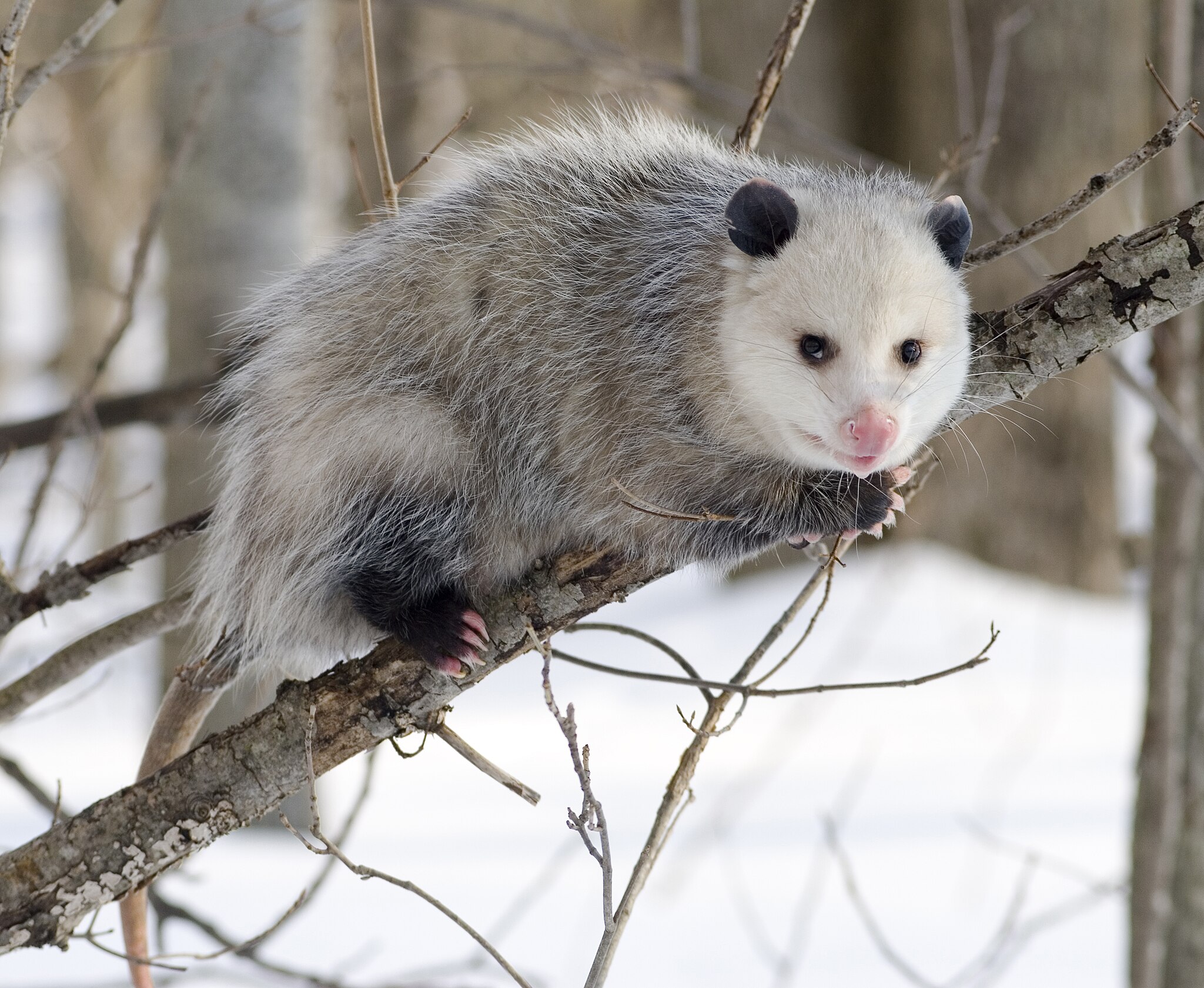
Opossums possess remarkable resistance to snake venom due to unique blood proteins that neutralize toxins. This biological advantage allows them to survive bites that would kill other mammals. Slow and methodical, opossums attack rattlesnakes by biting and chewing, often targeting the head. Their calm demeanor prevents panic during encounters. Venom that should end the fight quickly becomes ineffective, leaving the rattlesnake vulnerable. Evolution has quietly turned the opossum into one of nature’s most underestimated snake predators.
9. Fox
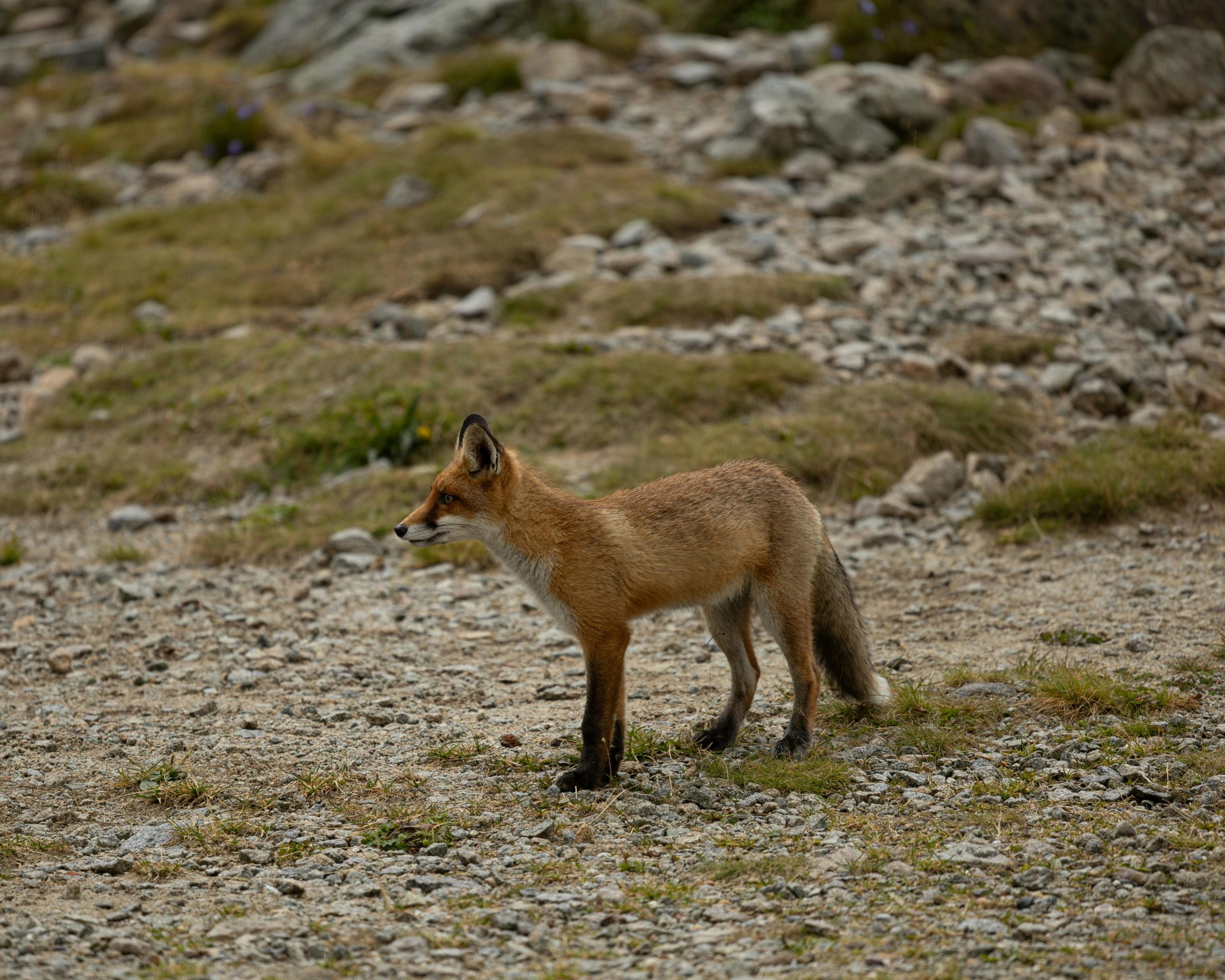
Foxes hunt rattlesnakes using patience and clever positioning rather than brute force. They circle cautiously, forcing the snake to waste energy striking defensively. When the rattlesnake tires, the fox lunges and delivers a precise bite behind the head. Thick fur provides some protection, but timing is the fox’s greatest advantage. Venom is dangerous, yet the fox’s calculated approach minimizes exposure. In open terrain, foxes frequently outmaneuver rattlesnakes through intelligence rather than fearlessness alone.
10. Coyote
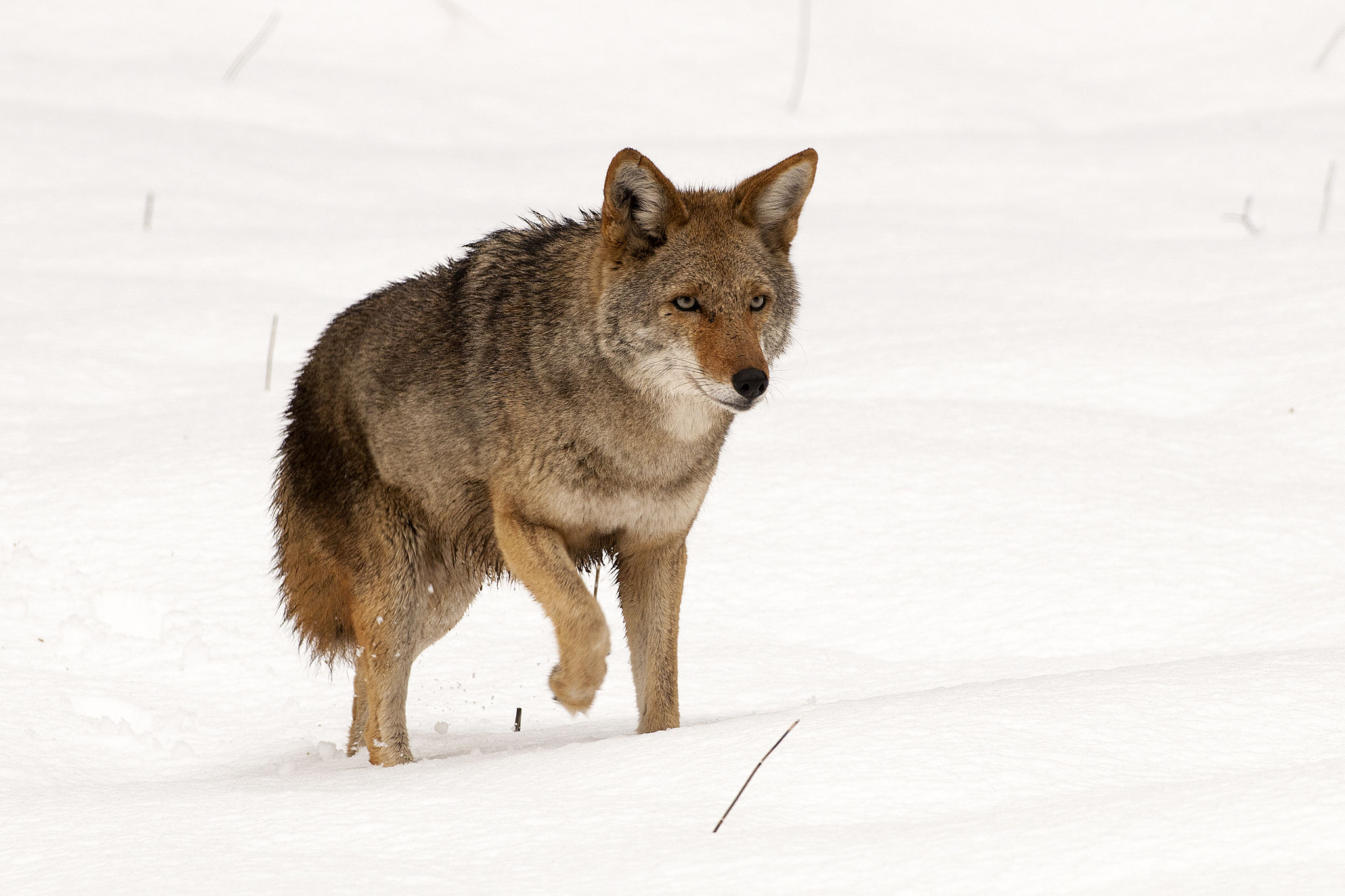
Coyotes are adaptable predators capable of killing rattlesnakes when conditions allow. Using speed and teamwork when necessary, they distract and attack from multiple angles. Coyotes often stomp or bite the snake repeatedly until movement stops. While not immune to venom, their cautious strategy reduces bite risk. Young coyotes learn snake-handling behavior through observation. For rattlesnakes, coyotes represent a persistent threat, especially in areas where prey competition drives opportunistic hunting.
11. Badger
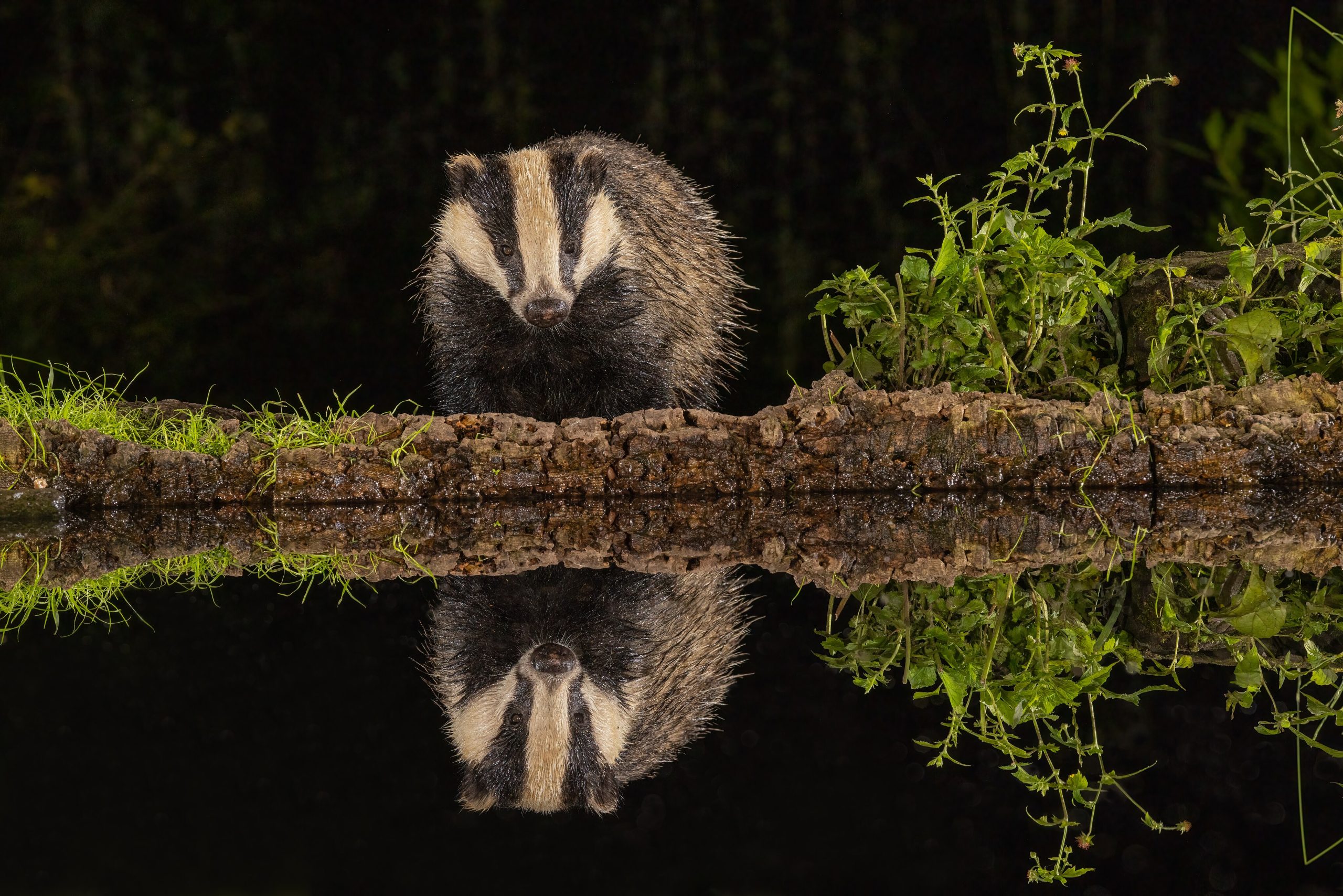
American badgers are powerful diggers and aggressive hunters that encounter rattlesnakes while foraging. Thick skin and strong neck muscles protect against close combat. Badgers attack decisively, aiming crushing bites at the head and spine. Their low center of gravity keeps them stable during strikes. Even if bitten, they often continue fighting. Rattlesnakes rely on ambush, but badgers force confrontation, where strength and persistence outweigh venom.
12. Great Horned Owl
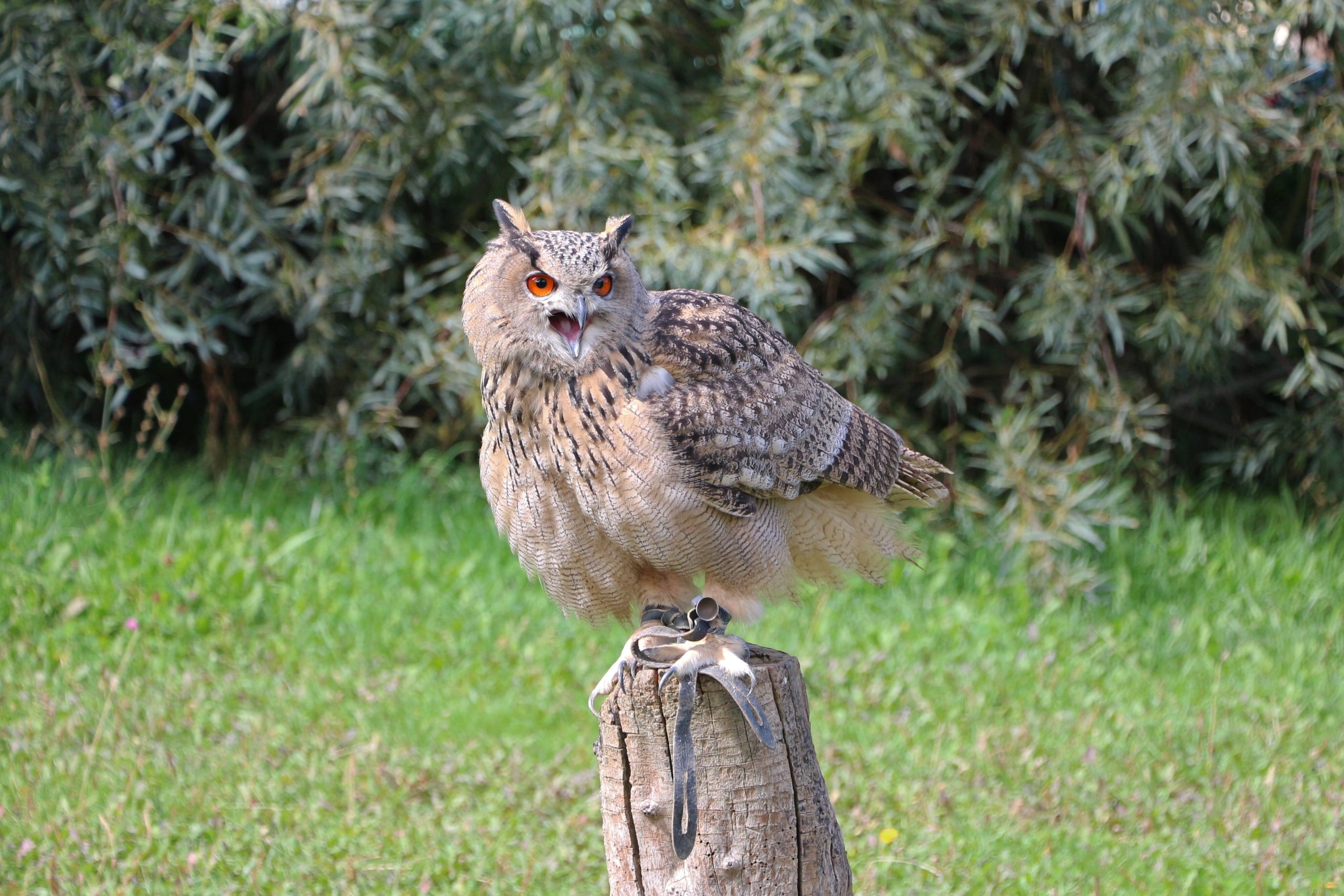
The great horned owl hunts rattlesnakes under the cover of darkness, using silent flight to avoid detection. Powerful talons pierce the snake’s skull or spine before it can react. Facial feathers protect the owl’s eyes from defensive strikes. Night hunting removes the rattlesnake’s visual warning advantage entirely. Once grasped, escape is nearly impossible. For rattlesnakes, this owl proves that venom means little when the predator strikes unseen and with absolute precision.