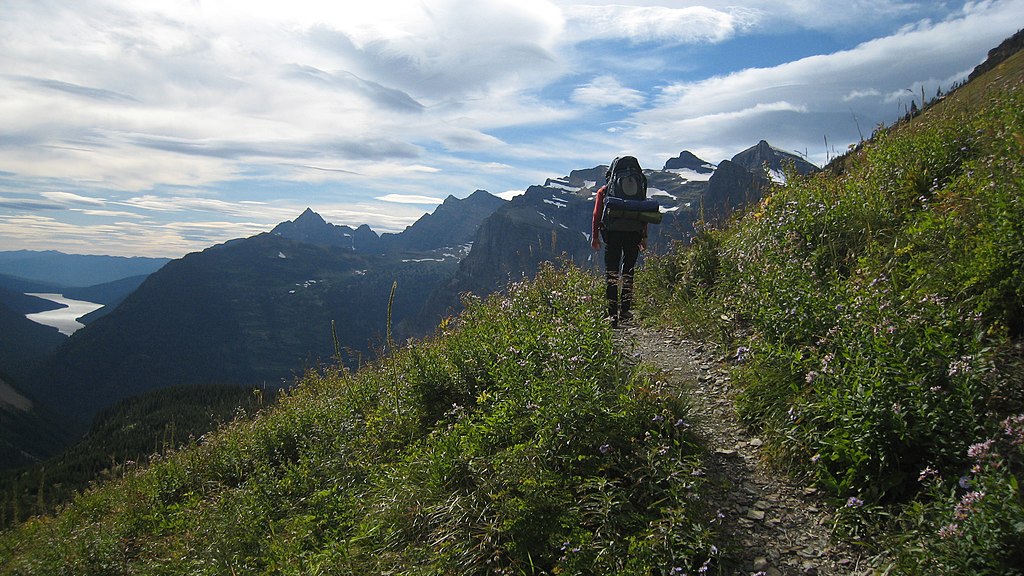
If you spend time on the trail, you know that even the best hikes can come with a few unexpected scrapes. From blisters to sprains, minor injuries can happen when you least expect them. Being prepared means you can handle these setbacks without cutting your adventure short. With a few essentials in your pack and a bit of know-how, you can treat common trail mishaps quickly and safely while keeping your hike enjoyable.
Blisters
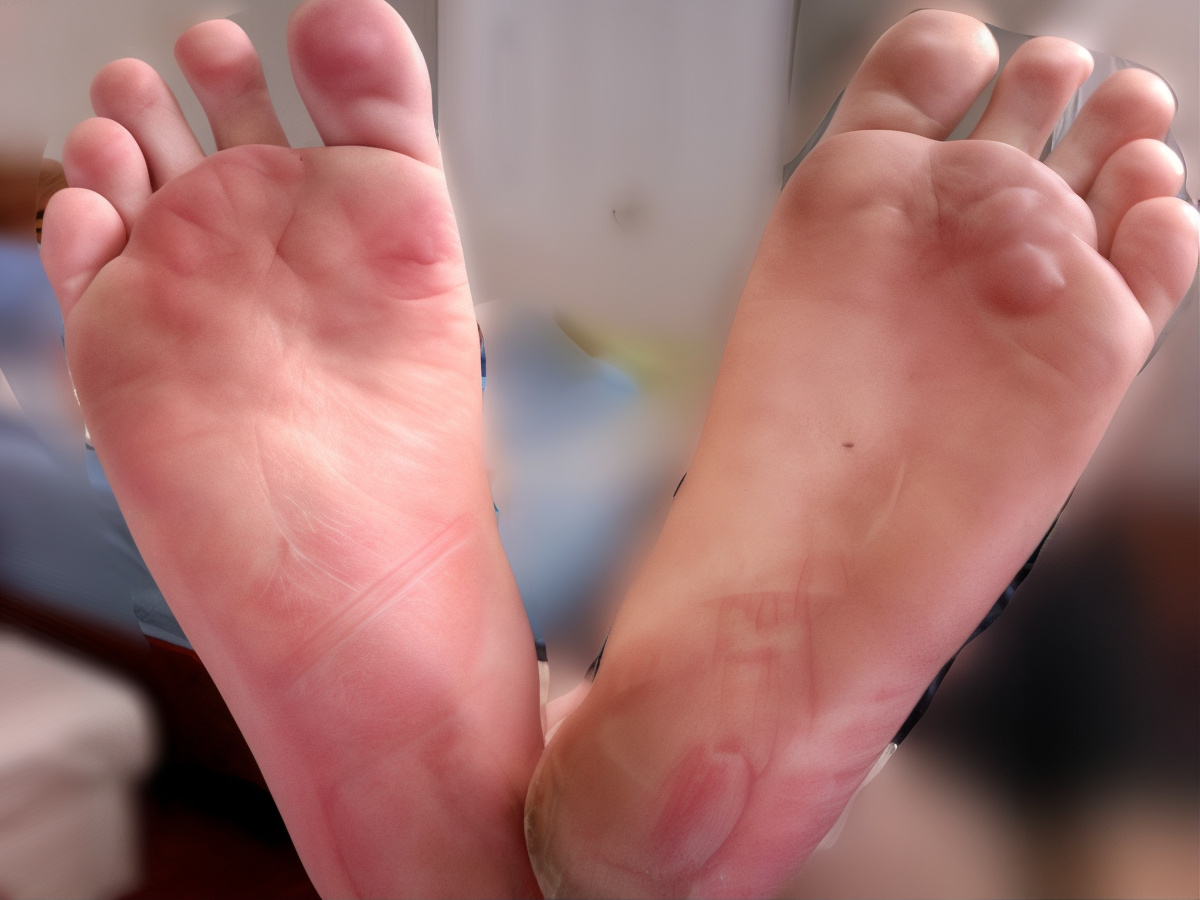
Blisters are among the most common hiking annoyances, caused by friction and moisture inside your boots. If you feel one forming, stop immediately and cover it with moleskin or a bandage from your first-aid kit. Adding a bit of tape or gauze helps reduce pressure and prevents it from worsening. Keeping your feet dry and adjusting socks early can save you from painful steps later.
Sprained Ankles
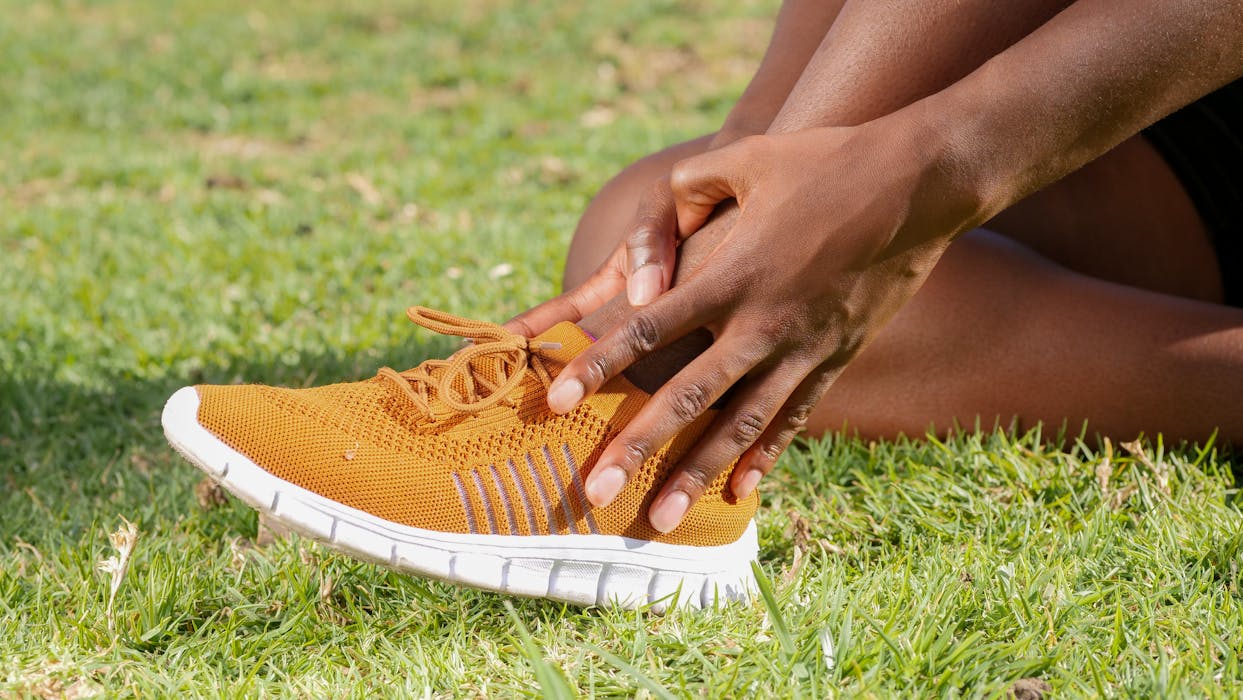
A sudden misstep can easily twist your ankle on uneven ground. Use an elastic bandage or extra clothing to wrap and stabilize the joint, reducing swelling and pain. Elevating your foot during breaks and applying cool water can help ease discomfort. Taking it slow afterward prevents the sprain from turning into something more serious.
Cuts and Scrapes
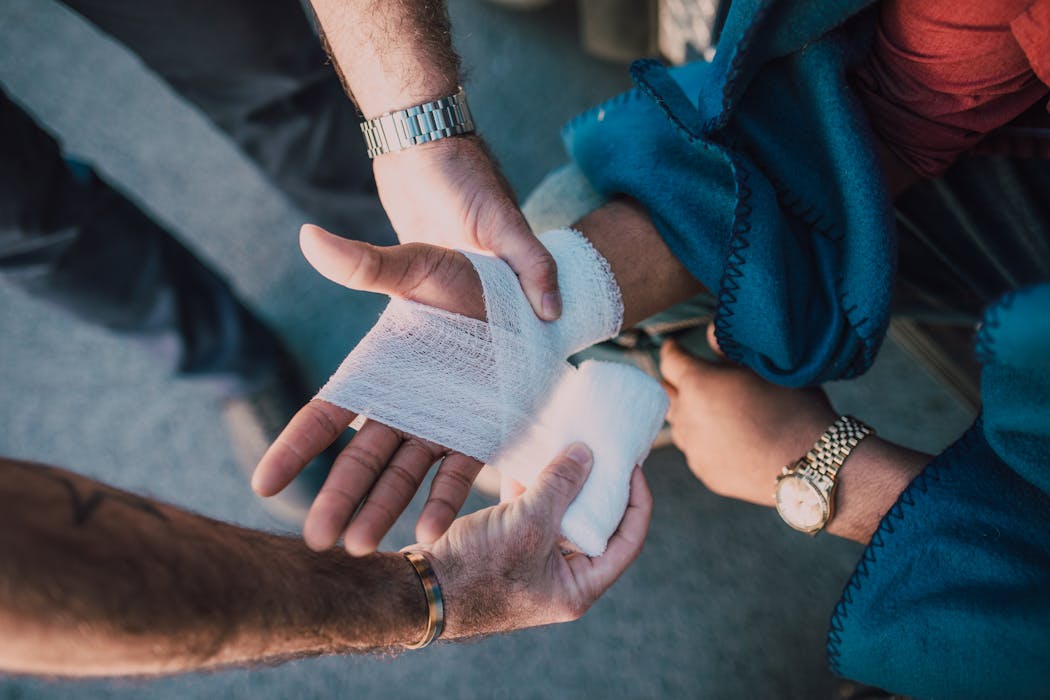
Small cuts and abrasions are almost inevitable on wooded trails. Clean them right away with antiseptic wipes or bottled water to remove dirt and bacteria. Cover the wound with a clean bandage or gauze to protect it from further irritation. Keeping your first-aid kit stocked ensures you can handle these quickly before they become infected.
Sunburn

Even shaded trails can expose you to UV rays that cause painful burns. Applying sunscreen before and during your hike helps prevent damage, but if you forget, aloe gel or lotion from your pack can provide relief. Wearing a hat and lightweight layers also helps shield your skin. Staying covered and hydrated keeps the sting away for the rest of the trek.
Insect Bites

Bug bites can turn an otherwise peaceful hike into an itchy ordeal. Applying insect repellent before starting helps, but if bitten, a dab of antiseptic cream or an antihistamine wipe can ease swelling and irritation. Avoid scratching to prevent infection. Keeping these simple remedies in your backpack can save you a lot of discomfort later.
Dehydration

Long hikes in warm weather can deplete your energy fast. Drinking water regularly and carrying electrolyte packets helps maintain hydration levels. If you start feeling dizzy or weak, stop and rest while sipping fluids slowly. Staying ahead of thirst keeps your body balanced and ready to take on the next stretch of trail.
Muscle Cramps
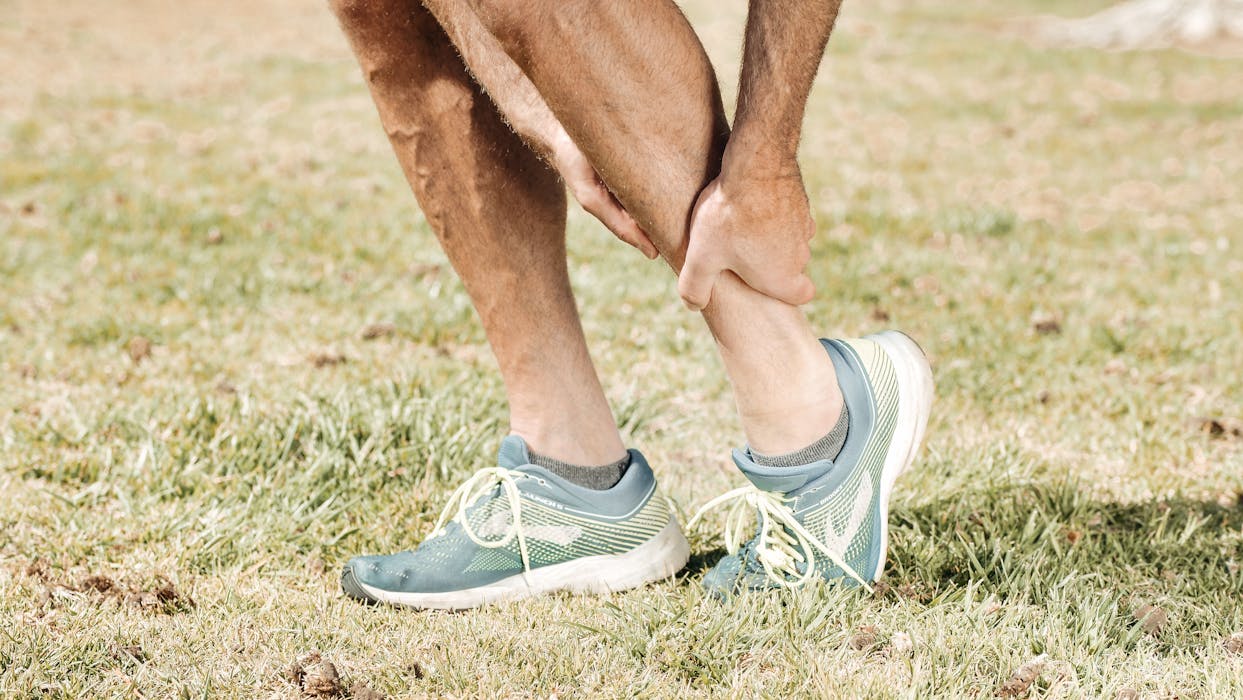
Muscle cramps often strike when your body runs low on fluids or salts. Stretching gently and drinking water with electrolytes usually provides quick relief. You can also massage the area using a smooth rock or water bottle to release tension. Taking short breaks along the way helps prevent cramps from returning.
Knee Pain
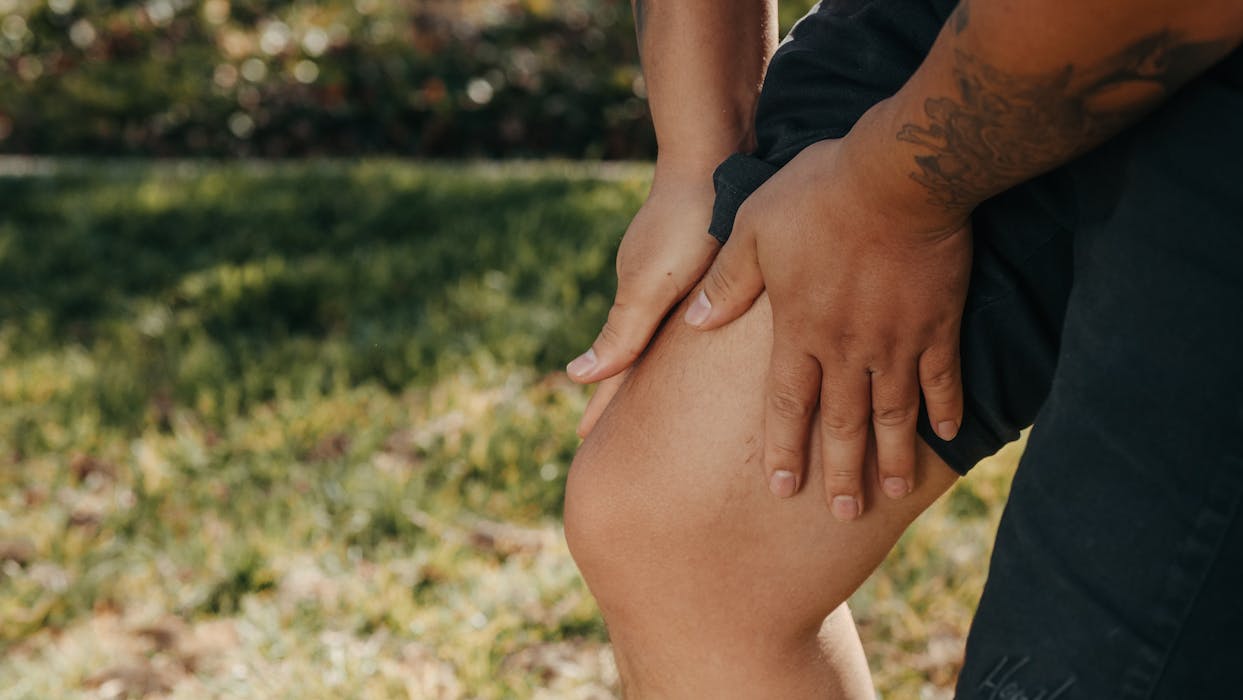
Steep climbs and descents can put pressure on your knees, especially with a heavy pack. Using trekking poles helps distribute weight, and wrapping your knee with a compression bandage adds support. Resting periodically keeps inflammation under control. Listening to your body early prevents a sore knee from turning into a long-term injury.
Poison Ivy Rash
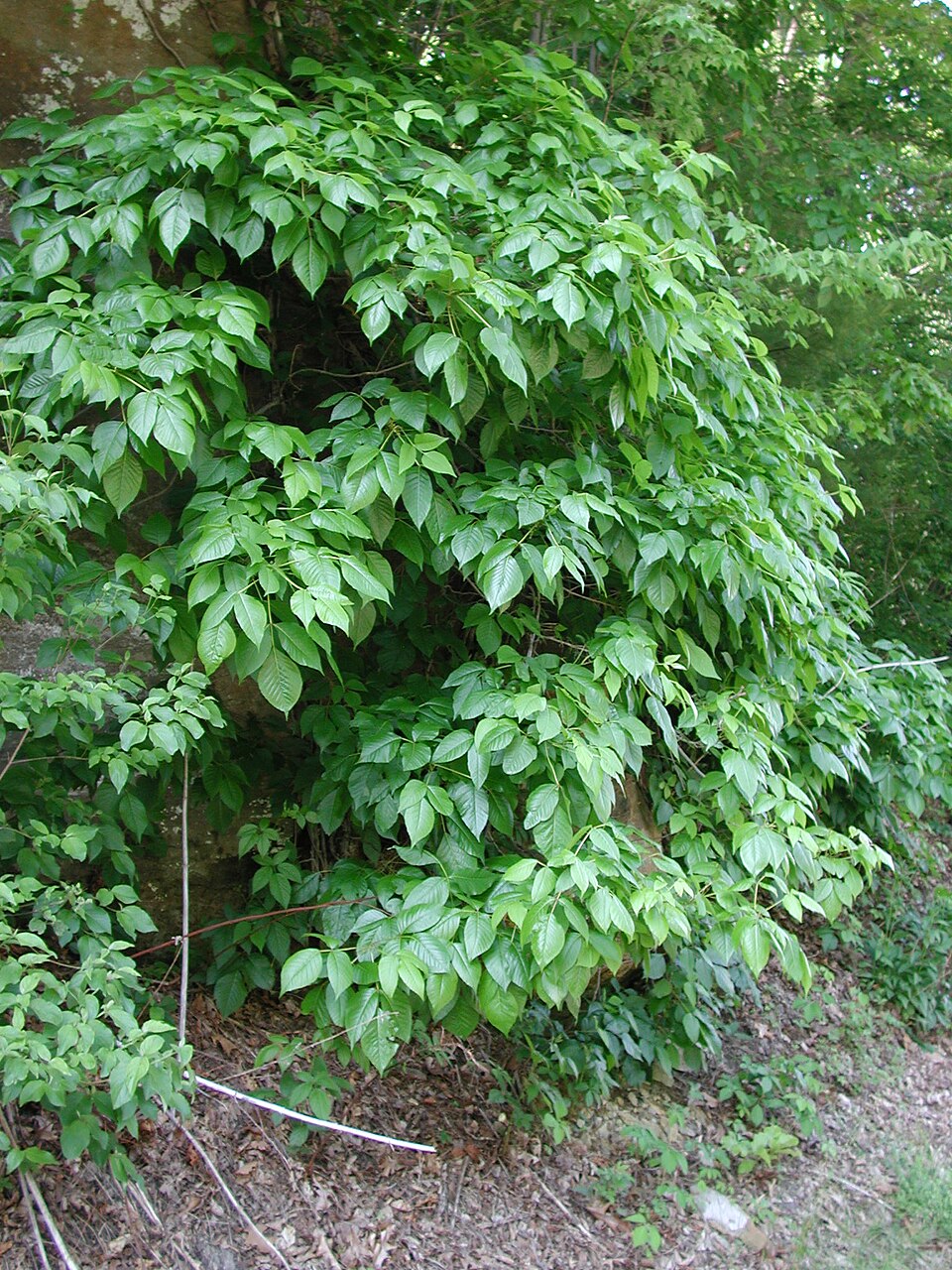
Brushing against poison ivy or oak can leave you with a red, itchy rash. Washing the area quickly with clean water and mild soap helps remove the oil that causes irritation. Applying hydrocortisone cream or using cool compresses can ease the itch. Learning to recognize these plants before your hike helps you avoid them altogether.
Chafing
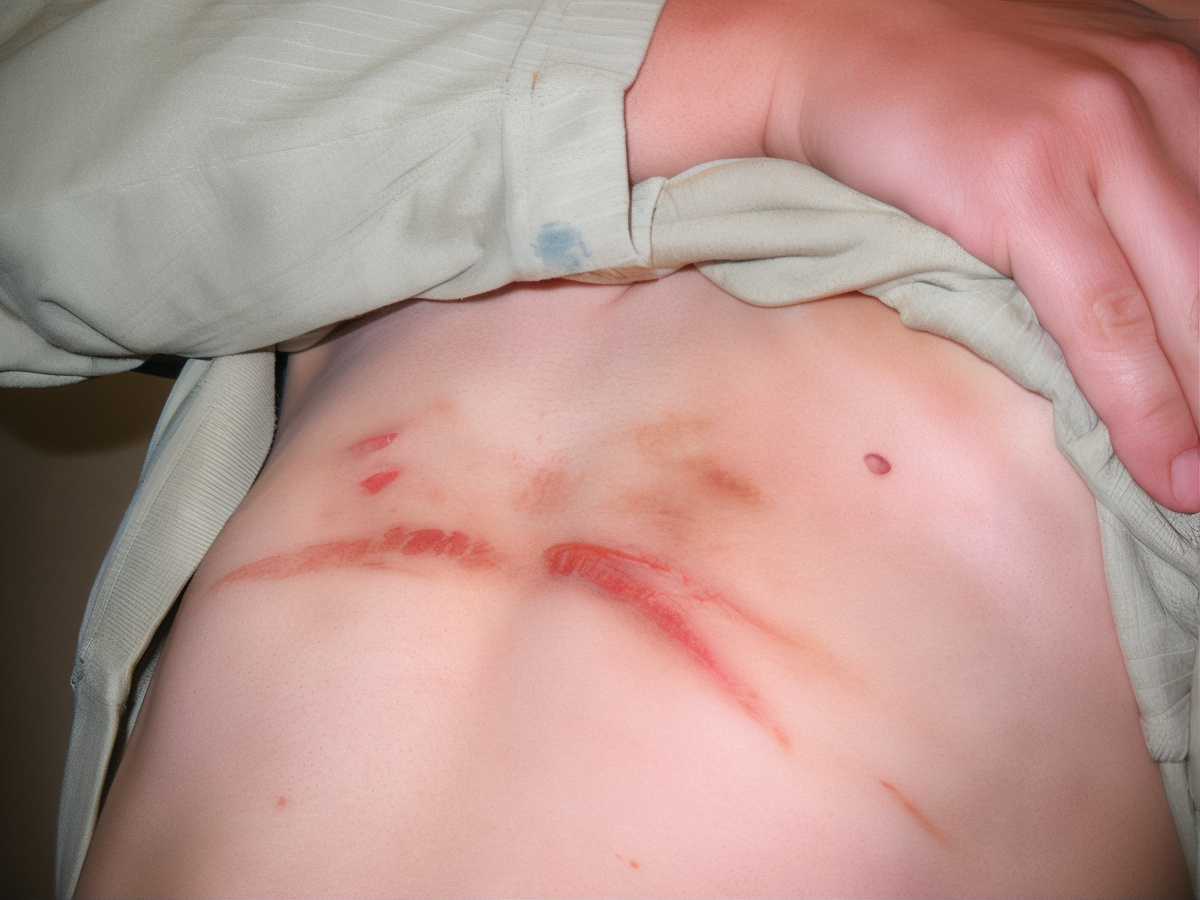
Chafing happens when skin rubs against clothing or gear during long hikes. Applying petroleum jelly or an anti-friction balm from your pack creates a barrier that prevents irritation. Wearing moisture-wicking clothes also helps reduce rubbing. Staying dry and adjusting straps early keeps the problem from getting worse.
Bee Stings
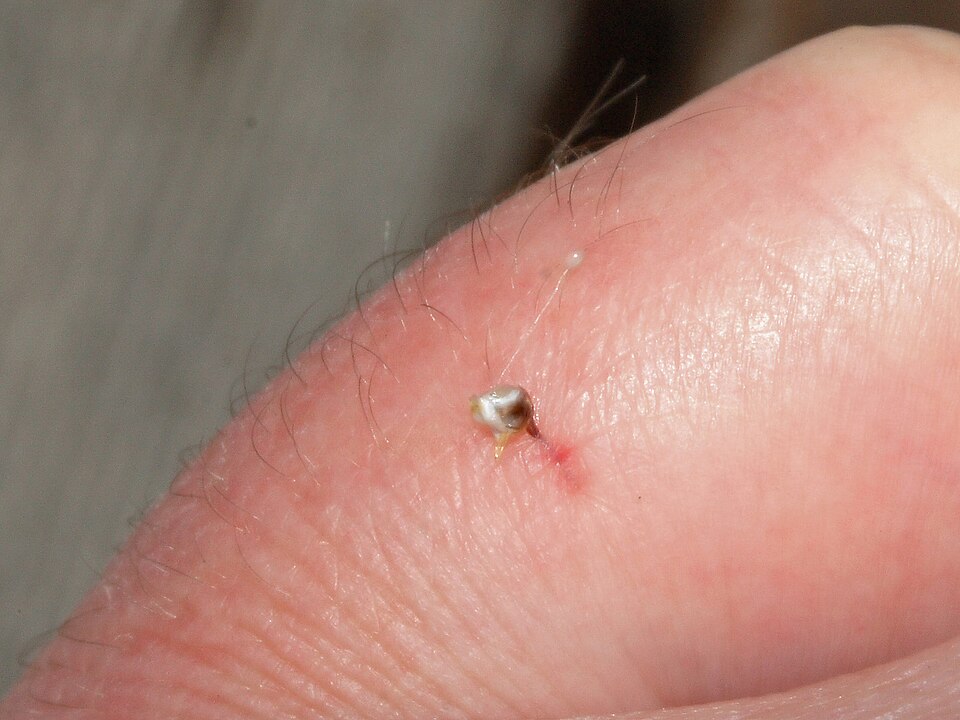
Bee stings are painful but usually manageable with basic supplies. Remove the stinger carefully, then clean the area and apply a cold compress or pain-relief ointment. If swelling starts to spread, take an antihistamine and monitor your reaction closely. Knowing how to respond quickly helps you keep calm and continue your hike safely.
Heat Exhaustion

Hot days can sneak up on you, especially during uphill climbs. If you start feeling lightheaded or nauseous, find shade immediately and sip water slowly. Loosening tight clothing and cooling your body with a damp bandana can make a big difference. Taking frequent breaks and pacing yourself helps prevent overheating on strenuous trails.