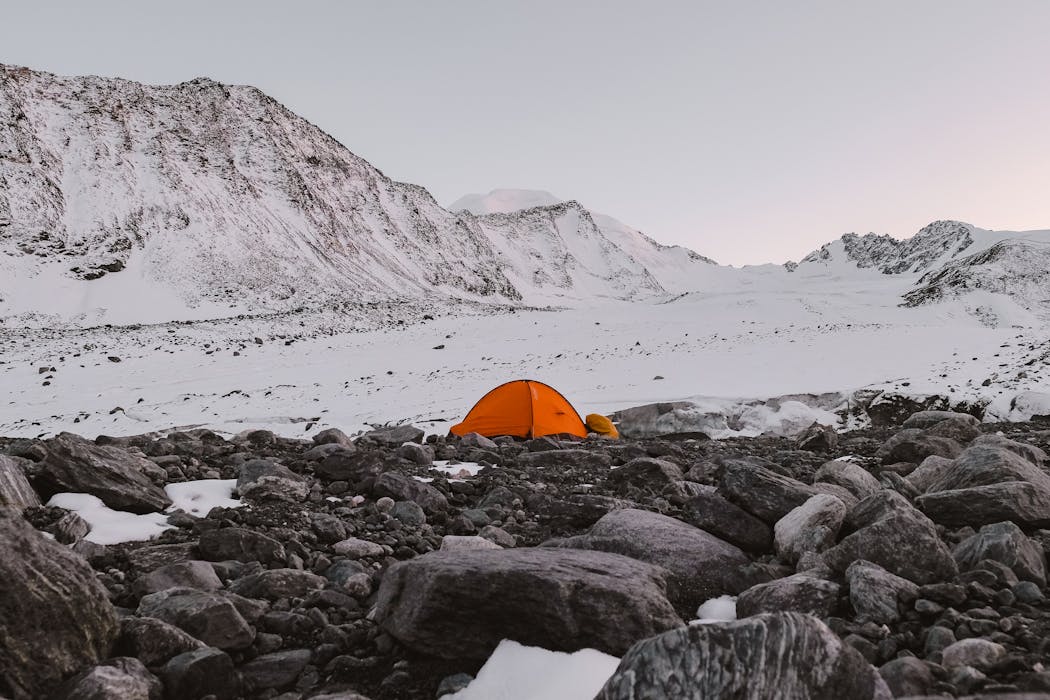
Cold nights in northern regions bring crisp air, long shadows, and the kind of quiet that makes winter landscapes feel especially peaceful. Staying comfortable outside requires a blend of preparation and simple strategies that help manage dropping temperatures. Warmth depends on managing insulation, dryness, and airflow while adapting to the natural conditions of the environment. With thoughtful choices and steady habits, cold-weather camping becomes a welcoming way to appreciate the calm beauty that settles over northern terrain.
Insulate the Ground Layer
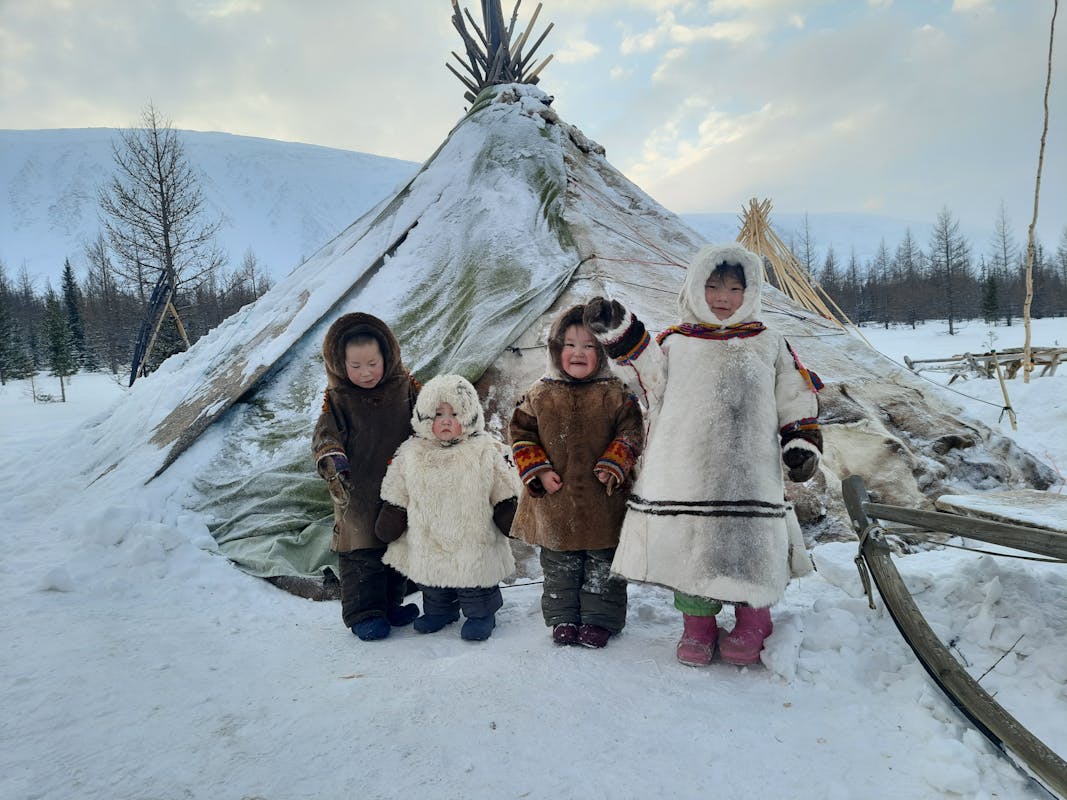
A well-insulated ground layer prevents heat loss into cold soil and plays a major role in staying warm through long winter nights. Foam pads, reflective sheets, or piles of dry natural materials create separation from the frozen ground. This thicker foundation reduces pressure points, limits moisture transfer, and boosts overall comfort. A stable base allows the rest of the sleep system to perform more effectively by keeping heat where it belongs.
Choose a Sheltered Campsite
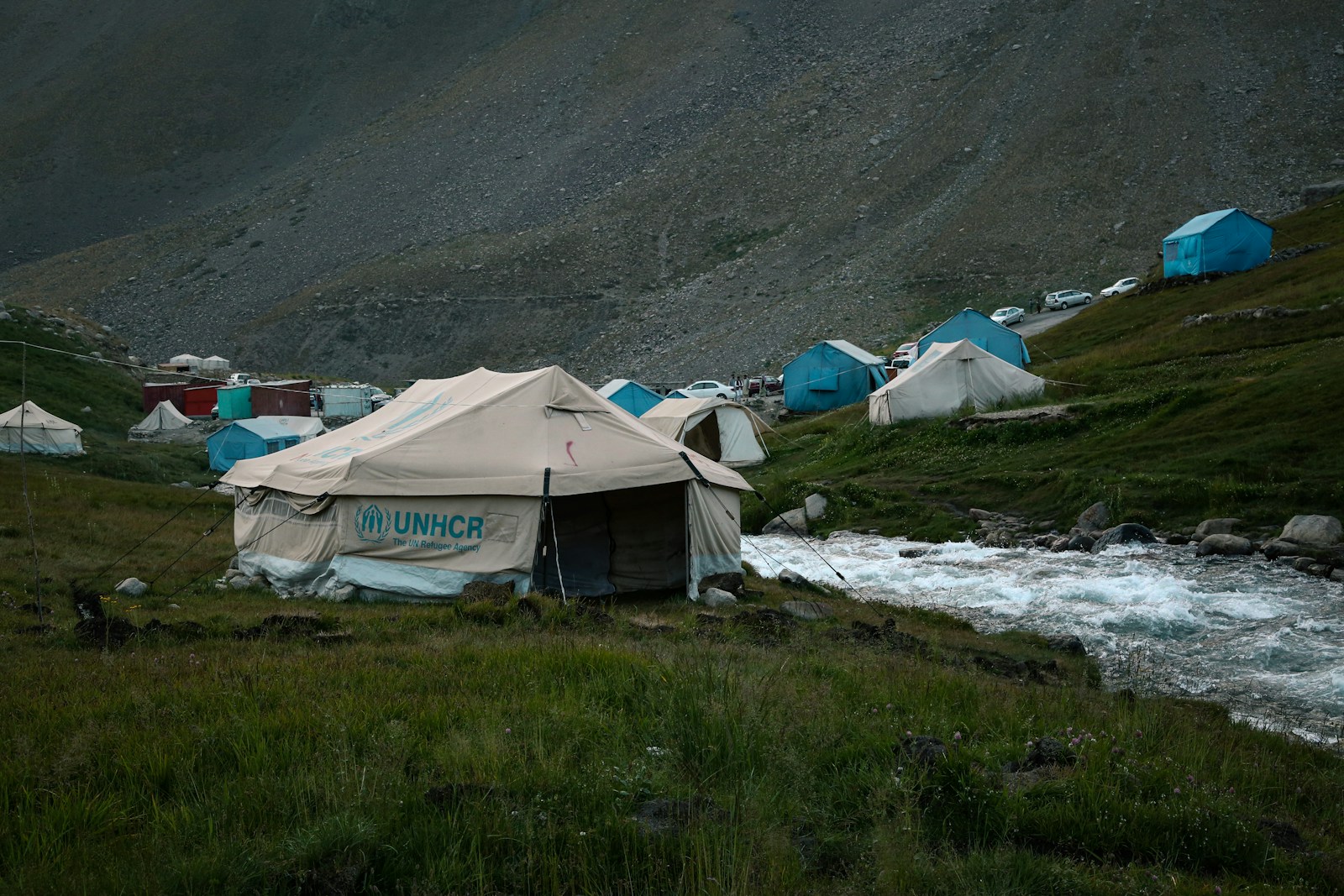
A sheltered campsite offers protection from strong winter winds that quickly sap warmth from any setup. Natural formations such as rock outcrops, clusters of evergreens, or gentle hillsides act as barriers that slow gusts and create calmer spaces. A slightly elevated spot keeps cold air from settling directly under the shelter. These small choices lead to a noticeably more stable and comfortable night in harsh northern climates.
Pre-Warm Sleeping Gear
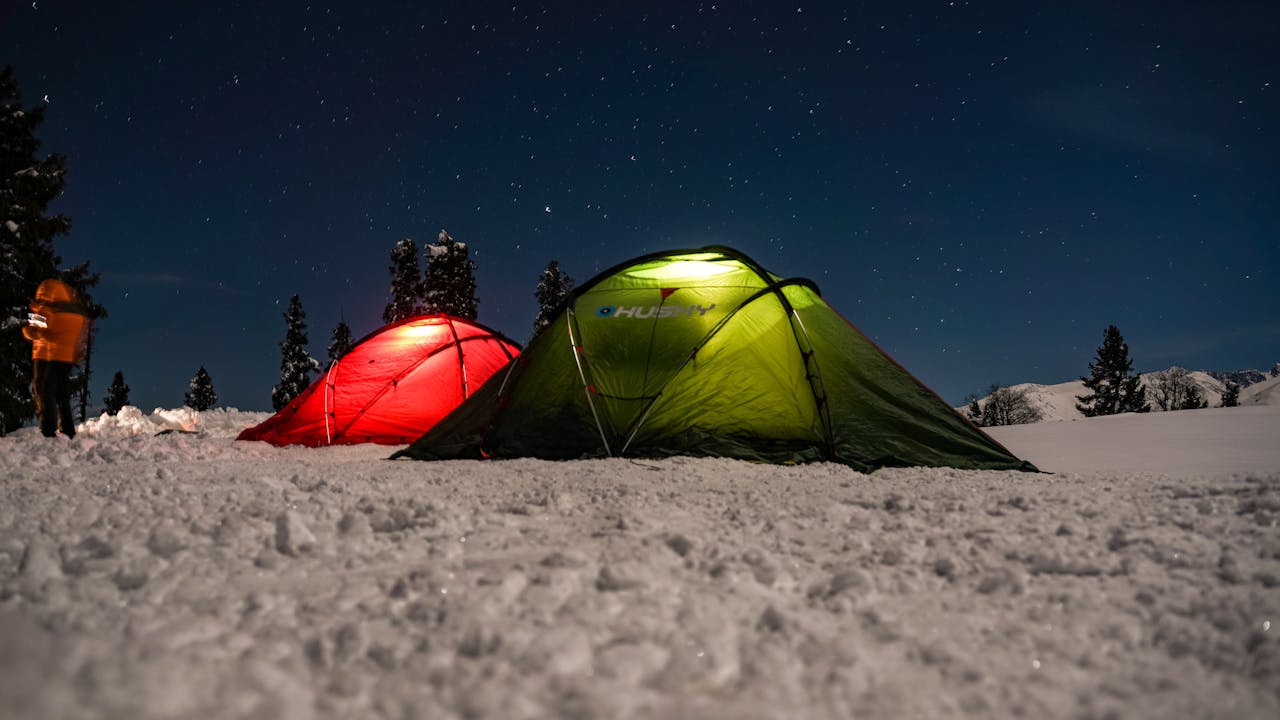
Pre-warming a sleeping bag with spare layers or a heated water bottle helps reduce the shock of cold fabric and creates a welcoming interior. Even a short burst of warmth makes settling in easier, especially on nights when temperatures drop sharply after dusk. This warmth gradually spreads through the sleeping bag and helps maintain a comfortable baseline. This simple habit results in improved rest and reduced heat loss early in the night.
Keep Clothes Dry and Layered
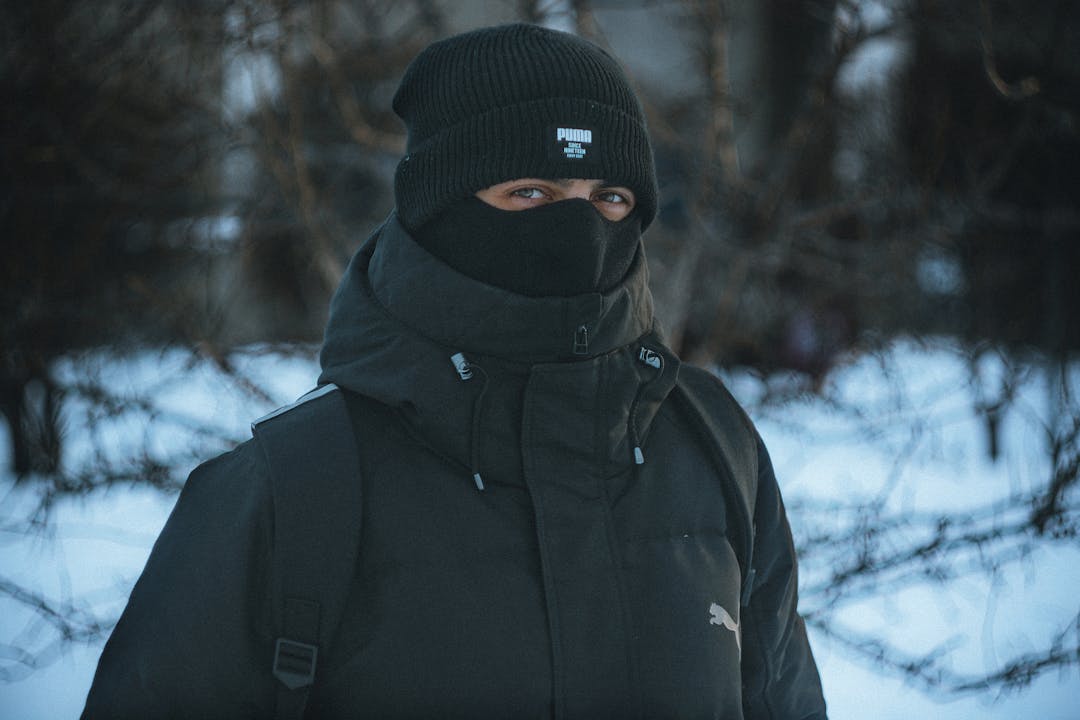
Dry, well-planned clothing layers offer stronger insulation than damp or bulky garments. Storing essential items like socks, gloves, and base layers inside waterproof bags ensures they remain ready for cold conditions. Moisture-wicking fabrics help regulate body heat while preventing sweat from reducing insulation. Strategic layering supports comfort, mobility, and steady warmth without relying on overly heavy materials.
Use a Reflective Blanket
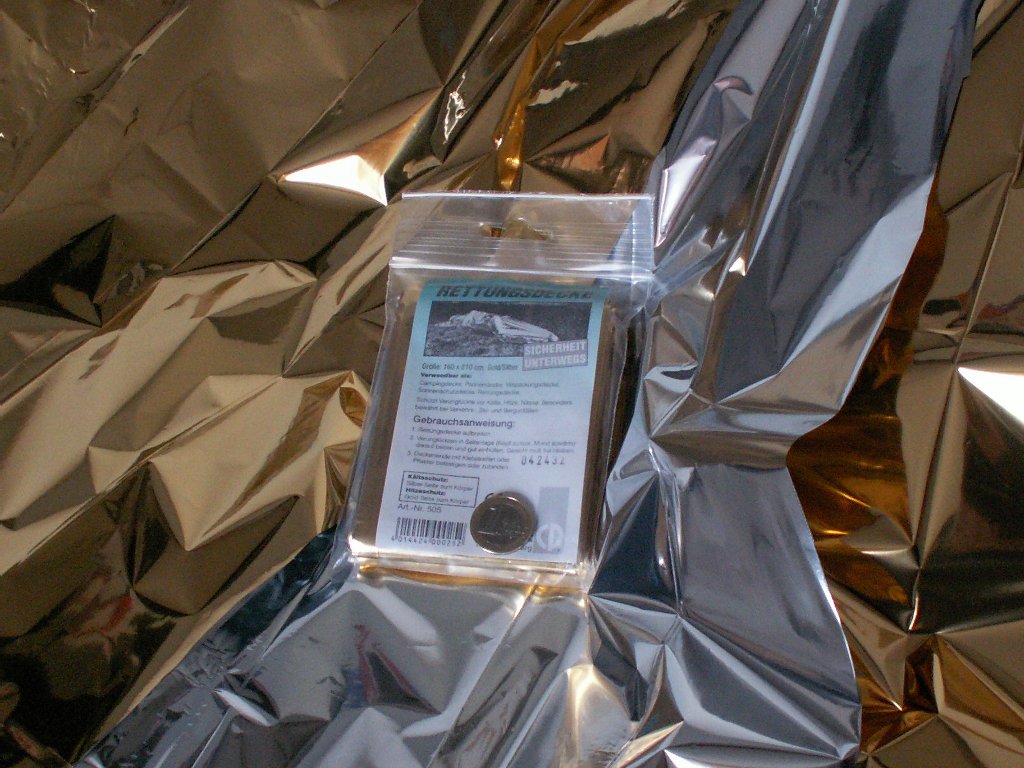
A reflective blanket placed beneath or above sleeping gear helps bounce radiant heat back toward the sleeper and increases the efficiency of existing insulation. The material performs especially well in enclosed shelters where warmth naturally accumulates. Its lightweight and compact size make it an easy addition to a cold-weather setup. With proper placement, a reflective layer produces a noticeable improvement in overnight comfort.
Block Drafts in the Shelter
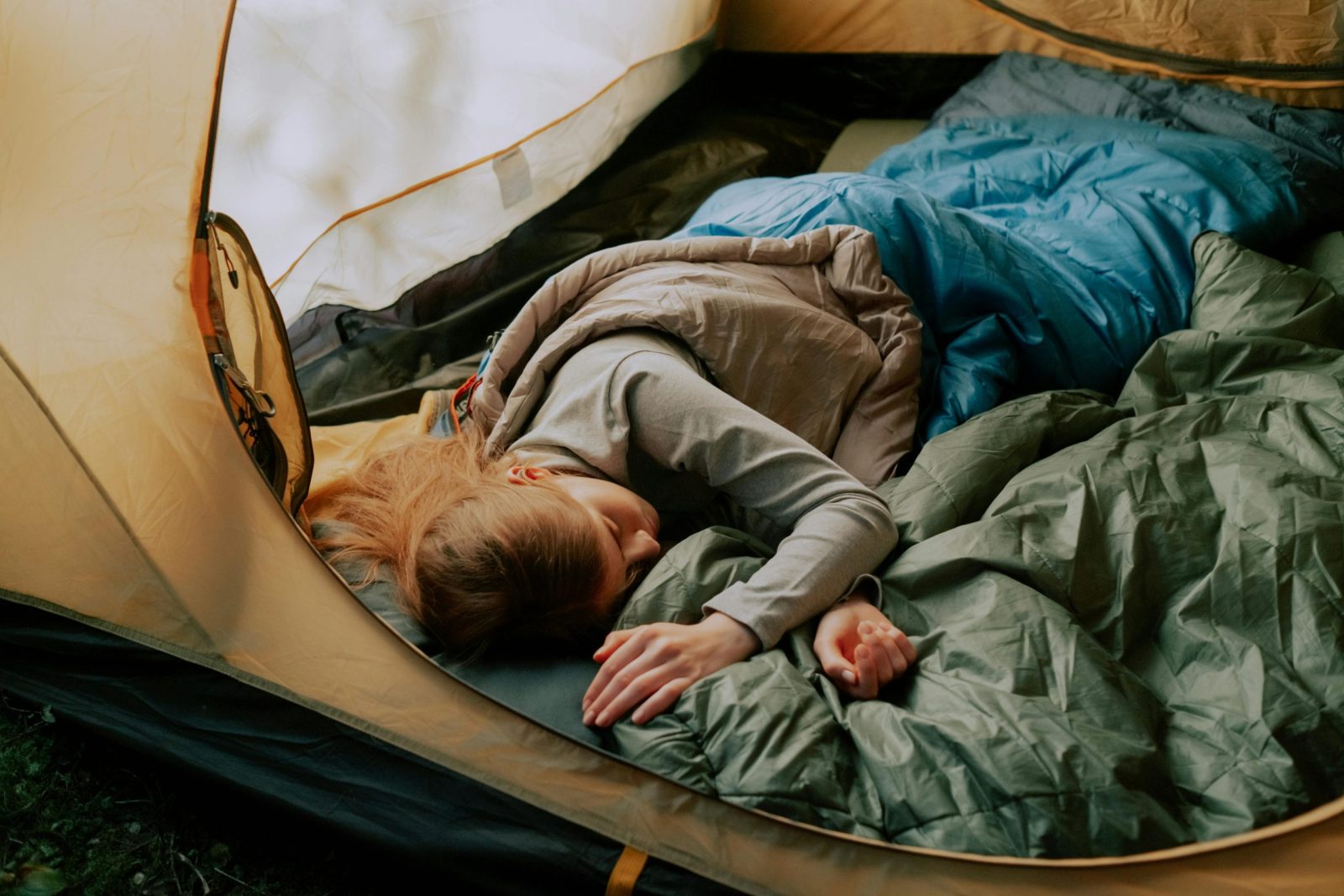
Small drafts inside a tent or natural shelter can disrupt warmth and reduce sleep quality. Filling gaps with spare clothing, dry leaves, or compact gear creates a more stable environment insulated from cold gusts. Eliminating these openings minimizes the loss of accumulated heat and keeps interior temperatures more consistent. Even small adjustments help transform a chilly shelter into a more comfortable resting space.
Heat Stones Near the Fire
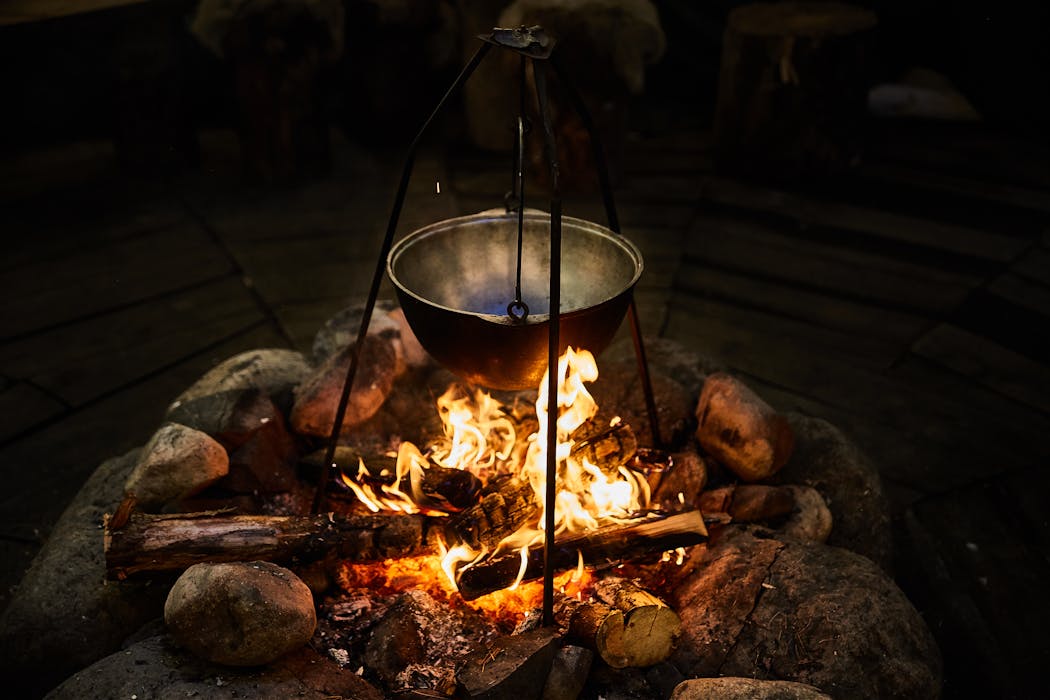
Smooth stones warmed beside a fire release steady heat long after flames fade. When handled with care and placed outside the sleeping area, they provide gentle background warmth through cold nights. Their slow heat release complements other warming methods without using fuel. This traditional technique adds consistent comfort and helps manage temperature fluctuations as outdoor air cools.
Keep Water Bottles Insulated
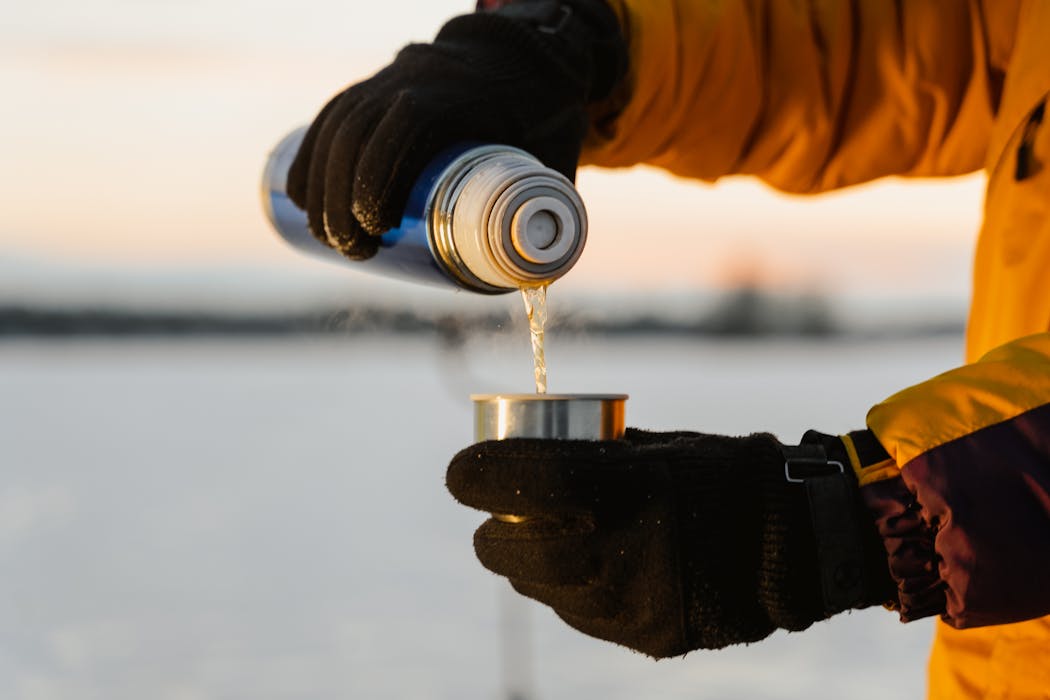
Insulating water bottles with fabric or storing them near sleeping gear prevents freezing, ensuring hydration stays accessible throughout the night. Cold conditions rapidly chill exposed liquids, making insulation an important part of winter preparation. Keeping drinking water in usable condition supports energy levels and reduces complications during early morning routines. This approach maintains reliability in demanding cold-weather environments.
Ventilate the Shelter Lightly
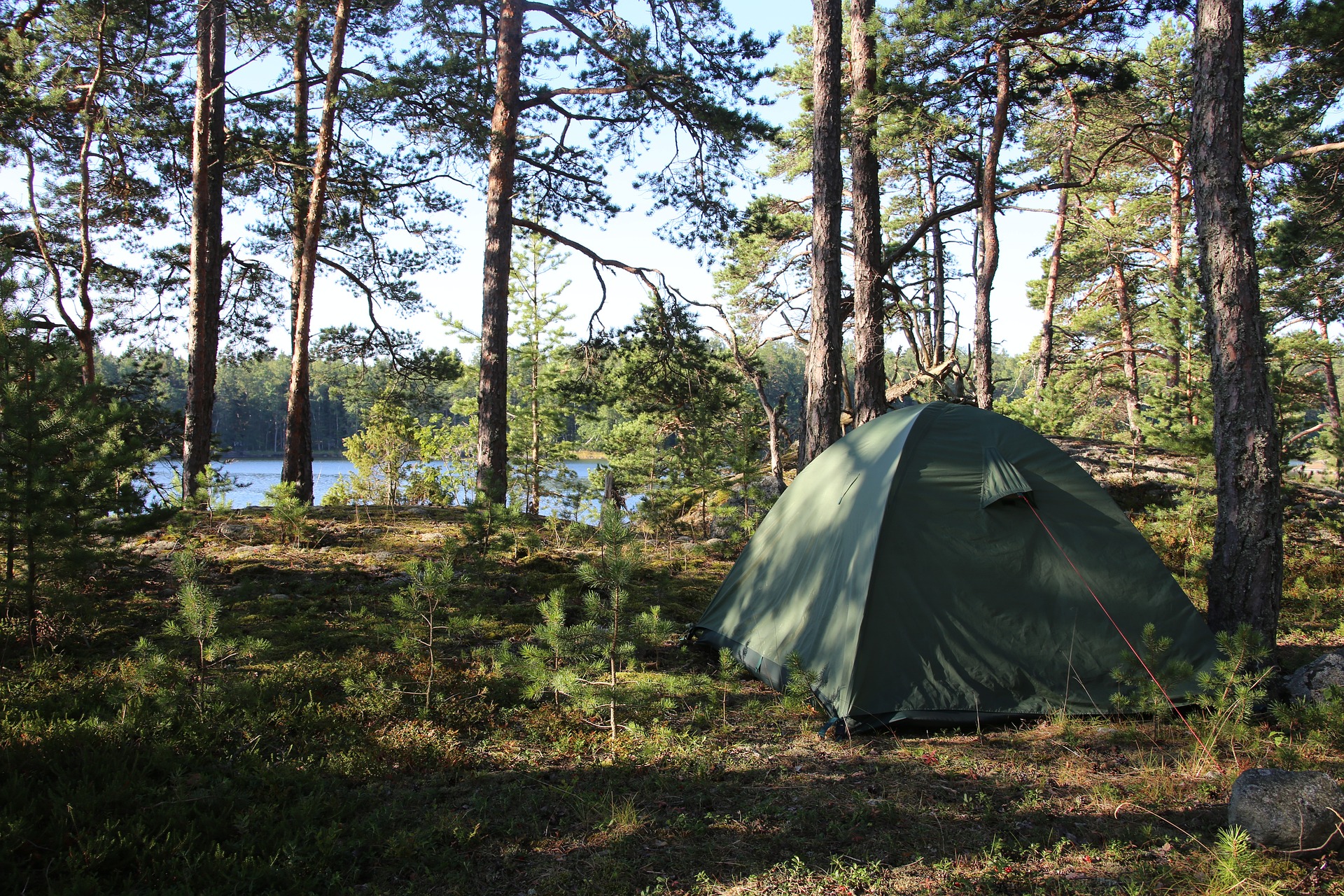
A lightly ventilated shelter prevents condensation from building up and dripping onto gear, which can quickly reduce insulation and comfort. Allowing a small amount of airflow maintains dryness while preserving the majority of trapped warmth. This balanced approach helps maintain a healthier sleeping environment. Over time, reduced moisture inside the shelter significantly enhances the overall warmth and durability of equipment.
Eat a Warm Snack Before Bed

A warm snack consumed before settling in raises core temperature slightly and provides steady energy as nighttime temperatures fall. Foods that digest slowly help maintain warmth through the early morning hours. This small source of heat and comfort supports more restful sleep. A simple warm treat becomes a practical part of managing cold, extended nights in northern regions.
Keep Boots Warm
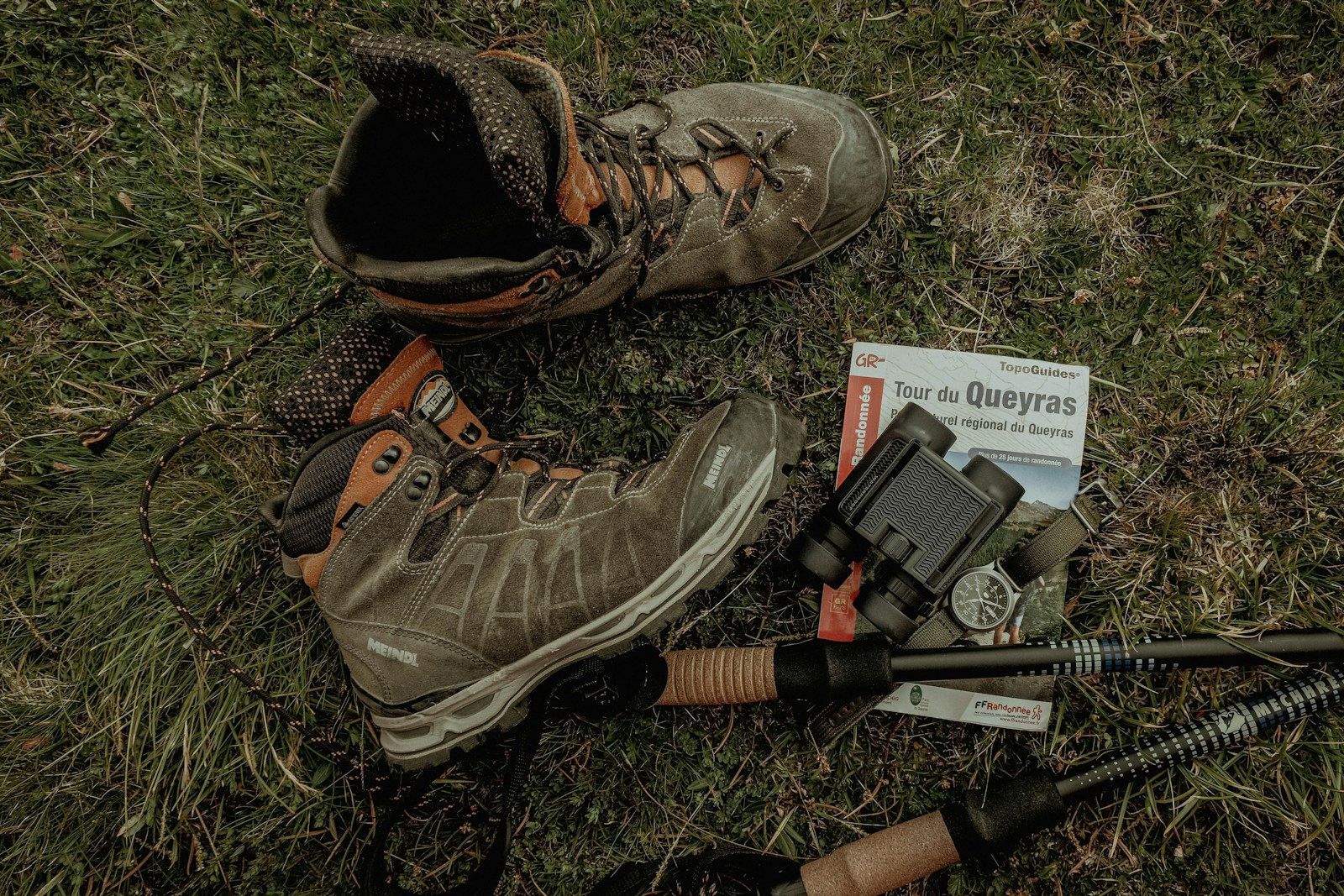
Boots left unprotected in freezing temperatures can stiffen, making morning movement uncomfortable and difficult. Storing them inside the shelter or placing them near insulating materials helps maintain softness and flexibility. Warmer footwear eases transitions from sleeping bags to outdoor conditions. This small practice protects essential gear and improves early-day comfort.
Store Electronics Close
Electronic devices lose battery life quickly in cold conditions, making warmth essential for maintaining function. Keeping devices near insulated sleeping gear helps protect batteries and sensitive components. Their steady performance adds convenience and safety during winter outings. Preserving battery power ensures lights, navigation tools, and communication equipment remain dependable in cold landscapes.