Winter camping often brings challenges that expose the true capabilities of your gear. Many items that feel ordinary in summer suddenly become essential when temperatures drop, and landscapes shift. Cold conditions demand tools that retain heat, resist freezing, and stay dependable despite snow, wind, and moisture. Understanding which pieces of gear perform better in winter helps campers make smarter packing choices, reduce risk, and enjoy the quieter, frost-covered side of the outdoors. These 12 items prove their worth most clearly when the cold settles in.
1. Insulated Sleeping Pads
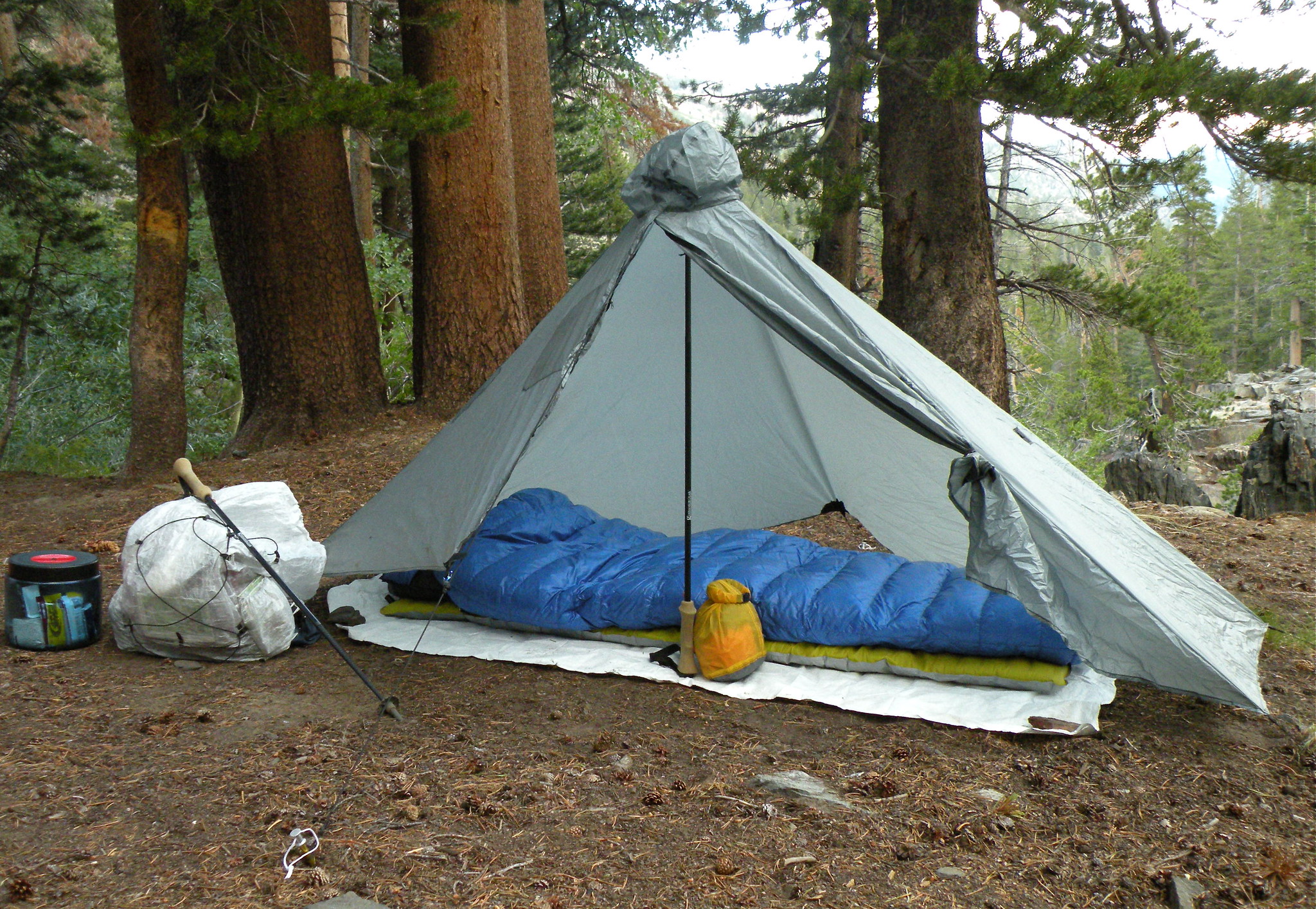
Insulated sleeping pads shine during winter because they block ground chill far more effectively than their summer-weight versions. The combination of foam and reflective layers traps warmth and prevents the cold from draining body heat through frozen soil or compacted snow. Even a high-quality sleeping bag feels insufficient without a proper pad beneath it. Winter pads provide stability on uneven, hardened surfaces and resist stiffening in low temperatures. Their durability and warmth retention make them one of the most valuable pieces of cold-season camping gear.
2. Double-Wall Tents
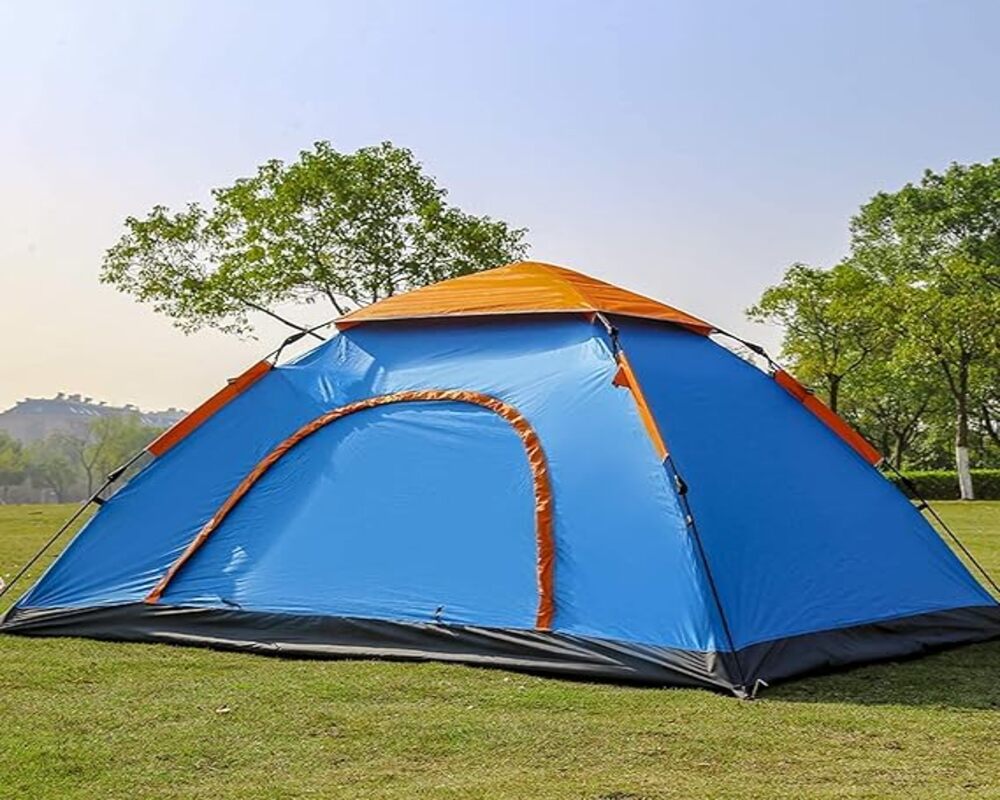
Double-wall tents perform better in winter because their separated layers reduce condensation buildup and block harsh winds more effectively. The inner tent traps warmth while the outer rainfly shields against drifting snow and swirling gusts. This design also minimizes frost forming inside the shelter overnight, which is a common winter challenge. The stable frame structure stands firm under snow loading, and vents help regulate interior moisture. In cold conditions, these features create a more comfortable and reliable shelter than lightweight summer tents can provide.
3. Down Sleeping Bags
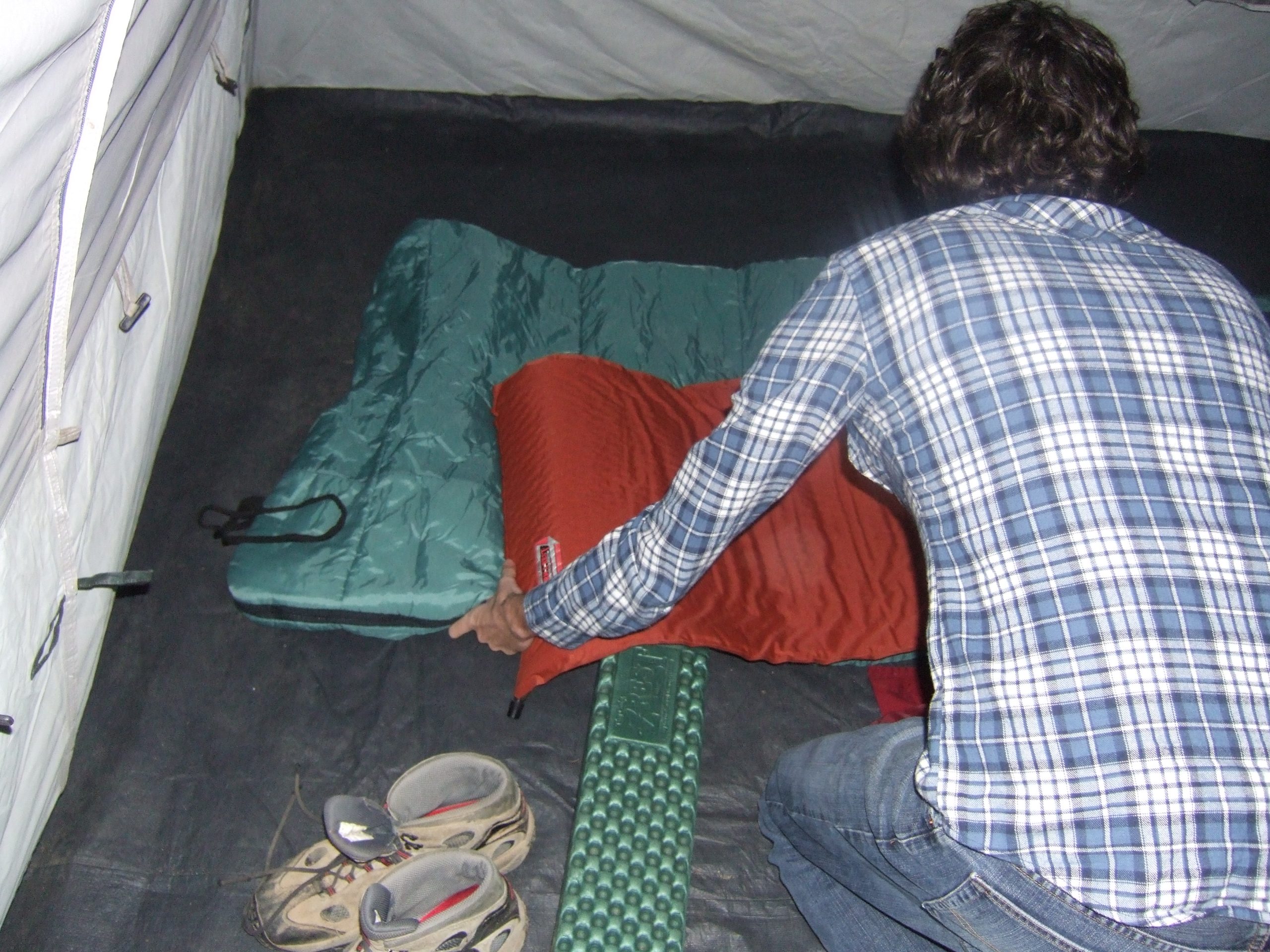
Down sleeping bags excel in winter thanks to their incredible warmth-to-weight ratio. When temperatures plunge, down clusters trap heat efficiently, creating a cozy microclimate that synthetic insulation struggles to match. Their compressibility makes them easy to pack without adding bulk, a benefit on cold-weather treks. In proper dry conditions, down maintains loft better than most alternatives, providing consistent insulation through long nights. With careful storage and moisture management, these bags outperform their summer counterparts in almost every winter camping scenario.
4. Winter-Specific Trekking Poles
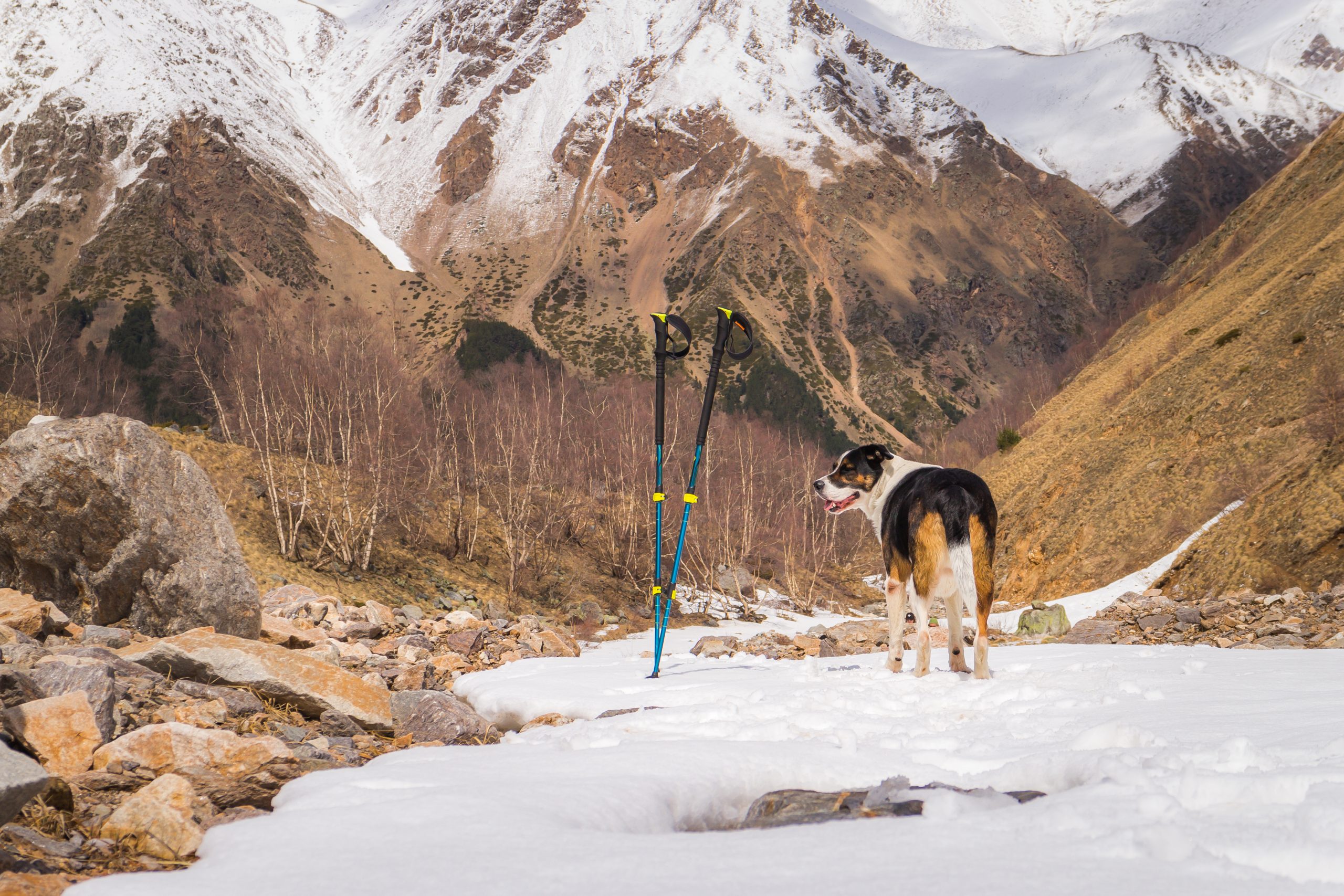
Winter trekking poles are built to function better in snowy, icy terrain, where summer poles often sink or slip. Their larger snow baskets distribute pressure across a wider area, preventing deep plunging into soft layers. Many versions include textured grips designed for cold-weather gloves, and reinforced shafts withstand freezing temperatures without becoming brittle. These poles help maintain balance on winter trails, especially when moving across frozen slopes or uneven, hard-packed surfaces. Their seasonal features provide greater stability than warm-weather models can offer.
5. Liquid-Fuel Stoves
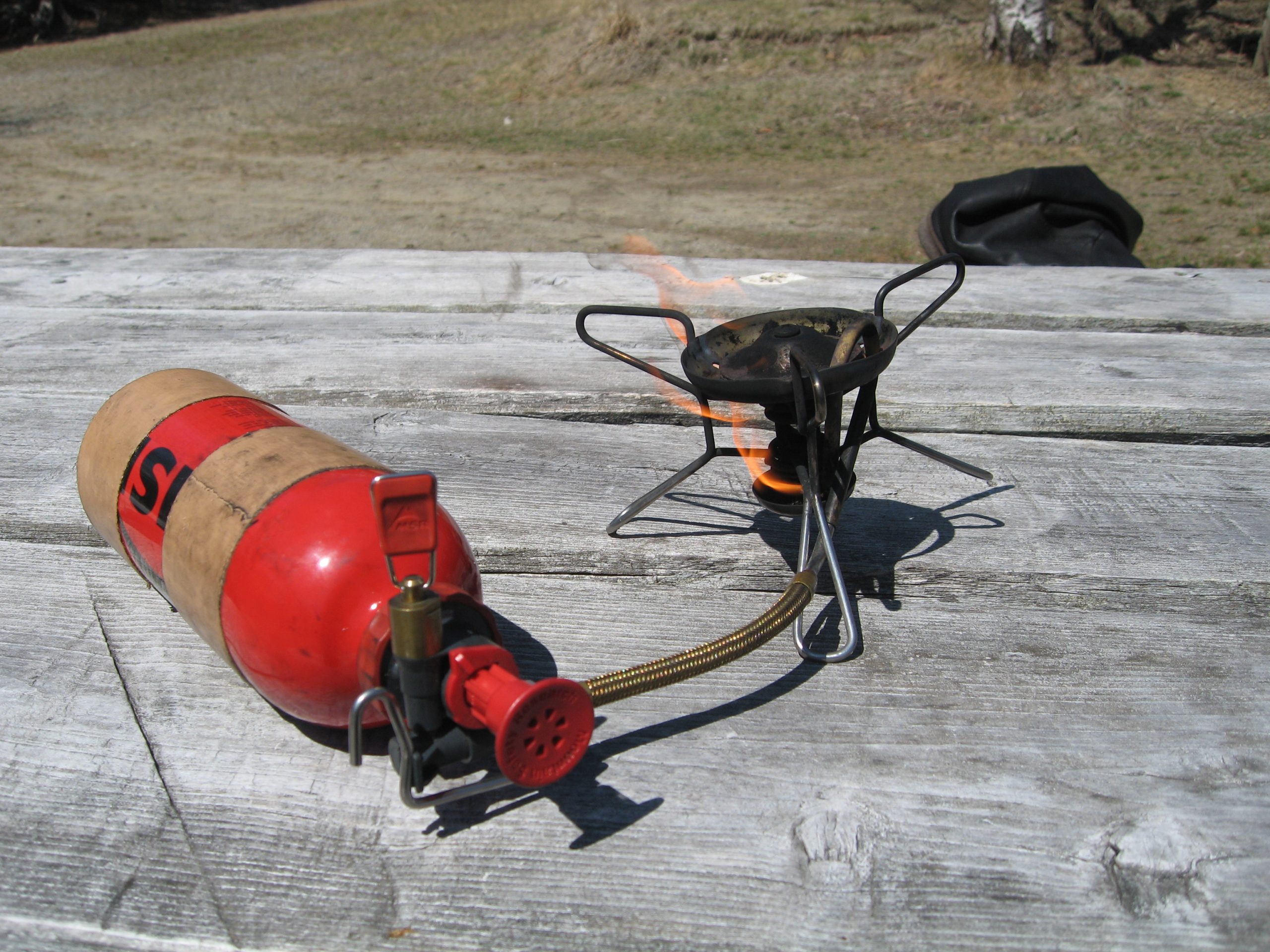
Liquid-fuel stoves outperform canister stoves in winter because they maintain consistent pressure in freezing temperatures. While gas canisters struggle to vaporize fuel in the cold, liquid systems burn strongly as long as they’re properly primed. They also handle wind and snow exposure more reliably, making them ideal for melting ice or boiling water quickly. Their ability to operate well above treeline or during sudden temperature drops gives them a clear advantage. Winter campers trust these stoves for dependable heat when conditions turn unforgiving.
6. Microspikes
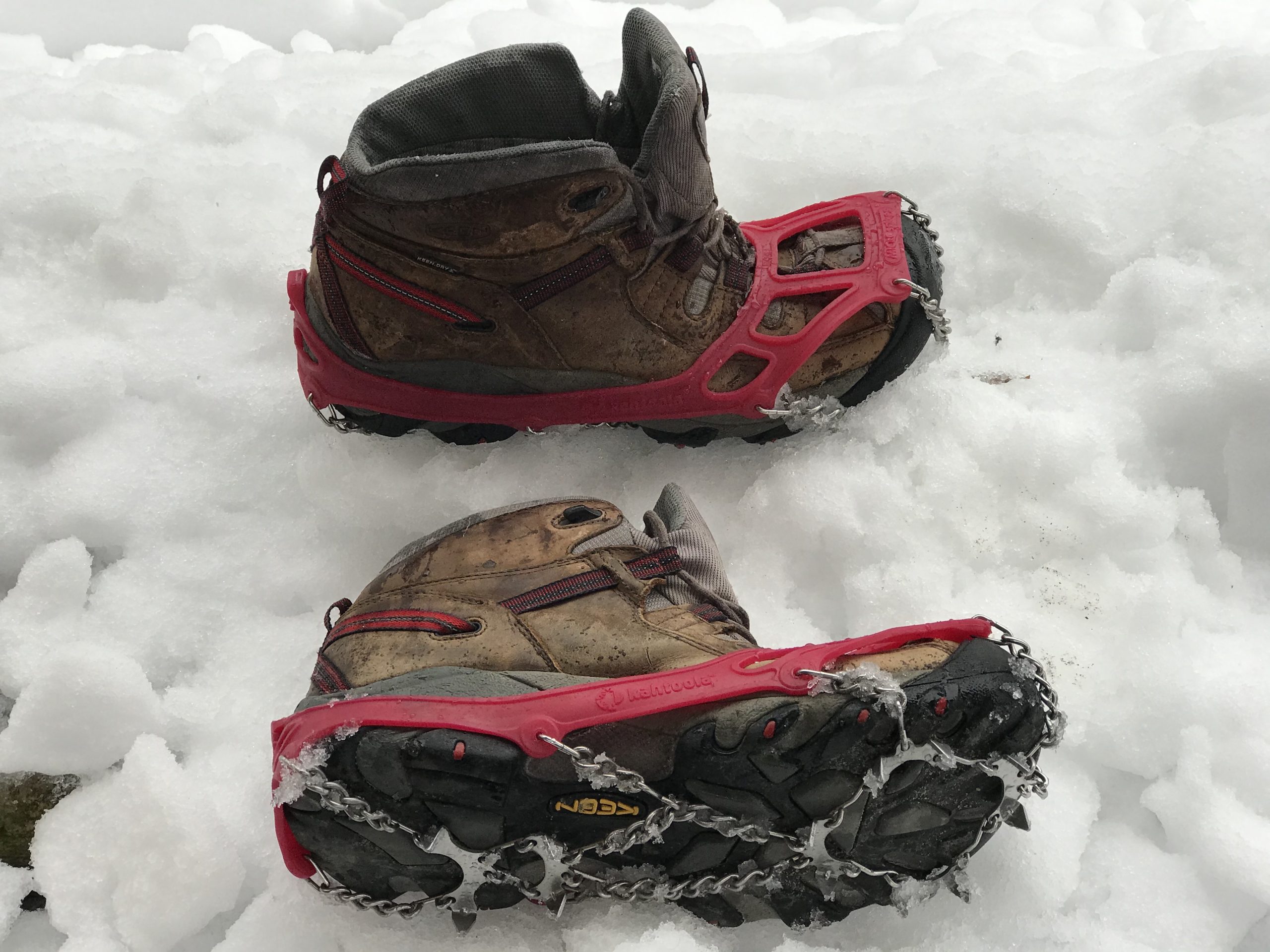
Microspikes are far more effective in winter because they offer essential traction on icy trails, frozen ground, and slick inclines. In summer, they’re excessive and impractical, but in winter, they drastically reduce the risk of slipping by biting firmly into compact snow and ice. Their lightweight design makes them easy to carry, and they can be quickly fitted onto most boots. When conditions turn treacherous, microspikes provide a dependable, confidence-boosting grip that significantly improves trail safety.
7. Four-Season Backpacks
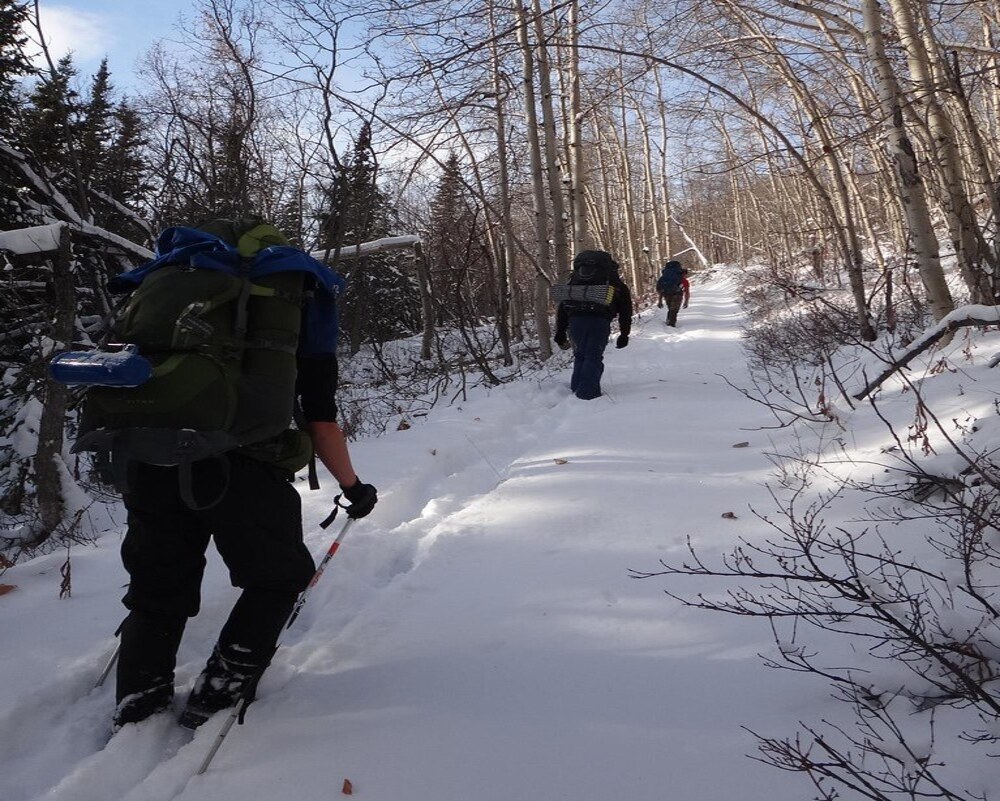
Four-season backpacks offer winter-specific advantages like reinforced fabric, stable frame support, and straps that stay flexible in freezing temperatures. Their external lash points accommodate snowshoes, ice axes, or bulky insulated layers. Many include snow-shedding materials that prevent icy buildup along zippers or pockets. These packs also maintain structure when carrying heavier loads required for cold-weather camping. Their durability, stability, and weather resistance give them clear superiority over lightweight summer designs that tend to stiffen or sag in winter conditions.
8. Insulated Water Bottles
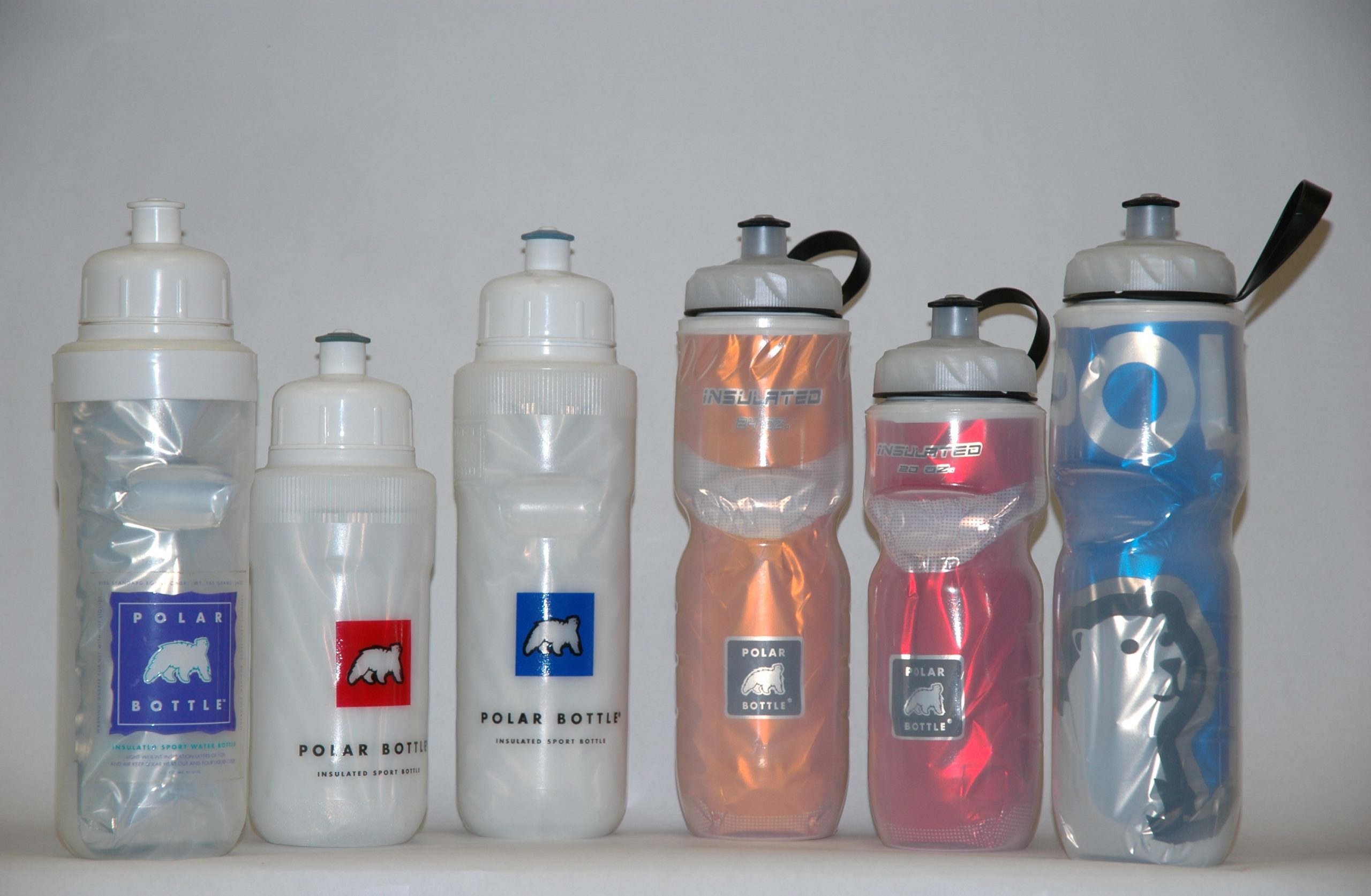
Insulated water bottles are far more effective in winter because they keep liquids from freezing in harsh temperatures. Their double-wall vacuum construction protects warm drinks for hours, offering comfort and hydration when the cold makes standard bottles unusable. They also prevent freezing around the threads, which can lock lids shut on non-insulated versions. These bottles handle rapid temperature changes without cracking or losing heat. In winter environments, having unfrozen water readily available is a practical necessity that insulated models reliably provide.
9. Snow Shovels
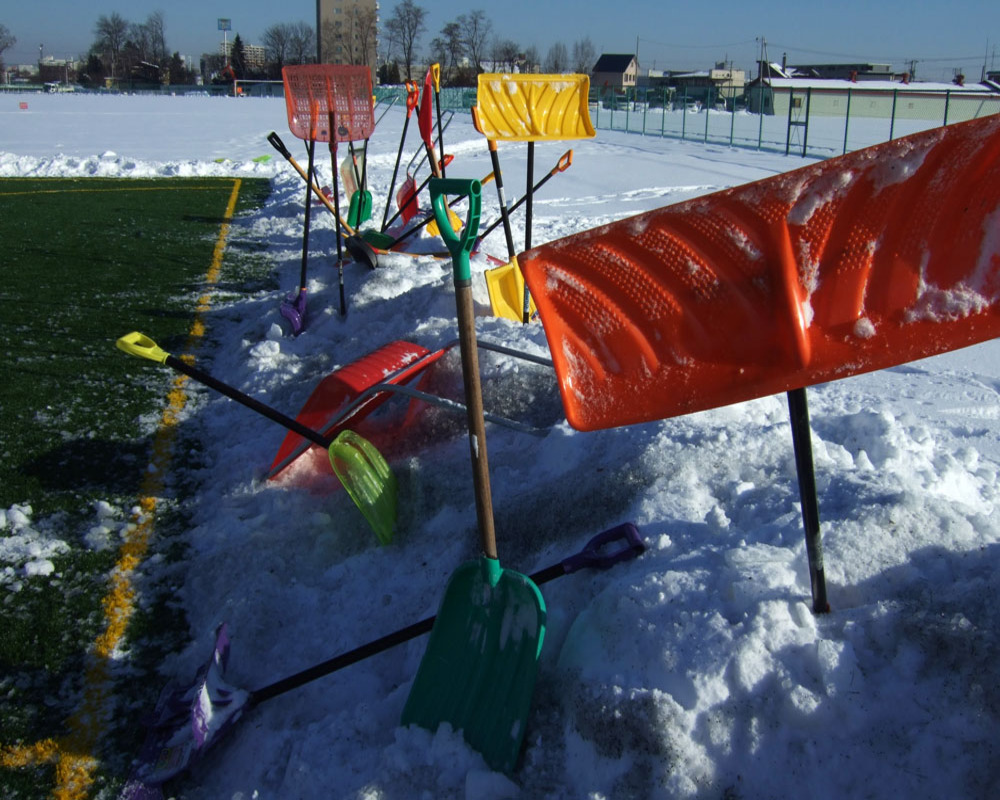
Snow shovels carry significant value during winter outings by allowing campers to build windbreaks, trench entrances, or level tent platforms on packed snow. Many feature lightweight materials that stay durable in cold conditions, enabling efficient digging without unnecessary fatigue. Their compact design fits easily in winter gear setups, making them useful for unexpected storms or emergency shelter adjustments. While nearly irrelevant in summer, these tools offer versatility and safety benefits that shine during winter-specific camping and backcountry travel.
10. Waterproof Gaiters
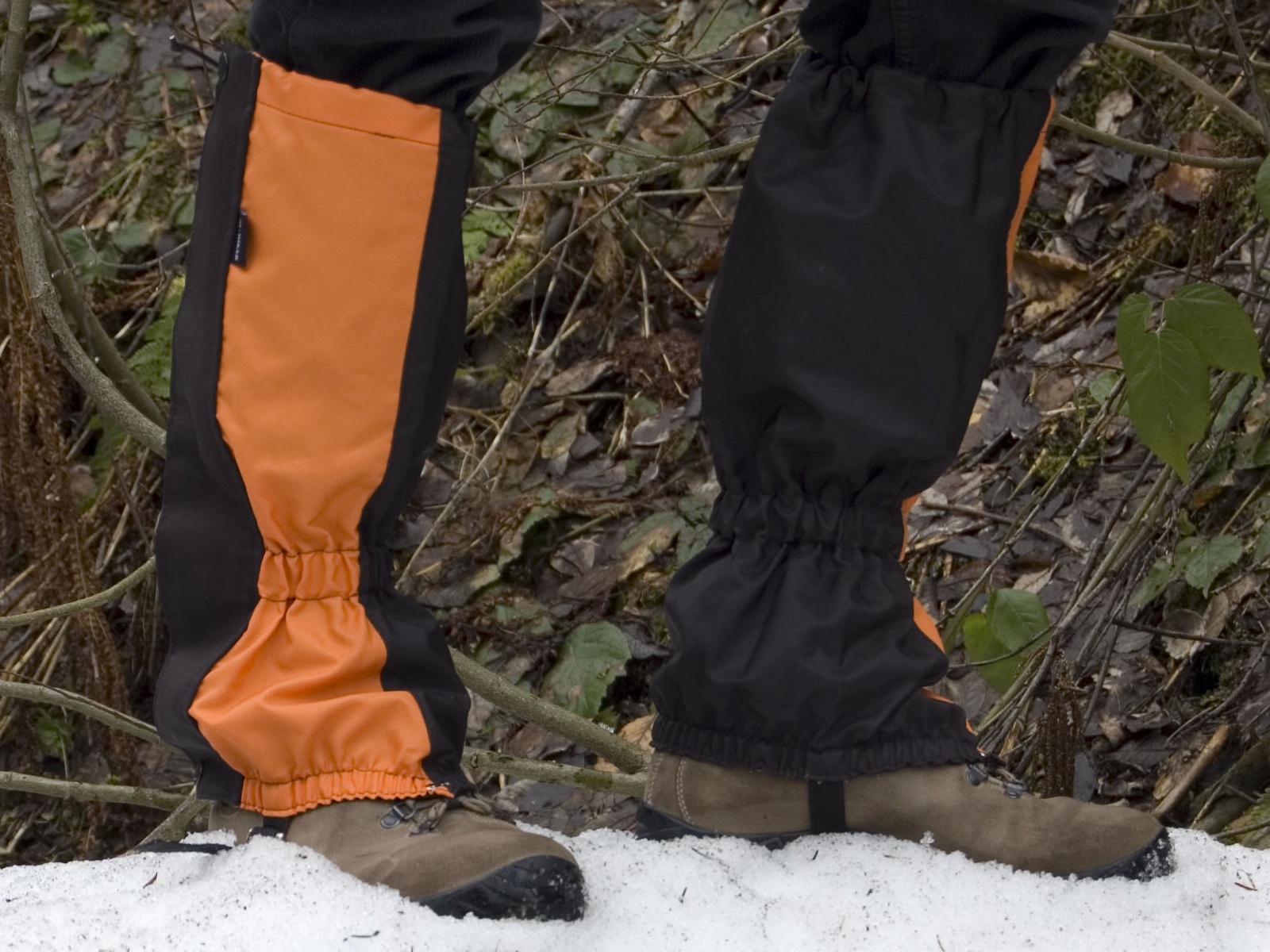
Waterproof gaiters work better in winter because they block snow from entering your boots and prevent heat loss around your lower legs. Their tall, reinforced design seals tightly against wind and ice, protecting your clothing layers from moisture that could chill you quickly. Gaiters also help keep your pants dry when trudging through deep drifts or brushing against frosted branches. Their durability and weather shielding outperform lightweight summer gaiters, making them invaluable for cold, snowy conditions where protection is essential.
11. Headlamps with Cold-Resistant Batteries
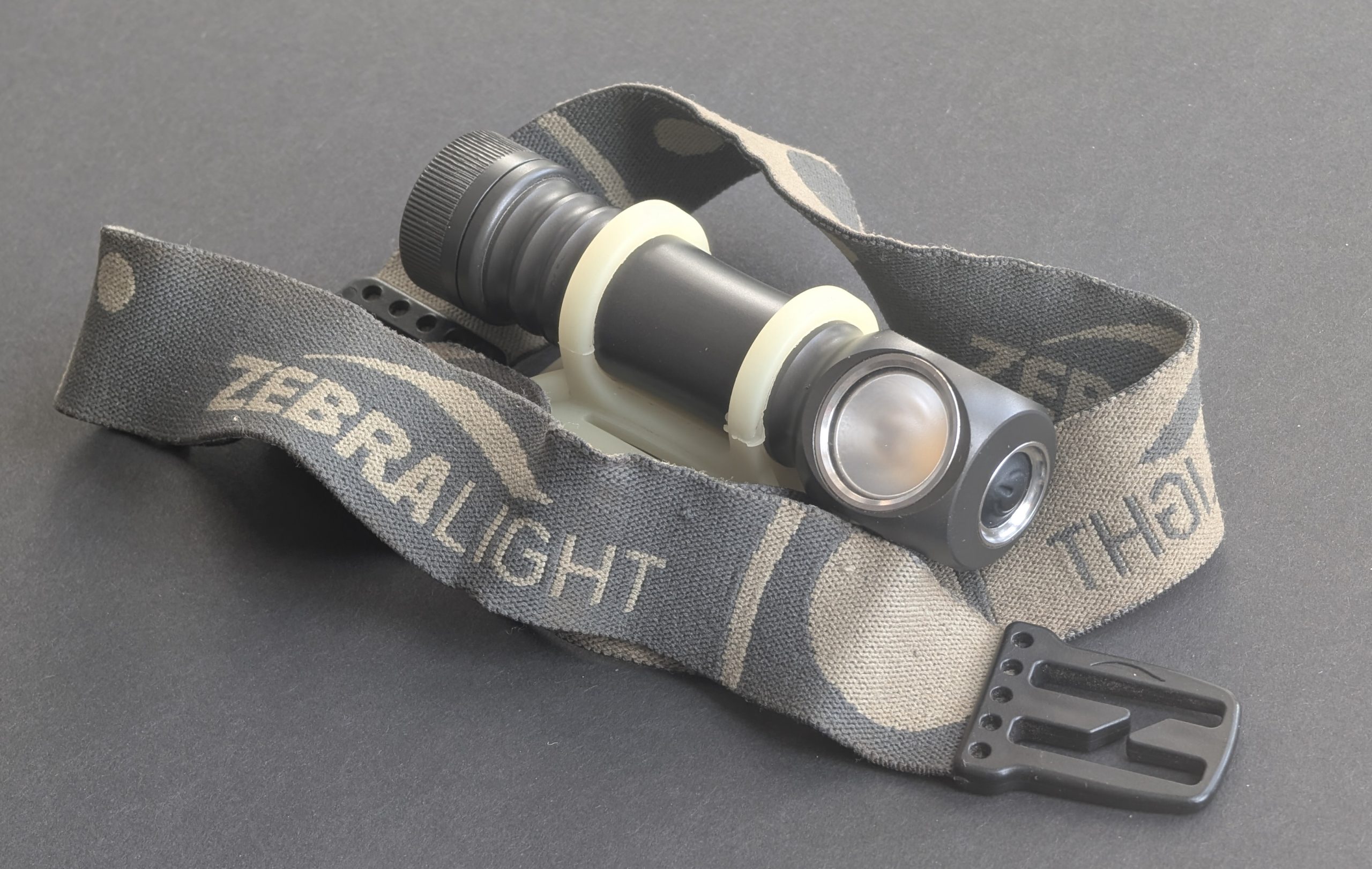
Winter-ready headlamps outperform summer models because cold conditions drain standard batteries quickly. Versions built for low temperatures use efficient circuits and battery types that hold charge longer in freezing environments. Their bright, reliable beams help navigate early sunsets and long winter nights. Some models feature oversized buttons for gloved operation and sealed housings that resist snow and ice buildup. This combination of durability and dependable power makes winter-specific headlamps significantly more reliable when the cold would otherwise limit performance.