Tracking a deer after it changes direction without leaving a clear trail challenges even experienced hunters and wildlife trackers. Mature deer use terrain, wind, and behavior to break patterns deliberately. Hoof sign disappears, yet movement continues. Success depends on reading subtle clues rather than following tracks alone. Vegetation, body language, habitat edges, and environmental cues reveal directional choices. These eleven techniques help rebuild a line of travel when prints vanish, demonstrating how observation, patience, and context restore clarity after a deer intentionally breaks its visible trail and moves silently through complex cover terrain and conditions.
Study Wind Direction Changes
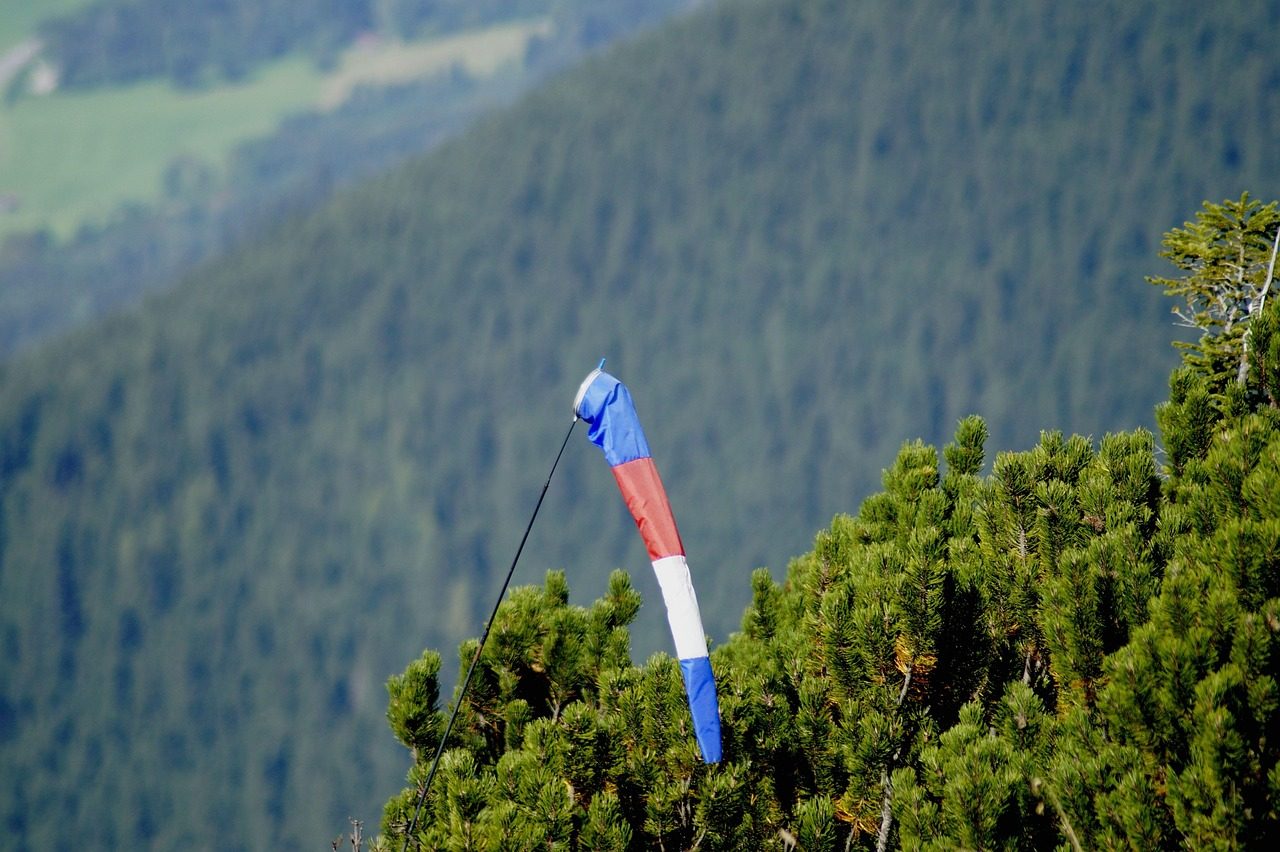
Study wind direction changes. When a deer changes direction, wind often explains why. Deer frequently turn to keep danger downwind. Check current breeze against terrain. Ridges, draws, and thermals shift scent movement. A sudden turn may align with better wind coverage. Follow likely downwind routes instead of last tracks. Wind reading narrows options quickly. Ignoring airflow leads to random searching. Wind analysis restores direction when physical sign disappears, especially in thick cover where visual clues remain minimal during directional shifts under pressure from human presence and changing environmental conditions throughout the movement sequence overnight periods.
Examine Terrain Edges And Transitions
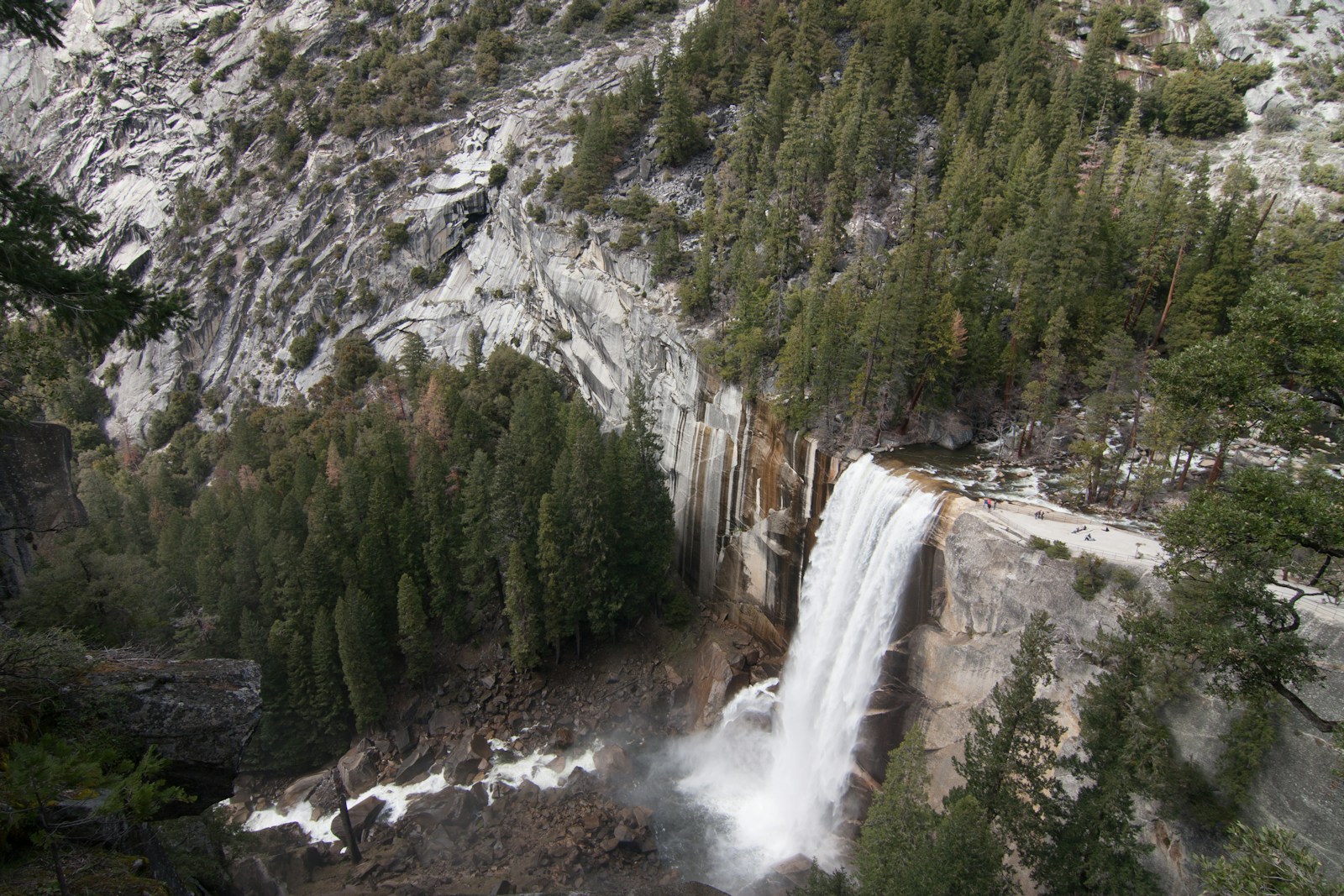
Examine terrain edges where habitats change. Deer often alter direction along field edges, timber lines, creek banks, and elevation breaks. These transitions offer visibility and escape. When tracks stop, scan edges for disturbed vegetation, bent stems, or subtle openings. Deer prefer traveling boundaries rather than centers. Direction changes often follow edges naturally. Ignoring transitions misses likely routes. Focusing on edge movement helps reconstruct travel paths without relying on visible hoof sign, especially where ground conditions erase tracks quickly after direction changes caused by pressure, wind, or terrain constraints during active movement periods through dense habitats.
Observe Vegetation Disturbance Patterns
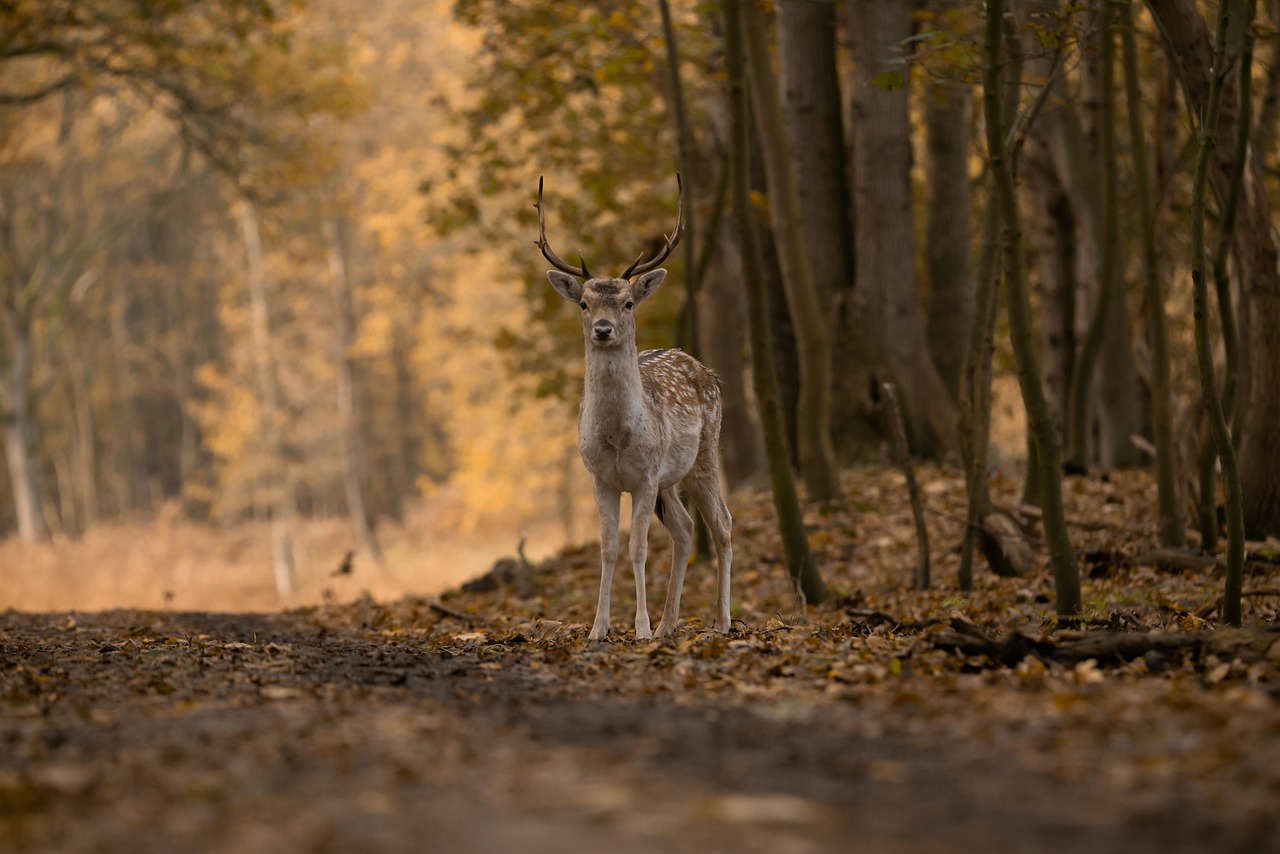
Observe vegetation for directional clues. Leaves brushed one way, grass pressed unevenly, or broken stems suggest travel direction. Deer often change course without leaving clear tracks, yet plants still react. Focus on waist height disturbance, not ground alone. Patterns repeat along preferred routes. Slow inspection reveals flow. Rushing misses subtle signals. Vegetation tells a story when prints vanish. Learning to read plant response helps track movement through areas where soil, leaves, or hard ground fail to capture hoof sign after sudden direction changes triggered by disturbance or environmental pressures during active travel windows overnight hours.
Look Ahead Toward Security Cover
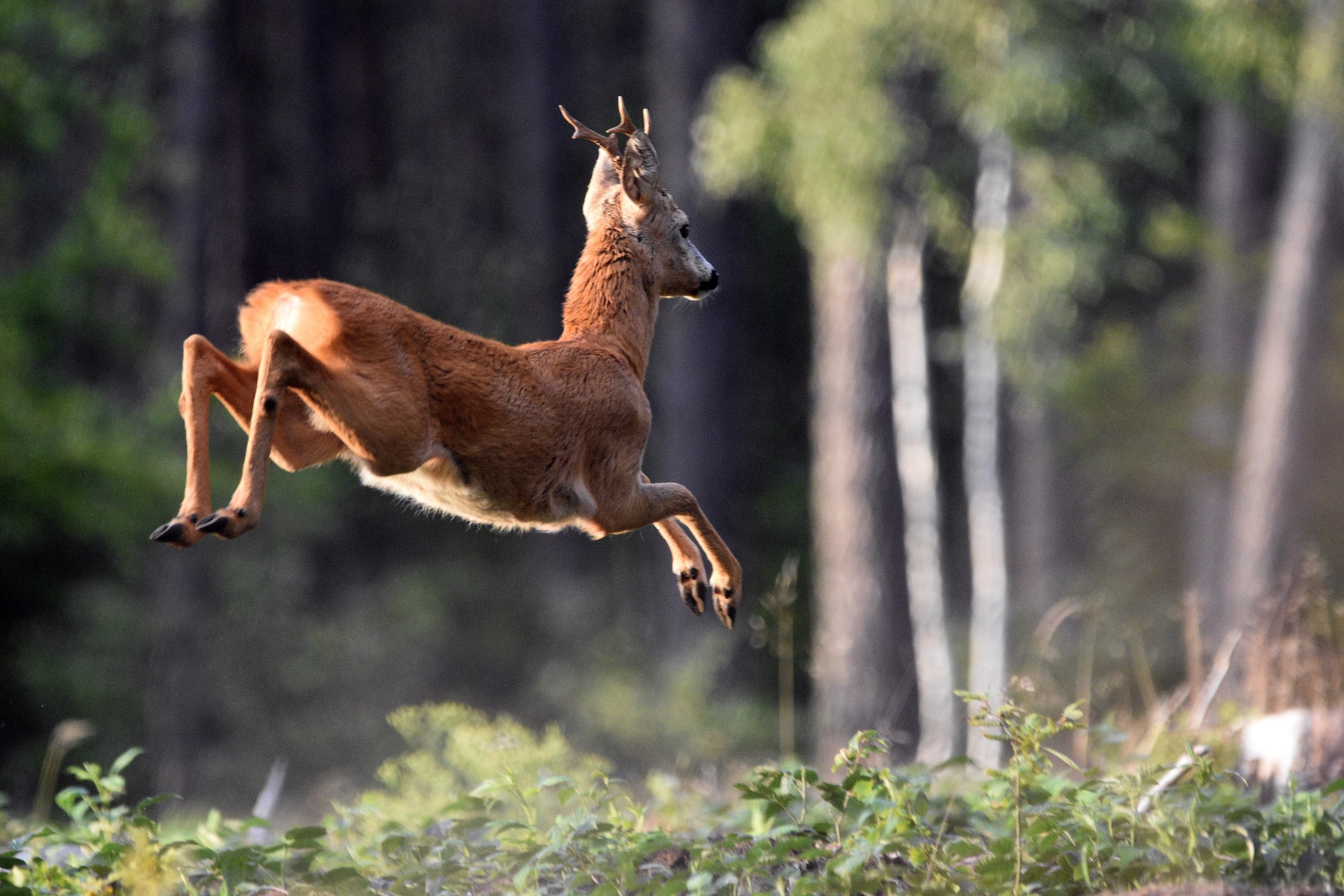
Look ahead toward security cover. When deer change direction, they often aim for thicker cover, bedding areas, or escape routes. Identify the nearest secure habitat. Movement usually flows toward safety, not random openings. Follow logic, not prints. Check funnels, ditches, or brush lines. Deer choose paths offering concealment. Searching open ground wastes time. Security driven movement remains predictable. Understanding cover preference helps project direction accurately after tracks end, especially when pressure causes abrupt turns into thick habitat zones designed to limit detection, noise, and visual exposure during escape responses through challenging terrain features nearby areas.
Circle Back And Cast Methodically
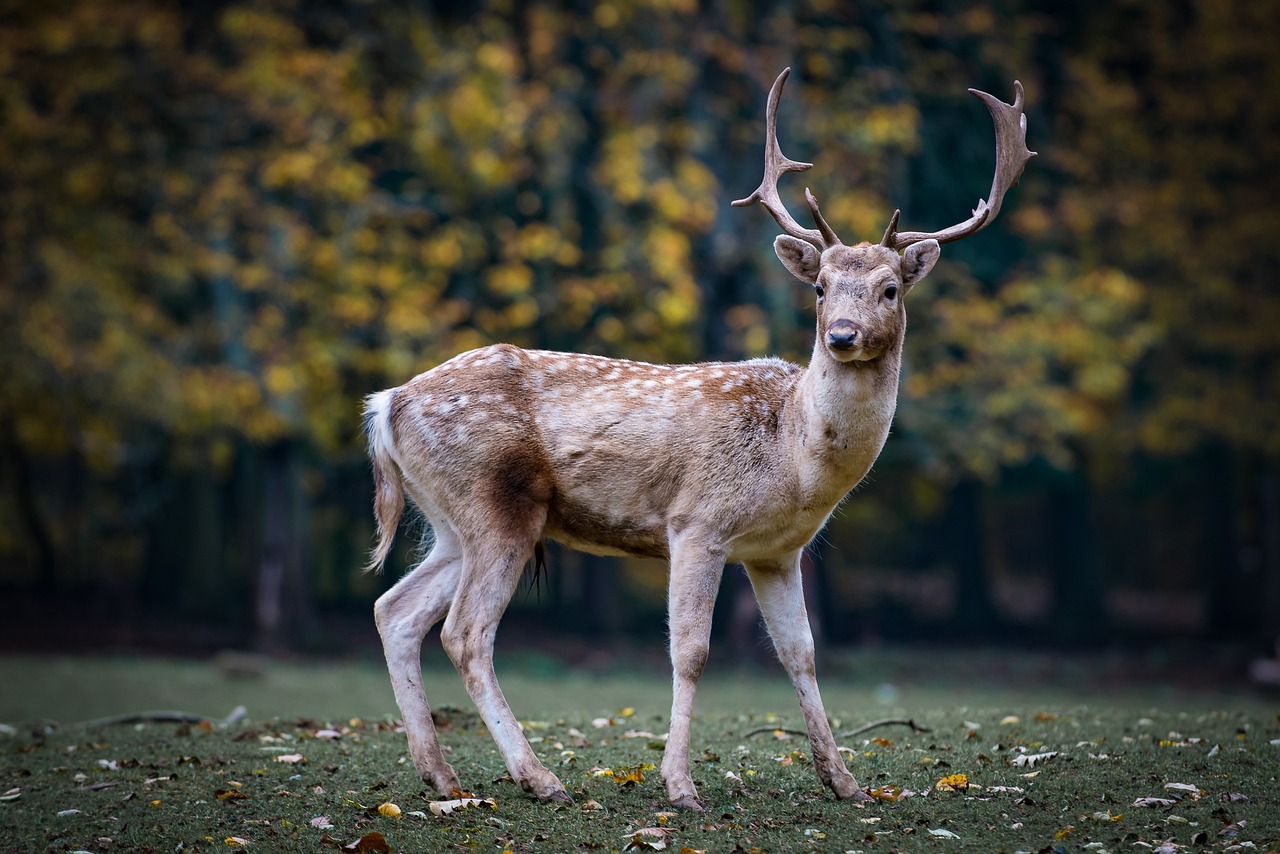
Circle back and cast methodically. When direction breaks, return to last confirmed sign. Slowly fan outward in small arcs. Look for any fresh disturbance. Casting restores lost lines. Rushing forward misses subtle reentries. Many direction changes curve, not angle. Patience matters. Casting keeps search organized. It prevents random wandering. This method works best in uniform cover where tracks fade. Systematic movement often recovers direction within short distance, especially after pressure causes a gradual shift rather than a hard turn during alert responses to scent, sound, or visual threats encountered unexpectedly along travel routes through habitat.
Watch For Body Language Sign
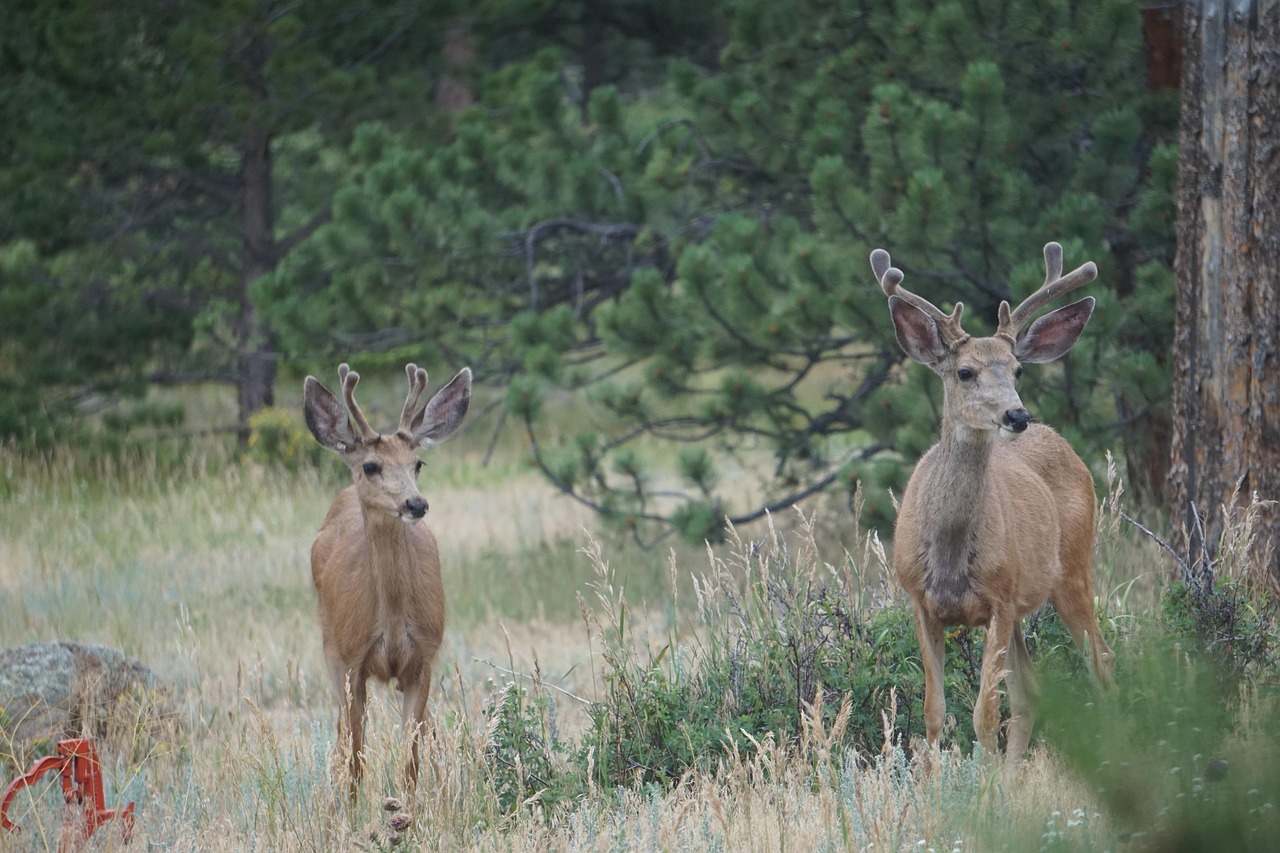
Watch for body language sign. A jump, bound, or hard push leaves directional evidence. Bent saplings, kicked leaves, and sprayed soil show escape direction. Deer launch forward when alerted. That energy leaves traces. Focus ahead of the last track. Body language translates into terrain reaction. Understanding movement style helps interpret direction. Escape responses differ from feeding travel. Reading these signs helps predict the next line of movement when standard tracks disappear under leaves, hard ground, or disturbed substrate during sudden changes triggered by unexpected human presence or environmental noise events near active travel corridors overnight.
Note Timing And Behavioral Context

Note timing and behavioral context. Deer move differently when feeding, traveling, or escaping. Direction changes reflect intent. Morning movement leans toward bedding. Evening turns toward food. Pressure forces security shifts. Identify the time window. Context narrows options. Ignoring behavior creates confusion. Matching movement purpose with habitat improves prediction. Tracking becomes logical, not random. Direction changes make sense when aligned with behavioral needs. Understanding why movement occurred guides where it continues, especially when physical sign vanishes due to ground conditions, leaf cover, or hard surfaces common in transitional habitats during movement periods at dawn or dusk.
Check Downhill And Thermal Routes
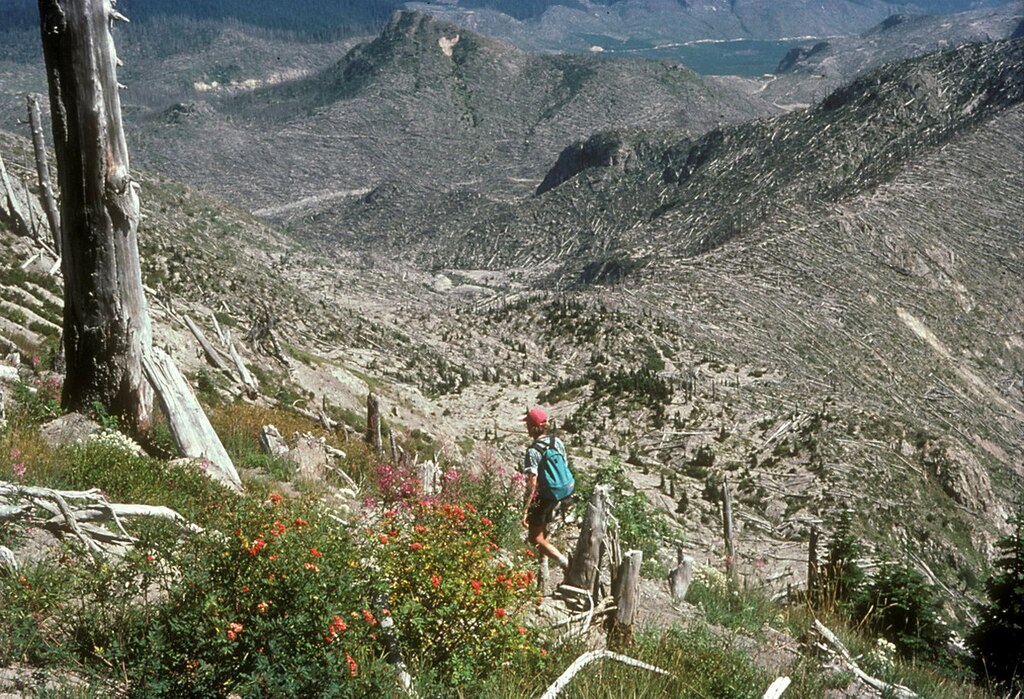
Check downhill and thermal routes. Deer use thermals to control scent. As air cools, it moves downhill. Direction changes often follow thermal flows. Examine benches, sidehills, and draws. These paths offer scent advantage. Ignoring vertical movement misses likely routes. Deer rarely climb randomly. Thermals guide safe travel. Tracking downhill often recovers lost direction. Understanding air movement restores logic after tracks disappear, especially during evening movement when cooling air reshapes travel patterns across elevated terrain features where hoof sign fails to register clearly on dry, rocky, or leaf covered surfaces near bedding and escape areas nearby.
Look For Crossing Points
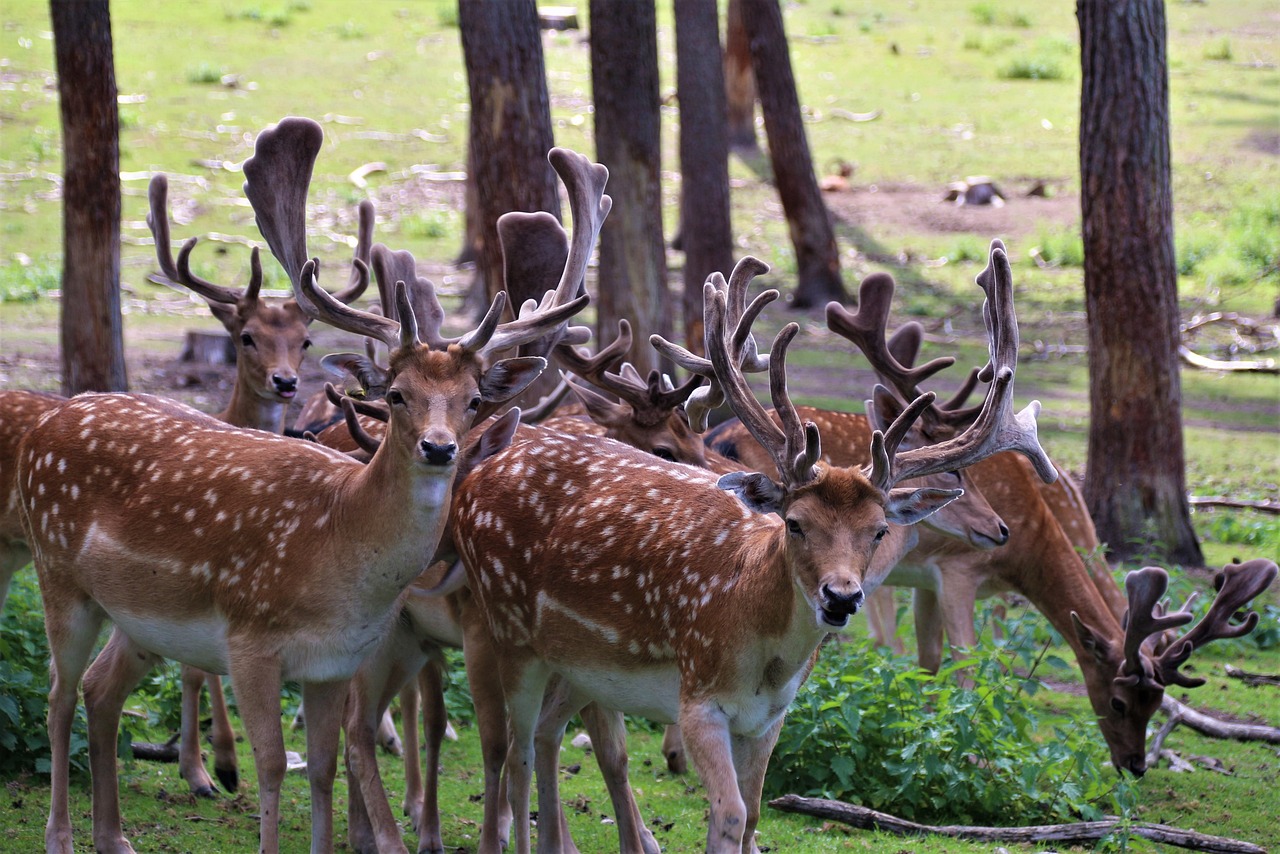
Look for crossing points. Deer favor predictable crossings even when changing direction. Creeks, fences, roads, and ditches funnel movement. When tracks end, scan likely crossings ahead. Approach angles matter. Deer choose efficient entries. Tracks often reappear there. Ignoring funnels misses structure. Crossings organize travel. They compress movement into narrow zones. Recognizing these points helps reestablish direction after sign vanishes, especially where deer navigate barriers while adjusting course to avoid pressure, maintain security, and preserve movement through fragmented habitat patches during active travel periods under variable environmental conditions overnight and into early morning hours near water.
Slow Down And Observe Ahead

Slow down and observe ahead. Direction changes reward patience. Stop often. Scan farther than the last sign. Movement reveals itself over distance. Rushing forces missed clues. Pausing resets awareness. Deer rarely vanish. They flow forward. Watching ahead exposes direction. Sound, motion, and disturbance appear with time. Slowing down reduces errors. Observation connects clues. This approach helps recover travel lines when ground sign fails, especially after abrupt turns caused by pressure, terrain, or wind shifts during alert movement phases in dense cover or low visibility conditions where haste magnifies misinterpretation and directional errors quickly compound mistakes.
Use Tracks As Confirmation, Not Guides
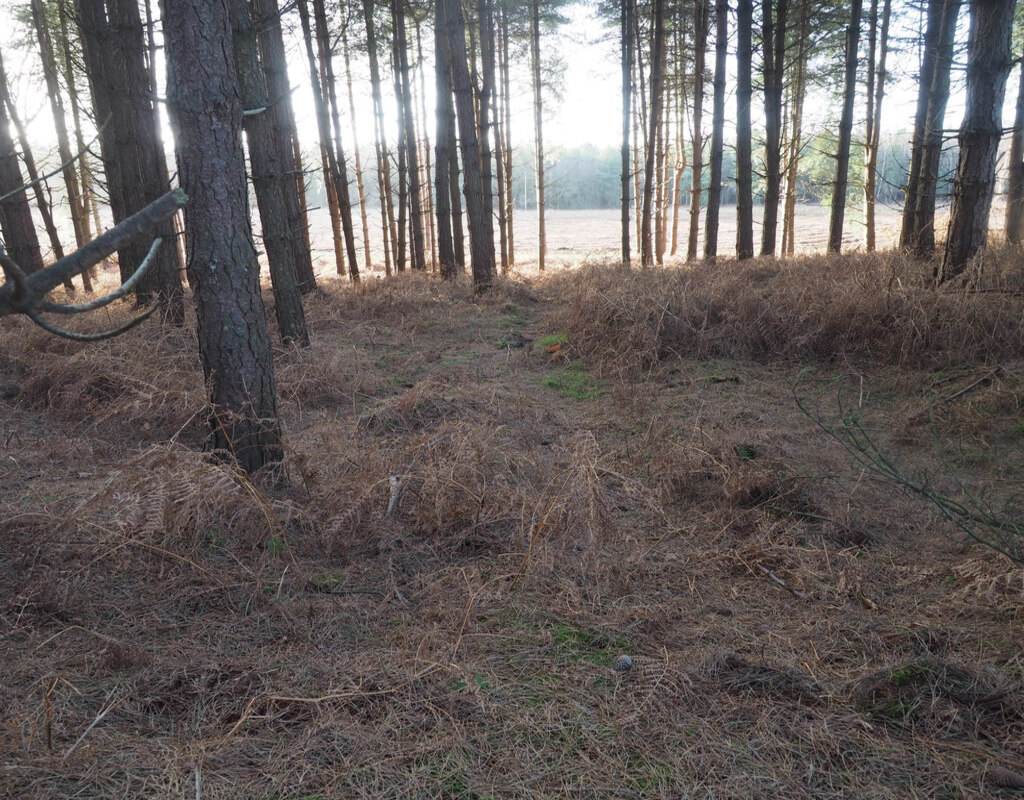
Use tracks as confirmation, not guides. When sign reappears, verify direction, do not chase blindly. Combine tracks with wind, terrain, and behavior. Hoof prints confirm logic. They should match expectations. If they do not, reassess. Tracks support, not lead, analysis. This mindset prevents overreliance. Direction tracking becomes integrated. Using tracks properly keeps movement logical after direction changes, especially where ground conditions intermittently preserve sign but cannot be trusted continuously across variable substrates, leaf litter, hard soil, or rocky surfaces encountered along complex deer travel routes under changing environmental pressures overnight into daylight movement windows later.