Camping gear from the 1960s reflected a slower, simpler approach to outdoor travel, with heavier materials and limited features that required patience and preparation. Over the decades, new technologies introduced lighter fabrics, safer tools, and compact designs that made camping more accessible. These updates changed how supplies are carried, how camps are built, and how comfort is maintained in the wilderness. The evolution highlights a shift toward efficiency while preserving the spirit of time spent outdoors.
Lighter Tent Materials

Tents of the 1960s were commonly made from canvas that absorbed moisture, became heavy when wet, and required bulky poles to stand securely. Modern tents rely on nylon and polyester fabrics that resist weather, dry quickly, and fold into compact shapes. Aluminum and fiberglass supports offer strength without unnecessary weight. These improvements allow campers to travel longer distances with less strain while still maintaining sturdy shelter against shifting conditions.
Updated Sleeping Bags
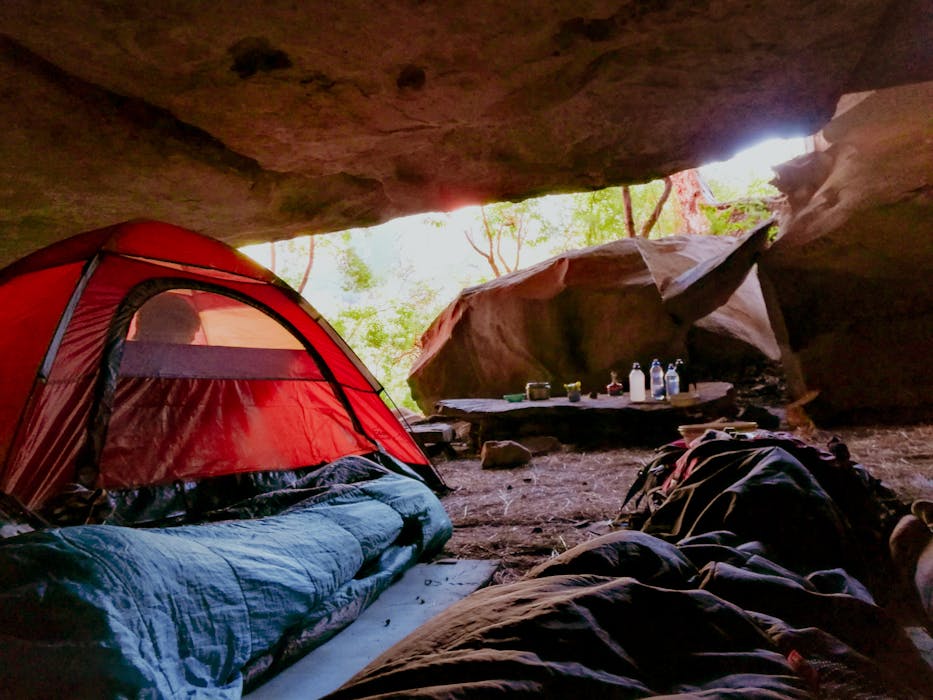
Sleeping bags from earlier decades often used cotton insulation that lost warmth in damp weather and weighed significantly more than modern alternatives. Today’s sleeping bags incorporate down or synthetic fibers that trap heat efficiently while compressing easily for storage. Temperature ratings help match the bag to specific climates, making planning easier. These advancements allow overnight trips to remain comfortable even when conditions fluctuate, offering reliable rest after long days outside.
Advances In Backpacks
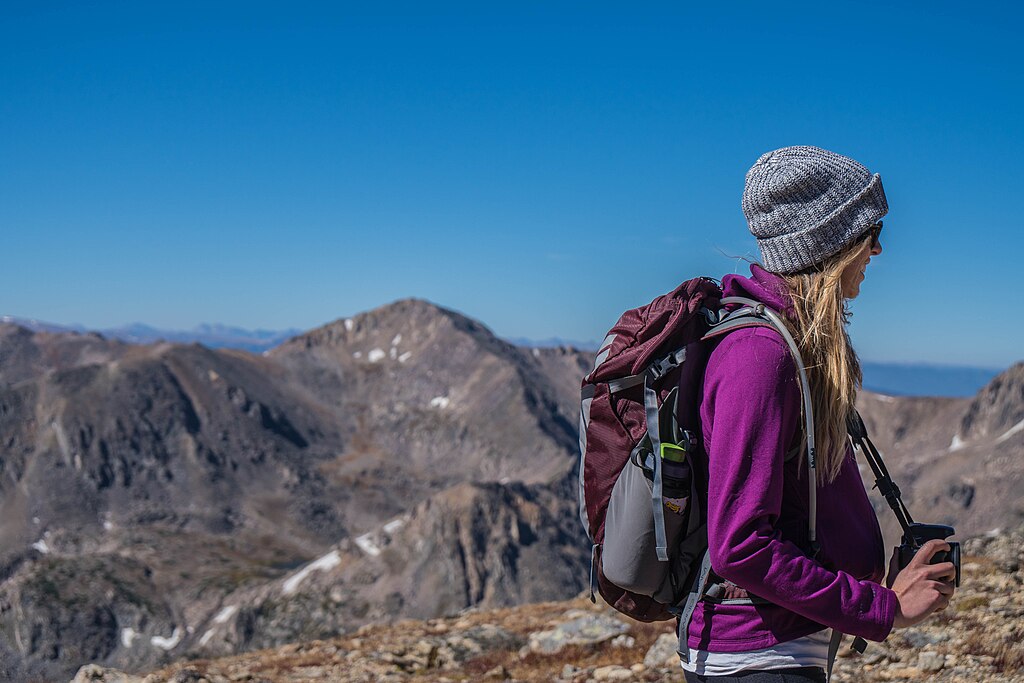
Backpacks once featured external metal frames that pushed weight away from the body and created imbalance on uneven trails. Current designs use internal frames that follow natural posture and distribute weight more evenly across shoulders and hips. Padded straps and breathable back panels add comfort during long hikes. These changes reduce fatigue and improve stability, making it easier to manage heavier loads without sacrificing mobility on challenging terrain.
More Efficient Cookware

Cookware in the 1960s was typically constructed from steel or cast aluminum, which heated slowly and added bulk to packs. Today’s camping cookware uses lightweight metals such as titanium and anodized aluminum that heat rapidly and resist damage. Nesting sets help save space, while nonstick coatings simplify cleanup. These upgrades create smoother mealtime routines and allow campers to prepare meals with less effort, even in remote locations where convenience matters.
Safer Lighting Options
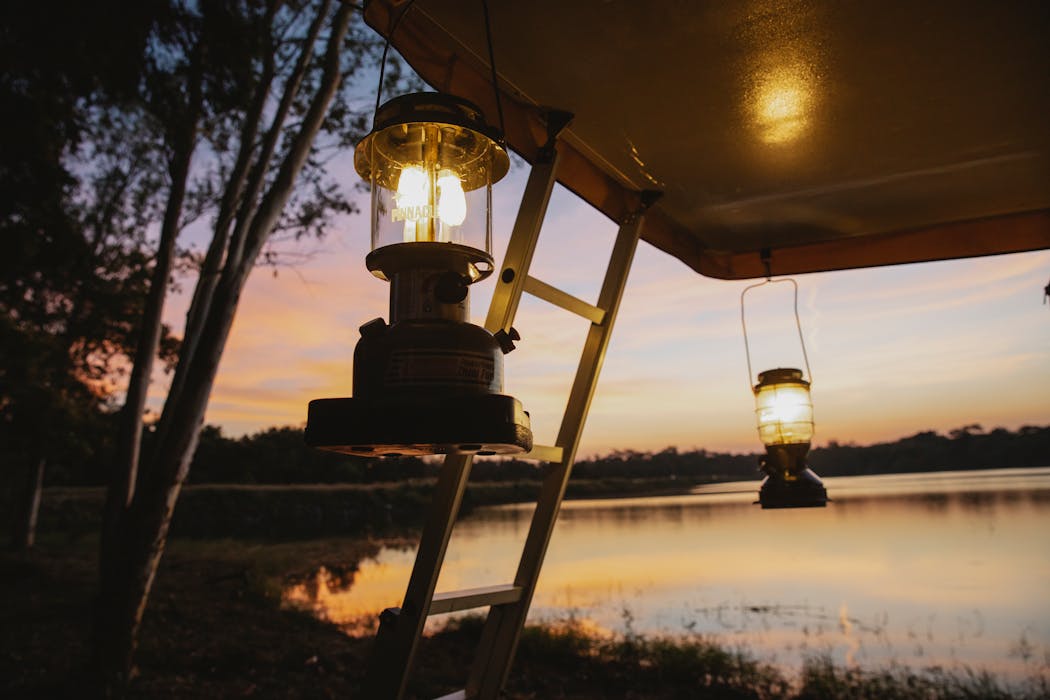
Lanterns once depended on kerosene or white gas, which required careful monitoring and produced heat along with light. Modern LED lanterns operate on batteries or rechargeable power sources that deliver long lasting illumination without open flames. These lights are durable, cool to the touch, and reliable in damp environments. The shift enhances nighttime visibility while reducing fire risk, supporting safer campsite activities after dark.
Improved Water Storage
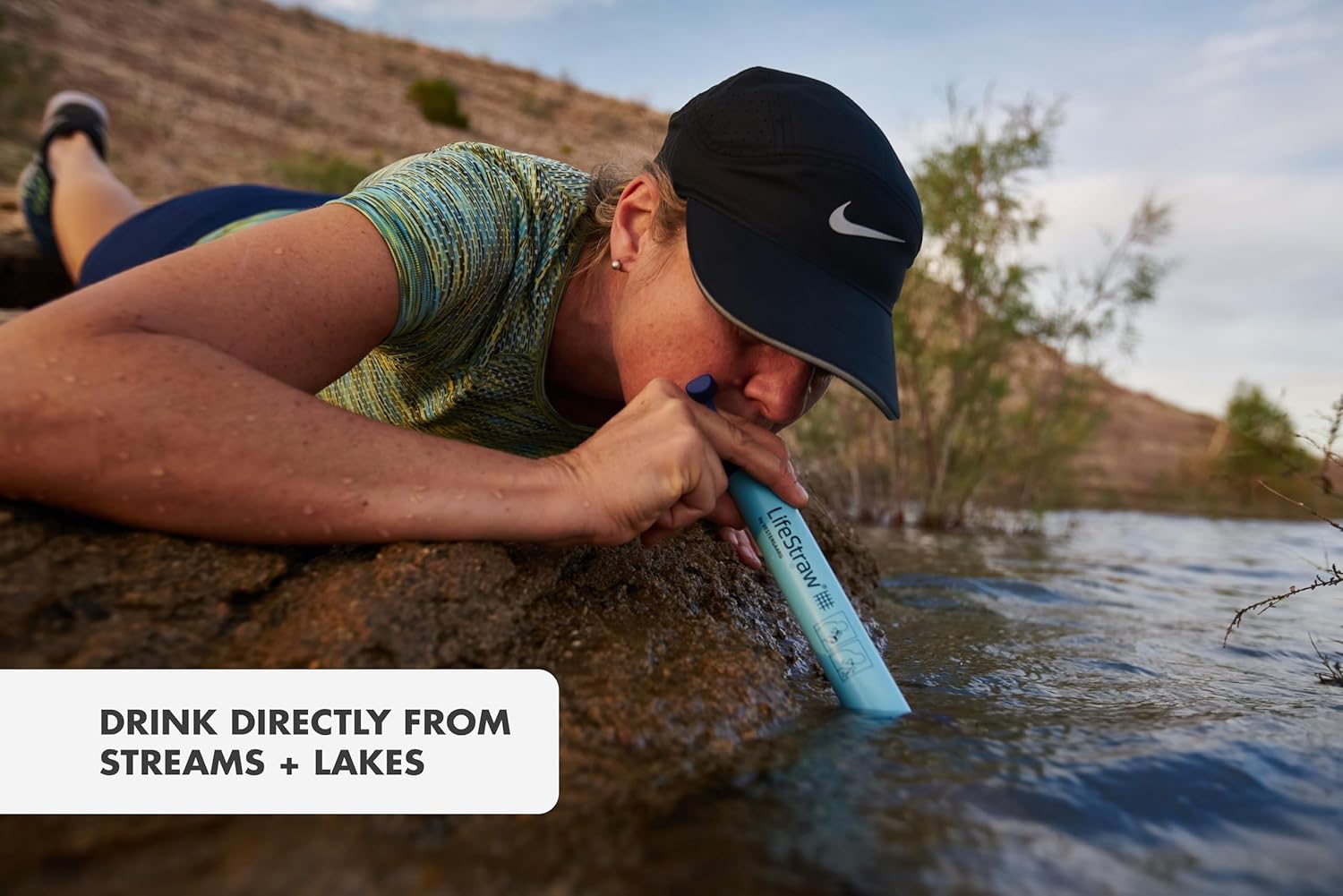
Water was often carried in rigid metal canteens that dented easily and offered limited capacity. Current hydration systems include collapsible bottles and reservoir packs that adapt to different needs and store efficiently when empty. Many models incorporate insulation or built-in filtration for longer trips. These innovations encourage steady hydration and simplify transport, particularly during hot weather or extended treks where water access varies.
Enhanced Navigation Tools
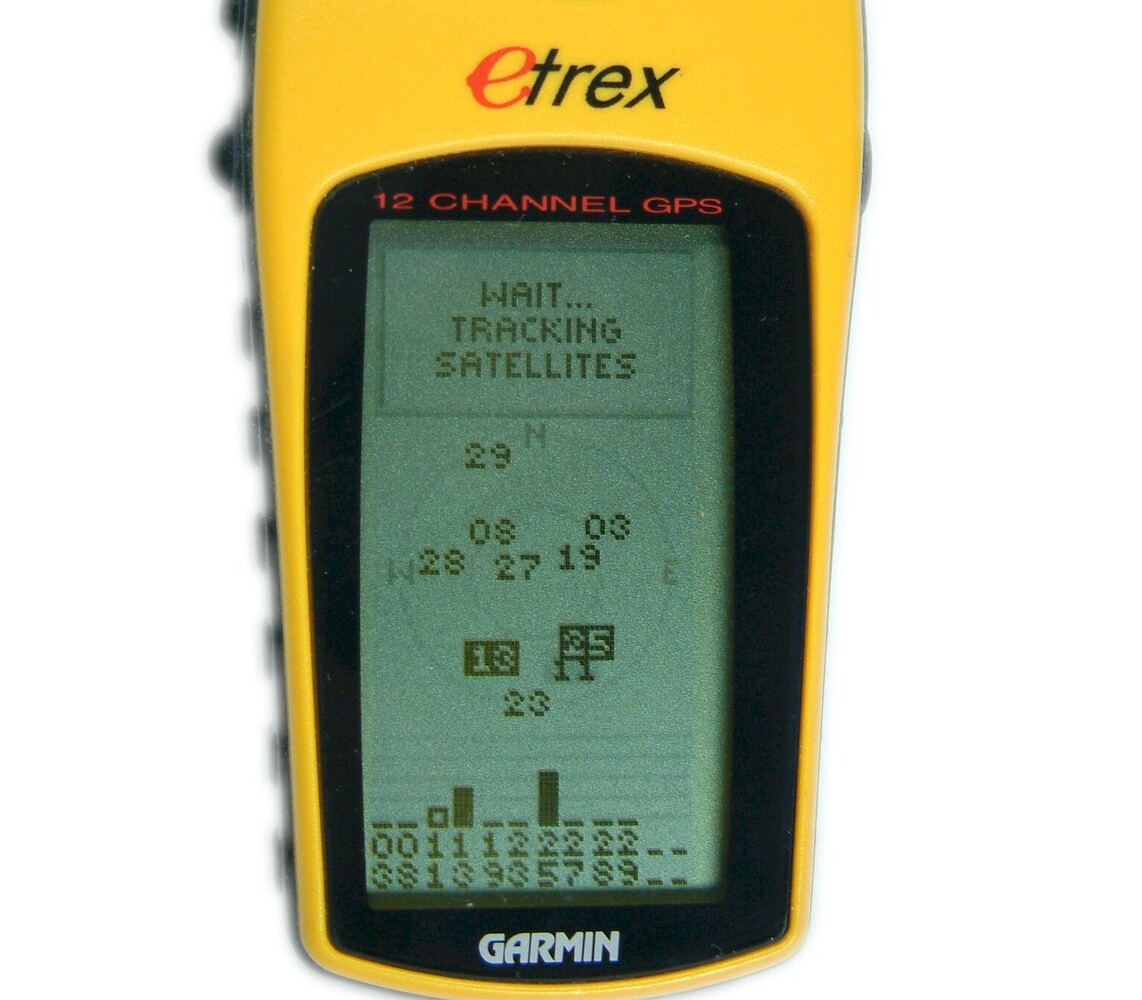
Navigation once relied entirely on paper maps and compasses that required strong orientation skills, especially in unfamiliar terrain. Modern navigation tools include GPS devices and mapping apps that provide real time positioning and detailed trail data. These tools help reduce uncertainty and support safer route planning. Even so, traditional skills remain valuable as a reliable backup. The combination reflects a blend of old and new approaches to staying on course.
Better Weather Protection
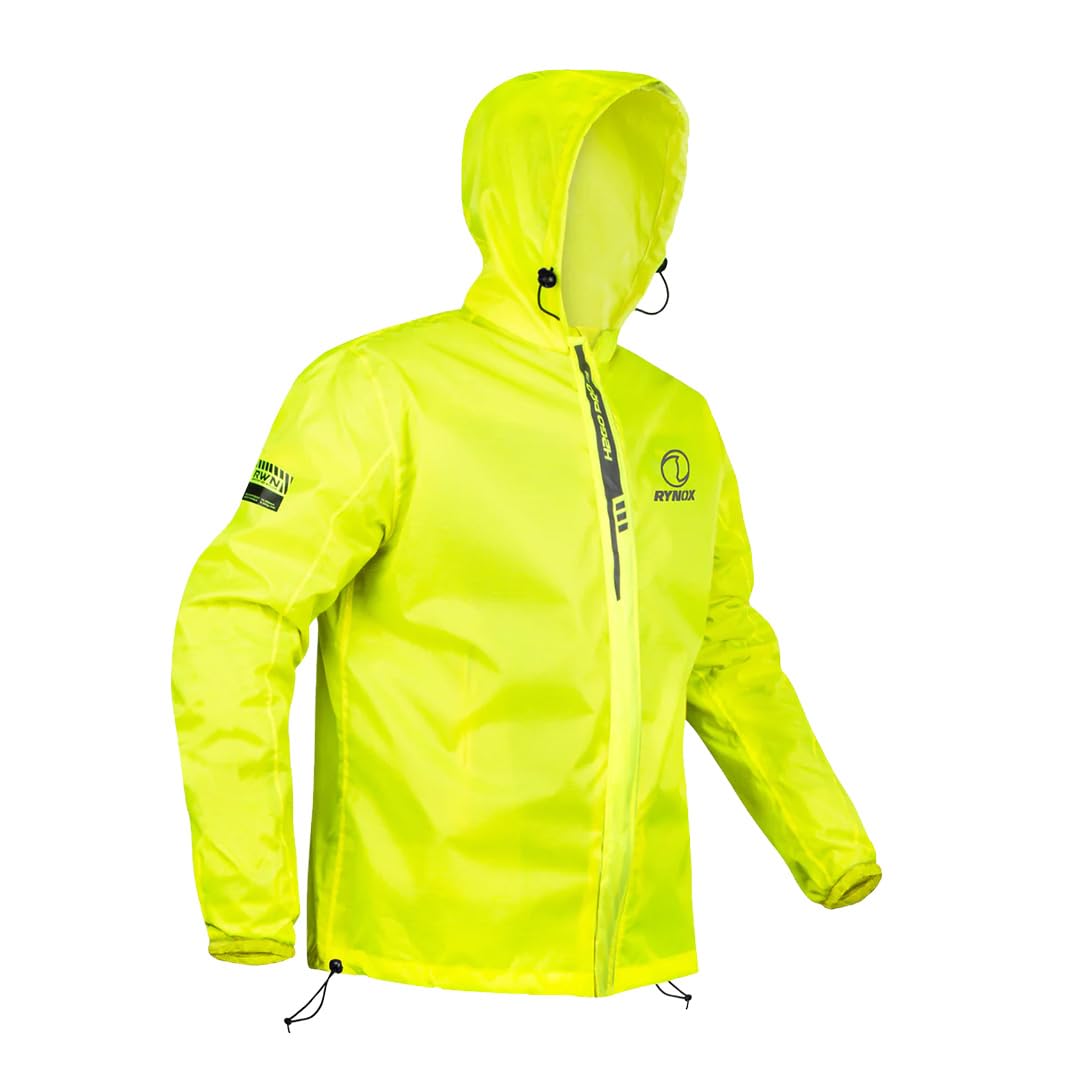
Rain gear from the 1960s often used rubberized materials that trapped heat and restricted movement, making wet-weather travel uncomfortable. Contemporary options feature breathable, waterproof fabrics that allow moisture to escape while blocking wind and rain. Jackets and pants are lighter, more flexible, and designed for layered use. These improvements enable outdoor activities to continue comfortably in unpredictable weather without sacrificing protection.
Upgraded First Aid Supplies
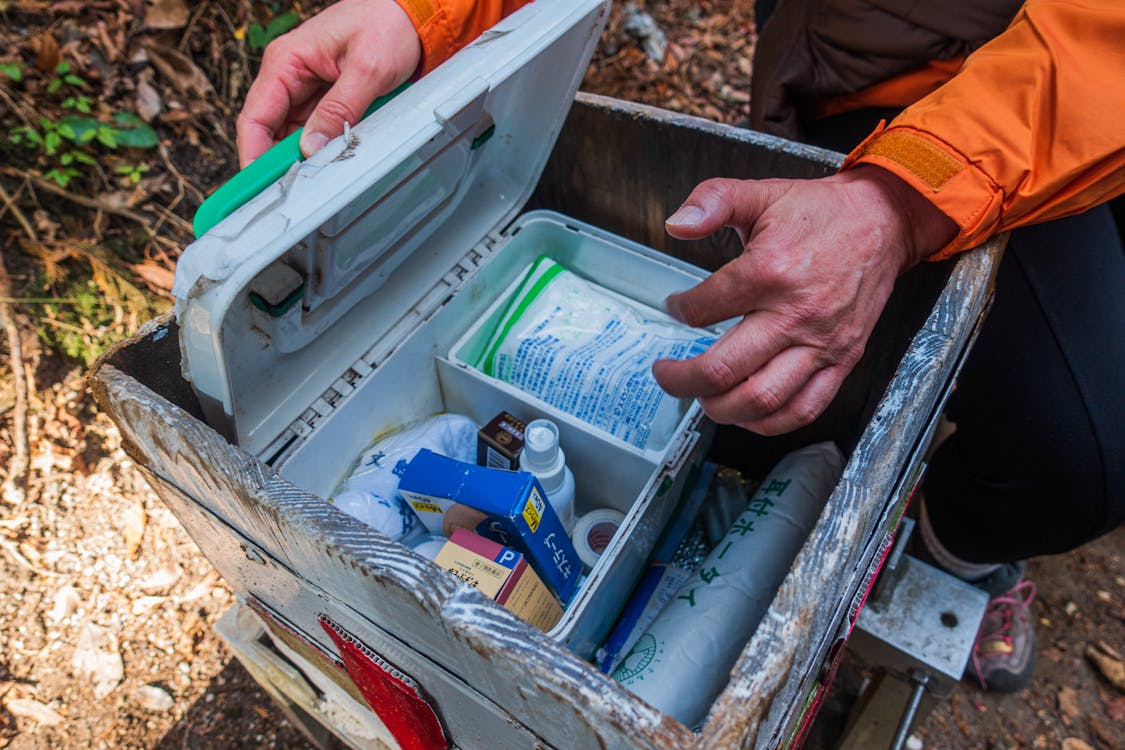
First aid kits once contained only basic bandages and antiseptics that offered limited support in emergencies. Modern kits use compact packaging and include tools such as compression wraps, blister pads, and emergency blankets designed specifically for outdoor conditions. Items are organized to assist in quick responses. These advancements provide greater confidence when venturing into remote areas where medical care is not immediately available.
More Comfortable Footwear
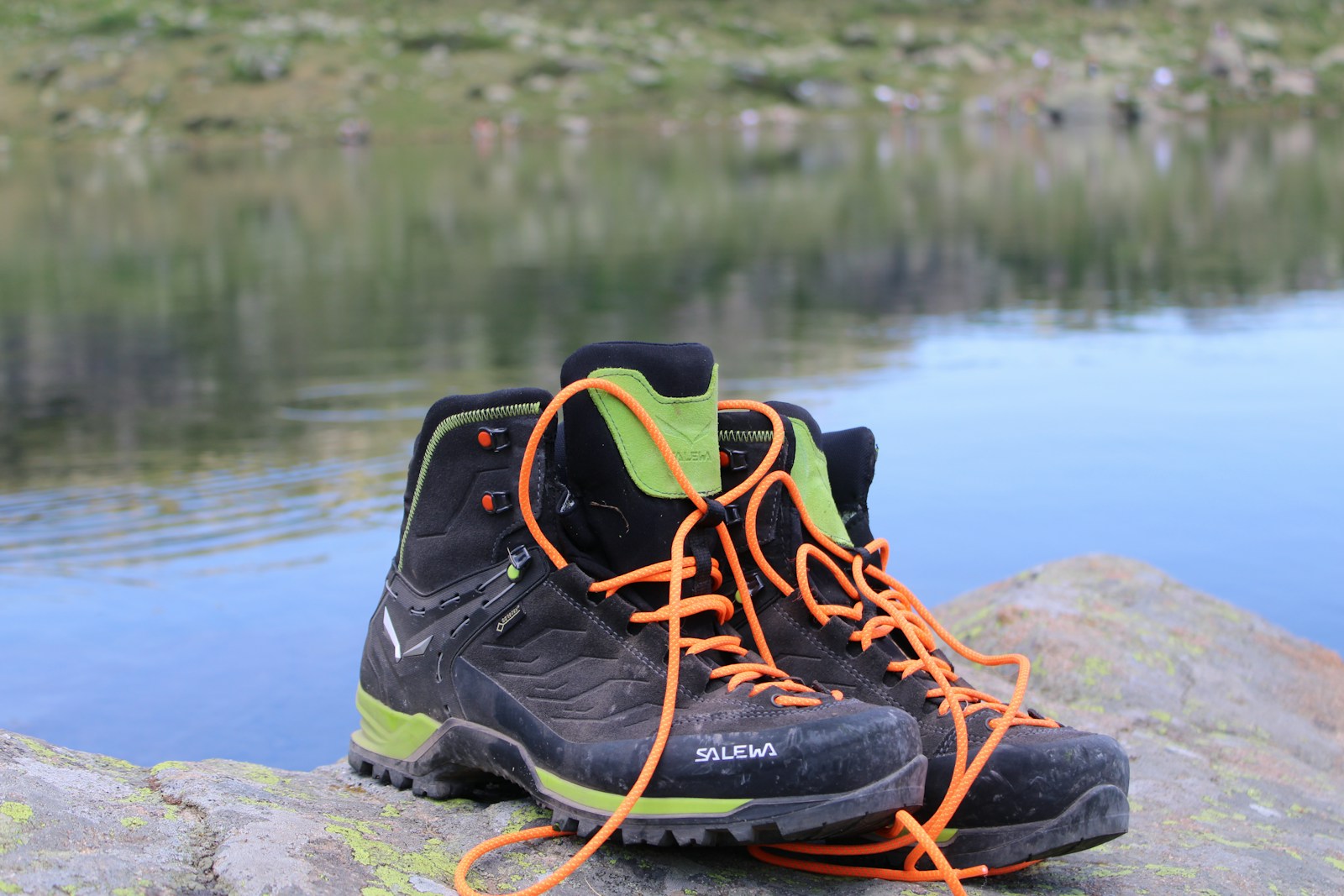
Hiking boots of earlier decades were often constructed from stiff leather that required significant break-in periods and added weight to each step. Modern footwear uses cushioned soles, breathable fabrics, and ergonomic designs that adapt quickly to natural movement. Traction has also improved with advanced rubber compounds. These features reduce fatigue and help maintain stability, making extended hikes more comfortable for campers of all experience levels.
Compact Camp Furniture

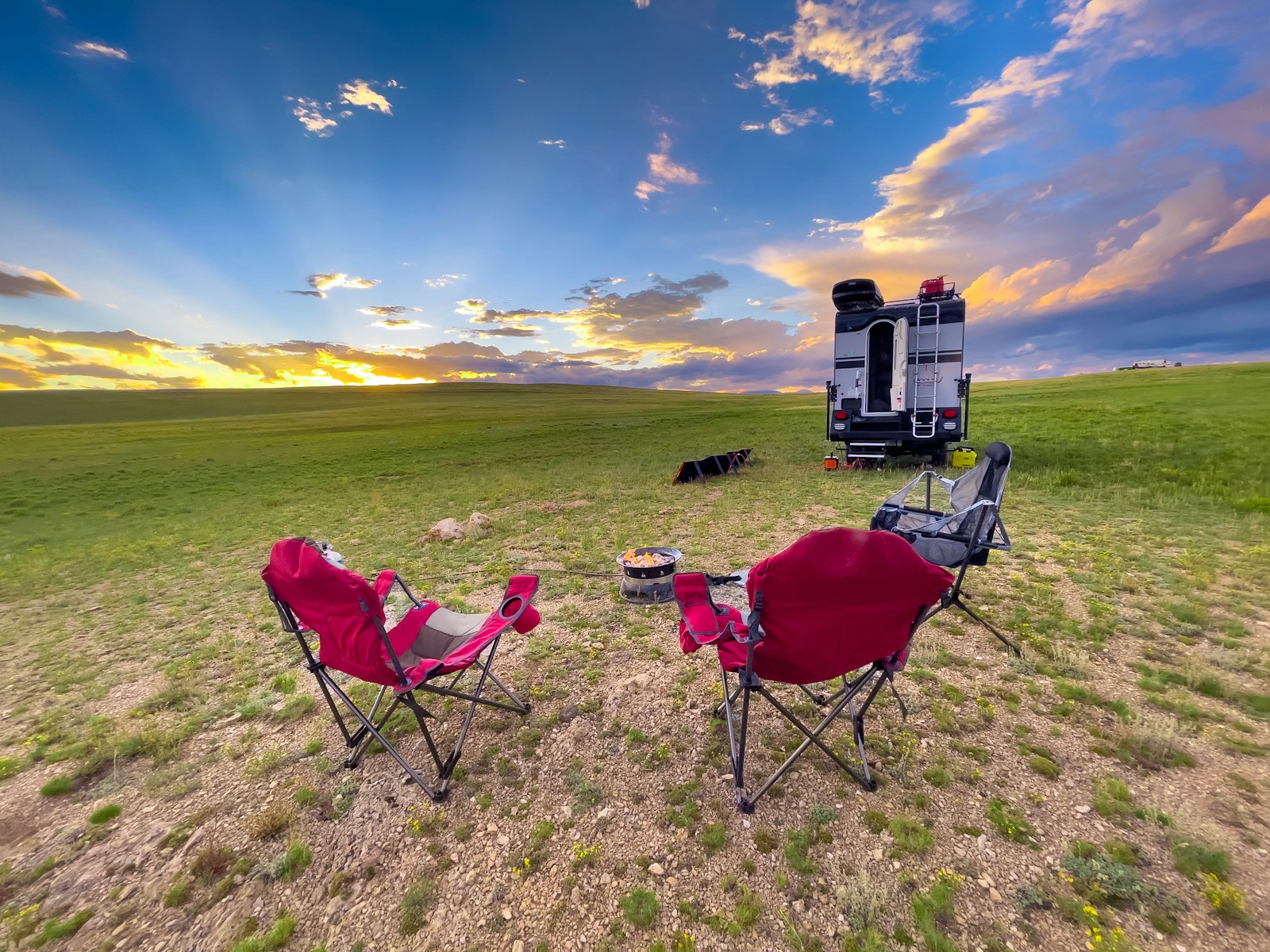
Camping furniture in the 1960s included bulky wooden or metal chairs that were difficult to transport and assemble. Today’s options rely on collapsible frames and lightweight fabrics that fit easily into backpacks or small storage bags. Setup takes only moments, and comfort has improved significantly. These innovations make it easier to relax at camp without adding cumbersome weight to the journey, reflecting a broader shift toward convenience and portability.