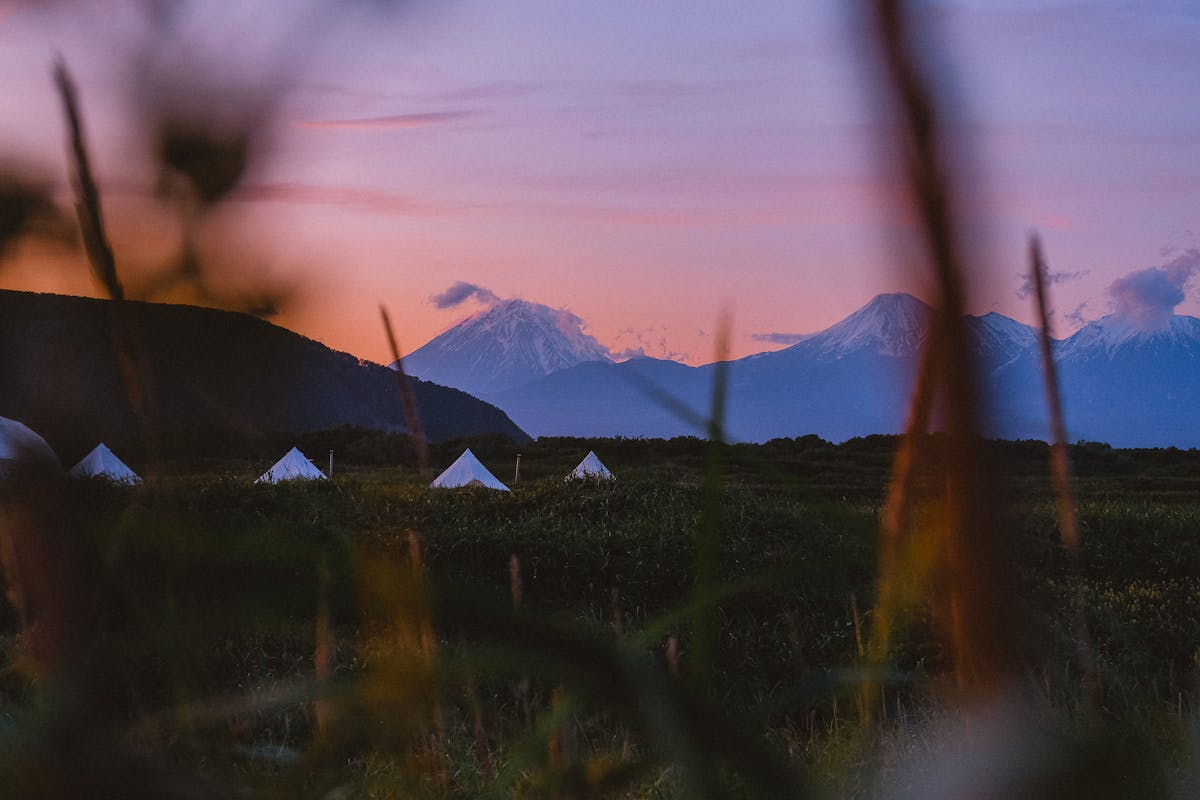
Volcano-side camping in the Pacific Northwest offers a striking mix of rugged terrain, quiet forests, and dramatic landscapes shaped by ancient lava flows. These lesser-known sites provide peaceful settings far from busy trailheads while still giving campers remarkable views of peaks, valleys, and meadows. Trails leading to these camps often pass through dense evergreens and open lava fields that highlight the region’s geological history. With calm surroundings and memorable scenery, these hidden spots create rewarding experiences for those seeking quiet mountain retreats.
Mount St. Helens Backcountry Zones, Washington

Mount St. Helens includes several backcountry zones where small camps sit along quiet trails with views of the mountain’s reshaped summit and surrounding valleys. The terrain reflects the landscape’s volcanic past, featuring exposed ridges, young forests, and pockets of wildflowers. Campsites maintain a sense of solitude due to limited access and clearly defined routes. This combination of open vistas and peaceful settings makes the area appealing for those seeking a reflective mountain experience.
Mount Hood Timberline Vicinity, Oregon

The Timberline vicinity around Mount Hood offers secluded camps tucked among evergreens and rocky slopes that frame the mountain’s snow-covered summit. Trails weave between ridgelines and sheltered forest pockets, creating varied scenery throughout the approach. Campsites remain far enough from busier paths to preserve quiet evenings and open sky views. The changing light across the peak provides a dramatic backdrop that enhances the sense of calm.
Newberry National Volcanic Monument, Oregon

Newberry National Volcanic Monument features lesser-known camps set near lava flows, forested craters, and quiet lakes formed by past eruptions. The area’s diverse terrain provides unique visual contrasts, from black rock fields to soft pine stands. Campsites located near calmer sections of the monument offer peaceful surroundings and gentle breezes. This mix of volcanic formations and tranquil forest space creates a memorable camping environment.
Mount Adams East Side Meadows, Washington

Mount Adams includes secluded meadow camps on its eastern slopes where open fields meet rolling forest edges. The landscape shifts gradually from grassy clearings to rocky sections shaped by the mountain’s volcanic past. These camps remain lightly traveled due to longer approach routes, preserving a strong sense of solitude. The combination of fresh air, quiet meadows, and wide mountain views supports a deeply relaxing atmosphere.
Three Sisters Wilderness Lava Corridors, Oregon

The Three Sisters Wilderness contains hidden camps along lava corridors where dark rock contrasts with bright alpine vegetation. These areas provide access to calm forest sections while maintaining views of the nearby volcanic peaks. Trails remain moderate, making the approach steady rather than strenuous. Campsites along these quieter passages offer space to unwind while surrounded by the region’s dramatic geological character.
Mount Rainier Lowland Forest Clearings, Washington

Lowland forest clearings near Mount Rainier include small camps set away from main routes but still within sight of the distant summit. Towering trees create cool shade, while breaks in the canopy reveal glimpses of the mountain’s glaciers. Soft ground and filtered light give the area a peaceful feel throughout the day. These clearings allow campers to enjoy the mountain’s presence without heavy trail traffic.
Crater Lake Outer Forest Sites, Oregon

Crater Lake’s outer forest areas offer secluded camps located beyond the busiest viewpoints, providing quiet surroundings among tall evergreens. Trails leading to these sites pass through rugged volcanic terrain that gradually transitions into thicker forest. The camps maintain comfortable shade and calm air even during warm months. Although the lake itself may not be visible, the surrounding volcanic landscape offers striking beauty.
Mount Jefferson Foothill Ridges, Oregon

The foothill ridges near Mount Jefferson contain lightly visited camps perched above valleys shaped by ancient eruptions. These elevated spots provide steady breezes and broad panoramic views without requiring steep climbs. Mixed forests and rocky outcrops add texture to the landscape as the trail progresses. The ridge locations create a comfortable sense of openness paired with quiet isolation.
Glacier Peak Backcountry Basins, Washington

Remote basins surrounding Glacier Peak offer some of the most secluded volcanic terrain in the Pacific Northwest, thanks to long approach routes and limited road access. Trails wind through quiet valleys shaped by glacial carving, leading to camps tucked between subalpine meadows and rugged ridgelines. The area’s remoteness preserves a strong sense of solitude, with broad views of lava domes, ancient moraines, and the striking summit of Glacier Peak rising in the distance. Shifting light across the basin highlights the deep greens, grays, and muted volcanic tones that define one of Washington’s last truly wild high-country regions.
Baker Lake Highlands, Washington

Highland camps near Baker Lake offer peaceful settings framed by views of Mount Baker’s glacier-covered slopes. The forested approach includes gentle climbs, opening occasionally to glimpses of the surrounding volcanic terrain. Campsites located near calm lake edges provide refreshing air and soft ground. The stillness of the area helps highlight the mountain’s presence from a comfortable distance.
Mount Bachelor Forest Fringe, Oregon

The forest fringe around Mount Bachelor includes hidden camps located along quieter trails that weave between volcanic ridges and shaded timber stands. Openings in the forest reveal subtle views of the peak while maintaining a sheltered, private atmosphere. Soft ground and filtered light create comfortable spaces for overnight stays. This setting offers a relaxed balance between volcanic scenery and gentle woodland surroundings.