Conversations about guns often flatten rural life into stereotype, even among people who own firearms themselves. But outside cities and suburbs, guns are frequently tied to land, livestock, weather, distance, and routine responsibility. This gallery looks at 11 common misconceptions and explains what firearm use can actually look like in rural America.
They are not mainly for self-defense against strangers
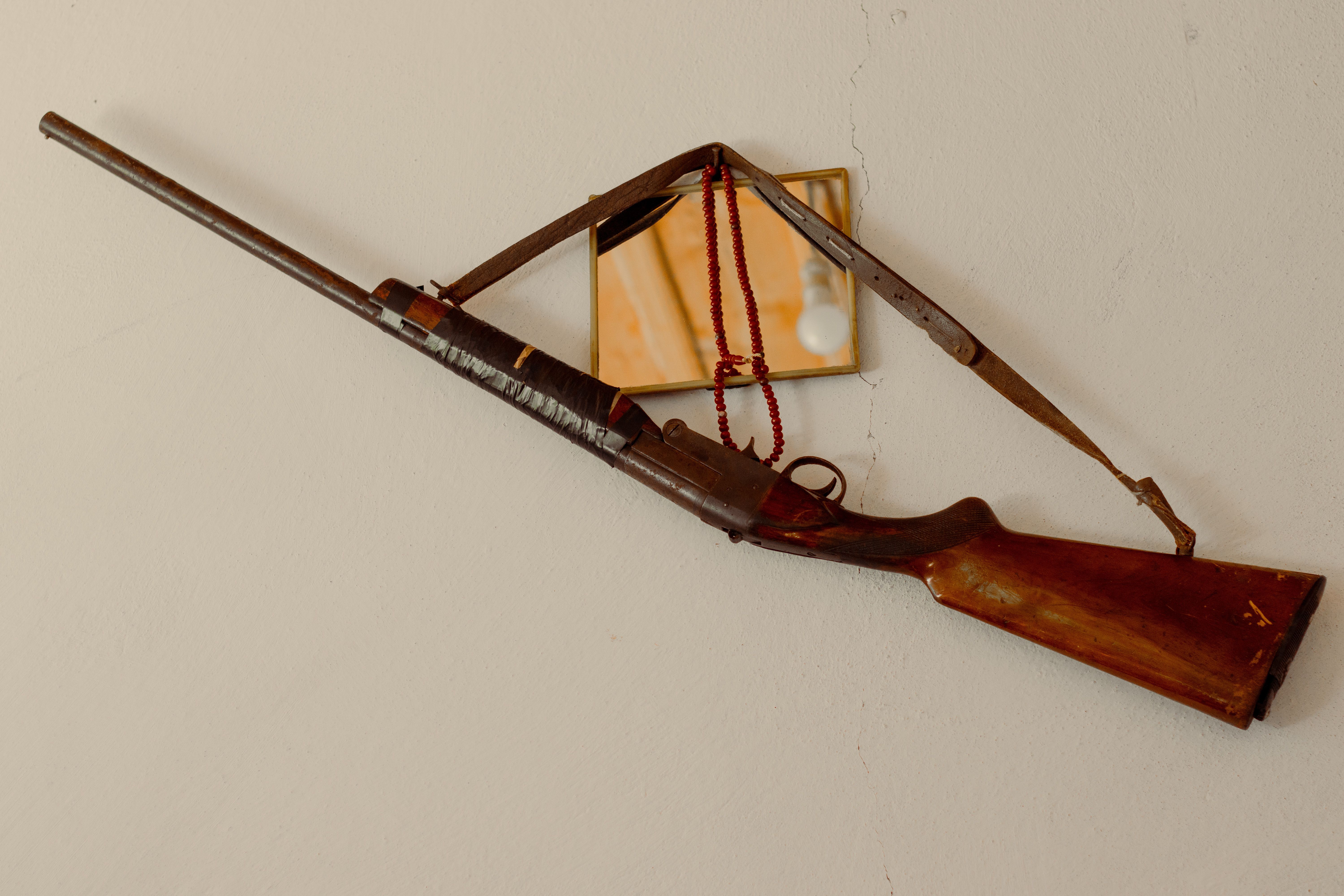
City-based gun owners often imagine rural firearms use through the same lens they use at home: personal protection from crime. In many rural areas, that is not the daily focus. Distance, isolation, and low population density can shape priorities in very different ways.
For many households, a gun is more likely to be used for pest control, putting down an injured animal, protecting livestock from predators, or checking a back field than for a dramatic home-defense scenario. The firearm is part of a toolkit tied to property and animals, not just personal threat response.
That difference does not make safety less important. It simply means the context is more practical, routine, and land-based than many urban owners assume.
A pickup gun is often a work tool, not a status symbol

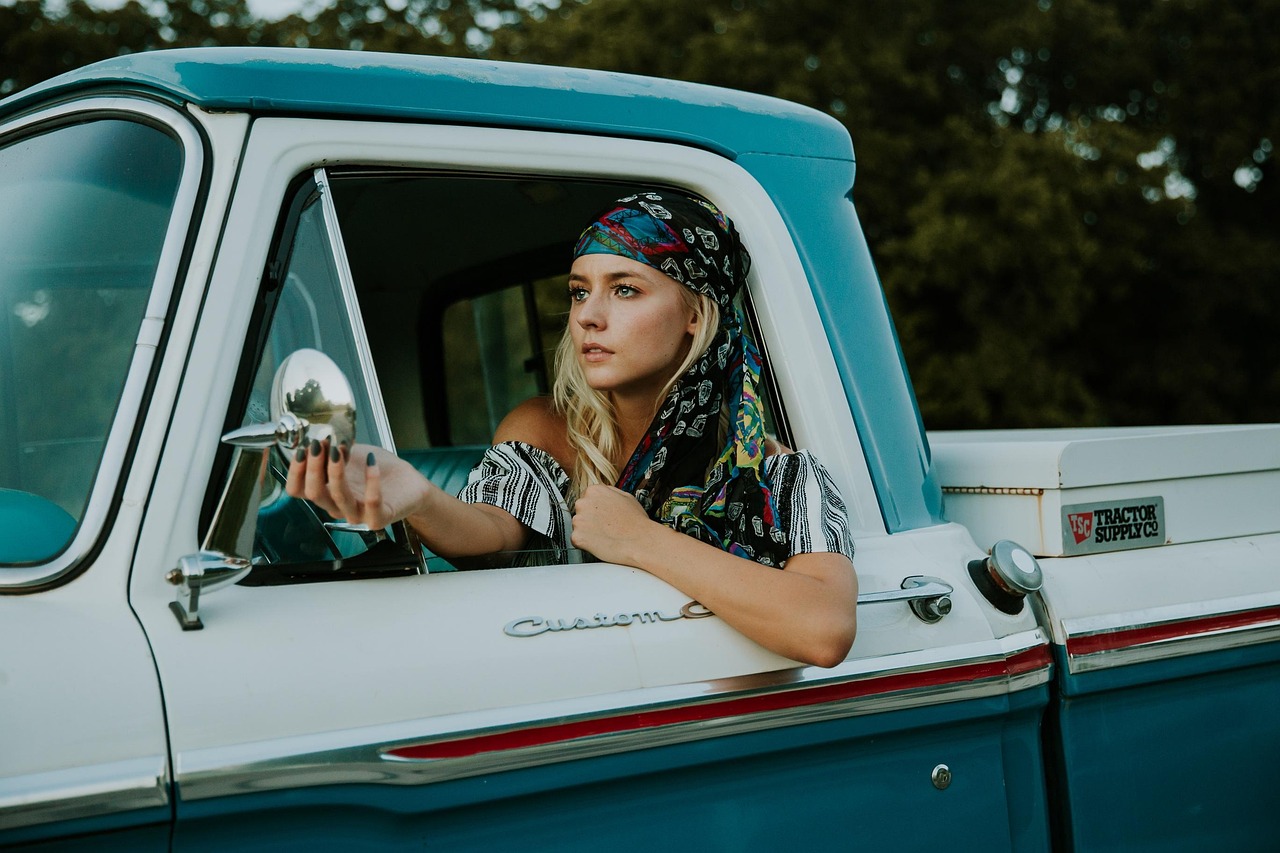
In urban gun culture, people may think of a firearm in a vehicle as a statement about identity or preparedness. In rural communities, a rifle or shotgun in a truck can be far more ordinary than that. It may sit there because the day involves fence repair, checking cattle, or a long drive between distant parts of a property.
The point is usually convenience. If a coyote shows up near calves, a feral hog tears up ground, or an injured animal needs to be dispatched quickly, going back to the house may not be realistic.
That does not mean casual handling is acceptable. It means the firearm is often treated like other work gear kept close because the terrain and tasks demand it.
Hunting is often about food and land management

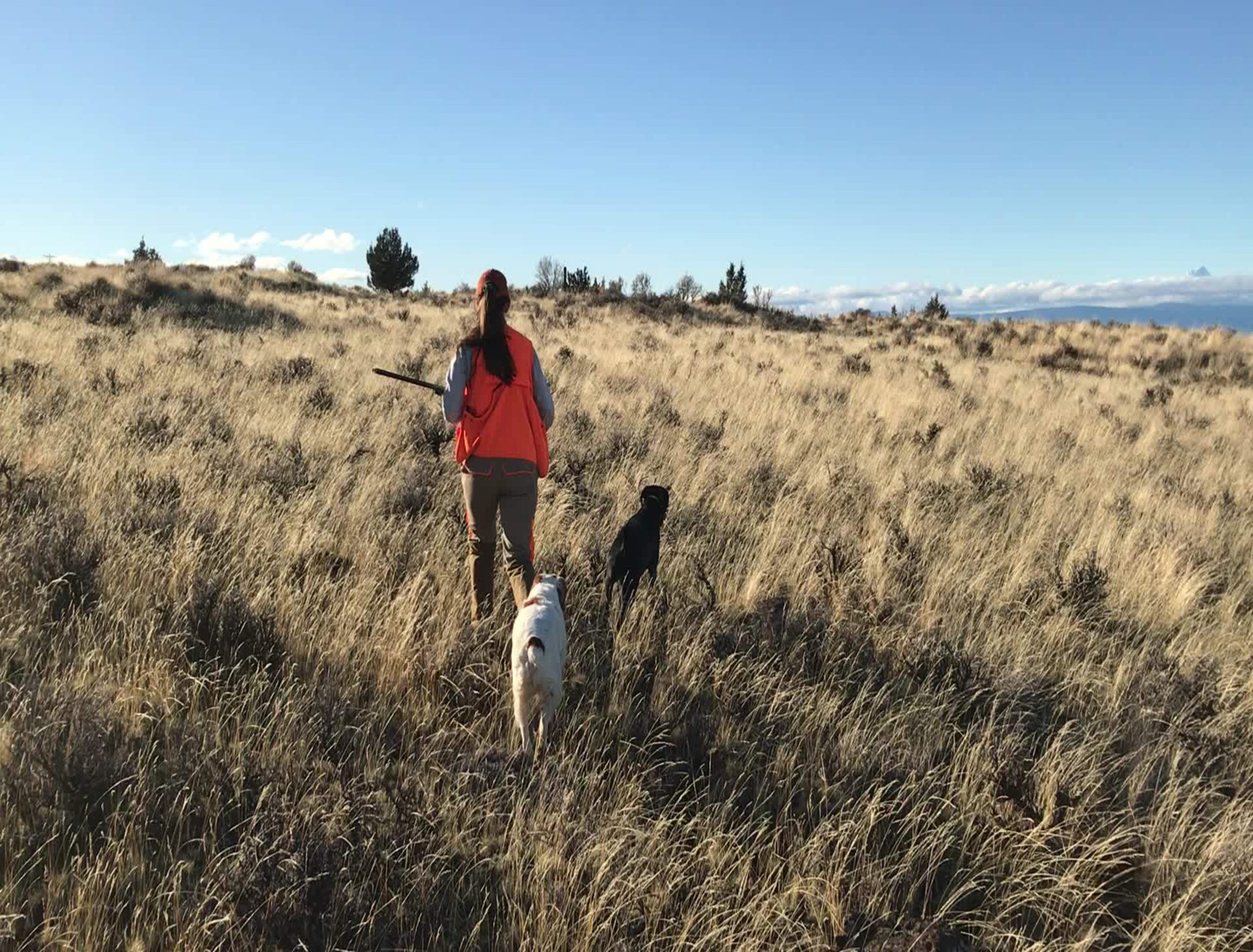
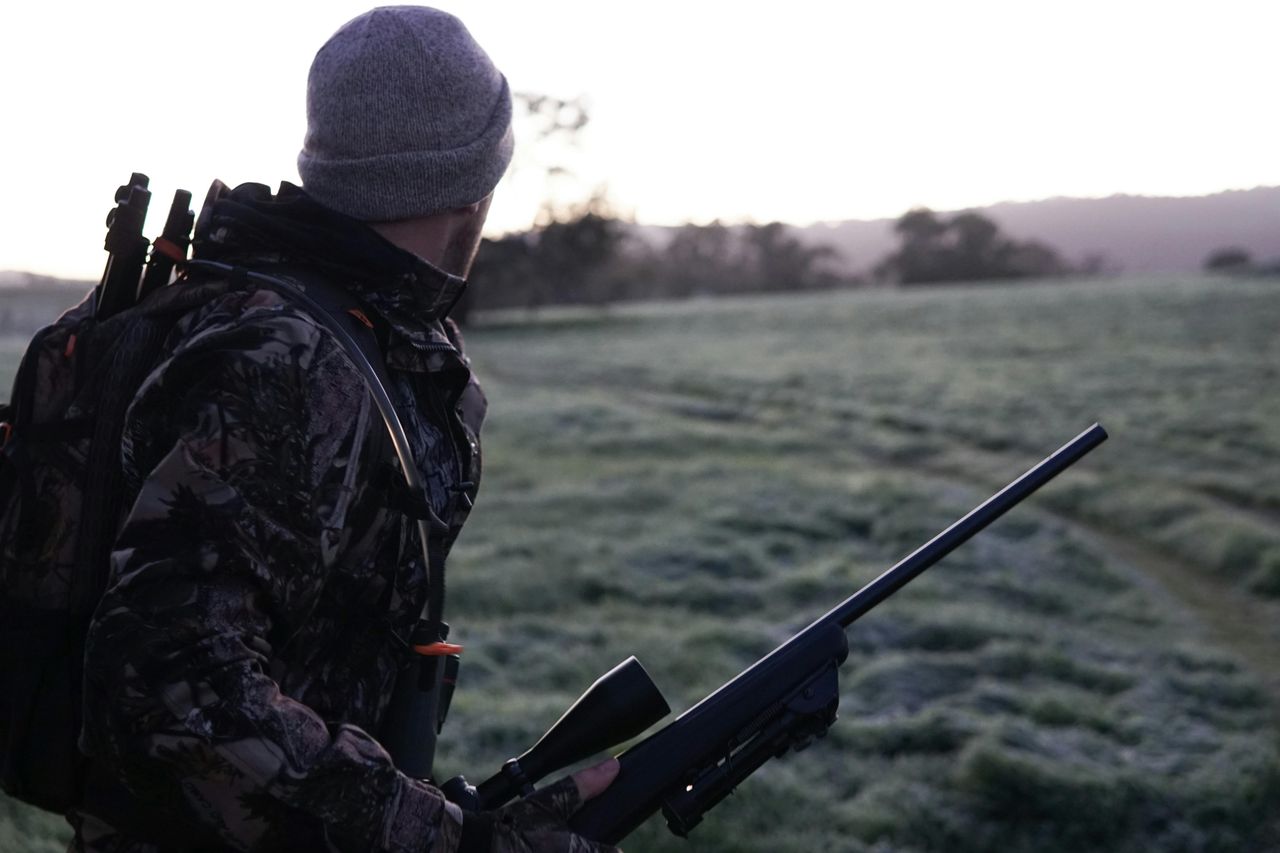
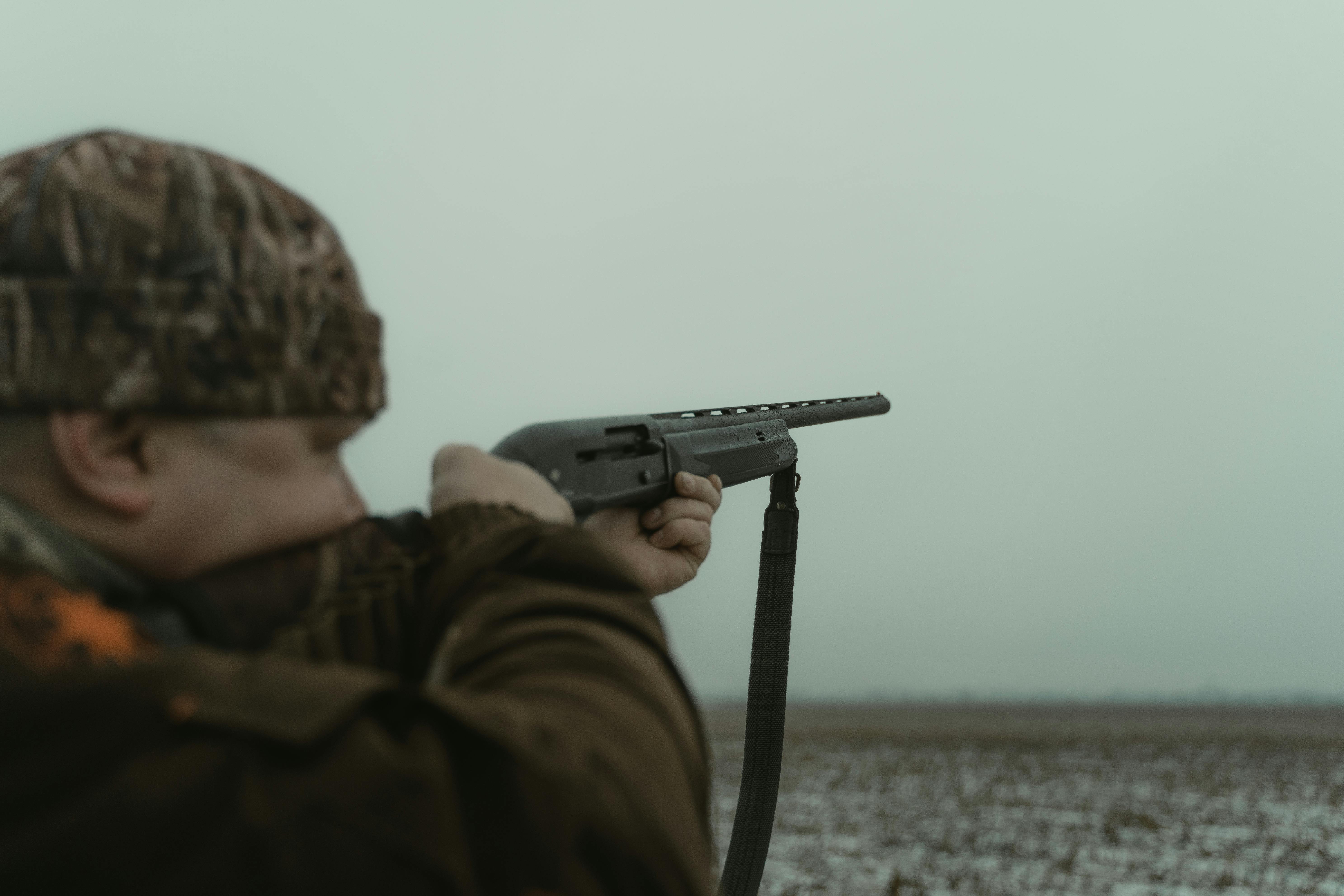
Some city gun owners view hunting mostly as recreation with a rugged aesthetic attached to it. In rural America, it is often more grounded than that. Deer, turkey, and other game can be a real food source, and hunting seasons may be woven into family calendars as naturally as harvest time or county fairs.
There is also a land-management side that gets overlooked. In some areas, controlling deer populations matters for crops, gardens, and road safety. In others, hogs can become highly destructive, damaging fields and infrastructure.
So while tradition and enjoyment are part of the picture, the practice is often tied to meat, stewardship, and local ecological realities rather than image alone.
Pest control can matter more than target shooting
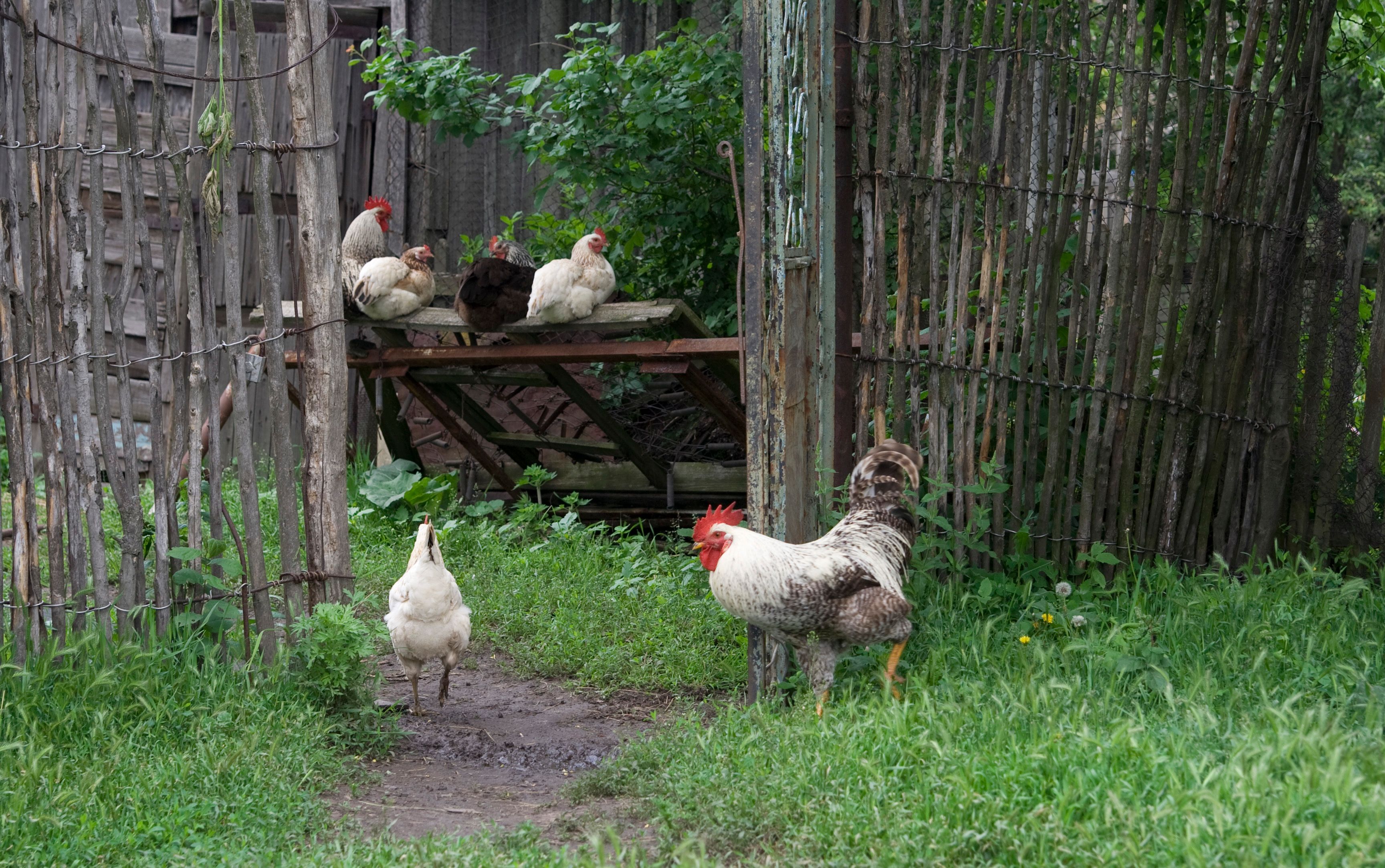
Urban owners may spend most of their gun time at a range, so it is easy to assume that is the center of firearm culture everywhere. In rural areas, many people shoot far less for recreation than outsiders think. The more immediate need can be dealing with varmints and pests that threaten crops, feed, or small animals.
Groundhogs can undermine structures, raccoons can raid feed, and coyotes can pressure poultry and young livestock. In some regions, invasive hogs are a constant problem with real financial consequences.
That means accuracy is often valued for practical reasons, not sport alone. The firearm is there to solve a recurring problem, quickly and responsibly, when other options are limited or too slow.
Rural gun ownership is shaped by distance and delayed help

A common misunderstanding is that rural gun habits are simply more old-fashioned versions of suburban ones. In reality, geography changes everything. Long driveways, isolated homes, poor cell service, and slower emergency response times create a very different sense of vulnerability and self-reliance.
That does not automatically translate into paranoia. More often, it means people are used to handling problems on their own, whether that is a wounded animal, a predator near livestock, or a vehicle breakdown far from town.
Firearms fit into that broader culture of independence. They are not always the centerpiece, but they are one of several tools people keep ready because help may be many minutes or even hours away.
Many rural owners learn guns as part of household responsibility
City-based owners sometimes assume rural people grow up around guns in a loose, unsupervised way. That stereotype misses how often instruction starts with rules, routines, and serious expectations. In many families, firearms are introduced the same way tractors, chainsaws, or livestock chores are introduced: as responsibilities that can hurt people if handled carelessly.
A child may learn how to carry a rifle safely, when not to touch one, and why muzzle direction matters long before they ever fire a shot. The lesson is often less about excitement than discipline.
That culture can vary, of course, but the broader point is important. Familiarity in rural settings often grows out of structure and repetition, not recklessness.
One gun often has several practical jobs
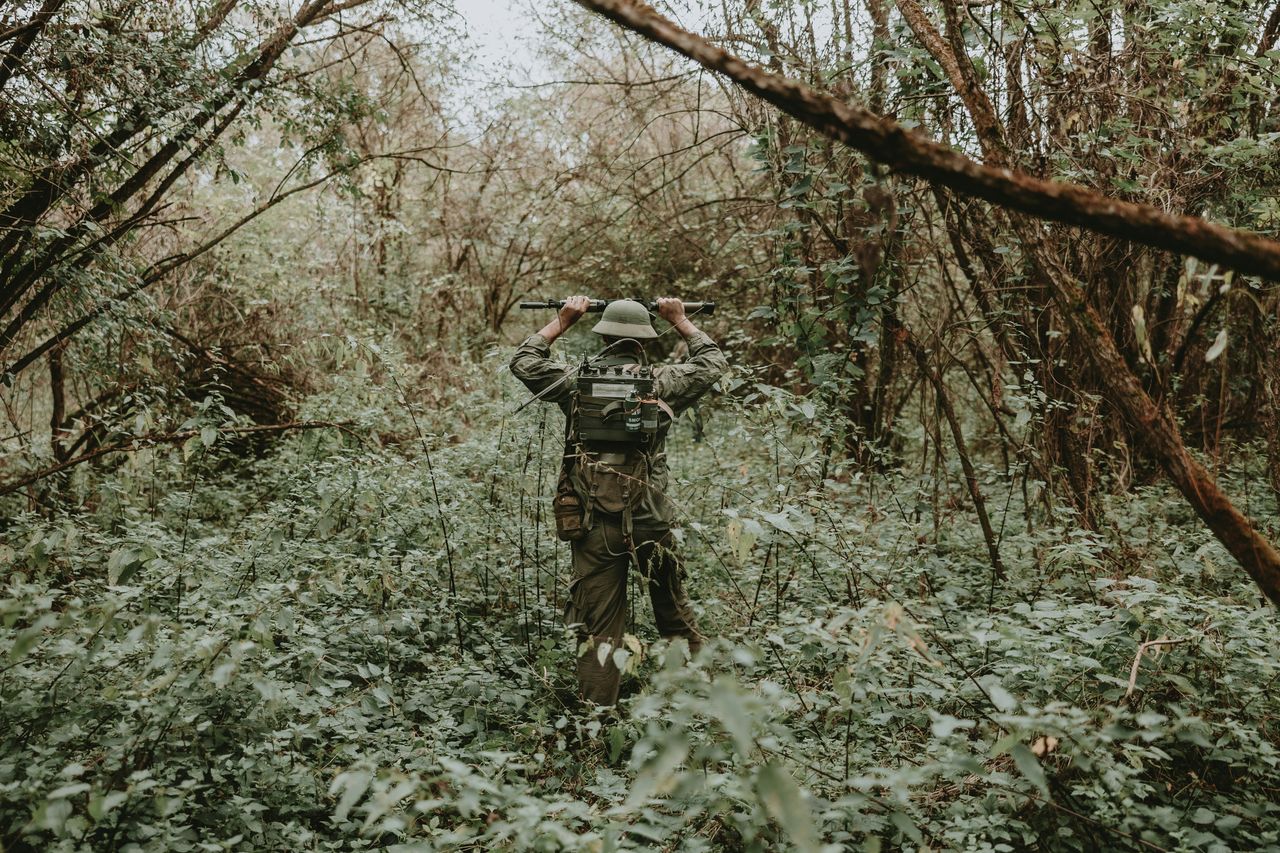
Urban enthusiasts sometimes think in specialized categories: concealed carry pistol, home-defense shotgun, range rifle, competition setup. Rural owners may own fewer firearms and ask each one to do more. A single .22, shotgun, or centerfire rifle can serve across seasons and chores depending on what the property demands.
That flexibility reflects economics as much as lifestyle. Not every household wants a large collection, and many simply need dependable tools that work in multiple situations. Utility tends to matter more than novelty.
As a result, conversations about upgrades, accessories, and niche performance can sound out of step. For plenty of rural users, the best gun is the one that handles several tasks reliably without much fuss.
Brand loyalty is often weaker than people think
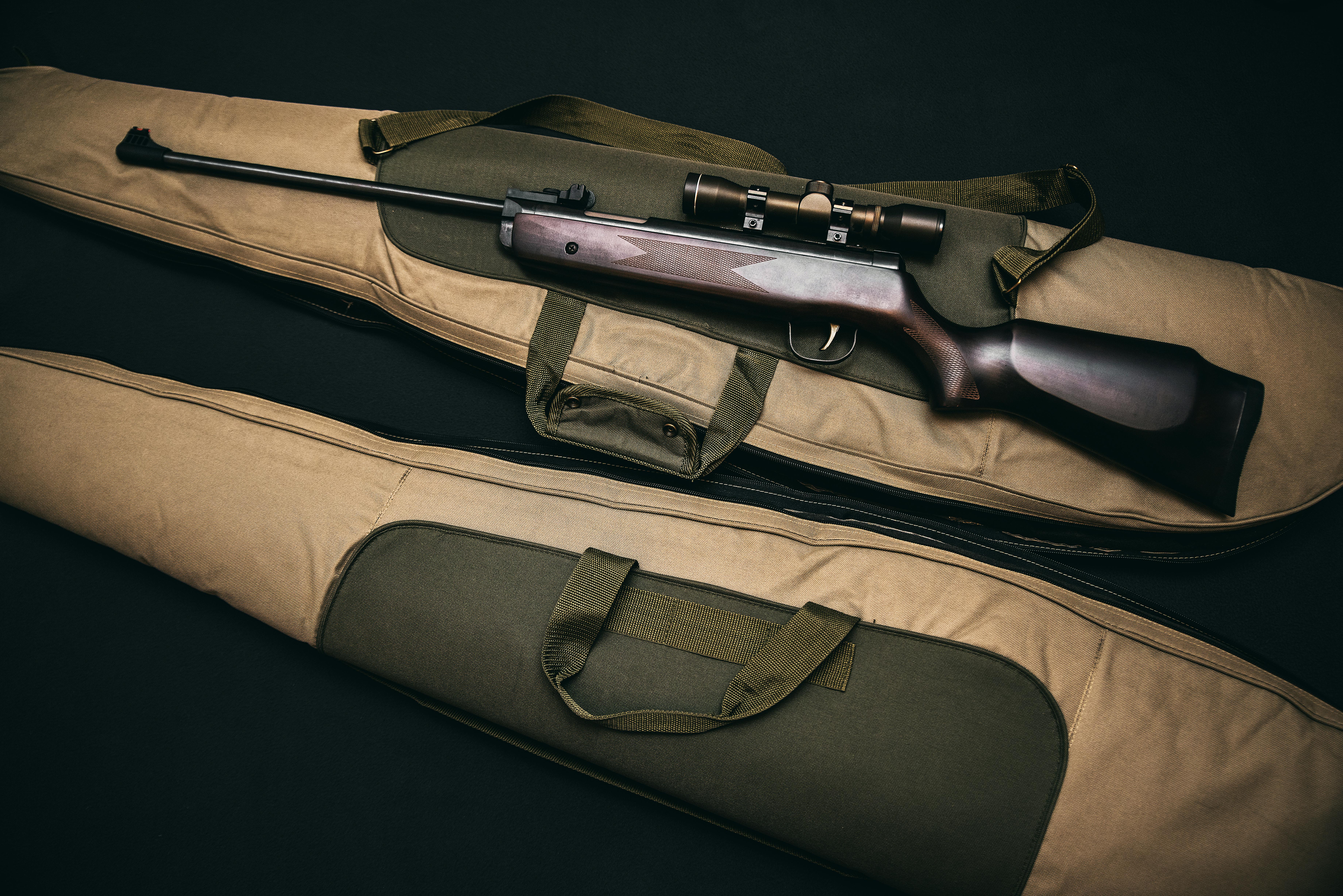
In some urban gun circles, brand identity can become almost tribal. Certain manufacturers signal taste, politics, budget, or expertise. In rural communities, that kind of loyalty may matter less than whether the gun works every time, can be repaired locally, and suits the task at hand.
A well-used rifle inherited from a grandparent may be valued more than something trendier because it has proven itself for decades. Ammunition availability, weather resistance, and plain reliability often beat buzz.
That practical mindset can make rural firearm culture look less style-driven from the outside. The emotional attachment is real, but it is usually rooted in usefulness, memory, and trust rather than branding alone.
Shooting on private land changes the whole relationship

People who mostly shoot at indoor lanes or formal ranges may not realize how much private land reshapes firearm habits. In rural areas, access to a safe backstop, open acreage, and familiar terrain can make shooting feel less like an event and more like an occasional part of property life.
That can mean sighting in before season, checking a repaired scope, or teaching a family member basic handling without driving across town and paying range fees. The environment is less commercial and often more self-regulated.
Of course, that setup still requires judgment about neighbors, livestock, and terrain. But it creates a different rhythm, one where firearms are integrated into place rather than separated into designated outing time.
Not every rural owner is deeply invested in gun culture

One of the biggest mistakes is assuming rural gun owners are all hobbyists who spend time following every new release, legal update, and online argument. Many do not. They may own firearms for practical reasons and think about them only when a chore, season, or problem calls for one.
In that sense, some rural owners resemble people who keep tools in a shed. They know how to use them, maintain them, and store them, but they do not build identity around constant discussion.
This is why city-based assumptions can miss the mark. Rural gun ownership can be deeply normal, even mundane, shaped more by necessity and habit than by enthusiast culture or public performance.
Season and weather often dictate use
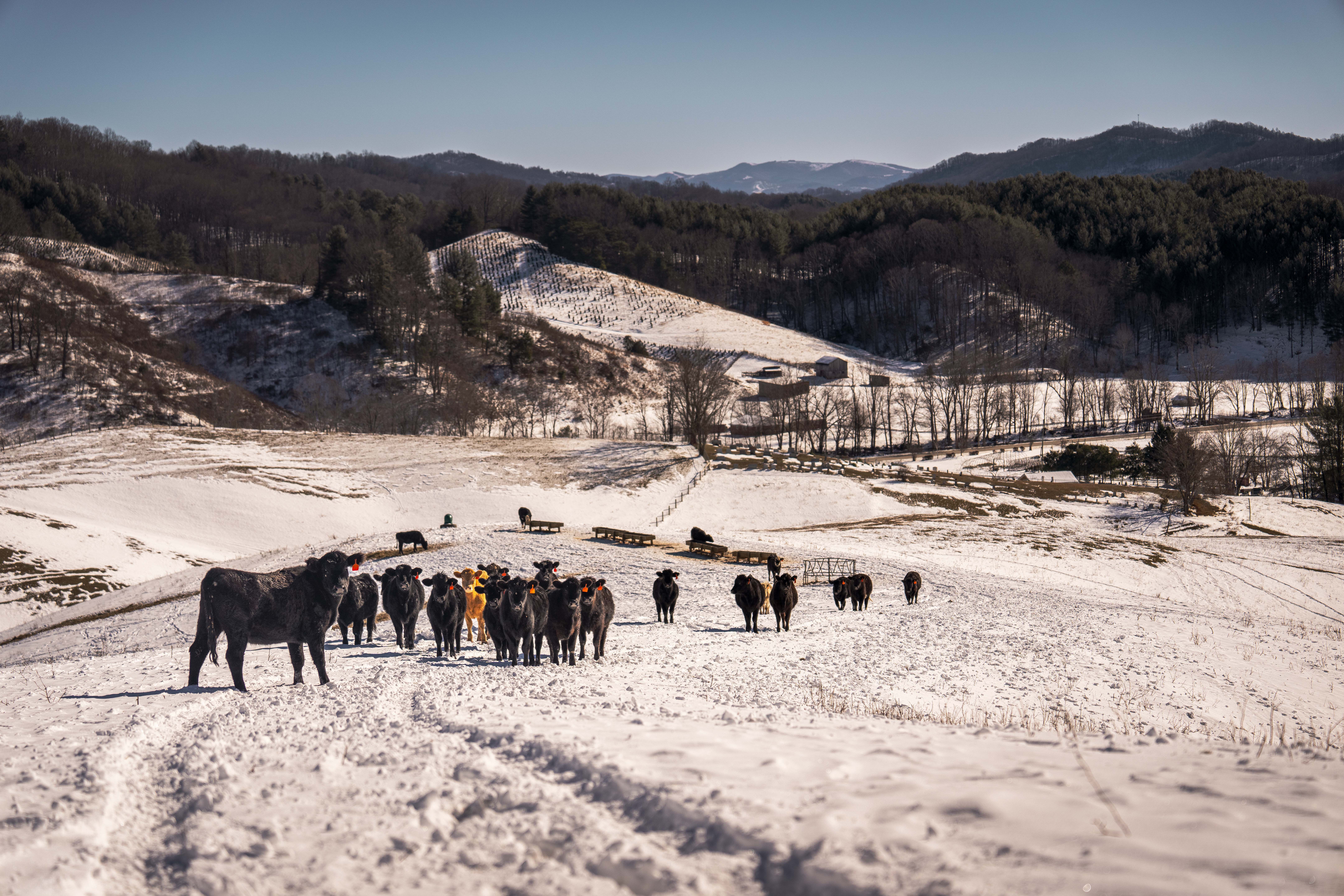
Urban gun routines are often calendar-independent: range days, classes, carrying habits, and occasional recreational trips. Rural firearm use is frequently more seasonal. Harvest, calving, lambing, predator movement, hunting dates, and even snowfall can all change when and why a gun comes out.
A rancher may need one close during vulnerable livestock periods, then barely touch it at other times. A landowner might sight in before deer season, then store that rifle for months. Weather can also affect access, visibility, and the urgency of certain animal problems.
That seasonal rhythm makes rural use look less constant than outsiders expect. It is often driven by the land’s calendar, not a consumer or training schedule.