In survival situations, time feels like the enemy. Whether lost outdoors, caught in extreme weather, or facing equipment failure, people instinctively make decisions to regain control. Unfortunately, speed often replaces judgment. Many survival accidents don’t happen because people lack knowledge, but because they cut corners to move faster, stay drier, or get home sooner. Small time-saving choices can quietly stack risk until one mistake turns critical. This list explores eleven common survival decisions people make to “save time” that end up costing safety, health, or even lives. Each example explains why the shortcut feels logical in the moment, how it increases danger, and what a safer alternative looks like when pressure is high and options feel limited.
1. Skipping Shelter Setup Before Darkness
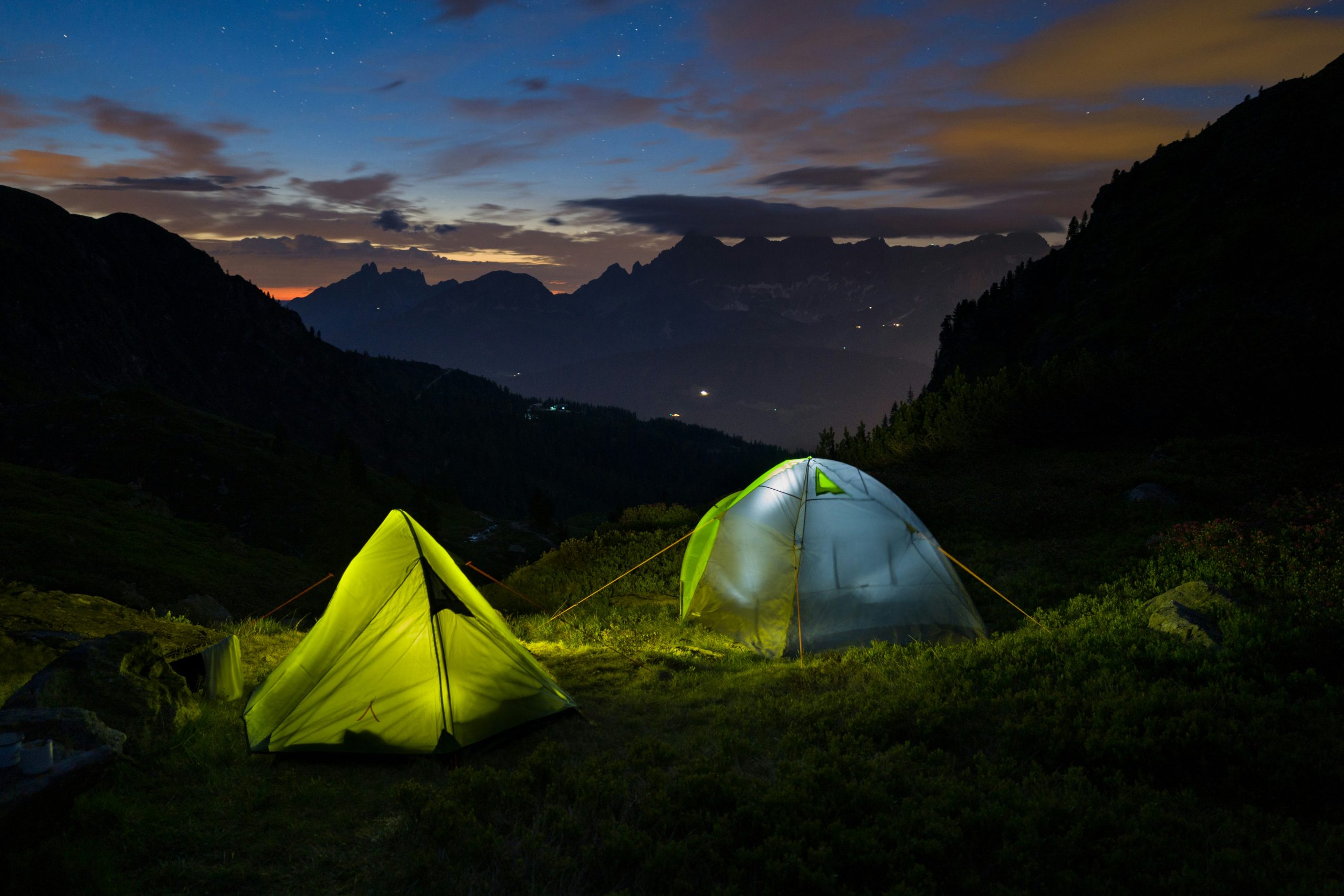
People often push forward instead of building shelter, hoping to cover more ground before nightfall. The logic feels sound: movement equals progress,s but darkness, fatigue, and temperature drops rarely cooperate. Without shelter, exposure accelerates heat loss, disrupts sleep, and weakens decision-making by morning. Wind and unexpected rain magnify the risk fast. Building even a basic shelter before dusk provides insulation, wind protection, and psychological stability. The time “saved” by walking another mile often disappears when hypothermia, poor rest, or injury slows everything afterward. Shelter first creates safety margins that make every following decision clearer and more controlled.
2. Crossing Water Instead of Detouring
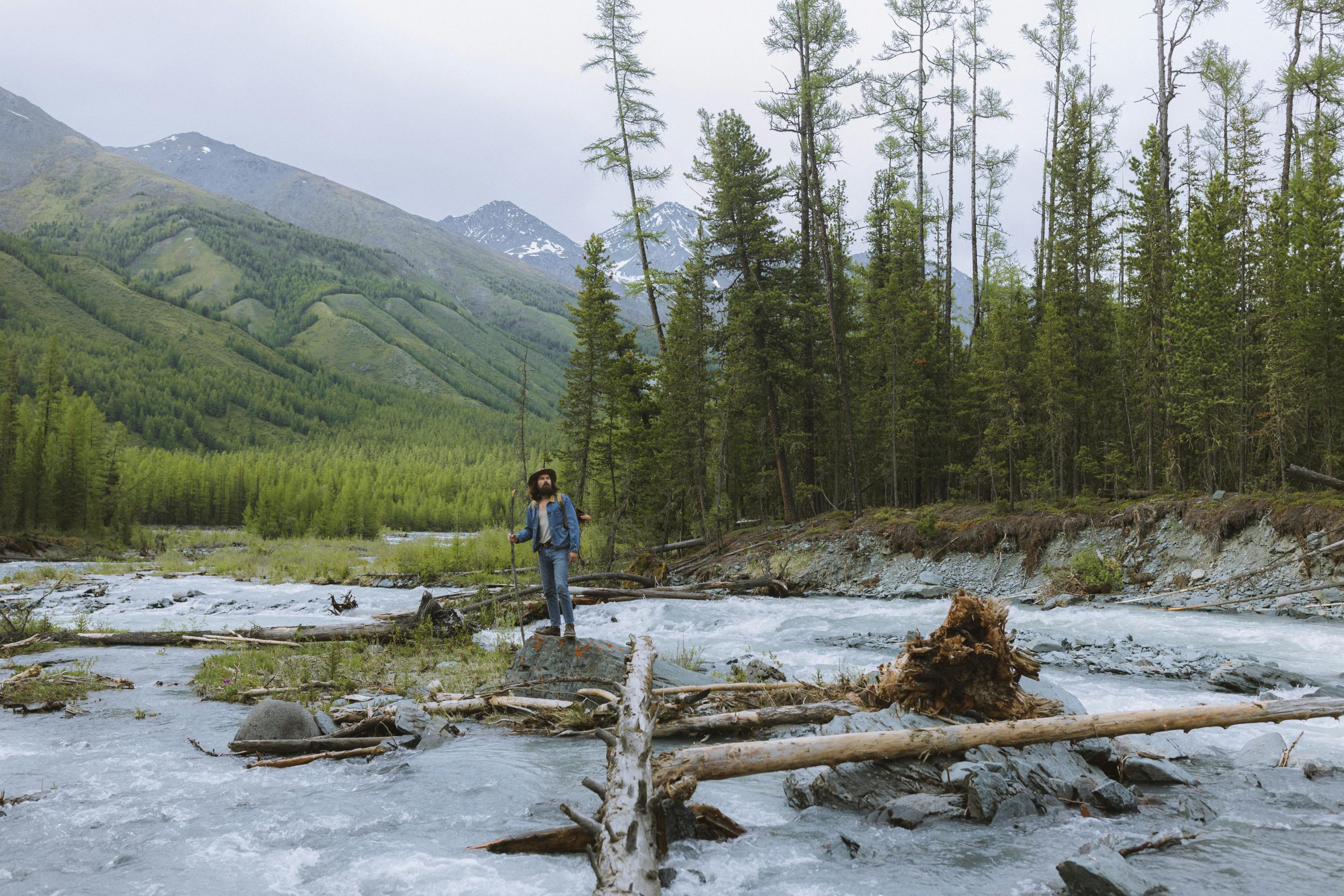
Water crossings look harmless when currents appear slow or shallow. Many people choose to wade or hop across to avoid long detours. However, moving water hides uneven footing, cold shock, and sudden depth changes. Even ankle-deep currents can sweep legs out from under you, especially with a pack. Wet clothing rapidly strips body heat, increasing hypothermia risk even in mild weather. A detour may feel frustrating, but staying dry preserves energy, warmth, and mobility. Time lost walking around water is usually recovered by avoiding injuries, soaked gear, and emergency stops later.
3. Ignoring Foot Care to Keep Moving
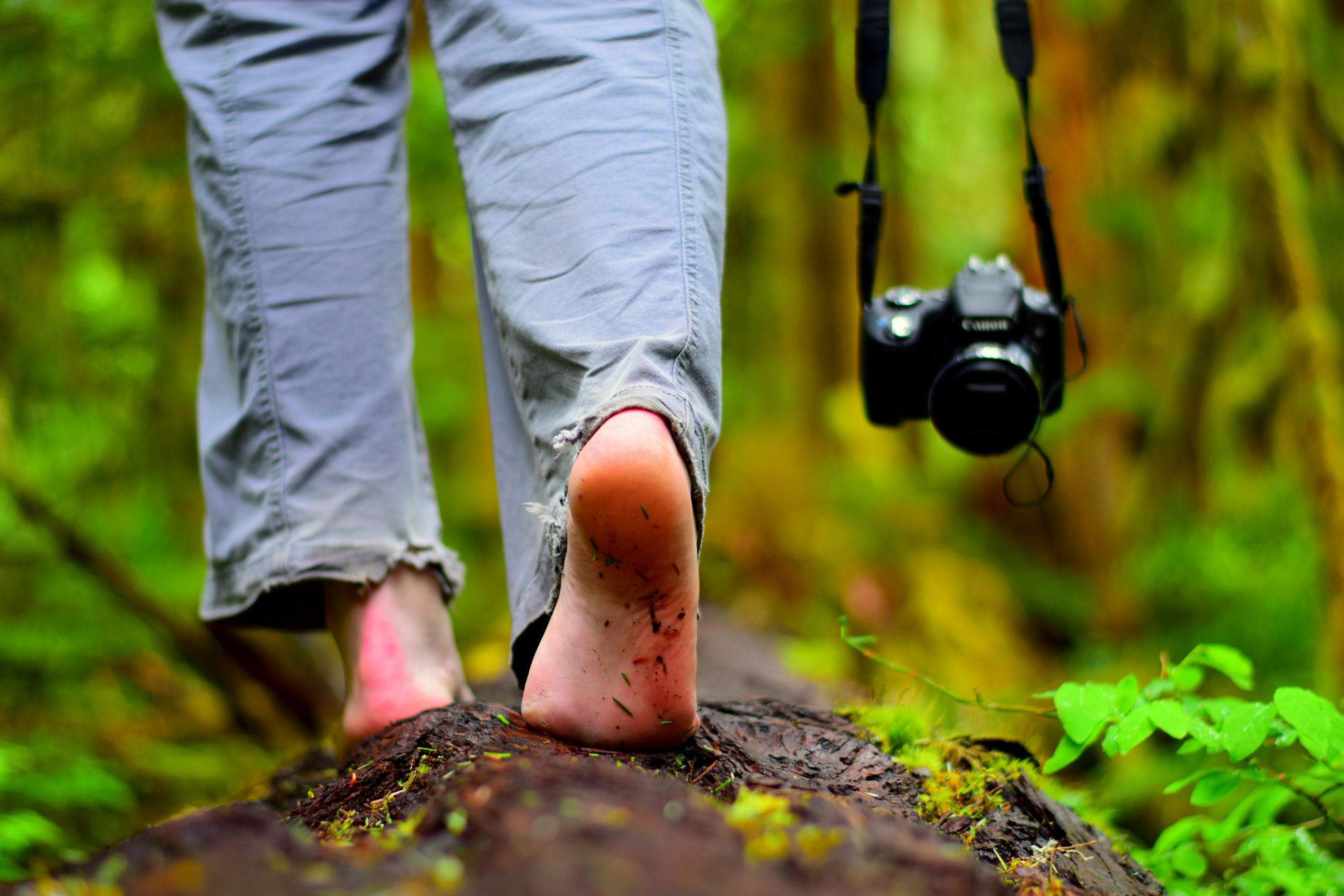
Hot spots, wet socks, and minor discomfort are easy to dismiss when momentum feels important. Many survivors delay foot care to maintain pace, assuming they can deal with it later. Blisters, however, form quickly and heal slowly. Once skin breaks, infection and severe pain can stop movement entirely. Damp feet accelerate friction and cold injuries. Taking ten minutes to dry socks, tape hot spots, or adjust footwear protects the most critical survival tool you have: mobility. Ignoring feet doesn’t save time; it borrows heavily against future movement you may not be able to afford.
4. Drinking Untreated Water to Avoid Delay
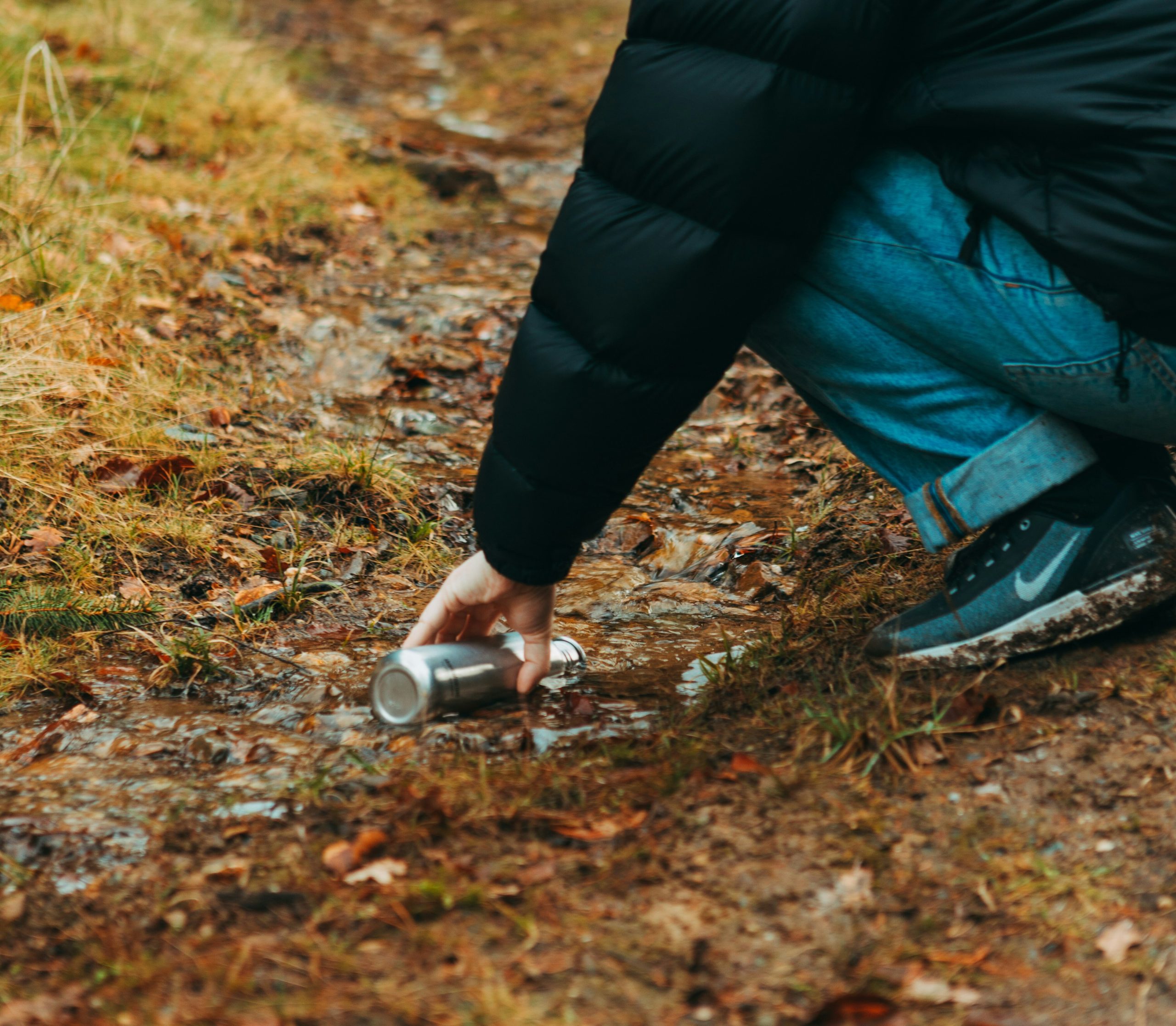
Dehydration pressures people into risky choices, especially when water sources look clean. Skipping purification feels efficient, but untreated water often carries bacteria, parasites, or viruses invisible to the eye. Illness doesn’t hit immediately; symptoms appear hours or days later, when evacuation or movement becomes harder. Diarrhea, vomiting, and weakness rapidly deplete fluids and energy. Treating water takes minutes compared to days lost recovering. Even simple methods like boiling or filtration dramatically reduce risk. In survival, patience with water safety preserves strength when it’s needed most.
5. Overloading Packs to Avoid Extra Trips
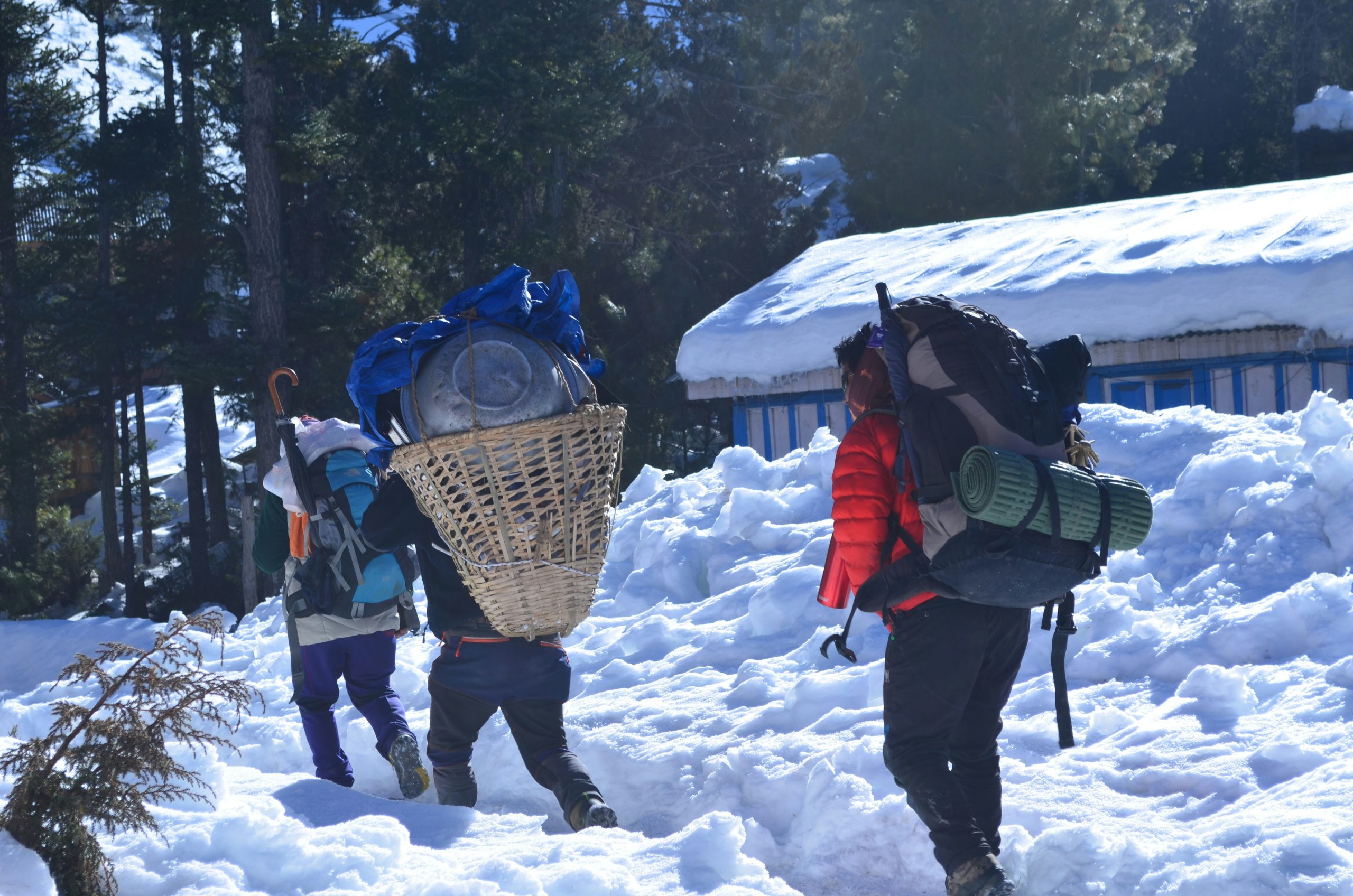
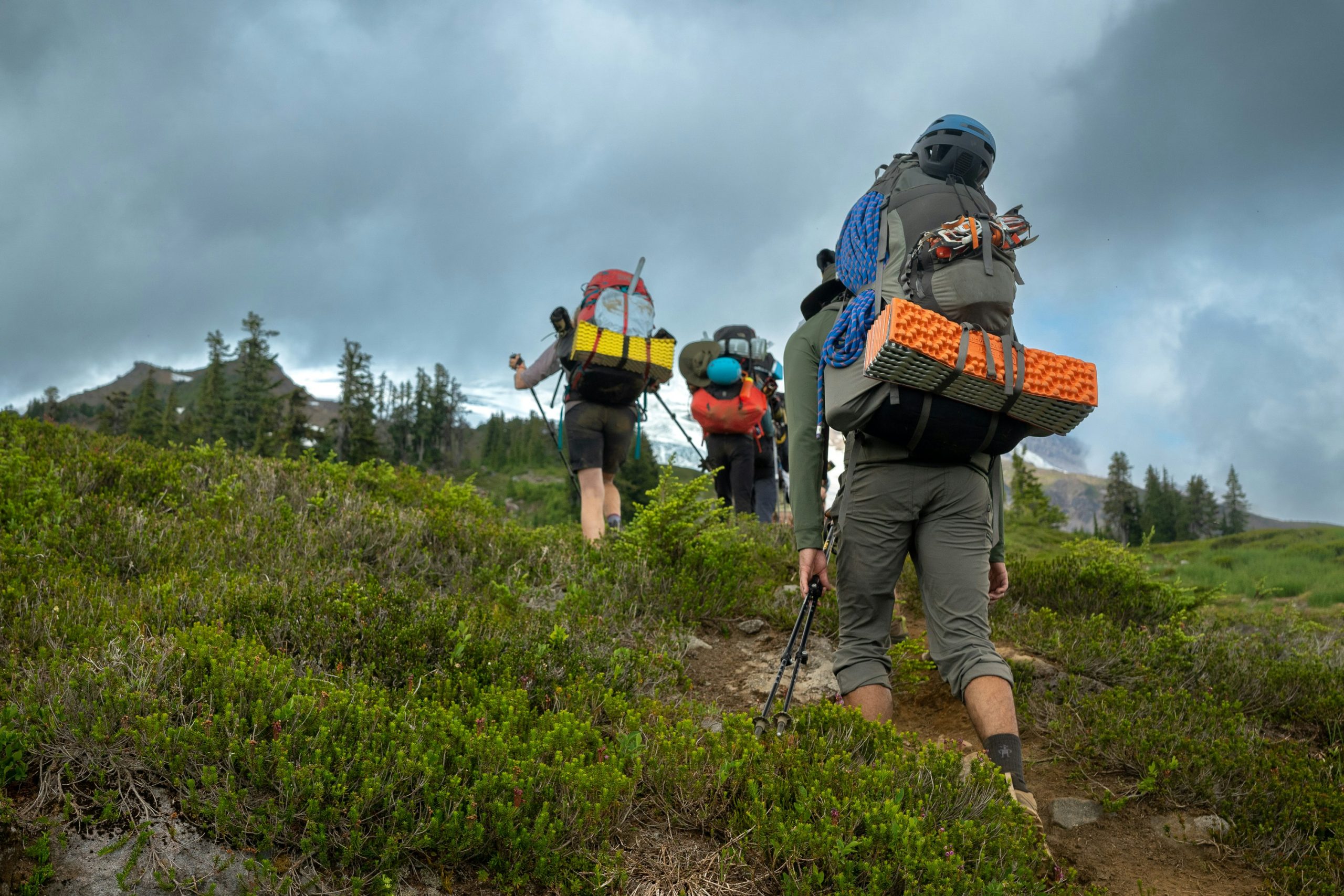
Carrying everything at once seems efficient, especially during evacuations or camp setup. People often overload packs to eliminate return trips, underestimating the physical cost. Heavy loads strain joints, reduce balance, and increase fall risk. Fatigue sets in faster, slowing pace and impairing judgment. Injuries from overloading frequently end movement entirely. Multiple lighter trips may feel inefficient, but they protect endurance and coordination. Survival favors steady, repeatable effort over heroic hauls. Saving time by carrying too much often trades minutes for injuries that cost hours or worse.
6. Taking “Shortcuts” Through Unknown Terrain
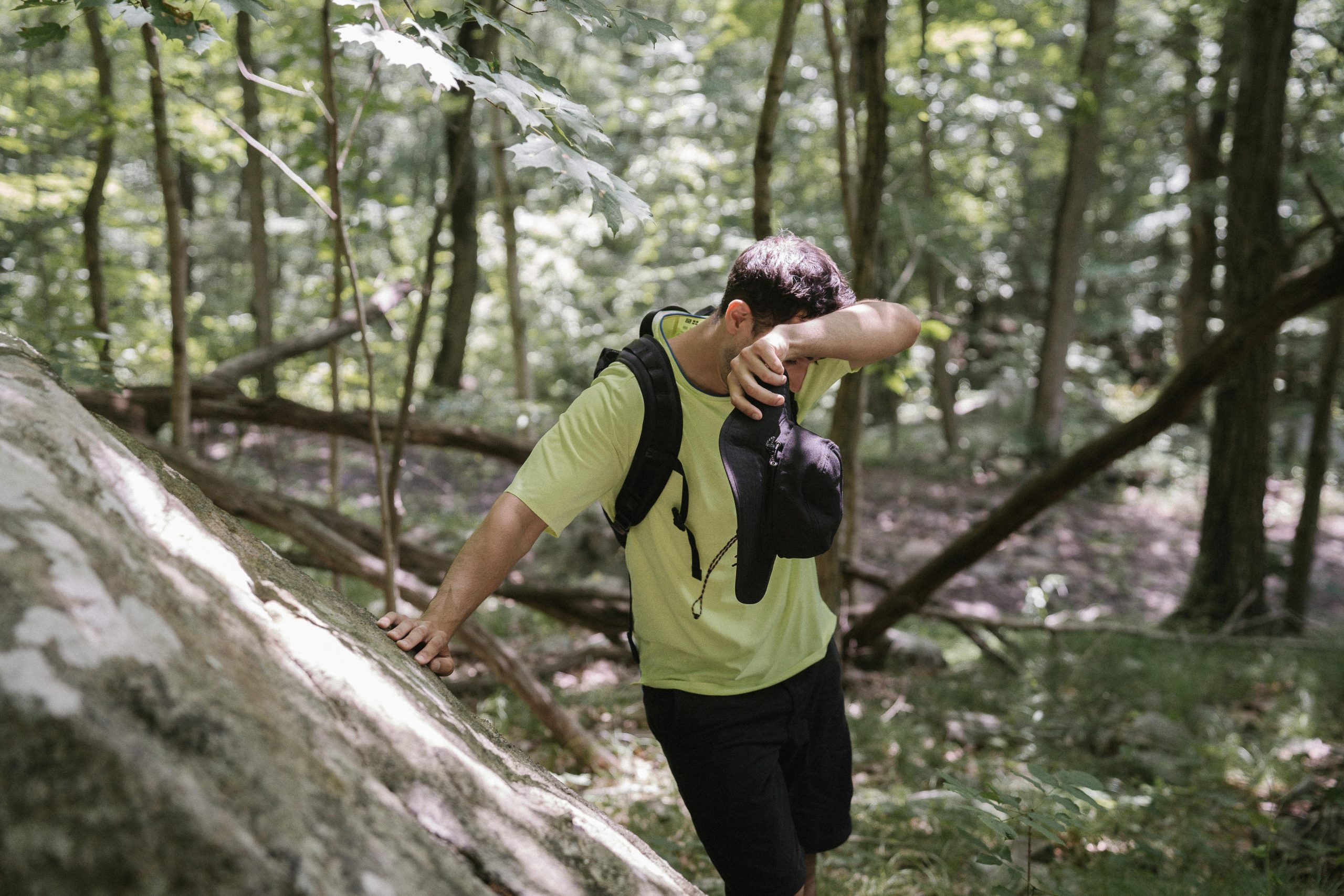
Unmarked routes promise faster travel, especially when maps look vague or trails feel indirect. Cutting through brush, slopes, or drainage areas seems like a clever time saver. In reality, unknown terrain hides hazards like loose rock, thick vegetation, cliffs, and deadfall. Navigation errors multiply without clear reference points. What looks shorter often becomes slower due to obstacles, injuries, or backtracking. Established routes exist because they minimize risk and energy loss. Staying on known paths keeps orientation intact and reduces surprise dangers that consume far more time than planned shortcuts.
7. Rushing Fire Building Without Preparation
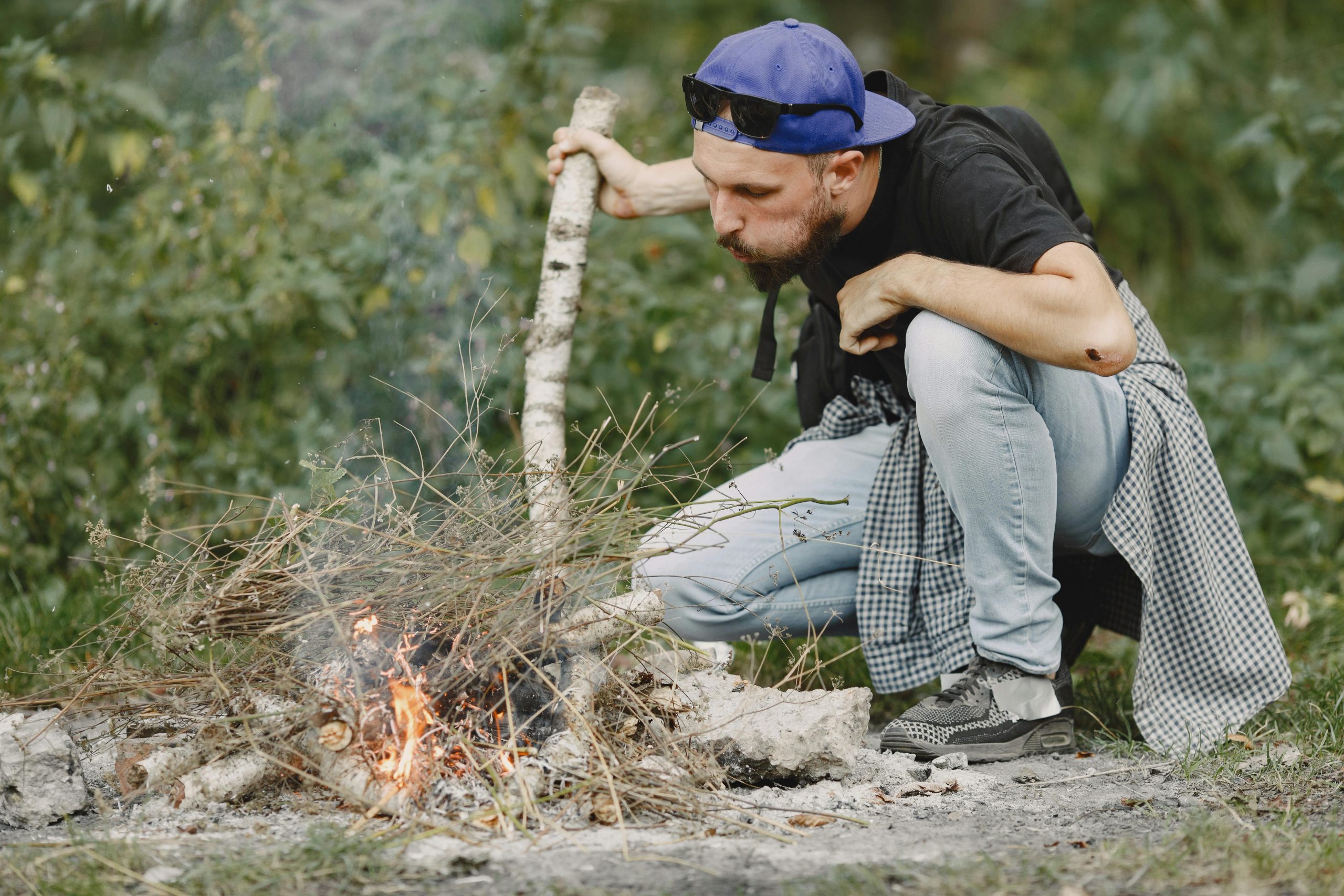
Fire provides warmth, water purification, morale, and signaling. When cold or stressed, people rush ignition without gathering proper materials first. This leads to repeated failures, wasted energy, and depleted ignition sources. Wind or damp conditions quickly extinguish poorly prepared fires. Taking time to collect dry tinder, kindling, and fuel before striking a spark dramatically increases success. A single well-built fire outperforms multiple rushed attempts. Fire rewards preparation over speed. The minutes spent organizing materials often save hours of cold, hunger, and frustration later.
8. Delaying First Aid to Maintain Momentum
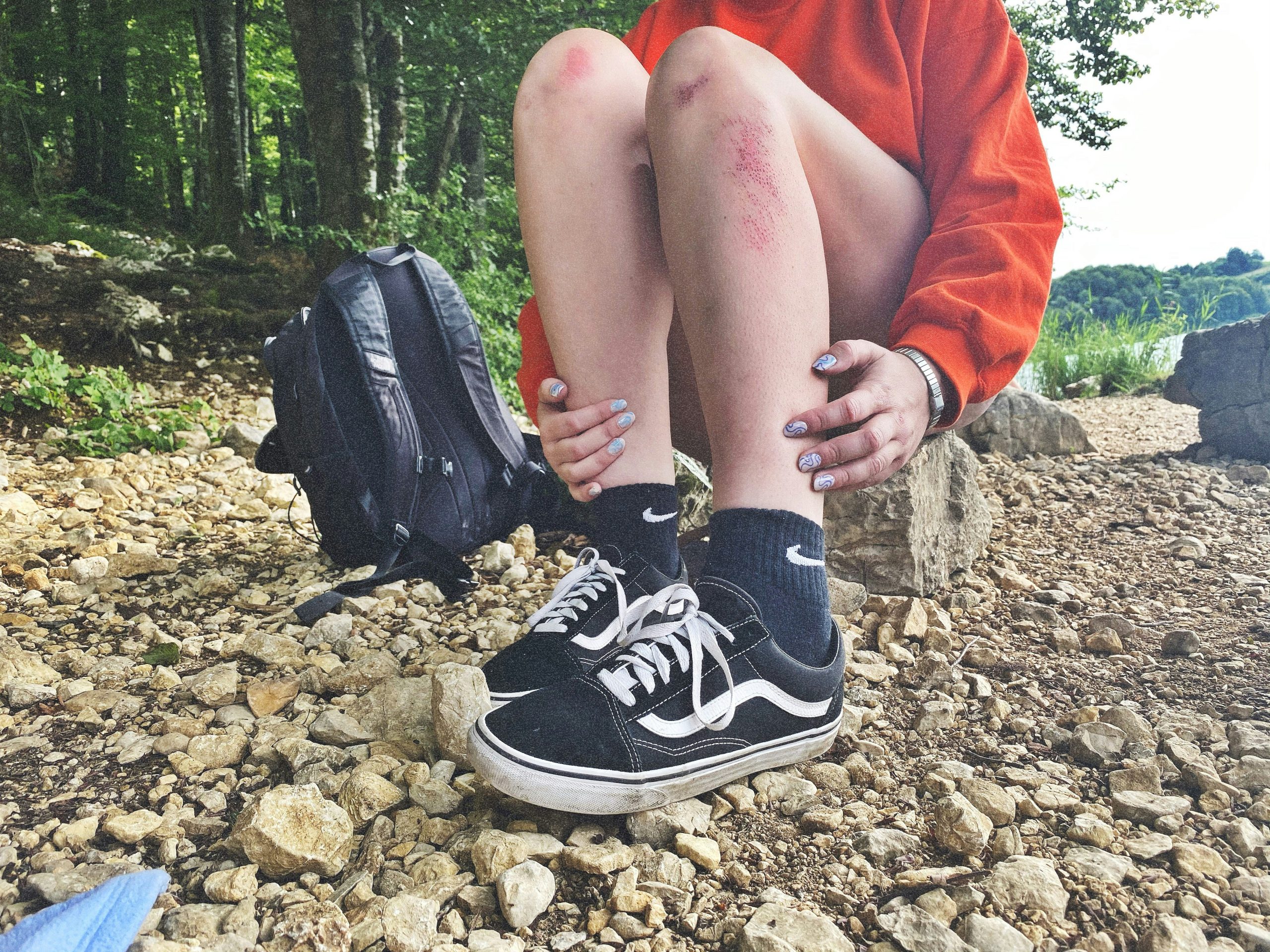
Minor injuries often get ignored in favor of continued movement. People delay cleaning wounds, stabilizing sprains, or addressing bleeding to “deal with it later.” Small problems worsen quickly when untreated. Dirt increases infection risk, swelling limits mobility, and pain compounds fatigue. Proper first aid early often restores function faster than pushing through damage. Taking time to stop bleeding, clean wounds, or support joints preserves long-term capability. Momentum built on untreated injury collapses suddenly, often far from help or safe stopping points.
9. Skipping Navigation Checks to Save Minutes
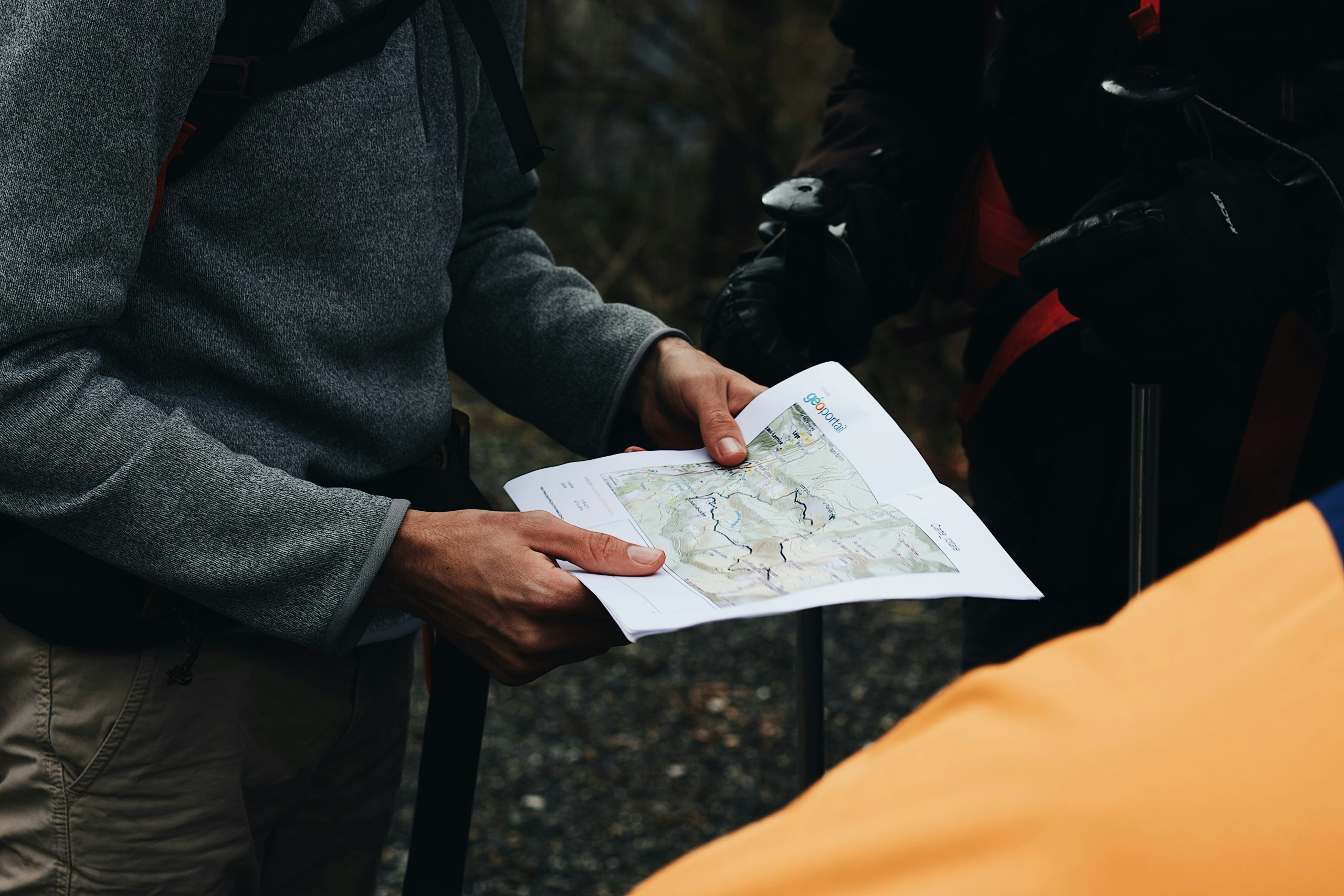
Survivors sometimes rely on memory or gut instinct instead of stopping to confirm direction. Checking maps, compasses, or GPS feels slow, especially when confident. Small navigation errors grow exponentially with distance, leading to major detours or complete disorientation. Regular position checks prevent minor drift from becoming a full-scale emergency. Stopping briefly to verify bearings saves hours of correction later. Navigation discipline isn’t about speed; it’s about certainty. Knowing exactly where you are preserves control in uncertain environments.
10. Traveling During Peak Heat or Severe Weather
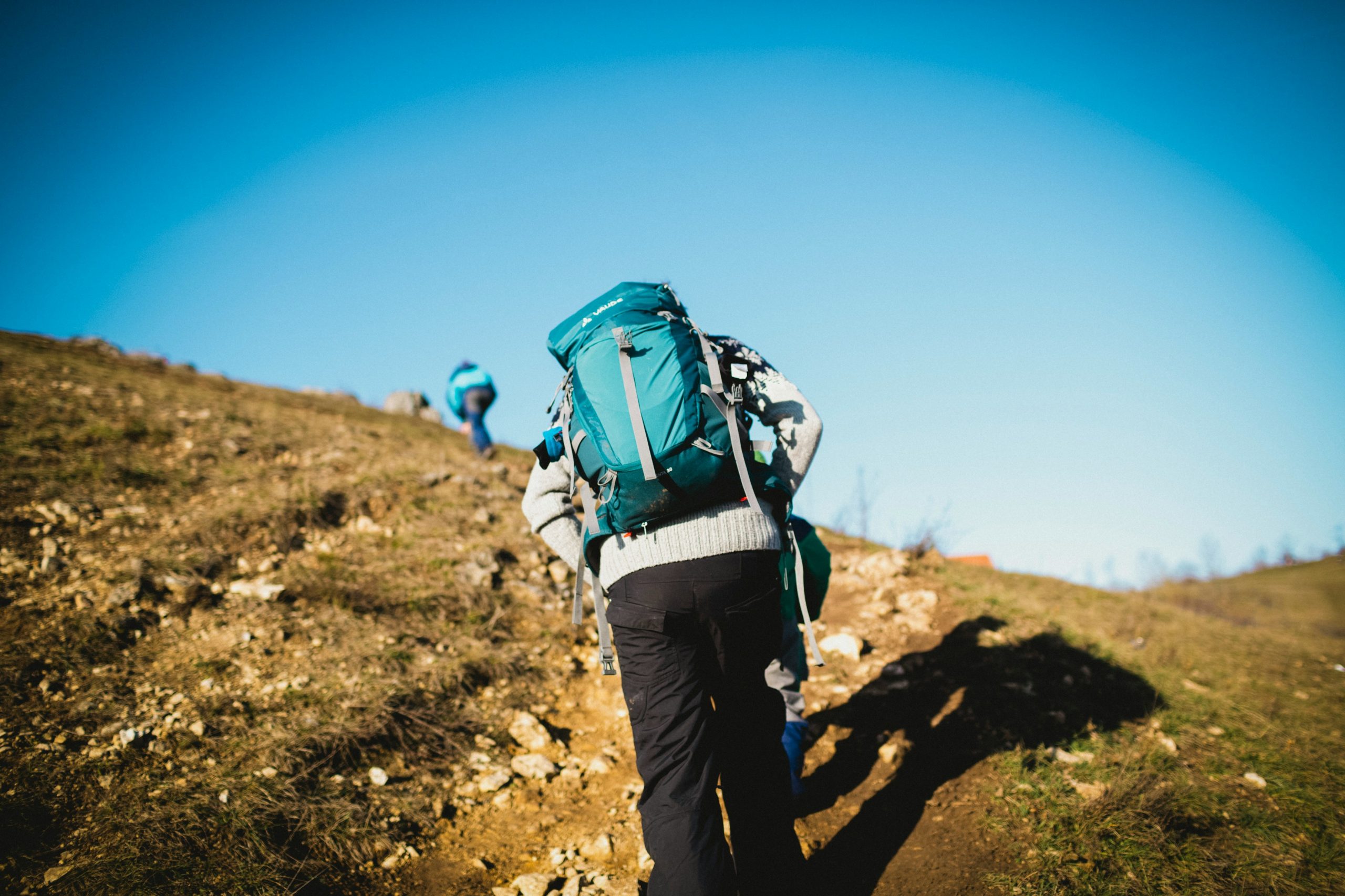
Moving through extreme heat, cold, or storms often feels necessary to “get it over with.” People push through harsh conditions to avoid delays. This dramatically increases dehydration, heat illness, frostbite, or exposure injuries. Severe weather reduces visibility, traction, and decision quality. Waiting for safer conditions conserves energy and reduces injury risk. Resting during extremes and traveling during favorable windows often results in faster overall progress. Survival rewards timing as much as effort. Fighting the environment wastes the strength you may not recover.
11. Trusting Gear Without Testing It
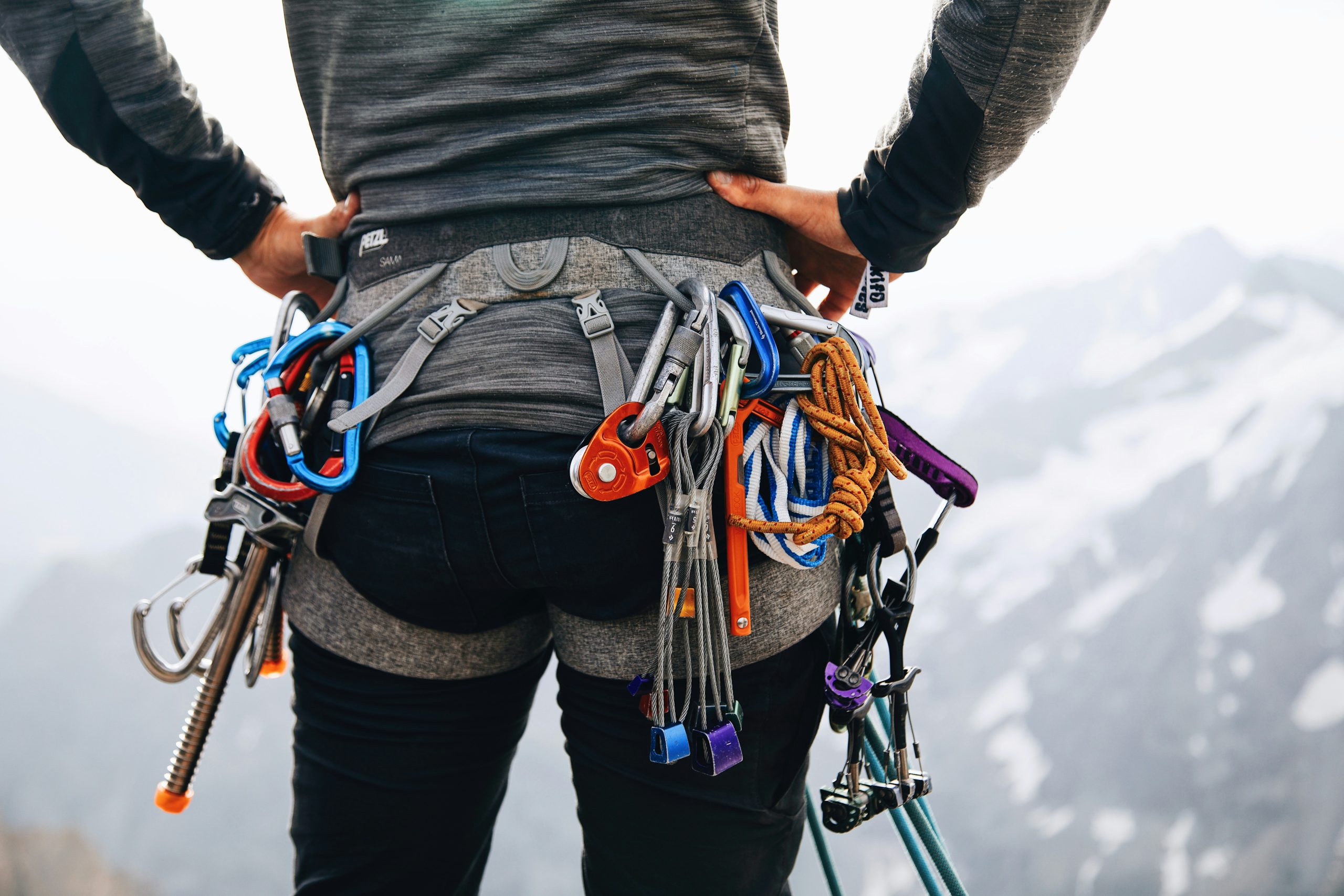
New or rarely used gear creates false confidence. People skip testing stoves, filters, or navigation tools to save setup time. When equipment fails under stress, options shrink rapidly. Batteries die, seals leak, and mechanisms jam when most needed. Testing gear early reveals flaws while alternatives still exist. Familiarity also speeds use when conditions worsen. A few minutes of testing prevent critical failure later. In survival, equipment doesn’t save time; reliability does.