Aging changes how the body responds to outdoor challenges, making certain mistakes far more consequential. Recovery slows, balance shifts, and endurance narrows, even for experienced people. Errors once brushed off can escalate into serious setbacks after seventy. Awareness becomes essential, not limiting. Understanding which missteps carry greater consequences helps support safer planning and better decisions. These mistakes are not about ability loss but about changed margins for error. Recognizing them encourages caution without discouraging adventure. The following outdoor mistakes commonly prove harder to recover from later in life, especially when preparation, pacing, and adaptability receive less attention.
Ignoring Early Fatigue
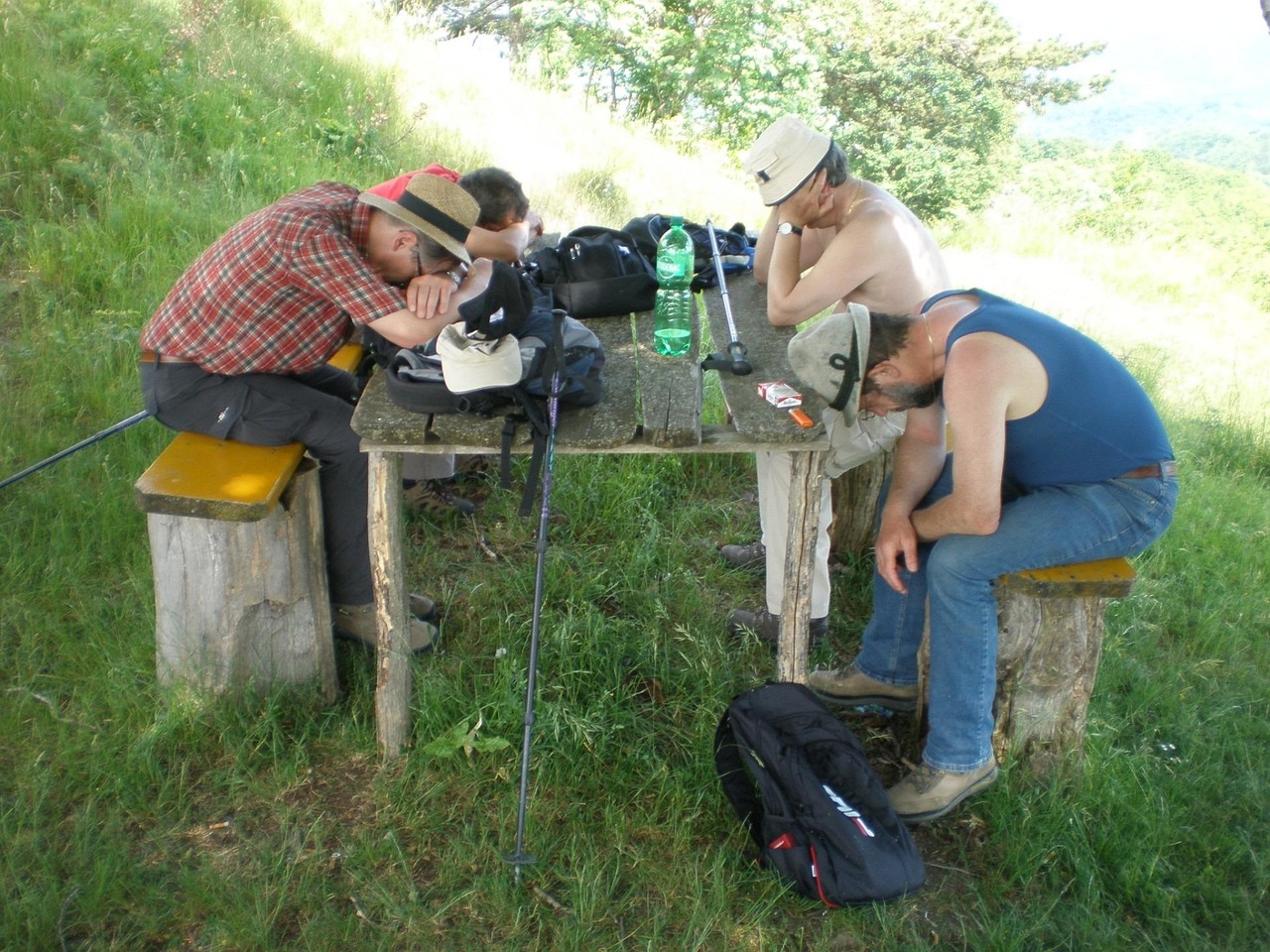
Ignoring early fatigue becomes riskier after seventy. Subtle tiredness can quickly progress into dangerous exhaustion. Recovery time lengthens, and pushing through discomfort often leads to injury. Older bodies signal limits earlier, but pride or habit may override caution. Fatigue affects judgment, balance, and coordination. Small missteps become falls. Resting earlier preserves strength and clarity. Recognizing fatigue as information, not weakness, supports safer outcomes. This mistake illustrates how endurance changes with age. Respecting early signals allows continued enjoyment outdoors while reducing the likelihood of accidents that require extended recovery or medical intervention during later life stages.
Underestimating Uneven Terrain
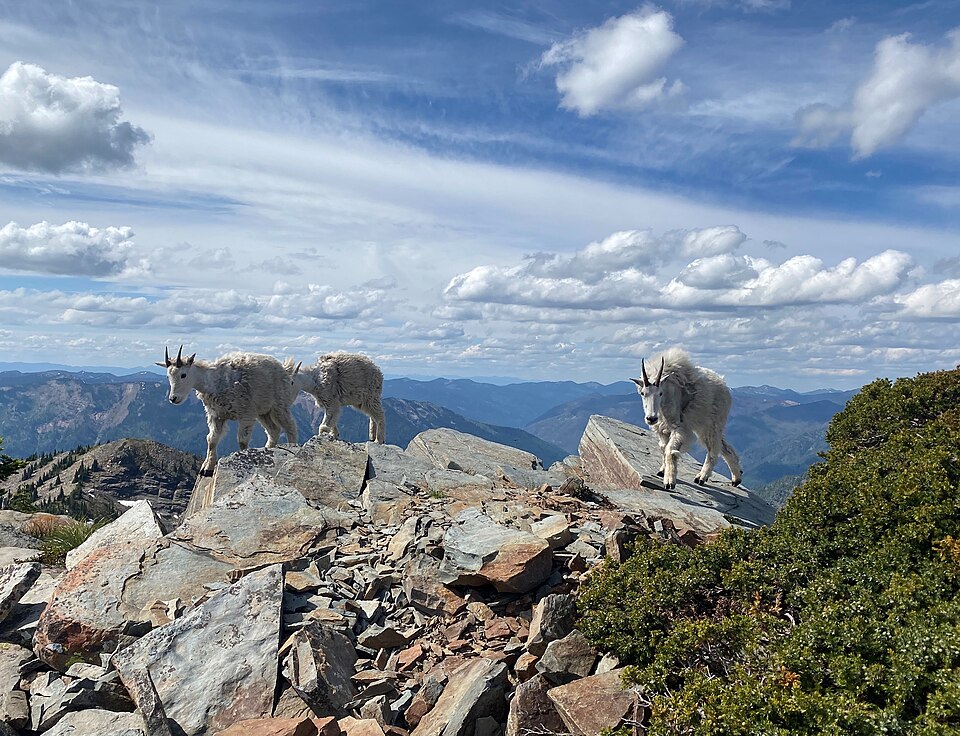
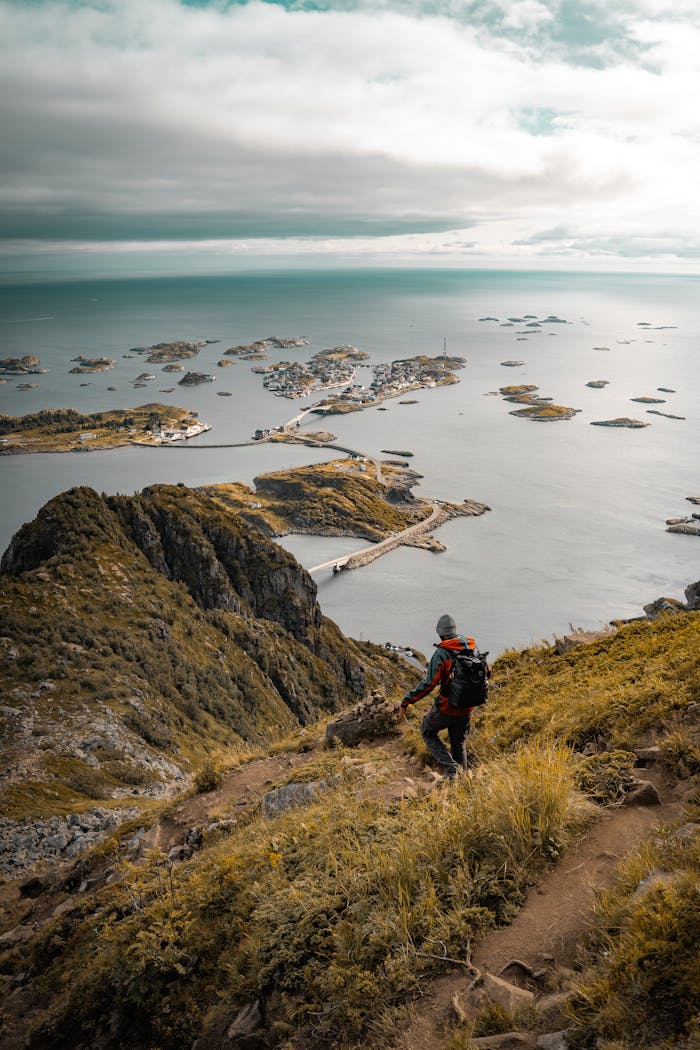
Underestimating uneven terrain grows more hazardous after seventy. Balance adjustments slow, and reaction time narrows. Rocks, roots, and loose gravel demand constant attention. A minor stumble can cause fractures or head injuries. Vision changes may reduce depth perception. Trekking poles help, but do not eliminate risk. Choosing routes thoughtfully matters more. What once felt manageable may now require caution. This mistake highlights how terrain challenges compound with age. Slowing pace and scanning paths carefully reduce danger. Respecting uneven ground preserves mobility and confidence while supporting safer movement through natural environments during later years of outdoor activity.
Skipping Warm Ups
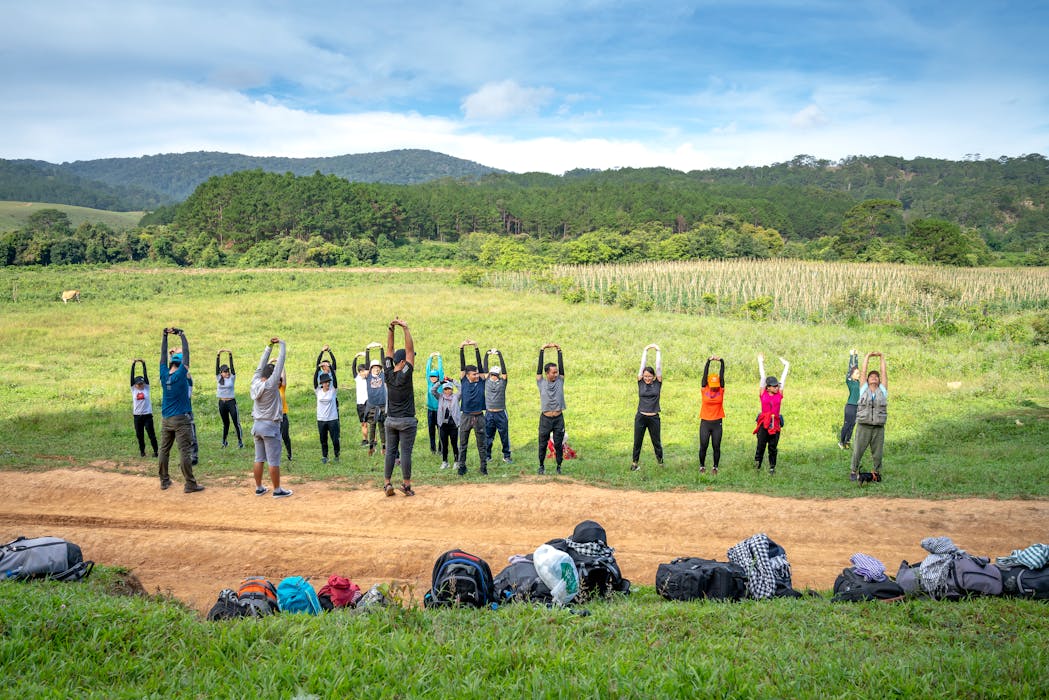
Skipping warm-ups becomes increasingly costly after seventy. Muscles and joints require more preparation to function safely. Cold starts increase strain, tears, and stiffness. Stretching and gentle movement improve circulation and coordination. Without them, sudden exertion raises injury risk. Warm-ups also enhance balance and reaction. Many older adults underestimate this need due to past habits. This mistake shows how preparation grows more important with age. Investing minutes in warming up supports smoother movement, reduces pain, and protects long-term mobility, allowing continued participation in outdoor activities without setbacks that demand prolonged recovery periods.
Carrying Excess Weight
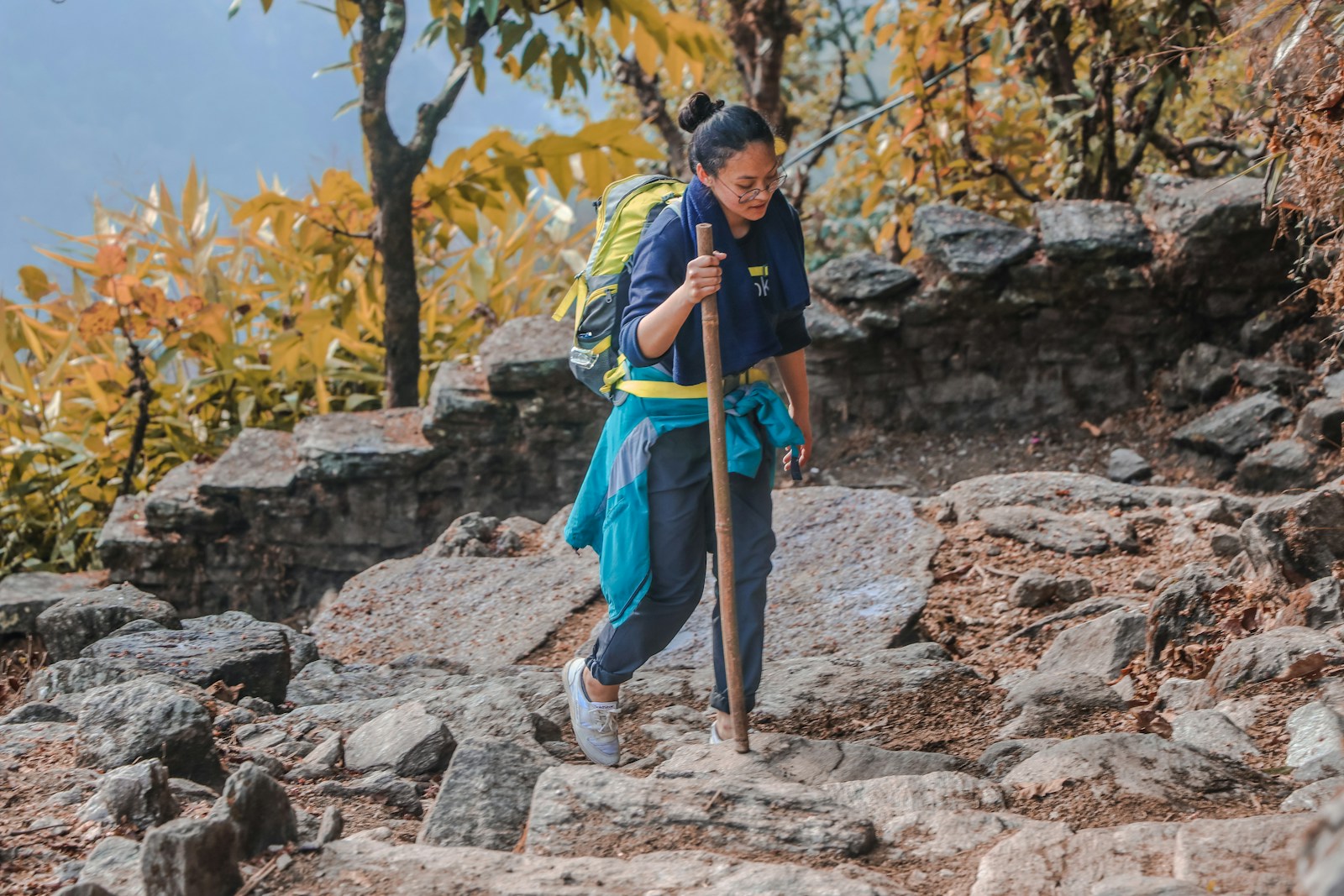
Carrying excess weight outdoors becomes harder to recover from after seventy. Heavy packs strain joints, affect balance, and increase fall risk. Fatigue sets in faster, reducing awareness. Shoulders, knees, and hips absorb greater stress. Lifting and adjusting loads also pose hazards. What once felt manageable may now cause lingering pain or injury. This mistake highlights the importance of thoughtful packing. Carrying only essentials preserves energy and stability. Lighter loads support safer travel and faster response to obstacles, reducing the chance of injuries that significantly disrupt outdoor routines and overall independence later in life.
Delaying Medical Attention
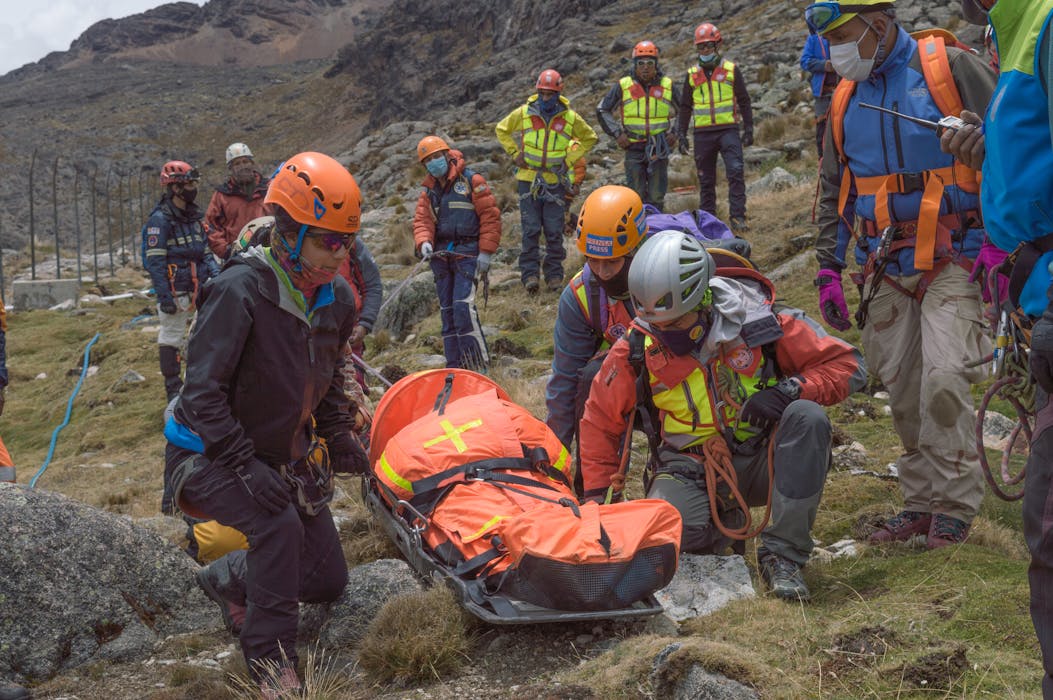
Delaying medical attention after outdoor injuries grows more dangerous with age. Minor wounds can worsen quickly due to slower healing. Infections spread faster, and fractures may go unnoticed. Pride or inconvenience often drives delay. Early treatment improves outcomes and shortens recovery. This mistake illustrates how time matters more after seventy. Ignoring symptoms risks complications that limit future activity. Prompt assessment protects long-term health and mobility. Recognizing when to seek help supports continued outdoor enjoyment while preventing small issues from becoming serious barriers to independence and quality of life.
Poor Hydration Habits

Poor hydration habits carry greater consequences after seventy. Thirst signals weaken with age, increasing dehydration risk. Dehydration affects balance, cognition, and circulation. Outdoor exertion accelerates fluid loss. Recovery from dehydration takes longer and may require medical care. Many older adults underestimate their needs based on past experience. This mistake shows how hydration awareness must increase. Regular drinking supports endurance and mental clarity. Managing fluids carefully helps prevent dizziness, falls, and fatigue, preserving safety and enjoyment during outdoor activities when recovery margins are narrower later in life.
Ignoring Weather Changes
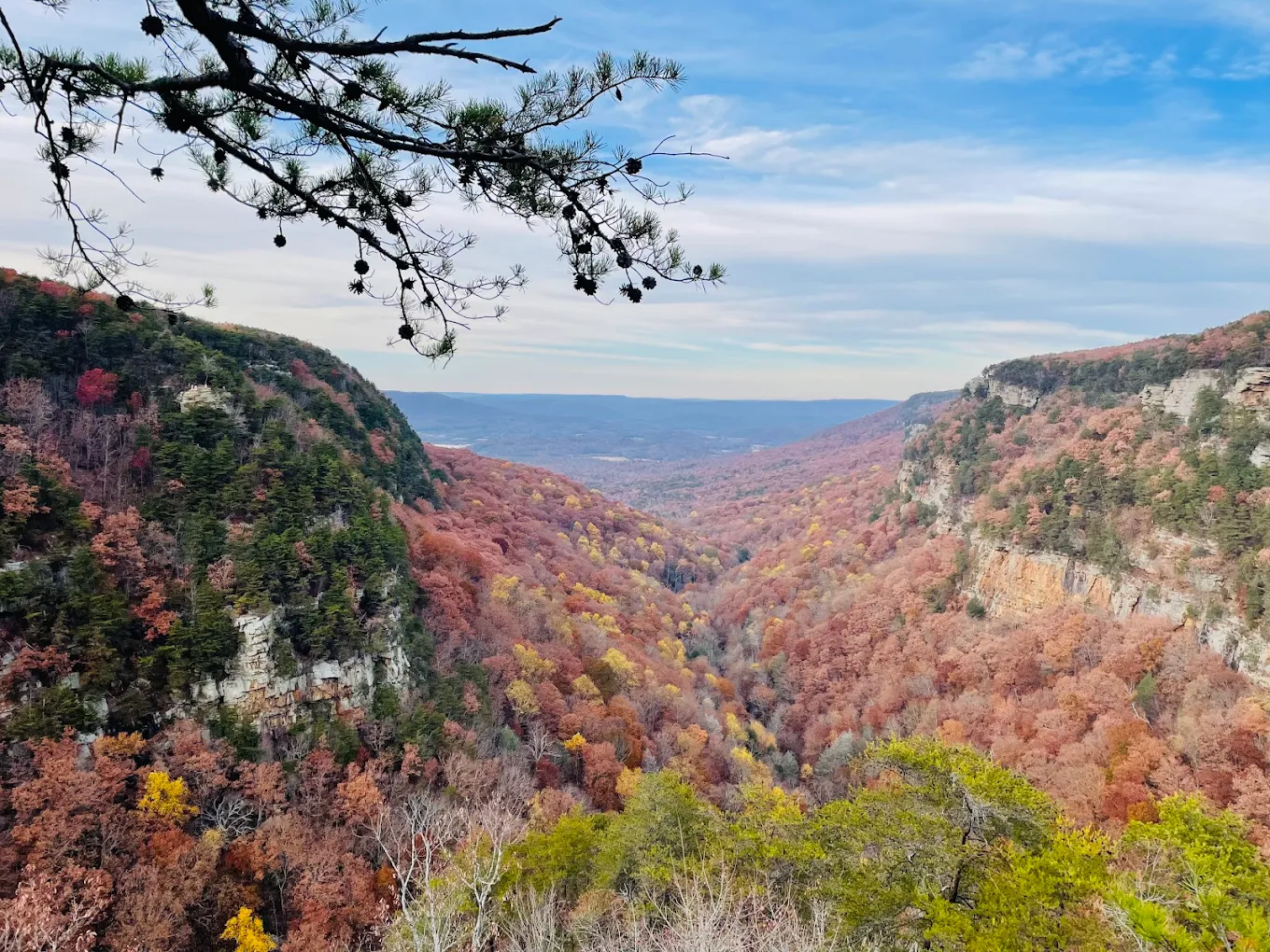
Ignoring weather changes becomes riskier after seventy. Temperature extremes affect older bodies more severely. Cold increases stiffness and fall risk. Heat strains cardiovascular systems. Weather shifts can escalate quickly, reducing reaction time. Recovery from exposure slows significantly. This mistake highlights the need for vigilance. Monitoring forecasts and adjusting plans protects health. Appropriate clothing and timing matter more with age. Respecting weather conditions reduces stress and injury risk, supporting safer outdoor experiences while preserving energy and resilience needed for recovery during later years.
Wearing Improper Footwear
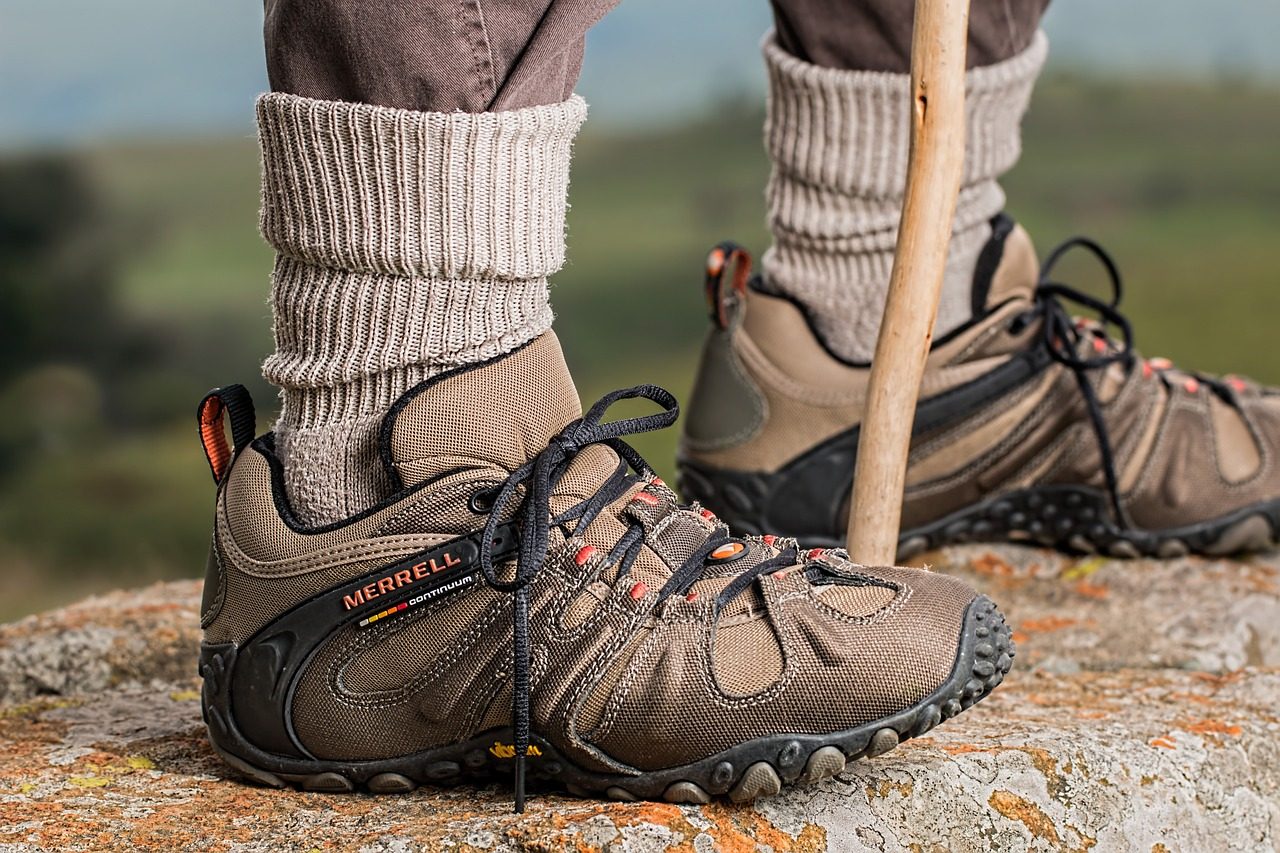
Wearing improper footwear carries higher stakes after seventy. Shoes lacking support increase fall risk and joint strain. Reduced cushioning affects impact absorption. Slippery soles compromise traction. Foot injuries heal slowly and disrupt mobility. Many rely on familiar but worn footwear. This mistake underscores the importance of proper fit and function. Supportive shoes enhance stability and confidence. Investing in appropriate footwear helps prevent injuries that limit independence, allowing continued engagement in outdoor activities with reduced risk and improved comfort as physical resilience changes with age.
Overestimating Strength
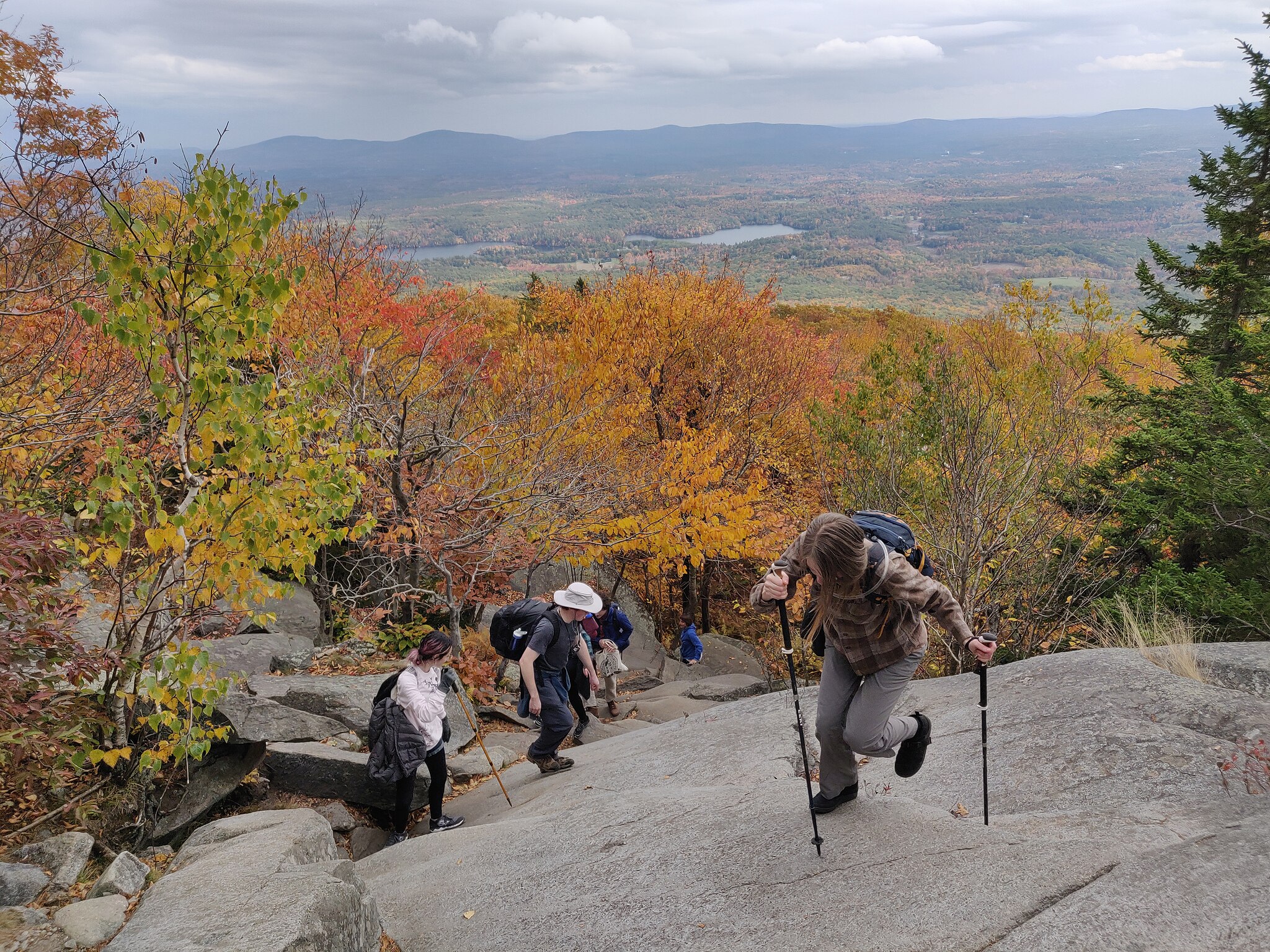
Overestimating strength becomes more dangerous after seventy. Muscle mass and power decline naturally. Lifting, climbing, or sudden movements strain tissues more easily. Injuries occur faster and heal more slowly. Past capability can mislead judgment. This mistake shows how reassessment matters. Adjusting expectations preserves safety. Using assistance and pacing effort reduces strain. Recognizing current limits supports continued activity without setbacks. Respecting strength changes helps maintain independence and prevents injuries that significantly disrupt outdoor routines and recovery capacity during later life stages.
Neglecting Balance Training
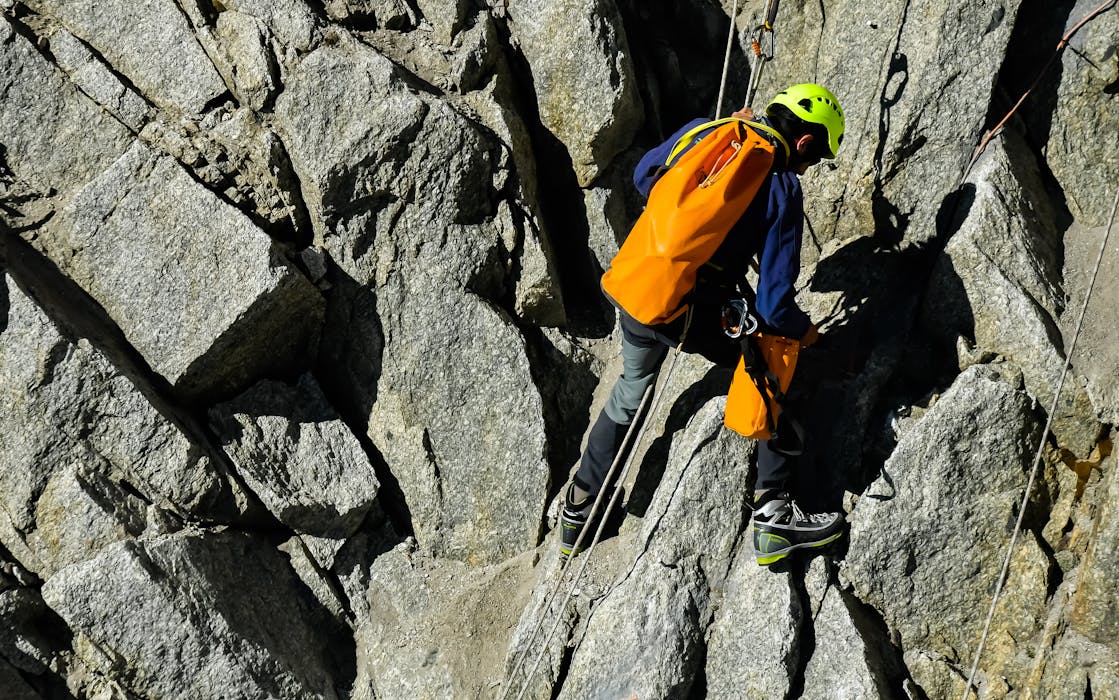
Neglecting balance training has serious consequences after age seventy. Balance declines naturally without maintenance. Uneven surfaces amplify instability. Falls lead to fractures or head injuries. Recovery often requires extended rehabilitation. Many focus on endurance but overlook balance. This mistake highlights the importance. Simple exercises improve coordination and confidence. Maintaining balance supports safer movement outdoors. Investing time in balance training reduces fall risk, preserves mobility, and enables continued participation in outdoor activities without severe recovery challenges that compromise independence later in life.
Pushing Solo Activities Too Far
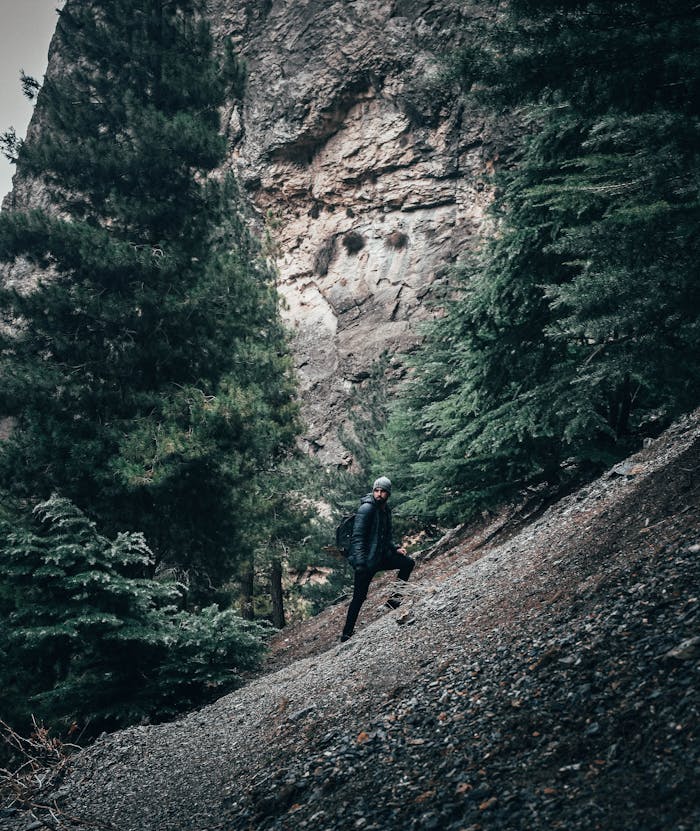
Pushing solo activities too far becomes harder to recover from after seventy. Injuries or illnesses occur without immediate assistance. Delays increase severity. Self-rescue grows more difficult with reduced strength and endurance. Communication challenges amplify risk. Many value independence, but isolation increases danger. This mistake emphasizes realistic planning. Staying within range of help improves safety. Choosing appropriate distances and informing others supports independence without unnecessary risk. Balancing solitude with safety allows continued outdoor engagement while reducing the likelihood of emergencies that demand prolonged recovery.