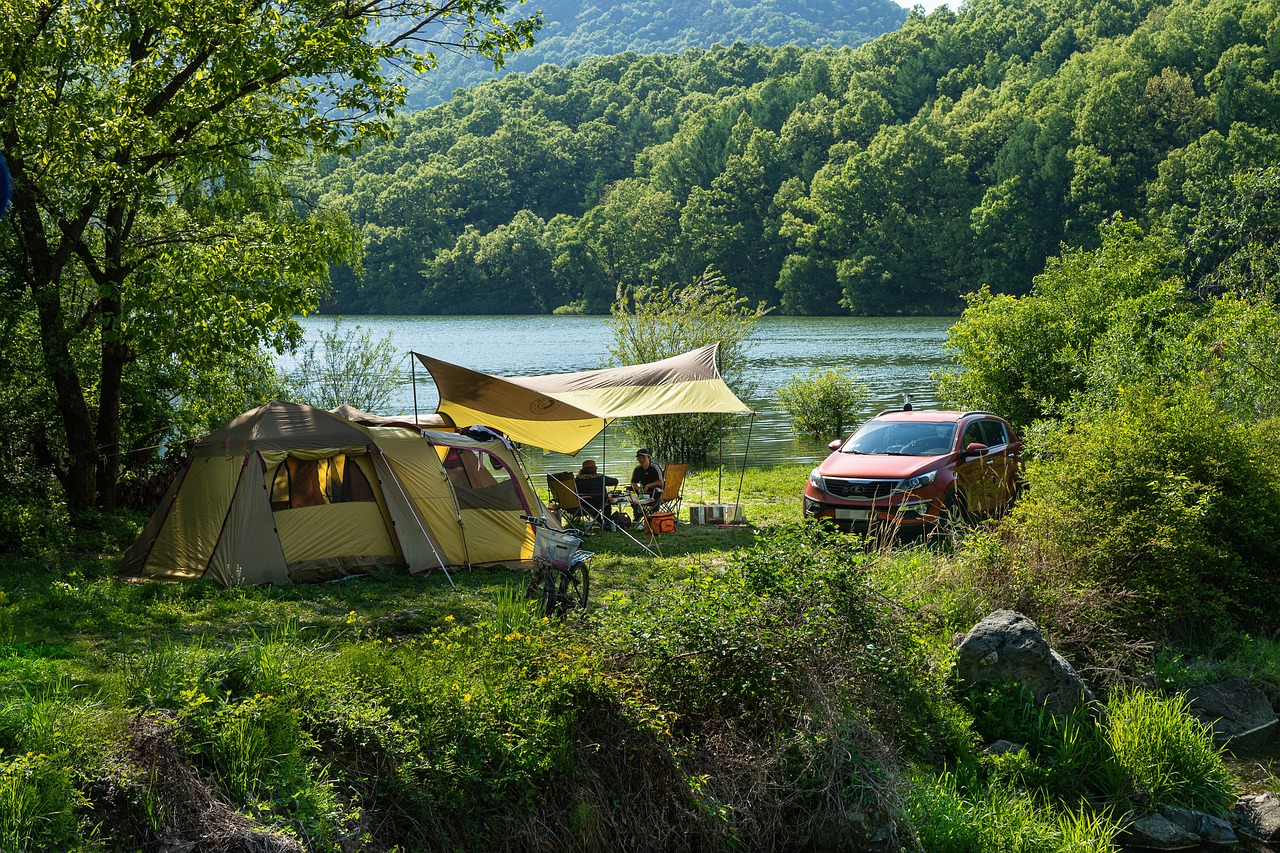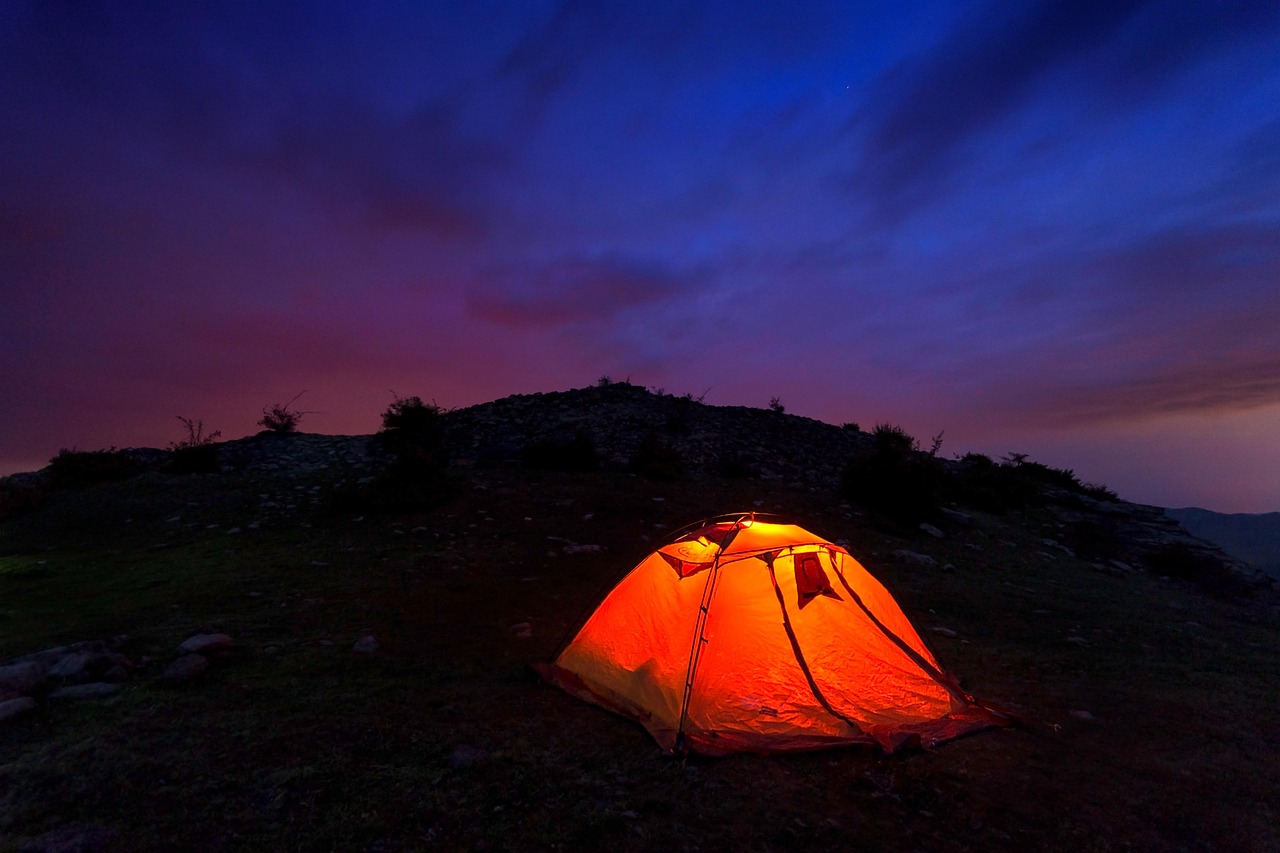
Camping offers a chance to witness wildlife in its natural environment, but many campers unintentionally scare animals away long before they appear. Sound is one of the strongest warning systems in nature, and even small noises can disrupt normal feeding, migration, and social behavior. When a campsite becomes louder than the surroundings, animals interpret it as a threat and retreat into deep cover. Understanding how your actions influence the soundscape helps create a calmer environment where wildlife feels safe enough to approach.
1. Talking Loudly at Campsites
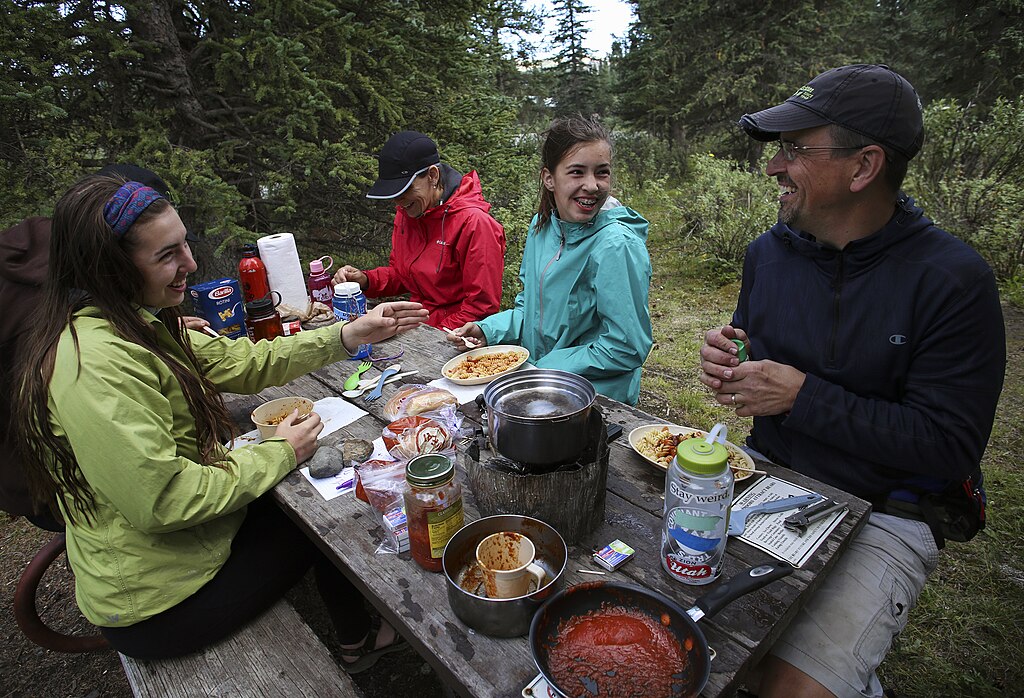
Voices carry over long distances in quiet outdoor settings, especially during early morning and late evening when animals are most active. Loud talking, animated storytelling, or shouting between tents warns wildlife that humans are close by. Many species rely on sharp hearing to avoid danger, so they will flee or stop feeding when they detect human chatter. By keeping conversation volume low and choosing soft tones, you make the environment more welcoming for animals to move naturally around the area.
2. Slamming Vehicle Doors
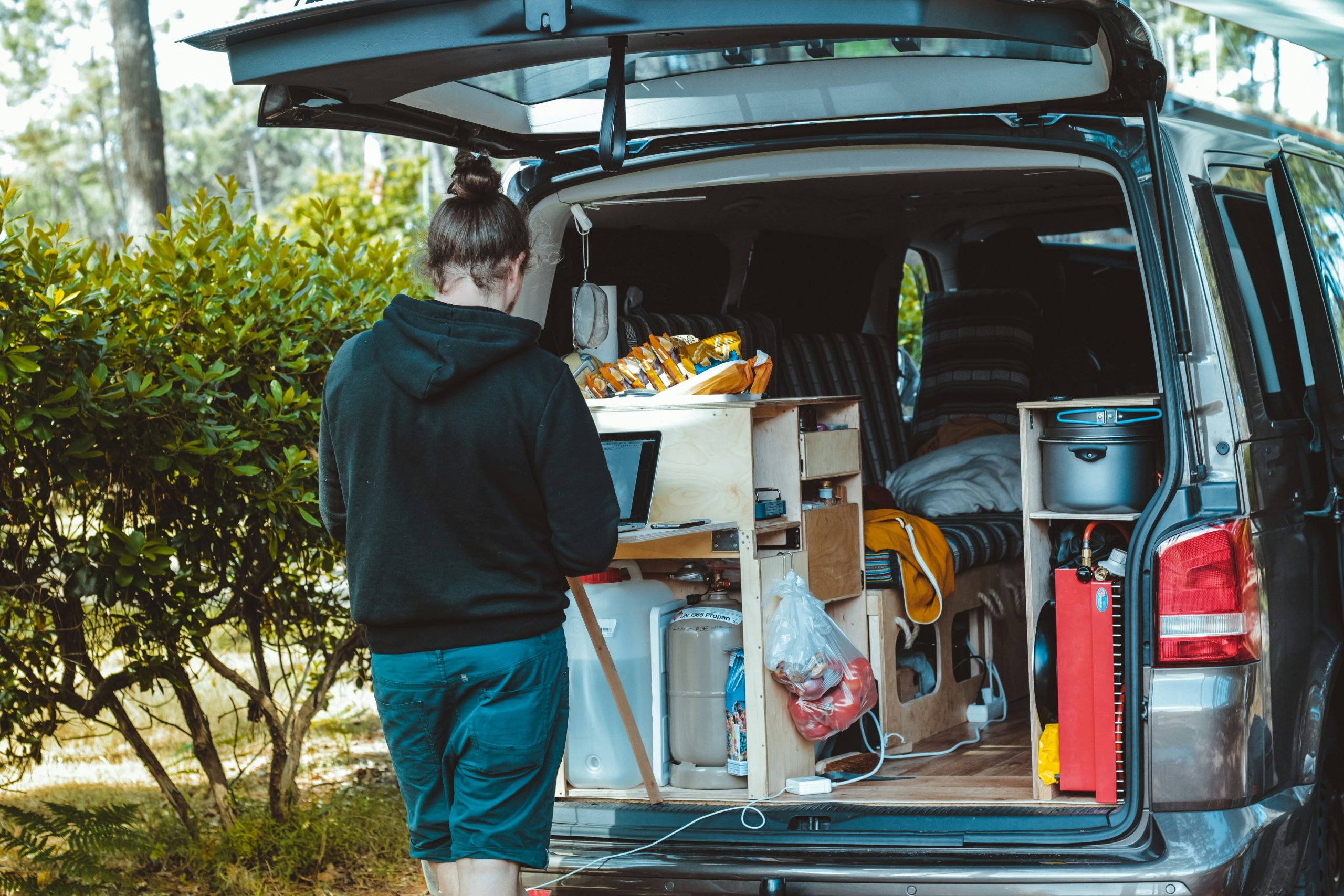
Cars are convenient, but loud slams from doors, trunks, or tailgates create sudden, sharp noises that echo through forests and mountains. These sounds trigger immediate flight responses in animals, often sending them far beyond viewing distance. Unloading quietly, gently closing doors, and avoiding trips back and forth to the vehicle can significantly reduce disturbance. Treating the campground like a noise-sensitive zone helps ensure curious animals don’t retreat before you have a chance to observe them.
3. Clanking Cookware and Utensils

Metal pans banging together or spoons scraping inside cups generate loud high high-pitched sounds that don’t exist naturally in the wild. These noises can interrupt wildlife movement, particularly in areas where animals forage near camp. Organizing your kitchen gear in soft pouches, padding pots with cloth, and keeping a tidy cooking station minimizes sudden clatter. A quieter mealtime environment allows nearby wildlife to continue their natural routines rather than disappearing at the first clang.
4. Playing Music or Movies Out Loud
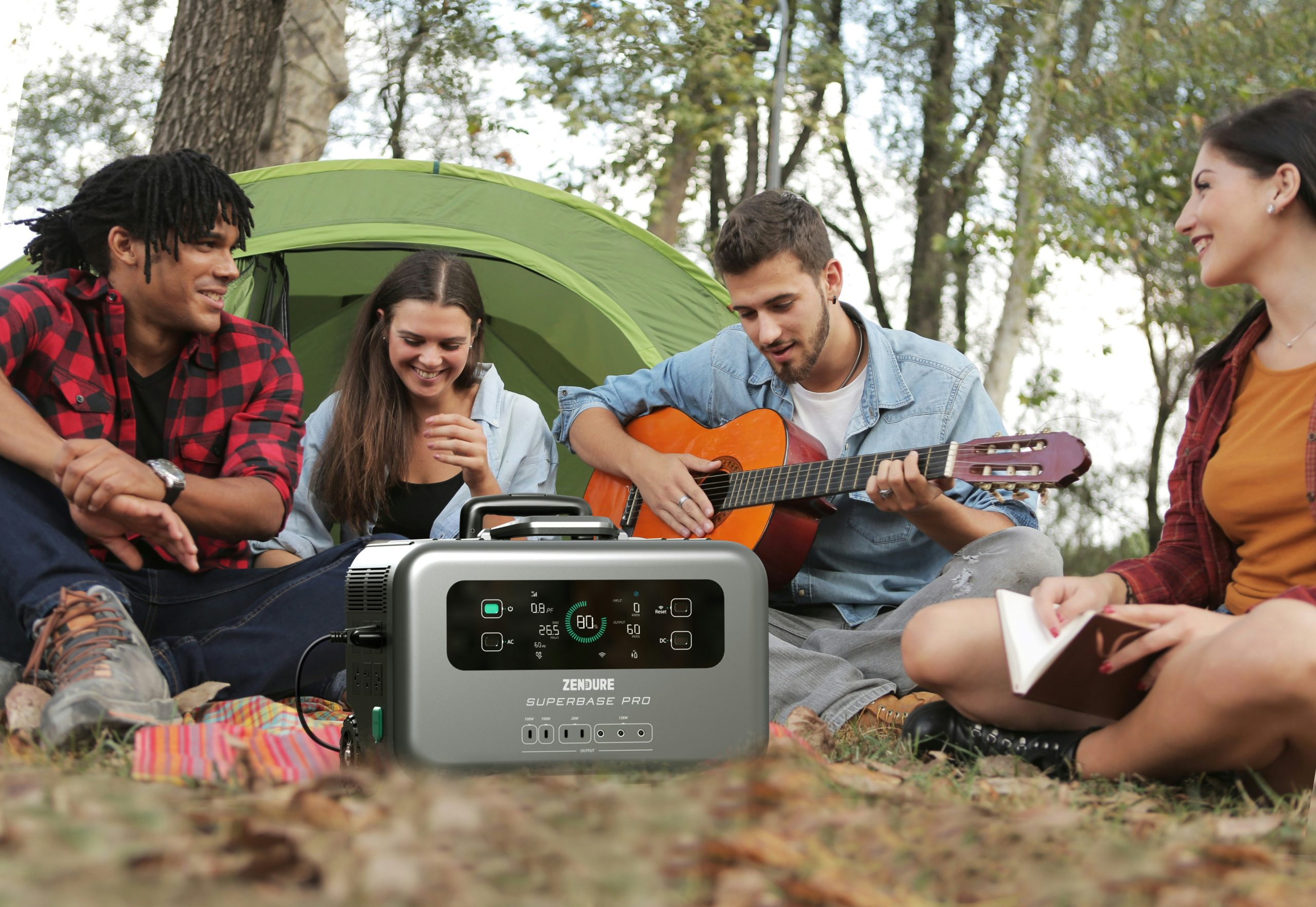
Speakers and amplified music can disrupt an entire landscape by drowning out natural noises that wildlife depend on. The steady beat or unfamiliar voices can cause animals to leave feeding zones, alter their travel routes, or avoid watering spots. Even phone speakers can have a bigger impact than expected at night. Using headphones or keeping entertainment at a barely audible level protects nighttime calm, giving campers the chance to actually hear and witness nature around them.
5. Kids Shouting and Running Wild
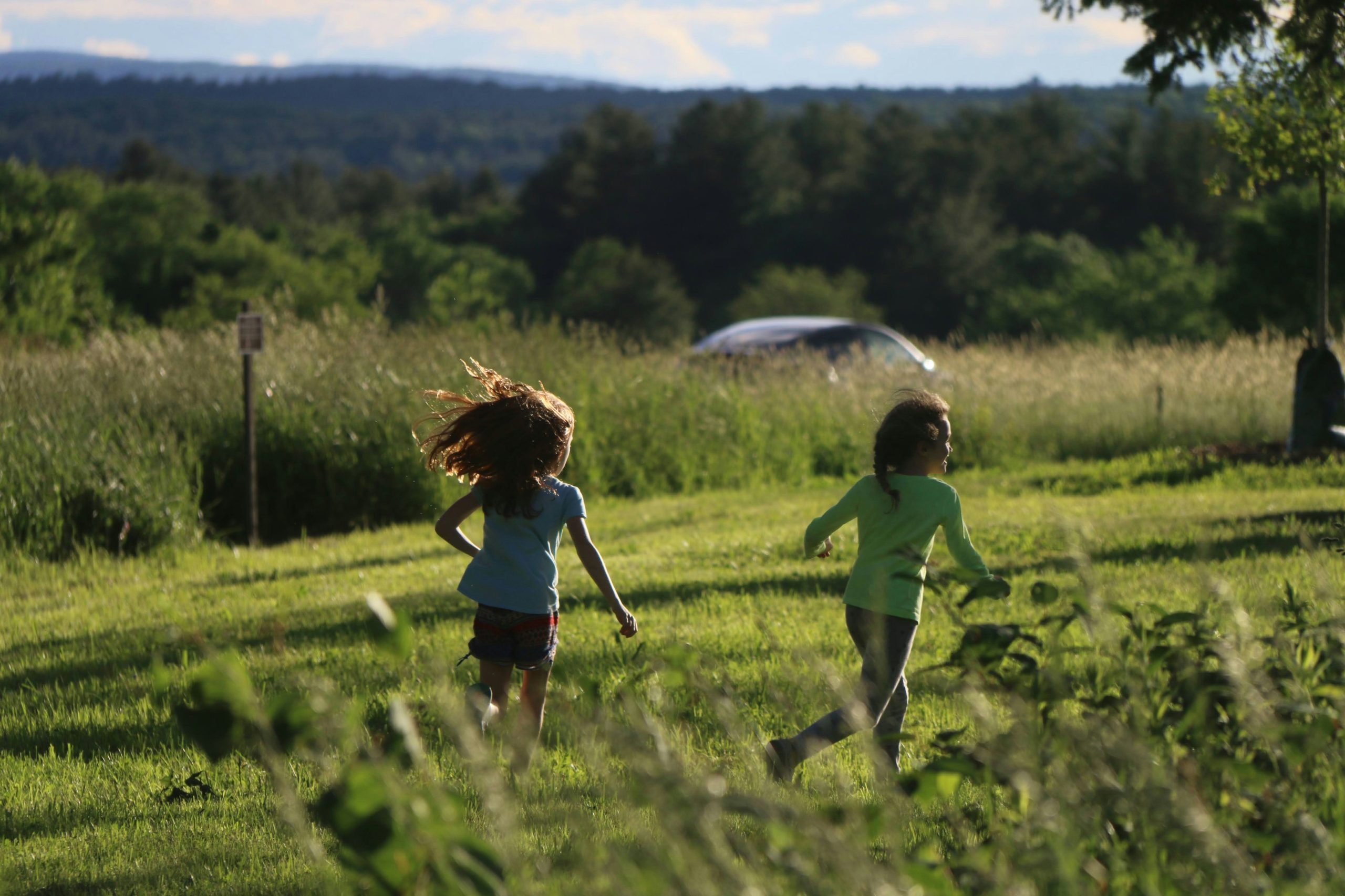
Children bring excitement and energy to camping, but loud bursts of laughter and spontaneous yelling can create unpredictable noise that animals perceive as danger. Teaching kids about “wildlife-friendly quiet mode” turns the experience into a fun challenge and increases their likelihood of spotting animals. Encouraging calm exploration, listening to nature sounds, and walking softly helps wildlife remain nearby instead of vanishing into the brush the moment young voices rise.
6. Generator Noise During Quiet Hours
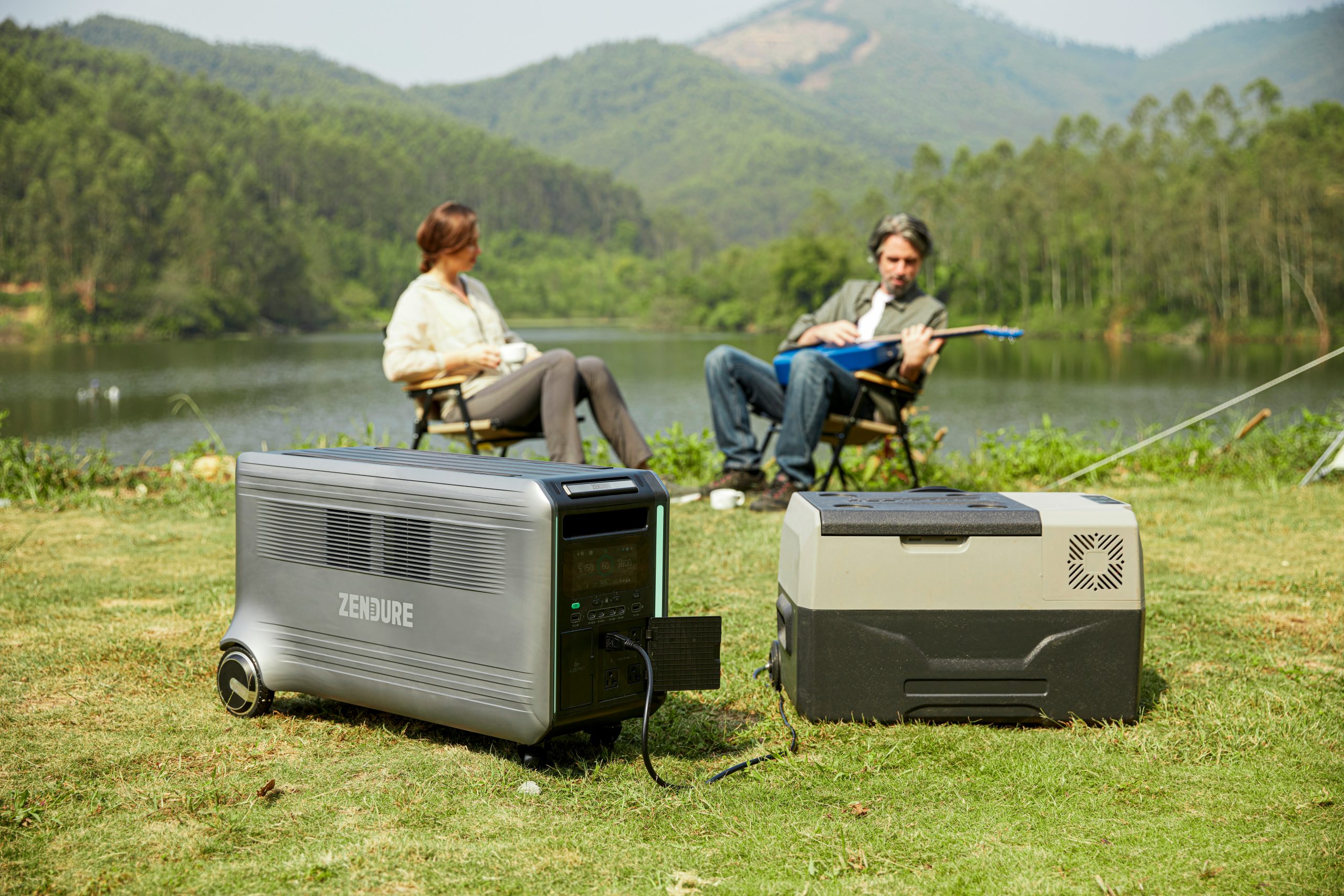
Generators produce a constant mechanical hum that can overwhelm natural soundscapes, especially at night or early morning. Many animals rely on low environmental noise levels to communicate and navigate, so a generator may push them far from productive feeding areas. Choosing solar lights or battery packs, limiting generator use to midday, and selecting low-noise models all help reduce disturbance. Silence is a privilege that benefits both campers and wildlife.
7. Dragging Coolers and Heavy Gear
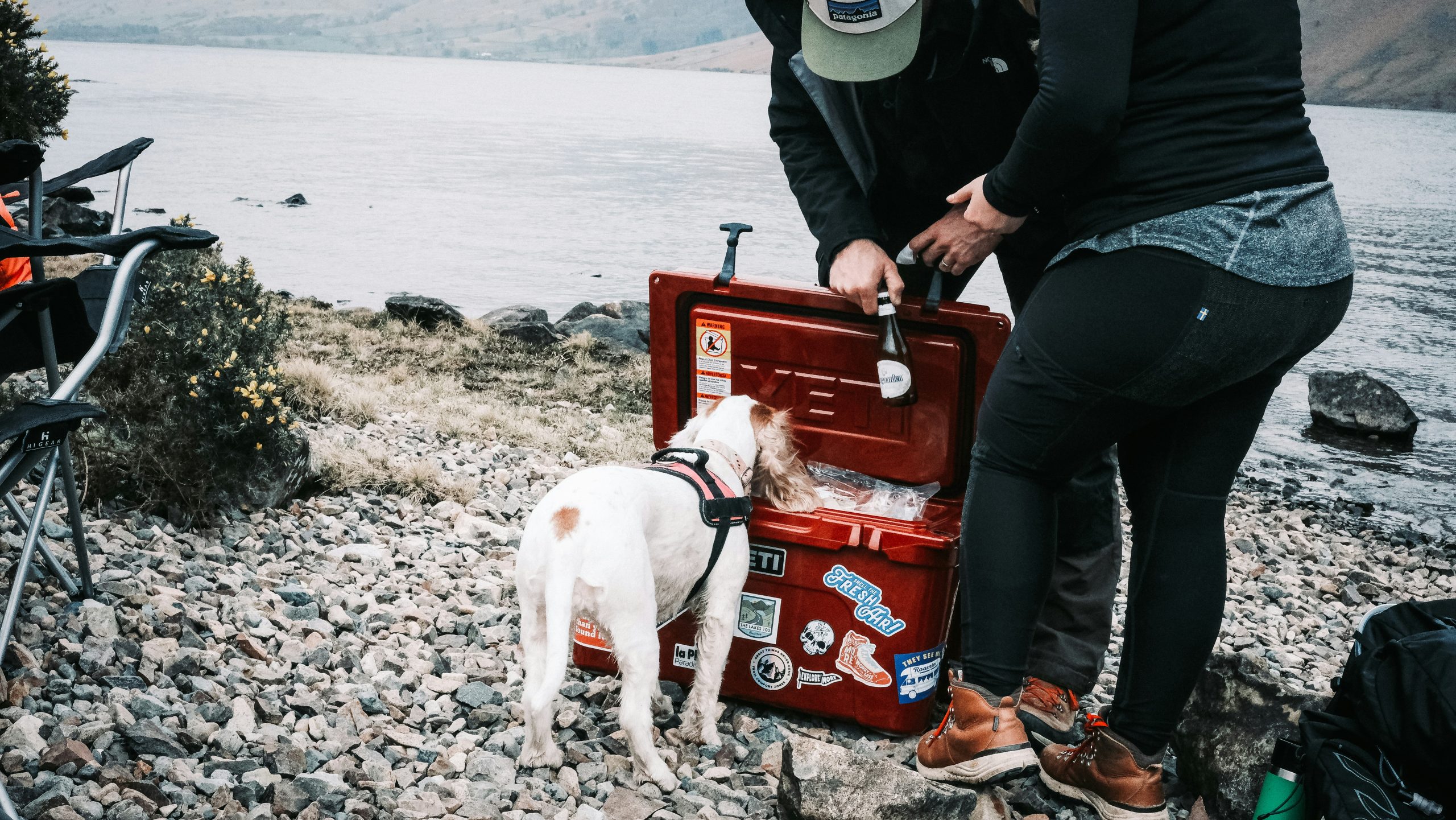
Dragging coolers or storage boxes across gravel or concrete creates harsh scraping noises that travel quickly through open terrain. These sounds not only alert wildlife to human presence but can disrupt their comfort zones around campgrounds. Carrying gear or using soft rolling wheels prevents unnecessary clatter. Taking a mindful approach to movement helps keep the surrounding environment calm, making it more likely that animals will continue roaming without abandoning the area.
8. Loud Tent Zippers Late at Night
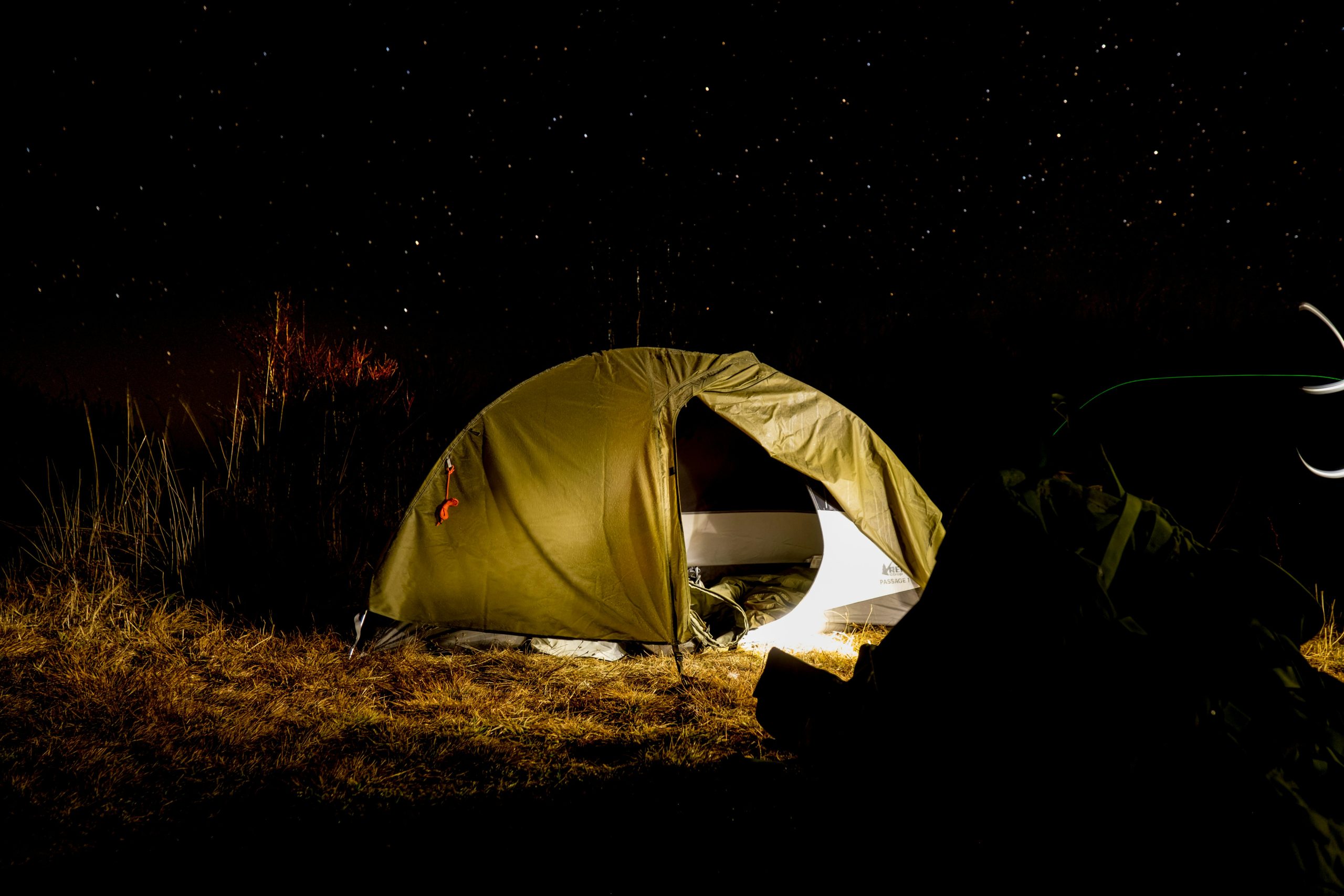
Tent zippers can be surprisingly loud when everything else is silent. Frequent trips in and out during the night produce repetitive, unnatural noises that alarm nearby wildlife. Preparing essentials like water, headlamps, and clothing before bedtime reduces the need for constant zipper use. When you must unzip, doing it slowly and gently helps preserve the nighttime quiet so animals remain active rather than retreating at every sound from your tent.
9. Scraping Camp Chairs Across the Ground
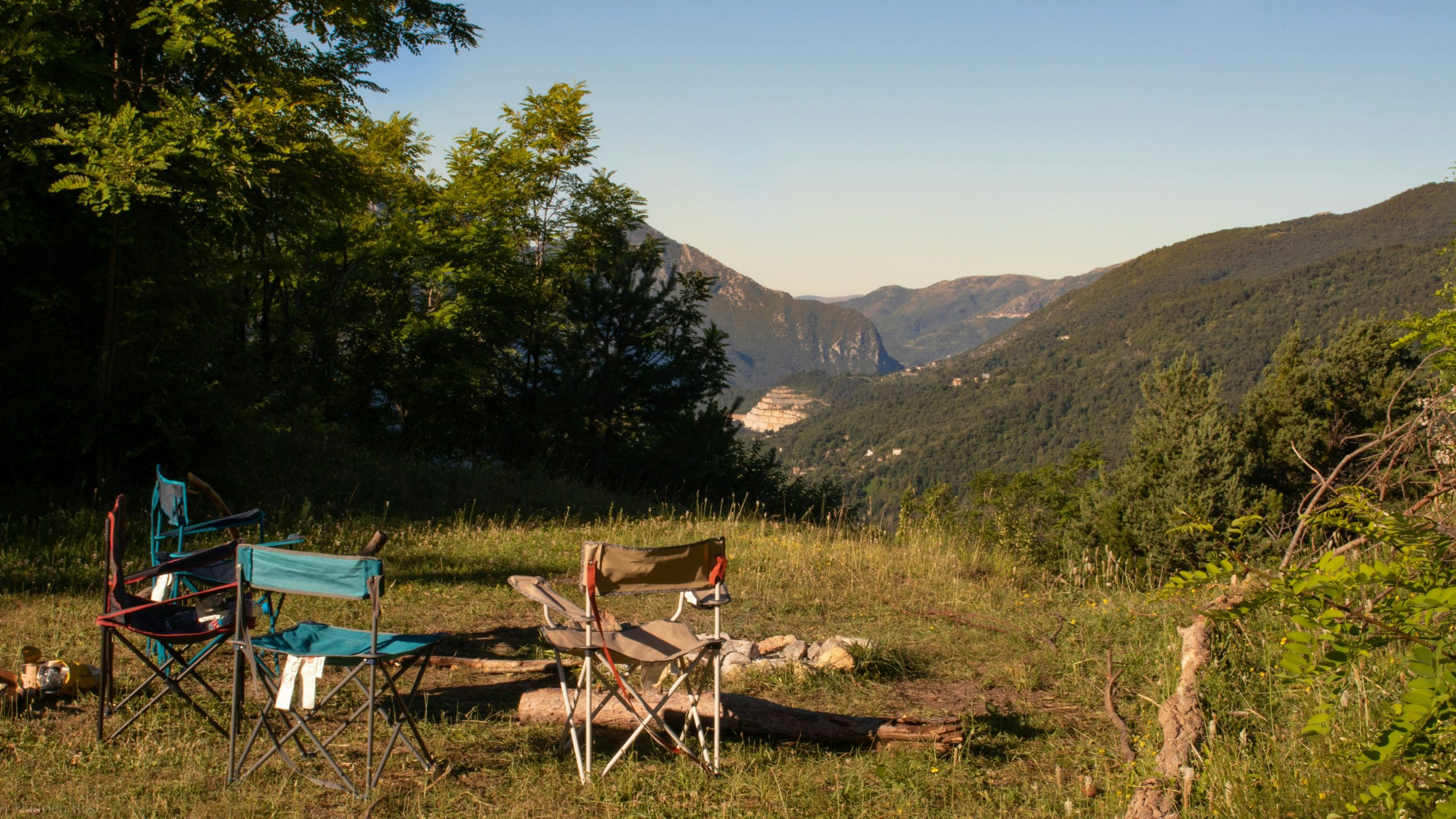
Moving camp chairs, folding tables, or cots by dragging them creates sudden grating sounds that can startle wildlife. These noises travel especially far over rocky or dry terrain. Lifting items rather than pulling them helps preserve the calm atmosphere you came to enjoy. With more predictable and gentle movement, animals may continue passing through or feeding nearby instead of avoiding the area due to unfamiliar human-made sounds.
10. Stomping on Trails and Campsites
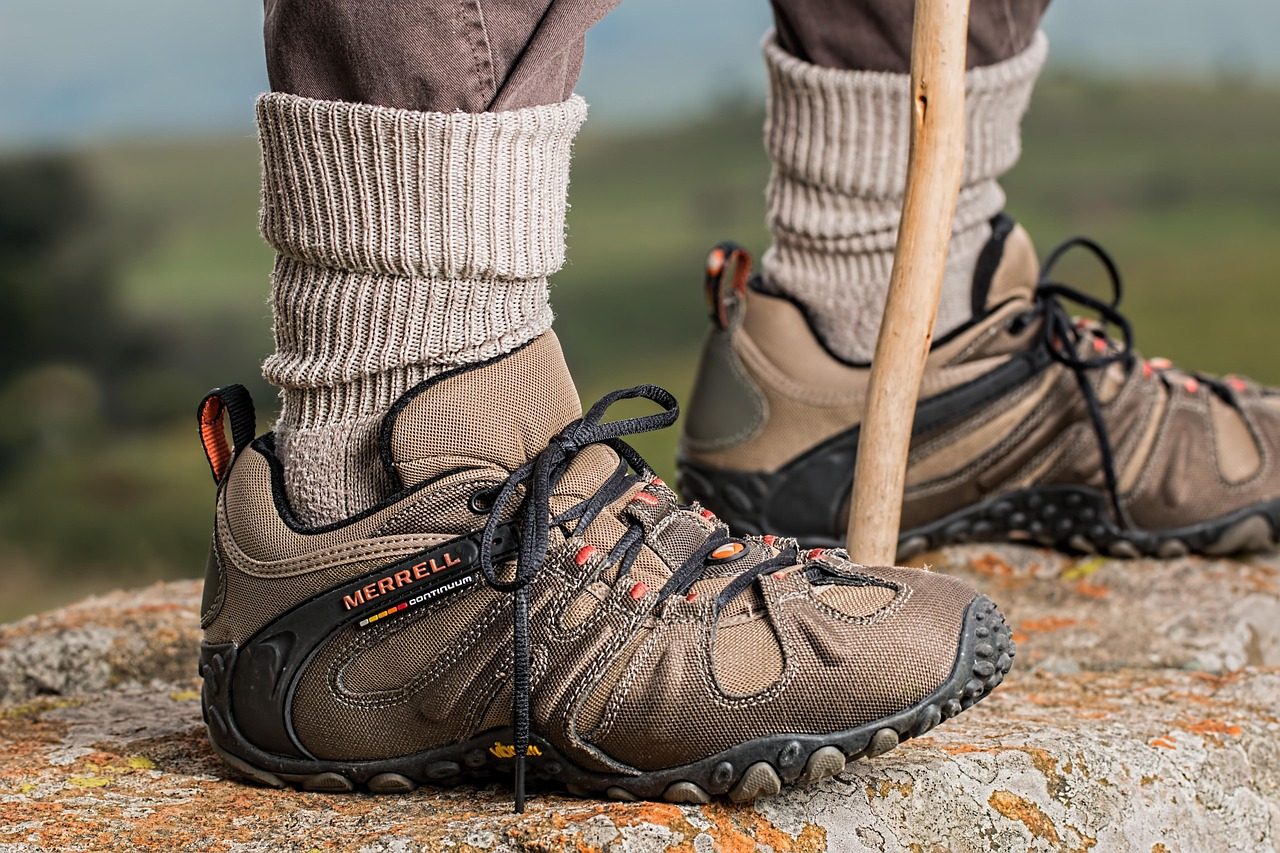
Heavy footsteps on gravel, dry leaves, or wooden platforms create vibrations and crunching sounds that suggest a large predator is approaching. Walking softly, keeping a steady pace, and staying aware of your surroundings allow wildlife to remain nearby undisturbed. Slowing down not only increases your chances of spotting animals but also helps you notice signs like fresh tracks, droppings, and movement that you would otherwise scare away.
11. Letting Dogs Bark Continuously at Wildlife
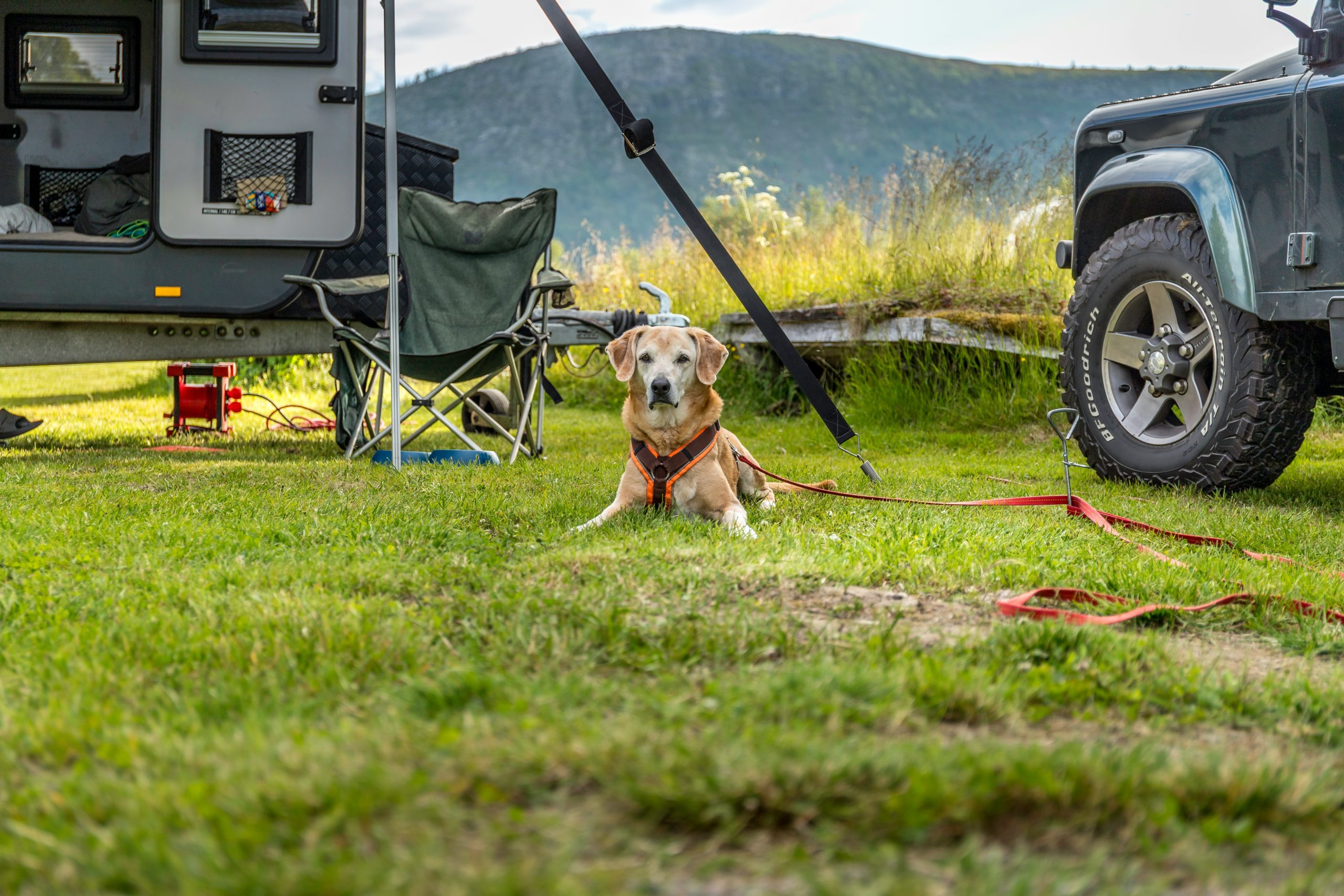
Dogs are great companions on camping trips, but constant barking sends wildlife into high alert. Many animals interpret barking as a predator threat, especially species that evolved alongside wolves or coyotes. A single bark can scatter small mammals and birds, but ongoing noise may push animals far from feeding or nesting areas for the entire day. Training your dog to stay calm, using a leash, and rewarding quiet behavior helps protect wildlife and creates a more peaceful camping environment for everyone.