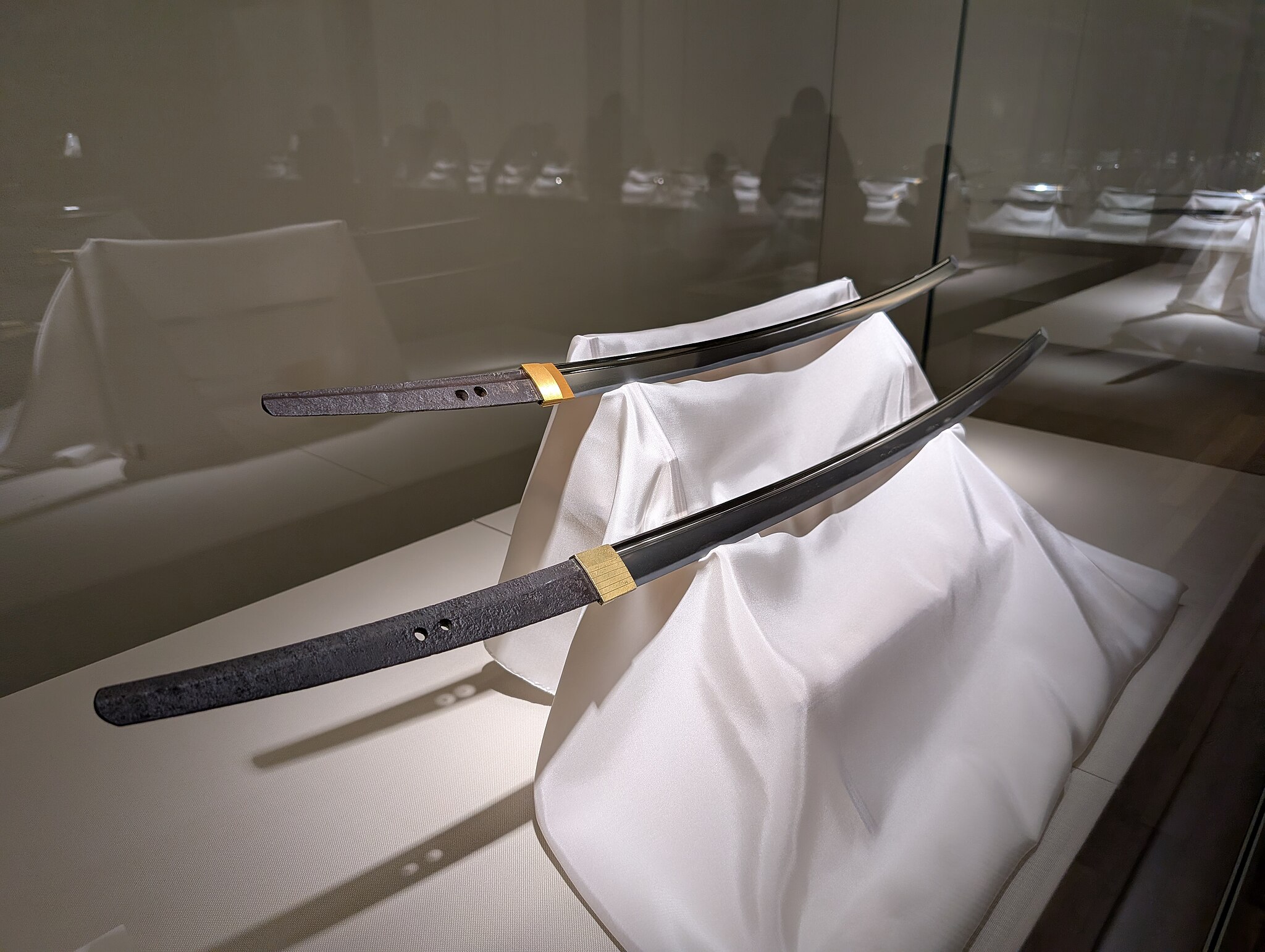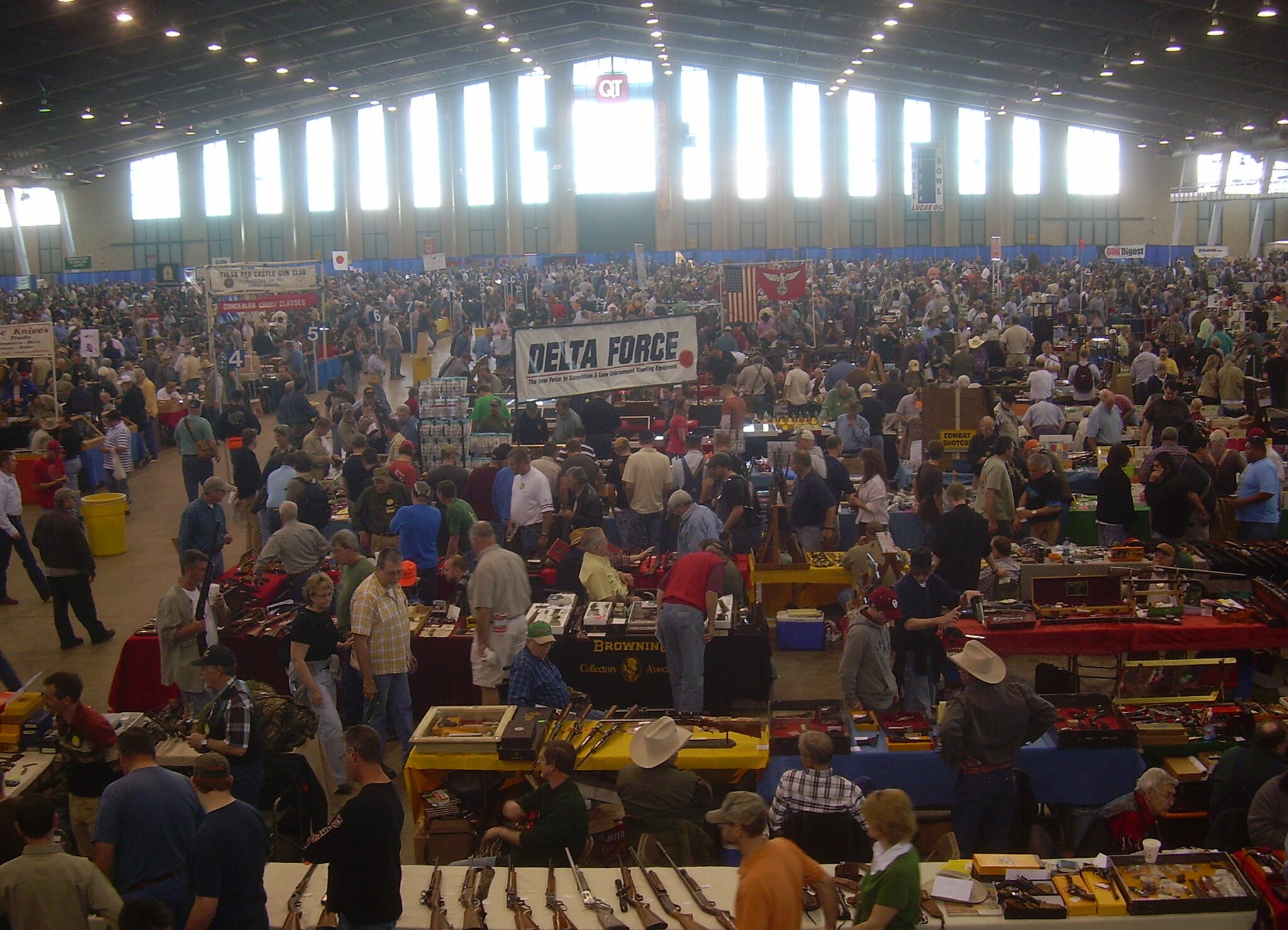
Gun shows create a unique buying atmosphere. The combination of limited-time deals, crowded aisles, and persuasive sellers can push people into purchases they might otherwise reconsider. Many items look appealing under bright lights or sound impressive in quick demonstrations, but real-world ownership often tells a different story. Regret usually sets in once the buyer understands maintenance costs, legal limitations, performance issues, or simple practicality. These regrets are rarely about legality or safety alone; they often come from mismatched expectations. Understanding which items commonly disappoint helps buyers make smarter, calmer decisions in an environment built to encourage impulse spending.
1. No-Name AR-15 Parts Kits
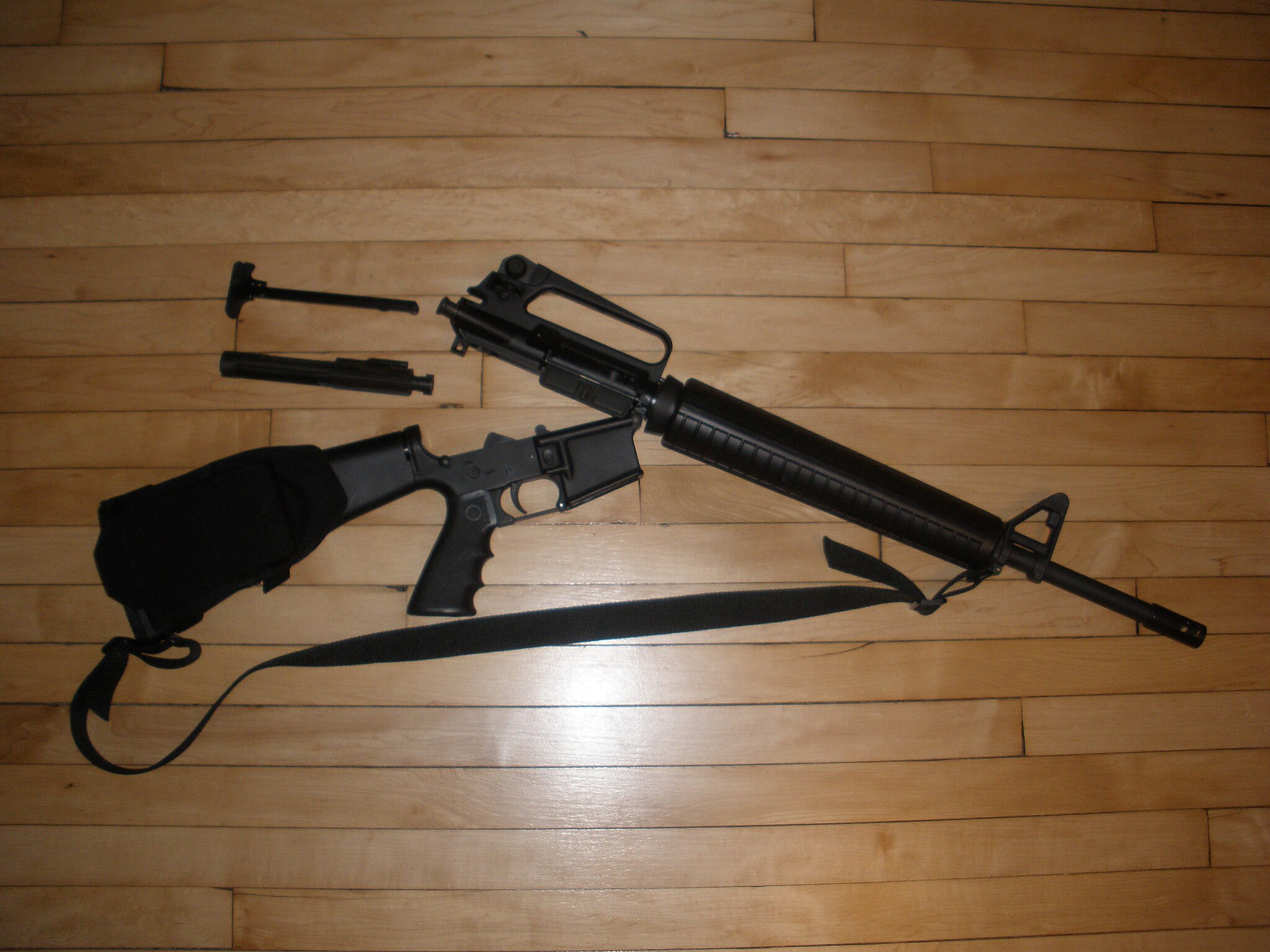
Budget AR-15 parts kits often appear to be unbeatable deals at gun shows, especially for buyers hoping to assemble a rifle at a fraction of retail cost. The regret usually comes later, once inconsistent tolerances, soft metals, and poor-quality springs start causing malfunctions. Fitment issues can lead to endless troubleshooting and additional replacement costs that quickly erase any savings. Warranty support is often nonexistent, leaving buyers stuck with parts that cannot be returned or serviced. What seemed like an affordable entry into rifle building often becomes a frustrating lesson in why quality components matter more than price alone.
2. Overpriced Military Surplus Gear
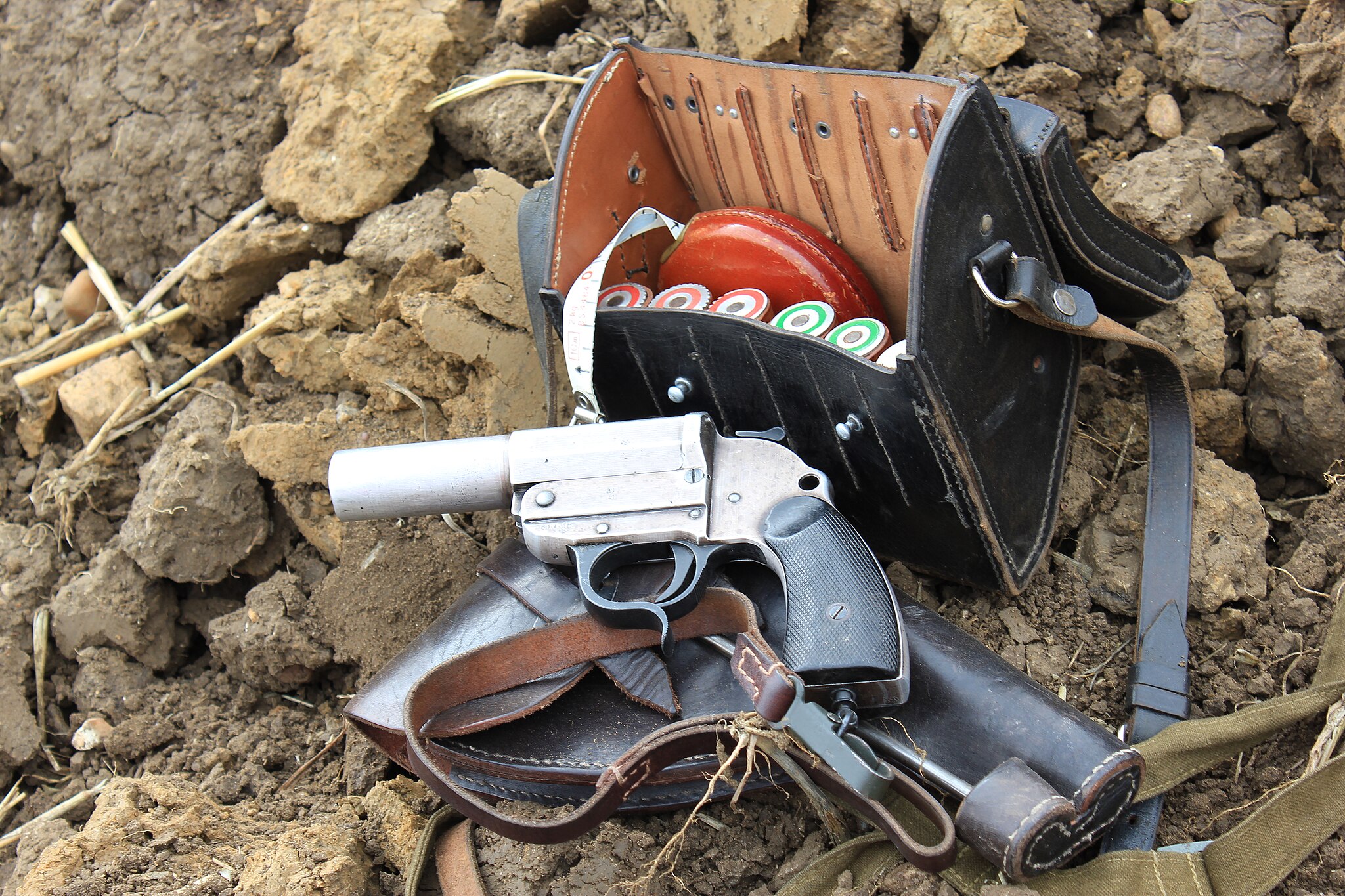
Military surplus items carry a strong sense of authenticity and nostalgia, which makes them easy to oversell at gun shows. Buyers are often told the gear is rare, combat-proven, or soon to disappear from the market. After purchase, many discover the same items are widely available online for far less money. Wear, missing components, and outdated functionality also become obvious with use. What initially felt like owning a piece of history turns into clutter that offers little practical value. The regret isn’t the surplus itself, but paying premium prices for common, heavily used equipment.
3. Cheap Optics with Big Promises
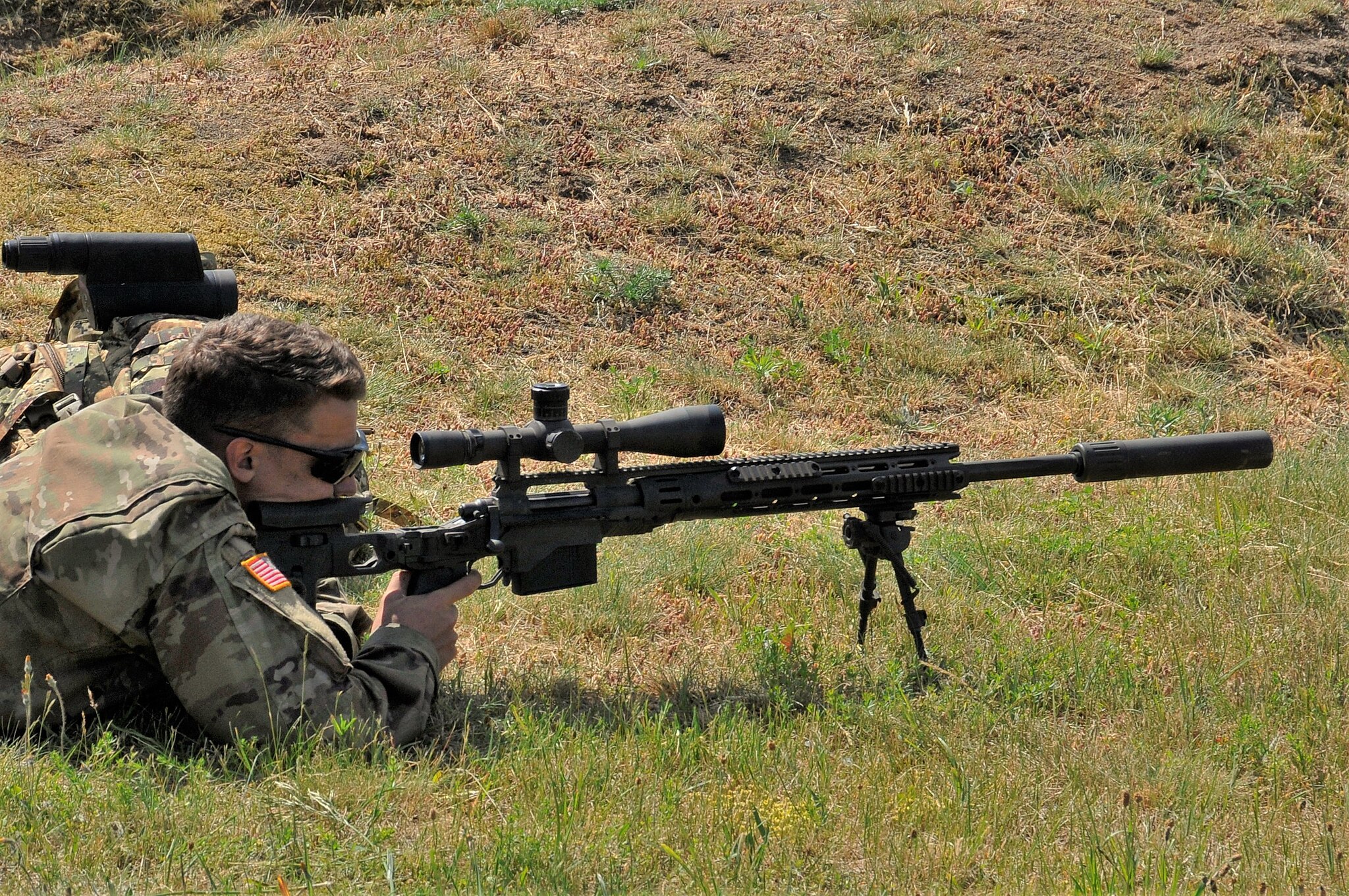
Low-cost optics with bold claims are some of the most commonly regretted gun show purchases. These scopes and red dots often advertise extreme durability, crystal-clear glass, and shockproof construction at prices that seem too good to ignore. Once mounted and fired, problems appear quickly. Loss of zero, dim reticles, and fragile adjustment knobs become obvious under normal use. Warranty service is often difficult or impossible to access. Buyers soon realize they trusted marketing language over proven performance, leading to replacement purchases that double the original expense.
4. Bulk Ammunition of Unknown Origin
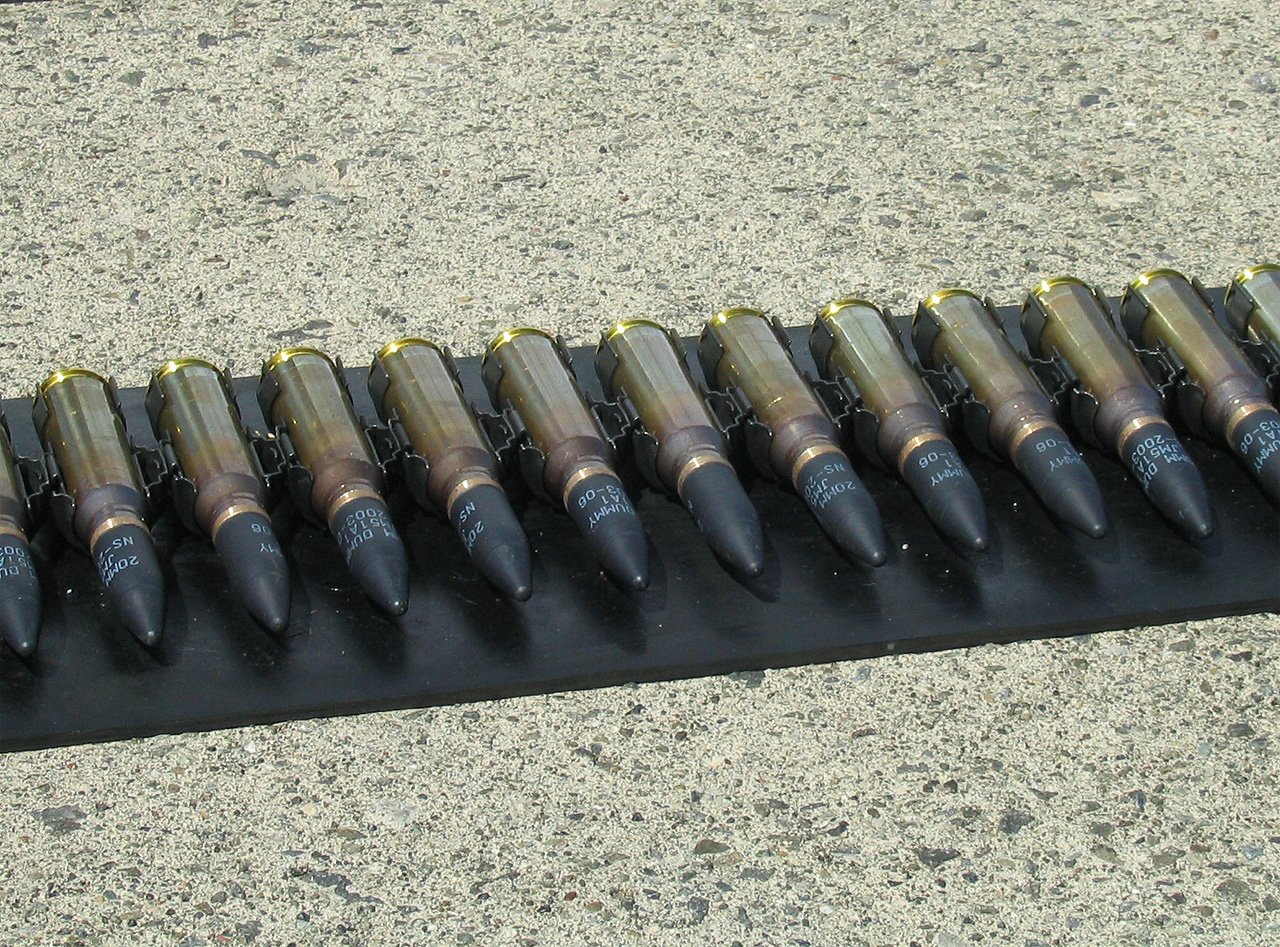
Buying bulk ammunition at gun shows feels practical, especially when sellers emphasize limited availability or rising prices. Regret sets in when reliability problems appear at the range. Inconsistent powder charges, hard primers, and questionable storage conditions can lead to malfunctions or accuracy issues. Some shooters later learn that the ammunition was reloaded without proper quality control. Reselling unsafe or unreliable ammo is difficult, leaving buyers stuck with thousands of rounds they hesitate to use. The initial excitement of saving money fades once safety concerns and performance problems become clear.
5. Novelty Firearms with Limited Support
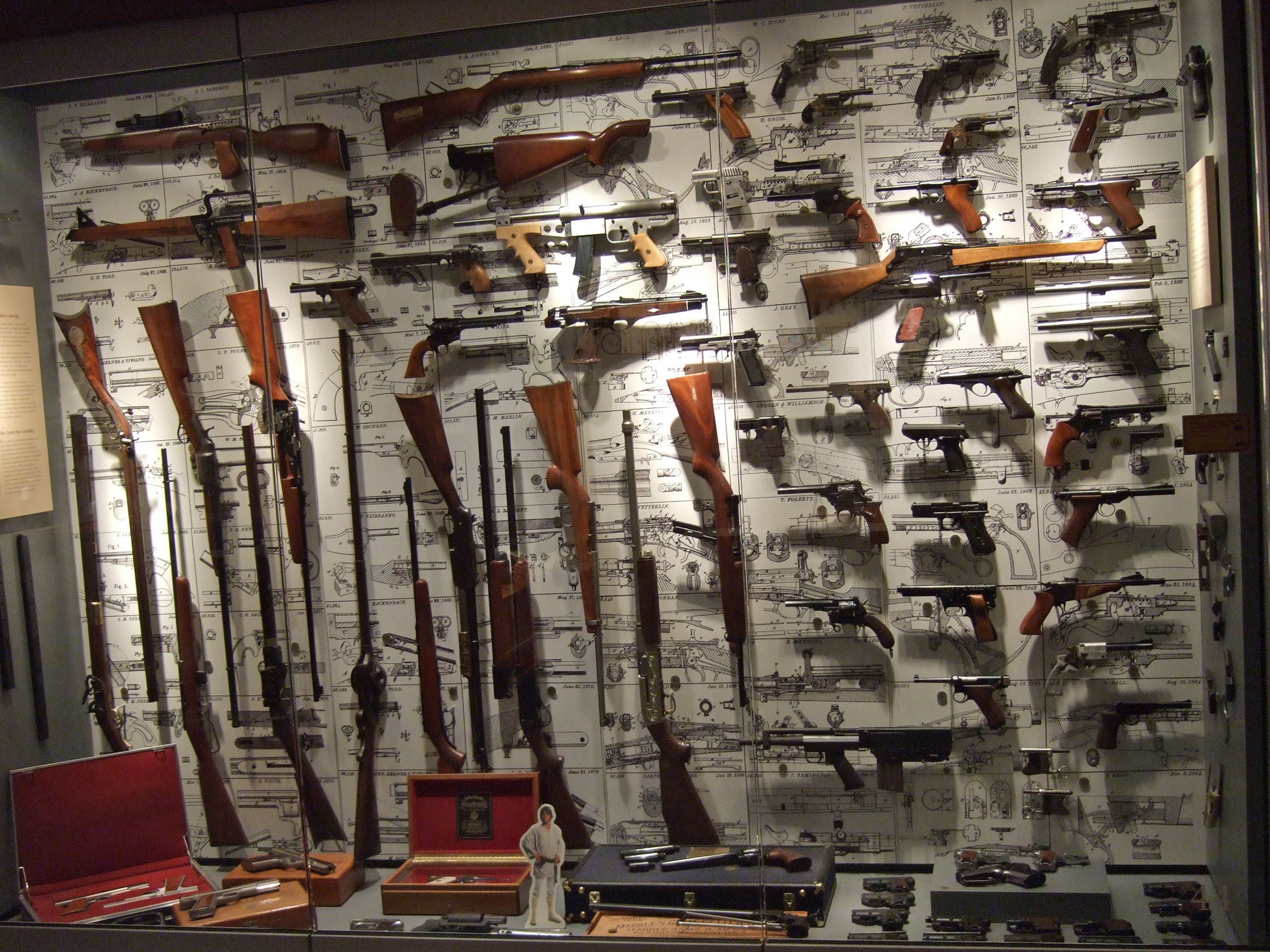
Unusual or novelty firearms often draw attention because they look different from standard offerings. Buyers are attracted to uniqueness, believing they are purchasing something rare or collectible. Over time, regret builds when replacement parts are unavailable and gunsmiths refuse to work on them. Magazines, springs, or proprietary components become difficult to source. What once felt special slowly becomes impractical. The firearm spends more time in storage than at the range. Novelty alone rarely offsets the long-term inconvenience of owning a platform without reliable support or parts availability.
6. Overbuilt Tactical Accessories
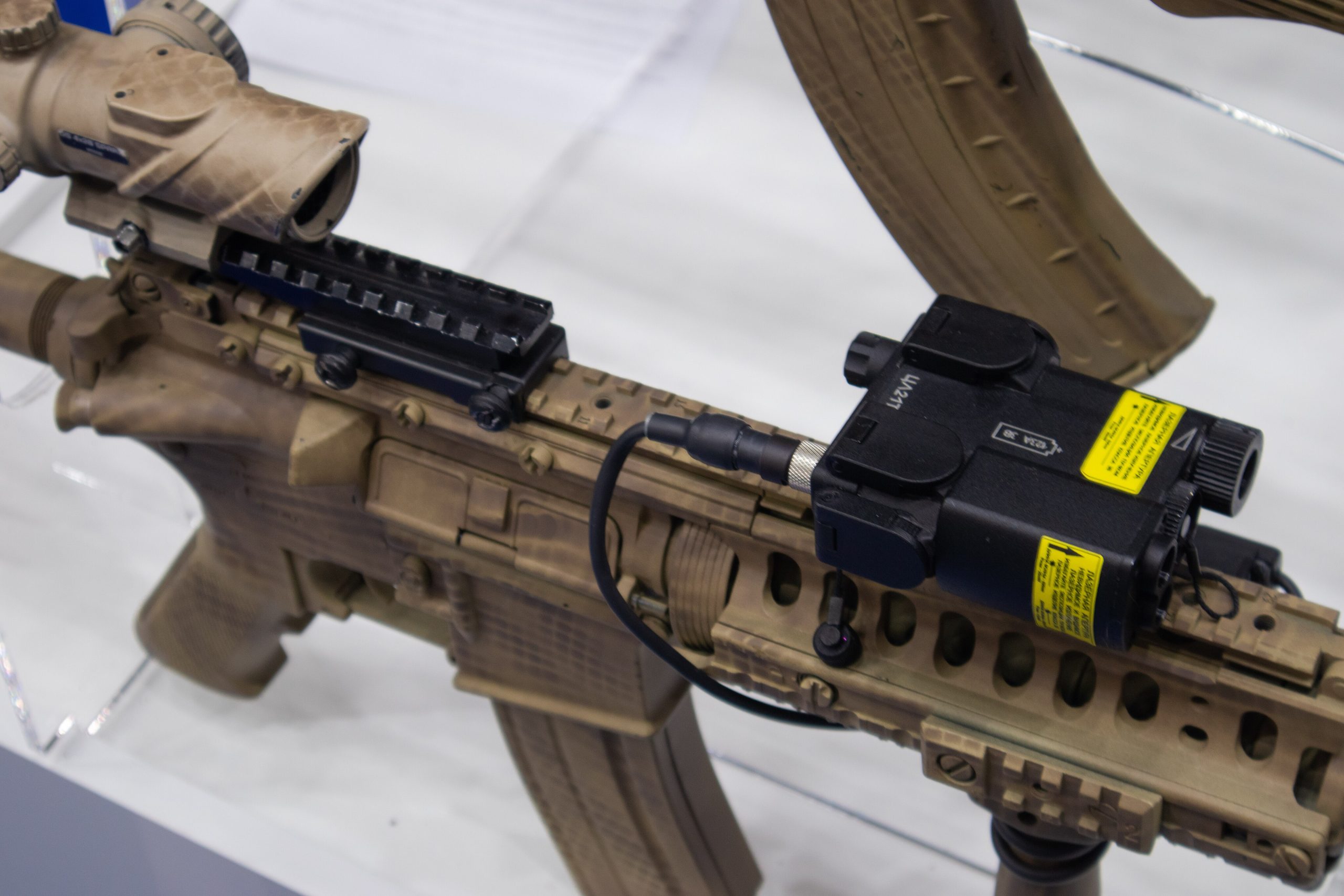
Gun shows are filled with accessories designed to look rugged and professional. Heavy grips, oversized lasers, and bulky rail-mounted tools promise improved performance but often deliver the opposite. Once installed, they throw off weapon balance and add unnecessary weight. Many buyers remove them after limited use, realizing they interfere with handling more than they help. Resale value is low, and returning them is rarely an option. The regret comes from realizing that simplicity often performs better than accessories designed primarily to impress rather than function.
7. High-Capacity Magazines for Rare Firearms
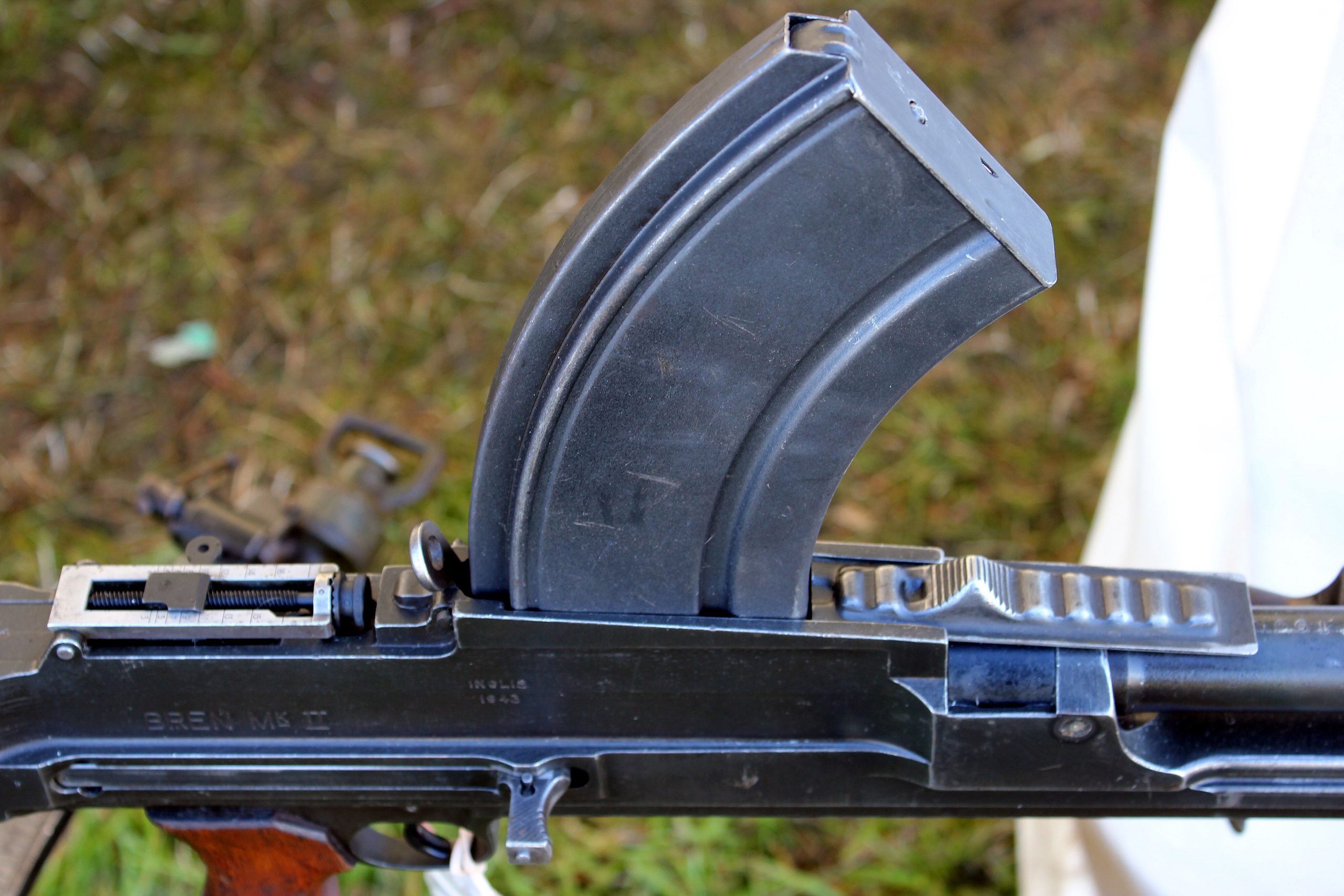
Magazines marketed as extended or high-capacity upgrades can seem like essential purchases at gun shows. Buyers often assume they will enhance performance or preparedness. Problems appear once feeding issues begin. Many aftermarket magazines fail to match factory reliability, especially for less common firearms. Springs weaken quickly, followers tilt, and malfunctions become frequent. Factory magazines, while more expensive, tend to outperform them consistently. Buyers later realize they paid for capacity at the expense of dependability, turning what should be a reliable component into a constant source of frustration.
8. Used Firearms Without Proper Inspection
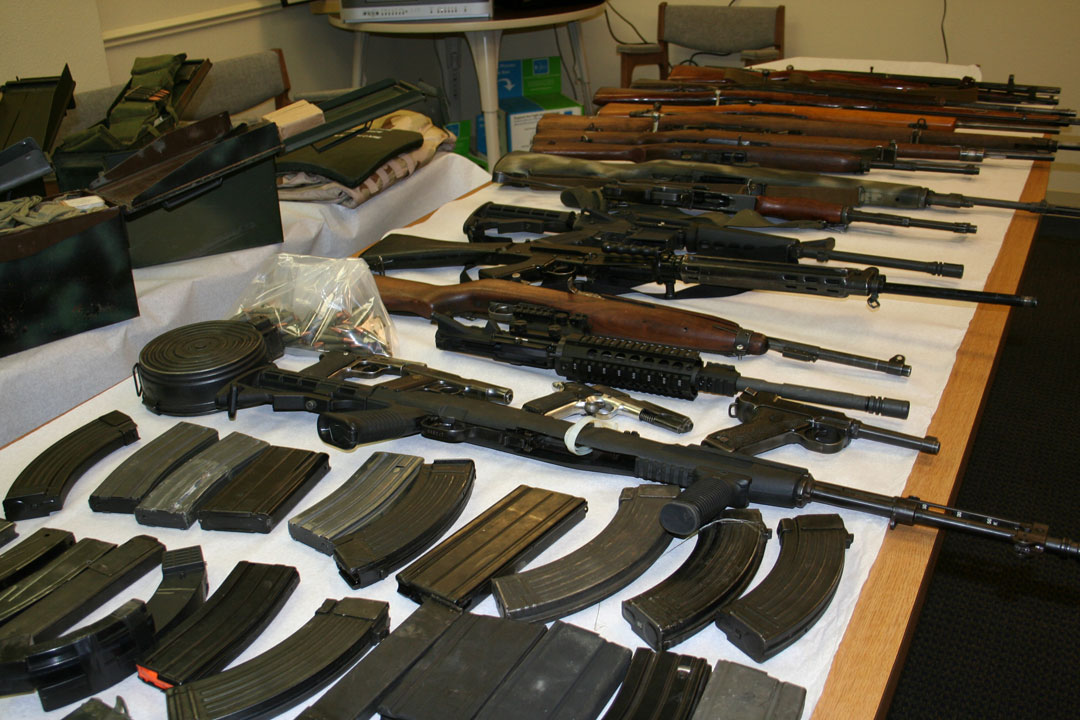
Used firearms can offer excellent value, but gun show purchases often happen without adequate inspection time. Dim lighting, crowd pressure, and persuasive sellers encourage quick decisions. After purchase, hidden problems emerge, including worn barrels, altered internals, or headspace issues. Repair costs quickly exceed the original price difference compared to buying new. Some sellers disappear after the show, leaving buyers without recourse. Regret comes from skipping careful evaluation in an environment designed to discourage slow, thoughtful examination of mechanical condition.
9. “Limited Edition” Collectibles
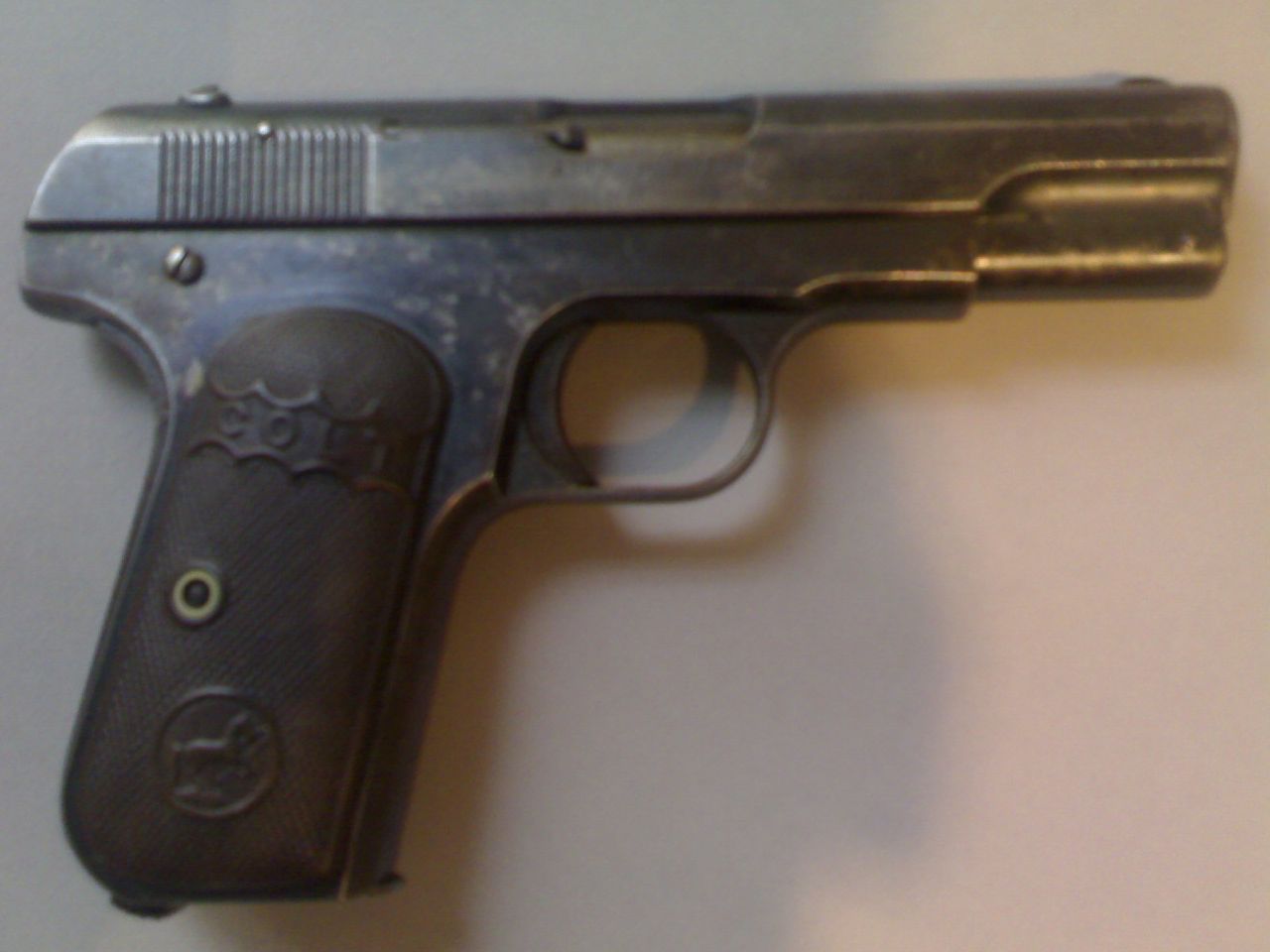
Firearms and accessories labeled as limited editions are often marketed as future investments. Buyers are told production numbers are small, and demand will increase. In reality, many of these items are mass-produced with cosmetic variations rather than true rarity. Secondary market value often stagnates or declines. Without historical significance or functional superiority, collectibility rarely materializes. Owners later realize they paid extra for branding rather than substance. The disappointment comes from expecting appreciation where none was realistically supported by the market.
10. Homemade or Modified Reloading Equipment
Reloading equipment assembled or modified by unknown individuals can look appealing at gun shows, especially when priced below retail. The regret comes once safety and consistency issues appear. Poorly aligned presses, altered powder measures, and worn components can lead to dangerous inconsistencies. Manufacturer warranties do not apply, and replacement parts may not fit. What initially seemed like a bargain becomes a liability. Buyers often end up replacing the equipment entirely, learning that reloading safety depends heavily on precision and proper manufacturing standards.
11. Impulse Purchases Driven by Show Pressure
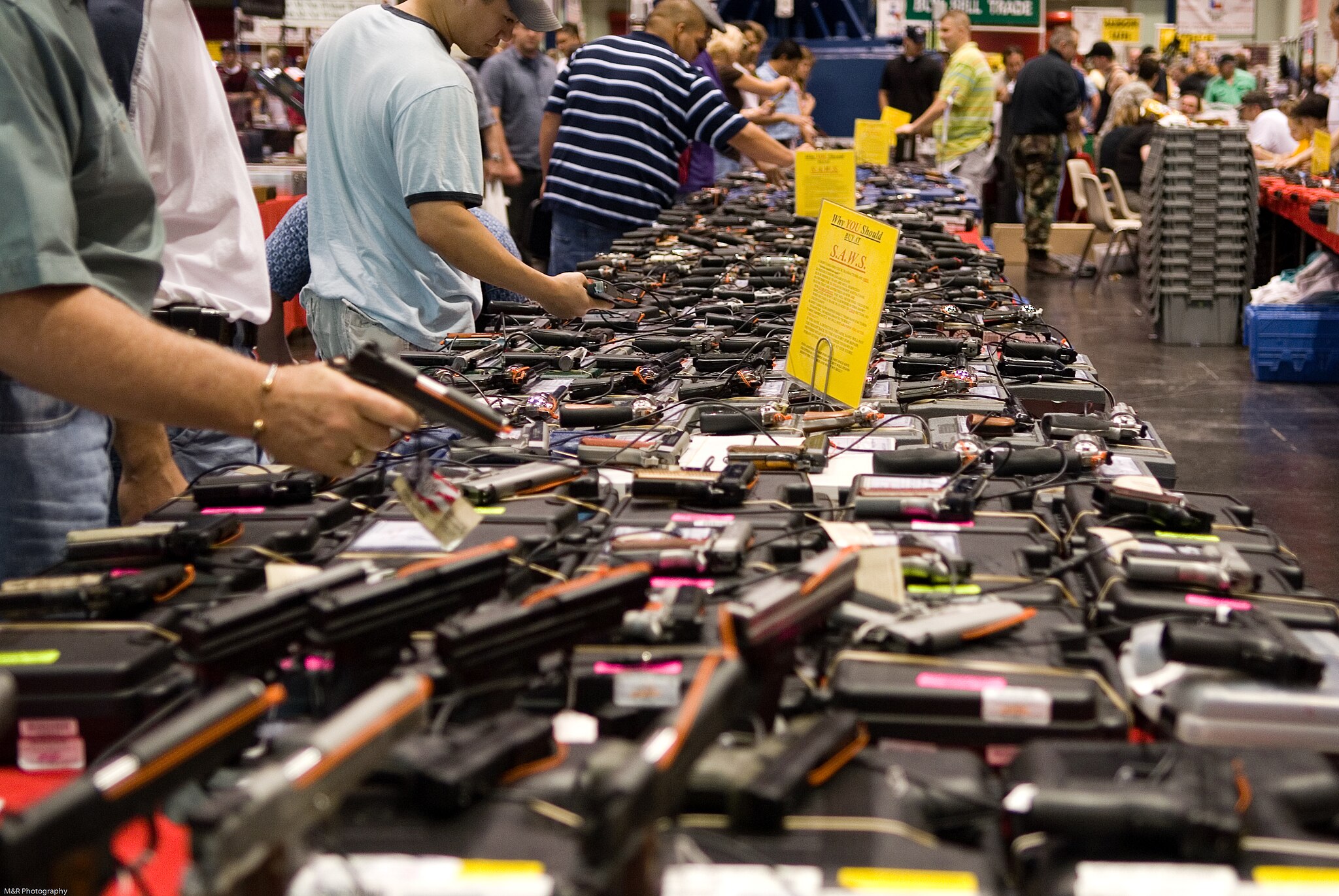
The most common regret isn’t a specific item but the decision to buy under pressure. Limited-time deals, crowded aisles, and persuasive language create urgency that overrides careful judgment. Buyers often realize later that the same item was unnecessary or overpriced. Without time to research, compare, or reflect, impulse purchases lose their appeal quickly. The regret comes not from the product alone, but from abandoning a deliberate buying process. Gun shows reward patience, but impulse often proves to be the most expensive item of all.