Not every firearm that looks impressive on a gun store shelf earns long-term loyalty from the people who actually run it hard. Some models gain hype because of branding, movie exposure, or a single attractive feature, only for owners to discover frustrating reliability issues, awkward ergonomics, painful recoil, or costly maintenance. After enough range trips, enthusiasm fades, and resale listings quietly appear online. The firearms below are not universally bad, but they are frequently mentioned by experienced shooters as purchases they would not repeat. These insights come from real ownership experiences, not first impressions or internet rumors.
1. Hi-Point C9
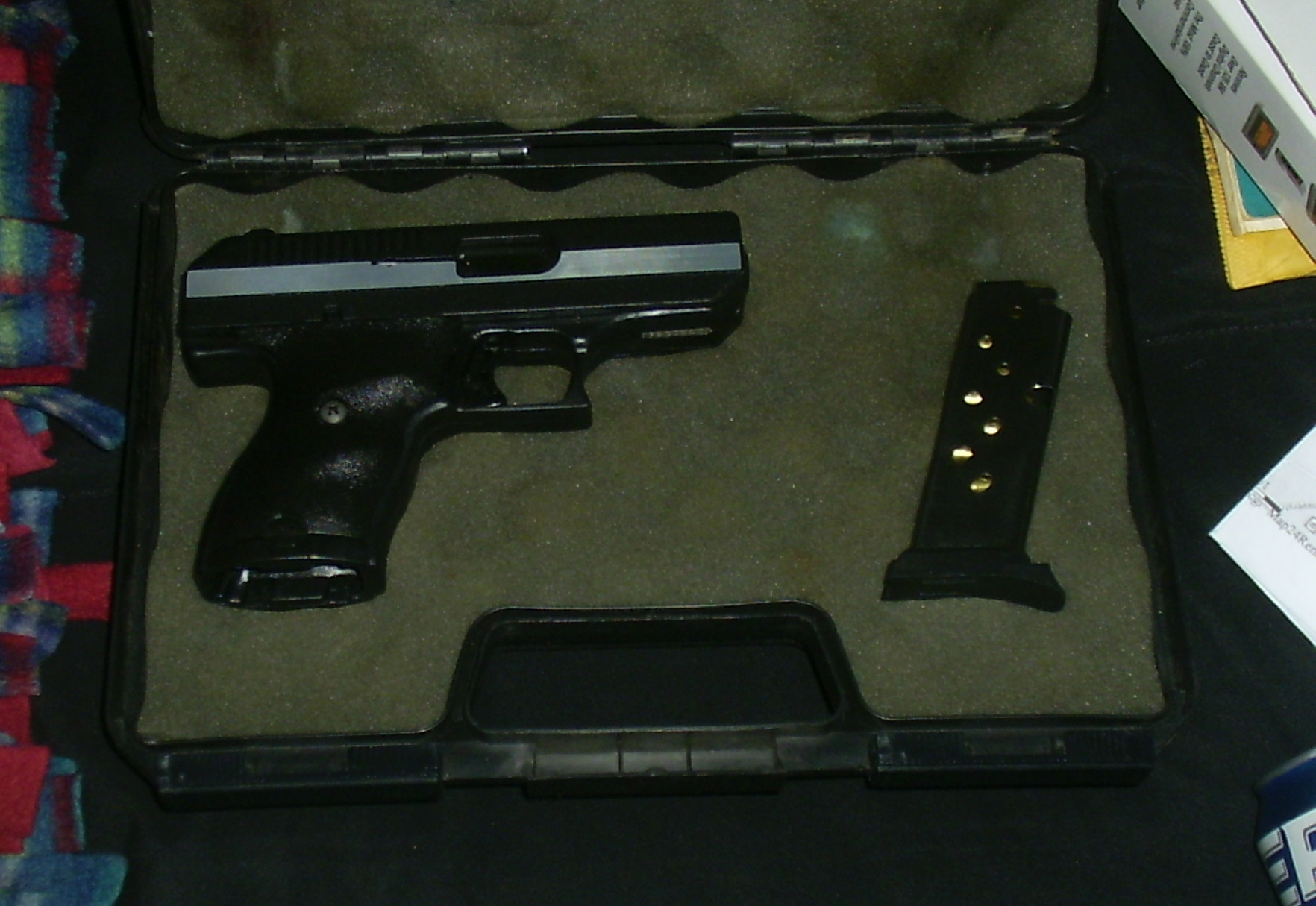
The Hi-Point C9 attracts first-time buyers with its low price and simple blowback design. On paper, it seems like an affordable entry into 9mm ownership. In practice, many owners grow tired of its bulky slide, awkward weight distribution, and stiff magazine springs. The trigger pull is often described as heavy and gritty, which makes accurate follow-up shots harder than expected. While some examples run reliably, others experience feeding issues, especially with certain hollow-point ammunition. The overall fit and finish feel rough compared to similarly priced used handguns from established brands. Many owners eventually upgrade to something lighter, smoother, and easier to carry.
2. Kel-Tec PF-9
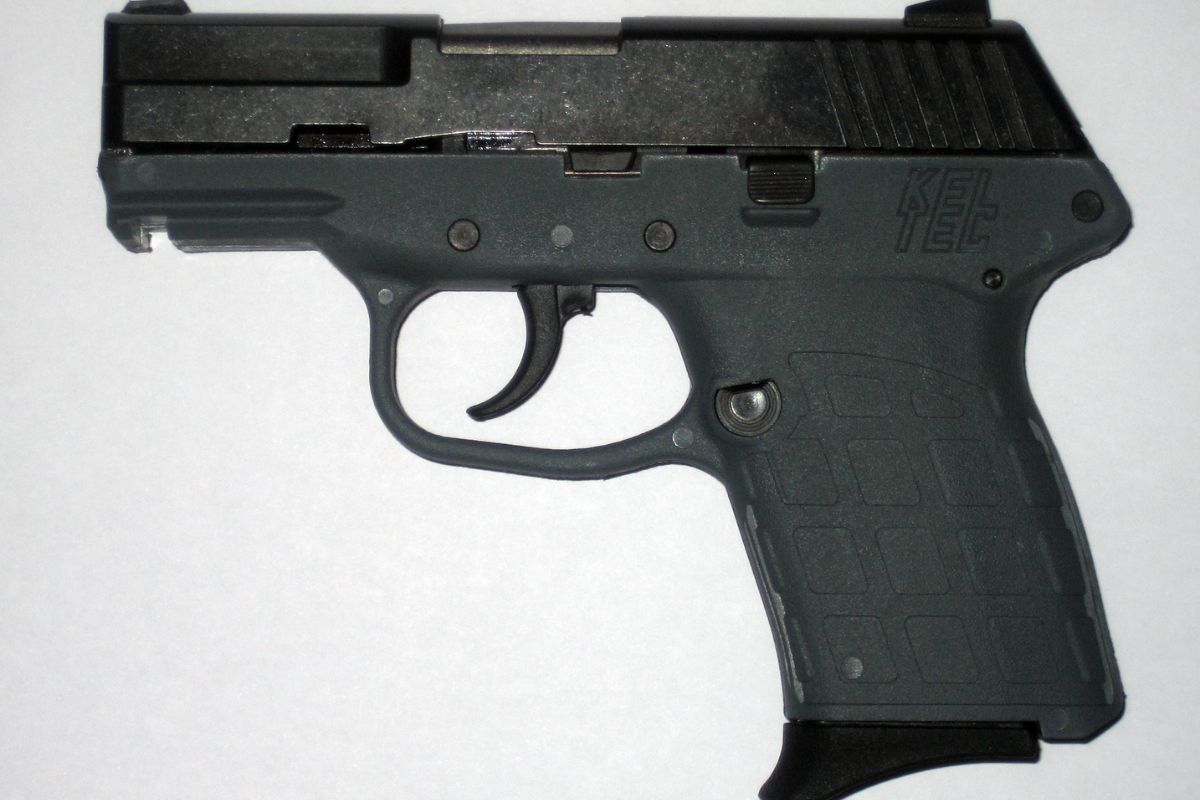
The Kel-Tec PF-9 gained popularity for being one of the thinnest and lightest 9mm pistols available. It is easy to conceal, but that advantage comes with trade-offs. Owners frequently report sharp recoil that feels punishing during extended range sessions. The lightweight frame and minimal grip texture make it difficult to control under rapid fire. Some shooters experience reliability issues tied to magazine sensitivity or limp-wristing. The long trigger pull can also affect accuracy for less experienced users. While it serves its purpose as a deep concealment pistol, many owners replace it with slightly heavier models that offer better shootability and confidence.
3. Taurus PT Millennium Pro
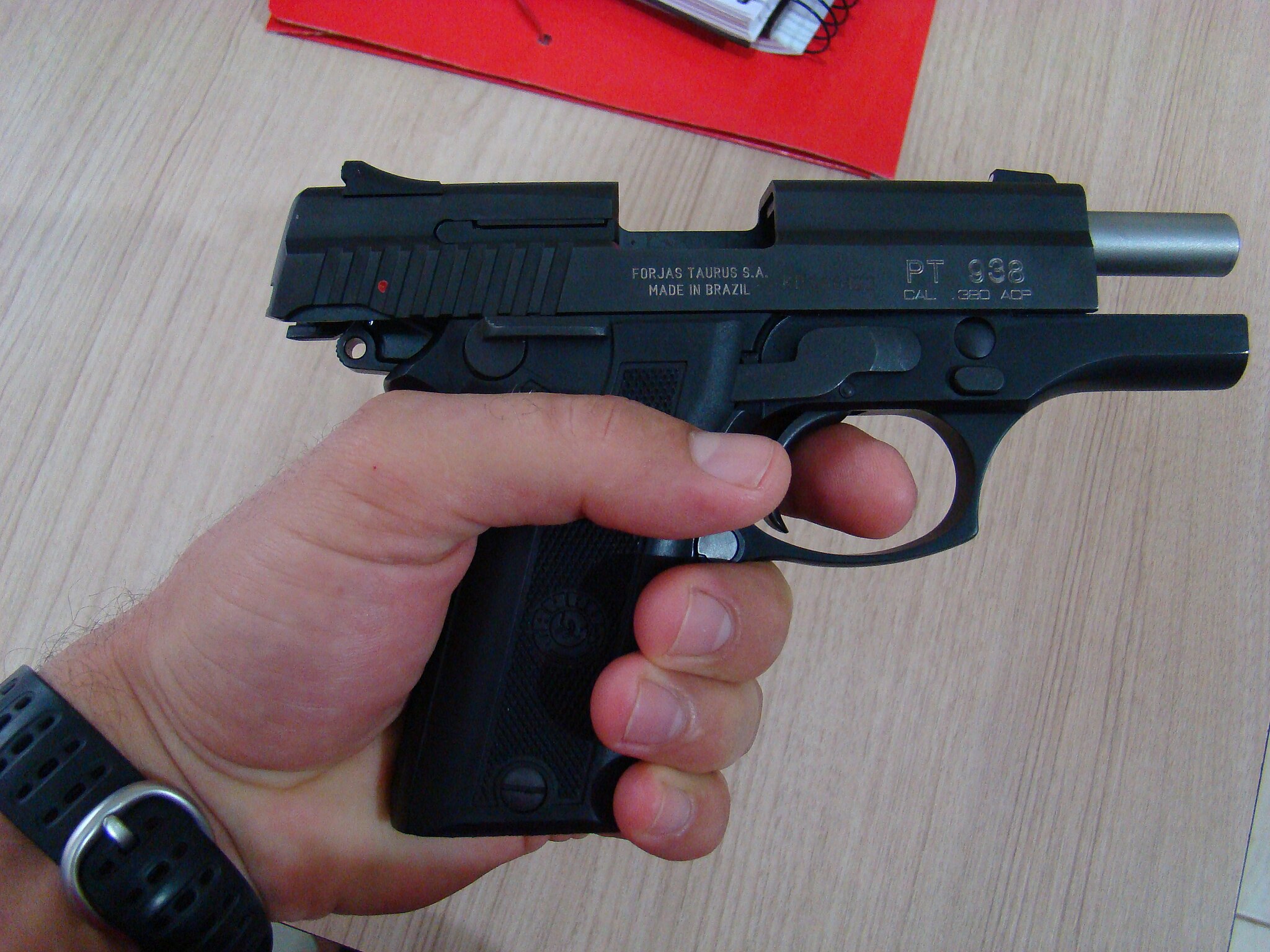
The Taurus PT Millennium Pro promised compact size and double-stack capacity at a competitive price. Early adopters liked the ergonomics and manual safety option. However, inconsistent quality control has been a recurring complaint. Some owners report light primer strikes, failures to eject, or trigger reset problems. While many pistols function without issue, others require warranty work, which affects trust in a defensive firearm. Resale value also tends to be lower compared to competitors. Over time, owners often move toward brands known for tighter manufacturing consistency, especially when reliability becomes a top priority for personal protection.
4. Remington R51
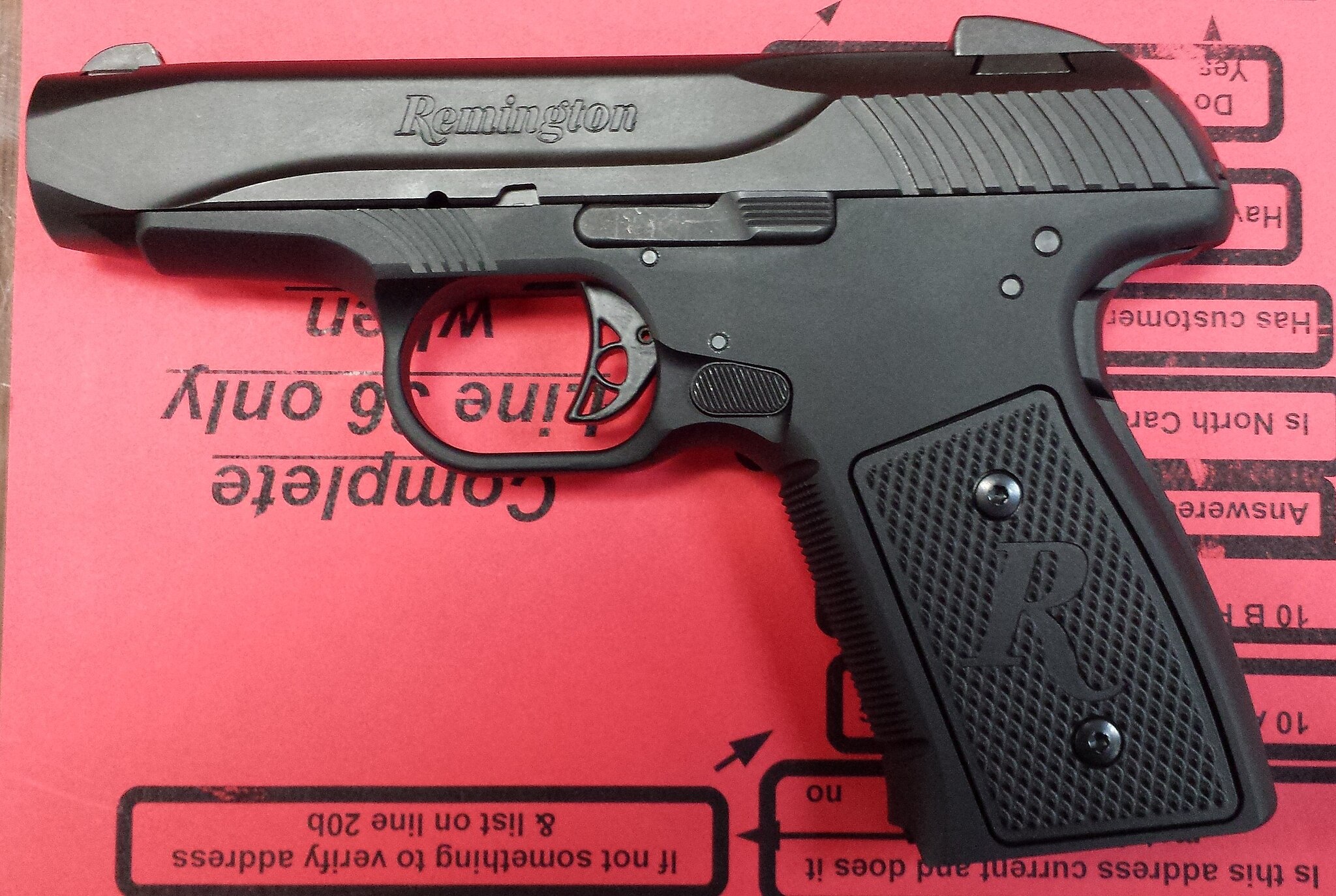
The Remington R51 generated excitement due to its slim profile and unique Pedersen hesitation lock system. Unfortunately, early production models were plagued by serious reliability problems. Owners reported failures to feed, extraction issues, and uncomfortable recoil characteristics. Even after redesign efforts, confidence in the platform was slow to recover. The grip shape and slide bite complaints added to user frustration. While the concept was innovative, execution problems left many buyers disappointed. The pistol became a lesson in why first-generation releases should be approached carefully, especially when intended for everyday carry or defensive use.
5. Smith & Wesson Sigma Series
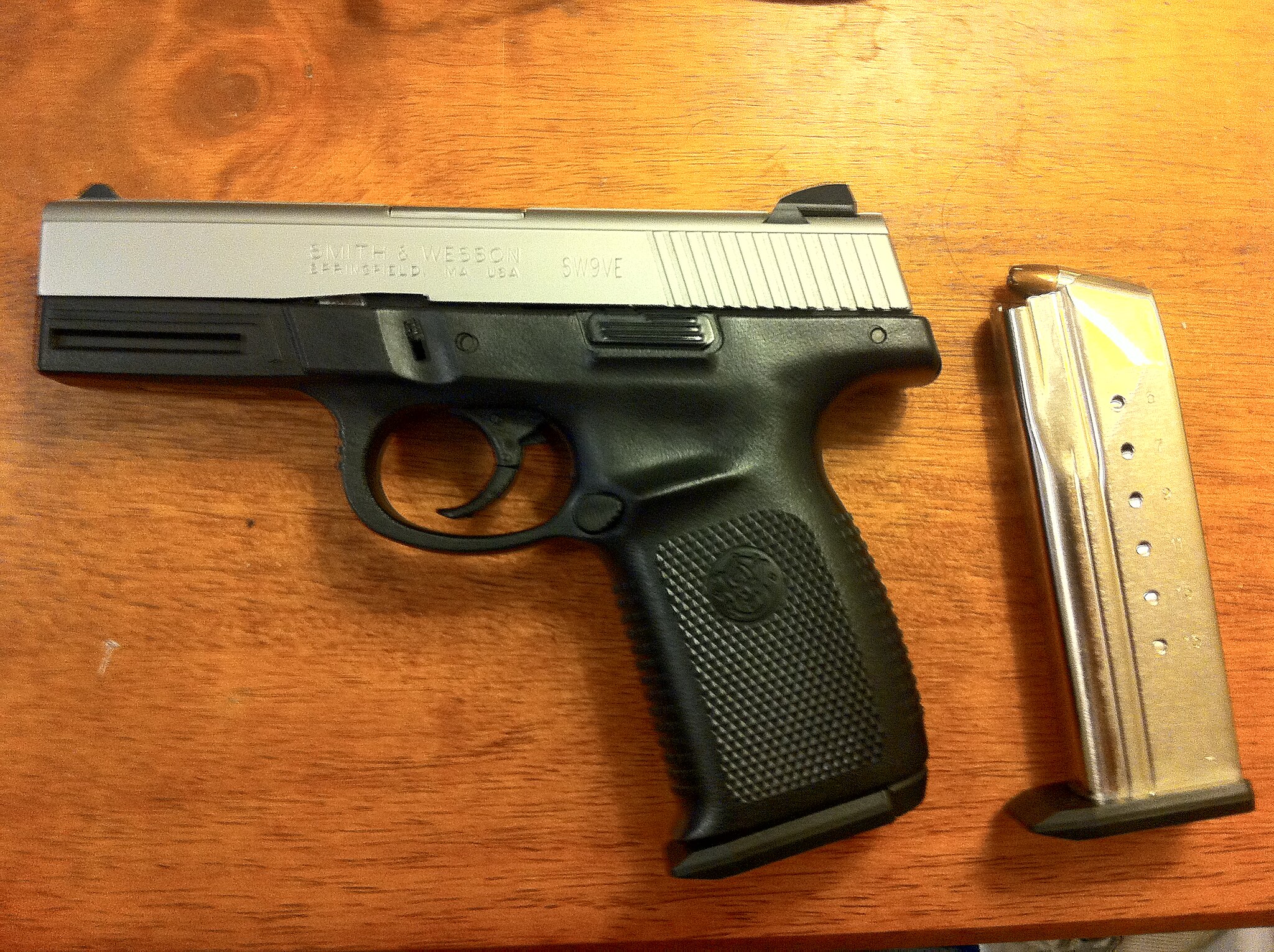
The Smith & Wesson Sigma series was introduced as a polymer-framed striker-fired alternative in the handgun market. It offered affordability and brand recognition, but the trigger pull quickly became its most criticized feature. Many owners describe it as excessively heavy and long, which can negatively affect the accuracy and enjoyment of shooting. Although the pistols are generally durable, the trigger experience alone causes some shooters to trade them in for smoother alternatives. Later refinements improved the design, but early impressions lingered. For many owners, the Sigma felt functional yet uninspiring compared to competing striker-fired pistols.
6. Ruger LCP First Generation
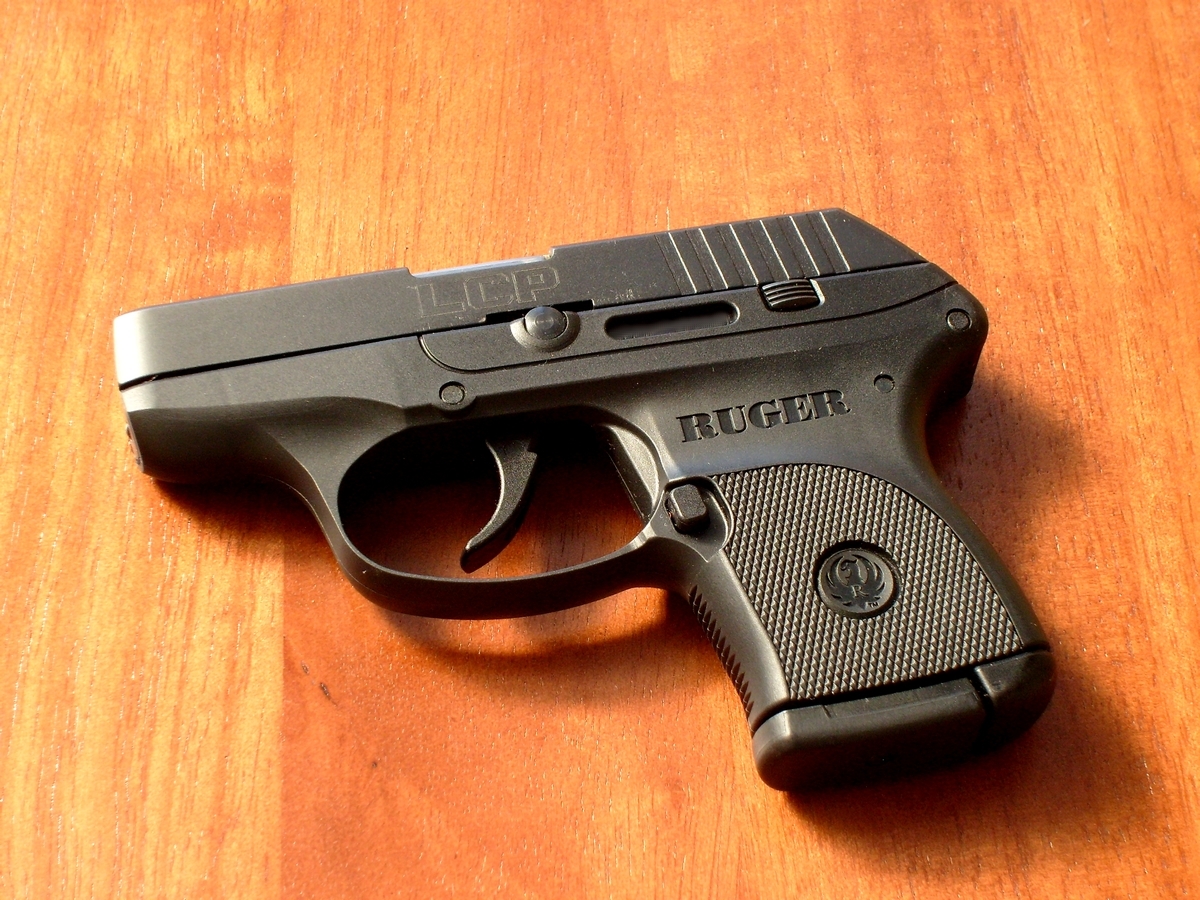
The first-generation Ruger LCP became extremely popular for pocket carry due to its tiny footprint. While easy to conceal, it sacrifices comfort and shootability. Owners frequently mention snappy recoil and minimal sights that are difficult to use under stress. The long trigger pull requires deliberate effort, which can slow accurate shooting. Early models also lacked a slide lock on the last round, a feature many shooters expect. Although later versions improved ergonomics and sights, those who owned the original often upgraded. It fulfilled a niche role, but regular practice sessions with this lightweight pistol were rarely enjoyable.
7. Mossberg 715T
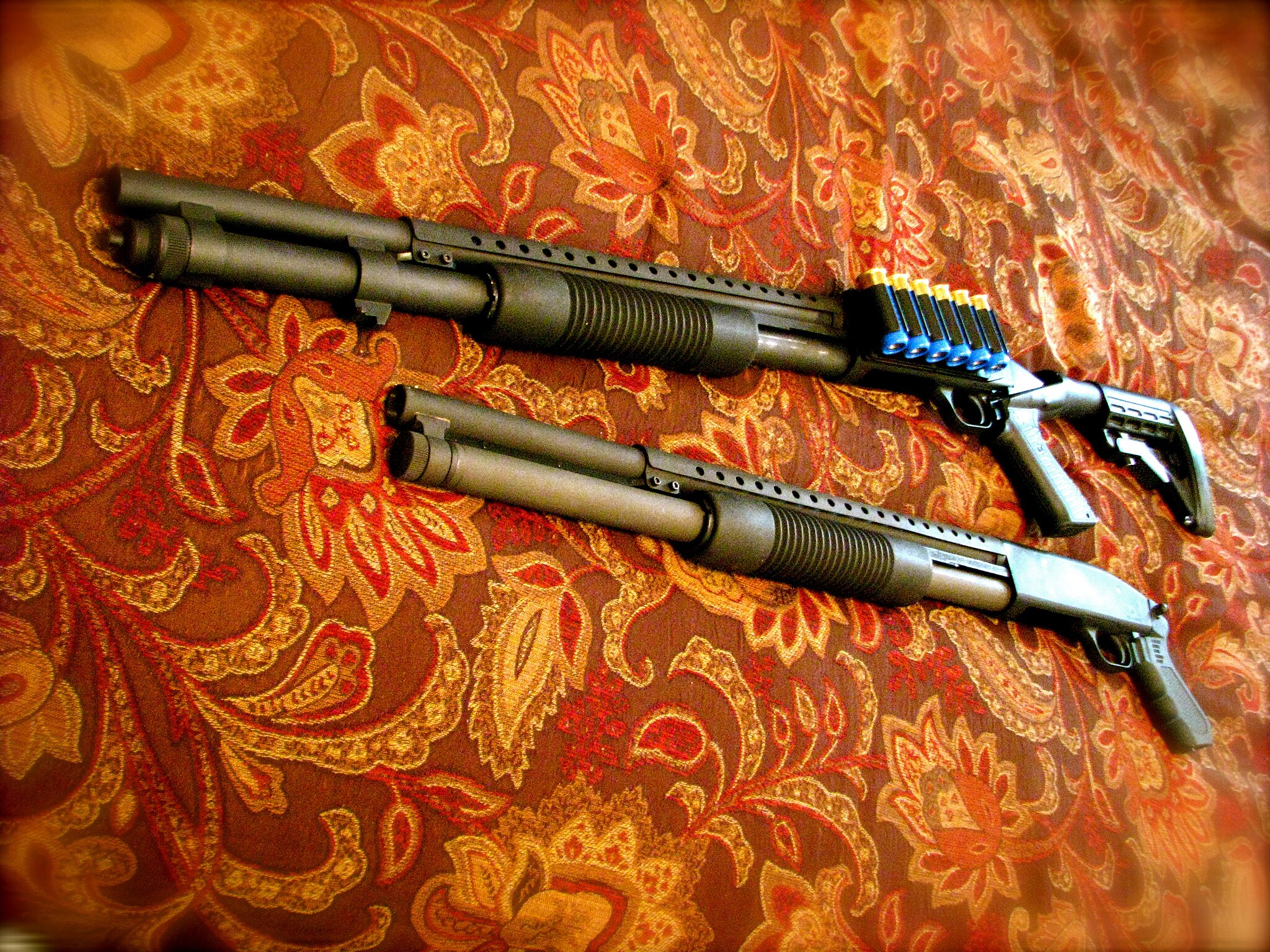
The Mossberg 715T looks like a tactical rifle but is essentially a dressed-up rimfire platform. Many buyers are initially drawn to its military-style appearance. After purchase, some owners feel disappointed by the heavy polymer shell and overall weight, which exceeds expectations for a .22 caliber rifle. Accessing internal components for cleaning can also be more complicated than traditional rimfire designs. While it functions adequately for casual plinking, the styling does not necessarily translate into performance advantages. Owners seeking a simple and lightweight rimfire often transition to more straightforward designs with easier maintenance.
8. Walther P22
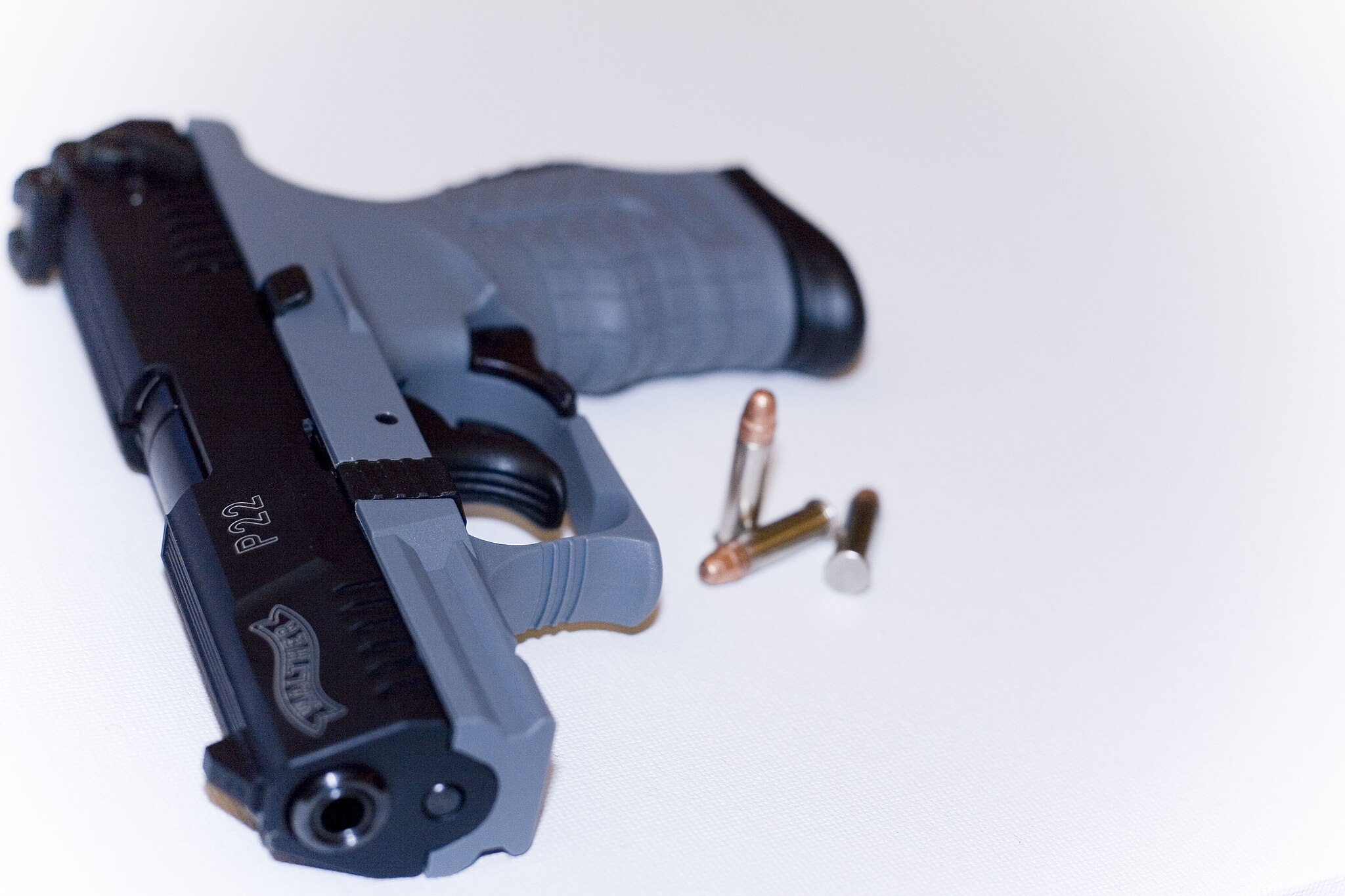
The Walther P22 gained attention as a compact rimfire pistol suitable for training and recreational shooting. While ergonomically appealing, it has a reputation for ammunition sensitivity. Many owners report frequent malfunctions unless using high-velocity rounds. The zinc alloy slide raises durability concerns for heavy, long-term use. Small internal parts can also wear faster than expected. Although enjoyable when running properly, inconsistent reliability diminishes confidence. Shooters often switch to more robust rimfire pistols for high-round-count practice, especially when they want a dependable platform for introducing new shooters to handgun basics.
9. Beretta Neos
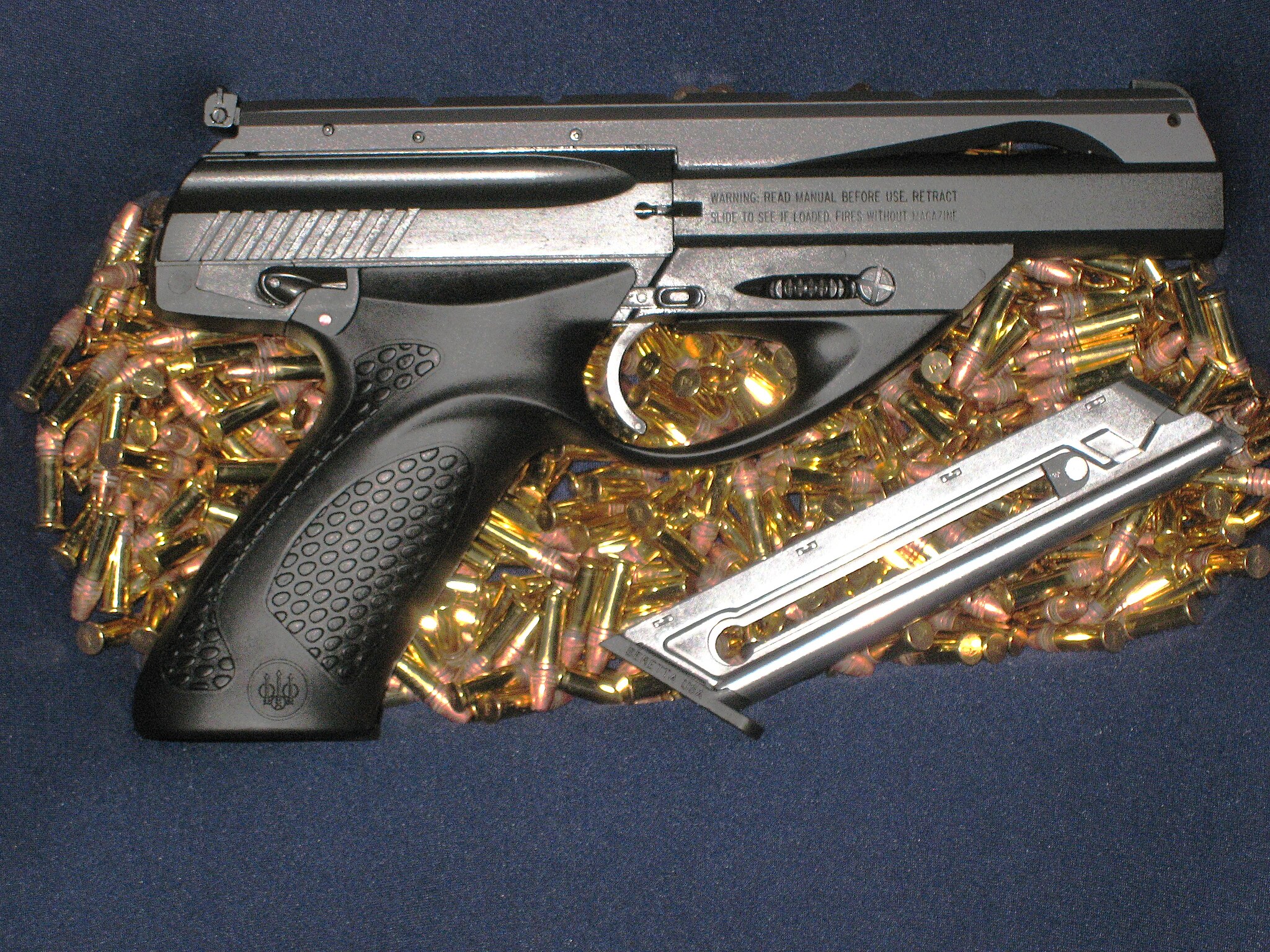
The Beretta Neos is a unique-looking semi-automatic pistol aimed at plinkers and recreational shooters. It stands out with a futuristic, almost toy-like appearance and a long, squared slide that some shooters find visually appealing. However, long-time owners commonly mention that the Neos tends to feel underwhelming once the novelty wears off. The grip angle and polymer frame don’t always inspire confidence, and the trigger lacks the crisp engagement that helps with accurate shooting. Its .22 LR chambering makes it inexpensive to run, but inconsistent cycling with modern ammunition loads frustrates owners who expect reliability even in rimfire pistols. Many shooters eventually move on to other .22 models with smoother triggers, better ergonomics, and more dependable feeding, especially if they invest serious time at the range. While fine for casual shooting, the Neos rarely satisfies experienced shooters who demand consistent performance and enjoyable handling at every session.
10. Kimber Solo
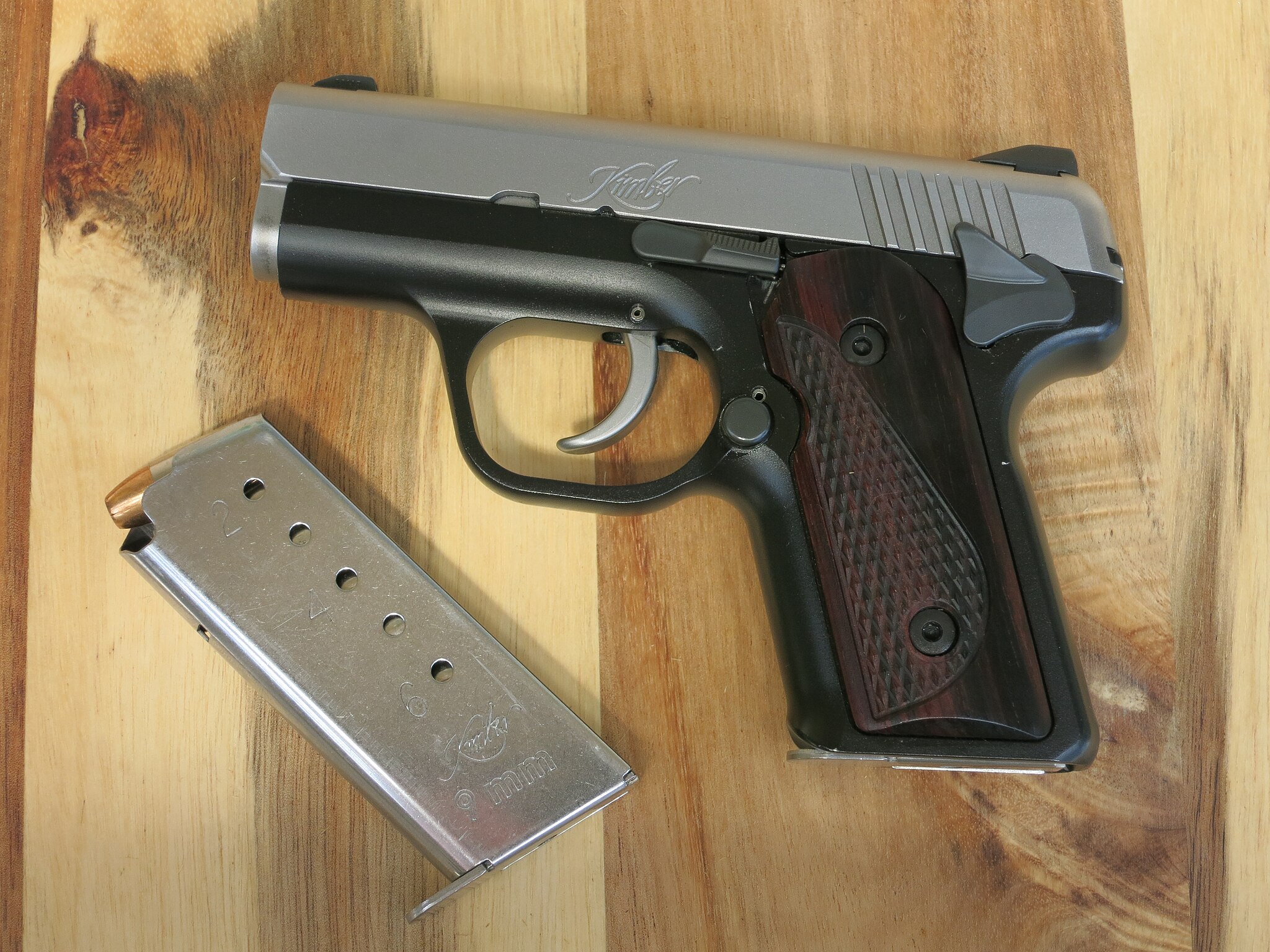
The Kimber Solo was marketed as a premium micro-compact 9mm pistol with sleek styling. Its aesthetics and brand reputation attracted many buyers. However, the pistol is known to be particular about ammunition, often requiring specific high-pressure loads for reliable cycling. Owners who attempt to use standard practice ammo may encounter failures to feed or eject. Recoil can also feel sharp for such a small platform. Maintenance and replacement parts tend to be costly. While visually appealing, the limited ammunition flexibility leads many owners to choose more forgiving compact pistols for daily carry.
11. Remington 770
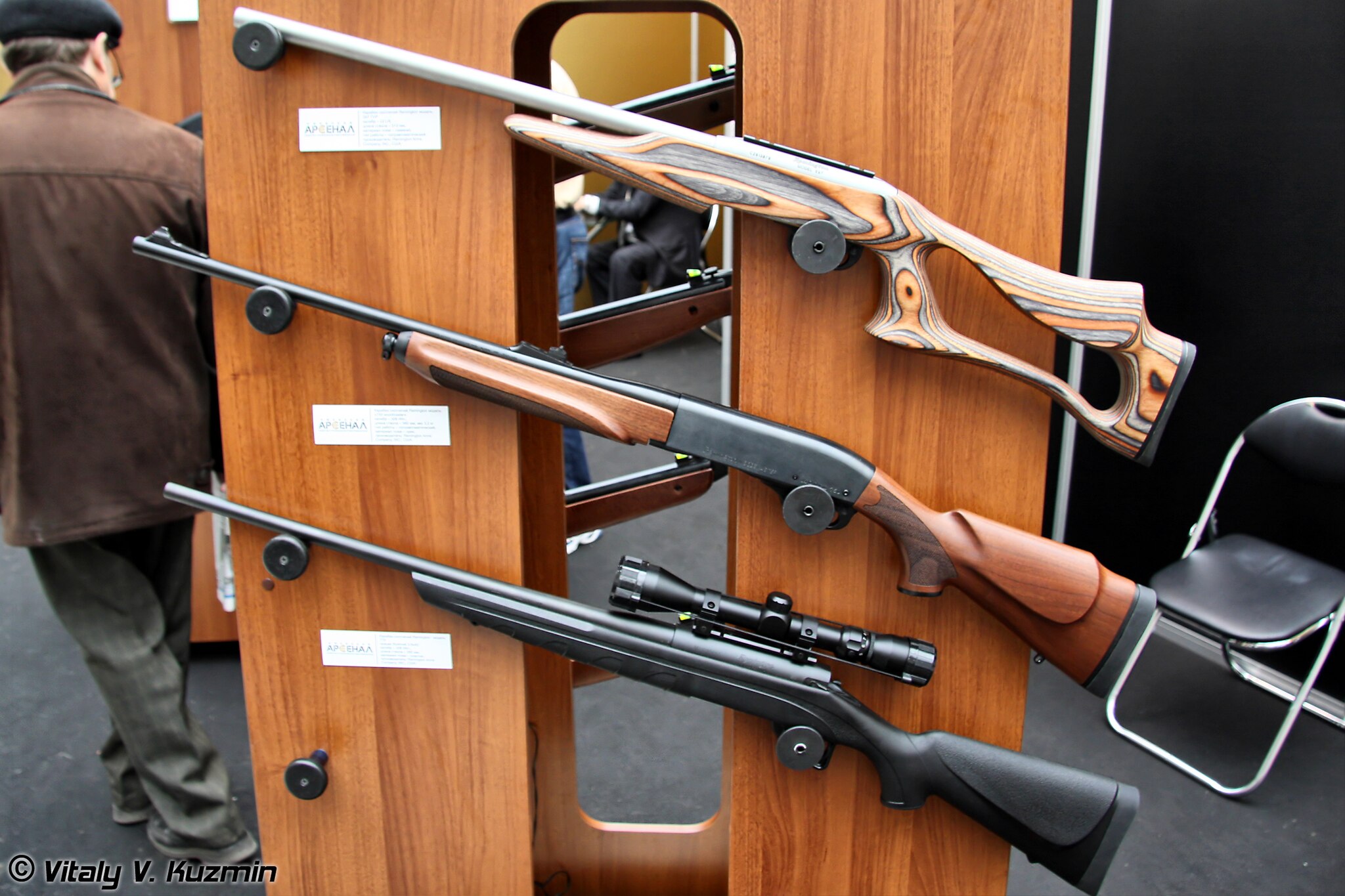
The Remington 770 was positioned as an affordable bolt-action hunting rifle package. It appealed to budget-conscious hunters seeking an entry-level option. Owners often criticize the heavy trigger pull and rough bolt operation, which can affect shooting consistency. The synthetic stock feels lightweight but not particularly rigid. While the rifle can deliver acceptable accuracy for hunting distances, it lacks the refinement of more established bolt-action models. Many users eventually upgrade to smoother actions with better triggers and stronger aftermarket support. Over time, the initial savings may feel less important than overall shooting experience and reliability.