Campsites are shaped by far more than scenic views or nearby amenities, since environmental conditions directly influence comfort, safety, and long term sustainability. Factors such as weather exposure, terrain, water access, and surrounding vegetation quietly determine how well a site functions throughout different seasons. Campers, land managers, and conservation planners often evaluate these elements to reduce environmental impact and avoid avoidable risks. Understanding how natural forces interact with campsites also explains why some locations remain popular for decades while others are abandoned or restricted. These environmental factors consistently affect campsite selection, durability, and overall outdoor experiences across varied landscapes nationwide.
Weather Patterns
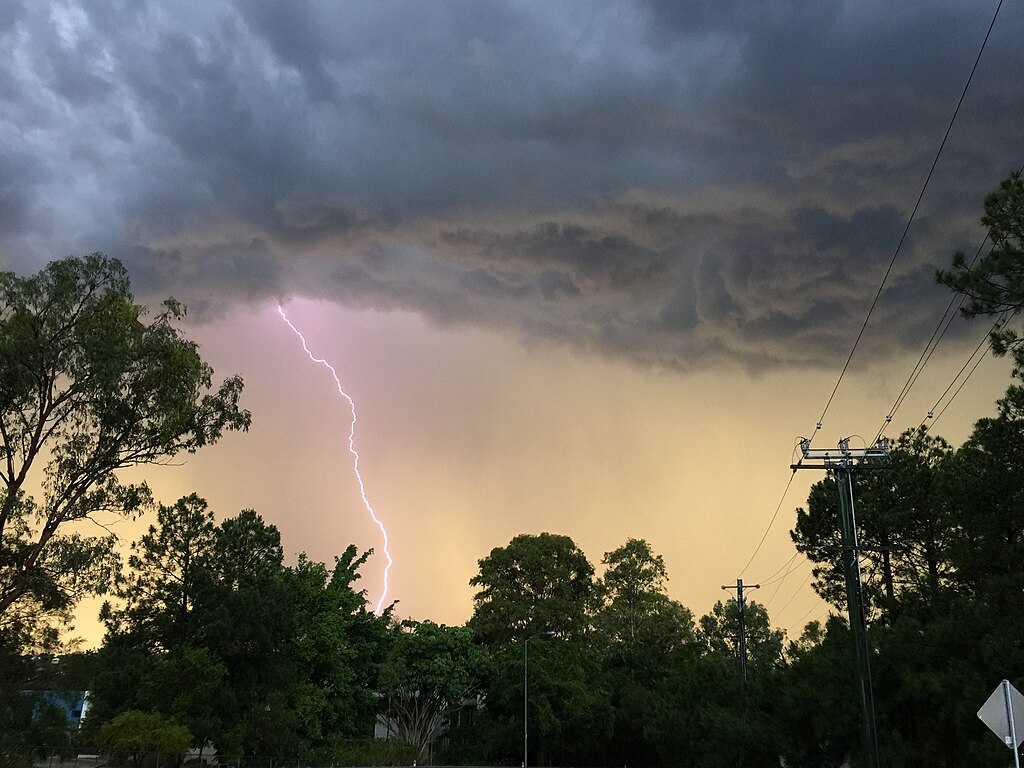
Weather patterns play a major role in determining campsite suitability and safety throughout the year. Temperature extremes can affect sleeping comfort, food storage, and equipment performance. Heavy rainfall increases the risk of flooding, muddy ground, and erosion around tents or pads. Wind exposure influences tent stability and fire safety, especially in open or elevated areas. Seasonal storms, snowfall, and heat waves also shape when campsites are accessible or closed. Long term climate trends further impact vegetation growth and soil conditions, gradually changing how a campsite performs over time and requiring adaptive management to maintain usability and environmental protection across diverse regions.
Soil Composition
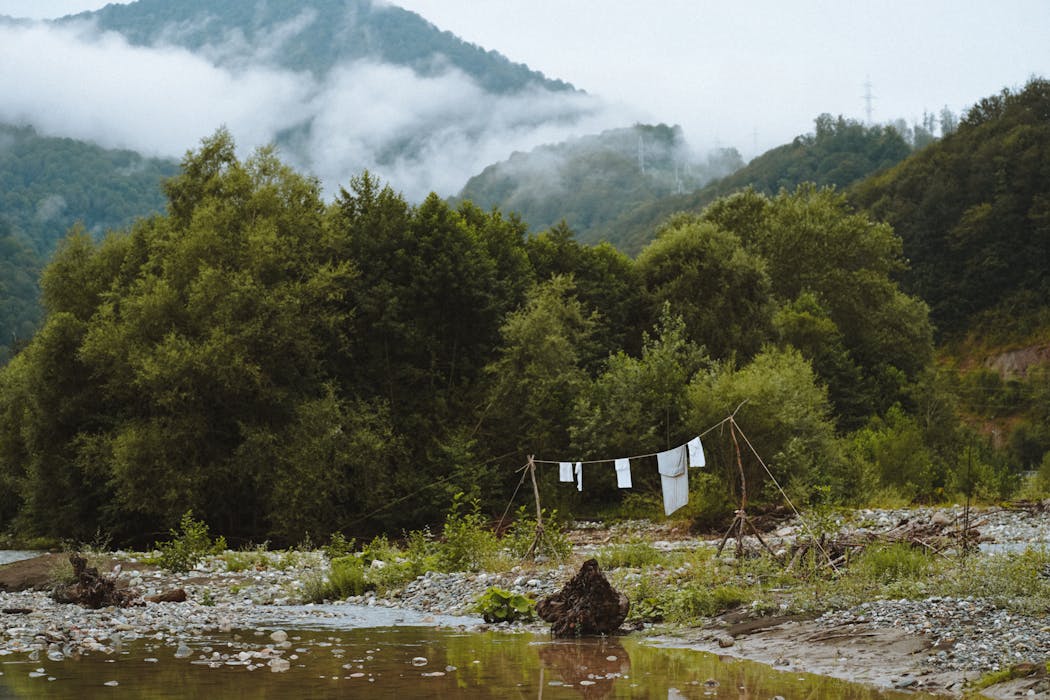
Soil composition directly affects drainage, stability, and environmental resilience at campsites. Sandy soils drain quickly but may shift underfoot, making tent anchoring difficult. Clay heavy soils retain water, increasing mud and compaction during wet conditions. Rocky or compacted ground limits digging and can damage stakes or roots. Healthy soil supports vegetation that prevents erosion and dust. Repeated foot traffic alters soil structure over time, reducing permeability and increasing runoff. Understanding soil characteristics helps land managers choose durable locations and guides campers toward practices that minimize long term damage while maintaining safe, functional, and environmentally responsible camping areas across different terrains and climates.
Water Proximity
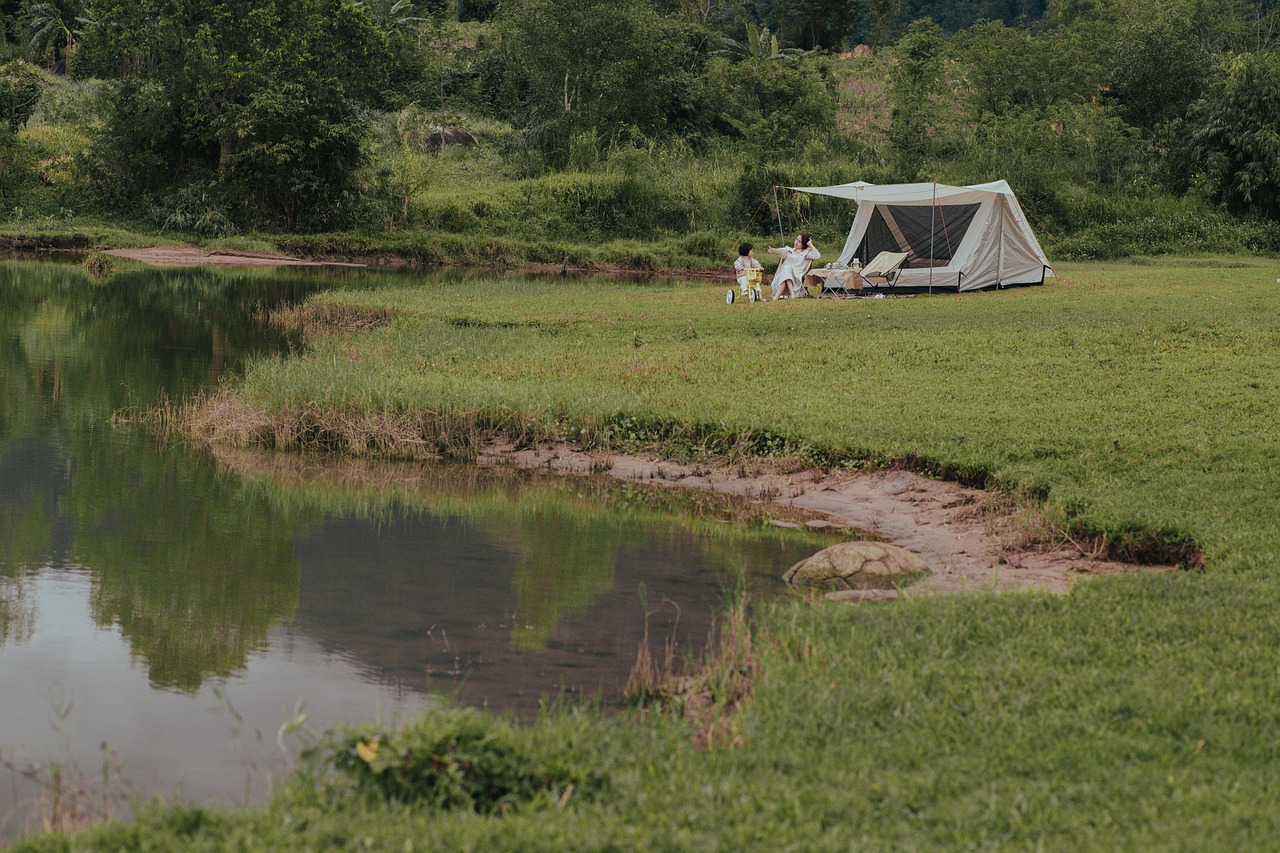
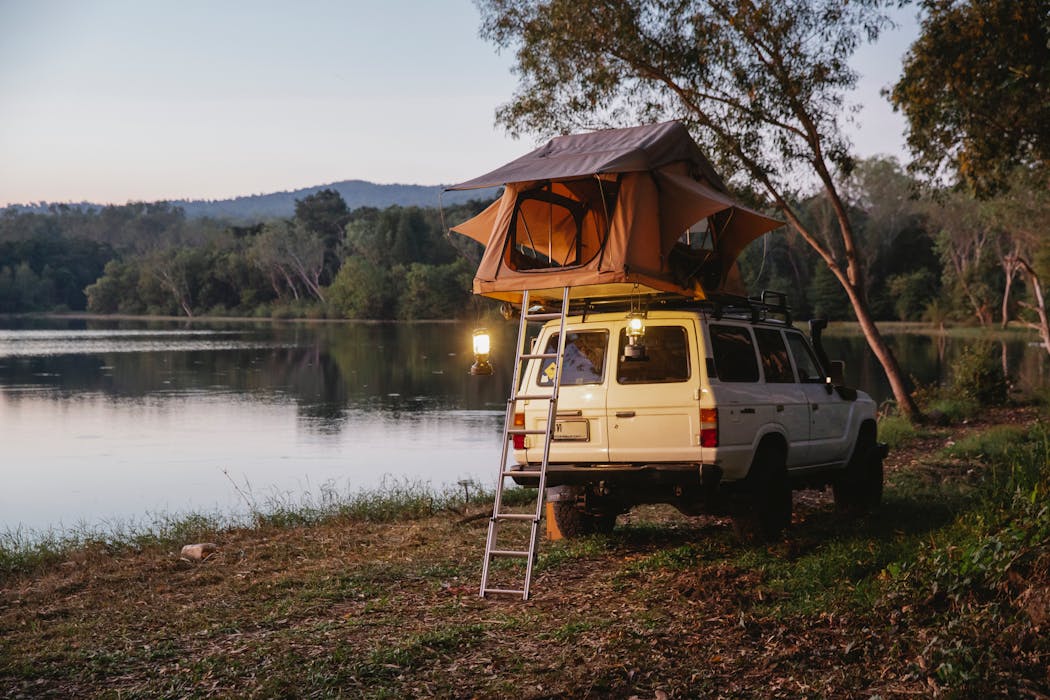
Proximity to water sources influences campsite convenience, safety, and ecological impact. Access to rivers, lakes, or streams supports drinking, cooking, and cleaning needs when regulations allow. However, sites too close to water face higher flood risks and contribute to shoreline erosion. Wildlife activity often increases near water, affecting food storage and safety considerations. Regulations typically require setbacks to protect aquatic ecosystems and maintain water quality. Seasonal changes in water levels further affect campsite viability. Balanced distance from water sources supports practical use while reducing environmental stress and preserving sensitive habitats across parks, forests, and public lands nationwide throughout the year.
Vegetation Density
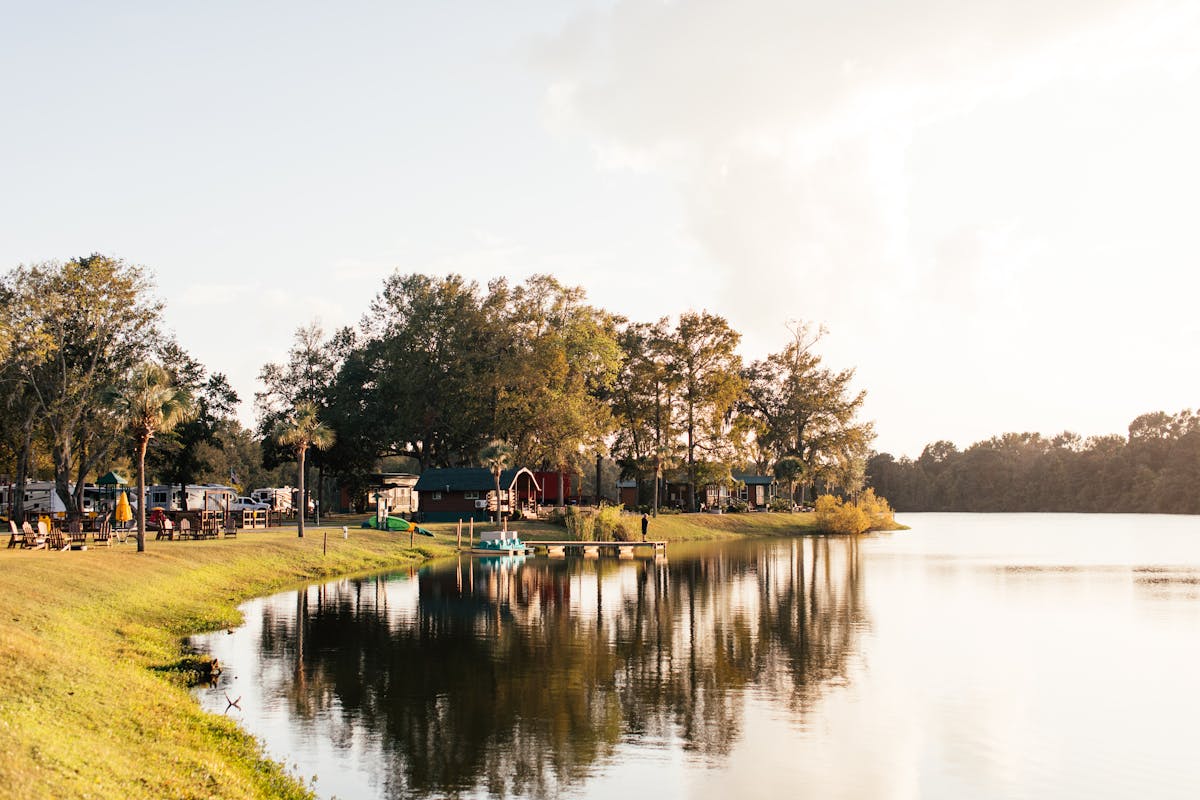
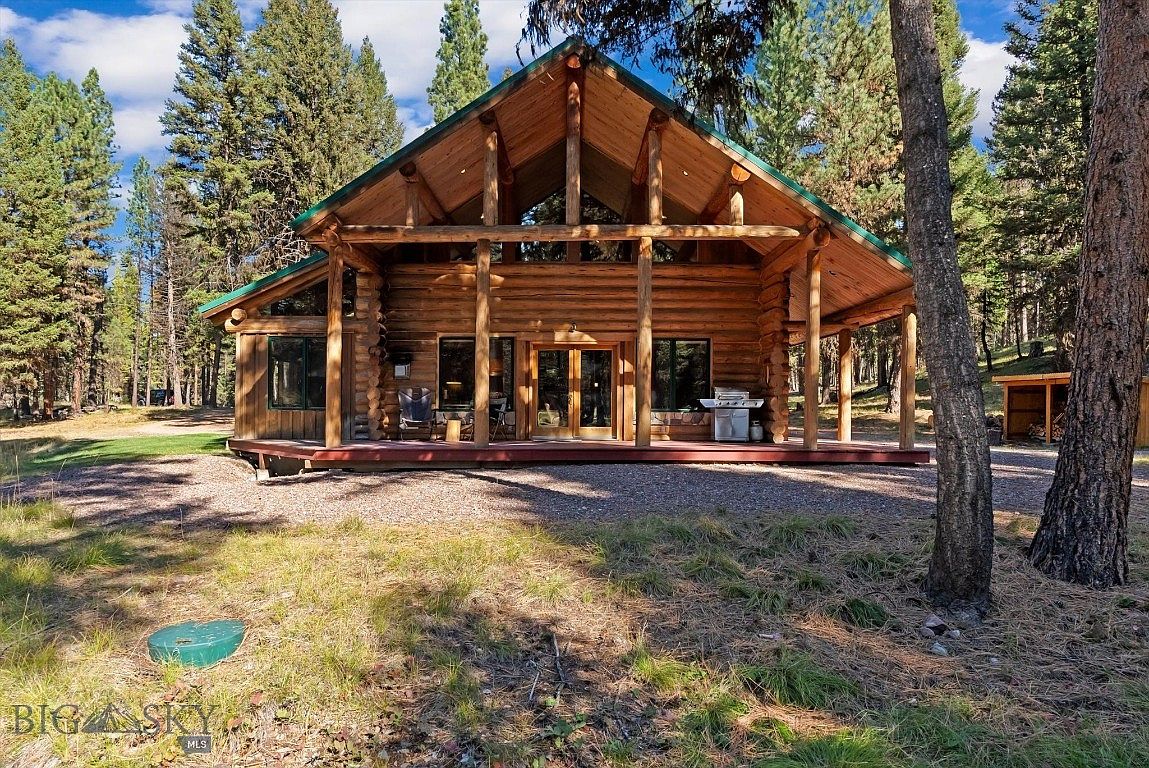
Vegetation density shapes campsite comfort, privacy, and environmental health. Dense tree cover offers shade, wind protection, and visual separation, improving comfort during warm weather. Sparse vegetation allows more sunlight but increases exposure to heat and wind. Ground cover helps prevent erosion and reduces dust, while fragile plants may be easily damaged by foot traffic. Clearing vegetation disrupts ecosystems and is often restricted. Native plants also support local wildlife, influencing campsite interactions with animals. Understanding vegetation patterns helps campers select durable surfaces and helps land managers design sites that balance human use with long term ecological stability and landscape preservation goals.
Wildlife Activity

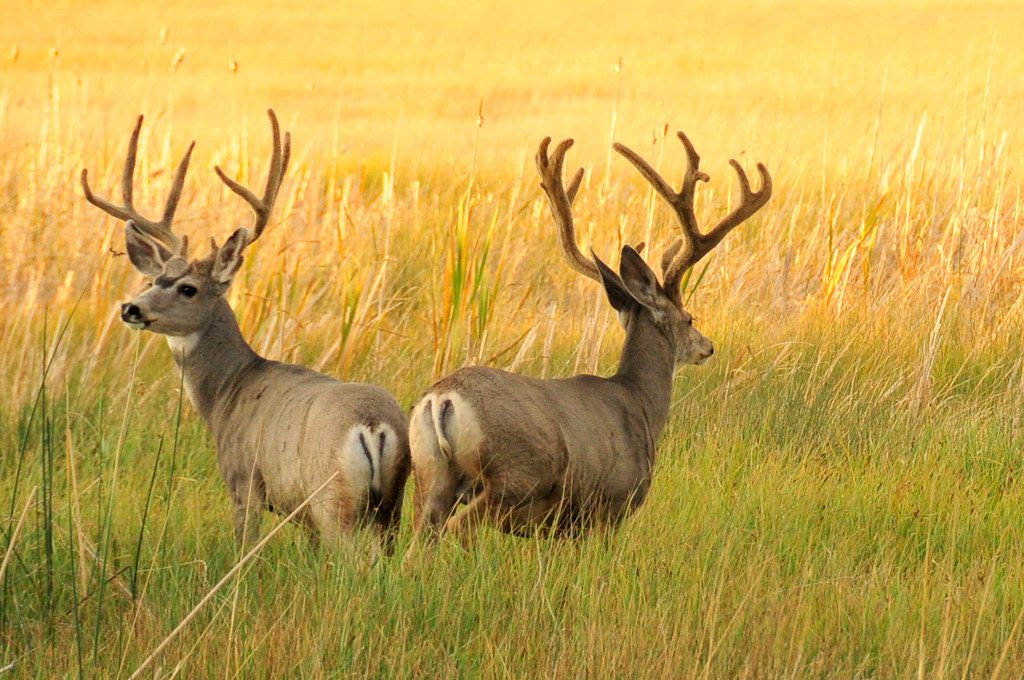
Wildlife activity significantly affects campsite safety and management practices. Animals are drawn to food smells, water sources, and sheltered terrain. In some regions, bears, raccoons, or rodents require secure food storage systems to prevent dangerous encounters. Seasonal migrations, breeding periods, and feeding habits influence when certain campsites are safe or restricted. Improper campsite placement can disrupt wildlife corridors or nesting areas. Observing local wildlife patterns helps reduce conflicts and protects both animals and people. Campsite planning that considers wildlife behavior supports coexistence, preserves natural routines, and reduces the need for closures or interventions across protected lands.
Elevation And Topography
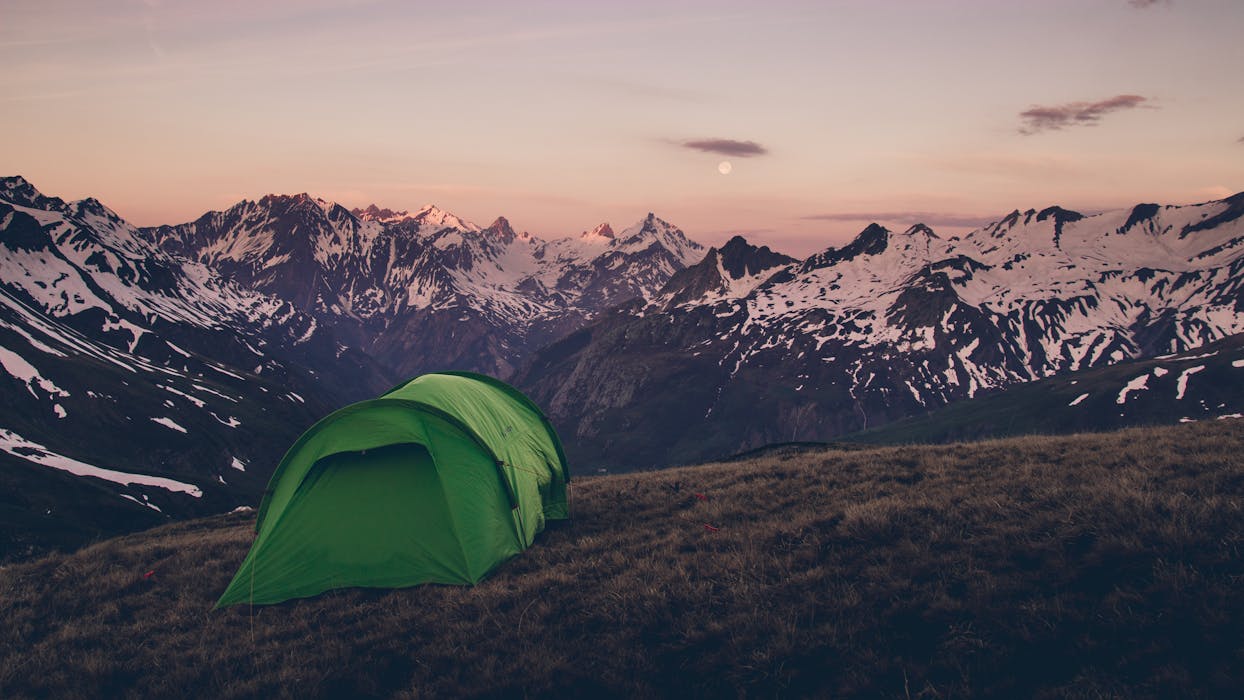
Elevation and topography influence temperature, weather exposure, and physical accessibility at campsites. Higher elevations often experience cooler temperatures, stronger winds, and sudden weather changes. Sloped terrain affects drainage and sleeping comfort, while flat ground supports stable tent placement. Valleys may trap cold air or fog, increasing moisture levels. Steep or uneven landscapes limit accessibility for vehicles or emergency response. Topographic features also influence sunrise, sunset, and shade patterns throughout the day. Evaluating elevation and landform characteristics helps ensure campsites remain safe, comfortable, and adaptable across changing weather conditions and varied geographic regions throughout the camping season.
Drainage And Flood Risk
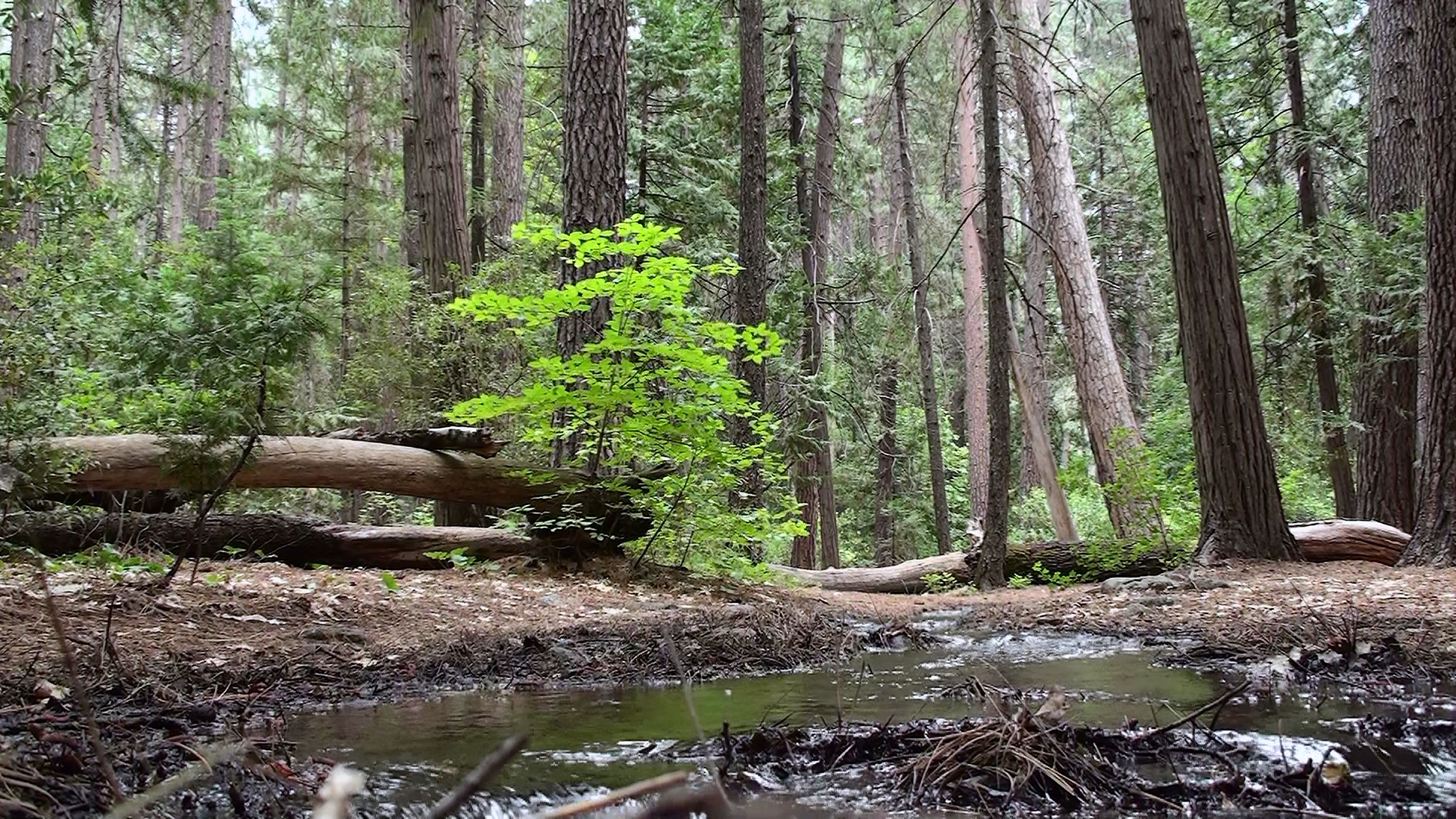
Drainage and flood risk are critical environmental considerations for campsite placement. Poor drainage leads to standing water, saturated soil, and damaged vegetation after rain. Low lying areas near waterways or depressions are especially vulnerable to flash flooding. Properly sited campsites use natural slopes to channel water away from sleeping and cooking areas. Long term erosion from repeated flooding degrades trails and pads. Seasonal snowmelt also affects drainage patterns in mountainous regions. Evaluating flood history and runoff behavior helps land managers reduce hazards, protect infrastructure, and ensure campsites remain usable and environmentally sound across varying weather cycles and terrain types.
Sun Exposure
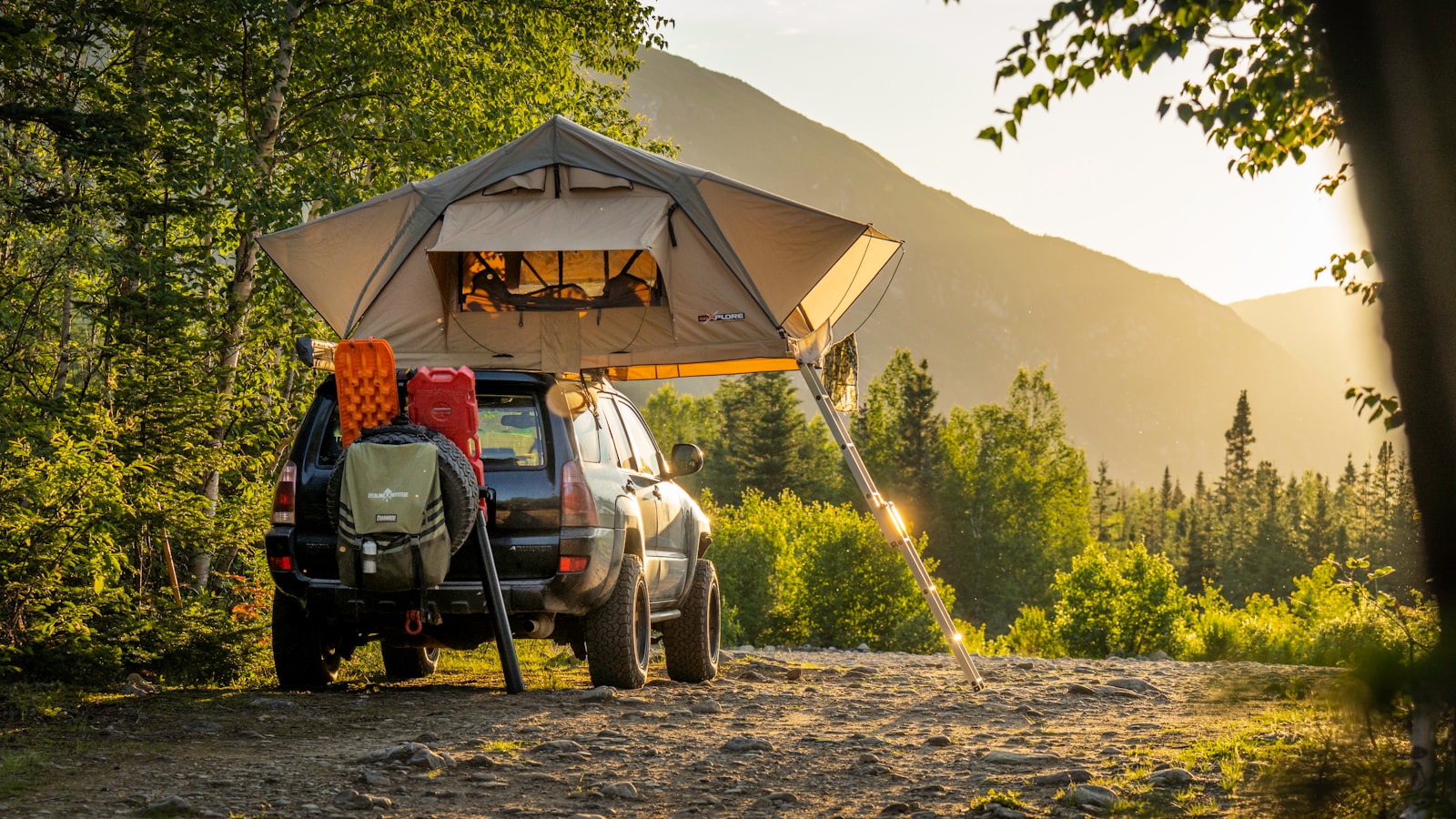
Sun exposure affects temperature regulation, comfort, and environmental stress at campsites. Sites with full sun warm quickly but can become uncomfortably hot during summer months. Shaded areas moderate temperatures and protect campers from excessive ultraviolet radiation. However, heavy shade may increase moisture retention, slowing ground drying after rain. Sun angle changes throughout the day and season influence tent placement and cooking areas. Vegetation and surrounding landforms shape light patterns naturally. Balanced sun exposure improves energy efficiency for solar devices and enhances comfort while reducing heat related risks, making it an important factor in campsite planning and long term site sustainability.
Fire Risk
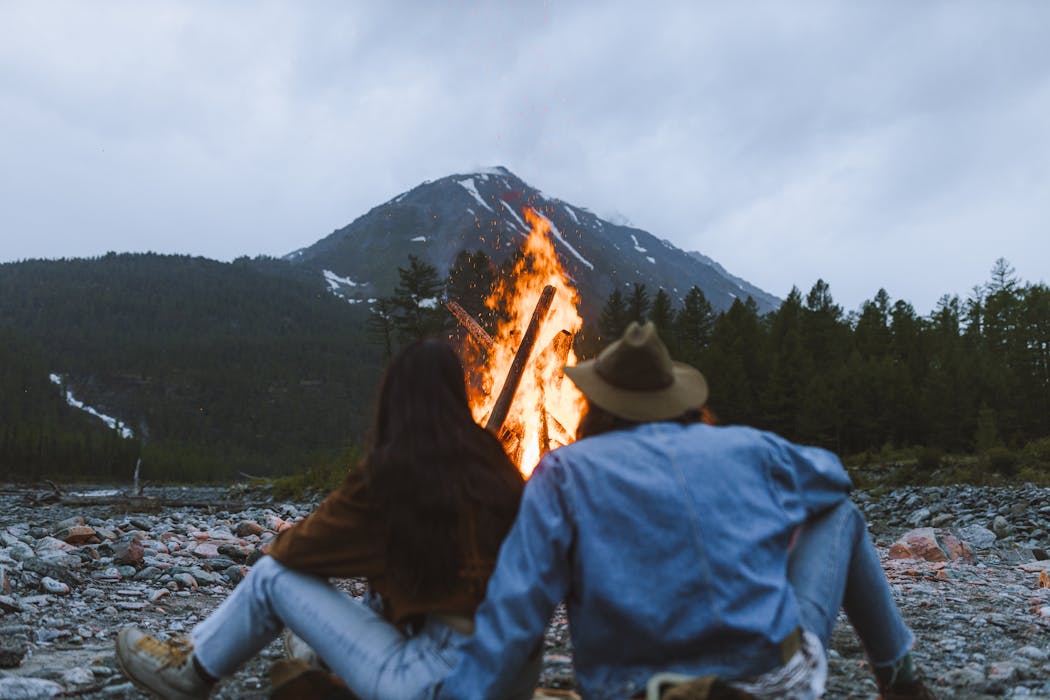
Fire risk is a major environmental factor affecting campsite safety and regulation. Dry vegetation, high winds, and low humidity increase the likelihood of wildfires. Campsites in fire prone regions often restrict open flames during certain seasons. Surrounding fuel loads, such as dead wood and brush, influence how quickly fires spread. Elevation and terrain also affect fire behavior. Improper fire use can cause lasting ecological damage and threaten nearby communities. Assessing fire risk guides campsite placement, fire ring design, and seasonal closures, helping protect landscapes while allowing responsible recreation within changing climate conditions and regional fire management strategies nationwide.
Human Impact And Erosion
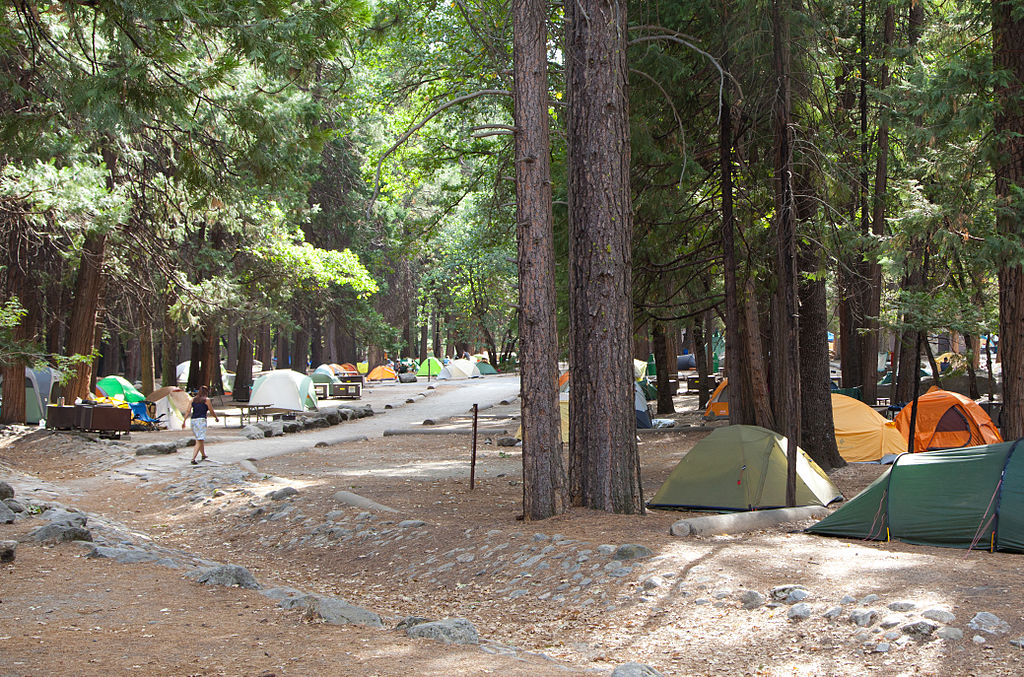
Human impact contributes significantly to erosion and environmental degradation at campsites. Repeated foot traffic compacts soil, damages vegetation, and widens informal paths. Improper drainage worsens erosion during storms. Unauthorized site expansion removes protective ground cover. Over time, these impacts alter natural water flow and reduce habitat quality. Designated campsites and hardened surfaces help concentrate use and limit widespread damage. Education on low impact practices supports preservation efforts. Monitoring erosion patterns allows land managers to rehabilitate damaged areas and maintain sustainable access, ensuring campsites remain functional while protecting surrounding ecosystems for future visitors and long term conservation goals.
Seasonal Accessibility
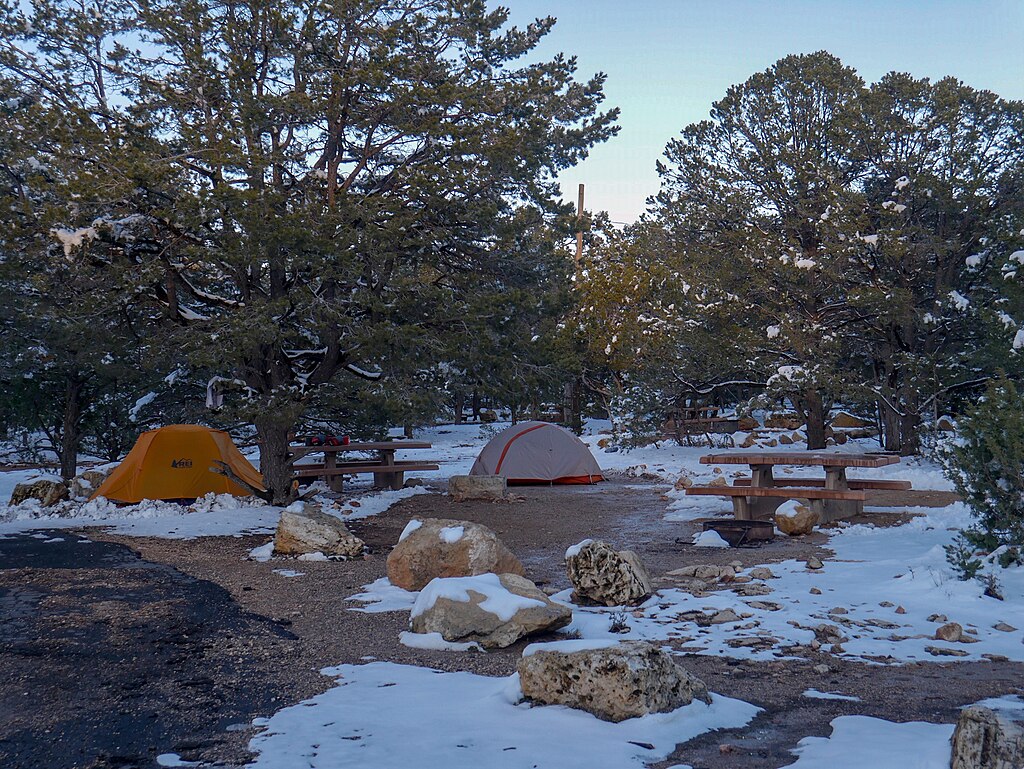
Seasonal accessibility determines when campsites can be safely and responsibly used. Snow accumulation closes high elevation sites during winter, while spring thaw creates muddy, unstable ground. Summer heat increases demand but may coincide with fire restrictions. Fall weather brings cooler temperatures and shorter daylight hours, affecting travel and safety. Seasonal wildlife behavior also influences access limitations. Road conditions, water availability, and staffing levels vary throughout the year. Understanding seasonal patterns helps campers plan appropriate trips and assists land managers in scheduling maintenance, closures, and resource protection efforts to balance recreation with environmental preservation across changing conditions annually.