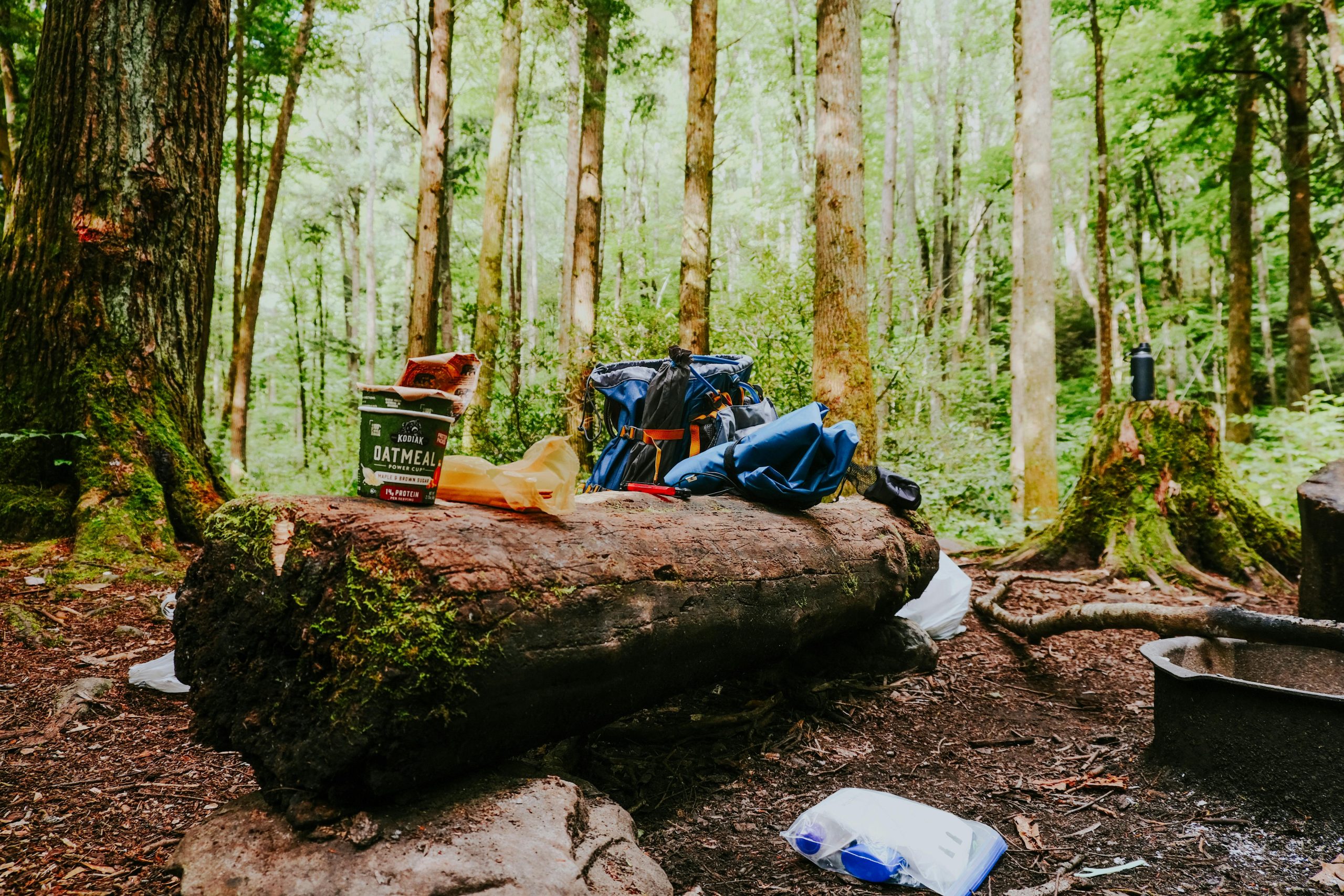
Camping gear aisles are stuffed with slick, high-tech products promising to solve every outdoor problem. But many of these items add weight, cost, and complexity without delivering real benefits on trips. Experienced campers argue that simpler alternatives often outperform the flashy gear while costing a fraction. Stripping down to essentials keeps your pack lighter, your trip cheaper, and makes you rely more on good planning than marketing hype. Here’s gear that often fails you, and the simpler tools that usually serve you much better.
1. Solar-Powered Backpacks
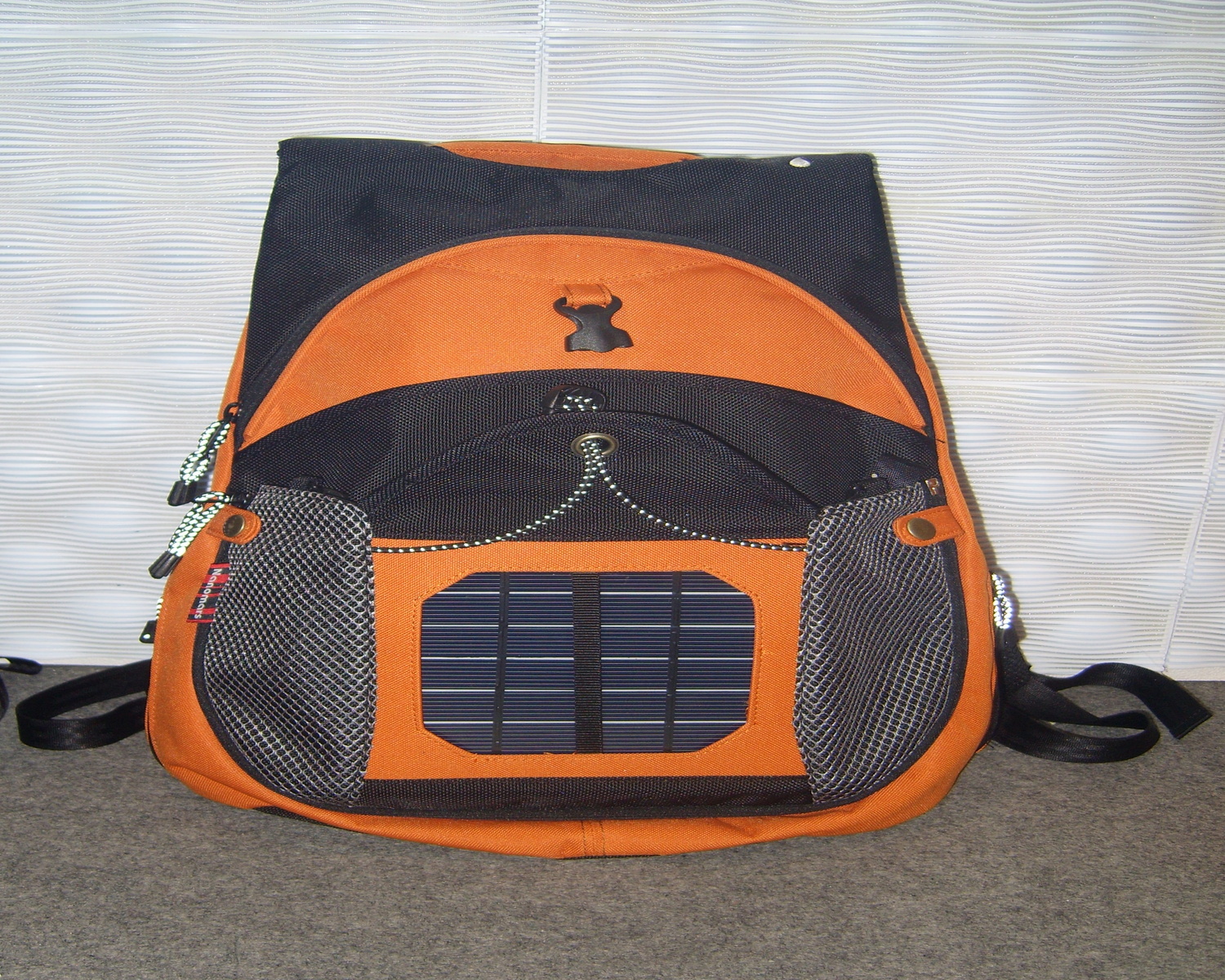
Solar-powered backpacks promise power on the go, but their small panels rarely charge devices under tree cover or on cloudy days. They also add extra weight and often still require a backup battery pack. Instead, many experts recommend carrying a lightweight USB battery pack and a small solar panel separately; pack these flat in your gear. A 10,000 mAh power bank paired with an inexpensive USB panel handles GPS, phone, and headlamp charging often faster, lighter, and more dependable than a solar backpack.
2. Overloaded Multi-Tool Kits
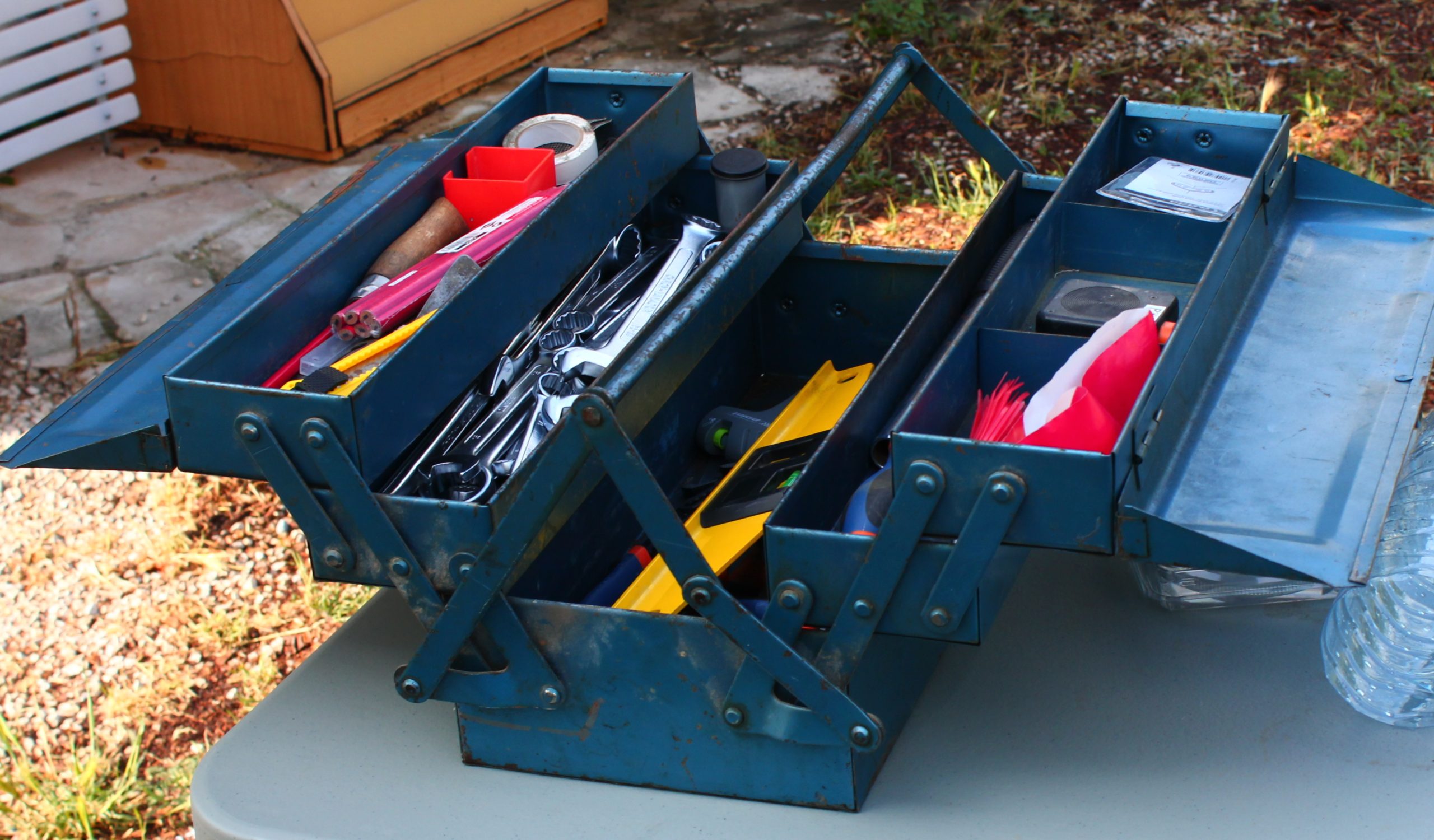
Bulky multi-tools carrying dozens of rarely used implements add weight and complexity. Their flimsy, tiny saws, screwdrivers, and scissors tend to underperform, and if one fails, you lose many functions. A more reliable, budget-friendly setup is a good fixed-blade knife and a separate compact pliers. This combo is lighter, sturdier, and easier to sharpen or maintain. Most campsite needs, from cutting rope to bending tent stakes, are covered by just those two tools, without hauling every possible gadget.
3. Giant Lanterns
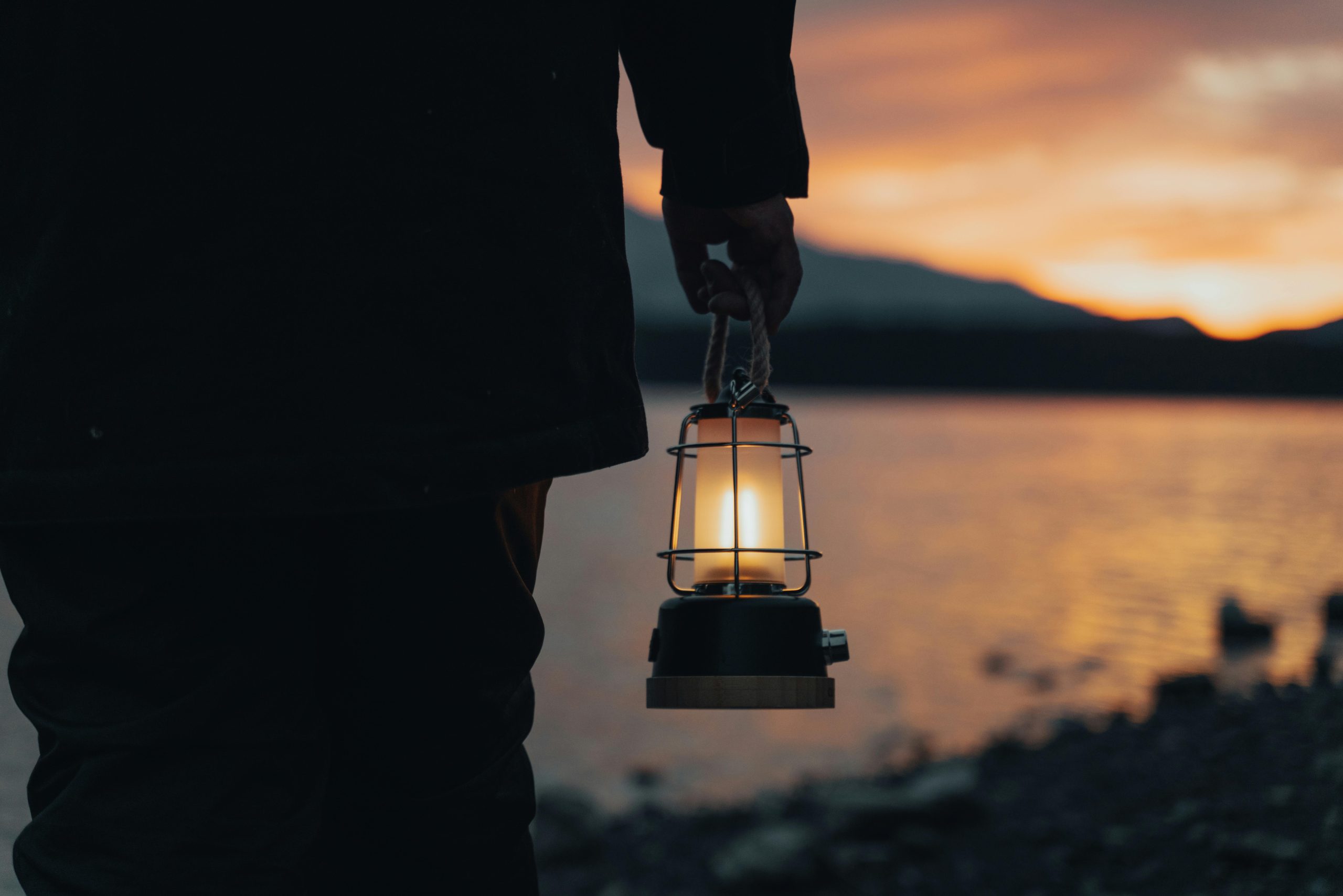
Oversized camp lanterns broadcast broad, intense light but consume heavy batteries, take up pack space, and often glare uncomfortably. Instead, a small LED lantern or a reliable headlamp gives more versatile lighting at far lower cost and weight. A basic headlamp costs under $20, fits in a pocket, and leaves your hands free. For group tasks, a small 200-lumen LED lantern casts enough light without draining batteries fast. This simpler approach is cheaper, lighter, and more practical for real campsite conditions.
4. Inflatable Loungers
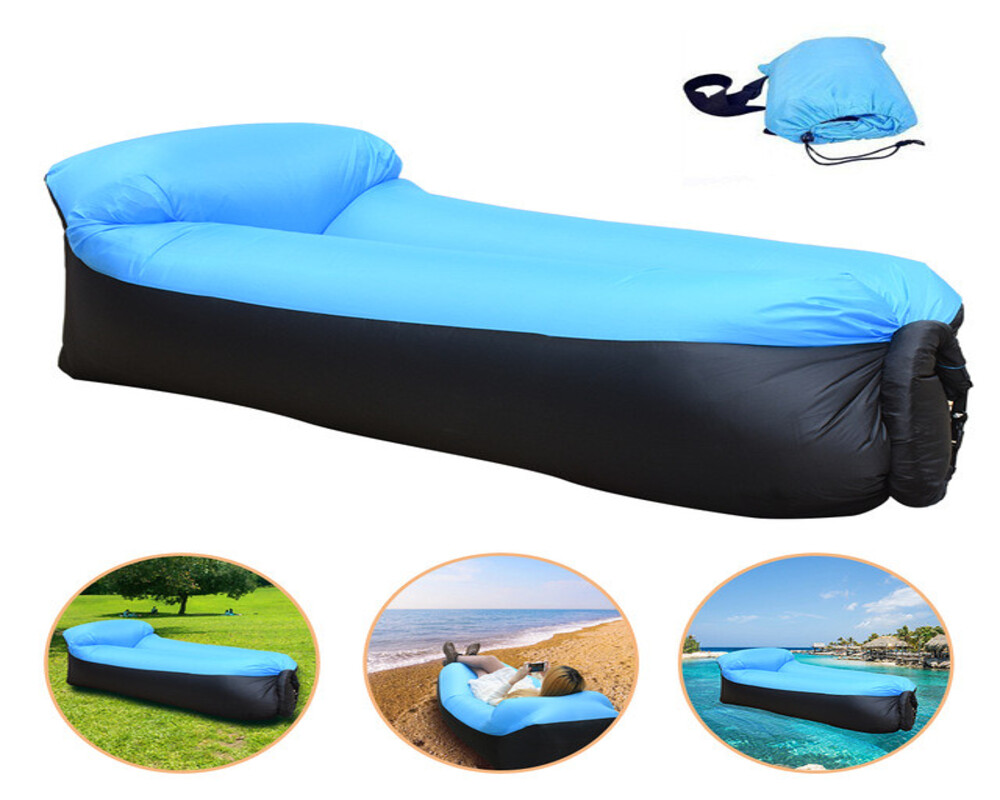
Inflatable loungers may look fun, but they often leak air, slide on uneven ground, and tear on rough terrain. Their novelty rarely justifies their fragility. Instead, a sturdy foldable camp chair or a lightweight hammock gives long-lasting, stable comfort. Many of these cost far less, and a hammock can double as a temporary bed or gear hang. Combined with a small foam pad or cushion, you get comfort without fragility or maintenance issues, and your gear lasts for seasons rather than days.
5. High-Tech Bottles
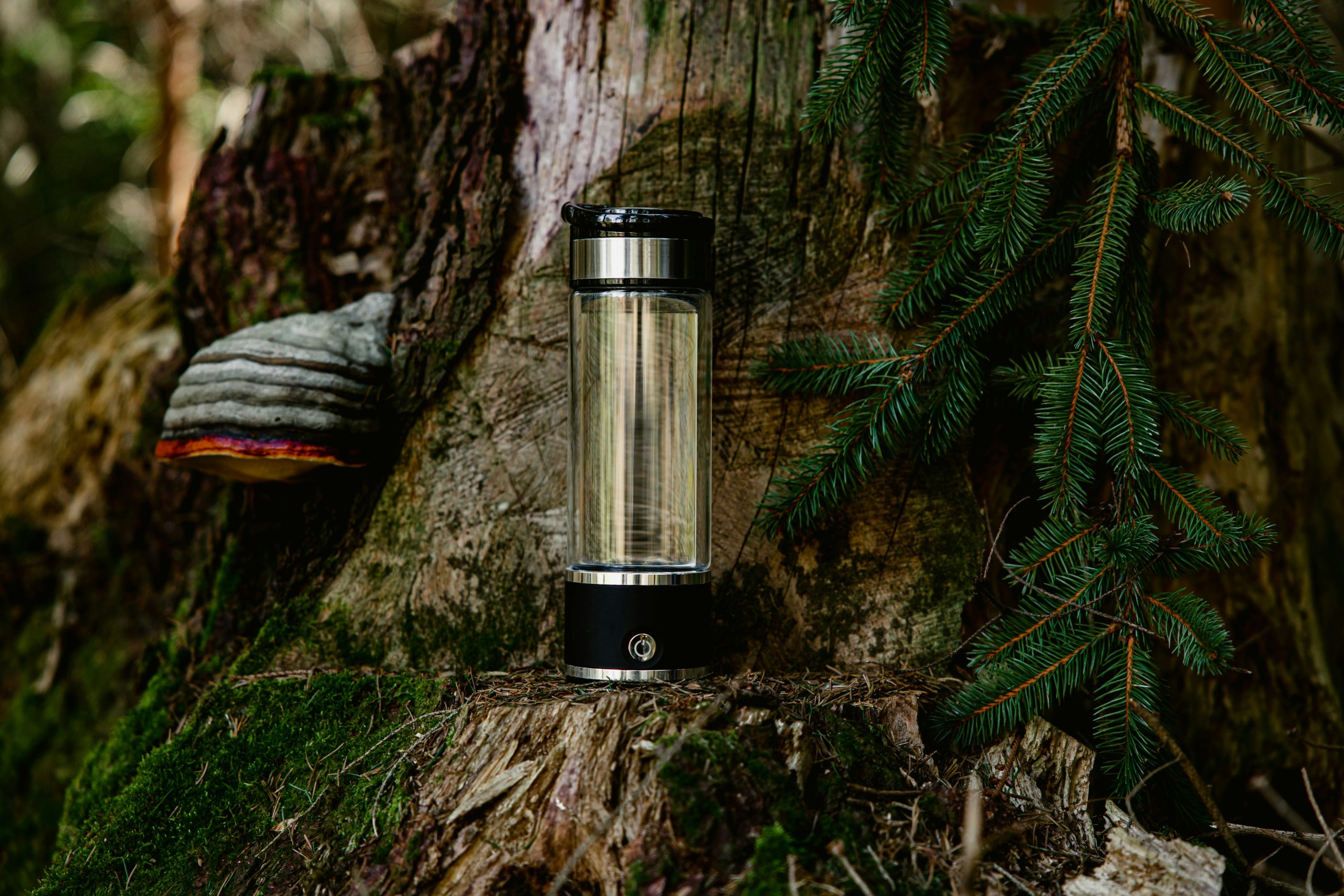
Bottles with built-in filters, UV lights, or electronic purifiers may seem handy, but their electronics fail, batteries die, and replacement parts are hard to find. A better, cheaper setup is a durable plastic or stainless steel bottle plus a small pump or chemical purifier. Pump filters weigh less and clean water effectively from streams or lakes. Chemical tablets add minimal weight and treat water reliably. This traditional method is dependable under all conditions, and costs far less than any “smart” bottle system.
6. Cast-Iron Cookware
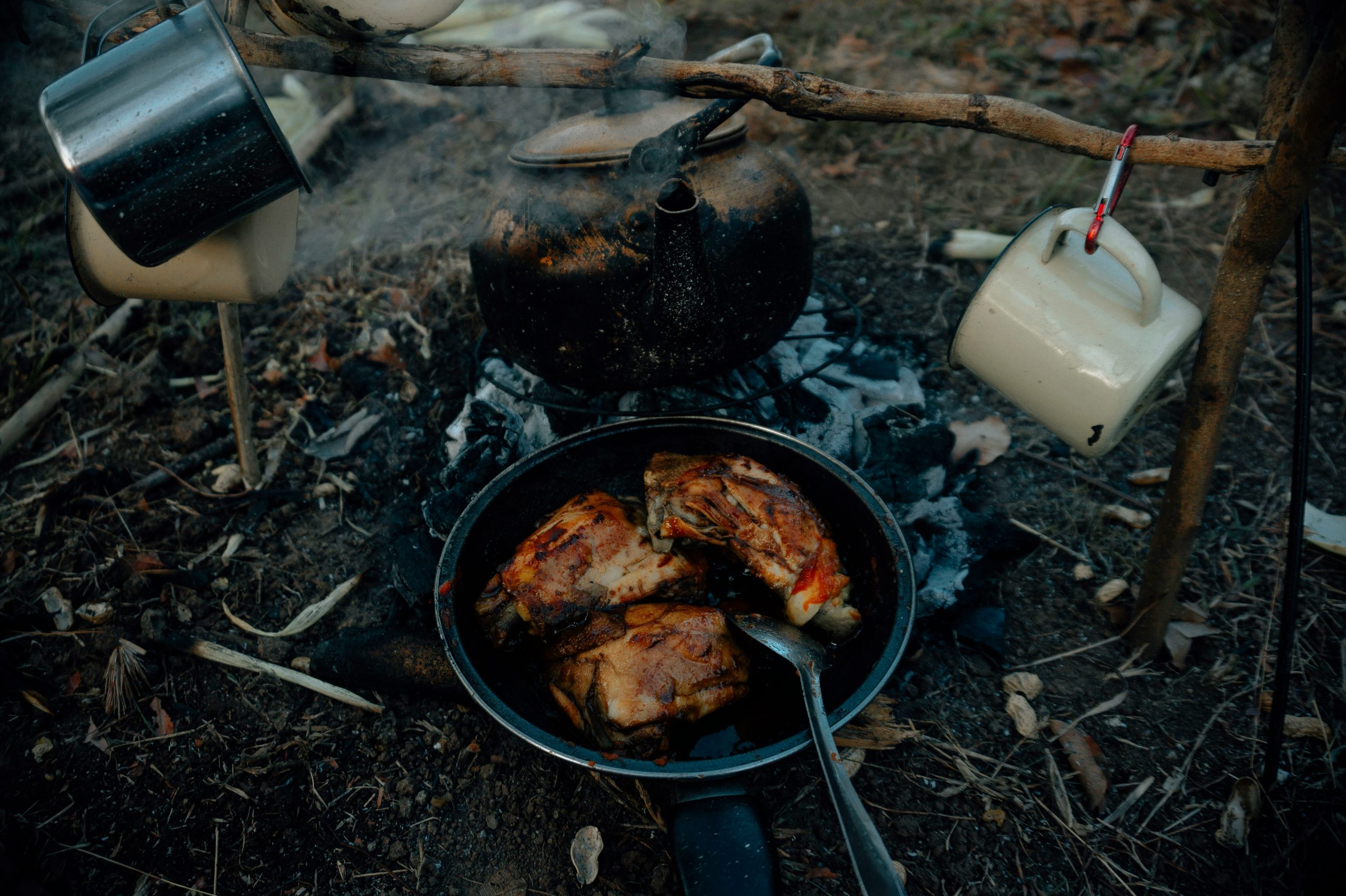
Cast-iron skillets are heavy, slow to heat, and bulky, hard to carry on hikes and awkward around campfires. Lightweight aluminium or titanium cook sets offer far better portability, heat up quickly on small stoves, and are easier to pack. A basic two-piece set (pot and pan) costs far less than any cast-iron skillet and cleans easily with minimal water. For most campers, the fuel efficiency, ease of carry, and rapid cooking far outweigh any nostalgic love for heavy cast-iron gear.
7. Smart Tents
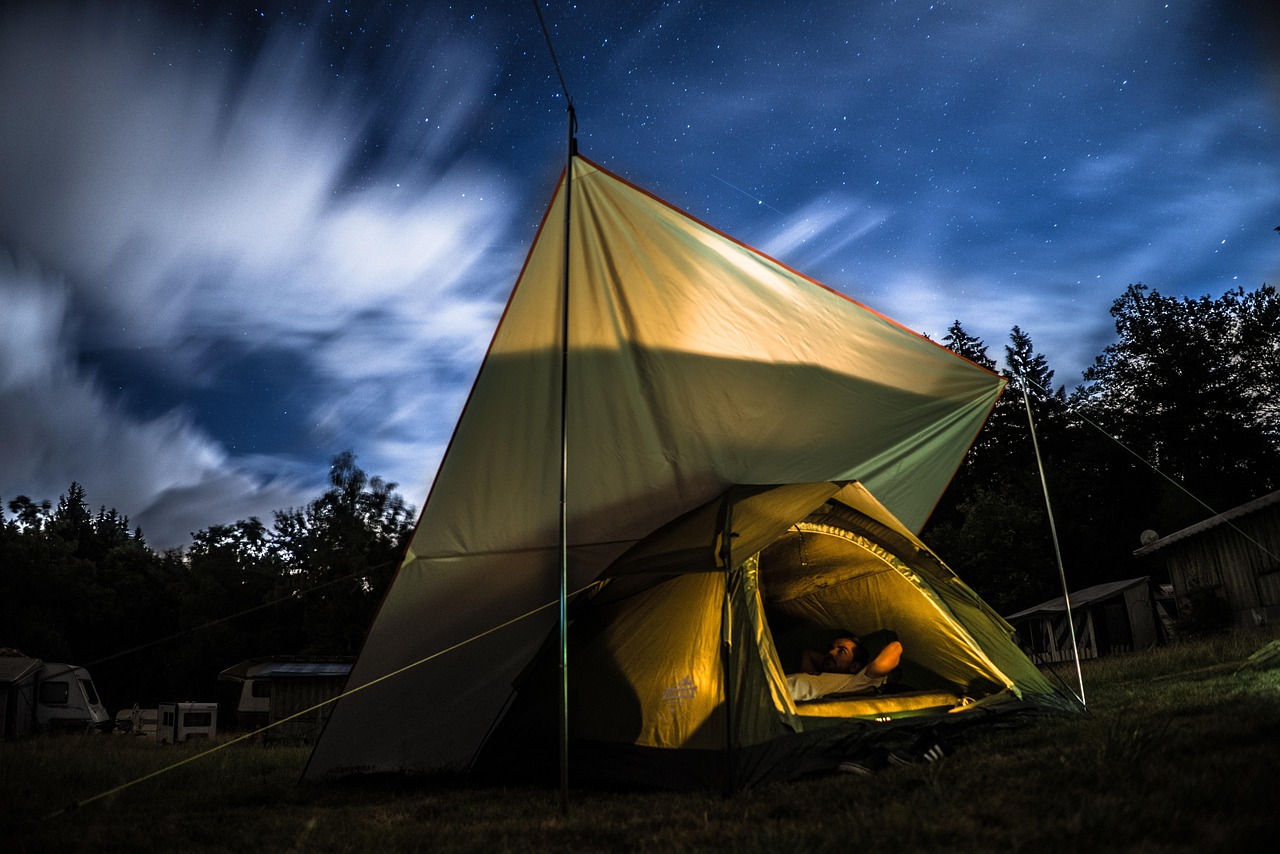
High-tech tents with built-in lights, wiring, or air systems tend to be heavy, complicated, and fragile. Their electronics may fail in rain, dampness, or cold. In contrast, a simple, well-made tent with robust poles, waterproof fly, and good ventilation is cheaper, lighter, and far easier to repair in the field. Basic tents cost a fraction of high-end “smart” models and rarely let you down. For real-world weather and terrain, reliability beats gadgetry every time.
8. Oversized Survival Kits
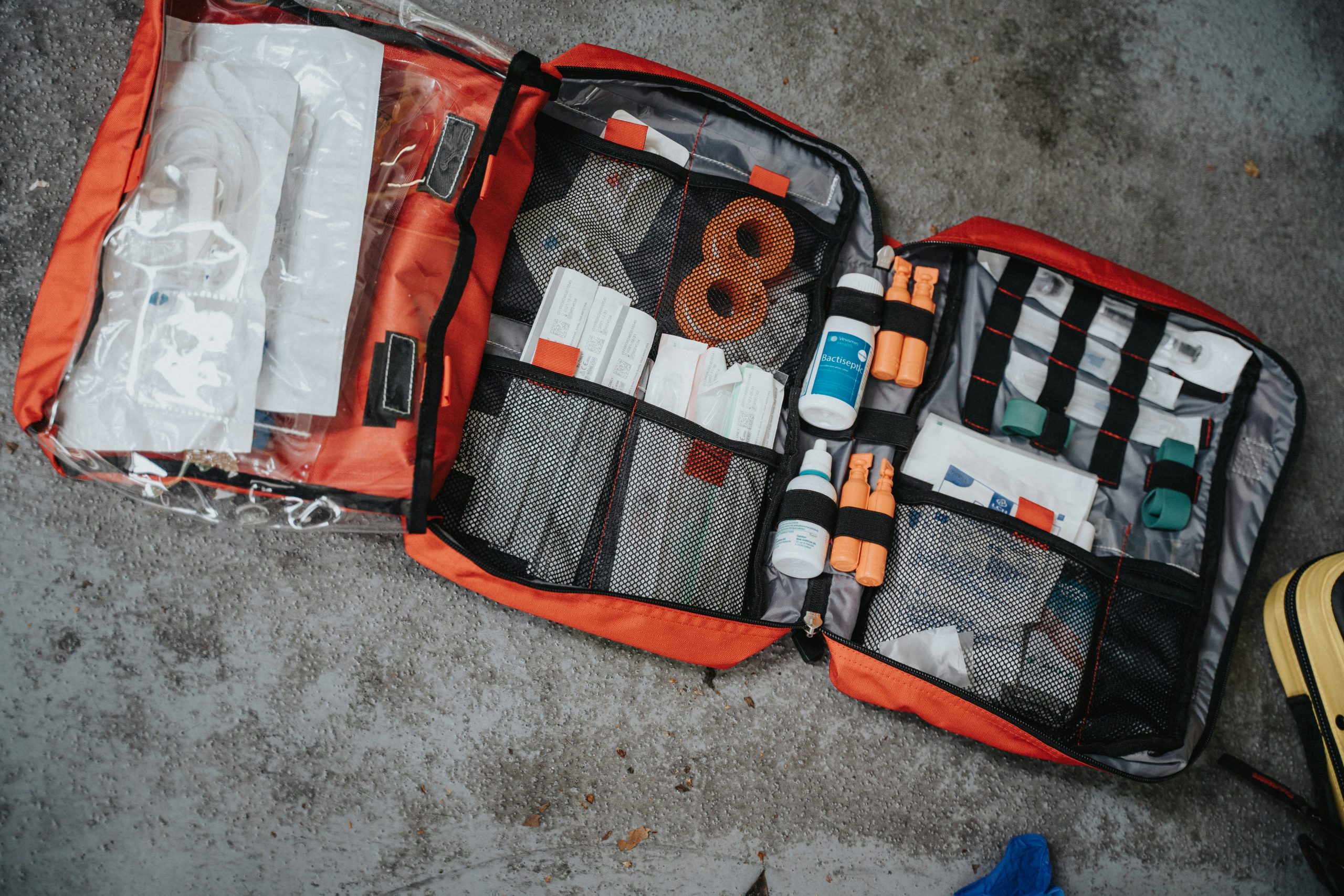
Pre-packed survival kits often cram in dozens of small tools you’ll almost never use, mini saws, fish hooks, micro-scissors, adding weight and taking space. Experts recommend instead building a minimalist kit tuned to your trip: a quality fixed-blade knife, waterproof matches or lighter, compact first-aid kit, whistle, emergency blanket, and a small signalling mirror. This custom set is lighter, cheaper, and ensures you actually use each item. Store-bought “everything kits” often remain untouched and wasteful.
9. Campfire Popcorn Makers
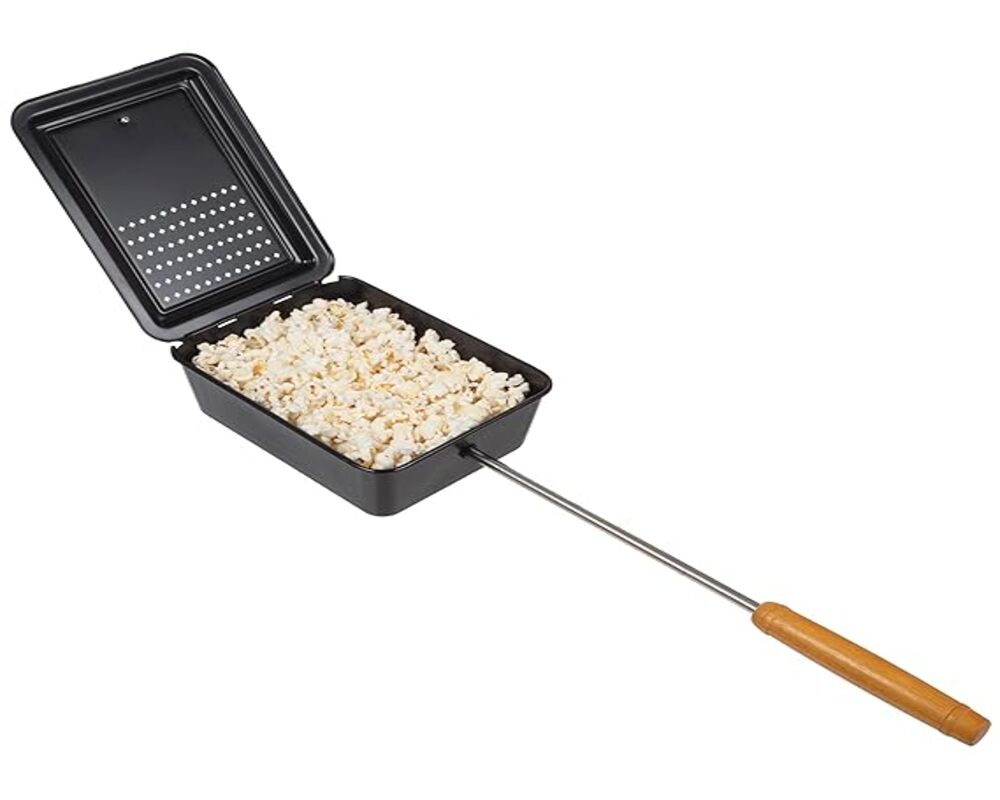
Campfire popcorn makers are fun novelty items, but they take up considerable pack space for the occasional crunchy snack. They often handle only one purpose and are awkward to clean or pack. A simpler solution is a small aluminium pot, which can double as a cooking vessel and multi-use cookware. Pop some kernels using a regular pot over a fire or stove, or skip popcorn and repurpose the pot for boiling water or cooking meals. This approach is lighter, cheaper, and far more practical on real trips.
10. Portable Espresso Machines
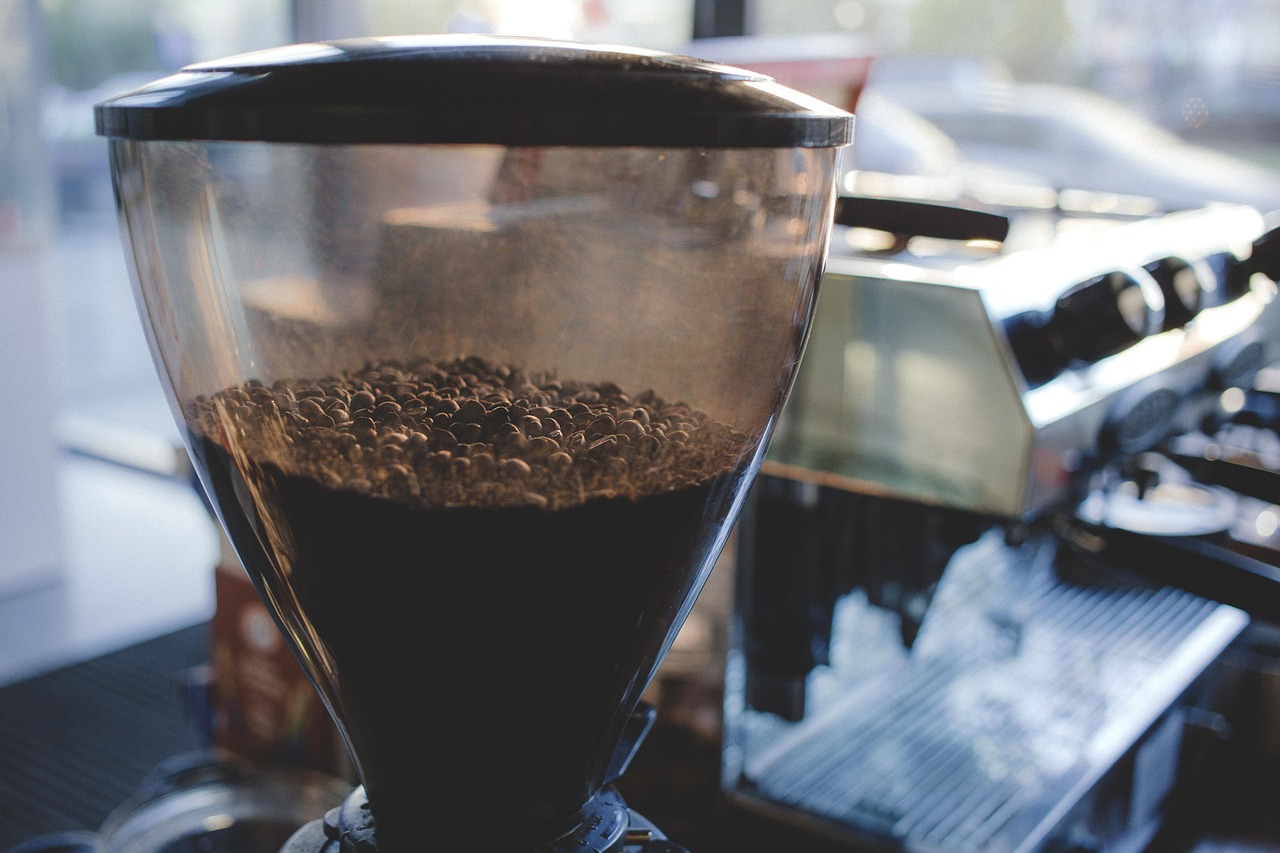
Portable espresso makers may promise cafe-quality shots in the woods, but they demand precise water amounts, pressure, and careful cleaning. Outdoors, they’re prone to spills, leaks, and breakdown. Instead, a simple pour-over cone, French press, or instant coffee sachets with a lightweight mug do the job reliably. These methods are inexpensive, easy to pack, and far less fragile. For most campers, a dependable cup of hot coffee matters more than fancy crema or espresso-level refinement.
11. High-End GPS Watches
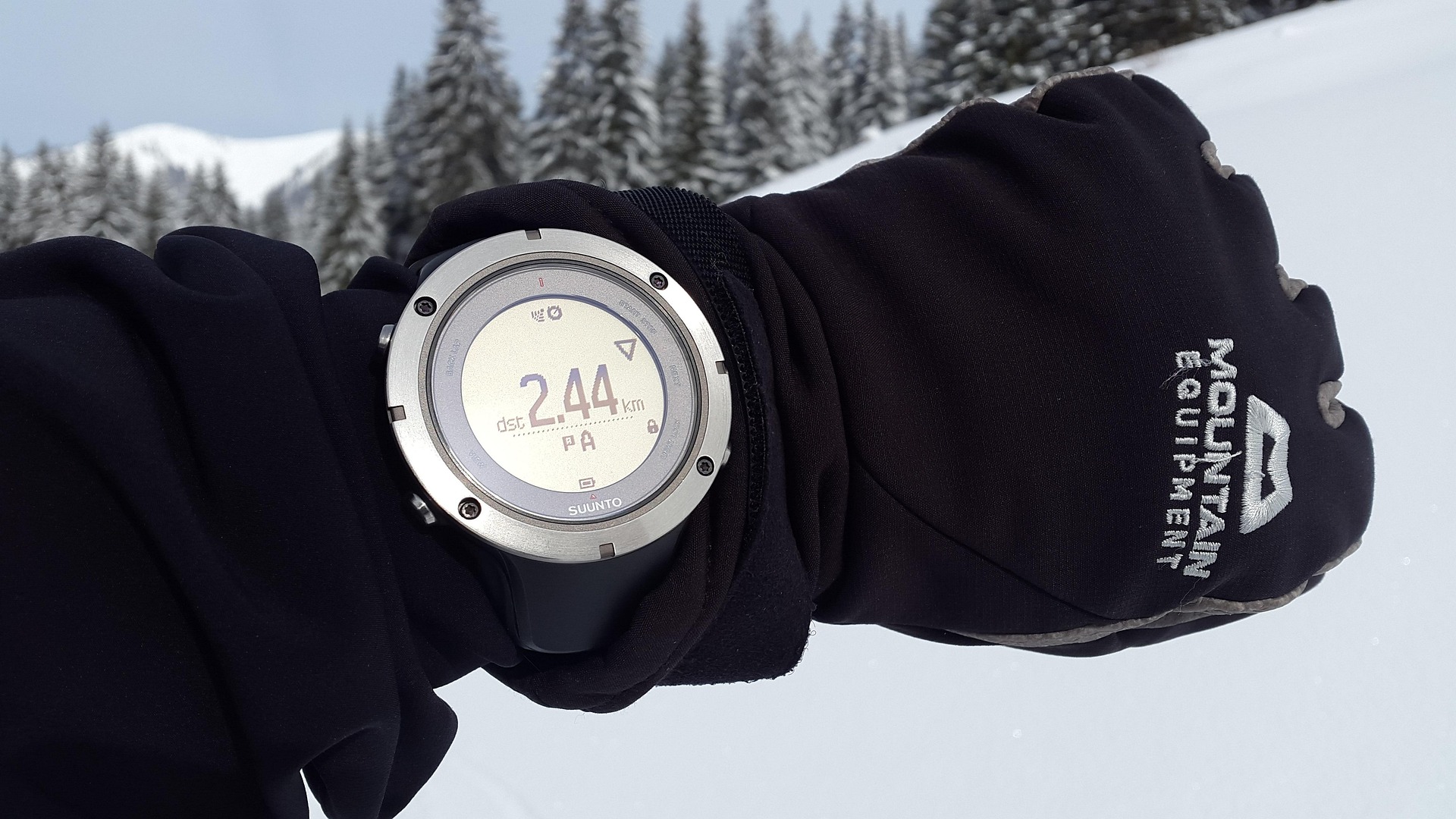
GPS watches feature topographic maps, weather tools, and tracking functions, but their batteries drain quickly, screens are small, and the signal can worsen under dense canopies. A simpler, more dependable option is a handheld GPS unit or an offline mapping app on a well-protected phone. Paired with a small power bank, these alternatives stay charged longer and are easier to read. They’re also more affordable than high-end watches. Many experienced campers find basic GPS tools outperform all-in-one wearables.