Fallen trees scattered across the Eastern Woodlands offer one of the most valuable and overlooked resources for anyone practicing bushcraft. These downed trunks and branches provide shelter materials, fire fuel, cooking supports, tools, cordage substitutes, and countless opportunities to work directly with the forest’s natural structure. Learning to use them effectively not only builds confidence but also deepens awareness of how woodland ecosystems recycle themselves. By depending on what the forest already provides, you can practice essential survival techniques with minimal impact.
1. Constructing a Lean-To Shelter
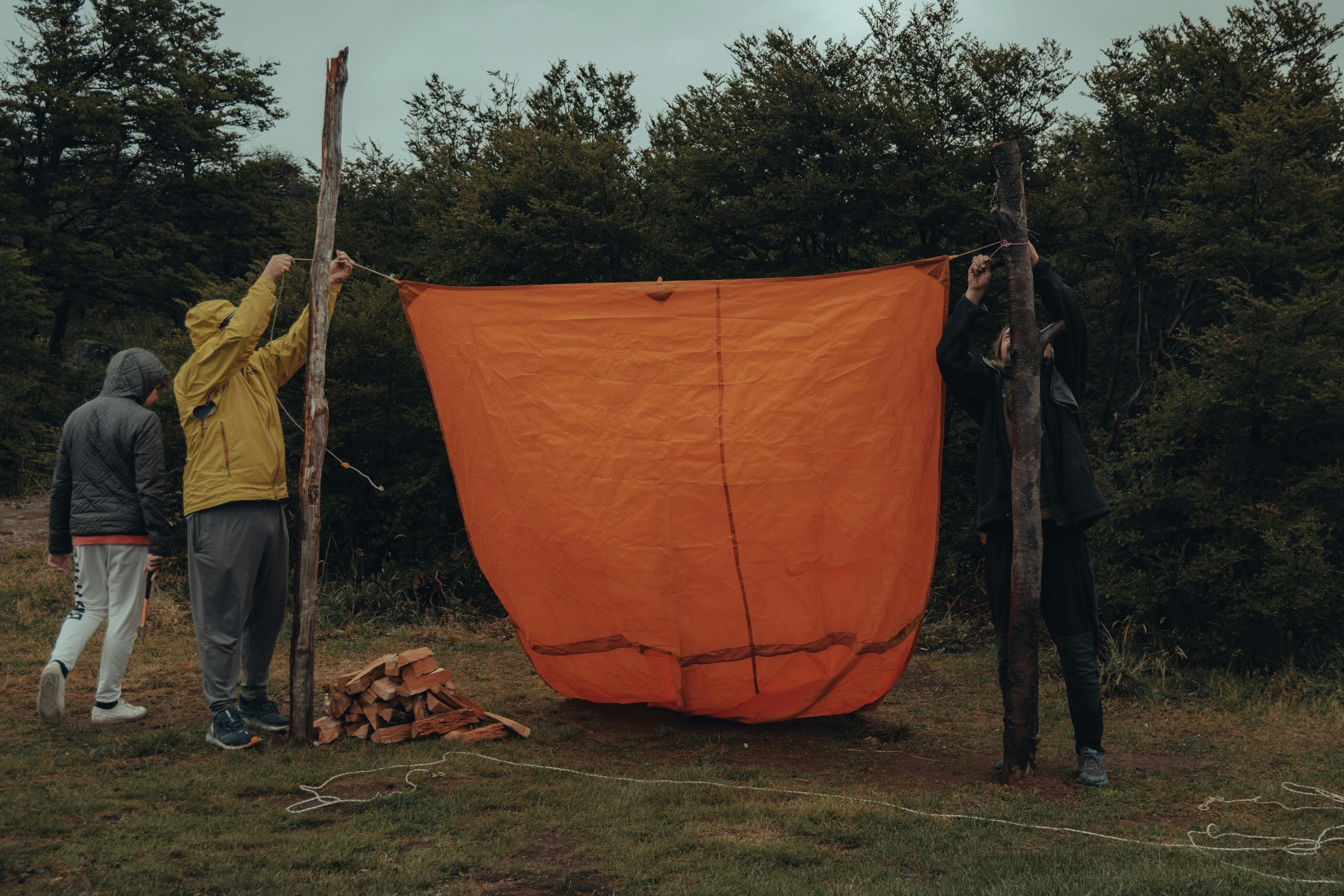
A fallen tree with an intact trunk or partially elevated angle creates the perfect backbone for a lean-to shelter. By stacking long branches against the main log and layering leaves, bark sheets, or pine boughs on top, you can build a weather-resistant structure using only natural debris. The angle of the fallen tree helps redirect rain while also providing a stable ridgepole. This simple shelter teaches you how to work with the forest’s existing shapes rather than cutting living wood, making it both practical and eco-friendly.
2. Crafting a Raised Bed Platform
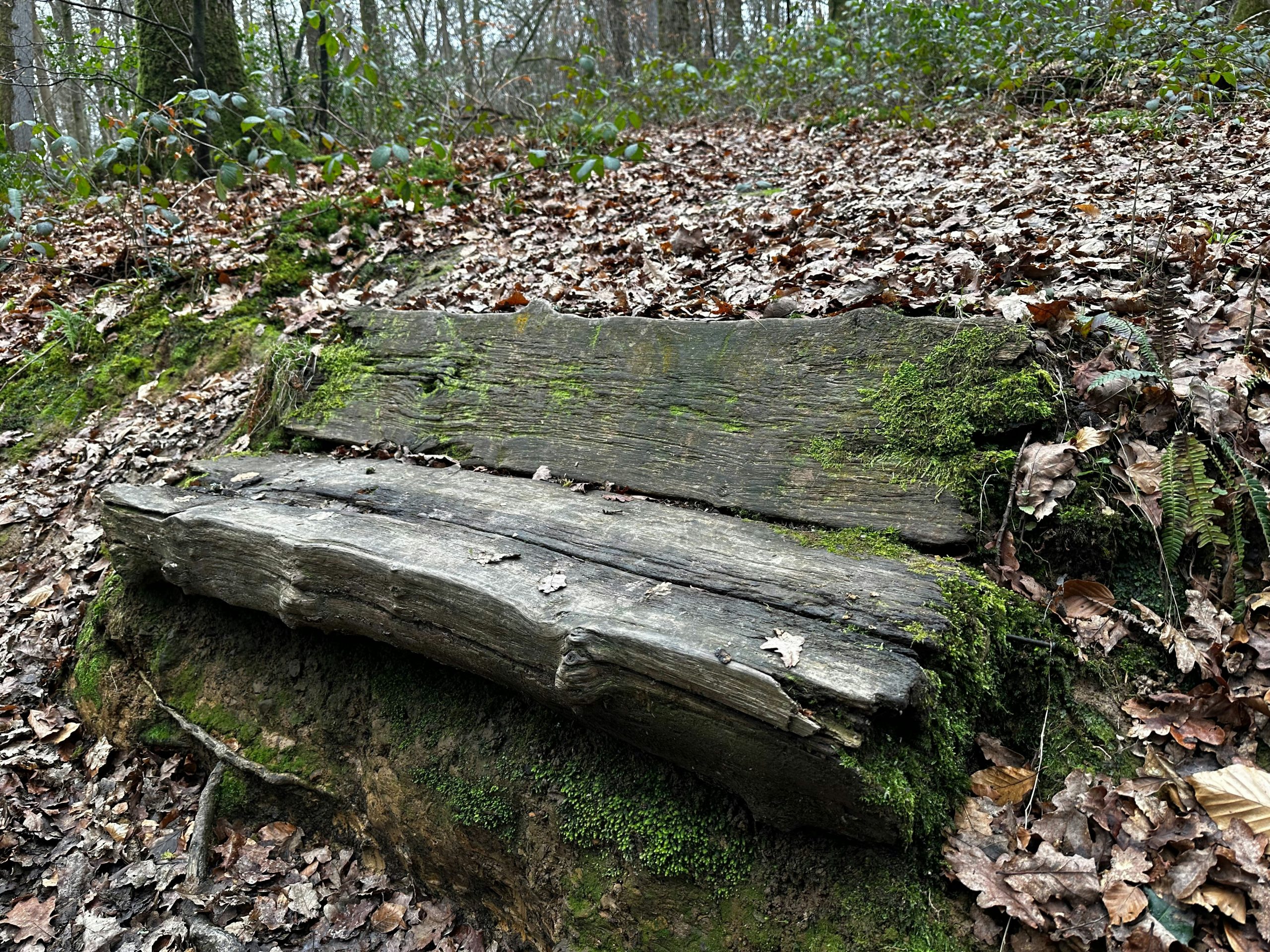
Fallen branches allow you to build a raised sleeping platform that keeps you off damp, insect-prone ground. By selecting sturdy limbs and laying them across two parallel support logs, you form a simple but effective base. Adding soft, flexible twigs or inner bark strips on top creates a more comfortable surface. This kind of bushcraft bed provides warmth and airflow, which are crucial for staying dry through chilly Eastern Woodland nights. It’s a valuable skill that improves rest without requiring modern gear or tools.
3. Making Natural Fire Reflectors
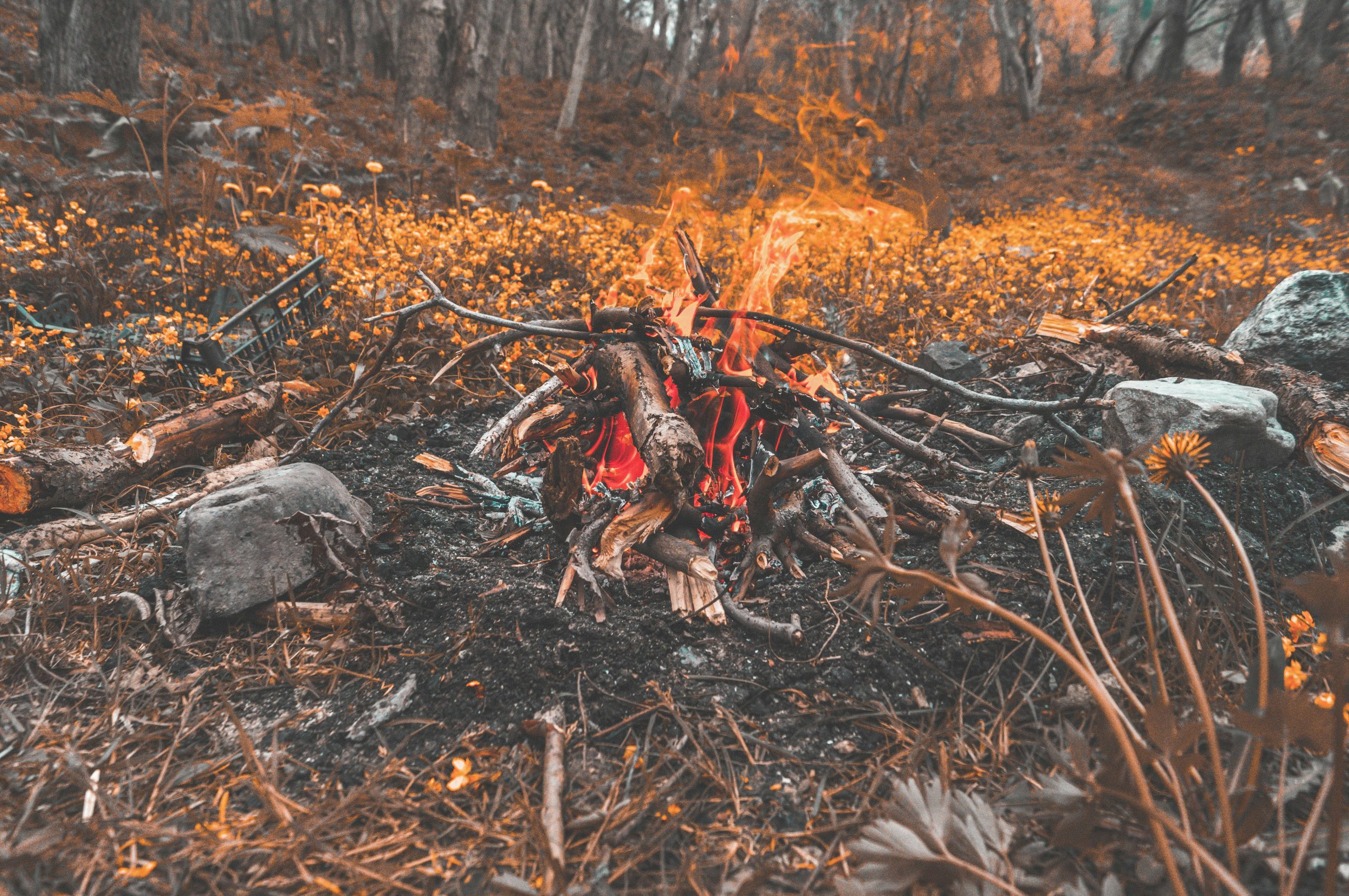
A large fallen log can act as a natural barrier that reflects heat from your fire back toward your shelter or cooking area. By positioning the log behind the fire or stacking additional slabs of bark, you concentrate warmth more efficiently. Fallen hardwoods like oak or hickory work especially well because of their density. This method reduces fuel waste while maximizing heat output. It’s one of the simplest techniques to master and helps stabilize fires in breezy woodland conditions without carrying metal reflectors or screens.
4. Building Cooking Tripods and Supports
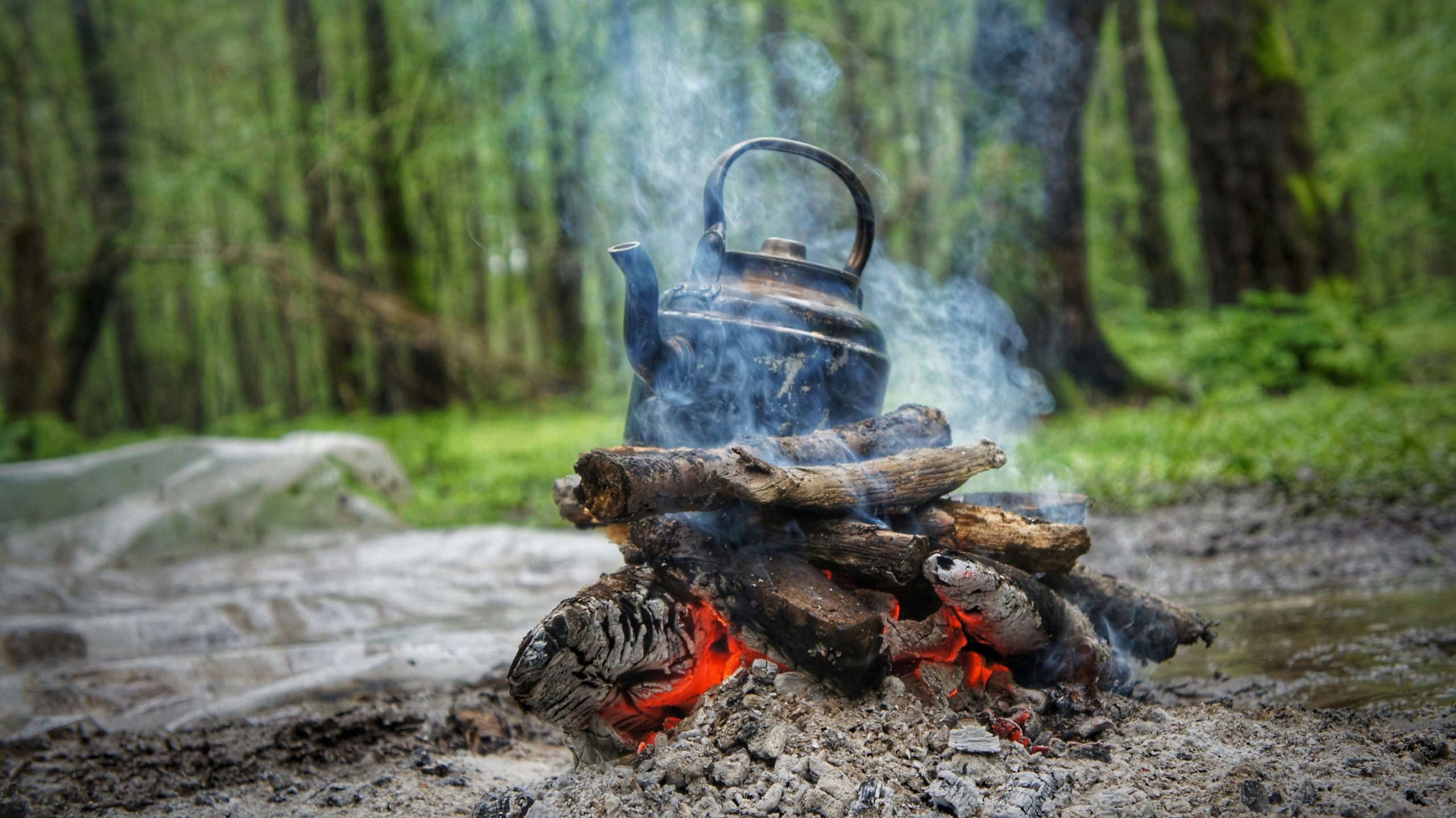
Deadfall branches make excellent cooking supports when arranged into tripods or crossbeam structures. By selecting forked sticks and locking them together, you create a stable frame capable of holding pots or suspending food over coals. This setup allows slow simmering, smoking, or boiling without relying on metal stands or grates. Eastern Woodlands trees like maple or birch break cleanly and provide dependable rigidity. This skill teaches balance, knotless stability, and fire management, all while using materials that the forest has already shed naturally.
5. Crafting a Woodland Log Sofa
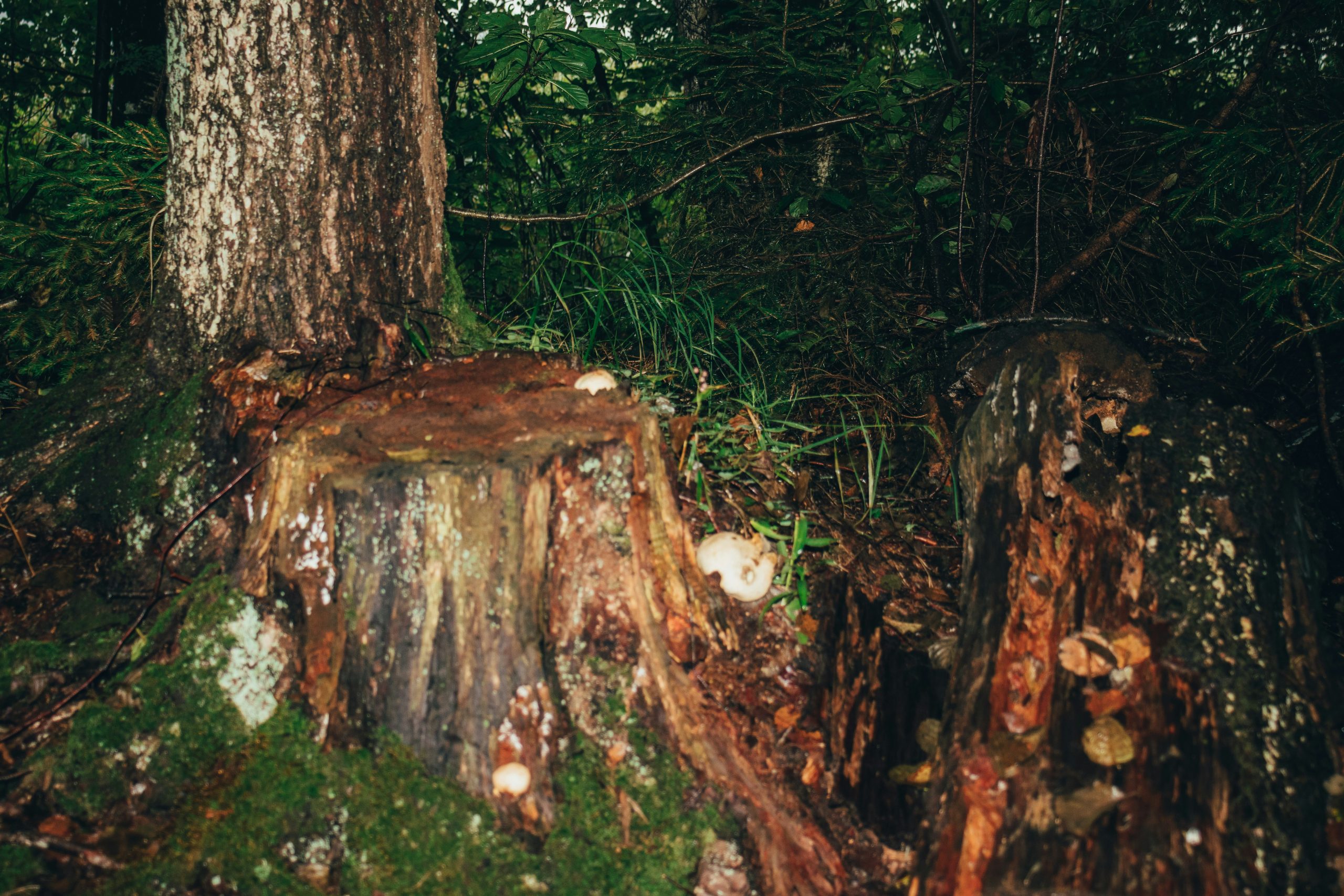
Fallen trees provide excellent raw material for crafting a long, woodland sofa that offers both comfort and durability. By selecting a solid trunk as the main seat, you can flatten its upper surface with careful carving or simply smooth rough spots for a natural bench feel. Adding shorter limbs as backrests or arm supports creates a relaxed, couch-like shape. Moss, bark sheets, or soft boughs can be layered on top for padding. This project teaches balance, shaping, and stability while using only deadfall and preserving the surrounding forest environment.
6. Carving Simple Bushcraft Tools
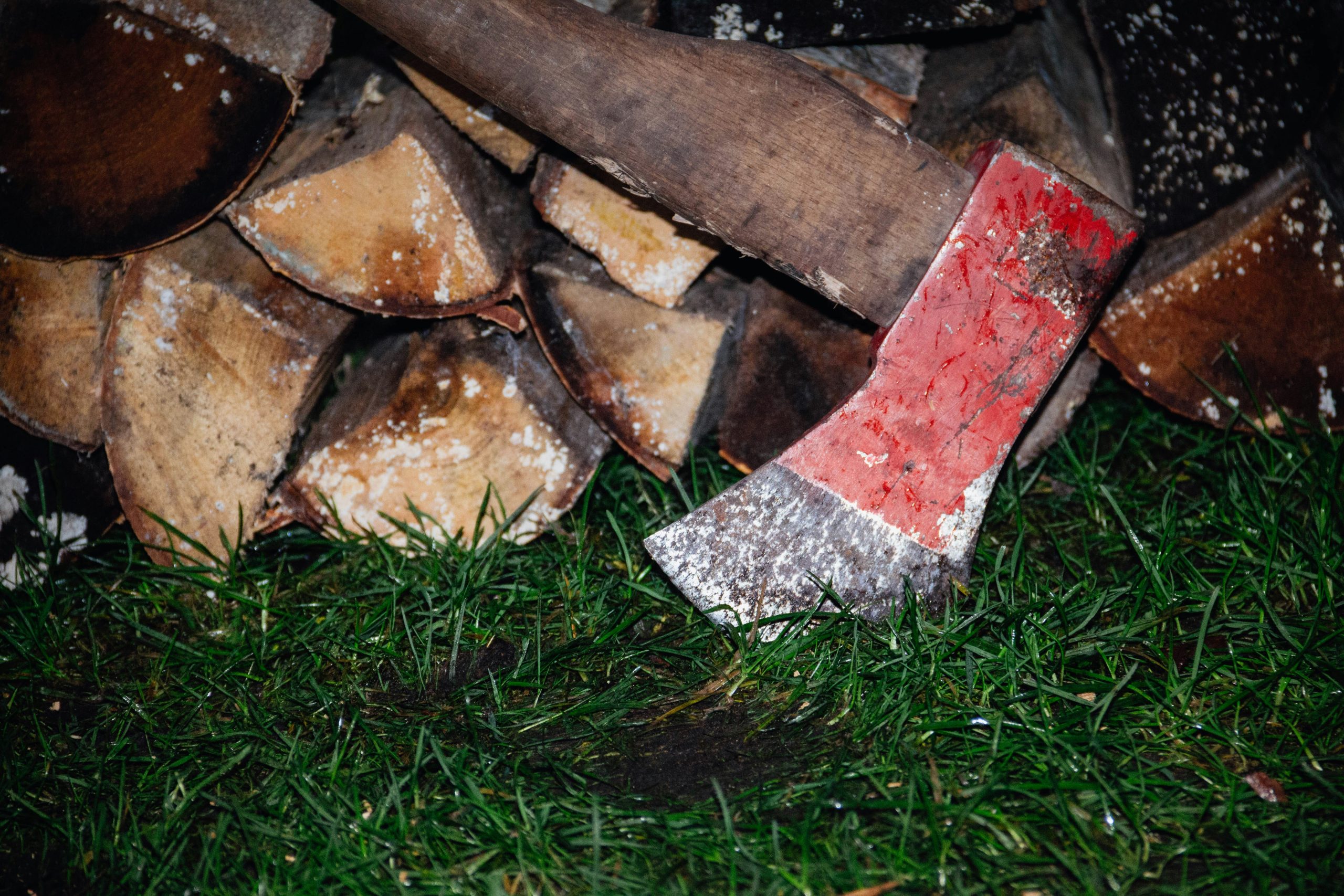
Fallen branches offer excellent material for carving tools such as wedges, tent pegs, spatulas, or fire-blowing tubes. Hardwoods create durable implements, while softer species shape easily with basic blades. Working with deadfall teaches grain reading, safe cutting angles, and efficient material use. Since the wood is already seasoned, carved tools dry quickly and resist cracking. This practice strengthens hand skills and helps you improvise solutions when gear breaks or gets lost, all without cutting down healthy trees for fresh material.
7. Creating Windbreaks and Rain Barriers
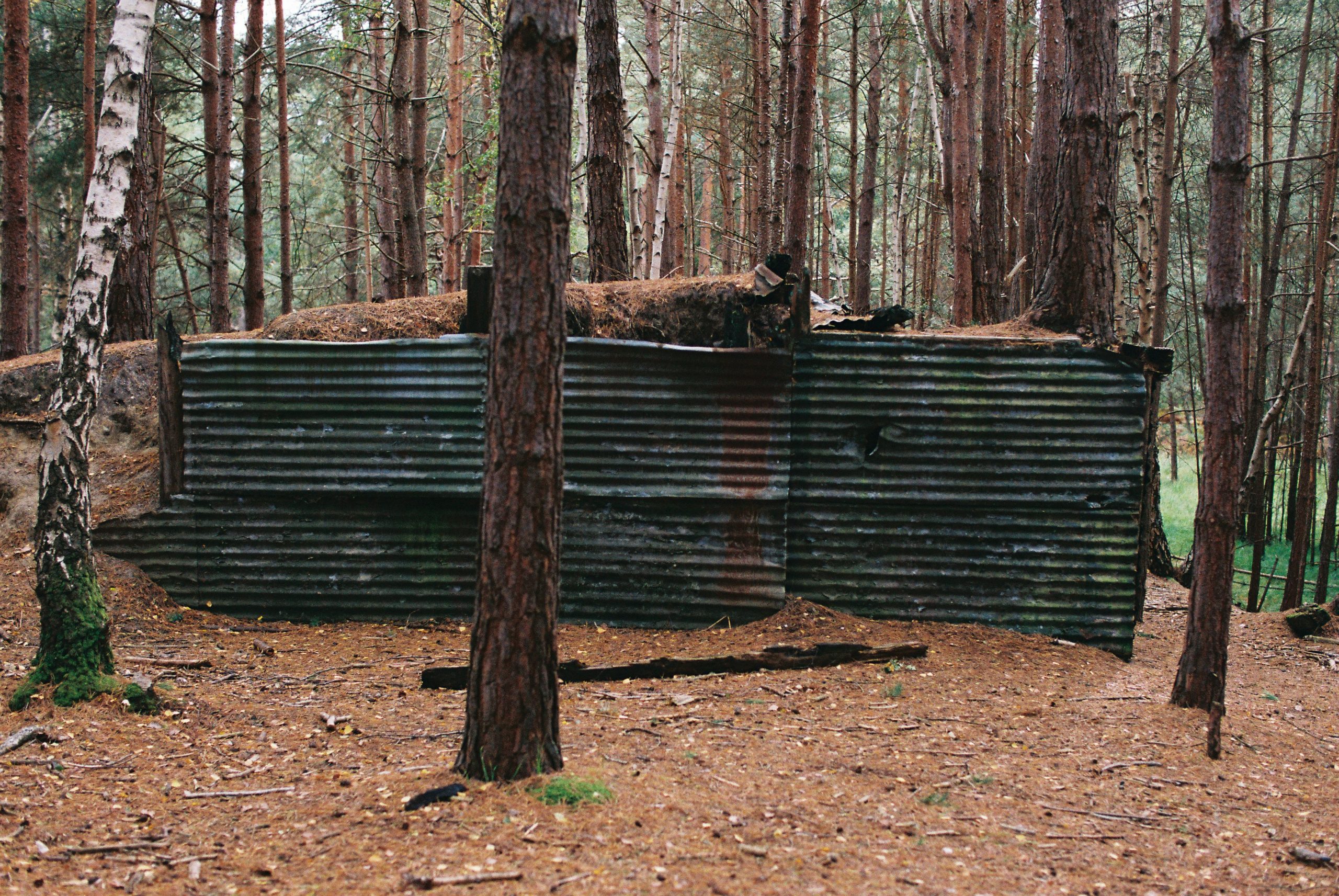
Large fallen logs and branch piles can be positioned to form effective windbreaks around your camp. By leaning additional debris against them or filling gaps with leaves, you build a simple barrier that redirects wind and slows rain splash. This reduces heat loss and keeps your fire more stable during unpredictable weather. Such structures work best when built slightly downwind of your shelter. Using naturally fallen material aligns with low-impact practices and helps you read landscape features that enhance campsite protection.
8. Producing Dry Tinder and Kindling
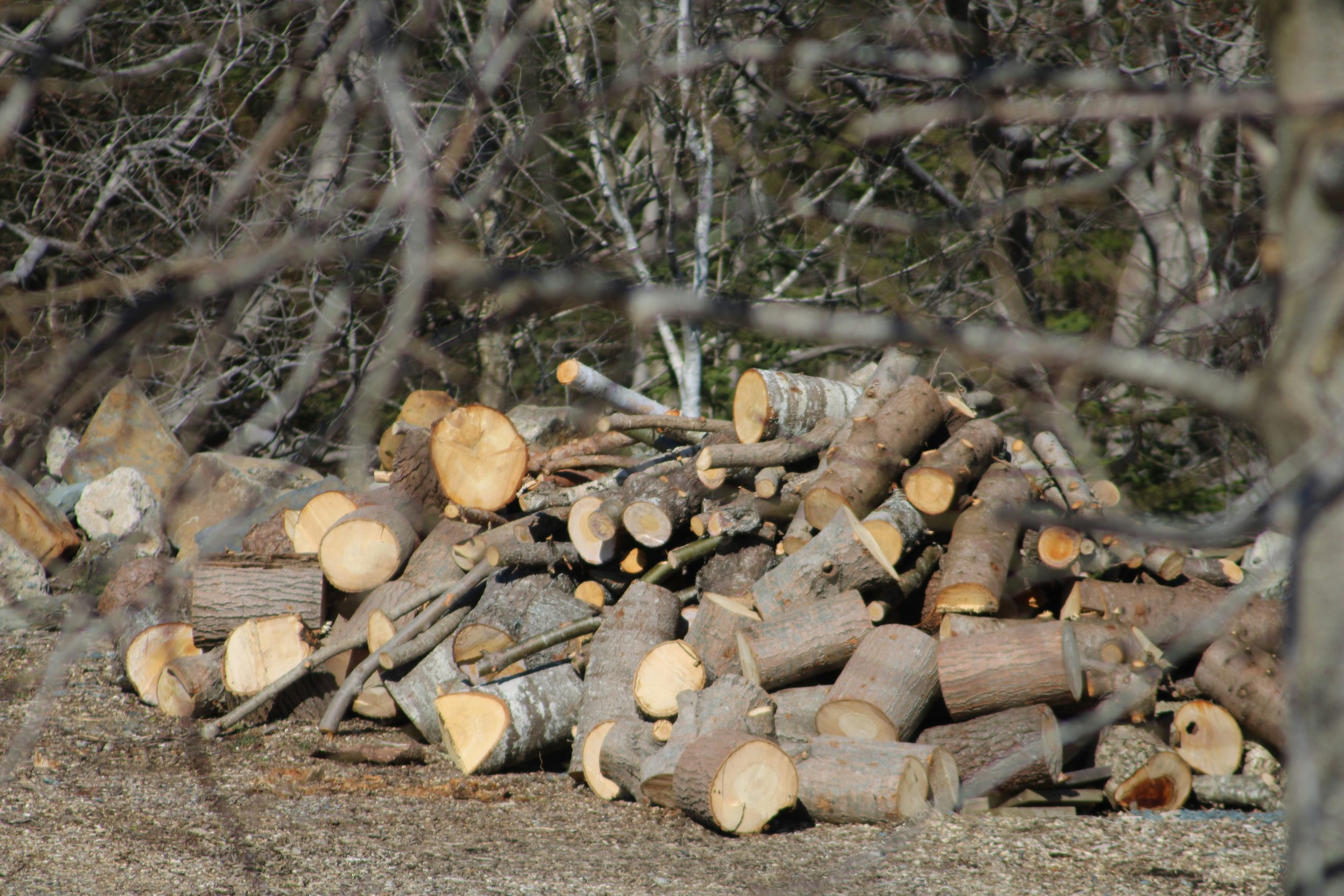
Fallen trees often contain dry inner wood even when their outer bark appears damp. By splitting dead branches or peeling back bark from sheltered sections, you can uncover feather-stick material and tinder shavings. Rot-resistant species like cedar or pine provide resin-rich fibers that ignite easily, even after rain. This method teaches you to identify wood that remained protected from moisture due to the tree’s position. It also reduces dependence on packed fire starters, making you more confident in wet Eastern Woodland conditions.
9. Crafting Natural Signal Tools
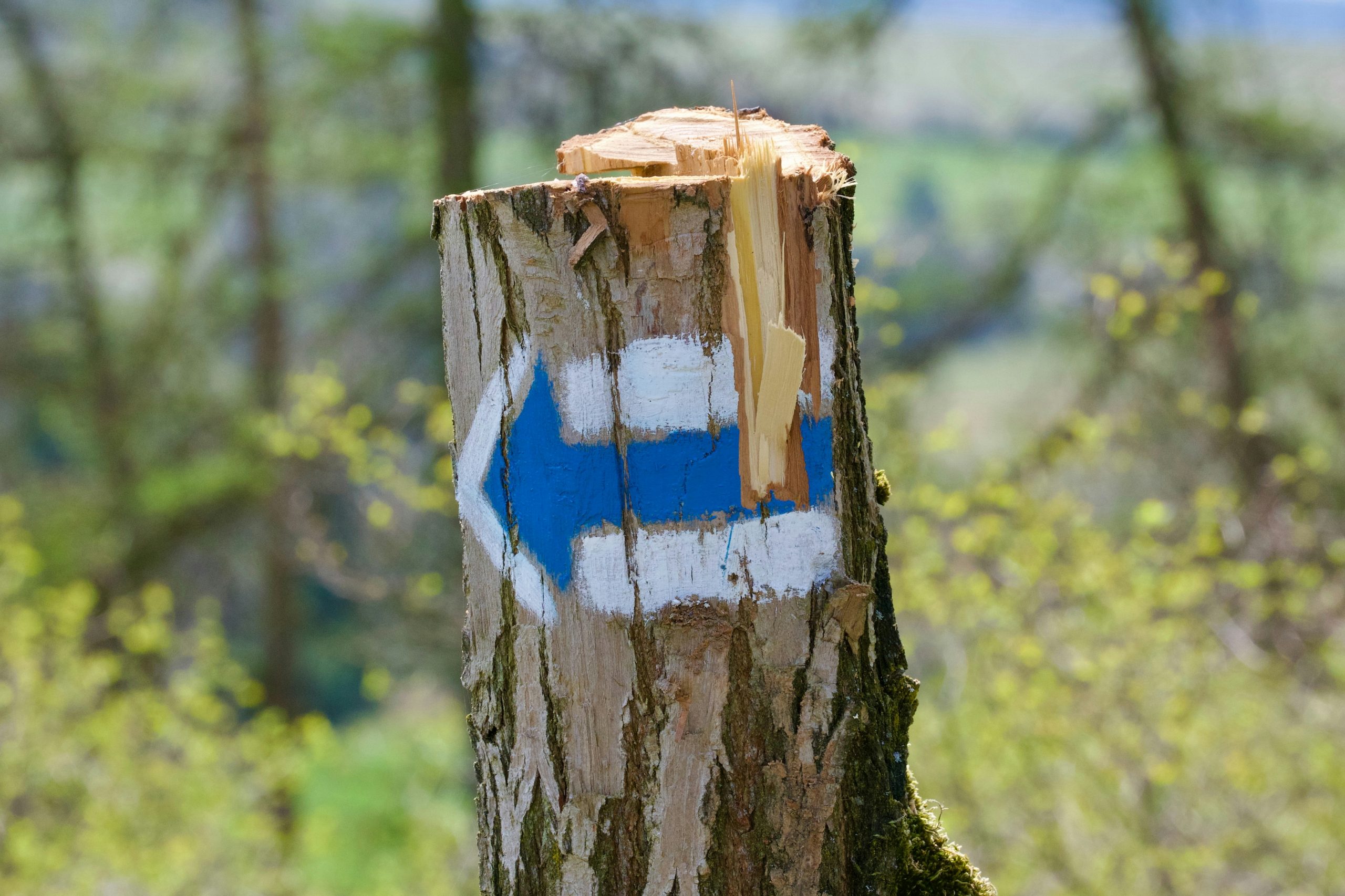
Deadfall wood can be shaped into noise-making signal tools such as clappers or rattles, which help attract attention in low-visibility conditions. By hollowing or splitting small sections of dry wood, you create lightweight devices that carry sound across forest terrain. Bark sheets can also be snapped or folded to generate sharp noises. These improvised tools work when batteries fail or electronics break. Learning to form them from fallen material reinforces situational awareness and resourcefulness in emergency or search-and-rescue scenarios.
10. Building Simple Bridges Over Muddy Ground
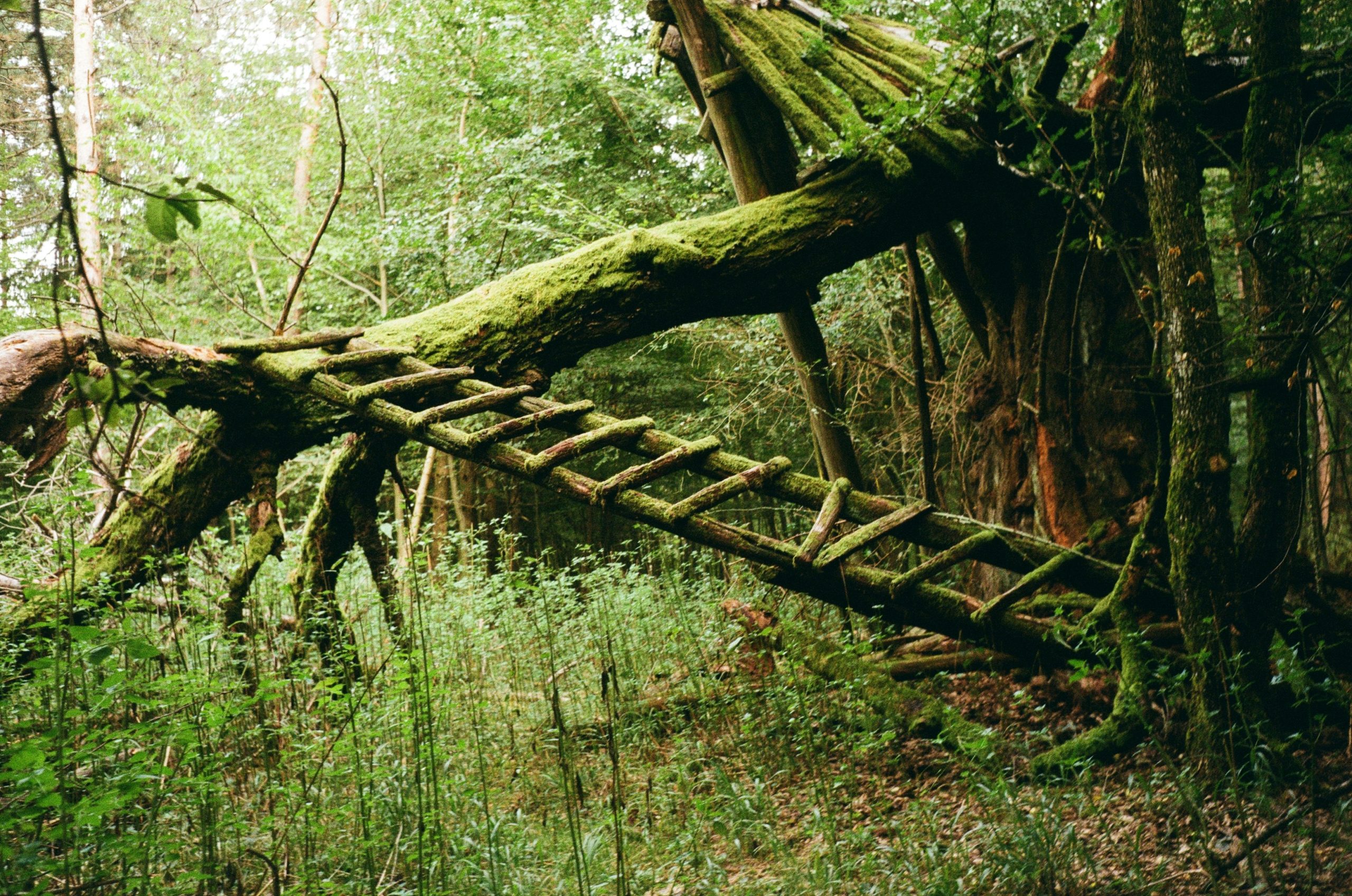
Fallen trunks and sturdy limbs make excellent makeshift bridges for crossing muddy patches, shallow creeks, or unstable ground. By rolling or levering smaller logs into place and laying branches across them, you form a stable footing that prevents sinking and keeps boots dry. This method is especially useful in wetlands or leaf-littered slopes common in the Eastern Woodlands. Constructing these crossings teaches balance, leverage, and terrain assessment while emphasizing safe, low-impact movement through sensitive areas without damaging growing vegetation.
11. Forming Natural Drip Gutters for Water Control
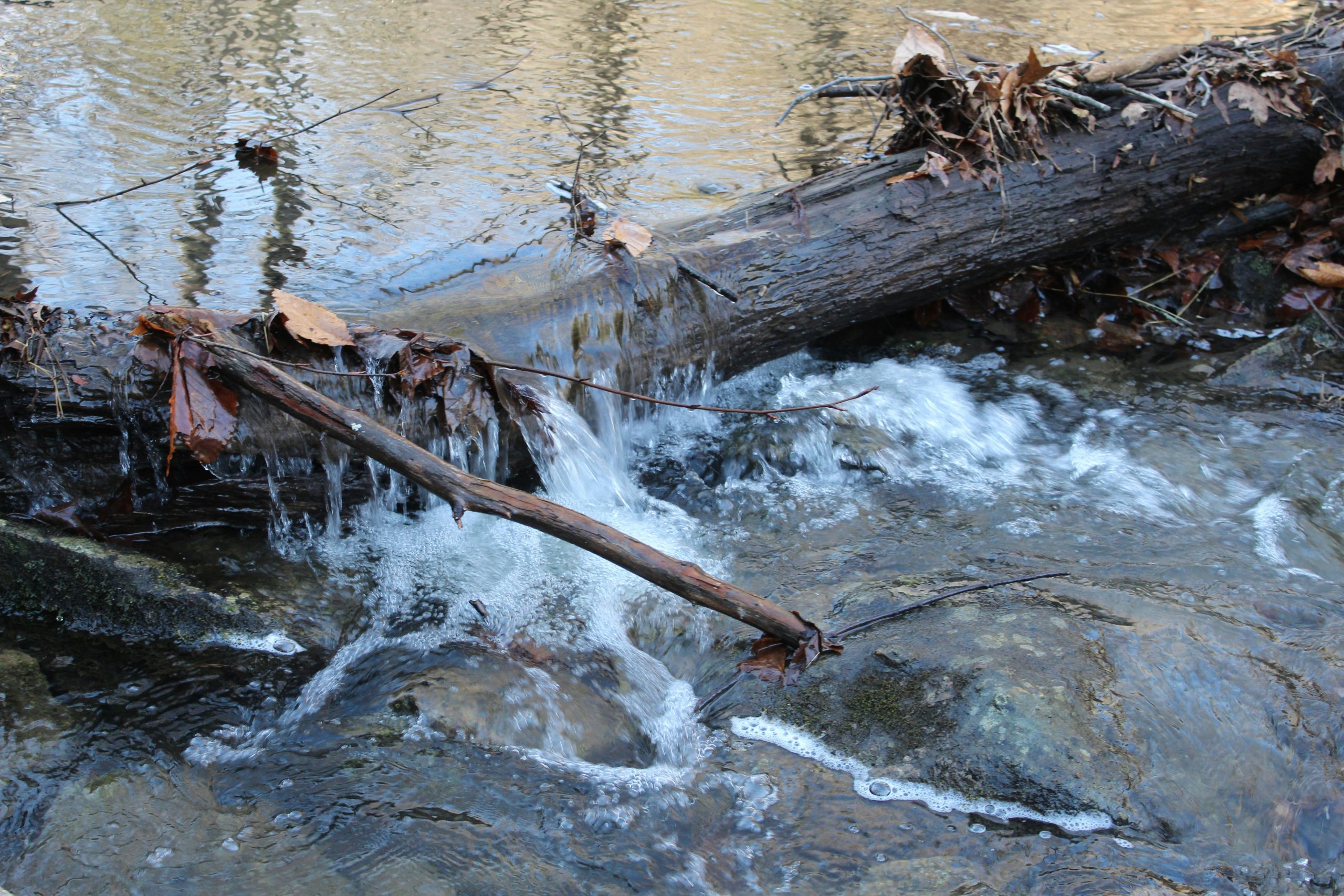
Long slabs of fallen bark can be used to shape drip gutters that guide rainwater away from your shelter or cooking space. By propping the bark pieces into shallow channels, you divert runoff and reduce pooling during heavy storms. This technique relies on recognizing which bark types remain rigid enough after detachment. It highlights the importance of water management in woodland survival. Using only deadfall for these gutters minimizes disturbance and helps maintain natural drainage patterns while improving campsite comfort.