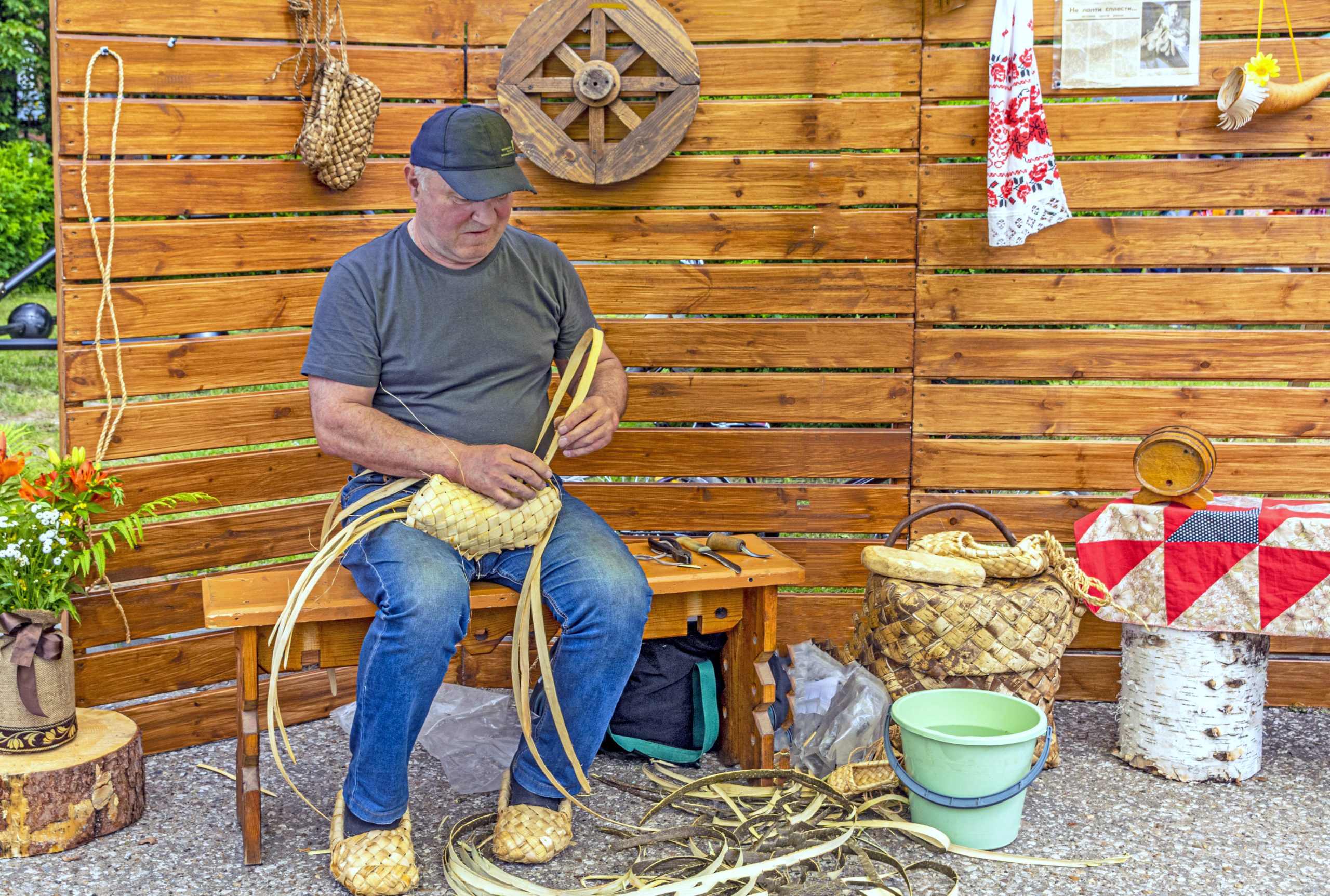
Crafting bark-based containers is one of the oldest woodland skills, and winter or early spring often provides the ideal conditions for peeling clean, workable sheets. Each tree species offers its own unique texture, flexibility, and durability, giving every container a distinct character and practical use. Whether you’re building something as simple as a temporary water scoop or as refined as a long-lasting storage vessel, understanding the qualities of each tree helps you shape bark into reliable, versatile containers that serve both campsite needs and traditional craftwork.
1. Birch Bark Gathering Basket
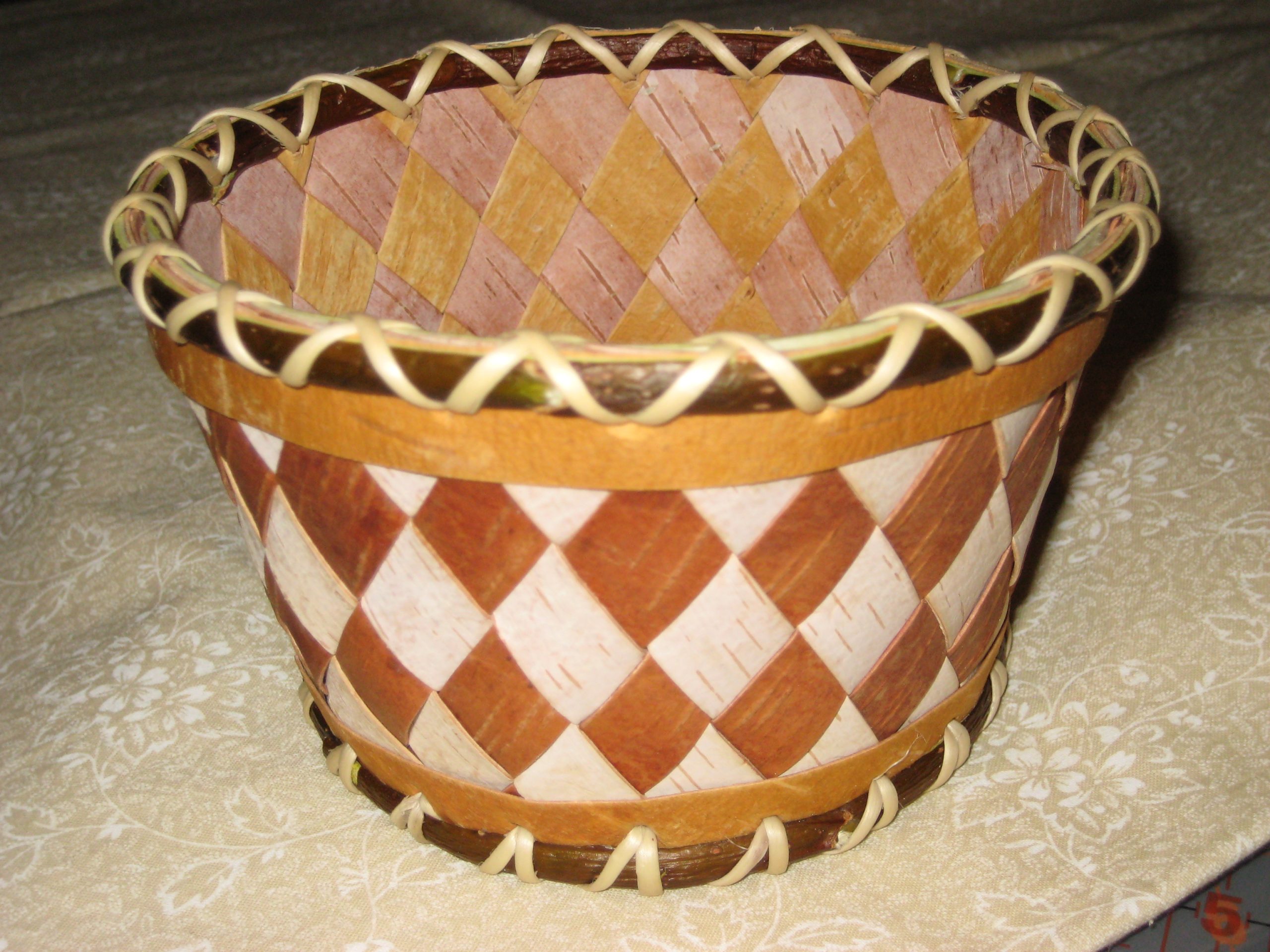
Birch bark is one of the most forgiving materials for container making because it peels off in wide, flexible sheets that resist cracking even when folded sharply. A gathering basket made from birch becomes surprisingly sturdy once the edges are scored, folded, and secured with wooden pins or spruce roots. Its natural oils make it water-resistant, allowing it to carry berries, dried foods, or kindling without softening. The smooth interior and rigid structure also help the basket keep its shape through regular outdoor use.
2. Cedar Bark Storage Box

Cedar bark separates cleanly into long strips that can be softened and layered into a tough, fibrous container ideal for storing dry goods at camp. When soaked briefly, the bark becomes pliable enough to bend without splintering, allowing you to create a tightly woven structure that naturally repels moisture. Cedar’s aromatic qualities also discourage insects, which is helpful when storing grains, herbs, or tinder. Once the bark dries, the box hardens into a lightweight but durable container that can last for years outdoors.
3. Poplar Bark Cooking Tray
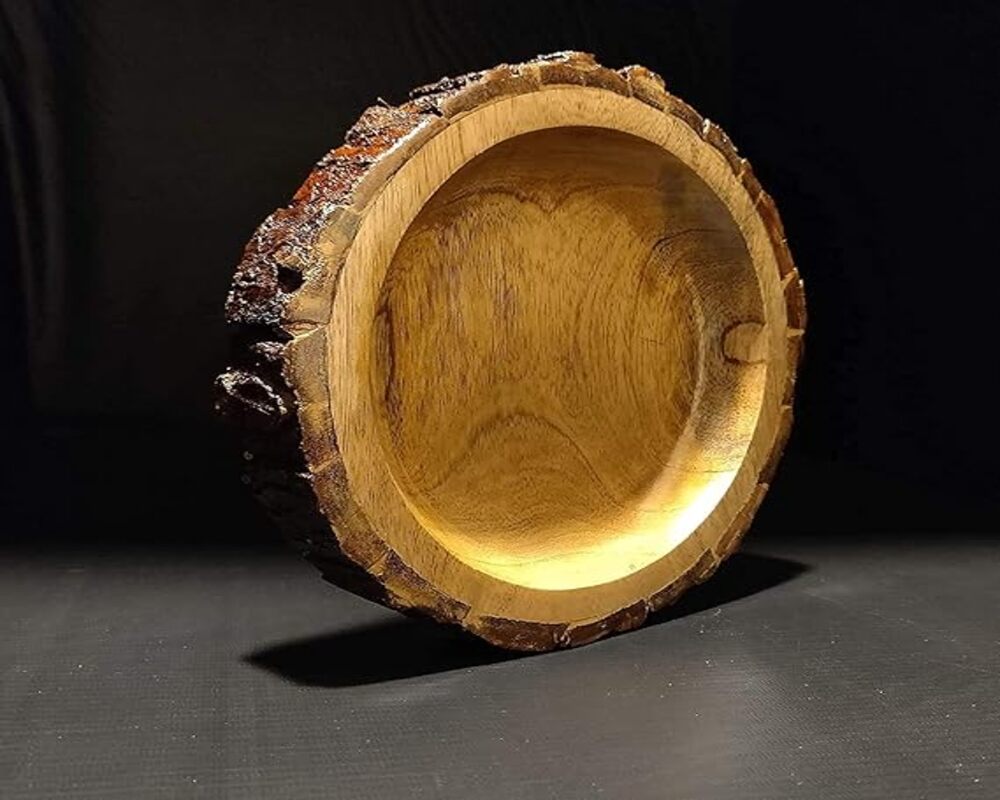
Poplar bark can be harvested in broad slabs that work perfectly for shallow cooking trays or steaming plates. Its inner bark has a mild, clean scent, and the outer bark provides a rigid shell that withstands moderate heat without losing shape. After trimming to size and folding the ends, the tray can be secured with small hardwood pegs. It’s great for steaming fish, roasting roots, or setting food near the fire to warm. Poplar bark’s flat, even surface makes the finished tray dependable and easy to handle.
4. Elm Bark Utility Container
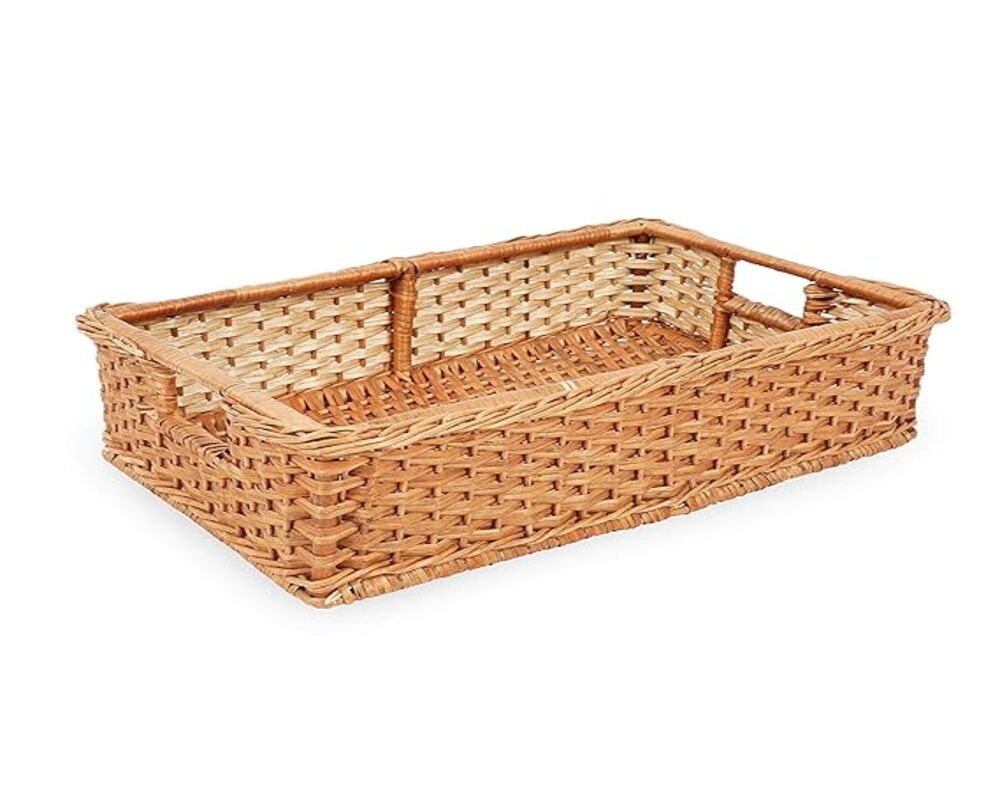
Elm bark, known for its strong interlocking fibres, forms a resilient container that resists tearing even when handled roughly. Once peeled during its most workable phase, typically early in the season, elm can be shaped into a tall vessel perfect for holding tools, fishing gear, or camp essentials. Its coarse outer texture supports structural rigidity, while the smoother inner surface helps reduce friction on stored items. When folded and stitched with natural cordage, elm bark containers withstand daily camp wear with impressive reliability.
5. Spruce Bark Boiling Basket
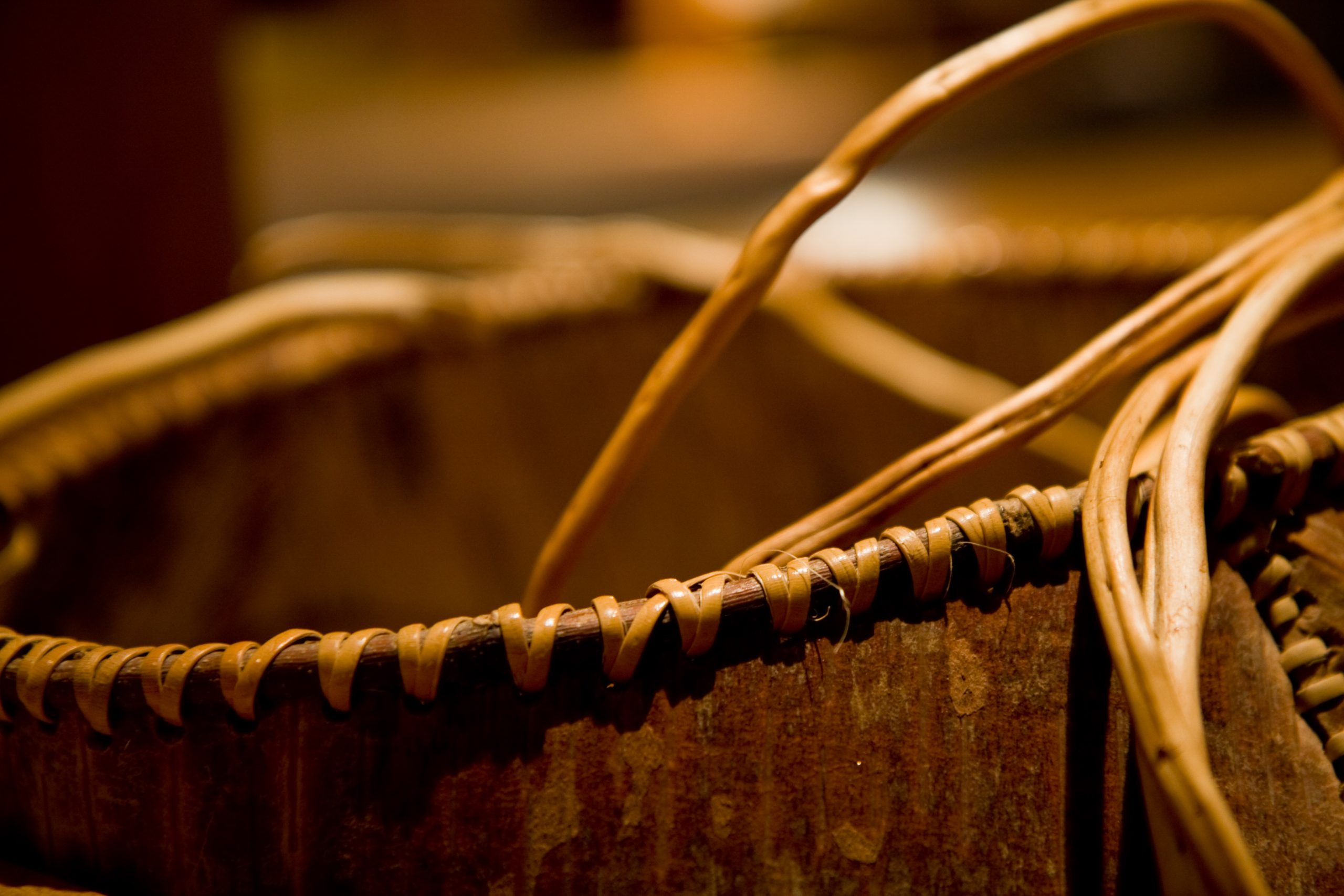
Spruce bark has a naturally waterproof quality that becomes incredibly useful when crafting traditional boiling baskets. After forming the bark into a tight container and securing the seams with spruce roots, the vessel can actually hold water over hot stones placed inside for cooking. The bark’s resin adds durability and prevents rapid softening, allowing multiple uses before it begins to break down. It’s an old wilderness technique, but spruce bark’s resilience makes it one of the best materials for functional camp cookware.
6. Maple Bark Foraging Pouch
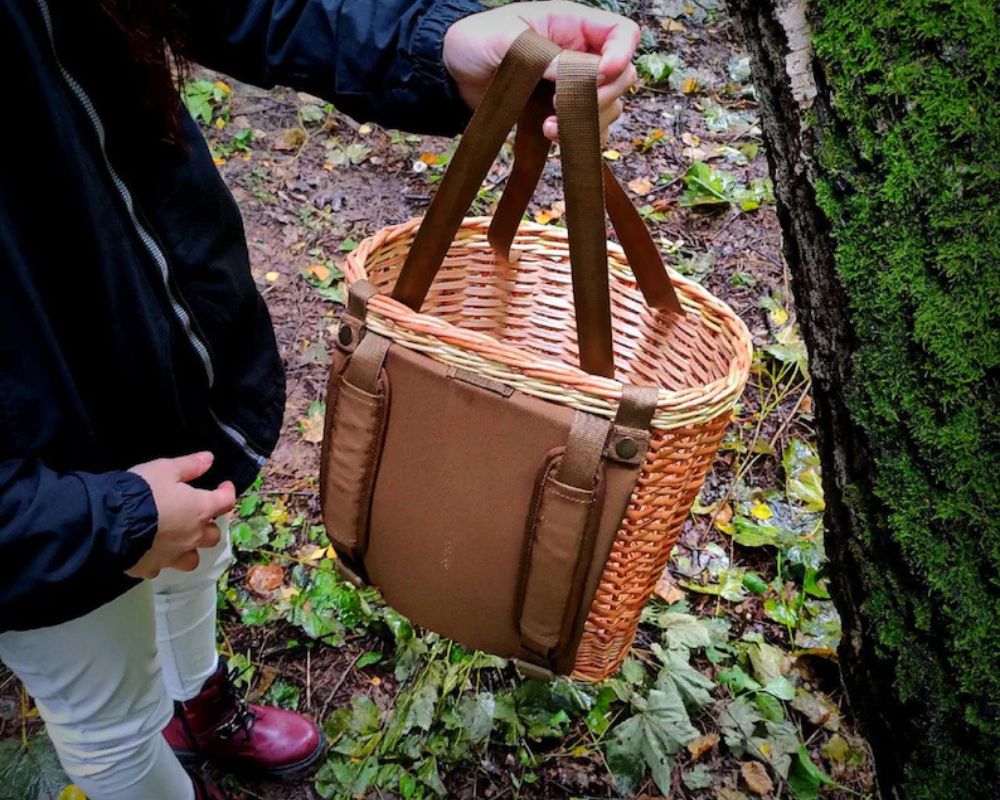
Maple bark, when taken from younger trees or fresh windfall, offers a balanced mix of flexibility and stiffness that works well for crafting compact foraging pouches. The bark folds neatly without excessive cracking, especially when warmed or briefly soaked. Once shaped, the pouch can be stitched or pinned to hold small items like nuts, berries, or medicinal plants. Maple’s smooth inner texture keeps delicate foraged goods from bruising, and its natural curve helps the pouch sit comfortably on a belt or pack.
7. Sycamore Bark Scoop
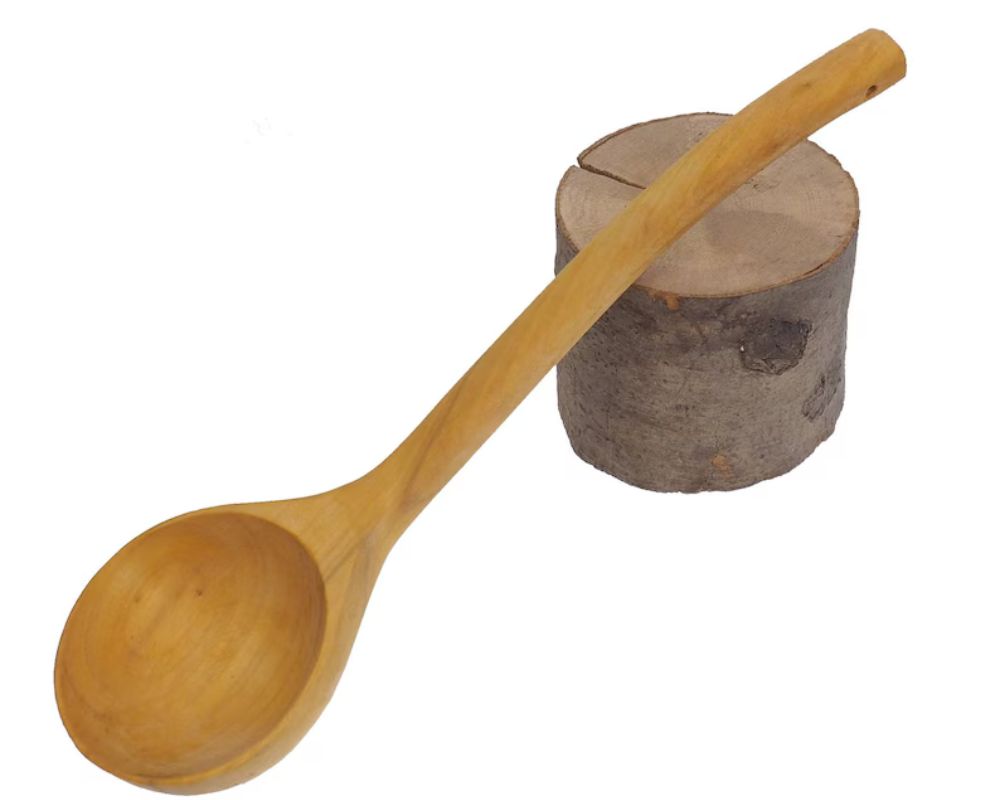
Sycamore bark tends to shed in large, plate-like pieces that can be carved and shaped into quick, practical scoops. The bark’s natural curve makes it ideal for holding small amounts of water, seeds, or cooking ingredients around camp. After trimming the edges and adding a simple wooden handle, you get a lightweight tool that’s surprisingly sturdy. Sycamore’s inner surface is naturally smooth, which helps liquids pour cleanly and prevents food from sticking, making the scoop reliable for everyday camp tasks.
8. Hickory Bark Carrying Tube
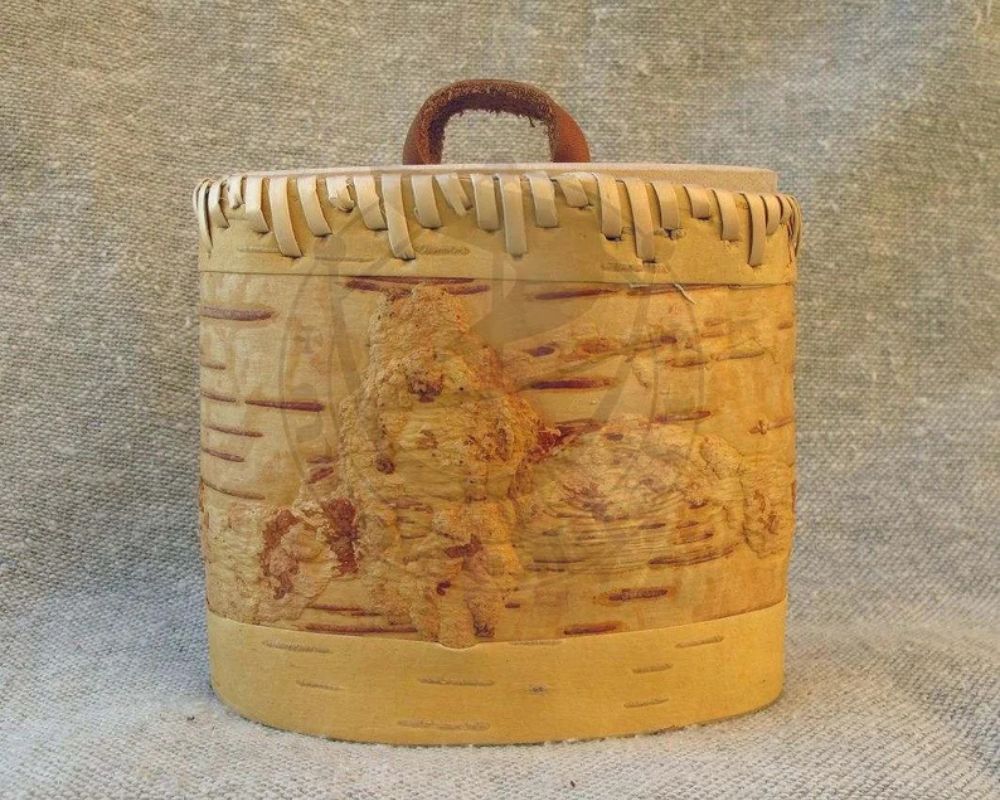
Hickory bark peels in strong, fibrous sheets that can be rolled into durable tubes for carrying maps, fire straws, or delicate tools. When heated slightly over steam, the bark becomes flexible enough to form without splitting, and once it cools, it retains a rigid structure. Binding the tube with rawhide or natural cordage adds reinforcement and a rustic finish. Hickory’s sturdy composition makes this type of container especially useful on long treks where items need tough, protective storage.
9. Willow Bark Herb Container
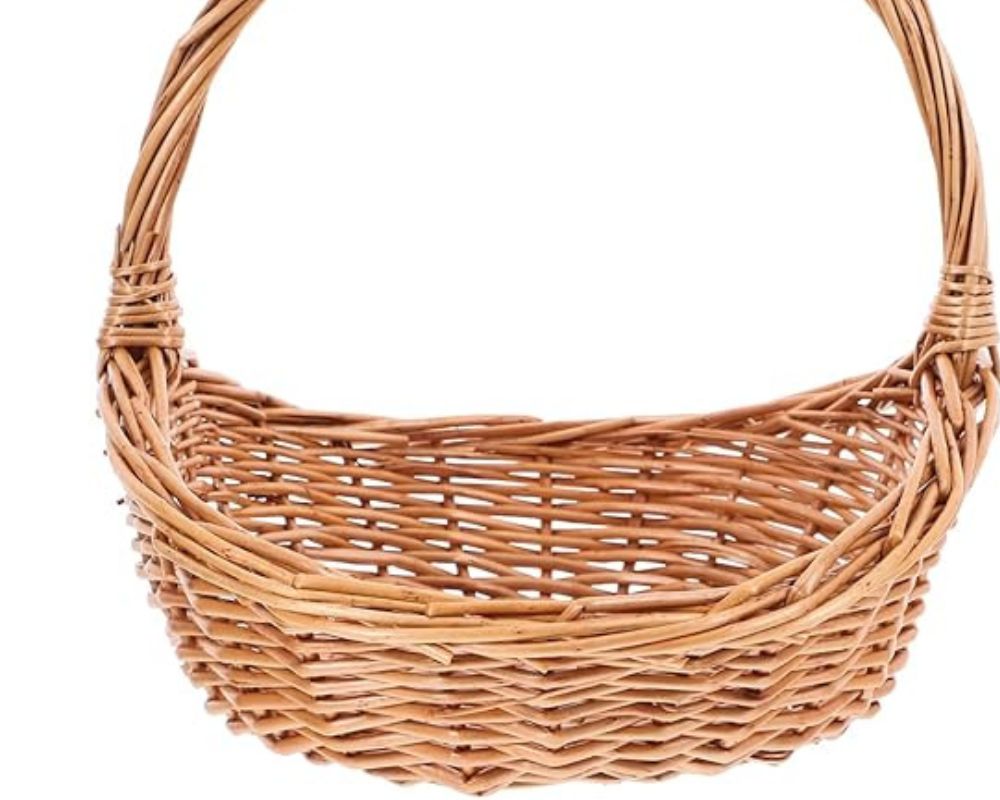
Willow bark is thin, flexible, and easy to weave, making it perfect for a lightweight herb container. After stripping the bark into narrow ribbons, you can braid or spiral-wrap them around a simple mould to form a breathable vessel that keeps herbs dry and well-ventilated. Willow’s mild scent doesn’t interfere with stored plants, and its pliability allows tight, clean weaving. The finished container works well for medicinal herbs, teas, or spices you want to keep tidy and accessible while camping.
10. Chestnut Bark Dry-Goods Box
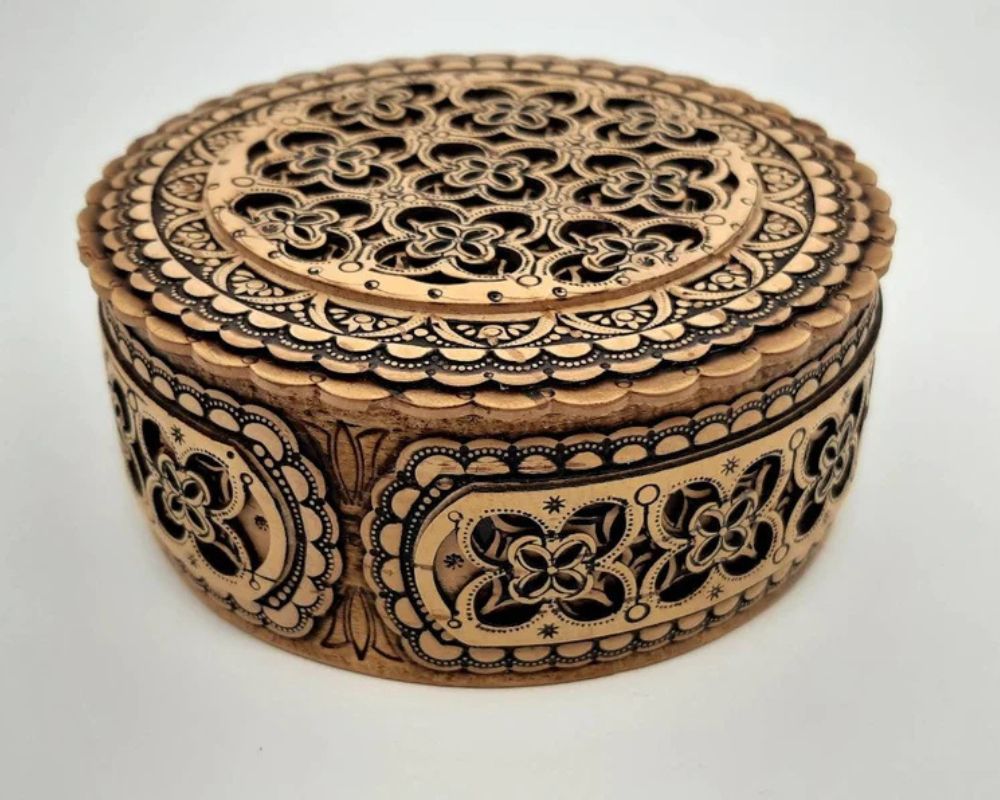
Chestnut bark can be peeled in wide panels that form the walls of a durable dry-goods box. The bark’s slightly rough outer surface provides grip and structure, while the inner bark remains smoother for contact with food or supplies. After scoring and folding the corners, the panels can be tied together using natural cordage or thin wooden fasteners. Chestnut bark boxes are ideal for holding flour, jerky, or dried vegetables because they block wind while still allowing a small amount of airflow.
11. Aspen Bark Fire-Kit Container
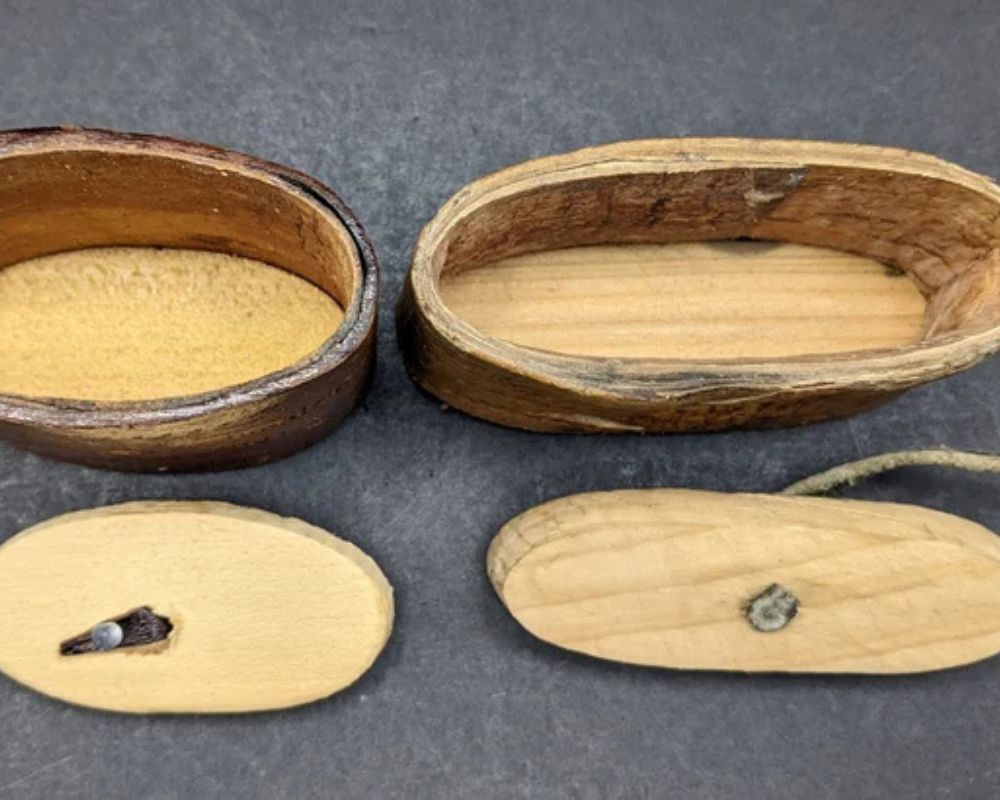
Aspen bark is naturally light, easy to shape, and resistant to rapid cracking, making it an excellent choice for a fire-kit container. Its subtle elasticity allows you to fold and form a compact box without excessive preparation. Once secured with pegs or sinew, the container protects your tinder, char cloth, and fire tools from moisture and crushing. Aspen’s smooth interior keeps fine tinder from catching or shredding, ensuring everything stays ready for quick fire-starting during cold or damp conditions.