
Outdoor and everyday gear choices often prioritize appearance over function. Many accessories promise preparedness, convenience, or versatility, but quietly increase carried weight without improving real capability. Extra ounces accumulate quickly, affecting endurance, mobility, and decision-making. In demanding situations, unnecessary gear becomes a liability rather than support. People frequently assume more equipment equals more readiness, yet effectiveness depends on usefulness, not quantity. Weight management plays a critical role in comfort and safety. These eleven accessories commonly appear helpful but fail to justify their burden. Understanding which items add mass without value helps refine smarter, more efficient loadouts built around capability rather than excess.
Oversized Keychains
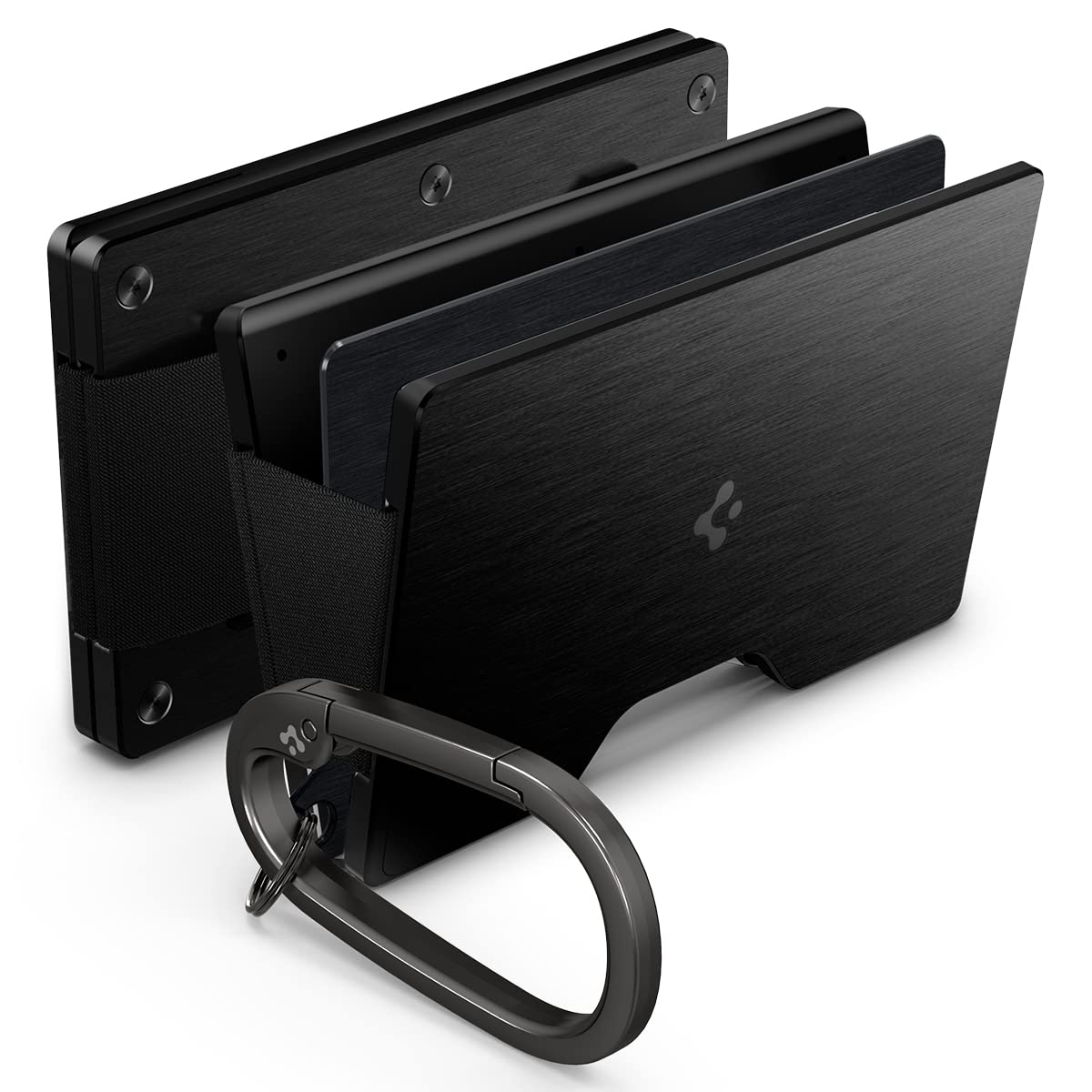
Oversized keychains add weight without improving function. Large clips, metal tools, and decorative attachments accumulate mass quickly. Keys already serve a single purpose. Extra items rarely assist daily tasks. Bulky keychains strain pockets, wear belt loops, and create noise. In outdoor or travel settings, they snag and distract. Many tools included prove too small for real use. The appeal comes from novelty rather than utility. Over time, unnecessary attachments slow movement and increase discomfort. A streamlined key set performs better. Oversized keychains create the illusion of preparedness while quietly adding dead weight that contributes nothing meaningful to efficiency, safety, or practical problem solving.
Decorative Carabiners
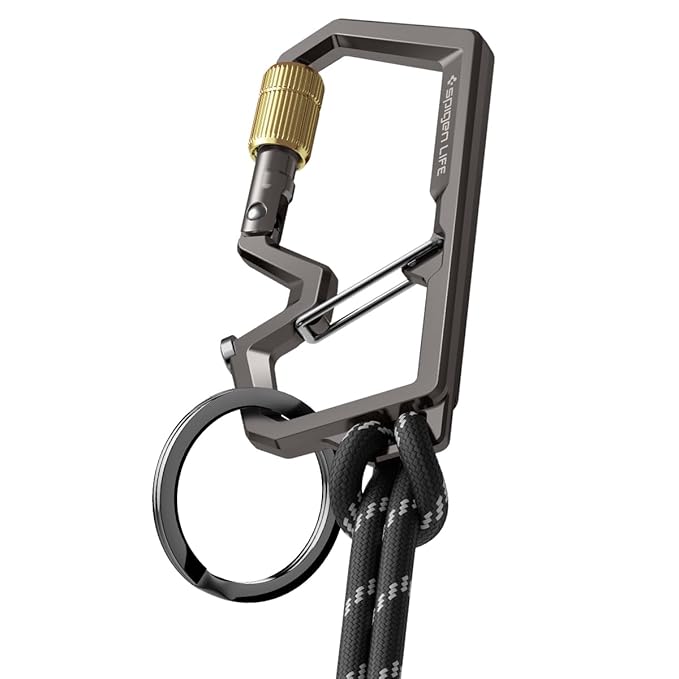
Decorative carabiners look rugged but offer little capability. Non-load-rated designs cannot support weight safely. Springs weaken over time. Shapes prioritize style over secure function. Many people clip them to bags without a purpose. They add metal mass and noise. In emergencies, they fail structural needs. Real carabiners serve specific load-bearing roles. Decorative versions mimic appearance only. Carrying them provides no mechanical advantage. They clutter gear loops and complicate access. Decorative carabiners suggest readiness while undermining efficiency. Removing them reduces weight without sacrificing capability, allowing reliance on properly rated hardware when actual strength and reliability matter.
Multi Pocket Pouches

Multi-pocket pouches encourage overpacking. Extra compartments invite unnecessary items. Fabric, zippers, and straps add weight quickly. The organization becomes complex rather than efficient. Items stored externally face weather exposure and snag risks. Campers and travelers often attach pouches without a clear purpose. Searching through multiple pockets slows access. Internal pack organization usually suffices. These pouches rarely add new capability. Instead, they shift weight outward and reduce balance. Multi pocket pouches feel tactical but rarely improve function. Eliminating them simplifies loadouts, reduces clutter, and preserves energy by preventing the gradual accumulation of nonessential items carried only because space exists.
Heavy Phone Cases
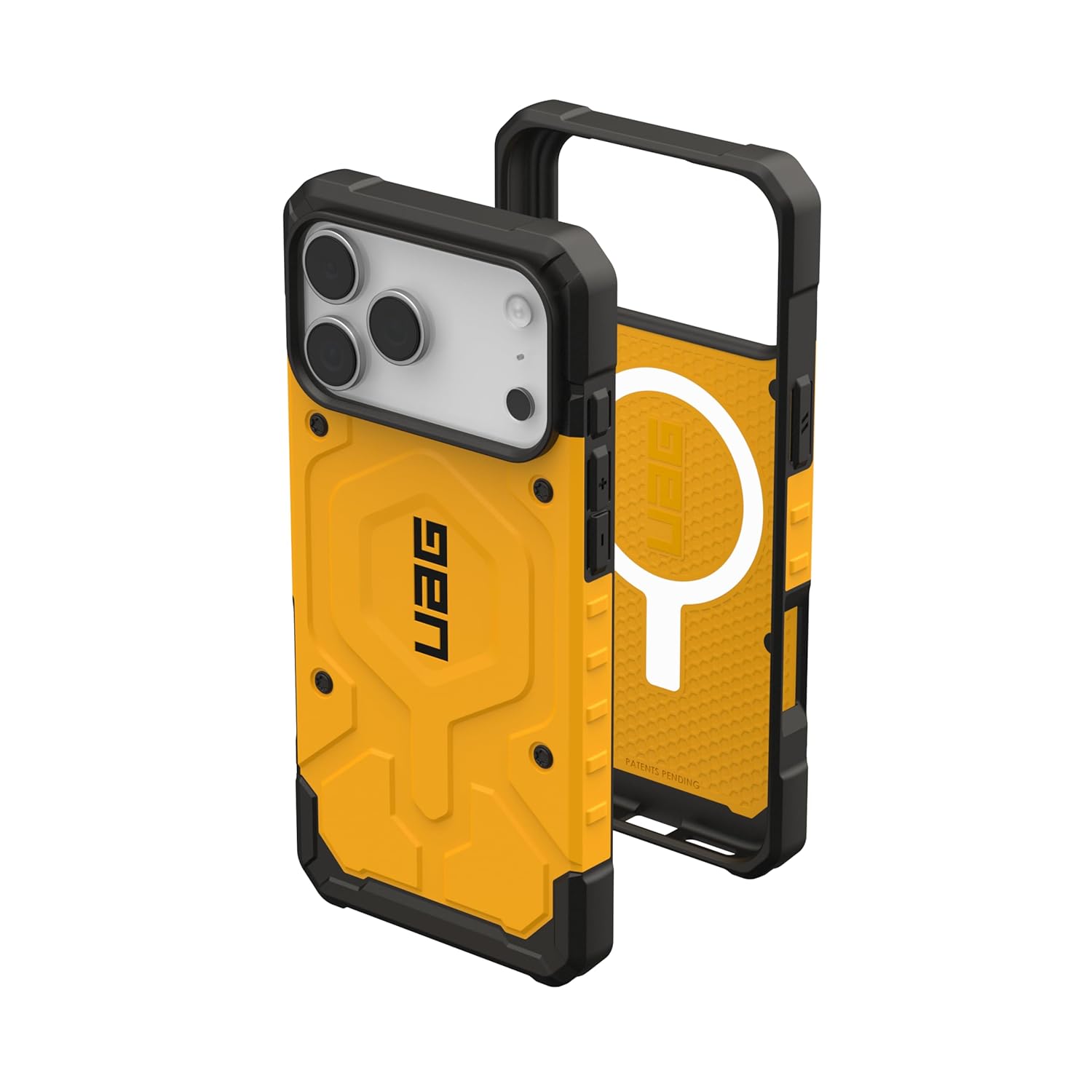
Heavy phone cases promise protection but add unnecessary weight. Thick rubber, metal frames, and layered designs increase bulk. Most drops occur at low heights. Excessive protection reduces pocket comfort and usability. Charging becomes awkward. Grip suffers. In outdoor contexts, weight compounds with other carried gear. Phones already weigh enough. Lighter cases provide adequate defense for typical use. Heavy cases rarely enhance capability. They do not improve battery life, signal, or performance. Carrying extra mass for marginal protection reduces efficiency. Choosing lighter protection preserves function while avoiding unnecessary ounces that contribute nothing to communication, navigation, or productivity.
Redundant Tools
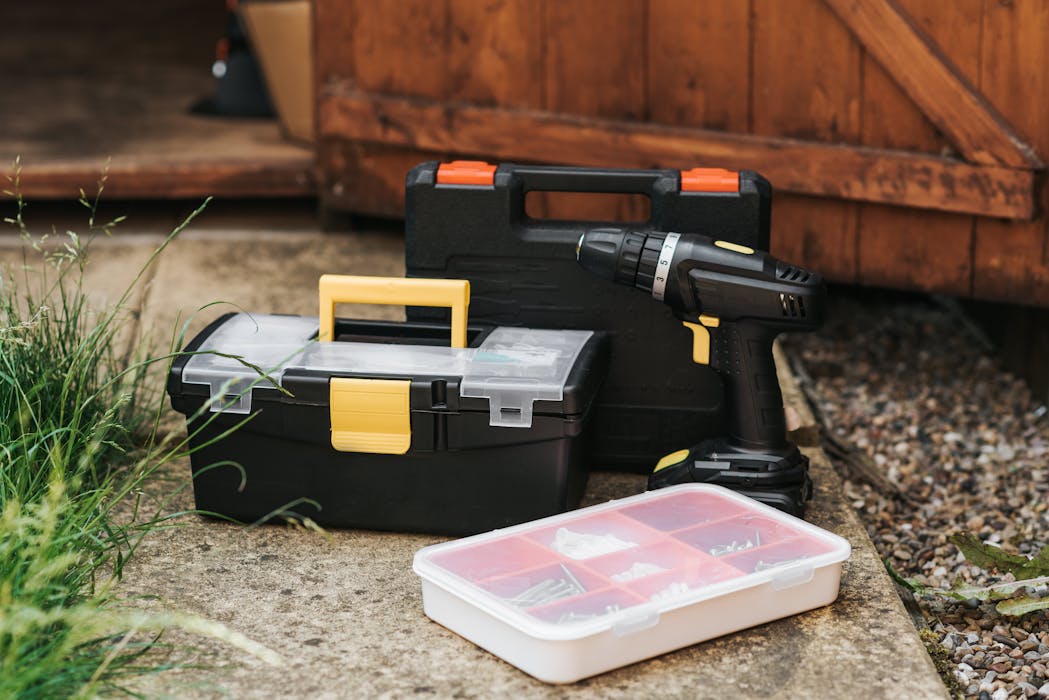
Redundant tools add weight without adding options. Carrying multiple versions of the same function wastes space. Extra knives, flashlights, or fire starters duplicate capability. In emergencies, familiarity matters more than quantity. Each tool requires maintenance and attention. Weight multiplies silently. Many pack redundancies out of fear rather than planning. True redundancy involves systems, not duplicates. Backup strategies differ from extra items. Redundant tools complicate organization and decision making. Removing duplicates streamlines the response. Carrying one reliable tool per function improves efficiency. Excess tools create the illusion of preparedness while quietly draining energy and reducing mobility during prolonged activity.
Oversized Wallets
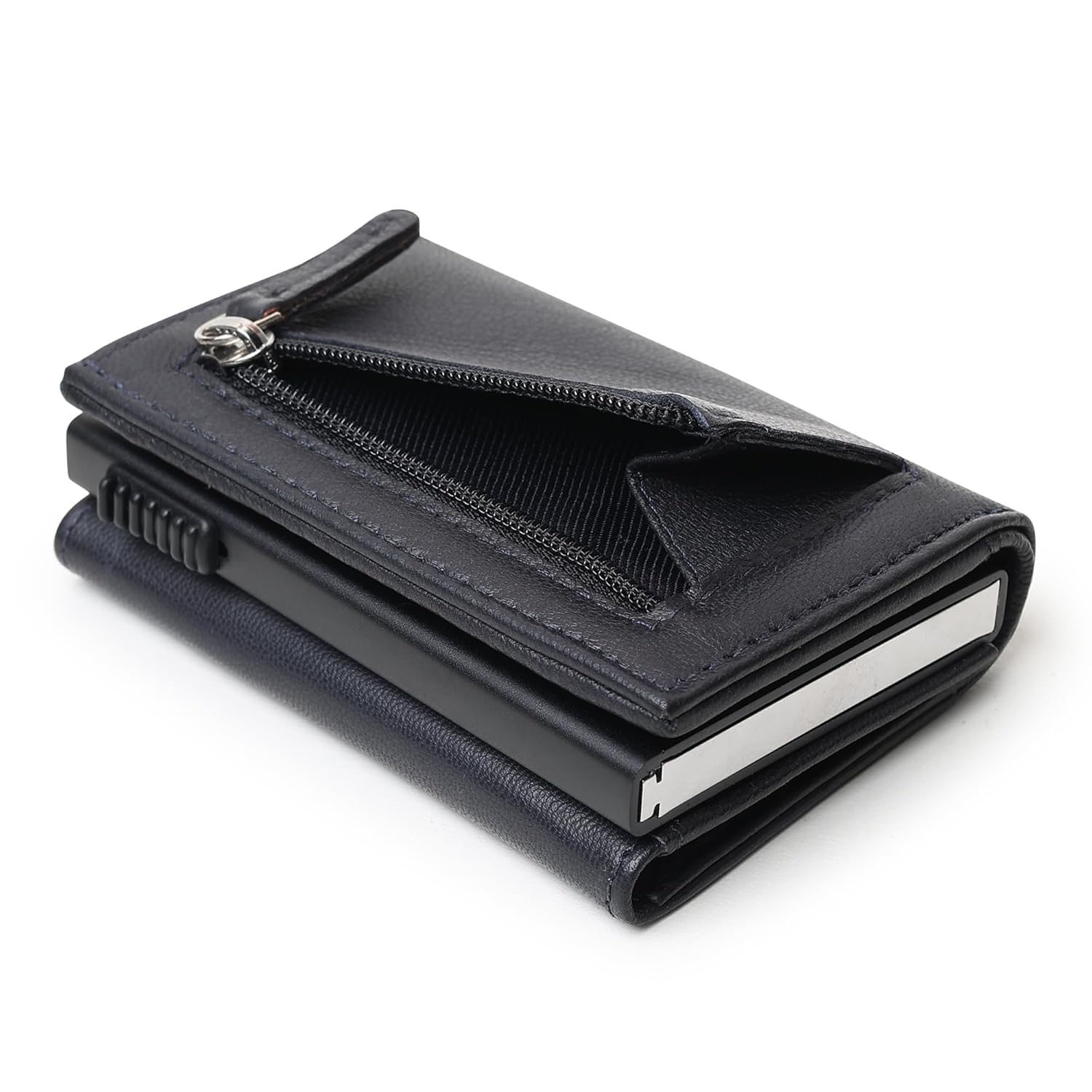
Oversized wallets add constant weight without benefit. Multiple cards, receipts, and unused items accumulate. Thick leather increases mass. Sitting discomfort grows. Pocket wear accelerates. Most items remain unused daily. Digital payments reduce the need for physical cards. Carrying excess identification increases loss risk. In travel or outdoor settings, bulky wallets hinder movement. A slim wallet holds essentials effectively. Oversized designs offer storage without purpose. Reducing contents improves comfort and security. The added weight serves no functional advantage. Streamlining wallets eliminates the unnecessary mass carried every day, preserving ease of movement and reducing strain without sacrificing capability or access to important essentials.
Metal Water Bottle Accessories
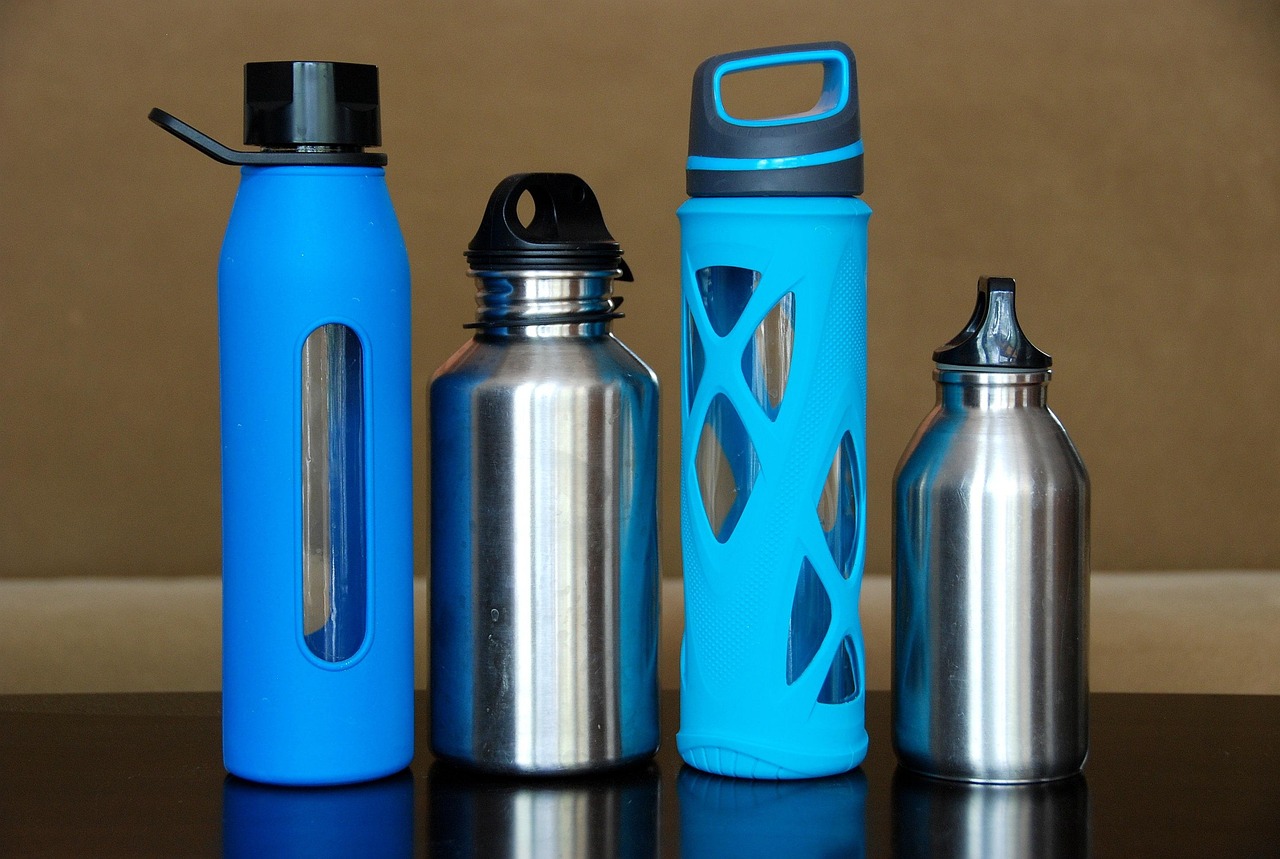
Metal water bottle accessories add weight without improving hydration. Extra caps, clips, and sleeves increase mass. Decorative sleeves trap moisture. Metal attachments rattle. Bottle function remains unchanged. Simple lids suffice. Accessories complicate cleaning and access. Weight adds up when combined with water mass. Many attachments exist for appearance rather than necessity. Hydration depends on capacity and accessibility, not decoration. Removing accessories simplifies use. Lightweight bottles perform better. Metal add-ons suggest ruggedness but reduce efficiency. Eliminating them lowers carried weight while preserving hydration capability, improving comfort during long carries without sacrificing durability or performance.
Large Sunglass Cases
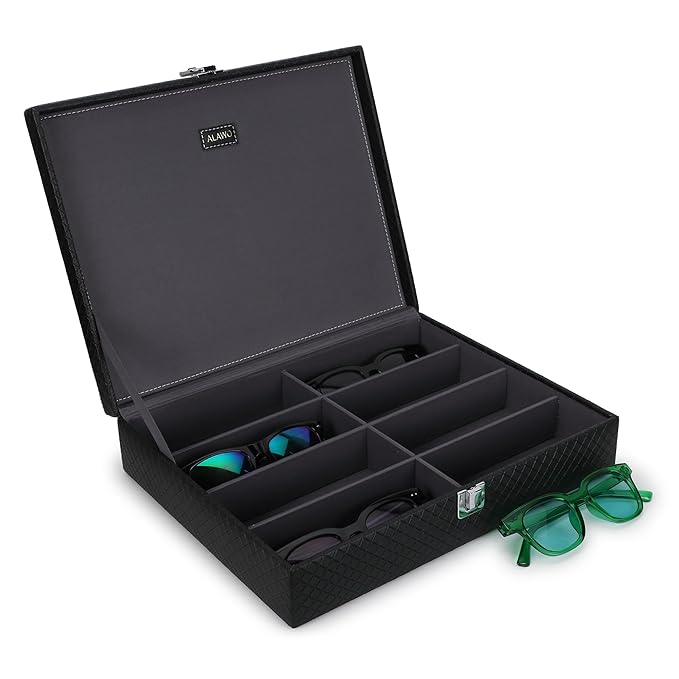
Large sunglass cases protect eyewear but add bulk. Hard shells consume pack space. Weight increases unnecessarily. Soft pouches provide adequate protection for most conditions. Many carry oversized cases for fashion rather than need. In outdoor settings, space efficiency matters. Bulky cases complicate packing. Sunglasses already ride securely on the face or the strap. Heavy cases offer diminishing returns. Reducing case size improves organization. Large cases add dead weight without enhancing vision or safety. Switching to compact protection preserves eyewear while freeing space and reducing load, contributing to better balance and ease during movement.
Decorative Straps
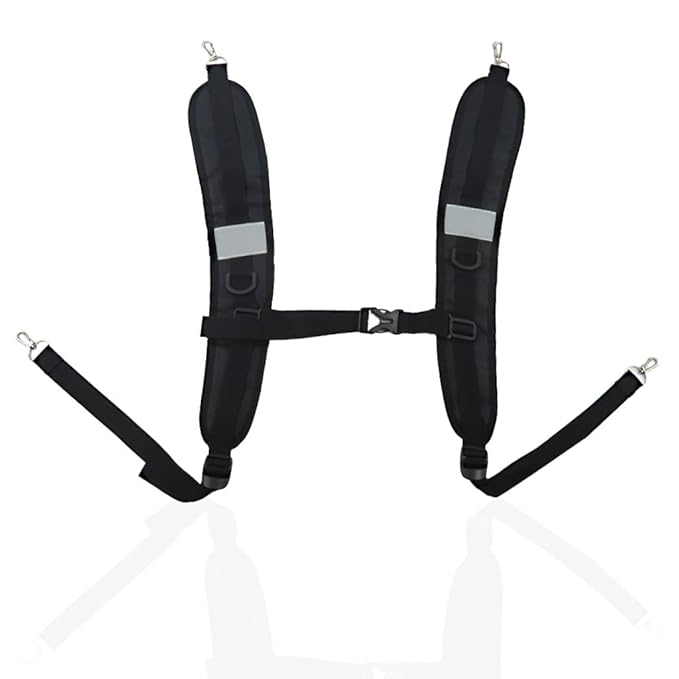
Decorative straps add weight without function. Extra webbing, leather, or fabric hangs loosely. They snag vegetation and gear. Load-bearing capability remains unchanged. Straps often serve aesthetic purposes. They add ounces with no practical benefit. In travel or outdoor use, excess straps increase drag and noise. Streamlined gear performs better. Decorative straps complicate movement and adjustment. Removing them improves efficiency. Gear functions properly without visual embellishment. Decorative straps project ruggedness while offering no mechanical advantage. Eliminating unnecessary straps reduces clutter, improves balance, and enhances comfort without sacrificing carrying capability or access to essential equipment.
Novelty Survival Items
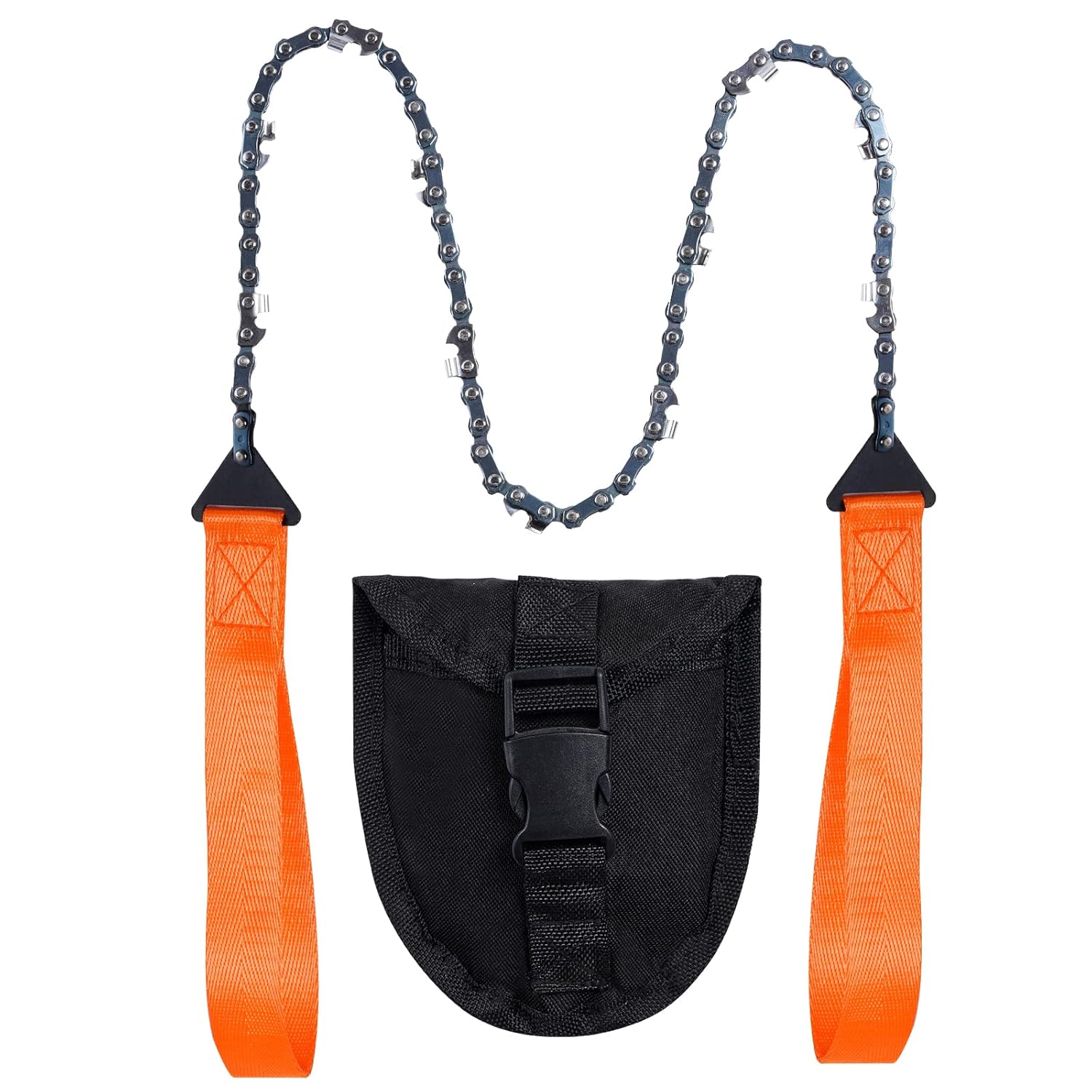
Novelty survival items add weight without reliability. Credit card tools, mini saws, and gimmicks rarely perform well. Materials lack strength. Designs sacrifice usability for size. Real tools outperform novelty versions. Carrying them creates false confidence. Weight accumulates through multiple gimmicks. In emergencies, dependable tools matter. Novelty items break or fail under stress. Removing them improves load quality. True preparedness relies on proven equipment. Novelty survival items look clever but undermine readiness. They add mass while offering little capability, replacing meaningful function with marketing-driven design that fails when real demands arise.
Excessive Cable Organizers
Excessive cable organizers add weight without improving function. Multiple cases, clips, and wraps accumulate quickly. Electronics require minimal organization. Extra containers complicate access. Weight adds up across small items. Simple solutions work best. Overorganization creates clutter. In travel or daily carry, streamlined setups reduce frustration. Bulky organizers protect nothing critical. Removing them frees space and reduces mass. Cables remain functional without elaborate storage. Excessive organizers suggest preparedness but hinder efficiency. Simplifying electronic carry improves access, reduces weight, and maintains capability without unnecessary accessories designed more for appearance than actual utility.