Survival advice spreads easily, especially in movies, social media, and casual storytelling. Unfortunately, many widely repeated wilderness “rules” oversimplify complex situations or ignore critical realities. What sounds clever around a campfire can become dangerously misleading when applied in real outdoor emergencies. Wilderness survival depends on judgment, preparation, adaptability, and understanding how the environment actually behaves. Conditions rarely match cinematic portrayals, and mistakes often compound quickly when resources are limited. Believing inaccurate guidance can lead to poor decisions that worsen risk rather than reduce it. The following myths represent common misconceptions that appear convincing but may cause serious trouble when taken literally. Recognizing these misunderstandings can dramatically improve safety, confidence, and practical decision-making in unpredictable outdoor scenarios.
1. Fire Is Always Your First Priority
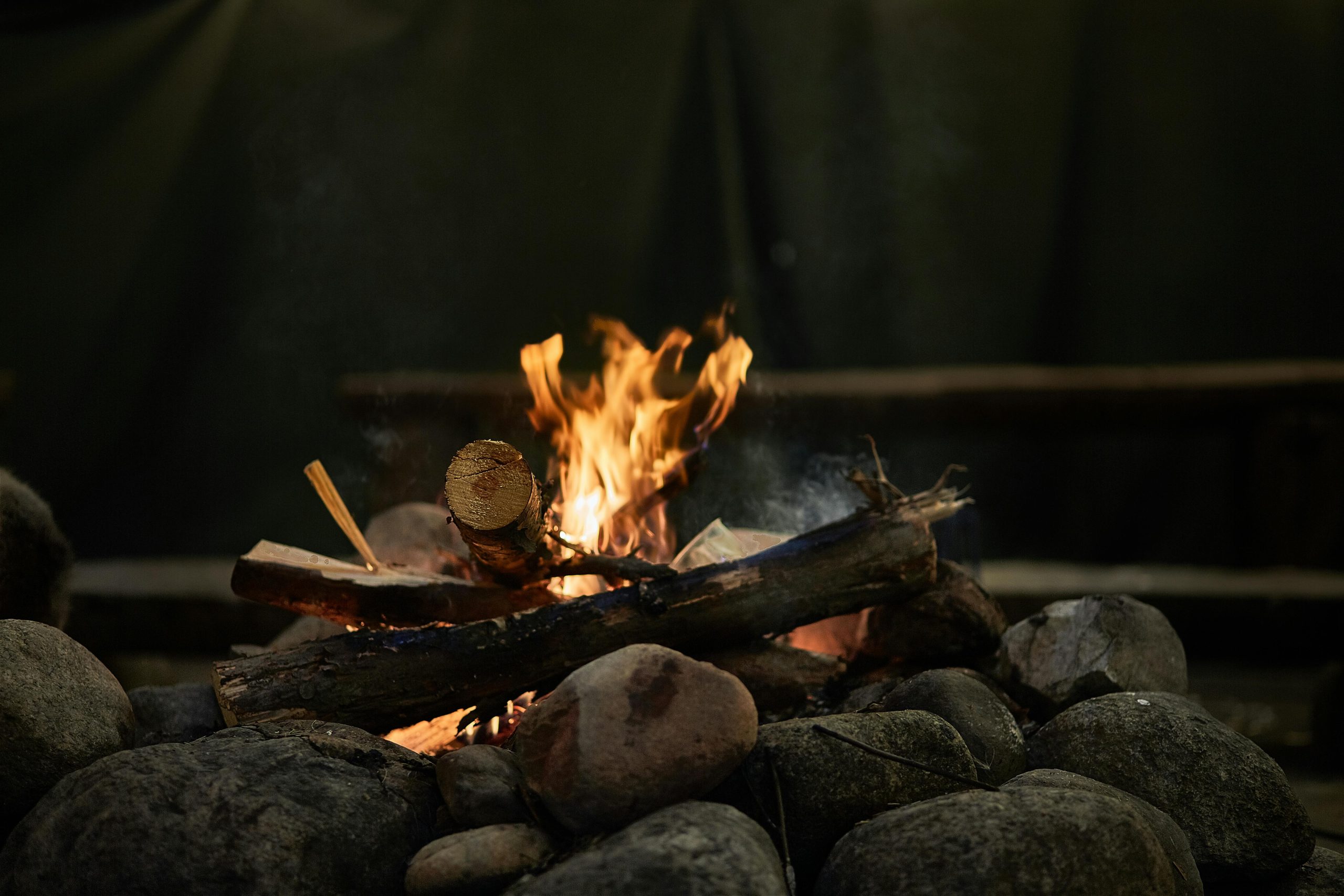
Fire is undeniably valuable for warmth, signaling, and morale, yet treating it as an automatic first step can mislead inexperienced adventurers. Environmental conditions, physical state, daylight, and available resources all influence priorities. In some situations, shelter or medical attention matters far more urgently. Hypothermia risk, approaching darkness, or injury may demand immediate protection rather than ignition attempts. Fixating on fire can waste energy and time when other dangers escalate rapidly. Successful survival strategies depend on evaluating context rather than following rigid sequences. Fire remains important, but flexible judgment determines when it truly becomes critical. Wilderness scenarios reward situational awareness, not automatic adherence to generalized rules.
2. You Can Drink Water From Any Clear Stream

Crystal clear water often creates a false sense of safety. Visual clarity does not guarantee the absence of pathogens, parasites, or contaminants. Many harmful microorganisms remain invisible, even in pristine-looking sources. Consuming untreated water can trigger severe illness, rapidly weakening physical capacity. Wilderness survival demands maintaining strength and hydration without introducing preventable health risks. Filtration, purification tablets, or boiling provide essential safeguards. Assuming natural appearance equals safety may lead to dangerous consequences. Reliable hydration strategies depend on treatment rather than guesswork. Clear streams may look inviting, yet proper precautions remain vital for long-term well-being.
3. Food Is More Important Than Water
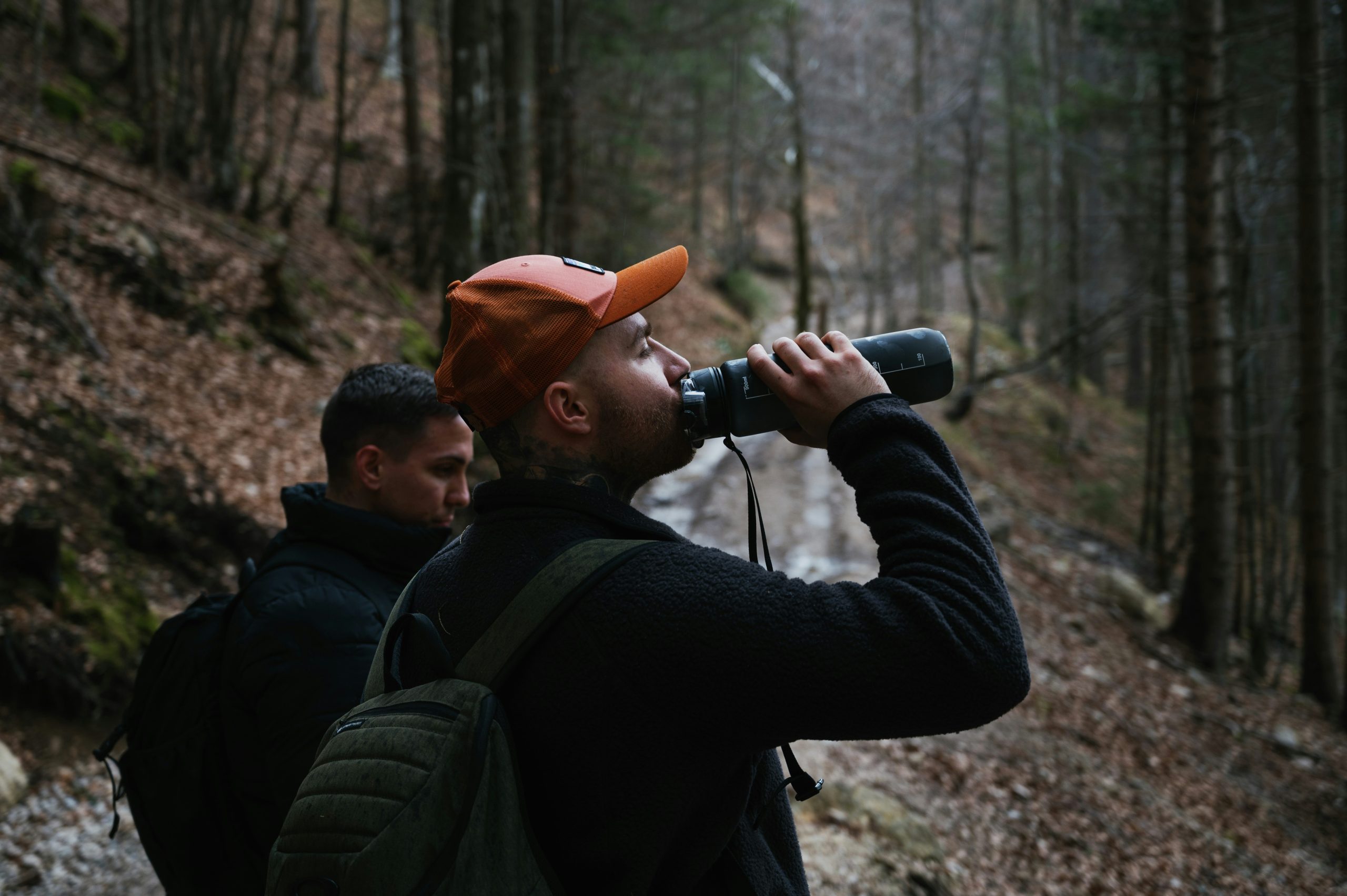
Popular narratives frequently exaggerate the urgency of food scarcity. In reality, dehydration presents a far more immediate threat than hunger. The human body tolerates calorie deficits longer than fluid deprivation. Misplaced focus on foraging can drain energy better spent securing water or shelter. Attempting complex food gathering under stress may increase exposure and fatigue. Survival effectiveness depends on prioritizing physiological necessities realistically. Water acquisition and conservation typically dominate early concerns. Hunger discomfort can feel intense, yet hydration remains critical. Balanced understanding prevents misallocation of effort. Practical survival planning recognizes that energy management shapes endurance.
4. Wild Animals Are Your Biggest Threat

Fear of wildlife dominates many survival discussions, yet environmental factors statistically pose a greater risk. Exposure, weather shifts, dehydration, navigation errors, and accidents account for most wilderness emergencies. Excessive anxiety about animal encounters may distort decision-making. Avoidance behaviors or panic responses can introduce unnecessary hazards. Respectful awareness and proper food storage significantly reduce wildlife issues. Survival competence relies on managing controllable variables rather than dramatized fears. Wilderness safety centers on preparation and judgment. Animals rarely represent constant danger. Realistic risk assessment supports calmer, more effective choices.
5. Moss Always Grows on the North Side

Directional myths persist despite inconsistent reliability. Moss growth depends on moisture, shade, and microclimate rather than strict compass orientation. Relying solely on vegetation cues can mislead navigation efforts. Environmental variability undermines simplistic rules. Accurate orientation benefits from maps, compasses, and terrain awareness. Misinterpretation may compound disorientation. Survival navigation demands redundancy and verification. Visual shortcuts often lack consistency. Judgment improves through multiple reference points. Wilderness environments resist rigid assumptions.
6. You Should Suck Venom From Snake Bites

Outdated first aid techniques remain surprisingly persistent. Attempting to extract venom offers negligible benefit and may worsen tissue damage or infection risk. Modern guidance emphasizes immobilization and prompt medical attention. Misguided interventions can accelerate complications. Wilderness emergencies require evidence-based responses. Panic-driven actions frequently amplify harm. Accurate knowledge improves outcomes. Survival decisions benefit from updated medical understanding. Myths may sound decisive yet prove counterproductive.
7. Rubbing Frostbitten Skin Helps Recovery
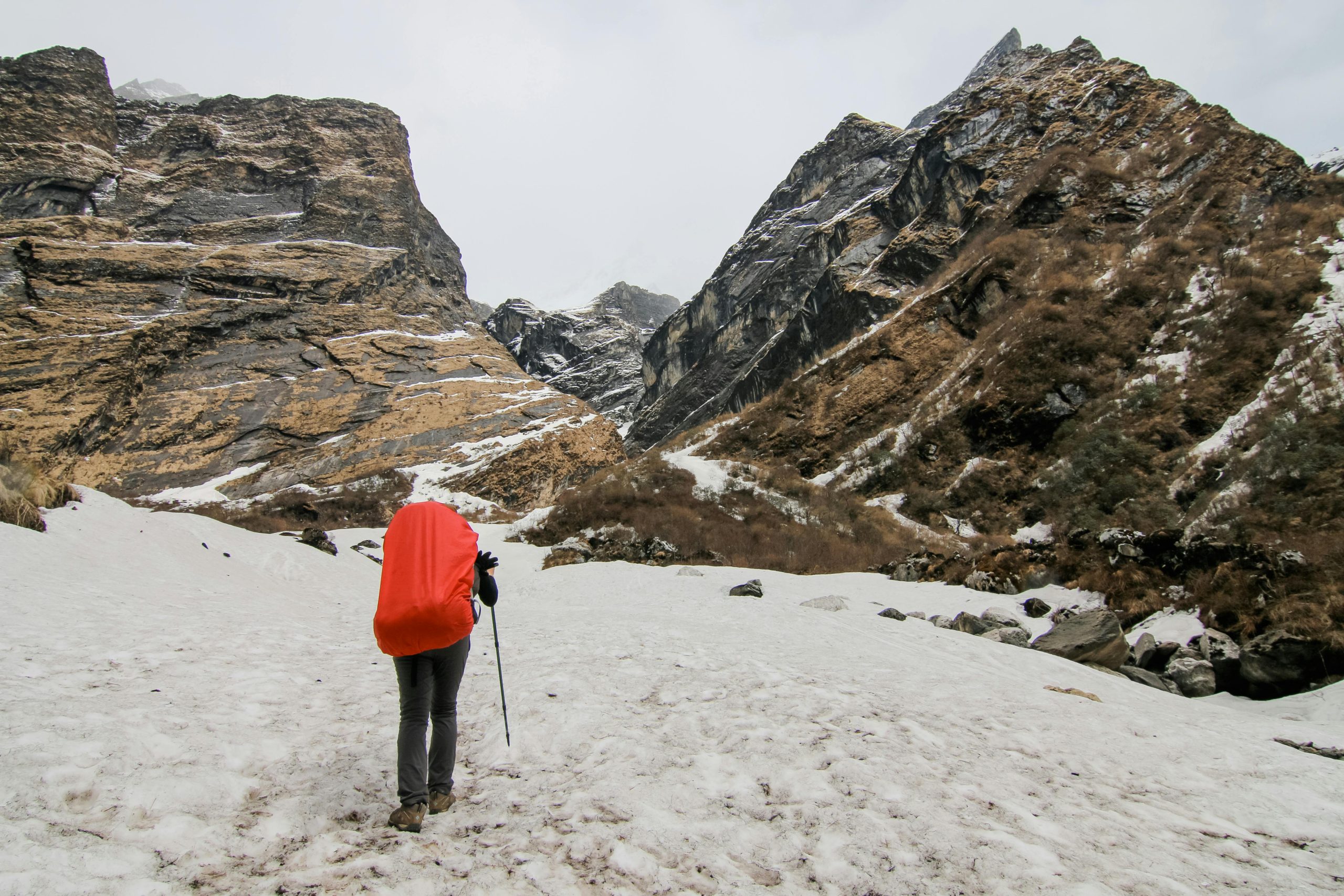
Friction applied to frostbitten tissue can intensify cellular damage. Frozen skin becomes highly vulnerable to mechanical injury. Proper care involves gradual warming and protection. Misconceptions about stimulation may worsen outcomes. Wilderness cold injuries demand cautious handling. Prevention remains ideal. Awareness reduces long term harm. Practical survival favors protective measures. Myths often underestimate physiological realities.
8. You Can Rely on Improvised Tools Alone
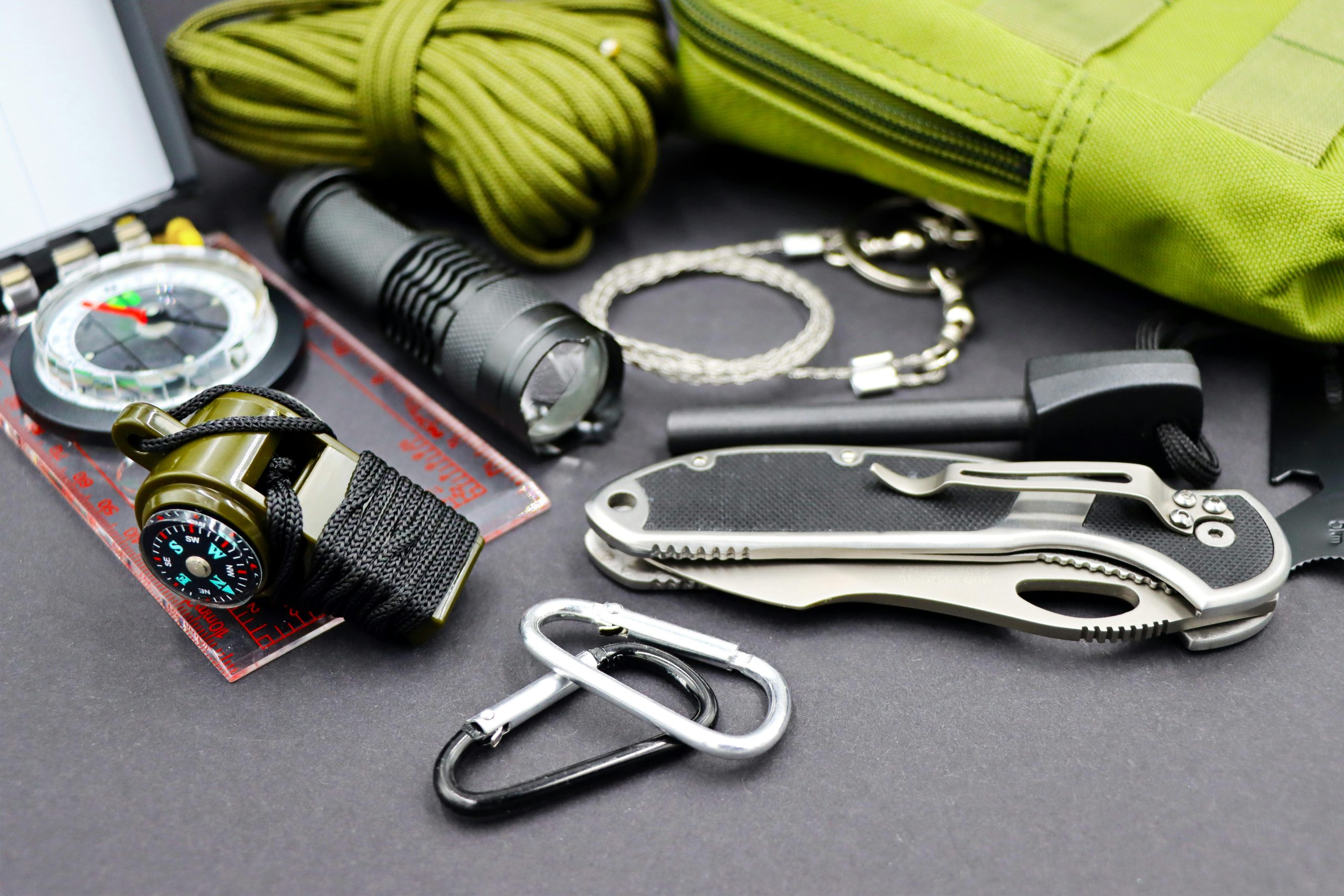
Improvisation plays a role in survival, yet overconfidence in makeshift solutions can create risk. Preparedness dramatically increases safety margins. Essential tools reduce uncertainty and effort. Improvised gear rarely matches the reliability of dedicated equipment. Wilderness planning benefits from redundancy. Efficiency matters during stress. Realistic expectations prevent disappointment. Tools support adaptability. Survival effectiveness depends on preparation.
9. Staying Put Is Always the Best Choice

Situational context determines optimal movement decisions. Remaining stationary may aid rescuers, but could increase exposure depending on hazards. Terrain, resources, and communication capabilities influence judgment. Blanket rules oversimplify dynamic scenarios. Survival strategy requires evaluation rather than assumption. Movement sometimes improves safety. Flexibility supports resilience. Environmental awareness guides decisions. No single rule universally applies.
10. Survival Skills Replace Preparation

Skill development enhances confidence, yet preparation remains irreplaceable. Equipment, planning, and knowledge function together. Overreliance on ability alone may introduce vulnerability. Wilderness safety stems from layered readiness. Skills support adaptation but do not eliminate uncertainty. Practical survival integrates foresight and competence. Balanced perspective prevents complacency. Preparation multiplies effectiveness. Judgment shapes outcomes.