
Choosing a first hunting rifle shapes confidence, safety, and long-term enjoyment. Beginners often gravitate toward rifles that look powerful, affordable, or impressive without understanding how those traits translate in the field. Some rifles amplify recoil, punish mistakes, or create legal and ethical problems for new hunters still learning fundamentals. Trouble rarely comes from bad intentions. It comes from poor fit, excessive power, unreliable platforms, or designs that demand advanced experience. Knowing which rifles tend to cause problems helps beginners avoid frustration, unsafe handling, and costly errors while building solid skills responsibly.
1. Ultra Lightweight Magnum Rifles
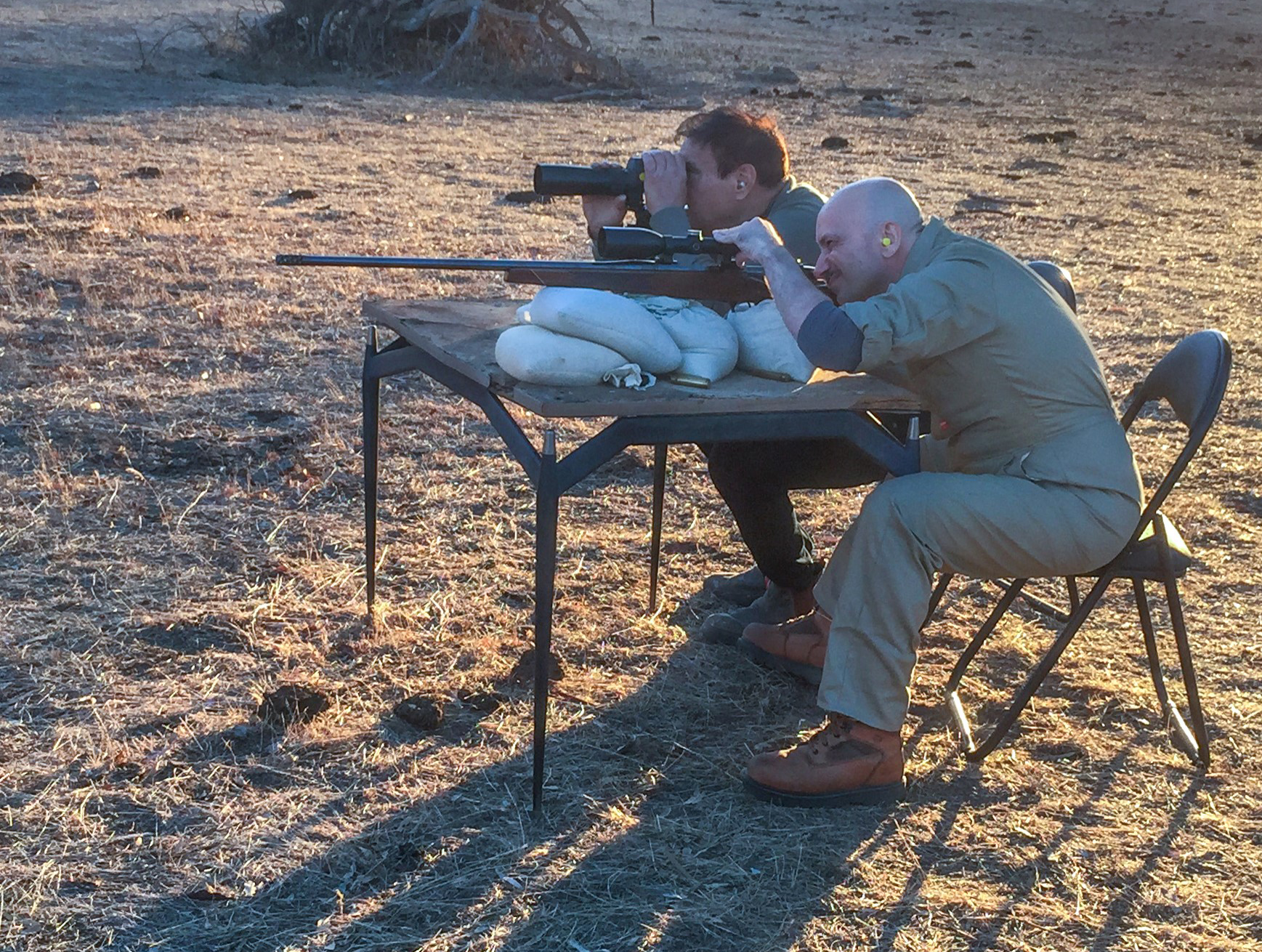
Extremely lightweight magnum rifles seem appealing because they are easy to carry, but they often create serious problems for beginners. Reduced weight increases felt recoil dramatically, making accurate shooting difficult and uncomfortable. New hunters develop flinching habits quickly when recoil feels sharp and unpredictable. Lightweight stocks also magnify muzzle jump, slowing follow-up shots. These rifles punish small technique errors and offer little forgiveness. Beginners often struggle to practice enough due to discomfort. While effective in expert hands, ultra-lightweight magnums demand recoil management skills that beginners have not yet developed.
2. Large Bore Dangerous Game Rifles
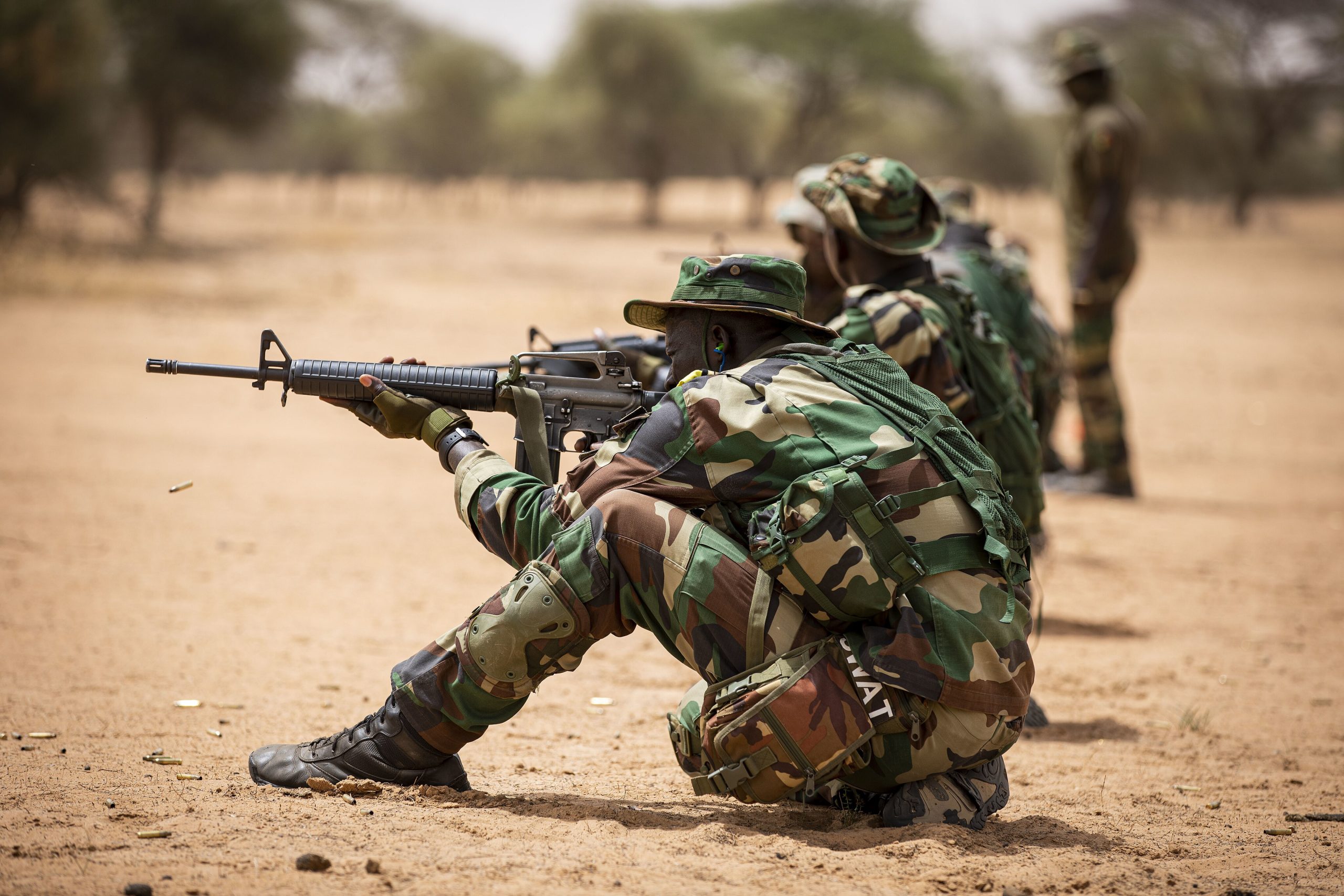
Large-bore rifles designed for dangerous game are completely unnecessary for most beginners and introduce avoidable risks. Heavy recoil, long actions, and expensive ammunition discourage proper practice. These rifles require precise handling and confidence to control safely. Beginners may feel overwhelmed by the blast and physical force. Overpowered cartridges increase the chance of poor shot placement. Many ranges restrict their use, limiting practice opportunities. These rifles also raise legal and ethical concerns for standard game. Choosing excessive power often reflects misunderstanding rather than preparedness.
3. Old Military Surplus Rifles

Military surplus rifles attract beginners with low prices and rugged appearance. However, many suffer from worn barrels, heavy triggers, and outdated safety designs. Accuracy can be inconsistent, leading to frustration and missed shots. Some use hard-to-find or corrosive ammunition that requires extra care. Stock dimensions often do not fit modern shooters well. Safety mechanisms may feel unfamiliar or stiff. Beginners struggle to diagnose whether misses come from skill or equipment. These rifles reward mechanical knowledge, not beginners learning basics.
4. Extremely Short Barreled Rifles
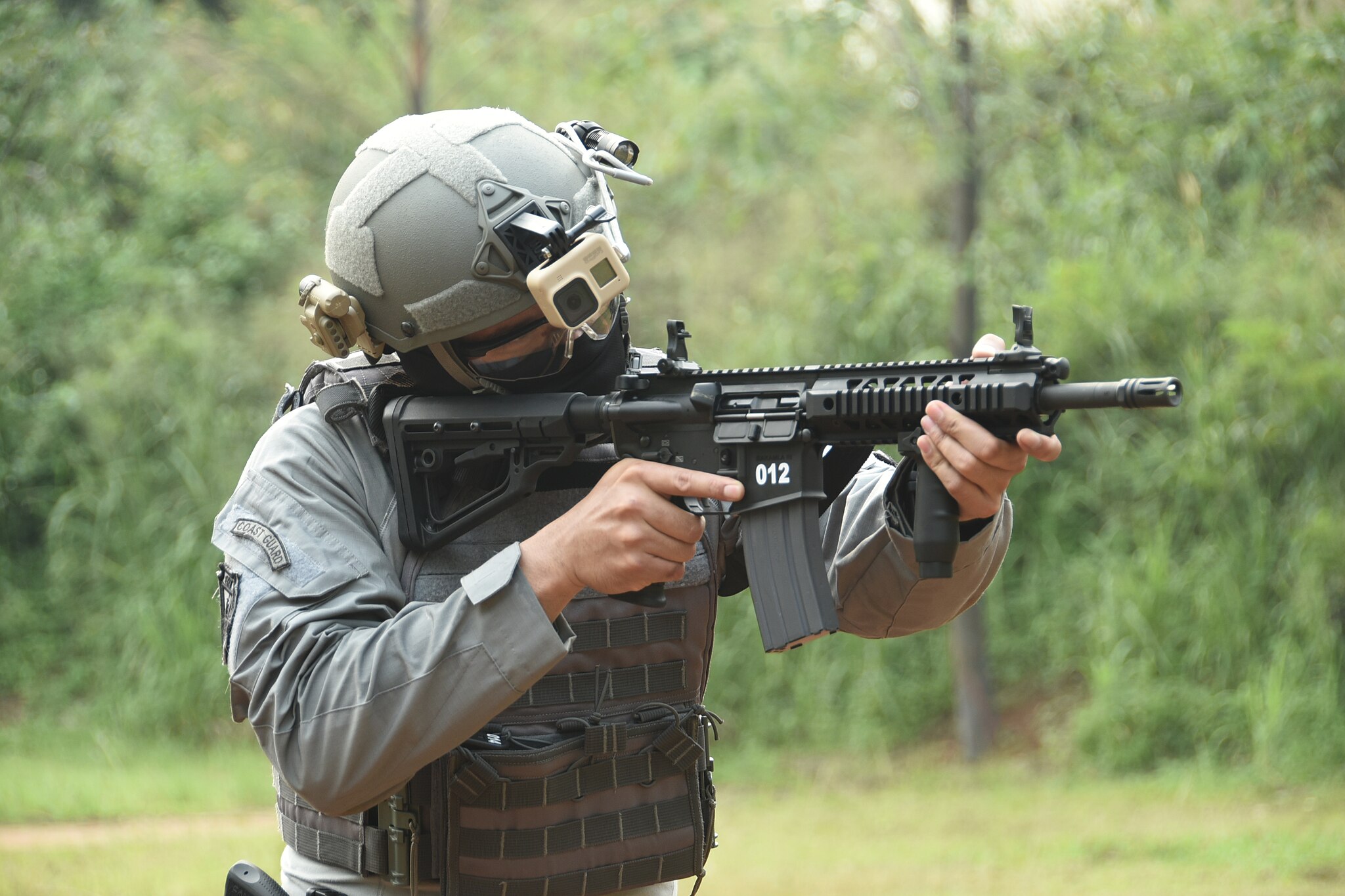
Short-barreled rifles promise easy handling in thick brush but often deliver excessive muzzle blast and reduced ballistic performance. Loud reports and sharp recoil startle new shooters and degrade accuracy. Short barrels reduce velocity, affecting ethical shot effectiveness at distance. Beginners may misjudge range and trajectory. These rifles demand careful ammo selection and precise shot placement. Noise and blast discourage practice and proper follow-through. While compact rifles have roles, they add complexity that beginners do not need.
5. Cheap Entry-Level Rifles With Poor Triggers
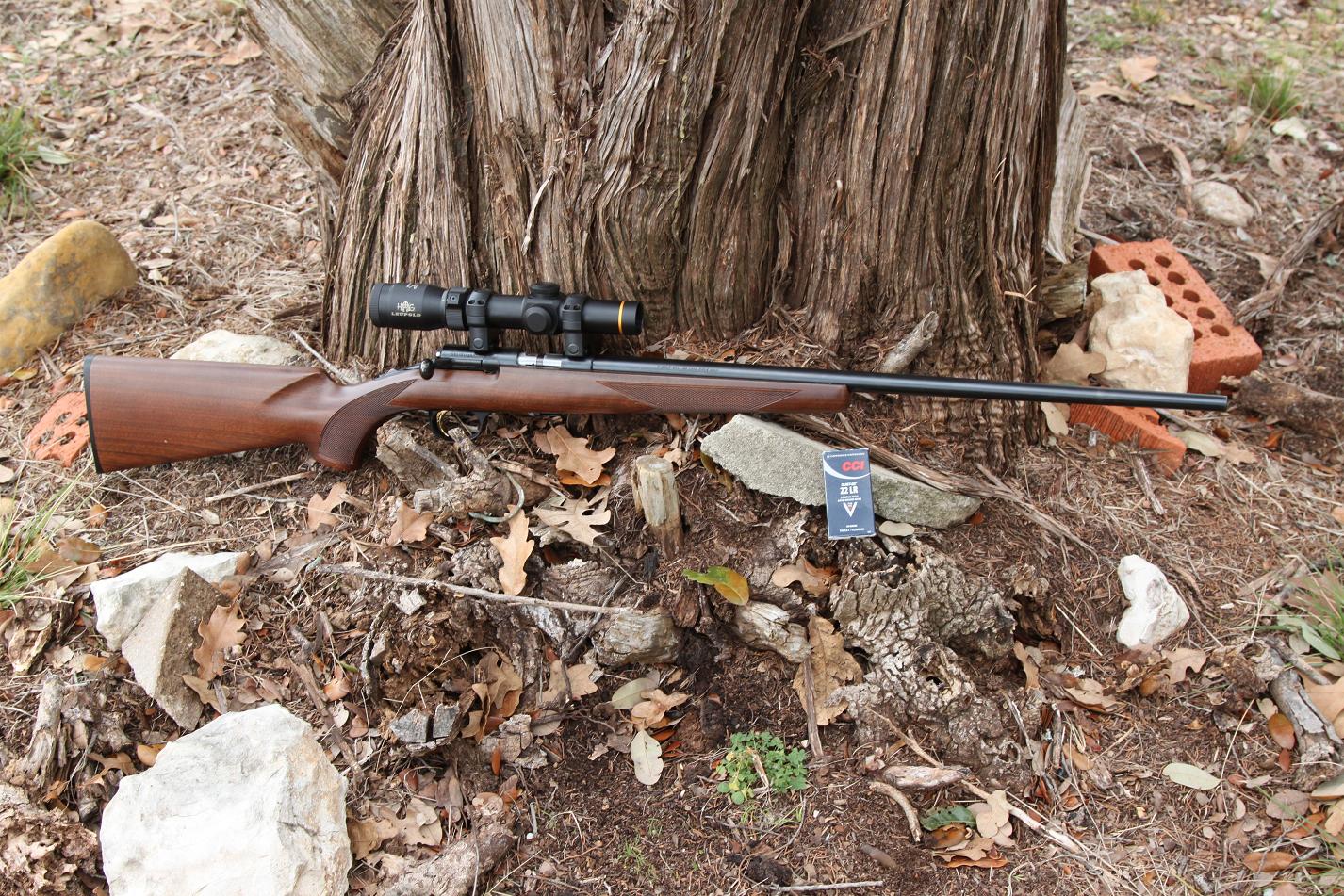
Low-cost rifles with heavy or inconsistent triggers create hidden problems for beginners. Poor trigger feel makes accurate shooting harder and teaches bad habits. Beginners compensate by jerking or anticipating shots. Accuracy suffers even at short distances. Cheap materials may also affect reliability and consistency. New hunters often blame themselves rather than the equipment. This slows learning and confidence-building. A manageable trigger is critical for skill development. Saving money upfront often costs more in frustration later.
6. High Recoil Straight Wall Cartridge Rifles
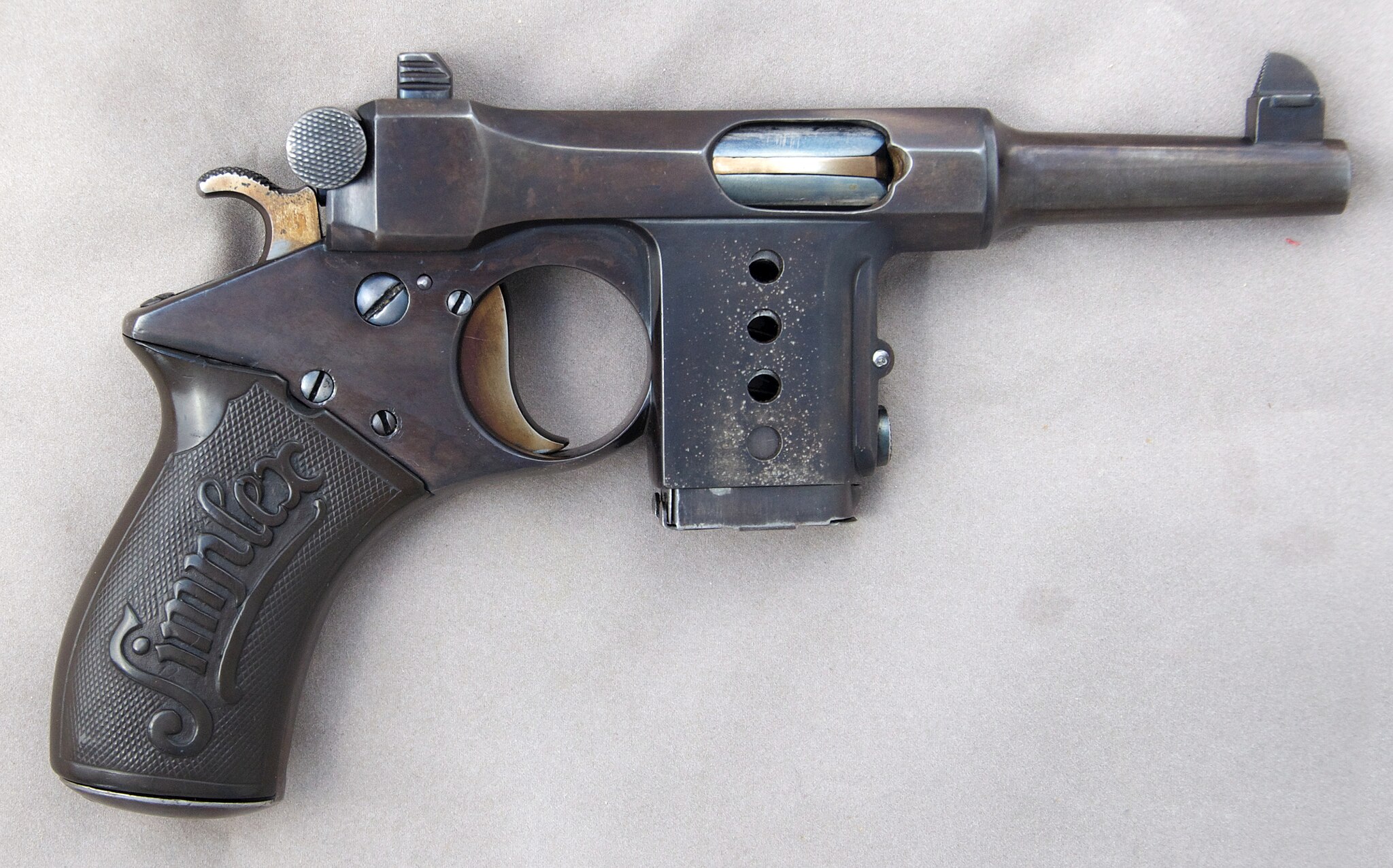
Some straight-wall cartridges are popular due to hunting regulations, but certain high-recoil versions are unforgiving for beginners. Sharp recoil combined with lighter rifles causes flinching and loss of control. These cartridges often have limited range windows, demanding precise distance judgment. Beginners still learning ballistics struggle to adapt. Ammunition availability can be limited or expensive. While legal in many zones, these rifles require careful understanding to use effectively. Beginners benefit from forgiving trajectories and manageable recoil instead.
7. Semi-automatic Hunting Rifles With Heavy Weight
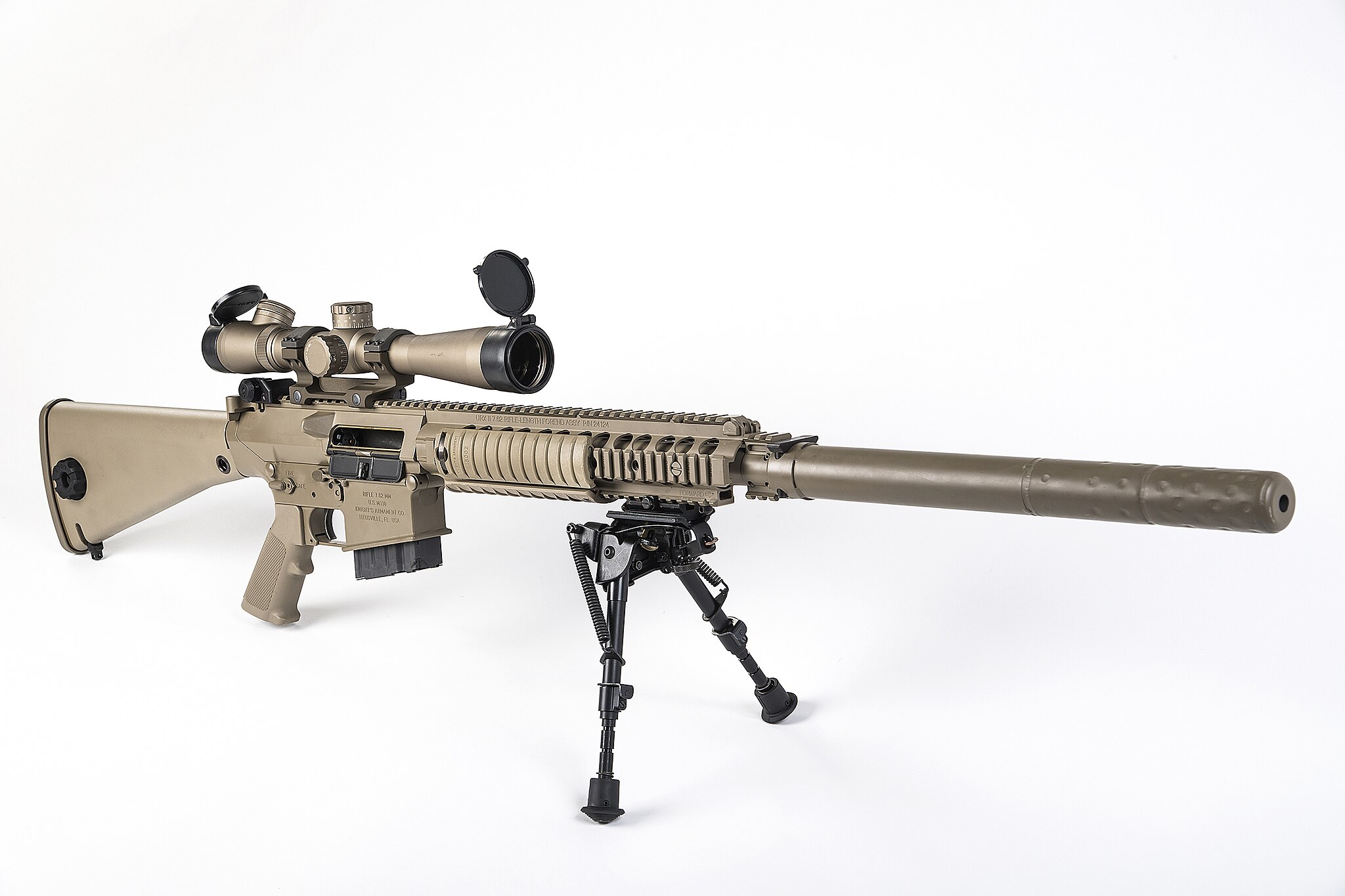
Heavy semi-automatic rifles appeal due to reduced recoil impulse, but they introduce other problems. Weight causes fatigue during long walks or still hunts. Beginners tire faster and lose focus. Complex controls increase handling errors. Maintenance is more involved than bolt actions. Some hunting areas restrict semi-automatic use. New hunters may rely on rapid fire mentality instead of disciplined shot placement. Learning fundamentals is harder when mechanics distract from the basics.
8. Extremely High Caliber Long Range Rifles
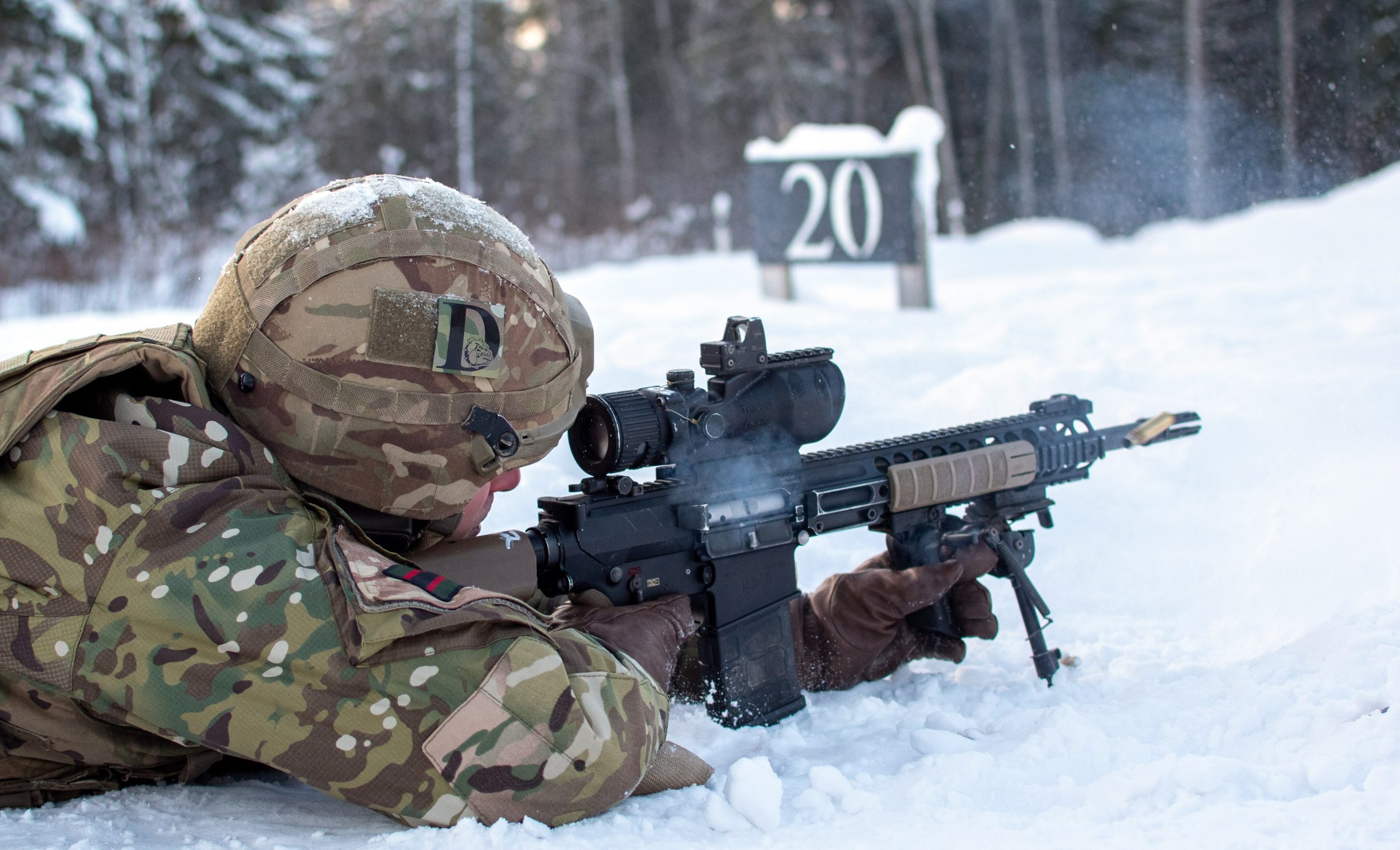
Long-range rifles chambered in extreme calibers promise distance capability but overwhelm beginners. Heavy recoil, long barrels, and complex optics setups require an advanced understanding. Beginners often lack the range access needed to practice properly. These rifles encourage unrealistic shooting expectations. Misses at long distances increase the risk of wounding. Wind reading and ballistic knowledge take time to develop. Starting with extreme long range setups often delays ethical hunting skills.
9. Obsolete or Rare Caliber Rifles
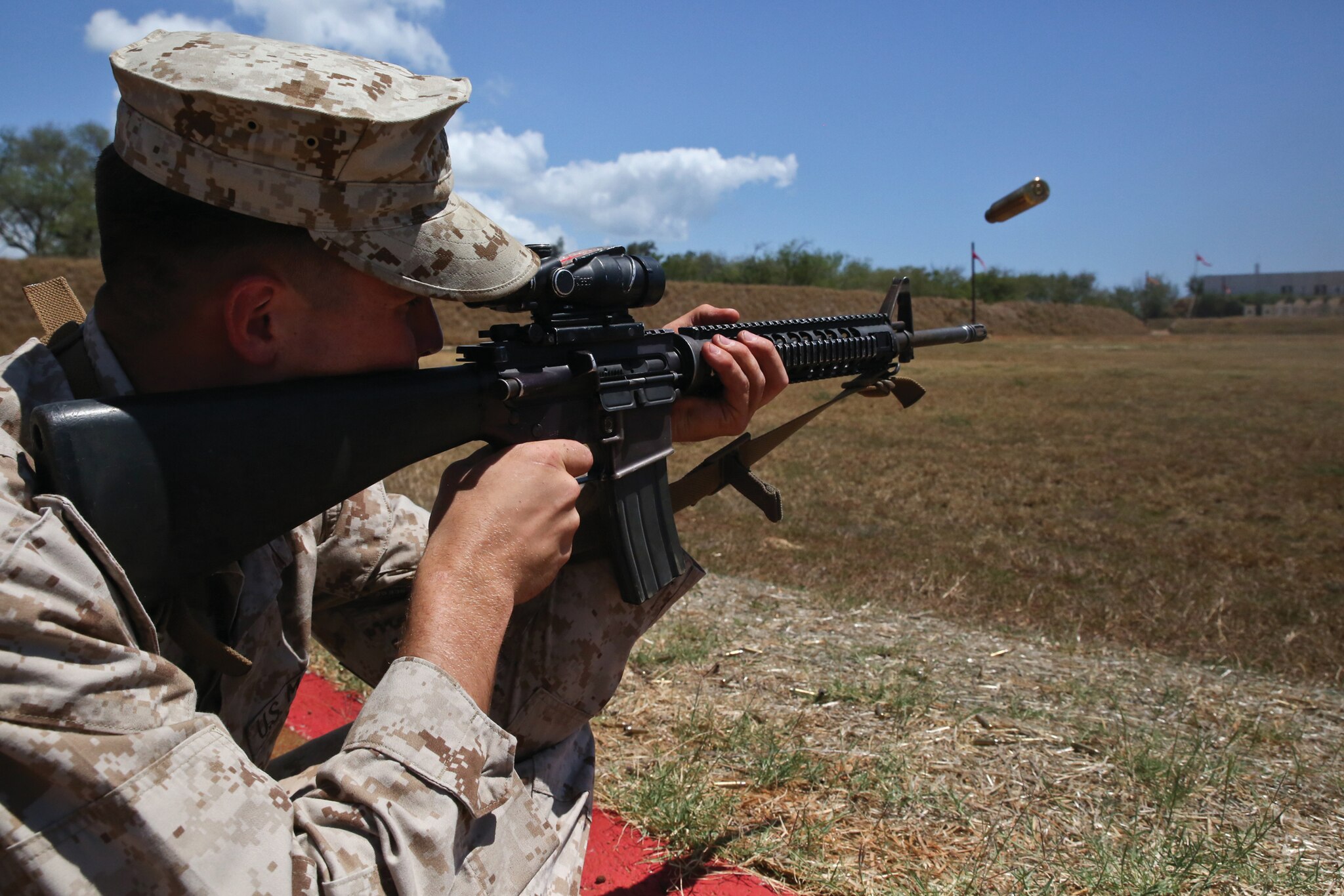
Rifles chambered in obsolete or rare calibers create supply and reliability issues. Ammunition is expensive or unavailable, limiting practice. Beginners cannot experiment with different loads. Gunsmith support may be limited. Zeroing and maintenance become harder. These rifles appeal to collectors more than learners. Consistency matters when building skills. Choosing a common caliber reduces barriers and allows focus on fundamentals rather than logistics.
10. Poorly Fitted Hand Me Down Rifles
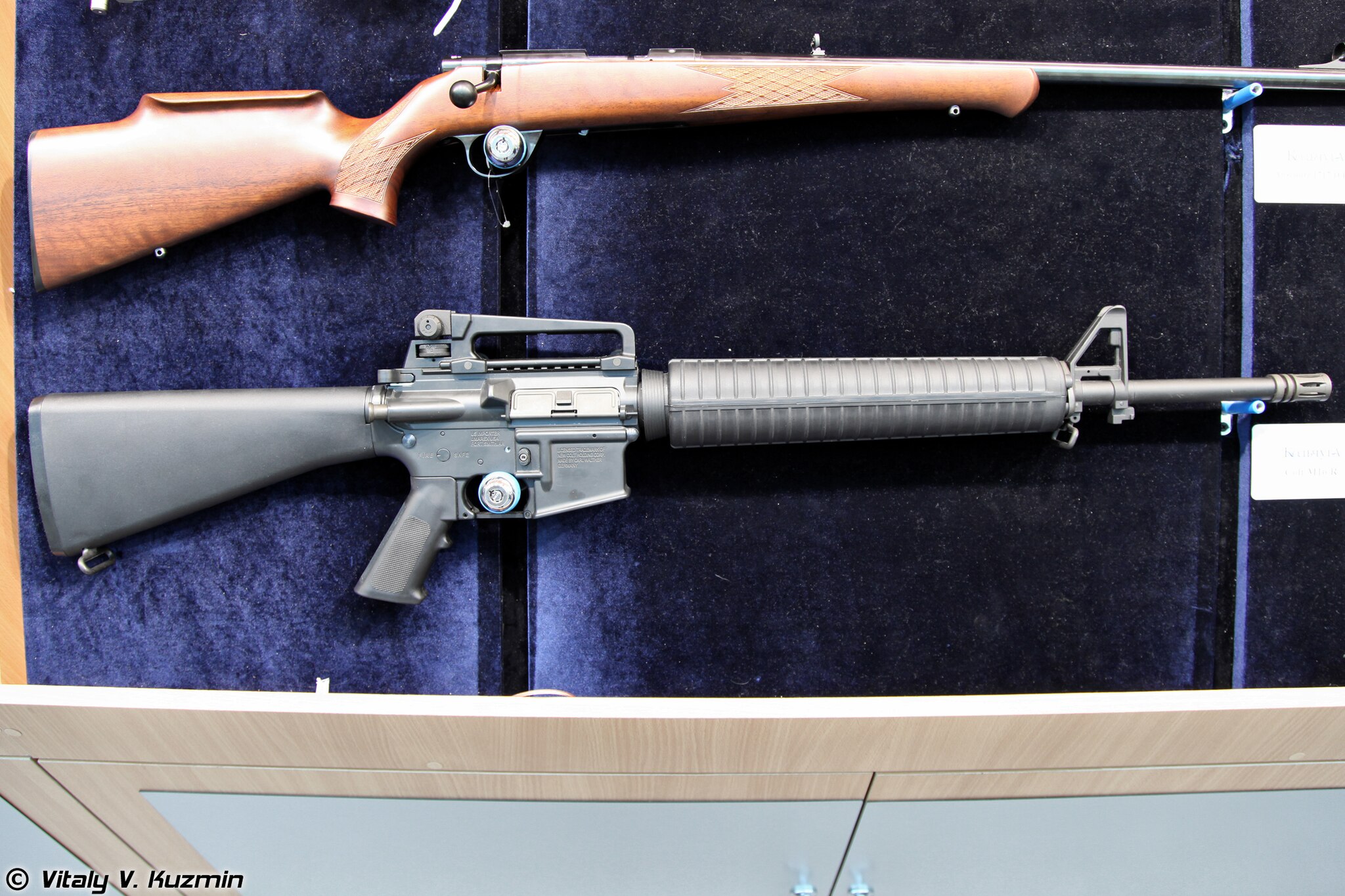
Hand-me-down rifles carry sentimental value but often fit poorly. Length of pull, stock shape, and sight alignment may not match the shooter. Poor fit increases recoil discomfort and reduces accuracy. Beginners struggle to build consistent shooting positions. Modifying older rifles can be expensive or impractical. Learning with an ill-fitting rifle slows progress. Proper fit builds confidence and safety. Tradition should not override practicality for beginners.