Outdoor firearms are often chosen based on reputation, price, or nostalgia rather than how they actually perform in rough conditions. Rain, dust, temperature swings, limited cleaning access, and uneven terrain expose weaknesses that never appear at the range. Many popular guns sound practical in theory, but struggle with reliability, weight, poor ergonomics, or limited effectiveness once taken into the field. Despite repeated complaints from experienced outdoorsmen, these firearms continue to sell because of hype, brand loyalty, or outdated advice. This list focuses on commonly purchased guns that consistently underperform outdoors, not because they are unsafe, but because better options exist. Each entry explains why these models disappoint when real-world conditions replace marketing promises.
1. Heritage Rough Rider .22 Revolver
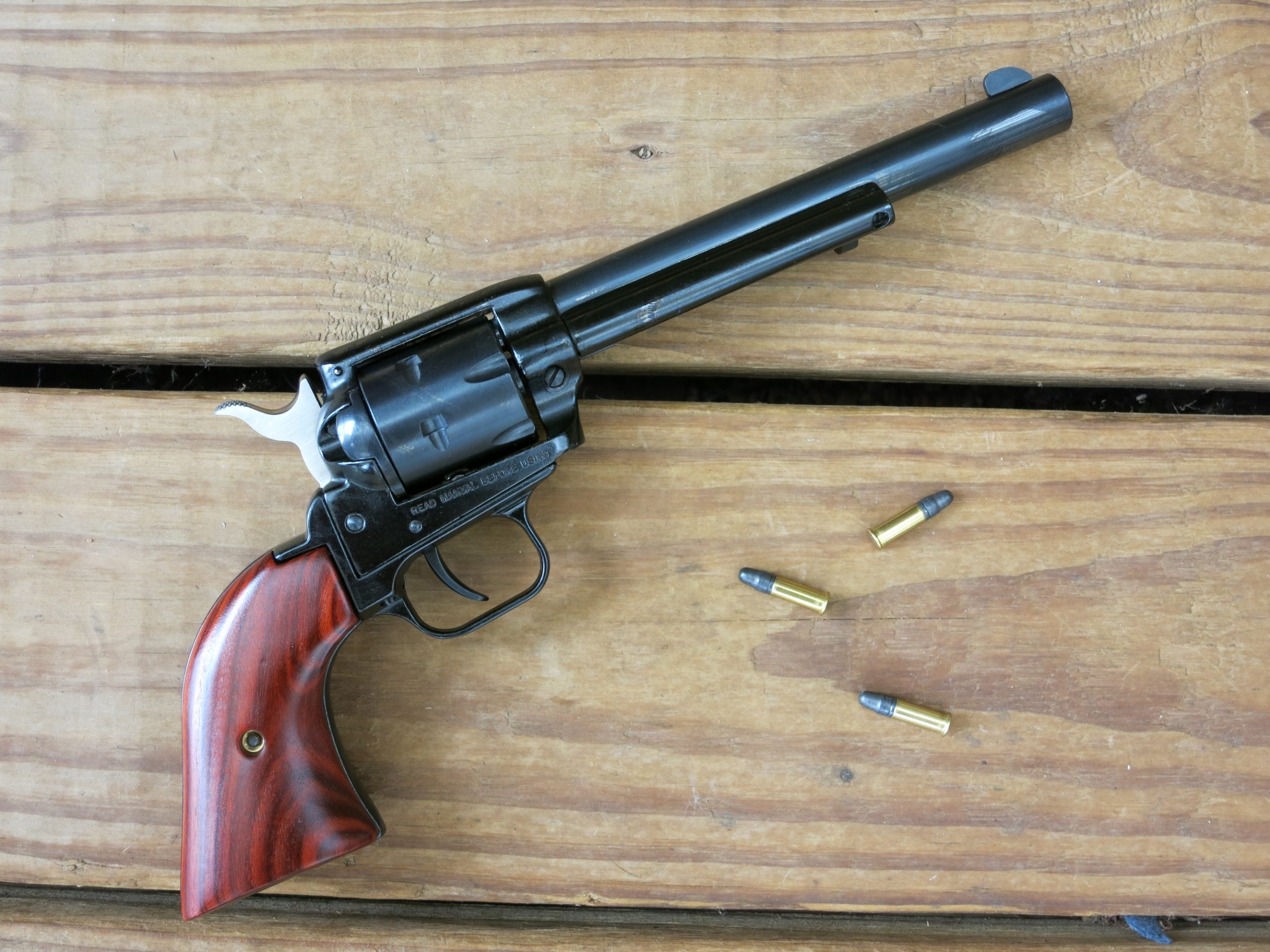
The Heritage Rough Rider is frequently recommended as an affordable outdoor plinker, but its weaknesses show quickly in real conditions. The rough internal finish often leads to stiff cylinder rotation once dust or moisture enters the action. Its manual safety, unusual for a revolver, can snag on gear or confuse users under stress. Accuracy varies widely between individual guns, and the fixed sights are often poorly regulated from the factory. The lightweight frame exaggerates felt recoil with hotter loads, reducing follow-up speed. While inexpensive and fun at the range, the Rough Rider demands frequent cleaning and patience, making it a frustrating companion on longer outdoor trips.
2. Kel-Tec Sub-2000
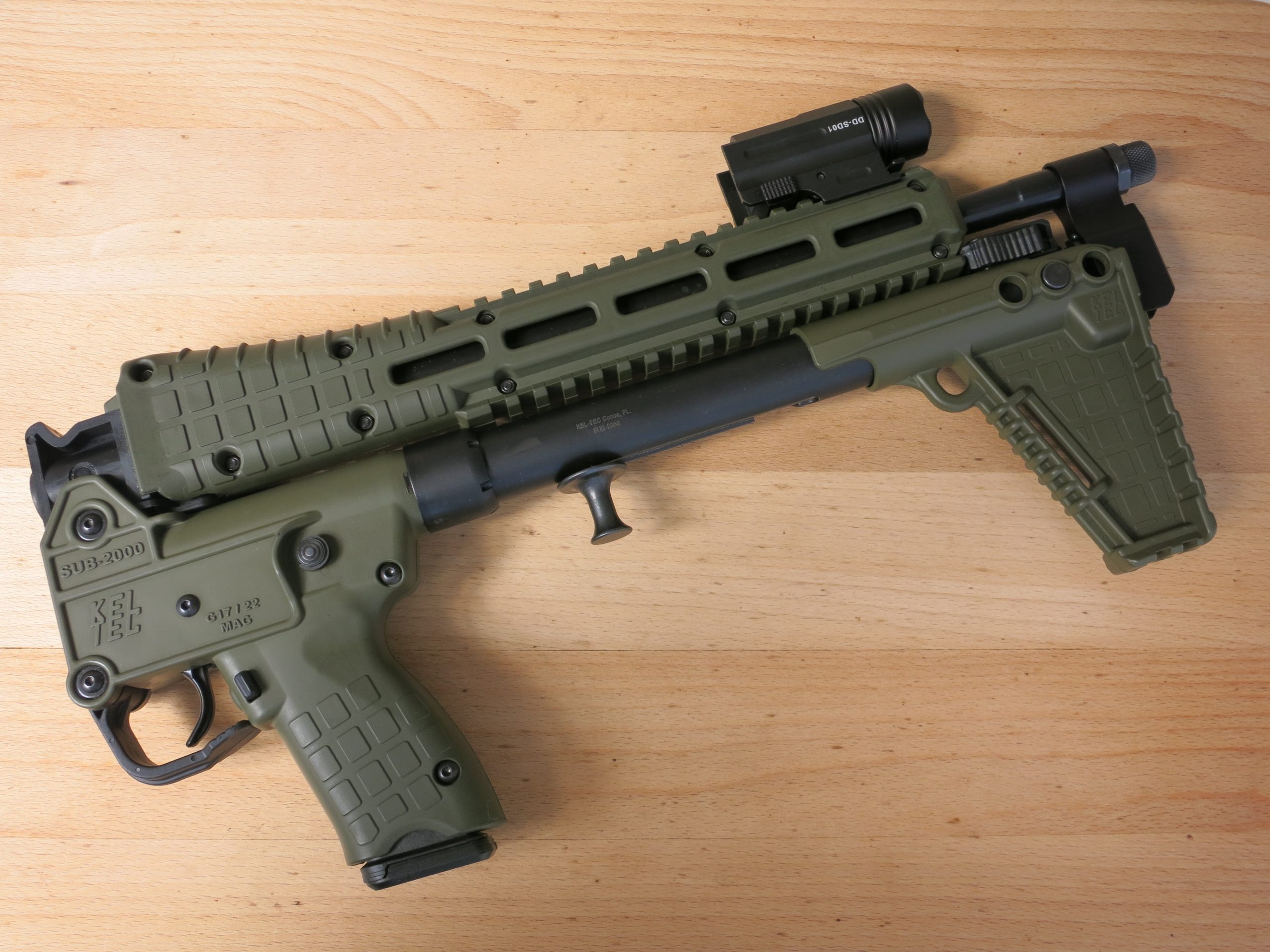
The Kel-Tec Sub-2000 attracts outdoor users with its folding design and lightweight, but those same features create problems in the field. The polymer construction flexes more than expected, especially in extreme heat or cold. Its blowback system produces sharp recoil and vibration, loosening optics and hardware over time. The charging handle and safety placement are awkward with gloves or cold hands. Reliability drops noticeably when exposed to dirt, as the action is not well sealed. While compact for transport, it is uncomfortable to shoot for extended sessions and lacks the durability needed for consistent outdoor abuse.
3. Taurus Judge
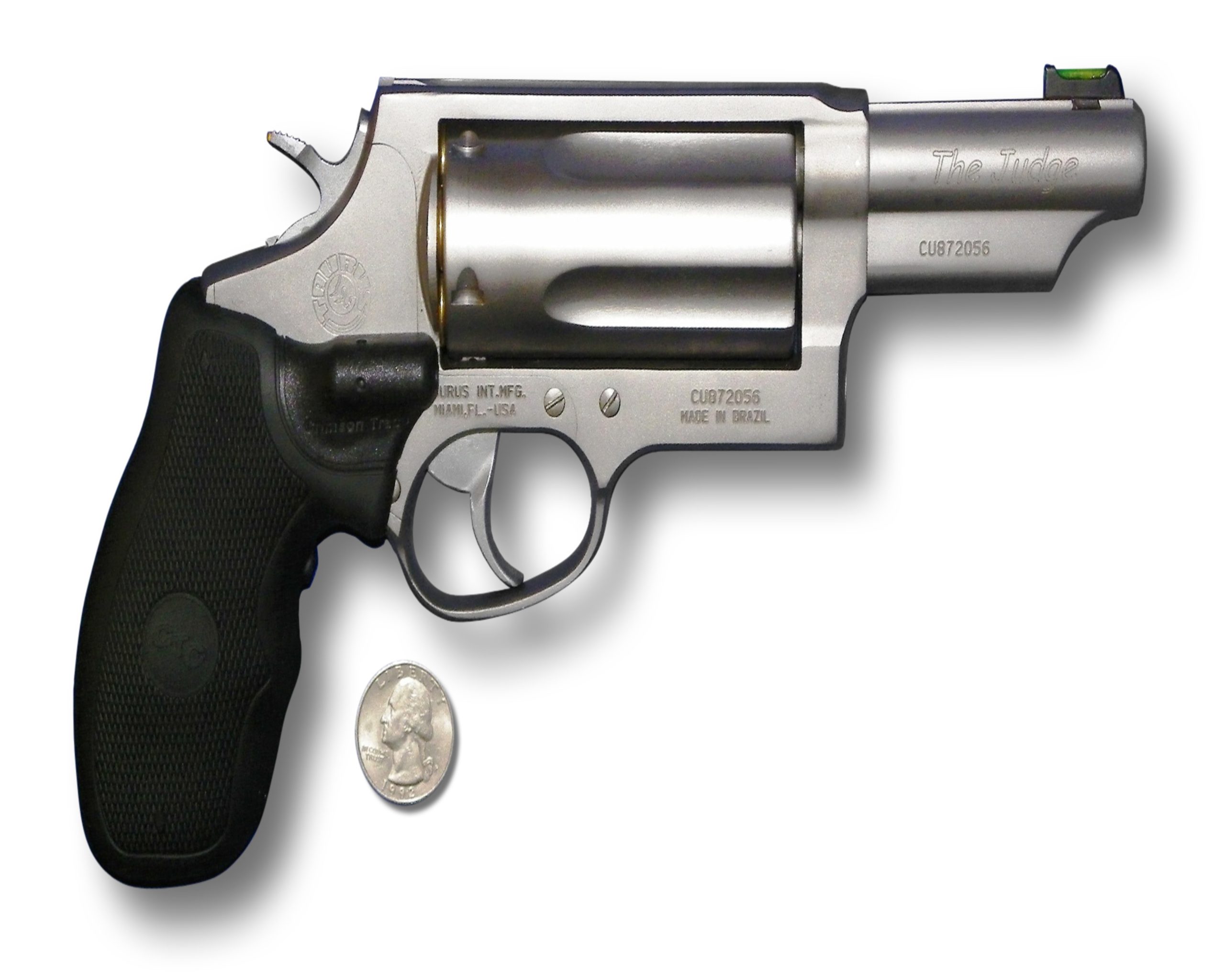
The Taurus Judge is marketed as a versatile outdoor revolver, but real-world use rarely matches expectations. .410 shotshells from a short barrel deliver limited penetration and inconsistent patterns, reducing effectiveness against animals. When firing .45 Colt, accuracy suffers due to the long, unrifled chamber section. The bulky cylinder makes the gun heavy and awkward to carry on the hip for long periods. Recoil is sharp and unpleasant with defensive loads. Reliability varies between samples, and the gun’s size-to-performance ratio leaves many users disappointed once the novelty wears off outdoors.
4. Henry AR-7 Survival Rifle
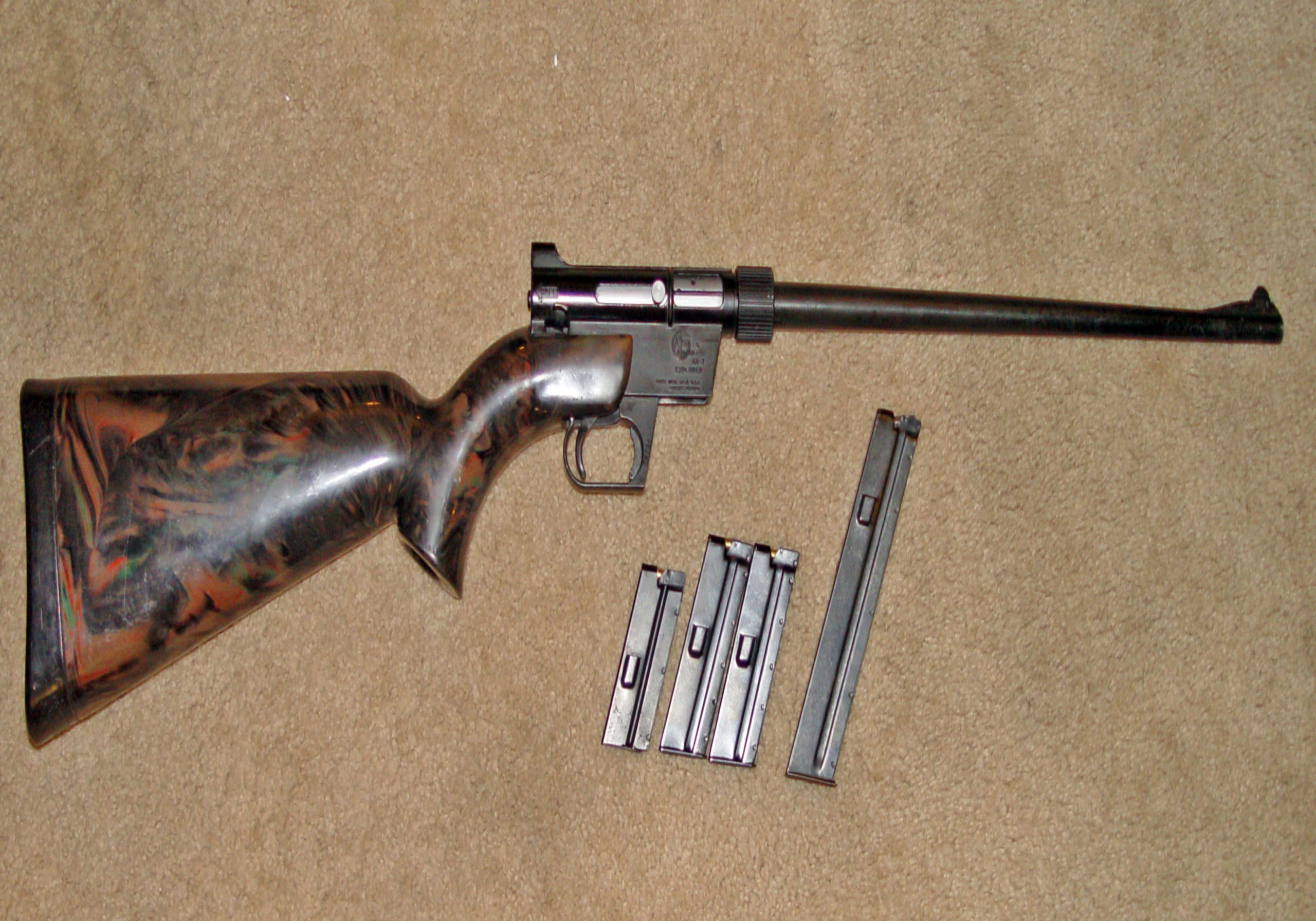
The Henry AR-7 is designed as a survival rifle, yet it struggles with basic outdoor reliability. Its lightweight construction makes it sensitive to wind and difficult to shoot accurately beyond short distances. Magazines are prone to feeding issues, especially when dirty or worn. The takedown design allows debris into critical areas during assembly in the field. The trigger is heavy and inconsistent, reducing practical accuracy. While compact for storage, the AR-7 requires careful handling and clean ammunition to function well, making it less dependable than many standard .22 rifles outdoors.
5. Mossberg 590 Shockwave
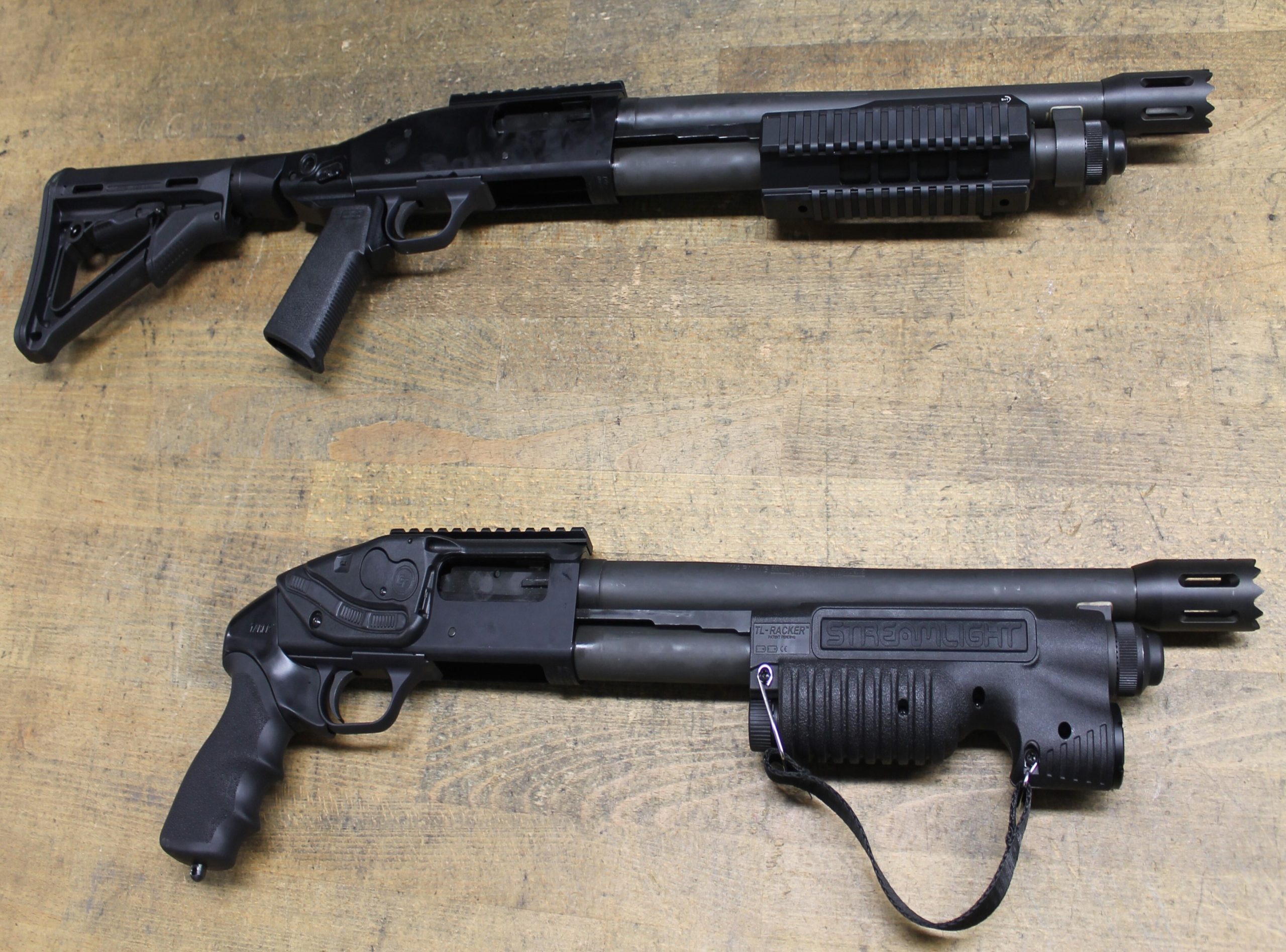
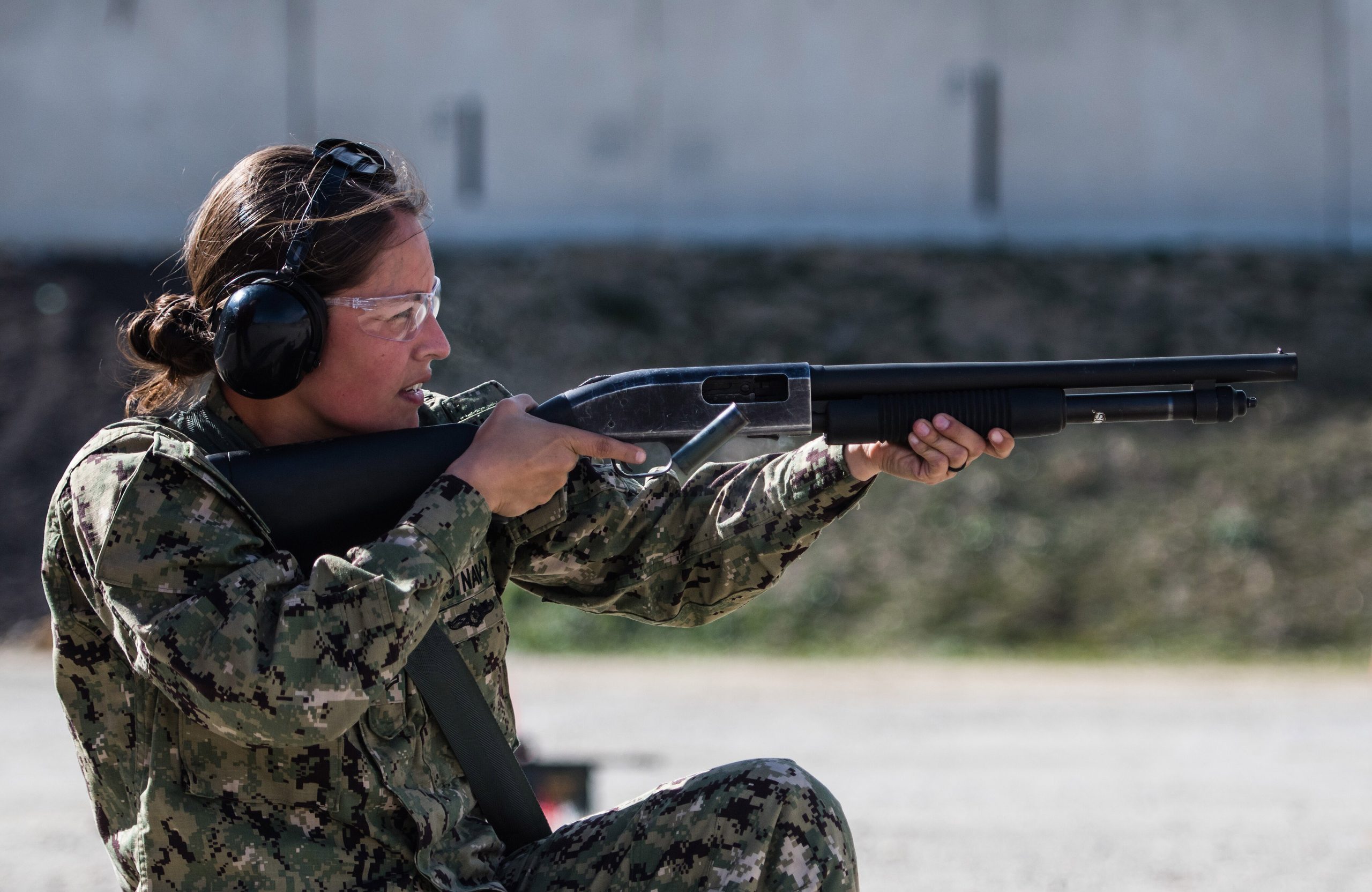
The Mossberg 590 Shockwave looks rugged and powerful, but it is poorly suited for outdoor utility. The short barrel and lack of a stock make accurate shooting difficult beyond close range. Recoil is harsh, especially with heavier loads, quickly fatiguing the shooter. Its overall length and weight make it awkward to carry on foot for extended periods. Reloading while maintaining control is challenging, particularly in uneven terrain. While reliable mechanically, the Shockwave sacrifices practicality for novelty, leaving users with a loud, punishing tool that offers little versatility outdoors.
6. Hi-Point C9
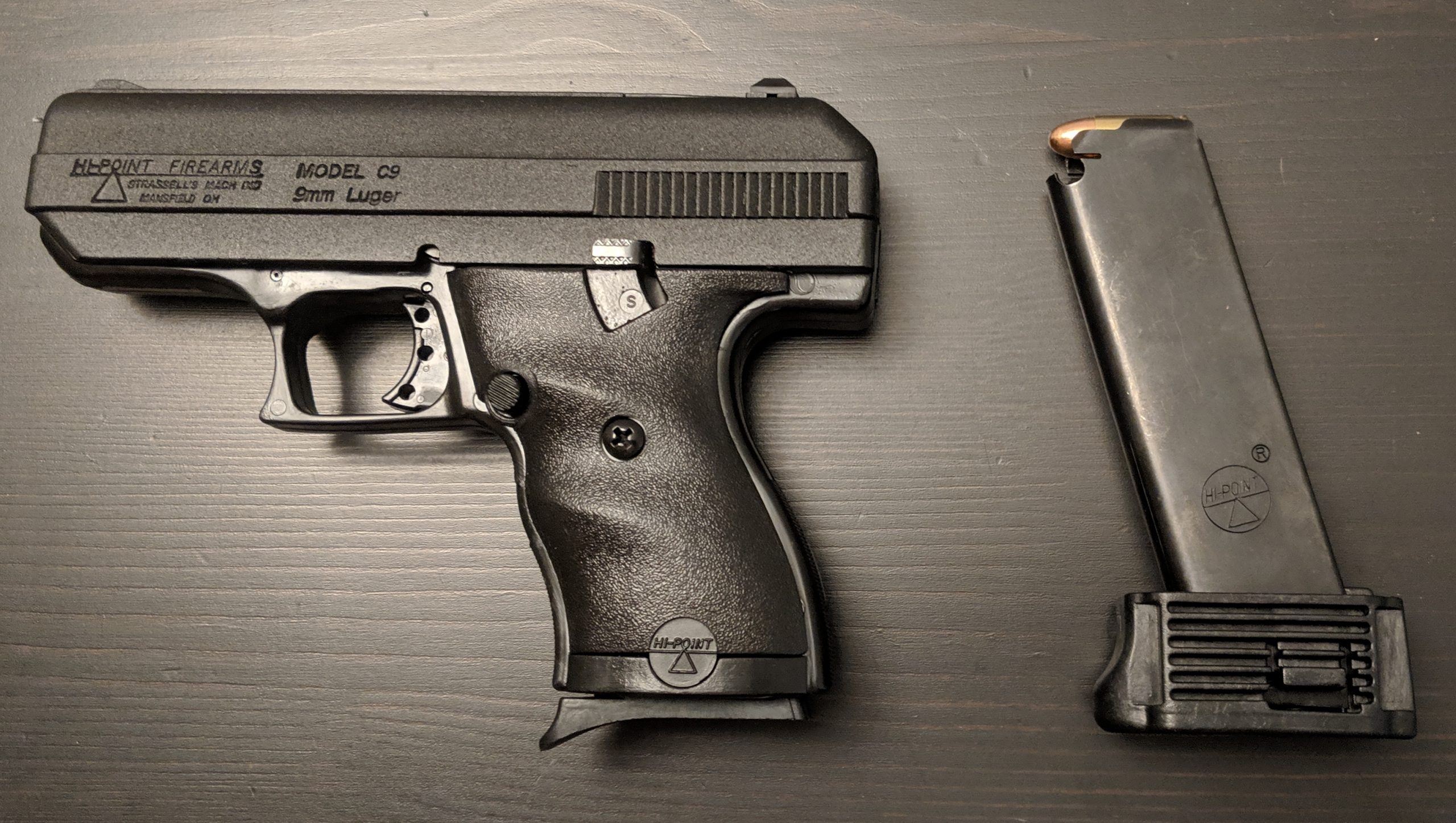
The Hi-Point C9 is often chosen for its low cost, but that affordability comes with outdoor drawbacks. Its heavy slide makes the pistol bulky and uncomfortable for hiking or prolonged carry. The blowback design increases felt recoil and wear. Magazine capacity is limited, and spare magazines are awkward to carry. The pistol functions best when clean, yet its design attracts dirt and moisture easily. While surprisingly accurate at short range, the C9’s weight, slow handling, and inconsistent reliability under harsh conditions make it a poor choice for outdoor use.
7. Rossi Circuit Judge
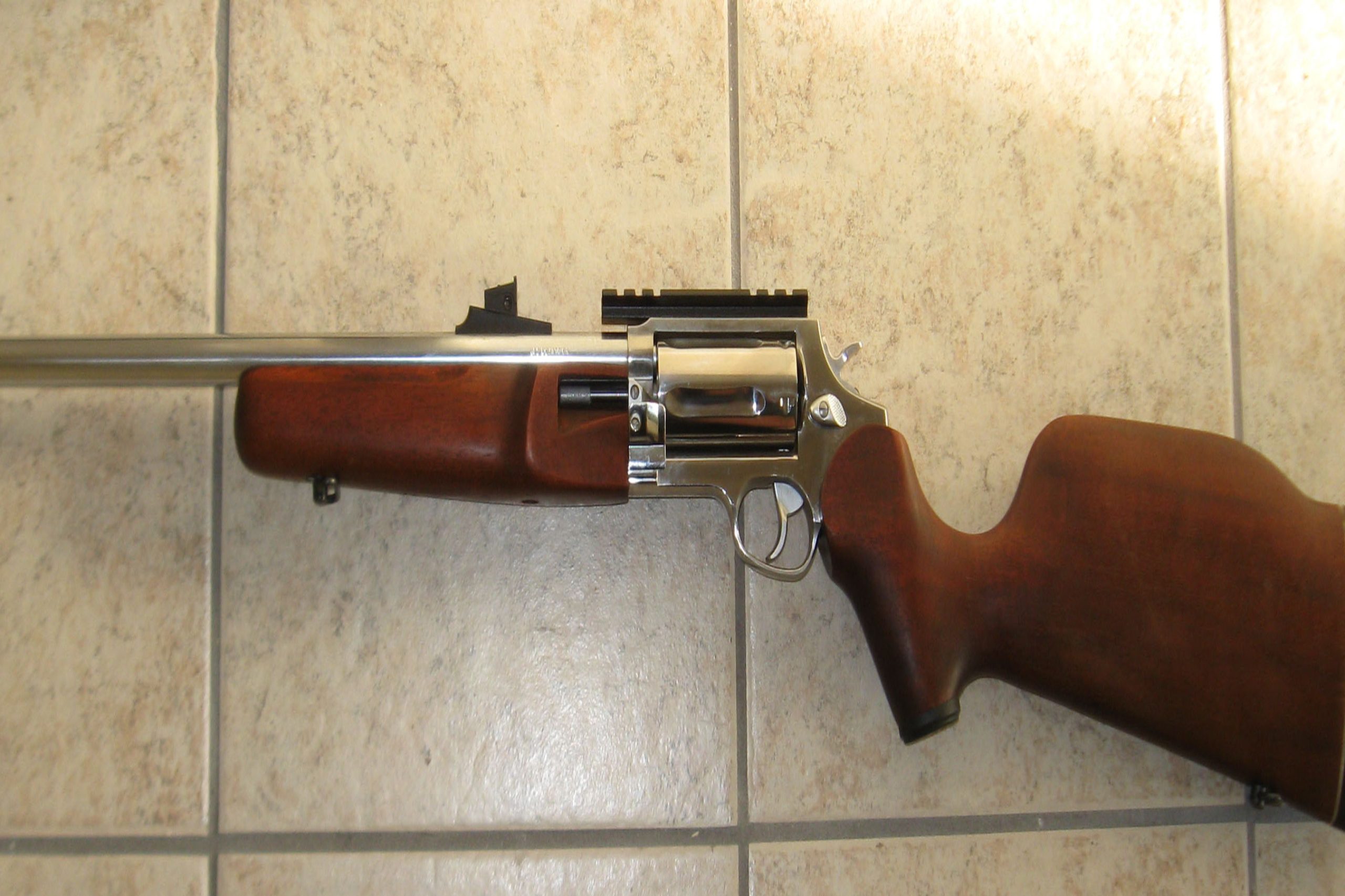
The Rossi Circuit Judge attempts to combine a rifle and revolver, but ends up excelling at neither. The revolving cylinder creates a noticeable gap that vents gas, reducing velocity and increasing noise near the shooter’s face. Accuracy suffers compared to traditional rifles due to cylinder alignment inconsistencies. The gun is heavy for its limited performance and awkward to balance. Reloading is slow, especially with gloves. Outdoors, the Circuit Judge feels overcomplicated and underpowered, offering novelty instead of dependable function when conditions demand simplicity.
8. North American Arms Mini Revolver
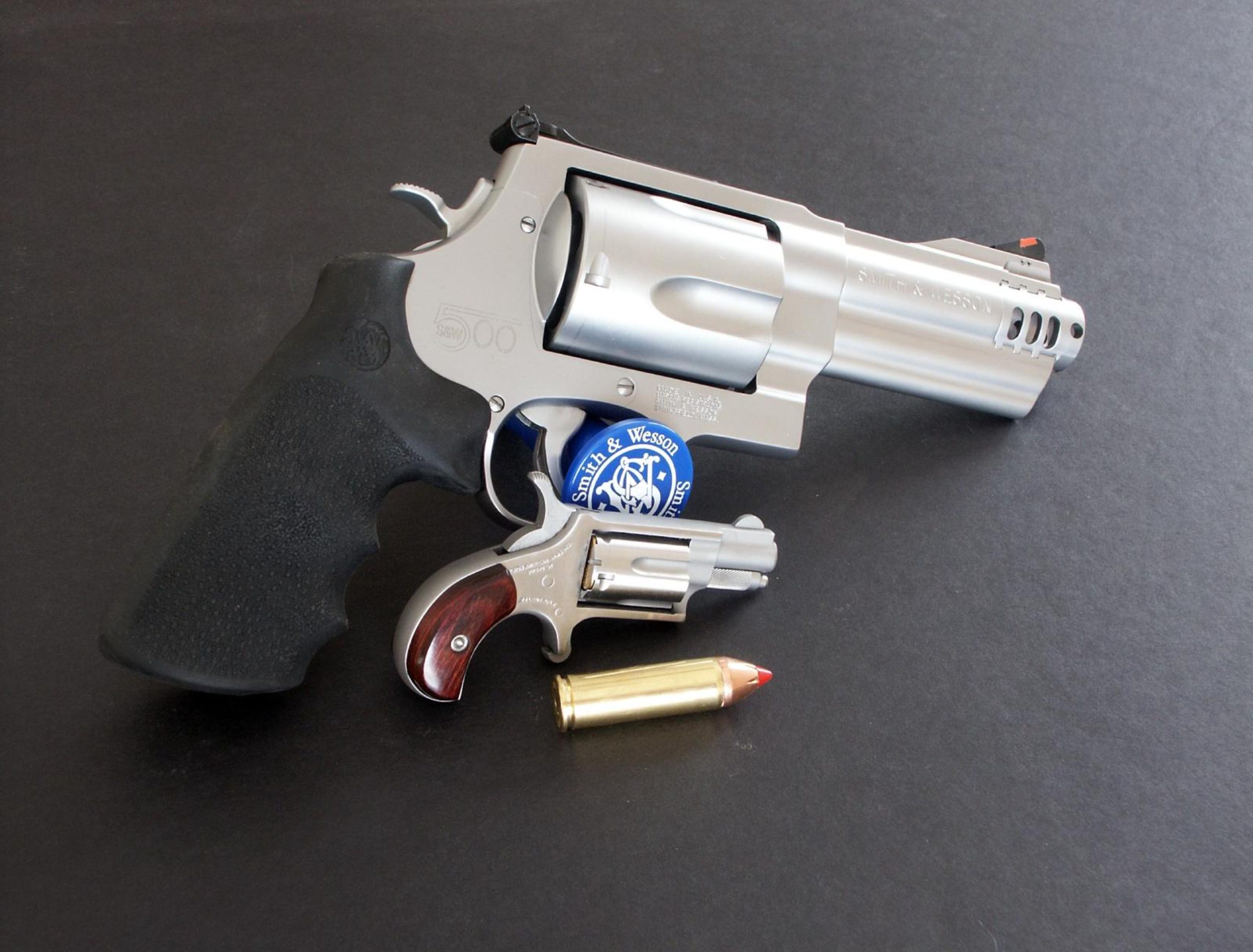
North American Arms mini revolvers are often carried as backup guns outdoors, but their limitations are severe. The tiny grip makes consistent control difficult, especially with cold or wet hands. The single-action operation is slow and impractical under stress. Reloading requires removing the cylinder, which is unrealistic outside controlled environments. Sights are minimal, making accurate aiming challenging beyond a few yards. While extremely compact, these revolvers sacrifice usability and effectiveness, leaving users with a gun that is more reassuring to carry than capable of use outdoors.
9. Smith & Wesson M&P 15-22
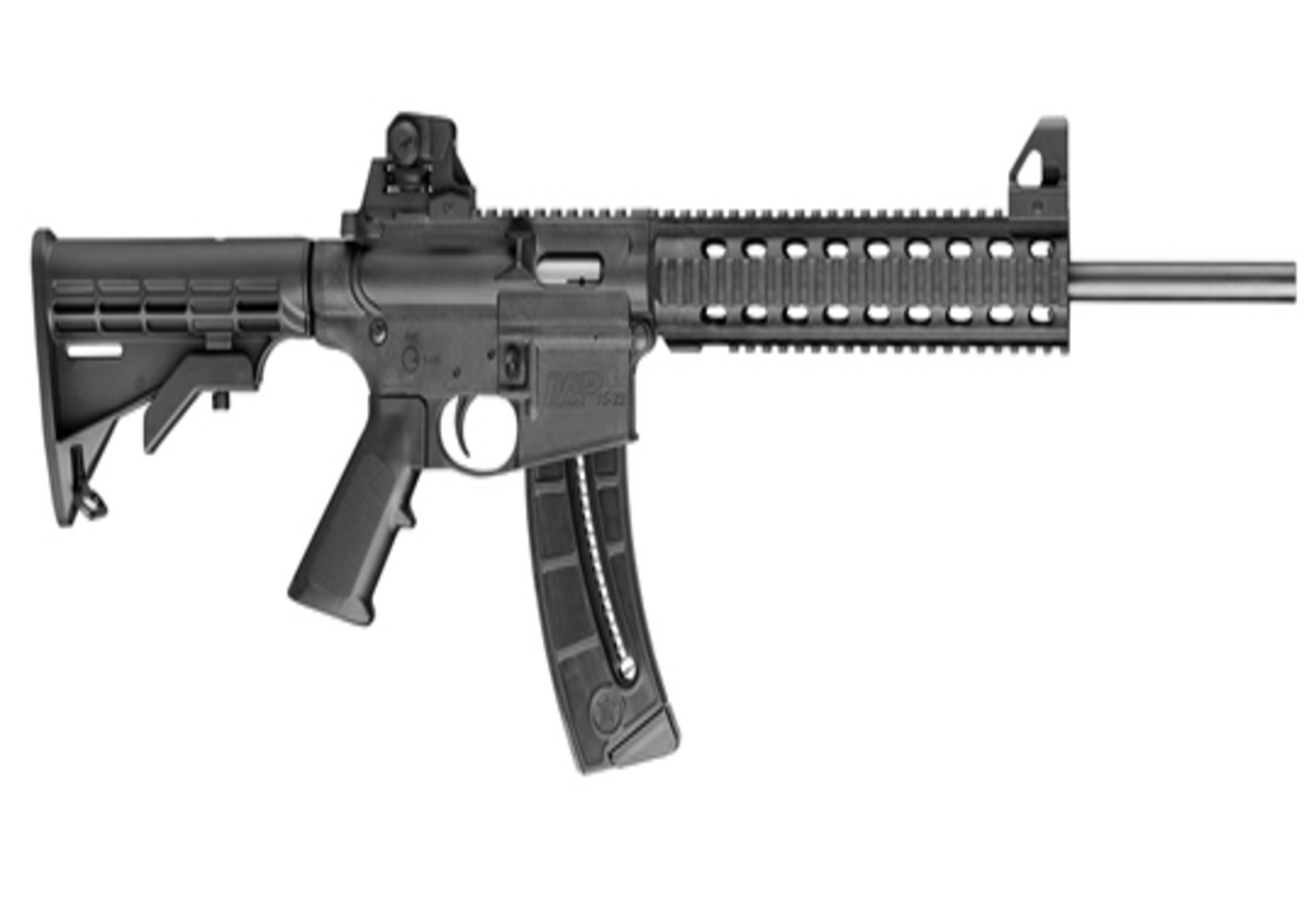
The Smith & Wesson M&P 15-22 is popular with outdoor shooters because it mimics a real AR while firing cheap .22 ammunition, but field use exposes its weaknesses. The polymer-heavy construction feels light yet lacks the durability needed for repeated outdoor abuse. The rifle is sensitive to dirt and carbon buildup, often experiencing feeding issues when not kept clean. Cold temperatures can stiffen internal components, affecting reliability. Accuracy drops at longer distances due to the lightweight barrel. While enjoyable for range fun, the M&P 15-22 requires more maintenance than most expect, making it unreliable for extended outdoor trips.
10. Ruger LCP
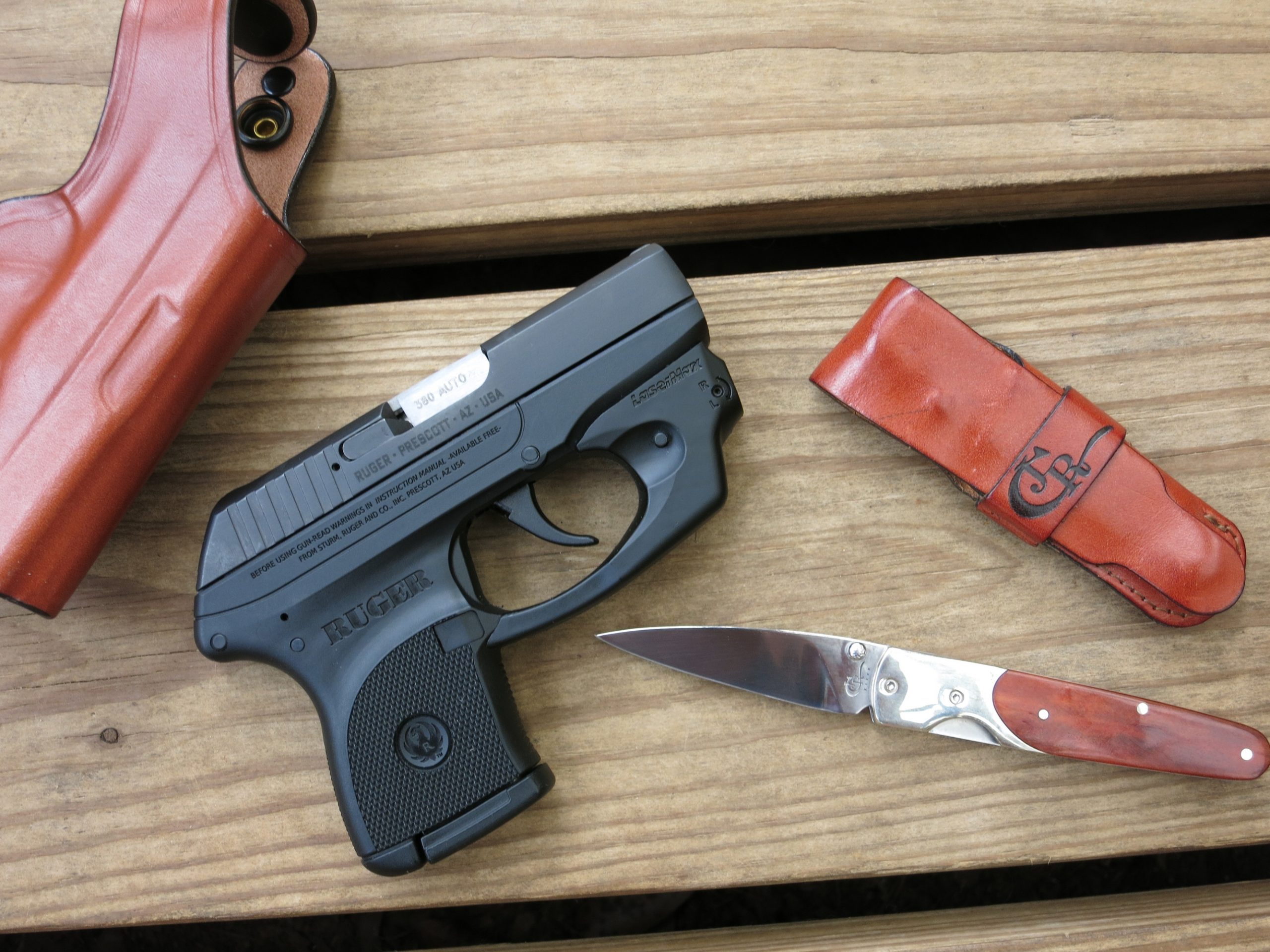
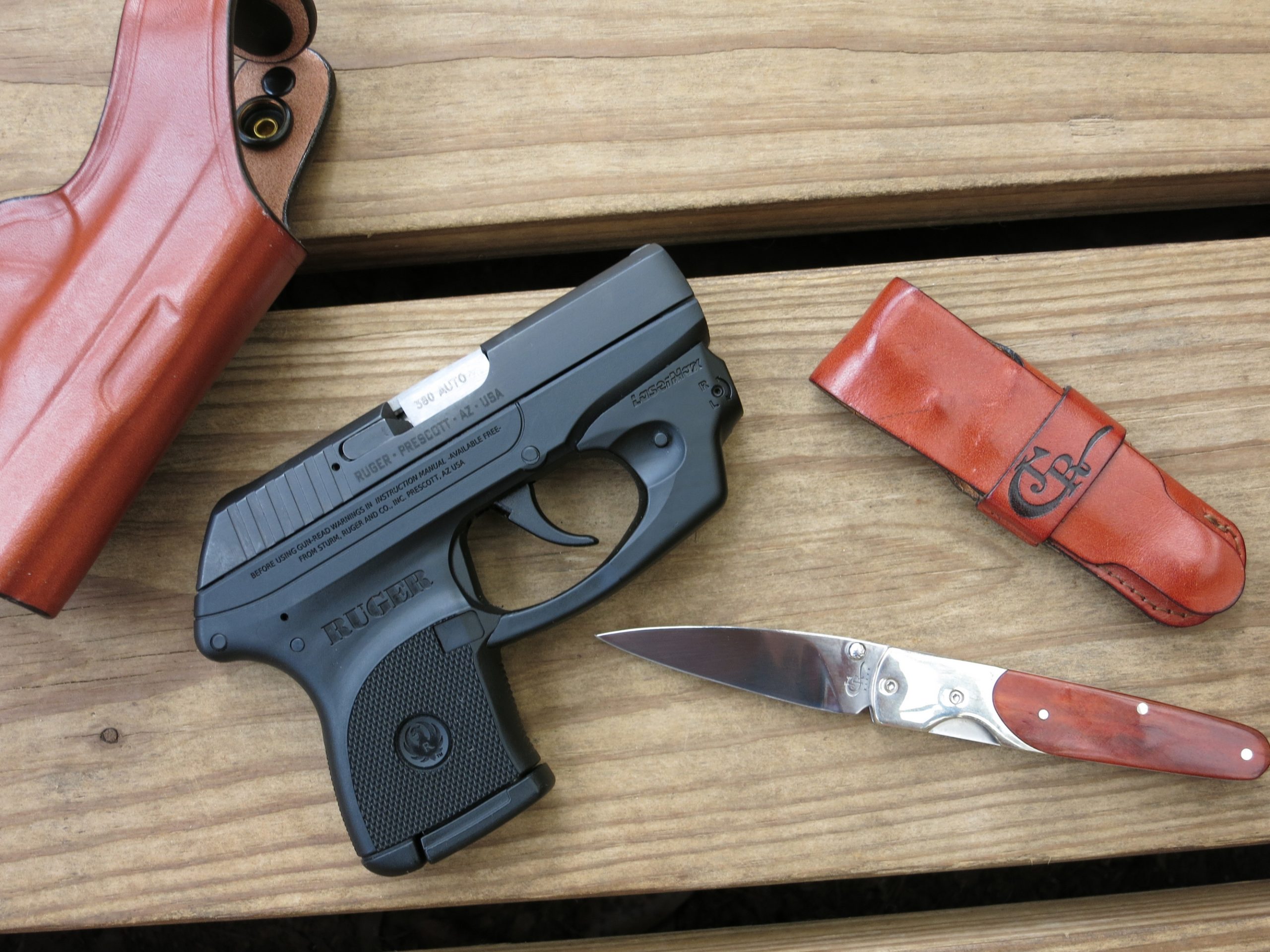
The Ruger LCP is frequently carried outdoors because of its tiny size and light weight, but those advantages disappear once real conditions are involved. The short grip and snappy recoil make controlled shooting difficult, especially with sweaty or cold hands. Minimal sights are nearly useless in low light or uneven terrain. The lightweight slide is sensitive to debris, and reliability can drop when exposed to dust or pocket lint during long outings. Accuracy is limited beyond very close range, reducing usefulness for pest control or defense. While convenient to carry, the LCP offers little confidence when precision and durability are required outdoors.